
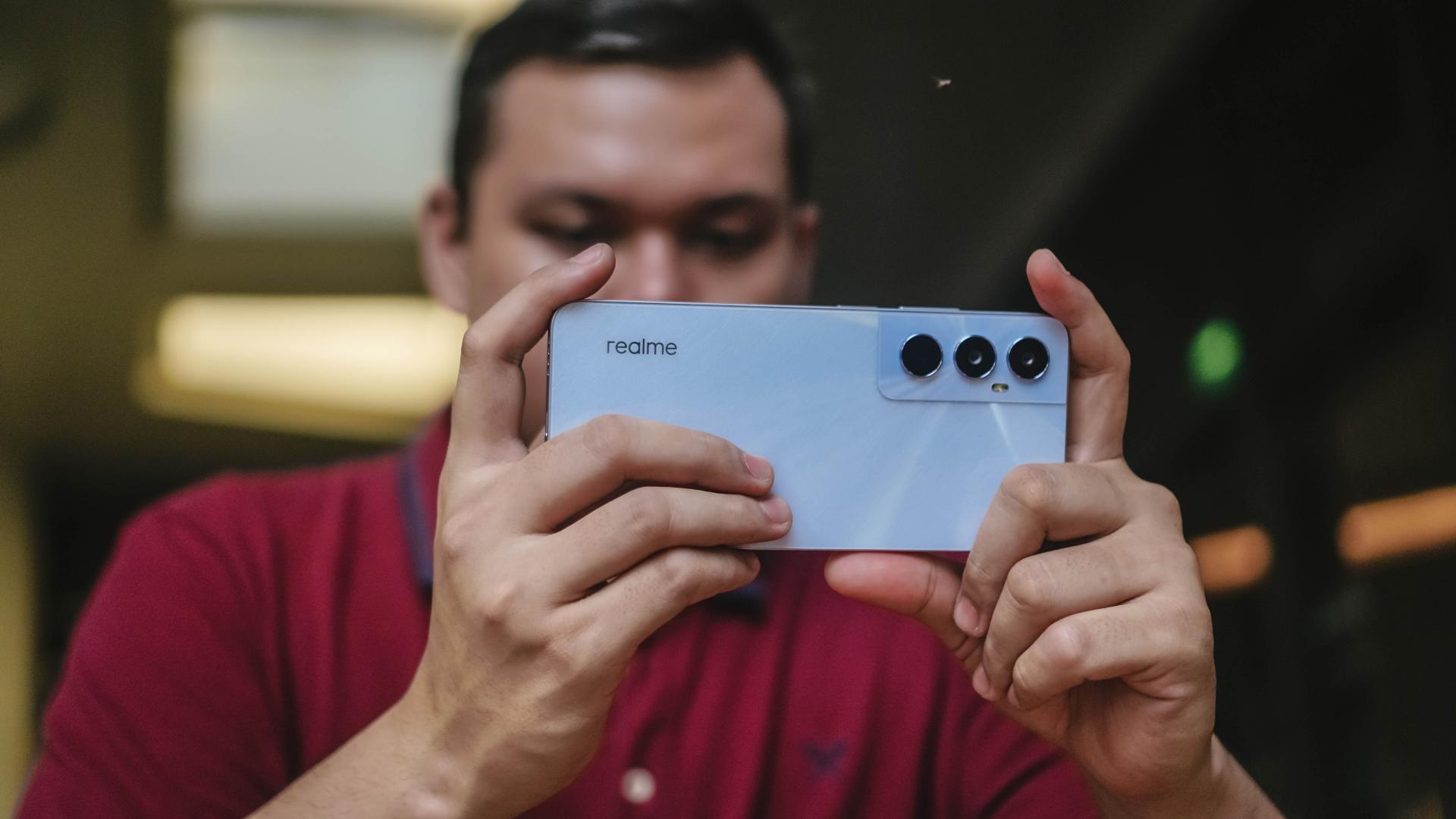


Before the realme GT 6 was launched, realme also introduced another smartphone earlier in June: the realme C65. It’s marketed simply as an all-around budget device with the fastest charging available for a phone in its price segment, along with enhancements.
The new offering has a regular retail price of PhP 9,999 and is available through any of the popular online shopping apps.
I’ll admit that my review process for the realme C65 got off to a rough start. There were just many “unsmooth” moments during usage. Nevertheless, I’ve used it for a good three weeks to exhaust its capabilities. So, here’s our breakdown.
realme C65 specs
- MediaTek Helio G85 processor, up to 2.0GHz
- 8GB RAM (plus 8GB virtual expansion)
- 256GB internal storage (expandable up to 2TB)
- Runs on realme UI 5.0 (Android 14)
- 6.67-inch IPS LCD display
- 90Hz refresh rate
- 50MP AI camera, 8MP selfie camera
- 5,000mAh battery
- 45W SUPERVOOC charge
Elsewhere, the realme C65 features the usual essentials expected for budget phone. There’s a fingerprint scanner, support for dual SIM (simultaneous) and memory card, and a 3.5mm jack. It is also IP54-rated.
Appearance, feel: So-so
realme just changed from the iPhone-looking triangular camera arrangement to a vertical linear arrangement reminiscent of the Samsung S series. The realme C65’s rear reminded us of the S21 series.

The unit we got was in Starlight Purple, which comes with a glittery and reflective back design. Generally speaking, I’m not a fan of such a look. It just makes the phone look like a cheap knockoff instead of something with its own identity. But that’s just me. Although, the Starlight Black has a matte finish. That more simplistic look is way more elegant.
On the positive side, it’s comfortable to grip and hold. The phone is only slightly thinner than its predecessors. It’s not slippery. It won’t fall either when on your lap.
Display: A downer
Moving on to its screen, the realme C65 has a 6.67-inch IPS LCD display. This has a lower resolution and peak brightness than the realme C67. It’s a downer. It’s challenging for users to see what’s on their screen when outside. When we tried to test this for navigation outdoors, we had to dial up the aperture to capture a decent photo of the screen.
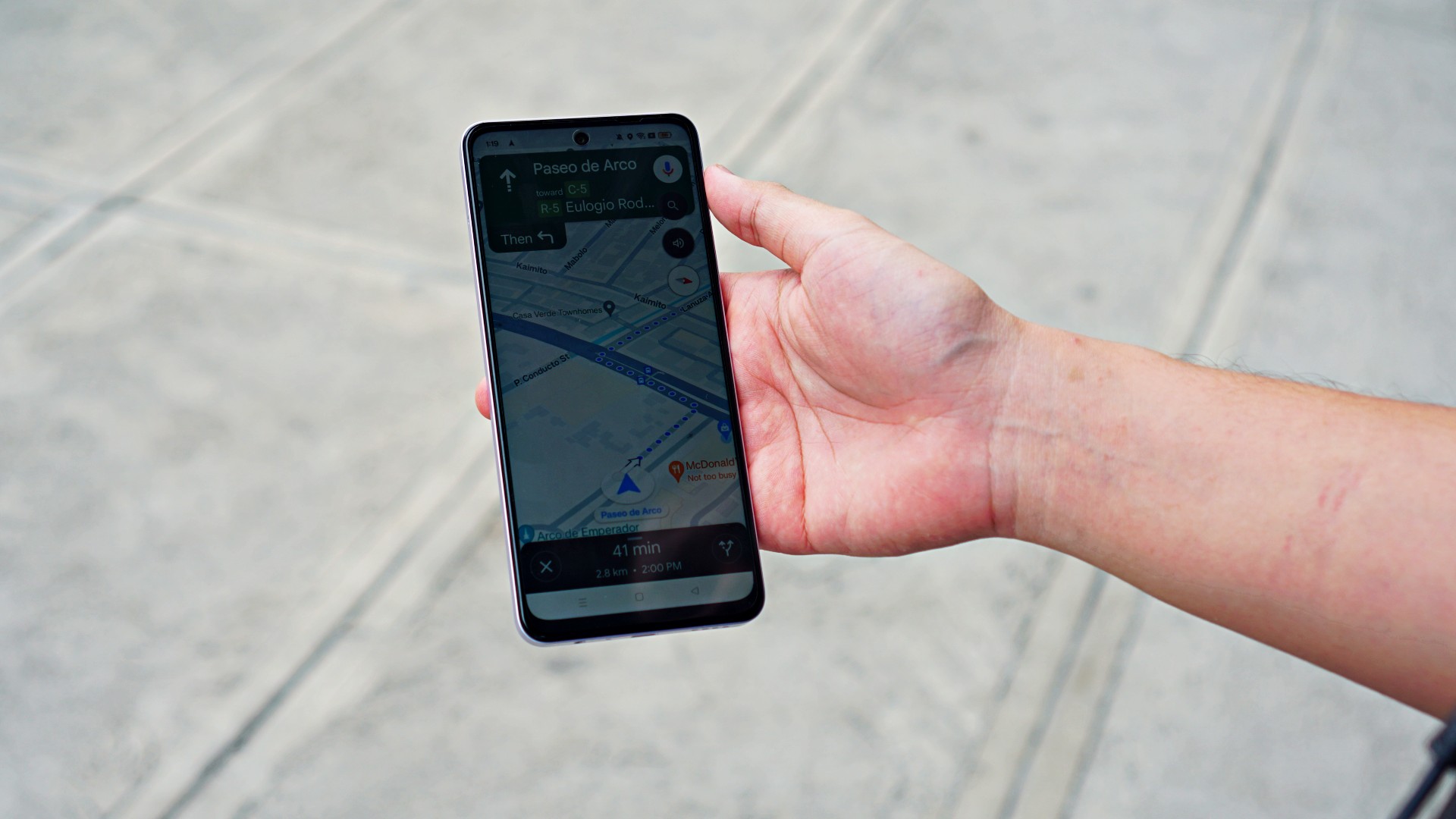
While it’s deeply noticed during simple browsing, the lower maximum resolution lessens the “immersive” feel when watching films, series, or sports. More on this when you reach the camera part of this review.

Elsewhere, there is a Waterproof Pouch mode which optimizes the screen’s touch response when there are droplets on the surface or when it’s in a Ziplock bag or equivalent.
It’s an advantage especially for delivery riders and other workers who need to stay outside and operate their phone even under inclement weather. Just mind the Pocket Mistouch Prevention feature.
Usage, performance: Not that smooth
A MediaTek Helio G85 processor powers the realme C65. On paper, it’s a decent SoC for gaming, especially for the budget category. The device runs on the Android 14-based realme UI 5.0 as well.
There aren’t much significant changes in the interface, except for the brightness and volume sliders that are now in a vertical appearance on the upper right. It’s neat and simple, overall.

But for all its added features and other AI-related enhancements, I sadly cannot confidently proclaim that the performance was smooth overall. For the record, this device has a maximum processing power of 2.0GHz, which is lower than the realme C67’s 2.8GHz.
There were just substantial instances where the phone was unresponsive to touches, or had a delayed response to it. Switching from one app to the other or navigating on the home screen are generally alright, but there were delays too. There are other devices where the impact is more immediate to the naked eye.

Furthermore, when watching, I had to settle for 720p oftentimes to avoid significant lagging. There were moments were the screen just froze. It’s quite disappointing since it had AI Boost, which is said to reduce problems and ensure smooth performance.
45W fast charging: Life-saver
During my time with the phone, I usually switched between playing games, streaming sports and other content, and social media browsing. It can easily last a full day on moderate usage. It won’t drain right away, which is a plus for users who are working or constantly on the move.

Should you need to juice up, the 45W SUPERVOOC charge comes in handy. It’s easily the device’s best standout feature. First introduced on the realme 12 5G, that charging capability is the fastest in the segment.
In my experience, the charger replenished 30% battery or more in half an hour. So if you need a quick recharge at, say, a coffee shop, it will give you enough power to finish your day without having to be disconnected.

Decent for gaming
The realme C65 has a dedicated Hyperboost Game Engine which automatically activates to optimize the device’s performance when you open titles. This Engine also lets you toggle other settings and select Pro Gamer Mode for better performance.

I had no major issues playing simple strategy games like Clash Royale and Plants vs. Zombies or racing titles like Need for Speed: No Limits. But due to its inferior display, the graphics on the latter kind of look pixelated on the car’s edges. Performance-wise, it held up nicely. There were just a few frame drop moments.
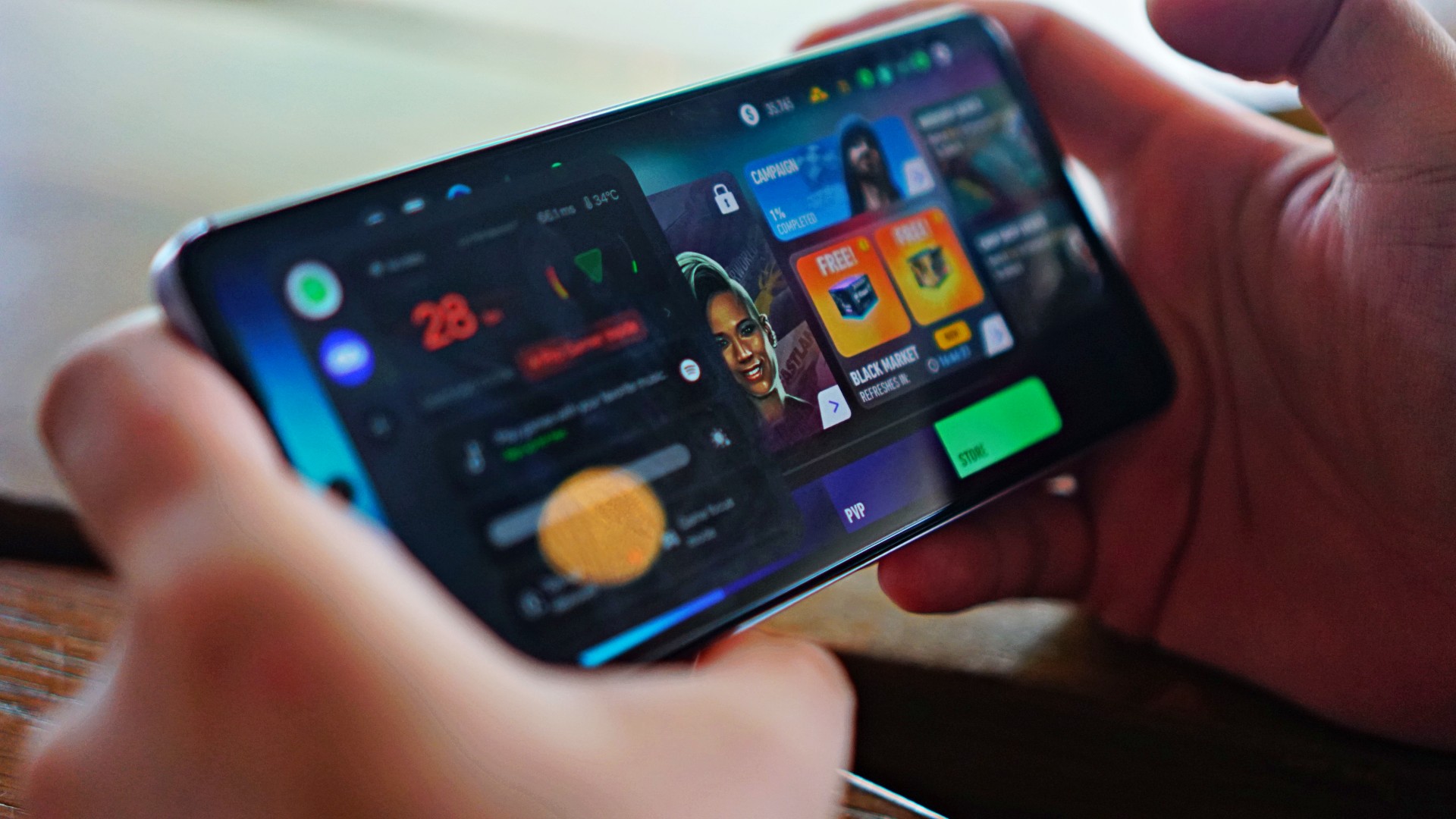
When it came to the more demanding titles like Mobile Legends: Bang Bang and Genshin Impact, I experienced more problems. Ultimately, I had to settle for medium graphics settings to ensure stable usage. It’s best to keep your gaming sessions on this handset at under an hour. Just in moderation.
Immersive sound
If there’s another standout, it’s the phone’s speakers. When indoors, you’ll need it just set to 20% or 30% and it will already give you a loud and punchy sound. I can’t think of a better timing for the realme C65’s release. Since it’s already rainy season in the country, it’s good to have a phone with capable speakers.

When it’s raining, you can just increase the content’s volume. Of course, don’t forget to mind other people and be courteous.
Camera: Just alright, needs improvements
At first, I thought the realme C65’s camera was a huge letdown. However, I realized it was the display’s low 264 pixel density compared to the previous realme C67 which had an impressive 392. It’s bothersome that what you’ll see on the viewfinder in real-time is a watered-down version of the actual shot to be taken.

Anyway, the device’s 50MP AI main camera produces decent results, albeit it takes a few seconds for them to process after the shutter has been tapped. The images have accurate colors, provided the ideal lighting conditions. Portrait mode works fine for people, but not for other subjects. Nevertheless, the transition between focused and blurred parts looks neat and natural.
Sample photos, for your perusal.




Detail loss starts beyond 2x zoom, which is quite expected.

I also noticed that shots somehow darken the subject’s hue compared to what is seen with the naked eye.

Without a dedicated macro lens, close-up shots also take a while for users to focus properly and achieve the ideal result.

Moreover, the selfie camera is hit and miss.

Outdoors, it captures what you see on the preview screen as it is, with some smoothness.
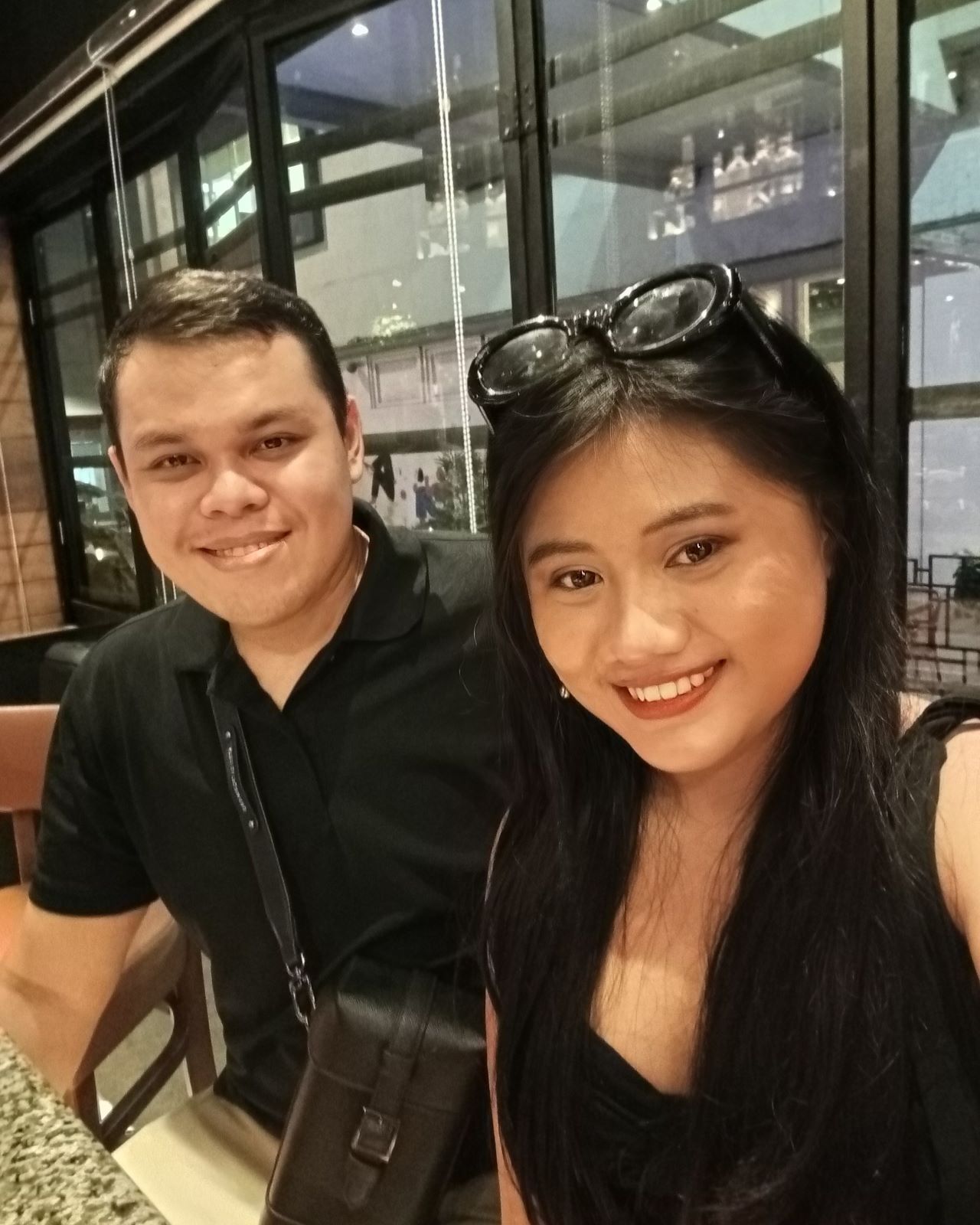
Indoors, the results are either darker or noisier.
When there is a different-colored light source, it affects your face’s skin tone, since the phone doesn’t have advanced tech to mitigate this. This is the same case for the main camera.

Captures may be oversaturated when there is warm light. Only filters and post-processing shall help.

I’m not a fan of night mode either. The shutter will open for 2.8 seconds to absorb what’s in front. You have to be absolutely steady. But shots are already grainy, smudgy, and noisy. They’re also a lot warmer. You will need a lot of tinkering, which can be a turn-off if just want to point and shoot.

I preferred taking low-light photos with the main shooter, although the results look as if they were taken from a budget phone from 2015: not enough light absorption and details lost in the dark.



All things considered, this camera will let you record memories like sceneries, food, and simple everyday captures, on top of just documentation. Just temper your expectations. Cameras on mid-rangers are simply better.
Is this your BudgetMatch?
For its price point, the realme C65 does bring a lot to the table. However, when you compare it to the realme C67, which is still in the market and has the same price tag, or the realme 12 5G, which can offer more for just a little more cash, this phone wouldn’t be the first option you’d think of.

The camera and display just don’t go together, and it’s a major letdown. If the realme C65 had an AMOLED screen with better pixel density and maximum resolution, I wouldn’t have complained even if it came with a slightly higher price tag.
All in all, the realme C65 isn’t a mediocre device, but it isn’t extraordinary either. When it comes to budget phones, always think about whether they can provide the essential functions and features at an excellent level. Everything else is just extra. The realme C65 gives you some useful features, not worth its asking price.







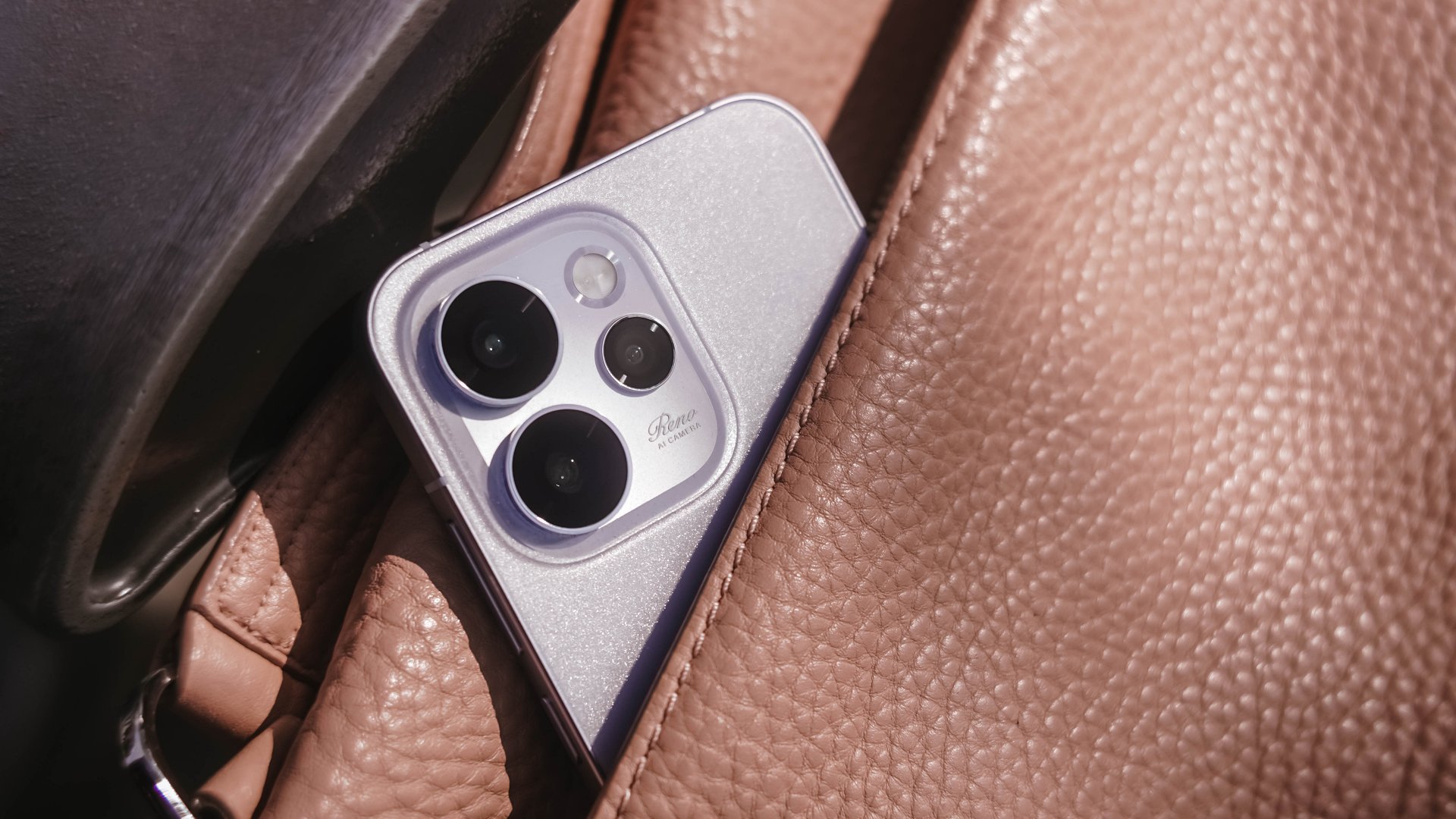
As GadgetMatch’s Creative Producer for 7+ years, I’ve had my fair share of review phones with me.
However, as I stated in my recent Reno15 Pro First Look, this is only my second time handling OPPO’s midranger.
Being the team’s full-fledged ~camera guy~, it’s the best time to shoot with this smartphone. Now, here’s my Camera Review of the all-new OPPO Reno15 Pro.
Hocus Focus
First in focus is none other than the Reno15 Pro’s main (1x) shooter. On paper, this has the biggest gap between the vanilla and Pro variants of the Reno15 series.
| OPPO Reno15 Pro | OPPO Reno15 | |
| Wide | 200MP f/1.8 1/1.56” Samsung ISOCELL HP5 sensor |
50MP f/1.8 1/1.95” Sony LYT-600 sensor |
| Ultra-Wide | 50MP f/2.0 116º FoV GalaxyCore GC50F6 |
8MP f/2.2 116º FoV OmniVision OV08D |
| Telephoto | 50MP f/2.8 1/2.75” Samsung ISOCELL JN5 sensor |
50MP f/2.8 1/2.75” Samsung ISOCELL JN5 sensor |
| Selfie | 50MP f/2.0 1/2.75” Samsung ISOCELL JN5 sensor |
50MP f/2.0 1/2.75” Samsung ISOCELL JN5 sensor |

That 200MP main camera not only has a larger megapixel count, but it also has a bigger sensor size, compared to what the base Reno15 has.
Right off the bat, the Reno15 Pro already serves with its superior image quality.
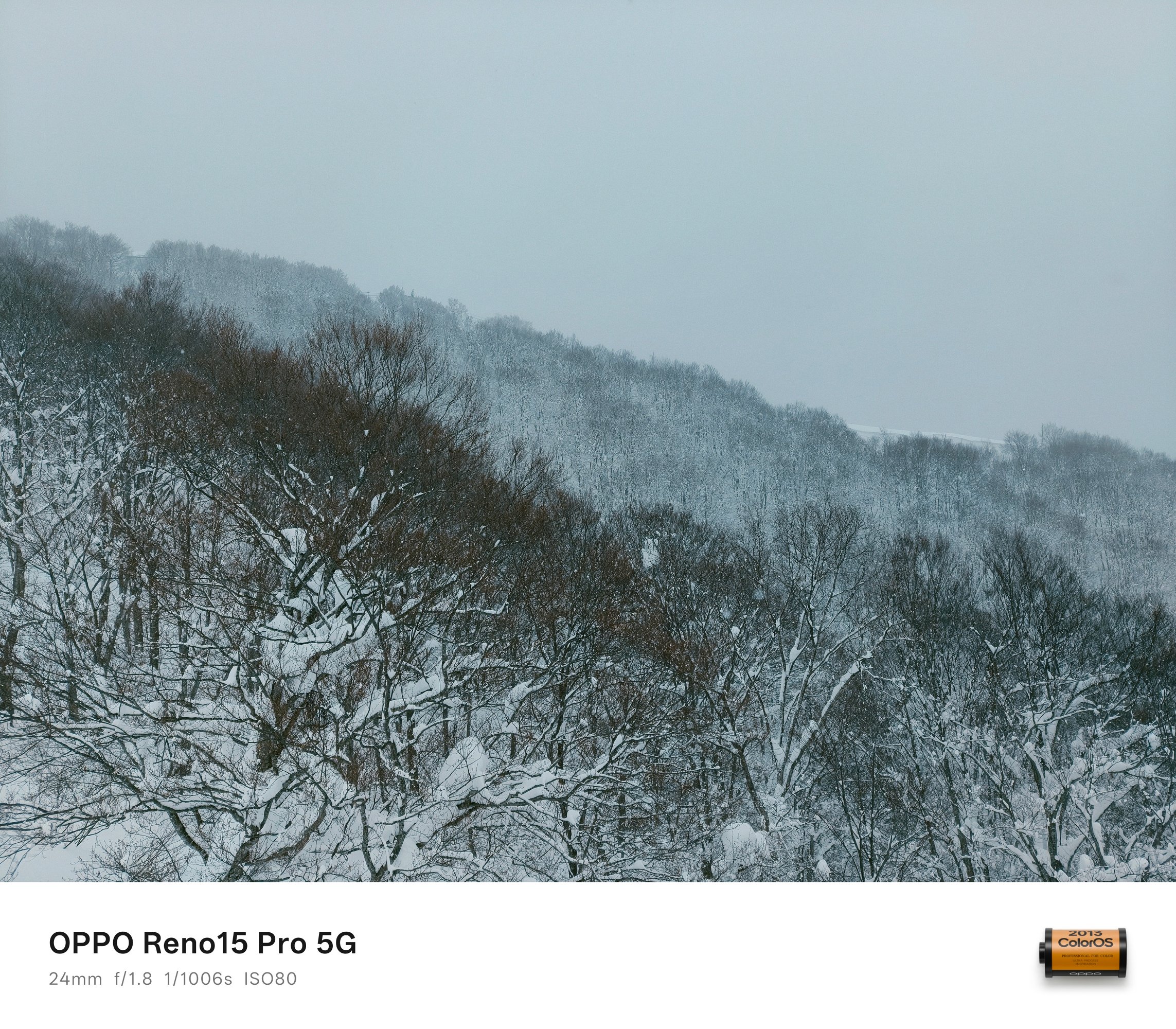
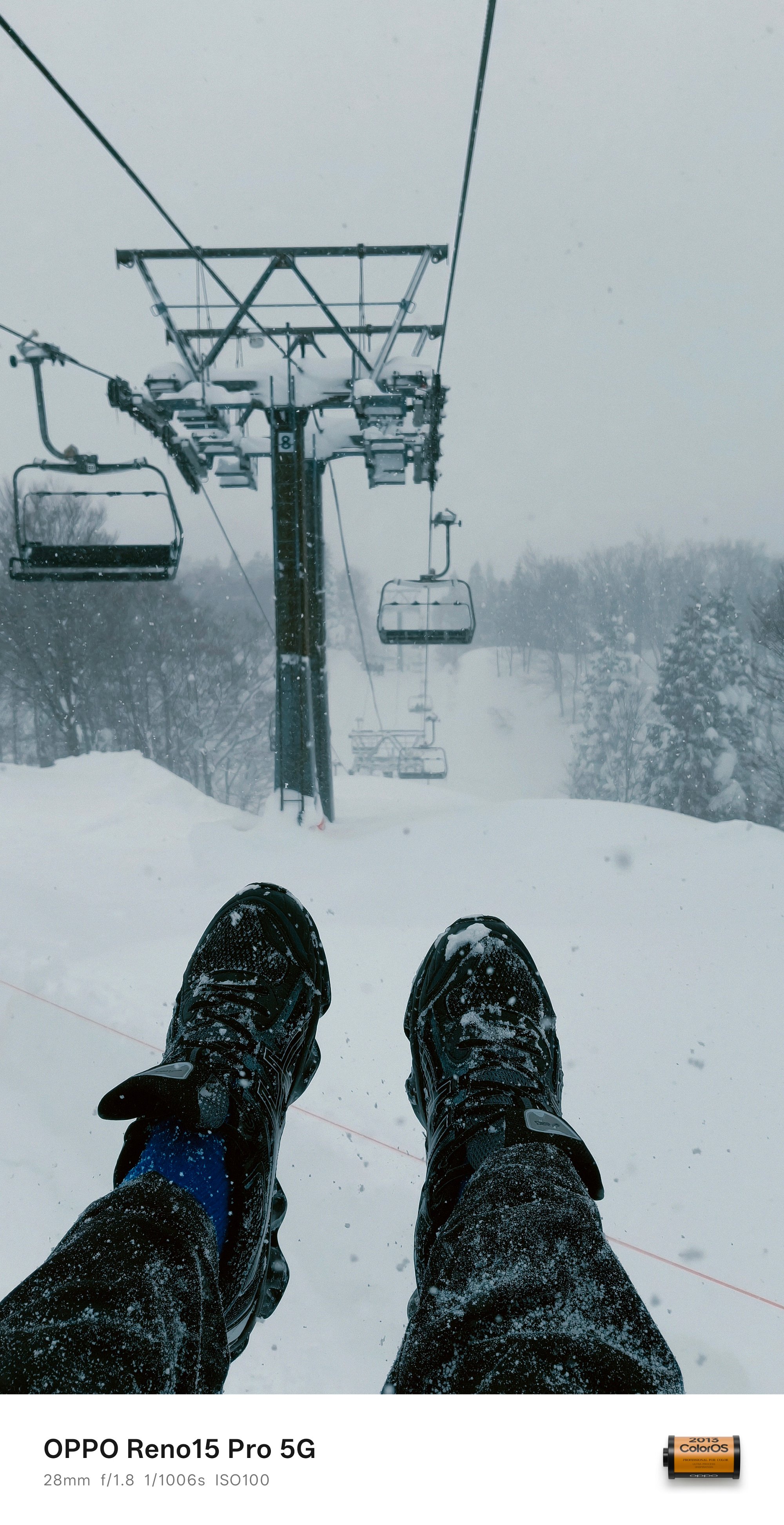
While color output is and will always be preferential, I prefer how the Reno15 Pro doesn’t produce photos that are looking too flat — with the fair share of balance in highlights, shadows, and contrast.




HDR scenes weren’t forgotten as well. There’s a good mix of everything in between despite capturing them against that harsh sunlight behind.


And before I forget, I just want to commend how fast the shutter response time is. Personally, I don’t use burst shooting and only relies on how fast my finger reflexes are when taking photos as fast as possible.
Good thing, the OPPO Reno15 Pro managed to capture this breezing train with ease.
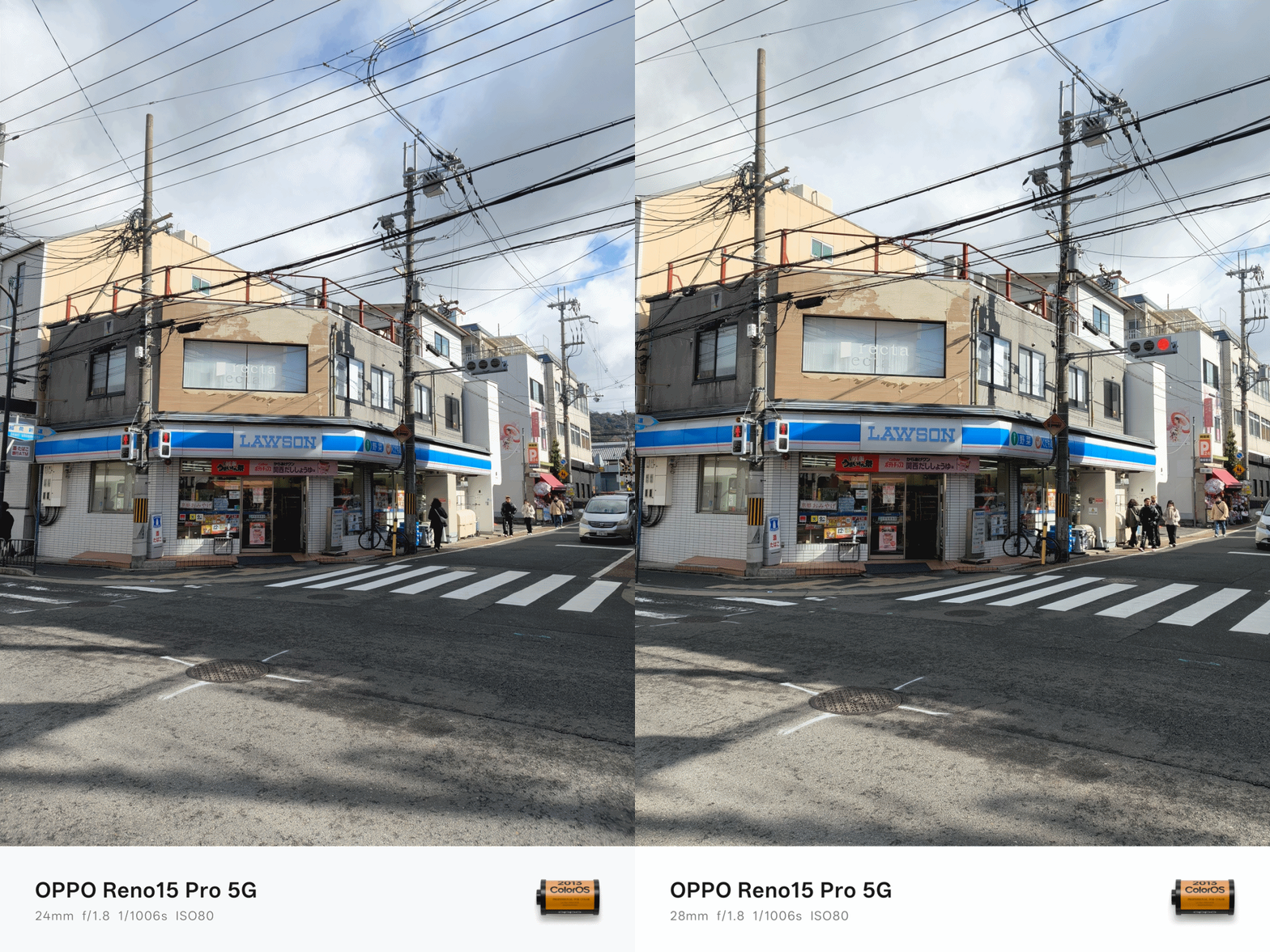

The ability to switch between 24mm, 28mm, and 35mm is also a great feature flexibility especially for users who want to frame their shots properly.
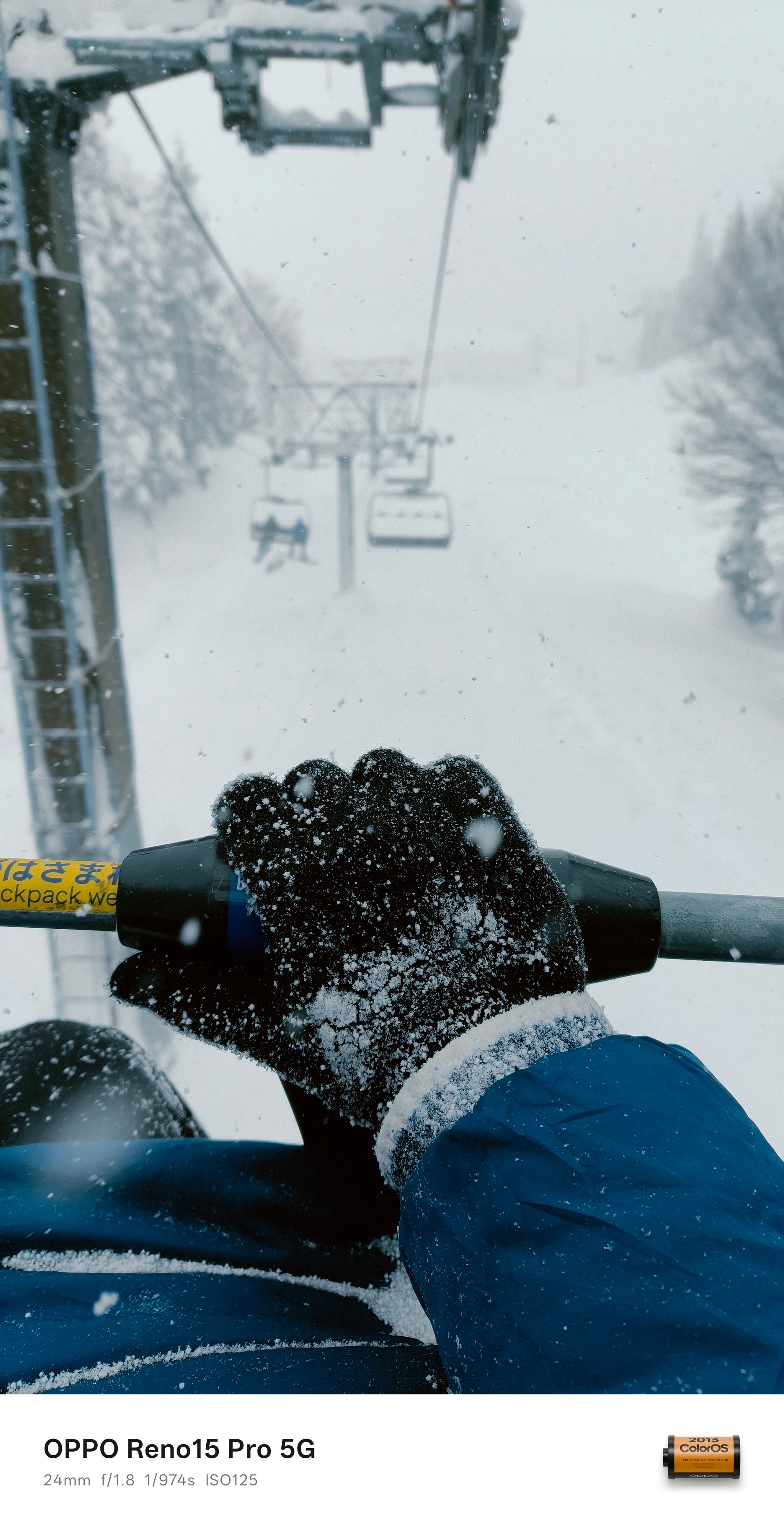
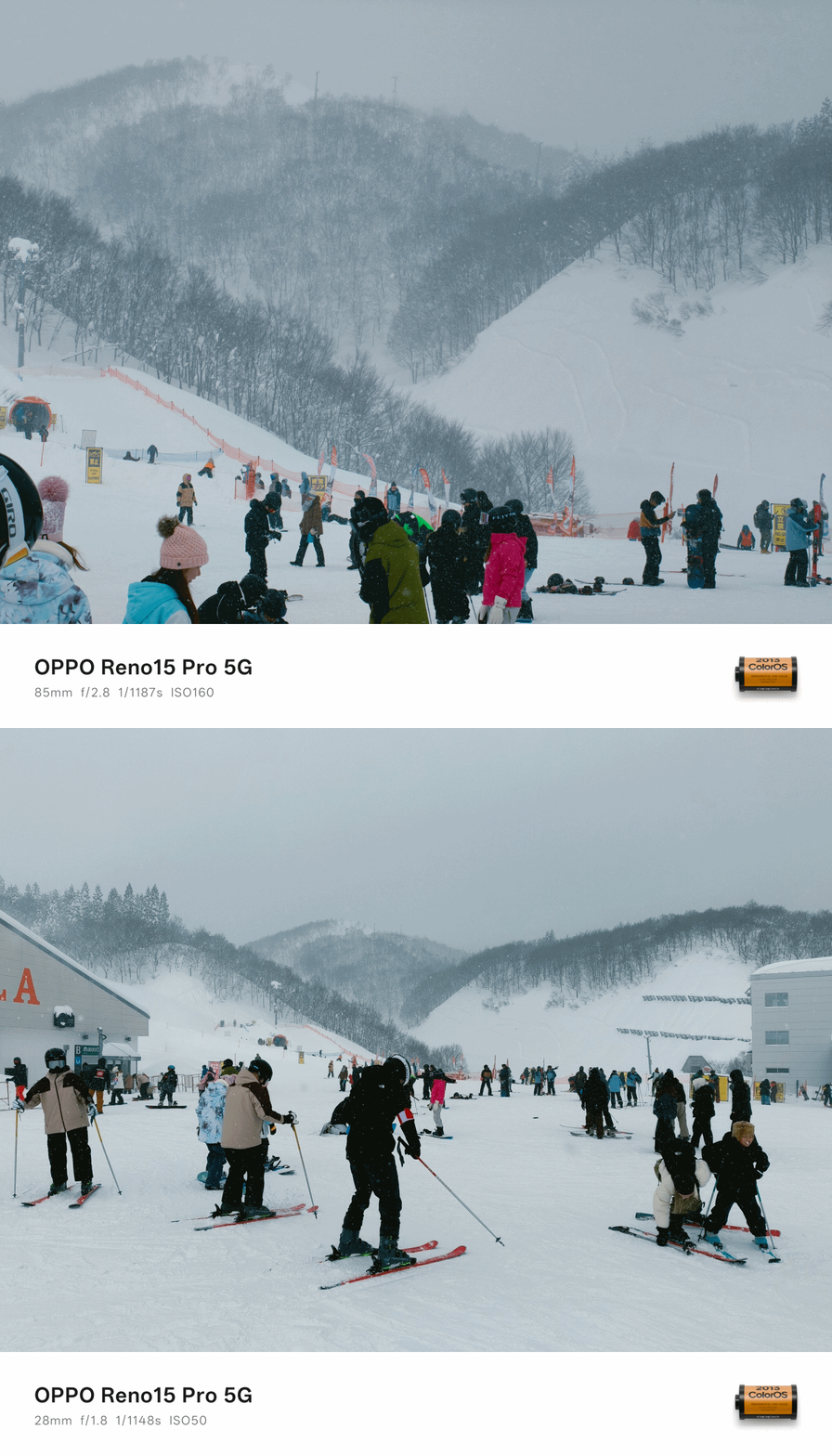
BONUS #1: It also captured my first snow fall experience in Osaka ❄️

Wider than wide
Usually, ultra-wide cameras are something that’s left behind among midrange phones. The case isn’t the same for the Reno15 Pro.
Although I cannot provide any comparison sample, that 50MP sensor obviously has the upper-hand versus the 8MP shooter found on the base Reno15.

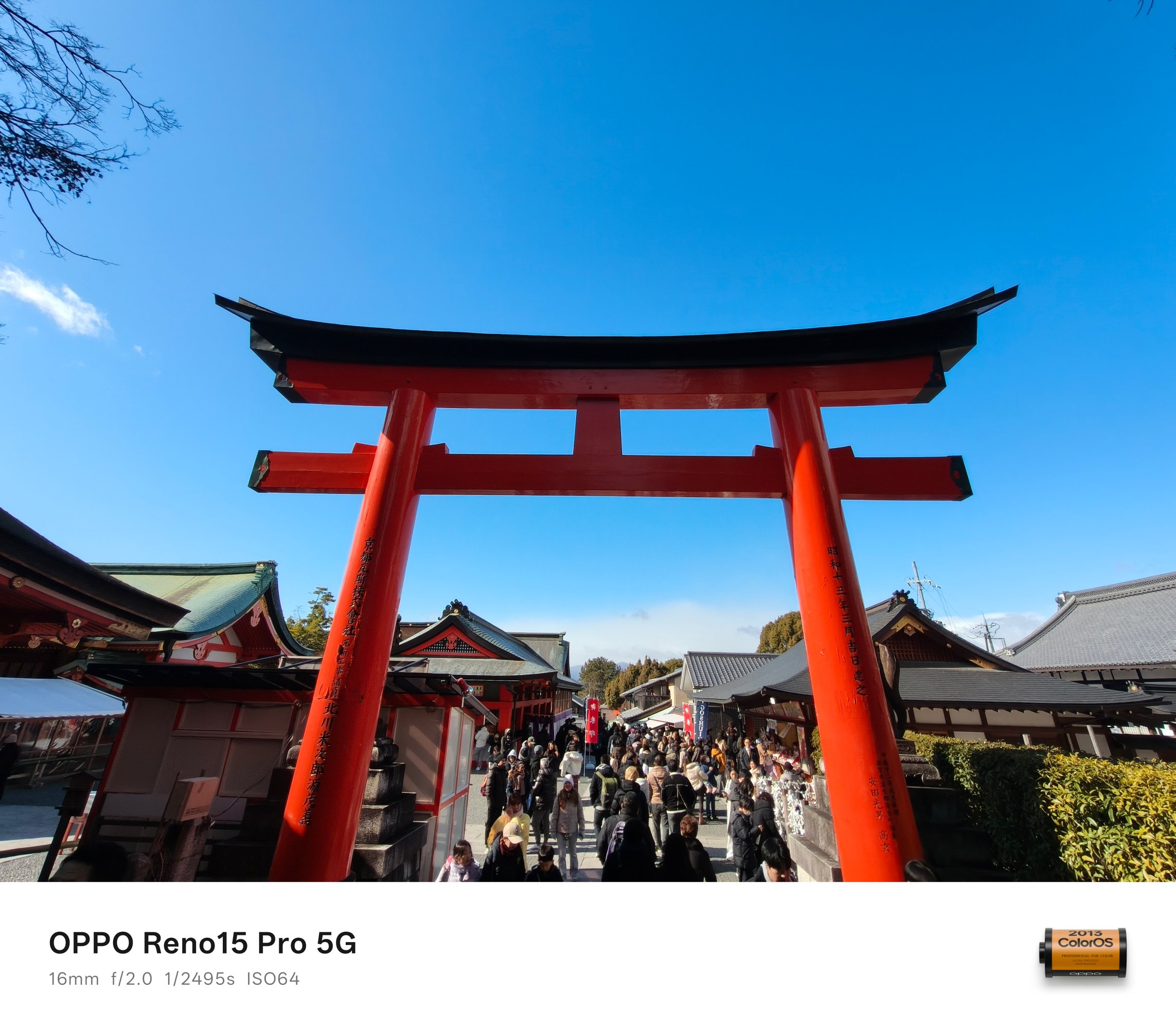
Shots taken in the UWA (Ultra-Wide Angle) mode look crisp and clear, no questions asked.
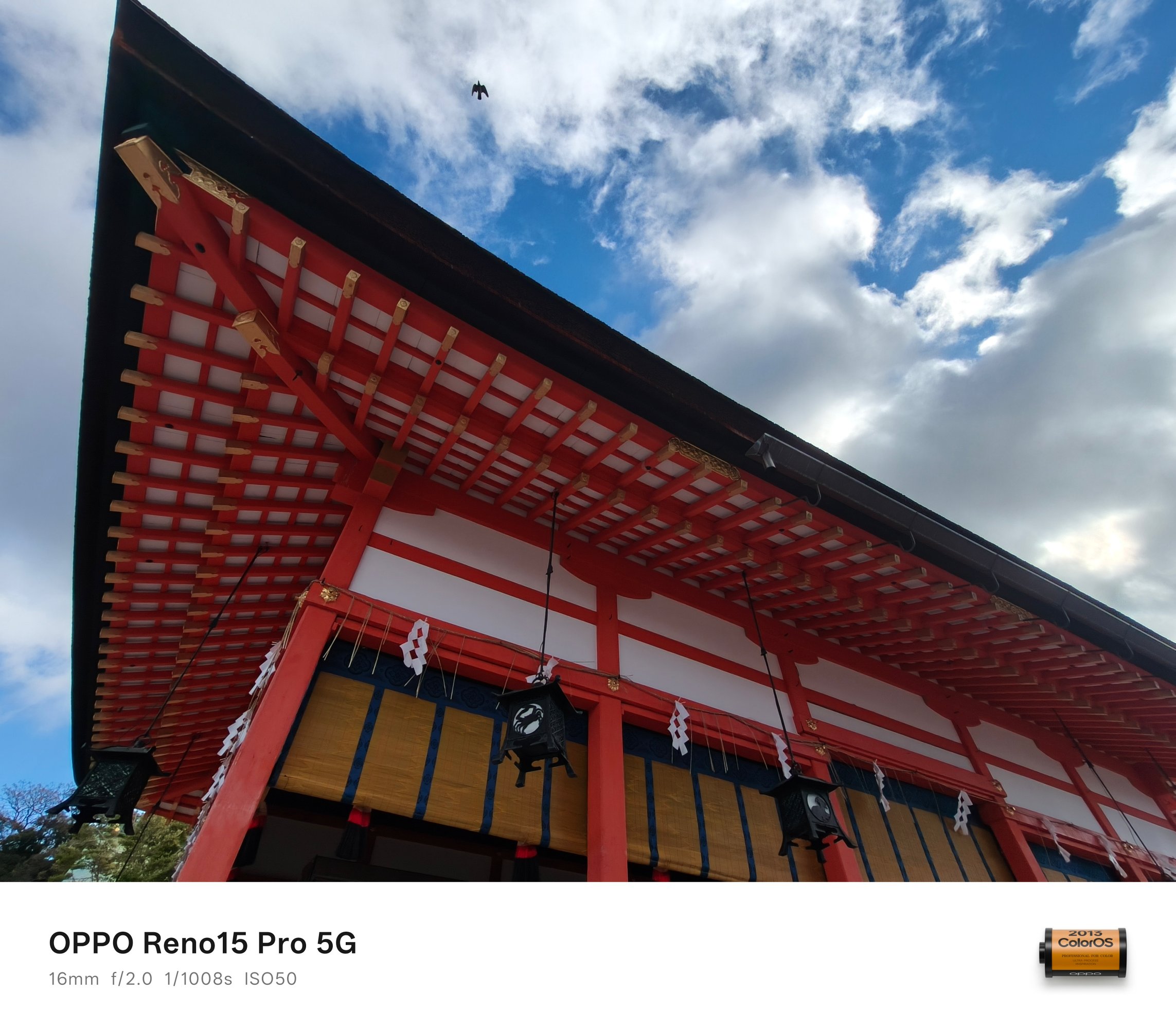
It even managed to snap that flying bird above like a fictional time freeze phenomenon.


That 118-degree FoV squeezes in more details in the frame that cannot be captured by the regular 1x wide camera — unless you physically back off meters away from the subject.
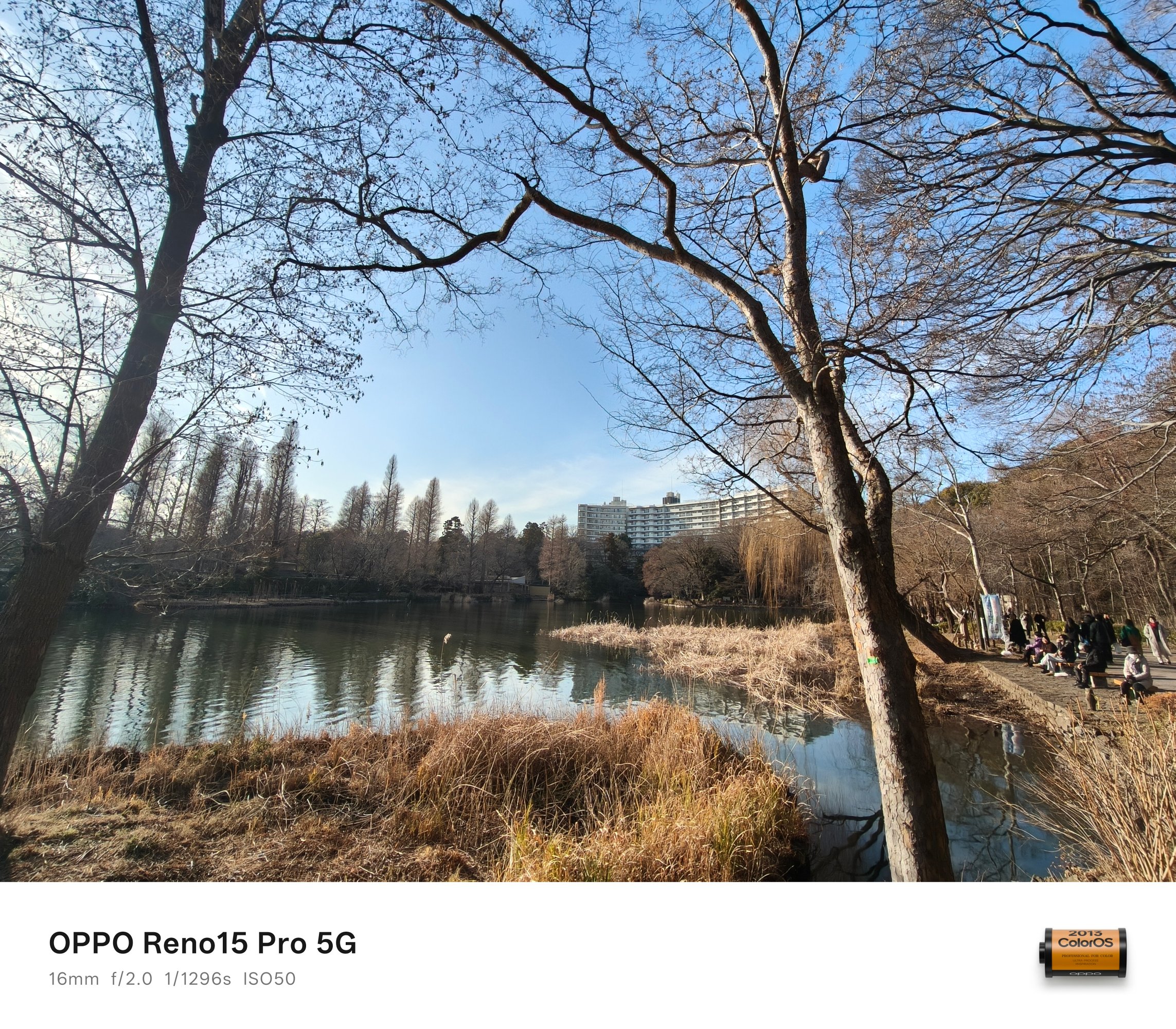

In certain scenarios where cropping in is required, that larger megapixel count means it has gathered more image data — especially in restricting environments.
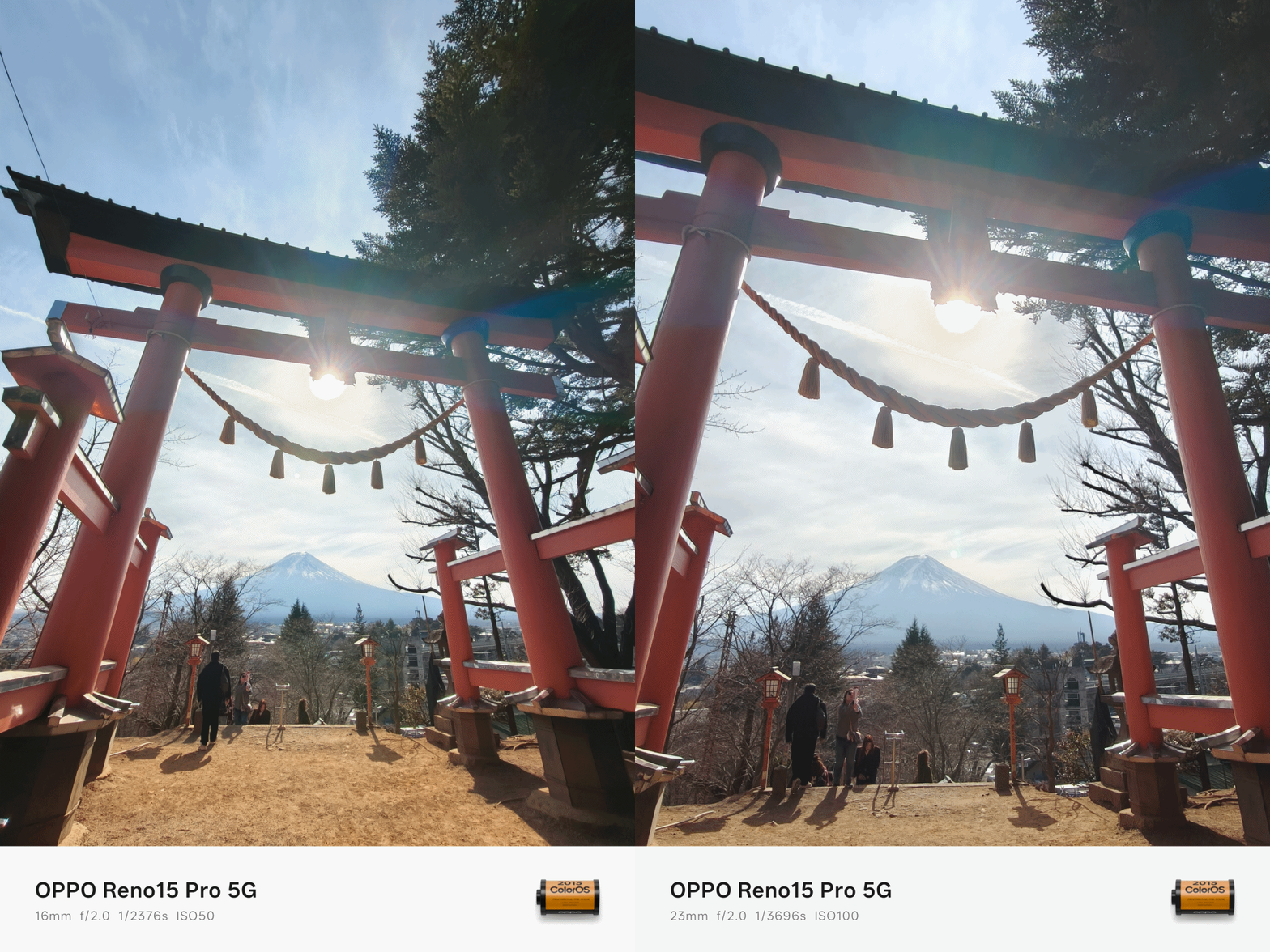


The Zoom Boom
If you’re coming from last year’s Reno, that 3.5x zoom shooter still remains.
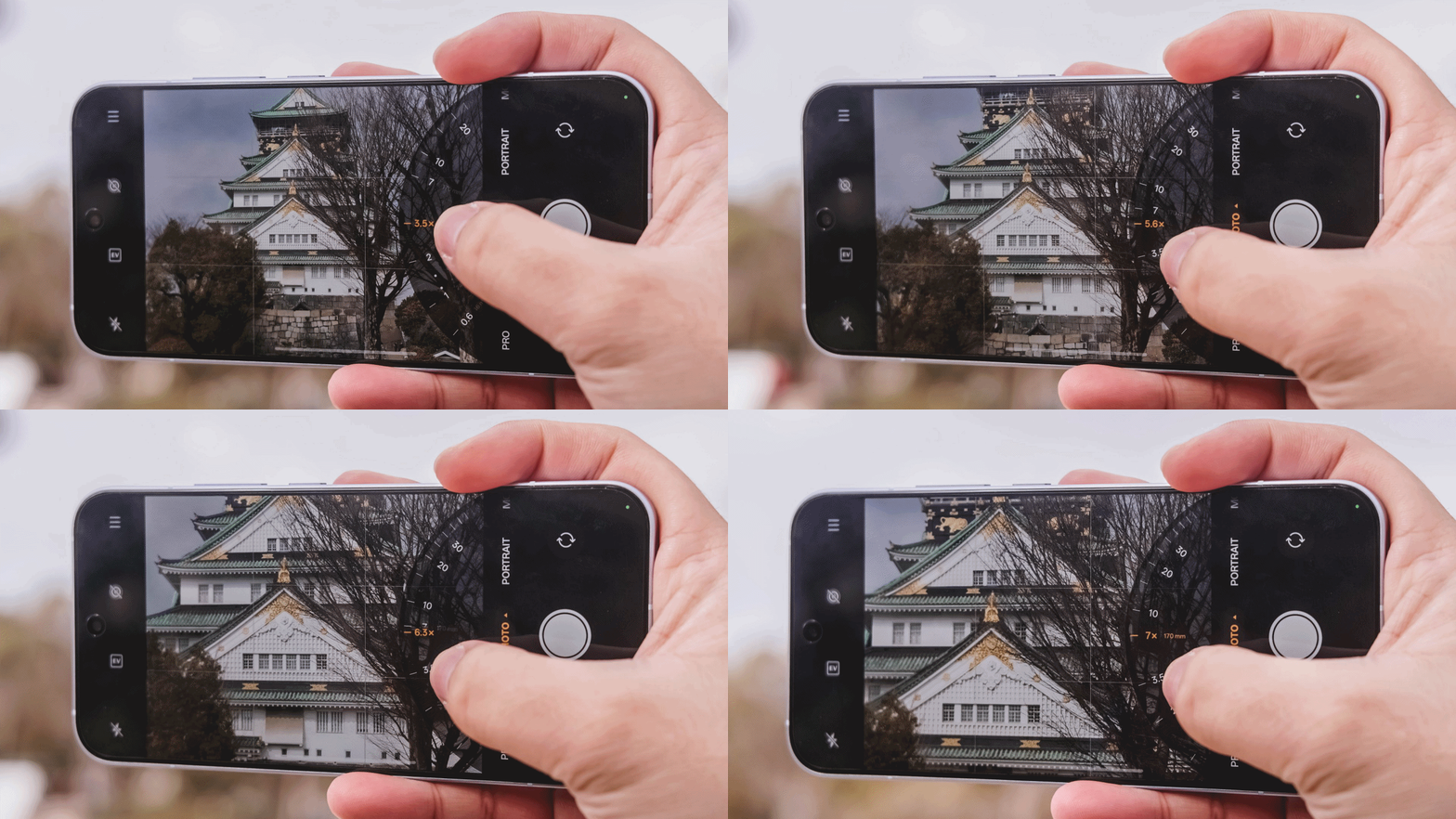
Albeit, from a periscope module, it was returned to a telephoto one (like what’s equipped in the Reno13 Pro). I’m quite unsure how massive or measly that change brings to the table.
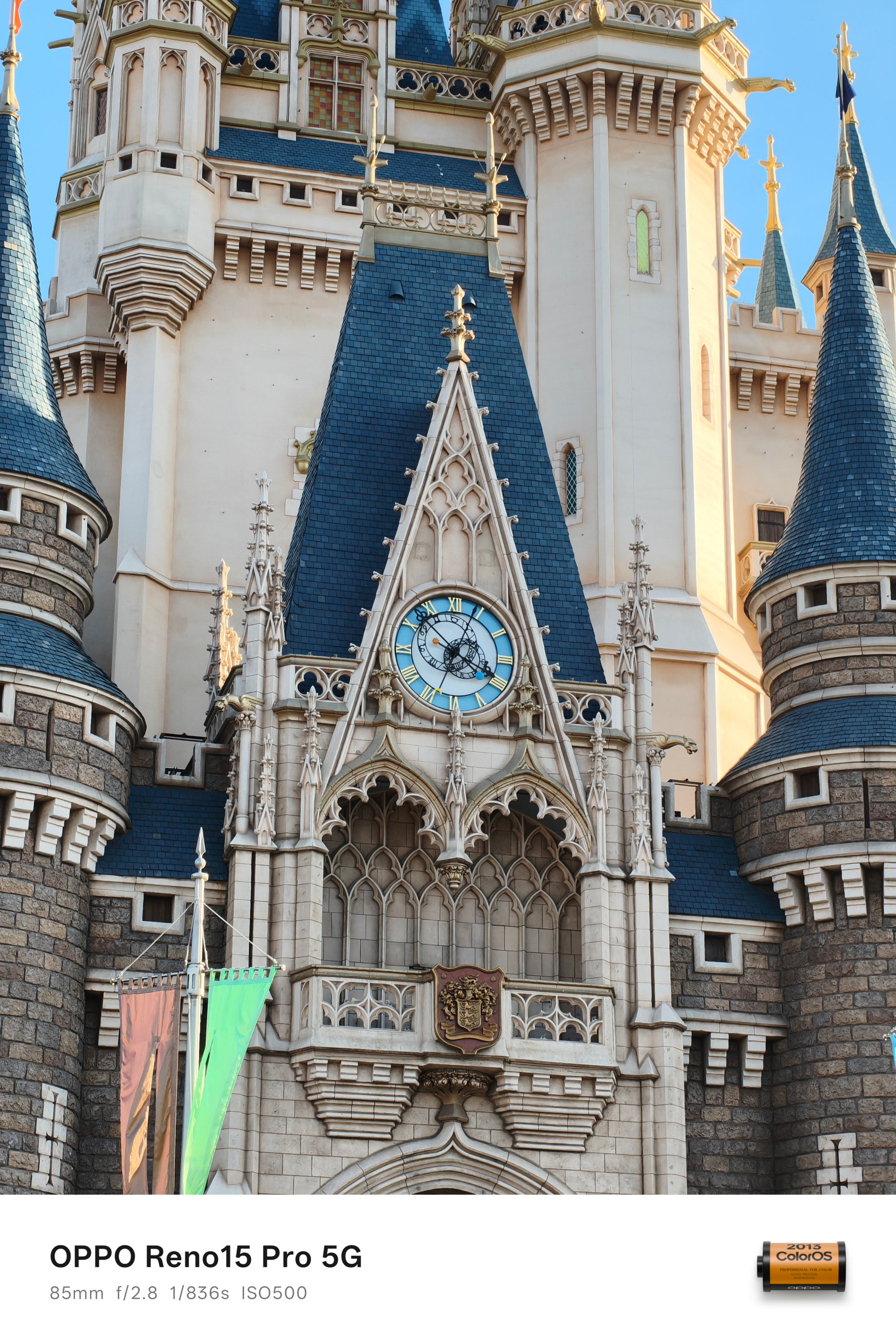
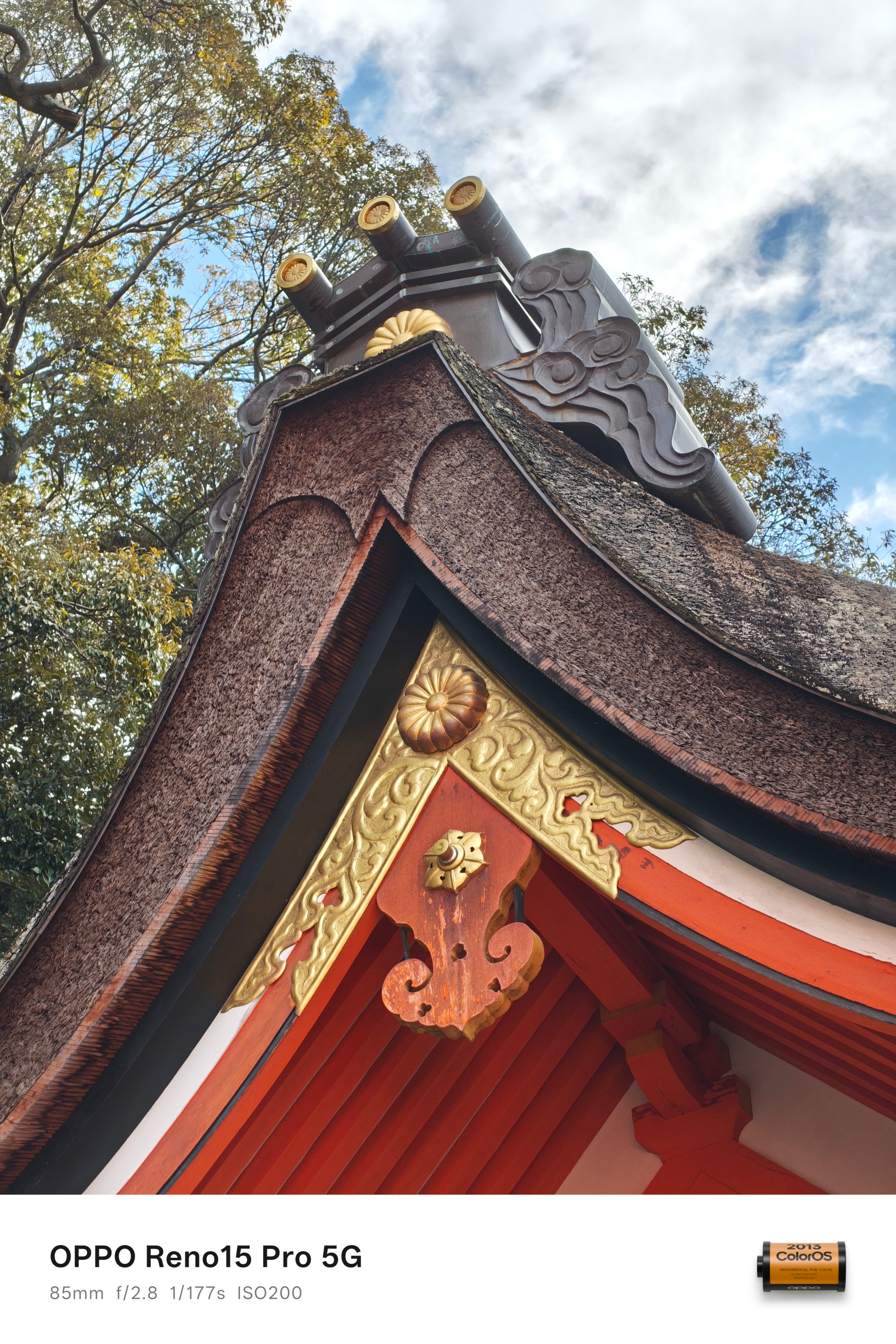
And even if that 200MP can bring 2x zoom shots through in-sensor cropping, having a dedicated telephoto lens means clearer shots from afar.
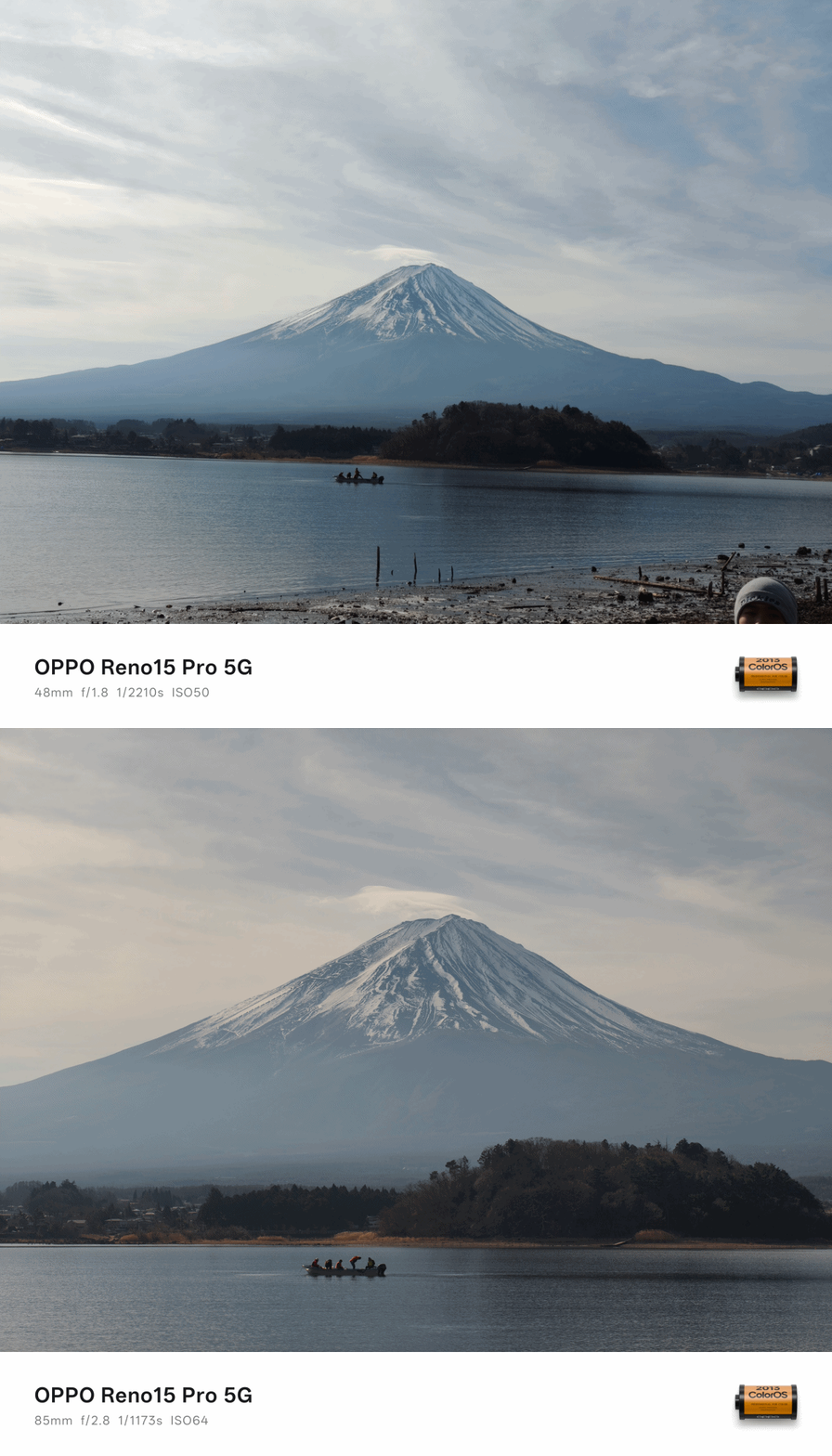
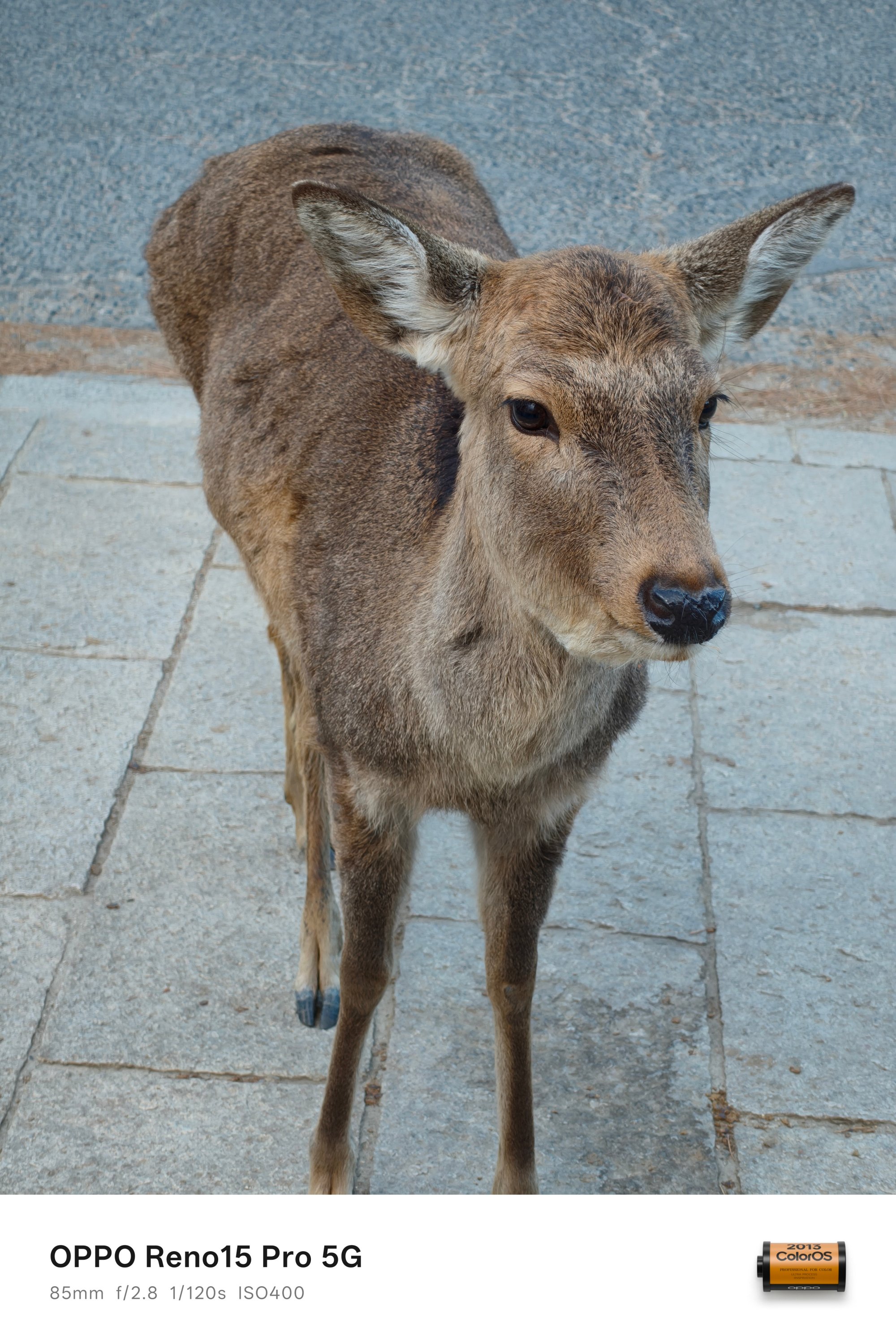
And it’s not just limited to 3.5x telephoto zoom per se (85mm). The OPPO Reno15 Pro can even take as far as 7x with optical-quality zoom (or lossless / hybrid, whatever the best term is). That’s an equivalent of 170mm in camera lens’ focal length.
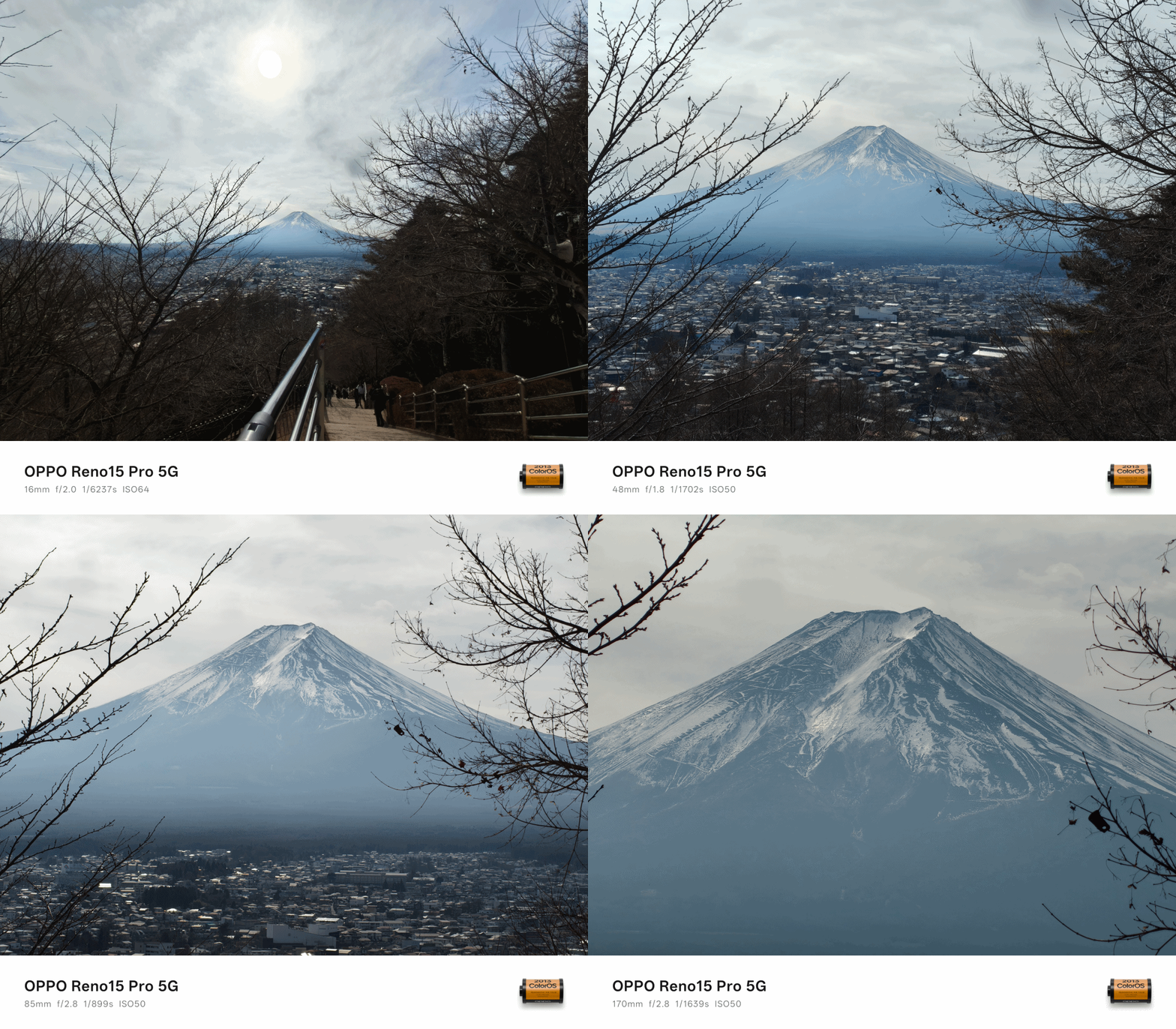
Good thing or not, it’s the same exact sensor found on the base Reno15 as well.



What matters the most is that I love how this zoom shooter performs.






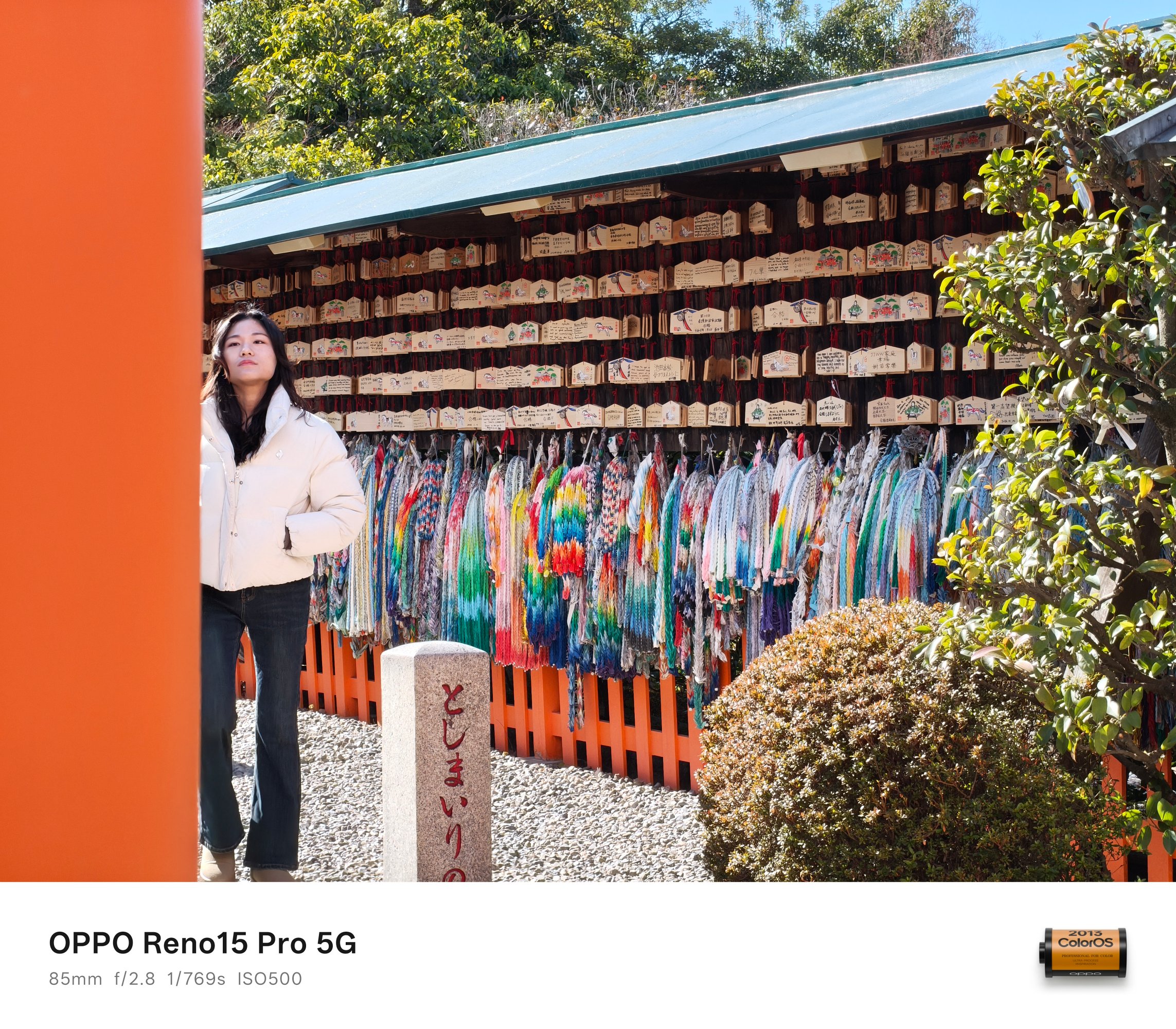
It even performs snappy when shooting moving subjects — like this deer and tux cat.

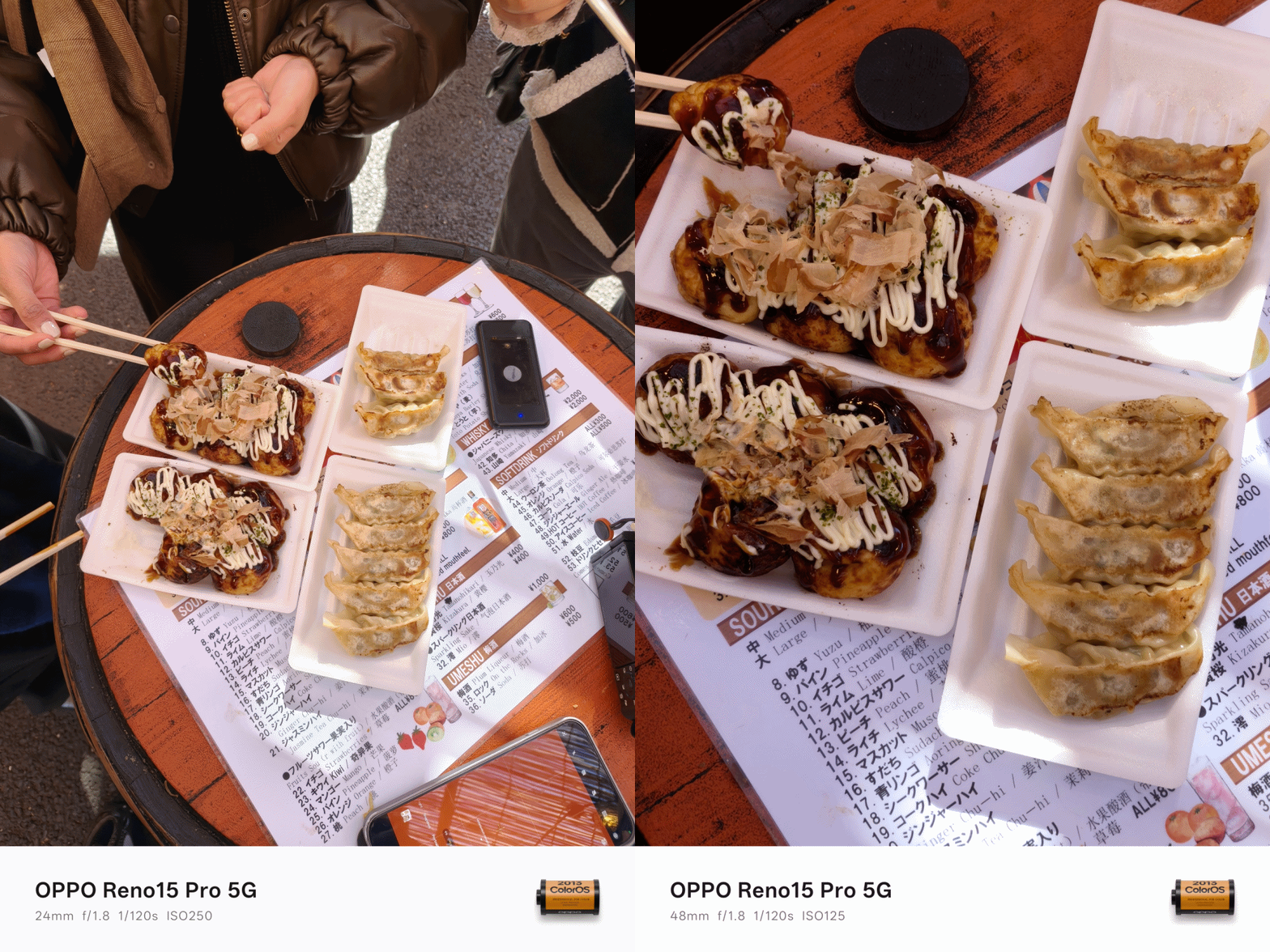
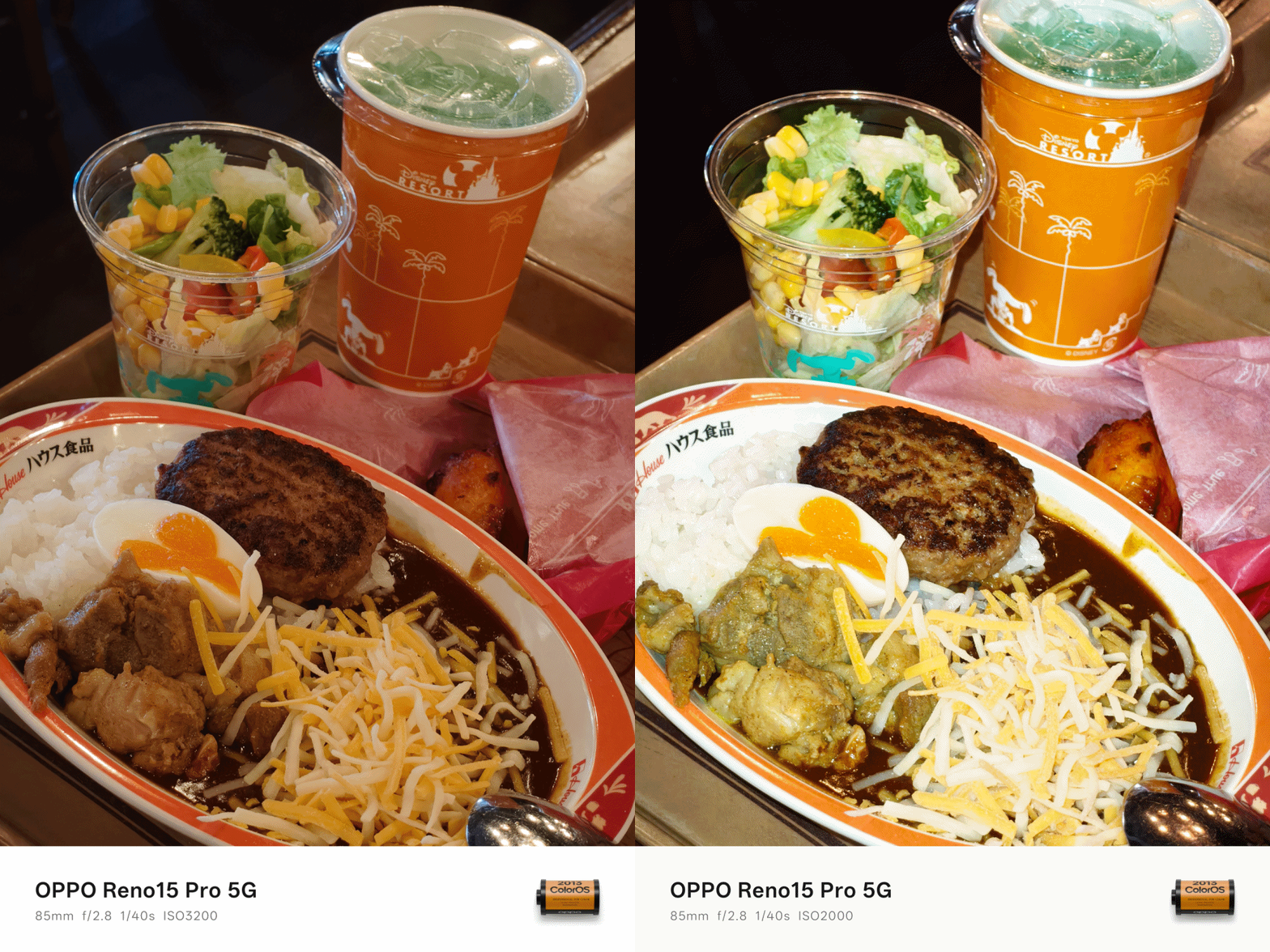
I am a firm believer of not taking food shots using the regular 1x view. Thankfully, the excellence of its 2x and 3.5x zoom modes made me capture these mouthwatering photos with enough segmentation.


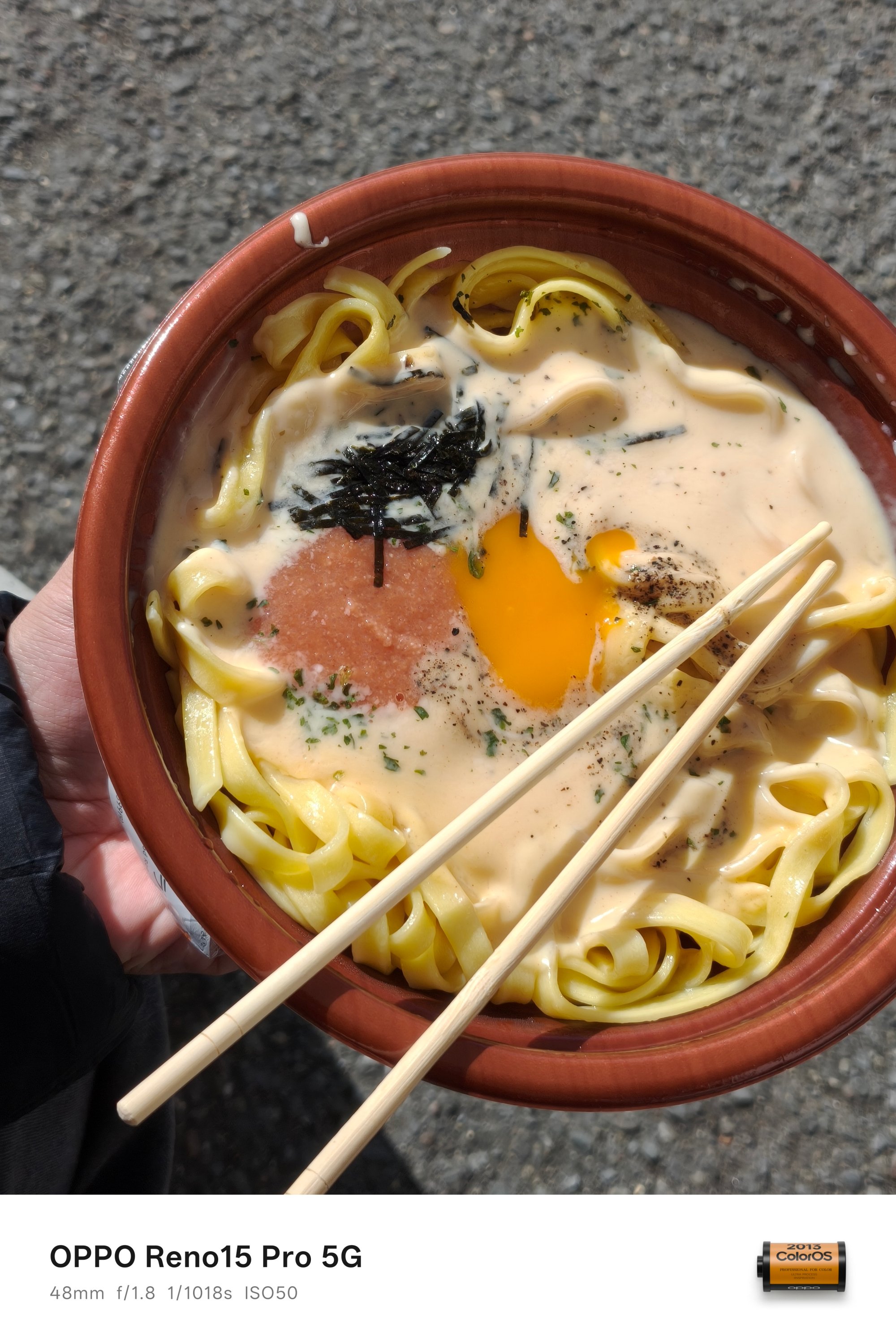




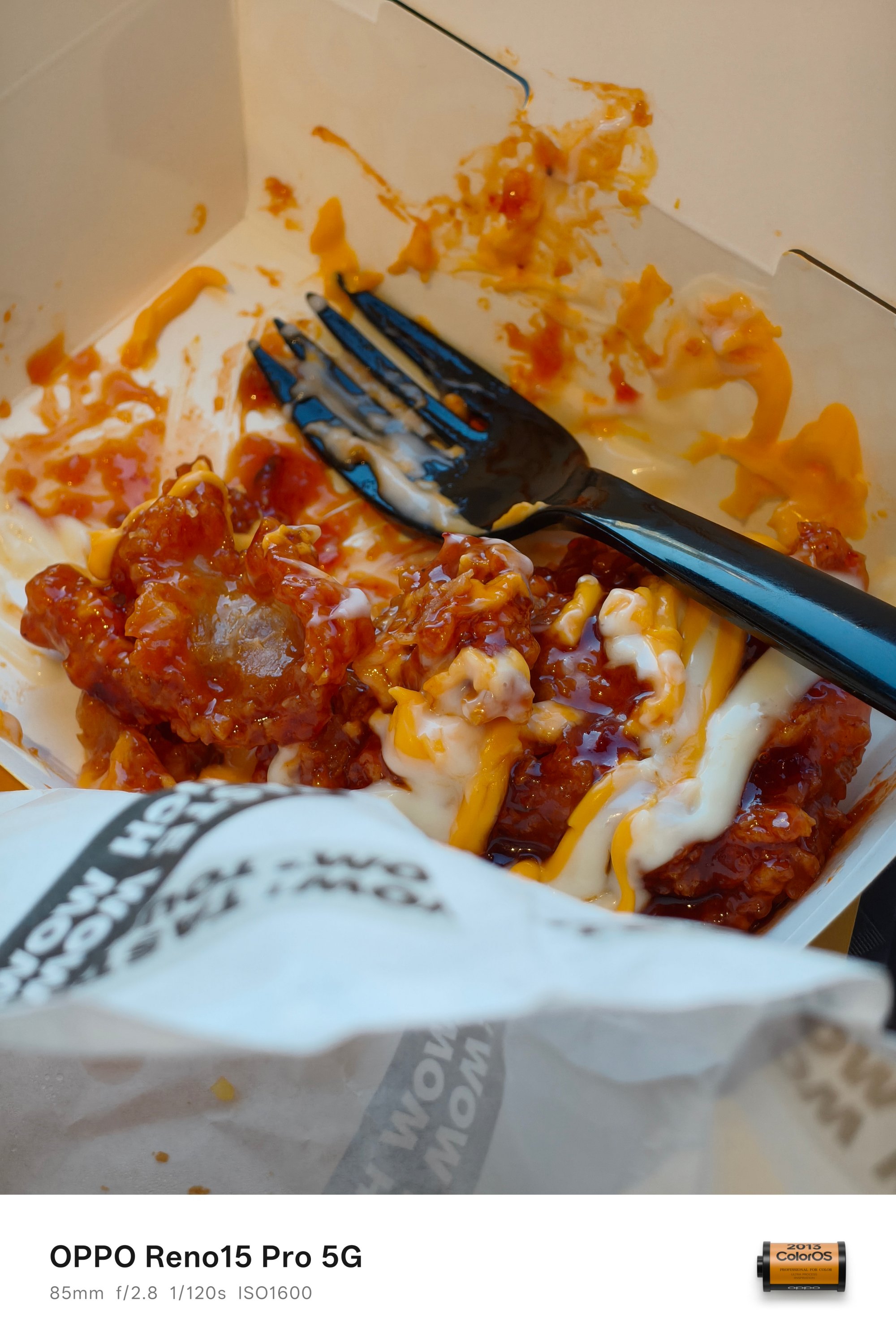
Also, my new obsession? Turning on the flash when capturing meals indoors for that ✨ 2000s digicam vibes 📸

Low-light that looks right
As I always say, shots taken with no presence of natural and artificial light is what makes or breaks a smartphone’s camera performance.
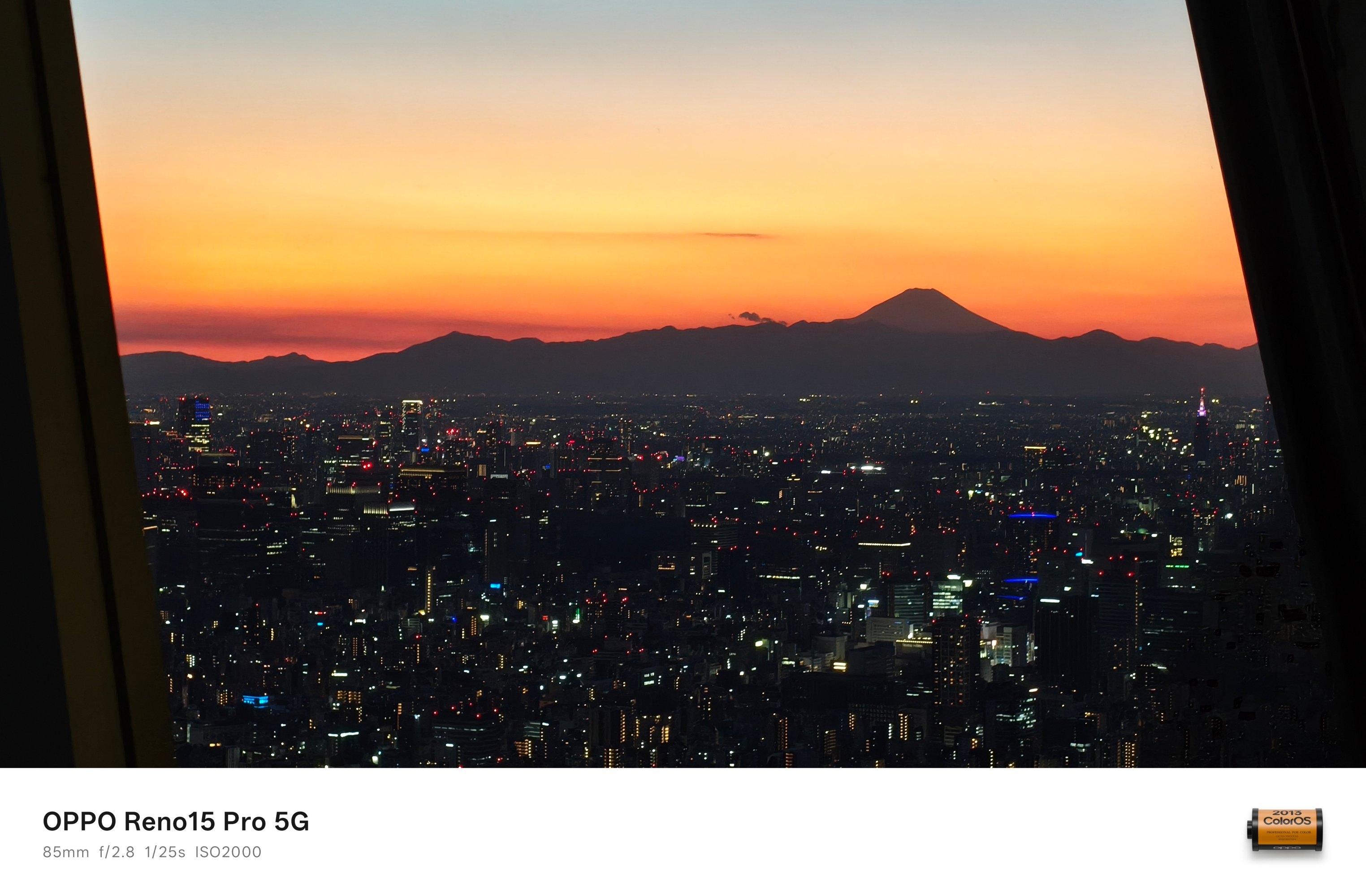
However, the OPPO Reno15 Pro dared. It was able to capture this Mt. Fuji scene at Tokyo Skytree even when the sun has already set.

With no surprise how it performs during the day, these evening photos provide more than satisfactory quality.


And just to be clear, I never actually switched to Night Mode.
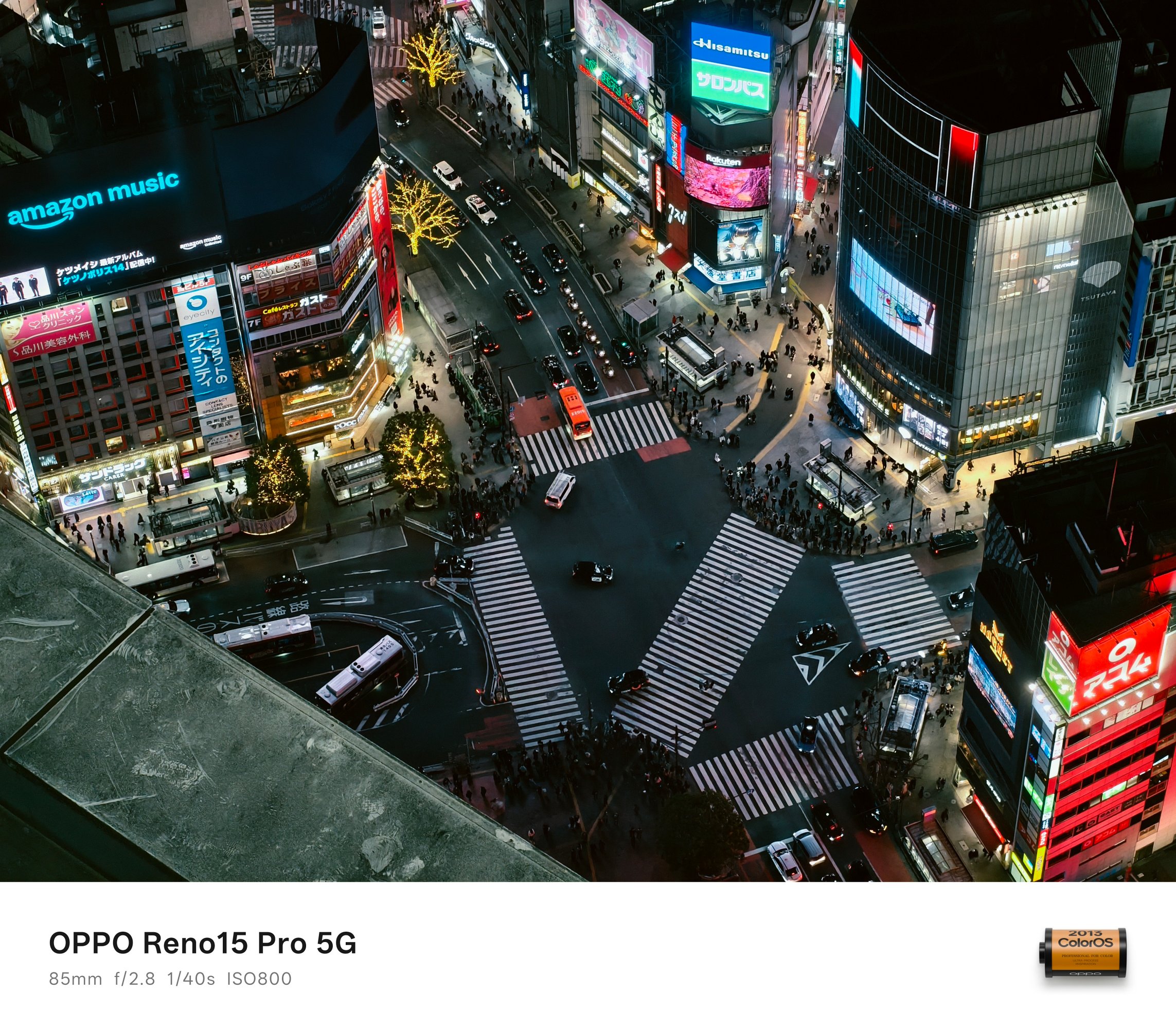
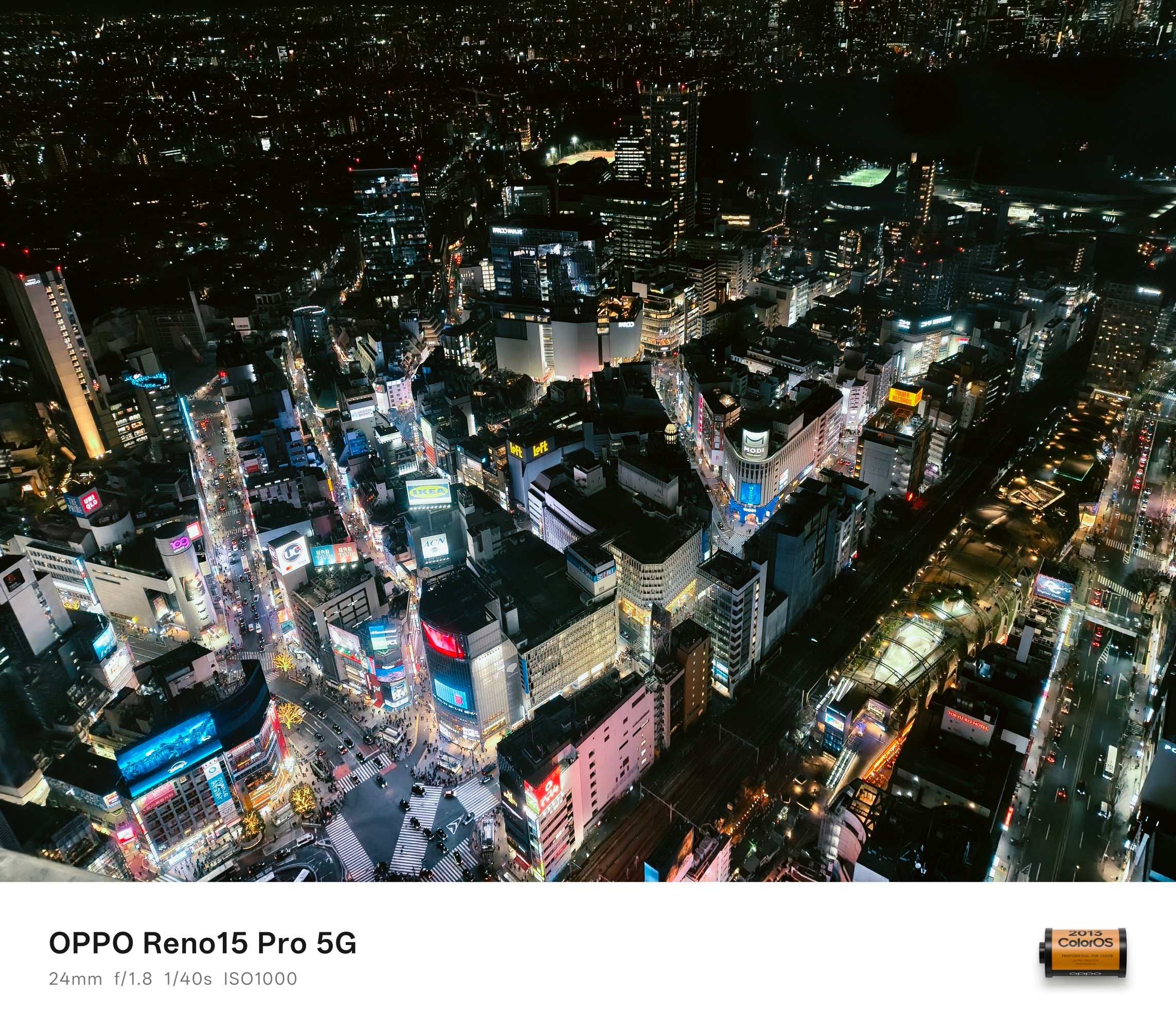


Regardless of the focal length you desire, the OPPO Reno15 Pro delivered well.

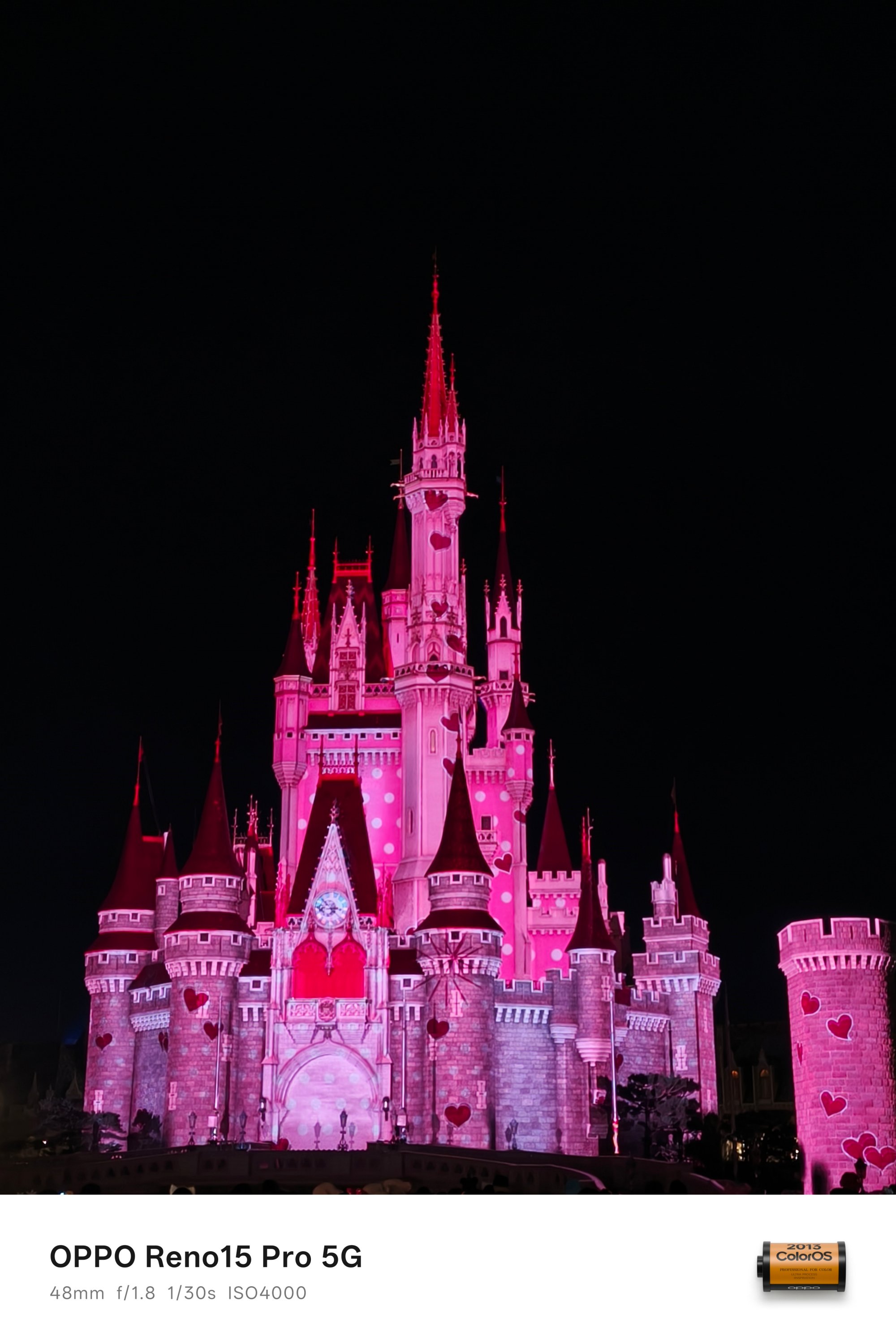





OPPO AI instantly detects the scene and kicks in that much-needed algorithm when capturing shots in the low-light. For instance, this part was so dark I didn’t even notice there’s a couple captured in the frame.

Indoor shots weren’t left out as well. Look at how clean these look despite capturing them while being in a ride full of twists and turns.


Speaking of, these two samples were also taken while the parade floats were in constant motion.


I didn’t fully intend to take as much low-light shots with the OPPO Reno15 Pro. Still, it would be a huge miss not to include these extras.





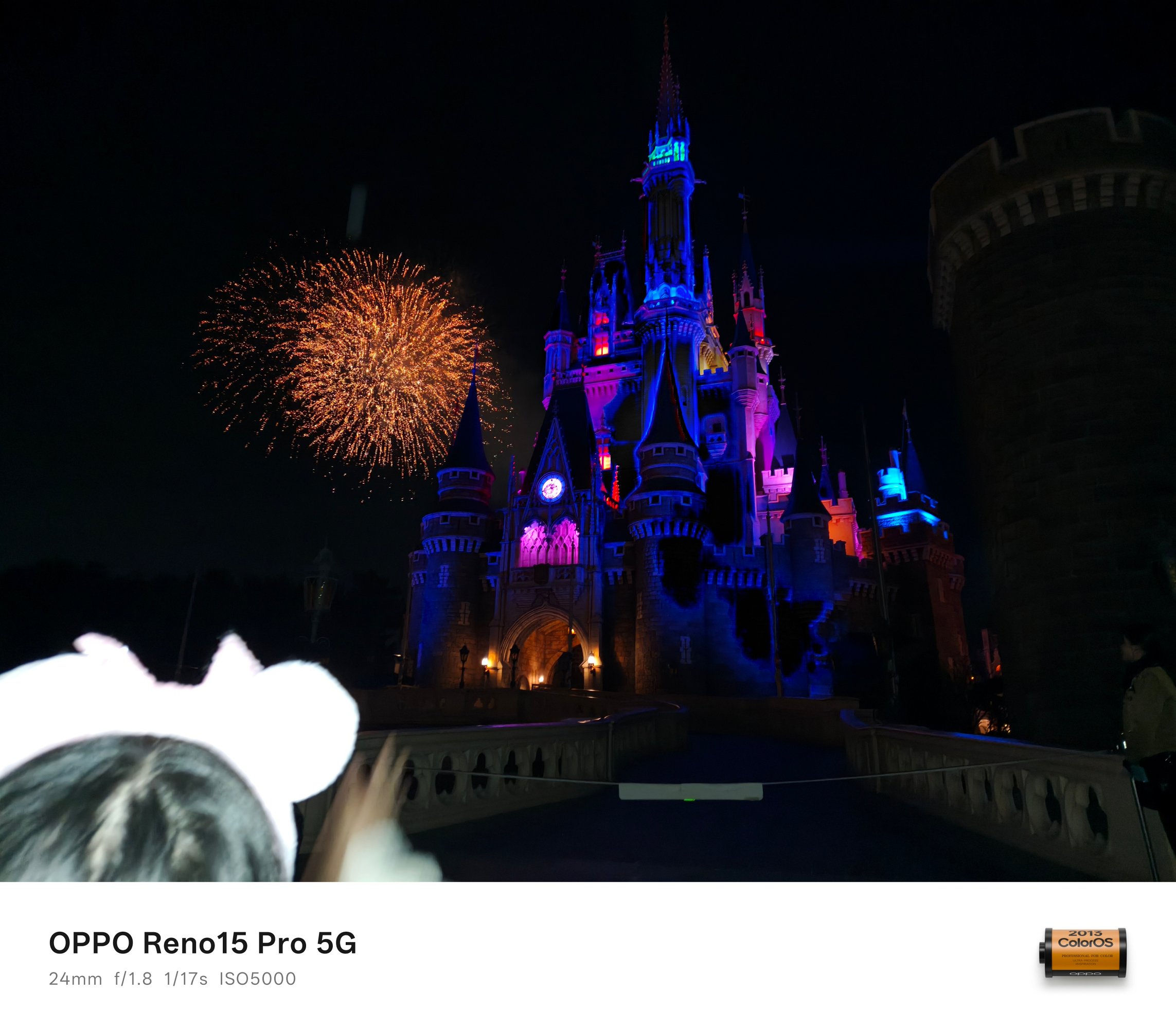
 BONUS #2: I accidentally took this with the flash enabled so it didn’t truly capture the split-second moment of that fireworks. However, IMHO, it still looked postworthy.
Pro-trait Expert
Having a telephoto shooter isn’t just for capturing subjects from afar, it also means better portraits through fixed focal lengths à la prime lenses for professional cameras.


While portrait mode works in both 1x or 2x modes, that 3.5x (or 85mm equivalent) gives the best possible output.


Not only is the Depth of Field (DoF) based on the phone’s distance away from the person, but it also provides a more natural bokeh — even if that means faking the aperture from f/16 to as shallow as f/1.4.



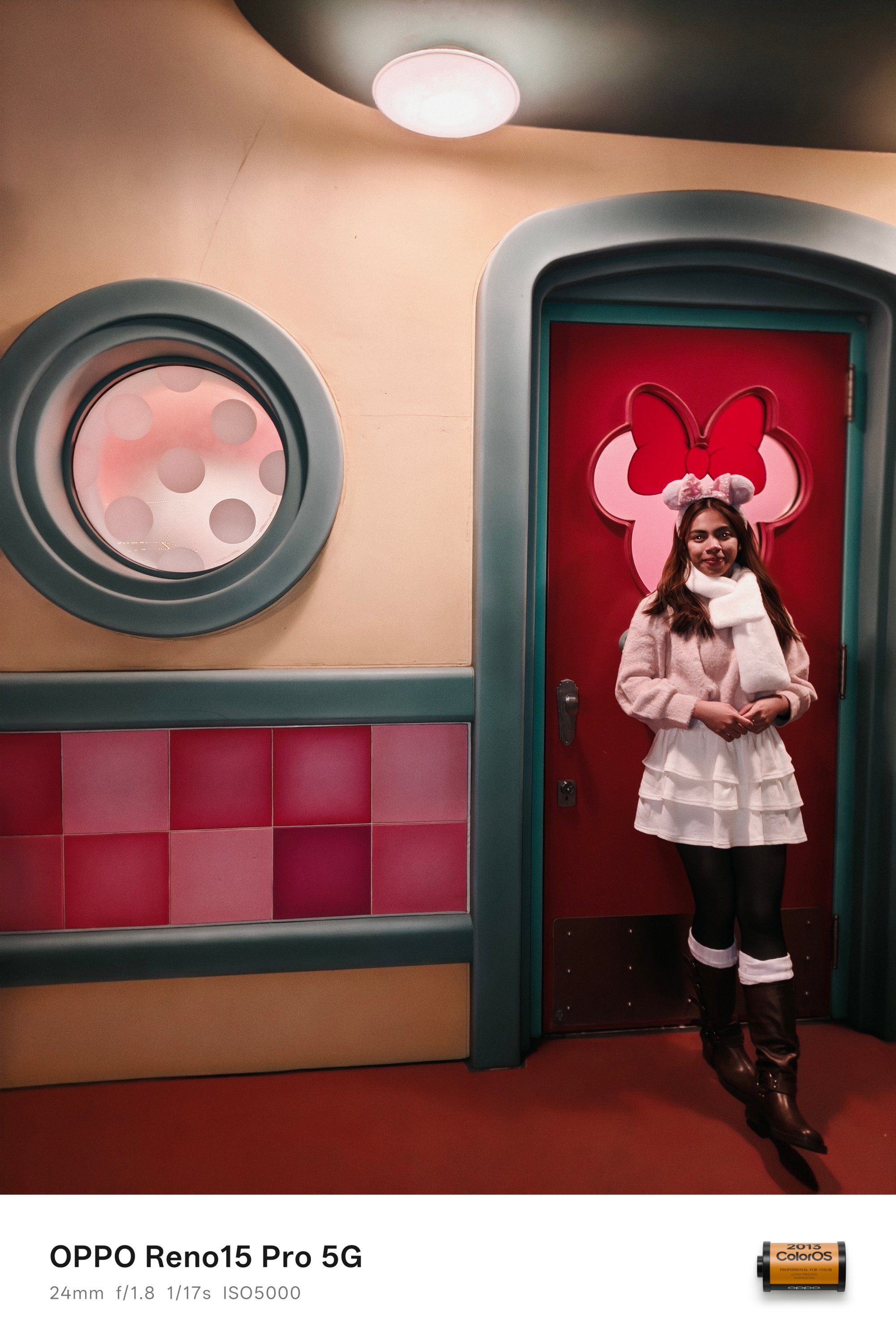

And this expertise isn’t just found on the rear cameras. With the front camera sharing the same sensor as the telephoto camera, quality is more than justified.
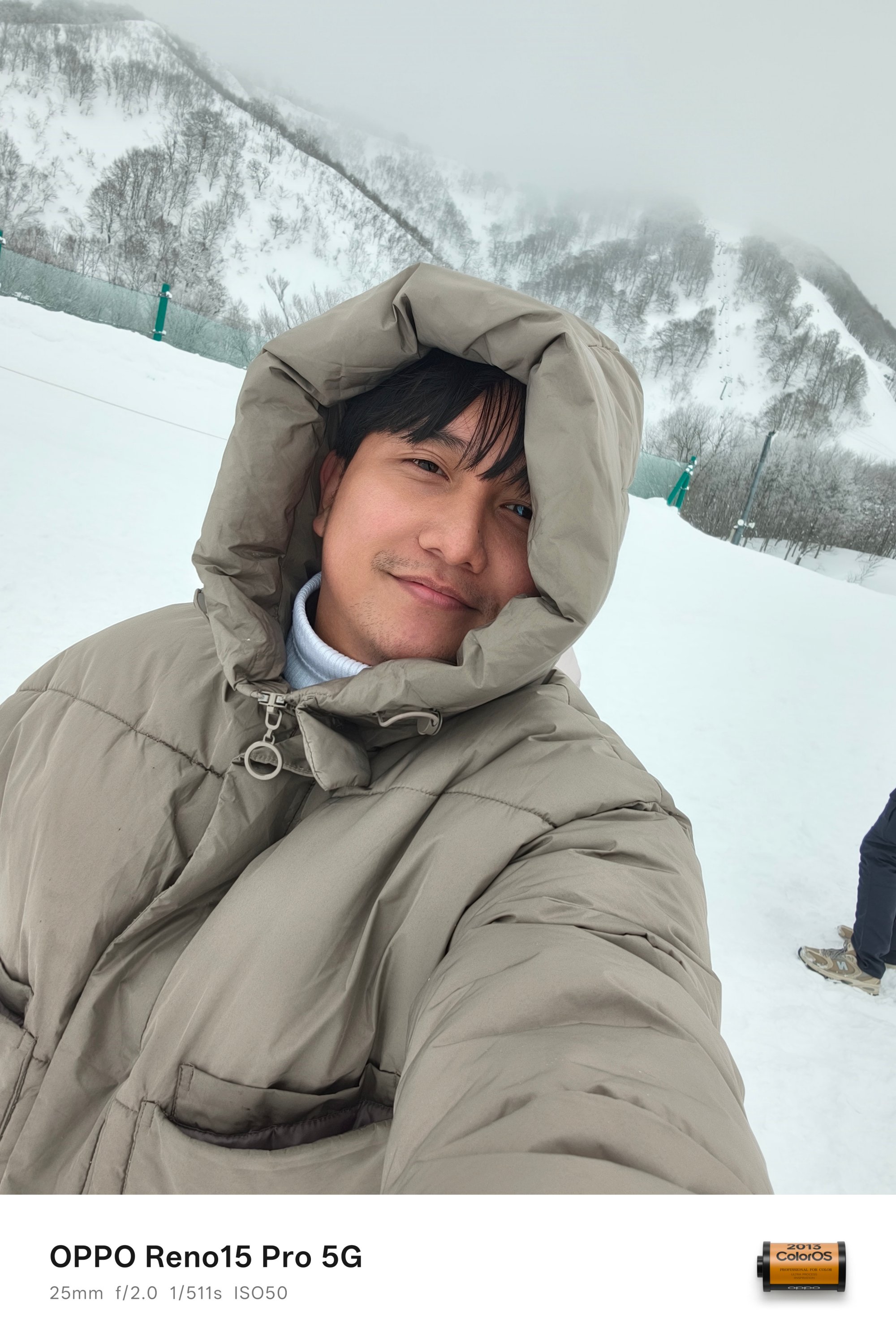
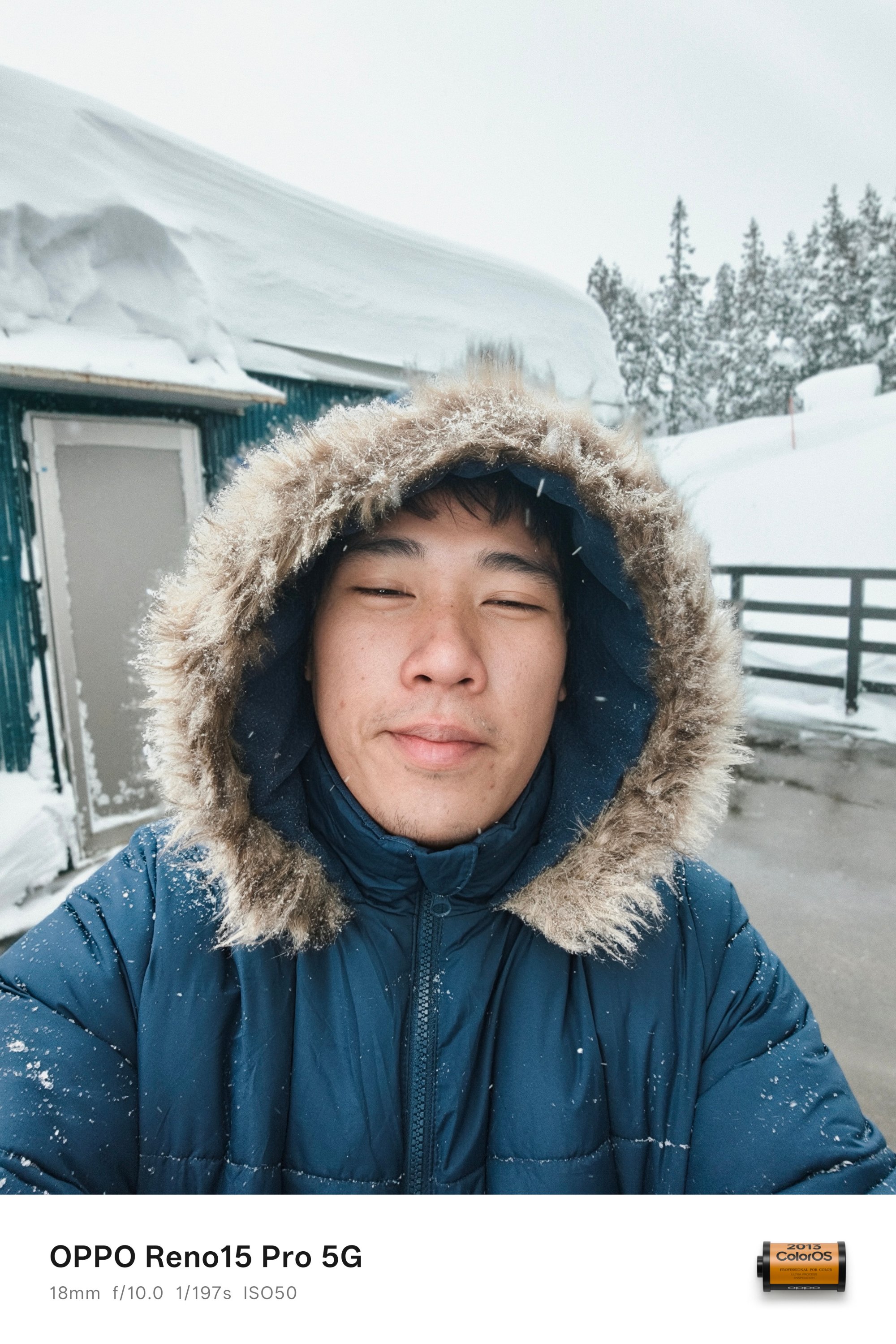


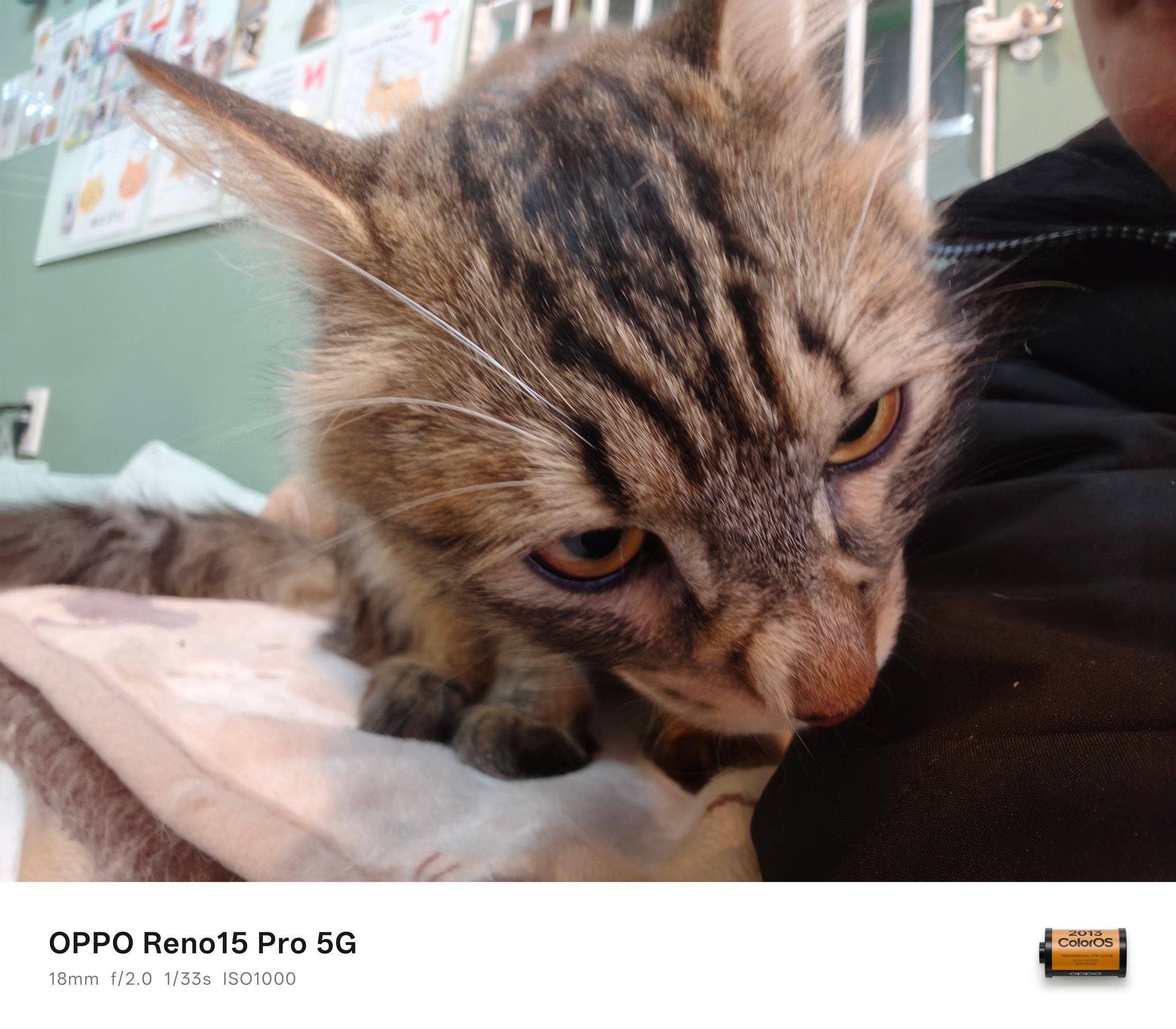
Same sensor found on the telephoto unit with a wider aperture clearly means the Depth of Field (DoF) is as natural as it can get.
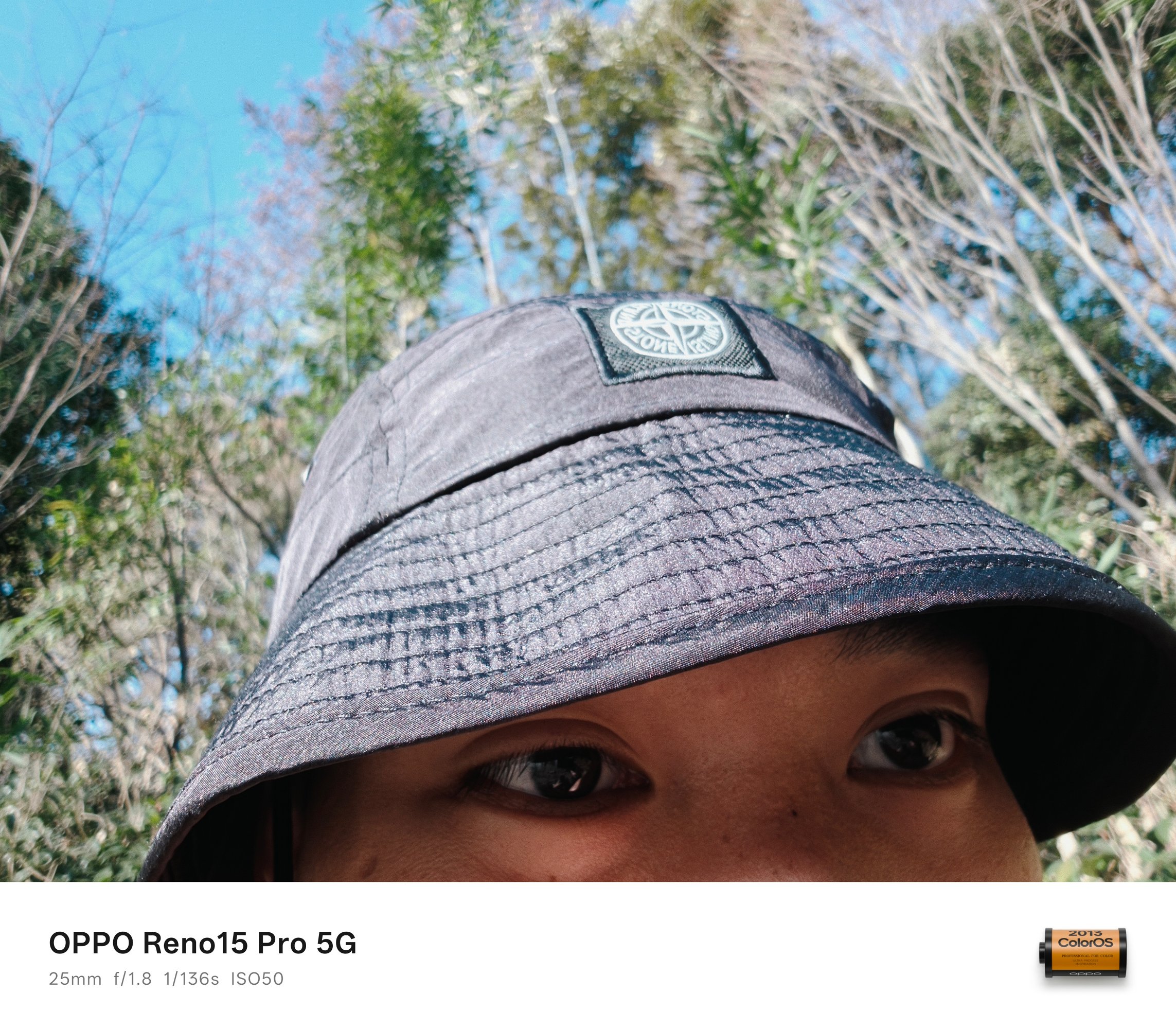
Selfies are for one, groufies are for another. The Reno15 Pro easily captures human subjects without frills.
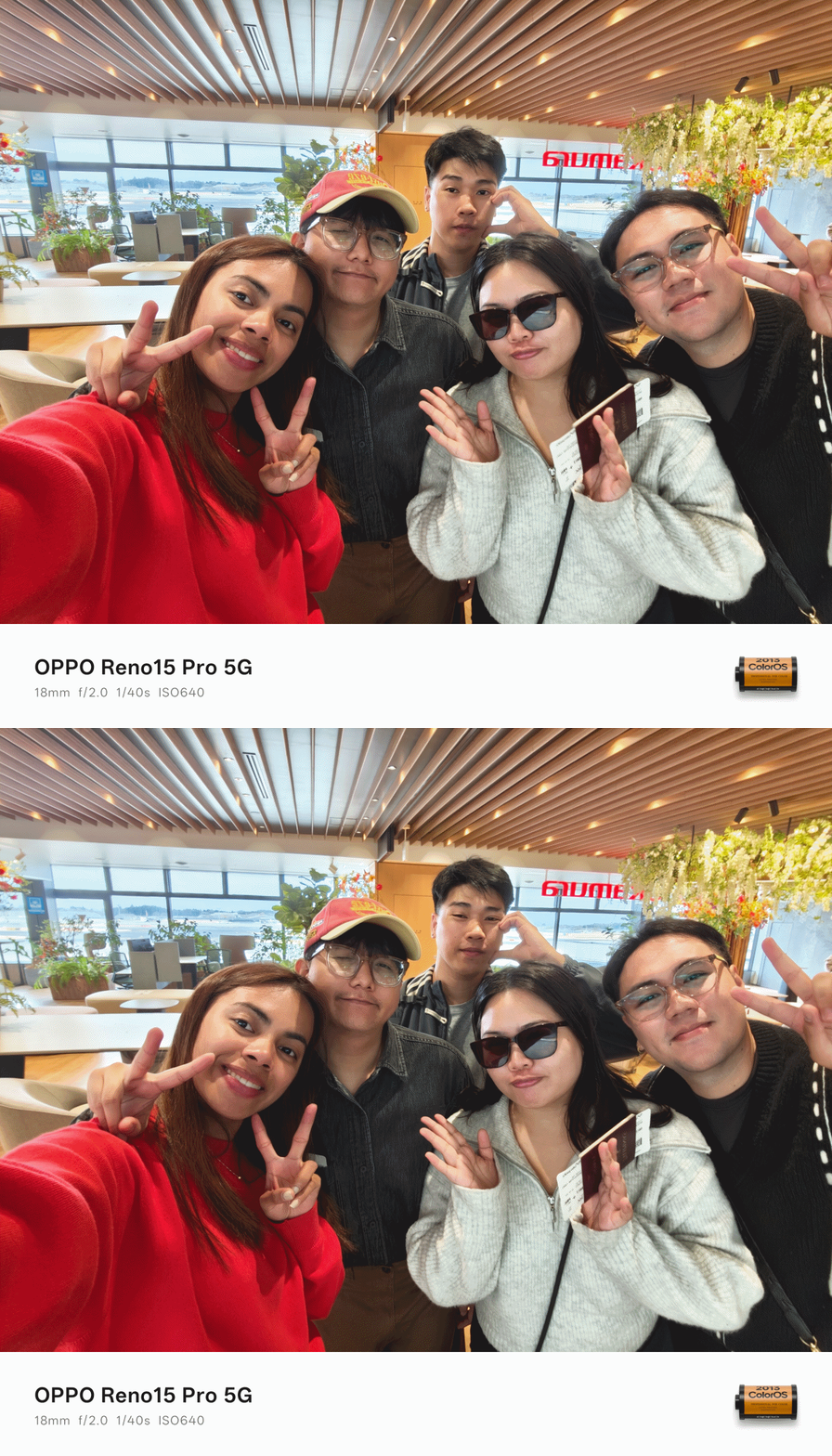


Taking low-light groufies in this device weren’t a struggle at all.
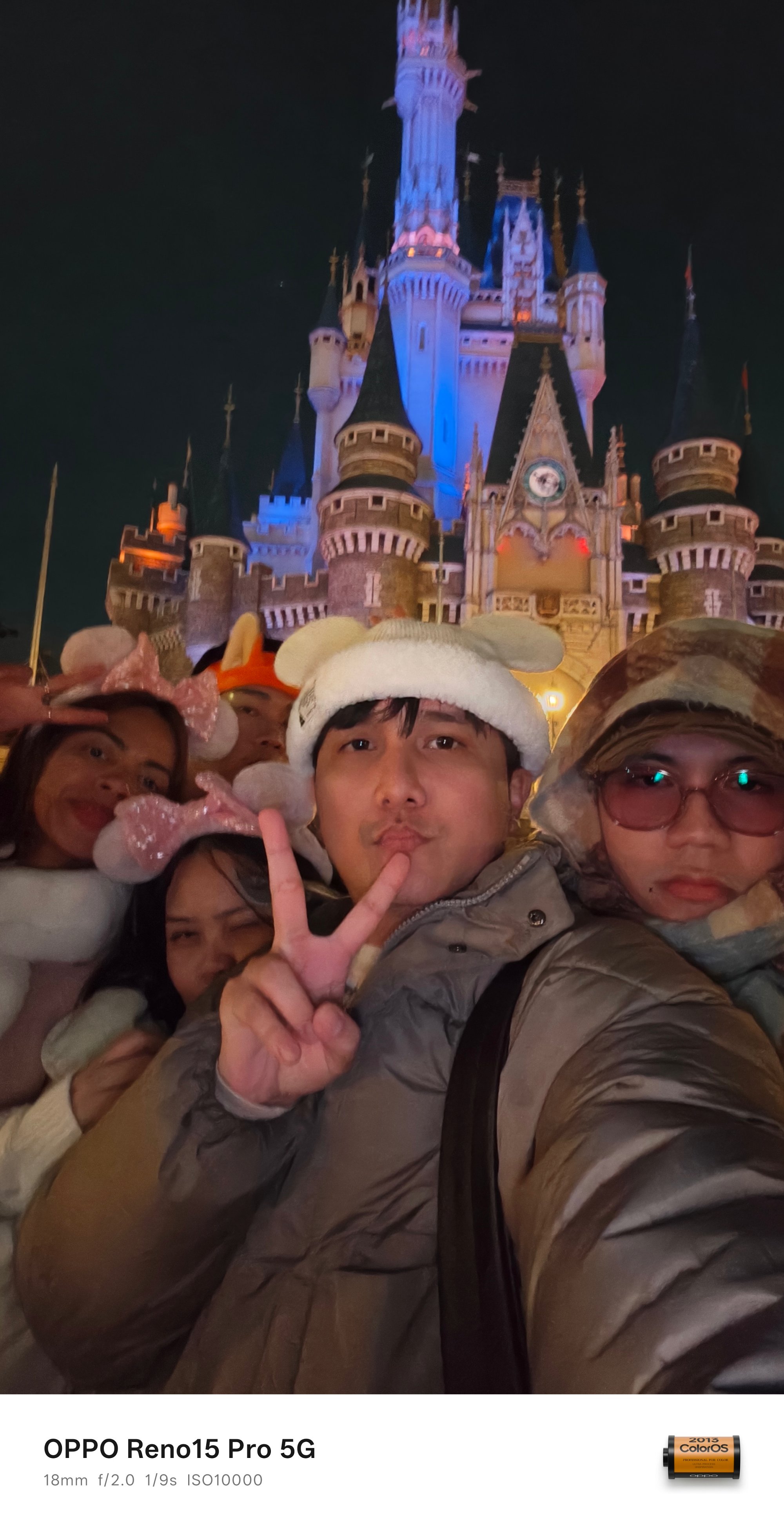



BONUS #3: Gen-Z selfie with the rear UWA camera!
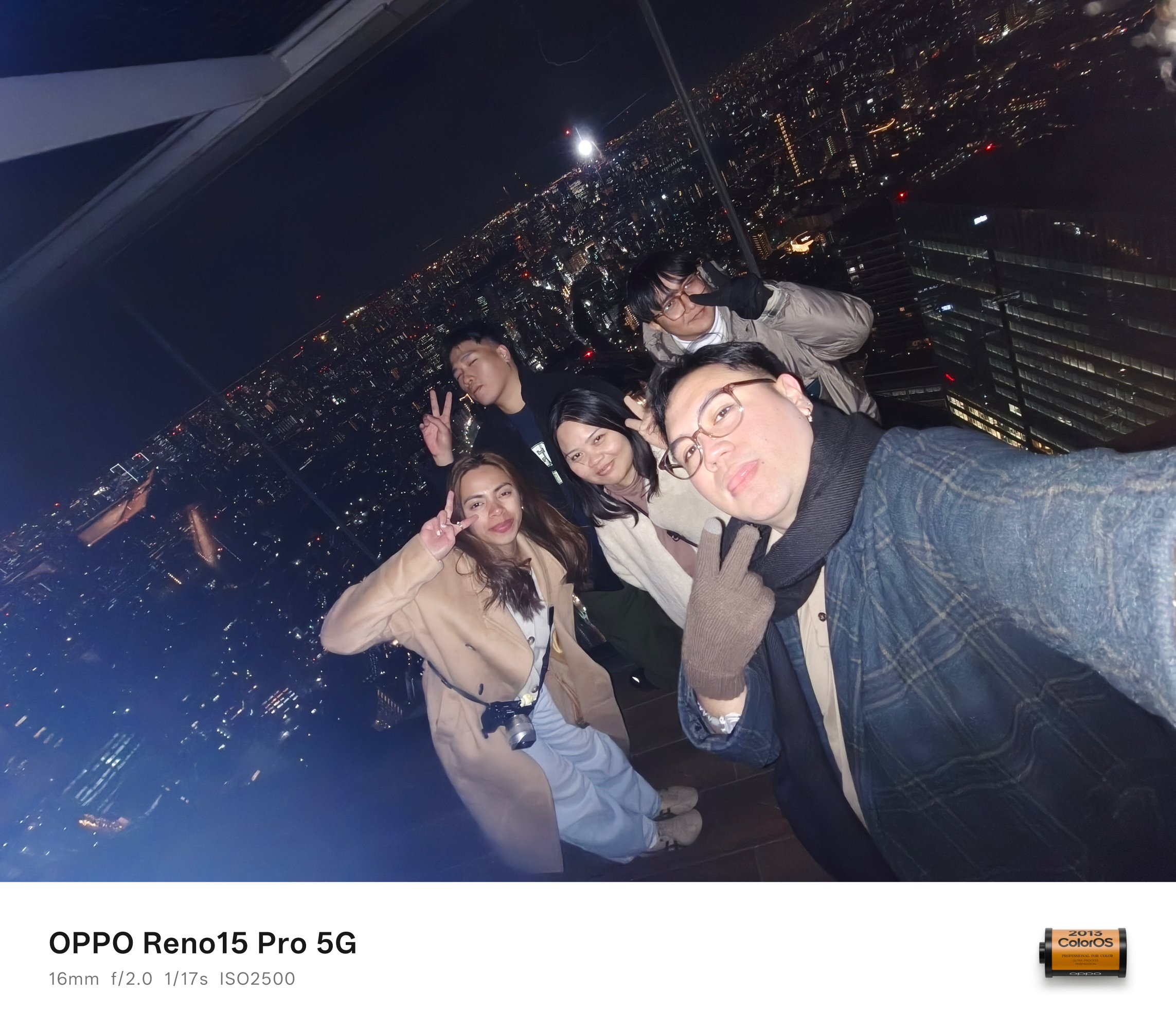
#NoFilter shots aren’t bragging rights
What draws the fine line between the Find and Reno line are their camera partnerships (or lack thereof).
While the Find still rocks that Hasselblad partnership since the Find X5 Pro, the Reno class relies on OPPO’s own imaging algorithms.
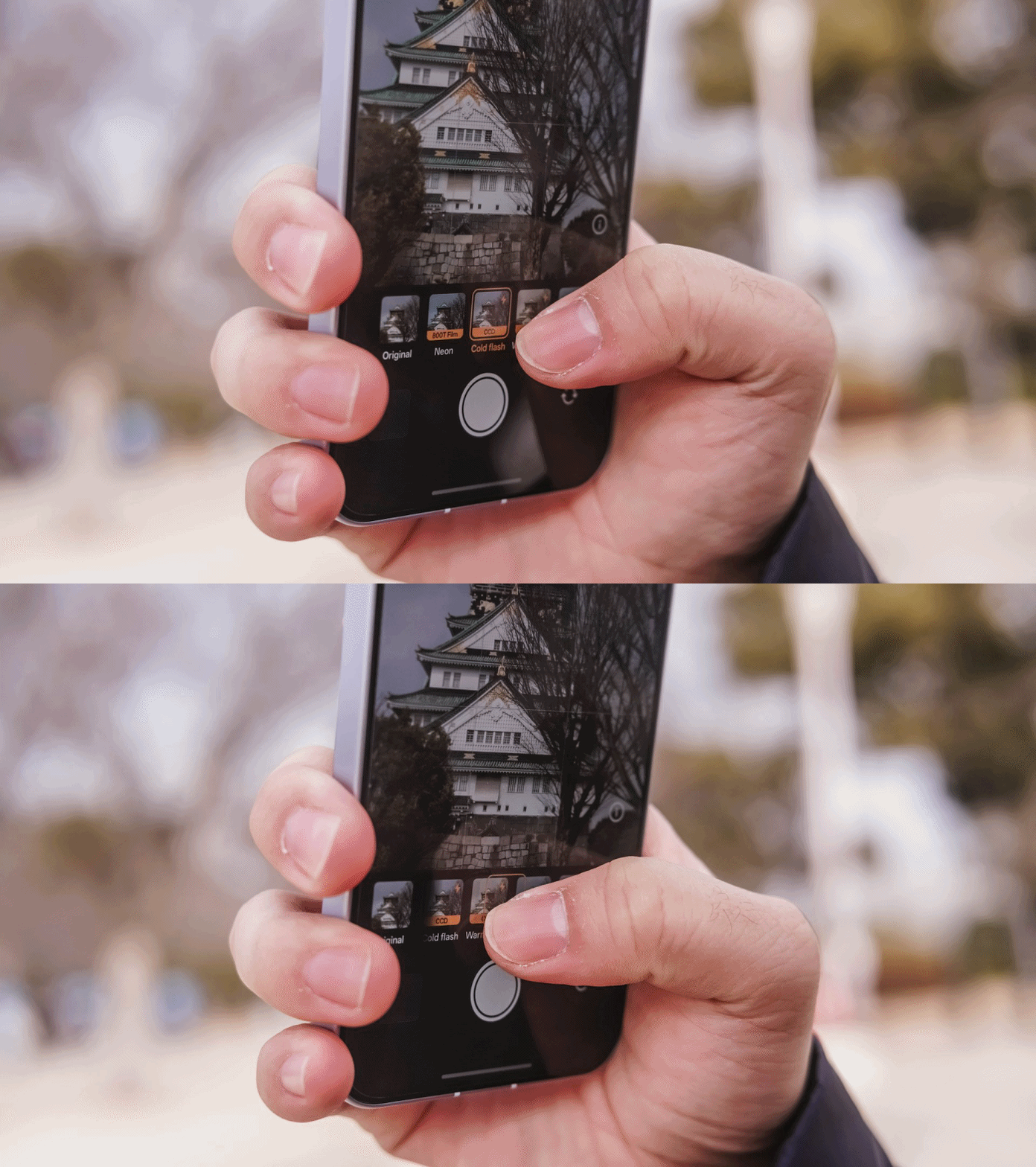
It’s honestly not the best. However, if you want your photos to look less “generic”, these filters truly give soul to your shots.
All in all, there are 18 filters you can choose from:
| Film-Simulated | Classic | Black and White |
| Neon (800T Film) | Vivid | B&W |
| Cold Flash (CCD) | Shine | Mono |
| Warm Flash (CCD) | Natural | |
| Fresh (Film CC) | Food | |
| Vintage (Film NC) | Cool | |
| Clear (Film NH) | Warm | |
| Vibrant | ||
| Faded |
-

- Film-Simulated Presets
-

- Classic + B/W Presets
Personally, my frequently used filter is Neon (or 800T Film).

Although it really depends on the subject you’re trying to capture, it performed well during my Japan trip. Either it’s the place, the camera, or both. You be the judge.
Love it or h(AI)te it
Given the unstoppable price hike in memory and other tech components, 2026 seems like a progressive year for AI.
Love it or hate it, AI Tools are getting more advanced — and the OPPO Reno15 Pro isn’t far from the race.
The precise AI Eraser is already given. However, there’s more than just that.

In times when the environment doesn’t fully expose each and everyone’s faces, the AI Portrait Glow feature comes in very handy.

With the right balance, it illuminates faces as if we each had our own fill light. Just be wary if your face gets tweaked and does not look the same way as it is.

Speaking of groufies, the AI Perfect Shot is the perfect companion in fixing those good shots ruined by your friend’s unprepared faces.

For bad photographers, AI Recompose reframes your bad-angled shots based on OPPO’s AI power.

More on the Reno15 Pro’s AI Editor list includes Enhance Clarity to 4K, Reflections Remover, and Unblur.

Pop-out collage is also there to make your Instagram Stories (or Facebook Stories) look more quirky.
Video Versatility
It wouldn’t be a complete camera review without testing out how the Reno15 Pro performs when shooting clips.
At first, I was really skeptical on its performance. But, after having a dead powerbank and flagship phone in my bag, my only recourse was to shoot with the Reno15 Pro during that festive electrical night parade in Tokyo Disneyland.
I’ve also used it to record the “Sky Full of Colors” ending fireworks show as the ending piece of our visit.
While it was cancelled last-minute during our Tokyo DisneySea journey, we were still lucky enough to see it from Disneyland a day after.
If the low-light performance was already commendable to begin with, how much more when it’s daytime?
For a phone in this segment, I was not expecting anything grand. Gladly, it delivered more than what I have imagined.
Zoom cruising, while not perfect, still provided a smoother transition between 1x to 3.5x (compared to phones in this league). Surprisingly, 4K/60fps with HDR is possible so I used it just like in the flagship phones I own.
That goes hand in hand with the Reno15 Pro’s tiny but mighty 6.32-inch AMOLED ProXDR display as it can actually display HDR content without any brute force.
Other Goodies
OPPO Reno15 Pro is more than just your typical midrange smartphone. Diving more into its camera app, there are several features I was not able to explore yet can still be very useful in times of need.
The usual ones are the Panorama, Time-lapse, and Slo-mo. For some fun, there are the Dual-View Video and Sticker modes. Need to scan documents? Document and Text Scanner both exist.
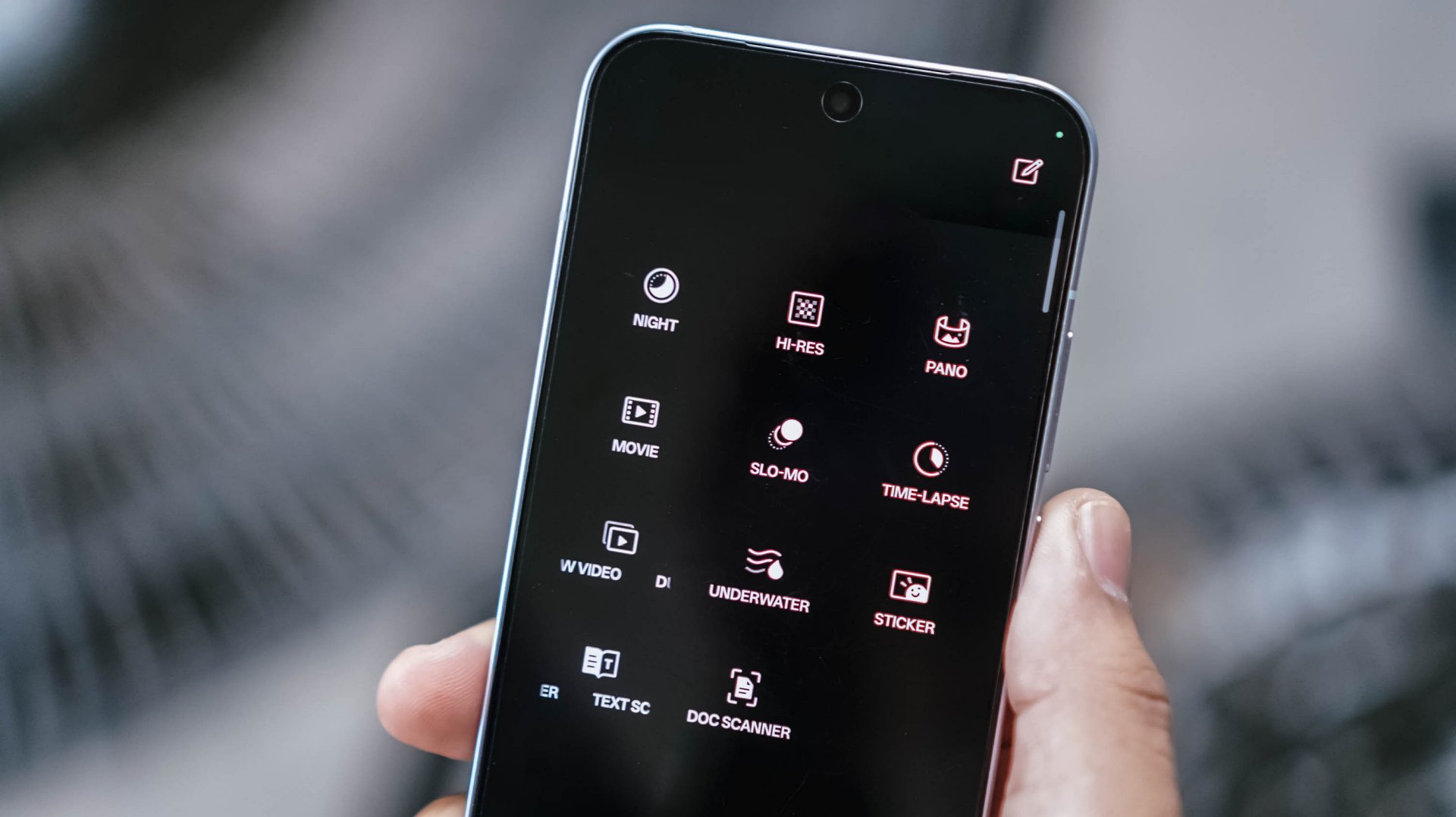
Professional-grade shooting? There’s the Pro mode for stills and Movie mode for, you guessed it, video recording.
Scene-strict modes? Night Mode and Underwater Mode both save the day and the night. After all, the Reno15 Pro is IP66/IP68/IP69-certified.
And, even in low-light shots, OPPO Reno15 Pro’s AI capabilities already does the job for you — even without switching to Night Mode that’s hidden in that vault anyway.
Is the OPPO Reno15 Pro your GadgetMatch?
With a staggering pricing of PhP 49,999, the OPPO Reno15 Pro isn’t a totally easy recommendation for users who want capable cameras in a phone for less.
However, looking at what the OPPO Reno15 Pro offers, it’s imaging prowess is more than justifiable. It’s more than just a “Portrait Expert.”
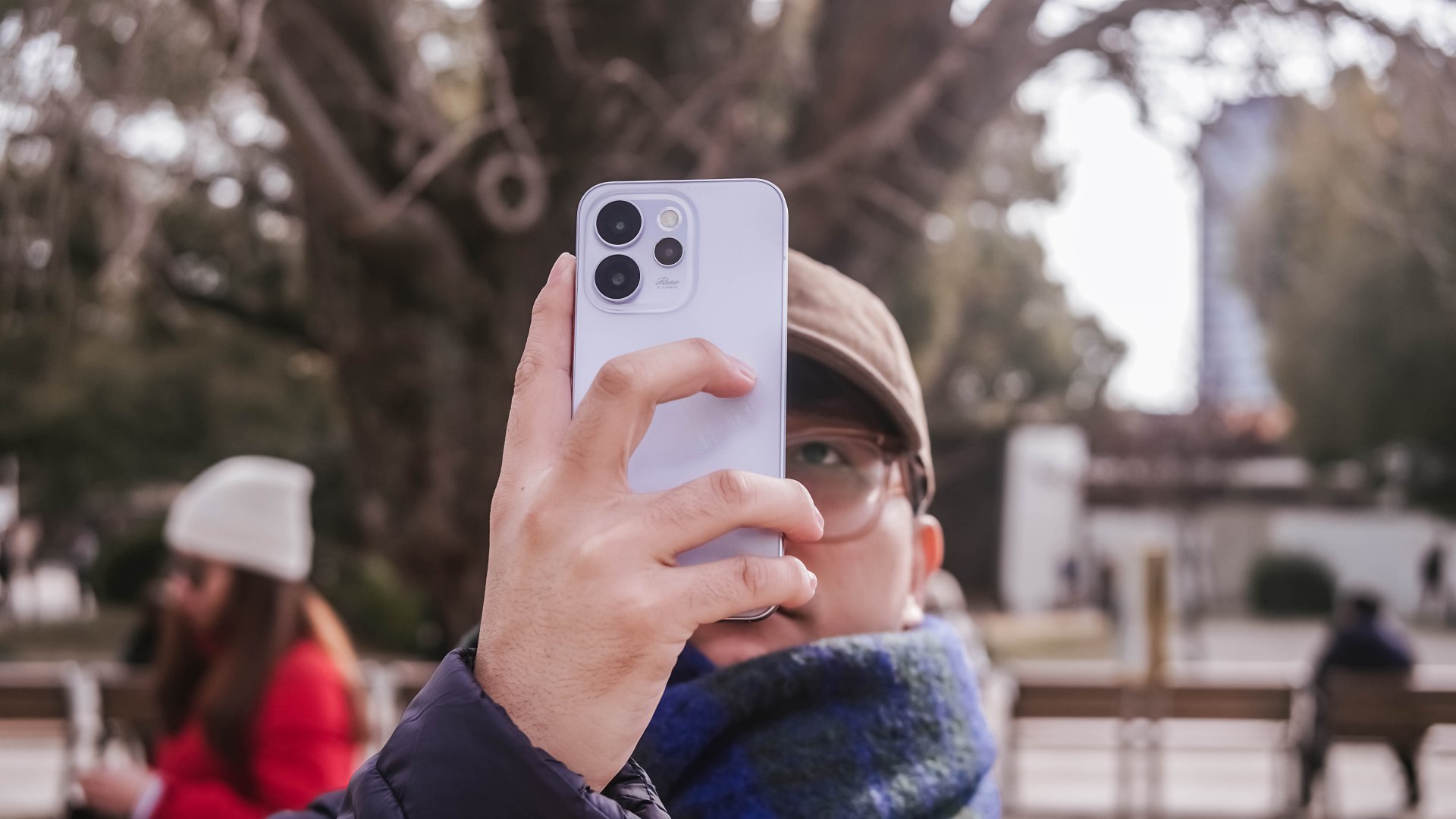
Now onto my bold excerpt:
Why is this even considered a “Reno”?
While it’s clearly still under OPPO’s midrange line, the Reno15 Pro already feels like a flagship. Honestly, it could have just been named as the “Find X9 mini” not just for its sheer size, but for all the flagship-grade qualities it possesses.

While I’m talking about its fast 4nm Dimensity 8450 SoC, 12GB memory, 6200mAh battery capacity, alongside the oh-so-fluid ColorOS 16, its superior cameras are for another — just without the Hasselblad branding and novelties on it.
(Re)volutionary and in(no)vative
While OPPO was vague with how they actually named “Reno” as their midrange line, I have thought of my own meaning: (Re)volutionary + in(no)vative.
If my memory serves me right, the first series of OPPO Reno that came out last 2019 had an unusual pop-up camera mechanism alongside that 10x hybrid zoom capability. Those two unique features embody what the Reno line is — or so I thought.
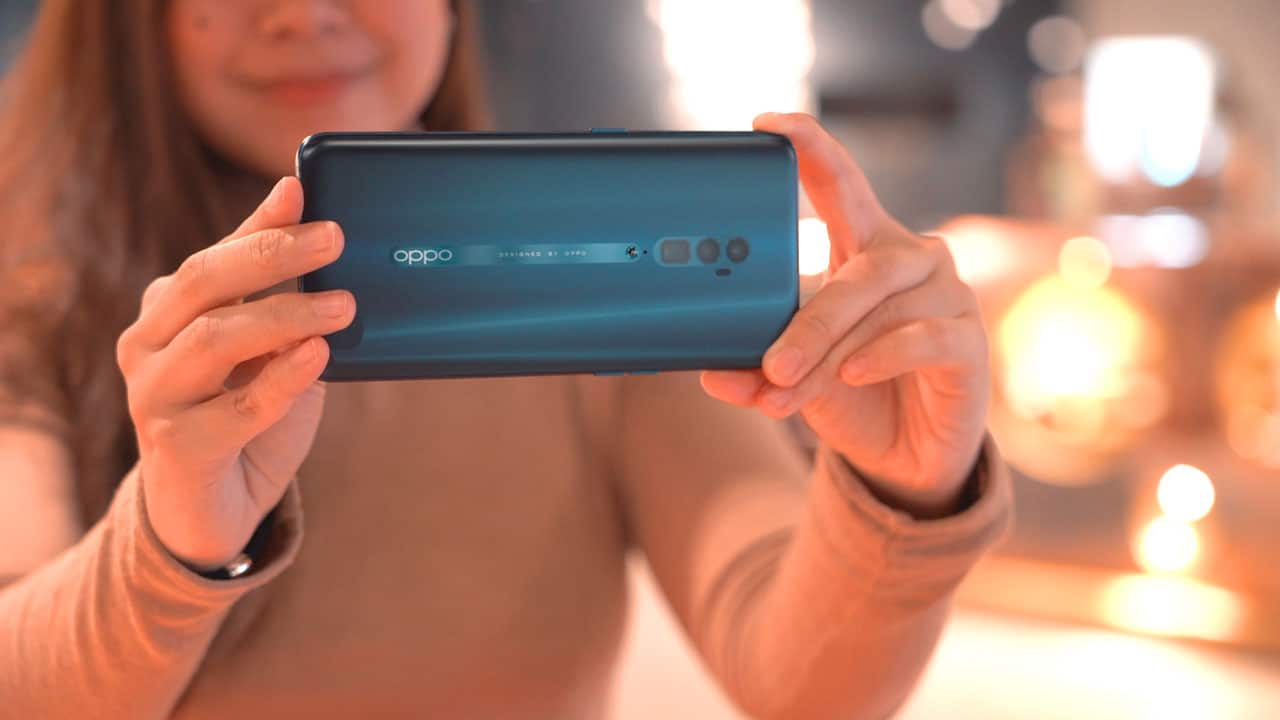
OPPO Reno 10x zoom | 2019
While I may not have experienced each and every Reno model ever released, my colleagues’ pieces are proof that the line isn’t totally consistent with what they wanted to deliver.
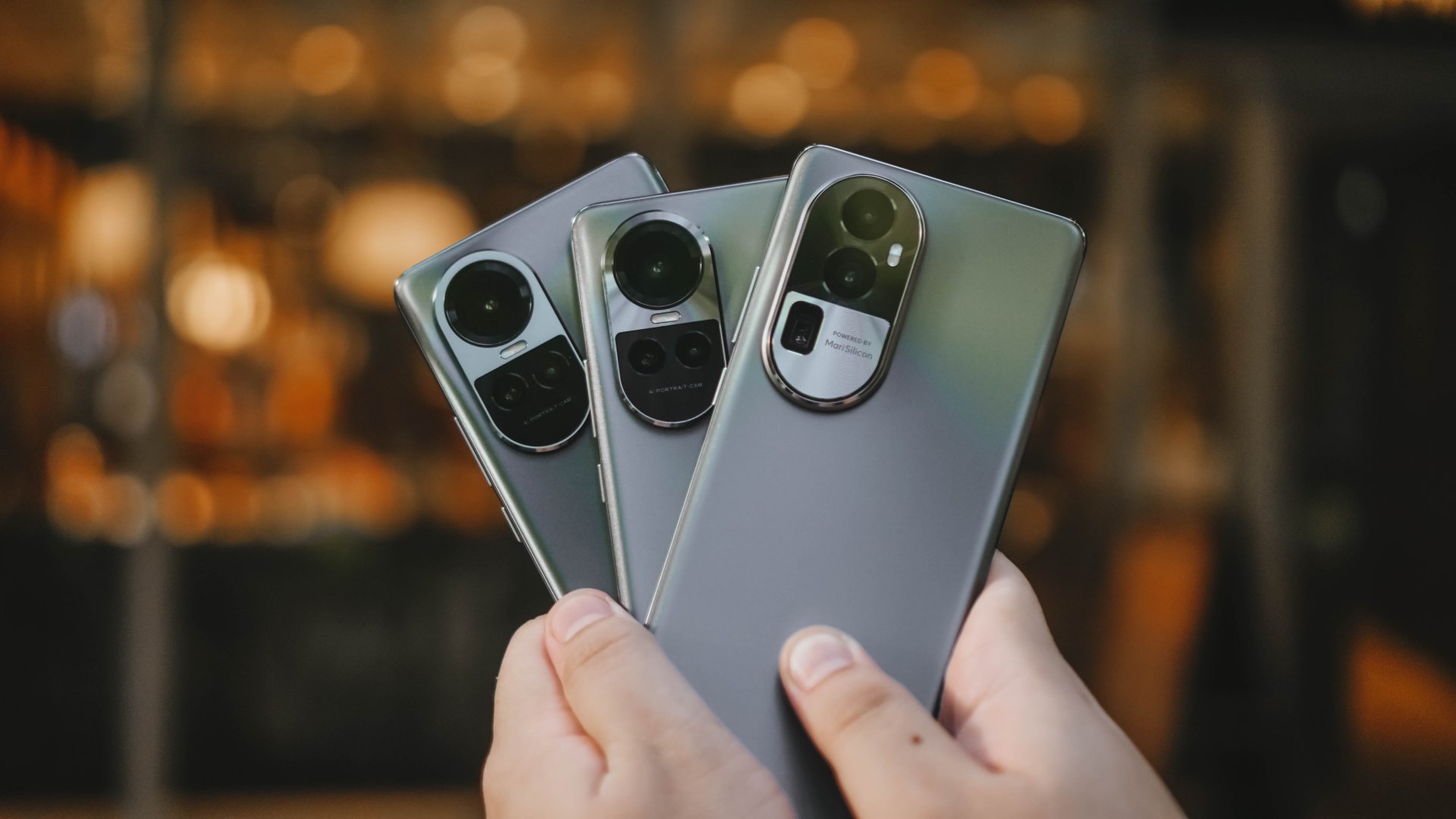
OPPO Reno10 Series | 2023
My memory with the Reno10 Pro back in 2023 is still vivid though. It felt like a midranger slapped with a mix of cameras that performed just right — much like any other mid phone in its prime. However, I cannot say the same for the Reno15 Pro. It was surprisingly delighting and more than satisfying.
Almost three years after, OPPO set the record straight. They finally delivered a midranger that doesn’t feel mid with its excellency in smartphone-tography. That’s minus the intimidating flagship price tag of its “Find” lineup.


THE Michael Josh puts AirTags in his bags, suitcases, keys, heck, even his TV remote.
They’ve saved him many times and keep anxiety at bay when it comes to delayed or missing baggage.
And just about last month, Apple announced a new model — the same size, shape, and price. But, it comes with a whole bunch of improvements that make it more findable.
So, should you rush out to get the new ones? In this review video, we test the range and sound of the all-new AirTag 2 in the real world.


As someone who tells stories for a living, I’ve always stood behind the camera.
I know all too well that I’m exceptional at framing people and landscapes, capturing moments that make sense later.
When I flew to Northern Mindanao, I told myself I was going for a change of scenery. I wanted to exist inside my own narrative, too.
Bukidnon became the perfect backdrop for getting to know myself in and behind the frame. In my pocket was the OPPO Reno15 5G in Aurora White.
There were no expectations of the smartphone being part of the story. I just wanted to see if I could trust it to document my adventures.
Surprisingly, it did.
Refinement over noise
I’ve always been drawn to designs that stand out. Covering the Reno series from its earliest iterations up to the Reno15 has been a hallmark of my career in journalism.
I like pieces that catch attention. As a Leo, I’ve always loved it — in how I dress and in the items I carry. In the past, that meant bold finishes and loud statements, much like the Reno lines before this.
As I grew and aged gracefully, my taste evolved. I still want to demand some form of presence. I just don’t want it to feel abrasive.

The Reno15 demands attention without being loud. The Aurora White finish looks clean and polished from afar. Up close, the surface shifts under light and a shimmer reveals itself only when you move it.
The glass back flows seamlessly into the camera module, so the silhouette feels cohesive rather than decorative. It still carries that flat-edge familiarity people love to compare to an iPhone, and I get why.
In hand, the Reno15 5G feels substantial at 197 grams, yet it never became uncomfortable during long days of recording across different adventures.
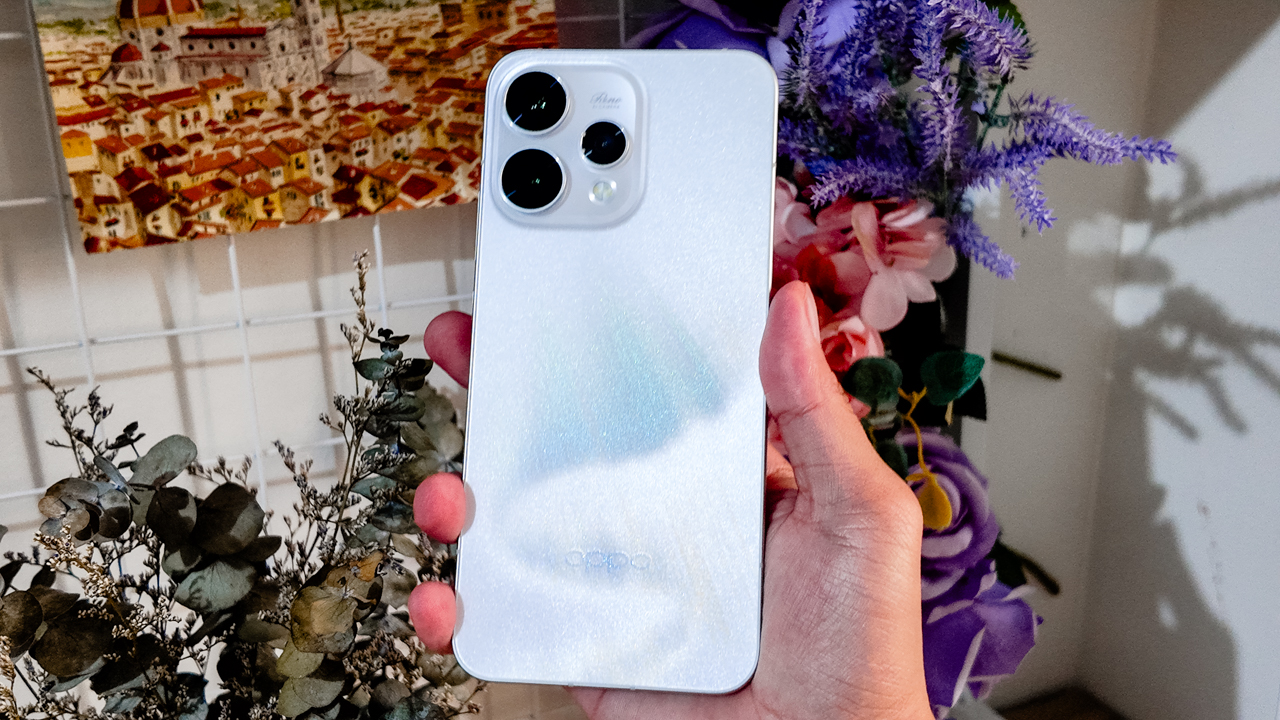
The 6.59-inch frame sits comfortably when I’m scrolling one-handed or holding it up to film while moving, like when I rode a 4×4 to a ranch, gripping it tightly as rough terrain threatened to jolt everything out of place.
That said, I live actively. I move between environments without babying my devices. My arsenal looks like gear ready for battle, and that sums up what I need from a smartphone.
The Reno15 5G’s IP66, IP68, and IP69 protection means this beauty is tougher than it looks. It resists dust and handles water exposure. Add Splash Touch support, and even slightly damp fingers don’t interrupt what I’m doing.
Light under pressure
For someone who practically lives under the sun, the display became both a companion and a challenge.
When I was filming in open fields, the Reno15 5G’s screen sometimes struggled against harsh midday light. Even at 1200 nits in high brightness mode, the glare could be relentless.
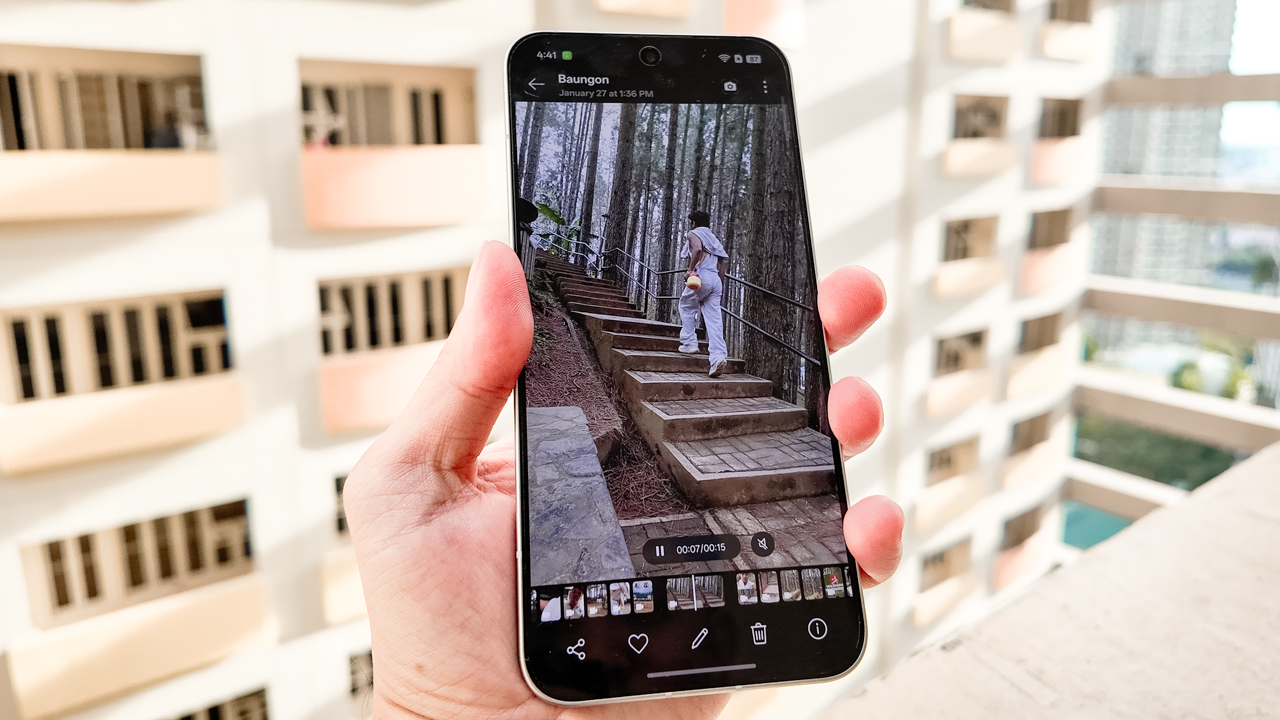
I found myself stepping into pockets of shade, tilting the screen at careful angles, squinting just to confirm whether a shot was framed properly.
On days when there was no escaping the sun, I trusted the camera and my instinct for composition. I mounted the phone on my Ulanzi tripod, positioned myself in the scene, and focused on performing rather than obsessively reviewing every second.
There was a learning curve, but it reminded me that sometimes you have to let the moment unfold and stitch the story together later from whatever you captured.
Now Playing: Undercover Miss Hong
My life as a creative director isn’t all shooting and exporting. I consume as much as I create. Inspiration has always come from film and television.
Lately, I’ve been watching Undercover Miss Hong on Netflix, with Park Shin Hye playing Hong Keum-bo, an elite securities inspector who goes undercover as a rookie employee inside a suspicious investment firm.

Set in 1997 Seoul during the Asian Financial Crisis, the series commits fully to its time period. The palette leans into muted browns and dusty blues that echo economic tension.
Interiors feel dim and textured and office spaces look rigid. The fashion reflects the late ’90s without turning into a costume. Nothing is polished for surface appeal because everything feels rooted in its world.

On the Reno15 5G’s 6.59-inch AMOLED display, those tonal differences came through clearly. Dark scenes retained shadow detail instead of collapsing into flat black, while warm tungsten lighting looked rich without veering orange.
Beyond inspiration, I trim clips and scrub through footage I captured during my trip. The 120Hz refresh rate makes swiping and scrubbing feel fluid.
Where nothing lags
As someone fond of flagship devices like my OPPO Find X9 and iPhone 16 Pro, I know immediately when a smartphone feels like a compromise. The OPPO Reno15 5G is technically midrange, yet it never felt like one.
From setup to day-to-day use, everything felt smooth. Apps opened quickly so I switched between shooting, editing, messaging, and uploading without hiccups.
My neurodivergent brain appreciated that it could keep up with the constant mental tabs I have open.
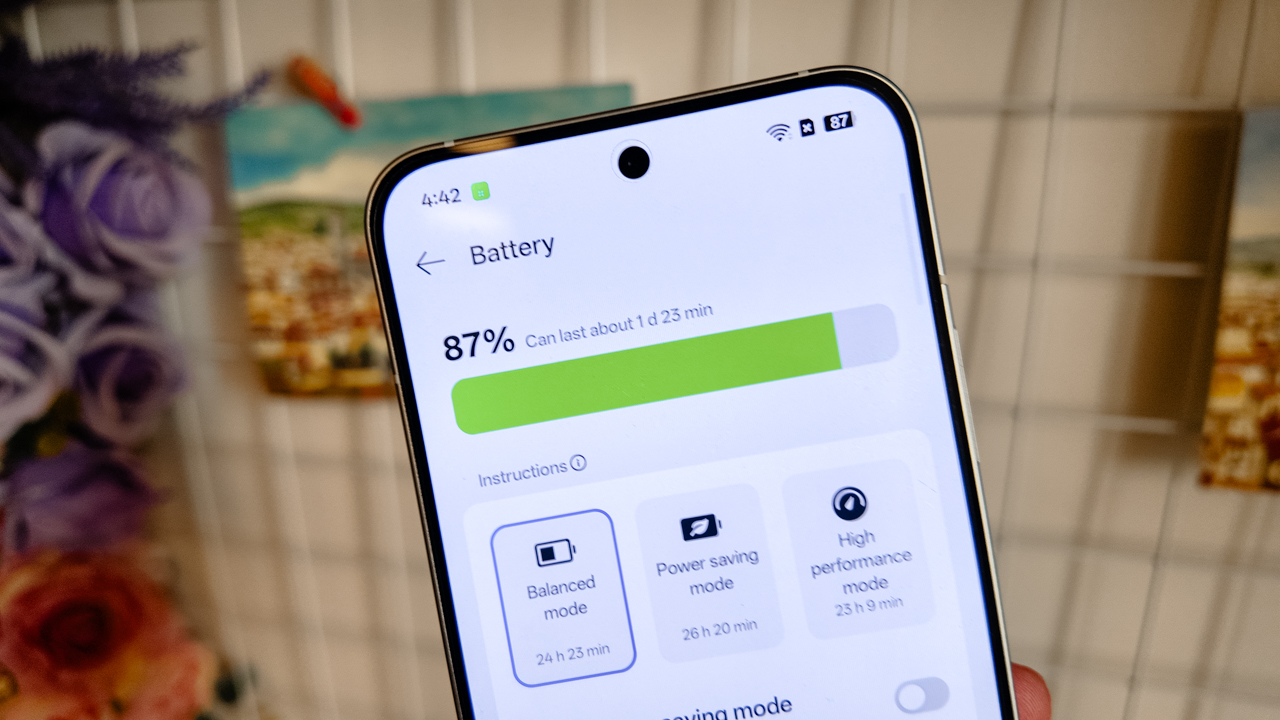
The 6500mAh battery lasted about a day and a half after shooting across cities and mountains. Charging took around 45-50 minutes from zero to 100% with 80W SUPERVOOC.
What I appreciated most was O+ Connect. I’ve used it before on the Find X9 and previous Reno devices, and it continues to make my workflow seamless.
It’s no secret that I exist deep within Apple’s ecosystem. My MacBook Air, iPad Pro, and iPhone 16 Pro are cross-functional tools for my work. I even switched to Apple’s Creator Studio.
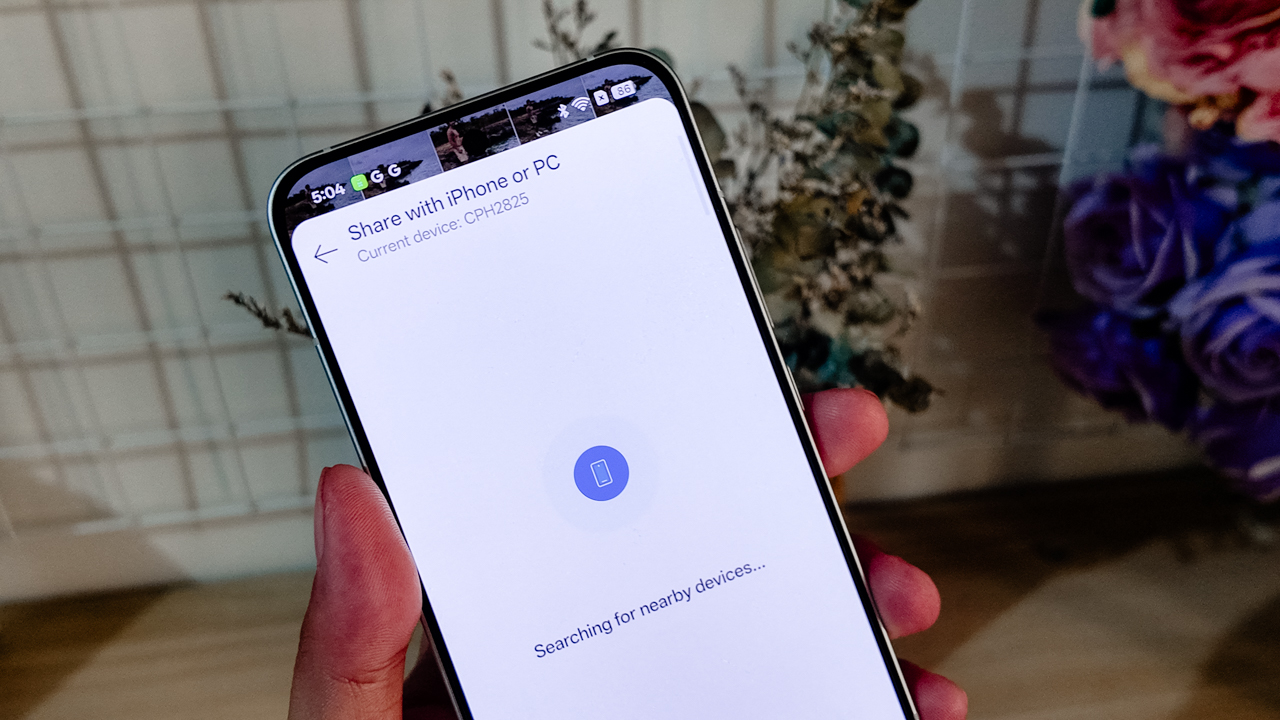
Using the Reno15 5G as my primary content device during testing could have felt disruptive. Instead, O+ Connect allowed me to move files across devices easily.
I treated the Reno15 5G like a mirrorless camera, then refined everything on a bigger screen.
A playground for precision
Artificial Intelligence has ingrained itself into our devices in ways that don’t always feel natural.
I’ve seen AI productivity tools work well for people in high-pressure professions. For me, efficiency doesn’t mean teaching a system how to think before it works for me.
What stood out in the Reno15 series was AI Mind Space. It allowed my scattered brain to consolidate screenshots, schedules, references, and fragments of information into one hub that actually mirrors how I operate.
As someone who saves everything for later, it felt less like automation and more like organization that understands me.
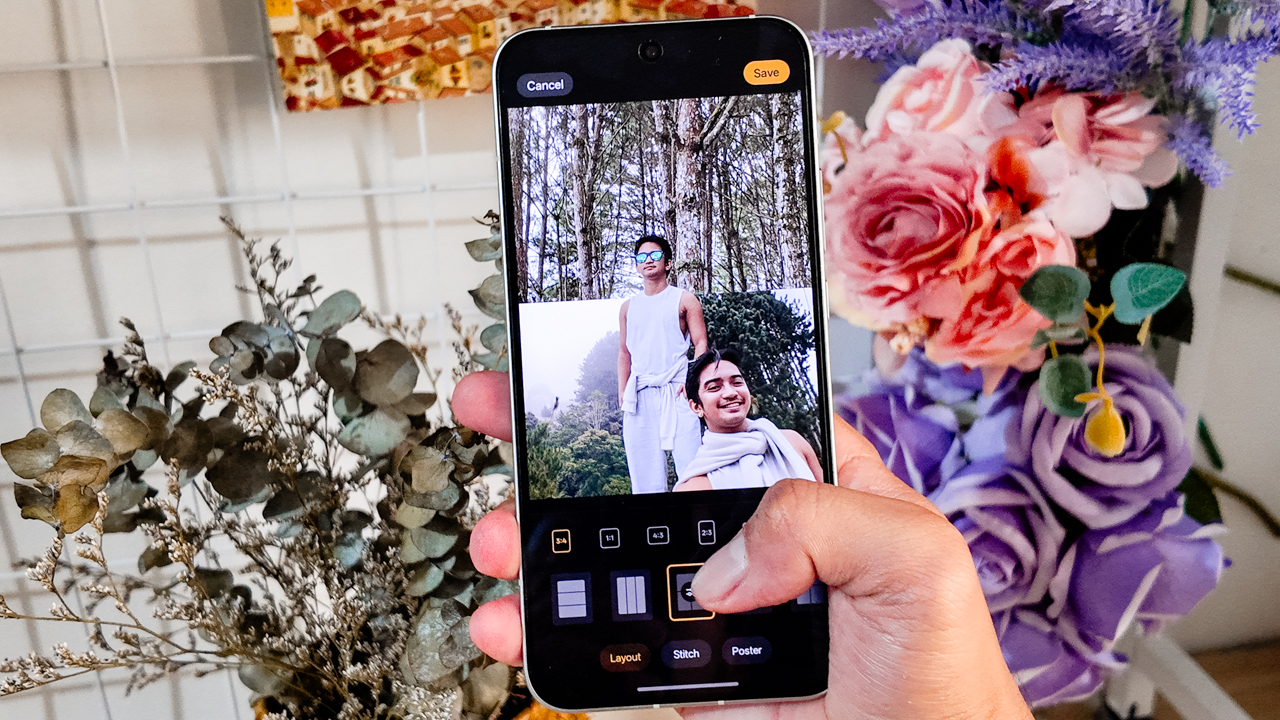
Then there’s AI Motion Photo Popout. As a creative director, I don’t like posting stories the way everyone else does. I have a desire, deep in my bones, to stand out.
Popout lets me lift subjects out of the frame and turn them into layered visuals. I used it for Instagram Stories and thumbnails instead of settling for a random still from a Reel.
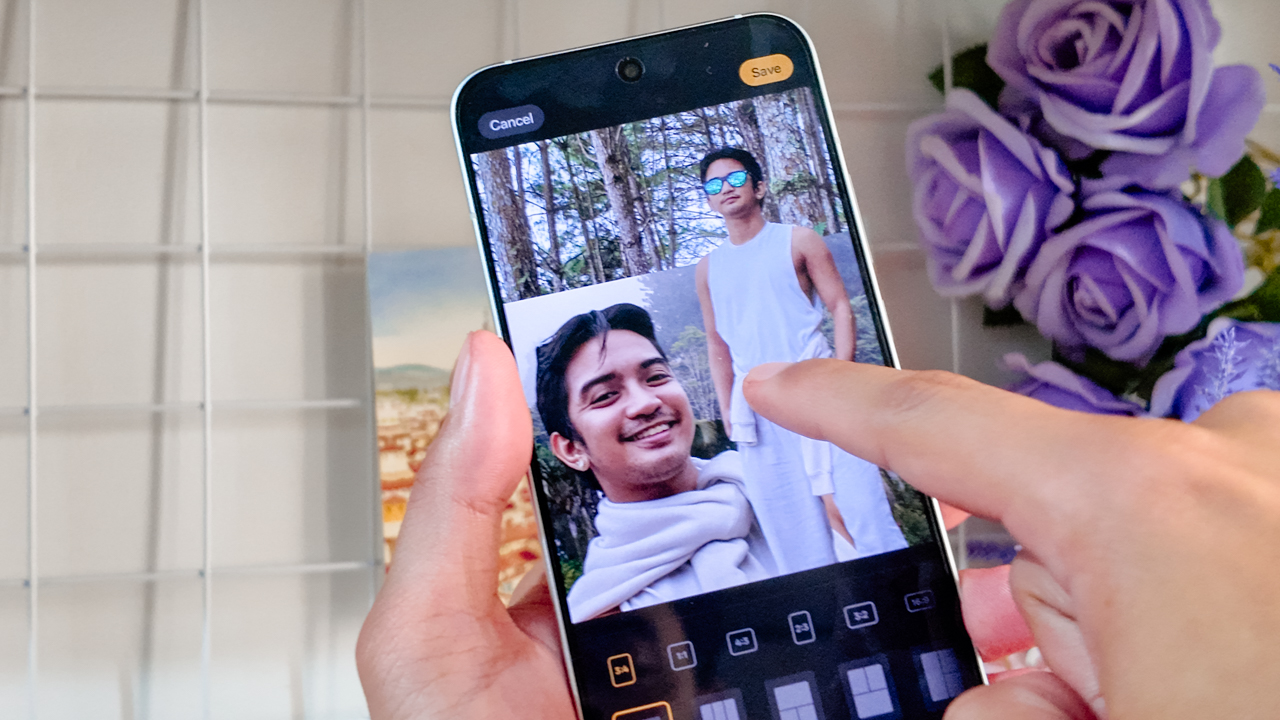
Being able to refine directly in the Gallery — erasing distractions or turning motion into cinematic snippets — meant I could act on impulse without sacrificing my love for curation.
Learning to be seen
During my time in Northern Mindanao, I stopped pretending I didn’t want to be in the photos.
For the longest time, I’ve been more comfortable orchestrating the frame than occupying it. I knew where to stand and how to direct, or where the light should hit… but for everyone else.
This past year, I’ve been learning to own the space I’m in and not dimming my light simply because I’m afraid of how bright it might be.
The OPPO Reno15 5G’s 50-megapixel ultra-wide front camera made that easier than I expected.
I told OPPO’s Creative Manager in passing that I genuinely liked the new hardware when he asked how the experience had been so far, and I meant it.






The wider field of view meant I didn’t have to overthink whether everyone fit into the frame. I didn’t have to do that subtle, Gen-Z arm stretch or step back awkwardly just to make room for the scenery.
I could capture more of the background without looking hideous in the process. The frame felt immersive, yet balanced: Faces looked natural and proportions didn’t warp.
There’s something powerful about not having to choose between yourself and the scenery. You can be the subject, or you can be part of the story. With this smartphone, you’re allowed to coexist with both.






I even asked my photographer friend, Neil Jimenez, to take my portraits using the 50-megapixel telephoto portrait camera.
Holding still in front of the lens felt unfamiliar. I tried to remain statuesque, composed, trusting him to see what I usually see in others.
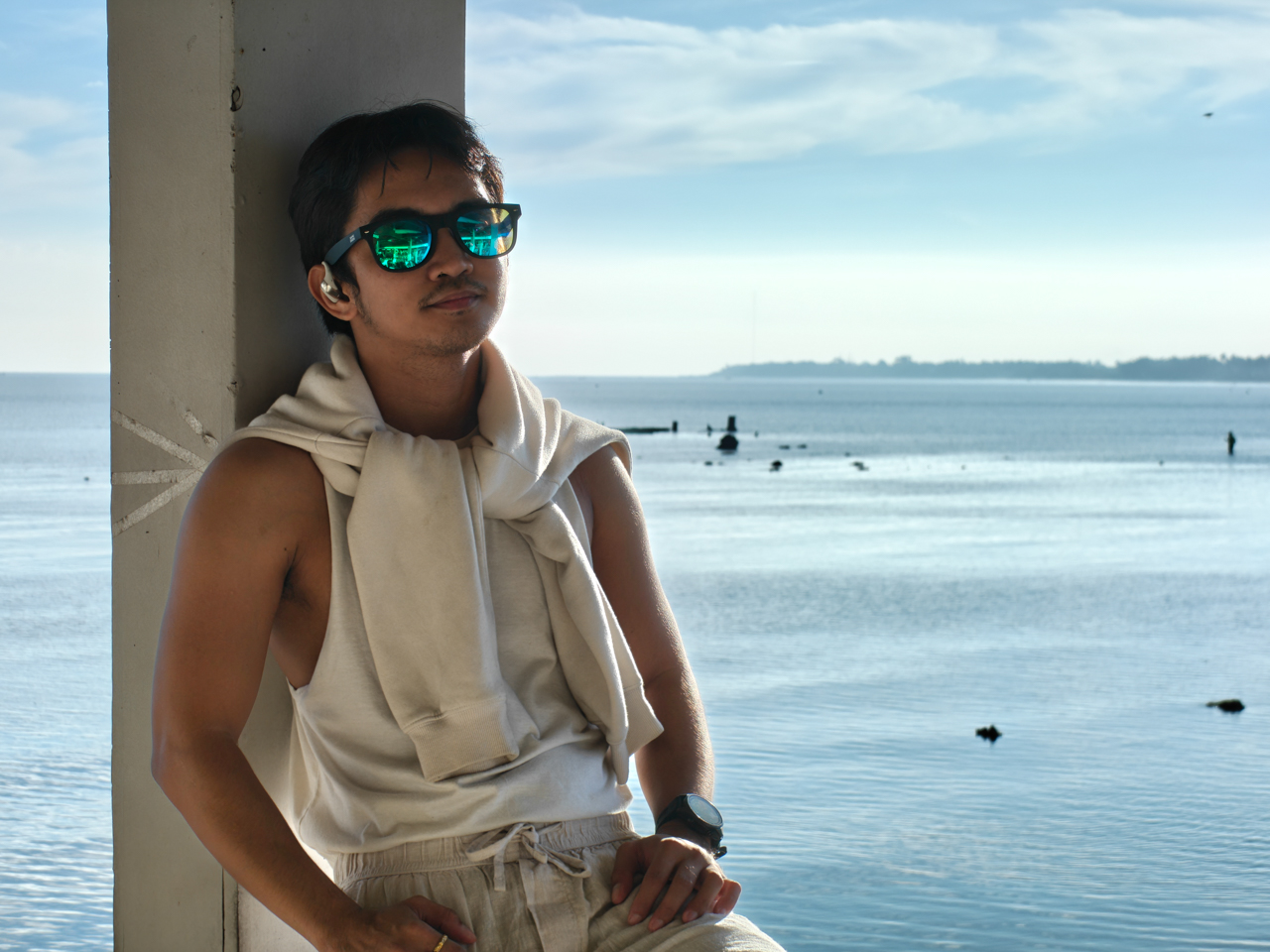
The portraits came out vivid without distortion. The backgrounds softened, but never stretched or exaggerated.
It was strange to watch myself in those frames. To notice how the light rested on my cheeks, and see how my smile shifted when something genuinely amused me. To observe expressions I never see because I’m usually the one observing.
There’s another side of you that only appears when you let yourself be seen.
Behind the lens where I’m most comfortable
If being in the frame felt vulnerable, being behind it felt like home.

Bukidnon still feels like a dream when I replay it in my head: Horses moving across open fields, mountains layered into one another like watercolor washes.

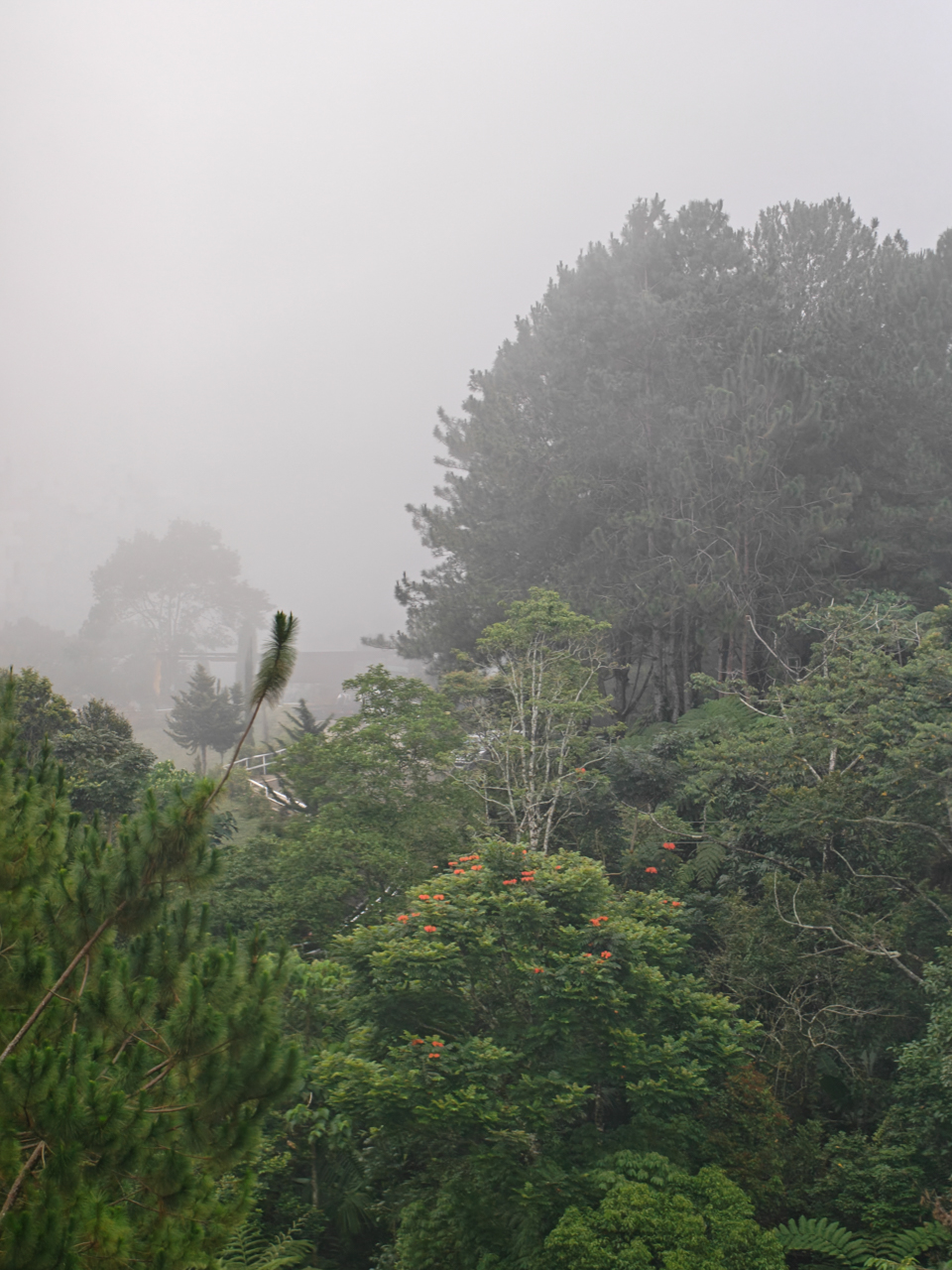








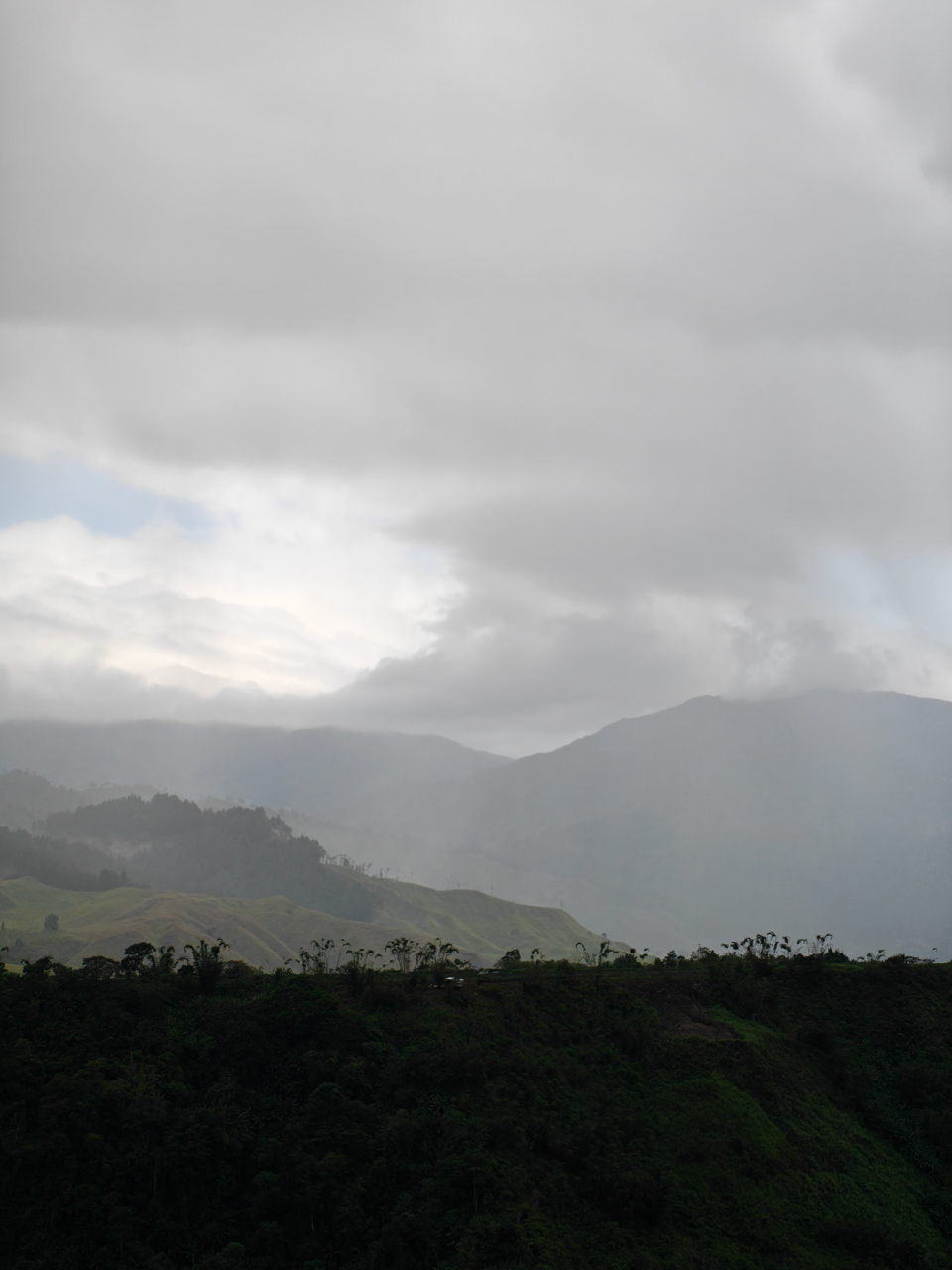


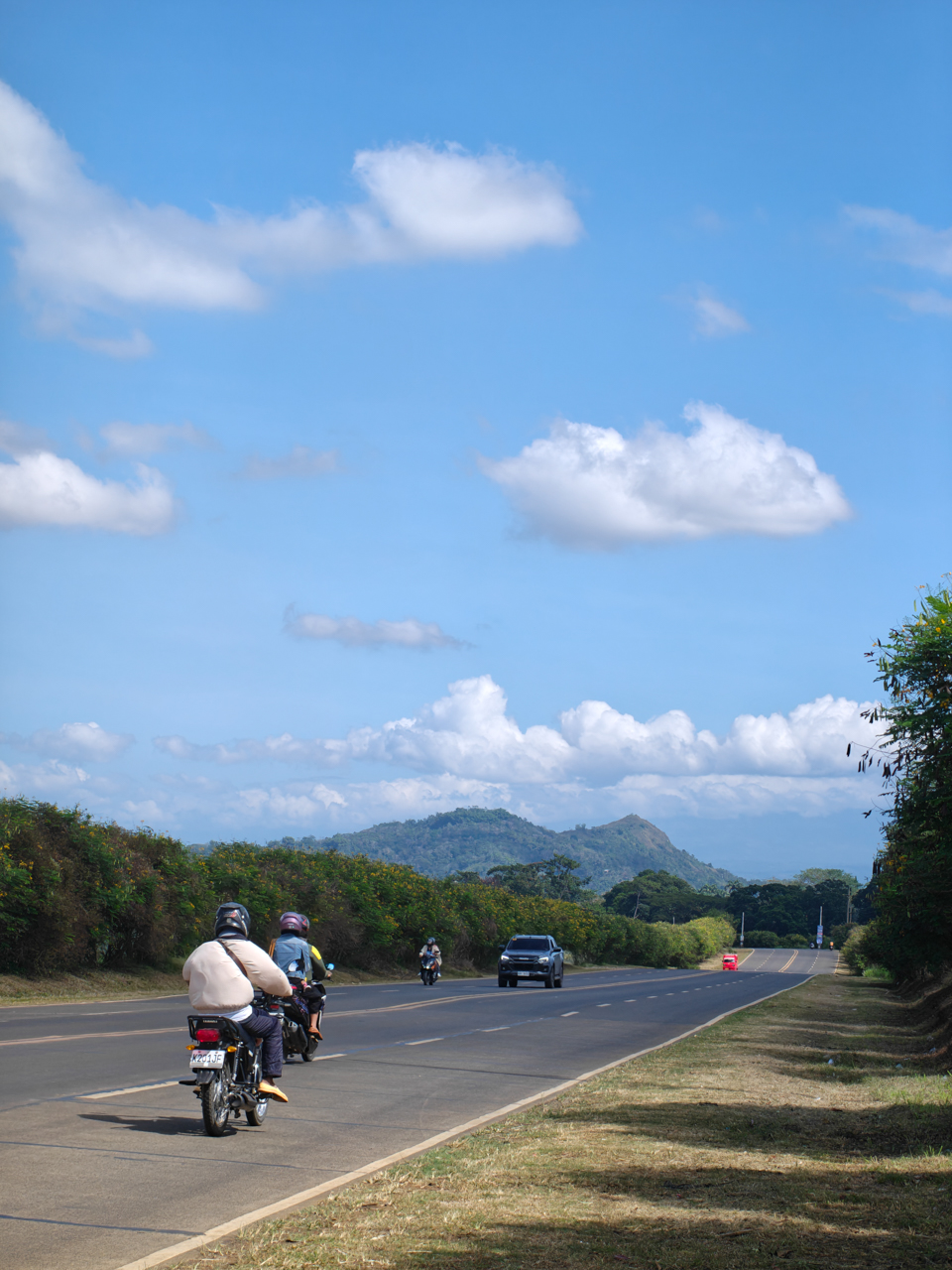
I shot wide and then cropped in. The main camera gave me enough details to experiment. Whether I stayed at 1x or zoomed into 2x or 5x, I shaped the narrative the way I wanted people to experience it.
I framed lines and symmetry, and leaned into negative space. I played with contrast, like the way Alpine Village’s architecture stands against the surrounding greenery in Dahilayan.



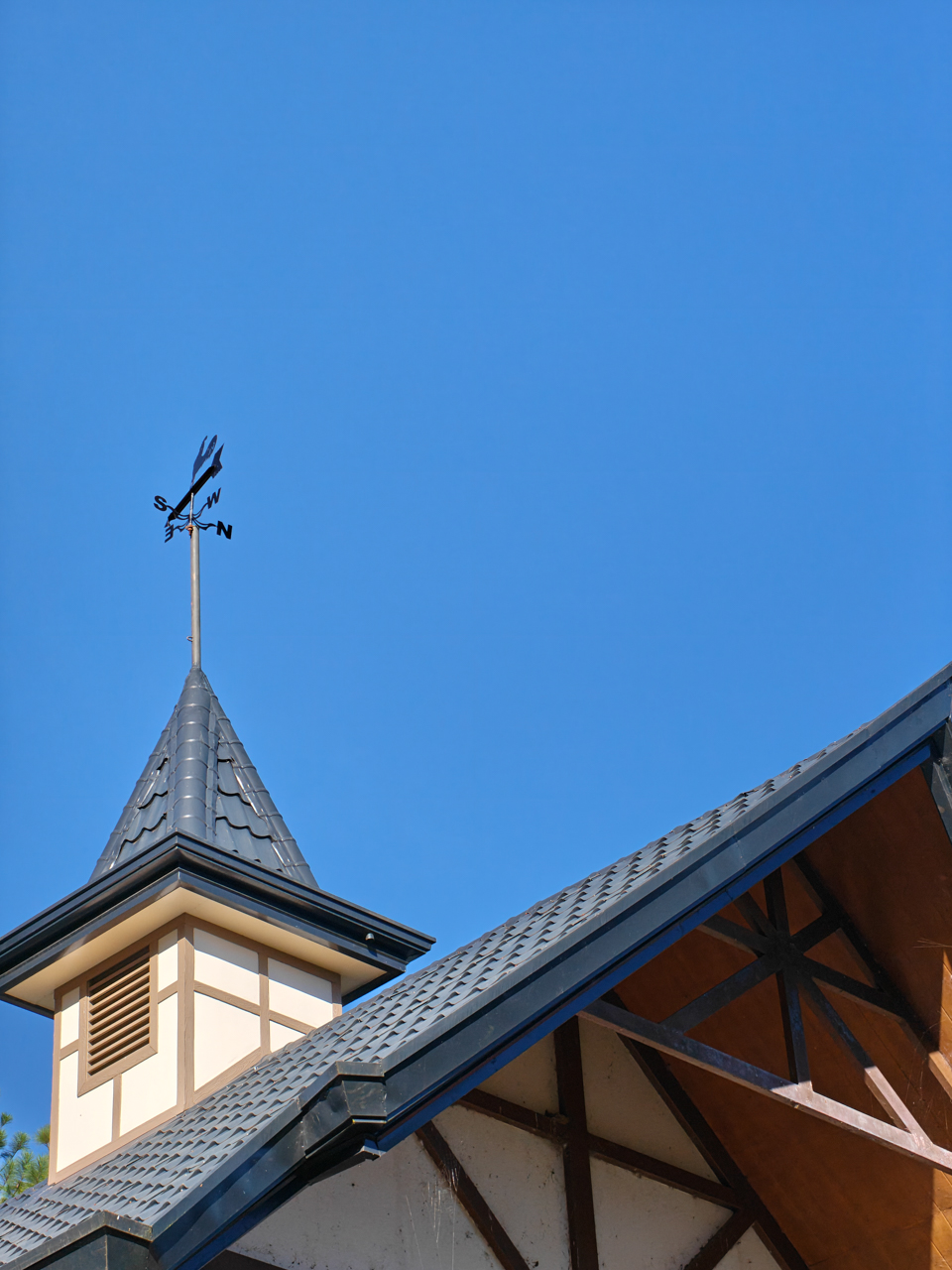
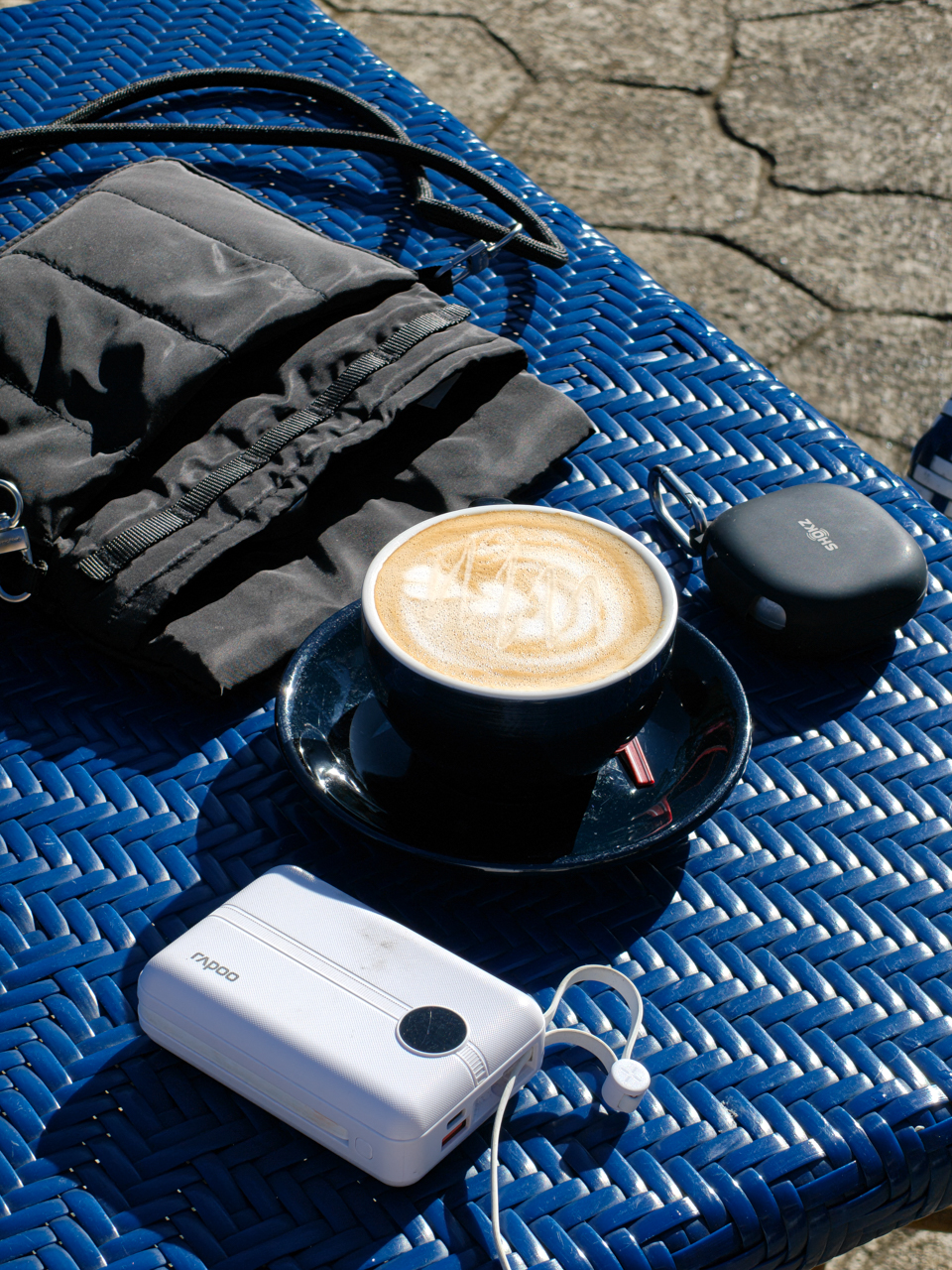



There was room to explore. Room to make mistakes. It felt like the device in my hand wasn’t just a tool, but a collaborator responding to the way I see the world.
Filmed and directed by yours truly
After leaving the love of my life last year, I began documenting my trips. Maybe it was for content or healing. But I started treating my life like a film I had to direct and star in.



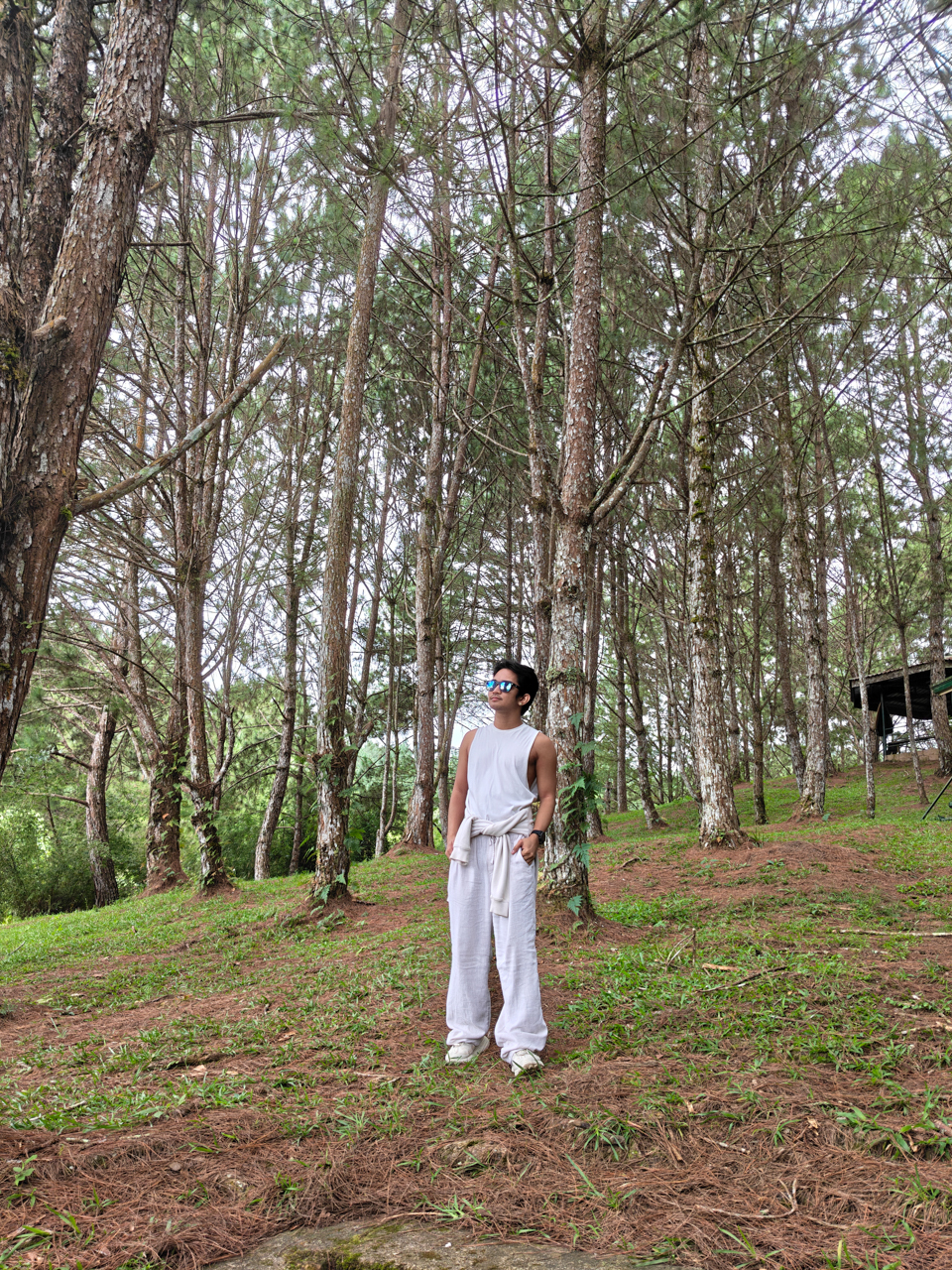


Acting in your own story while directing it at the same time is harder than it sounds. It requires vulnerability and believing that your perspective is worth documenting.
Bukidnon became my practice. I recorded clips using the OPPO Reno15 5G in 4K HDR because I wanted the footage to be stable and detailed even when I was moving.
I remember stressing over file sizes, wondering if I had overcommitted to quality. But when you care about storytelling, you’d rather have too much detail than not enough.
There were pine-lined roads. Snippets of conversations. Landscapes that felt cinematic without trying. And of course, me being a dramatic, slightly unhinged main character like I was starring in a Taylor Swift music video.
Getting out of my comfort zone meant taking the Reno15 5G — mounted securely on a tripod — to a 350-meter zipline ride. For a brief moment, I imagined I was Elphaba flying away from the Emerald City.
View this post on Instagram
I also brought it to the Razorback ride, using Dual-View Video to record the mountains stretching in front of me while capturing my own reaction at the same time.
I’ve done something similar during an ATV ride in Bohol, but this felt different. Higher stakes (and chances of falling if I abruptly stop). Faster wind (and a cold one, because we’re high up in the mountains). More nerves (because I’m not in control).
View this post on Instagram
I was terrified. The accelerator felt awkward under my control and the seatbelt didn’t feel secure. I’m short, so even sitting comfortably required adjustment.
There was a moment where I questioned whether I had overestimated my courage. But I survived. This story is published. The video is up.
Sometimes, being able to capture how a place made you feel — not just how it looked — is priceless. Vulnerability and honesty matters.
The courage to step into your own frame matters. It just helps when the device in your hand is capable enough to keep up with the story you’re brave enough to tell.
Is the OPPO Reno15 5G your GadgetMatch?
The OPPO Reno15 5G isn’t perfect. Priced at PhP 36,990, it sits a few thousand pesos higher than its predecessor, so the jump asks you to think twice.
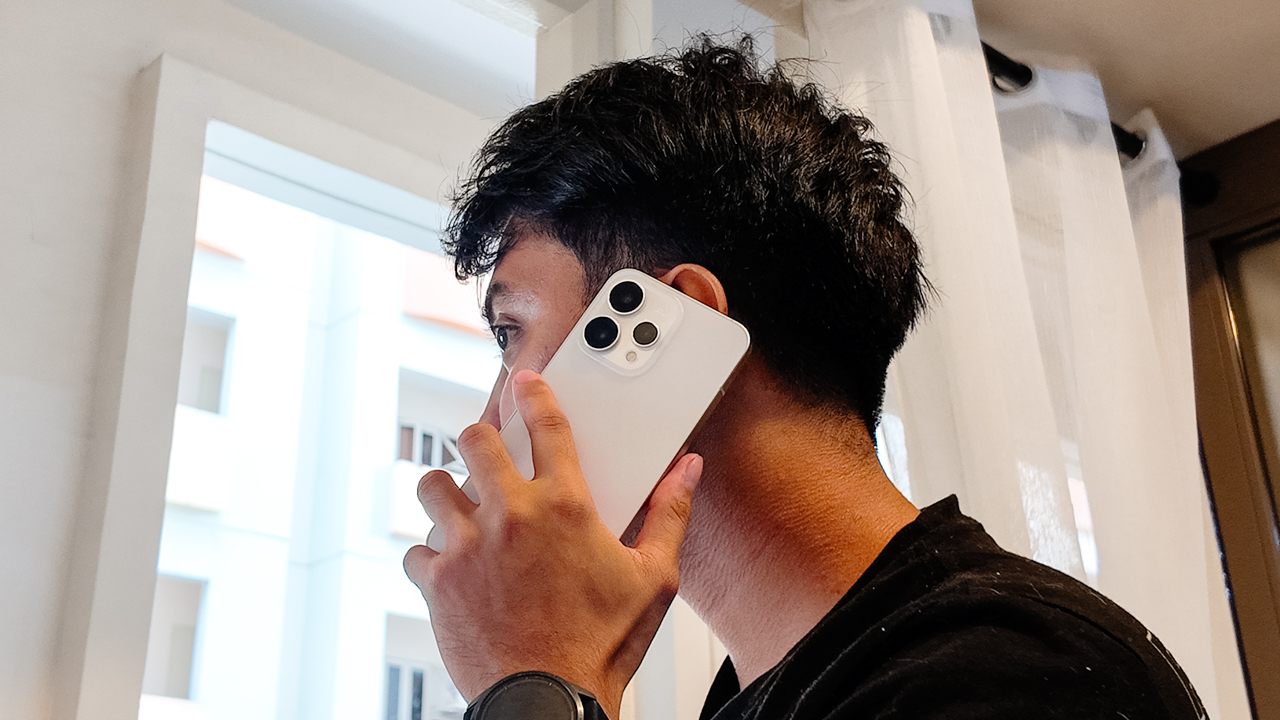
What you’re really paying for is refinement. It has smarter AI integrations and a more cohesive overall experience.
But here’s the thing: this is the first Reno in a while that feels grown up. It makes storytelling easier for people who live half their lives online, with a camera system and performance that feel steady enough to rival devices in higher tiers.
So if you’re wondering whether it’s your GadgetMatch, consider a Swipe Right if you’re a content creator who values camera versatility, especially a strong front camera. If you move between Android and Apple ecosystems and need something that lets you shoot, edit, and publish on the go, this fits that workflow.
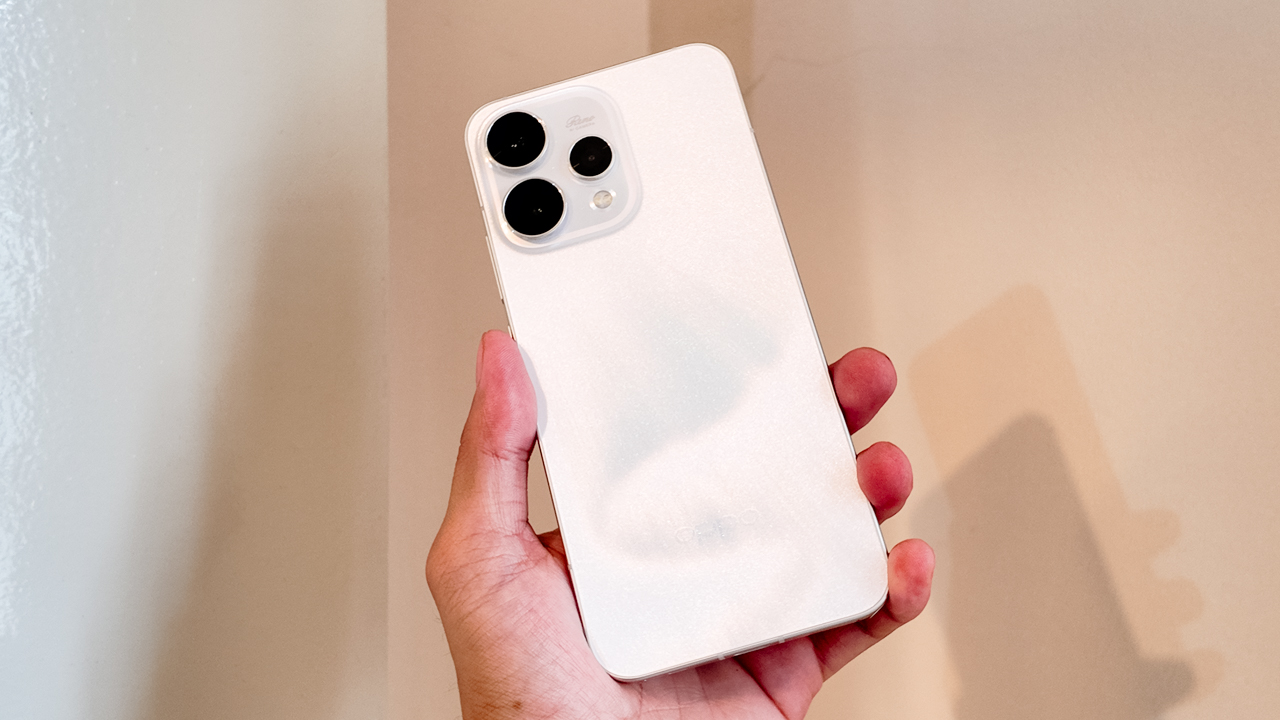
Swipe Left if you’re extremely price-sensitive or if you rarely go beyond basic point-and-shoot and don’t see yourself using the AI tools built into the system.
The OPPO Reno15 5G won’t transform your life. But if you’re already in the middle of writing your own story, it’s a dependable co-director and co-producer.
And sometimes, that’s all you need.



IQOS x Isabel Santos turns heated tech into a cool, design statement

Neon Genesis Evangelion is getting another anime series

Nothing releases first look at Phone (4a)

Dyson PencilWash makes wet cleaning feel effortless

Jackery portable power solutions makes appearance at Doraemon Run

Breaking up with Adobe Photoshop after 20 years

TECNO will showcase the CAMON 50 and POVA 8 series at MWC 2026

PlayStation, LE SSERAFIM Chaewon team for the ‘Love of Play’ campaign

New DRAGON BALL game project “AGE 1000” for 2027 announced

VinFast updates battery subscription policy for large upfront savings


-

 Reviews2 weeks ago
The art of being in and behind the frame
-

 Gaming2 weeks ago
God of War Greek trilogy remake in development, Sons of Sparta out now
-

 India2 weeks ago
TECNO POVA Curve 2 5G packs an 8000mAh battery
-

 First Look2 weeks ago
Match Pulse: OPPO Reno15 Pro
-

 Accessories2 weeks ago
Sony WF-1000XM6 is out now: Price, availability
-

 Gaming2 weeks ago
New Resident Evil Requiem trailer teases a return to the RPD
-

 Accessories1 week ago
Apple AirTag 2 Review
-

 Gaming2 weeks ago
John Wick, Kena sequel, more new games showcased at State of Play