


It was a Friday, my birthday. I, along with the local media team, flew to Hong Kong for an annual event on electrifying cities to achieve a greener environment.
After the warm welcome of the event’s hosts, they started briefing us of the day’s itinerary. We were to use the company’s electric vehicles and drive them through Hong Kong’s three main regions to get a feel of how they ride and put their features to real-world use.
Exciting, right? Thing is, Hong Kong is a right-hand drive territory and I live and grew up in a country with left-hand vehicles. I’ve never driven on the opposite side of the road. I figured I’d just wing it.
I figured I’d just wing it.
They finally sent us out to the cars in pairs and assigned us an official rep either to make sure everything went well or that we didn’t run away with the car — pretty sure it was more of the former.
My partner for this ride was a fellow journalist in the automotive industry. He would always crack jokes on almost anything he saw which somehow took my mind off the fact that I’d be driving in a foreign country with unfamiliar roads during my first right-hand drive experience.
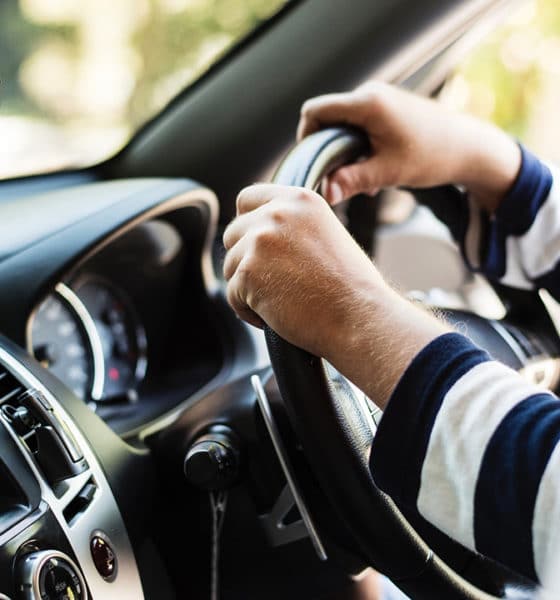
We agreed that I’d take the wheel for the first half of the trip and switch seats halfway so we both could experience the electric vehicle. I grabbed the door handle on the right side, opened it, and gave my weight to its cushioned driver seat.
I was faced with the cockpit of the vehicle. As a person who likes things neat and in order, the buttons, displays, and icons were neatly laid out. I was not overwhelmed.
I spotted a mounted GoPro on the passenger’s side aimed directly at me. I thought it was cool to have a copy of myself driving on the opposite side of the road for the first time.
I kind of felt like I was in a sci-fi movie.
With everyone inside, I stepped on the brake and pressed the ignition button. The motor of the car whirred with a held-back enthusiasm. “I’m still not used to how quiet it is,” I told my companions, explaining that I was already able to drive the car — only the previous year’s model. The absence of a gas-guzzling engine made the vehicle come to life not with the sound of a heavy breathing dog but more like Wall-E‘s Eva powering up. I kind of felt like I was in a sci-fi movie.
Then we were off to take on the gloomy and chilly weather. The hotel’s lobby is elevated so there was a long spiral-like ramp that led in and out of the driveway. Turning towards the ramp was critical for me as it was my first turn to the opposite lane. “Always enter the left lane. Always enter the left lane.” I kept telling myself this over and over just to rewire my mind and unlearn the driving system that I grew up with and adapt to this new setup.
We drove down the ramp, onto the street, and later on into the highway. “So far so good,” I thought to myself. The idea was to drive through a pre-designated route using Google Maps. But, as with most times, things didn’t go as smoothly as planned. The app didn’t work properly for the first 15 to 20 minutes of our trip. It had problems with GPS so I had to listen to the company’s representative seated at the back as he pointed when and where to turn.
But, as with most times, things didn’t go as smoothly as planned.
For a while there, I was like an Uber driver going through the busy streets of Hong Kong.
The vehicle responded very well every time I stepped on the gas pedal. We were discussing that having an electric motor means power is quickly channeled to the wheels so it responds a lot faster compared to internal combustion engines. I also liked how the car didn’t have problems gaining speed whenever I needed to catch up. Basically, exploring the car’s array of features, while driving, helped me eliminate the few anxieties that I had left. Yes, I enjoyed the drive.
It was about 30 to 40 minutes in that I became more confident driving the right-hand vehicle. Entering the left lane every time I turned became more and more natural. Of course, there were times when I’d still forget I was on the opposite side — like that time I was paying at the toll gate and opened the left window instead of the right. Boy, was the teller confused when I did that.
While probably a really simple and obvious solution, one of the things that helped me with the transition was to think of everything in the opposite way. That way, It was easier for me to grasp the entire idea of right-hand driving. If my natural habit was to keep right, I knew that during that moment, I needed to keep left. When it felt natural to flick the turn signal using the left switch, I’d use the right since the left would be for activating the wipers.
If my natural habit was to keep right, I knew that during that moment, I needed to keep left.
That kind of mindset got me through the entire ride right up to the point where I and the other media I was with had to switch for his turn to drive.
I went down, walked around to the other side, and got in the passenger seat. It was weird because since I was back to sitting on the left side, the initial response of my arms was to grab the steering wheel and start the vehicle, forgetting all of a sudden the “brainwashing lessons” I taught myself just half an hour ago.
Seeing the GoPro that was mounted right above me, I reached for it to check if it was still recording. I then noticed there were no blinking red lights. I leaned closer and to my surprise, it wasn’t even turned on. So much for documenting my first right-hand experience, right?
“It wasn’t recording the entire time!” I exclaimed. It was unfortunate but we had a laugh out of it. I figured I’d just write down the events that happened so that I wouldn’t forget it. I powered up the action camera and started recording for my partner’s sake. With dark clouds and light rain still accompanying us, we started driving back to the hotel.
My key takeaway from the experience was to know what works for yourself.
During our trip back, I reflected on what I just did, from the excitement to the feeling of fulfillment of doing something the first time and succeeding. My key takeaway from the experience was to know what works for yourself. For me, I simply had to do the opposite of what I’m comfortable with to make sure I had clear control of what to do for certain situations.
Of course, it would also help a lot if one would closely study and practice for something like this. I just didn’t have much choice and had limited time to prepare for the drive.
We got back to the hotel, thanked the company’s representative who came with us for being an accommodating guide, and I went straight to my hotel room to freshen up for the night’s welcome dinner.
It was a great experience overall and am still thankful for the brand extending an invite to the event. The fact that I did something for the first time on my birthday only made it more special. To more drives!





Automotive
Mercedes-Benz celebrates 140th anniversary at the Presidential Car Museum
A generation’s worth of presidential Benz models under one roof

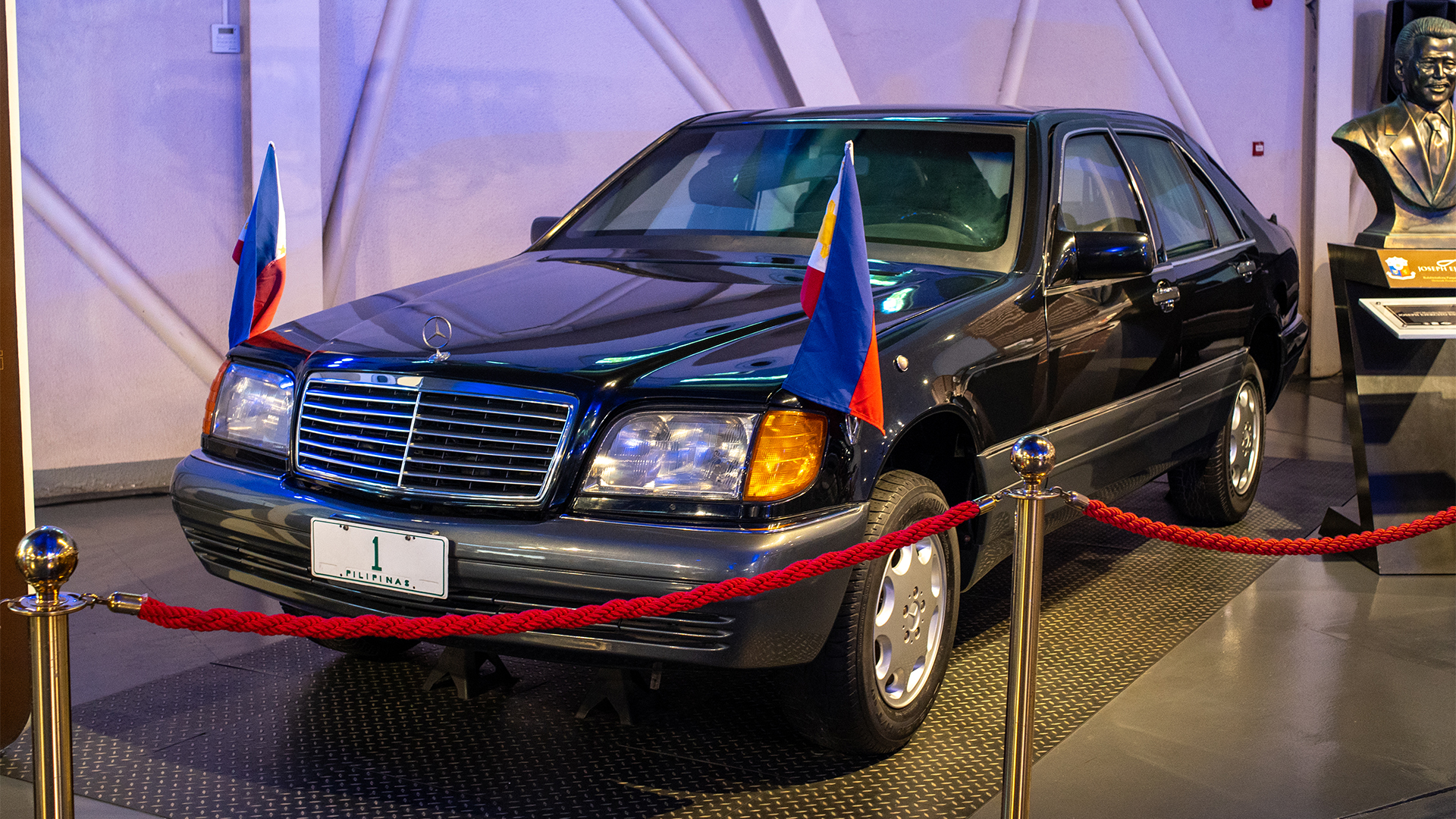
Last month, Mercedes-Benz Philippines kicked off its 140th -anniversary “Welcome Home” campaign. Designed to celebrate the iconic Chedeng and introduce a new generation to the brand, the campaign attracts old and new customers alike. Now, the brand’s 140th year is also hitting history buffs with a special showcase at the Presidential Car Museum in Quezon City.
Since President Cory Aquino’s term, the official presidential car has been a Benz, offering comfort and protection for the current head of state. It is here where Mercedes-Benz wants to celebrate the legacy of the brand, especially in the annals of Philippine history.
Amid the cars of Presidents Aquino, Ramos, Estrada, and Macapagal-Arroyo, Mercedes-Benz is displaying a replica of the Benz Patent-Motorwagen Replica, which is the world’s first automobile introduced by Karl Benz in 1886. The replica will be on display until December 2026.
Outside the Presidential Car Museum, Mercedes-Benz is running discounts through the end of July. There are also special aftersales services for those who already own a Benz. Finally, the brand will continue to run activations throughout the anniversary, so expect to hear a lot more about the Chedeng throughout the year.
SEE ALSO: Mercedes-Benz holds a Welcome Home campaign to celebrate 140 years

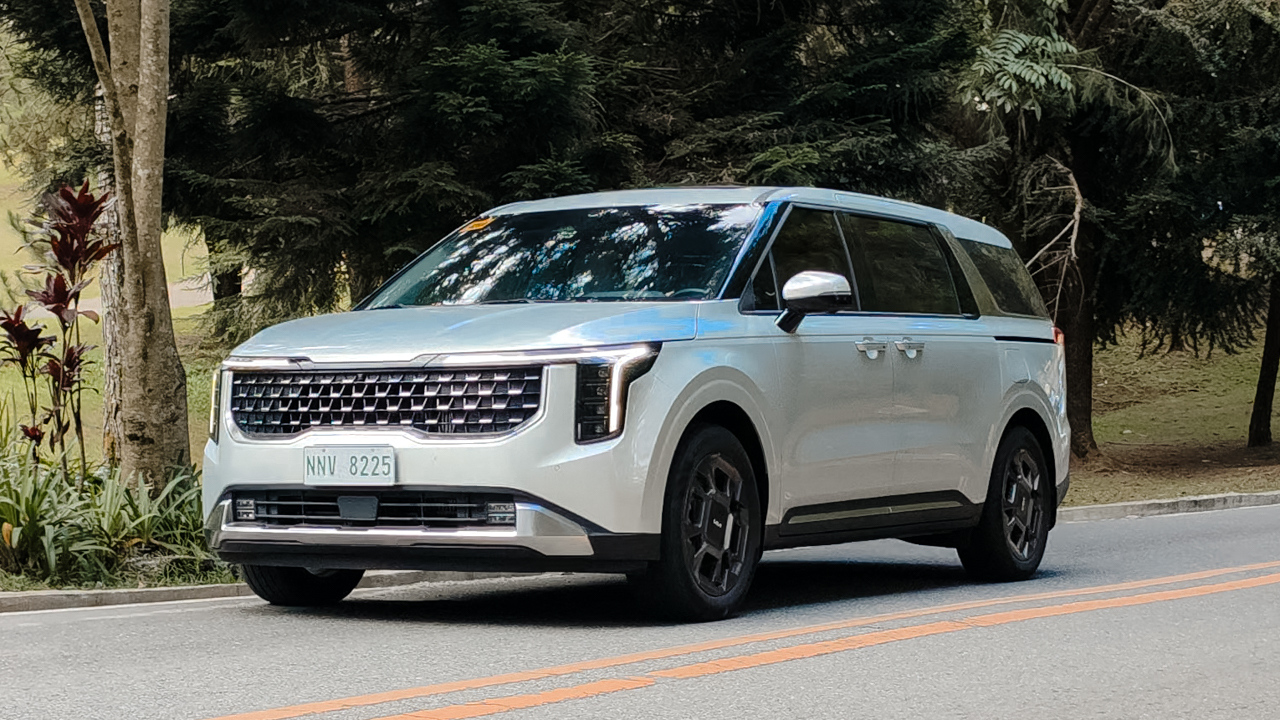
Large vehicles are often accompanied by equally large assumptions.
They’re difficult to maneuver. They’re cumbersome in city traffic. They’re intimidating to park. And while they may offer unparalleled comfort and space, they’re usually accompanied by compromises that drivers simply learn to live with.
After spending five days and approximately 834 kilometers with the Kia Carnival Hybrid—through Metro Manila traffic, airport pickups, the narrow streets of Intramuros, an overnight trip to Anilao, a drive through Tagaytay, and eventually a same-day Manila-Baguio-Manila journey–I came away with one overriding thought:
This thing never felt big. That’s the highest compliment I can give the Kia Carnival Hybrid. It is, in every sense of the phrase, a gentle giant.
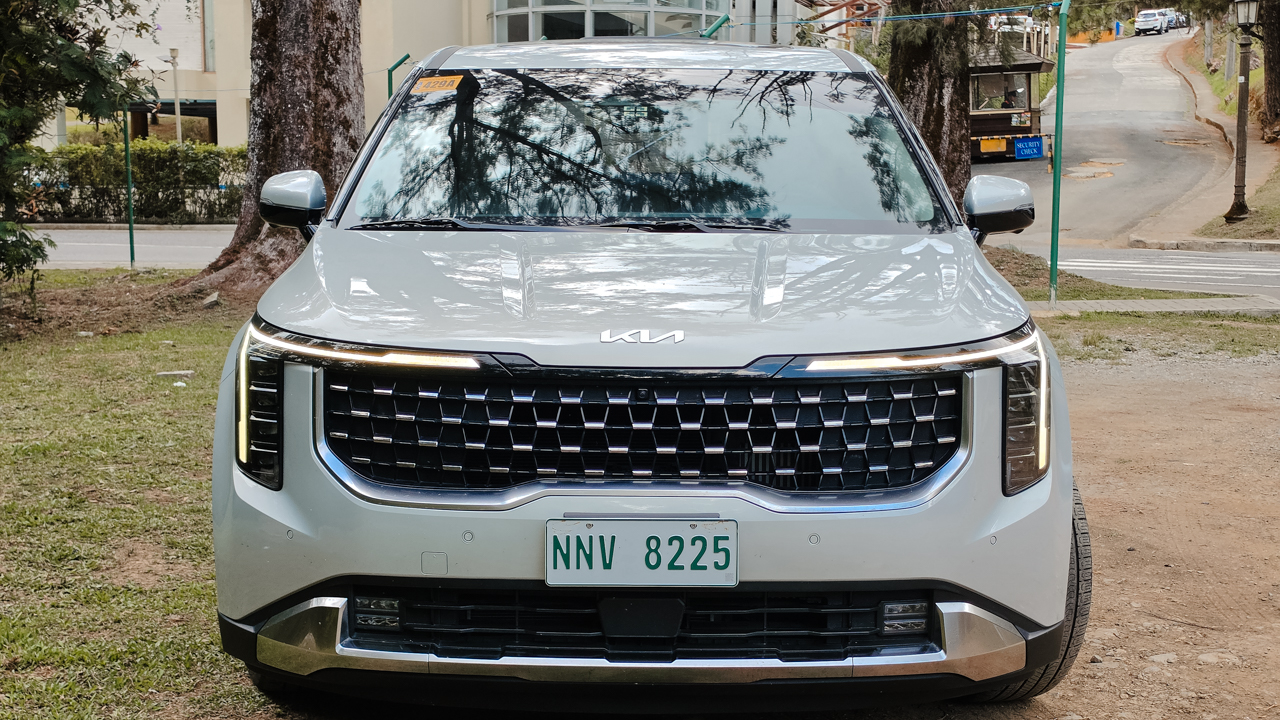
First impression
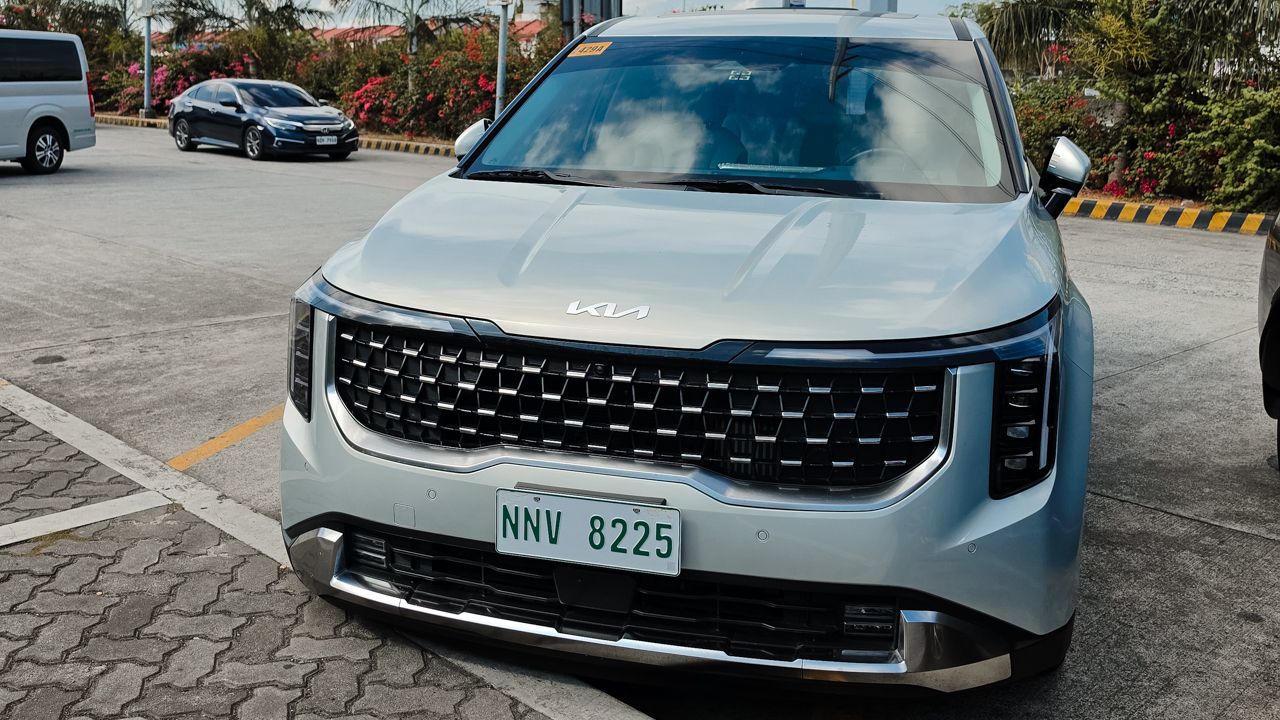
The first time I saw the Carnival, my immediate reaction was simple: It’s huge.
Parked beside most SUVs on Philippine roads, it immediately commands attention. Naturally, I expected the learning curve to be equally significant. After all, this isn’t a compact crossover or even a midsize SUV. This is a full-sized MPV designed to transport families, executives, luggage, and everything in between.
The Manila test
Our first real assignment together involved airport pickup duties in Manila. Anyone who’s done NAIA pickups knows that it’s essentially controlled chaos. Stay too long and you risk antagonizing everyone waiting behind you. Move too slowly and suddenly you’re holding up traffic while trying to get passengers and luggage loaded.
Surprisingly, the Carnival made the entire experience feel effortless.
Loading luggage was quick. Getting passengers in and out was seamless. Visibility was excellent. And despite driving a vehicle this size, I never once felt overwhelmed.
That feeling only continued over the next several days.
If there’s one place that reveals a vehicle’s true character, it’s Metro Manila.
Luxury cars are comfortable on highways. Almost anything can cruise down SCTEX or NLEX. But Manila, with its traffic, narrow roads, old parking structures, and unpredictable flow, has a way of exposing weaknesses quickly. Yet the Carnival continued to surprise me.
We drove through downtown Manila, navigated the narrow streets of Intramuros, and, managed my condos’s notoriously narrow parking facility. There were several moments where I genuinely thought, “This should feel more stressful than it actually does.” But it didn’t.
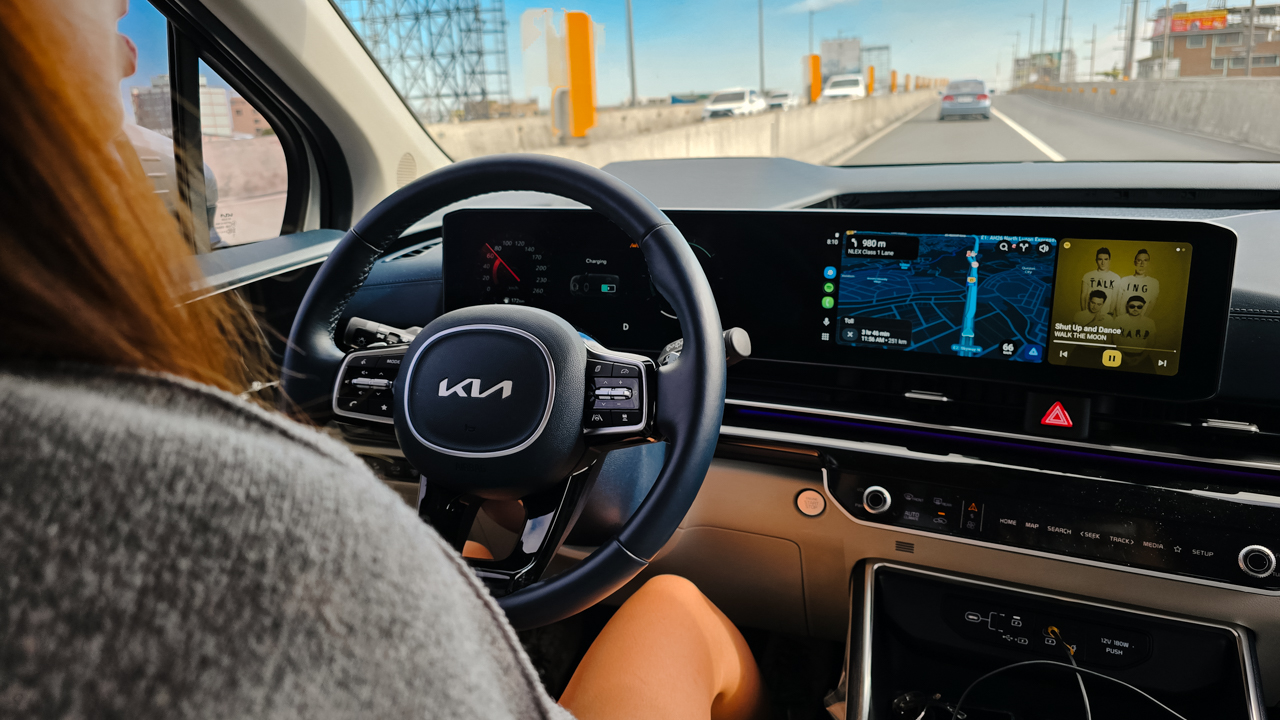
In fact, one of the Carnival’s greatest strengths is its steering.
There’s a confidence and precision to it that completely changes your perception of the vehicle. Rather than feeling like a large van, it feels more like driving a premium sedan or SUV–just one that happens to offer an immense amount of space.
This is exactly why I started calling it a gentle giant.
It possesses all the physical presence of a large luxury people mover, but none of the intimidation that usually comes with one.
Going the distance
With a full tank, we headed south toward Anilao, Batangas, eventually making our way through Tagaytay before returning to Manila. By the end of that journey, we had already covered approximately 311 kilometers.
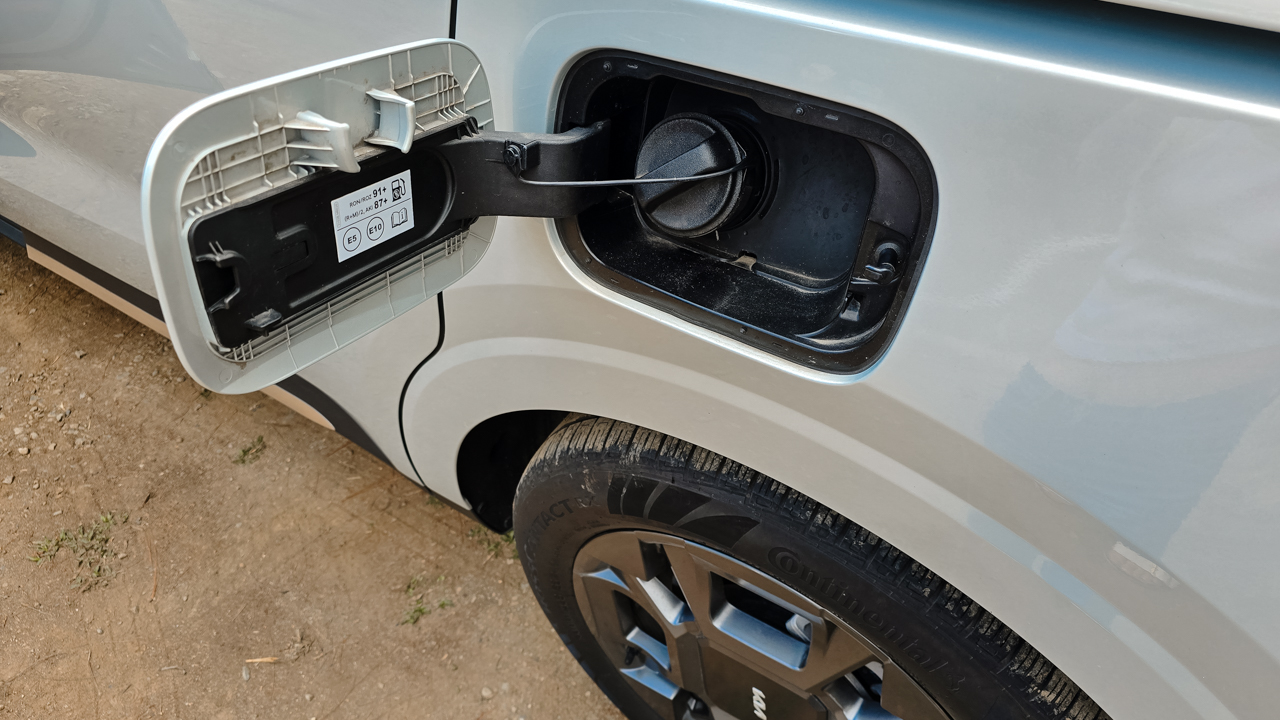
Despite the mileage, fuel consumption was the last thing on my mind.
The hybrid system deserves tremendous credit here because it never feels like it’s trying to prove that it’s a hybrid. It simply works.
The vehicle seamlessly switches between EV mode, charging mode, and hybrid operation, quietly doing its job in the background while maximizing efficiency. Instead of constantly monitoring fuel consumption figures, I found myself simply driving and letting the car manage everything else.
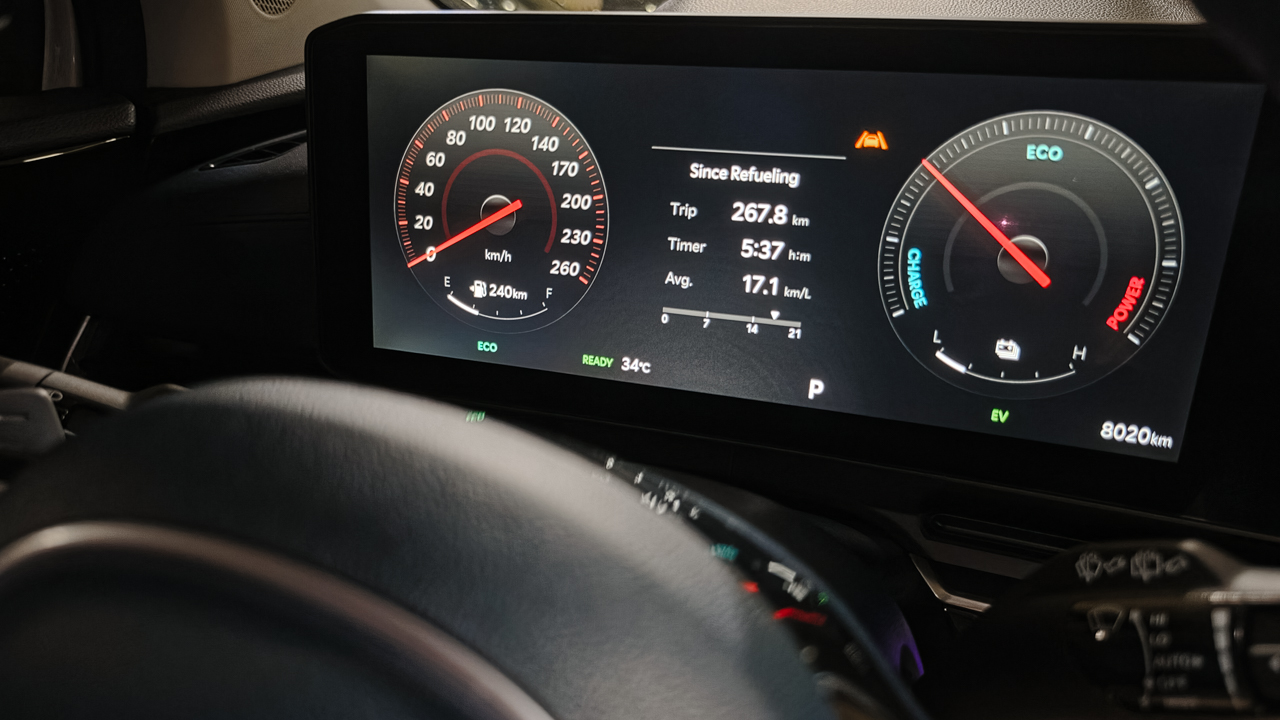
We decided to push the Carnival even further with a same-day Manila-Baguio-and-back drive and added only a total of PhP 5,000 in fuel, at roughly PhP 93 per liter at the height of the fuel crisis in late April 2026. The fuel top-up was enough to cover another estimated 523 kilometers to our drive.
For a vehicle this size, the fuel economy felt genuinely surprising and reassuring.
In today’s environment, where fuel prices remain unpredictable, there’s a certain peace of mind that comes with knowing your large family vehicle isn’t going to punish you every time you decide to take a road trip.
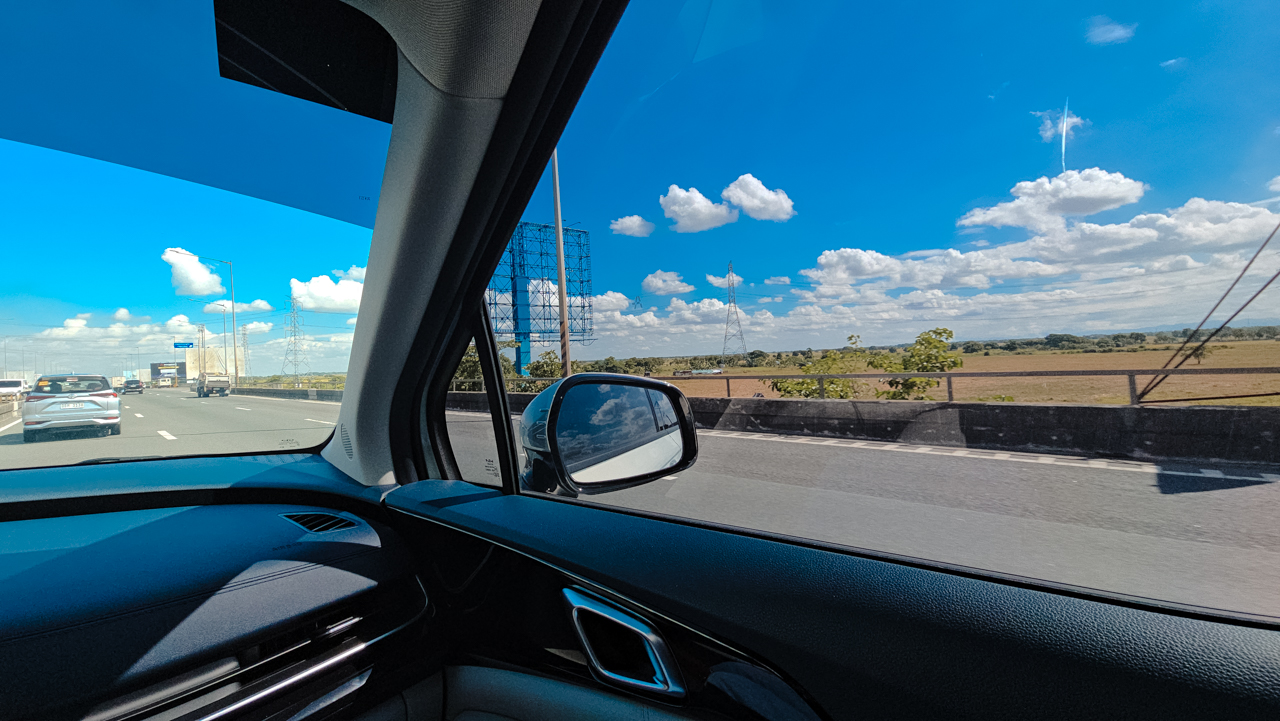
The highs and lows of Baguio
More than the fuel economy, Baguio was surprising.
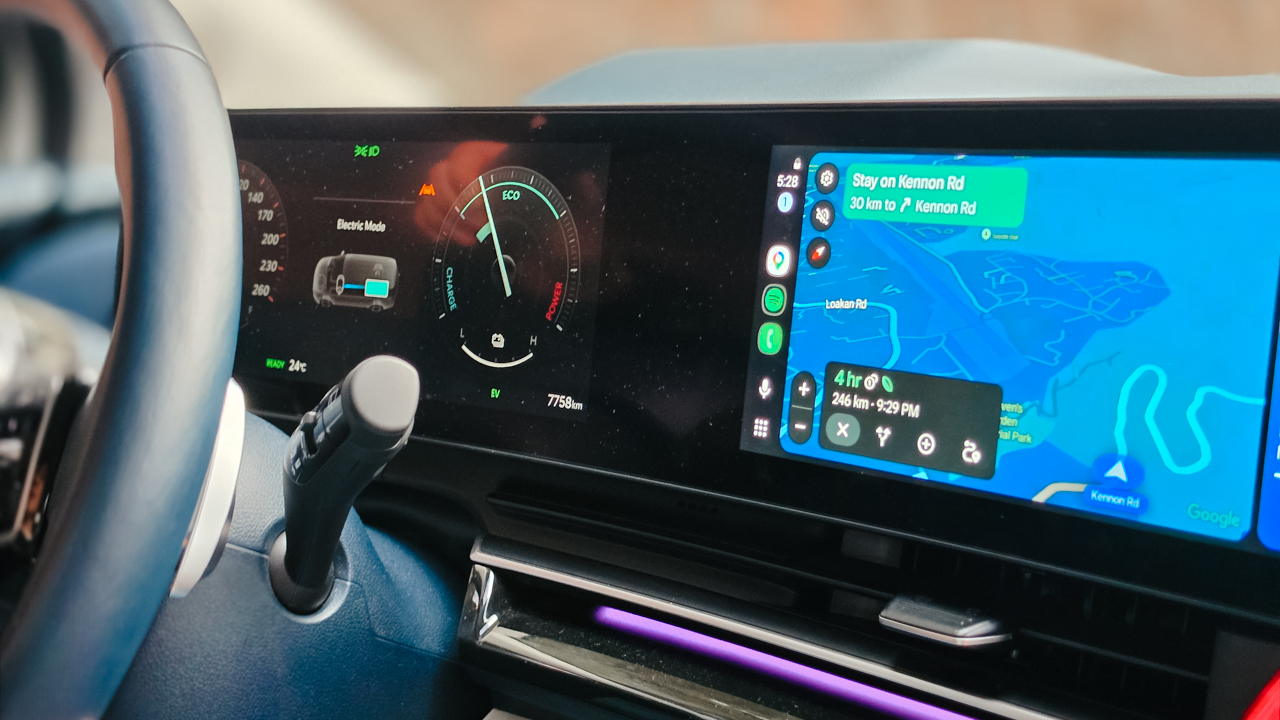
If there’s any route capable of exposing a large vehicle’s weaknesses, it’s the climb to Baguio. Zigzag roads demand confidence, braking performance, power delivery, and steering precision. Large vehicles often reveal their size very quickly in these environments. The Carnival didn’t.
By this point, I had already spent five days behind the wheel, and somewhere along the way, I had stopped thinking about its dimensions entirely.
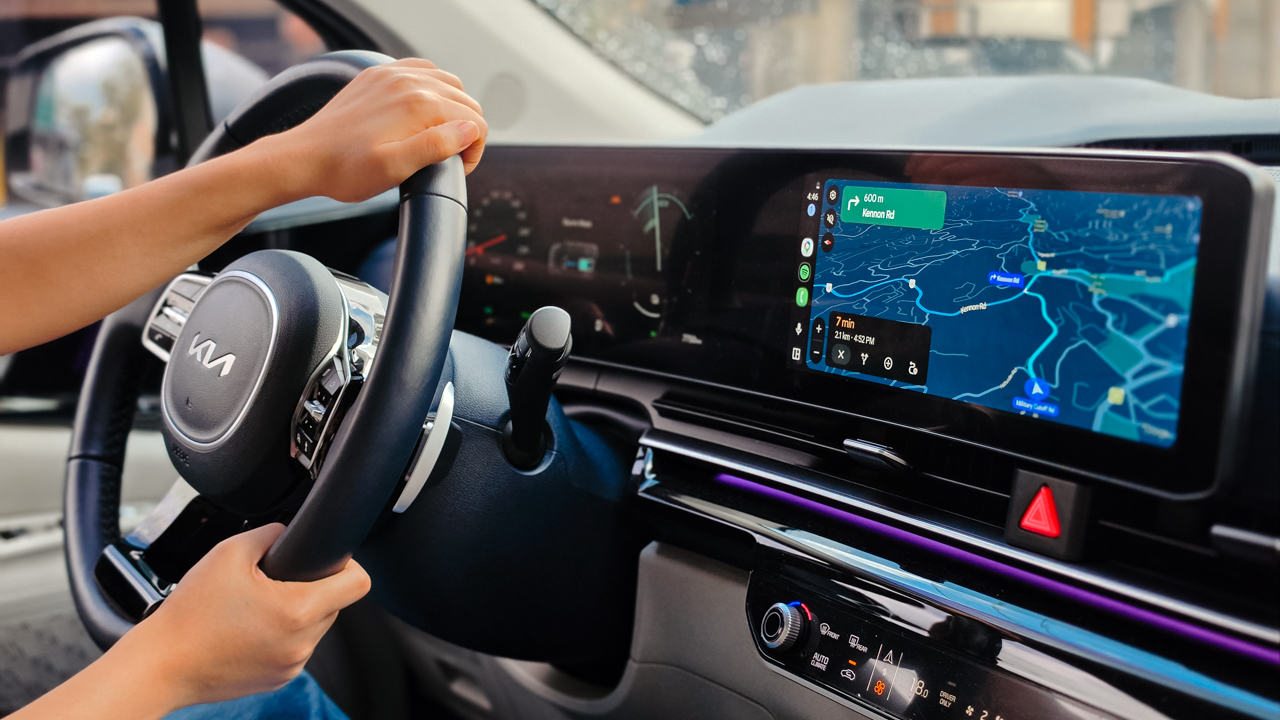
The uphill climbs felt effortless. Overtaking slower vehicles required very little planning. The vehicle remained immensely responsive, and even downhill braking inspired complete confidence. What struck me most was how familiar everything felt. It didn’t feel like I was driving a large MPV through mountain roads. It felt like I was driving in the city.
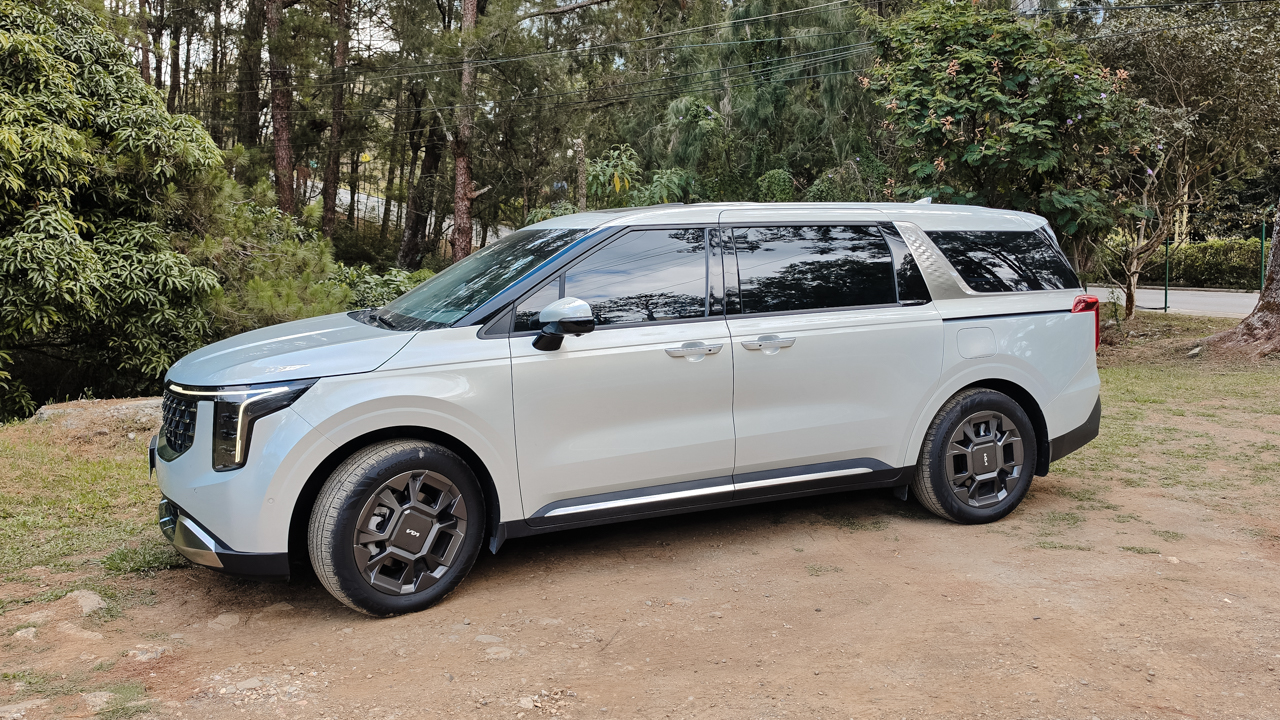
The zigzag roads of Baguio, which can sometimes make even experienced drivers tense up, became surprisingly comfortable. The Carnival remained composed, predictable, and incredibly easy to place on the road.
Business Class on wheels
Inside, the experience was equally impressive. The best comparison I can think of is business-class travel.
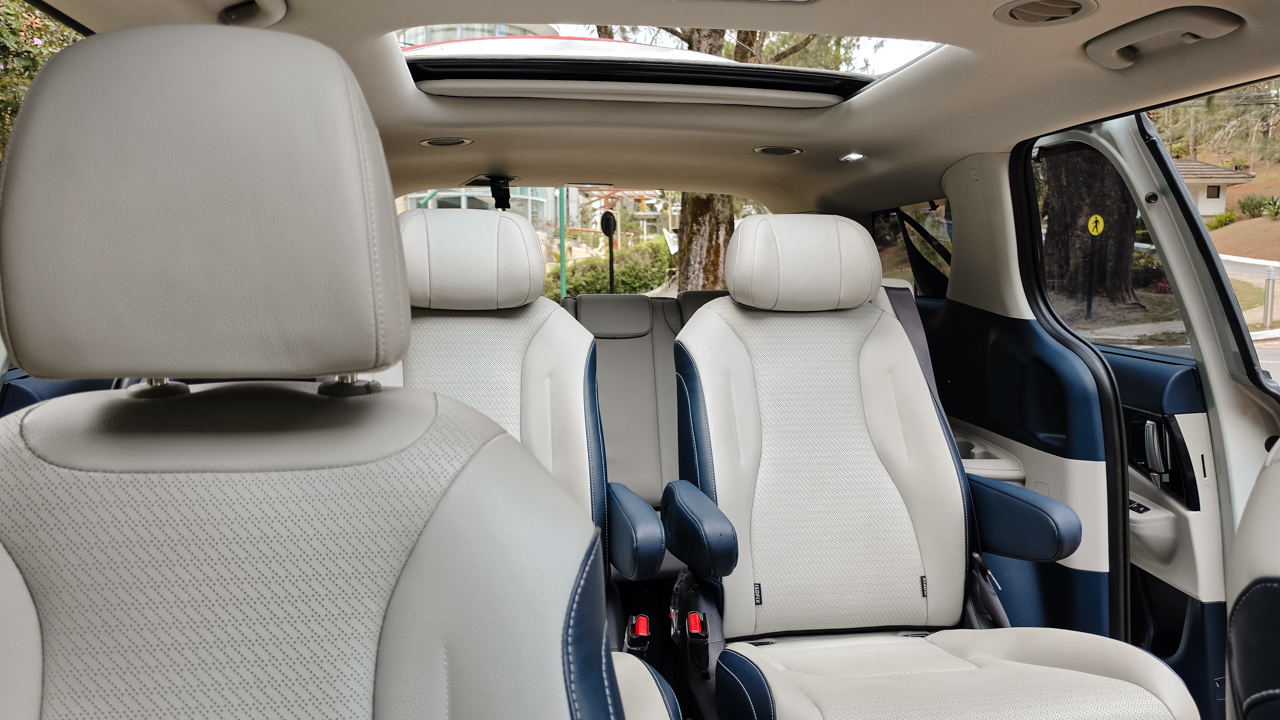
The cabin remains exceptionally quiet whether you’re sitting in Manila traffic, cruising on the expressway, or climbing mountain roads. Conversations happen naturally. Passengers relax. Some simply fall asleep.
Speaking of comfort, the ventilated seats quickly became one of my favorite features. Given how hot Manila has been, they stopped feeling like a luxury feature and started feeling like a necessity.
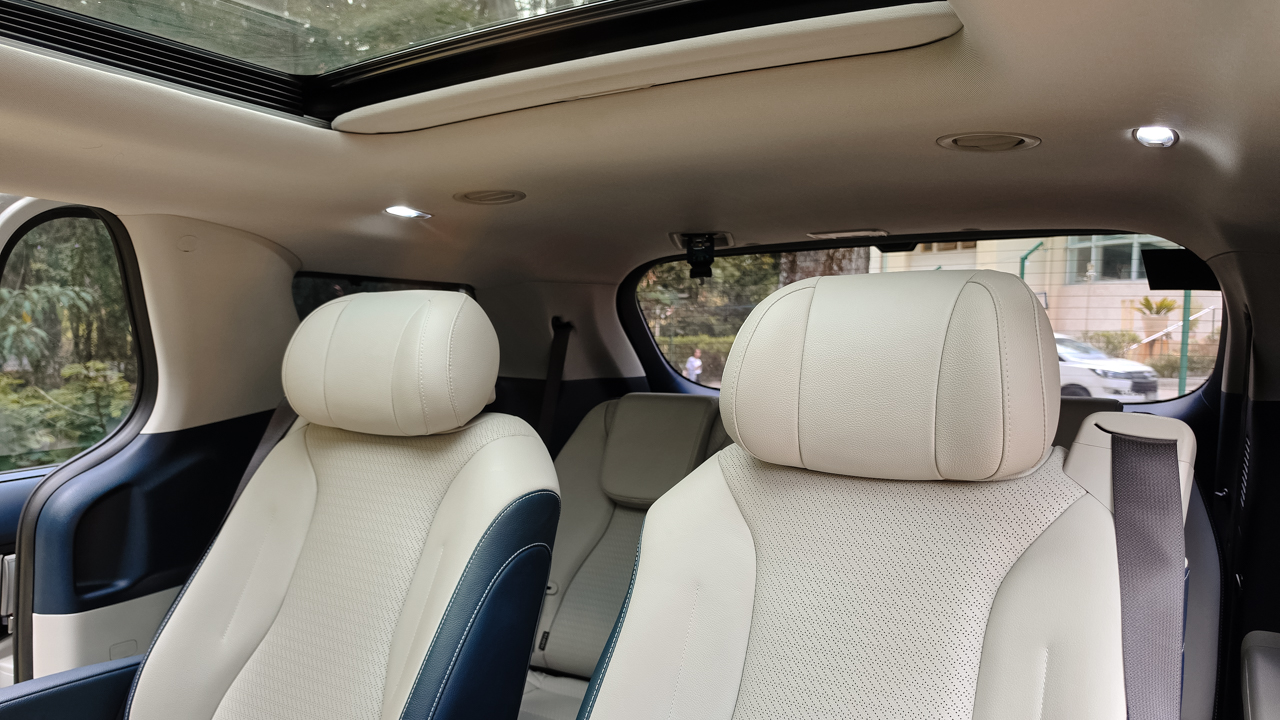
Then, there’s the space. Passengers consistently remarked on how comfortable and relaxed they felt throughout the journey. The amount of room available changes the entire atmosphere inside the vehicle. People stretch out. They settle in. They stop thinking about the drive and simply enjoy the ride.
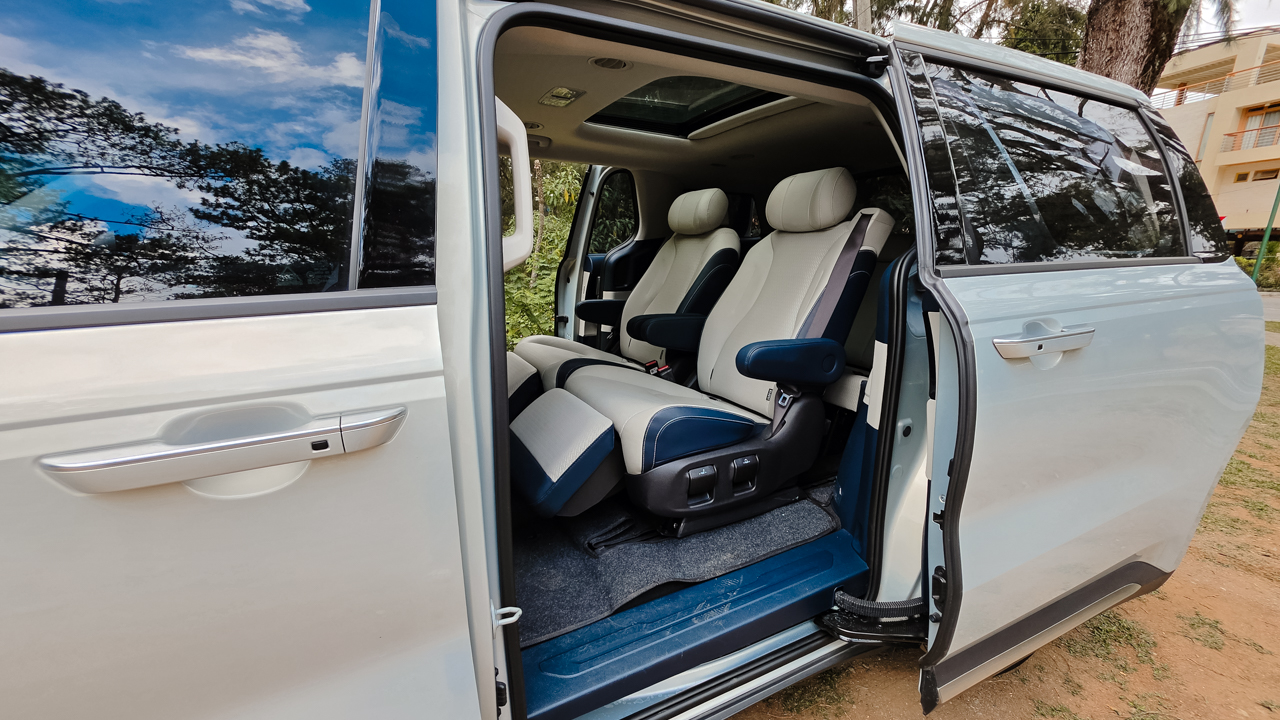
The suspension was impressive. Whether we were on provincial roads, rougher pavement, or highways, there was very little harshness transmitted into the cabin. In fact, there were moments when it became genuinely difficult to distinguish between well-paved roads and rougher sections because the Carnival absorbed imperfections so effectively.
Not perfect, but surprisingly close
Of course, no vehicle is perfect.
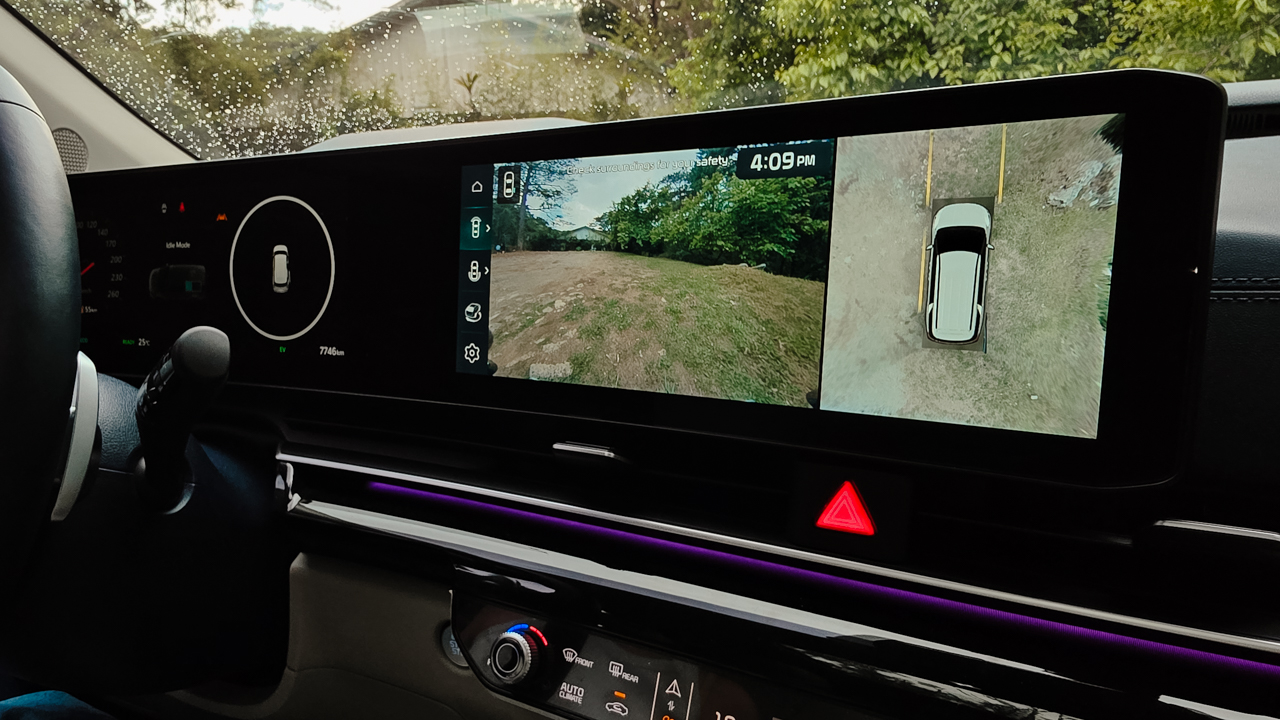
The Carnival’s size remains its biggest challenge, particularly when navigating older parking facilities with narrower ramps and tighter spaces. There is an adjustment period during the first few days of ownership.
Ironically, however, those moments only reinforced my appreciation for the vehicle’s engineering.
Because despite its dimensions, the Carnival never fought against me. Instead, it consistently worked with me.
After five days, nearly 834 kilometers, city traffic, airport pickups, provincial roads, beaches, mountain passes, and countless opportunities for the Carnival to remind me how large it actually is, I arrived at a surprisingly simple conclusion.
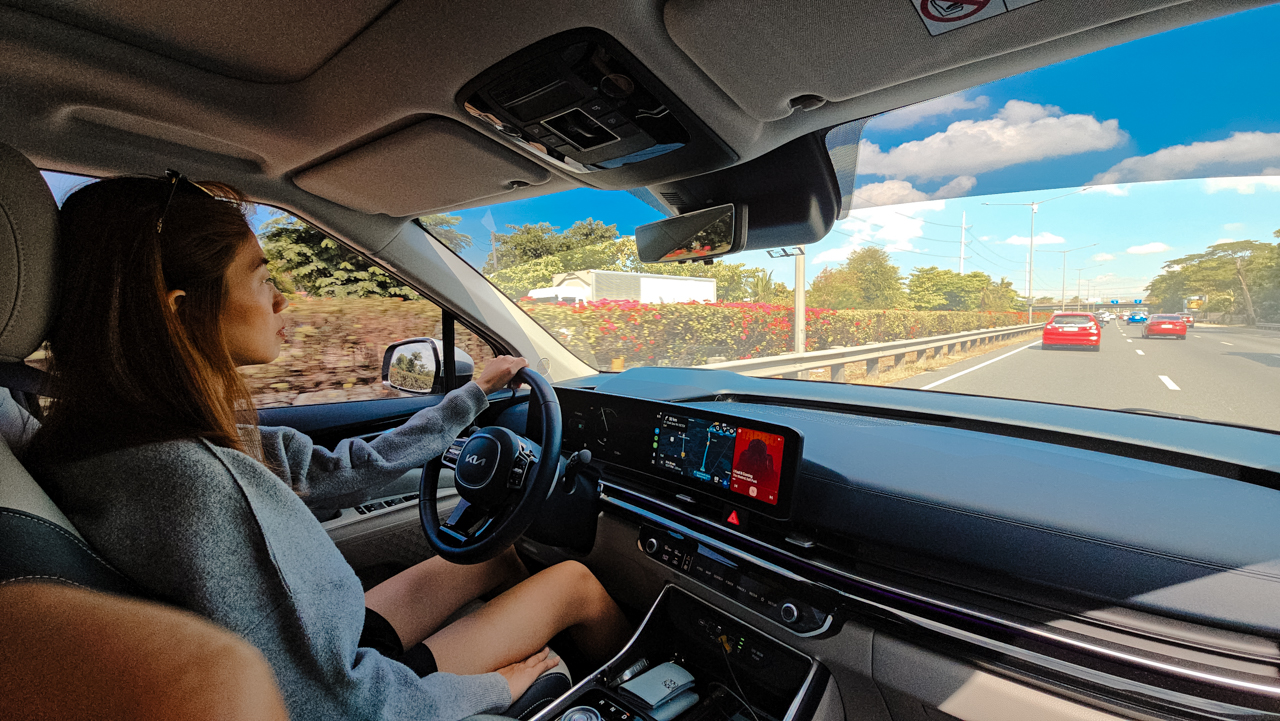
The Kia Carnival Hybrid’s greatest achievement isn’t its luxury, space, or even its impressive fuel efficiency. It’s how naturally it handles almost any driving situation without ever feeling intimidating.
Whether you’re driving it yourself or being driven, navigating through Manila traffic, heading out of town with family and friends, or cruising through the mountains, the Carnival always feels easy to live with. That’s exactly what makes it a gentle giant built for every journey.
Pricing
The Kia Carnival Hybrid is available in the Philippines in two variants:
Kia Carnival 1.6 EX Turbo Hybrid AT – PhP 2,938,000 (approximately US$50,000)
Kia Carnival 1.6 SX+ Turbo Hybrid AT – PhP 3,548,000 (approximately US$60,400)
The Philippine-spec Carnival Hybrid pairs a 1.6-liter turbocharged gasoline engine with an electric motor, delivering a premium people mover that balances strong performance with improved fuel efficiency.
Automotive
GAC Philippines extends AION UT introductory discount to July 31
Now starts at PhP 998,000!

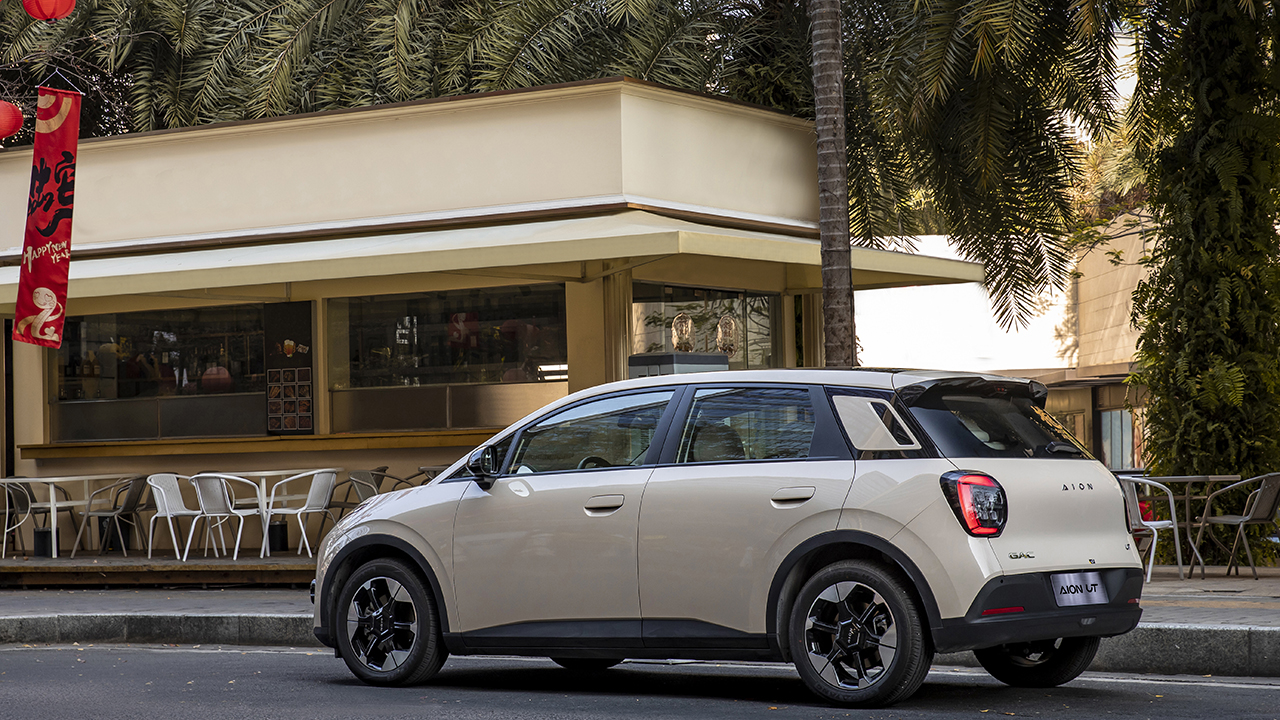
GAC Philippines has extended the introductory discount on the AION UT.
The AION UT Elite now starts at PhP 998,000, down from its SRP of PhP 1,068,000, thanks to a PhP 50,000 discount that was set to expire but is now extended until July 31, 2026.
Buyers among the first 400 units sold also get an extra PhP 20,000 off, bringing total potential savings to PhP 70,000.
The AION UT Elite comes in five color options: Champs-Elysees Beige, Emerald Green, Rococo White, Seine Silver, and a two-tone Rococo White and Emerald Green combination, all paired with a black interior and ceiling.
Every unit includes an 8-year or 160,000-km warranty, an 8-year or 200,000-km warranty on the core three-electric system, and two years of free roadside assistance.
Reservations are open at GAC dealerships. The brand backs the offer with its “zero-anxiety” ownership program. This includes a dedicated parts warehouse and aftersales support.
With the deadline pushed back, GAC is betting that a little more time will convert interest into sales before the discount window finally closes.

realme C100: Enduring and durable in spite of entry-level realities
Enough power but needs more agility

The ASUS ExpertBook Ultra wins you over
The laptop sneaks up on you

Nexal Watch Sport review: A rugged watch for small budgets
I couldn't believe that watches this good could come for this cheap.

Mercedes-Benz celebrates 140th anniversary at the Presidential Car Museum

Street Fighter 6’s first Filipina fighter arrives August 3

Samsung releases teaser with Spider-Man: Brand New Day Easter eggs

iOS 27 public beta gives us our first taste of Siri AI

The case for traveling without a plan

New York becomes first state to ban smart glasses

vivo X300 Ultra review: A “Whole Different Animal”

DJI Osmo Pocket 4P launches with dual lenses and a 1-inch sensor

Lenovo says RAM prices are not coming back down again

realme P4 Power: realme’s midrange power play?


-
 News1 week ago
New York becomes first state to ban smart glasses
-

 Singapore1 week ago
Sony launches IER-M500 in-ear monitors
-

 Gaming1 week ago
Microsoft dictates that a new Fallout game is coming
-

 Computers1 week ago
GIGABYTE releases new AORUS RTX 5080 INFINITY graphics cards
-

 Gaming1 week ago
HoYo FEST 2026 details announced; tickets on sale from July 16
-
Reviews1 week ago
realme C100: Enduring and durable in spite of entry-level realities
-

 Gaming1 week ago
Assassin’s Creed Black Flag Resynced available worldwide now
-
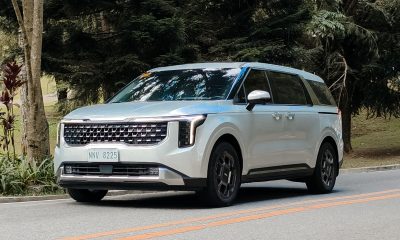
 Automotive2 weeks ago
The Kia Carnival Hybrid is a gentle giant