







Samsung’s Galaxy S23 series is launching on February 1st — and we put together a preview based on all the leaks that have gone out.
Remember to treat everything with a grain of salt.
Tune in to our coverage starting on February 1st at exactly 10AM Pacific Time.
We’ll also be present in San Francisco for the next Unpacked!
Reserve a Samsung Galaxy S23 and get $50 off now here: https://howl.me/ciTqTfQldRj







News
vivo X300 Ultra wants to beat the iPhone 17 Pro Max in pro video
Unleashed alongside the subtly-improved vivo X300s

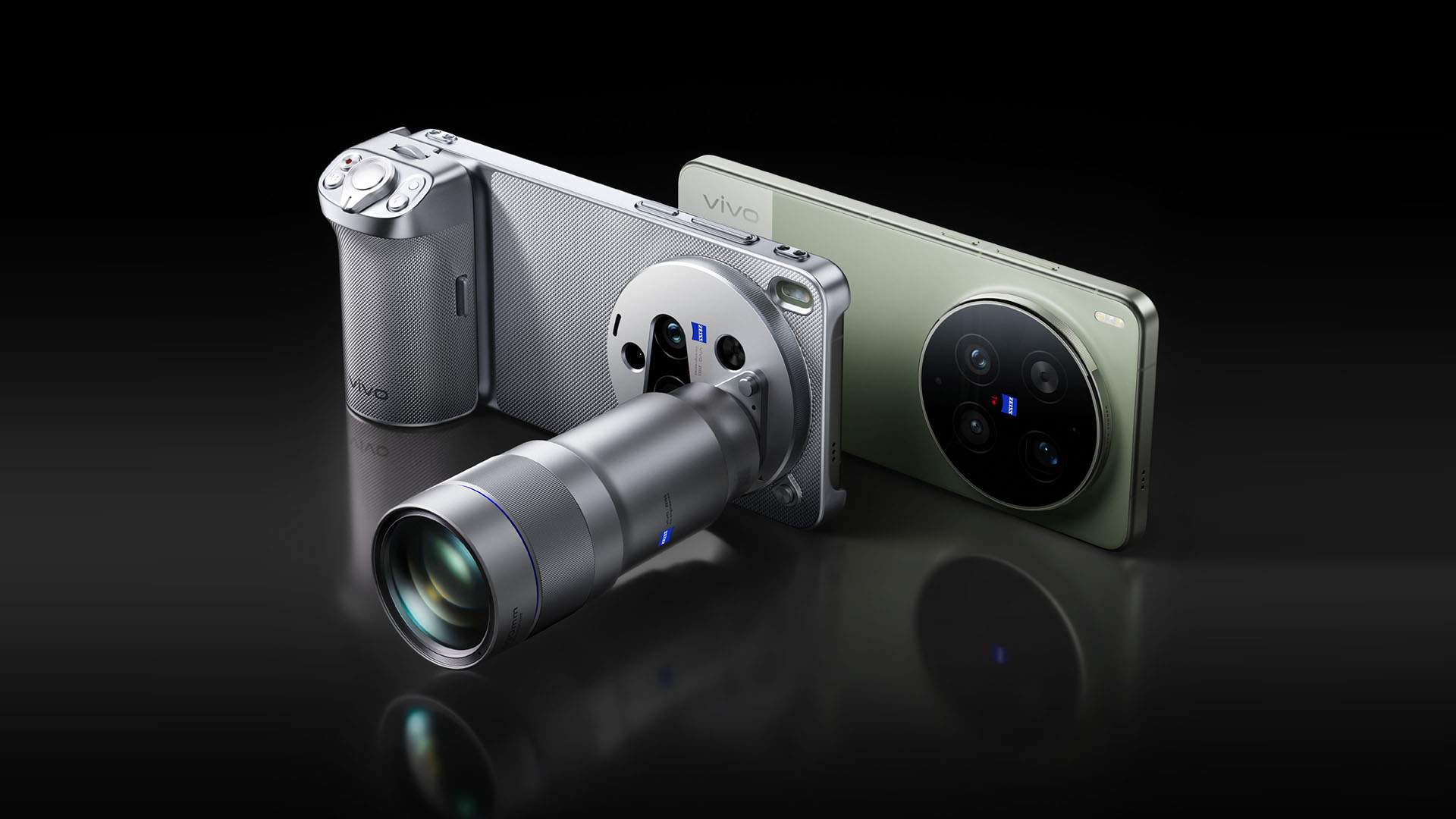
Almost six months after the launch of the vivo X300 and X300 Pro, the Chinese smartphone giant finally unleashes the much-awaited X300 Ultra.
Ultra-impressive camera system
First and foremost, its ultra-improved camera system.
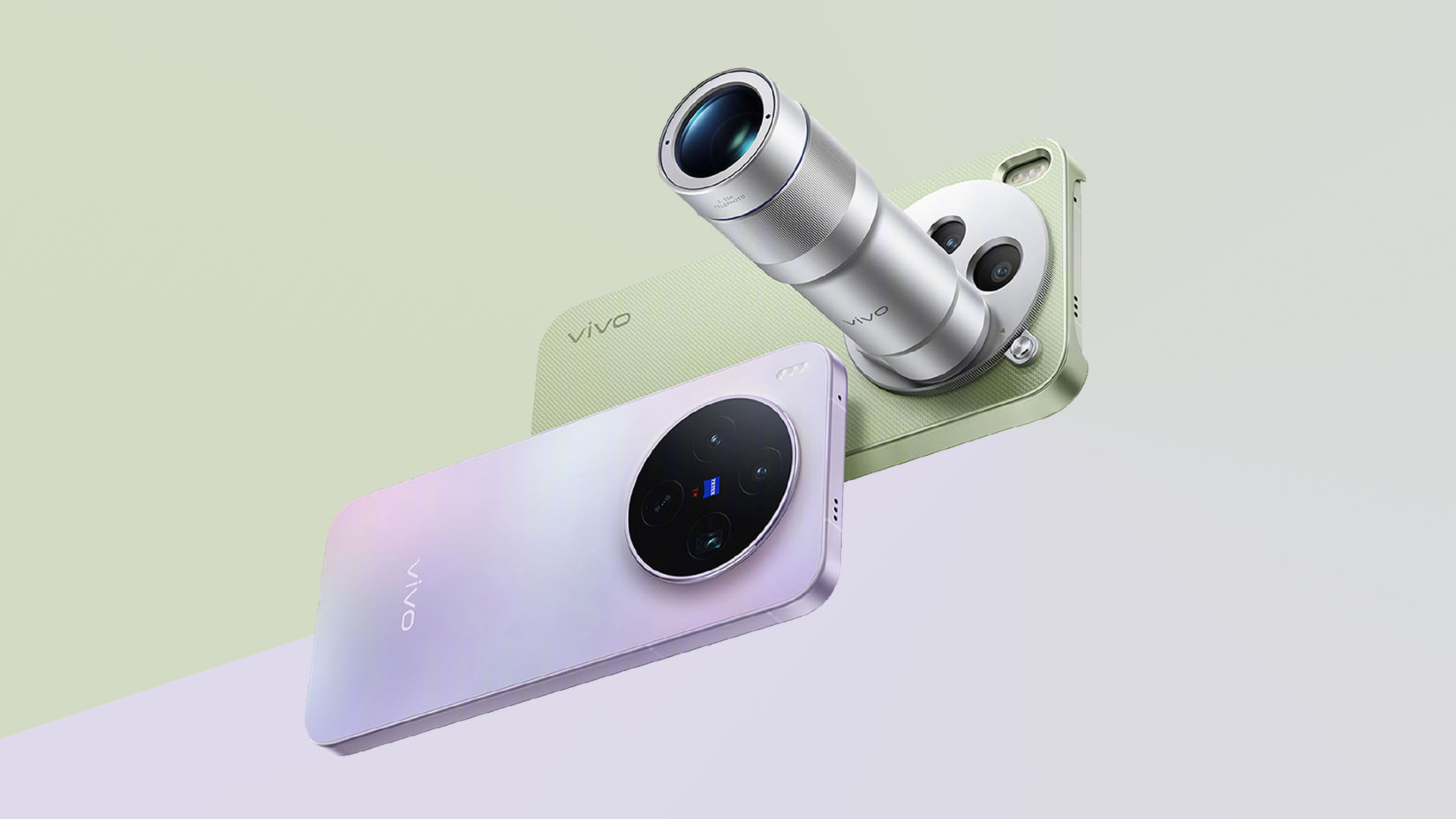
Unlike its Pro sibling, the X300 Ultra follows the same configuration as last year’s X200 Ultra. It uses 35mm as its standard focal length instead of the usual 24mm found on most (if not all) smartphones.
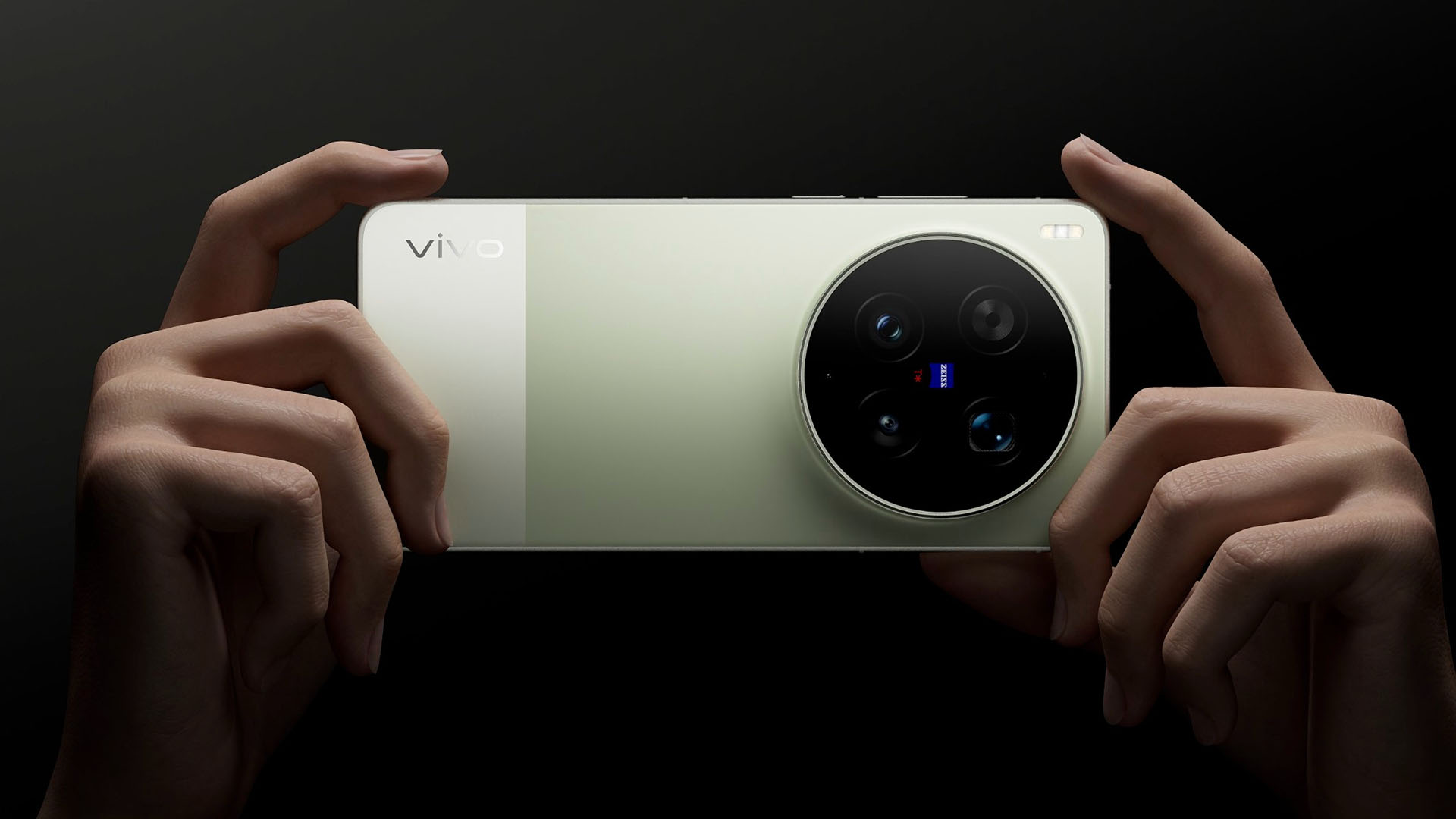
This means the main sensor is locked in at a minimum of 1.5x. Still, it’s been upgraded from 50MP to a whopping 200MP f/1.85 based on a large 1/1.18-inch Sony LYT-901 image sensor.
Meanwhile, shooting at “1x” relies on its 50MP f/2.0 ultra-wide lens based on the 1/1.28-inch Sony LYT-818. While it’s the same as last year’s X200 Ultra, it’s still considerably bigger and better among newer phones in its league.
Definitively, the X300 Ultra also boasts a newer 200MP f/2.67 periscope telephoto shooter using Samsung’s 1/1.4-inch ISOCELL HP0. Optical zoom distance still starts at 3.5x (85mm equivalent)which is similar to the X300 Pro and X200 Ultra.
If that isn’t enough, vivo announces not one, but two new teleconverter lenses.
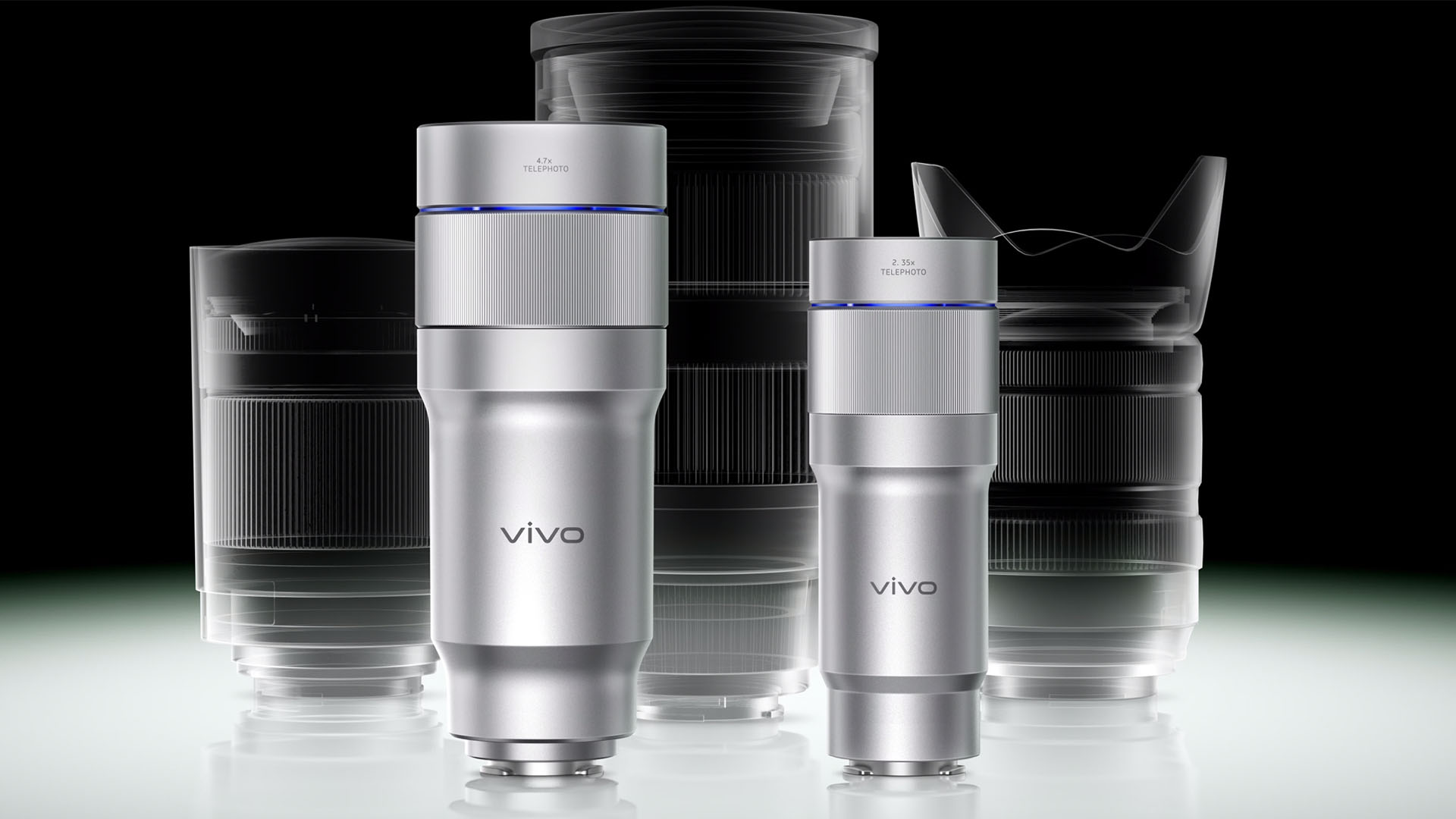
The all-new 400mm G2 Ultra ZEISS Telephoto Extender lens is the longest one in a smartphone so far. Still, vivo has achieved to make it as compact as possible — a tad longer than the former 200mm add-on lens in the X200 Ultra and X300 Pro.
There’s also the upgraded G2 ZEISS Telephoto Extender. It’s shorter and smaller compared to previous generation and comparable to a size of a lipstick (around 96mm in length).
This means better portability while trying to shoot subjects from afar with the same 200mm focal length.
Additionally, the vivo X300 Ultra also has a 5MP f/2.45 multi-spectral sensor that other X300 phones lack. This is basically responsible for making colors more accurate by capturing a wider range of light beyond the usual RGB color spectrum.
Ultra-grade video shooter
One of the highlights of the vivo X300 Ultra focuses on its video shooting prowess that targets Apple’s iPhone 17 Pro Max.
For one, its ultra-wide camera has OIS built-in — a feature often overlooked by other phone makers.
OIS is also enabled when using the said teleconverter lenses.
Graphics by Vincenz Lee | GadgetMatch
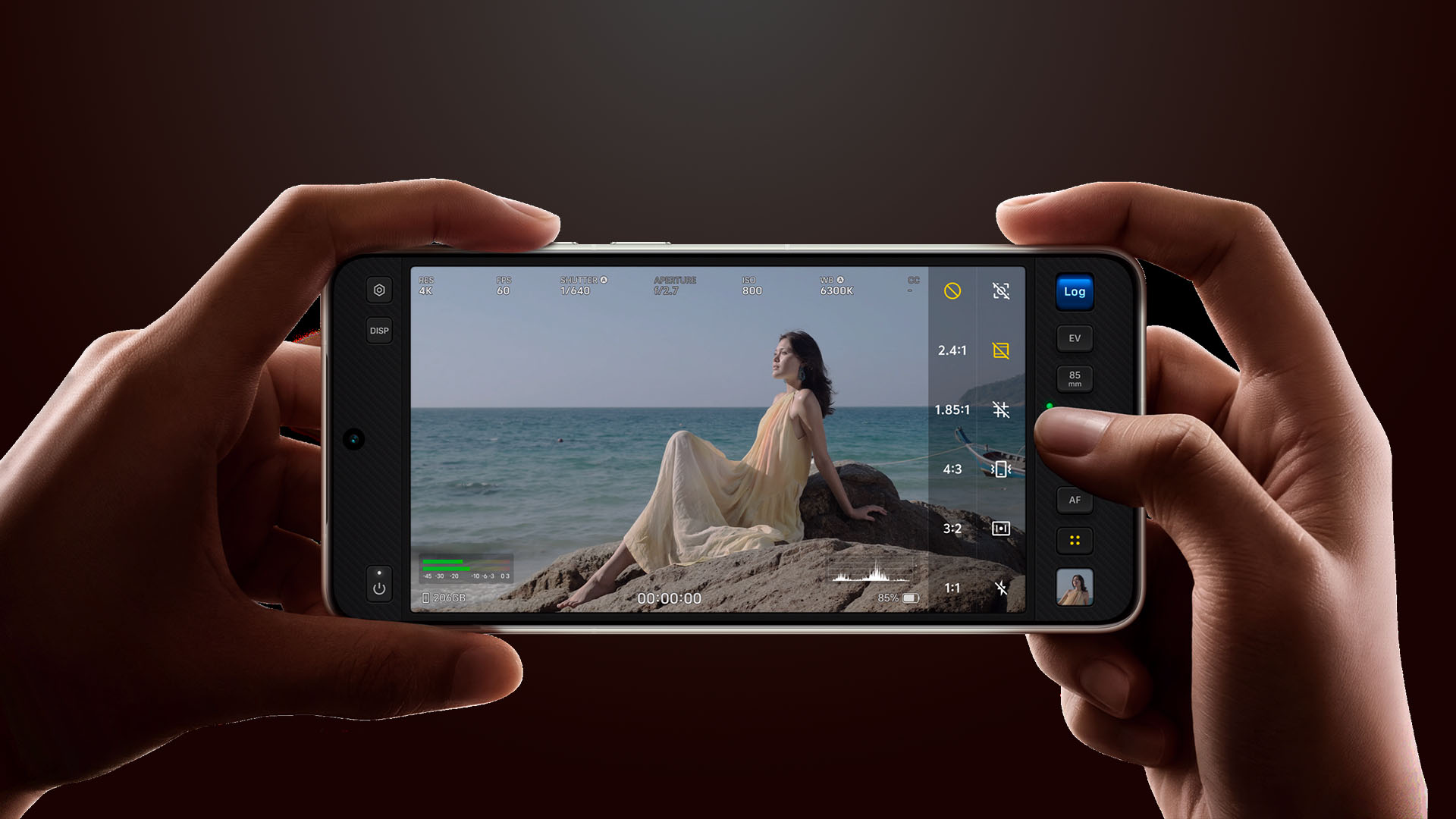
Other than that, the X300 Ultra is capable of shooting in both 4K/120fps Dolby Vision and 4K/120fps 10-bit LOG support.
This means prospective users can finally apply LUTs in post (or 3D LUTs in the phone) — much like how videographers and cinematographers do when shooting with their expensive mirrorless cameras.
Even though 10-bit LOG has been around in the recent vivo flagships, only the X300 Ultra can seamless switch between all focal lengths while LOG recording is enabled.
Graphics by Vincenz Lee | GadgetMatch
In line with these, the vivo X300 Ultra also possesses a new Professional Video Mode in its native camera app.
Ultra-powerful flagship
The vivo X300 Ultra brings some subtle improvements over the former X200 Ultra flagship.
While they both share the same 6.82-inch 8T LTPO AMOLED 2K display, the X300 Ultra has a faster 144Hz refresh rate support versus 120Hz. It’s also now an Ultra XDR screen, thanks to the improved BOE Q10 Plus panel.
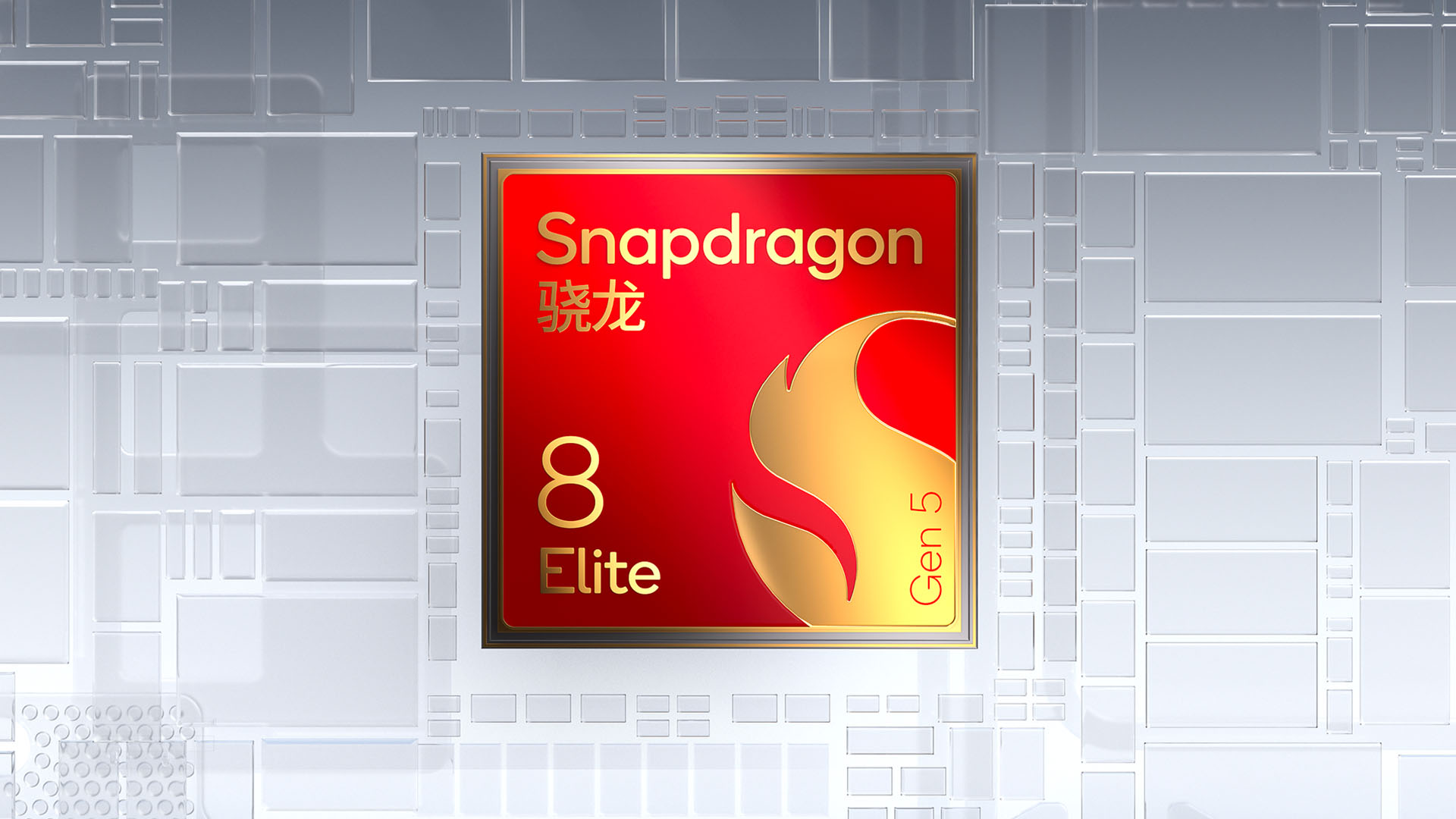
Most of all, the X300 Ultra runs the latest 3nm Qualcomm Snapdragon 8 Elite Gen 5 SoC. Despite the shortage of components, the X300 Ultra relies on a speedy UFS 4.1 storage standard while memory is even faster with LPDDR5X Ultra (and Ultra Pro) protocol.
Shockingly though, battery hasn’t been bumped by a lot as the X300 Ultra is only equipped with a 6600mAh battery — just 90mAh more than its Pro counterpart.
And just like that subtle improvement, wired charging speeds has been somewhat improved from 90W to 100W FlashCharge.
The Ultra s-idekick
Other than the X300 Ultra, the vivo X300s is also present in the scene. This is a follow-up to last year’s X200s.
It runs MediaTek’s Dimensity 9500 SoC like the vanilla X300 but with a bigger 7100mAh battery (versus 6040mAh).
However, the vivo X300s borrows that same 6.78-inch display size as the X300 Pro (and same display as X300 Ultra). This also marks as a departure from that 6.67-inch sweet-spot screen size of the X200s and the “smaller” 6.31-incher X300.
Graphics by Vincenz Lee | GadgetMatch
Cameras are similar as of the X300. A 200MP main camera based on Samsung ISOCELL HPB with Sony’s LYT-602 sensor for its telephoto module. The improvement though can be seen when using the camera app.
Graphics by Vincenz Lee | GadgetMatch
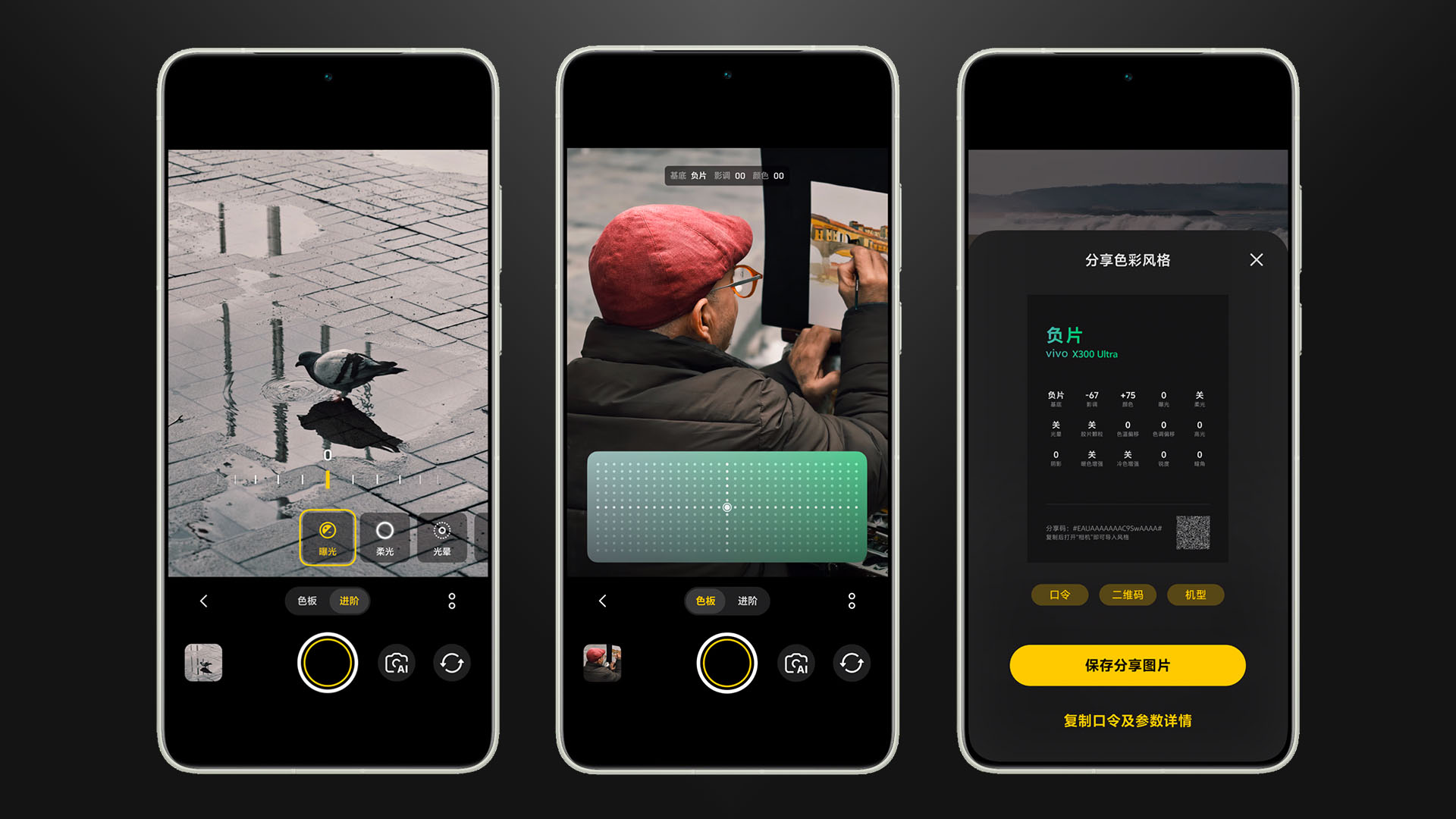
There’s also vivo’s new Blueprint Palette that lets you choose a color in a swatch board and save it as a recipe. The user can also adjust settings in real-time — letting you see the look of the image during preview even before hitting the shutter release. The same feat is also found on the X300 Ultra.
And much like the base X300, the vivo X300s is capable of attaching that 200mm teleconverter lens with its own camera kit — something the X200s cannot achieve.
Pricing and Availability
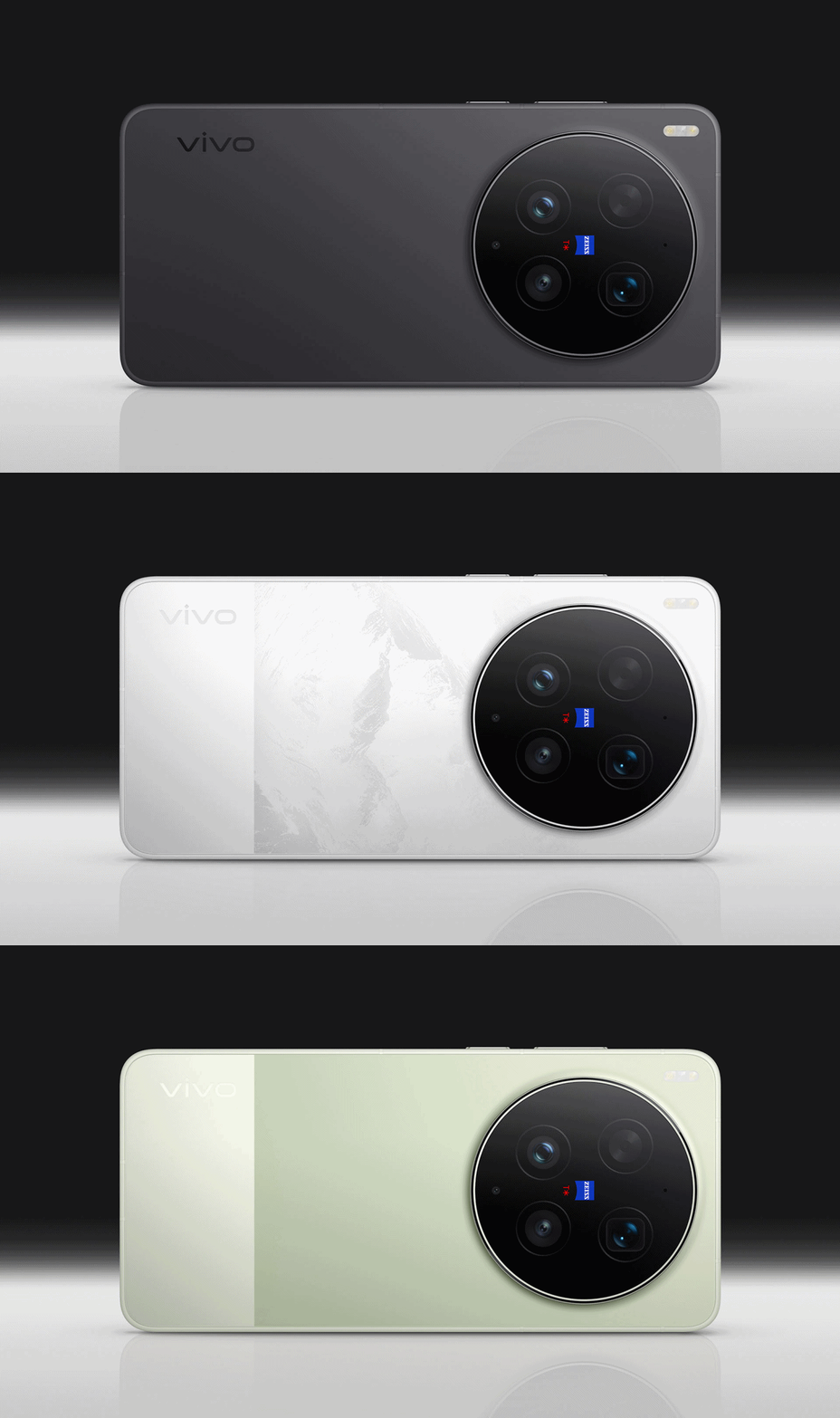
The vivo X300 Ultra and X300s are currently available for pre-orders in China along these colorways and configurations:
GIF by Vincenz Lee | GadgetMatch
X300 Ultra (Film Green, Silver Tune, Black Ka)
- 12+256GB = CNY 6999 (US$ 980 / EUR 835 / GBP 730 / SG$ 1260 / MYR 4130 / PhP 56,440 / INR 87,110)
- 12+512GB = CNY 7499 (US$ 1100 / EUR 900 / GBP 780 / SG$ 1345 / MYR 4355 / PhP 59,590 / INR 90,980)
- 16+512GB = CNY 7999 (US$ 1115 / EUR 960 / GBP 820 / SG$ 1430 / MYR 4645 / PhP 63,685 / INR 95,930)
- 16+1TB = CNY 8999 (US$ 1260 / EUR 1070 / GBP 920 / SG$ 600 / MYR 5225 / PhP 70,905 / INR 107,700)
X300s (Film Green, Dream Core Purple, Silvery White, Titanium Black)
- 12+256GB = CNY 4999 (US$ 700 / EUR 610 / GBP 530 / SG$ 910 / MYR 2970 / PhP 40,900 / INR 62,260)
- 16+256GB = CNY 5499 (US$ 770 / EUR 660 / GBP 570 / SG$ 985 / MYR 3190 / PhP 43,700 / INR 66,720)
- 16+512GB = CNY 5999 (US$ 845 / EUR 730 / GBP 635 / SG$ 1095 / MYR 3560 / PhP 49,085 / INR 74,715)
- 16+1TB = CNY 6999 (US$ 980 / EUR 835 / GBP 730 / SG$ 1260 / MYR 4130 / PhP 56,440 / INR 87,110)
For the camera enthusiasts…
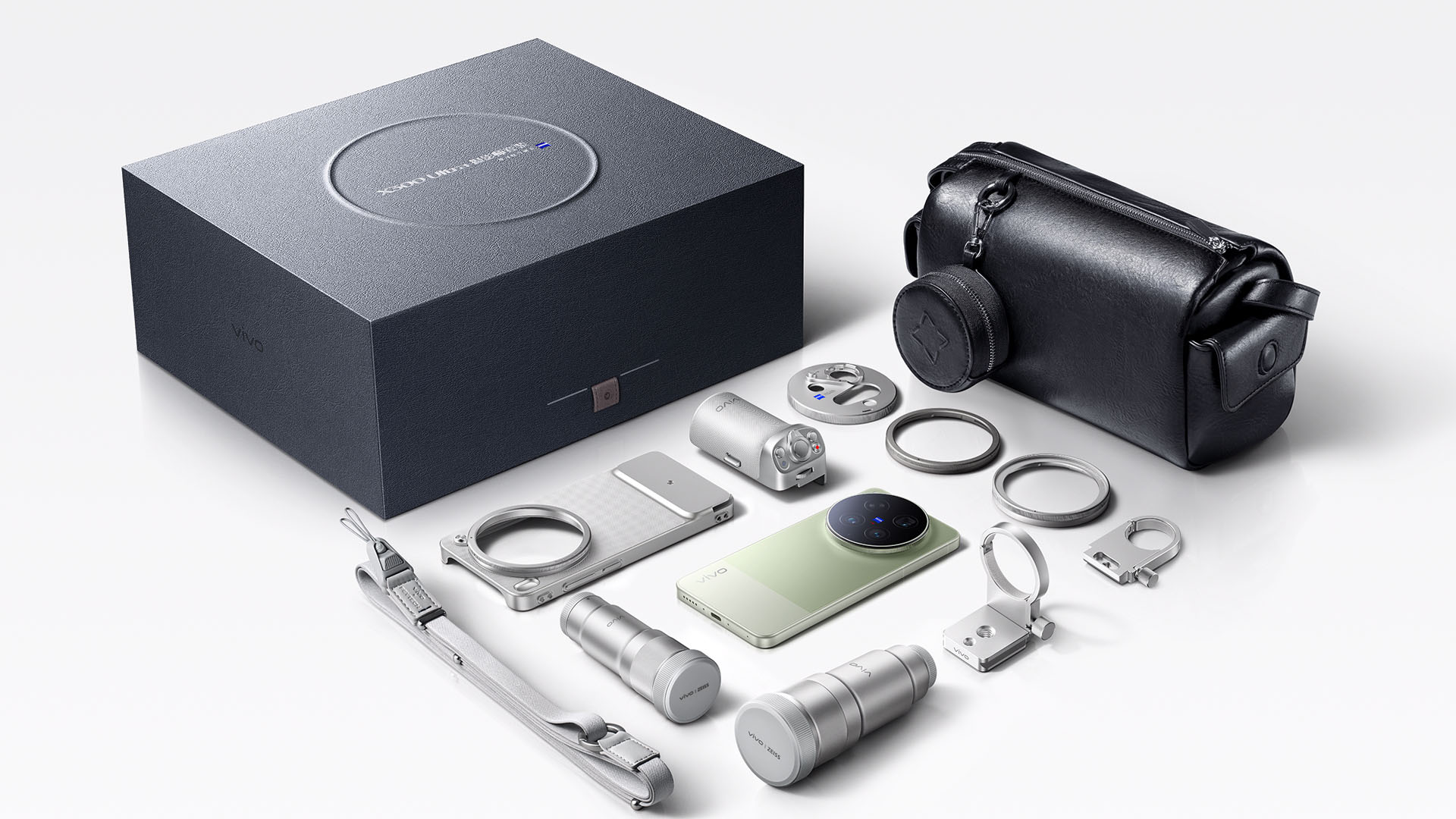
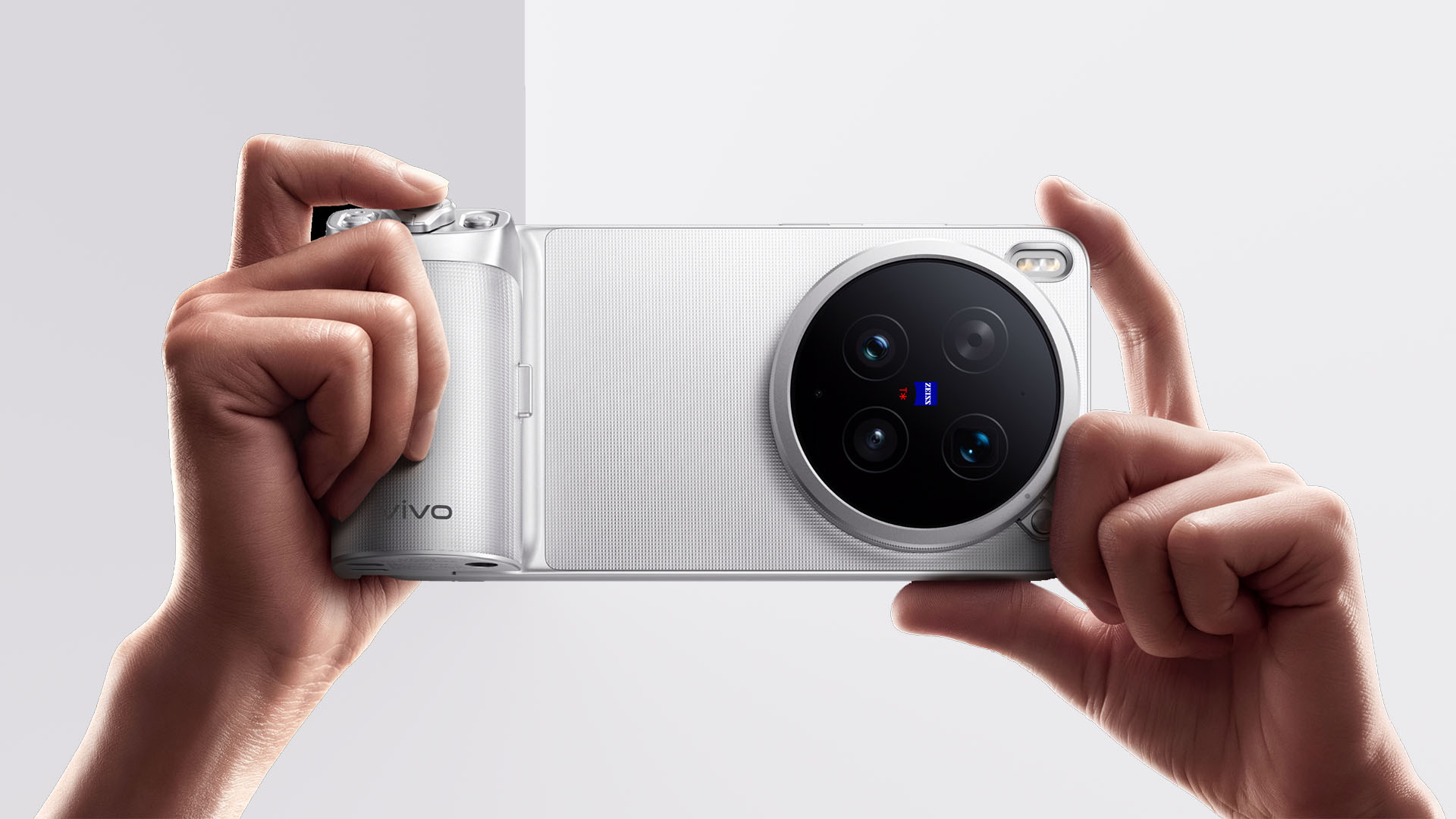
You can buy the vivo X300 Ultra and X300s in their special Photographer Kit Edition with all the accessories bundled:
- X300 Ultra Photographer Kit = CNY 11,999 (US$ 1260 / EUR 1070 / GBP 920 / SG$ 2235 / MYR 6965 / PhP 105,110 / INR 164,550)
- X300s Photographer Kit = CNY 7999 (US$ 1115 / EUR 960 / GBP 820 / SG$ 1430 / MYR 4645 / PhP 63,685 / INR 95,930)
Additionally, separate parts of the kit can also be bought separately:
- Camera Grip = CNY 699 (US$ 101 / EUR 88 / GBP 77 / SG$ 130 / MYR 405 / PhP 6130 / INR 9585)
- SmallRig Case = CNY 1699 (US$ 245 / EUR 215 / GBP 185 / SG$ 320 / MYR 990 / PhP 14,890 / INR 23,300)
- G2 Teleconverter Lens = CNY 1499 (US$ 220 / EUR 190 / GBP 165 / SG$ 280 / MYR 870 / PhP 13,140 / INR 20,560)
- G2 Ultra Teleconverter Lens = CNY 2499 (US$ 360 / EUR 315 / GBP 270 / SG$ 465 / MYR 1450 / PhP 21,900 / INR 34,270)
* These are only rough conversion estimates
As teased way back in MWC 2026, the X300 Ultra is vivo’s first Ultra smartphone to be sold globally. We’ll just have to wait and see which regions will have it.
News
nubia Neo 5 series launches in the PH, starts below PhP 12K
Built-in cooling fan highlights latest nubia gaming series

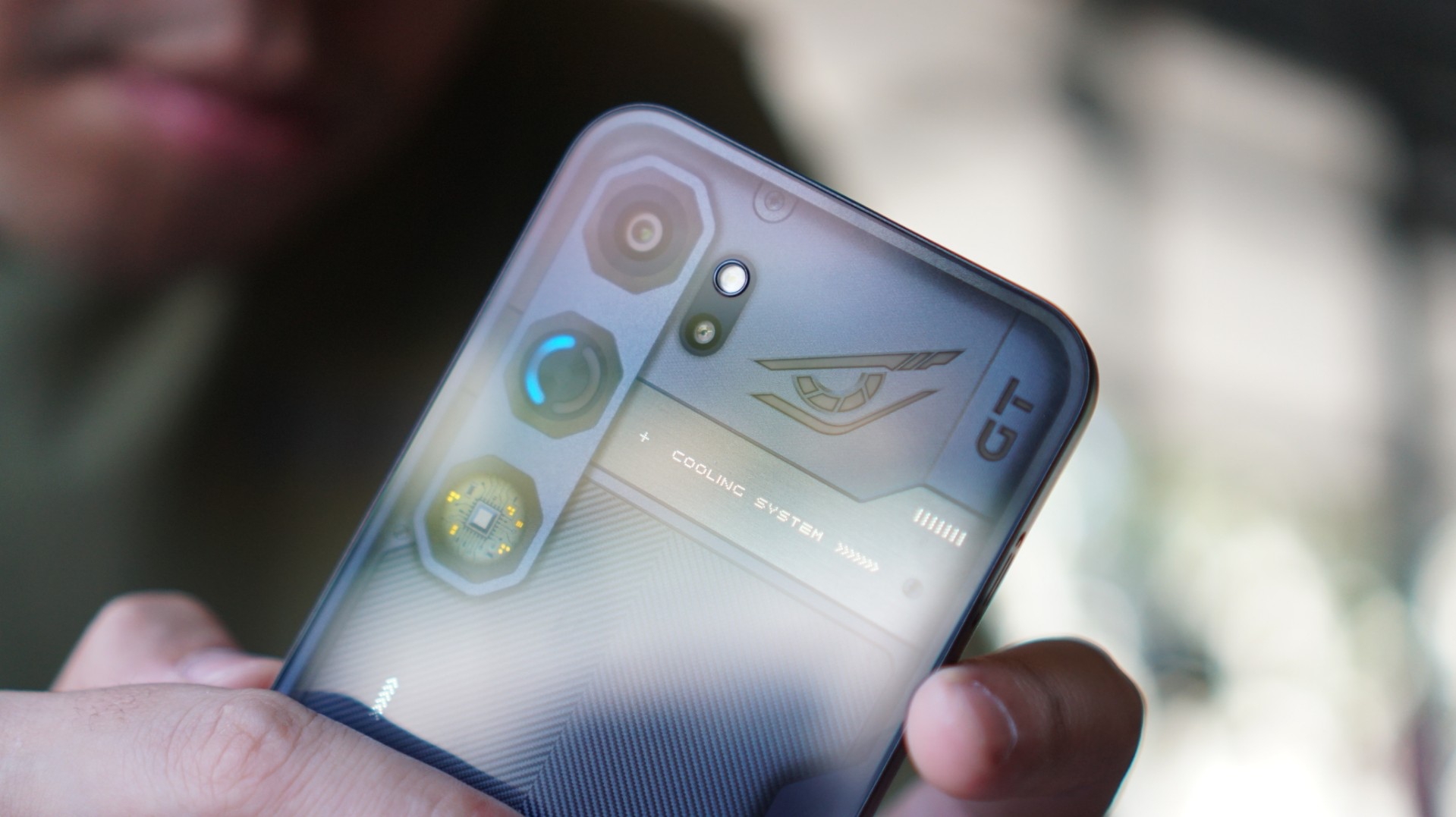
nubia has officially launched the nubia Neo 5 series gaming smartphones in the Philippines through a fan activation event at SM Megamall.
The series consists of the nubia Neo 5, nubia Neo 5 Pro, and nubia Neo 5 GT.
Here are the pricing details and storage configurations for each variant:
- nubia Neo 5 (8GB+128GB): PhP 11,999
- nubia Neo 5 Pro (12GB+256GB): PhP 14,999
- nubia Neo 5 GT (8GB+256GB): PhP 17,999
- nubia Neo 5 GT (12GB+512GB): PhP 19,999
In particular, the top-of-the-line nubia Neo 5 GT is available in Phantom Black, Stellar Silver, and Electro Gold.
The entire series builds on the nubia Neo history of gaming-centric features, from the phones’ aesthetic, RGB lighting, OS design, and features.

New to the series is a built-in active cooling fan, and a large VC vapor chamber cooling panel.
This system eliminates the need for an external cooling fan which was among the freebies for the previous series, so users can simply focus on gaming sessions.
The phone has small exhaust vents on both sides. The series retains the shoulder triggers, although the presence of the vents pushes the volume buttons and power button lower on the right-hand side of the phone.
Powering the nubia Neo 5 GT variant is the MediaTek Dimensity 7400 processor for up to 2.6GHz clock speed.
The handset comes with up to 12GB of base RAM (plus 12GB expansion), and up to 512GB of internal storage. It also supports Wi-Fi 6 for fast and stable connectivity.
Inside is a 6,210mAh battery with support for 80W fast charging, as well as charge separation to directly charge the phone while bypassing the battery for extended sessions.
In front is a 6.8-inch 1.5K OLED display with up to 144Hz refresh rate and 4,500 nits peak brightness. This screen also has a 439ppi pixel density for sharp visuals. It is also complemented by DTS:X Ultra surround sound technology.
For its camera, the Neo 5 GT has a 50MP main camera, plus a 16MP front camera.
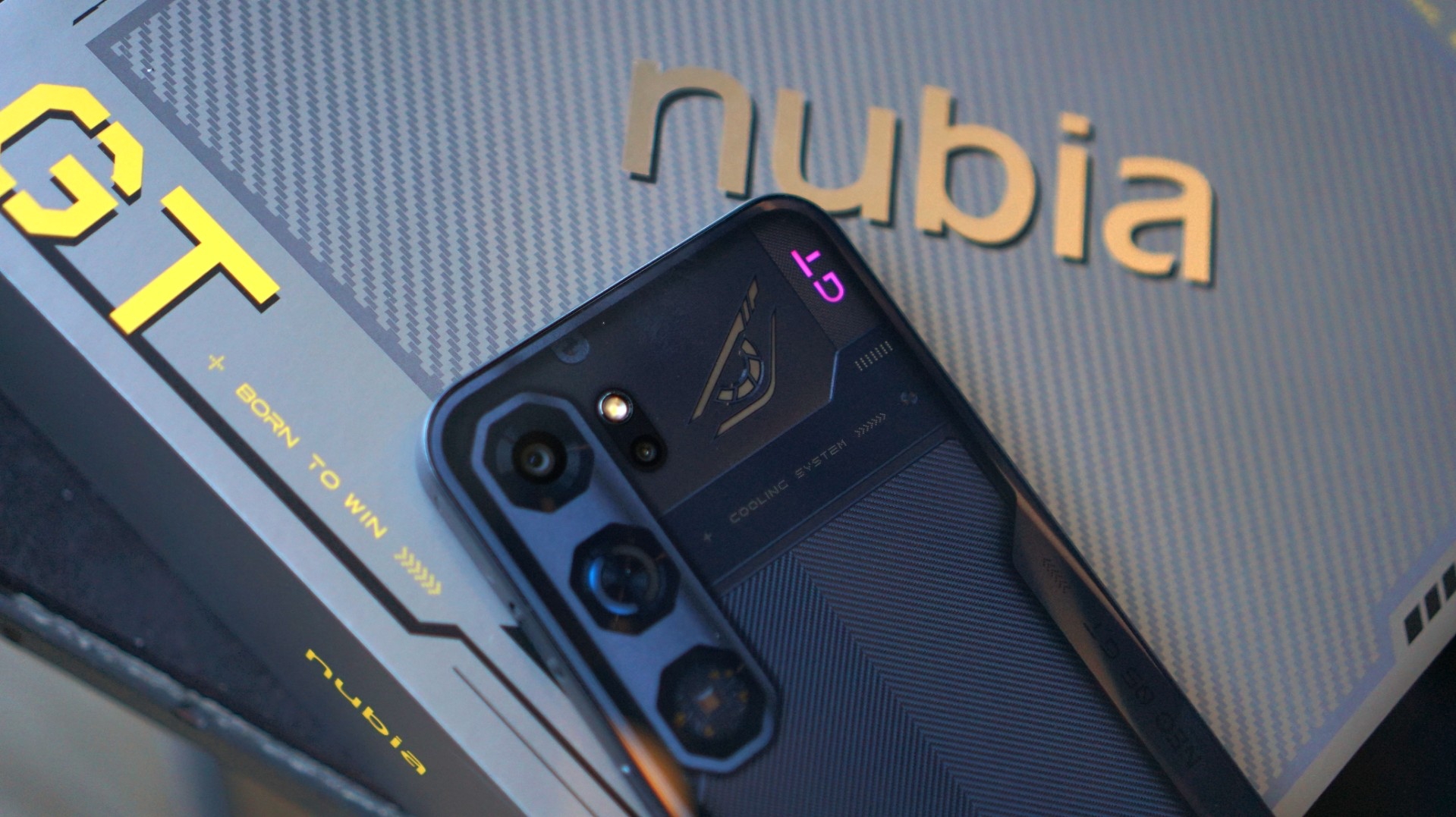

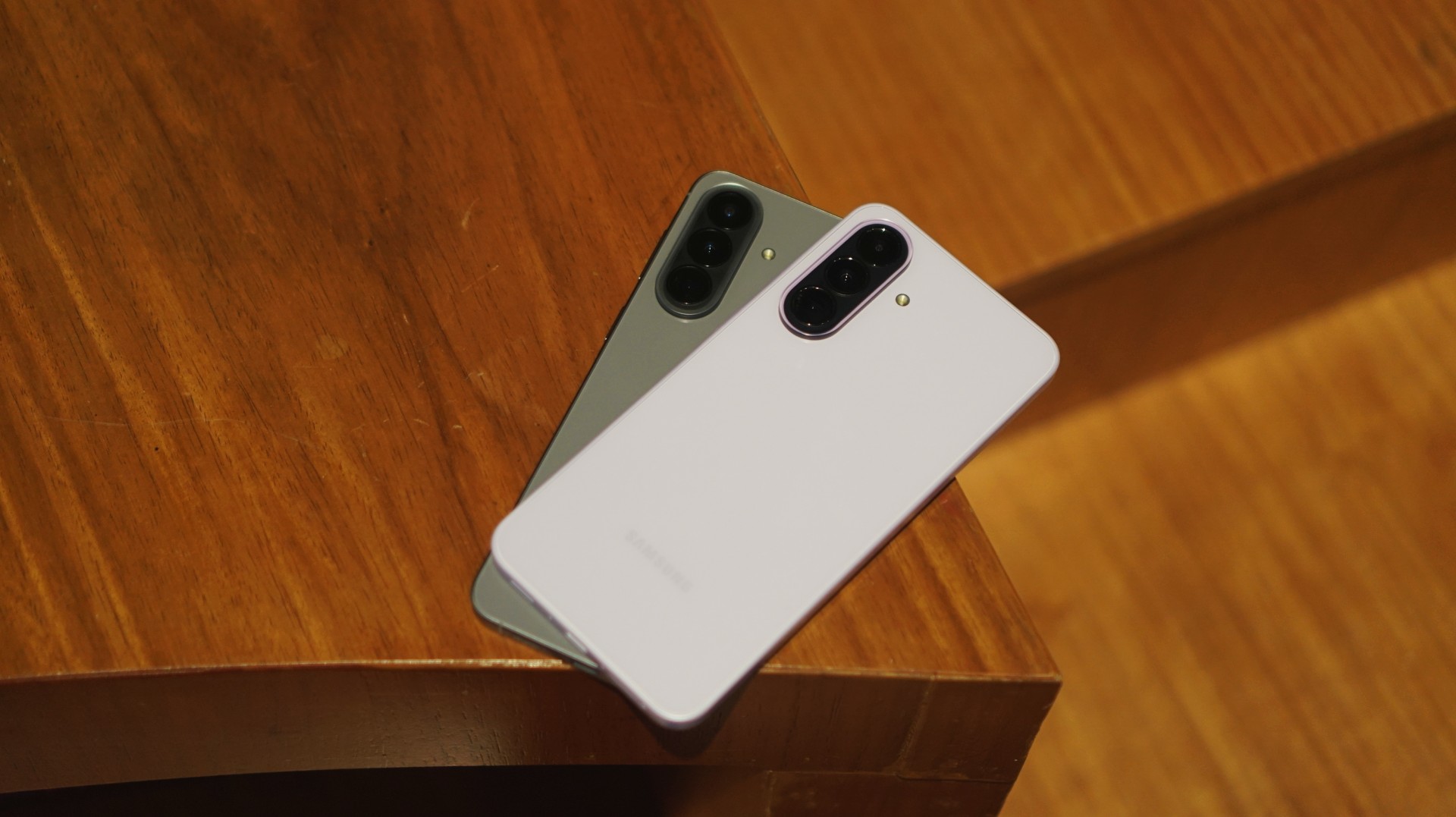
Samsung is expanding its AI push beyond flagships with the launch of the Galaxy A57 and Galaxy A37 — two devices positioned as accessible entry points into the broader Galaxy ecosystem.
These new Galaxy A Series smartphones don’t just refresh specs. They carry over a growing part of what Samsung now considers core to the Galaxy experience: AI-powered tools, long-term software support, and tighter ecosystem integration.
For users who aren’t quite ready to commit to a flagship Galaxy S device, this is Samsung making its case: you can start here.
A softer entry into Galaxy AI
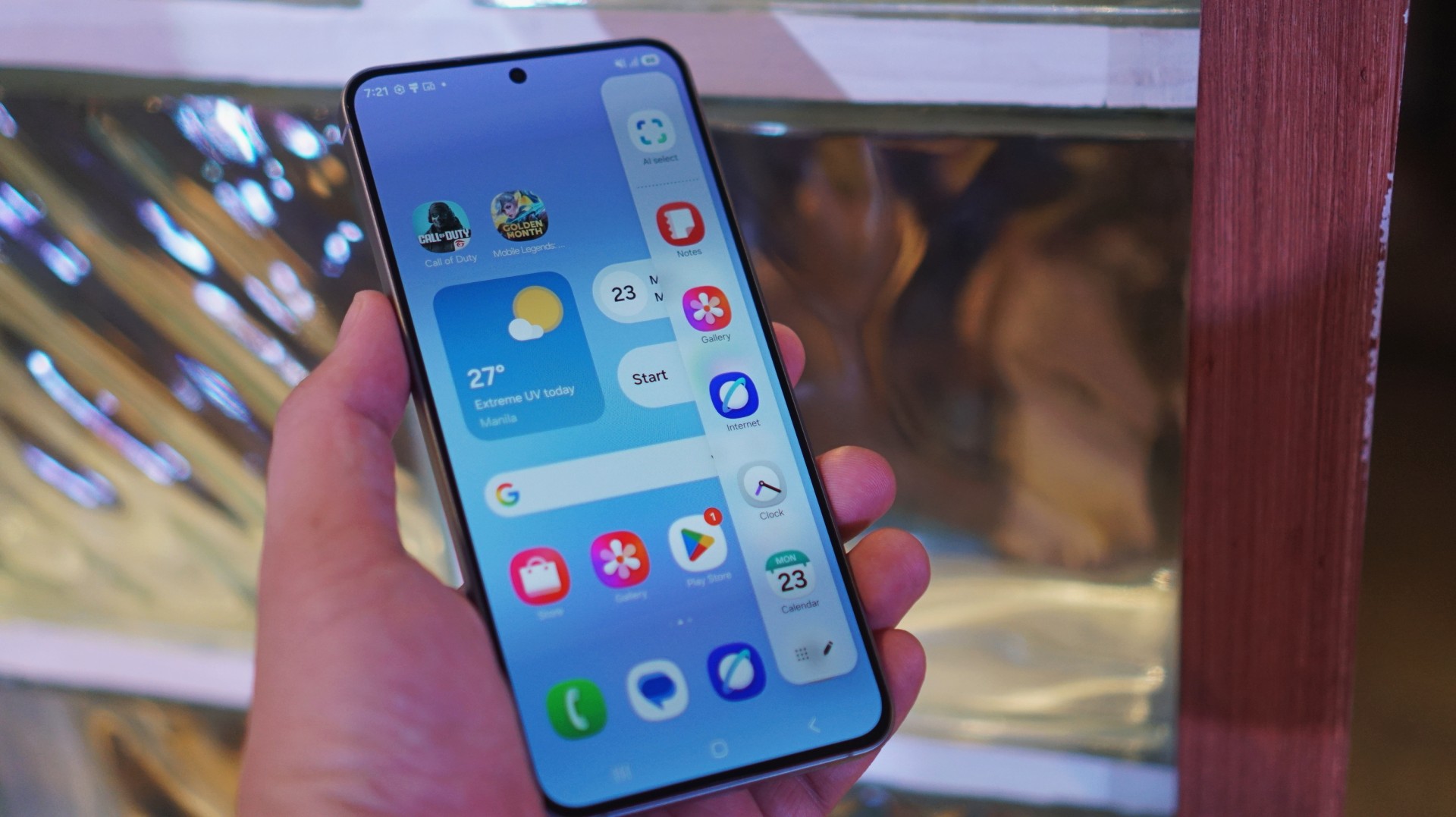
The headline feature here is what Samsung calls “Awesome Intelligence,” its midrange-friendly take on Galaxy AI.
Running on One UI 8.5, both devices bring features that feel familiar if you’ve seen Samsung’s recent flagships — just scaled for a wider audience.
There’s Voice Transcription baked into the Voice Recorder, letting you convert recordings into text. AI Select surfaces contextual actions directly from the screen, making it easier to grab text, images, or snippets without jumping between apps. And yes, Circle to Search with Google is here too, now with multi-object recognition.
Even Samsung’s voice assistant gets a boost. Bixby becomes more conversational, while Google’s Gemini is integrated to handle more complex, cross-app tasks.
It’s not the full flagship AI suite, but it’s enough to give you a taste of how Samsung sees everyday interactions evolving.
And that’s really the pitch: not everything, but enough to get you started.
Cameras that lean on AI, not just megapixels
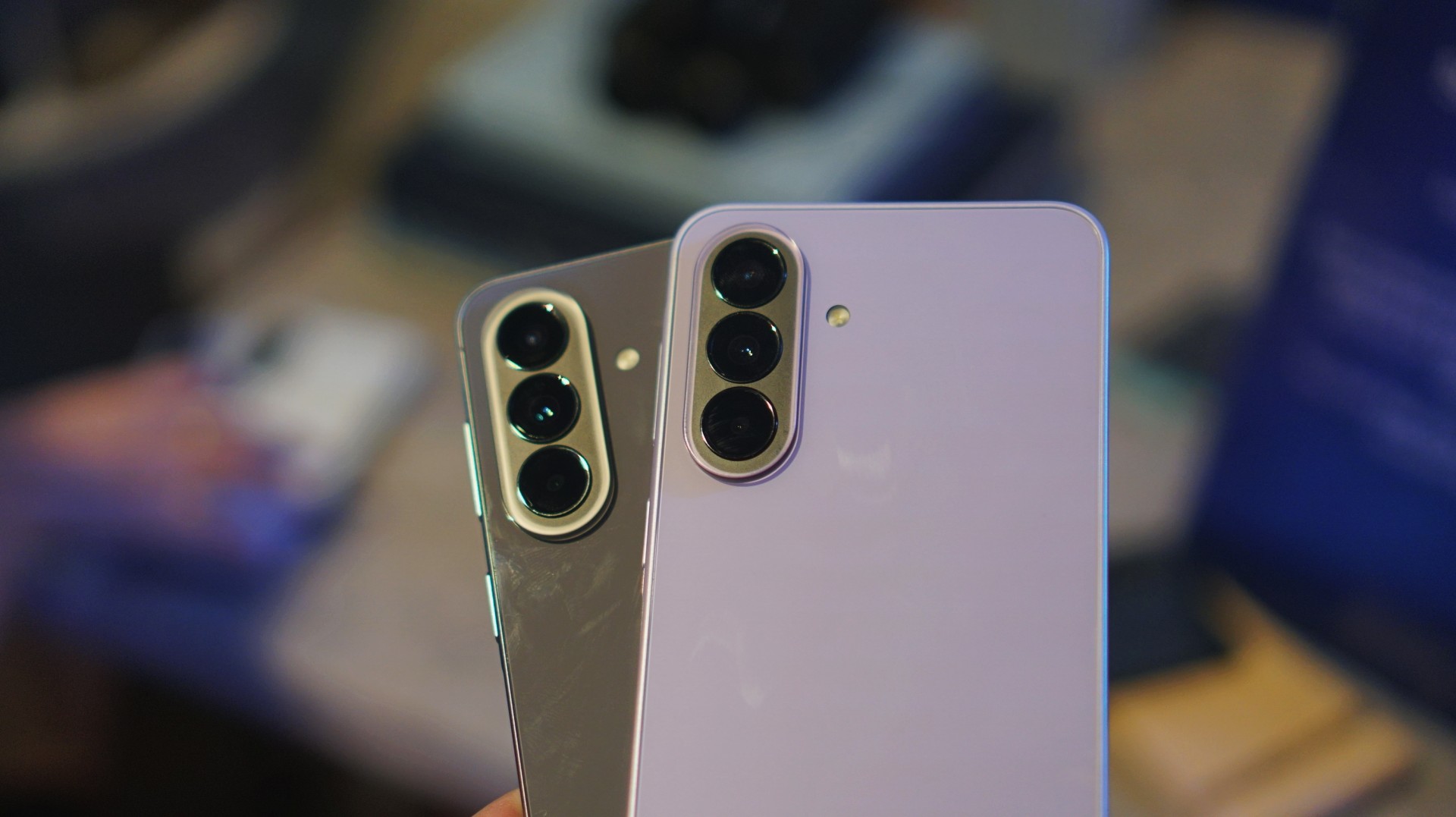
Both phones pack a familiar but reliable triple-camera setup, anchored by a 50MP main sensor.
On paper, it’s straightforward. In practice, Samsung is leaning heavily on AI to elevate the experience.
Object Eraser now produces more natural edits. Best Face (on the Galaxy A57 5G) helps salvage group shots. And scene optimization works in the background to balance exposure, skin tones, and detail.

Low-light photography also gets a boost with improved Nightography, aiming for clearer shots without needing manual tweaks.
The Galaxy A57 pulls slightly ahead here, with better image processing, faster shutter speeds, and more refined detail handling — the kind of upgrades you’ll notice when shooting moving subjects or tricky lighting conditions.
For most users, though, both cameras aim to do the same thing: remove friction. Point, shoot, fix — all within seconds.
Built for everyday use (and long-term ownership)
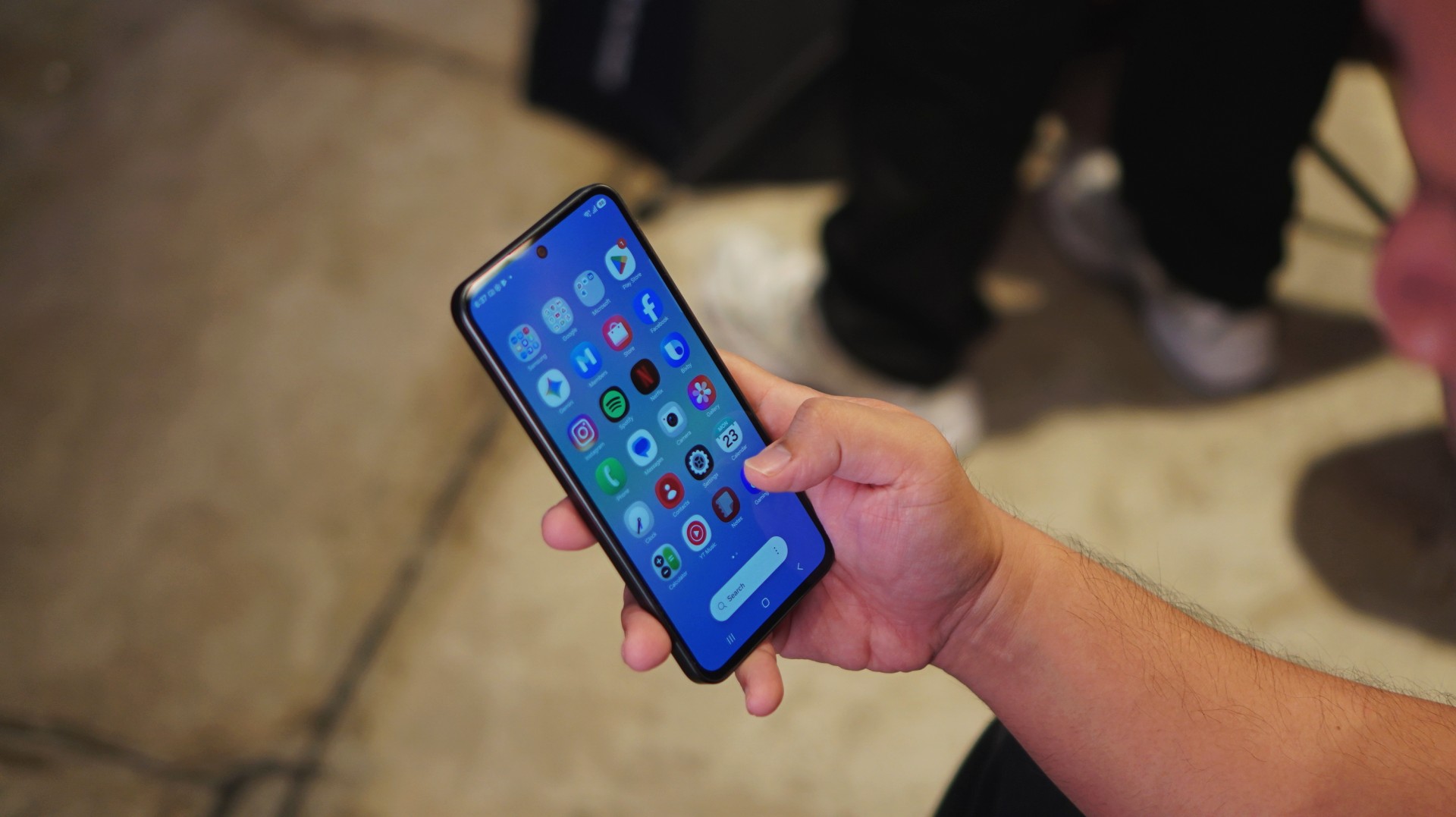
Where the Galaxy A Series continues to shine is in longevity.
Both the Galaxy A57 5G and Galaxy A37 5G promise up to six generations of Android and One UI updates, plus six years of security patches — a commitment that used to be reserved for premium devices.
That’s paired with practical hardware choices:
- 6.7-inch FHD+ AMOLED displays with up to 120Hz refresh rate
- 5,000mAh battery on both models
- IP68 water and dust resistance
- Samsung Knox security with features like Private Album and Privacy Alerts
The Galaxy A57 5G adds a bit more headroom for performance, with upgraded CPU, GPU, and NPU, along with a larger vapor chamber to keep things stable during longer sessions. That’s true whether it’s for gaming, recording, or just heavy multitasking.
It’s also slimmer and lighter, with a more refined finish that pushes the Galaxy A Series closer to flagship territory, at least in-hand.
The ecosystem play
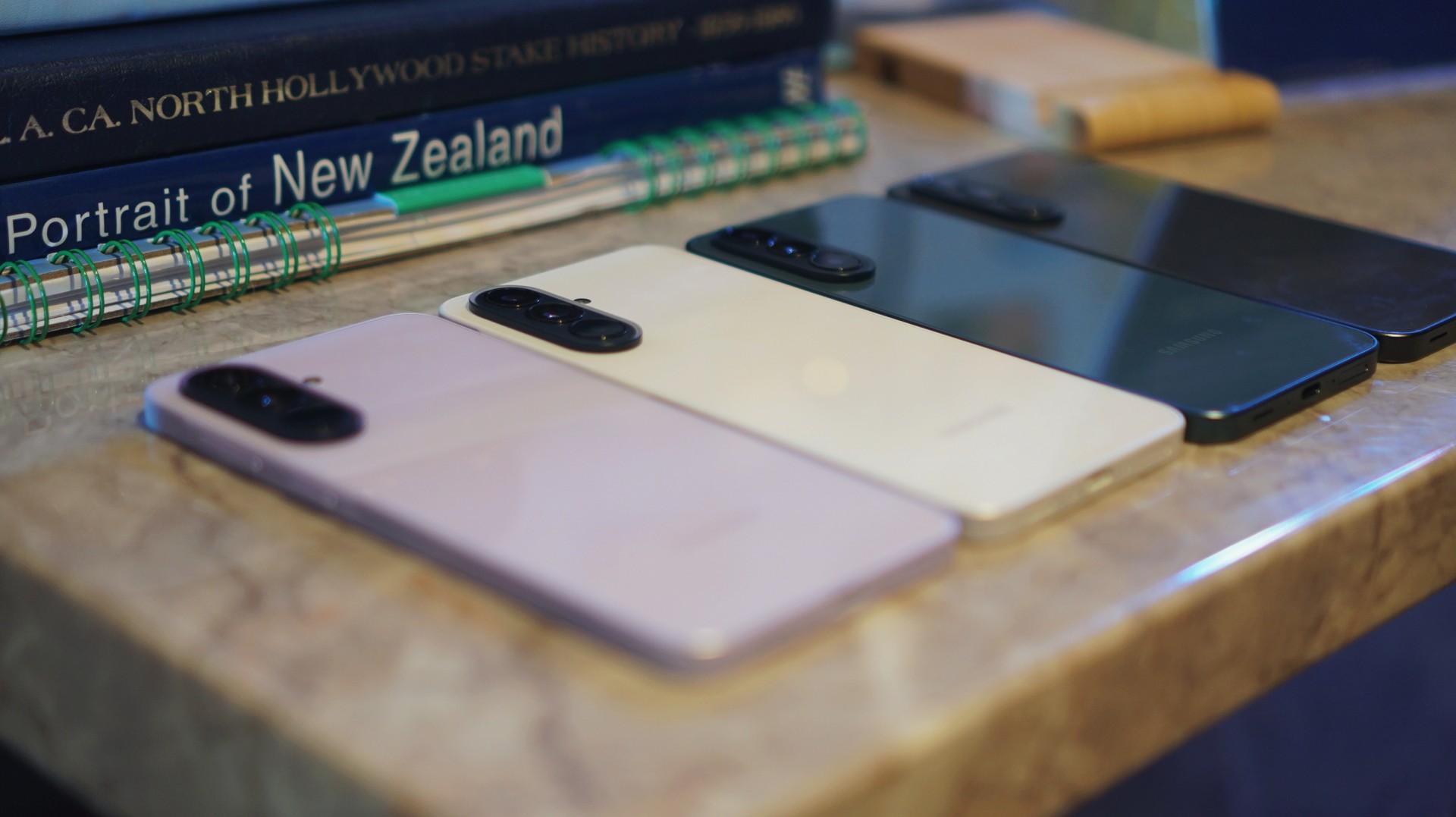
More than anything, the Galaxy A57 and Galaxy A37 feel like onboarding devices.
They’re not trying to outshine the Galaxy S lineup. Instead, they introduce you to how Samsung wants everything to work together — from AI tools to SmartThings to cross-device workflows.
It’s the kind of phone you get when you’re curious about Galaxy, but not fully committed yet.
You get a preview of the experience. The AI tools. The software longevity. The ecosystem hooks.
And if it clicks, Samsung is betting you’ll eventually move deeper into its lineup.
Pricing and availability
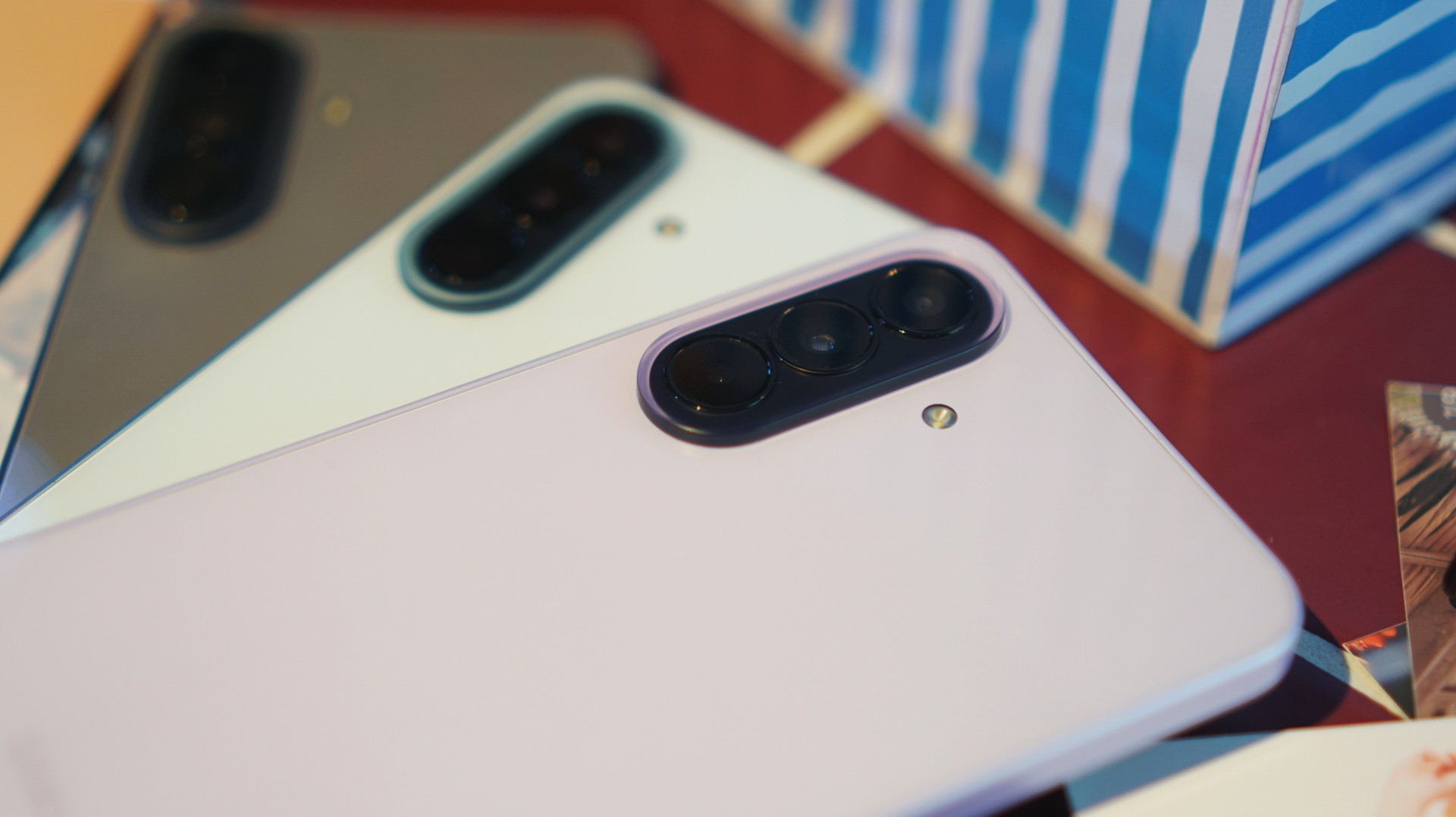
Philippine pricing and availability
The Galaxy A57 5G and Galaxy A37 5G are now available in Samsung Authorized Stores nationwide.
For pricing, the Galaxy A57 5G comes in three configurations:
- 128GB – PhP28,990
- 256GB – PhP30,990
- 512GB – PhP37,990
Meanwhile, the Galaxy A37 5G is available in:
- 128GB – PhP25,990
- 256GB – PhP27,990
Color options vary per model. The Galaxy A57 5G is offered in Awesome Navy, Awesome Gray, Awesome Icyblue, and Awesome Lilac. The Galaxy A37 5G, on the other hand, comes in Awesome Lavender, Awesome Charcoal, Awesome Graygreen, and Awesome White.
For added peace of mind, Samsung Care+ is also available, offering coverage options designed to help protect the device’s value over time.
In the US, the Galaxy A57 5G starts at $549.99, while the Galaxy A37 5G starts at $449.99.
Context matters here.
In the US, these price points sit firmly in the midrange — not quite “entry-level,” but still more accessible than flagship devices that typically start at $799 and above. They’re often positioned as practical upgrades for users coming from older devices or prepaid/carrier plans.
But when directly converted to Philippine pesos, that’s roughly around PhP30,000+ and PhP25,000+, respectively — a range that already overlaps with aggressively priced upper midrange and even some near-flagship alternatives locally.
For comparison, what many would consider a true “entry point” in the Philippines usually starts closer to PhP12,000 to PhP15,000 ($200–$250).
Which makes the positioning interesting.
These may be “entry points” into the Galaxy ecosystem — but not necessarily entry-level in terms of price, especially in markets like the Philippines. That’s a distinction that matters.
Early take
On paper, the Galaxy A57 5G and Galaxy A37 5G check a lot of boxes: modern design, capable cameras, meaningful AI features, and long-term support.
As much as these feel like “entry points,” they’re also creeping closer to premium territory. And that balance will ultimately decide how compelling they really are.


Shokz OpenFit Pro: Somewhere between awareness and focus
Find your balance


Why this 180-degree gimbal projector is a “small win” for solo living
At $200, the XGODY N6 Pro transformed my one-bedroom apartment into a sanctuary of independence


Nothing Phone (4a) + (4a) Pro review
Is "different" actually better?

vivo X300 Ultra wants to beat the iPhone 17 Pro Max in pro video
Shokz OpenFit Pro: Somewhere between awareness and focus

Nintendo might be working on an Ocarina of Time remake

Global tech leaders to convene in Singapore for GITEX AI Asia 2026

Fujifilm Philippines introduces instax Mini Evo Cinema, Mini Link+


-

 Reviews2 weeks ago
POCO X8 Pro Max review: A new beast from the far east
-

 News2 weeks ago
POCO X8 Pro Series: Price, availability in the Philippines
-

 Reviews2 weeks ago
POCO X8 Pro Iron Man Edition review: Midrange phone in superhero armor
-

 Automotive2 weeks ago
VinFast extends free unlimited charging in 3 markets amid rising fuel prices
-

 Philippines2 weeks ago
The HONOR X8d is serviceable
-

 News2 weeks ago
POCO X8 Pro Series launches in Singapore with early bird prices
-

 Gaming1 week ago
WWE 2K26 lets you live out all the fantasy matches you could want
-

 News2 weeks ago
POCO introduces X8 Pro Series with Dimensity 9500s