
News
Samsung reveals the Galaxy Z Fold Special Edition in South Korea
What the Galaxy Z Fold6 should have been in the first place


Samsung has launched the Galaxy Z Fold6 with minor hardware changes and major AI features. One thing’s for sure, it has not shed down that unwanted thickness that its Chinese rivals have successfully achieved.
But just after three months, Samsung answers all the complaints through the Galaxy Z Fold Special Edition aimed specifically for the South Korean market.
Galaxy-Z-Fold6_FINAL.jpg
The Galaxy Z Fold Special Edition offers hardware features that we are all expecting for Samsung to do in the Galaxy Z Fold6.

The biggest change is none other than its overall thickness. From Galaxy Z Fold6’s 12.1mm depth, the Special Edition variant managed to become thinner at just 10.6mm — very close to vivo X Fold3’s 10.2mm mark.
Weight doesn’t differ that much at 236 grams (versus Z Fold6’s 239 grams).
Other improvements can be seen in both screens. While the Dynamic AMOLED 2X 120Hz display remains unchanged, both screens are now bigger at 6.5-inches and 8.0-inches respectively (versus 6.3 and 7.6-inches).
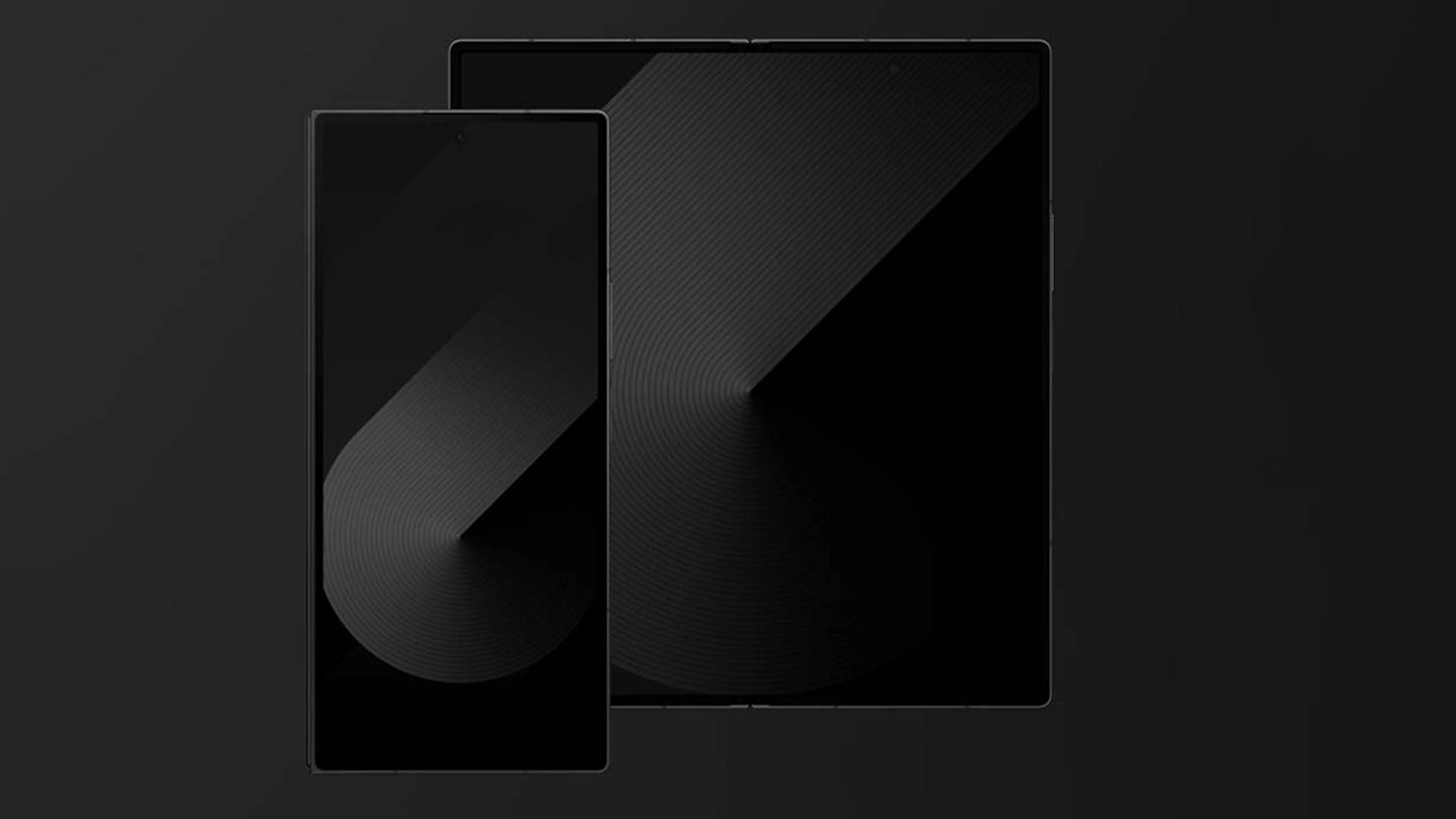
This also means a wider and more usable aspect ratio for its cover screen and a bigger internal screen real estate.
Speaking of, the Galaxy Z Fold Special Edition features a new UFG (Ultra Flexible Glass) instead of the usual UTG (Ultra Thin Glass) found on the majority of Samsung foldables.
And unlike the regular Galaxy Z Fold6, there’s no word regarding S-Pen support on the Galaxy Z Fold Special Edition probably due to the new inner display tech.

Lastly, its 50MP main camera has been changed to a 200MP f/1.8 sensor. Albeit, there’s no information if it’s the same sensor found on the Galaxy S24 Ultra.

This is also only available in one powerful configuration: 16GB memory + 512GB storage. Its base counterpart only offers 12GB RAM although confusingly, that one maxes out at 1TB.
Other internals remain such as the powerful Snapdragon 8 Gen 3 chipset, 4400mAh Li-Po battery with 25W wired charging + 15W wireless charging support.
Pricing and Availability
Samsung’s Galaxy Z Fold Special Edition is only available in a lone Black Shadow colorway and retails for KRW 2,789,600 (around US$ 2033 / EUR 1875 / GBP 1559 / SG$ 2669 / PhP 116,902 / INR 170,965).

For comparison, a regular Galaxy Z Fold6 of the same 512GB configuration barely differs at KRW 2,388,100 (US$ 2019.99 / EUR 1999 / GBP 1899 / SG$ 2728 / PhP 113,990 / INR 176,999).
There’s no word on global availability but it’s high likely that this is exclusive to South Korea. However, a leaked video in China reveals the similar-looking “Galaxy W25 Fold” with a shiny black back studded with hints of gold on it.







Motorsport has a flair for dramatic arrivals. When a new car rolls onto the track, the design alone can tell you it means business.
The Infinix NOTE 60 Ultra makes that kind of entrance at Mobile World Congress 2026.
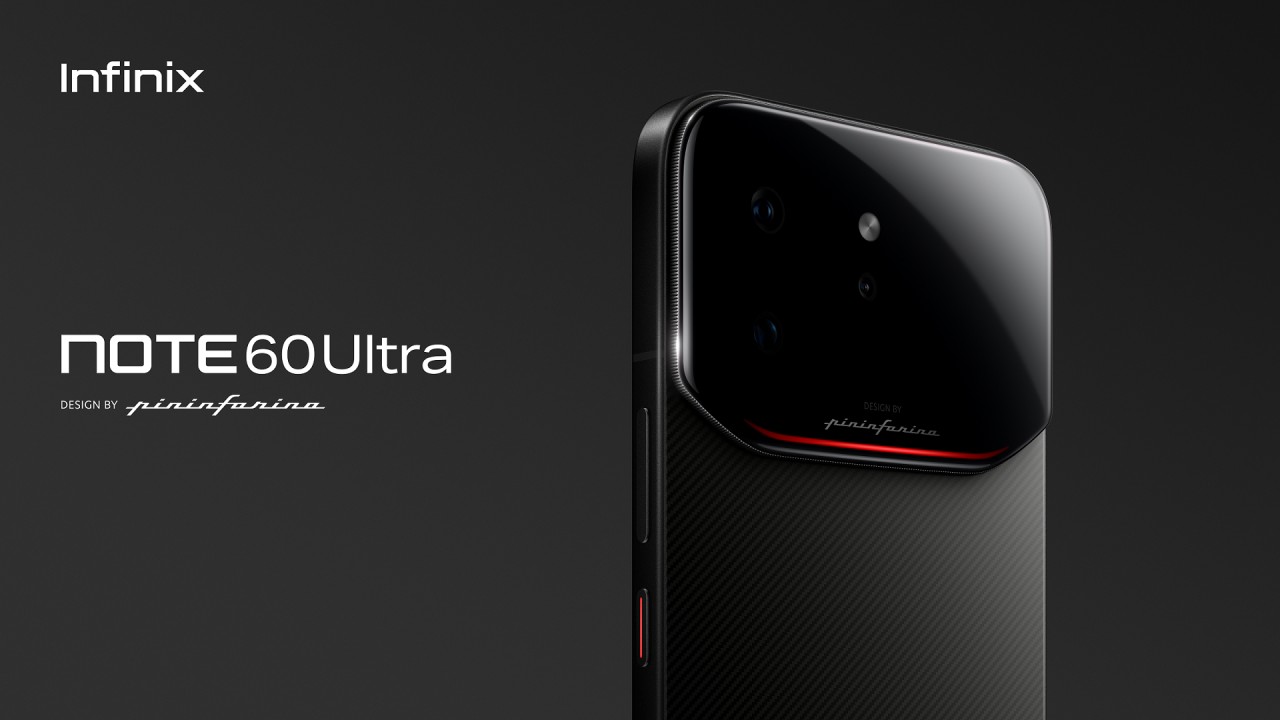
Created with Italian automotive design house Pininfarina, the flagship pairs a supercar-inspired aesthetic with premium features including a 200MP camera system, satellite calling, and immersive JBL-tuned sound.
The result is a device that positions itself as more than just another NOTE series upgrade — it’s Infinix stepping onto the flagship grid.
Supercar-inspired design
Co-developed with legendary Italian design firm Pininfarina, the NOTE 60 Ultra takes heavy inspiration from high-performance sports cars.
The phone introduces what Infinix calls the world’s first Uni-Chassis Cam Module. Instead of the typical camera bump, the camera system sits beneath a single sheet of Corning Gorilla Glass Victus that flows seamlessly across the rear. The result is a smooth aluminum unibody design that maintains a clean silhouette while improving durability and pocketability.
Infinix says the design mirrors the aerodynamic philosophy of supercars, prioritizing smooth surfaces and uninterrupted lines.
Adding to the automotive inspiration is a Floating Taillight signature on the back that lights up when the device powers on. A hidden Active Matrix Display also appears during startup, echoing the digital dashboards seen in modern sports cars. The small display can show notifications, icons, or even a pixel-style companion.

The NOTE 60 Ultra comes in four Italian-inspired finishes: Torino Black, Monza Red, Amalfi Blue, and Roma Silver.
Flagship imaging system
Despite the flush camera design, the NOTE 60 Ultra still packs a powerful imaging setup.
At the center is a 200MP Samsung ISOCELL HPE sensor designed to deliver ultra-high-resolution photos with improved detail and clarity. It is paired with a 50MP Samsung ISOCELL JN5 periscope telephoto lens and a 112-degree ultra-wide camera.
The system supports a versatile zoom range, starting with a 2x optical crop, extending to 3.5x optical zoom, and reaching 7x lossless digital zoom, with up to 100x zoom for distant subjects.
Infinix also introduces support for the XDR display standard with Ultra HDR Capture, powered by a proprietary XDR Image Engine. The system aims to preserve highlights and shadows more accurately, especially in challenging lighting scenarios like night scenes or sunsets.

Connectivity beyond cellular networks
Another headline feature is two-way satellite communication.
The NOTE 60 Ultra supports both satellite calling and messaging, allowing users to stay connected even in areas without traditional cellular coverage. The feature can also enable emergency location sharing during disasters or when traveling through remote regions.
According to Infinix, the system offers coverage across a broader number of countries compared to typical satellite messaging implementations.
Big battery, fast charging
Powering the device is a 7000mAh silicon-carbon battery, paired with Infinix’s new Battery Self-Healing Technology. The company claims the system can restore up to 1 percent of battery health every 200 charge cycles, potentially helping maintain long-term battery performance.
Charging is equally fast, with support for 100W wired charging and 50W wireless charging. Infinix says the device can charge from 1 to 100 percent in around 48 minutes via wired charging.
The phone runs on a 4nm MediaTek Dimensity 8400 Ultimate chipset, which Infinix claims delivers up to 25 percent faster multitasking alongside improved app responsiveness.
Display, audio, and AI features
On the front is a 1.5K Ultra HDR display with a 144Hz refresh rate and up to 4500 nits peak brightness. The panel also features predictive stabilization designed to reduce motion discomfort when watching videos or gaming while in motion.
For audio, the phone includes stereo speakers tuned by JBL.
The NOTE 60 Ultra runs XOS 16 based on Android 16, introducing a new interface called GlowSpace. The software integrates several AI-powered tools including personalized file organization, adaptive knowledge features, and an Advanced Health Monitor capable of real-time vitals tracking.
Availability
The Infinix NOTE 60 Ultra will be available in a single configuration with 12GB RAM and 256GB storage, along with built-in eSIM support.
It will ship with three years of major Android updates and five years of security patches.
Infinix will also bundle a deluxe gift box that includes a supercar-inspired MagCharge stand, Kevlar MagPad, custom Kevlar MagCase, and a track-edition SIM ejector pin.

Apple has a new contender in the ring. And if you grew up on fighting games, the reveal almost feels like that classic moment when the screen flashes: Here comes a new challenger.
Meet the MacBook Neo — Apple’s newest and most affordable laptop yet. Starting at just US$599 (US$499 for education), it aims to bring the Mac experience to a much wider audience.
Despite the lower entry price, Apple isn’t treating this like a stripped-down Mac. The new machine still carries a full aluminum design, a vibrant display, and Apple silicon performance — the same core pillars that define the modern Mac lineup.
The goal is simple: make the Mac more accessible without losing the parts that make it feel premium.
A colorful new entry
At first glance, MacBook Neo looks every bit like a modern Mac. It features a durable aluminum enclosure with soft rounded edges and weighs just 2.7 pounds, making it easy to toss in a backpack or handbag.
Apple is also leaning into color here. The laptop comes in four finishes: blush, indigo, silver, and citrus. The Magic Keyboard matches each colorway with lighter shades, creating a cohesive look across the entire device.
Front and center is a 13-inch Liquid Retina display with a 2408 × 1506 resolution, 500 nits of brightness, and support for one billion colors. Apple says the panel delivers sharper text and brighter visuals than most laptops in this price category.
It’s a display designed to make everyday tasks — browsing, watching videos, editing photos — feel a little more vibrant.
A18 Pro powers everyday performance
Under the hood, MacBook Neo runs on Apple’s A18 Pro chip — the same architecture that powers some of Apple’s most advanced mobile devices.
Apple says the chip delivers up to 50 percent faster everyday performance compared to the bestselling PC powered by Intel Core Ultra 5. For AI-heavy tasks like applying advanced photo effects or running on-device intelligence features, the system can be up to three times faster.
The chip also includes a 16-core Neural Engine for Apple Intelligence features and a 5-core GPU for graphics workloads. The system is completely fanless, which means silent operation even under load.
In practical terms, that translates to smooth multitasking across apps like Messages, Safari, Canva, Excel, and more.
Built for all-day use
Battery life is another highlight. Thanks to the efficiency of Apple silicon, MacBook Neo can run for up to 16 hours on a single charge.
The laptop also includes a 1080p FaceTime HD camera with improved image processing, along with dual microphones that use directional beamforming to reduce background noise during calls.
For audio, dual side-firing speakers support Spatial Audio and Dolby Atmos for a more immersive listening experience.
The device features Apple’s Magic Keyboard and a large Multi-Touch trackpad, while select models include Touch ID for quick and secure logins.
Connectivity includes two USB-C ports for charging and accessories, a headphone jack, Wi-Fi 6E, and Bluetooth 6.
The Mac experience, now more accessible
MacBook Neo ships with macOS Tahoe, complete with built-in apps like Safari, Photos, Messages, and FaceTime. It also supports Apple Intelligence features such as Writing Tools and Live Translation.
For users already in the Apple ecosystem, Continuity features make switching between devices seamless. Tools like Handoff, Universal Clipboard, and iPhone Mirroring let users move between Mac and iPhone without breaking their workflow.
With its $599 starting price, MacBook Neo now becomes the most affordable entry point into the Mac lineup — a position long rumored but never quite realized until now.
In fighting game terms, Apple didn’t just add another character to the roster.
It added one meant for a whole new set of players.
Pricing and availability in Singapore and the Philippines
In Singapore, the MacBook Neo starts at S$849 and S$729 for education. Customers can pre-order the new MacBook Neo from Friday, March 6.
In the Philippines, Apple’s friendliest-to-the-budget MacBook starts at ₱39,990 and ₱33,990 for education. They will be available soon on apple.com/ph/store and Apple Authorized Resellers.
Laptops
Apple accidentally revealed something called the MacBook Neo
Is this the rumored entry-level MacBook?


We’re living in the week of Apple. Through the past few days, Apple launched a new iPhone, iPads, and now, MacBooks. But the week isn’t over, so the brand still has a few tricks up its sleeve. Now, on the cusp of its major event, a brand-new notebook lineup has seemingly been leaked ahead of time. Apple has accidentally leaked the name “MacBook Neo” on its official website.
While we’ve seen the launches of the new MacBook Air and the MacBook Pro, the year’s lineup of notebooks is still missing the highly rumored entry-level MacBook. Ahead of this week, the brand was tipped to launch a new lineup that brought the price of the notebook down and introduced quirkier colorway options. Judging by the invite for it, the event scheduled for March 4 seems to be the launch pad for this device.
Today, in a now-deleted mention on a regulatory document on the brand’s official website (via MacRumors), Apple has accidentally leaked a mention of a “MacBook Neo (Model A3404)”. Sadly, the mention did not include any details about this device. Plus, it was deleted soon after it was spotted by the public.
There isn’t much to say about this model yet, if it is indeed the budget-friendly MacBook that everyone is talking about. If anything, it’s been tipped that the lineup will feature a mobile chipset rather than the M-series silicon often prominent in the regular MacBook series. It will also add splashes of color by offering colorway options apart from the usual metallic choices.
Then again, March 4 (in the States) is right around the corner, so the device’s launch might only be a few breaths away.
SEE ALSO: Apple’s March 4 Event signals something BIG is coming





Infinix NOTE 60 Ultra makes a motorsport-inspired debut

MacBook Neo enters the chat with a $599 starting price

One Piece: Into the Grand Line unveils final trailer ahead of premiere

AMD announces Ryzen AI 400, AI 400 PRO series at MWC 2026

ASUS launches 2026’s Zenbook S16, Zenbook 14

Xiaomi 17 Ultra is now available outside China

TECNO will showcase the CAMON 50 and POVA 8 series at MWC 2026

PlayStation, LE SSERAFIM Chaewon team for the ‘Love of Play’ campaign

The art of being in and behind the frame

HUAWEI MatePad 11.5 S 2026: The better-than-ever 4-in-1 productivity tablet


-
 News4 days ago
Xiaomi 17 Ultra is now available outside China
-

 Camera Walkthrough2 weeks ago
OPPO Reno15 Pro: Camera Review
-

 Cameras2 weeks ago
Osmo Pocket 4 makes a surprising appearance in public
-

 News2 weeks ago
iPhone 17 Pro Max is somehow the most traded-in phone today
-

 News2 weeks ago
HUAWEI launches Mate X7, MatePad 11.5 S 2026, FreeClip 2
-

 Events2 weeks ago
Capcom to hold Resident Evil Requiem launch event in Jakarta
-
 Gaming2 weeks ago
Pokémon FireRed and LeafGreen are coming to the Switch
-

 Reviews4 days ago
Xiaomi Pad 8 review: Slab that slaps!