
Features
Samsung tries something new with the Galaxy TabPro S, and succeeds


Whenever we hear the words Samsung and Galaxy put together, Android tablets and smartphones instantly come to mind. That’s why it’s so strange to see the Galaxy label plastered on a Windows tablet when talking about the Galaxy TabPro S. And yet, it’s only when you begin using this convertible that you realize how similar it behaves to an Android tablet.
This revelation pops up despite this Samsung convertible directly challenging the likes of the Microsoft Surface series and Apple iPad Pro. On one hand, it doesn’t have the relentless performance Surface tablets have been delivering for four generations; on the other end, it has a much more desktop-like operating system as compared to the iPad Pro’s. The balance between both sides is what puts the TabPro S in a unique position to appeal to a desktop-hungry, yet mobility-loving audience.
Windows in an Android body
Throughout our experience with the Galaxy TabPro S, we couldn’t help but feel like we’ve been using an Android tablet on steroids. This isn’t to say it’s a bad thing; on the contrary, having a fan-less, lightweight Windows 10 device is such a pleasure when all you want do is type and watch stuff while doing errands. Naturally, you’re going to have to deal with a flat keyboard and limited travel, but the keys are easy to get used to thanks to the spacious tiles.
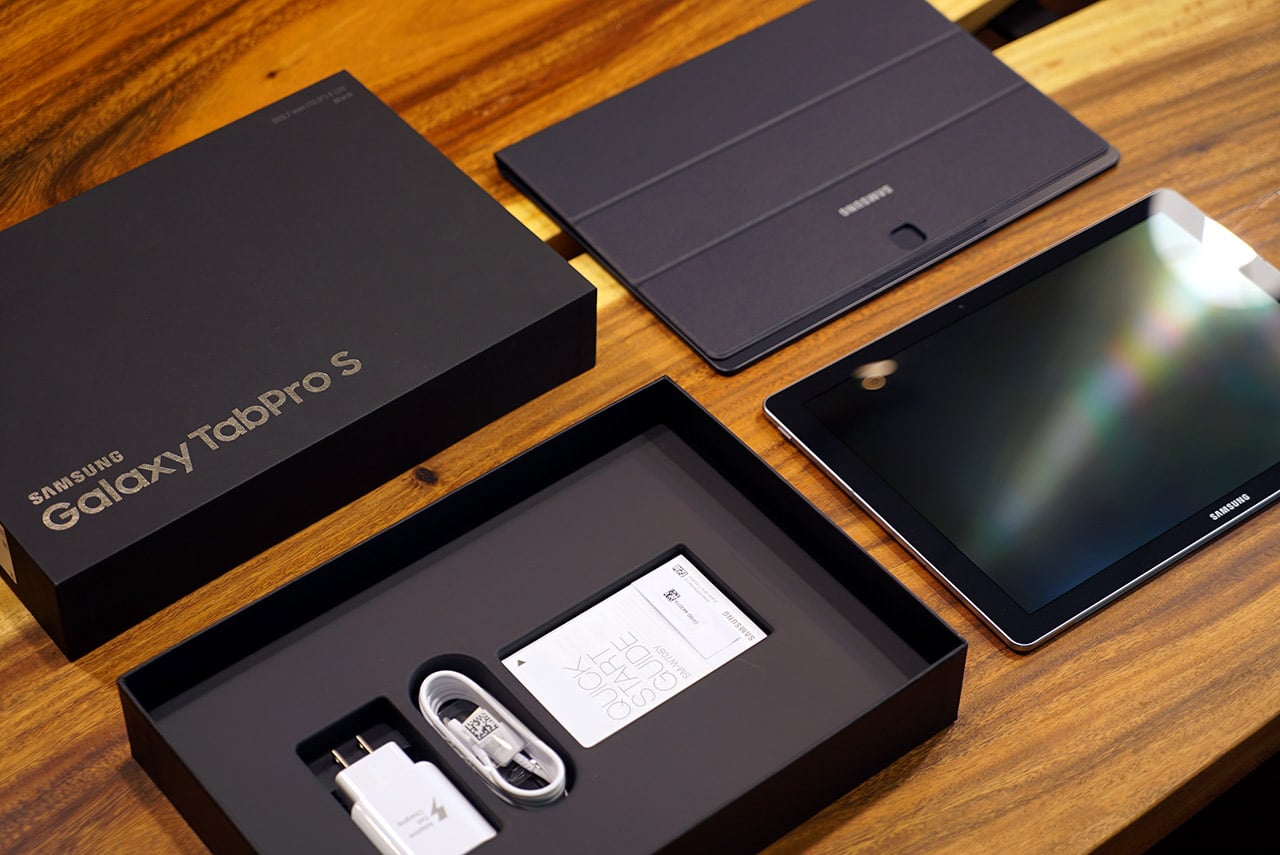
Checking out the product page of Samsung, you can tell how much focus is placed on the tablet aspect of the TabPro S, without much mention of how it’s actually a full-fledged Windows tablet with a complete keyboard attachment. Even the setup out of the box looks like it came straight out of an Android product: an Adaptive Fast Charger along with a meter-long cable for the single USB Type-C port, plus a slot for inserting an LTE SIM card. This is as mobile as it gets for a 12-inch Windows tablet.
Just enough juice in the tank
Like all of Samsung’s flagship tablets and smartphones, this convertible’s AMOLED display is absolutely captivating. Not once did we think the 2160 x 1400 resolution wasn’t enough. There were times we wished the colors were more accurate, especially while photo editing, but the highly saturated colors are alluring most of the time. We also have to give a positive nod to the stereo speakers found on the sides of the Galaxy TabPro S. They’re surprisingly loud – way better than smaller Galaxy Tabs.
For the tech-savvy, you’ll notice a no-frills setup here. You get an Intel Core m3 processor with 4GB of RAM and 128GB of internal storage. Putting it simply, there’s ample power on board to run through several tabs on Chrome, high-resolution editing on Photoshop, and watching (not editing, mind you) videos on the side, all at the same time. At this price point, you’d hope for something more, as this is the bare minimum to run Windows 10 smoothly on a high-resolution screen, but the upside is there’s no noisy fan to bother you.
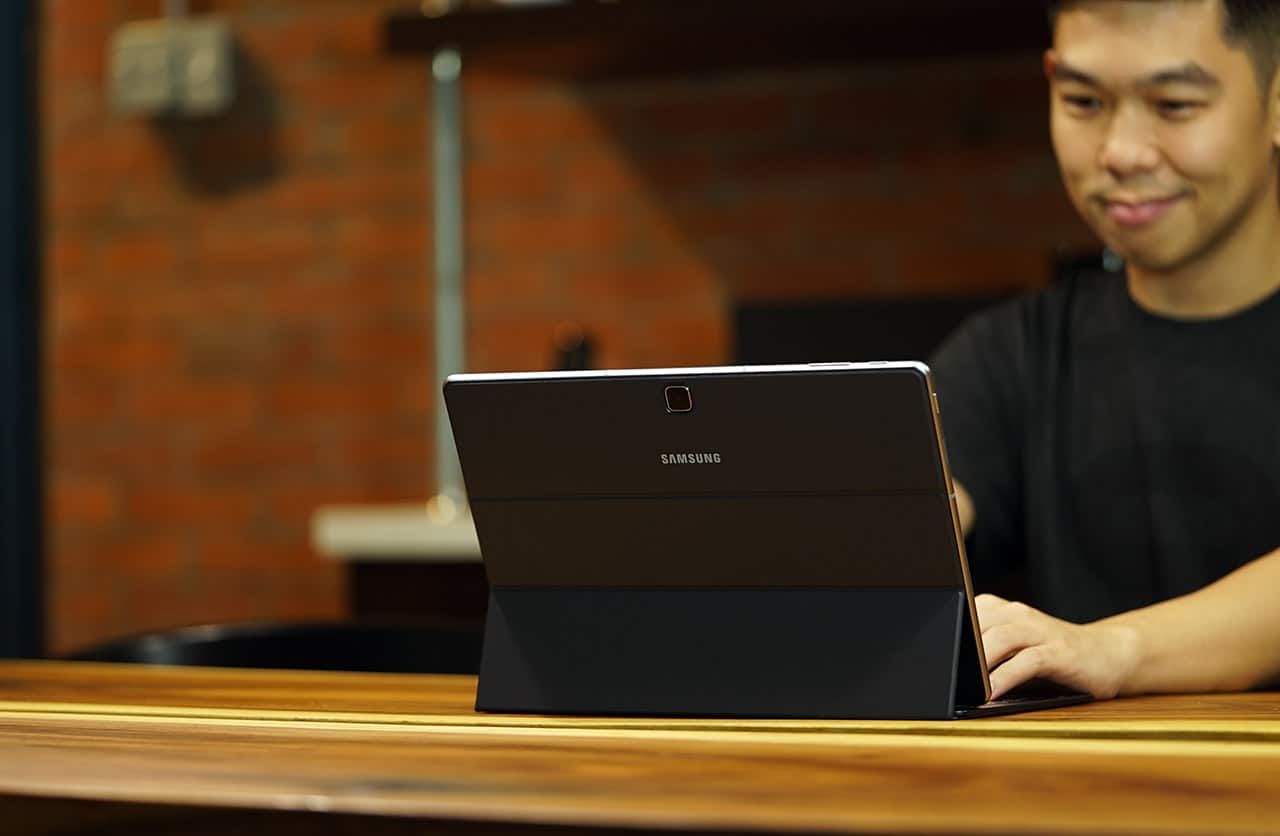
Here’s another juicy tidbit: The TabPro S is a total darling when it comes to battery life. This should go down as one of the rare cases wherein working on 10 percent of remaining charge isn’t stressful. It seems like there’s always enough to get through a full day’s worth of work without looking for a wall socket. Again, we have to credit the energy-efficient Core m3 processor for this.
Some things are missing
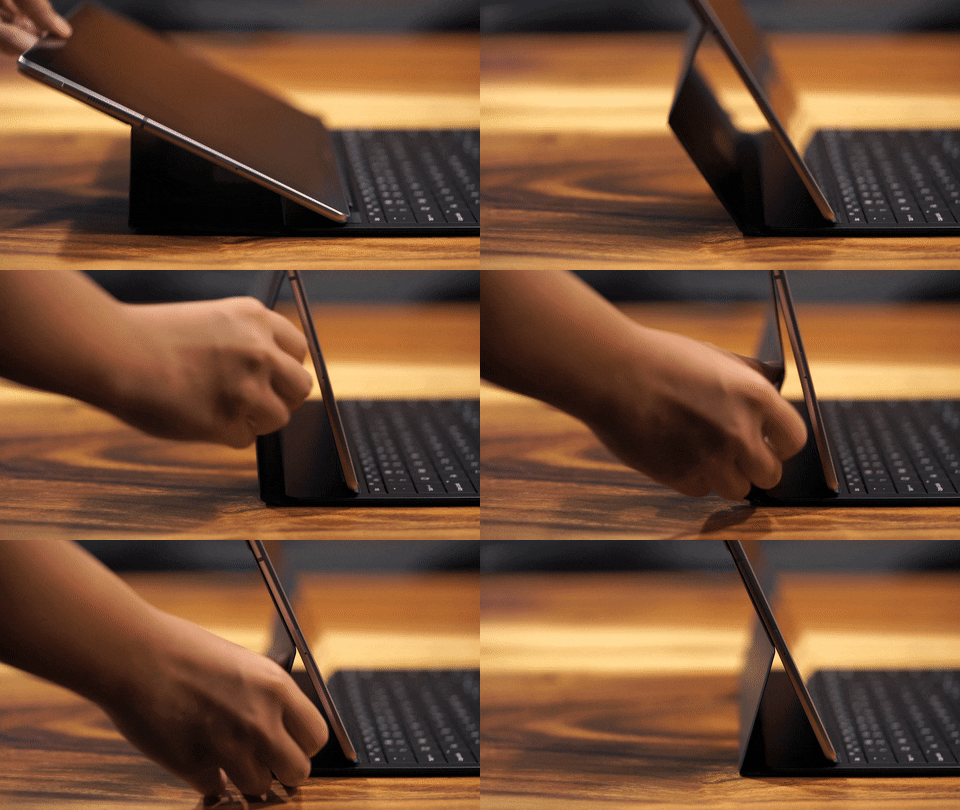
One of the first things you’d expect in the box is a stylus. To our disgruntlement, it isn’t a standard feature of the Galaxy TabPro S; you’ll have to make do with touch gestures and the fiddly track pad. And despite the simplicity of the keyboard attachment mechanism, there’s a limit of two positions for the rear stand, and they’re only usable while the keyboard is latched on. For something that’s advertised as being able to work on its own, the tablet is heavily reliant on the keyboard to function properly. Without physical keys and a stylus, working through Windows 10 purely on finger touches is a clumsy affair.

While we’re on the subject of pure tablet usage, there’s only one digital port to do all your work. You have a single USB Type-C for charging, plugging in a flash drive, or connecting a compatible peripheral, such as a mouse or card reader. It seems like this is the path several manufacturers are choosing to take, and we’re practically forced to adjust to the new restrictive standard. On the bright side – and this is also similar to Android devices – the TabPro S comes with Adaptive Fast Charging, letting you go from zero to 100 percent in less than three hours, so there’s more time for you to plug in other devices.
Who’s this for?
Any Samsung fan who’s in need of a seamless transition from Android to Windows should seriously consider the Galaxy TabPro S. The beauty here lies in the sheer convenience of being able to power up a complete Windows 10 machine and attach a keyboard at will – just like an Android device. The official price begins at $899, so it’s right up there with the big boys of mobile computing.

As long as you don’t force the TabPro S to go beyond its specialities, like making it render graphics-intensive games or heavy photo/video editing, you have a GadgetMatch in your arsenal. You also need to keep the keyboard attachment on, because without it, you’re better off buying a Galaxy Tab S2 Android tablet instead with its willingness to work solely on swipes and gestures.
With rumors circulating about a successor in the works, we can’t help but feel hopeful about the future of the Galaxy TabPro S line. We’re wishing for a stylus and more connectivity ports next time around.
[irp posts=”6867″ name=”Samsung Galaxy TabPro S unboxing and hands-on”]





Features
HUAWEI MatePad 11.5 S 2026: The better-than-ever 4-in-1 productivity tablet
Designed to do it all

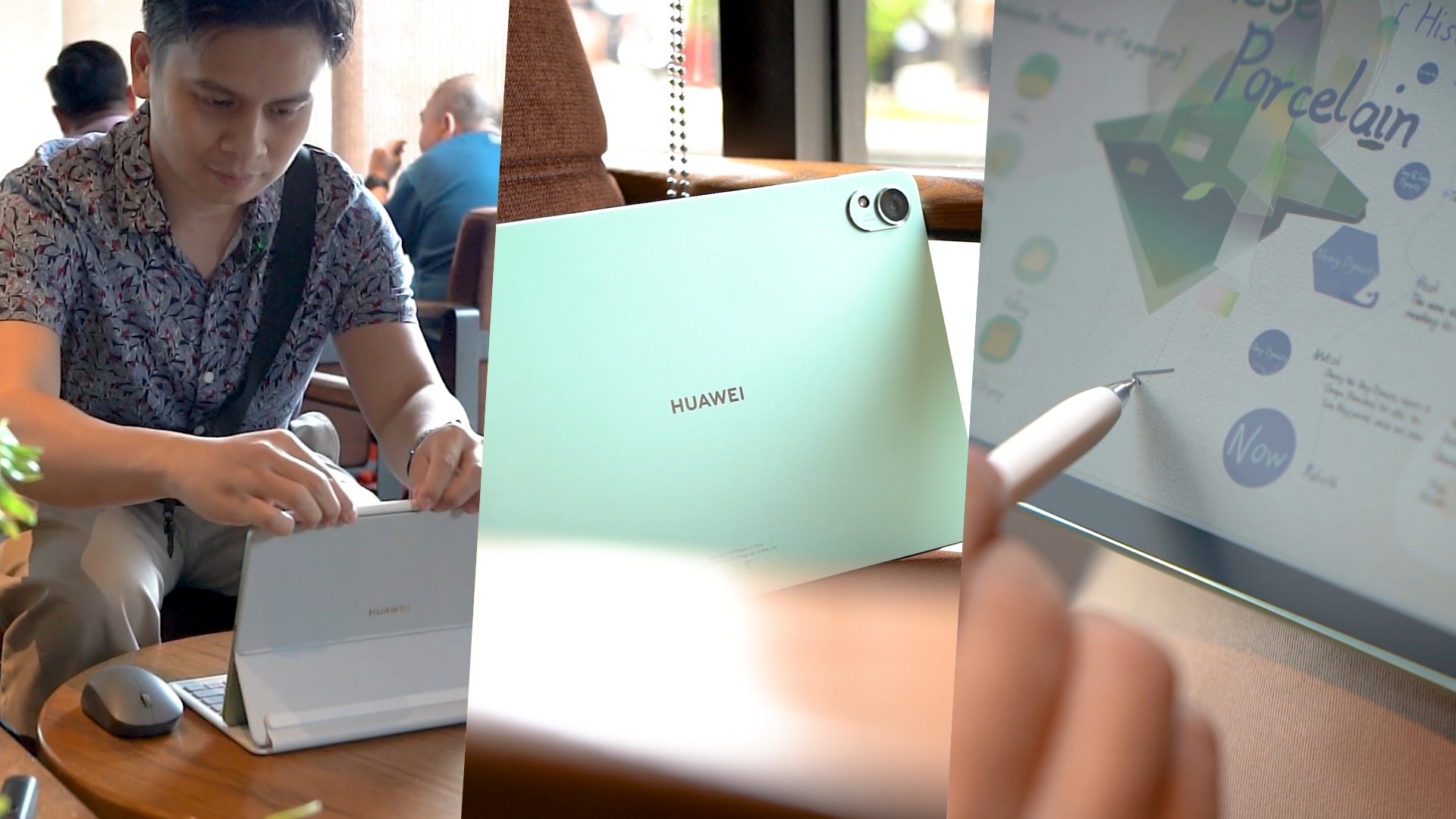
Do you ever get tired of carrying a heavy laptop and all its accessories every single day? Compare that with something as light as this. HUAWEI is back once again with the latest better-than-ever HUAWEI MatePad 11.5 S 2026.
HUAWEI calls this a 4-in-1 better-than-ever productivity tablet because it’s got four components in one convenient package.
You have the tablet itself, the Smart Magnetic Keyboard, the Mouse, and the M-Pencil 3rd Gen.
With the free Smart Magnetic Keyboard, you can use the MatePad in a variety of ways like laptop form, studio form, and split form. The Mouse completes the PC-like experience by letting you work in split-screen views. Finally, the M-Pencil 3rd Gen features 10,000+ levels of pressure sensing and ultra-low latency.
Especially in laptop form, one of the best ways to use the MatePad 11.5 S is WPS Office 3.0. I wish I knew about this sooner, because I still pay every year for Microsoft 365.
On the other hand, WPS Office 3.0 is a completely free suite of productivity apps. Plus, it’s 100% compatible with 42 filetypes, so you don’t have to feel that you’re switching to something new. You can work on documents, spreadsheets, presentations, and PDFs, just as you would a PC.
And you can handle them all at the same time.
In the Philippines, it gets really sunny. Using a screen outdoors or even by a window is impossible. Thankfully, HUAWEI is back with the improved 11.5-inch Ultra-Clear PaperMatte Display.
It’s also much clearer. You can hardly see the pixels even when you zoom in. Glare and reflections have been reduced by 50 percent, so you don’t strain your eyes after a long day.
Using the tablet’s screen is a breeze, since it’s compatible with the M-Pencil 3rd Gen and the M-Pencil Pro. And there’s so much you can do with the M-Pencil. It also feels and sounds like writing on actual paper.
You can also fulfill your need for creativity with the free GoPaint app, which even has pro features. I’m not even an artist, but this app can bring all my doodles to life. It features realistic brushes, an intelligent color card to grab the perfect colors, and an animation frame to liven up static images.
When you’re on break, the MatePad 11.5 S is just as good for entertainment.
The Ultra-Clear PaperMatte Display makes everything so alive whether you’re watching a show or playing games.
The new cooling architecture helps keep things in perfect shape for heavier tasks.
Finally, you don’t have to worry throughout the day because it has an 8800mAh battery and 40W SuperCharge. And it has all that juice even if it’s only 6.1mm thin and weighs only 515 grams.
Its premium metallic unibody design comes in two colors: green and gray.
With the HUAWEI MatePad 11.5 S, you don’t need to keep bringing a heavy laptop with you anymore. This can do everything already.
This 4-in-1 productivity tablet is all you’ll need to work, learn, create, and play.
This feature is a collaboration between GadgetMatch and Huawei Philippines.
Laptops
TECNO MEGABOOK K16s 13th review: No-frills beneath those grills
All-around laptop without messing around


Believe it or not, the last time I held a Windows laptop was back in 2022. It wasn’t even a conventional one. Rather, it was a gaming hybrid — or a laptop and tablet rolled into one. That was a short escape though.
After being a religious Mac user since 2016, it’s high time to re-experience Windows four years after that very limiting ROG review.
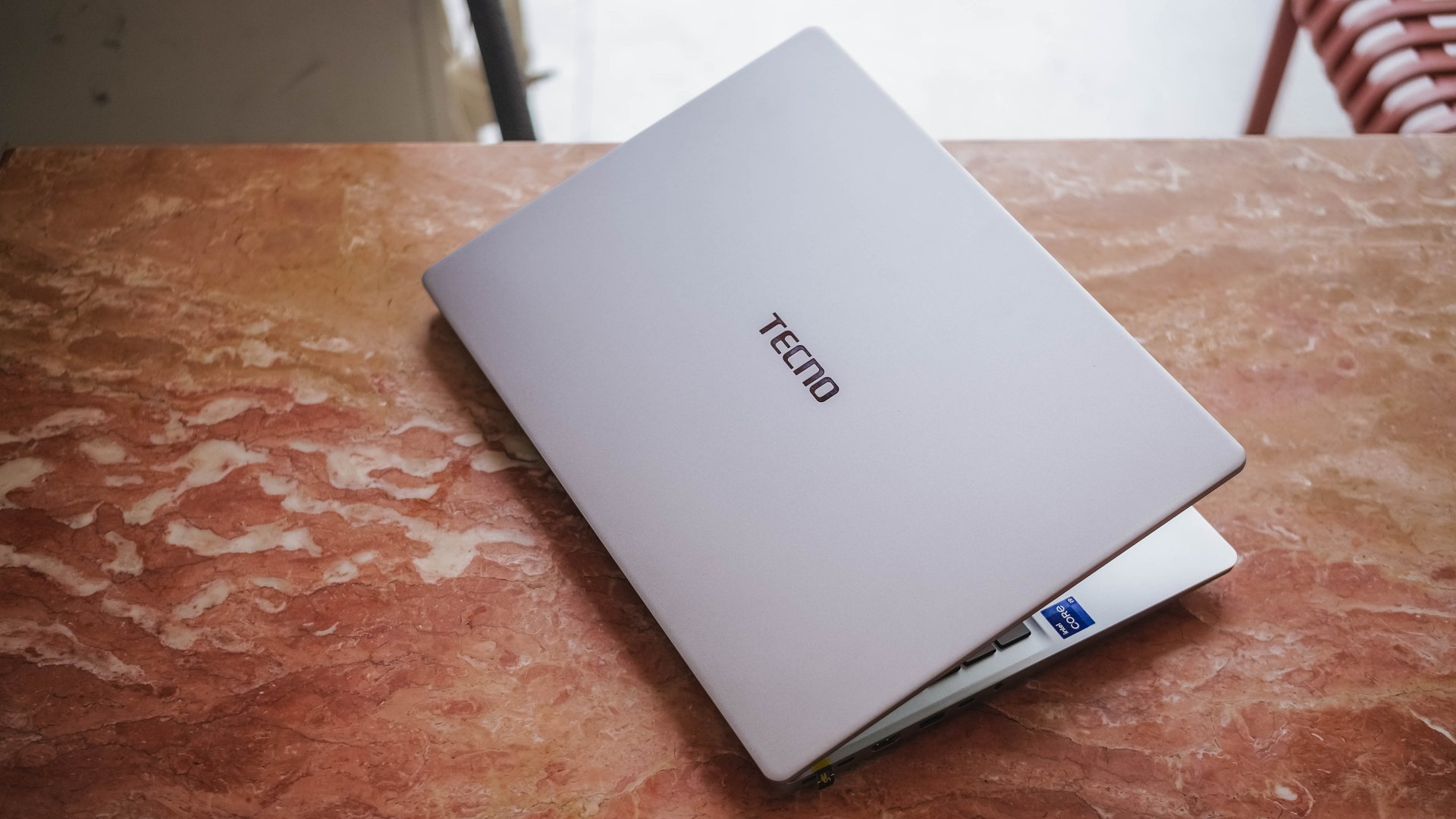
Here’s my 16-day stint with the TECNO MEGABOOK K16s 13th – Intel Edition.
All-metal clad that’s far from being bad
Gone are the days of Windows laptops that are icky plasticky.
If it is not evident enough, the TECNO MEGABOOK K16s 13th uses real metal. It looks and feels solid. And by that, it has characteristics of being decently hefty and light at the same time.

The only problem with this finish is how much of a smear magnet it is. But hey, at least it’s on par with my 2023 MacBook Pro for this smudge madness (or smudge-ness in my vocabulary).
With a laptop this size, port selection should be the least of its concerns.
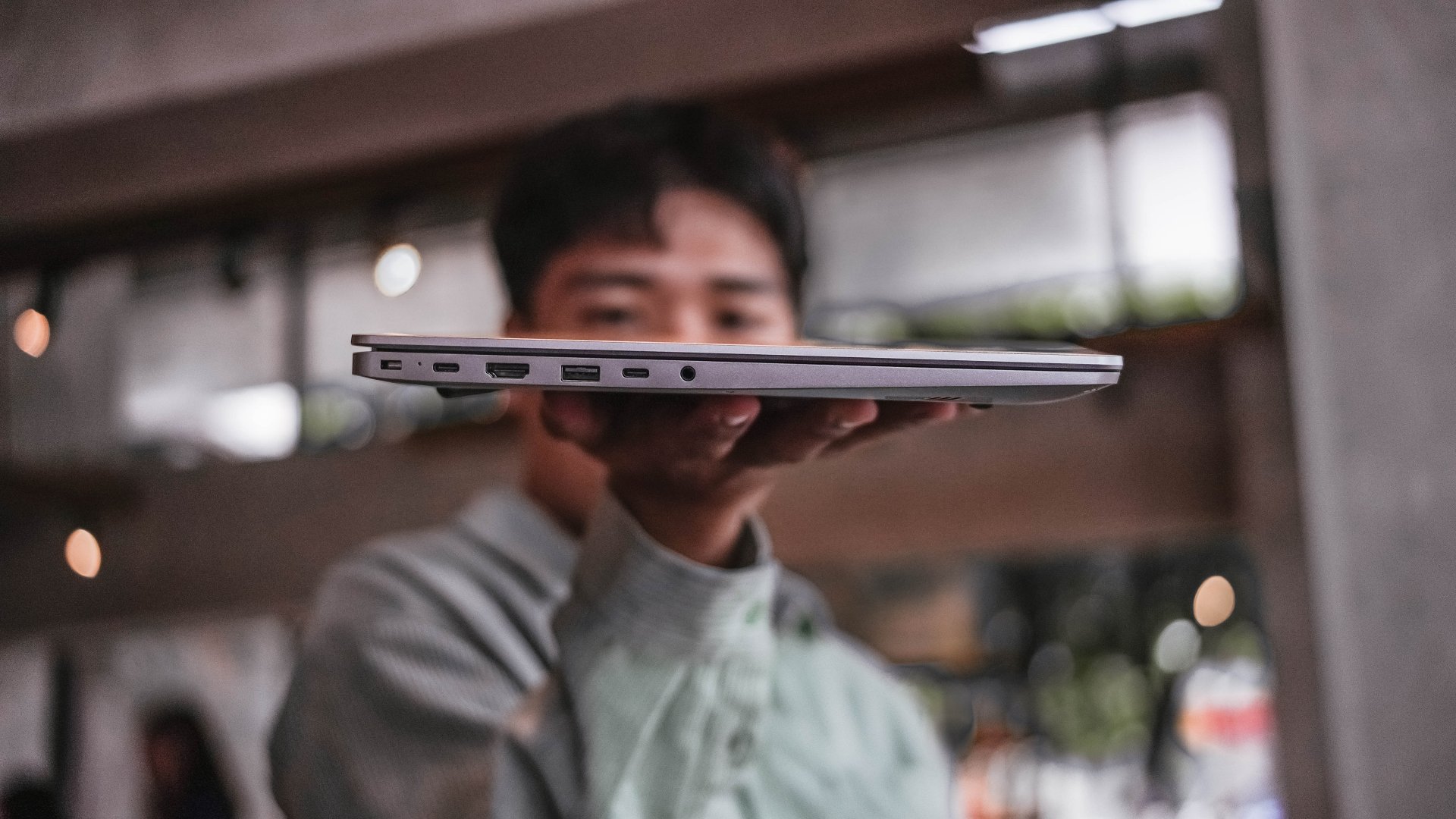
It has twice the USB-C and USB-A 3.1 ports, as well as inclusions of HDMI 1.4, Ethernet / RJ45, and 3.5mm audio jack. Kensington lock is still present as well — not that it’s badly-needed.
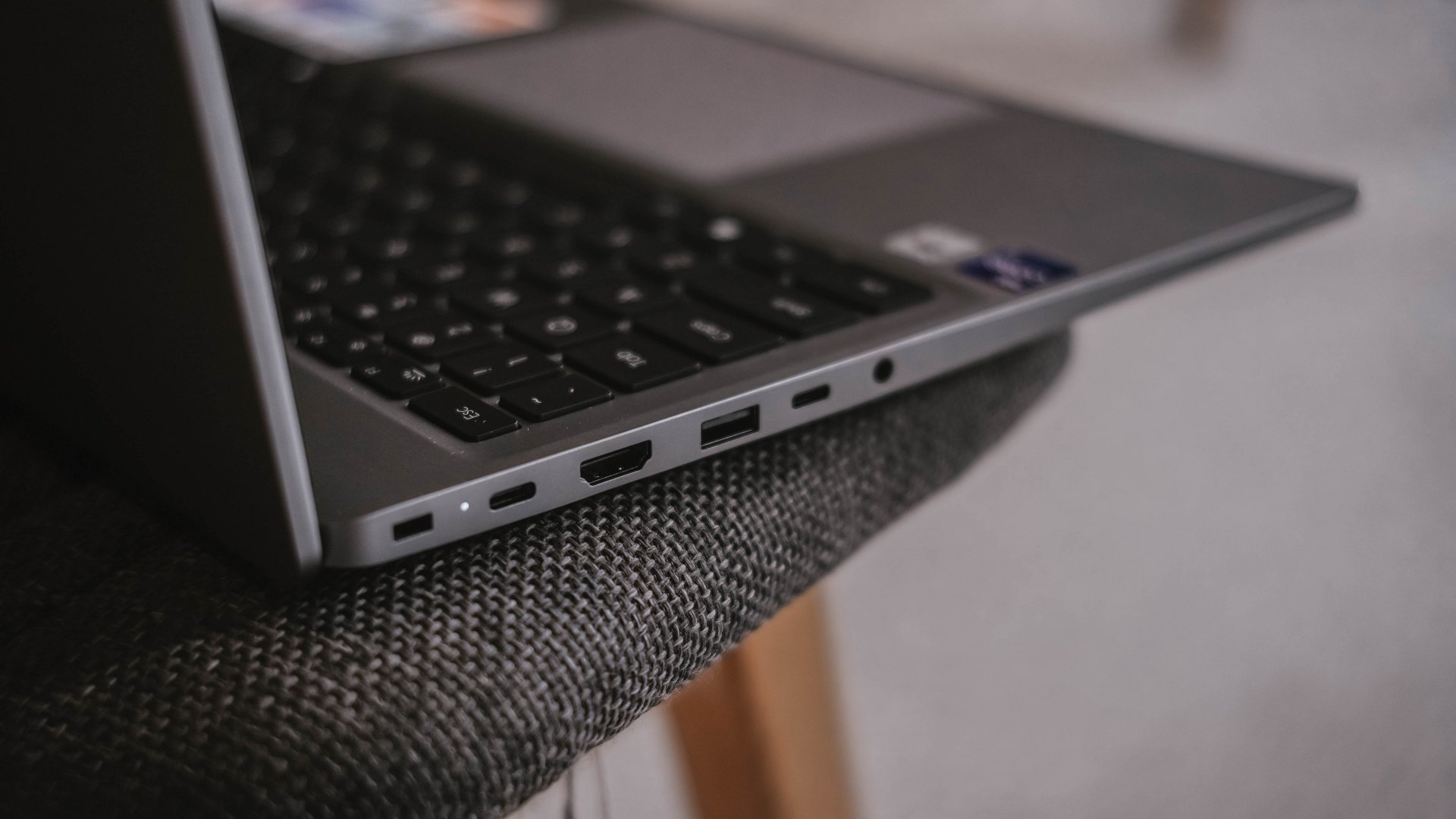
If I were to nitpick, two things that ick me are the arrangement of ports. Look at how inconsistent they are, much like seeing your disorganized spoons, forks, and knives in a single tray.
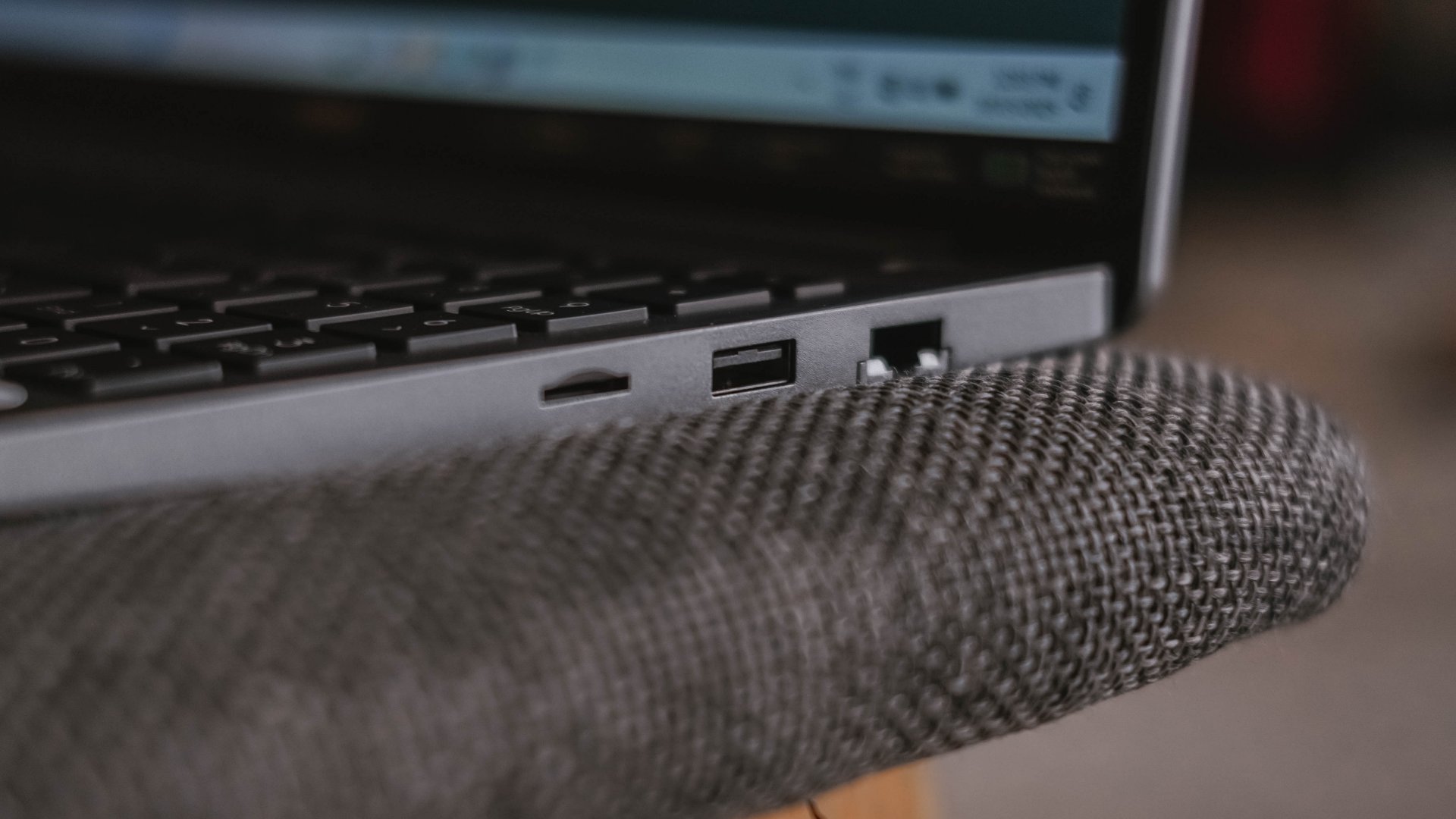
Another would be the inclusion of a microSD card slot instead of a regular SD one. I don’t get how the latter was not chosen especially with its sheer size.
Now Playing: Can This Love Be Translated 🗣️🔥⁉️
Just like waiting to re-experience a Windows device, the same can be said when I waited for the premiere of the K-Drama “Can This Love Be Translated.”
The title was already compelling to begin with. That curiosity sparked twofold upon knowing that my two favorite stars (Kim Seonho and Go Younjung) will steer drive the whole series.
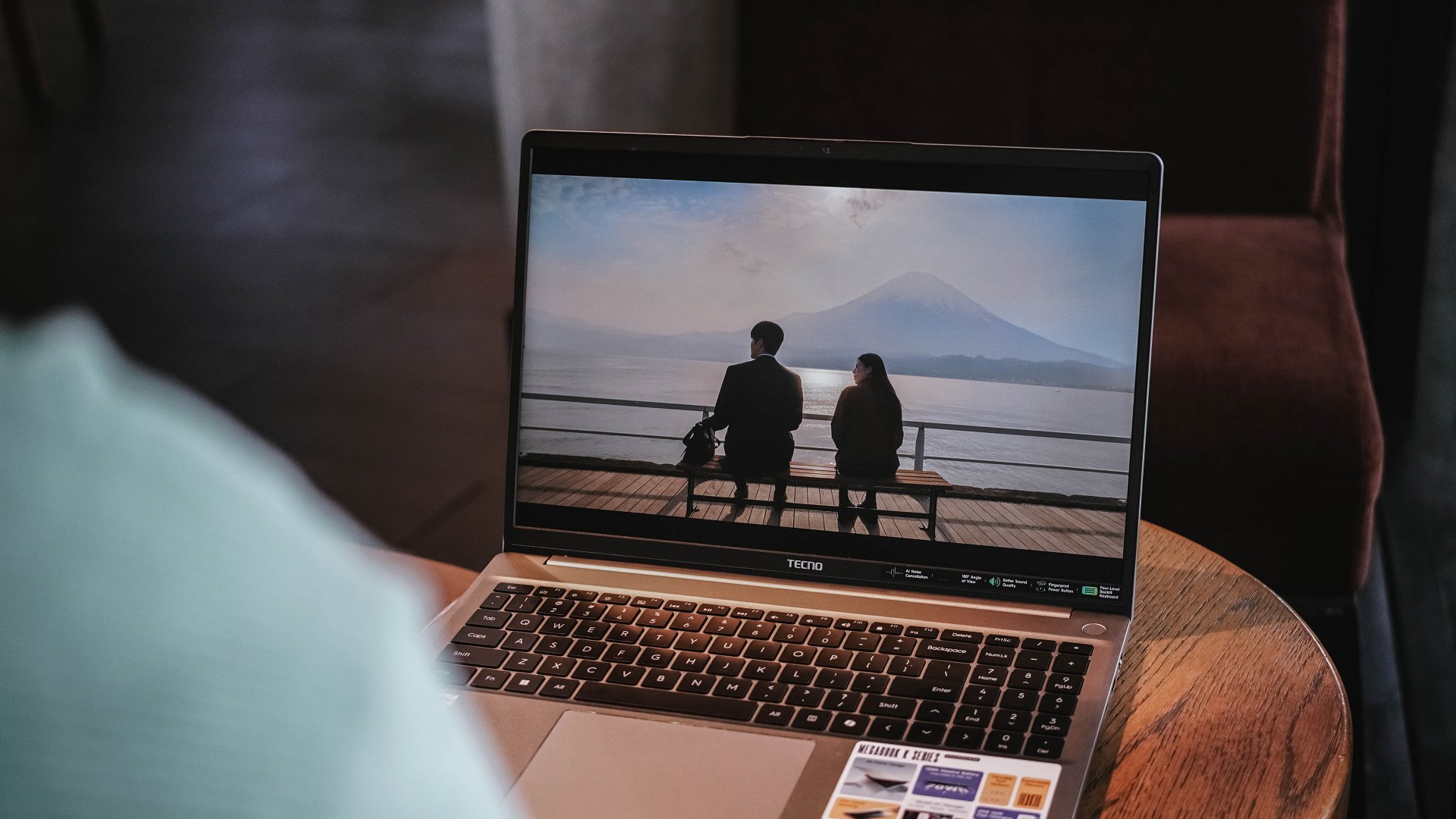
Speaking of star, the biggest star of this laptop has got to be its massive 16-inch display.
Not only I was able to reinvigorate my heart with the rom-com scene of Joo Hojin and Cha Muhee in front of that dreamy Mt. Fuji scenery.
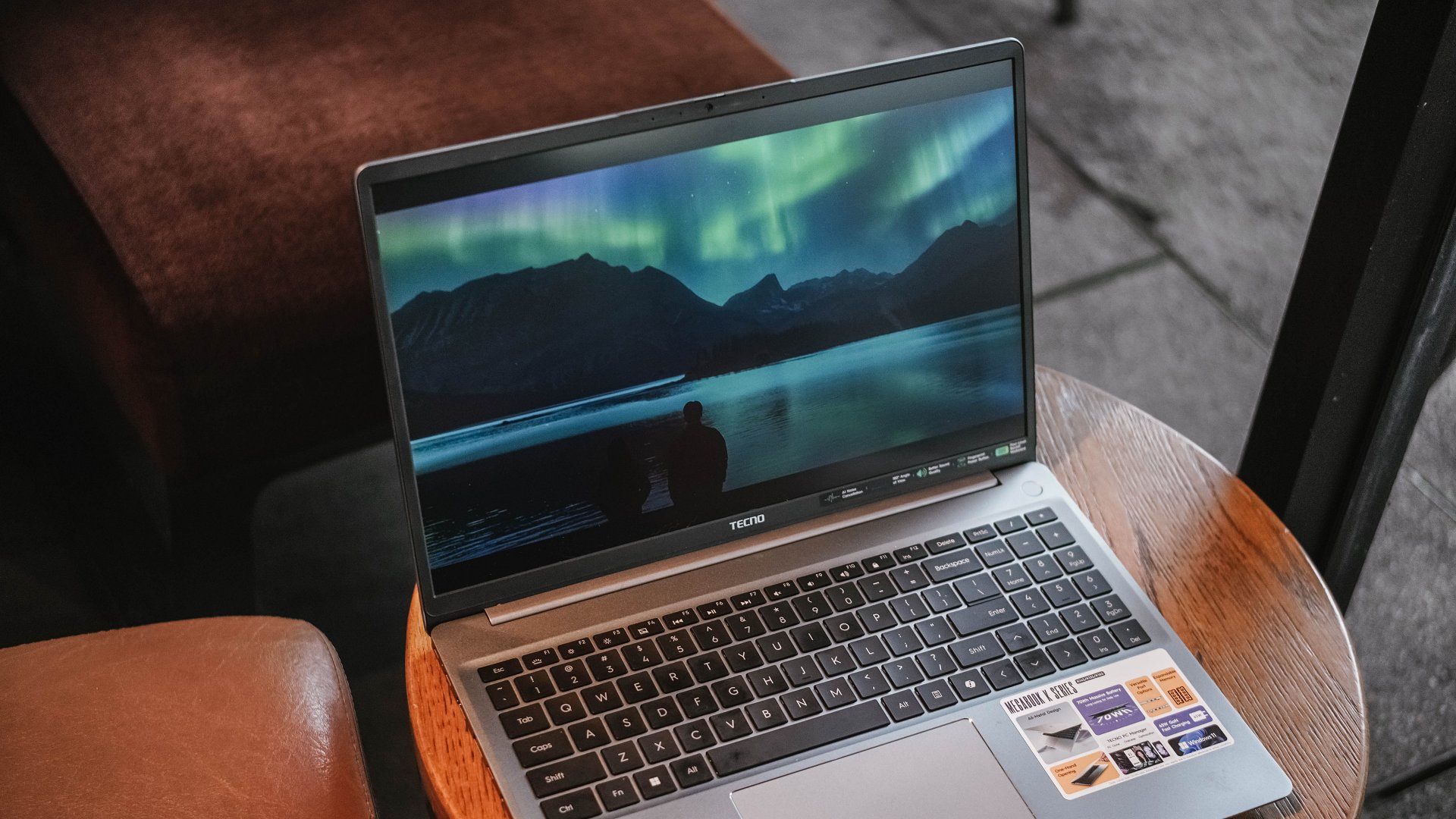
Their Aurora Borealis scene was also breathtaking. Although not as vivid as other displays, its max brightness felt just right to make the visuals pop against that harsh sunlight.
And while we’re already at it, the matte coating of the K16s 13th has been a real savior. It’s more useful for users (like me) who work at cafés with large windows every once in a while. My MacBook Pro definitely loses this fight with its awfully reflective panel.

While it is not, in any way, greater than any other OLED display nor some panel with a 120Hz refresh rate, it still feels justified considering where the K16s 13th is positioned in this vast laptop market.
On Queue: EXO’s REVERXE, ZB1’s Running To Future,
My idol anticipation doesn’t stop there. EXO’s much-awaited comeback as a full group is another one. Then, there’s ZEROBASEONE’s release.
These comeback promotions should sound good, right? Well, not really.
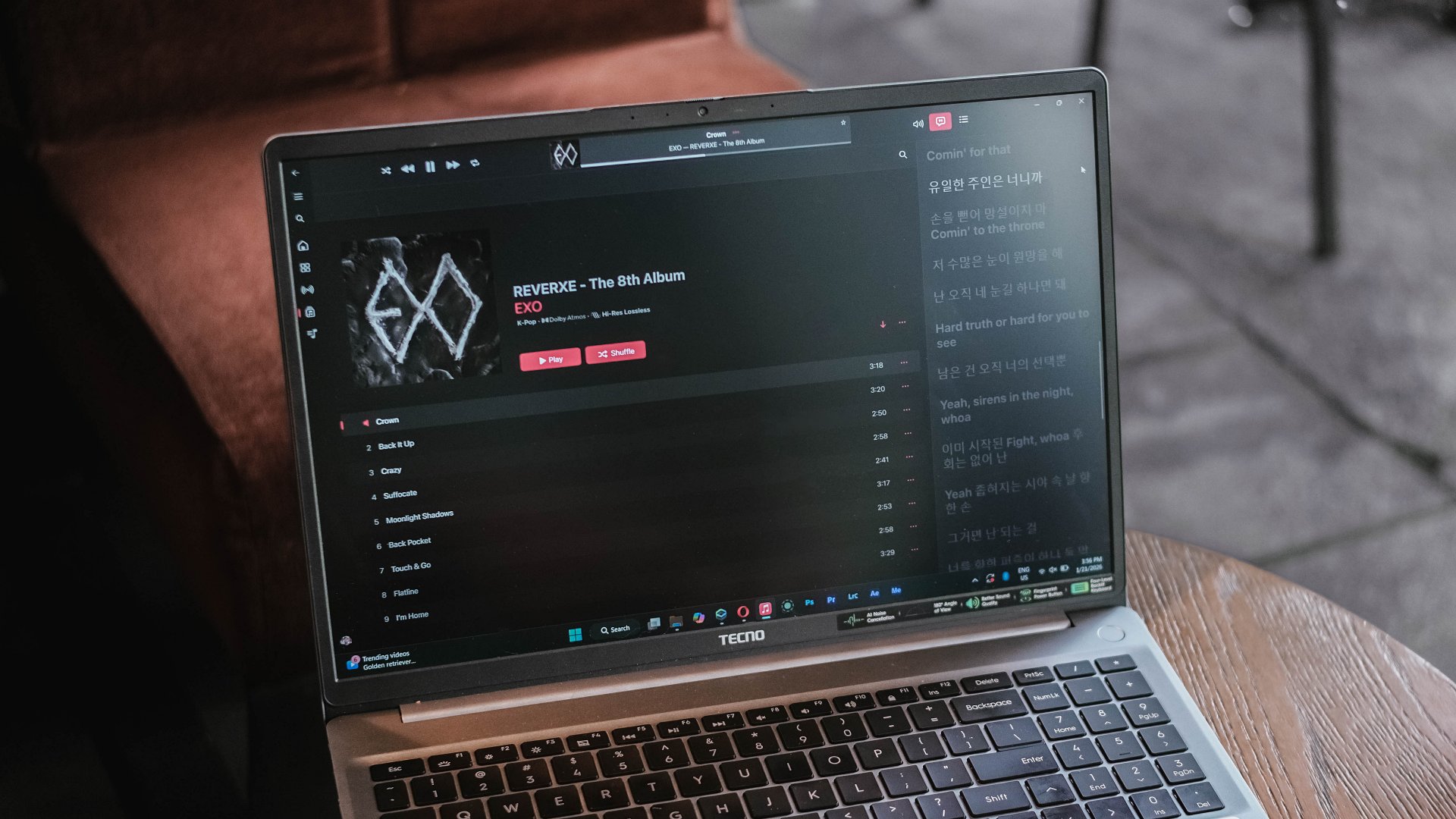
EXO is coming back with three missing members, all because of a justifiable lawsuit against their agency.
On the other hand, ZB1 is coming back — but, for the last time as they will disband real soon after completing their 2.5-year contract as a project group. A real disadvantage of a group being formed during a survival show.
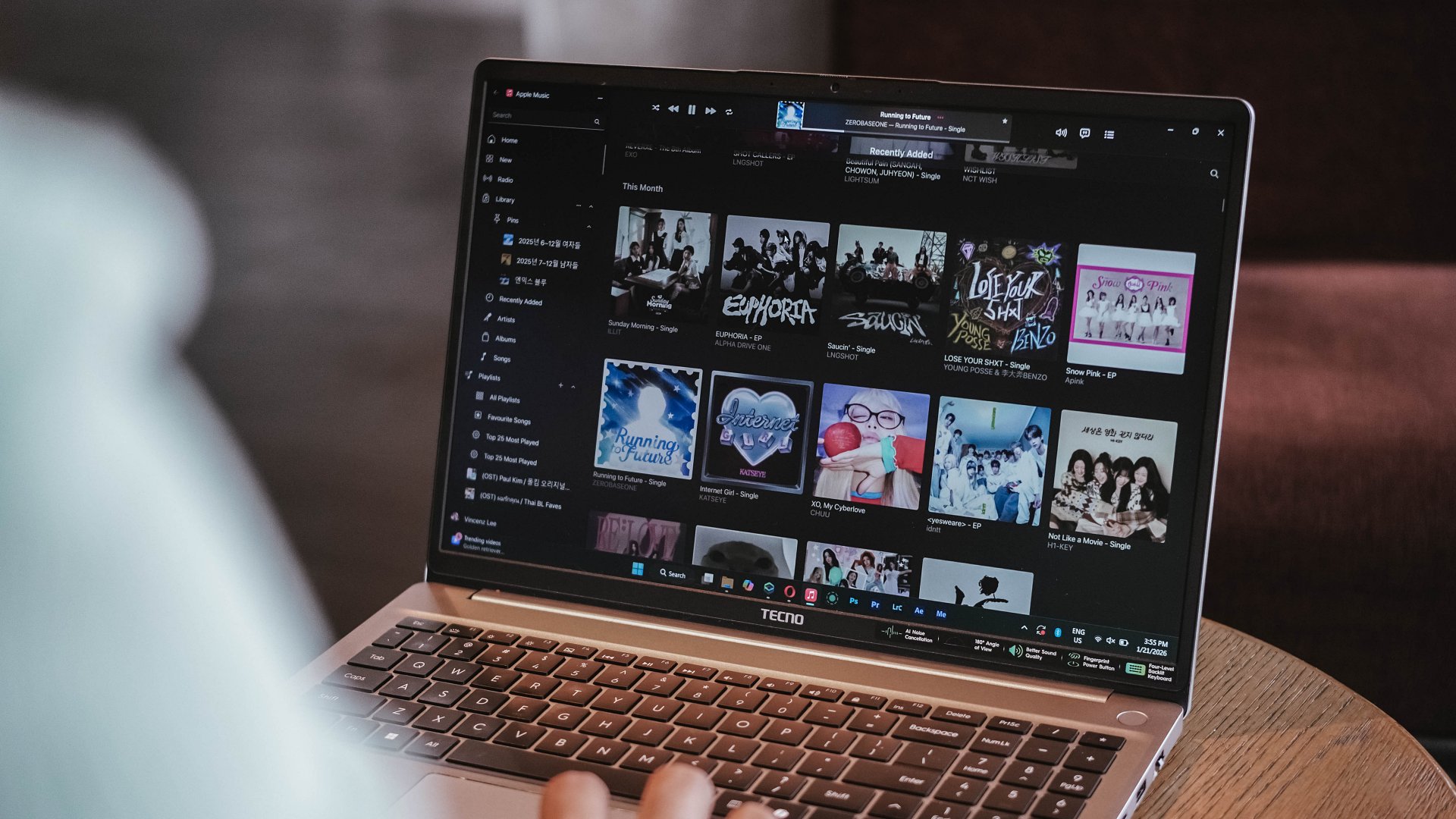
Just look at how cohesive the K-Pop album covers look for January 2026
Much like all that bittersweet aftertaste, I can relate the same feeling with the MEGABOOK K16’s speaker setup.
On paper, TECNO says it’s a master-level 2.5W 4013 quad-speaker setup that delivers 300% louder volume. I am not sure how it was tested nor compared.

Without much comparison, it’s adequately loud. However, it lacks the fullness and all the necessary thump and oomph to make the sound fuller than ever.
This just means a big laptop isn’t directly synonymous to having a greater audio system.
Unparalleled performance for its price
NGL, I have been spoiled by power-packed laptops especially for the creative work that I do.
That said, the MEGABOOK K16s 13th is far from being a slouch with the Intel Core i9 (specifically the 13900HK) at its core. That’s then paired by Intel’s Iris Xe graphics, alongside 32GB of memory, plus 512GB of SSD storage.
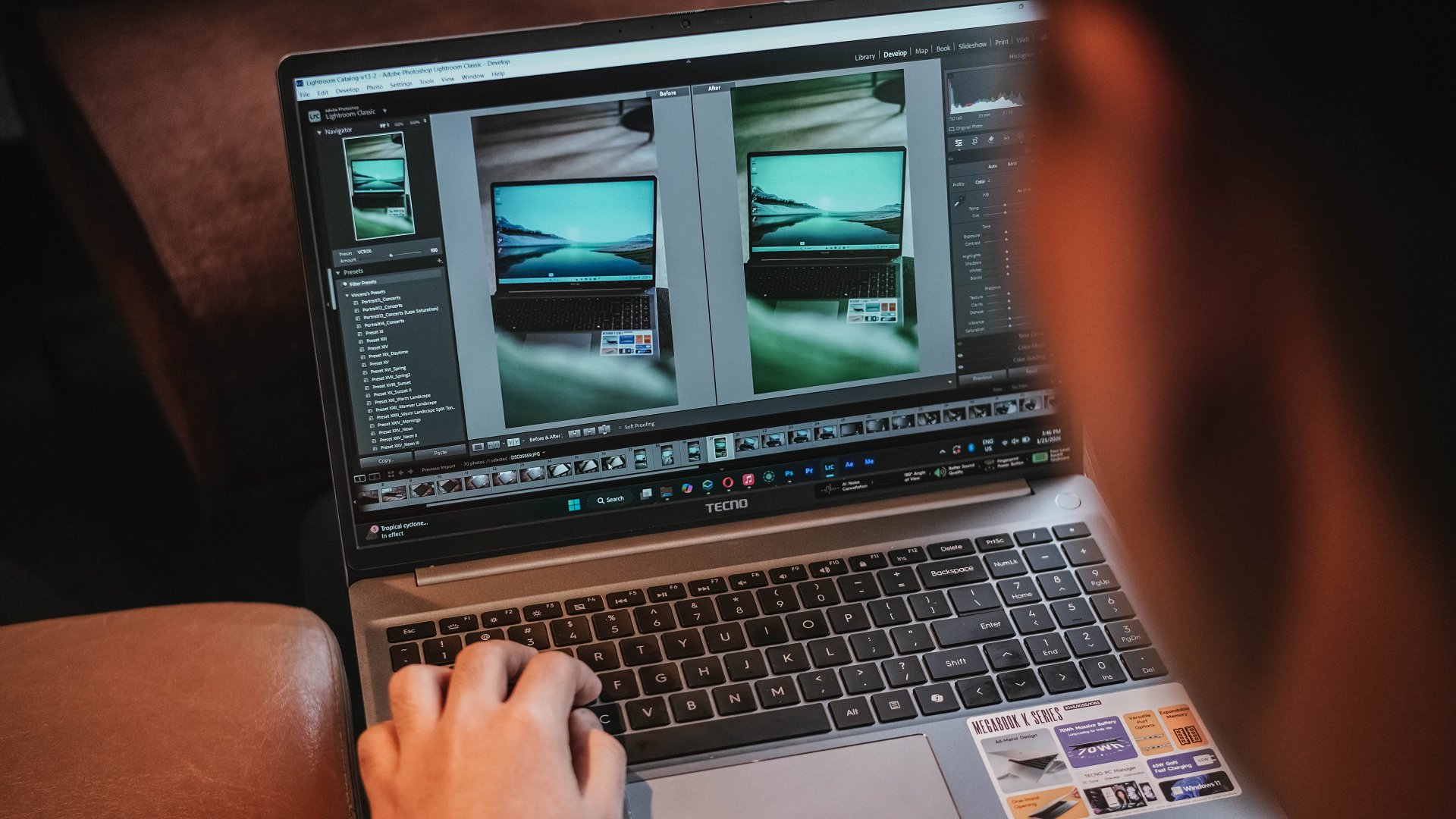
Without a hitch, I immediately installed all the essential creativity apps I use.
Lightroom is less demanding so post-processing the photos I took for the MEGABOOK K16s 13th was easy-peasy.
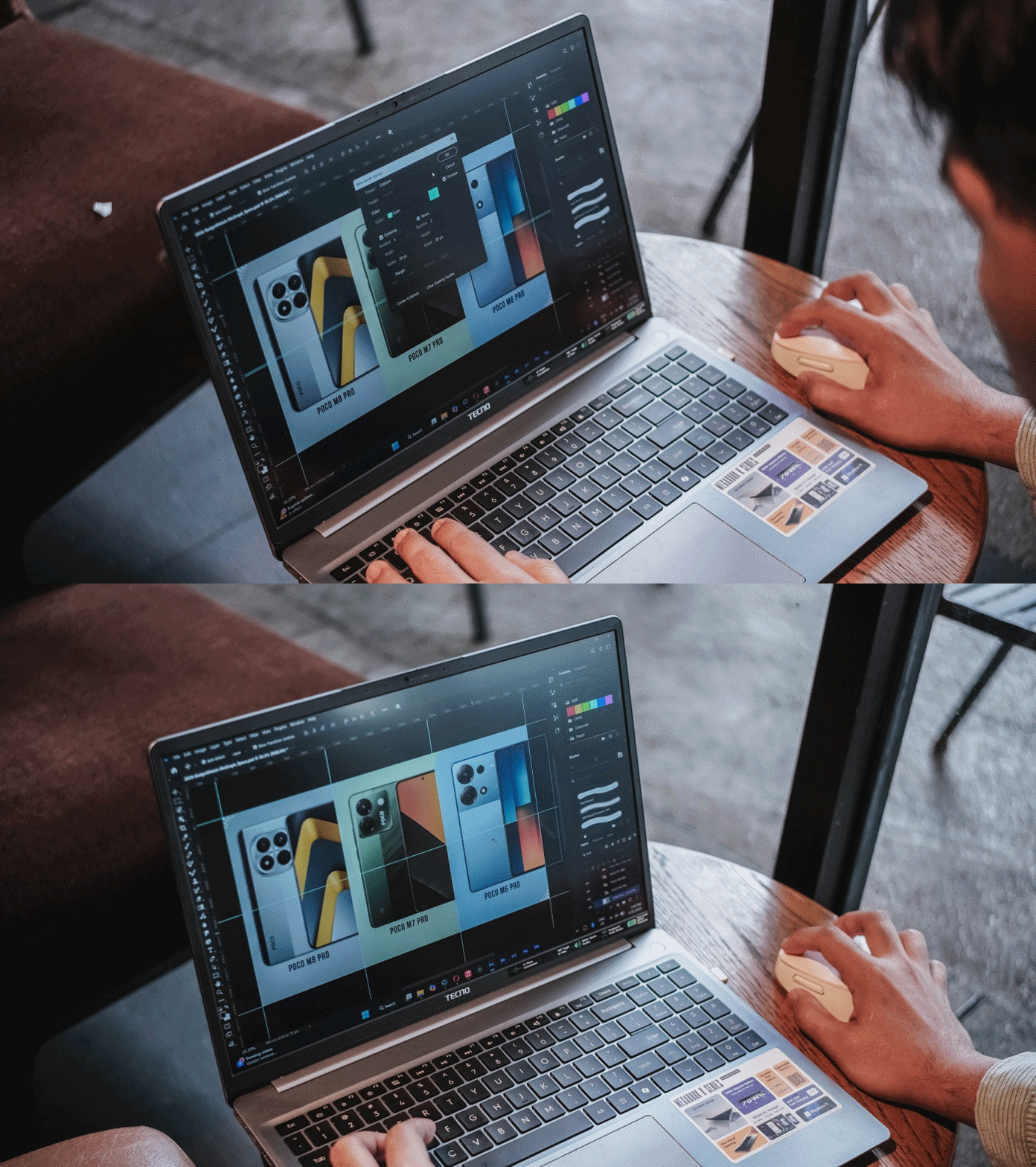
I then managed to make static graphics using Adobe Photoshop for another review article.
As for Premiere Pro and After Effects, you can still scrub through heaps of layers with tolerable amount of hiccup considering how packed my timeline was.

This laptop boasts a cooling fan system that kicked in heavily when the laptop was in dire need of releasing all the heat within — which went out through its four air vents.
Work-life balance achieved
My test doesn’t end just yet. I have installed both the Forza Horizon 5 and Euro Truck Simulator 2 for greater measure.
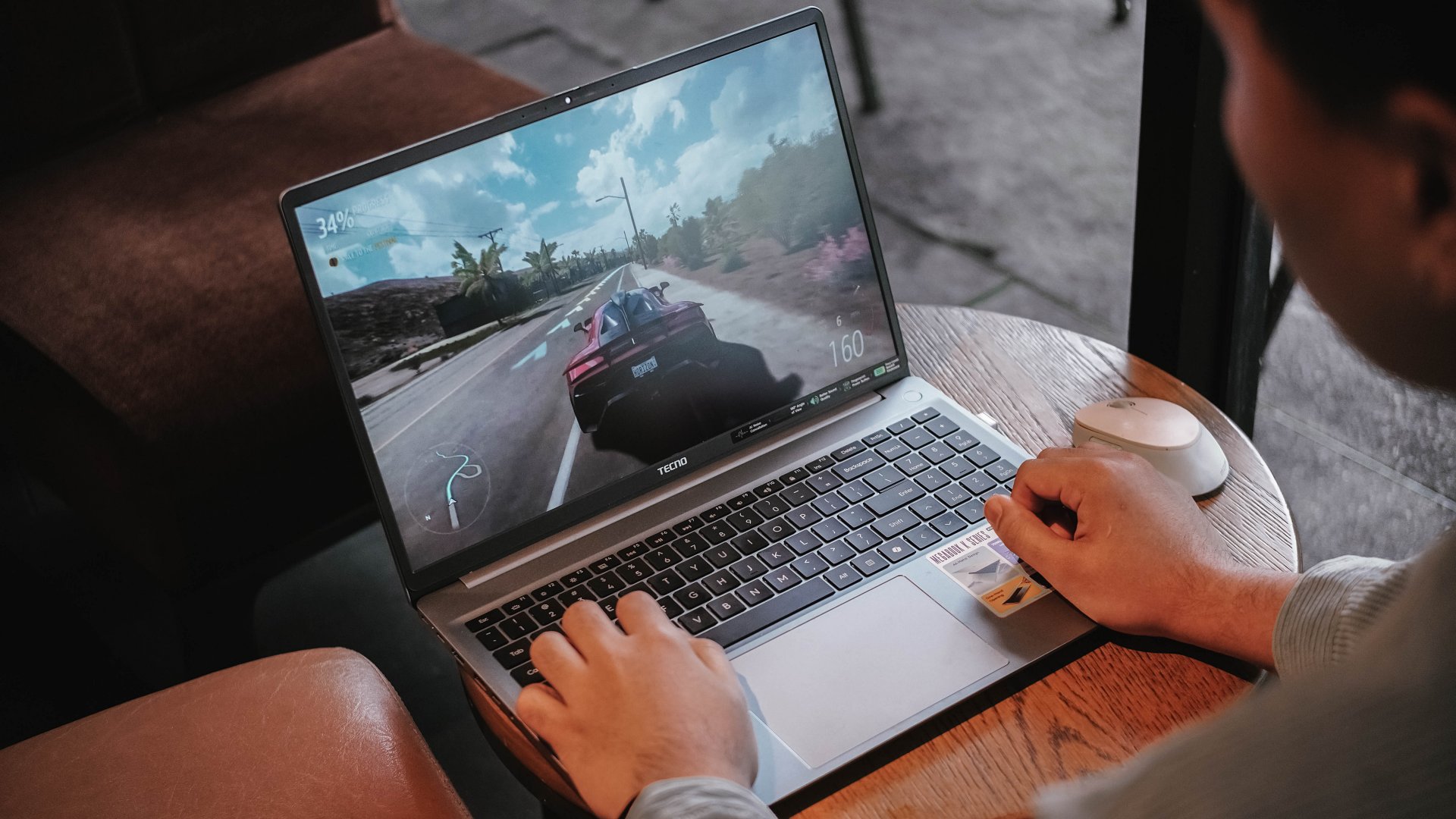
As expected, having integrated graphics (and the lack of a dedicated graphics) mean lower graphics support.
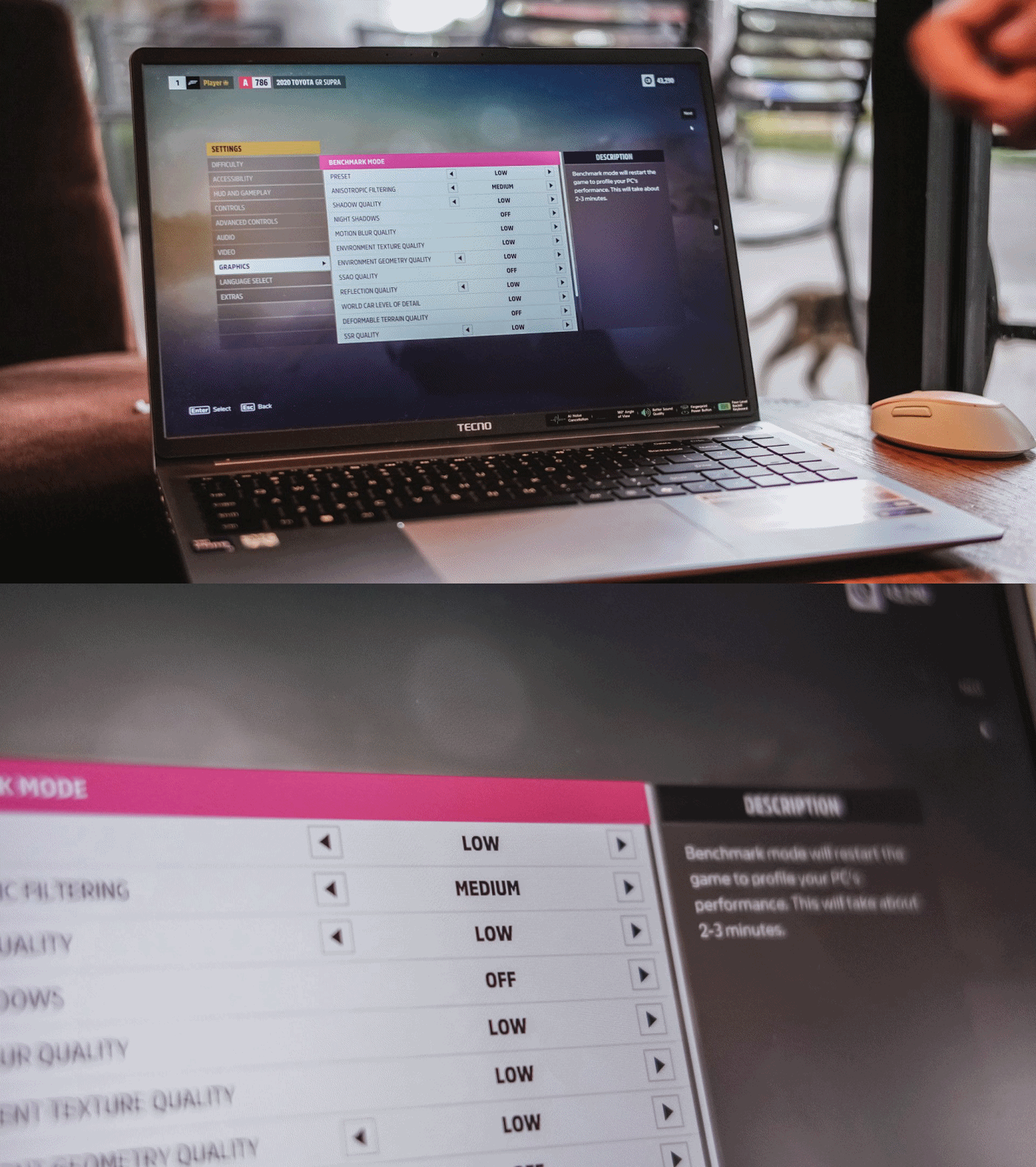
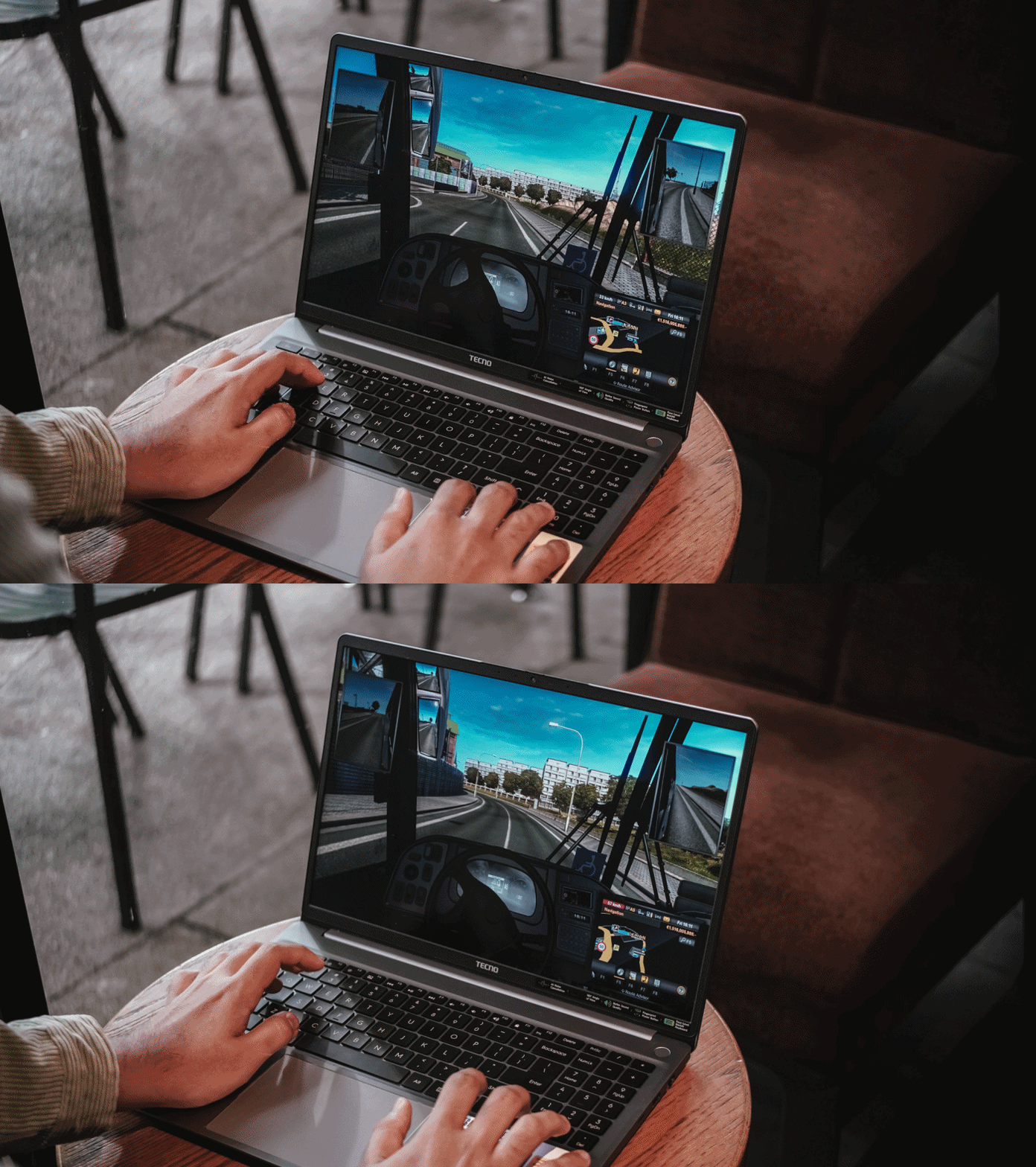
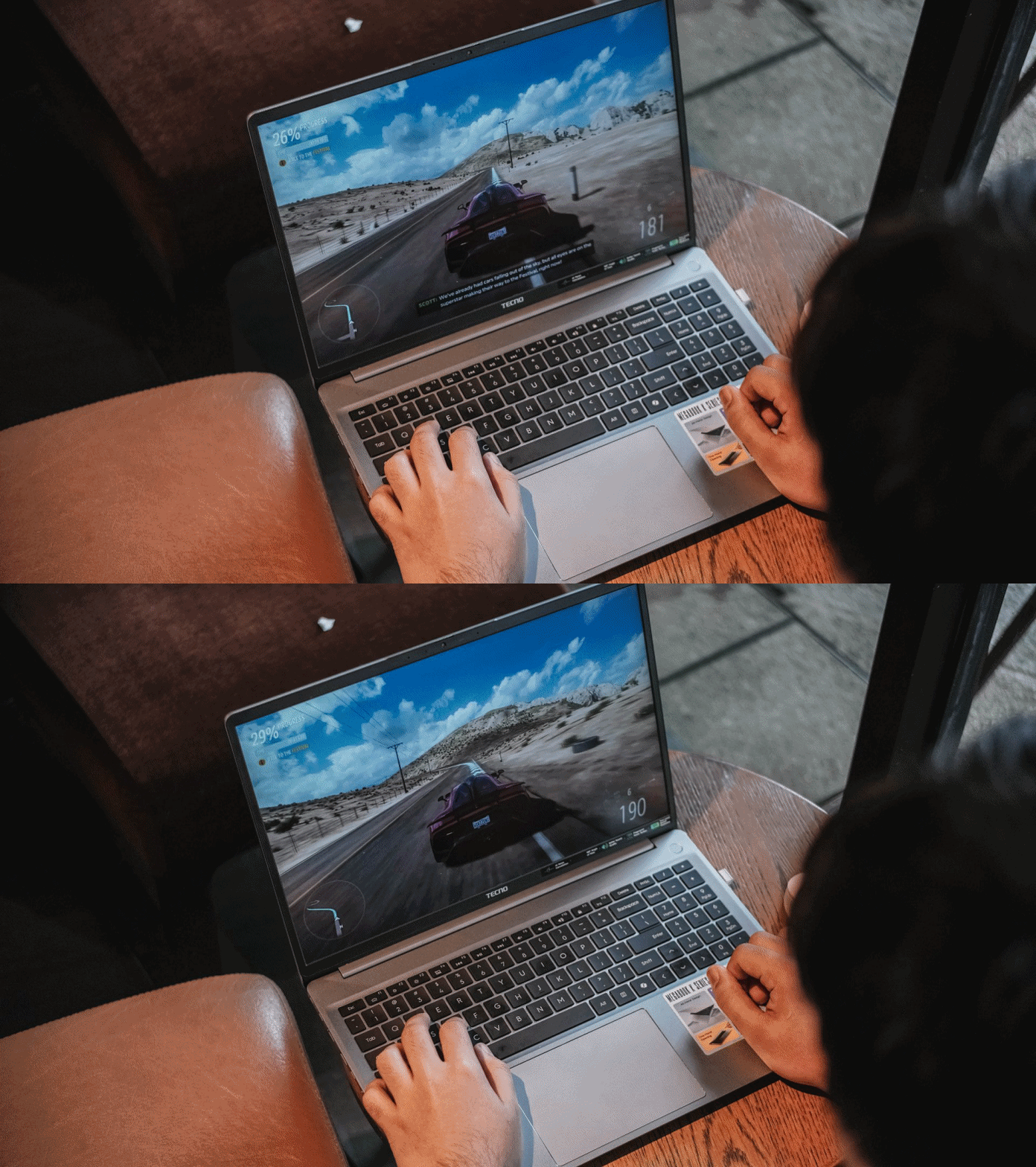
Surprisingly, both titles were playable enough. I enjoyed playing Forza Horizon 5 even in the lowest playable setting for more than 30 minutes — just with some stutters in between.
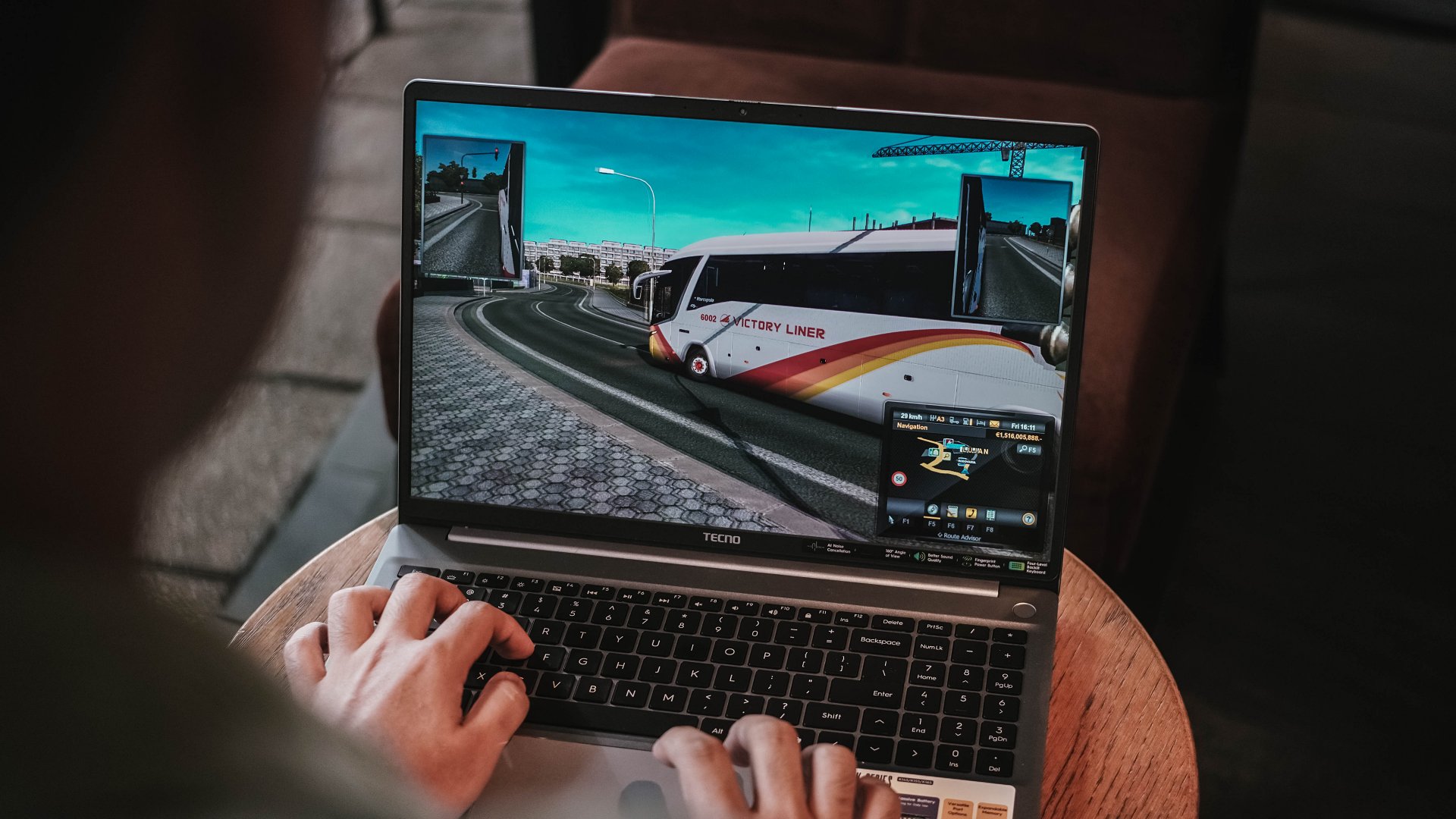
ETS2 felt smoother though. Driving the bus with the custom livery I made on Photoshop last 2019 was still working — and my pre-pandemic nostalgia kicked in.
Using the keyboard for playing isn’t the best thing in the world but it does the job — much like how I was able to write this review piece using the laptop itself.

As for the feel, the keys are more on the mushier side that felt like typing on a mashed potato. Not that I’m expecting a mechanical nor MacBook-level type of clickiness.

Good thing is, its trackpad supports gestures I’ve been heavily using since transitioning to a Mac.
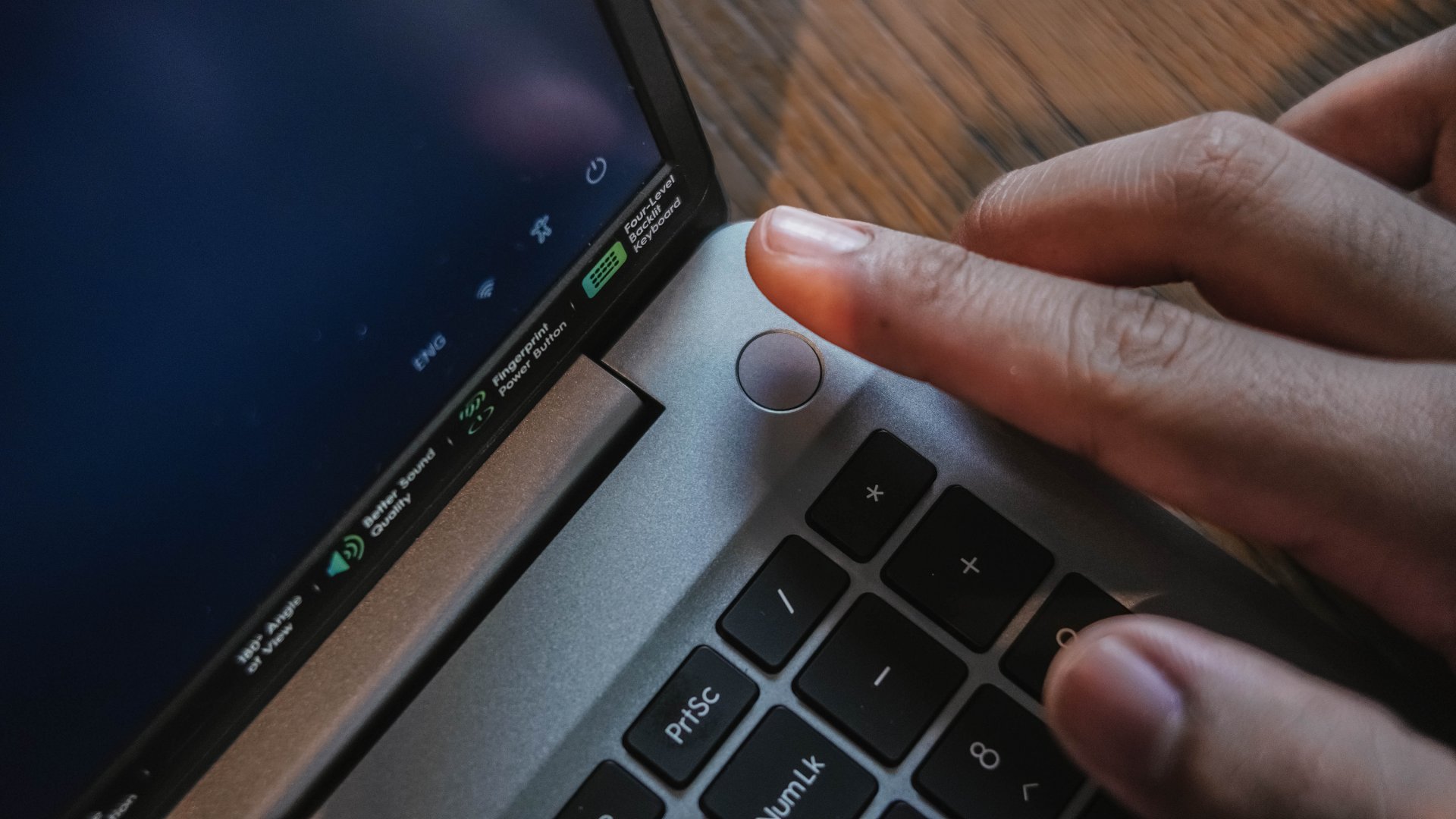
Security-wise, the TECNO MEGABOOK K16s 13th can be unlocked with your fingerprint button using the power button as the reader.
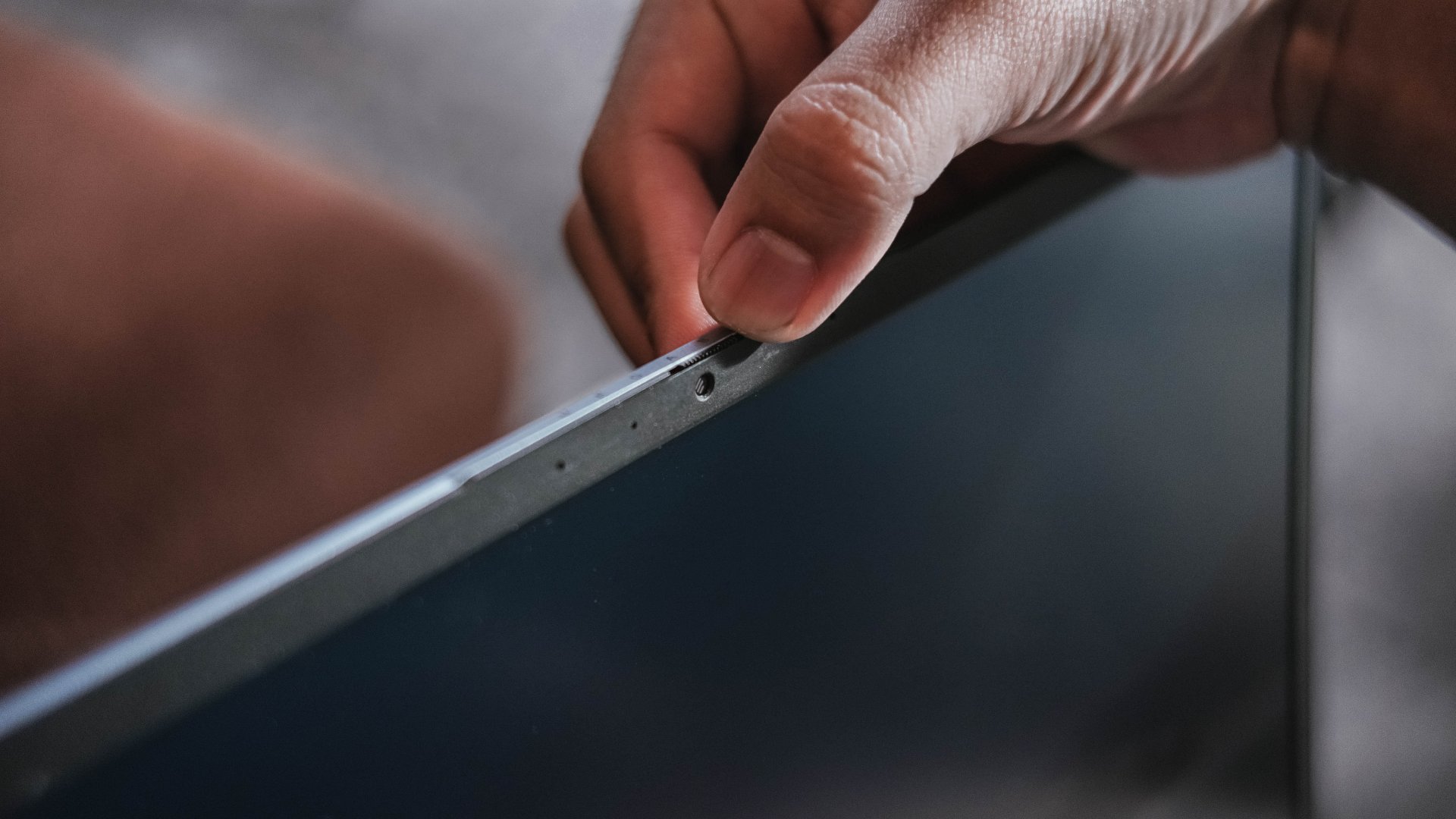
That 1MP webcam also has a sliding cover for that extra level of protection against privy hackers.
Enduring that endurance
For the most part, the 70Wh battery of the MEGABOOK K16s 13th delivers a satisfactory endurance.
You will not feel its gradual decrease for the most basic of tasks — writing notes, being in a call meeting, even juggling through tens and hundreds of webpages for your write-ups.

Even between consuming several hours of entertainment, the MEGABOOK K16s 13th can still manage just like any other modern-day laptop would.
With the excellency and efficiency of hardware components in this digital age, it’s hard to kill a laptop with these day-to-day habits.
That said, the MEGABOOK K16s 13th isn’t totally meant for anything graphics-heavy.
As one would (and should) expect, the battery level instantly descends the moment you enter the start screen of a game or export a 10-second motion graphic in After Effects.
For instance, after running Forza Horizon 5 for 20 minutes, it depleted significantly from 51% all the way down to 27%.
Fortunately, the MEGABOOK K16s 13th packs a 65W GaN charger out of the box.
Charging speeds isn’t all that great, though, as it will take a long time filling the battery from zero to the brim.
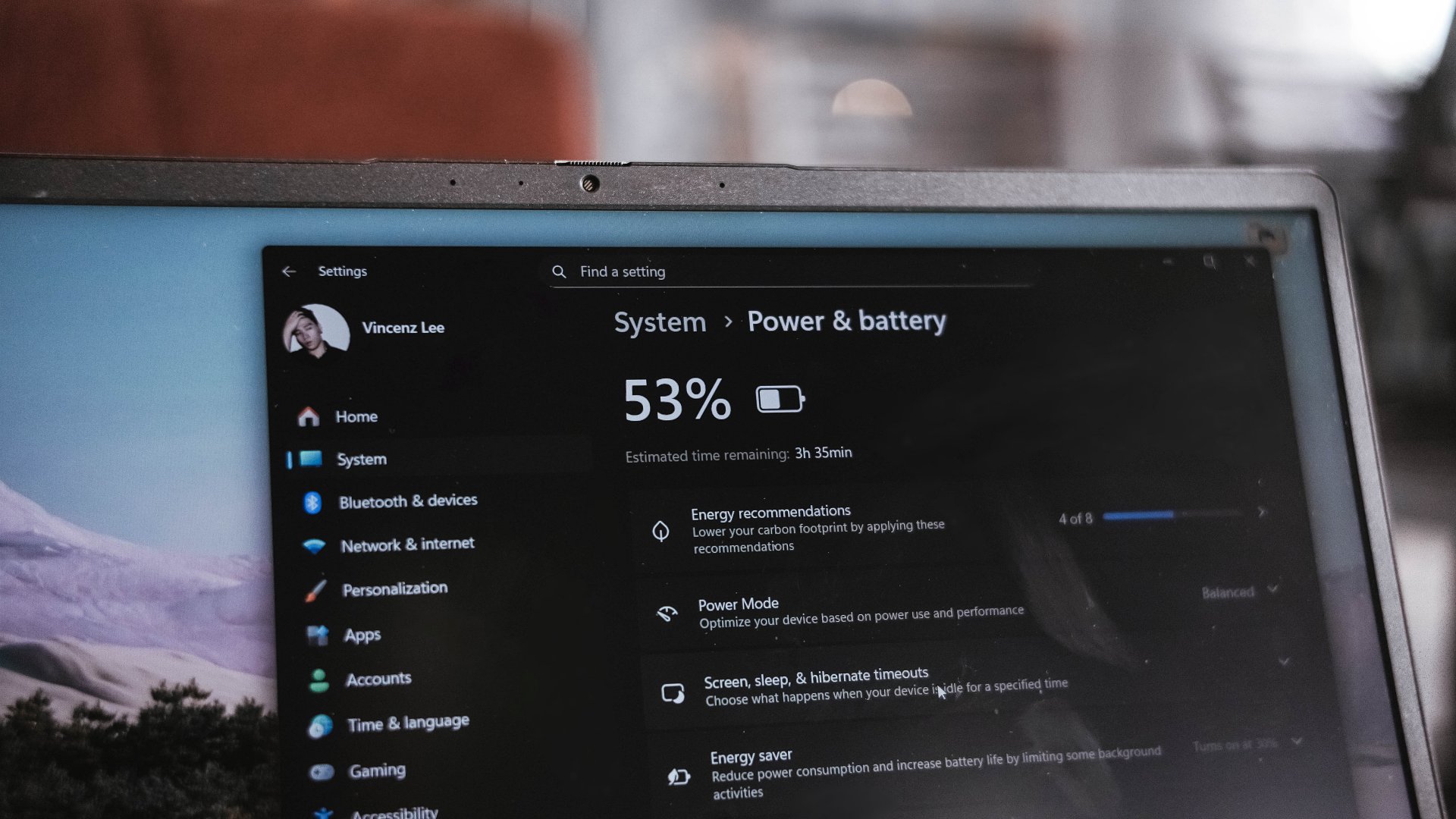
I have honestly given up my GadgetMatch Charge Test upon realizing that in the 45-minute mark, it was only able to fill it at 27%.
This just means that in order to enjoy your me time, you have to sit very near a plug outlet. Moreover, expect severe battery health degradation in the long run if you intend to use it for casual gaming.
“Win”dows is far from winning
Before being a Mac user last 2016, I have been a long-time Windows user. My youthful years made me experience Windows 98, XP, Vista, 7, and even as far as Windows 8.1. My university years in 2015? Relying on Windows 10.
Now that we’re in the era of Windows 11, it’s still far from being flawless.
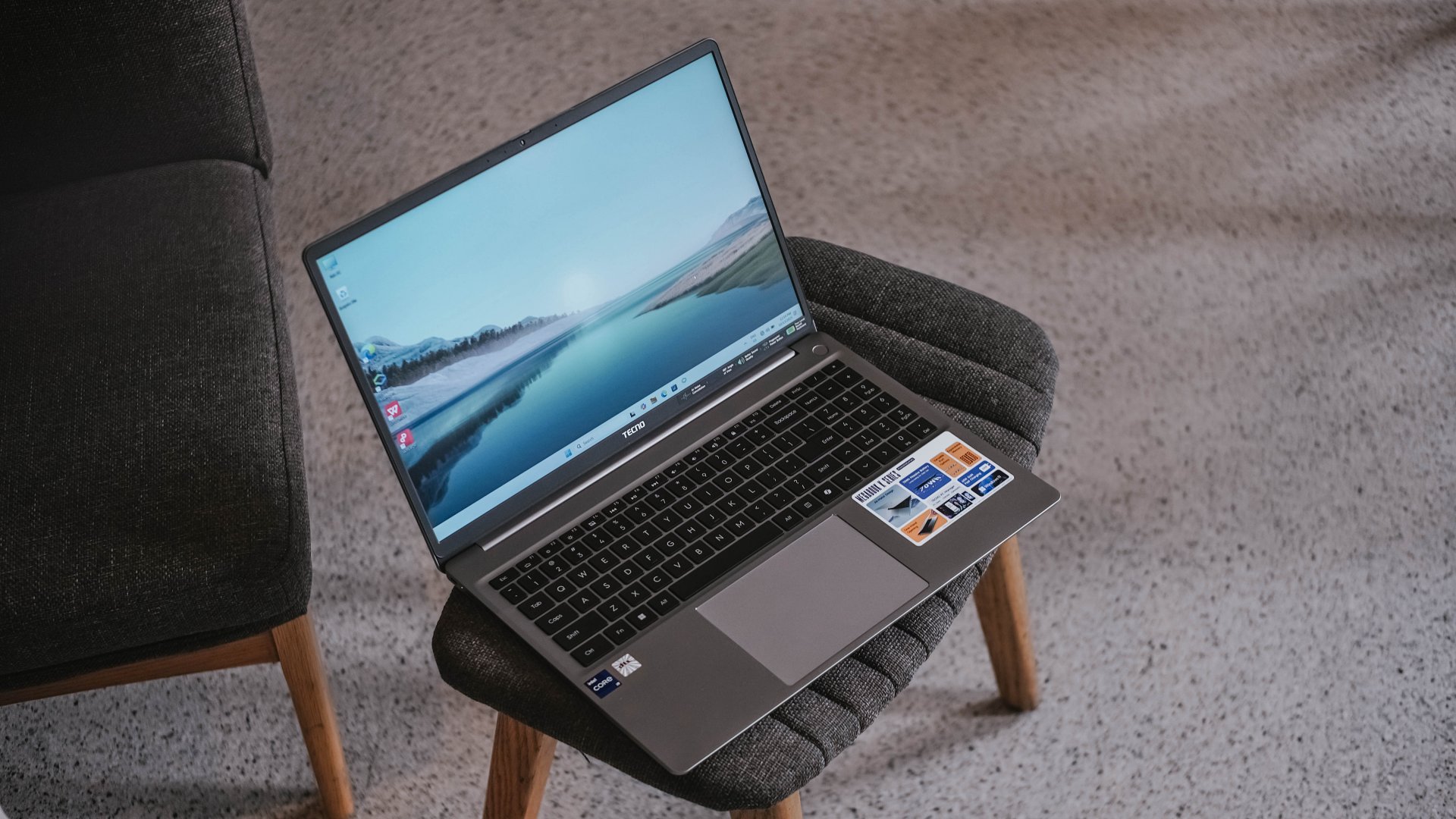
Even before Fruitiger Aero aesthetics of Windows Vista, Apple was already way ahead of its time with the first iteration of the OS X dubbed “Cheetah” and its translucent UI elements along a cleaner overall look.
2.5 decades after, Windows is as cluttered as it was in its prime days. Settings are for one, file system for another.
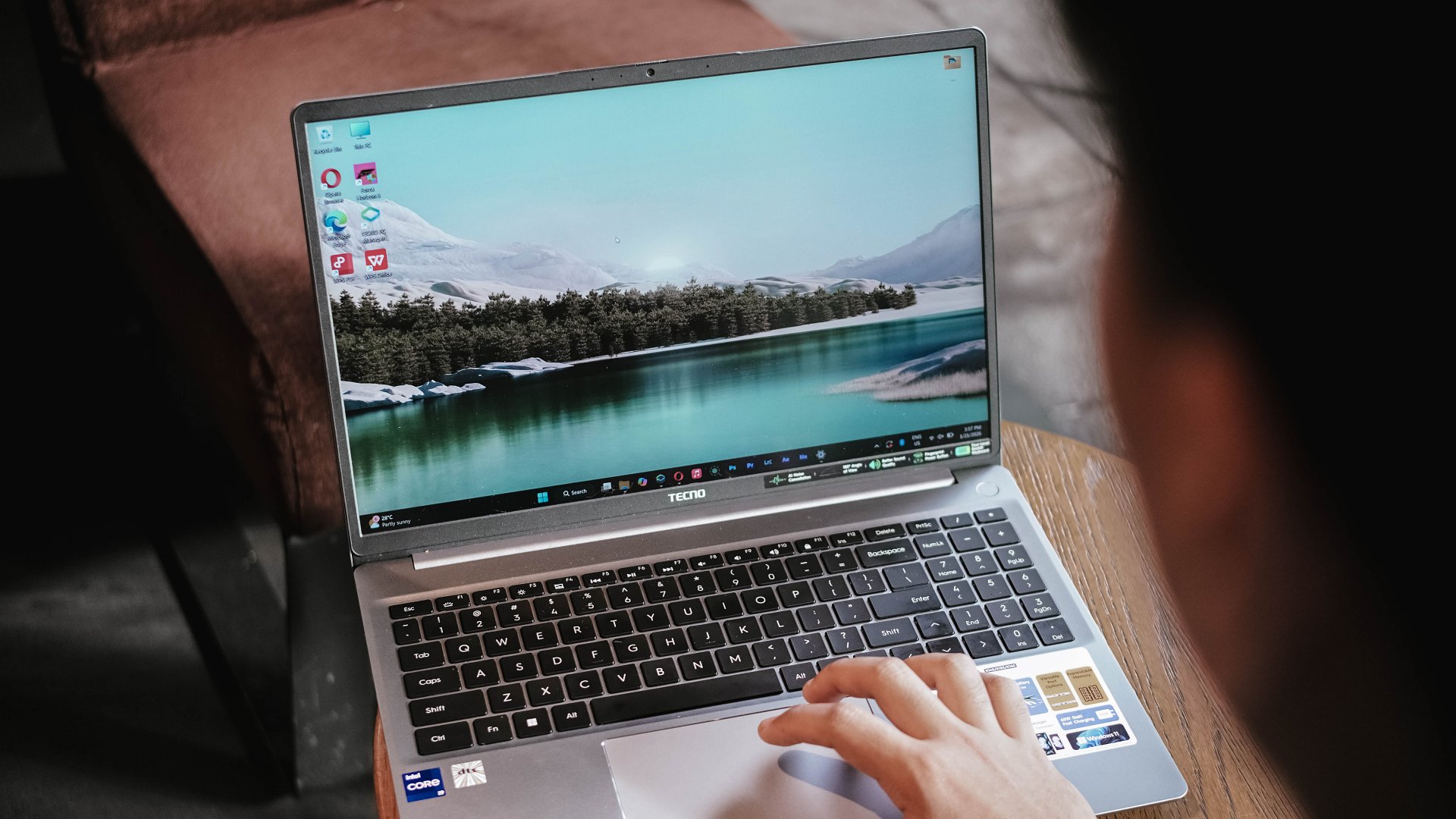
Task Manager, Explorer, and even Recycle Bin still crash like crazy — even if the MEGABOOK K16s 13th is already equipped with a pro-grade processor in its core.
The lack of fluidity is also for another. It will really make any Mac user justify the “once you go Mac, you can never go back” saying. Reality speaking, Windows is far from winning over.

This isn’t a TECNO problem per se. It’s always been about Microsoft not fully immersing and polishing their software for the longest of time.
If you happen to own other TECNO devices, TECNO’s PC Manager saves the day.

That so-called “OneLeap Collaboration” not only enables seamless data sharing and file transfers between all your TECNO devices, it also has support for Multi-Screen or Remote PC.
PC cloning, laptop optimizations, even troubleshooting, can also be done in this one-stop app.
Is the TECNO MEGABOOK K16s 13th your GadgetMatch?
The TECNO MEGABOOK K16s 13th in the Philippines retails for PhP 46,999 — and I am not even surprised by this.
I have known TECNO as a brand for quite a while now. The MEGABOOK K16s 13th is another testament to the brand’s vision of bringing devices within the reach of consumers at the middle to the lower-end of the working class.
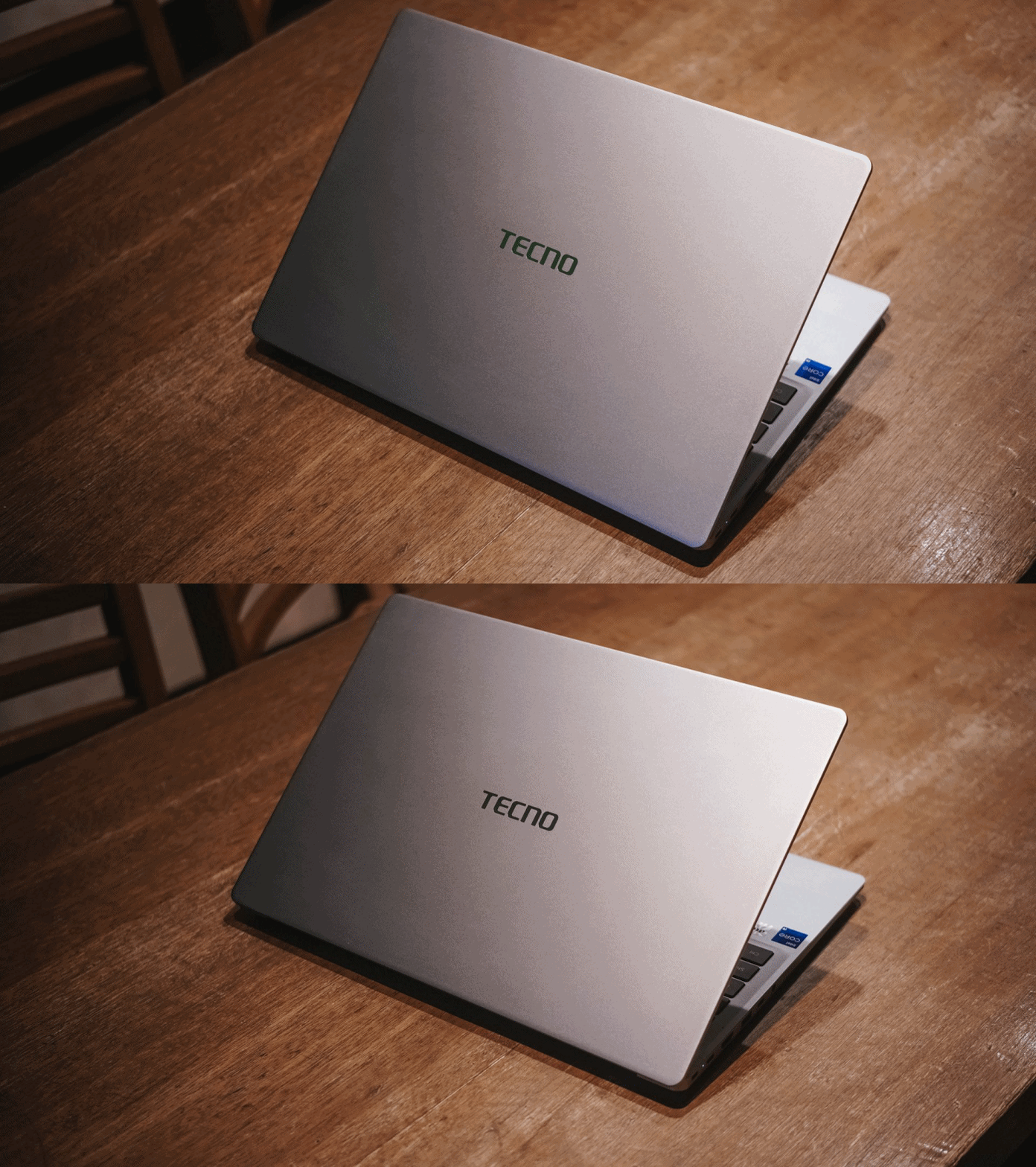
For those who need better performance, especially those who need intensive graphics power (emphasis on intensive), this is obviously a Swipe Left.
However, it’s a no-brainer Swipe Right for buyers who want a shiny new all-rounder laptop without spending a fortune.
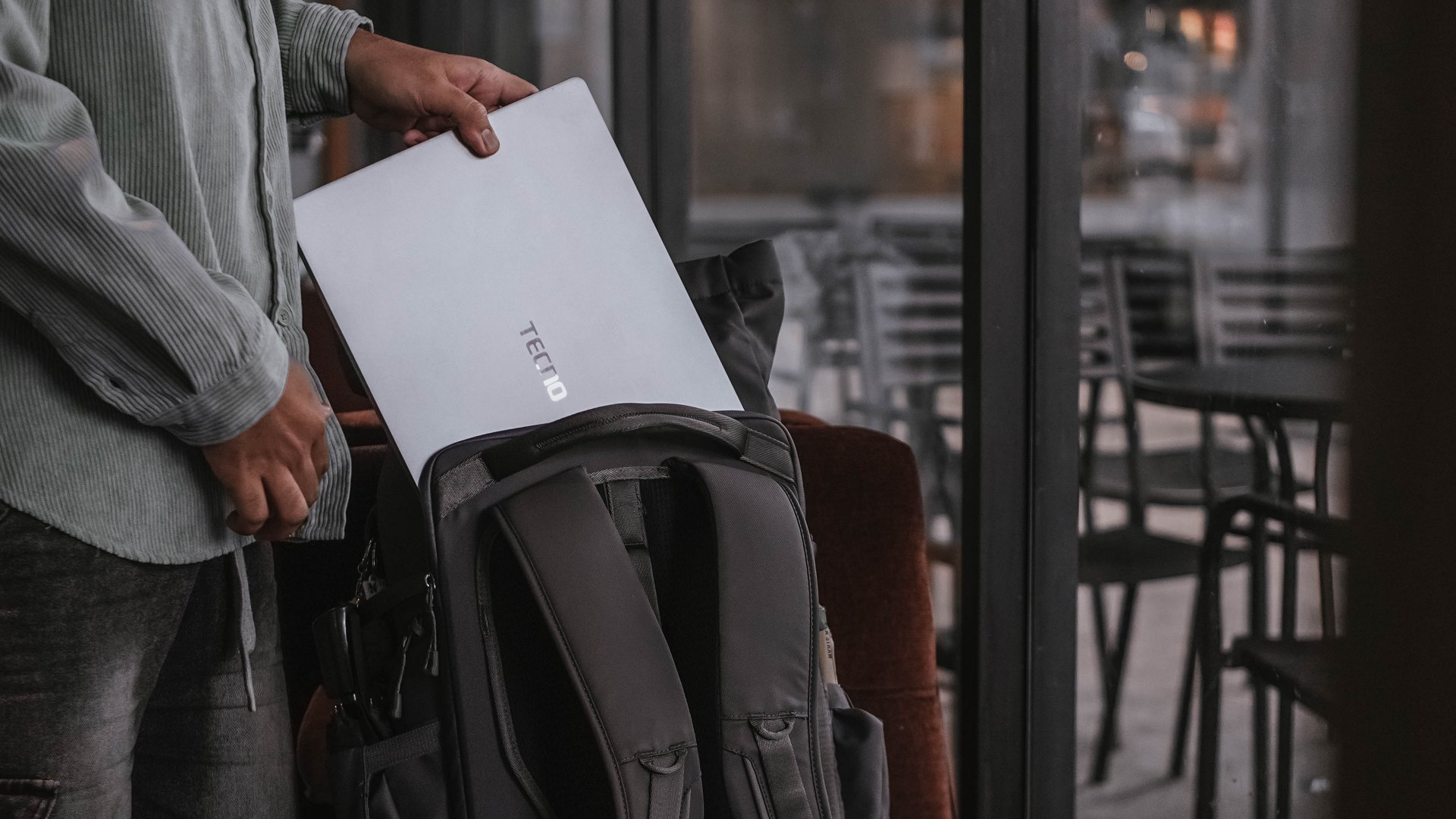
Even with the similar price as the ASUS Vivobook S16, the TECNO MEGABOOK K16s 13th has the upper-hand with its more powerful 13th-Gen Intel Core i9 chipset plus Iris Xe graphics (versus the Core 5 + UHD Graphics pairing).
Being “basic” is neither a bad thing
The TECNO MEGABOOK K16s 13th is as “basic” as a Windows laptop can get — at least compared to a swarm of 2-in-1s, ultrabooks, creative powerhouses, and gaming machineries.
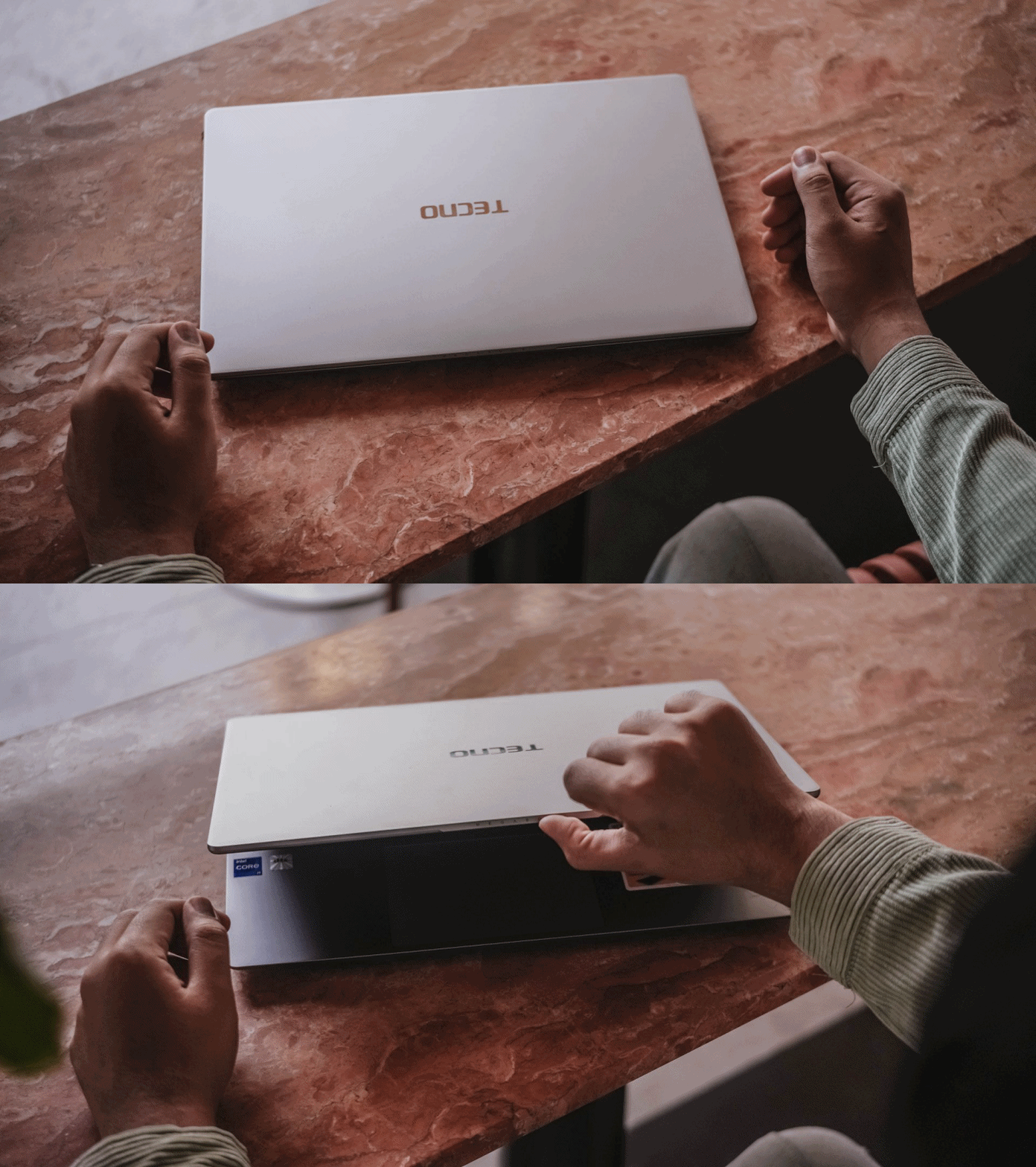
I am not saying this is a letdown. In fact, I have to commend the K16s 13th for being a simple yet straightforward laptop that delivers all the necessities without frills.

Although it’s the core definition of a “basic” Windows laptop, it’s still a powerful one — way beyond its price point. It should serve as an example of how “basic” Windows laptops should be in the first place.
The TECNO MEGABOOK K16s 13th is simply an all-around laptop that delivers without messing around.

As someone who travels and is outdoors a lot, THE Michael Josh will be the first to admit that he is NOT gentle with his phones.
They live in his pockets, bags, hands. They get dropped, they get wet, and they get dusty.
So when REDMI asked him to test something they call “REDMI Titan Durability,” he figured the only fair way to do it was to put the REDMI Note 15 Pro+ 5G to the ultimate durability test.


Now Playing: Yakuza Kiwami 3 & Dark Ties
How old should a game be before it gets a remake?


TECNO MEGABOOK K16s 13th review: No-frills beneath those grills
All-around laptop without messing around


My Hero Academia: All’s Justice: A familiar Final War, made playable
Reliving the Final War

Match Pulse: OPPO Reno15 Pro

CM Punk headlines WWE 2K26 Showcase: Punked

Chainsaw Man – The Movie: Reze Arc streams on Crunchyroll this Spring

Google pushes AI tools to help Filipinos stay safe online

Samsung confirms the debut date of the Galaxy S26 series

POCO M8 Pro review: Goin’ loco over this POCO

Infinix NOTE Edge debuts: High-end features for accessible pricing

HONOR X9d 5G review: Tougher, more long-lasting and optimized

Redmi Note 15 Pro+ 5G review: The midrange fashion piece

Mijia Smart Audio Glasses review: Immerse yourself in the music


-

 Apps2 weeks ago
Breaking up with Adobe Photoshop after 20 years
-

 Gaming1 week ago
PlayStation, LE SSERAFIM Chaewon team for the ‘Love of Play’ campaign
-

 Automotive2 weeks ago
VinFast updates battery subscription policy for large upfront savings
-

 Gaming2 weeks ago
Xiaomi SU7 Ultra makes Gran Turismo 7 debut
-
 Accessories1 week ago
Sony WF-1000XM6 was accidentally leaked online
-
 Computers2 weeks ago
3D printing made accessible: Bambu Lab moves closer to everyday consumers
-

 Gaming2 weeks ago
Esports Nations Cup 2026 secures US$ 45M funding
-

 Gaming2 weeks ago
CODE VEIN II now available for consoles, PC