
Wearables
Sony unveils the very premium 1000X THE COLLEXION
It features a more premium design and improved audio quality.


The Sony WH-1000XM6 is still the best pair of headphones I currently own. If you’re looking for the bang for your buck, this pair is more than capable of delivering what you want from consumer-friendly headphones. That said, the series is about to get a lot better. Today, Sony has unveiled the 1000X THE COLLEXION.
If you spot the new headphones from across the room, you might mistake them for just another pair of the WH-1000XM6. However, a closer look reveals a more intricate focus on design and craftsmanship. The headband features metal accents with a matte texture and some hand-polished gloss.
The earcups are just as luxurious, touting vegan leather for a comfortable fit during long listening sessions. The materials are also balanced enough to provide a comfortable distribution for any head shape.
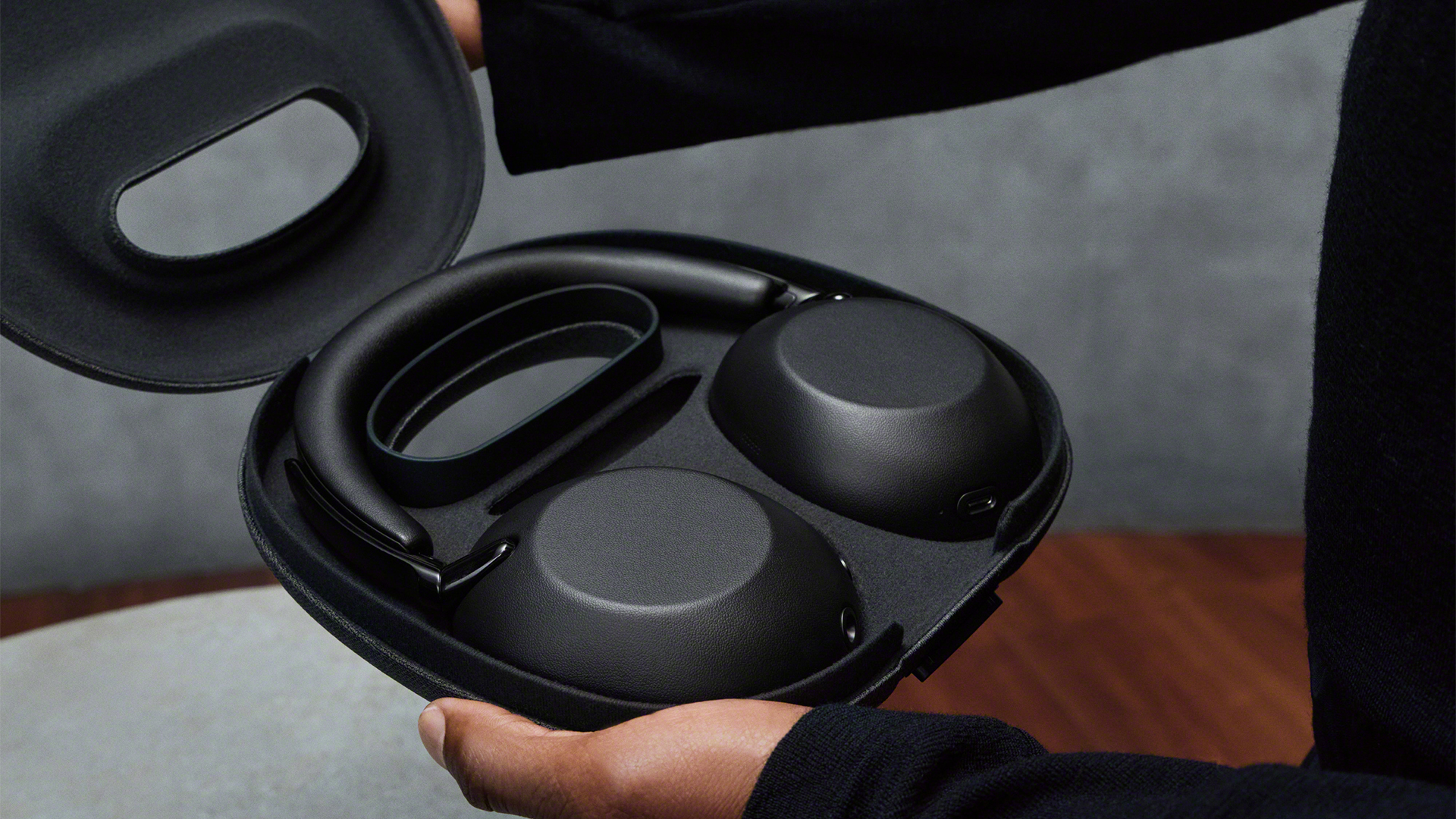
For sound quality, the 1000X THE COLLEXION will boast the same superior sound quality you can find from the 1000X series, including a wide soundstage and impressive sound across the range.
You can still expect some improvements, though. For this one, Sony worked with Grammy-winning producers to improve quality. The headphones also have DSEE Ultimate, a new feature that can upscale compressed music using AI. They also have 360 Reality Audio Upmix, which creates spatial experiences for music, movies, and games.
Like its predecessors, the 1000X THE COLLEXION comes with twelves mics and the Adaptive NC Optimizer for an effective noise-cancelling experience.
Even with all these features, the headphones still tout up to 24 hours of battery life on a single charge.
Price, availability
The Sony 1000X THE COLLEXION will be available starting this month, coming in Platinum and Black. It will sell for US$ 649.99.
Meanwhile, Sony is also expanding the WH-1000XM6 to include a Sandstone colorway option for US$ 459.99.







At WWDC 2026, Apple unveiled Siri AI, a smarter version of Siri powered by Apple Intelligence, with personal context, onscreen awareness, deeper app integration, and a brand-new experience across iPhone, iPad, Mac, Apple Watch, and Vision Pro.
Apple also announced new Apple Intelligence features, Google Gemini-powered foundation models, smarter photo editing tools, improved parental controls, faster performance across iPhone and iPad, and the next version of macOS: Golden Gate.
In this WWDC 2026 Rewind, Michael Josh breaks down the biggest announcements, what actually matters. And, whether Apple finally delivered on the promises it made last year.
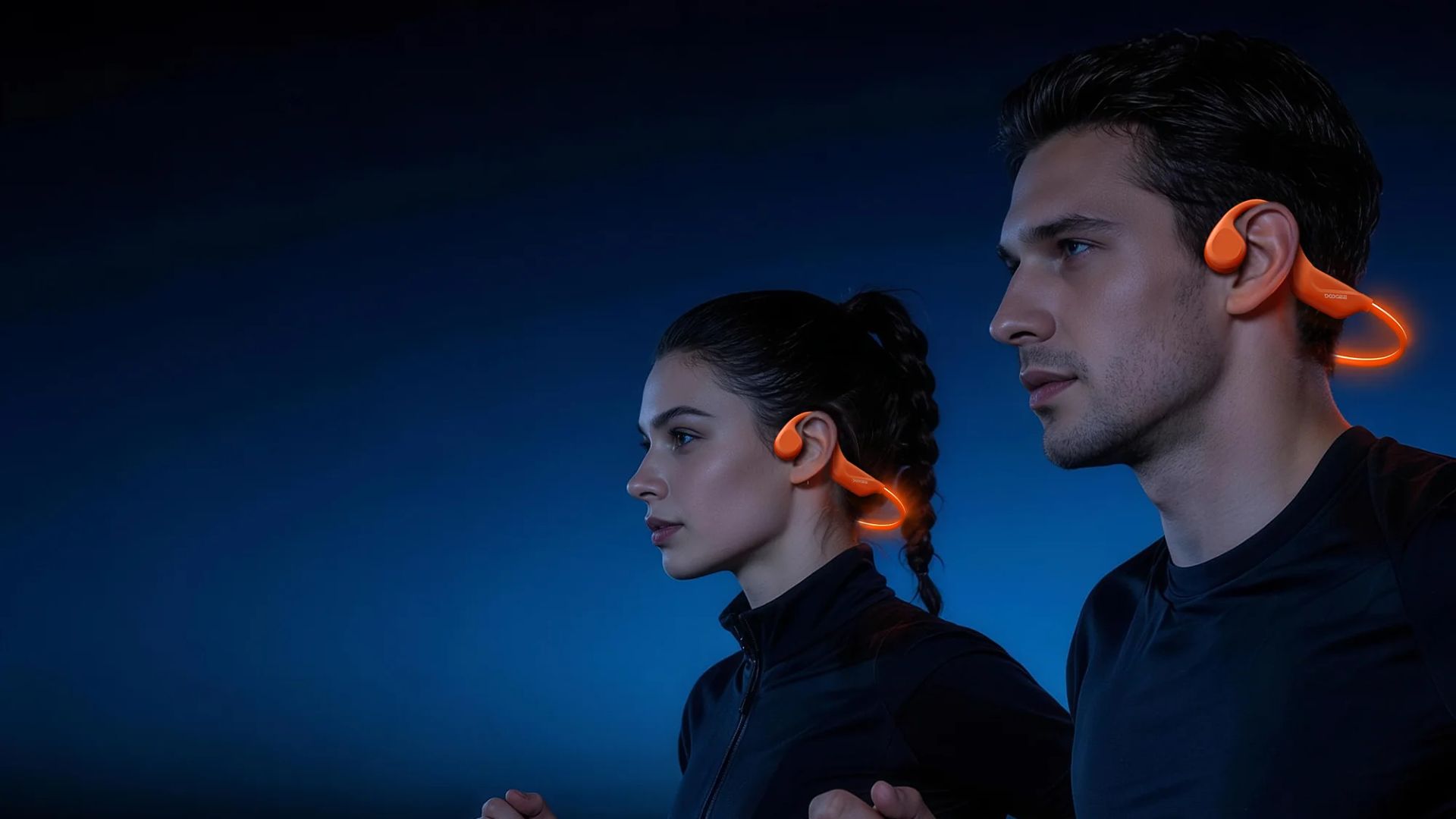
DOOGEE is debuting the BoneBeat Series this 6.6 sale, offering active consumers wearable audio solutions that fit their lifestyles.
The new collection is designed to support and empower runners, cyclists, triathletes, and sports enthusiasts in general with a wide range of durable, comfortable, and safety-focused gear.
The DOOGEE BoneBeat Series comes in three models: the BoneBeat Run Ray, BoneBeat Run Digital, and BoneBeat Swim Ray.
Customers can get the products during the 6.6 Shopee Sale via DOOGEE’s official Shopee Store. All come with a one-year warranty.
The Run Ray (PhP 1,799) is designed specifically for runners and outdoor fitness enthusiasts. It has an open-ear bone conduction technology that allows users to enjoy music while staying aware of their surroundings.
It also has a built-in safety light for improved visibility, specially during night runs. Moreover, it has an IP66 sweat-resistant design and long-lasting battery life.
Meanwhile, the Run Digital (PhP 1,999) in similar to the Run Ray but offers a digital display for quick monitoring. It has enhanced audio performance, Bluetooth 6.0 connectivity with dual-device pairing, and an IP67 rating.
Lastly, the Swim Ray (PhP 3,999) comes with an IP68 waterproofing and built-in MP3 storage for phone-free underwater listening.
It has a secure, pressure-free, and skin-friendly fit that stays in place even during intense movement, while still offering open-ear comfort. It has up to 10 hours of battery life on a single charge.
Hands-On
The Xiaomi Watch S5 proves you don’t have to take it off
Elegant enough for dinner. Tough enough for Spartan.

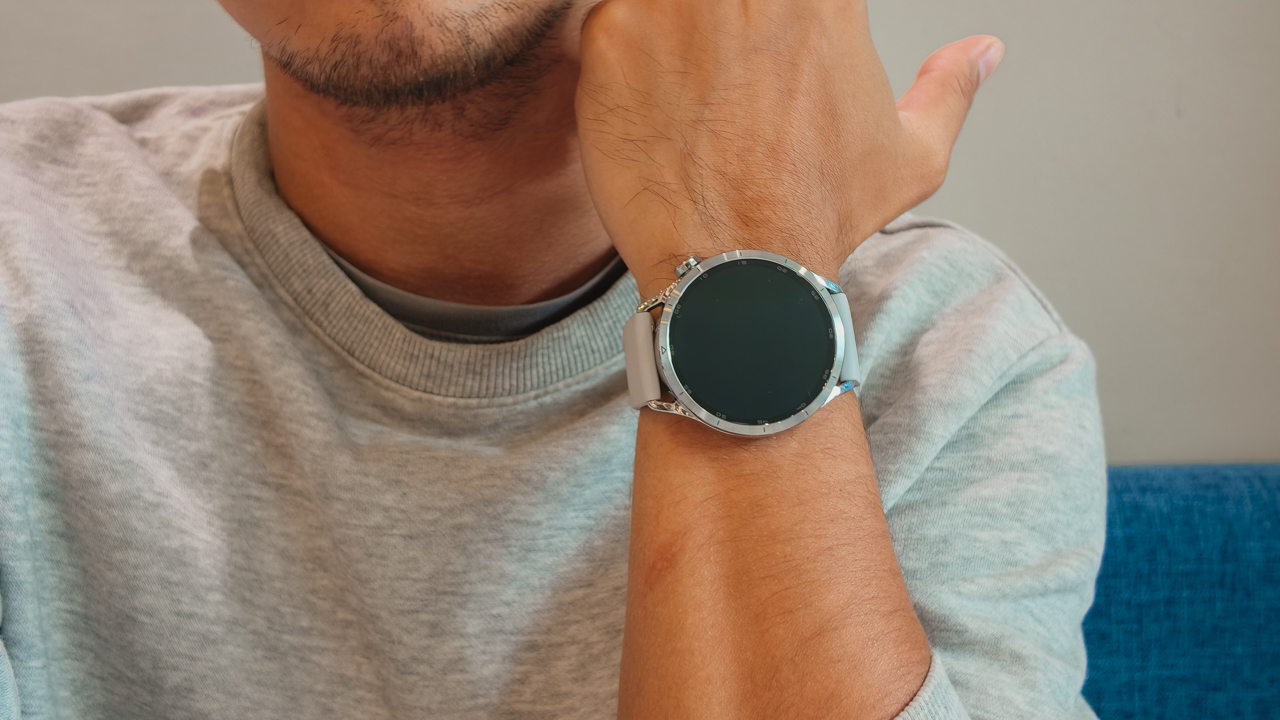
Picture this: one night, I’m dressed for a sophisticated gala in a carefully curated look. The following morning, less than twelve hours later, I’m standing at the starting line of a Spartan Trail 10K in Arden Botanical Estate with dirt on my shoes.
I’ve always struggled with smartwatches (or other timepieces) because they tend to ask you to choose a side. For instance, a classic timepiece looks right with tailoring, dinner jackets, and occasions where dress codes actually matter.
Meanwhile, a sports watch belongs in training kits, race bibs, and muddy obstacle courses. I’ve spent years switching between both, often leaving my smartwatch behind whenever the outfit called for something more refined.
Then, the Xiaomi Watch S5 arrived and challenged that whole routine. For once, I didn’t feel like I had to pick between looking polished and being athletic. I didn’t feel like I had to separate one part of my life from another.
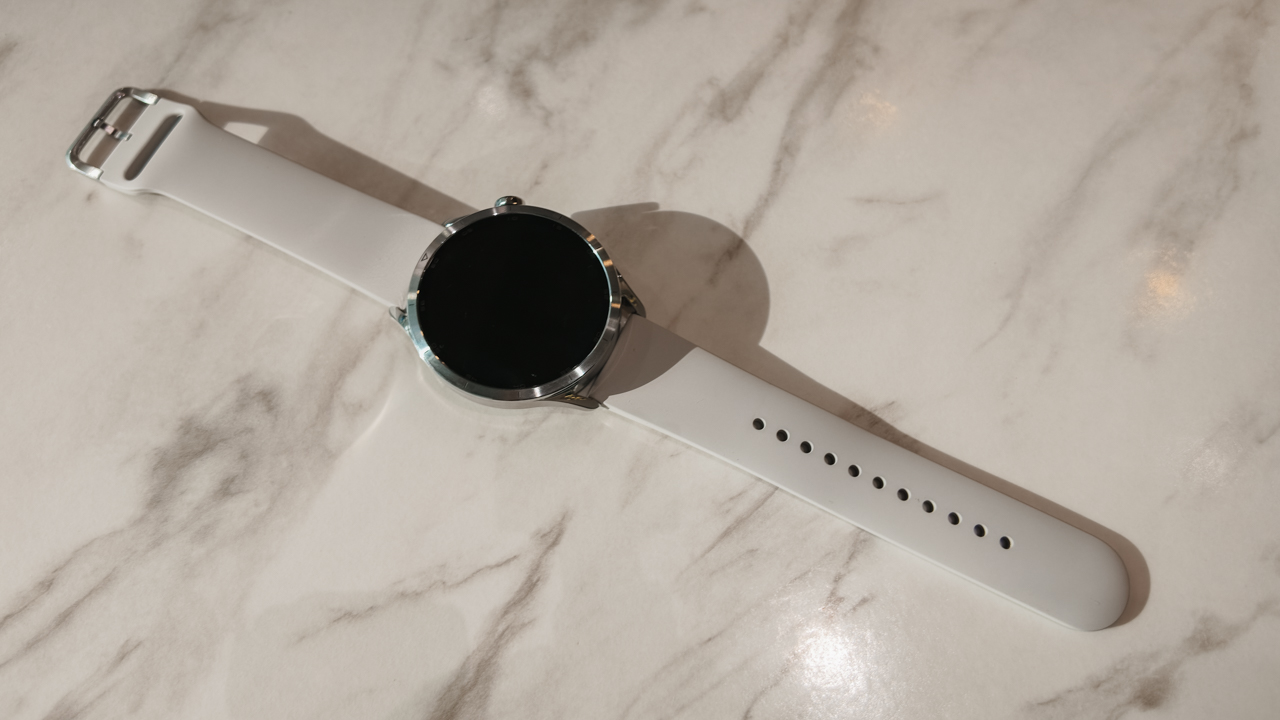
A wardrobe investment
The Xiaomi Watch S5 immediately felt sleek. The upgraded stainless steel frame gives it the weight and polish of a traditional luxury watch. It looks expensive in the way a great accessory does.
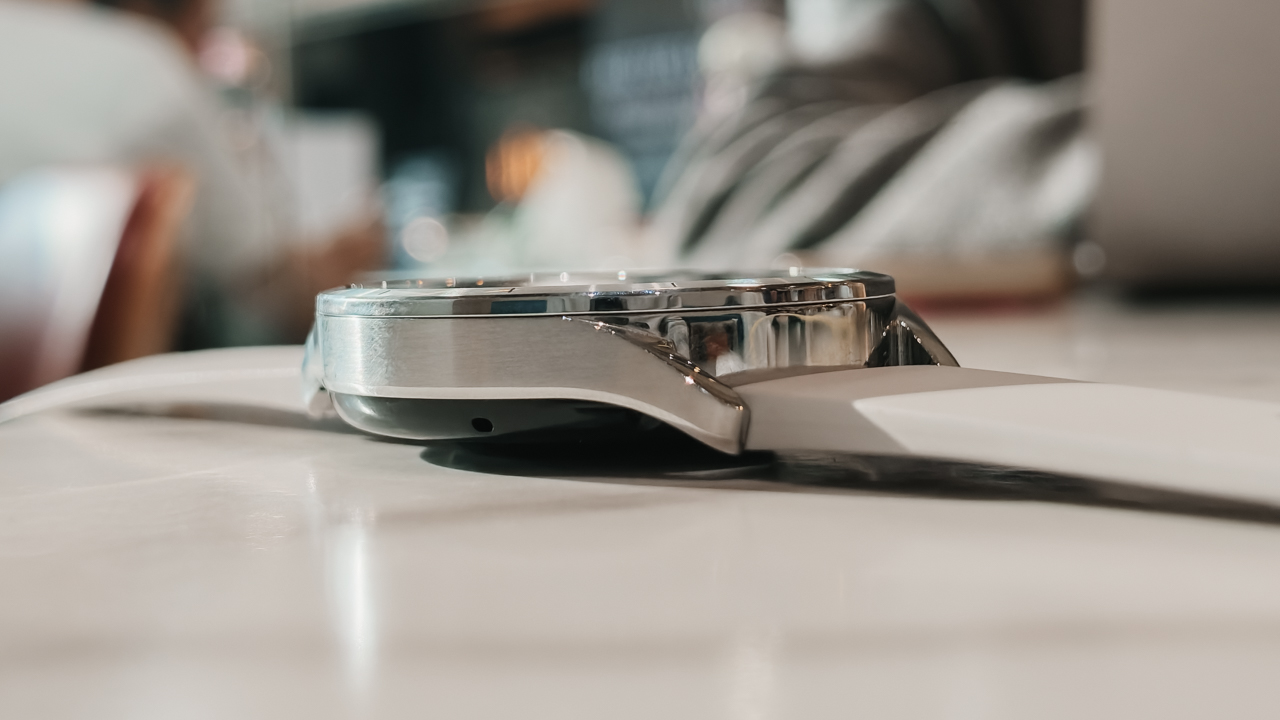
It slips easily under a cuff, works with tailoring, and doesn’t compete with the rest of what you’re wearing. That mattered to me because I wore it to an evening event, styled like any proper watch would be.
Then the next morning, I wore it at a Spartan Race — at 6:00 AM, I was running the Spartan Trail 10K during a sudden downpour. Heavy rain poured over the course. Mud thickened under every step.
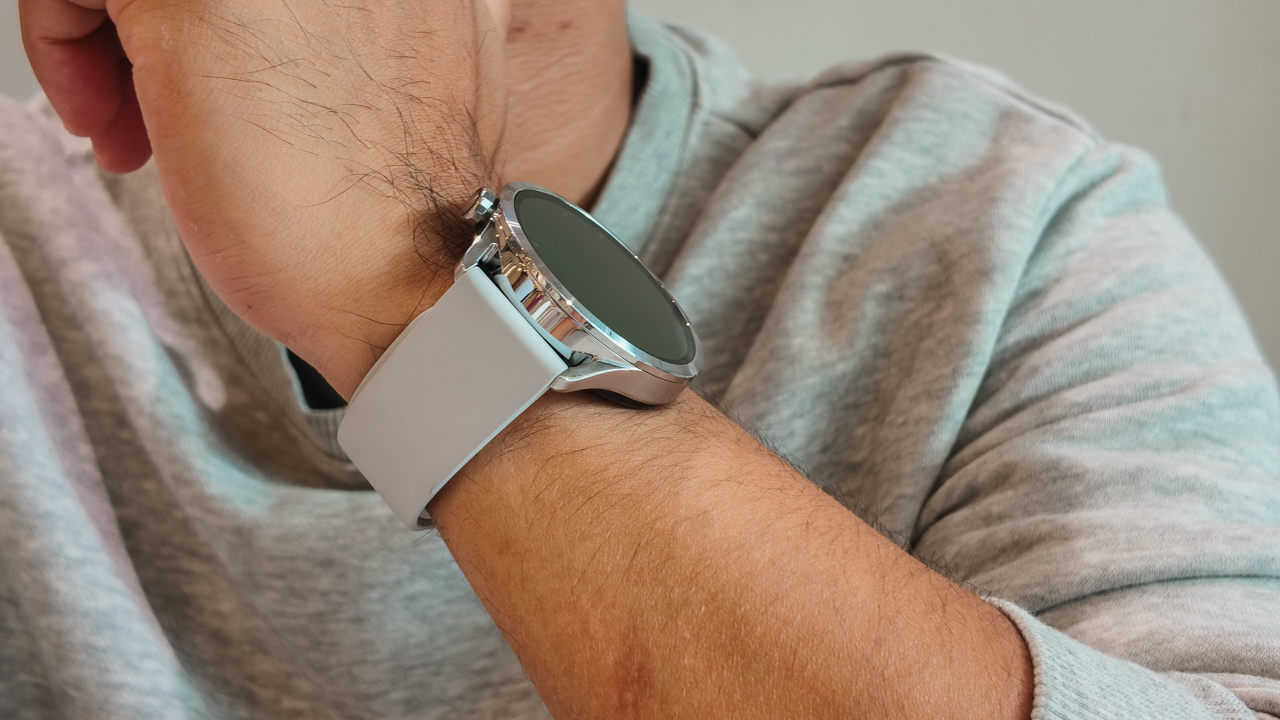
A few hours later at 9:30 AM, I was back on the course for the Spartan Sprint Open under the complete opposite conditions. Bright sun, harsh heat, and definitely no shade. By the time I crossed the finish line, I had visible sunburn.
I wore the Watch S5 across back-to-back races in completely different conditions. When it rained, the 5ATM water resistance handled it and allowed me to finish the Spartan Trail 10K with 350m elevation gain in 1 hour, 20 minutes.
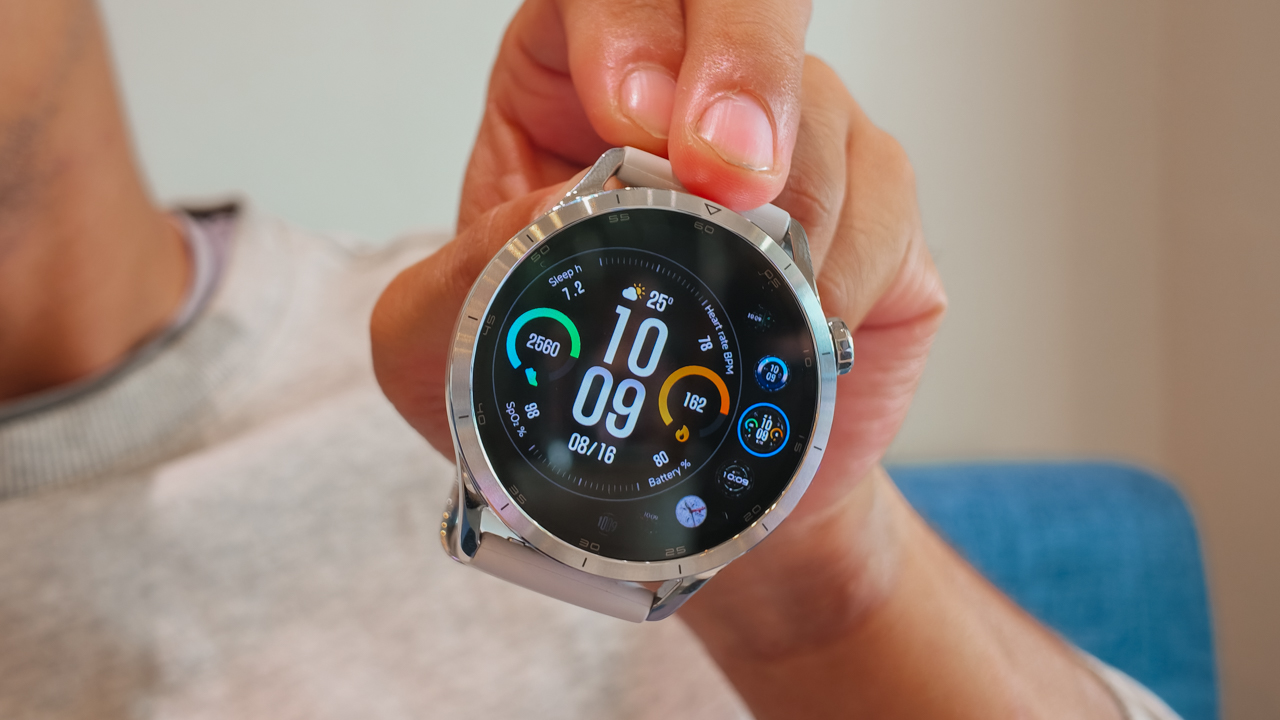
And even in full sun, the 2500-nit AMOLED display was bright enough for me to check my pace and metrics without squinting through sweat.
In a way, that is the whole point of versatility. You don’t have to look good in one setting. You just survive all of it.
High-fashion navigation on a sample sale budget
I love gear that performs. I love it even more when it doesn’t cost as much as a plane ticket.
My Garmin epix Pro (Gen 2) — which I had since 2023 — remains my benchmark for race-day navigation. It’s dependable and incredibly capable. It also costs enough to make me stare at my credit card statement in silence.
The Xiaomi Watch S5 gave me a surprisingly similar sense of confidence with built-in offline maps at a much more approachable price.
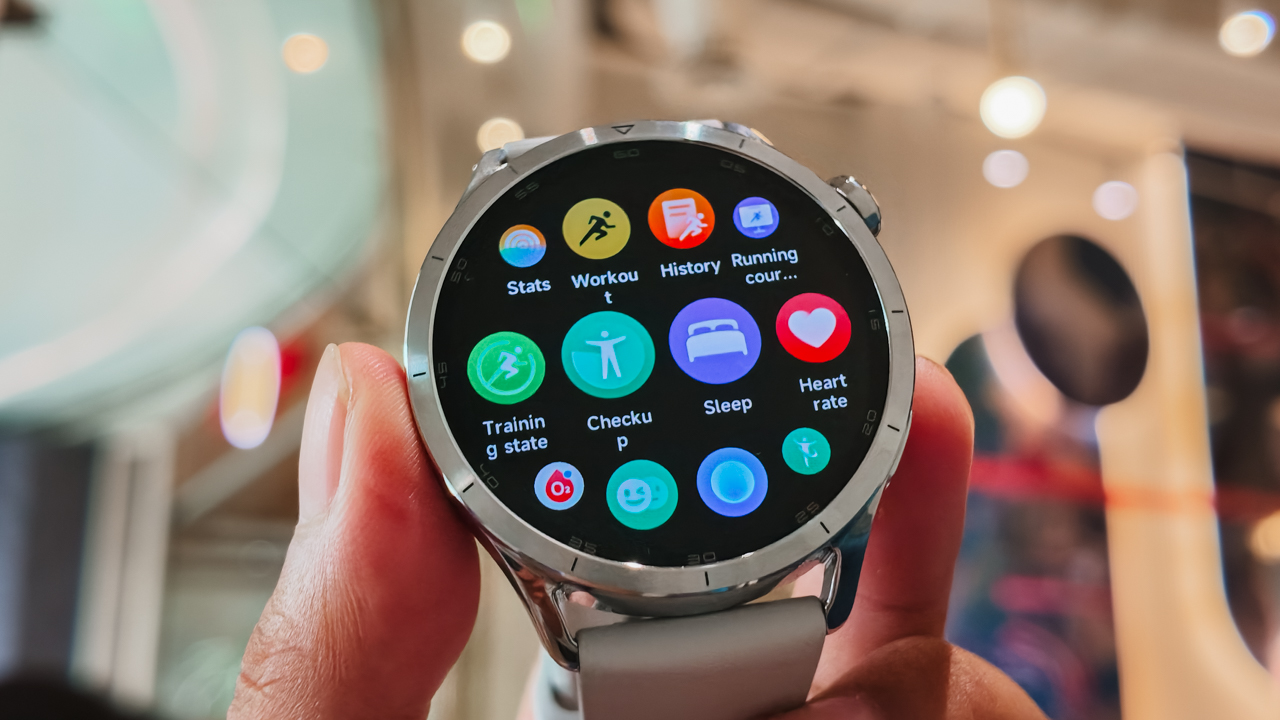
For trail races where routes are usually marked, that feature becomes less about finding your way and more about peace of mind.
Knowing you can navigate technical terrain without reaching for your phone feels reassuring, especially when weather conditions change fast — and on race day, mine certainly did.
One moment I was climbing through rain. A few hours later I was baking under direct sunlight wondering how my shoulders had already turned red.
The Watch S5 handled both like it was no big deal.
Keeping pace with a social butterfly’s calendar
A wearable becomes part of your wardrobe when you stop thinking about it. That’s where battery life matters.
The Xiaomi Watch S5 runs up to 14 days on normal use, which means I wore it across workdays, training sessions, events, recovery days, and race weekend without needing to obsess over charging it overnight.
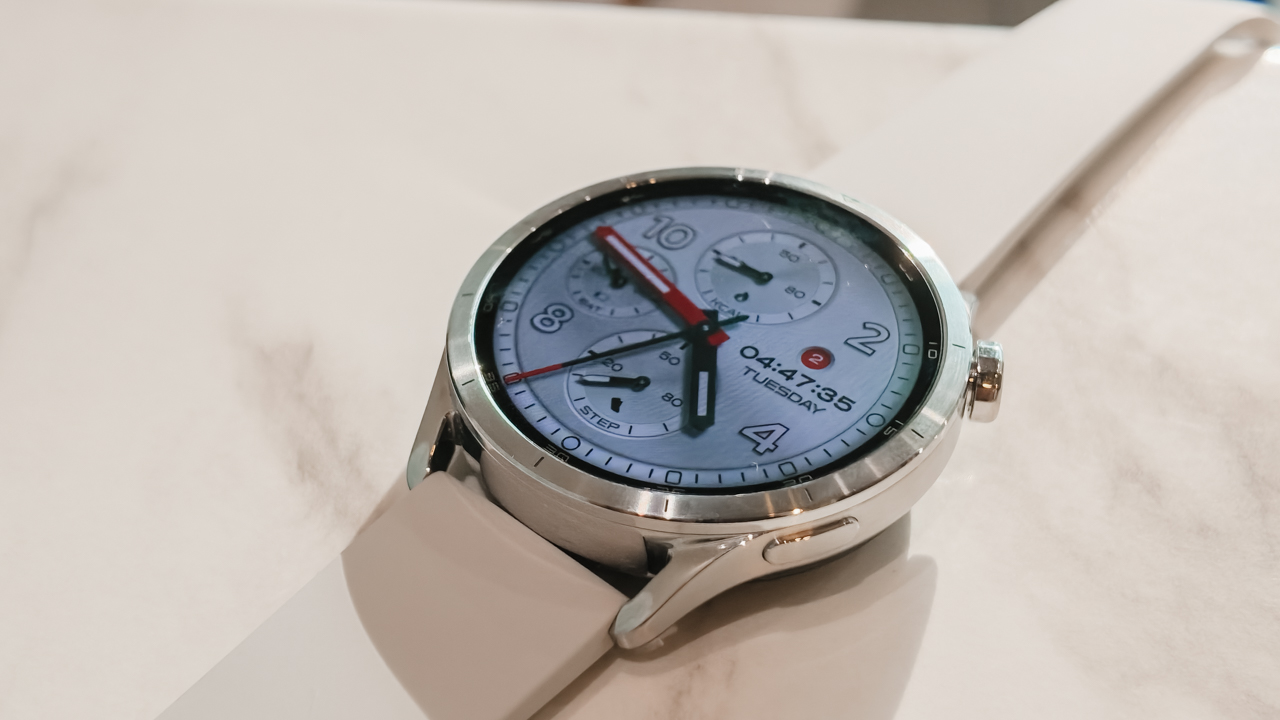
It outlasted my phone, my laptop, and possibly my emotional stability somewhere between the last aid station and the fire jump.
Once I finally got home, showered off layers of mud and sunscreen, and collapsed into bed with sore legs and sunburn, the Watch S5 kept doing its job in the background.
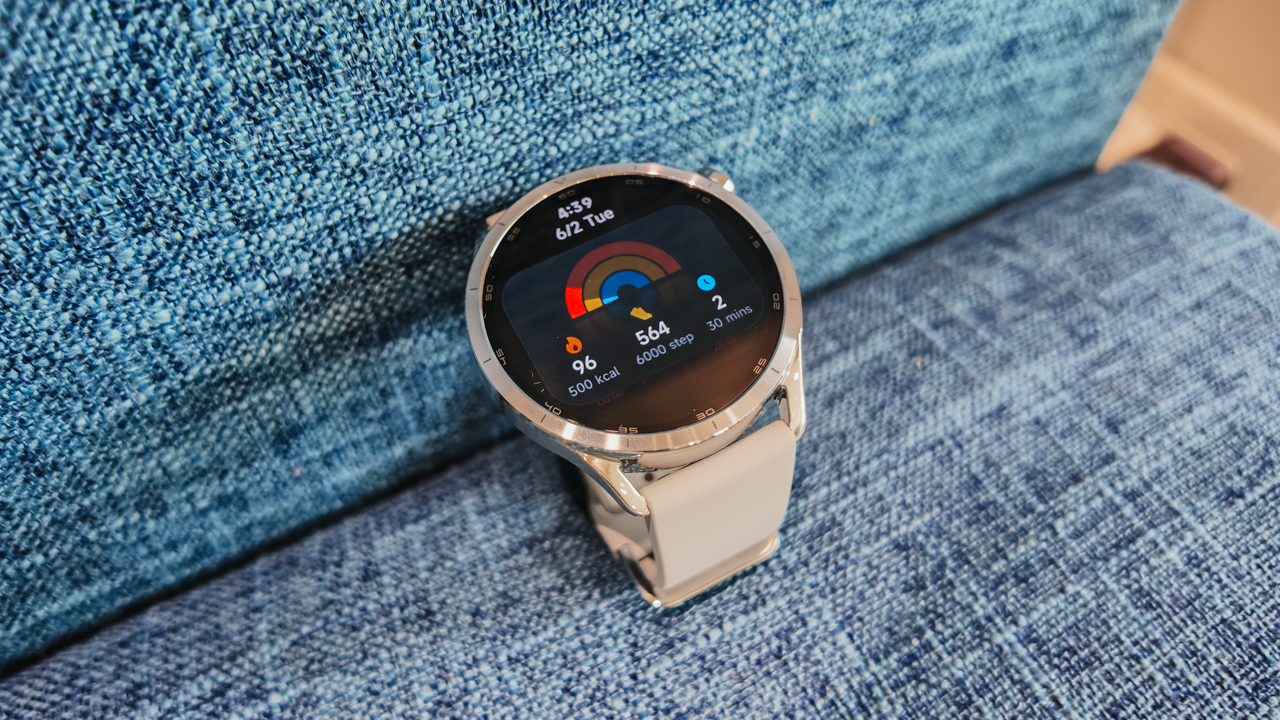
Sleep tracking, recovery insights, and wellness metrics all quietly continued while I did absolutely nothing.
Is the Xiaomi Watch S5 your GadgetMatch?
What I like most about the Xiaomi Watch S5 is that it doesn’t force a choice. It doesn’t ask you to pick between being sporty or polished. There’s no need to separate performance from style.
It looks elegant enough for formalwear, and tough enough for weathering the elements. For me, it went from chic events to an action-packed Spartan Race day without feeling out of place. And maybe, that’s the best way to describe it.
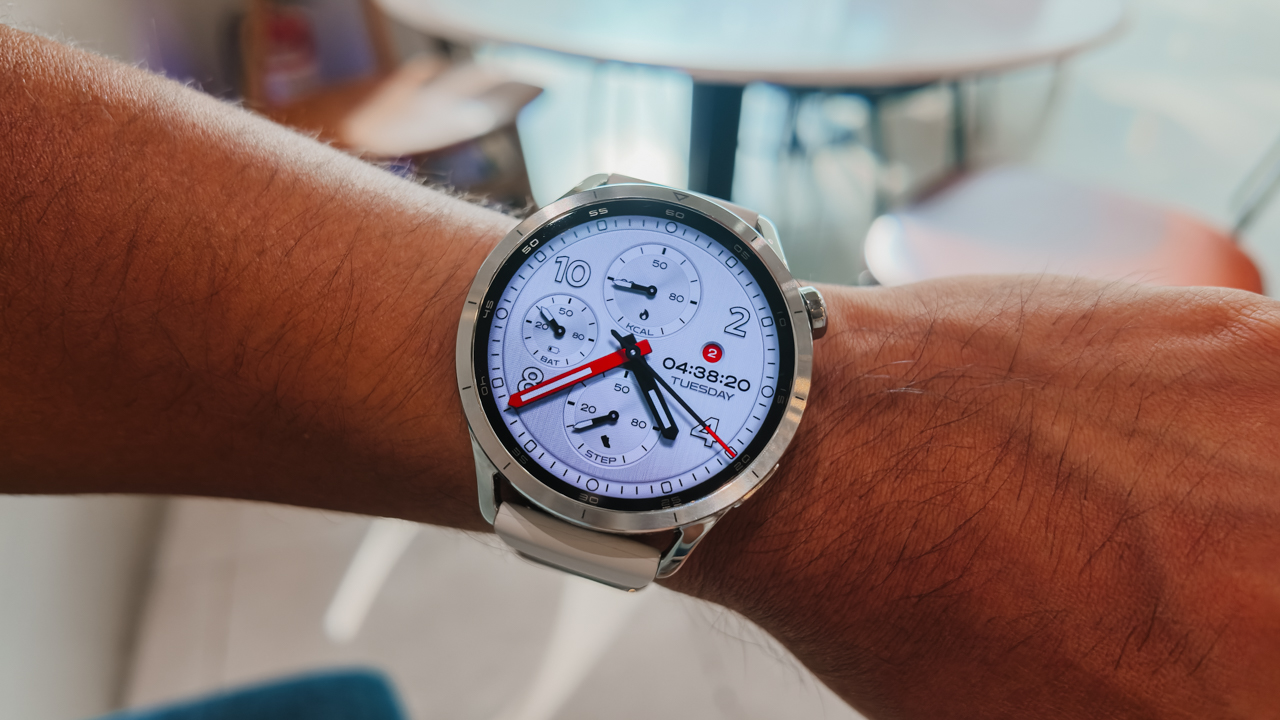
Swipe Right if you want a smartwatch that can keep up with both your calendar and your training schedule. The Xiaomi Watch S5 feels right at home with tailored looks, yet it’s durable enough for muddy race courses, sudden downpours, and long hours under the sun.
This is for the people who go from dinner reservations to race day without warning.
Swipe Left if you want highly advanced training analytics or a deeply specialized multi-sport watch for serious race preparations. Athletes who rely heavily on performance metrics may still prefer something more purpose-built.
For PhP 10,999, the Xiaomi Watch S5 46mm feels more like a wardrobe investment. One that happens to track your sleep, navigate a trail course and survive the elements, and still look good at dinner.
The Xiaomi Watch S5 46mm comes with an early-bird price of PhP 10,229 and a free strap. The Special Edition retails for PhP 11,999, with an early-bird price of PhP 11,159 and a free strap.


HONOR Magic V6 review: The best version of a book-style foldable?
Little left to sacrifice

Close without crossing: A Xiaomi 17T Pro photo essay
Distance and closeness are not always opposites.


Spring reset: Growing more at home with Auk Mini
From kitchen counter experiment to everyday habit

Kingdom Hearts IV gets new trailer, confirms Switch 2 release

Final Fantasy fans have two big reasons to look forward to 2026

TECNO’s POVA 8 5G is both futuristic and future-ready

Upcoming realme C100 series to feature 8,000mAh battery

What HYROX Hong Kong looks like up close

HONOR 600 Pro review

The Infinix GT 50 Pro has the most inspired design for a gaming phone

Sony Xperia 1 VIII arrives with AI Camera Assistant, bigger telephoto sensor

UGREEN MagFlow Air review: Airy Yet Mighty

The UGREEN Nexode Air 65W is the only charger I travel with now


-
Reviews2 weeks ago
Close without crossing: A Xiaomi 17T Pro photo essay
-

 Accessories2 weeks ago
UGREEN launches FineTrack Series with Apple Find My support
-

 News1 week ago
realme launches P4 Series 5G, including Power with 10,001mAh battery
-
 Philippines2 weeks ago
Xiaomi 17T series Philippines price, availability, offers
-
 Hands-On1 week ago
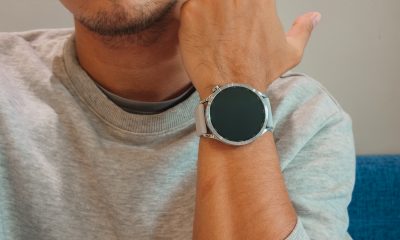
The Xiaomi Watch S5 proves you don’t have to take it off
-

 Computex 20261 week ago
ASUS ROG XBOX Ally X20 debuts at COMPUTEX 2026
-

 Gaming2 weeks ago
Acer unveils Predator Atlas 8 handheld with Intel Arc G-Series power
-

 Gaming2 weeks ago
Call of Duty: Modern Warfare 4 has been officially announced