
Cameras
After almost 10 years, Sony finally releases the RX1R III
Sony’s compact full-frame 35mm camera just got even better!

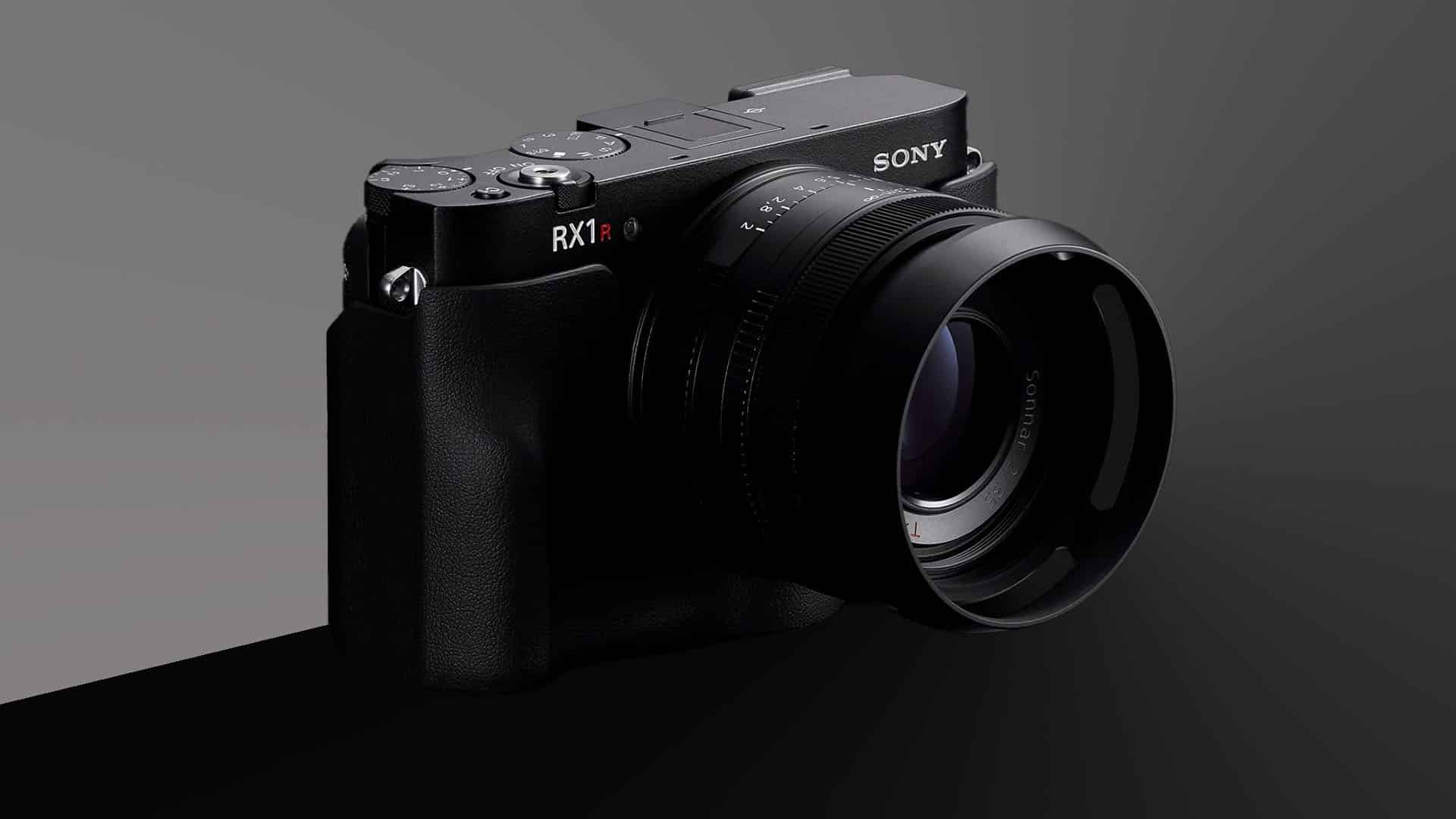
In a world where mirrorless offerings with interchangeable lenses continue to reign, there are users who simply can’t let go of point-and-shoot cameras alongside their one and (l)on(e)ly integrated lens.
Well, after almost 10 years, Sony finally releases the RX1R III — the successor to 2015’s RX1R II.
Compact yet packed
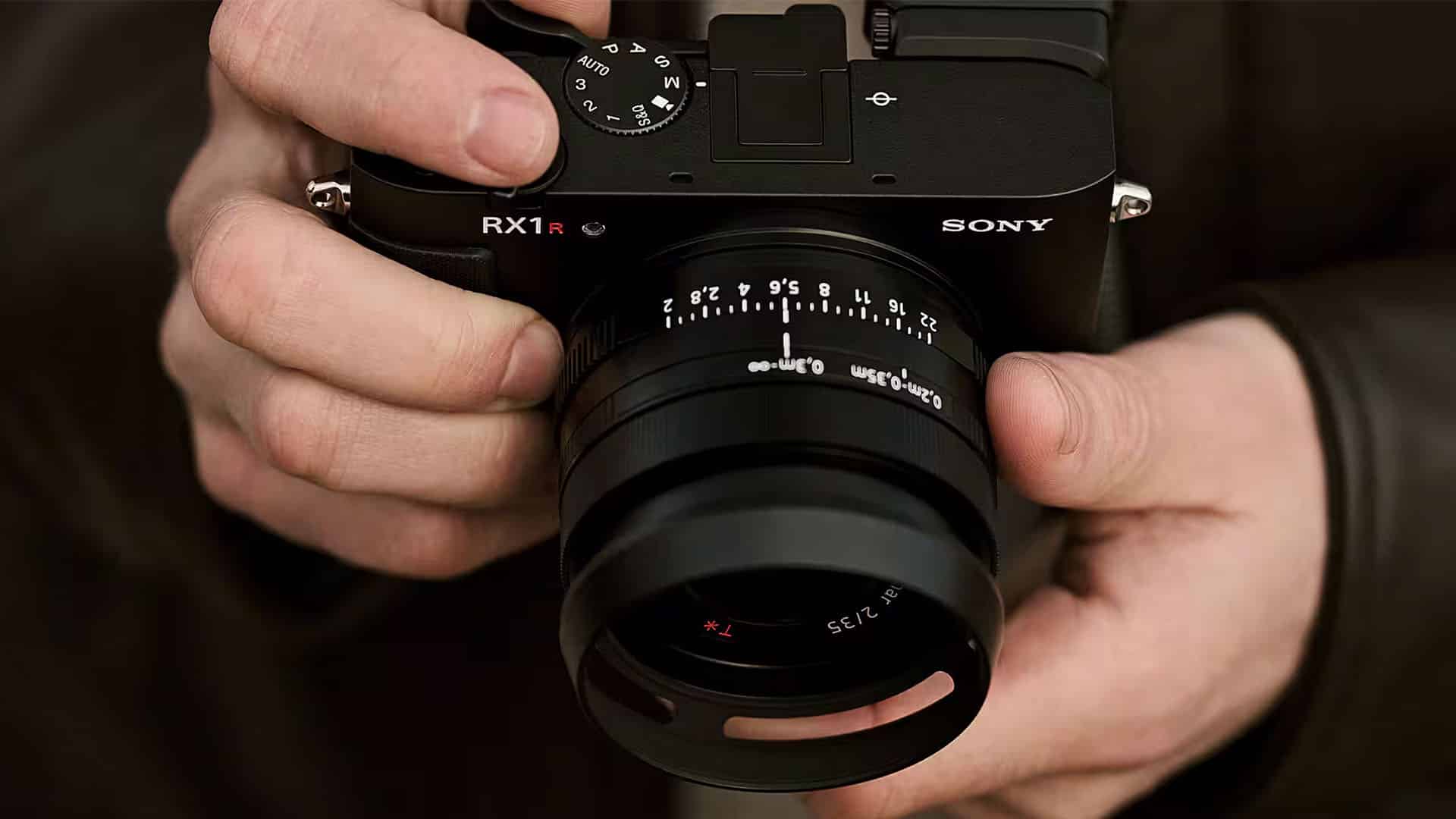
Instead of the very versatile 24-200mm power lens that the Sony RX100 VII boasts, the RX1R III retains its built-in 35mm f/2.0 ZEISS T* Sonar lens.
That fixed lens also features an AR (Anti-Reflection) coating without an optical low-pass filter for that outstanding image quality.
Beneath it is a 61MP full-frame CMOS Exmor R image sensor. That’s an improvement over the 42.4MP of its predecessor — and three times more compared to its 20MP RX counterpart.

Graphics by Vincenz Lee | GadgetMatch
And thanks to that larger sensor, taking 50mm (29MP) and 75mm (15MP) photos is still possible through Sony’s “Step Crop Shooting.”
Though this is only limited to photos — but achievable whether shooting compress, uncompressed, or even lossless RAW formats.
Additionally, shooting in RAW format gives users the benefit to reselect the focal length during post-production.
GIF by Vincenz Lee | GadgetMatch
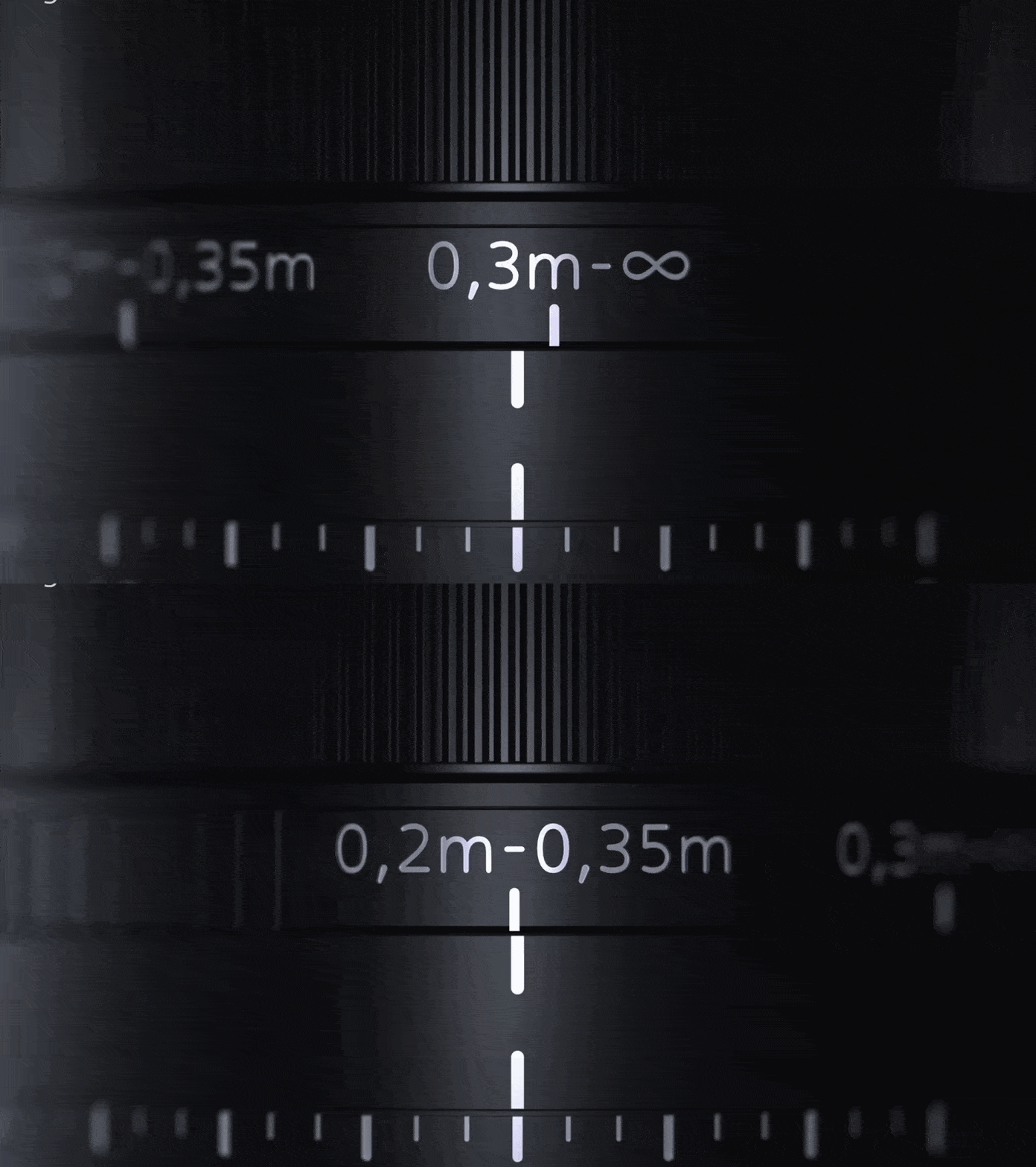
The lens also has a dedicated macro ring with a minimum focus distance of 20cm / 0.66 ft. and max magnification of 0.26x.
That marvelous lens and sensor are backed by Sony’s BIONZ XR image processing engine which promises wider dynamic range, better ISO sensitivity, and lower image noise.
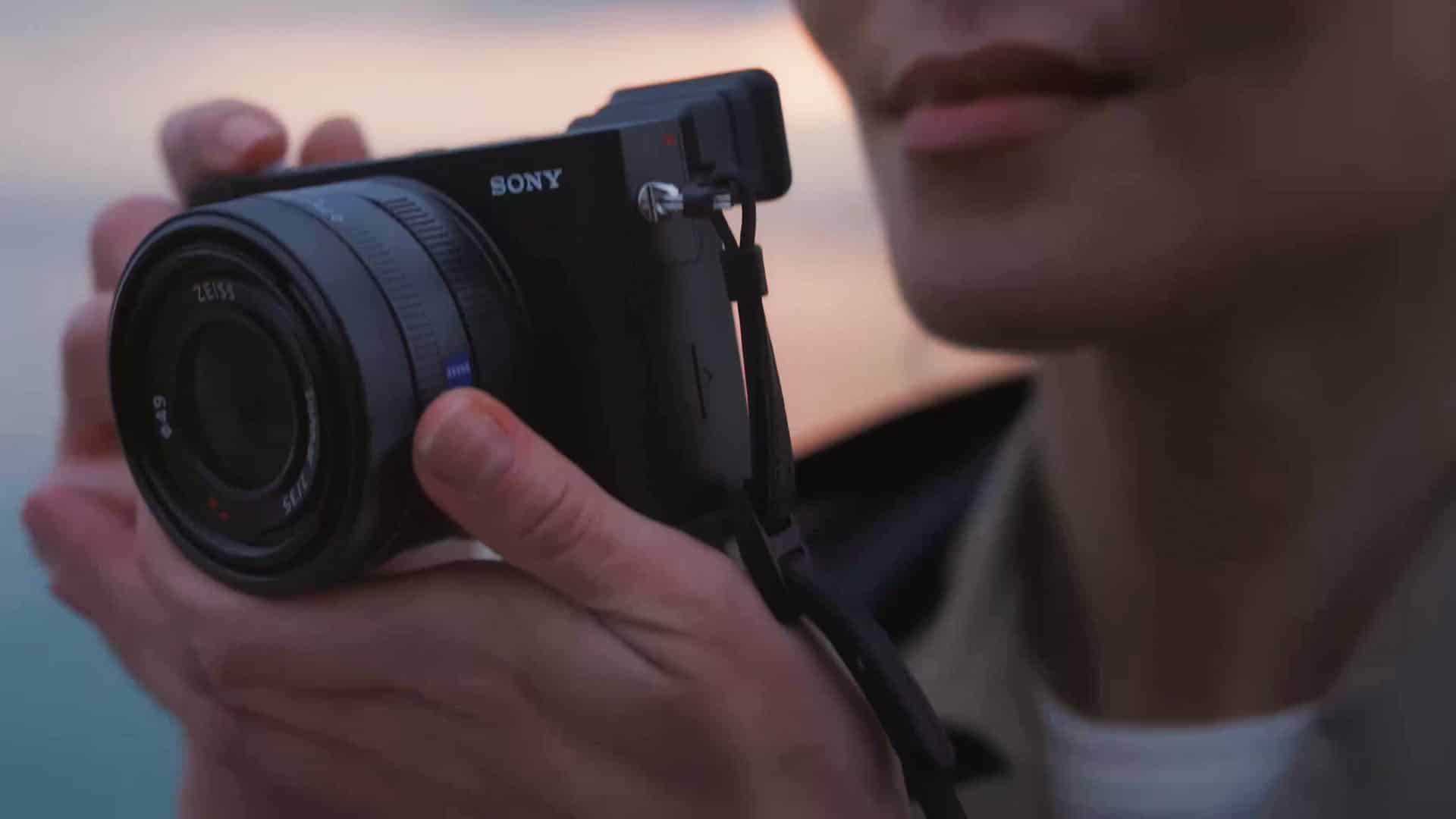
For better shooting, the RX1R III features an XGA OLED EVF (Electronic View Finder) with approx. 2.36 million-dots.
All of these are housed within RX1R III’s magnesium alloy chassis that’s proven to be lightweight yet sturdy.

Graphics by Vincenz Lee | GadgetMatch
If you’re wondering about dimensions, the RX1R III over II is a bit taller (67.9mm vs 65.4mm) and thicker (87.5mm vs 72.0mm) while still maintaining that 113.3mm overall length.
A decade’s worth of improvements
While the Sony RX1R II is still a capable camera, it obviously lags behind in certain features.
First and foremost, its PDAF (Phase Detection Auto Focus) capabilities.
The number of AF points has more than doubled from 299 to a whopping 693 — that covers approximately 78% of the capture area when shooting images.

And with today’s AI revolution, Sony has stepped up RX1R III’s subject recognition with a built-in AI Processing Unit.
This enables real-time tracking not limited to humans, but also including animals, birds and insects in motion. Moving cars, trains, and planes even.

Graphics by Vincenz Lee | GadgetMatch
There are also twelve (12) “Creative Look” modes — or Sony’s answer to Fujifilm’s Simulation Modes:
- Standard
- Portrait
- Neutral
- Vivid
- Vivid 2
- Film
- Film 2
- Film 3
- Instant
- Soft Highkey
- Black & White
- Sepia
These can be applied both in stills and clips.

GIF by Vincenz Lee | GadgetMatch
Speaking of, Sony also addresses the very limiting 1080p video resolution of the RX1R II and bumped it up to 4K/30fps with 10-bit (4:2:2) support. 120fps recording is also possible but limited to 1080p resolution and 8-bit codec.

Low-light shooting has also been improved with ISO sensitivity of up to 32,000 (both stills and clips) and expandable all the way to ISO 102,400 (stills only). AF will still work even under the EV (Exposure Value) of -0.4.
Its 3-inch tiltable TFT display still remains but with clearer resolution and now with touch screen functionality, just like modern Sony cameras nowadays.
This new camera can also automatically adapt to horizontal and vertical camera orientations.
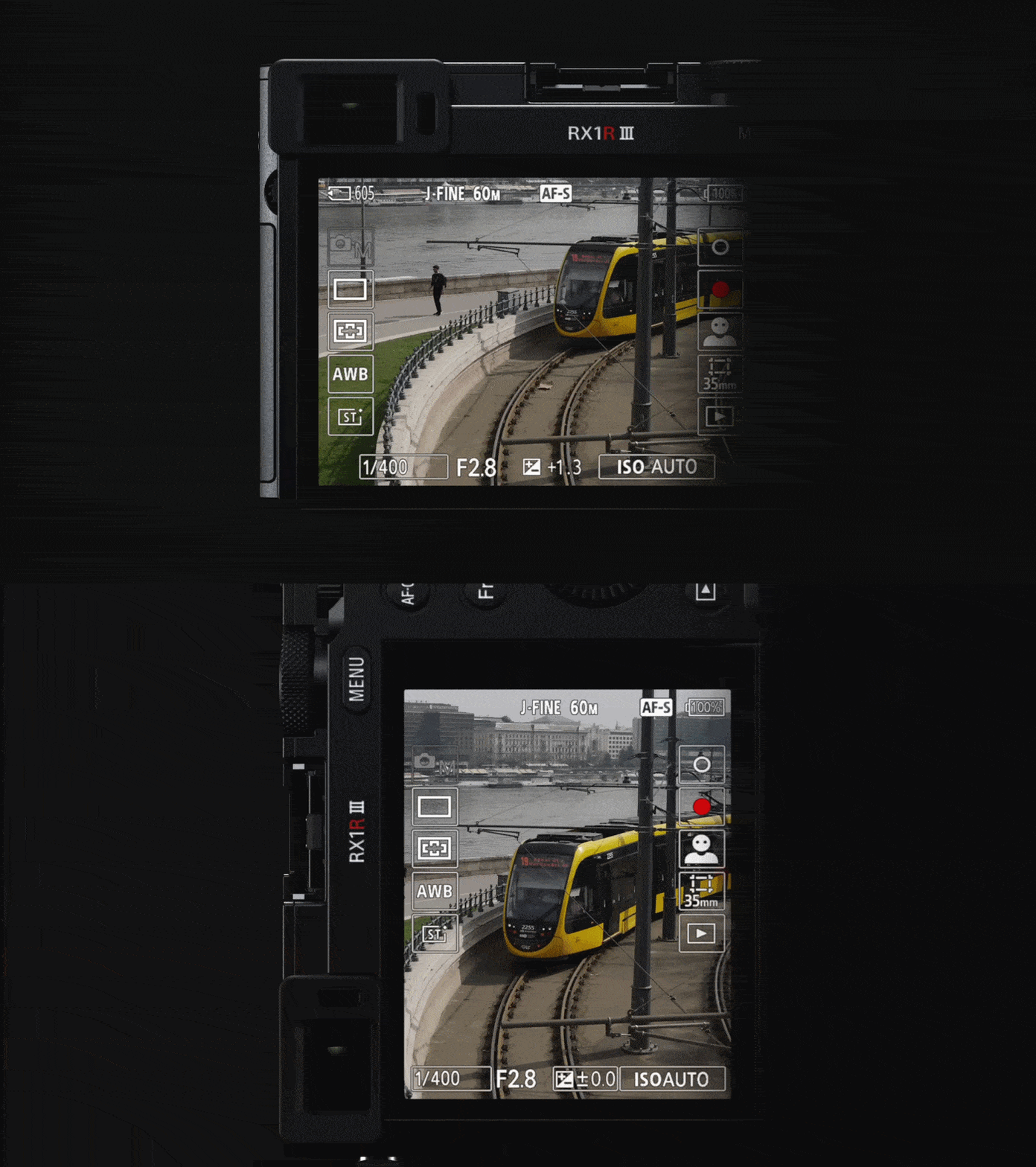
GIF by Vincenz Lee | GadgetMatch
The camera unit is powered by Sony’s NP-FW50 that allows it to shoot up to 300 photos. If you’re in a pinch, it can be charged via USB-C with Power Delivery support — as opposed to the old micro USB standard of its aging brother.
Lastly, the Sony RX1R III has the ability to upload images directly to Sony’s Creators’ Cloud without the need of a smartphone. Forwarding to other cloud services such as Google Drive or even to Adobe Lightroom are also possible.
Pricing and Availability
The Sony RX1R III will be available first in the United States and Canada starting this July 2025 with a price of US$ 5099.99 and CA$ 6299.99 respectively.

It will also include several accessories that will be available later in August:
- Dedicated thumb grip (TG-2) = US$ 299.99 / CA$ 349.99
- Compact body case (LCS-RXL) = US$ 249.99 / CA$ 224.99
- Lens hood (LHP-1) = US$ 199.99 / CA$ 249.99
The RX1R III will be available in Singapore from August 2025.
Pricing and availability in other regions have yet to follow.




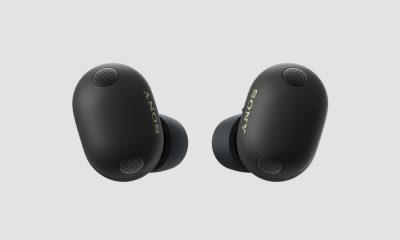


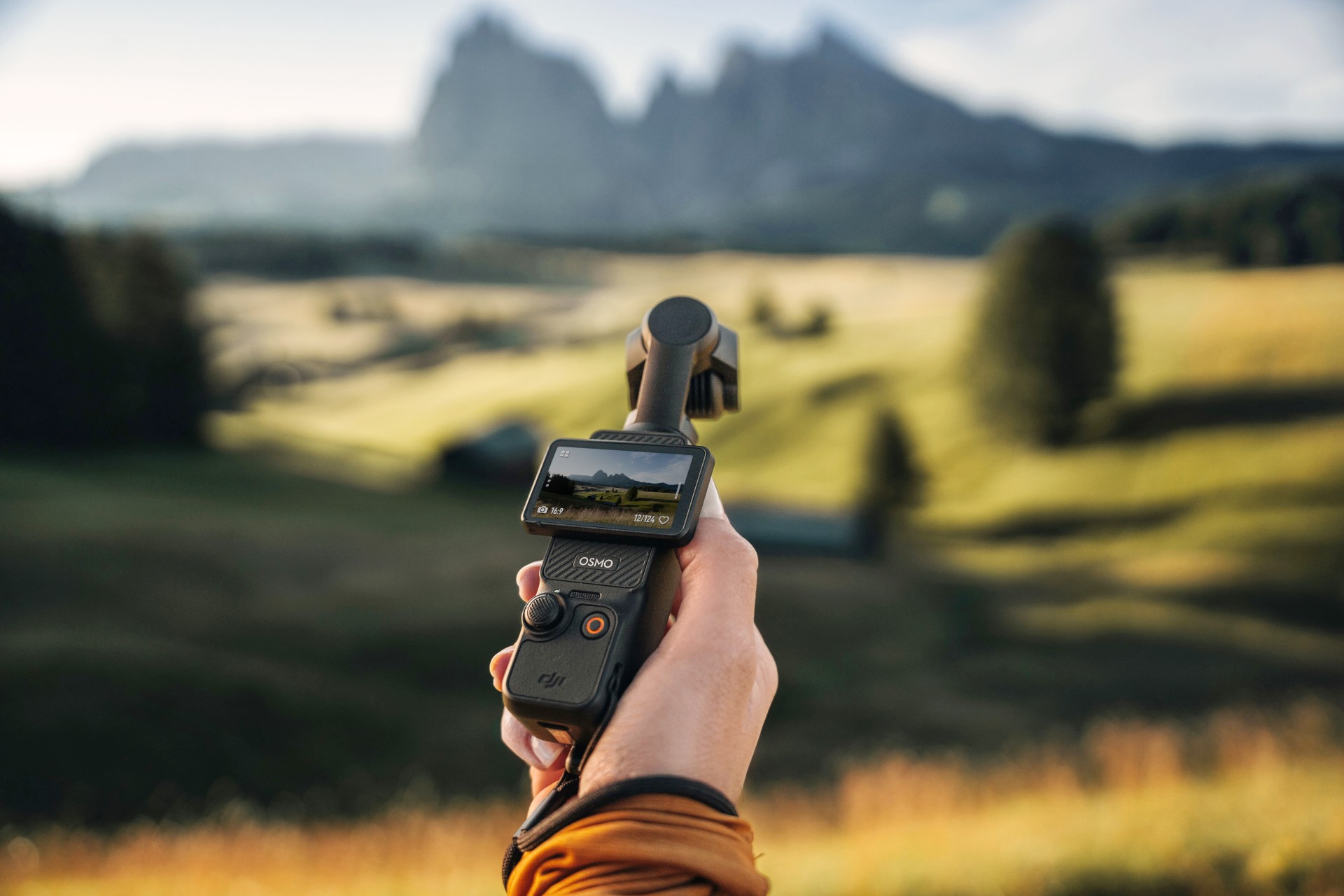
The DJI Osmo Pocket 3 might be the most popular camera in recent history. The tiny action camera constantly sells out, thanks to creators and would-be vloggers. Because of the current generation’s popularity, everyone is looking forward to the next-generation Osmo Pocket 4. Though it’s still unannounced, the new camera has suddenly made a surprising appearance out in the wild.
The leak shockingly comes from an authorized DJI retailer in Kuala Lumpur. Supposedly, a customer entered the store with what they claimed was an Osmo Pocket 4. The store, DronesKaki, even shot a now-deleted video of the unannounced camera, rescued by New Camera.
Based solely on the short video, the Osmo Pocket 4 looks and feels very familiar to those who’ve already used the Pocket 3. The three-axis gimbal system still keeps shots in place for taking videos while on the move. The 2-inch rotating screen looks identical to the current one, especially because of intuitive settings and controls.
However, the biggest standout is the built-in LED light sitting atop the camera. Despite how convenient and easy to use it is, the Pocket 3 doesn’t exactly shine in low-light conditions, prompting users to always bring an external flash. If the leak is true, the Osmo Pocket 4 cures this issue to some extent. (Built-in flashes aren’t usually standout solutions, but they can work in a pinch.)
Still, take the leak with a grain of salt. Though the store could have deleted the video because of a request from DJI, they could have also deleted it because it’s not the Osmo Pocket 4. At this point, we won’t know, but current rumors speculate that the camera is launching soon.
SEE ALSO: DJI Osmo Action 6 review: An adventurer’s best friend
Cameras
Canon PhotoMarathon returns, introduces video, open categories
Happening on April 18 in BGC, Taguig


The Canon PhotoMarathon is officially returning this year and is introducing more categories for enthusiasts to join in.
The 2026 edition, the 19th in the Philippines, will happen on April 18 at the BGC Amphitheater in Taguig City.
For the first time, Canon is opening the competition to non-Canon users. Even those with just smartphones can register. The brand has also added a video category.
Here’s a quick breakdown of the contest categories and their corresponding prizes:
Main Category (Photo)
- Open to Canon users only
- Prize: Canon EOS R6 Mark III with RF24-105mm f/4-7.1 IS STM
Open Category (Photo)
- Open to all camera brands
- Prize: Canon EOS R8 with 24-50mm
Video Category
- Open to all camera brands
- Canon Prize winner: Canon EOS R50 V
- Non-Canon Prize winner: Canon Powershot V1
The full mechanics will be announced on the day of the competition itself to make it even more challenging for those taking part.
To join, simply download the Canon PH Delightful app, create an account, go to the Events tab and select the Canon PhotoMarathon banner. Registration is already open.
To build up hype for the upcoming event, Canon will host photowalks, school tours, and regional tours leading up to the PhotoMarathon.
These are designed to engage photographers at every skill level. Admission is free and open to all digital camera users.
Cameras
Canon EOS C50 cinema camera price in the Philippines
Smallest, lightest cinema camera made for today’s filmmakers, creators

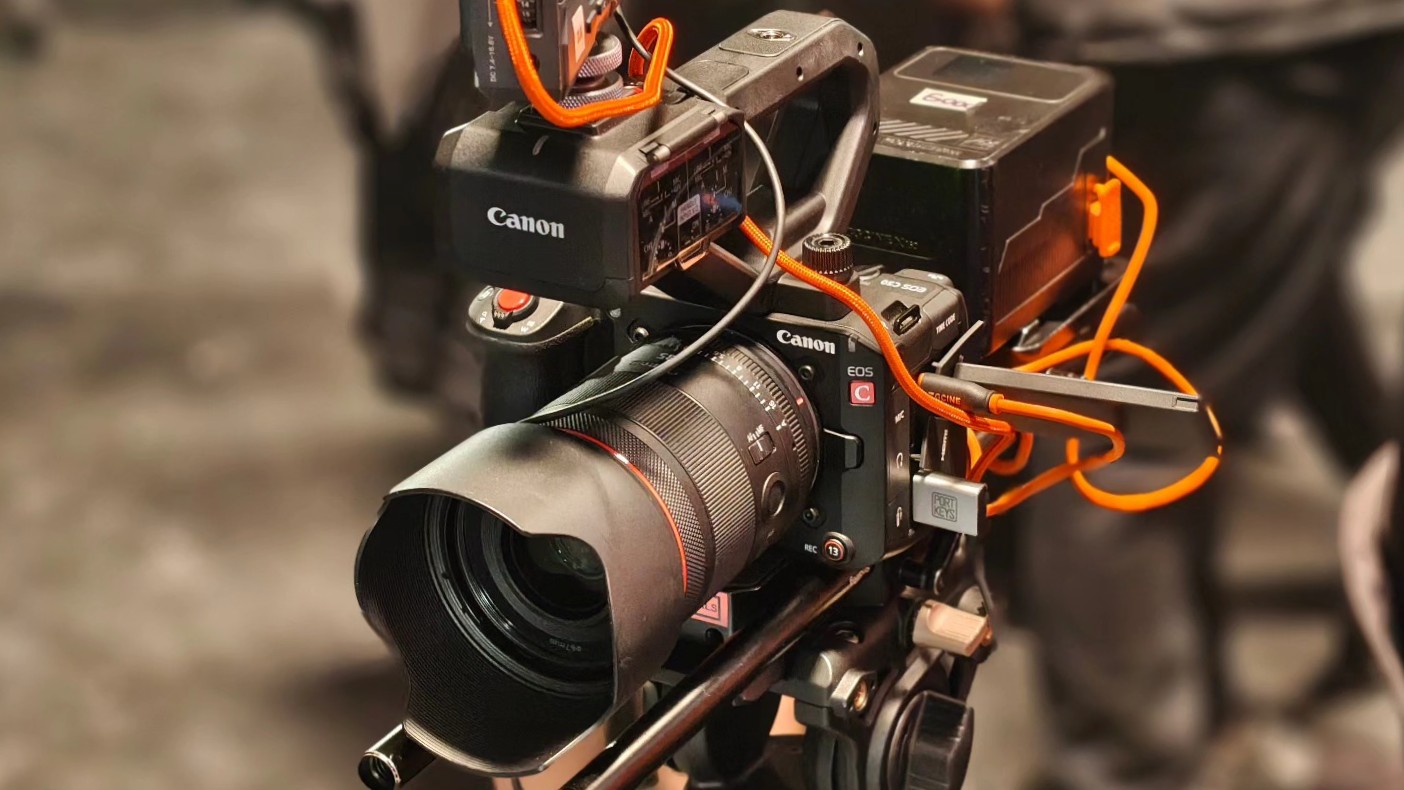
Canon Philippines is capping the year strong with the release of the Canon EOS C50 in the market. The cinema camera is priced at PhP 189,998 for the body along with an XLR handle.
The Canon EOS C50 is designed for both filmmakers and creators who need mobility and professional-grade quality.
It has the same 3:2 Open Gate recording feature also on the EOS R6 Mark III, which gives users flexibility for post-production.
Creators can extract full 4K footage along with cropped 2K vertical or square versions from the same capture with the Simultaneous Crop Recording feature.
This is ideal for producing multi-platform content, like 16:9 landscape videos for YouTube then vertical shortform videos for social media.
Also, an added edge is the up to 7K 60p RAW recording capability on the C50, compared to just 7K 30p for the Mark III.
Filmmakers can also record at up to 4K 120fps should they need high frame rate captures. Recording in 4:2:2 10-bit is also available for rich color and flexibility in post-production.
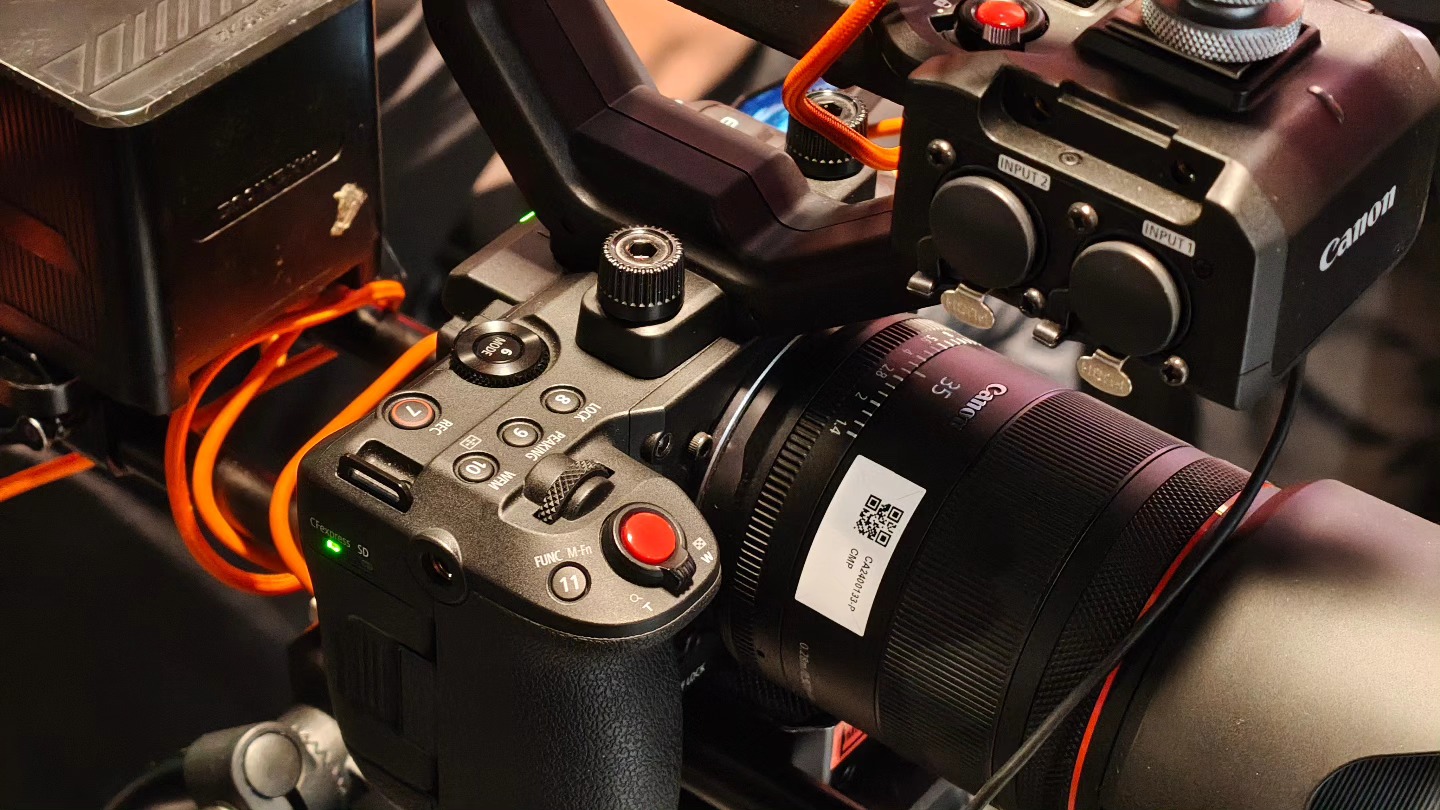
In addition, the EOS C50 features dual CFexpress and SD card slots. 7K RAW can be saved to CFexpress while other formats can be saved to the SD card.
Different format, resolutions, and color sampling can be assigned for backup, distribution, or quicker edit-ready files.
Photo performance
For stills, users can take advantage of the 32MP CMOS sensor for capturing up to 40 shots per second (with electronic shutter).
The camera also supports pre-continuous shooting and AF performance improvements with its Dual Pixel CMOS AF II.
Enhancements include Auto setting, animals, vehicle priority, and eye AF, as well as the new left/right priority.
Moreover, the camera features Dual-Base ISO with Auto Selection, automatically switching between ISO 400 and ISO 3200 depending on the scene.
This ensures the highest signal-to-noise ratio while maintaining a wide dynamic range. Users can also manual select the ISO to match lighting conditions.
Professional interface
Onto its controls, the EOS C50 has a TIME CODE terminal, which is perfect for seamless multi-camera setups. It also features two XLR terminals and a handy control dial for professional audio input.
There are 14 assignable buttons, each thoughtfully positioned for quick, instinctive access while filming. There are about 100 customizable functions available so the camera can match a user’s workflow.
During the launch event, Canon Philippines demonstrated a wide range of scenarios for the EOS C50, including multi-angle live broadcasts with just one camera.


Resident Evil Requiem will get a story expansion

Samurai Champloo is getting a live-action adaptation

BYD is reportedly considering an F1 team

ARTMS Heejin shows KPop concert day through Ray-Ban Meta glasses

Smart delivers best mobile video experience in PH — Ookla


-

 News2 weeks ago
Xiaomi 17 Ultra is now available outside China
-
 MWC 20261 week ago
TECNO showcases cool concepts at MWC 2026
-

 MWC 20267 days ago
Infinix NOTE 60 Ultra makes a motorsport-inspired debut
-

 MWC 20262 weeks ago
TECNO resurrects modular phones with this new concept
-

 MWC 20261 week ago
TECNO launches the all-new CAMON 50 series
-

 Reviews1 week ago
TECNO CAMON 50 Ultra review: End of an era?
-

 Reviews2 weeks ago
Xiaomi Pad 8 review: Slab that slaps!
-

 Reviews2 weeks ago
Forget the Phone: Xiaomi 17 Ultra Is A CAMERA!