
Automotive
STV breathes life to old motorsport with ARCC
Keeping the spirit of rallying alive


I was at Clark, Pampanga in a former United States Air Force base in the Philippines for the STV Auto Rally Corporate Challenge (ARCC).
For the unfamiliar, it’s also called Sampaguita Rally in the Philippines, but it was actually inspired by the Dutch’s Tulpenrallye (Tulip Rally) for the way the directions in the handbook look like. It gained popularity in Europe at the beginning of 1950s and was also the number one motorsport in the Philippines back in the 80s. The sport eventually died down but Sunshine Television has been faithful to breathe life into the sport until today.

STV Chairman and CEO Ray Butch Gamboa kicks off the event.
Now, the “rally” in its name might paint a different picture for some. Usually, speed is associated when you hear the term “rallying,” and that’s because of the modified rally races that are popular today. STV’s ARCC doesn’t follow this trend and stays true to its roots wherein drivers are not required to go fast to win.

Taking an oath to play fair and square.
Car manufacturers, importers, and distributors were the event’s participants and I was invited to be one of Ford Philippines’ representatives. There were a total of nine media reps split into three groups and Ford gave the groups a vehicle each to use in the event.
Our group was in a 3.2-liter Ford Everest Titanium with me at the helm, while one was assigned as timekeeper and the other as navigator.

You, as a participant, get in the vehicle with your teammates and are put on a public road along with other motorists. You’re expected to follow driving rules just like you normally would while following the tulip-shaped directions written on the handbook.
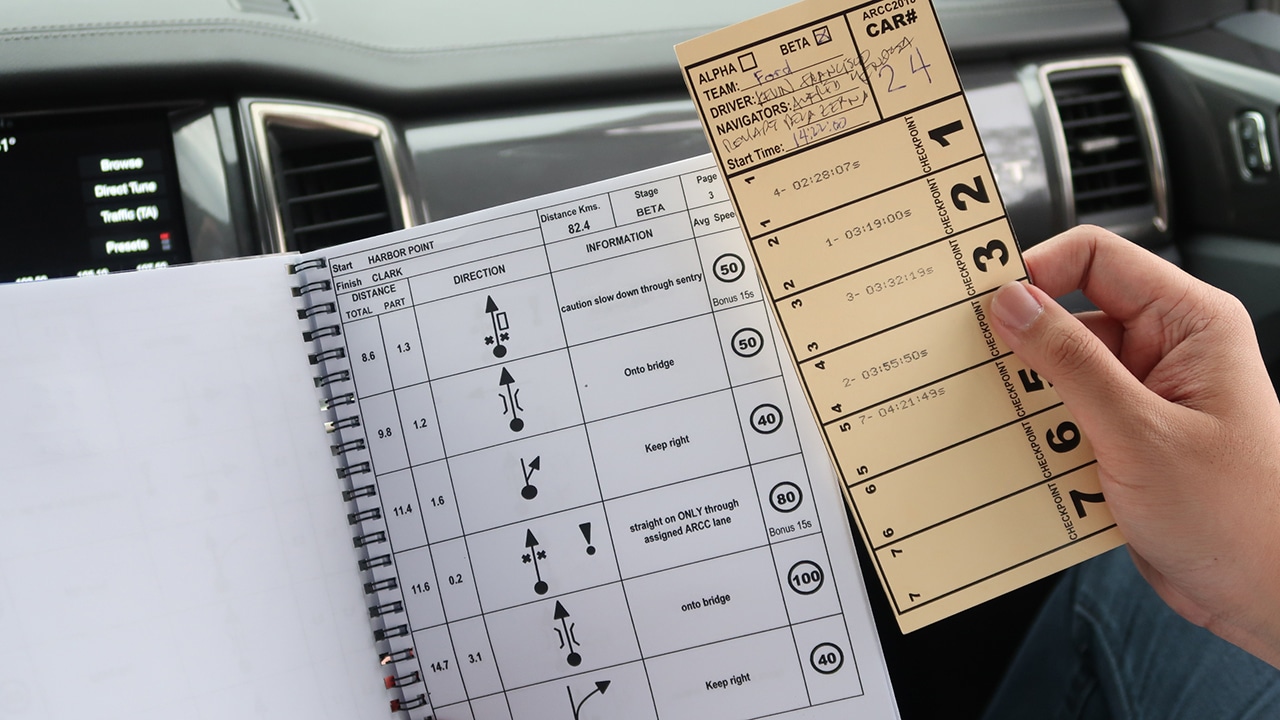
This is what the handbook looks like with tulip-shaped arrows for directions. The smaller sheet is filled with our time for all the checkpoints.
More than speed, the key factor to winning is precision. A series of checkpoints were set up throughout the course, and our team, along with hundreds of participants from other brands, had to arrive at the perfect time at each checkpoint. Get there one second late/early and you get a demerit. In the end, the group with the least number of demerits wins. Having said these, the goal is simple: Be on time, all the time.
With more than 150km of driving, the goal of the event was to promote driver discipline and road safety. This means if you violate traffic rules, authorities can and will flag you and issue a ticket (plus the organizers can disqualify you from the event depending on your offense).

There’s our ride, Vehicle 24.
The dynamics inside the vehicle (at least for us) worked like this: The navigator obviously had the handbook and told the driver where to turn. Meanwhile, the timekeeper calculated the time needed from one point to the next to made sure we get to the checkpoints at the perfect time — all while inside a moving car. Then there’s an average speed indicated per direction so I, the driver, had to maintain constant speeds depending on the instruction. Mix in traffic lights and buildup of cars and the feeling of frustration crept in knowing we needed to catch up.
Still, it was a great practice for coordination and communication among us inside the vehicle. Since Rally Director Georges Ramirez chose a route with tricky turns and hidden checkpoints, it made things more exciting and required us to almost be at the edge of our seats looking out where that next turn would be.

Team Ford (although not complete)
The 2018 ARCC was indeed a challenging experience, but it’s for that same reason that all of us enjoyed the event. Our group didn’t make it to the top list but hey, it was an adventure that you don’t do every day. It also taught us a thing or two about teamwork and precision driving, and I even ended up making new friends. So it’s not all that bad.



Automotive
Tesla involved in recalling over 4 million electric cars
China is banning a feature found on most Teslas.

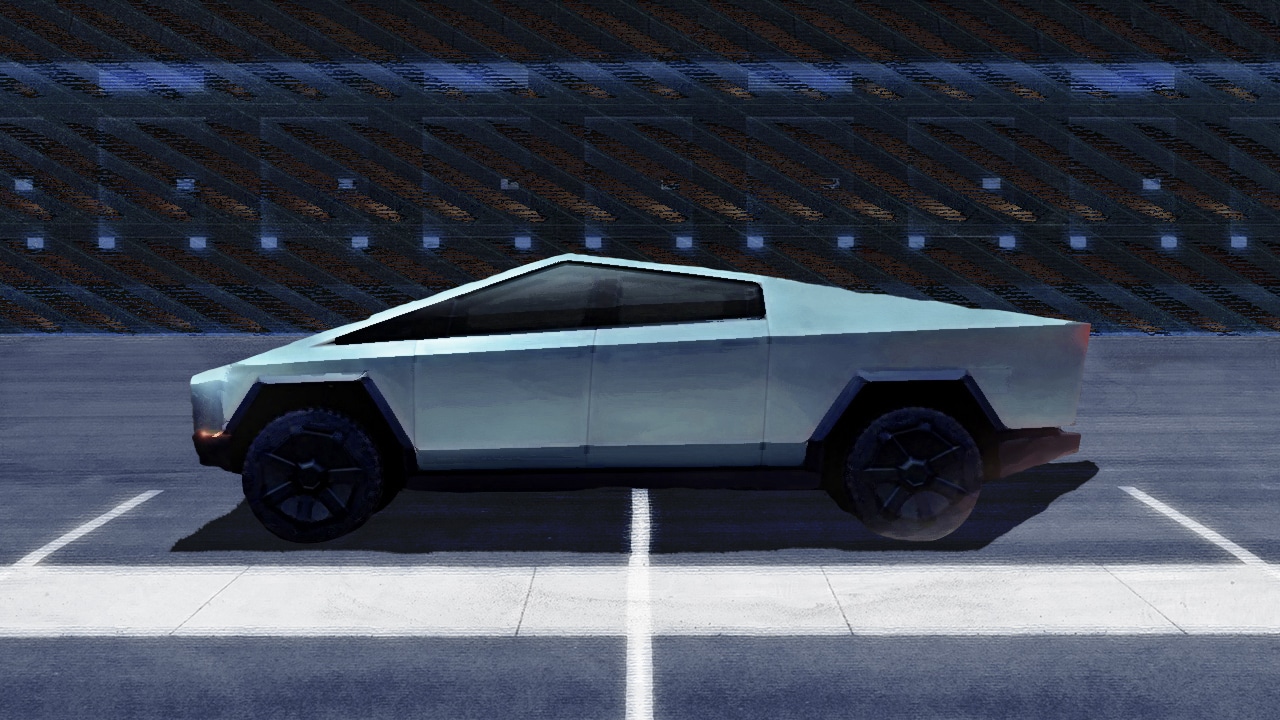
Electric vehicles have been simmering in some hot water for a while now, but it’s not because of a reason you might be thinking of. Instead of its performance or even its reliability, the world’s modern vehicle is fretting over its door handles. Over the feature’s potential risks in a life-or-death situations, carmakers in China, including Tesla, are recalling around 4.3 million vehicles in the country.
When it comes to door handles, electric vehicles today are known for creating hidden ones that sit flush on a car door. These handles appear only when needed and automatically retract into the door when not in use.
For a while now, governments have been worried about them, citing concerns that they don’t offer easy exits during threatening scenarios. There have been incidents when the handles don’t pop up while a car is on fire, preventing both the car’s occupants and rescuers from opening the door.
Today, via Reuters, nine carmakers, including Tesla, are recalling 4.3 million vehicles from the country over these same door handles. Moreso than domestic brands, Tesla finds itself leading this pack with almost 3 million units. The other eight brands include Xiaomi and Geely.
This recall is responding to China’s latest regulation to ban hidden door handles starting 2027. Other measures include installing mechanical releases. Some brands are also rolling out software updates which automatically lower the car’s windows in case of an emergency, offering another exit for trapped occupants.
SEE ALSO: BYD Atto 2 launches with EV, plug-in hybrid options
Automotive
New EV player XPENG to launch in the Philippines in September
XPENG to unveil two models in the market

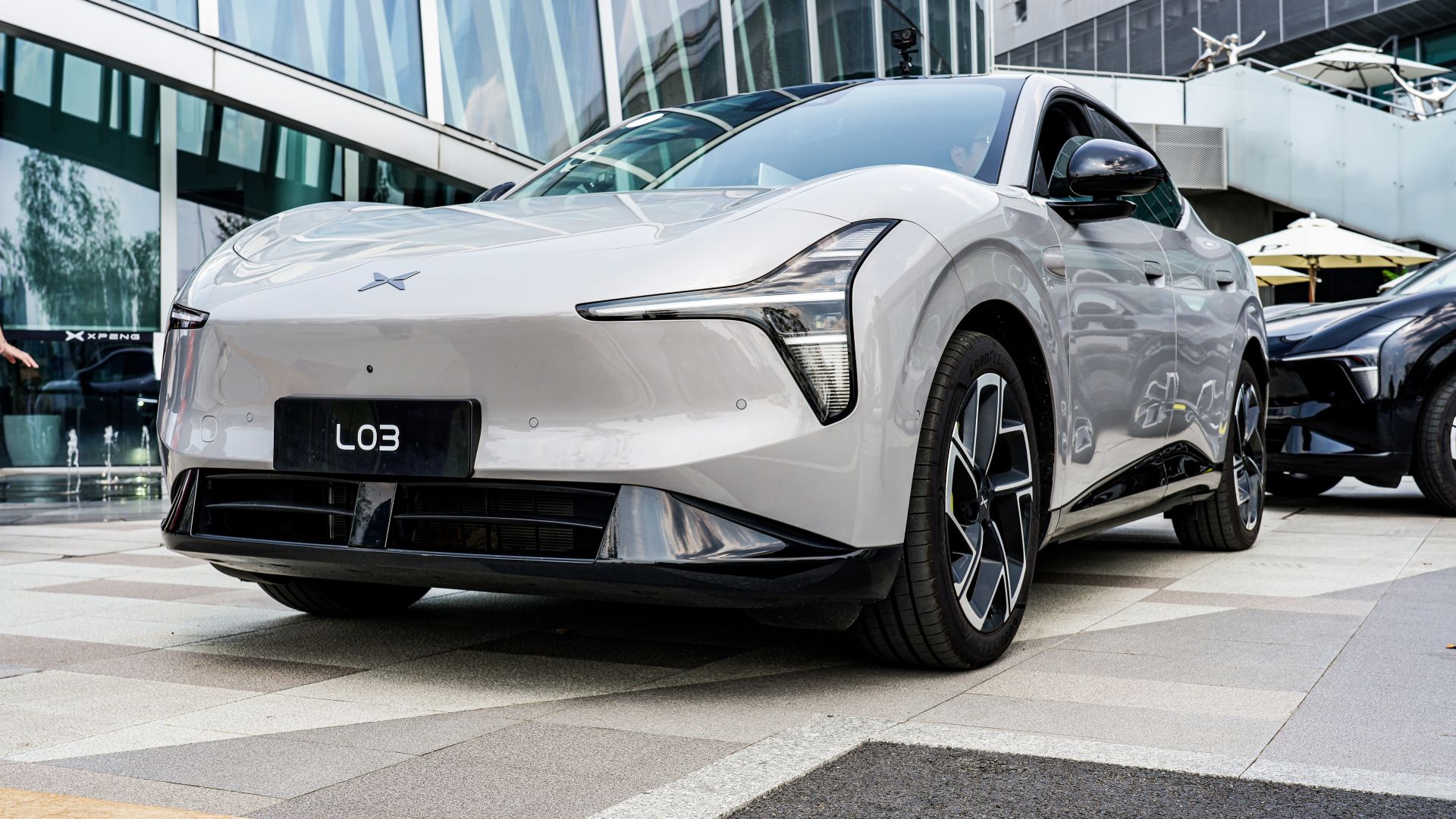
AI-driven mobility company XPENG is launching in the Philippines next month, adding to the list of smart electric vehicle (EV) players in the market.
XPENG Philippines will commence operations as the country’s direct subsidiary, as well as national sales and marketing company.
As part of the launch, XPENG will launch two smart EV models: the XPENG X9 and XPENG L03.
The XPENG X9 is the brand’s flagship intelligent seven-seater. It is positioned as an EV for executive-class comfort, featuring AI-powered technologies and a premium cabin for modern families, businesses, and professionals.
Meanwhile, the XPENG L03 is an intelligent SUV coupe that brings together a contemporary design, AI-powered innovation, and software-defined mobility. It promises to deliver a smarter, more intuitive driving experience for today’s car owners.
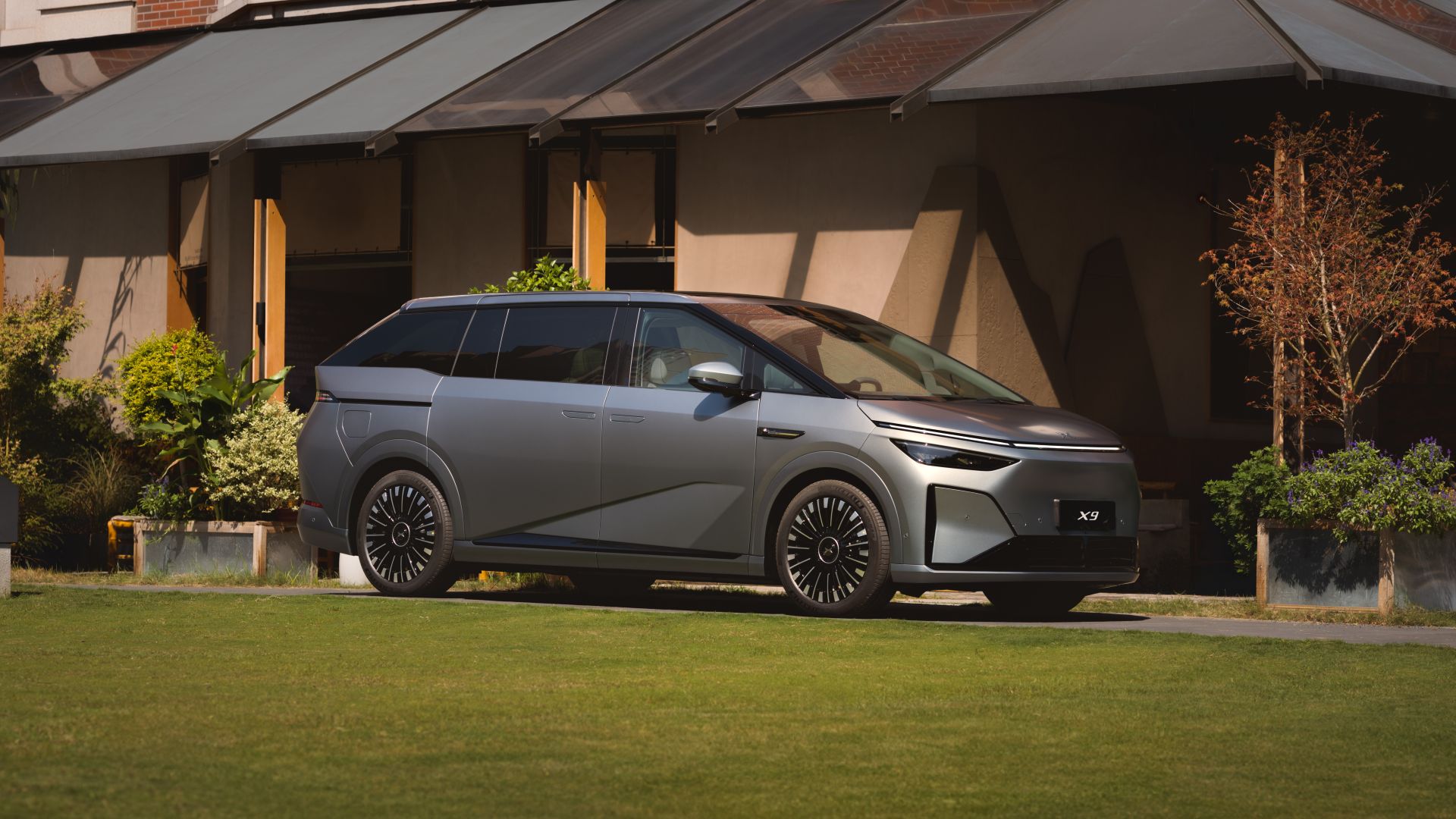
Additional pricing details, variants, and complete specifications of each model, as well as their availability, will be unveiled soon.
XPENG is a global AI technology company based in Guangzhou, China. It specializes in smart EVs, driven by a mission to shape the future of mobility through innovation.
The company designs, develops, manufactures, and markets such vehicles, supported by its in-house, full-stack, advanced driver-assistance system, smart in-car OS, and core vehicle technologies.
The brand has a presence in more than 60 countries and regions across Europe, the Middle East, Southeast Asia, Oceania, and Latin America.
Automotive
VinFast debuts two-wheeler models, opens 21 e-motorcycle showrooms
Evo, Feliz II, Viper officially launched
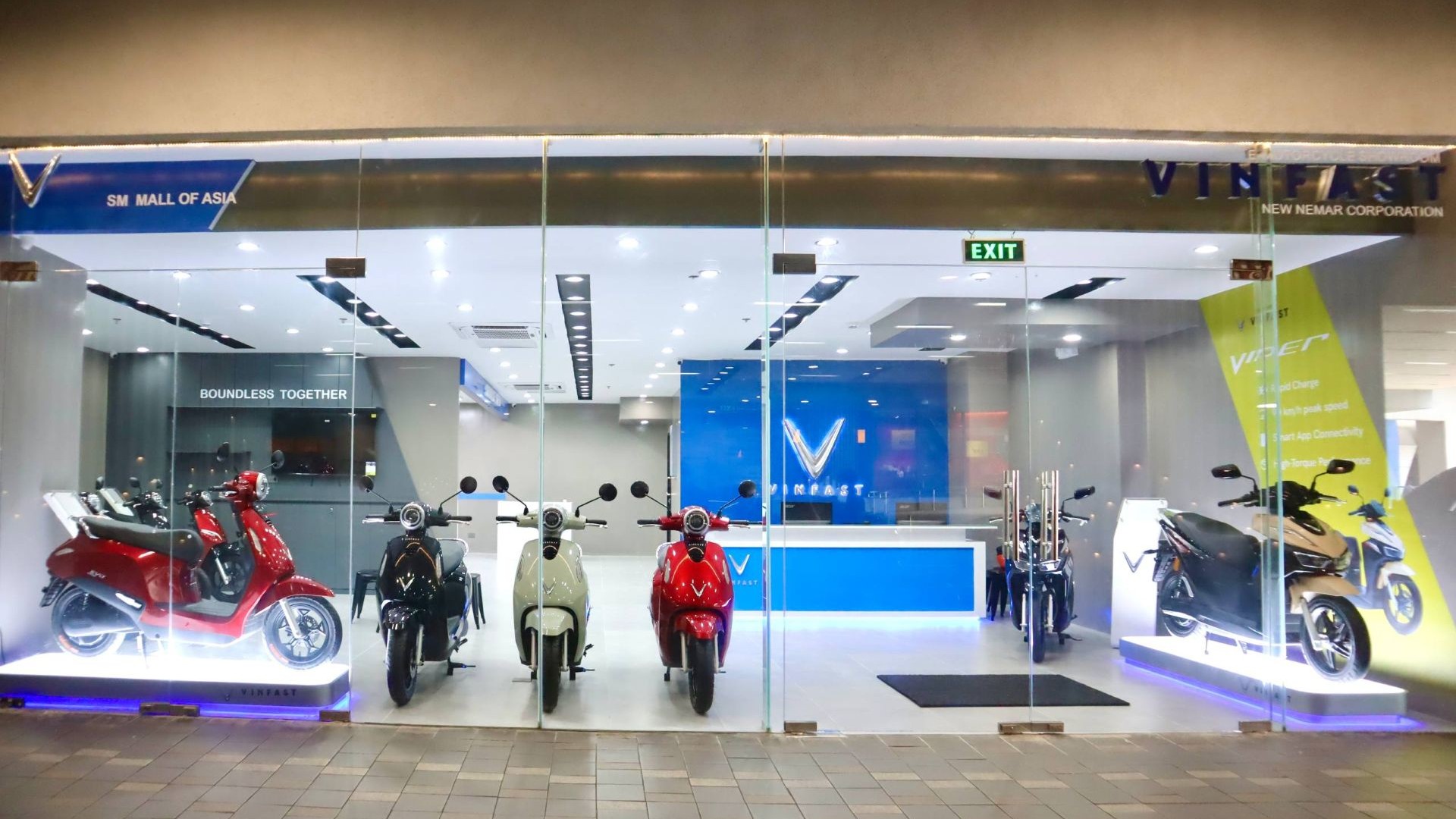
VinFast is pouncing on its growing presence in the Philippines, expanding with 21 electric motorcycle showrooms housing its new two-wheeler offerings.
The electric vehicle company just launched three two-wheeler offerings in the market: the VinFast Evo, Feliz II, and Viper.
Such milestone marks an important step in VinFast’s expansion in one of Southeast Asia’s largest two-wheeler markets.
The introduction of the three VinFast two-wheeler models offer drivers a modern, cost-effective, and sustainable mobility alternative.
Evo, Feliz II, and Viper each offer distinct characteristics designed to meet a wide range of mobility needs and riding styles.
Evo has a top speed of 80 km/h and a range of up to 150 km with two fully charged batteries. The Feliz II emphasizes practicality and versatile performance, with a top speed of 90 km/h.
Rounding out the lineup is Viper, featuring a sporty design, maximum power output of 5,200W, and a top speed of 90 km/h.
The aforementioned 21 pioneer dealerships will begin operations in major cities nationwide. This allows VinFast to offer products and authorized services directly to consumers.
The network is expected to grow further in the coming period, progressively expanding with VinFast’s presence in the country.
Just over a month ago, VinFast’s early booking program drew thousands of customers nationwide.
The strong market response can be attributed to VinFast’s battery-swapping approach, contributing to the appeal of the e-scooters.
Following the launch, the public can expect immersive experience activities across the new dealerships throughout August 2026.
Customers will be able to see and test ride the three models. They can also learn about battery technology and sales policies, and explore flexible ownership options.


TECNO MEGAPAD 2 review: Eyes on the size
The MEGA pad for two base users

30 days with the DJI Osmo Pocket 4P
This is the camera that made solo travel filmmaking finally feel possible.


MARVEL Tōkon: Fighting Souls review: Easy to pick up, hard to put down
Welcomes casual and experienced fighting game players

Tesla involved in recalling over 4 million electric cars
TECNO MEGAPAD 2 review: Eyes on the size
30 days with the DJI Osmo Pocket 4P

UNDERTALE: The Determination Symphony gets two more shows

HUAWEI Pura X View is 2026’s first WIDE slab-type smartphone

VinFast debuts two-wheeler models, opens 21 e-motorcycle showrooms

OnePlus officially leaves the United States and Canada

Xiaomi debuts SkyNomad Series featuring new Kunlun platform

REDMI Note 17 Series focuses on long-term reliability

ROG STRIX G16 Review: Building for the moment


-
 Singapore1 week ago
REDMI Note 17 Series focuses on long-term reliability
-

 News7 days ago
realme 16T to come with 8,000mAh battery, 7-year battery health guarantee
-
 Laptops2 weeks ago
30 days later with the ASUS ExpertBook Ultra: Like seeing an ex
-
 Gaming2 weeks ago
Marvel Wolverine Limited Edition PS5 bundle SEA pricing
-

 Reviews1 week ago
Samsung Galaxy Z Fold8 Review
-
Reviews2 days ago
TECNO MEGAPAD 2 review: Eyes on the size
-

 Entertainment2 weeks ago
Box office: Brand New Day set to surpass US$ 2 billion, drives Marvel’s Spider-Man 2 resurgence
-
 Accessories5 days ago
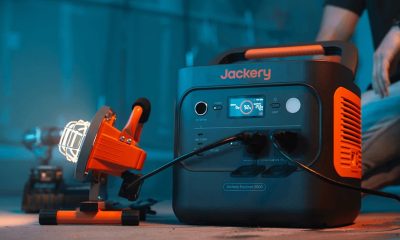
Jackery expands Explorer Series portable power stations