
News
Why TECNO is the next big thing in smartphone photography
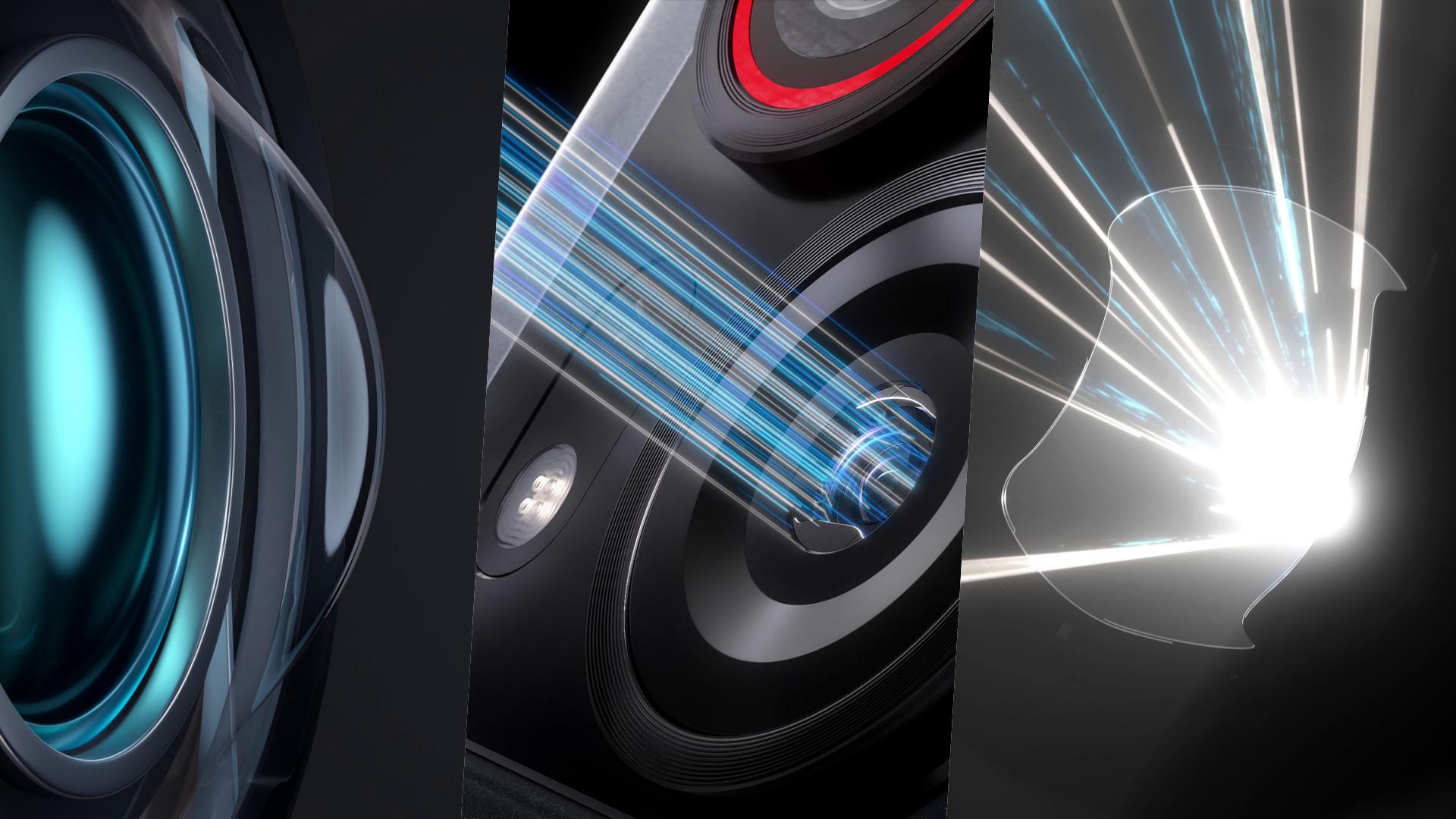
Three new camera technologies that will break boundaries in imaging

Most smartphone brands nowadays invest much of their R&D into professional smartphone photography. TECNO isn’t an exception in this list.
Not only are they bringing the best smartphone hardware they could provide for their wallet-friendly handsets, they’re also getting serious in delivering new camera technologies to the masses.
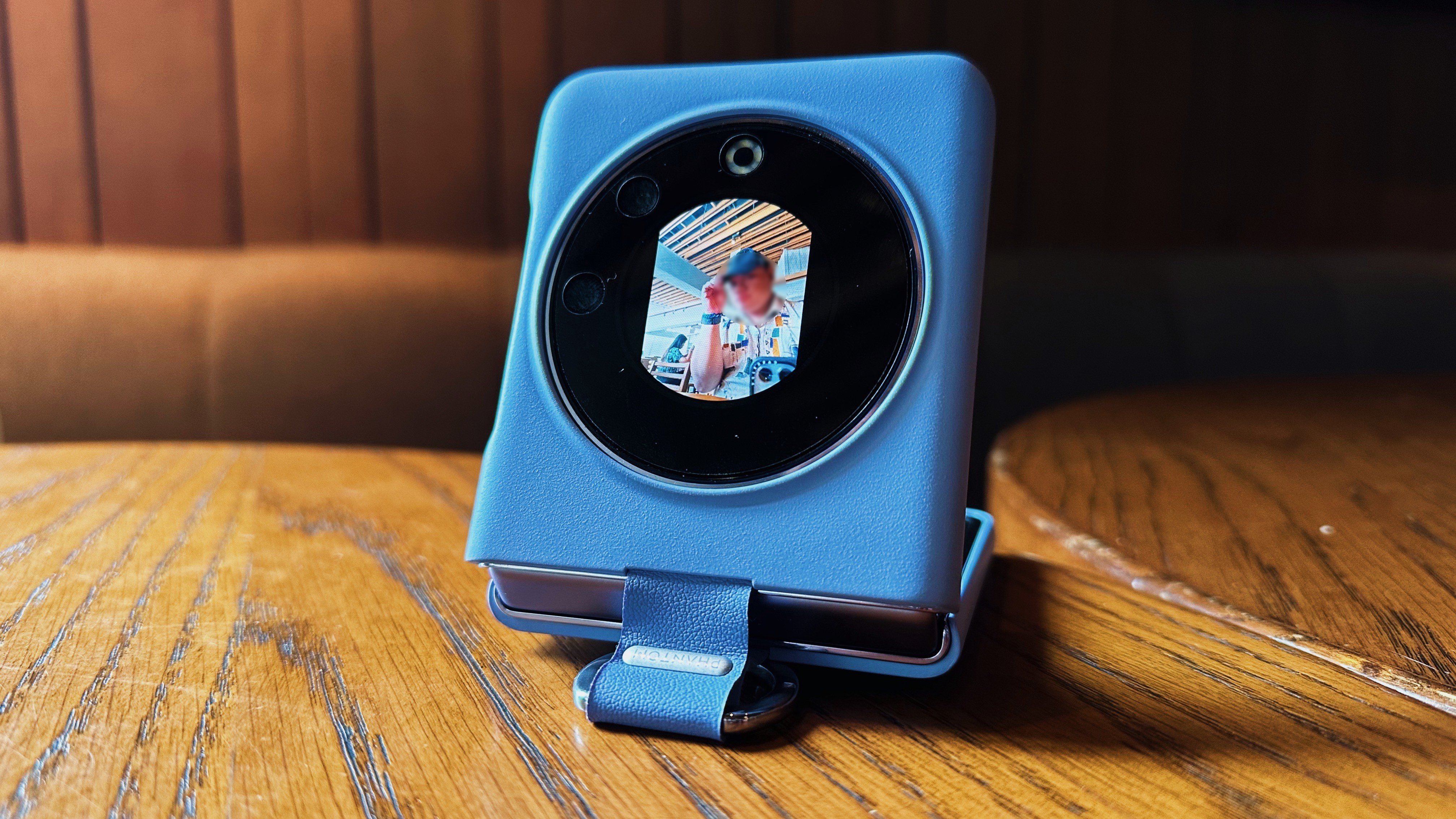
These will open doors to a new world of imaging. It will also provide exceptional results that were not possible before due to hardware and/or software limitations.
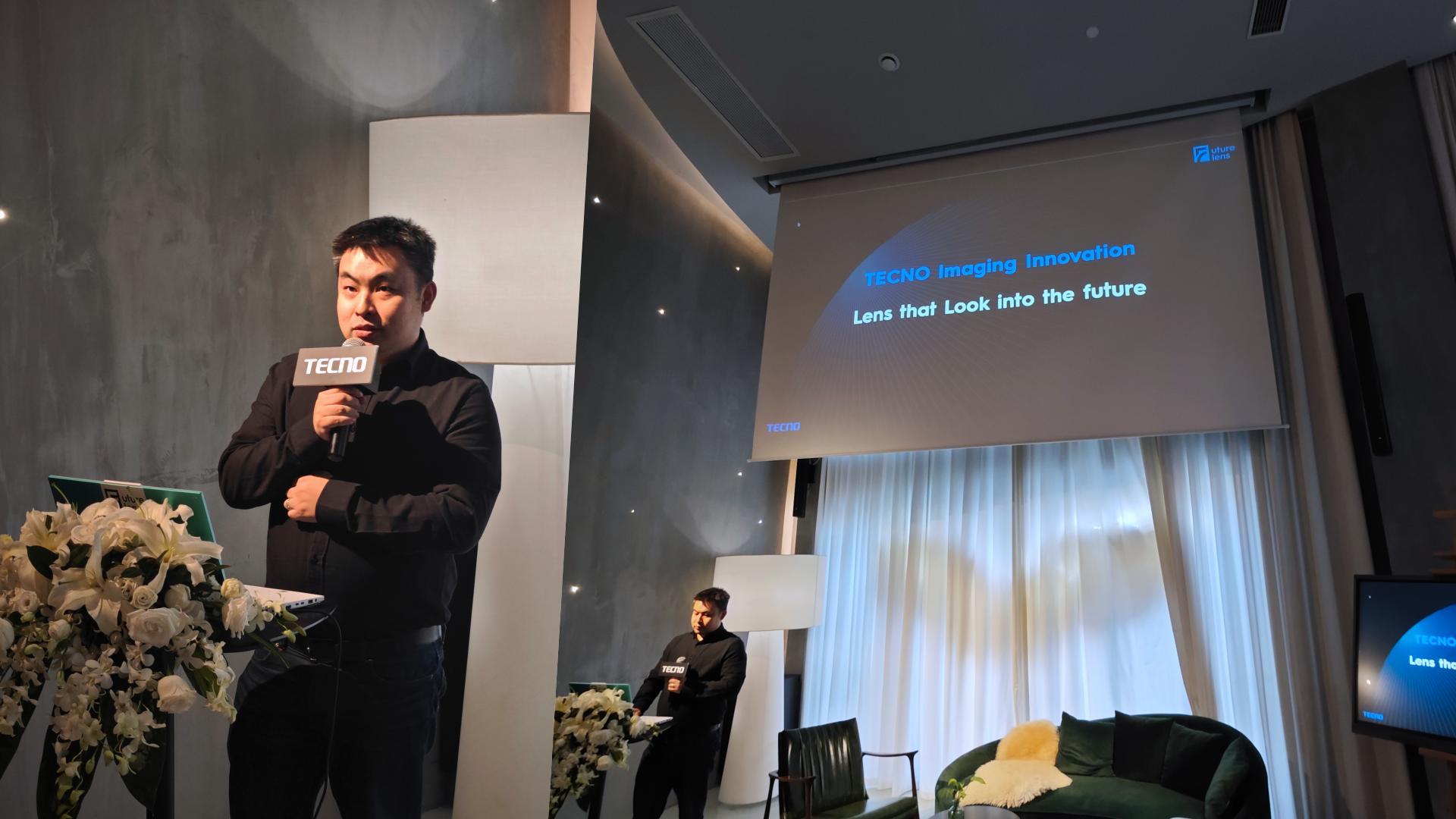
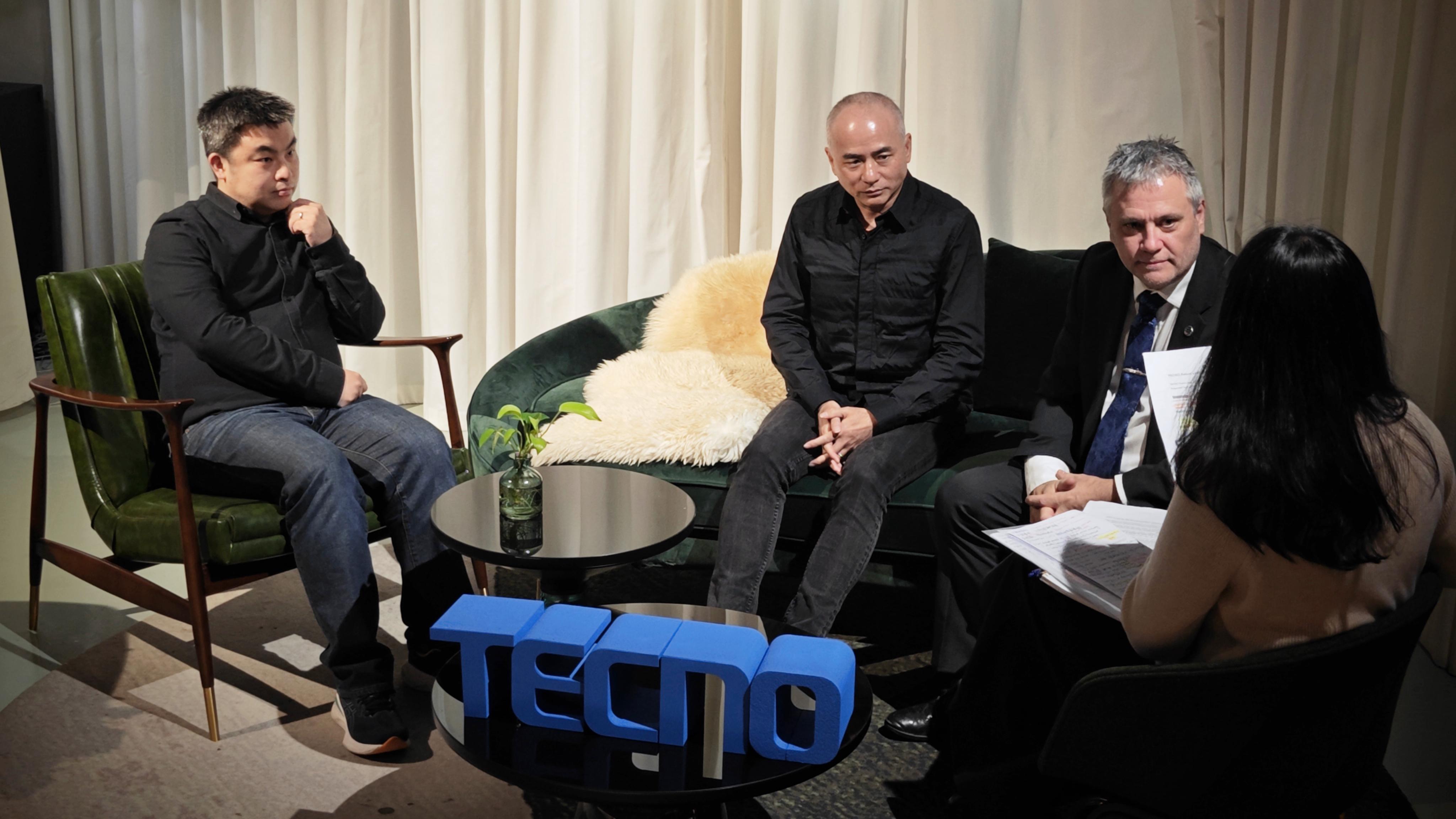
Xiaohan Huang, TECNO’s Director for Image R&D Center, presented three main pain-points when it comes to shooting photos in a smartphone. Those could be addressed with TECNO’s latest innovations in mobile imaging.
Liquid Telephoto Macro Lens
The problem most brands encounter when producing smartphones is that telephoto zoom lens takes too much space. TECNO solves this with their headlining “liquid” telephoto macro lens.
This new type of telephoto shooter incorporates a liquid-filled lens into the actual telephoto module. It adapts a lens curvature depending on how close or far you are from a subject.

This unique liquid lens also ensures better macro shots. It can get to as close as 5cm that traditional periscope telephoto lens fail to provide. Those lenses rely on increasing the overall motor drive — which is also inefficient and expensive to make.
TECNO’s approach relies on adjusting and utilizing the voltage to adjust the lens curvature. This not only gives the best details in a shot possible, but also maintains the thinness and the compact form factor of the smartphone.
W-Shaped Adjustable Physical Aperture
Unlike usual flagship smartphone cameras with the traditional aperture opening, TECNO steps it up a notch with their very-own W-Shaped aperture. This was inspired from the eyes of a cuttlefish.
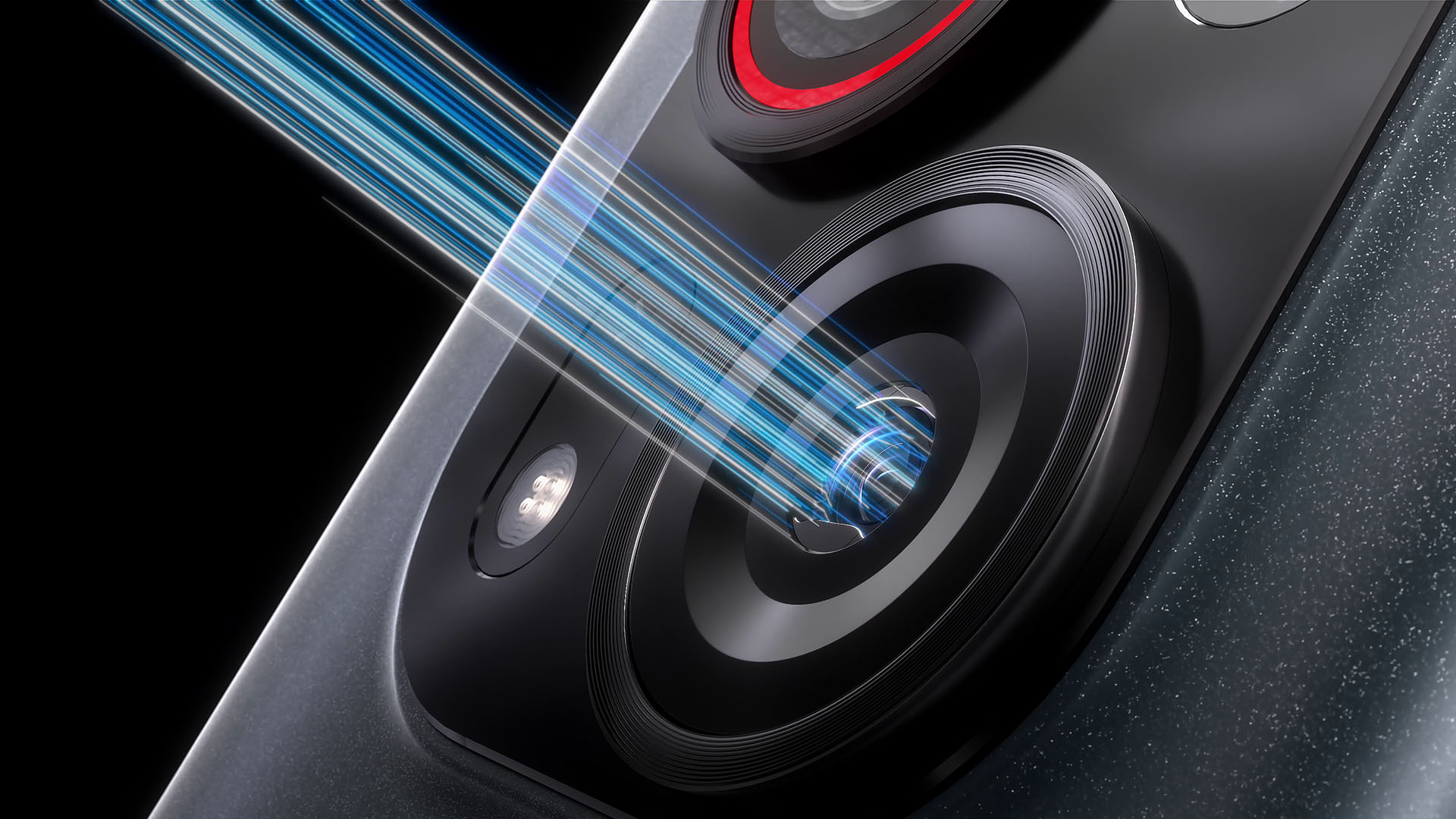
Much like a standard smartphone lens with dual variable aperture system, TECNO’s patented technology allows users to manually adjust the camera’s aperture. It also precisely manages light while eliminates that annoying glare. This is one of the biggest pain-points in smartphone cameras.

This new type of aperture also ensures better photographs even when challenged by scenarios with harsh backlight. No need to compromise between having poor/dark subjects or overexposed skies.
Universal Tone (UT) Technology
TECNO is among the few phone brands that connect its partners to its users. And ICYMI, TECNO is the leading phone brand in Africa as well as being a rising brand among Southeast Asian nations.
They say most AI algorithms that phone brands have do not deliver the true color of people in color.

But with TECNO’s plethora of R&D centers across the globe alongside leading global universities such as Singapore’s Nanyang Technological University (NTU), they have more than enough sample sets to make Universal Tone (UT) technology a reality when taking picture-perfect and accurately-colored portraits.

With this, people of color will also feel they are respected and accepted. Something many smartphone manufacturers fail to deliver.
Sony x TECNO
While Computational Photography is becoming more prevalent, it would still not be possible to achieve a desirable image output without having a great image sensor. Phones still need hardware components in order to make smartphone photography even better. These are: image sensor, lens, back-end processor, camera module, and other necessary components.

Jun Zhang, the Director of Sony’s Semiconductor Mobile Engineering in China, told us that they constantly improve to make their sensors even better. And with TECNO stepping into the scene, they are teaming up with Sony in bringing the best camera tech possible. This results in a more seamless collaboration with one another.
And with the debut of Sony’s dual-layer stacked sensor “LYTIA”, Sony’s director also told us that they’re moving forward with that direction to ensure excellence in imaging quality without sacrificing the overall heft of a smartphone. Something we’ve encountered with 1-inch mobile sensors. No definite word though if TECNO plans on bringing us a smartphone with the latest LYTIA sensor just yet.
The Future of Lens
Nigel Atherton, the Editor in Chief of UK’s leading photography magazine Amateur Photographer is very thrilled with how the smartphone photography scene will look like in the next one to two years thanks to TECNO’s imaging innovation. As someone who has a culturally-diverse family, he told us that the UT technology would be further utilized when taking portraits and photos with family and friends.
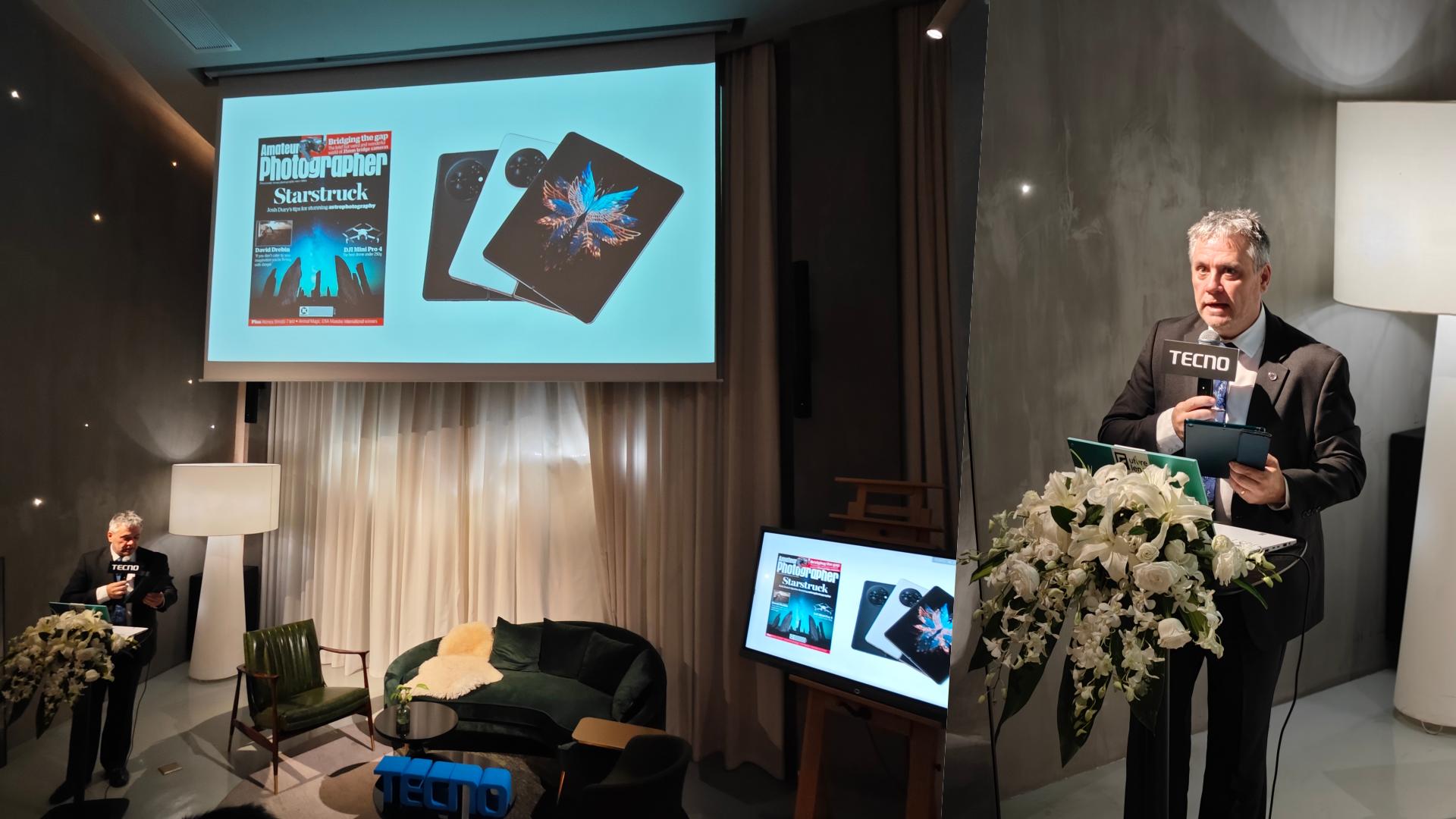
For him, the two other camera technologies by TECNO together with Sony’s promised improvements in sensor also meant better dynamic range, reduced noise, and improved signal processing for faster imaging output.
We never witnessed how any of these new imaging technologies by TECNO work in real life. However, the ever-growing Chinese smartphone brand proudly says these three new technologies are compatible with one another and might be in a future (flagship) device soon (Clue: three letters?)
More so, TECNO has also kept video shooting in mind while they are working with these new camera innovations. As Universal Tone (UT) is software-based, it’s been continuously observed by TECNO. Meanwhile, the two other imaging innovations are hardware-based so TECNO said they could definitely be used for dynamic shooting as well.






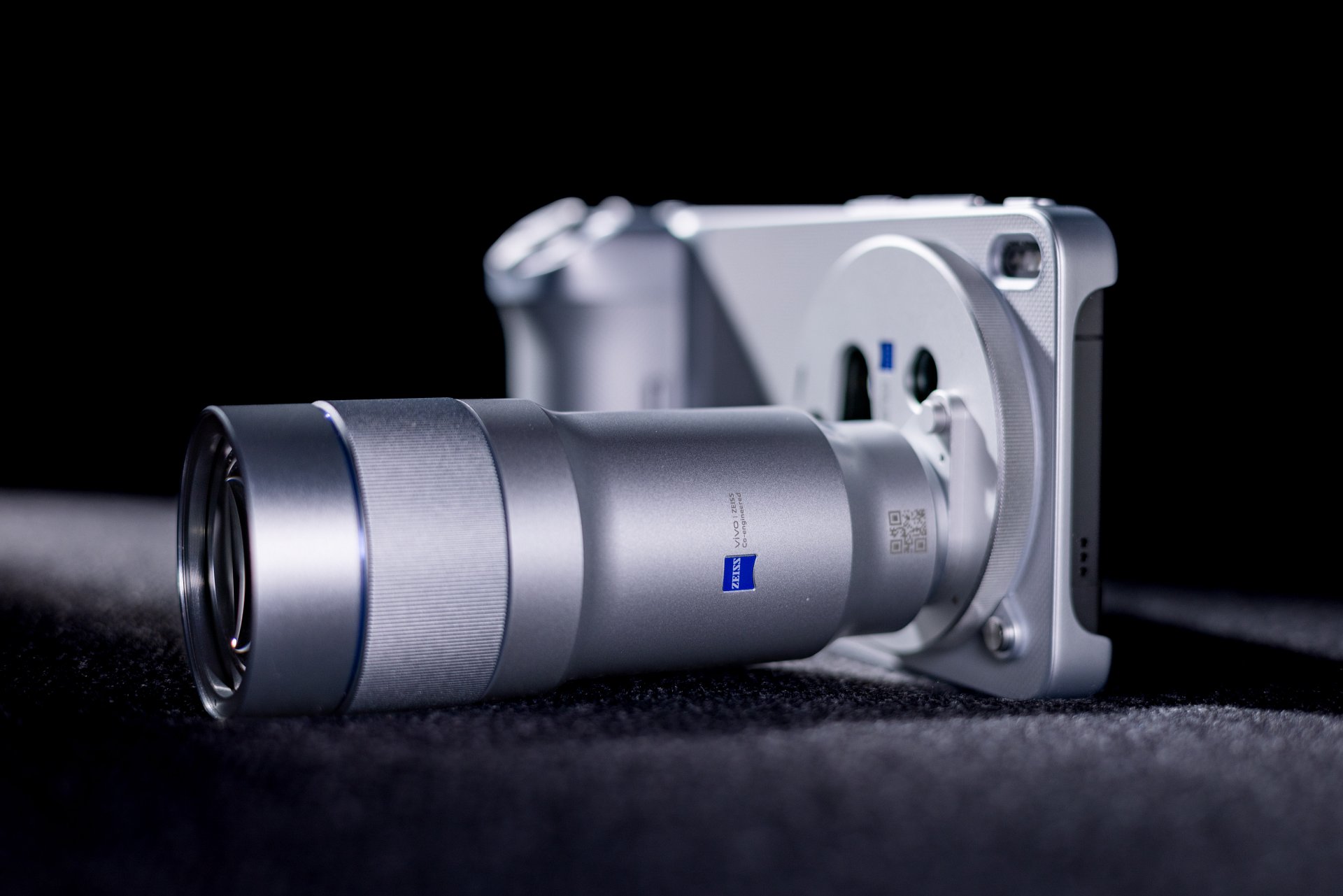
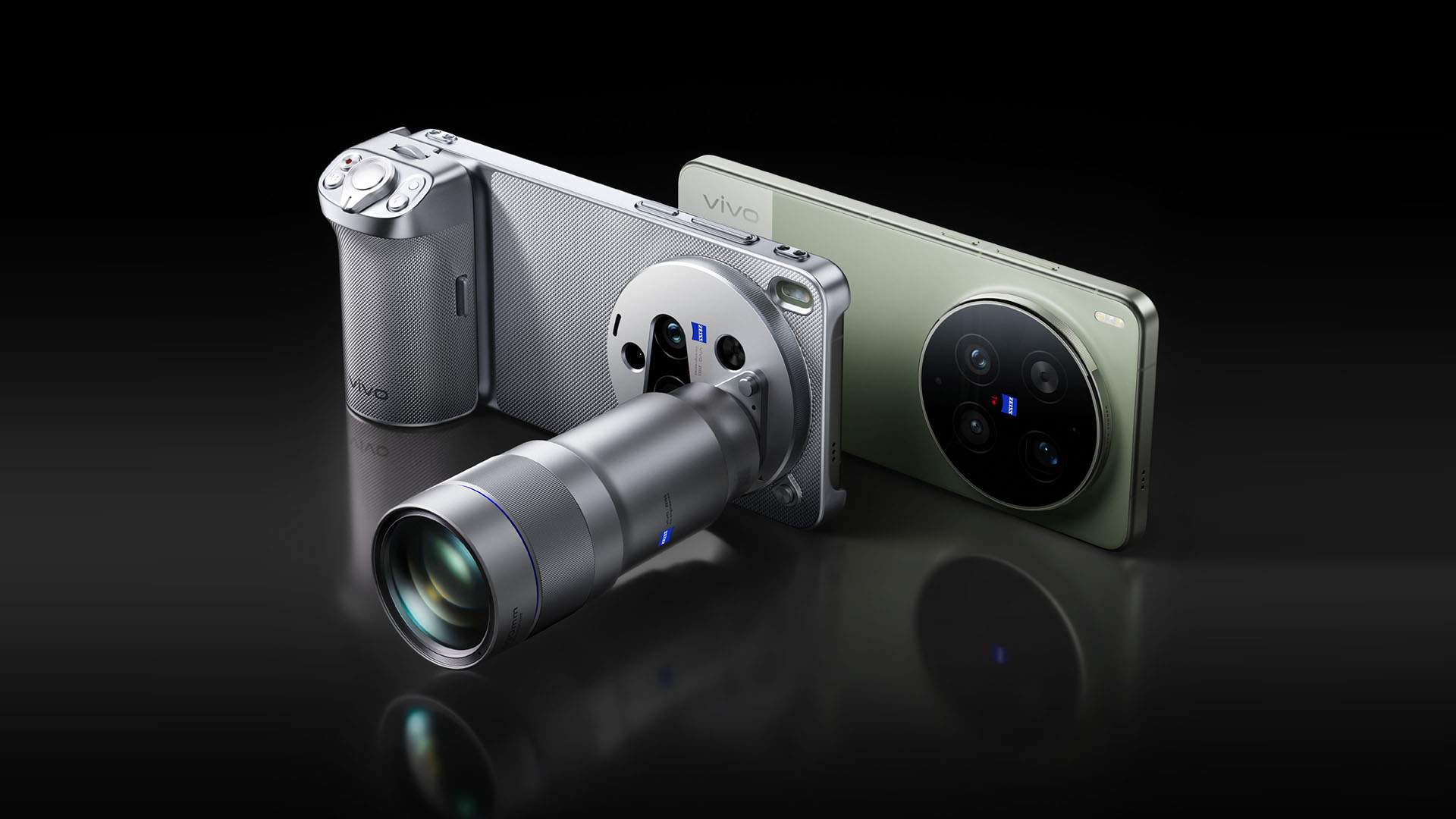
vivo has officially announced the global launch of the X300 Ultra, marking the first international debut of its top-tier imaging flagship.
The device introduces the ZEISS Master Lenses Collection, featuring triple prime focal lengths at 14mm, 35mm, and 85mm. It supports up to 200MP output across key focal lengths and can extend reach to 200mm and 400mm using optional telephoto extenders.
A 200MP 85mm telephoto camera with gimbal-level stabilization and 60fps AF tracking enables detailed long-range shots. Meanwhile, the 35mm camera uses a large Sony LYTIA sensor for natural perspective and improved low-light performance.
Graphics by Vincenz Lee | GadgetMatch
For video, the X300 Ultra supports multi-focal 4K 120fps recording in both 10-bit Log and Dolby Vision formats. It also introduces Pro Video mode with LUT support and compatibility with ACES workflows for advanced color grading.
The phone runs on Snapdragon 8 Elite Gen 5, paired with a dedicated imaging chip. It packs a 6600mAh battery with 100W wired and 40W wireless charging.
Other features include a 2K ZEISS Master Color Display, quad-mic audio recording system, IP68/IP69 durability, and up to five years of OS updates.
Pricing and availability will depend on the region.


Allbirds is an odd shoe company. Though it already enjoyed a cult following in some circles around the world, the brand suddenly expanded its reach everywhere, offering a lighter and more environment-friendly alternative to the usual suspects of the shoe world. Now, getting even odder, Allbirds is ditching the shoes and going barefoot into the world of AI.
It’s one of the oddest transitions in the corporate world. In an official statement, Allbirds has confirmed that it will pivot fully into a “fully integrated GPU-as-a-Service and AI-native cloud solutions provider.” From Allbirds, it will be known as NewBird AI.
It’s not an incredibly abrupt change, though. The shoe brand and its stores won’t disappear overnight. The company will still hold a shareholder vote on May 18. If approved, they will transition into the new brand gradually.
The transition to AI, itself a gremlin of a keyword in today’s financial world, has resulted in the company’s stock value rising up. However, its long-term viability is in question, especially for a company with no experience in a world already drowning in AI.
From last year to today, AI has been the darling child of investors and a plague to consumers. While the former salivates over the short-term gain of AI adoption, the latter ruminates on the technology’s projected effects on the world.
SEE ALSO: Lenovo accelerates production-ready enterprise AI with NVIDIA
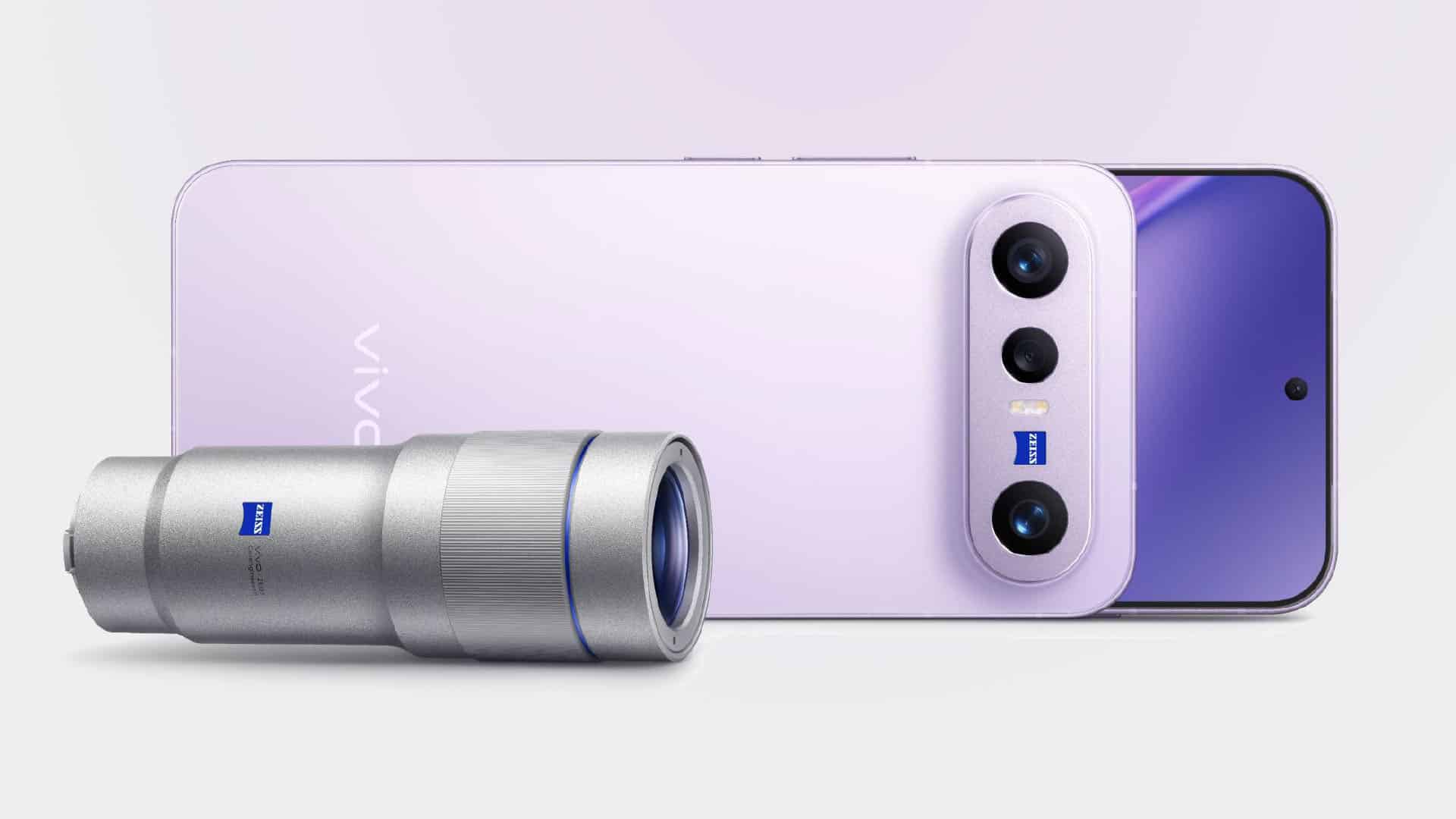
vivo has announced the vivo X300 FE, a compact flagship built around pro-grade imaging, long battery life, and extended software support.
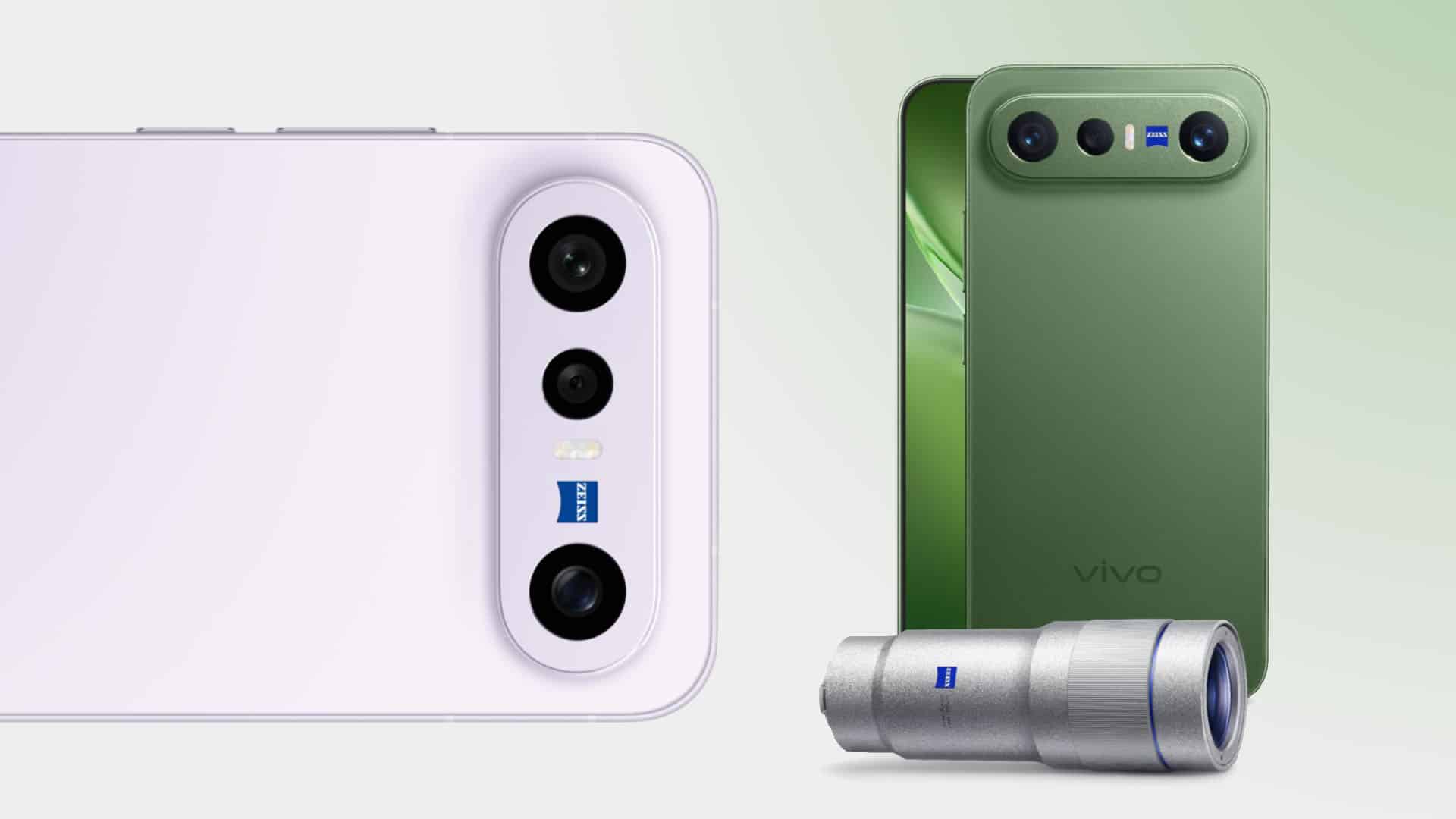
The device features a ZEISS co-engineered camera system, led by a 50MP Super Telephoto camera with up to 200mm equivalent focal length via the all-new Telephoto Extender Gen 2. It also includes a 50MP main camera alongside a 110° ultra-wide lens.
This camera system is designed for flexible shooting across travel, concerts, and street photography.
Graphics by Vincenz Lee | GadgetMatch
AI imaging powers much of the experience, with features like AI True Clarity Engine, Stage Mode for low-light concerts, and AI editing tools such as AI Erase and AI Image Expander. Video capabilities go up to 8K at 30fps and 4K at 120fps.
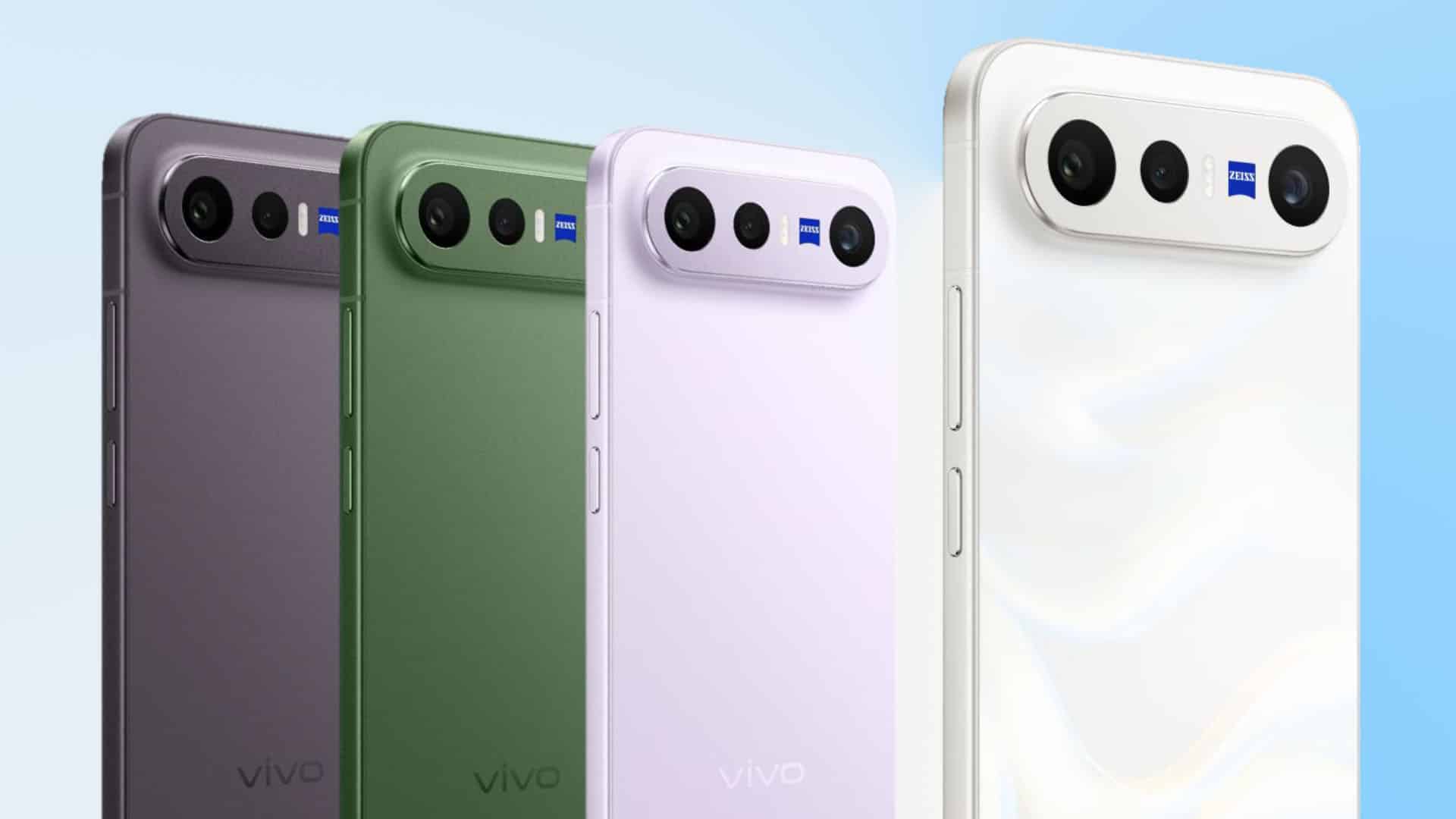
The X300 FE adopts a compact flat design with a 6.31-inch display, weighing 191g and measuring 7.99mm thin. It comes in Mist Purple, Glow White, Luxe Black, and Urban Olive colorways.
Graphics by Vincenz Lee | GadgetMatch
Powering the device is the Snapdragon 8 Gen 5. You should not confuse it though with the more superior Snapdragon 8 Elite Gen 5.
Moreover, it has a 6500mAh battery paired with 90W wired charging plus 40W wireless charging that the newer V70 series lacks.. It also features a vapor chamber cooling system for sustained performance.

Graphics by Vincenz Lee | GadgetMatch
The phone runs OriginOS 6 with cross-device features and promises five years of OS updates, seven years of security patches, and long-term smooth performance.
The vivo X300 FE also carries IP68 and IP69 ratings for dust and water resistance.
Pricing and availability will depend on the region.


DJI Osmo Pocket 4 review: A solo creator’s production crew
Now, you can be the director and editor of your own story.


HONOR MagicPad4: A tablet that found its place
Better as a second screen


TECNO POVA Curve 2 review: Munch That Power Crunch!
Unbelievably the slimmest 8000mAh phone you can buy right now

PRAGMATA launches with dual-character sci-fi action

AGIBOT is turning robots into companions for our everyday routines

Luxury you can ride: The Vespa 180cc Collection
DJI Osmo Pocket 4 review: A solo creator’s production crew

Sony announces open-back INZONE H6 Air


-

 Accessories2 weeks ago
GameSir G7 Pro ZZZ Edition: My default PC controller
-

 Reviews1 week ago
Apple iPhone 17e review
-

 Entertainment1 week ago
BINI, KATSEYE among top worldwide Google Searches ahead of Coachella
-

 Gaming1 week ago
PlayStation can now scan you and put you inside a game
-

 Gaming1 week ago
Forza Horizon 6 already hits the mark
-
Reviews3 days ago
HONOR MagicPad4: A tablet that found its place
-

 Gaming1 week ago
HoYoverse’s first life sim, Petit Planet, opens Stardrift Test sign-ups
-

 Features2 weeks ago
GadgetSnaps: Osaka