
Drones
How the tech world helped in the Notre Dame fire incident
Modern technology isn’t our foe at all


In light of the recent news about the fire incident that happened in the Notre Dame Cathedral in Paris, France, several companies, including those from the tech sector, have shown how much they care for the ruined 856-year-old historic landmark.
DJI
When the flames broke out, firefighters used Mavic Pro and Matrice M210 drones. The cathedral was severely damaged but thankfully, the drones helped in distinguishing where the fire had spread out. Several tweets show how helpful drones are, even during unexpected disasters like this one.
— Alexandre Fremont (@alex_fremont) April 15, 2019
People from DJI talked about how their drones helped Paris’ Emergency Response Team in determining the fire inside the cathedral.
Learning that Emergency Response for Notre Dame also included the use of drones, made me feel good. Then seeing a female operator made me proud. Both individually are not common, both together even less. Such a difficult incident to deal with, done with exemplary. pic.twitter.com/Qdh3UIwmer
— Romeo Durscher (@romeoch) April 16, 2019
Craftsmen built Notre Dame eight centuries ago. Now it may be up to robots to save it.https://t.co/zyfMU1lEuI
— Brendan Schulman (@dronelaws) April 17, 2019
Apple
After the incident, many people, including popular icons all around the globe, have shown their distress about the destruction of the cathedral. Tim Cook, the CEO of Apple, is one among those people. He even promised Apple would help in the progress of rebuilding Notre Dame’s ruined architectural landscape.
We are heartbroken for the French people and those around the world for whom Notre Dame is a symbol of hope. Relieved that everyone is safe. Apple will be donating to the rebuilding efforts to help restore Notre Dame’s precious heritage for future generations.🇫🇷
— Tim Cook (@tim_cook) April 16, 2019
Ubisoft
Most gamers can tell that the Notre Dame Cathedral is found in the gameplay of Assassin’s Creed: Unity. Ubisoft, which is also a French company, said that the infrastructure was scanned using their state-of-the-art 3D mapping technology. Using data preserved for the game may help architects and builders in restoring the cathedral. As an addition, the game is for free at the Ubisoft store to honor the fallen landmark.

Image credit: Ubisoft
It may be insignificant for most people but these all prove that companies and their existing technologies can still help in times of global incidents like this.





Drones
HOVERAir AQUA: Meet the world’s first 100% waterproof self-flying drone
Meet the first-ever self-flying drone that floats, flies, and films in 4K.

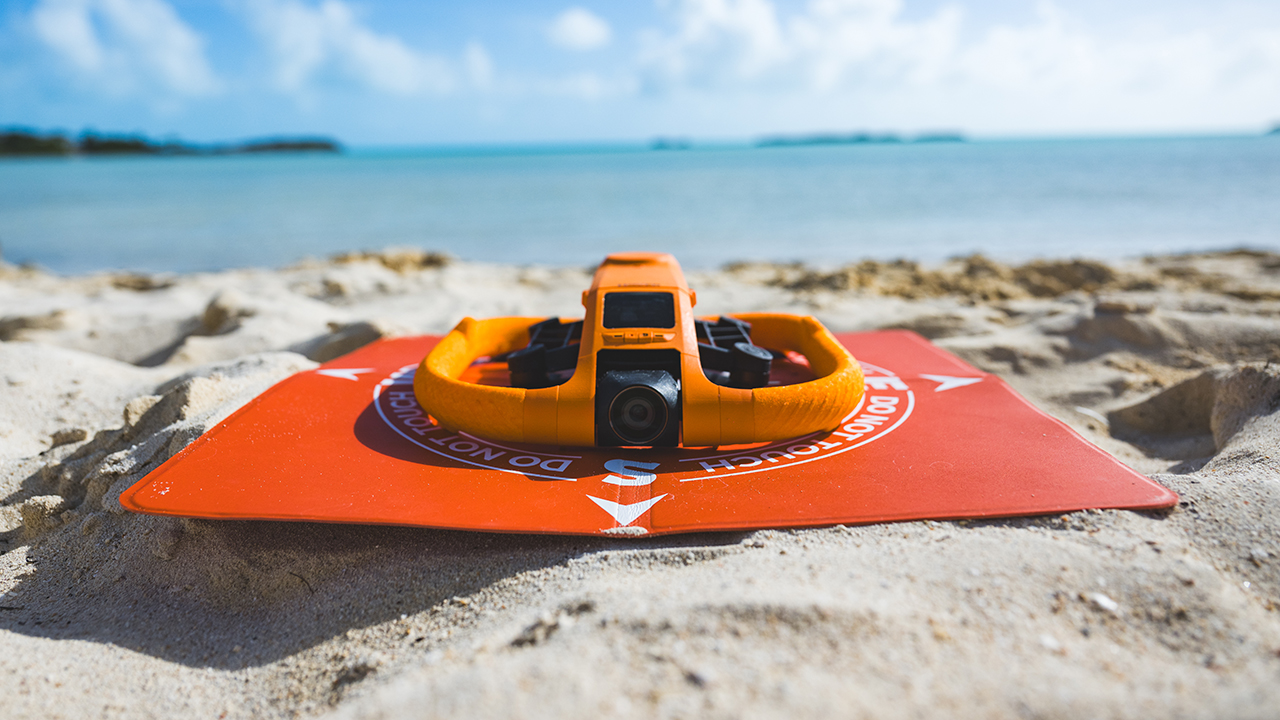
Zero Zero Robotics has finally answered the call of the modern traveler with the HOVERAir AQUA, a self-flying camera that is as much a piece of high-end kit as it is a 100% waterproof marvel.
Designed for those who find their best selves on the open sea, this device offers a perspective that is as limitless as the horizon itself.
Award-winning design
Weighing in at under 250 grams, this compact powerhouse has the hidden strength to navigate Level 7 winds and reach spirited speeds of 55 km/h.
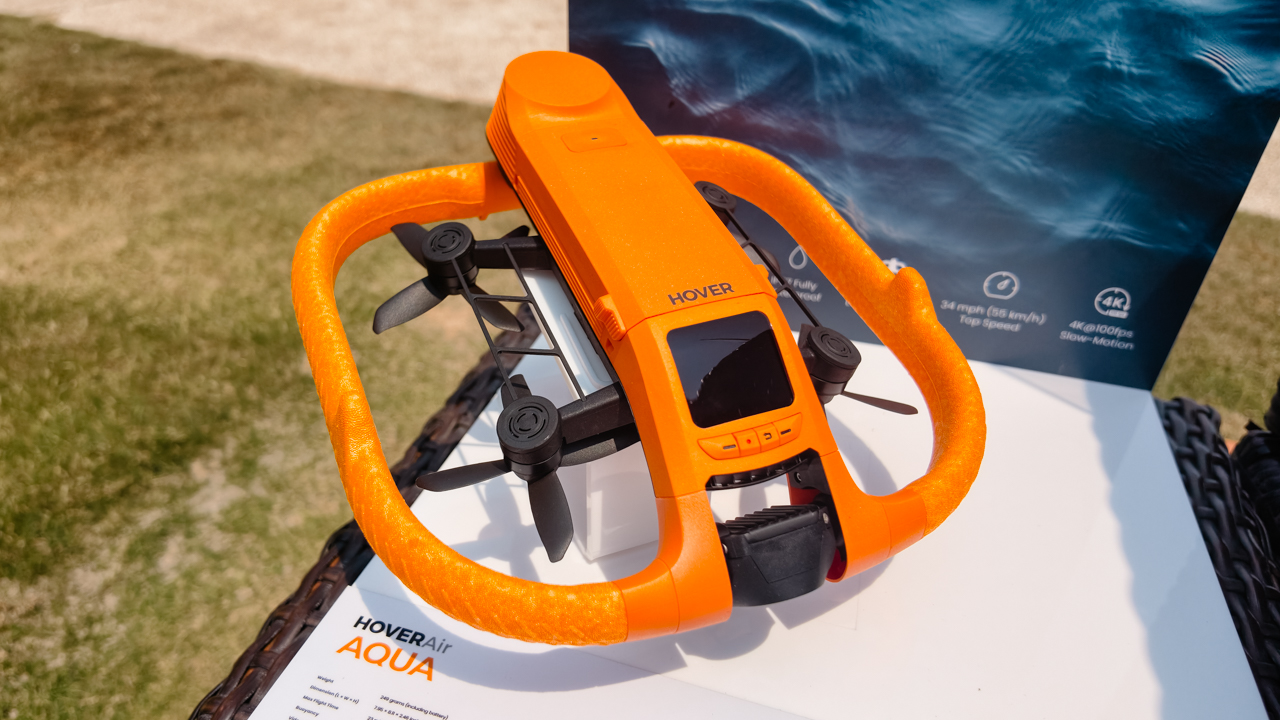
In photo: HOVERAir AQUA | Image by MJ Jucutan
This peerless innovation secured the prestigious Red Dot Award, a testament to its triumph of form and function. While traditional drones are famously hydrophobic, the AQUA was built specifically for the elements.
It’s fully waterproof with an IP67 rating, ensuring reliability in both mirror-still freshwater lakes and salt-laden coastal air.
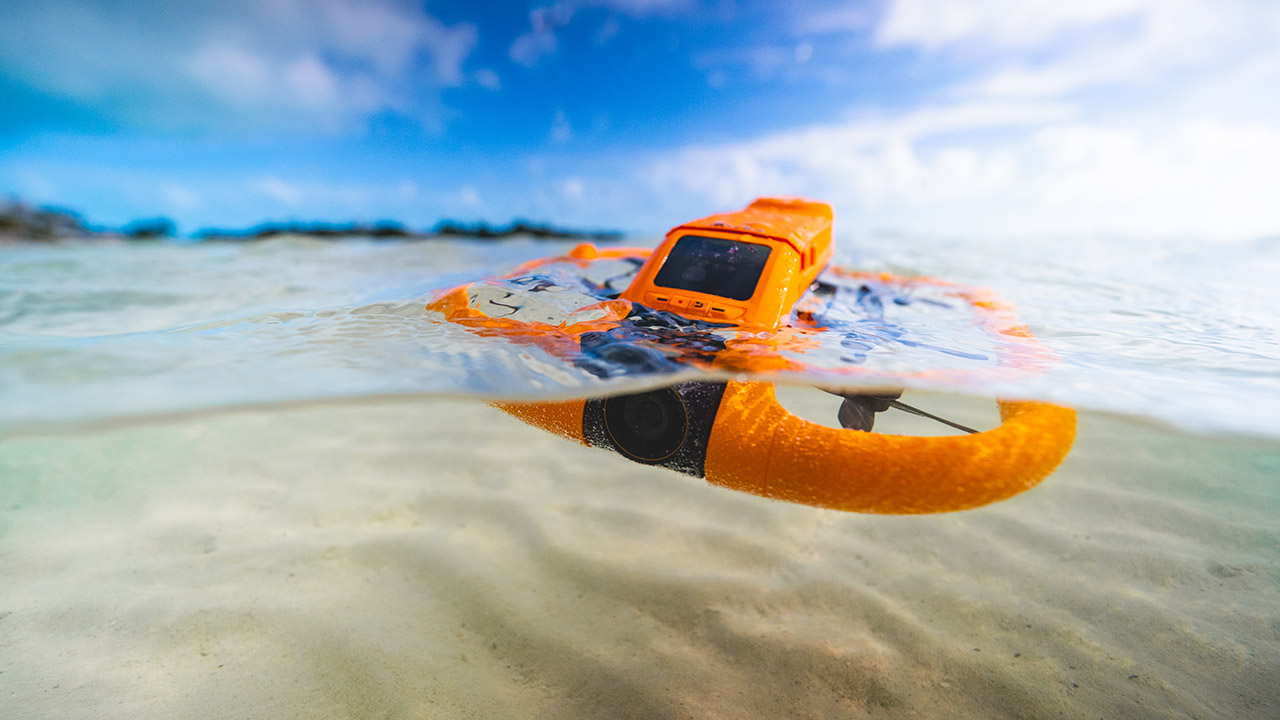
What’s truly clever is its positive buoyancy; the AQUA floats gracefully upon the surface and is capable of taking off or landing directly on the water.
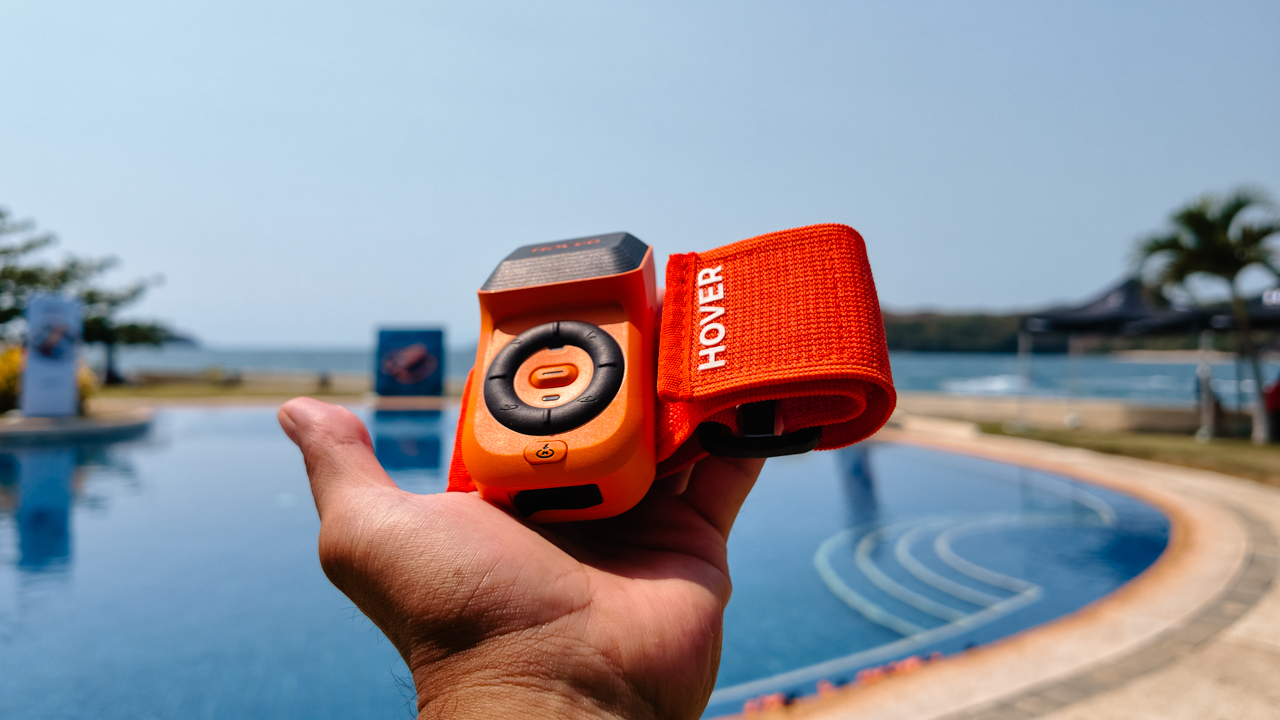
In photo: Controller for the HOVERAir AQUA | Image by MJ Jucutan
Every frame remains crystal clear thanks to a hydrophobic lens and anti-fog technology, so you never have to worry about sea spray or humidity ruining the shot.
Crystal-clear shots
Under the hood, you’ll find a 1/1.28-inch CMOS sensor capable of recording breathtaking 4K video at 100fps. This allow for the creation of cinematic, slow-motion sequences that render every wake and wave in exquisite detail.
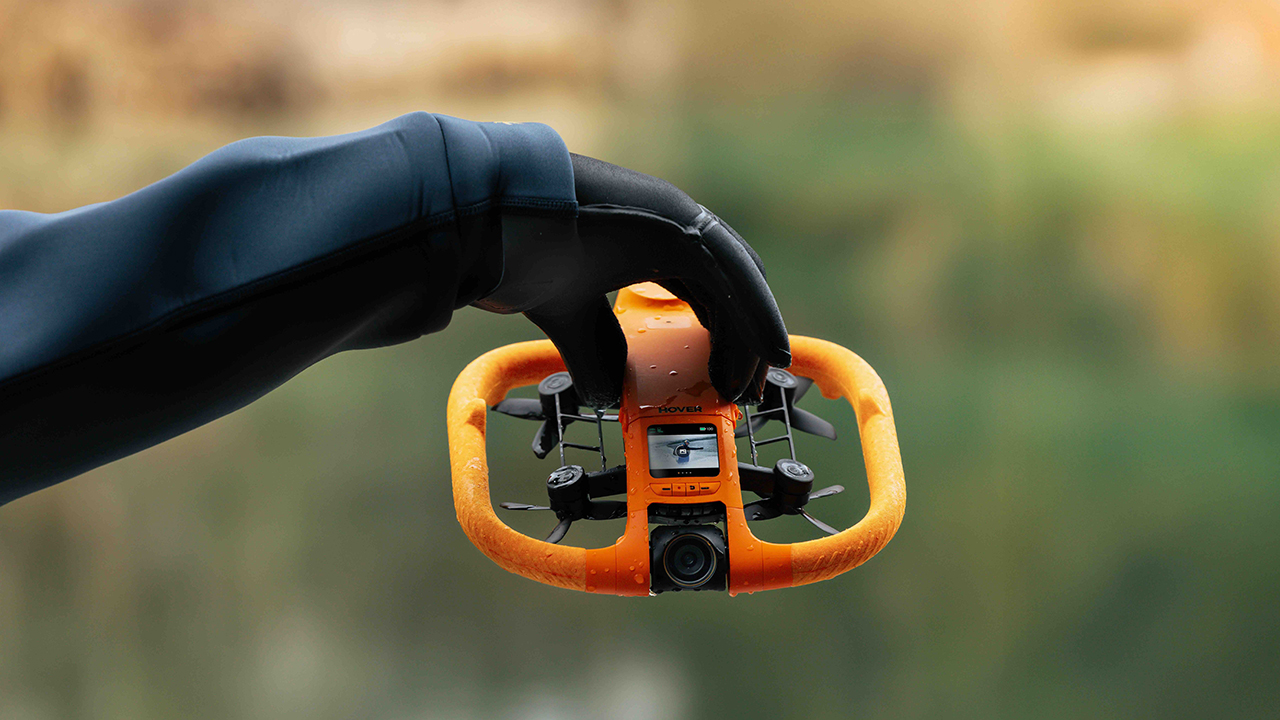
With over 15 intelligent flight modes — including specialized settings for surfing, kayaking, and paddling — the AQUA essentially acts as your own personal, invisible cinematographer.

Its SmoothCapture stabilization system keeps your footage as steady as a calm horizon, even in choppy conditions.
For professional wakeboarders and surfers, the AQUA completely removes the need for a follow-cam crew. Now, athletes can head out on the water and capture epic, professional-grade footage entirely on their own.
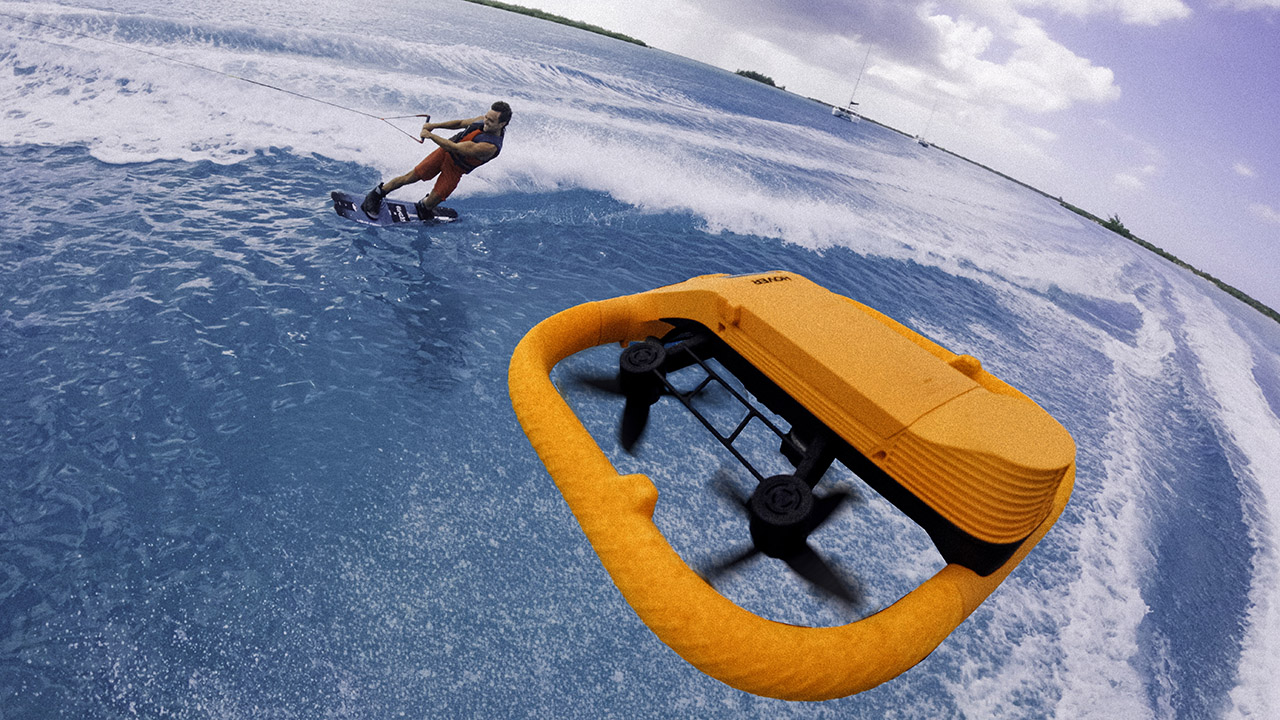
The HOVERAir AQUA Basic Combo is now available through select luxury retailers and online boutiques in the Philippines, priced at PhP 87,990.
Drones
DJI Avata 360 review: Capture now, decide later
Shifting the focus from technical precision to pure immersion!


I have never been particularly fond of heights, yet I always find myself pulled to stand on a mountain ridge. The world feels vast and slightly intimidating from that vantage point.
When I put on the DJI Goggles 3 and enable head tracking, that physical boundary disappears. I’m no longer standing on a ridge holding a controller. I’m inside the flight, soaring at an altitude that makes my stomach drop in a way that feels visceral and real.
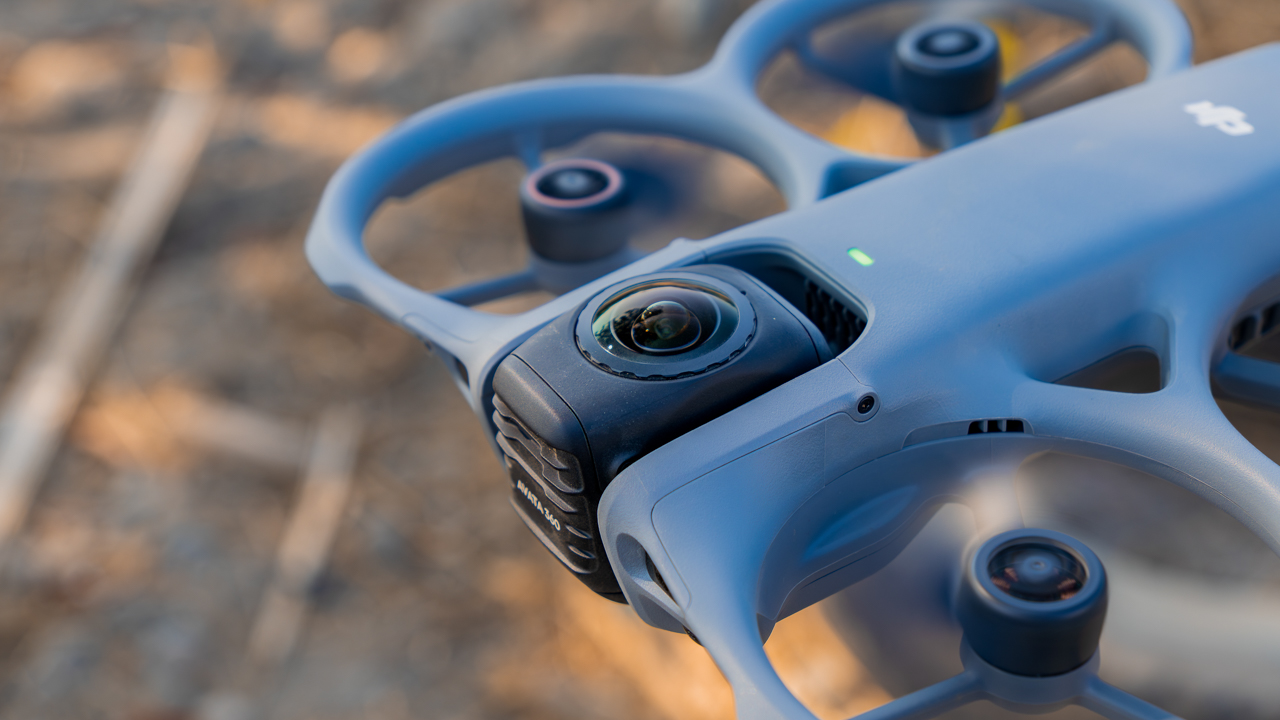
This is the core of the DJI Avata 360 experience: It’s about piloting a machine while inhabiting a new perspective.
Seamless transition into flight
The first time you take the DJI Avata 360 up, it meets you where you are. Using the standard RC controller feels familiar right away because the system behaves exactly how a pilot expects it to.
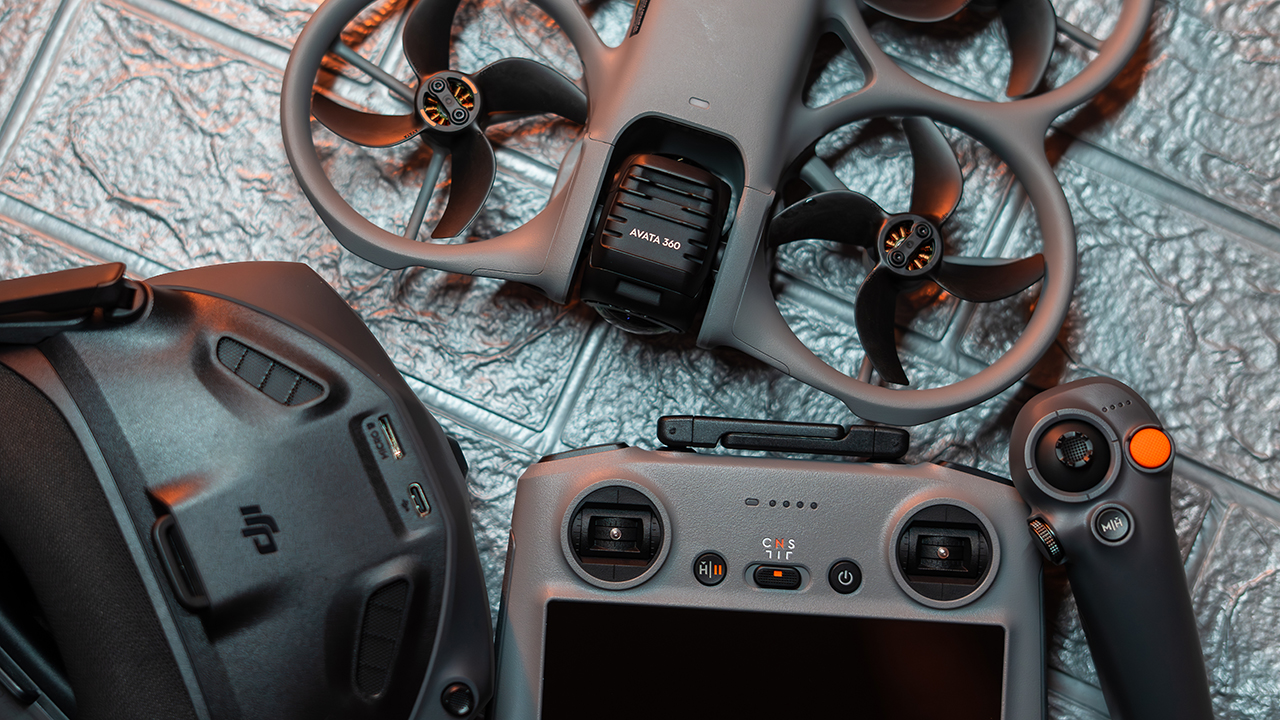
The flight remains stable and predictable, which allows for a high level of trust during the initial minutes in the air. Getting started follows a familiar routine of firmware updates and device pairing.
While the process is not instant, the interface is intuitive enough that most users will reach a comfortable flying state quickly.
Finding creative safety in the open sky
The experience shifts when you enable head tracking and unlock the full 360-degree view. You are no longer just watching the drone fly, but instead, you feel as though you are part of the movement.
This immersion is especially powerful at higher altitudes. This drone fundamentally changes the creative workflow because it allows you to capture the moment first and decide on the framing later.
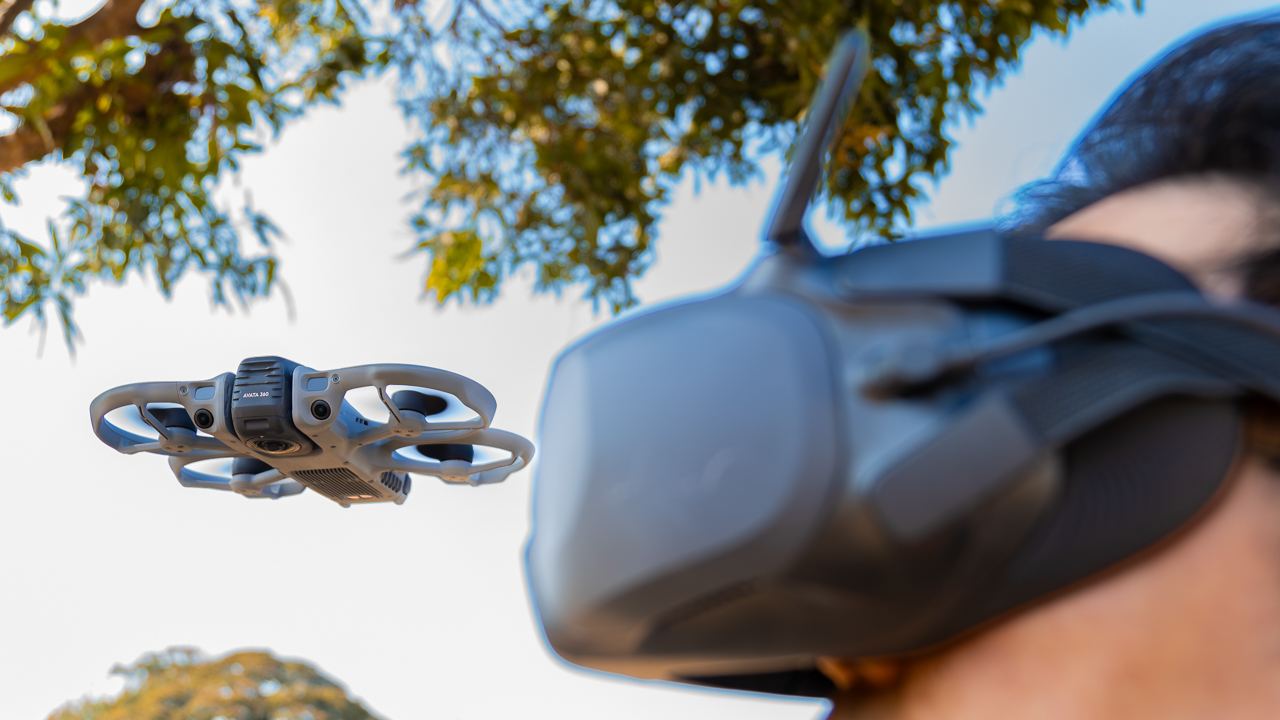
Traditional shooting requires careful planning and repeated takes to ensure you nailed the angle. With the Avata 360, that pressure is reduced.
Because the sensor captures everything, you can focus on the movement of the drone rather than the boundaries of the frame.
Each battery provides around 15 minutes of flight time, which sounds limiting on paper but proves to be manageable in practice.

Because the shooting style is so efficient, I often capture exactly what I need within a single flight. This drone is a partner for those who document fast-moving situations like races or extreme sports where moments happen only once.
View this post on Instagram
Refining the story in post-production
The visual output feels polished and gives the editor plenty of room to work. Colors are clean and balanced straight out of the camera, which provides flexibility during the grading process.
While the sharpness can lean slightly artificial, dialing it down creates a much more organic look. The inclusion of D-Log and 8K resolution at 60fps provides enough detail to build slow-motion edits without sacrificing quality.
Tracking remains reliable in good lighting, though the system requires more manual awareness once the sun goes down and the obstacle avoidance sensors lose their effectiveness.
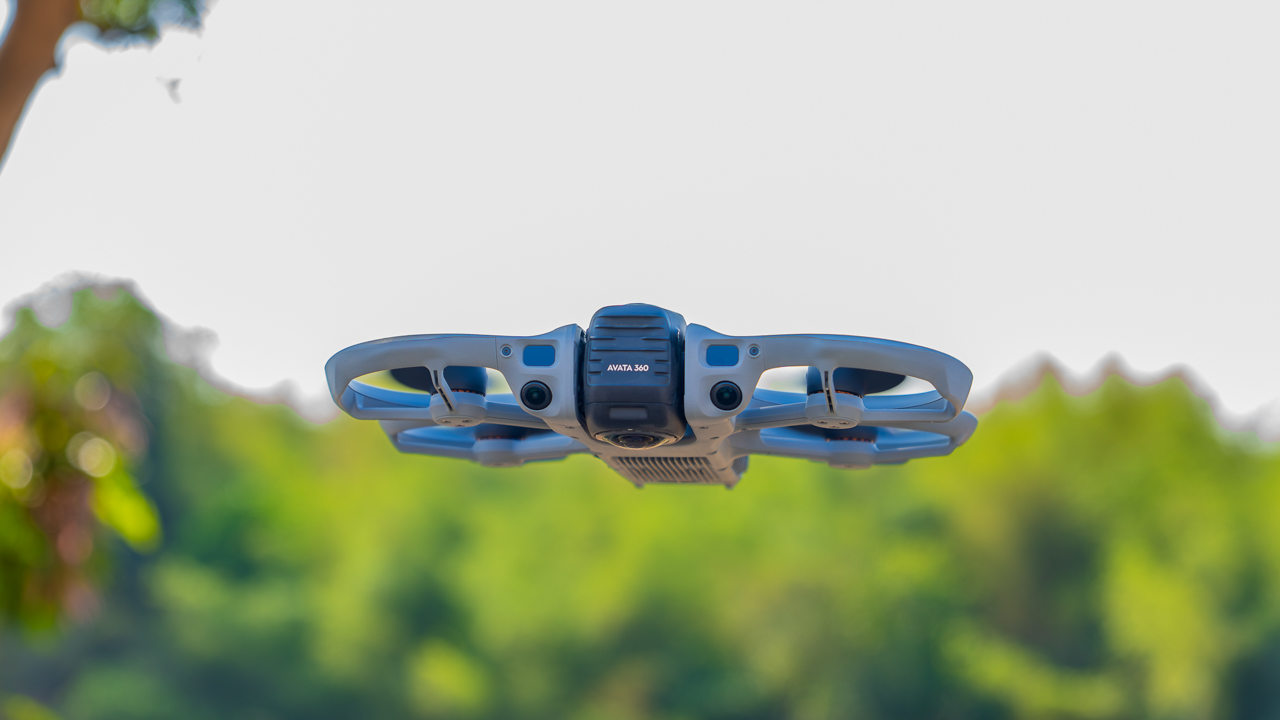
Though, the flight experience is strong, but the editing workflow currently introduces some friction. Editing relies heavily on DJI Studio, and the lack of seamless integration with professional tools like Adobe Premiere Pro on Windows creates extra steps.
You often need to pre-render angles before you can bring clips into a main timeline. When compared to the Antigravity A1, the DJI ecosystem still feels more polished and easier to integrate into a working setup, yet the software gap remains a point of frustration.
Is this your GadgetMatch?
The DJI Avata 360 offers a different way to tell a story by shifting the focus from technical precision to complete immersion. It allows the creator to stop worrying about missing the shot and start thinking about how to feel it.
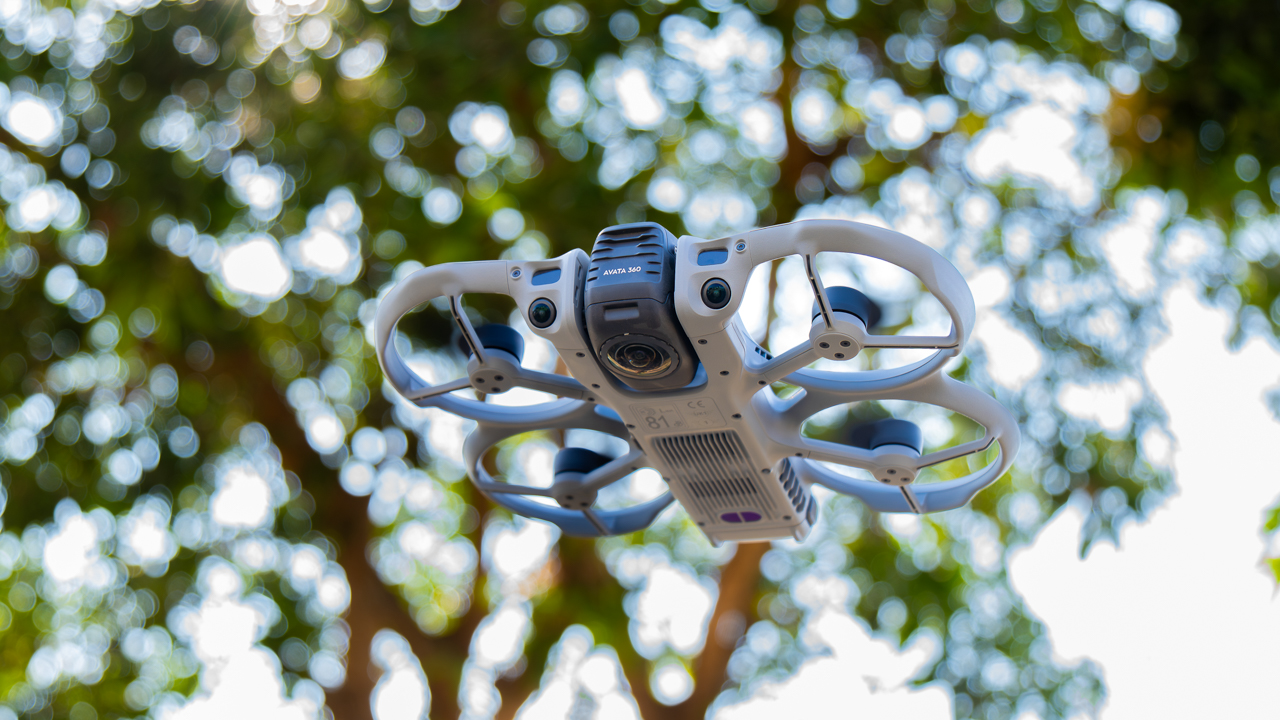
Swipe Right if your life involves fast-paced environments like extreme sports or travel where moments only happen once.
This is for the person who wants to feel like they are flying rather than just operating a camera. It fits the routine of a creator who values creative safety nets and the ability to reframe a story in post-production.
Swipe left if your workflow requires a fast, seamless turnaround on Windows without extra processing steps. It’s not the ideal choice for those who primarily shoot in low-light conditions or urban areas with high interference.
If you prefer the traditional control of a specification-heavy technical breakdown, the reflective nature of this system may feel less efficient.
Price, availability
The DJI Avata 360 starts at PhP 38,290. With the Fly More Combo (DJI RC 2) or the Motion Fly More Combo (DJI Goggles N3), it retails for PhP 47,890.
Drones
DJI officially launches the Avata 360 with 8K immersive imaging
The new flagship drone introduces 1-inch sensors and 360-degree capture to the FPV world.
DJI just redefined the “single take.”
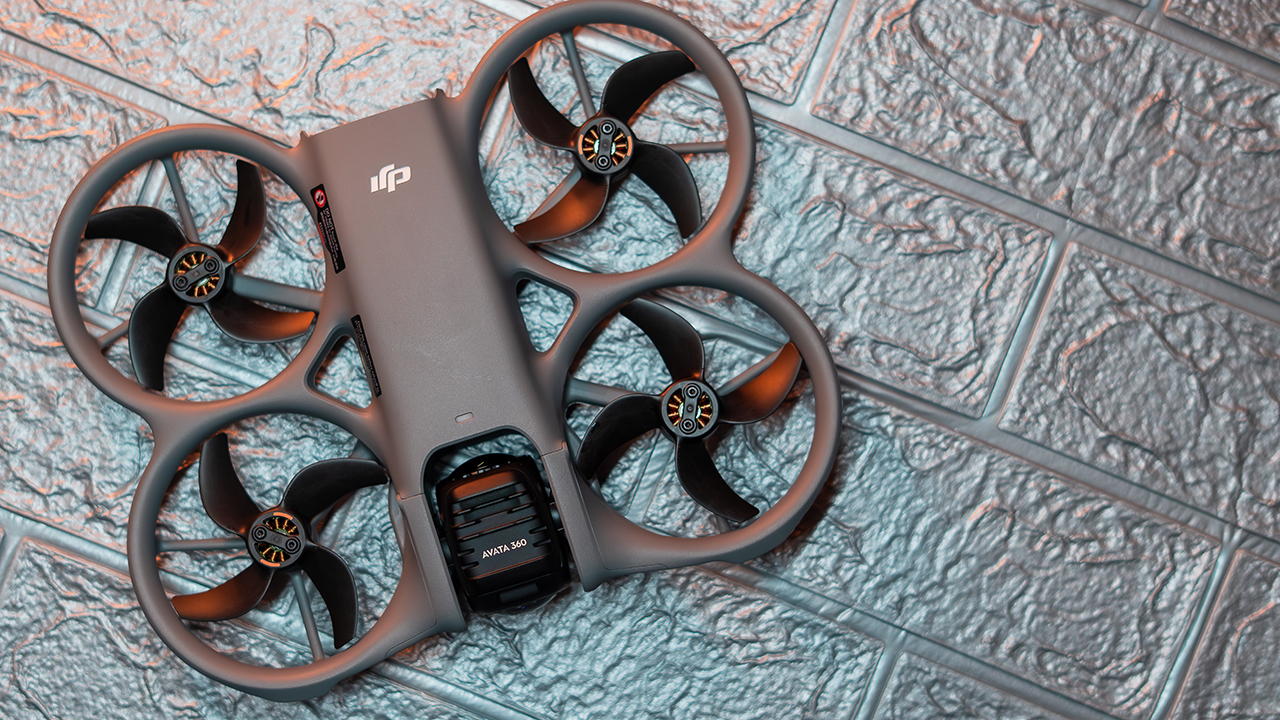
The new DJI Avata 360 combines the raw thrill of FPV flight with a flagship 8K 360° camera system. It effectively gives creators a flying virtual camera that sees everything at once.
This means you no longer have to worry about pointing a gimbal while flying at high speeds. You can simply record the entire environment and choose your favorite angles later in post-production.
Brilliant imaging, post-flight freedom
The headline feature is the imaging, which utilizes dual 1-inch-equivalent sensors capable of 8K/60fps HDR video and 120MP stills.
These massive 2.4 μm pixels handle low light and high dynamic range like a pro, ensuring light and shadow are captured with exquisite clarity.
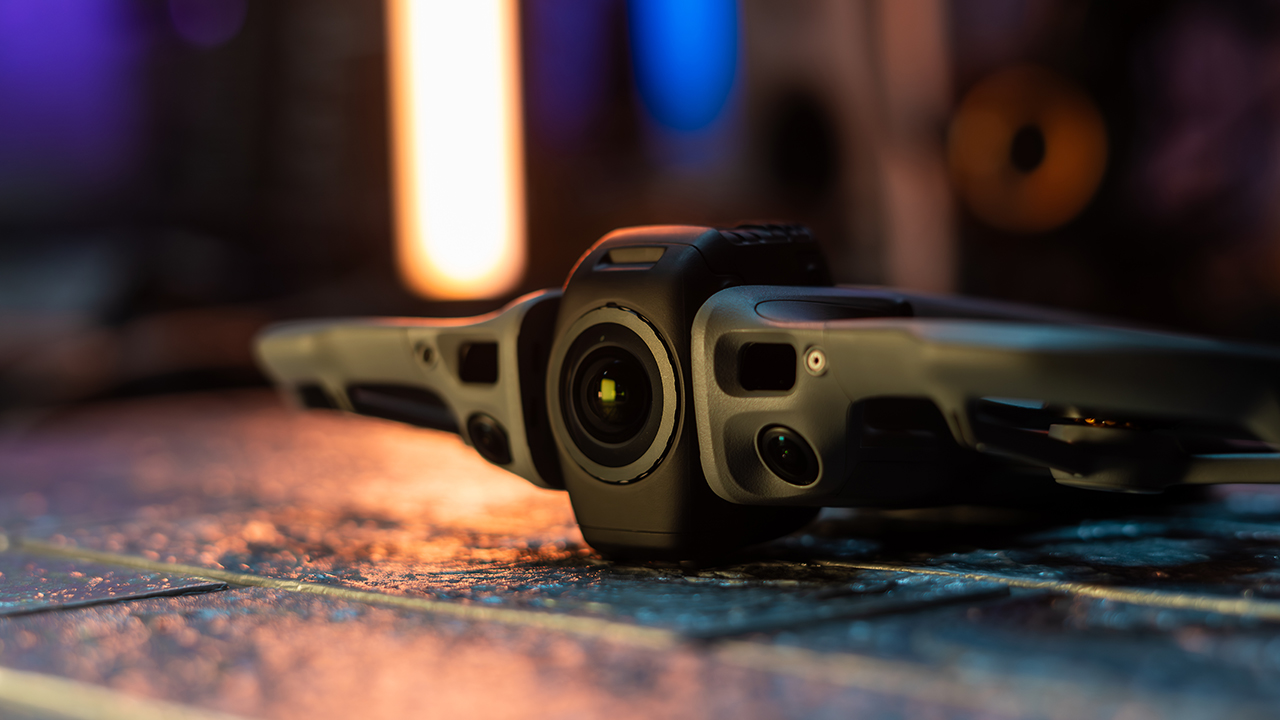
If you prefer a more traditional look, you can switch to Single Lens mode to capture classic Avata-style cinematic lines in 4K/60fps.
Because the drone records in a full sphere, the Virtual Gimbal feature allows for infinite rotation and tilt during editing.
You can fly in one direction while digitally rotating the horizon or shifting the perspective to look directly behind the drone without ever changing your actual flight path.
Flagship transmission, smarter safety
DJI didn’t just slap a new camera on the old frame. They beefed up the internals to ensure the flight experience is as stable as the footage.
The drone leverages the flagship O4+ video transmission system to deliver crystal-clear 1080p/60fps feeds with a massive 20 km range and strong anti-interference capabilities.
Safety has also seen a major upgrade with Nightscape omnidirectional obstacle sensing. This makes sunset and low-light flights significantly less stressful.
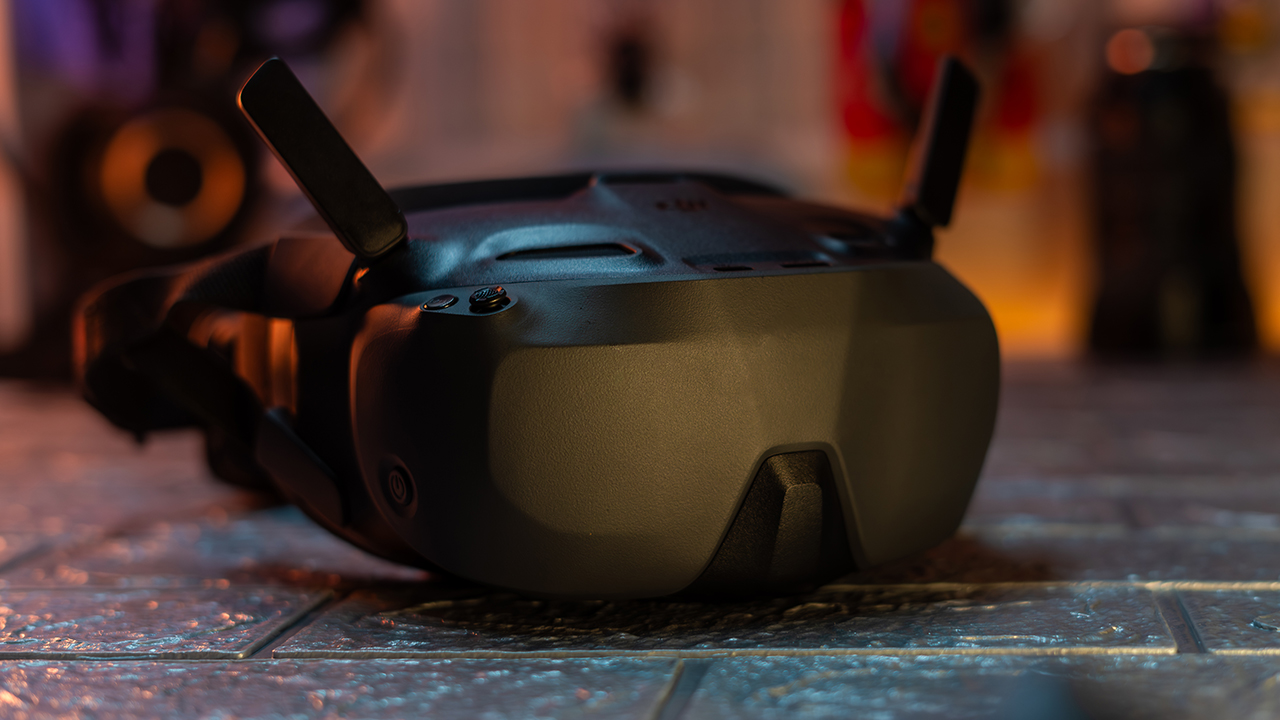
Plus, the front lens element now features a user-replaceable design. If you push a gap a little too hard and scratch the glass, you can swap it out yourself instead of shipping the whole unit back for repairs.
Intelligent tracking, high-speed workflow
The magic continues once the drone is back on the ground through the DJI Fly and Studio apps.
Features like ActiveTrack 360° and Spotlight Free allow the drone to lock onto subjects and replicate sophisticated camera movements that usually require a professional dual-operator setup.
With 42GB of internal storage and high-speed Wi-Fi 6 transfer, you can capture 30 minutes of 8K footage without an SD card and beam it to your phone at up to 100 MB/s.
Price, availability
The DJI Avata 360 is compatible with DJI Goggles, the RC Motion 3, and standard RC 2 controllers, with pre-orders live today and shipping starting in April 2026.
- DJI Avata 360 (DJI RC 2): PhP 38,290
- DJI Avata 360 Fly More Combo (DJI RC 2): PhP 47,890
- DJI Avata 360 Motion Fly More Combo (Goggles N3): PhP 47,890


REDMI Note 17 Pro Max review: A new breed born from AI greed
Welcome to the new normal


Marvel’s Wolverine review: When the claws come out
A brutal, cinematic superhero adventure

Setting your bedsheets ablaze with the Lovense Solace Pro
The closest proxy I could find where I'm guilty as sin

Now Playing: Resident Evil

HONOR, Fidesmo partner for contactless payments across Europe, Middle East

Ford revs up Truck Month with extended 5-star care offers
REDMI Note 17 Pro Max review: A new breed born from AI greed

REDMI NOTE 17 Series: Price, availability in the Philippines

TECNO MEGAPAD 2 review: Eyes on the size

realme 16T 5G with 8000mAh battery, IP69 Pro rating launches in PH

HUAWEI Pura X View is 2026’s first WIDE slab-type smartphone

REDMI reveals the refreshed Note 17 and Note 17 Pro series

REDMI Note 17 Series: Price, availability in Singapore


-
 News1 week ago
HUAWEI Pura X View is 2026’s first WIDE slab-type smartphone
-

 News1 week ago
The CAMON Slim 5G is TECNO’s latest ultra-slim smartphone
-
 IFA 20262 weeks ago
TECNO MEGABOOK T15 360 unveiled at IFA 2026
-

 Gaming2 weeks ago
NBA 2K27 review: A two-way All-Star
-
 News1 week ago
iPhone 18 Pro series: Price, availability in the Philippines
-

 IFA 20262 weeks ago
TECNO’s POVA 8 Pro gets a stealthy makeover
-
 Automotive2 weeks ago
Ford’s new Everest lineup brings V6 engine to the top, tech down the line
-

 Gaming2 weeks ago
Now Playing: Elden Ring Tarnished Edition