



It’s the year of fantastic remakes and this game is no exception. Trials of Mana gets a glow up that should make it enticing to both old timers and newcomers.
For the unfamiliar, Trials of Mana was originally a 16-bit game first released in 1995. In Japan, it’s known as Seiken Densetsu (聖剣伝説, lit. The Legend of the Sacred Sword).

The game series revolves around the “mana tree” or the world tree. It’s a source of power containing nine elements: water, wind, fire, wood, stone, dark, light, metal, and moon. As with any valuable resource, it attracts forces of evil that want to use the power of the mana tree for darkness.
Having played other gamers in the Mana series, this certainly is an amazing job by Square Enix to modernize a classic. The colors are gorgeous and striking. You can easily tell this modernization was treated with utmost love and dedication.
Choose your party
At the beginning of the game, you are asked to choose your main character and the supporting cast. The game gives you six classes to choose from: Warrior, Priest, Thief, Beastman, Mage and Lancer.
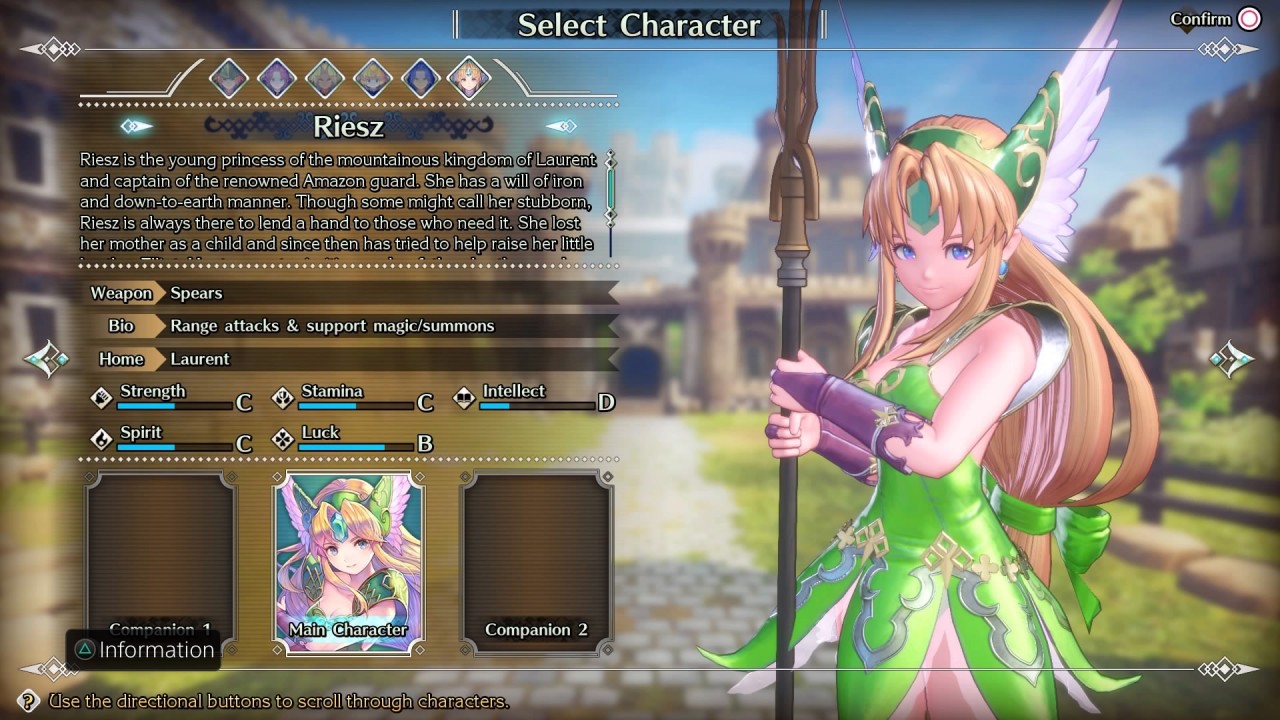
Each character you pick will have her/his own unique story. My first run through in the game was about 25 hours which I think is excellent. It’s enough time to feel like a complete adventure, but not too much that the player can do multiple playthroughs to learn about the story of the other five characters.
As the game progresses, the character can change classes. This can happen after reaching levels 18 and 38 (with class items) using the mana stones or the mana statues that are spread across the map. Naturally, you’ll be able to unlock more powerful spells and skills that can help take on the harder bosses as you go through the game.
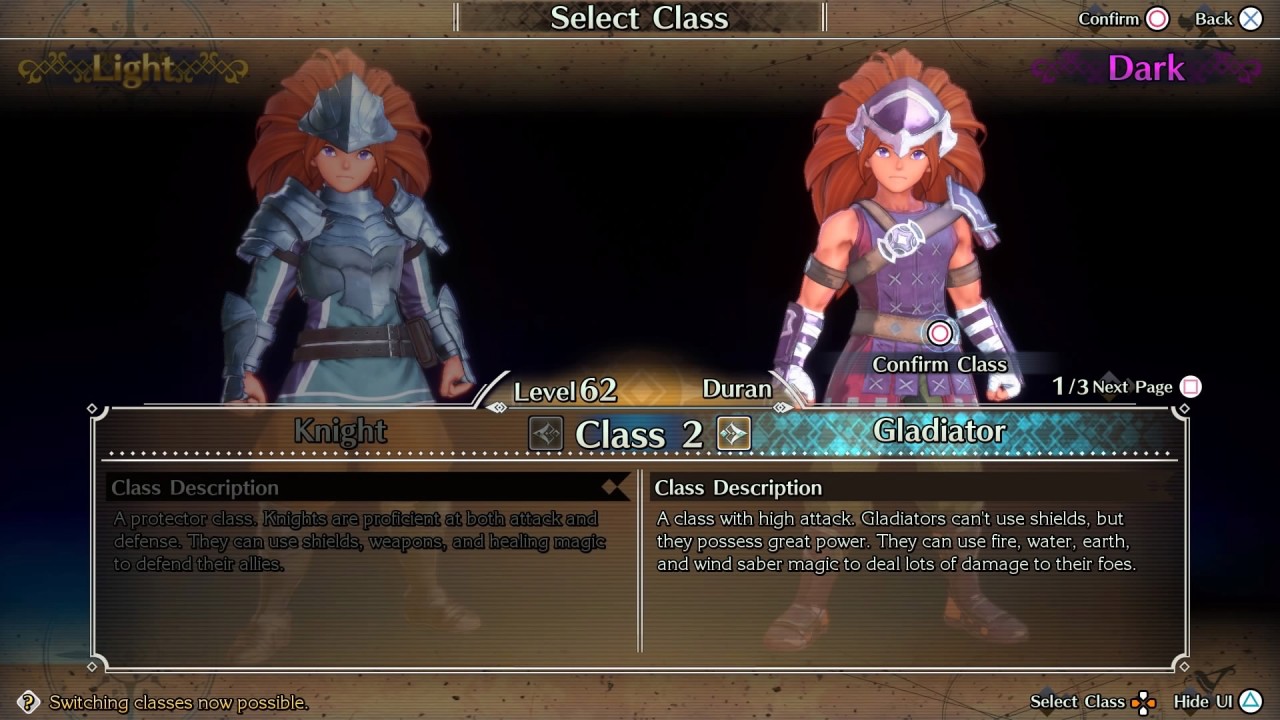
If you’ve played other JRPG titles under Square’s umbrella like the Final Fantasy series and Kingdom Hearts, you’ll know that your party needs to have all the essentials. That means striking a balance among defense, attack, support, and offensive magic that fits your play style.
The characters have their own strengths and weaknesses depending on their class. The combos and spells depend on the skills you unlock as the story and the level progresses. The higher the level, the higher the rates of combos and skill chains that can be unlocked to make grinding and boss battles lean more in your favor.
Get ready for a lot of button mashing, quick triggers
The gameplay adopts the chaotic feel of the Mana series. Every move is in real time. The way the player moves, dodges, hits, casts a spell or uses an item makes every step crucial in every facet and situation in your battles.
During battles you get a ring menu that almost feels like you’re pausing the game. This gives you ample time to strategize and plan your attack or how you want to approach each battle.
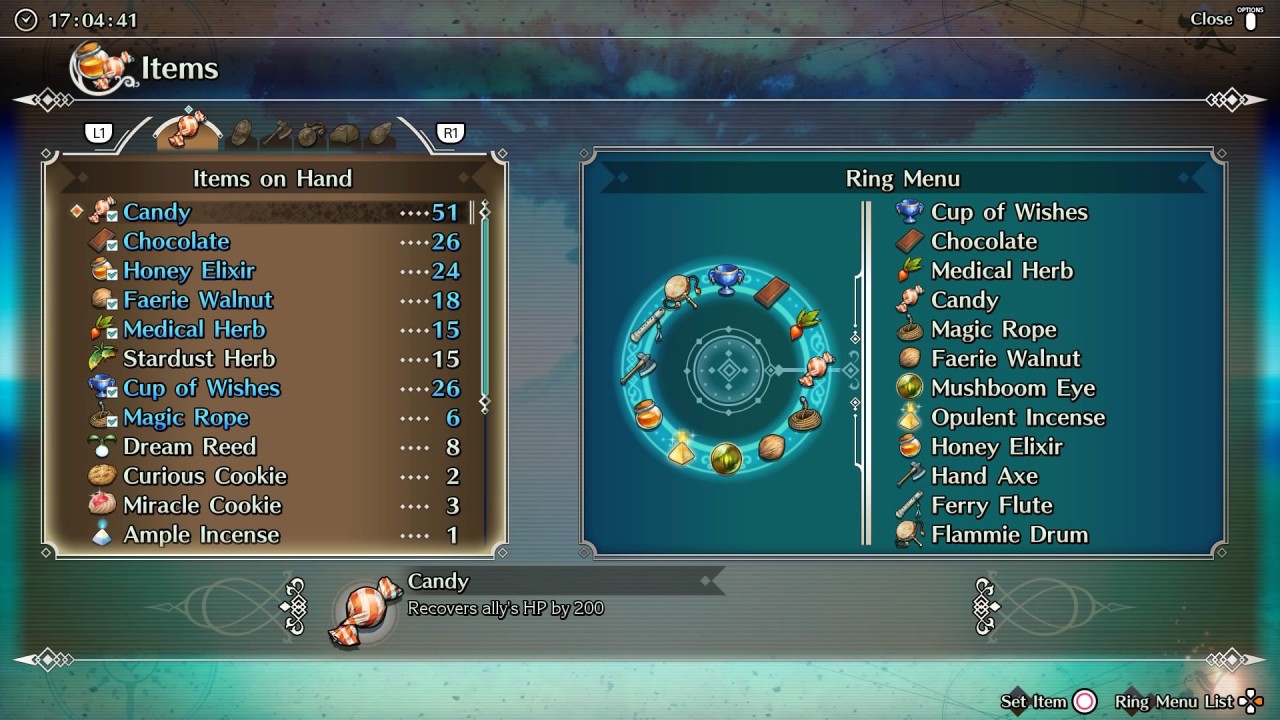
Here you can select what items you want to use as well as the skills that are available to your class of character. You also have a quick trigger that you can customize to fit your play style depending on the kinds of characters your party has.
You can switch with your support characters at any point during battle. This lets you maximize the potential of your party, most especially through the tough fights of the game. AI for your party members is also pretty good when you’re not controlling them. They act based on their skillets instead of mindlessly launching melee attacks.

Special techniques can be triggered by filling up a “CS GAUGE”. There are two ways to fill it. First, you smash all the enemies lurking around every dungeon on the map. Second, find some vases that will fill the gauge for you.
Personally, I prefer the first method because I like to do some ass kicking especially during this pandemic. A really good way to blow off some steam is to kick those rabites (hopping yellow and pink-tailed leporine monsters) in the beginning of the game.
A lot of traveling and being shot out of a canon
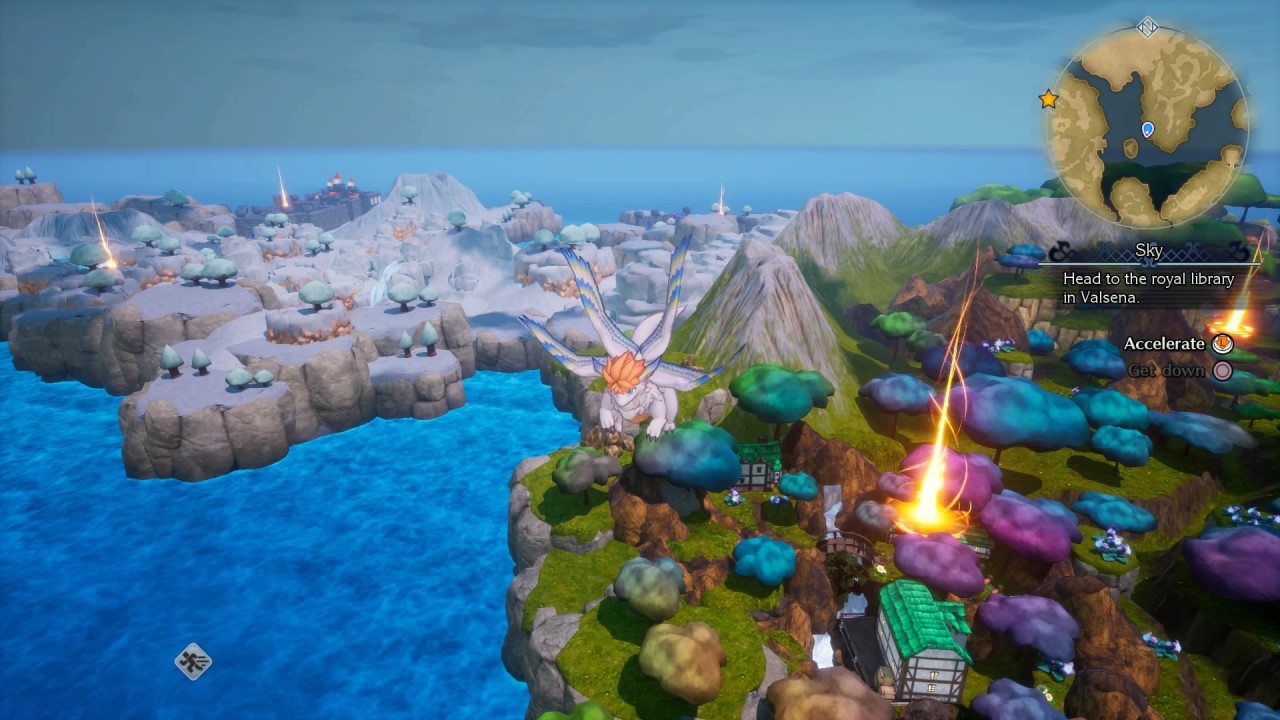
During your travels, you will encounter different stages across the Trials of Mana world. Each stage is unique and offers different kinds of NPCs that make you feel like you’re in another world.
20200509132309
As you proceed in the game, you will find different ways of traveling: with ships, riding a water monster, flying and being shot out of a canon???
Verdict
Trials of Mana is a beautiful game based on the Old Mana Series. The game is straightforward and offers an easy learning curve. It’s simple and anyone should be able to catch the play style even after just an hour of going through the game.
It does run the risk of sometimes feeling too simple due to the lack of side quest. Harder side bosses and secret items or ultimate weapons could have made this beautiful game even better.
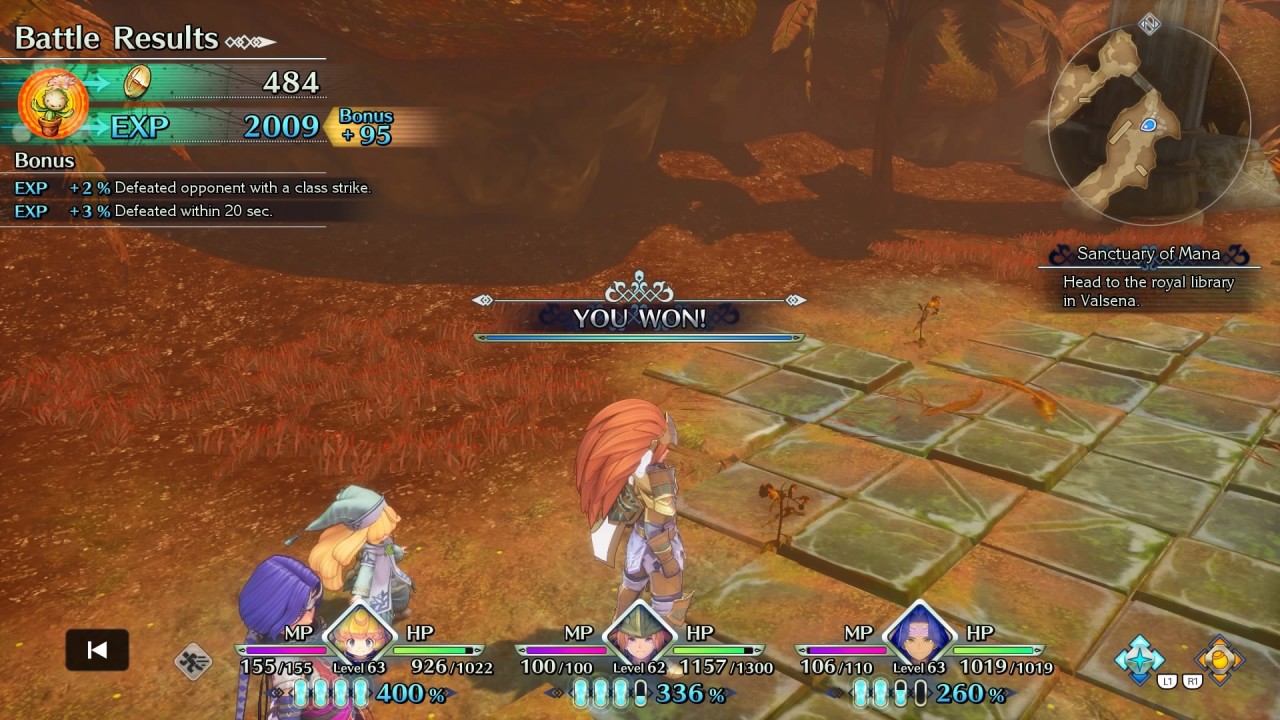
One thing I didn’t particularly enjoy were camera views and angles. Battles can be chaotic especially during boss encounters. It makes it difficult to properly plan your attack especially during stages that have plenty of obstacles.
I also encountered a lot of issues in focusing on targets that can either delay or break the momentum of your attacks. You can control the camera view with your shoulder buttons but it takes some getting used to especially in high pressure situations.
That aside, Trials of Mana is an excellent game overall. It has all the makings of an awesome game thanks to its storyline and gameplay. There’s enough here that Square Enix can build on to make another Mana game that will appeal to both old and new players.
This game was reviewed on a PS4 by Ron Erik Rivero. Ron is an ESL teacher, chef, and businessman who is passionate about gaming. When not playing, he spends most of his time teaching Japanese students business English. He is also a foodie, a loving husband and a doting father to his five-year-old son. You can contact him at [email protected].






Entertainment
Box office: Brand New Day set to surpass US$ 2 billion, drives Marvel’s Spider-Man 2 resurgence
Sony Pictures’ fourth Tom Holland feature film sets records

The box office performance of Spider-Man: Brand New Day has been nothing short of spectacular.
Sony Pictures’ fourth feature film featuring Tom Holland as the titular protagonist broke the domestic opening day record.
This feat narrowly beat the previous record set by another Marvel Cinematic Universe (MCU) film in Avengers Endgame.
That strong opening continued in the next few weeks as Brand New Day became became the fastest to reach the US$ 500 million mark, breaching the milestone in just seven days, per LA Times.
The movie is already the highest grossing film of 2026, beating Toy Story 5.

Which such massive success so far, Spider-Man: Brand New Day is on pace to beat Avengers: Infinity War for worldwide total gross.
With over US$ 1.7 billion grossed in just two weeks, the film is projected to surpass any point between the US$ 2.1 billion to US$ 2.3 billion mark.
It will become only the eighth ever film to surpass that mark once it reaches at least US$ 2 billion.
The others are: Avatar (2009), Endgame (2019), Avatar: The Way of Water (2022), Ne Zha (2025), Titanic (1997), Star Wars: The Force Awakens (2015), and Infinity War (2018).
However, Endgame still holds an advantage, thanks to its international launch in major markets. The epic conclusion to the MCU’s Infinity Saga grossed US$ 2.79 billion during its 2019 run. And you will have to adjust that value slightly due to inflation.
In the Philippines, a strong market, Brand New Day has just eclipsed the PhP 1 billion mark, which is roughly about US$ 17.2 billion.
For comparison, it will definitely surpass Infinity War at some point, while Endgame grossed PhP 1.8 billion total or about US$ 34.56 billion at the time.
Marvel’s Spider-Man 2 experiences resurgence

Moreover, the film’s success also triggered a transmedia halo effect with Insomniac Games’ Marvel’s Spider-Man 2 also experiencing a resurgence in sales and player engagement.
Per IGN citing Alinea Analytics, since the film’s release, the game sold over 300,000 more copies across PlayStation 5 and Steam within a two-week span.
This is the equivalent to over US$ 11 million in revenue for Sony and Insomniac Games.
Plus, for the first time since the title’s launch in 2023, it experienced more than one million daily active users.
A combination of movie hype plus some timely discounts contributed to the game’s resurgence, also proving that the Spider-Man franchise has always been one of the biggest and most relevant IPs of all time.
Gaming
Ghost of Yotei gets a story expansion in October
The Complete Edition comes with the expansion and a roguelike mode.

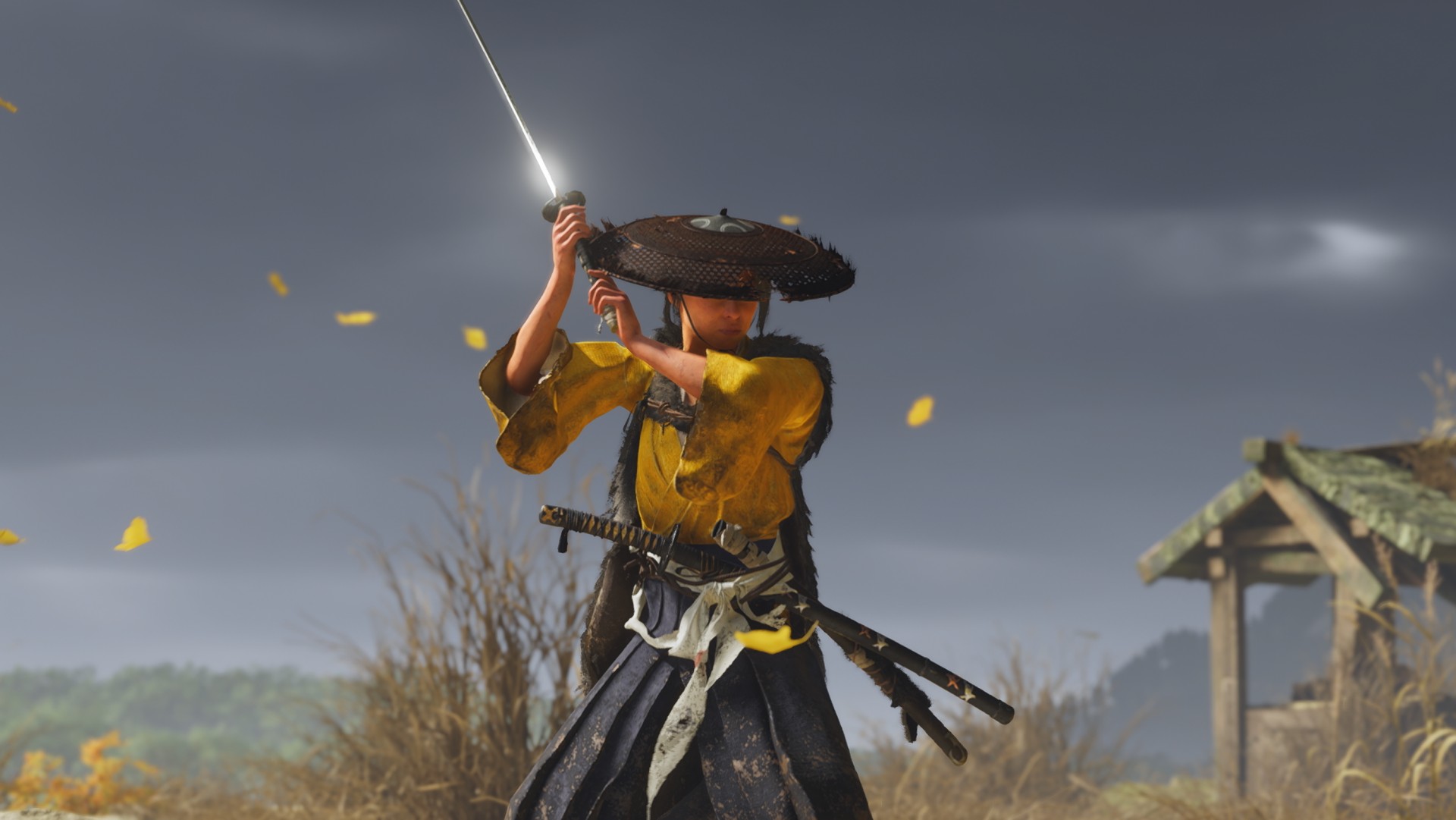
Ghost of Yotei is a classic RPG experience set in the same universe as its predecessor, Ghost of Tsushima. In my opinion, Atsu’s journey of revenge feels a lot more fun than Jin’s battle to save his homeland. If you’re in the same boat, Ghost of Yotei is coming back on October 1 with brand-new content.
Without delving too much into spoiler territory, Ghost of Yotei has a conclusive ending. Rather than shoehorning a forced epilogue, Echoes of Sekigahara, the title of the upcoming story expansion, explores Atsu’s past.
As with Tsushima’s expansion, Echoes of Sekigahara features a new map with new enemies, weapons, and collectibles. It will be set in two different time periods.
Besides the story expansion, the upcoming update also has a new mode called Most Wanted, which Sucker Punch Production describes as their “spin on a roguelike.” The mode explores Atsu’s experience as a headhunter, feeding her with bounties and earnable perks.
The two new content expansions will come with in the upcoming Ghost of Yotei Complete Edition. The new edition, coming on October 1, will also come with the co-op Legends mode. It also has a few perks and customization options. The edition will sell for US$ 70.
If you already have the base edition, you can grab an upgrade for only US$ 15. If you don’t want to pay for the upgrade, the game is still getting a few minor tweaks.
SEE ALSO: Ghost of Yotei review: A tale sharpened by vengeance
Gaming
Marvel Wolverine Limited Edition PS5 bundle SEA pricing
Available in Battle Yellow and Adamantium Limited Editions

The first look for the Marvel Wolverine Limited Edition PlayStation 5 Console bundle and accessories have just released.
The console inspired by the raw power of Wolverine and Insomniac’s Battle Reborn suit (Battle Yellow) and claws (Adamantium).
Along with its preview, here are the suggested retail price (SRP) details for markets in Southeast Asia:
PlayStation 5 Digital Edition – Marvel’s Wolverine Battle Yellow Limited Edition Bundle
- SG$ 849
- MYR 2,799
- IDR 11,399,000
- THB 20,990
DualSense Wireless Controller – Marvel’s Wolverine Battle Yellow Limited Edition and Adamantium Limited Edition
- SG$ 115
- MYR 419
- IDR 1,549,000
- THB 2,890
- PhP 5,411
- VND 2,399,000

PlayStation 5 and PlayStation 5 Pro Console Covers – Battle Yellow Limited Edition and Adamantium Limited Edition
- SG$ 101
- MYR 369
- IDR 1,359,000
- THB 2,590
- PhP 4,767 (Battle Yellow only)
- VND 2,099,000 (Battle Yellow only)
The bundle and accessories will be available beginning September 15 in limited quantities. Pre-order will start from August 19 in local retailers, save for the PS5 and PS5 Pro console covers.
In Singapore, DualSense Wireless Controller – Marvel’s Wolverine Adamantium Limited Edition will be available exclusively through select retailer channels in limited quantity.
Marvel’s Wolverine releases on September 15 for PlayStation 5 consoles.


Samsung Galaxy Z Fold8 Review
8 Galaxy Folds later, Samsung finally nailed It!


30 days later with the ASUS ExpertBook Ultra: Like seeing an ex
Felt exactly as I remembered.


ROG STRIX G16 Review: Building for the moment
Setting it up however you want to make the most out of it

OBSBOT Meet Flip Hands-on
Samsung Galaxy Z Fold8 Review

Smart showcases cloud gaming platform in partnership with Blacknut

What your smartphone color choice reveals about you

New EV player XPENG to launch in the Philippines in September

Hands-on: Samsung Galaxy Z Fold8, Flip8, Ultra

VinFast debuts two-wheeler models, opens 21 e-motorcycle showrooms

Garmin launches its first screenless fitness band

Sony announces new FX5 full-frame camera

Mercedes-Benz celebrates 140th anniversary at the Presidential Car Museum


-
 Automotive2 weeks ago
VinFast debuts two-wheeler models, opens 21 e-motorcycle showrooms
-

 News1 week ago
OnePlus officially leaves the United States and Canada
-

 Gaming2 weeks ago
Call of Duty: Modern Warfare 4 clip shows Losing Ground 1st look
-

 Gaming2 weeks ago
Genshin Impact opens Snezhnaya in Version 7.0 this August 12
-

 News1 week ago
Google will force Android users to use Gemini next month
-

 Gaming1 week ago
Tides of Annihilation opens first public demo at Gamescom 2026
-
Laptops5 days ago
ROG STRIX G16 Review: Building for the moment
-
 Gaming1 week ago
Street Fighter 6 adds first Filipino fighter Yasmine to its roster