
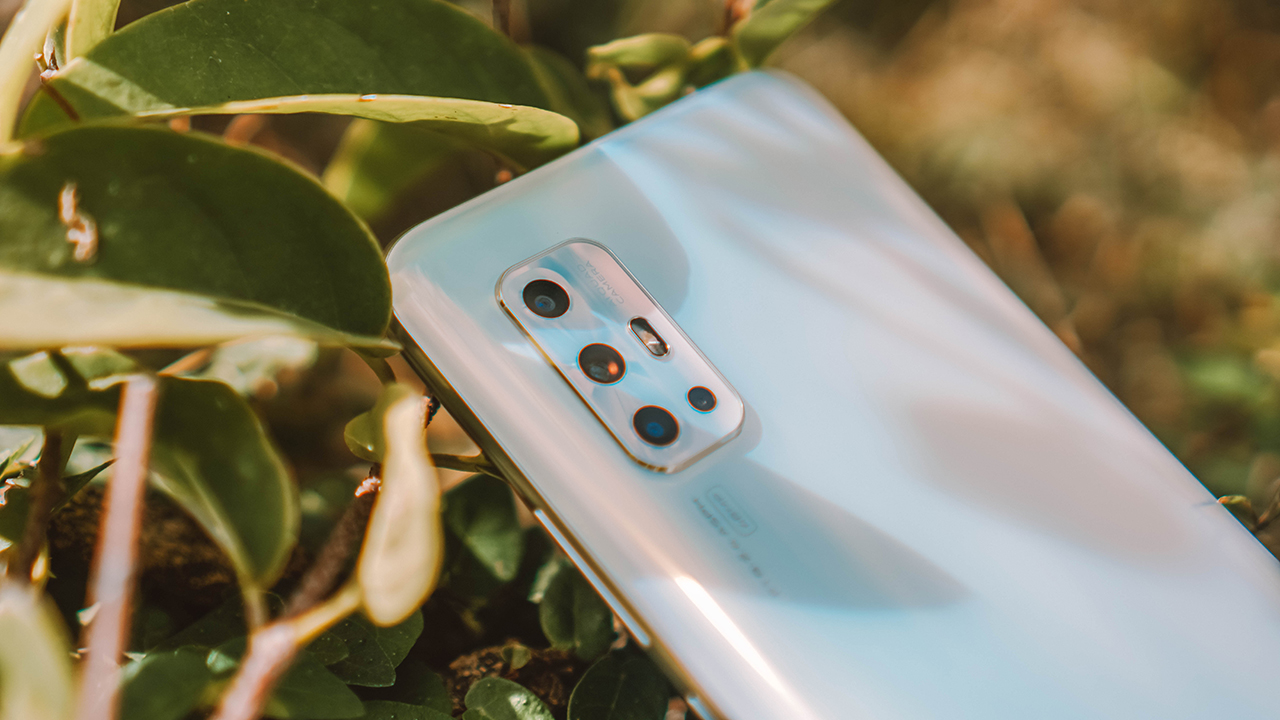

Maybe this is why it has “19” on it. On paper, the vivo V19 Neo has the makings of a contending midranger… in early 2019. That’s not necessarily a bad thing. I think.
Why early 2019? Because that’s exactly what it looks like on paper.
| vivo V19 Neo | |
| Processor | Qualcomm Snapdragon 675 AIE |
| RAM and internal storage | 8GB + 128GB |
| Battery | 4500mAh with Dual-Engine Fast Charging (9V 2A) |
| OS | Funtouch OS 10 (Android 10) |
| Display | 6.44” FHD+ Super AMOLED |
| Front Camera | 32MP |
| Rear Cameras | 48MP + 8MP (Wide-Angle) + 2MP (Bokeh) + 2MP (Macro) |
| Ports | USB-C, headphone jack |
It has the same processor and front-facing camera as the vivo V15 Pro — a phone that came out in March 2019. 🙂
But of course, the v19 Neo is superior in other areas like RAM, battery capacity, and USB connector. That, however, doesn’t change the fact that this phone looks dated on paper.
I keep saying on paper because after spending a few days with the phone, it didn’t really leave me wanting for much. At least, not for most of the things I regularly do on a smartphone.
Let’s slow down a little bit and appreciate how this phone looks.
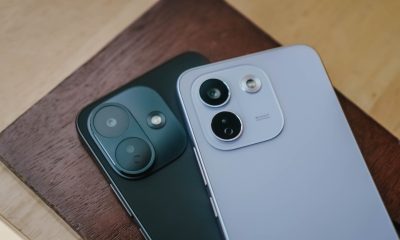
The variant we have is the Crystal White and it looks immaculate

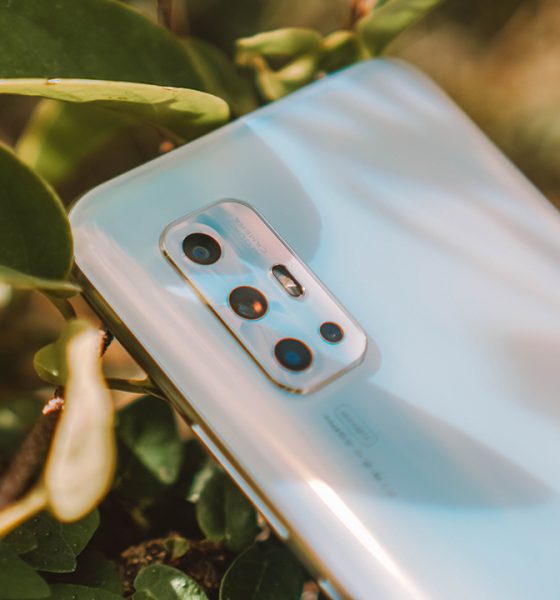
Here’s a closer look at its quad-camera module
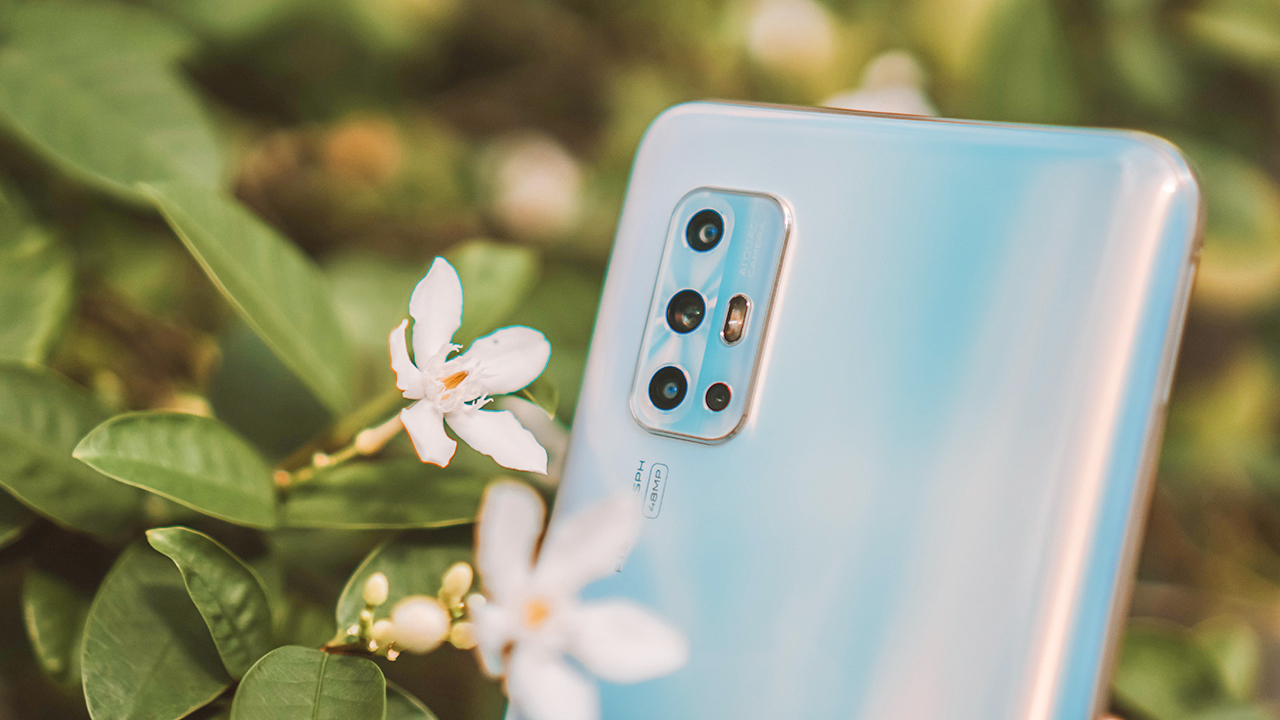
On the bottom there’s the speaker grille, USB-C port, and headphone jack

On the right side is the power button and volume rockers

And on the top-left side you’ll find the SIM Card tray

On the lower back of the phone is the nice and clean vivo branding

Funtouch OS has one really good thing going for it
I was really looking forward to using a vivo phone for many reasons. One of which is Funtouch OS. It’s been so long since I spent significant time with it. I can say for certain I don’t completely hate it.
One thing I really love about it is the Control Center. When you switch over to gesture control, it gives you the freedom to choose where you want it.
It can be a swipe down from the top-right corner like on iOS. It can also be a swipe up on either bottom side. A fantastic option for two reasons:
- With a 20:9 screen aspect ratio, it’s a pretty tall phone and it can be a challenge to swipe down from the top corner.
- Being able to swipe up from either bottom side shows consideration for left-handers.

This quick access to the control center is incredibly thoughtful
It’s fantastic. Easy access to the brightness and volume settings as well as quick toggles like rotation lock, mobile data, Wi-Fi, and most of the stuff you expect to find on a control center.
The settings screen is also very clean and most of the stuff you might want to tweak are fairly easy to find. Being that it’s using a SUPER AMOLED screen, there’s a lot of incentive with going dark mode.
Minor gripe with dark mode
However, I have a little issue with vivo’s implementation of dark mode. Like other dark modes, once you change your system, some apps will follow and switch over to its native dark mode.
In other phones, if the app has no support for dark mode, it’ll just ignore the system’s prompt. This isn’t the case with Funtouch OS and Facebook.
While Facebook for web dark mode is now slowly rolling out, there’s no official app version yet. But vivo forces the app to go dark and it looks funky.

Some things just don’t look right on Facebook. Little details like the dark Facebook logo on top against the black background feels off. Reactions also have this white outer-glow making them stick-out like a sore thumb.
It’s a minor gripe. One that was easily remedied by switching over to light mode. Which still looks fantastic. I forgot how clean Instagram looks in light mode since I’ve decided to go dark.

The real problem is the sh*t ton of bloatware that comes with it. There’s “Hot Games”, “Hot Apps”, and more like it that I guarantee you will never touch. It’s just there eating precious space.
A steady performer
Another reason why I was excited to use a midranger is to see how much of a gap there is in performance against flagships. For the duration of the lockdown, I’ve spent much of my time with 2020 flagships and I was curious if there will be a drastic dropoff in performance.
I would say there is some dropoff, but I wouldn’t call it significant. I did experience my first app crash for the first time in a while, but it only happened once.

Other than that, the vivo V19 Neo has been extremely satisfactory. I have zero problems jumping from app to app. My most used apps keep running in the background, and the general experience feels not that different from a flagship.
I even found myself enjoying the relatively new mobile game 7 Deadly Sins: Grand Cross. It’s fantastic. It’s based on the first season of the animé and is a turn-based JRPG made for mobile with its vertical orientation.
It looks great and the v19 Neo ran that game in High graphics settings with absolutely zero hiccups. That’s why I’m willing to bet it’ll have no problem running the games you play (which I don’t).
vivo’s Ultra Game Mode also remains one of my favorite mobile gaming features. It blocks notifications while you play and focuses processing power on your game to give you the best experience.
Don’t get too caught up with the megapixel race
I hadn’t extensively tested the cameras but I did try capturing a few shots.
It still creates fantastic separation and depth of field when taking photos up close.

vivo’s backlight HDR is top-notch.


And generally, photos are vivid and dynamic.

As you can see, these are pretty darn good. I did try Night mode in absolute darkness and honestly there’s no point in showing the photo because there’s nothing to see. You’ll still need some form of ample light source for night mode to kick in.
Despite not having a main camera with a gaudy megapixel count, the vivo V19 Neo’s cameras are more than capable and the images it produces are hard to not like.
Is this your GadgetMatch?
At PhP 17,999 (US$ 358), it’s a little pricier than midrangers that are absolutely killing it in this segment. That said, the vivo V19 Neo is uniquely important as it proves a few things. First, your smartphone from one year ago is still pretty darn good.
That feels like a crazy thought especially with how fast brands are pumping out phones these days. But this shows that a two-year cycle is still for phones is still very much valid.

I did miss a few things from flagships: The 90Hz and 120Hz screen refresh rate just spoils your eyes so much, I’ve become reliant on wireless charging, and of course there’s just this certain — as Michael Josh and Chay like to call it — je ne sais quoi to certain flagships.
If any of the aforementioned make it to midrangers, it should be treated as bonus and not a requirement. At least, not yet.
When it comes down to what most people need, this midranger delivers. The SUPER AMOLED display, although not buttery smooth, is still a sight for sore eyes. Wireless charging is a luxury. And if you pick your spots properly, you’ll still capture some pretty darn good photos.

Oh and this has Google Mobile Services. It’s a convenience that I’ve come to miss having also used a midrange Huawei device recently.
The vivo V19 Neo carries specs from 2019, reminding us of the phones we loved from a year ago. Hopefully it also serves as a reminder for vivo on how bold and innovative they were in this segment.
Hopefully, when the next V-series phone comes along, we’ll think more of the future rather than the past.
SEE ALSO: vivo V19 Neo pricing and availability in the Philippines




I came into ACE Combat 8: Wings of Theve completely blind.
I knew very little about the franchise outside of the fact that it’s a fighter plane game. My entire exposure was limited to a handful of press releases from Bandai Namco and, of course, the noise the pink-haired character made on social media when she was first revealed.
So, I had no idea what to expect when I climbed into the cockpit.
What surprised me most wasn’t the flying. It was everything that happened outside of it.
A surprisingly beautiful presentation

I was floored by the story segments of the game, particularly the visuals and presentation.
A lot of these scenes are presented from a first-person perspective. The characters and environments you interact with are beautifully rendered, and there’s an impressive level of detail to the world around you.
It looks like a AAA game. It just doesn’t move like your typical AAA action game or RPG. That threw me off a bit.

There’s something intentionally different about how ACE Combat 8 presents its story and world. You’re not controlling a character running around a beautifully rendered environment. Instead, you’re mostly observing the world from a grounded first-person perspective before getting back into the cockpit.
It’s an unusual approach, but one I found myself appreciating.
Learning how to fly

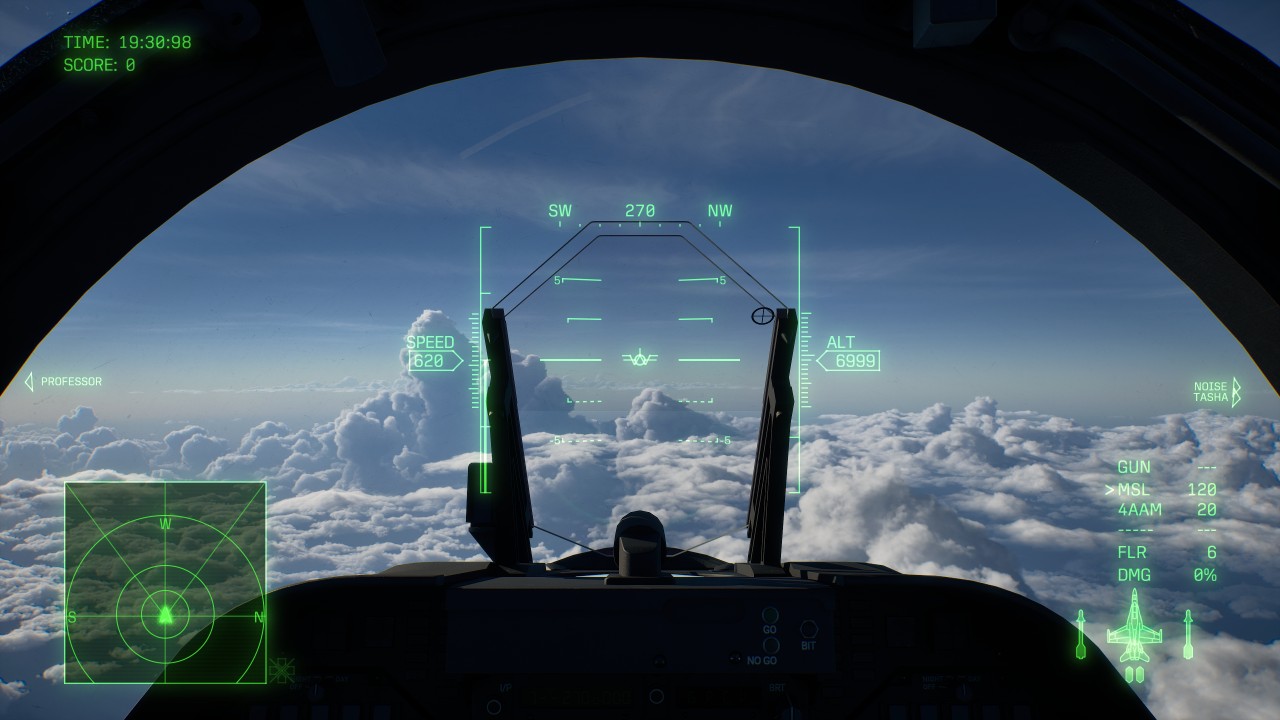
The bigger adjustment was actually flying the plane.
I had trouble getting used to the controls and the structure of the missions. I failed the first one quite a few times because I couldn’t fully understand the radar or the environment I was flying in.
It took plenty of getting used to on my part.
Even after a few hours of play, I can’t say I got fully used to it.
The game offers STANDARD and EXPERT control schemes. STANDARD is designed to be more intuitive, while EXPERT gives you more control over the aircraft through traditional roll-and-pitch inputs.
I still had plenty to learn regardless of the control scheme. There’s a lot of information to process at once: your aircraft’s position, altitude, speed, radar, targets, incoming missiles, objectives, and everything happening around you.
It takes time to develop a feel for how everything moves.
Missions aren’t just about shooting everything

The mission structure is quite specific.
You have to do things a certain way in each mission. It’s not just “blast everything in your path.”
That offered a lot of variety and made the game more engaging.
Some missions asked you to maintain a certain altitude to avoid detection. Others demanded expert flying. Some also felt like full-on aerial combat.
Objectives can range from destroying targets and protecting allies to earning a certain number of points, with some missions changing objectives while you’re already in the air.
That keeps the campaign from feeling like a series of identical dogfights.
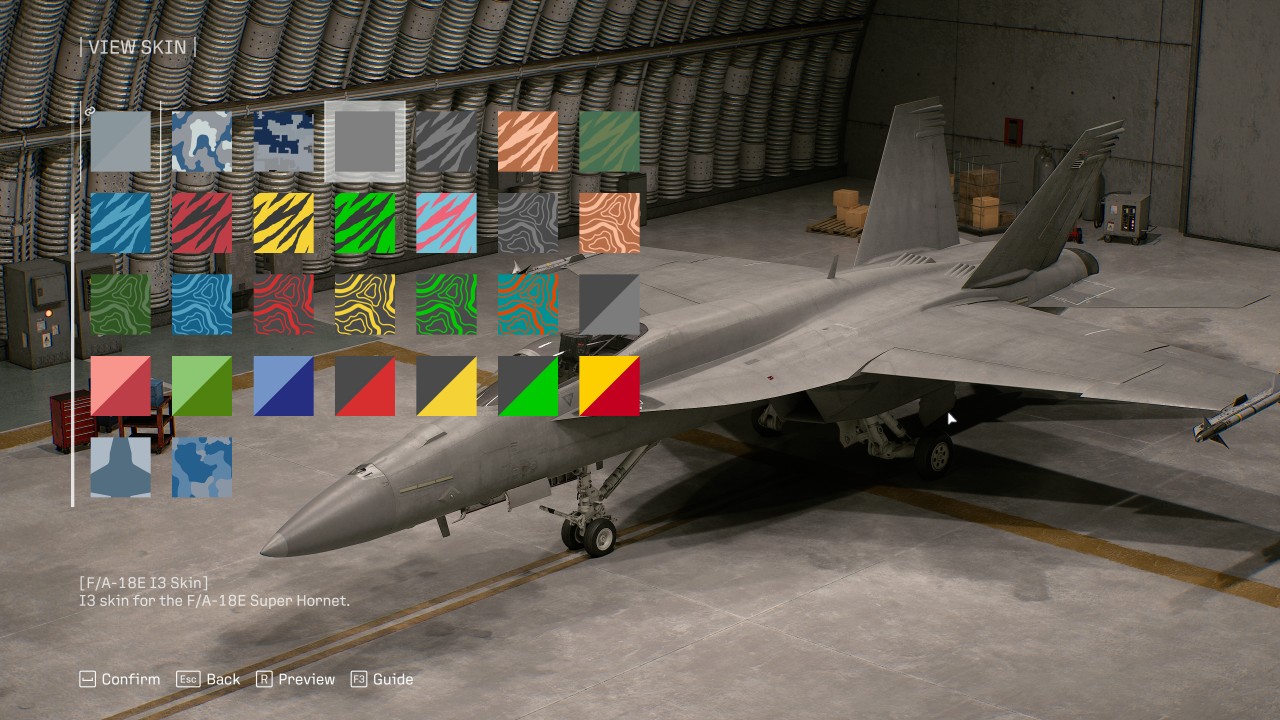
There’s also a progression system built around different aircraft types, including fighters, attackers, multirole aircraft, and electronic warfare planes. More than 30 aircraft are available, with new planes, upgrades, and special weapons unlocked through the Aircraft Tree.
Your choice of aircraft and weapons can also change how you approach a mission. A fighter makes sense when the skies are packed with enemies, while an attacker can be better suited to ground targets. Multirole aircraft offer a middle ground when you’re unsure what you’ll encounter.
Wingman commands add another layer to combat. You can order your pilots to attack, spread out, provide support, or use their special weapons.
The result is a game that asks you to pay attention to what’s happening instead of simply holding down the trigger.
A story worth sticking with

The story I’ve encountered so far isn’t something to write home about.
Its presentation, however, is engaging enough that I feel a lot of people can easily soldier on to see it through to the end.
The first-person story segments, radio chatter, briefings, and events that unfold during missions give the campaign more personality than simply jumping from one dogfight to another.
There’s clearly a larger conflict unfolding, and the game does a good job of making its missions feel like part of something bigger.
The presentation does a lot of the heavy lifting here.
Is ACE COMBAT 8: Wings of Theve your Play Match?
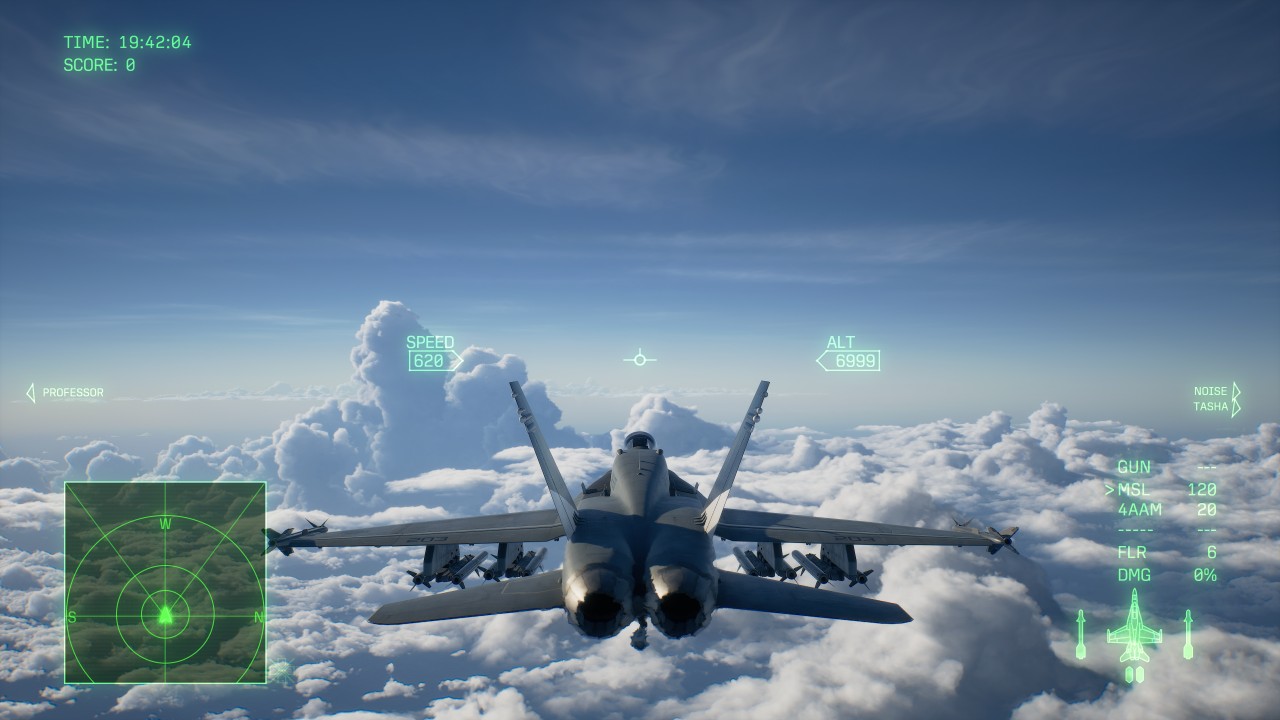
The campaign has 30 missions that run at around 15 minutes each, give or take. Your mileage, naturally, will vary.
For me, those first few hours took longer because I was still trying to figure out how to move, where to look, and what the game actually wanted me to do.
ACE Combat 8 isn’t immediately intuitive if you’re coming into it completely blind like I did. The game does give you training options for practicing flight controls and special weapons, which can help you get comfortable before throwing yourself into tougher missions.
Once things start clicking, though, the experience becomes quite distinct from the type of game most people gravitate towards.
Overall, ACE Combat 8: Wings of Theve feels like a nice break from the usual games where you control a single character and go through linear levels or an open world.
It’s the perfect palette cleanser.
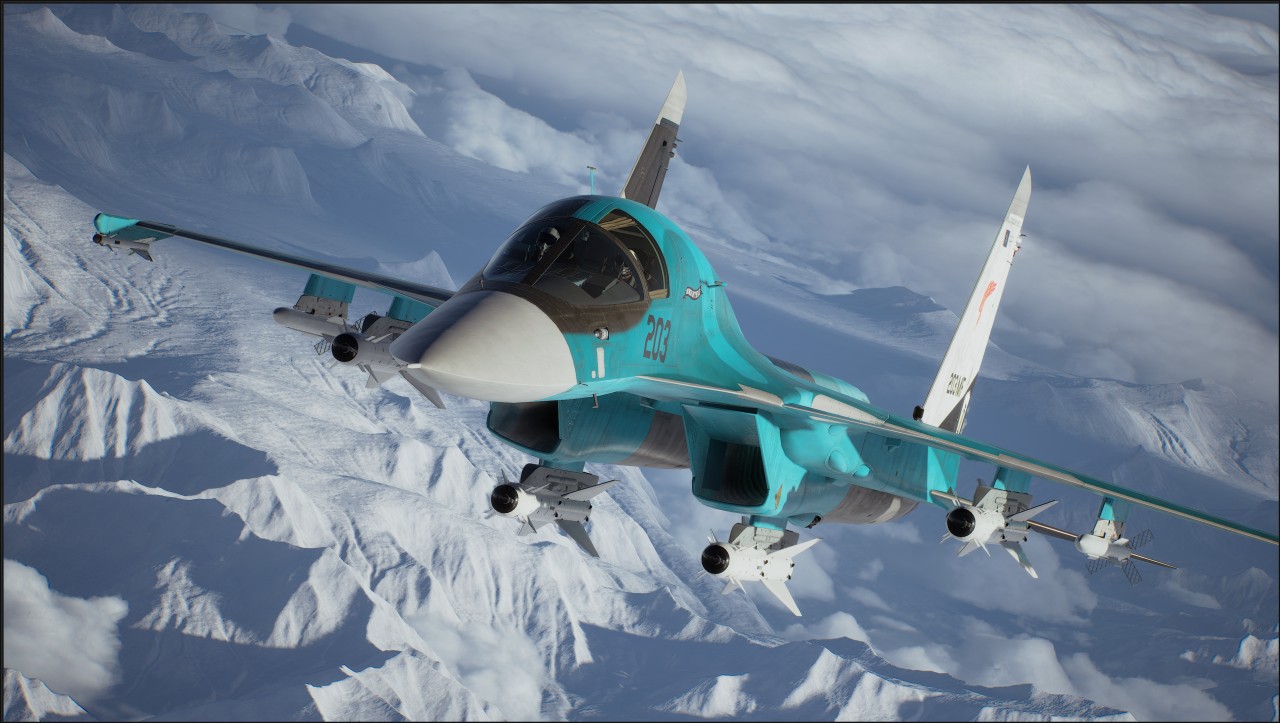
I didn’t expect to spend my first few hours struggling with radar, movement, altitude, and mission objectives. Those struggles also made the moments when I finally understood what I was supposed to do feel more rewarding.
I’m still not fully comfortable in the cockpit.
I’m also ready for another sortie.
Verdict: Swipe Right.

As of publishing, the POVA 8 Pro launched more than a month ago. And, much like the company’s “Stop At Nothing” ethos, nothing is stopping them from announcing another model.

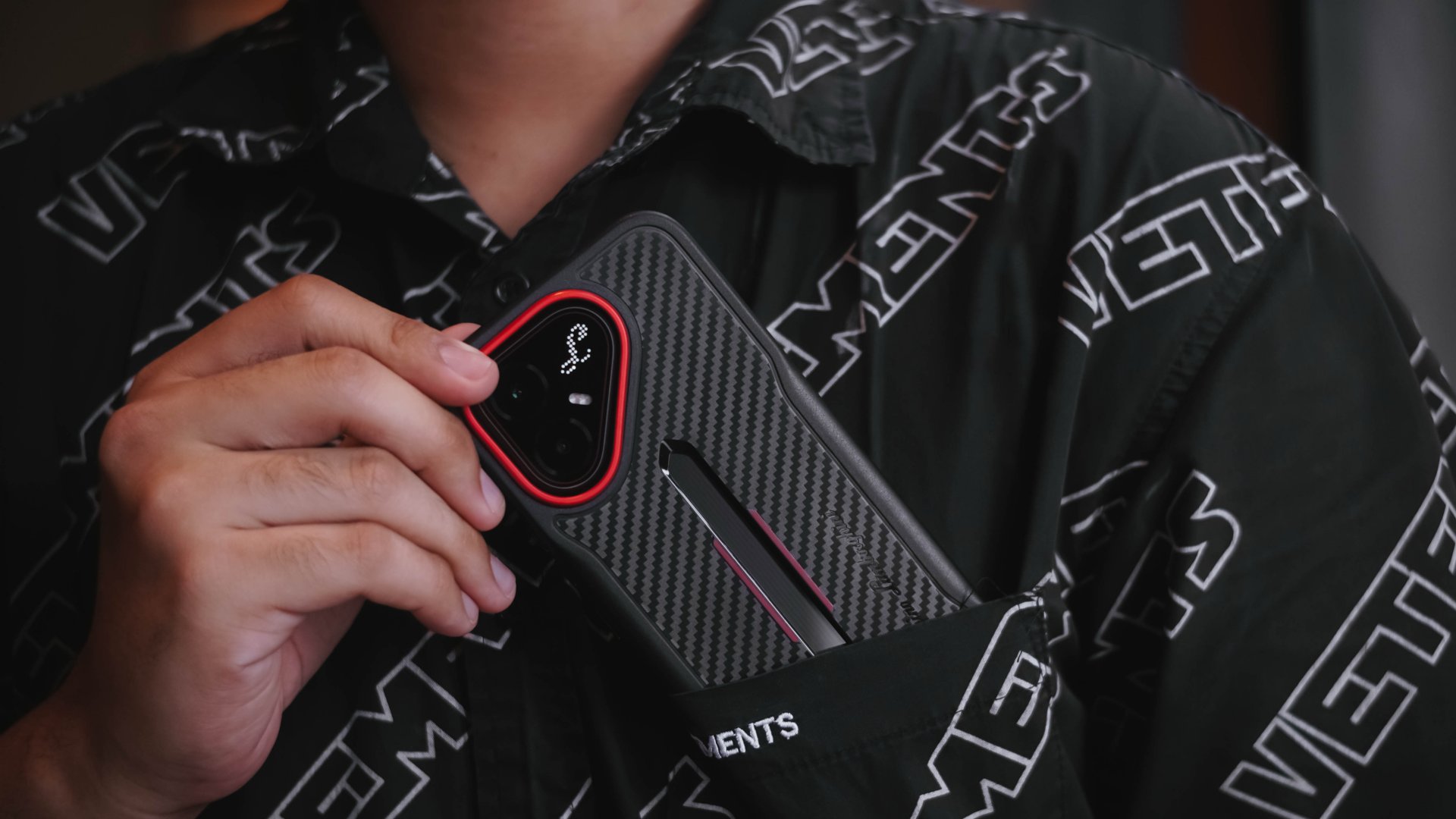
The special Tonino Lamborghini Limited Edition I possess is a living testament that a midrange-grade smartphone, with its exotic yet exquisite aesthetics, can still exist in the 2026 smartphone race track.
Rare, even when bare
From my perspective as a multimedia creative, the very mouthful TECNO POVA 8 Pro Tonino Lamborghini Limited Edition is one hell of a great-looking smartphone.
When bare, this supercar-coded smartphone flaunts its striking design in every millimeter.
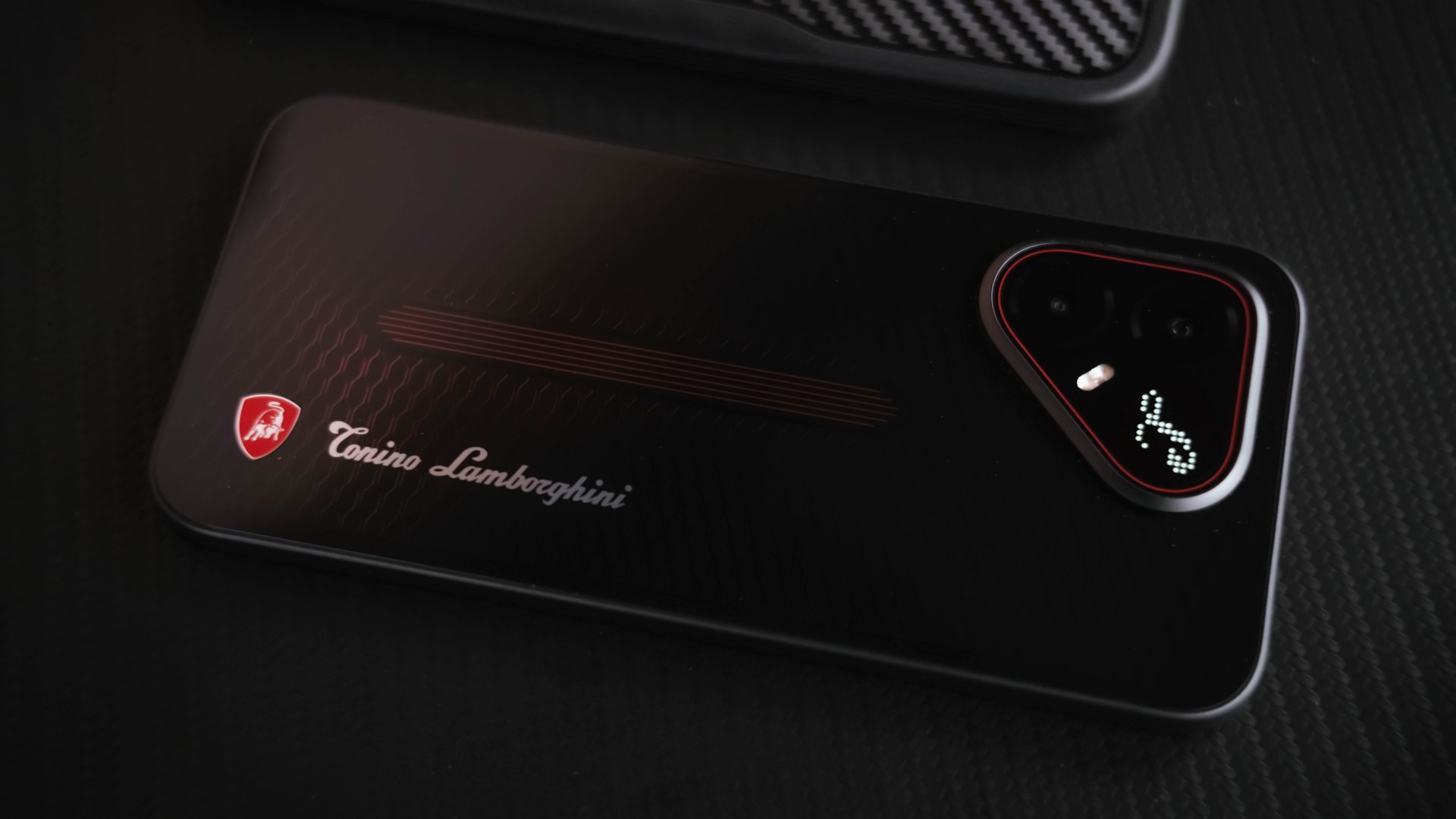
Looking closely, the pattern reminds me of vent grilles found in modern-day supercars.
Its back design elements slowly reveal their deep red hues, even when hit by the faintest of light.
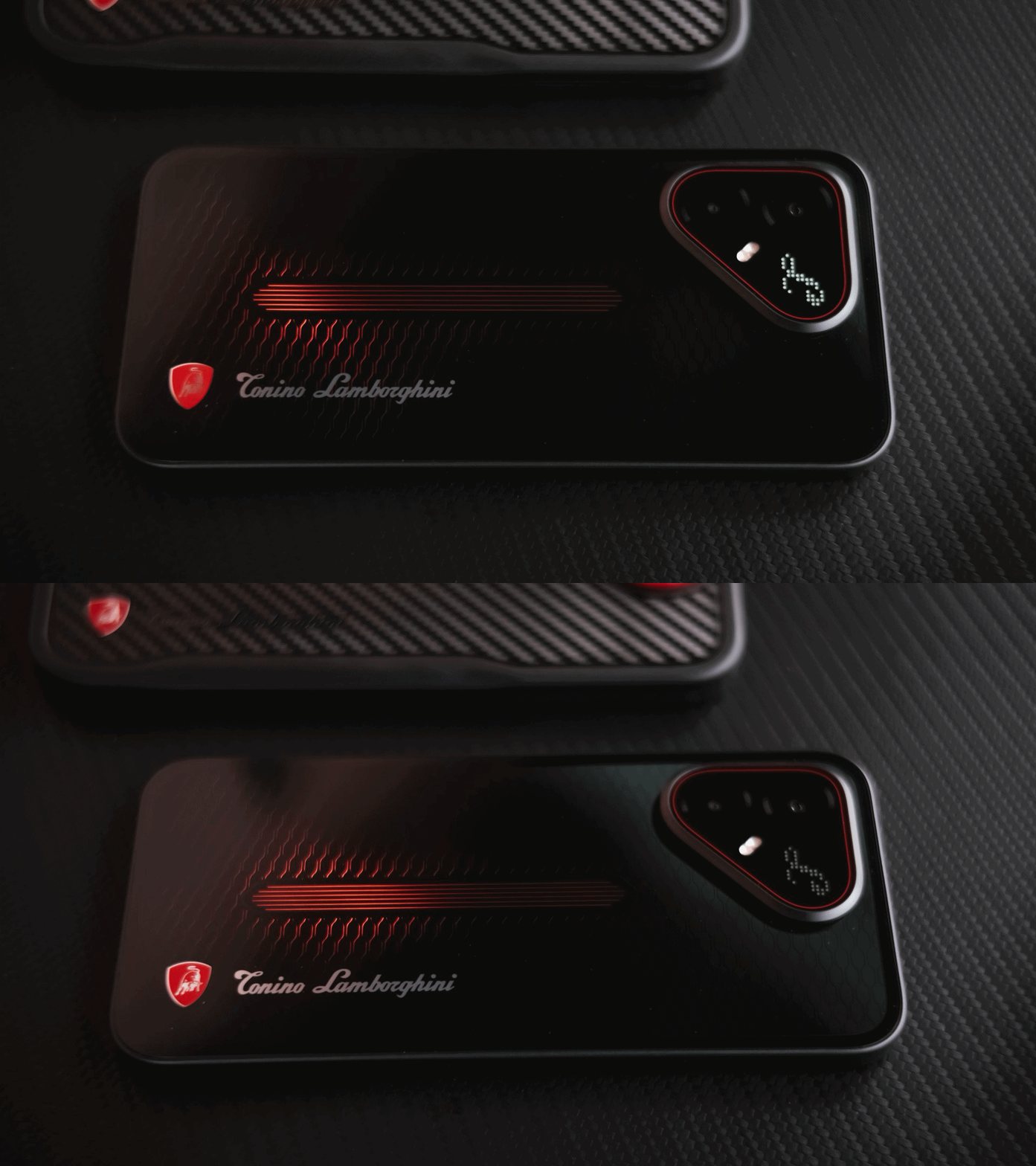
That pulse line in the middle is reminiscent of an engine valve with a flowing fuel in it.
Even the iconic triangular cutout, ever since its existence on the POVA 7 series, wasn’t forgotten at all.
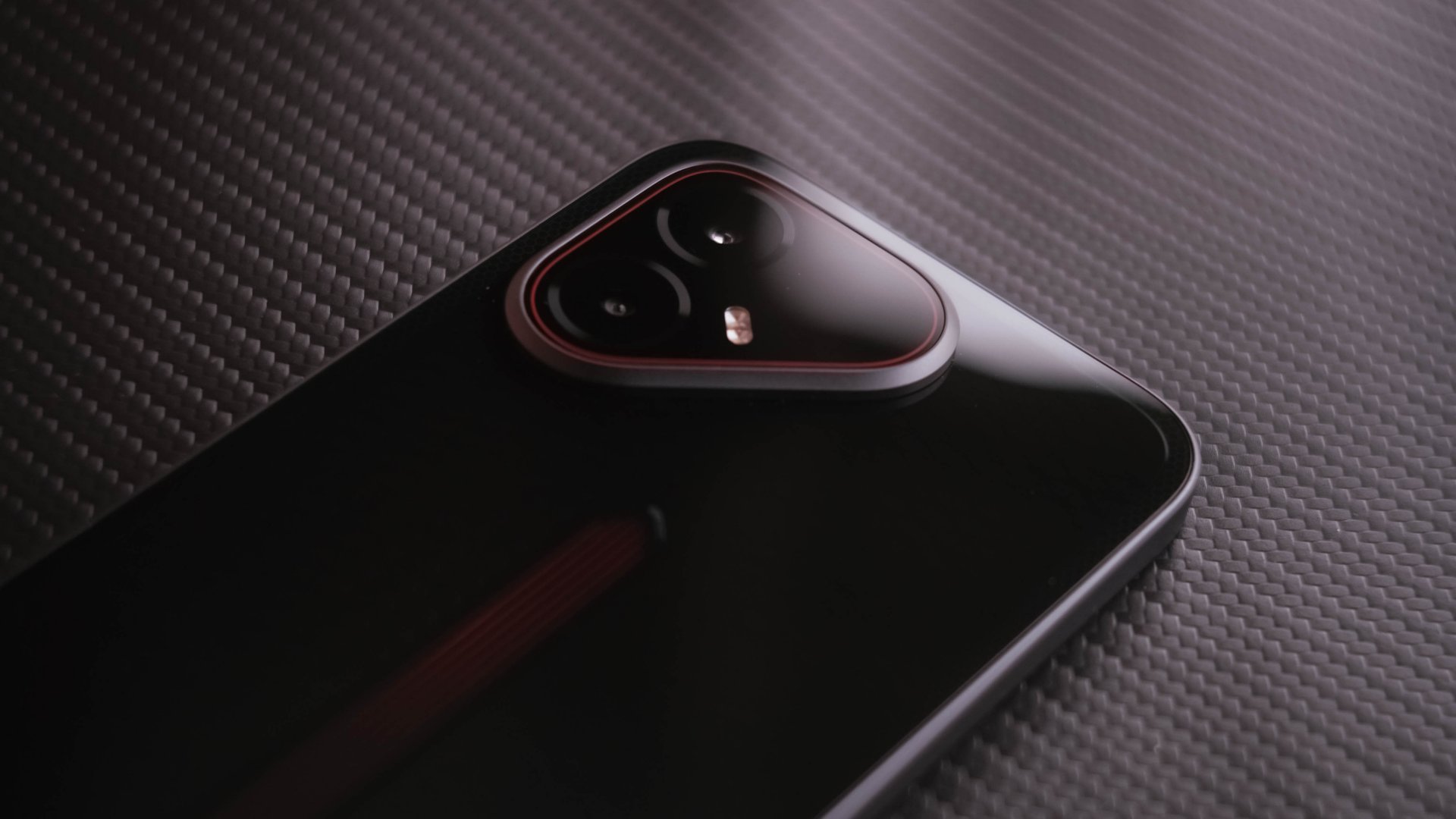
It might sound like I’m exaggerating but, truth be told, this has got to be one of, if not, the best smartphone designs I have ever seen IRL.
Material-wise, it has a plastic back and frame, making it a complete departure from the full-metal unibody build I’ve personally witnessed in MWC 2026.

I don’t have an issue if this was used to keep overall costs down. However, my huge gripe about this is how its back attracts not just smudges, but even dust almost instantly.
That plastic frame might even scratch and chip when exposed wholly.
I then had a full sigh of relief when I found its bundled case in the box.
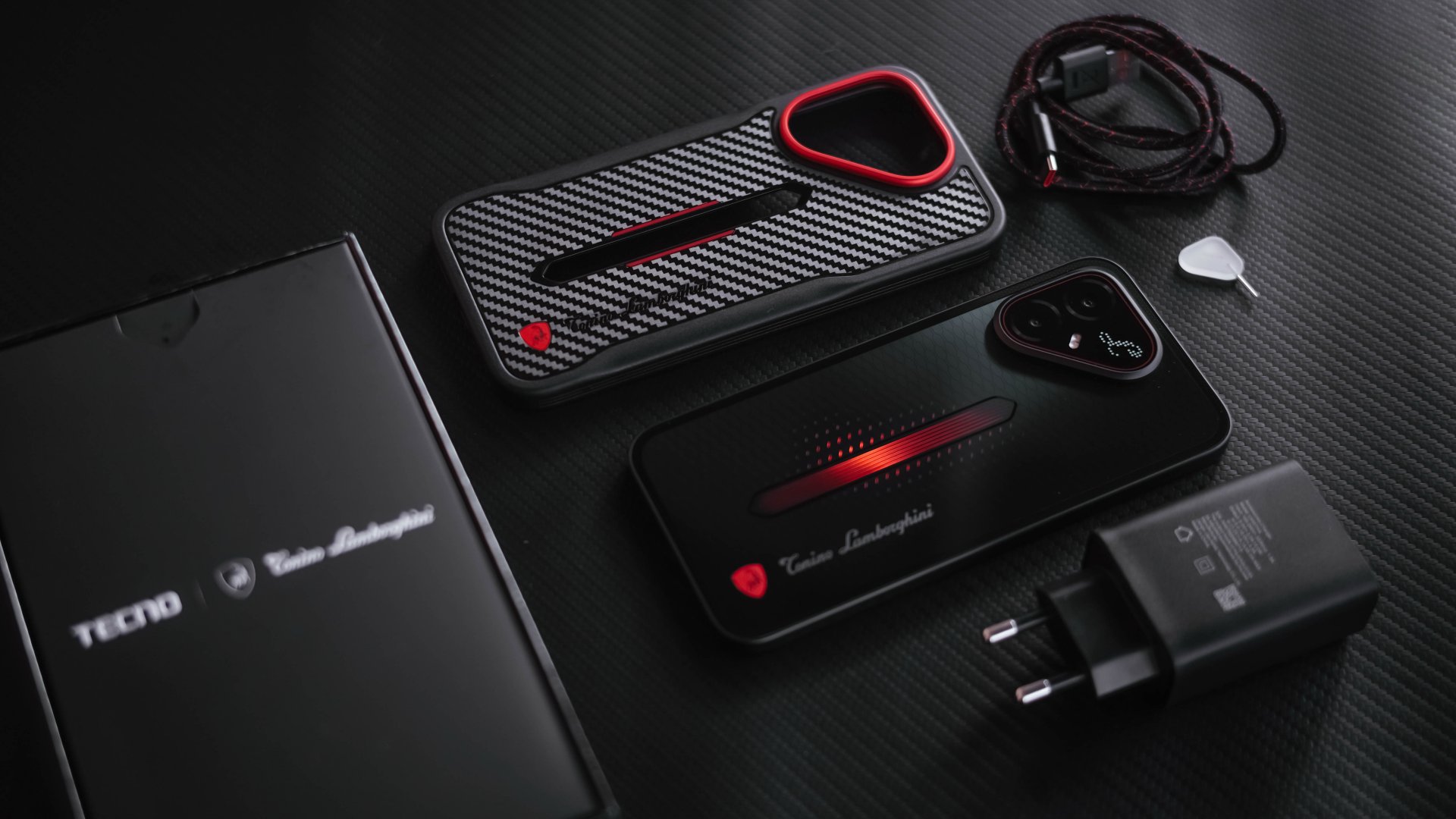
This not only gives utmost protection and adds grip when held, it further shows its premium touch with a finish closely resembling carbon fiber.
While I’m more than grateful if TECNO bundled it with a regular clear case to showcase its true beauty, they didn’t stop just there and stepped it up even further.
And with protection mentioned, it’s one less worry that it boasts IP66, IP68, IP69, and IP69K water and dust resistance ratings.
The Limited Edition ambition
The Tonino Lamborghini partnership doesn’t end there just yet.
From the moment I fired up the phone, it boots up with its Tonino Lamborghini boot animation and immediately shows its stealthy interface.
While Light Mode is activated by default, switching to Dark Mode suits its custom widgets and icons more than ever.
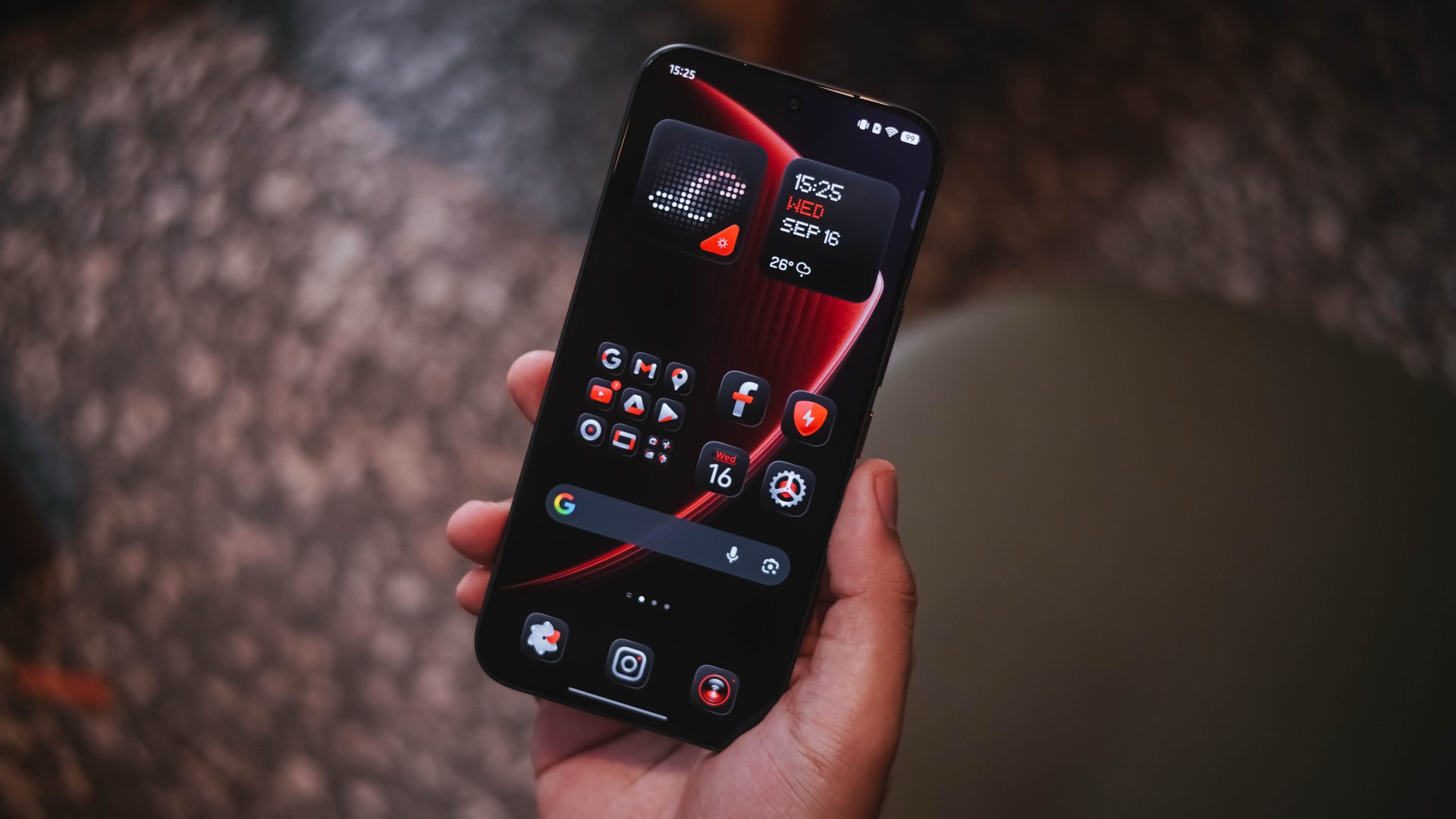
I just wish the icon support was extended to other third-party apps as well. The colorful icons of other apps ruin the overall vibe. This also meant I cannot be fully carefree with my home screen arrangement.
Soft UI rants aside, turning to its right side reveals the POVA branding alongside the usual power and volume buttons.

Notice that extra button? That’s TECNO’s One-Tap Button.
As a refresher, that particular button is placed at the left side and mainly acts as a one-stop AI button. Weirdly, it was situated at the lower right side of the POVA 8 Pro.
And the irony of it all? “One tap” is actually disabled.
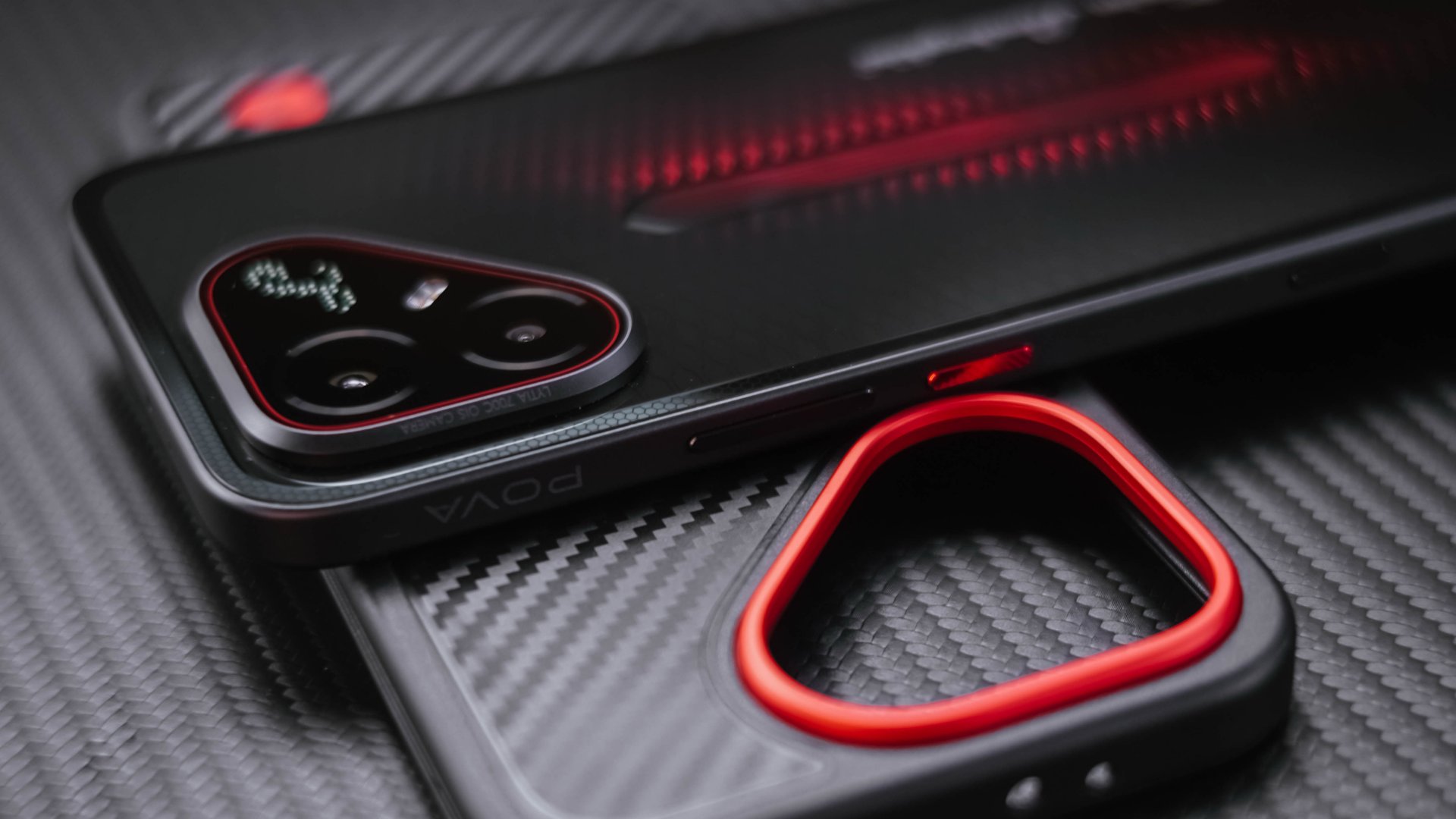
While I believe their decision was right in order to avoid accidental triggers, I wish they would have still kept it as an option for users who want it.
Fortunately, double-pressing that button is user-customizable and not restricted to Ella AI or TECNO’s system apps. Even a game can be launched the moment you trigger it.
On my end, I love how it easily doubles as a fast camera shutter button.
Speaking of cameras, remember that triangle camera cutout at its back? It’s where the Alive Matrix Display also sits.
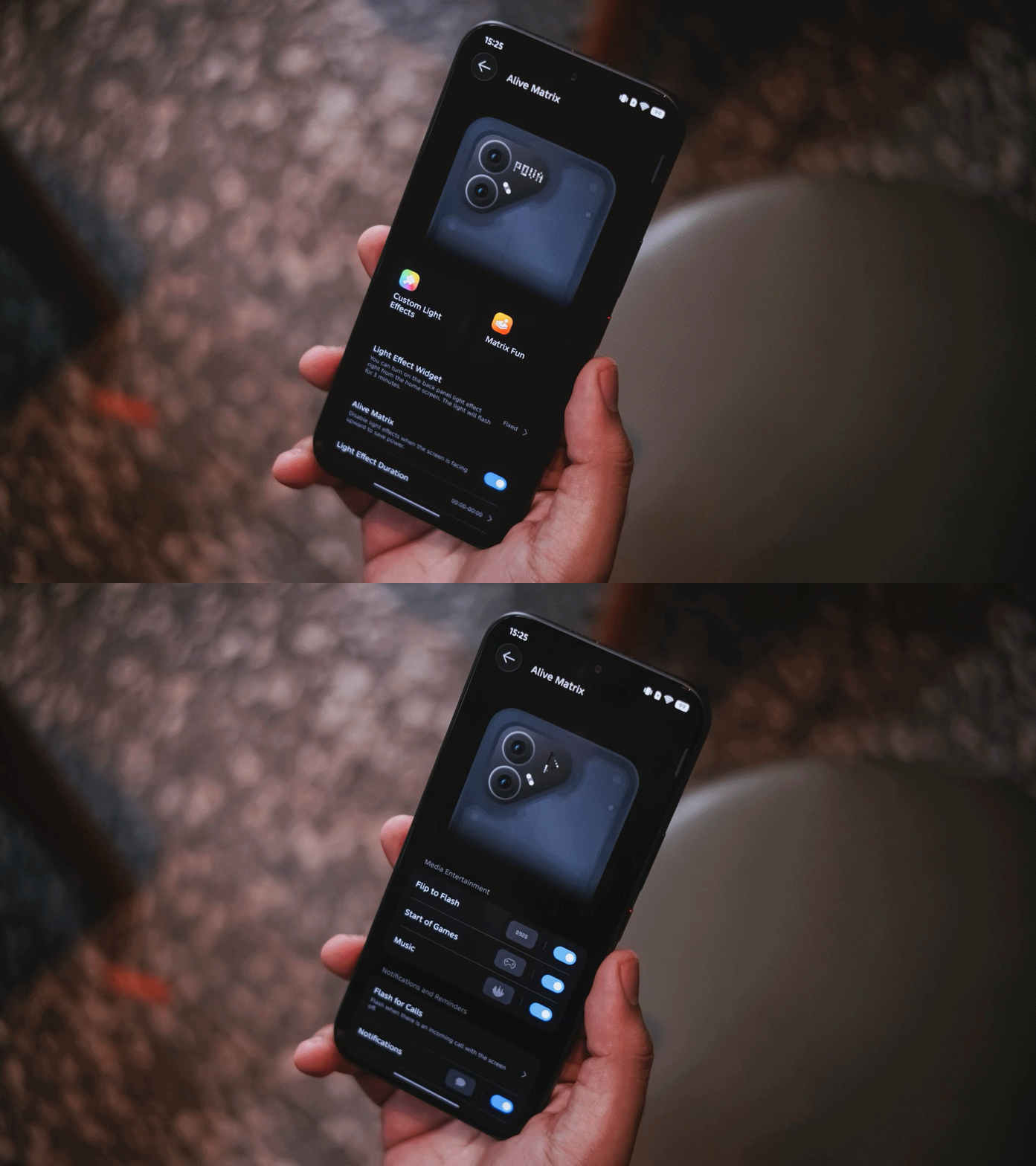
That small circular LED display is both a form and function. Not only it displays current time or timer countdown, it can also show charging percentage, calls and message notifications, even a song visualizer.
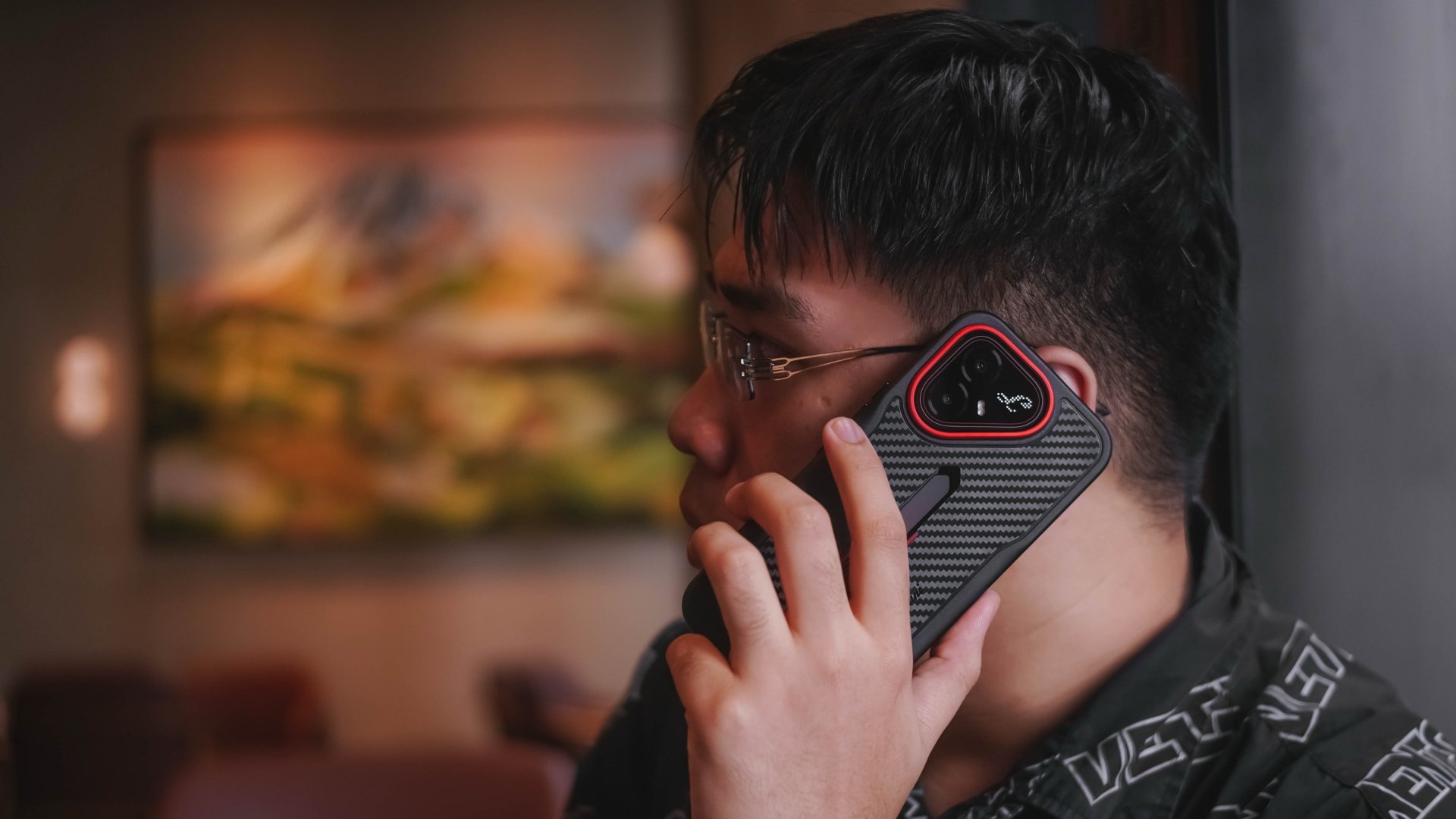
Personally, I just love how it displays the signature cursive “L” in the Lamborghini wordmark.
If you’re THAT creative, you can even formulate and draw your own styles.
#NowPlaying: Four Hands, Two Sonatas
One of the hottest K-Dramas right now is none other than Song Kang and Lee Jun-young’s 포핸즈 (po-haen-jeu), or “Four Hands, Two Sonatas“ internationally.

The two piano prodigies grew up in very different backgrounds and had very different upbringings. More so, they share a confusing and undefined relationship.
While it’s hard to say what the director and screenwriter’s goal at the very end of the series, what’s clear is that they both wanted to have fun while playing several piano pieces alongside one another.

Much comparable to the maestro duo, its 6.78-inch 1.5K HyperLux AMOLED display is bright and immersive, yet still sharp.
Matching their fast-playing fingers, the POVA 8 Pro Tonino Lamborghini also boasts a fast 144Hz refresh rate, very ideal for games that support it (more on that later).
On Queue: H2H, Chungha, D.O
The audiovisual goodness continues when I played these latest K-Pop releases.

H2H’s (Hearts2Hearts) stunning visuals in Moonride is very much equal to the visuals offered by the TECNO POVA 8 Pro.
More so, the diva-tastic performance of Chungha (I.O.I) with her latest titled “México.”

A Korean female idol showing her powerful dance moves alongside her language duality by singing Mexican Spanish and American English in one single song is such a power move. That’s much like the powerful dual speakers of the TECNO POVA 8 Pro.

How can I even forget the rhythmic “Guitarist“ comeback track by my long-time male idol bias since January 30, 2012 a.k.a EXO’s D.O.
This is where I think its sound superiority is purely felt.
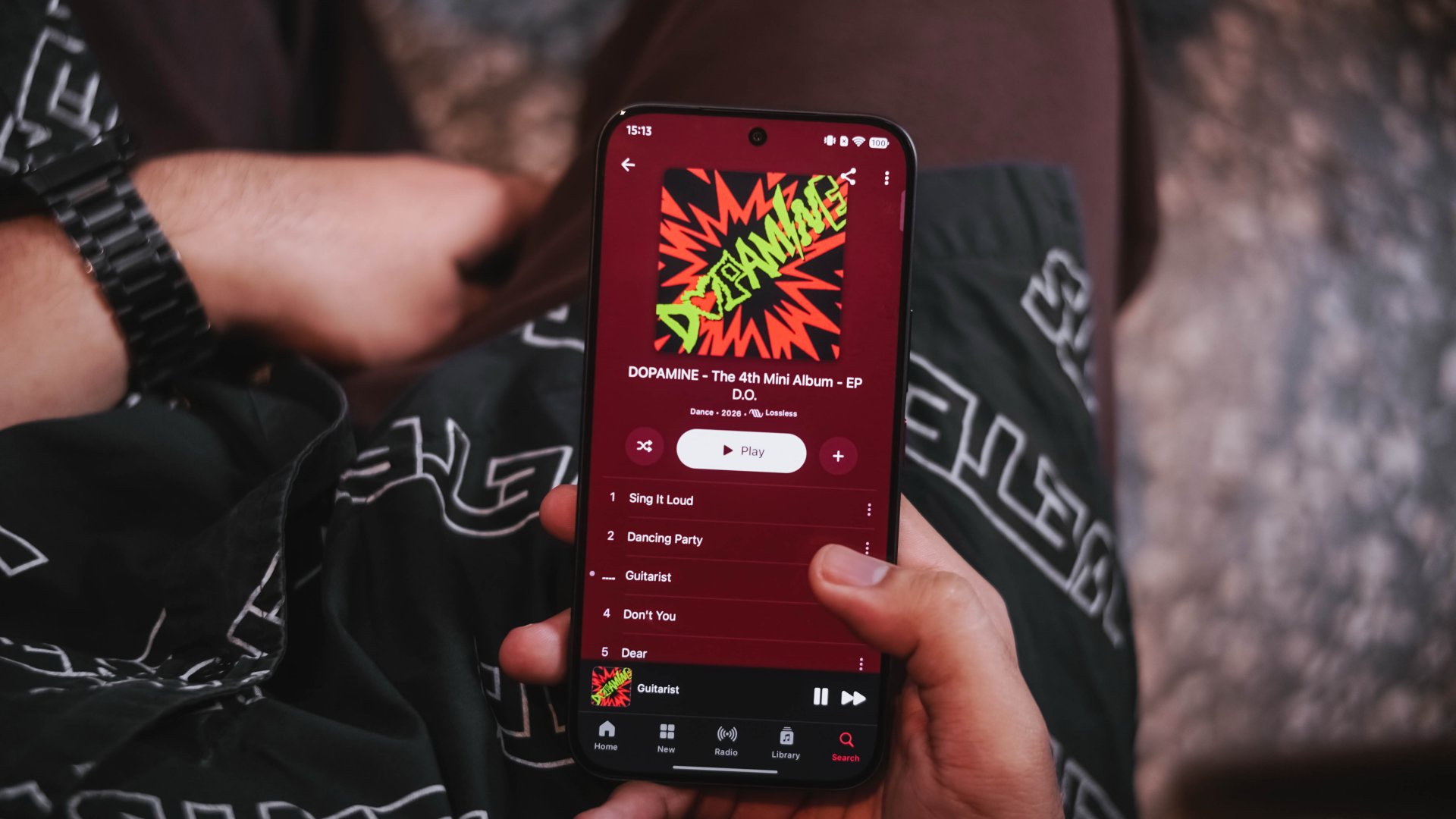
Unlike the CAMON 50 Ultra I held months ago, POVA 8 Pro’s speakers honestly sound fuller and more powerful. And by that, it’s loud without being too flat and has the right amount of deep bass.
The guitar strums in the song can be heard even in a spacious room.
Exotic ain’t chaotic
TECNO’s POVA 8 Pro runs Dimensity 7400 Ultimate SoC. While this isn’t the most powerful midrange chip by MediaTek, it’s still a very capable processor in today’s standards.
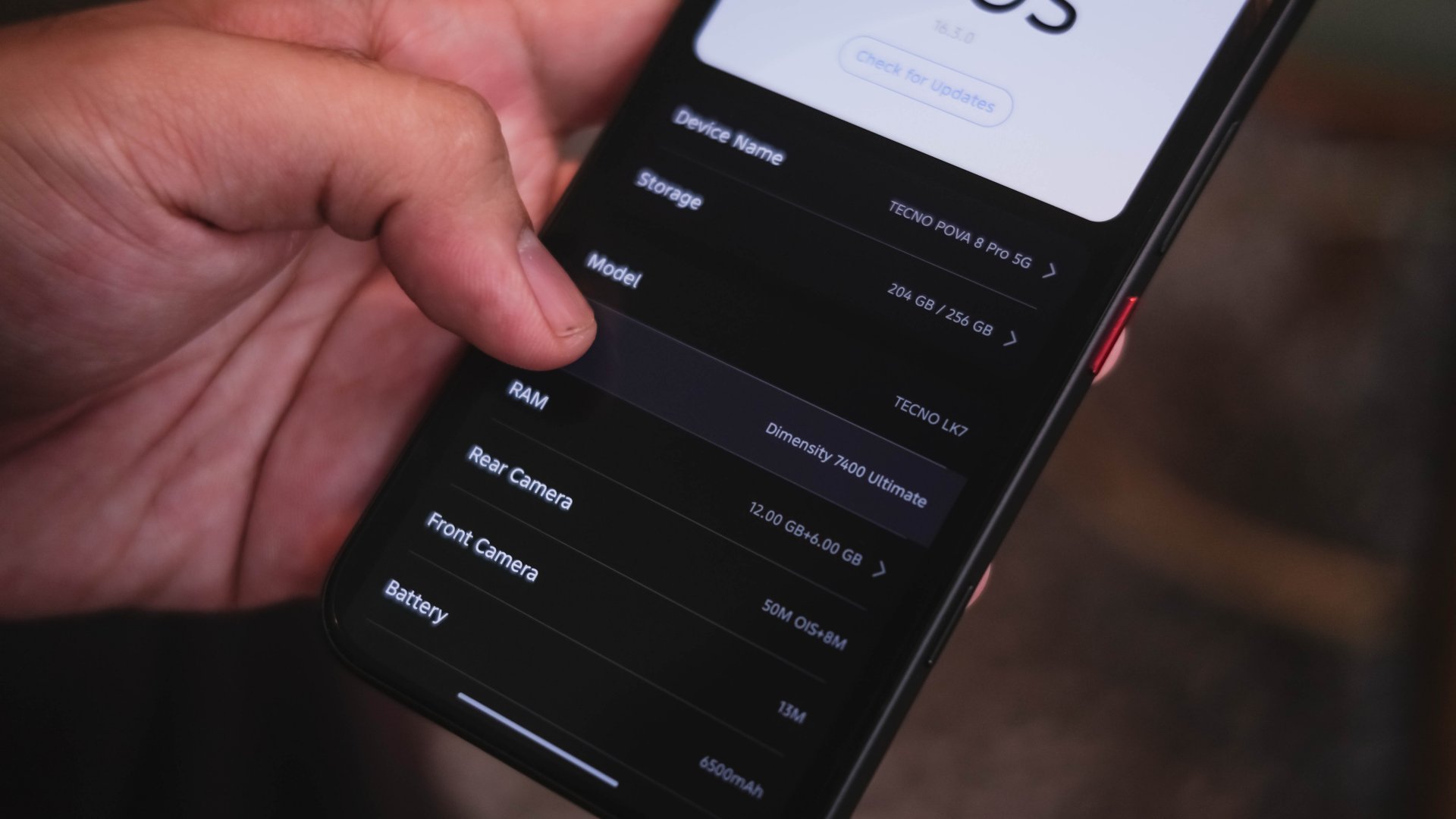
Right off the bat. I installed the graphics-intensive mobile games I usually play.

Racing Master plays smoothly. That’s as long as you set the graphics at medium paired with 30fps frame rate and low resolution. Pushing it to its extremes is still playable yet guarantees you unavoidable frame drops.
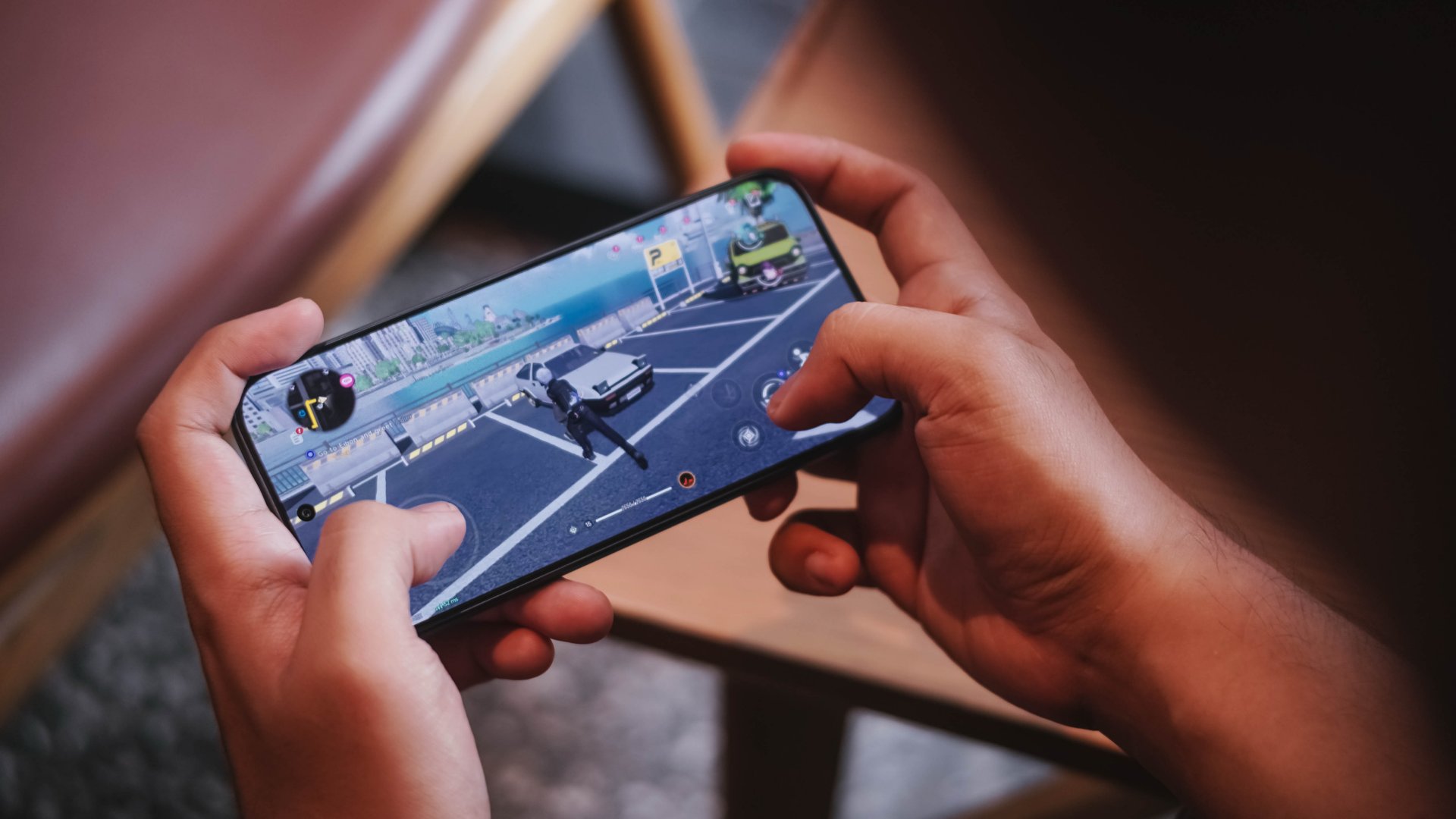
Meanwhile, the smooth graphic settings of NTE (Neverness to Everness) clearly lives up to its name. Roaming around Hethereau and fighting unexpected encounters were a breeze
-
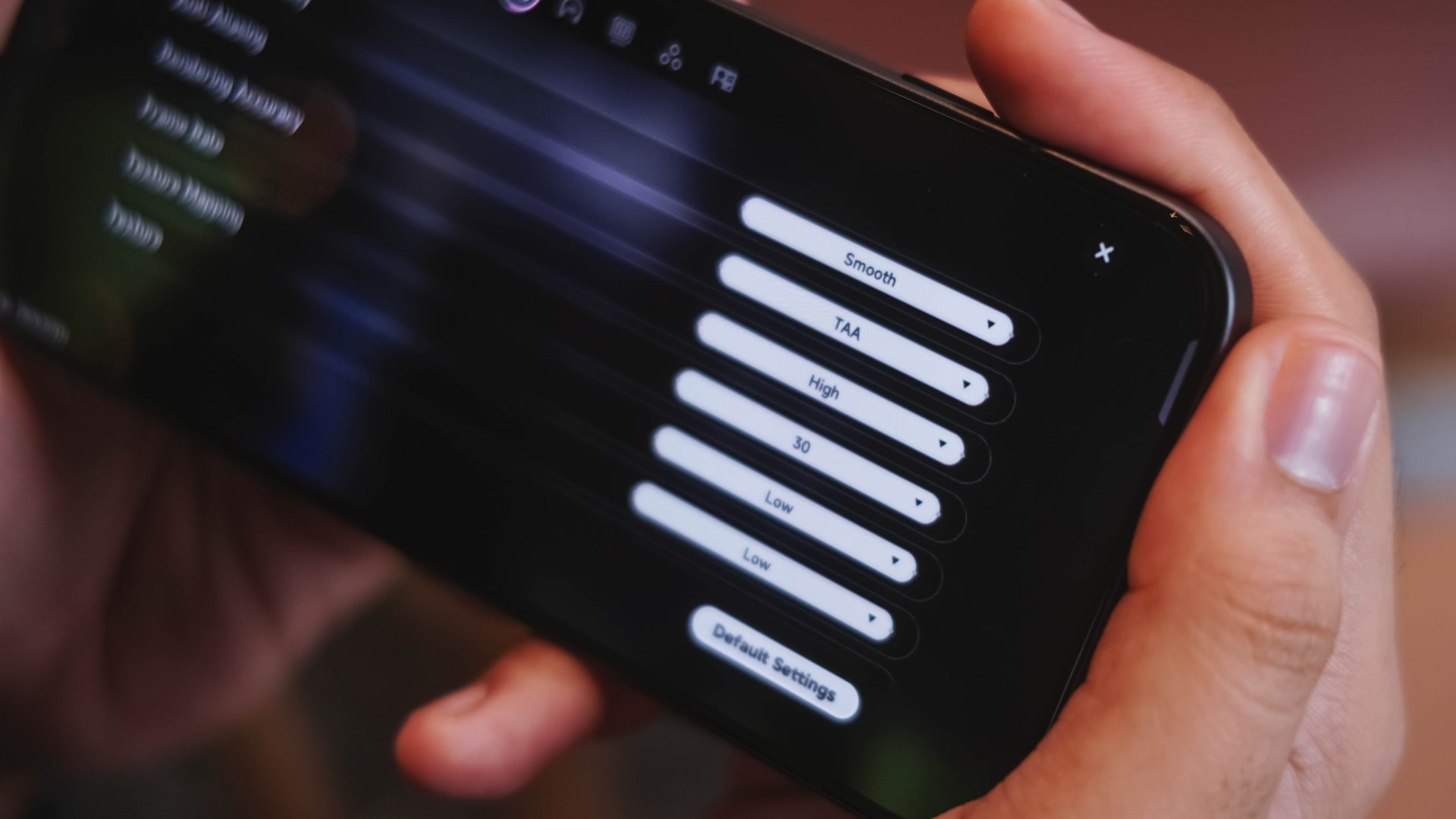
- NTE Graphic Settings by default
-
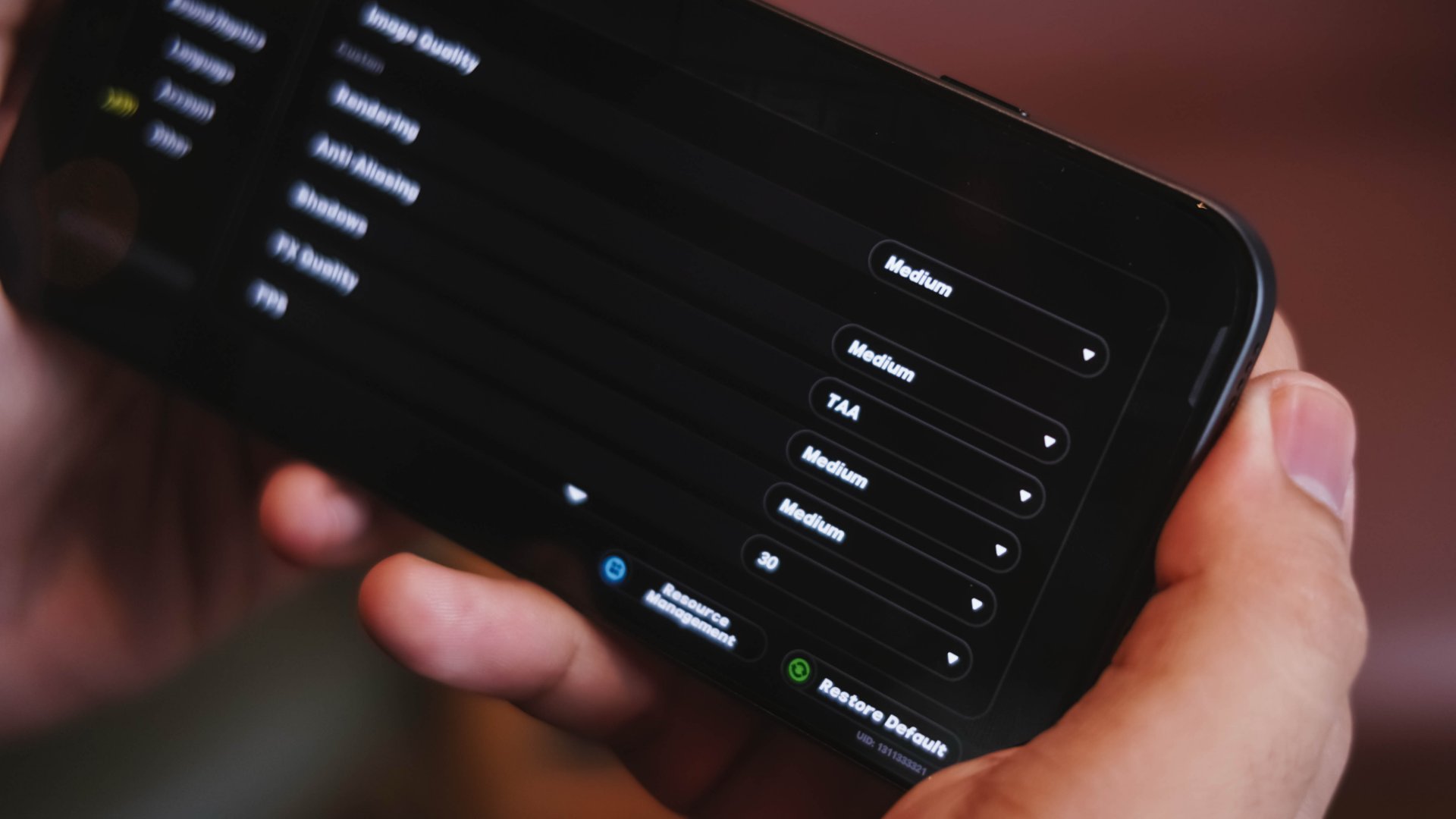
- ZZZ Graphic Settings by default
Surprisingly, Zenless Zone Zero is set to Medium post-installation. Going around New Eridu was desirable.

Albeit, Combat Mode truly tests out every bit of power of this chip — most especially when switching between agents, toggling Assist Counters, and even activating their special attacks.
To be very frank, the POVA 8 Pro performed faster, snappier, and even less laggy in contrast to the Snapdragon 6 Gen 5 phone I’ve reviewed just recently.

Mind you, that Qualcomm SoC is only 4 months old. While it isn’t the direct rival of the aforementioned Dimensity chip, it still proves that real-world experiences matter more than just benchmarks and hearsays.
Clearly, these brand biases and stereotypes should be forgotten for good.
To outlast is a must
Similar to the CAMON 50 Ultra, the TECNO POVA 8 Pro Tonino Lamborghini Limited Edition also packs a 6500mAh battery.

While the vanilla POVA 8 and POVA Curve 2 both rock the biggest battery in any TECNO smartphone so far at 8000mAh, this is still beyond the 5000mAh mark.
My time with it made the phone last until the end of night as long as it’s used moderately.
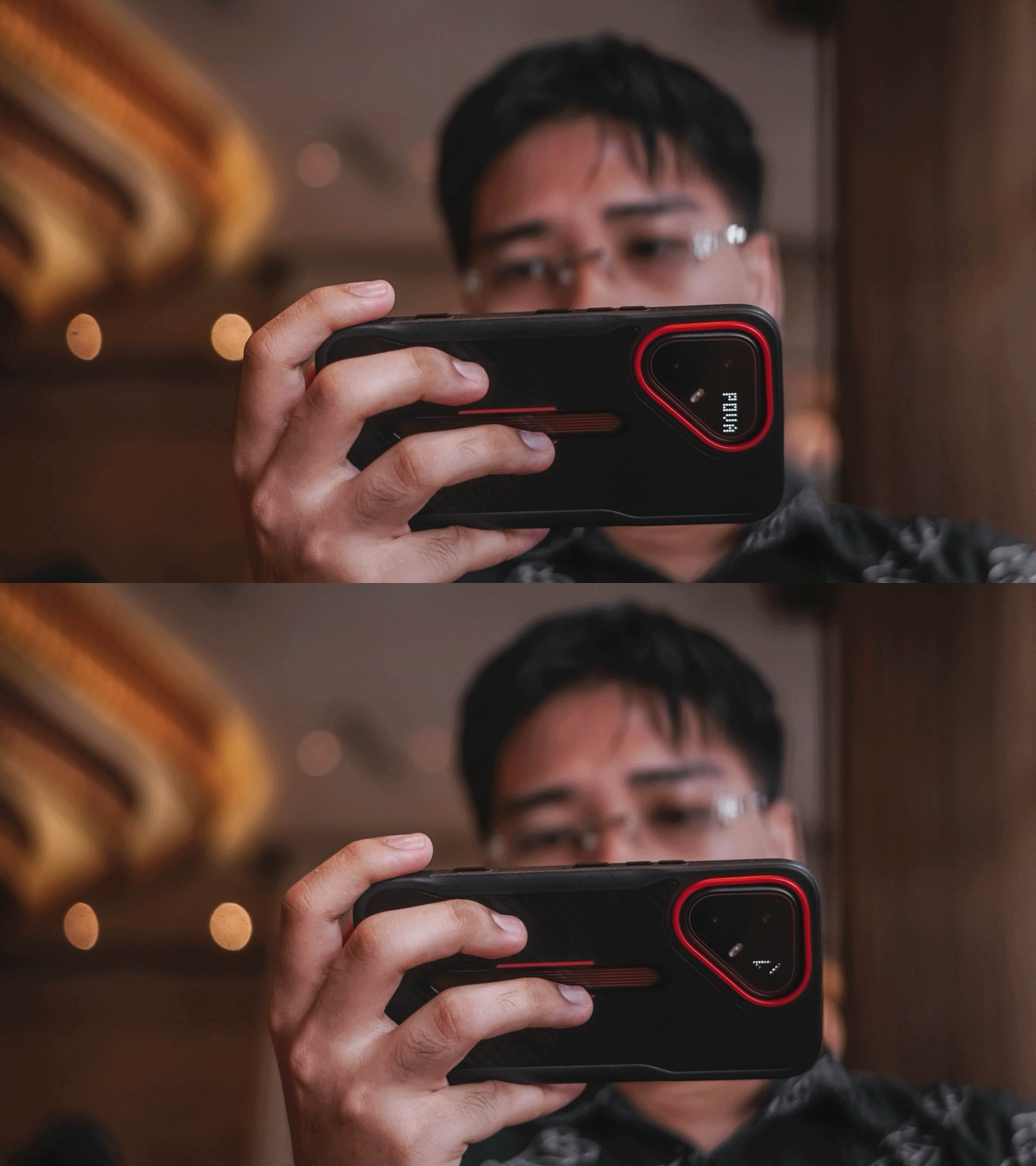
By that, doomscrolling on social media, streaming K-Pop songs, binging K-Dramas, taking some photos.
As expected, severe battery depletion can be felt when playing games for hours. For instance, a 2-hour Racing Master gameplay reduced my battery level from 90% to 74%.
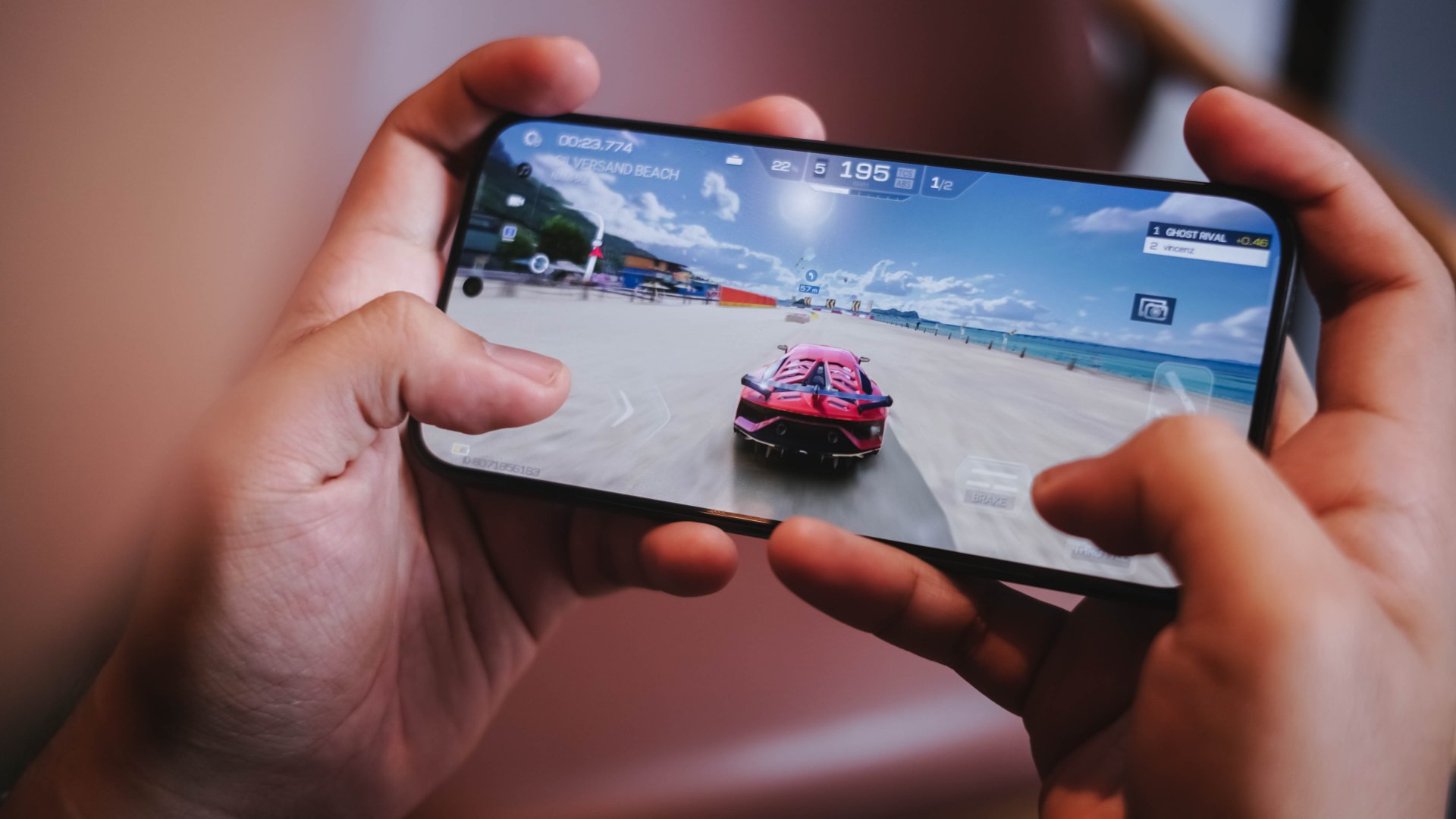
During standby mode where the phone lays flat and untouched (due to a very busy TechTember workload), its battery efficiency shocked me. Even after being unplugged for more than 150 hours, the POVA 8 Pro still has 33% left in its tank.
Now, one of the best battery drain tests in a smartphone is none other than making it as your personal hotspot.

I went out of our house as early as 4AM. When I got back around 11PM, it was still able to preserve 11%. More surprising is that, it kept that same percentage after I slept for 12 hours.
Now, when the tank completely runs out, the POVA 8 Pro comes with its own charger and cable set.
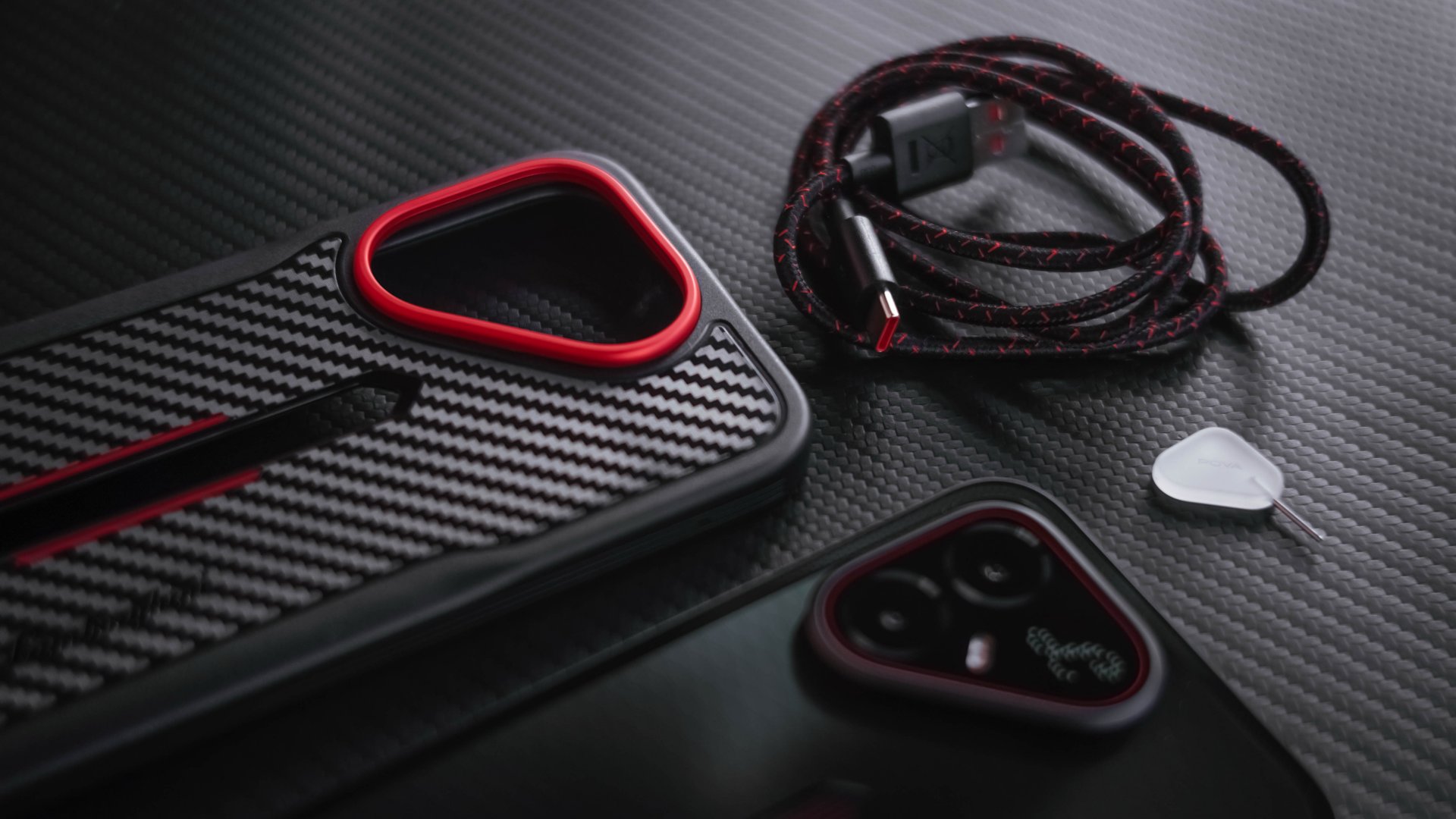
The Tonino Lamborghini Limited Edition I have is quite different though. Instead of the typical white, it has a black charging adapter alongside a braided USB-C to USB-A cable.
That said, here are my GadgetMatch Charge Test results using its bundled accessories:
45W HyperCharge Max |
45W Smart Charge |
|
START TIME (from 0%) |
5:00AM |
7:25PM |
3 minutes |
5% |
3% |
5 minutes |
8% |
5% |
10 minutes |
19% |
13% |
15 minutes |
27% |
17% |
30 minutes |
53% |
45% |
45 minutes |
78% |
56% |
1 hour |
97% |
71% |
1 hour 15 minutes |
– |
88% |
END TIME (100%) |
6:04AM
|
8:51PM
|
Needless to say, activating its HyperCharge Max charging speed can fully fill the phone in around an hour.
Visionary vision
The TECNO POVA 8 Pro (regardless if it’s the regular or Tonino Lamborghini Limited Edition) boasts a 50MP main camera based from Sony’s LYT-700C.
For added context, that’s also the same image sensor placed inside the CAMON 50 Ultra.

If you happened to read that particular review, I praised it a lot for its overall image quality.
Without an ounce of doubt, the same can be said here.

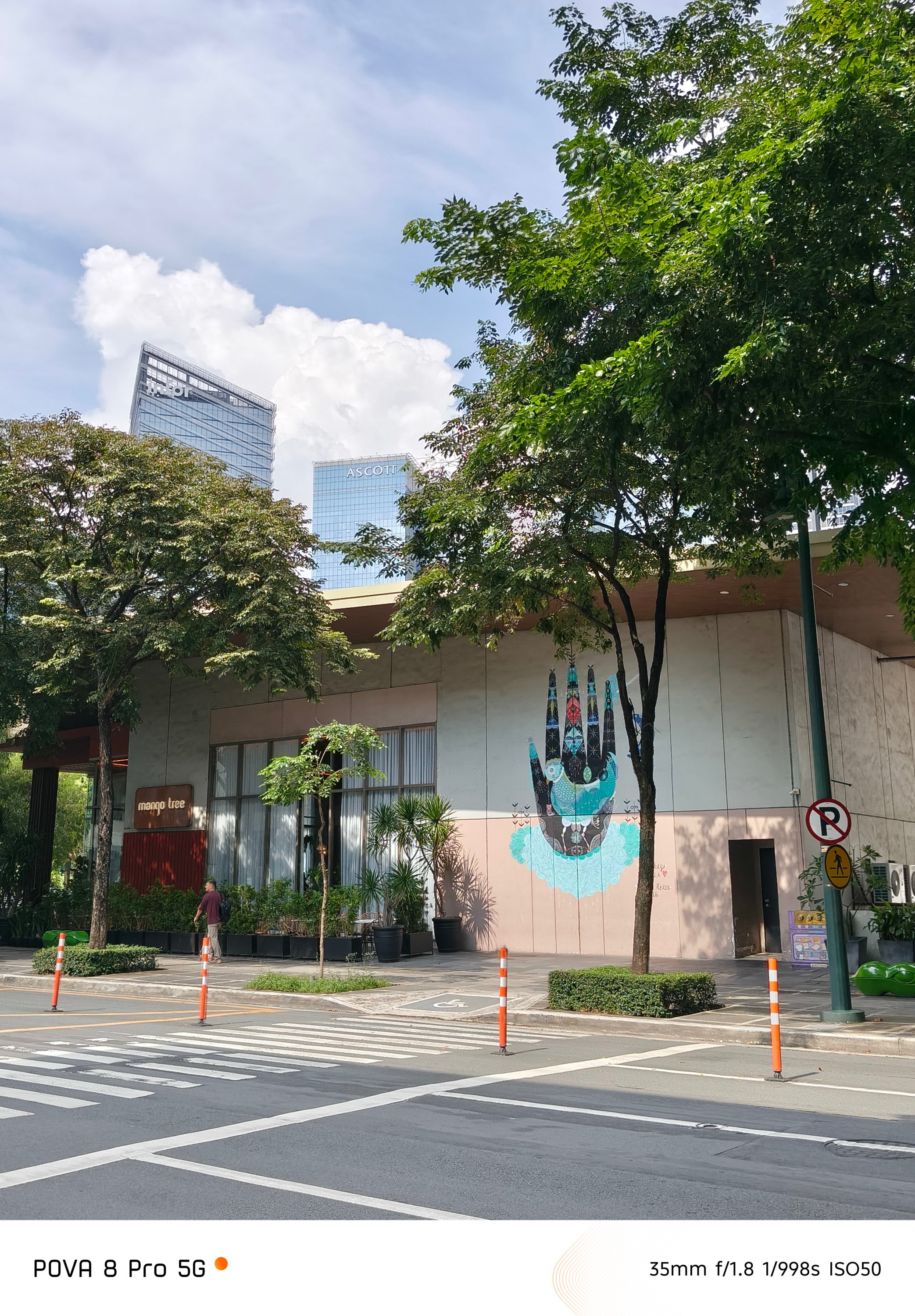
Even if this is a performance-focused smartphone, TECNO didn’t actually compromise its regular 1x main camera.



While its 8MP f/2.2 ultra-wide shooter isn’t anything grand. Still, it gets the job done.

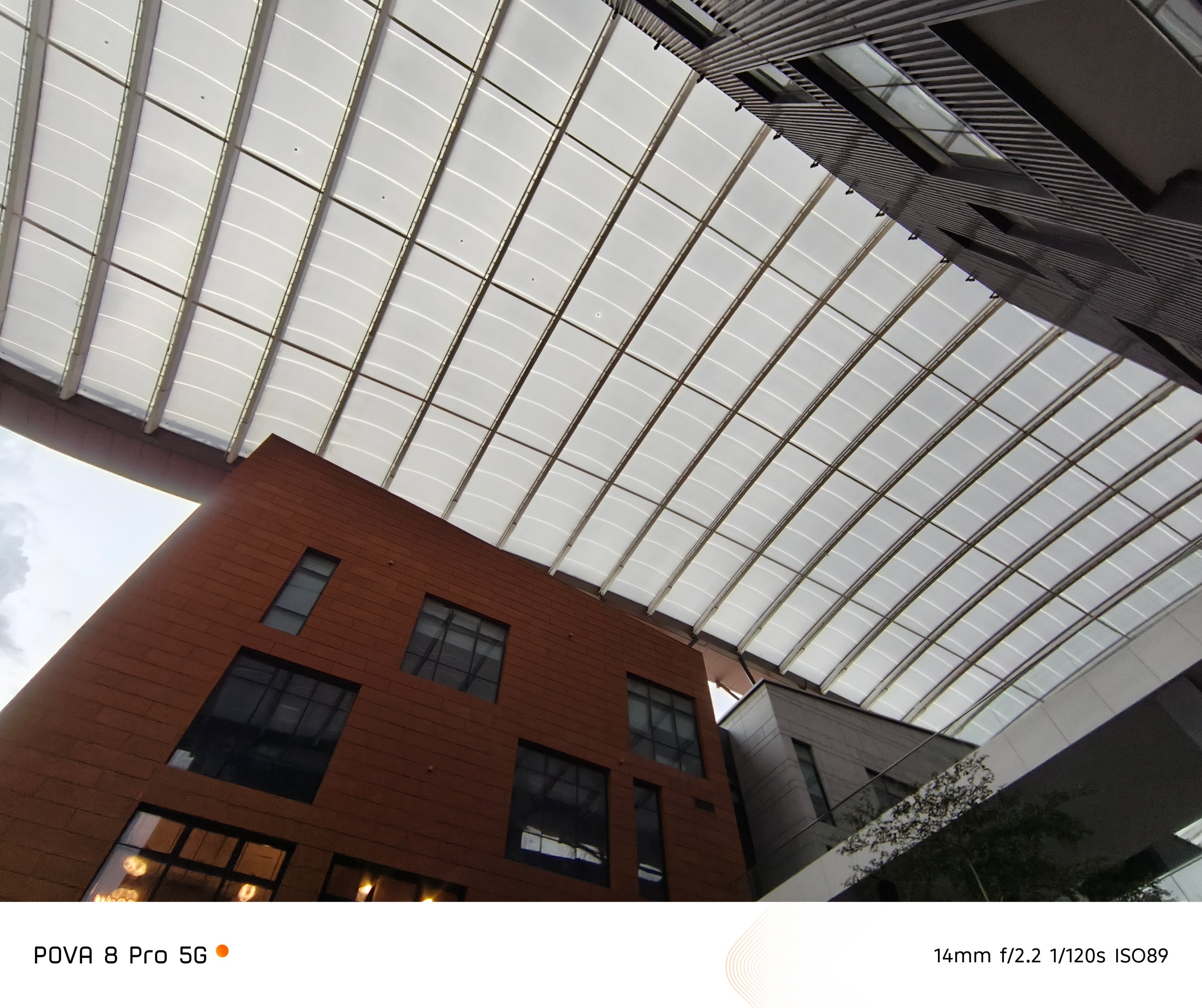
After all, it’s the good ol’ sensor frequently used by TECNO among most (if not all) of their phones.


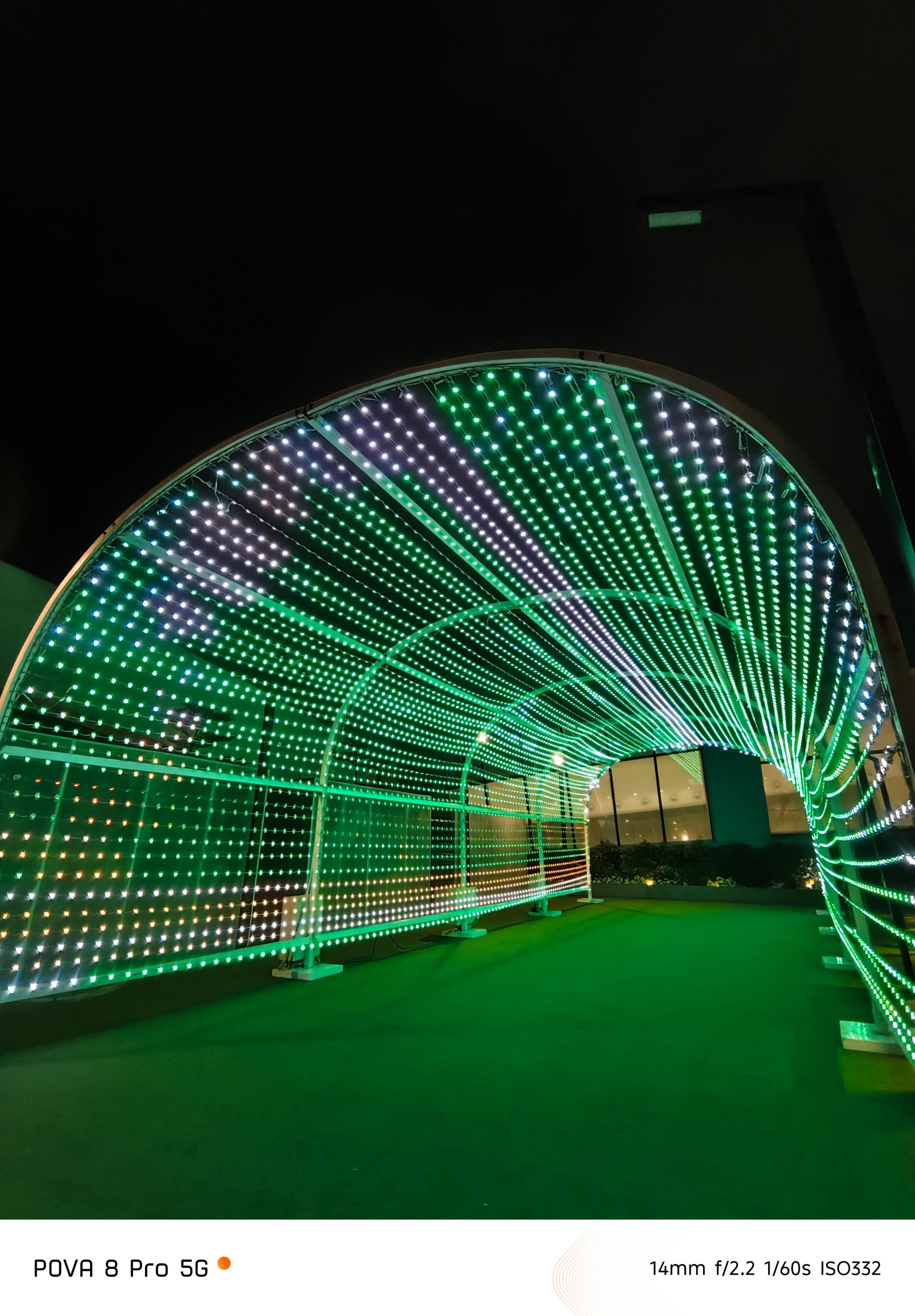
 With this price to hardware ratio, caveats are expected.
First and foremost, the lack of a telephoto module found on its CAMON cousin slash contender.

Notice the contrast and saturation shifting when switching between 1x and 2x? The lack of a dedicated telephoto module is the culprit.
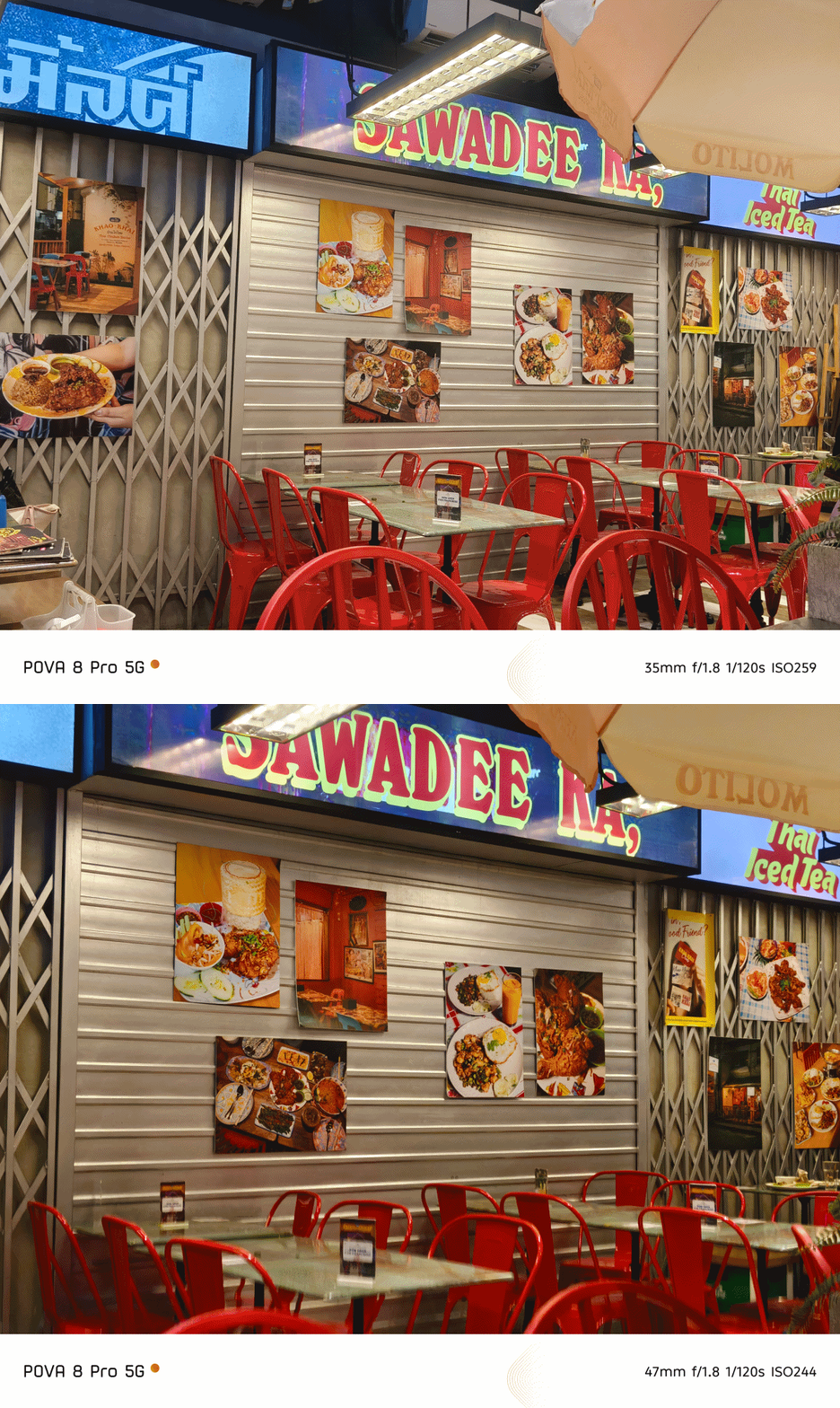

Although to be quite frank, I still liked how well it performed even by just relying on 2x digital zoom — or even way past it!




The front camera is smaller too at 13MP (as opposed to 50MP).


Even so, all the nuances such as CAMON’s triple color profiles and the handy-dandy FlashSnap are all missing in this POVA.
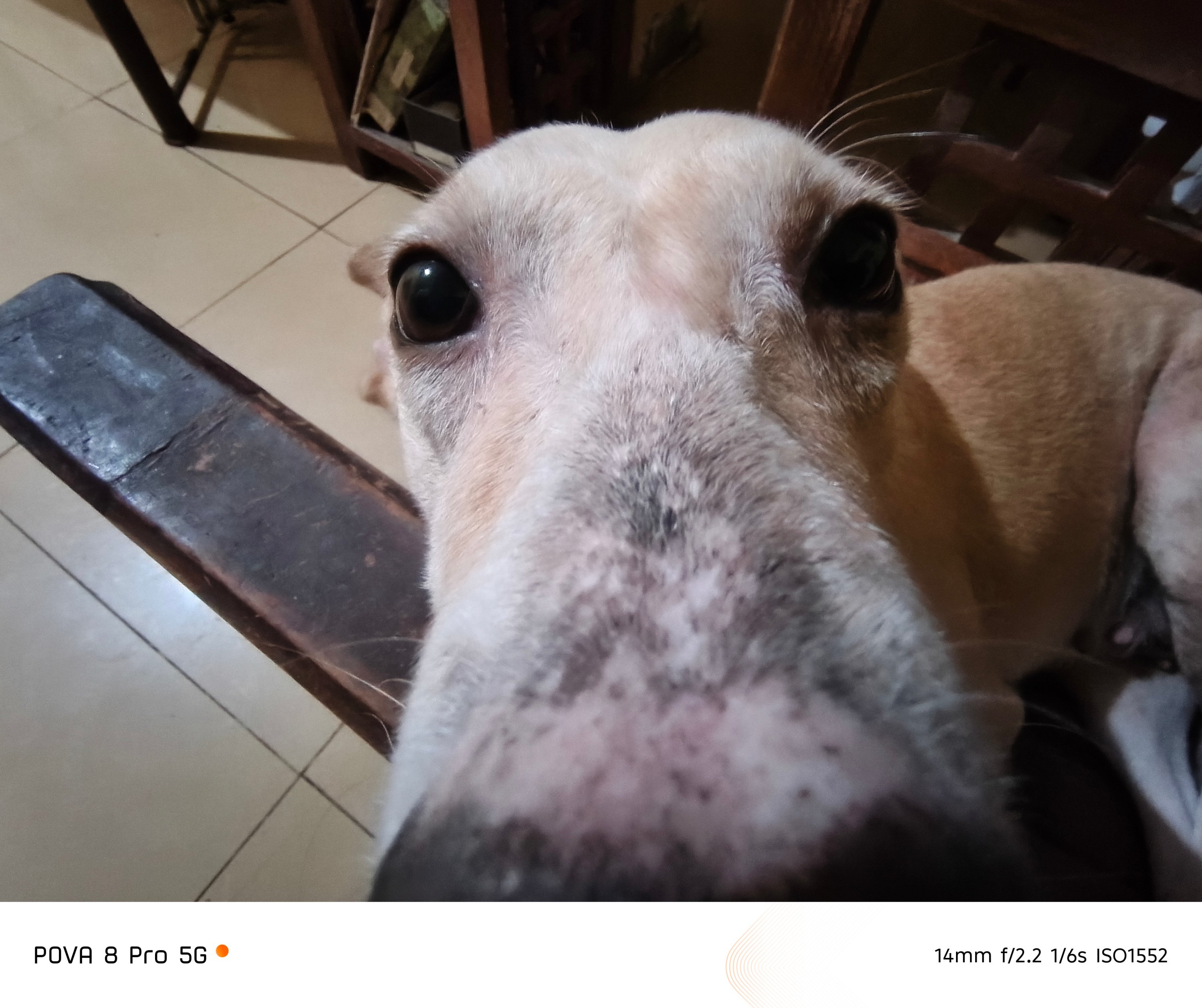
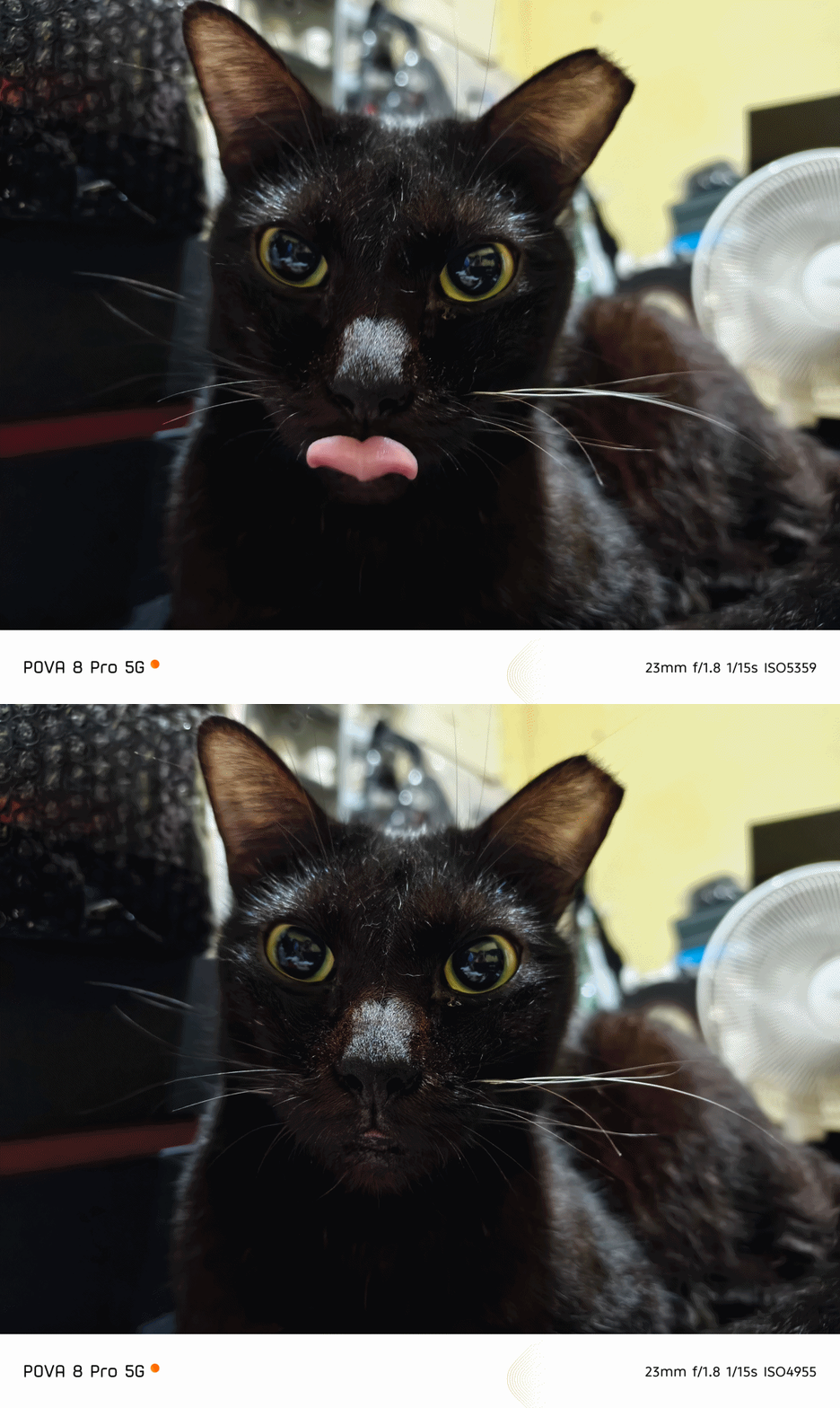
Still, it’s safe to say that the POVA 8 Pro can deliver post-worthy and social media-ready photos whenever, wherever. I mean Just look at how sharp these furry friends look.






Although there’s no FlashSnap feat, that split-second gap still produced such picture-purrfect moments.






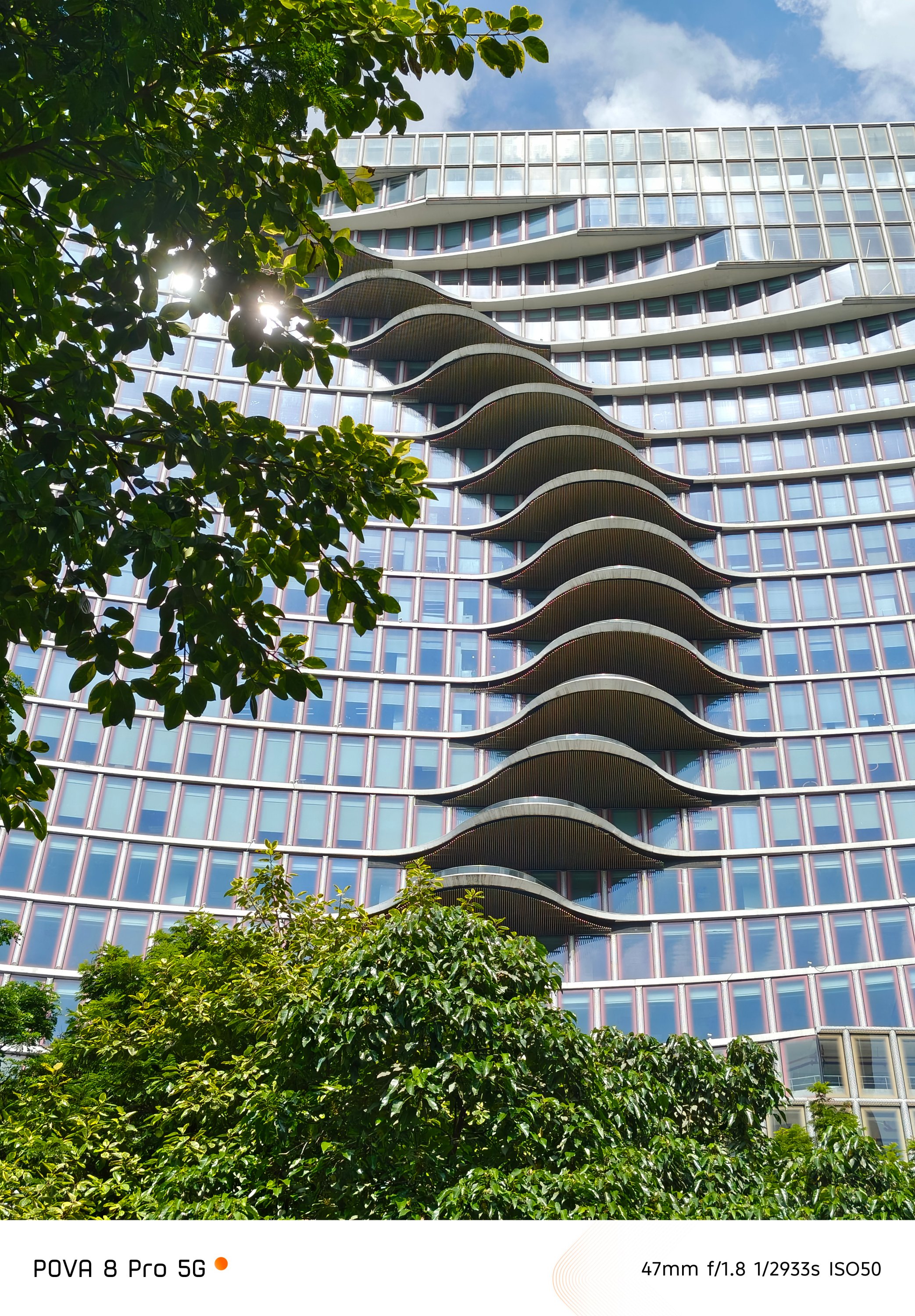
The food you devour with your family, friends, or just yourself (no judgments made) weren’t even spared from that luscious output.


















Even the places you go where there’s little to no presence of natural light, the POVA 8 Pro did not disappoint at all.



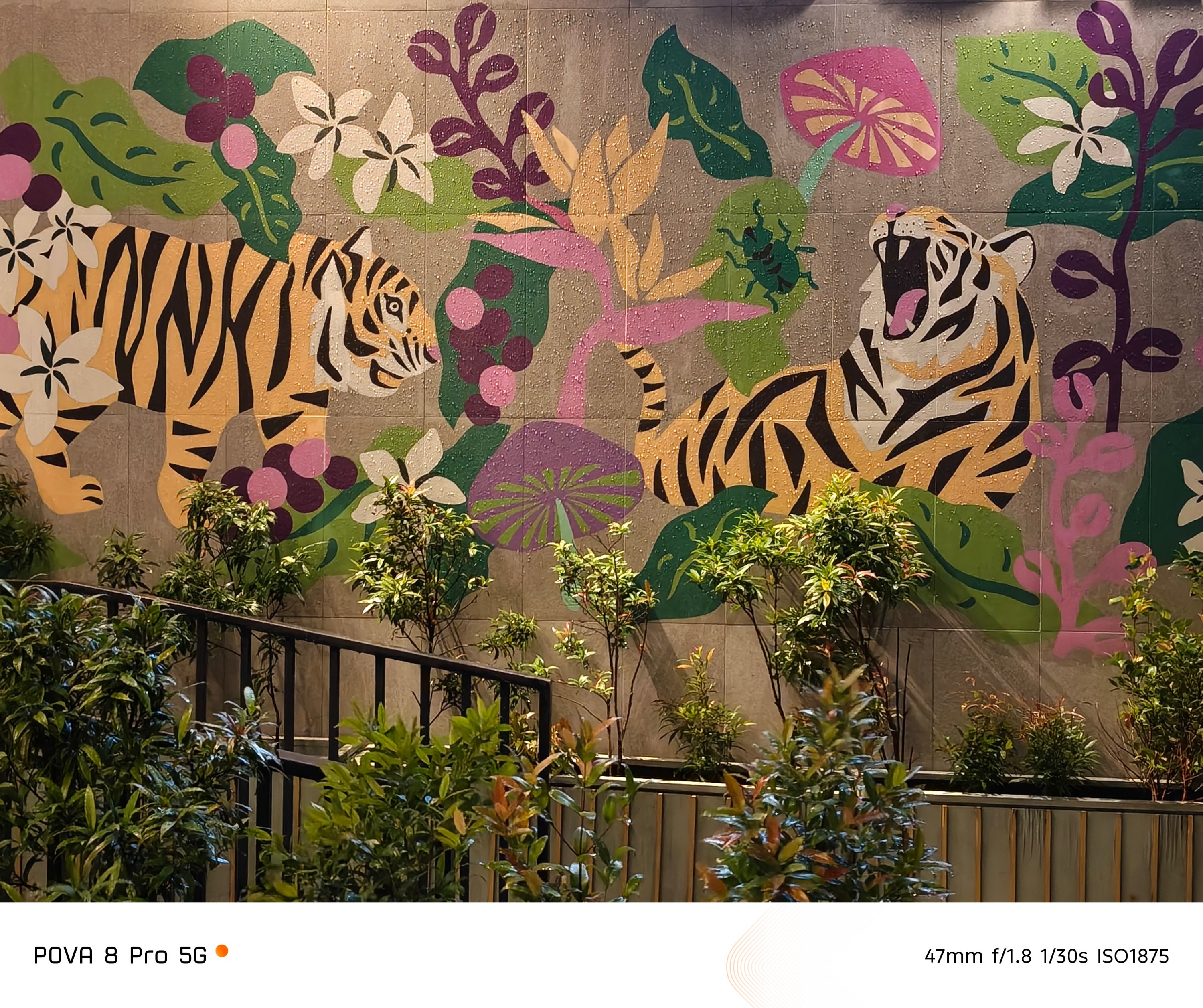
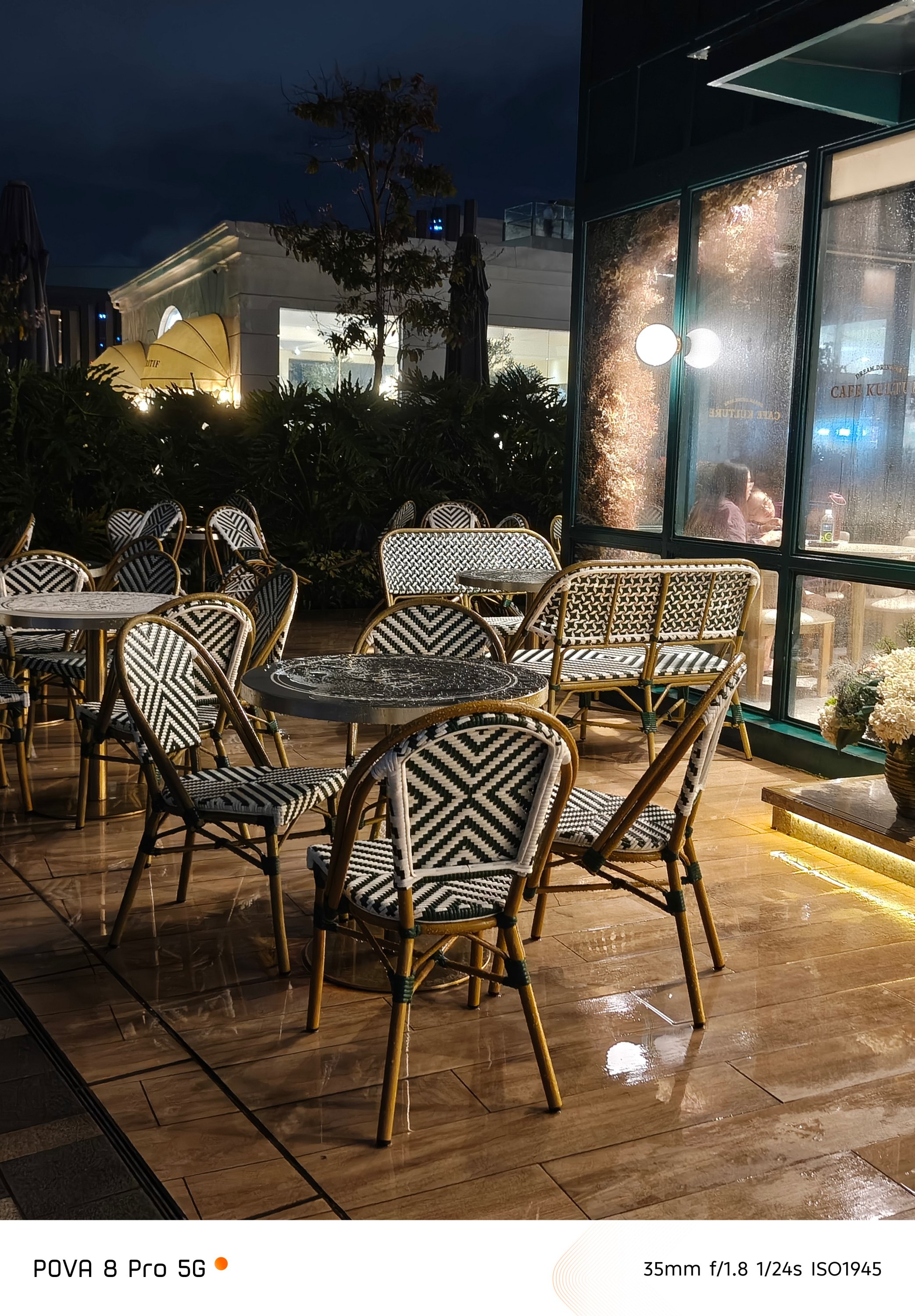
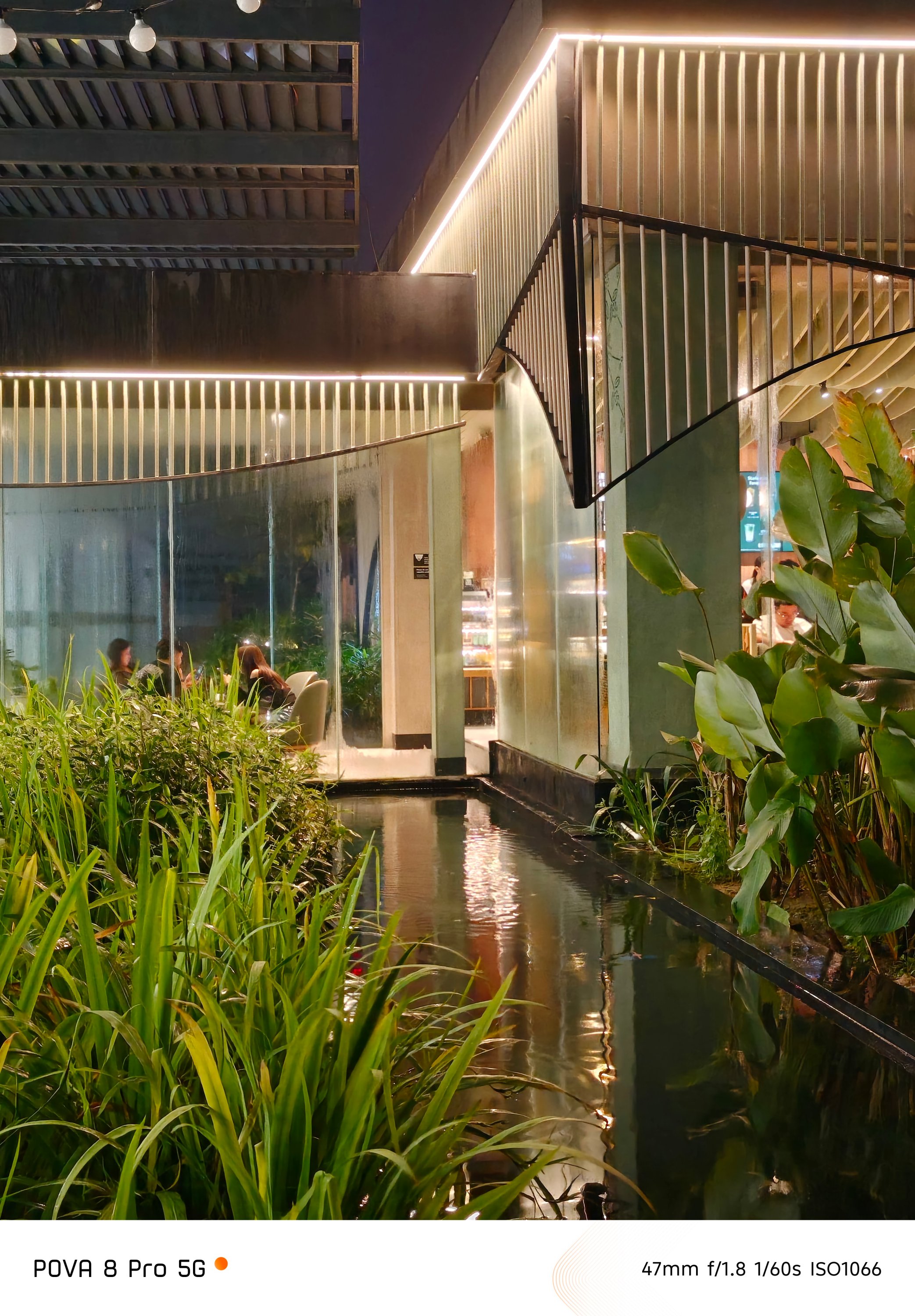

These results look more than just good — especially considering the overall worth of this midranger.

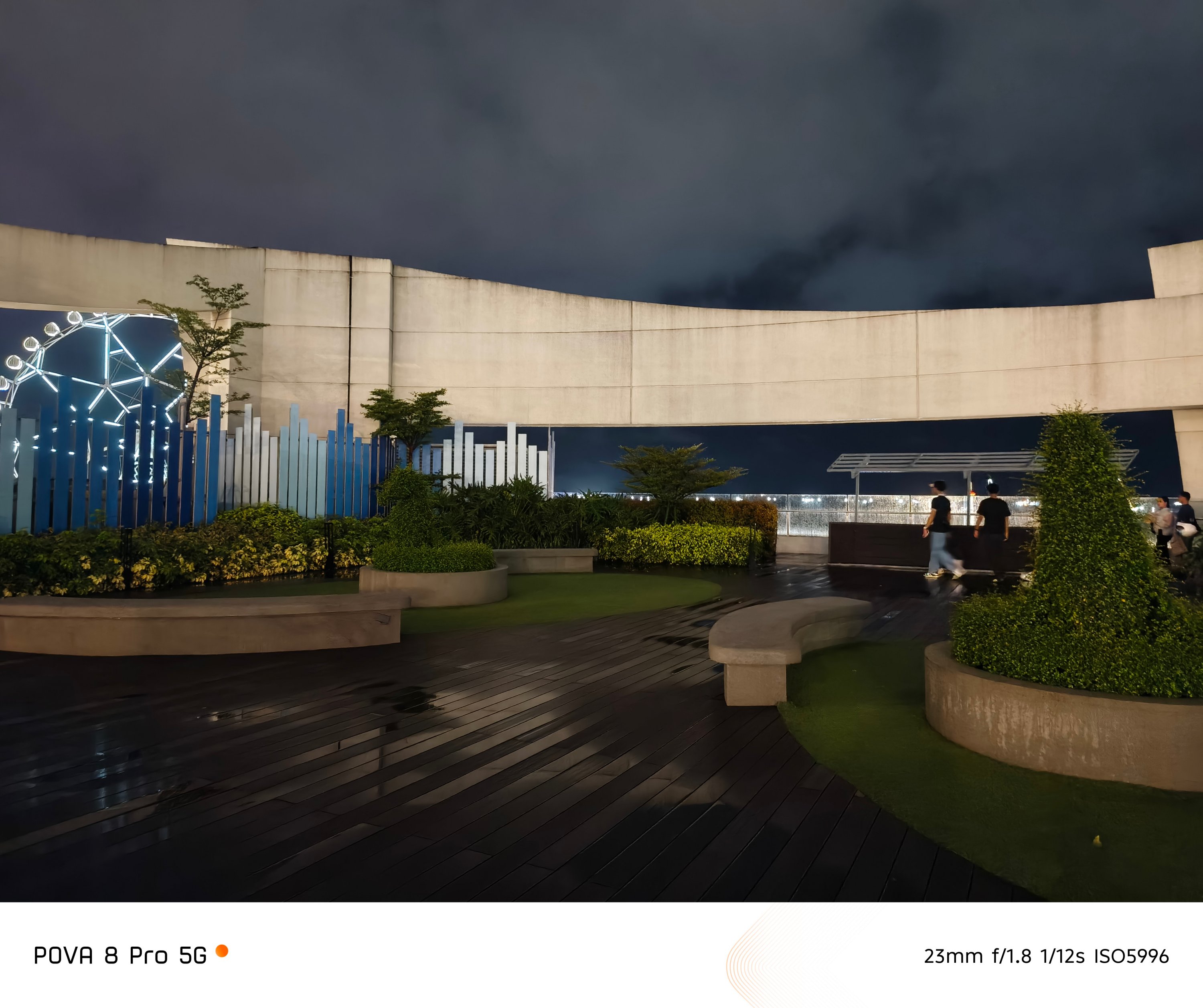

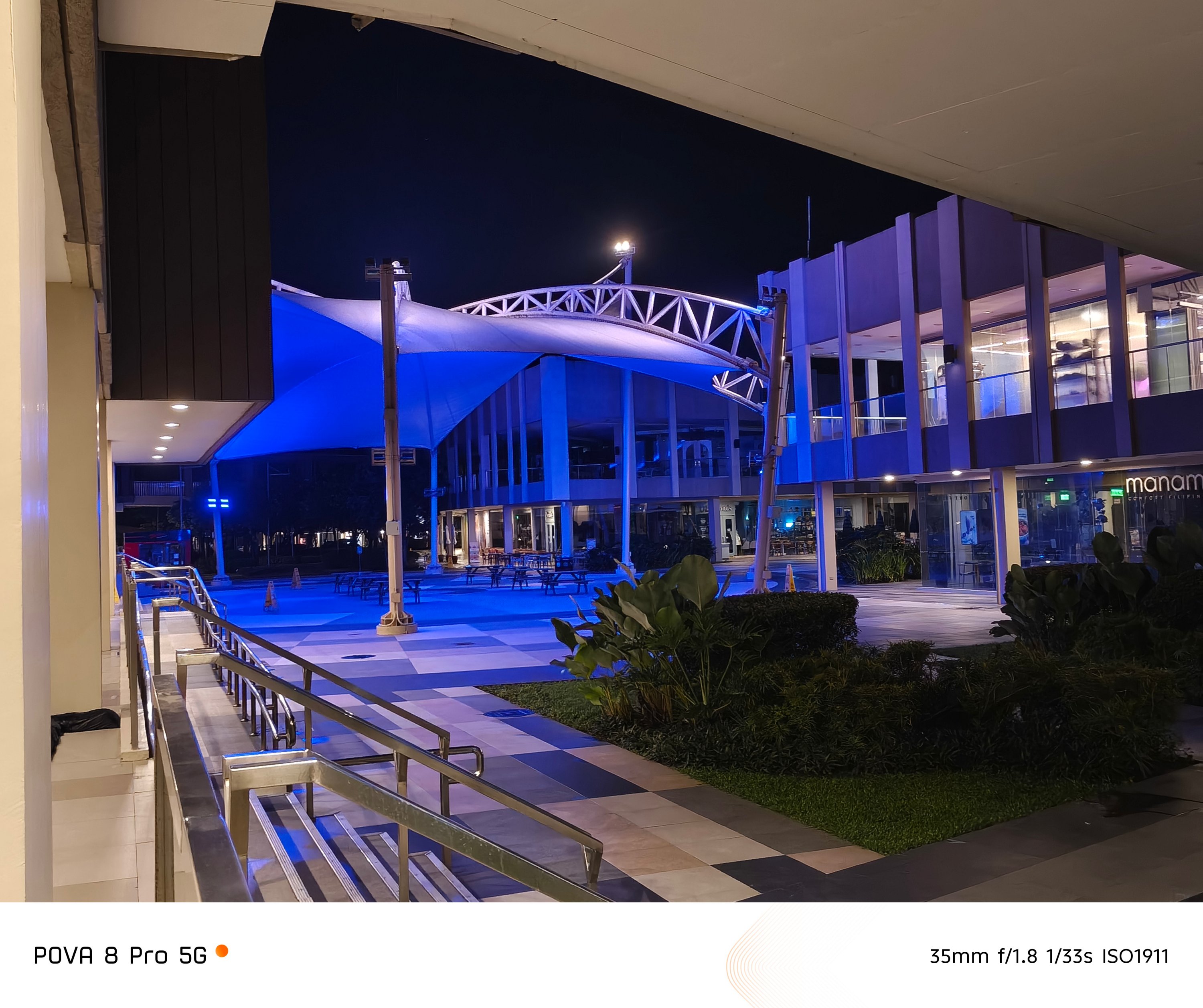
Honestly, I’m not expecting anything extravagant. But, the POVA 8 Pro’s camera snappiness is such a delightful sight.





That’s a stark contrast to the most recent REDMI-dranger Pro Max I’ve handled where there were camera stutters and lags when trying to capture subjects in split-second.
Both of them also prove that chipset alone can affect a smartphone’s imaging performance and actual output.
Is the TECNO POVA 8 Pro your GadgetMatch?
In a year where countless slabs are quite indistinguishable from one another, it’s pretty rare to see a smartphone with such impact.
Not only does this phone pack a powerful punch both in core and camera performance, but its added feats, capabilities, and even “gimmicks” are worthier than other smartphones in the same league.
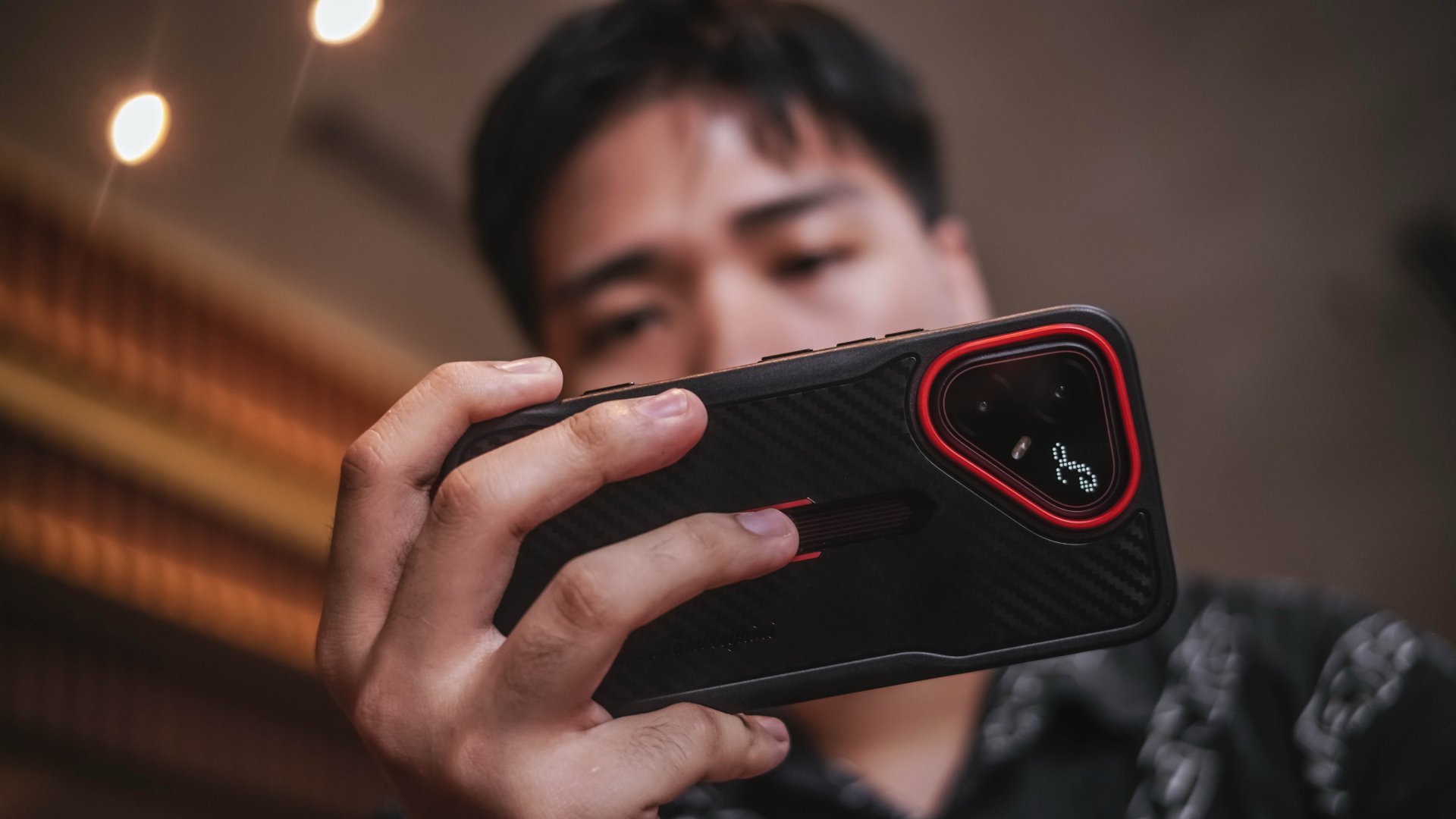
More so, TECNO thoughtfully and carefully executed its design aesthetics with a prestigious designer brand. That’s despite a smartphone belonging in the midrange league.
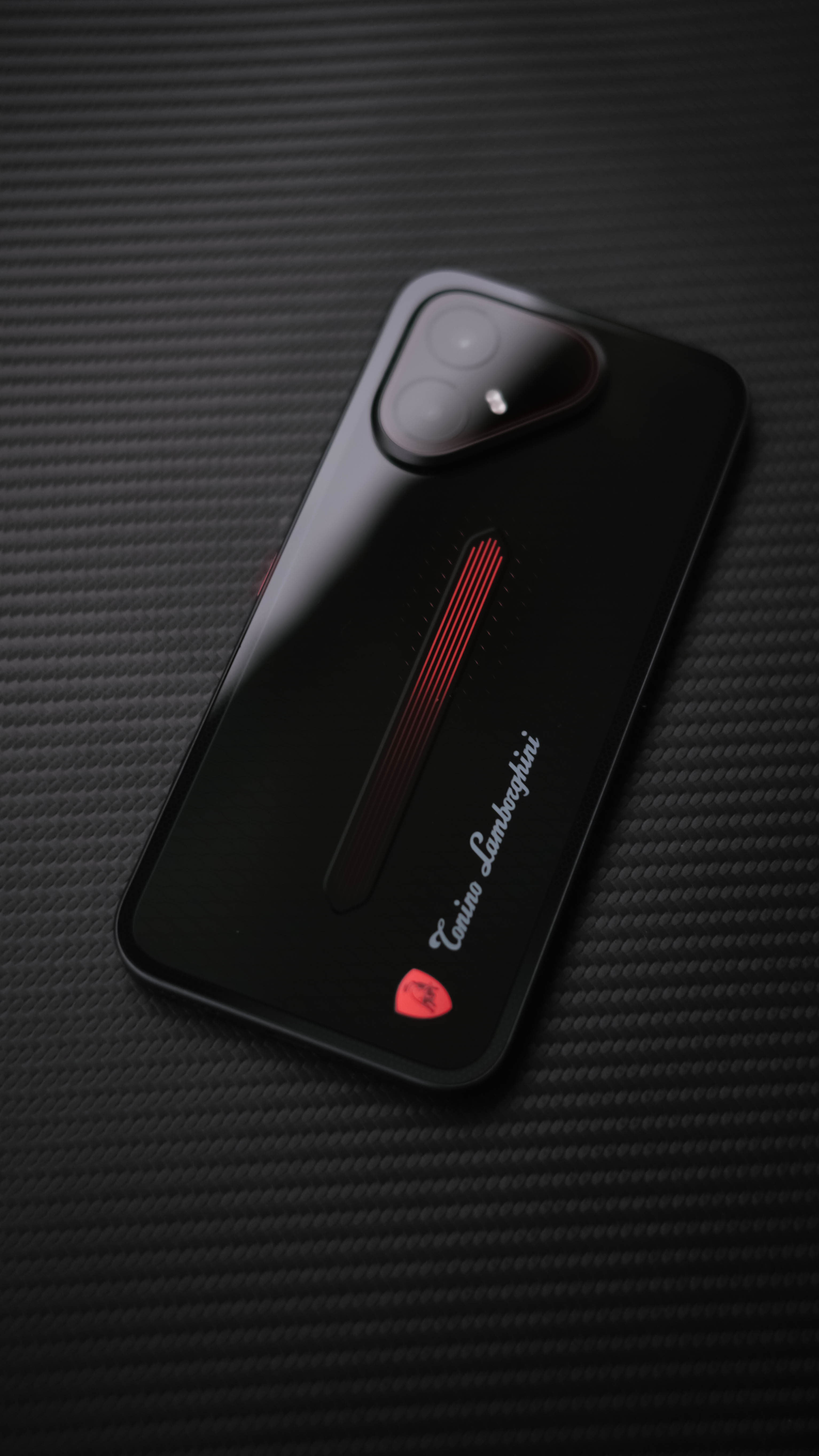
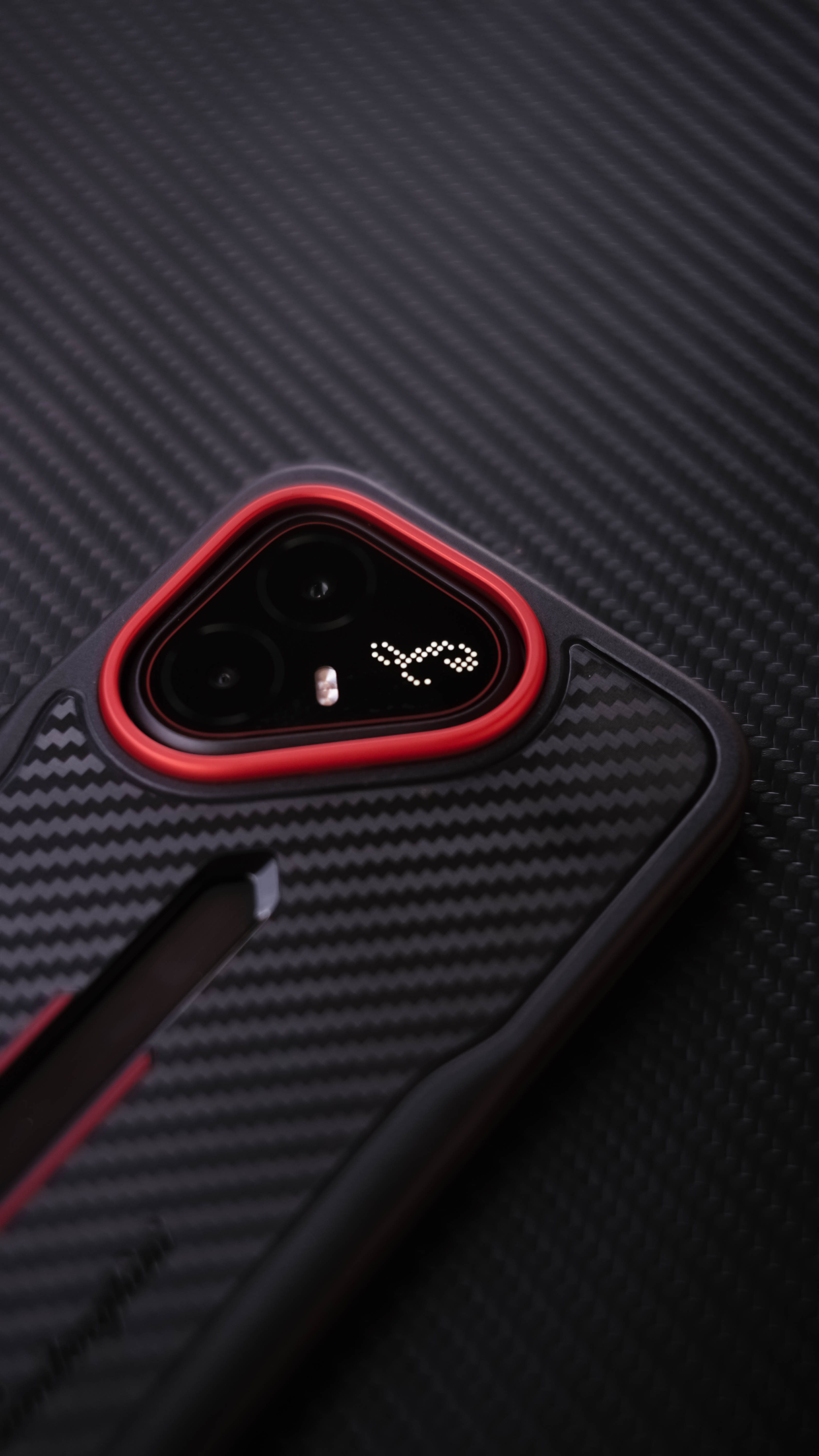
Even if the exact pricing is still not revealed at the time of this writing, the starting price of the regular POVA 8 Pro (INR 49,999) already gives us a glimpse that the phone’s price to performance ratio is justifiable.
As we (try to) embrace the “new normal” with smartphone brands launching higher price tags alongside lower specs due to the continuous components crisis, TECNO focused on what matters more.
While newer mid-class phones focus heavily on battery capacity and utmost durability while compromising hardware and full-on performance, the POVA 8 Pro dared to defy those odds. The unstoppable AI crisis and inevitable price increase don’t stop TECNO from launching and selling a smartphone beyond expectations.
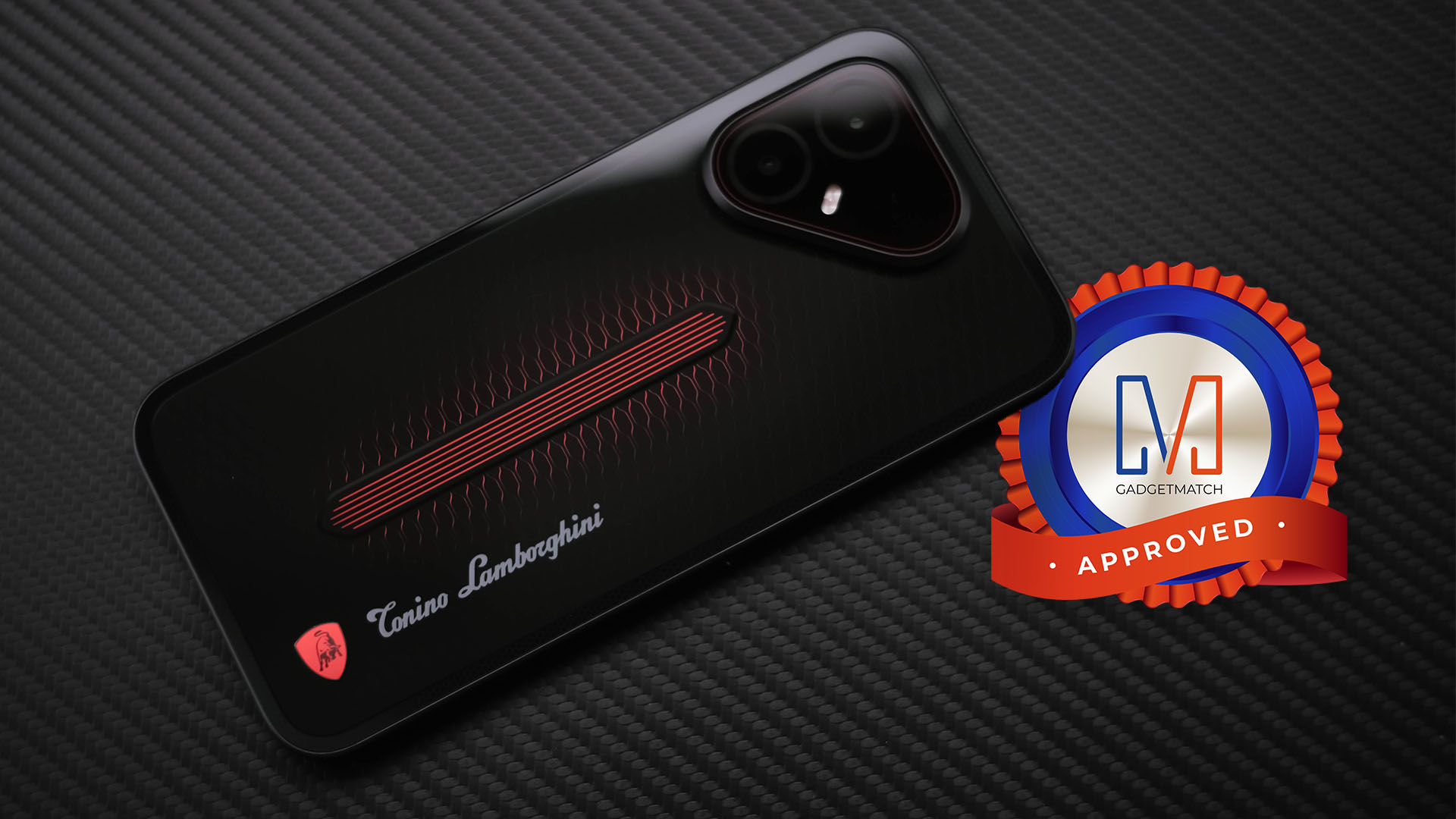
The TECNO POVA 8 Pro Tonino Lamborghini Limited Edition is a solid Swipe Right, a Super Swipe, and a worthy recipient of the GadgetMatch Seal of Approval.
Drones
DJI Lito X1 review: Is this the best lightweight drone for creators?
Making a strong case as a travel companion and a capable B-cam!


It’s satisfying to have a camera that’s small enough to bring everywhere and capable enough that you don’t immediately wish you had brought something bigger. That’s how I felt about the DJI Lito X1.
At under 249 grams, it’s small enough to disappear into a camera bag, but once it’s in the air, it feels like considerably more drone than its size suggests.
You get 10-bit D-Log M, a 1/1.3-inch sensor with an f/1.7 lens, 4K video at up to 100fps, RAW photos, obstacle sensing, ActiveTrack, automated flight modes, and DJI’s O4 transmission system.
On paper, that sounds like a lot for a lightweight drone. After actually flying and shooting with it, the more interesting question is where those features make a difference in real-world shooting.
The answer is that the Lito X1 makes a surprisingly convincing case for itself as a travel drone and B-cam. It’s easy to get into the air, produces footage with enough flexibility for proper color grading, and gives you a lot of the tools you would expect from a more serious camera drone.
It still has limitations. Low-light footage requires some restraint, and its vertical shooting mode is convenient rather than revolutionary. The Lito X1 also cannot completely escape the physical limitations of being a 249-gram drone.
Still, that combination of portability and capability is what makes it interesting.
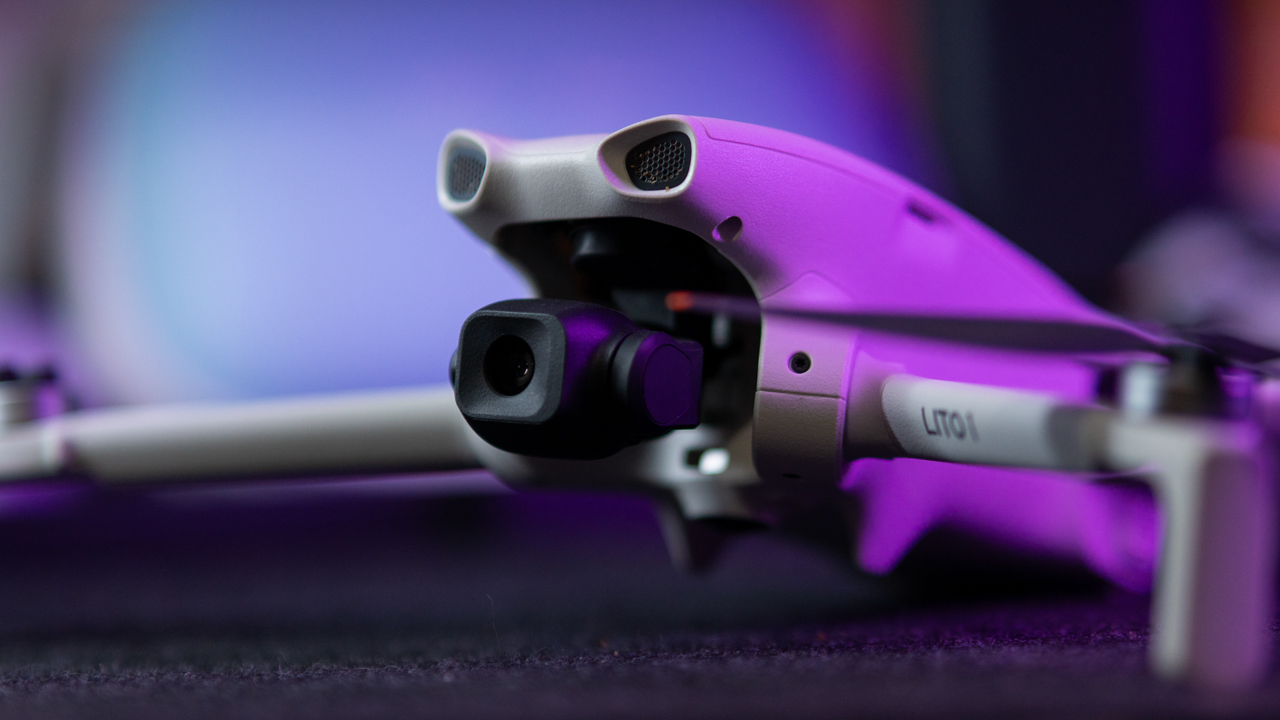
Small drone, serious footage
The first thing that stood out to me was the amount of flexibility in the footage.
DJI’s 10-bit D-Log M footage initially looks exactly how you would expect log footage to look: flat, washed out, and somewhat lifeless. That changes once you bring it into an NLE and start correcting and grading it.
There’s enough information in the footage to recover some detail from bright skies and lift darker areas without the image immediately falling apart.
It’s not going to give you the same latitude as footage from DJI’s larger Air-series drones, particularly once you start pushing the shadows aggressively, where noise becomes more noticeable.
For normal grading, though, the Lito X1 never felt restrictive. That’s important because the camera is arguably the biggest reason to take this drone seriously.
The 1/1.3-inch sensor paired with an f/1.7 lens also makes the drone surprisingly capable around golden hour. Sunset footage retains a good amount of detail while keeping the image clean and warm.
@gadgetmatchCapturing moments with the DJI Lito X1 ☁️♬ original sound – GadgetMatch
ISO 800 still looks good. ISO 1600 is where I would start paying closer attention to the darker parts of the frame. Push beyond that and then lift the shadows in post, and noise becomes much easier to see. ISO 3200 is usable when getting the shot matters more than having the cleanest possible image, but it is not where I would want to live for important footage.
That makes the Lito X1 particularly appealing for daylight and golden-hour shooting. It gives you enough latitude to make the footage feel like it belongs in a more polished production, provided you understand where the sensor starts to struggle.
48MP is useful, with a catch
The Lito X1 can also capture 48MP photos, and that extra resolution is genuinely useful when you need to crop into a landscape or subject.
In bright daylight, there is enough detail to give you more flexibility in post. You can frame wider during the flight and make the composition tighter later.
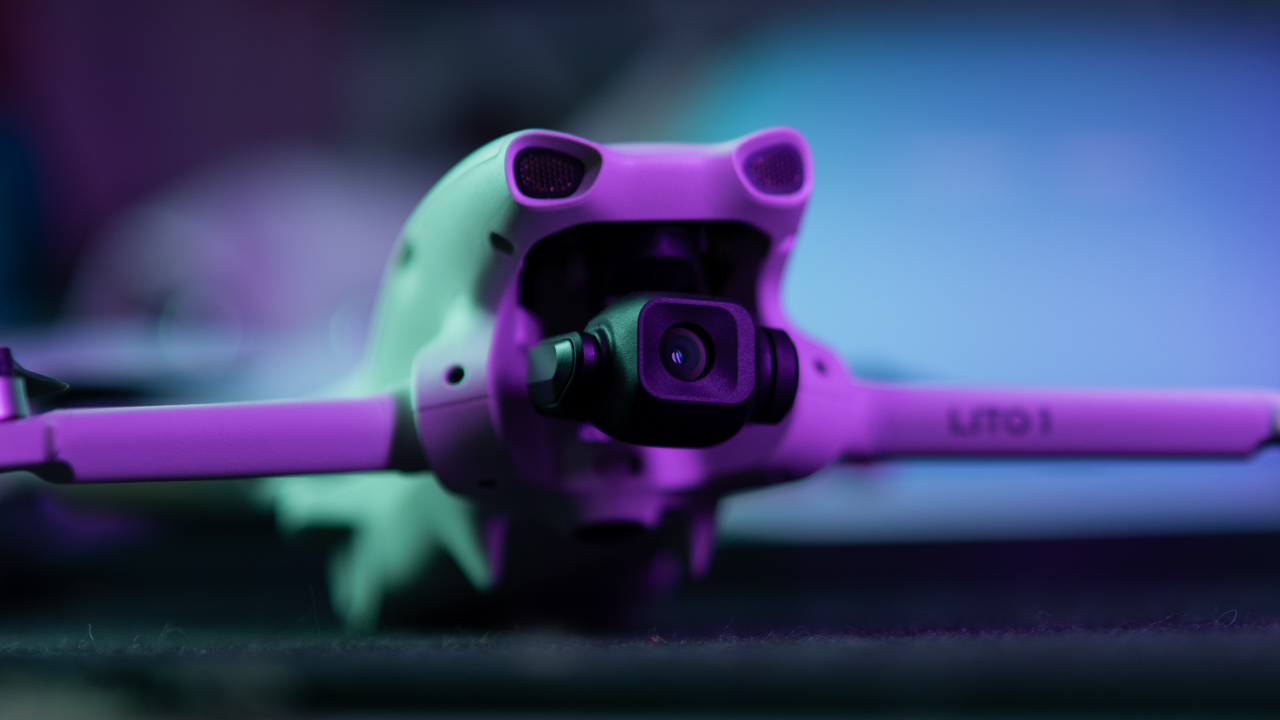
That does not mean 48MP automatically produces a dramatically sharper image in every situation. In lower light, the cleaner look of the lower-resolution shots can be preferable.
I think of the 48MP mode as giving you a larger canvas to work with. It gives you more room to crop, but the bigger file does not magically make every part of the image sharper. For landscapes and bright daytime scenes, it makes sense to reach for 48MP RAW. When the light gets difficult, a cleaner image can be more valuable than additional pixels.
Slow motion needs sunlight
One of the more fun things about the camera is 4K/100fps.
There’s something about putting a drone in the air and slowing everything down that makes even ordinary movement look cinematic. Waves, cars, runners, trees moving in the wind, and other fast-moving subjects benefit from the extra frames.
The image remains sharp in good light, but 100fps comes with the usual practical compromise: it needs more light.

As the sun goes down, the faster shutter speed required for high-frame-rate recording means noise becomes more apparent. For sunset and nighttime footage, dropping back to 24, 30, or 60fps produces a cleaner image and gives you more flexibility during editing.
So 4K/100fps is a feature I would happily use, but I would save it for situations where the lighting can support it.
Vertical video is convenient, not magic
For anyone making TikToks, Reels, or Shorts, the Lito X1’s 2.7K vertical shooting mode is extremely convenient.
You can capture a shot, transfer it, edit, and get it online without having to build a vertical crop from a horizontal frame. That makes the drone much easier to integrate into a fast social workflow.

The catch is that the camera does not physically rotate. Instead, the drone crops a vertical portion from the image. That’s perfectly fine for quick social content, but if I were shooting something for a client, I would still choose 4K horizontal and create the crop myself.
That gives me control over composition, particularly when a subject is moving through the frame. The dedicated vertical mode saves time, but the Horizontal 4K gives you more creative freedom.
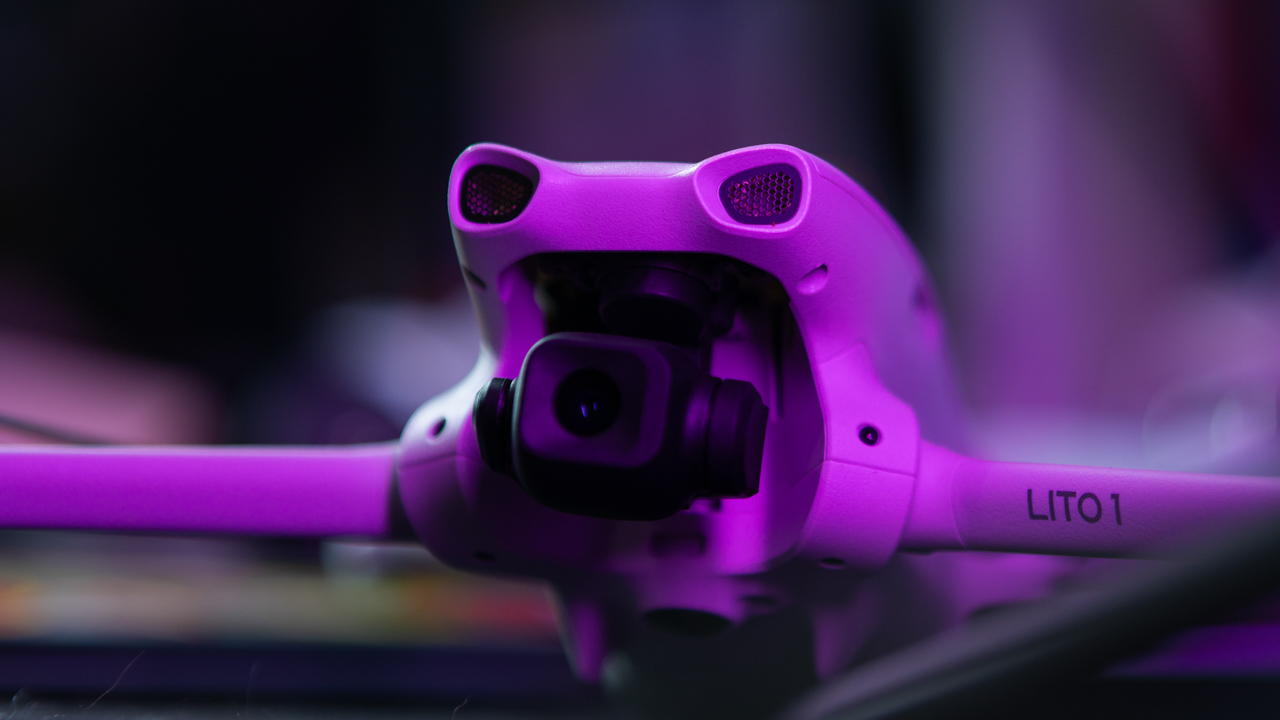
A rotating camera would have made this considerably more compelling, and that’s one of the upgrades I would most want to see in a future version.
It handles wind better than it looks
The Lito X1’s weight can make you wonder how it will behave once the weather stops cooperating. For a drone this light, it handles normal breezy conditions surprisingly well.
You can see the aircraft moving as it fights the wind, but the footage remains remarkably calm because the three-axis gimbal does a good job keeping the camera steady and the horizon level. It feels a little like watching a small boat move with the waves while the camera remains locked in place.
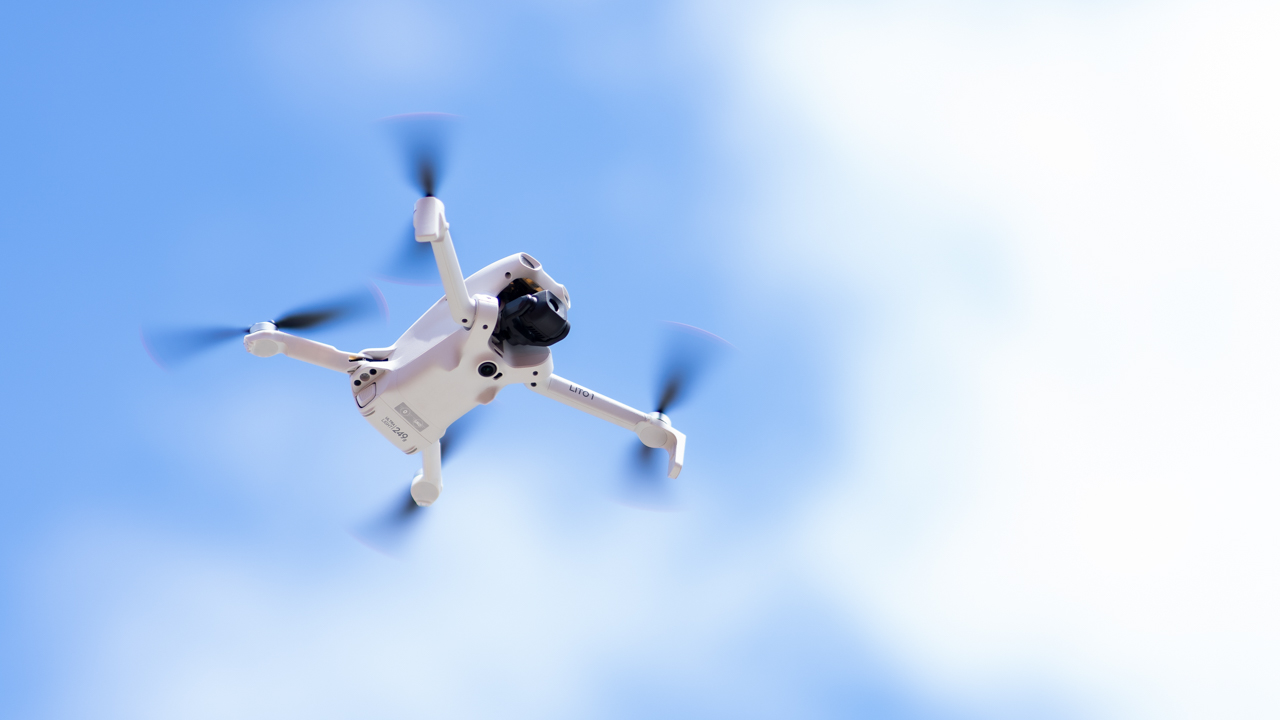
There are limits, of course. A 249-gram drone is still a 249-gram drone. Strong winds can move it around, and there is no getting around the physics of putting something this light into the sky.
For ordinary breezy shooting conditions, however, the stabilization does an impressive job.
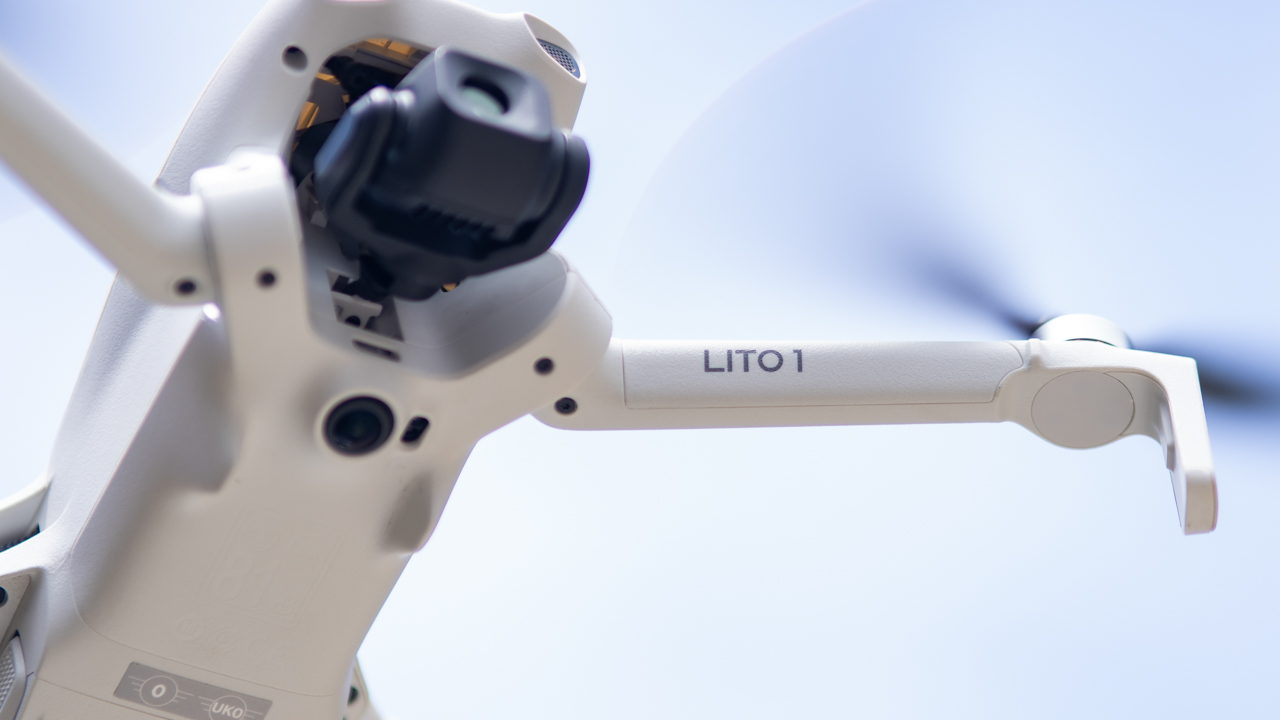
Normal mode for control, Sport mode for fun
The flight experience is also approachable. In Normal mode, the Lito X1 feels calm and predictable. The controls are smooth rather than twitchy, which makes it easier for newer pilots to get comfortable with the aircraft.
Sport mode changes the personality completely. The drone becomes faster, turns more aggressively, and feels much more responsive. It is the difference between casually cruising around and suddenly remembering that this thing can actually move.
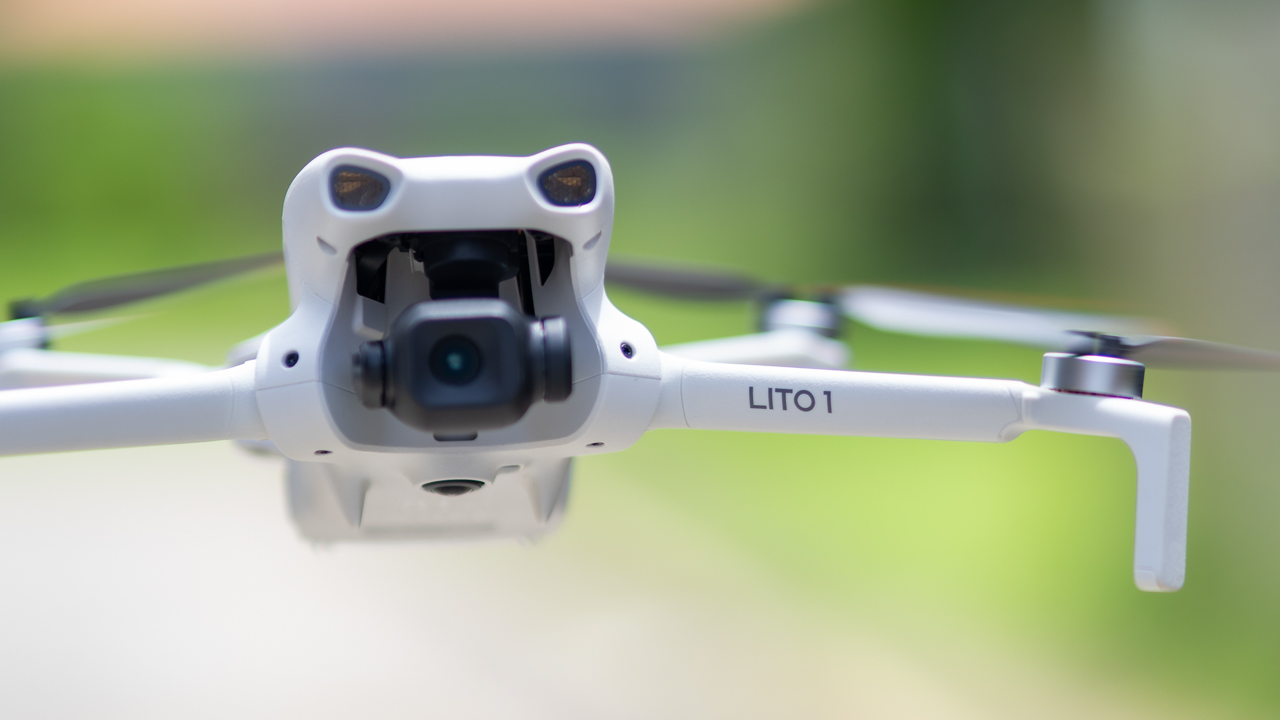
There is an important trade-off here: obstacle avoidance is disabled in Sport mode. That means the faster flight comes with a greater responsibility on the pilot.
For everyday shooting, Normal mode is where I would spend most of my time. Sport mode is there when you want the drone to wake up.
Real-world battery life matters more than the box
DJI quotes up to 36 minutes with the standard battery and up to 52 minutes with the Plus battery.
Those numbers are useful as a reference, but they are not how I would plan a shoot. Real flying involves wind, repositioning, changing angles, recording, and keeping enough battery in reserve to get home safely. You are rarely flying continuously under perfect conditions until the battery reaches zero.
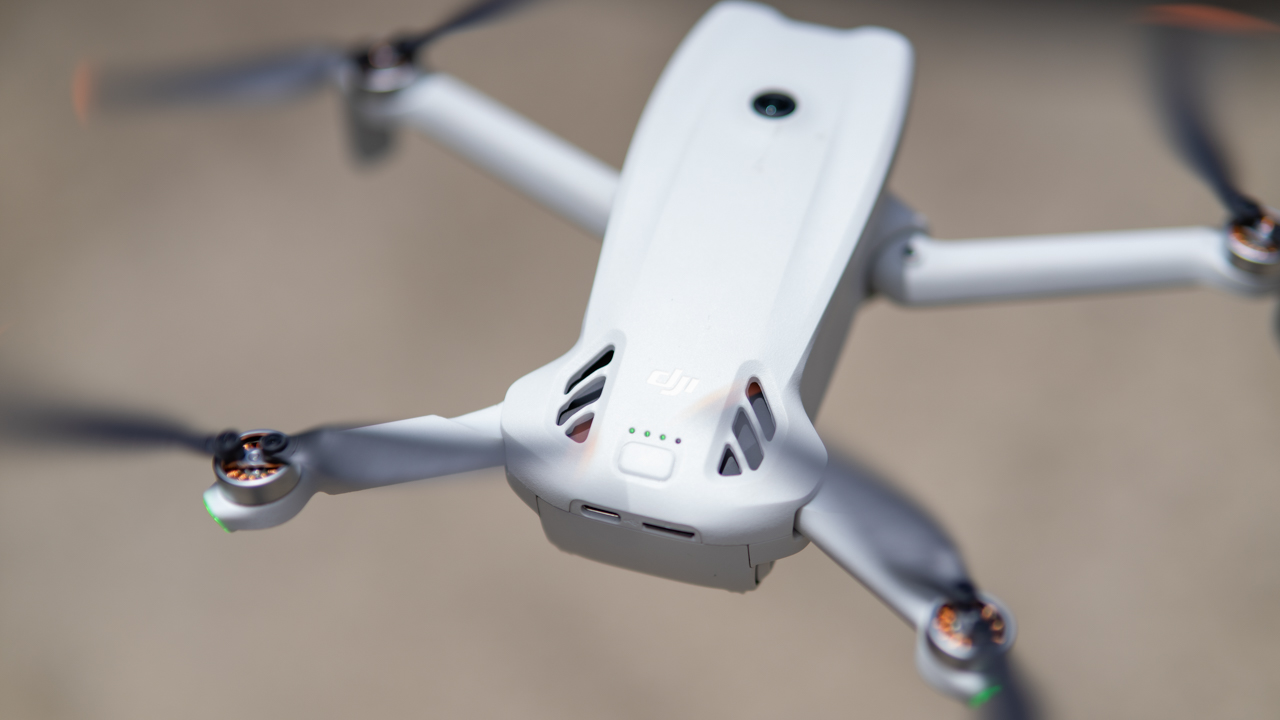
For an actual shoot, I would plan around 25 to 30 minutes of usable flight time with the standard battery. That leaves enough breathing room to land without watching the battery percentage with increasing levels of anxiety.
The Plus battery gives you more time, although it also pushes the drone beyond the sub-249-gram weight class.
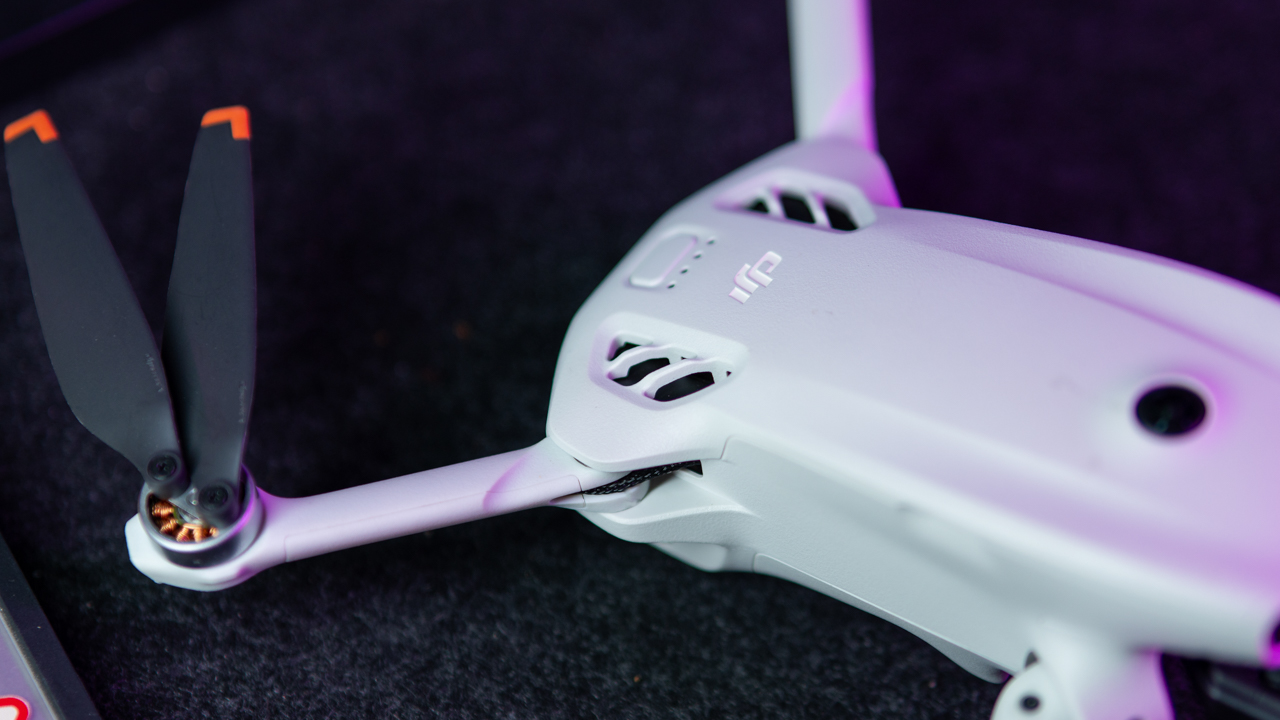
For travel, that distinction matters. The Lito X1’s tiny weight is one of its biggest advantages, so the standard battery makes more sense when portability and weight restrictions are part of the equation.
O4 keeps the connection reassuringly solid
The O4 transmission system also does its job without demanding much attention.
With a clear line of sight to the controller, the video feed feels smooth and responsive. In open areas, there is little reason to spend your flight staring at the signal indicator.

Urban environments naturally make things more complicated. Buildings, walls, and other large obstructions can weaken the connection when the drone flies behind them.
That is less a reason to distrust the system and more a reminder that radio signals still have to deal with physical objects. When the drone remains in sight, the connection feels dependable enough for normal flying.
The safety net is useful, but you are still the pilot
The obstacle-sensing system adds another layer of confidence, particularly when flying around trees and buildings.
The LiDAR system is also useful as the light gets darker. Still, I would never treat the sensors as permission to stop paying attention.
Thin branches remain particularly tricky. A large tree trunk is easy for an obstacle system to recognize. But a narrow branch suspended in the air is considerably less obvious.
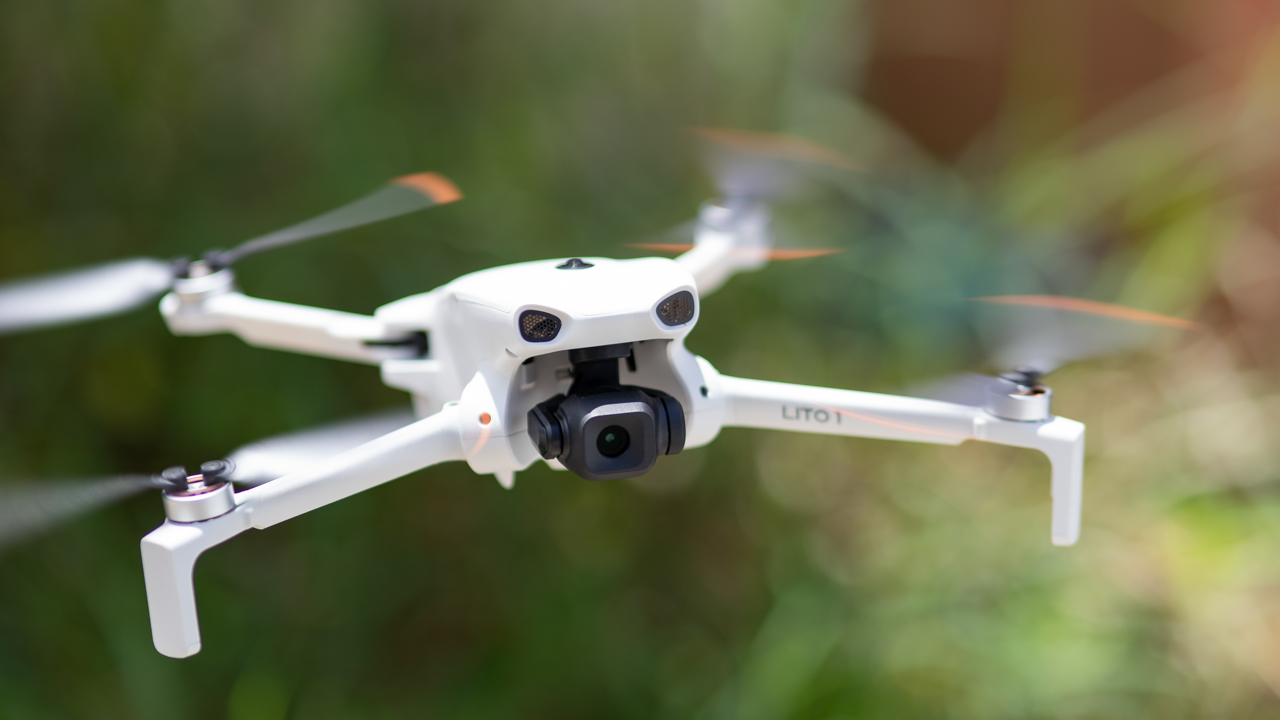
That is the right way to think about the Lito X1’s safety features. They are another set of eyes helping the pilot. They are not a replacement for the pilot. The same applies to ActiveTrack.
When the drone has a clear view of its subject, tracking works impressively well. You can walk, run, bike, or change direction while the drone works to keep you in frame. It can also navigate around larger obstacles.
The limitation appears when the subject disappears behind something for too long. A tree can still break the tracking. ActiveTrack can feel like having another camera operator with you, but you still need to remain the person flying the drone.
Automated modes can save time
MasterShots, QuickShots, and Hyperlapse also have a place in a more serious workflow.
QuickShots can produce orbit, pull-back, and reveal movements without requiring you to manually execute every part of the flight. That can be useful when you need a polished establishing shot quickly.

Shot on the DJI Lito X1
Hyperlapse also lends itself well to hotels, buildings, events, sunsets, and travel footage. The bigger risk is repetition. If every video relies on the same automated moves, the footage can start to feel familiar very quickly.
Used sparingly, though, these modes can be valuable production tools rather than gimmicks.
The features that make it easy to live with
Some of my favorite things about the Lito X1 are not necessarily the ones that make the biggest impression on a spec sheet.
The 42GB of built-in storage is a perfect example. You probably will not think much about it until the day you arrive somewhere and realize your SD card is sitting at home.
Having internal storage means you can still fly and capture footage instead of turning the drone into a very expensive paperweight.
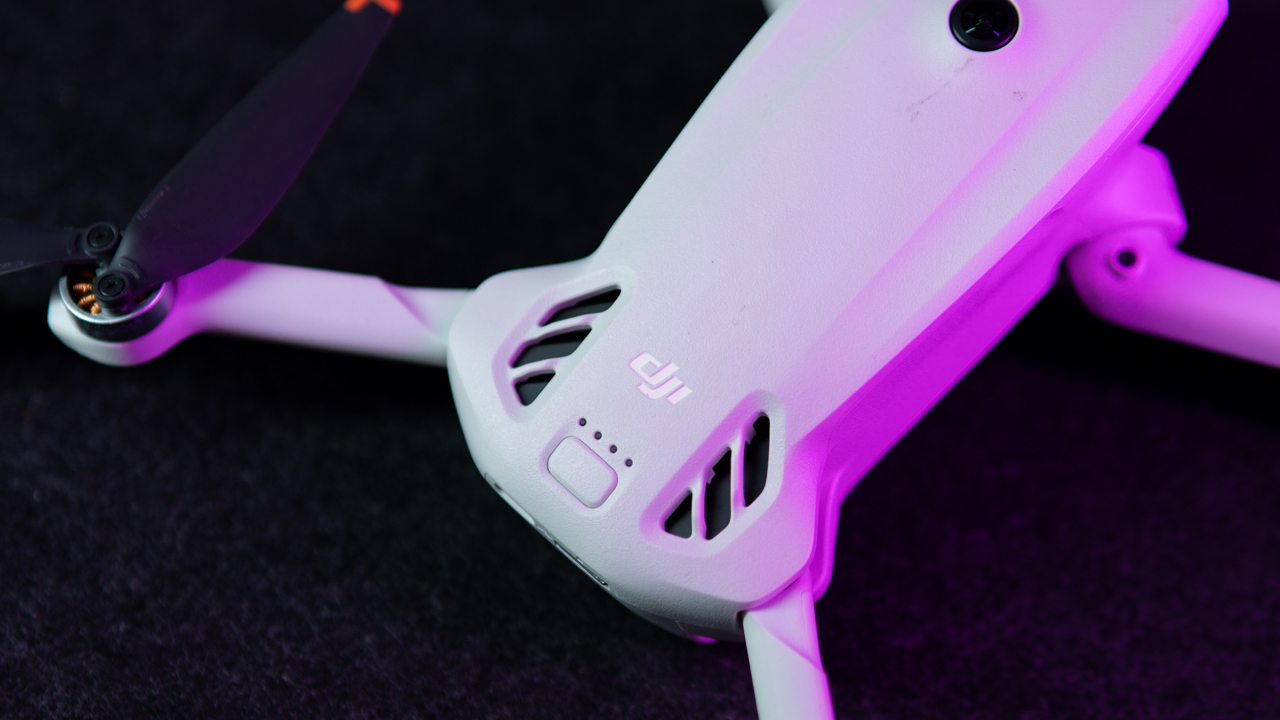
Off-State QuickTransfer is similarly useful when you only need a few clips. You can pull footage over Wi-Fi without removing the card.
For a couple of clips, that is considerably easier. For a full day of 4K footage, I would still reach for an SD card and reader because it is the faster workflow.
The drone itself also feels more solid than its weight initially suggests. It’s obviously lightweight and does not have the heft of a larger aircraft, but the arms feel secure when unfolded and the hinges do not feel flimsy. I would have no problem bringing it on trips or into the field.
I would still protect it in a bag. A lightweight drone can handle normal use, but that does not make it indestructible.
Getting in the air takes about a minute
The other major advantage is how quickly the Lito X1 can go from bag to sky.
Unfold the arms, remove the gimbal cover, power up the drone and controller, wait for GPS, and you are essentially ready to go. When everything connects quickly, the whole process can feel like about a minute.

That sounds like a small convenience until you are shooting during golden hour and the best light is disappearing in front of you.
A drone that takes less time to set up gives you more time to actually shoot. Pull it out, get the shot, land, pack it away, and move on.
Is the DJI Lito X1 your GadgetMatch?
The Lito X1 sits comfortably between a beginner drone and a more serious camera drone. With D-Log M, RAW photos, obstacle sensing, ActiveTrack, and 4K/100fps, it offers plenty of room to grow beyond casual flying.
The Mini 4 Pro still makes more sense if advanced vertical shooting and higher-end capabilities are priorities, while cheaper options are available for simple recreational flying. The Lito X1 finds its sweet spot in between, delivering strong image quality and useful production tools in a small, lightweight package.
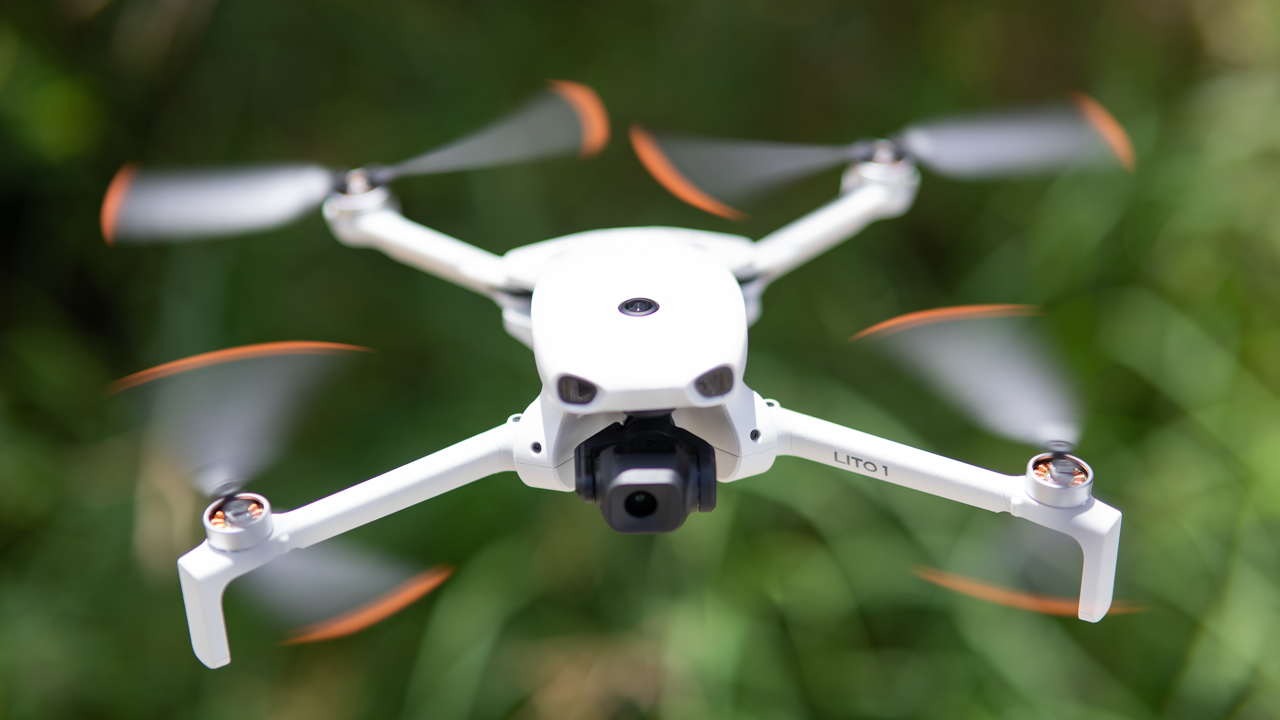
I would still like to see better highlight handling and more natural colors straight out of camera. A rotating camera for true vertical 4K would also make it considerably more versatile for creators.
Calling the Lito X1 a beginner drone undersells it. It’s small, quick to launch, easy to bring anywhere, and capable enough to serve as a B-cam for travel and commercial shoots.
It may not replace a larger DJI drone when image quality is the priority, but its biggest advantage is that you are far more likely to have it with you when the shot presents itself.
The Lito X1 looks like a beginner-friendly drone on the outside, but there is a surprisingly capable B-cam inside.
The DJI Lito X1 starts at PhP 21,690 for the standard bundle in the Philippines. It’s available in local authorized retailers.


Now Playing: ACE Combat 8: Wings of Theve
A refreshing change of pace


TECNO POVA 8 Pro Tonino Lamborghini review
Truly a rare gem in 2026

DJI Lito X1 review: Is this the best lightweight drone for creators?
Making a strong case as a travel companion and a capable B-cam!

HONOR Magic9 Pro Max launches in China with ARRI-powered imaging

TECNO and Angélica Dass visit the Philippines next for its grand portrait project

BYD says that way better EV batteries are coming next year

Globe records fastest average download speed of 2026 in August
Now Playing: ACE Combat 8: Wings of Theve

HUAWEI Pura X View is 2026’s first WIDE slab-type smartphone

The CAMON Slim 5G is TECNO’s latest ultra-slim smartphone

iPhone 18 Pro series: Price, availability in the Philippines

DJI Osmo 360 II review: Going all-in on the ecosystem

iPhone 18 Pro series: Price, availability in Singapore


-

 News1 week ago
vivo X500 Series launches with major imaging upgrades
-

 News6 days ago
OPPO Find X10 Pro Max is the first phone with a triple 200MP camera system
-

 Reviews2 weeks ago
REDMI Note 17 Pro Max review: A new breed born from AI greed
-

 Singapore1 week ago
Epson Lifestudio Grand Plus EH-LS970B with 4K projection, more launches
-

 News1 week ago
vivo introduces OriginOS 7 with smarter multitasking and AI features
-
Drones2 weeks ago
DJI Lito X1 review: Is this the best lightweight drone for creators?
-

 Gaming2 weeks ago
Valve unveils price of the Steam Frame
-
 Philippines2 weeks ago
REDMI NOTE 17 Series: Price, availability in the Philippines