
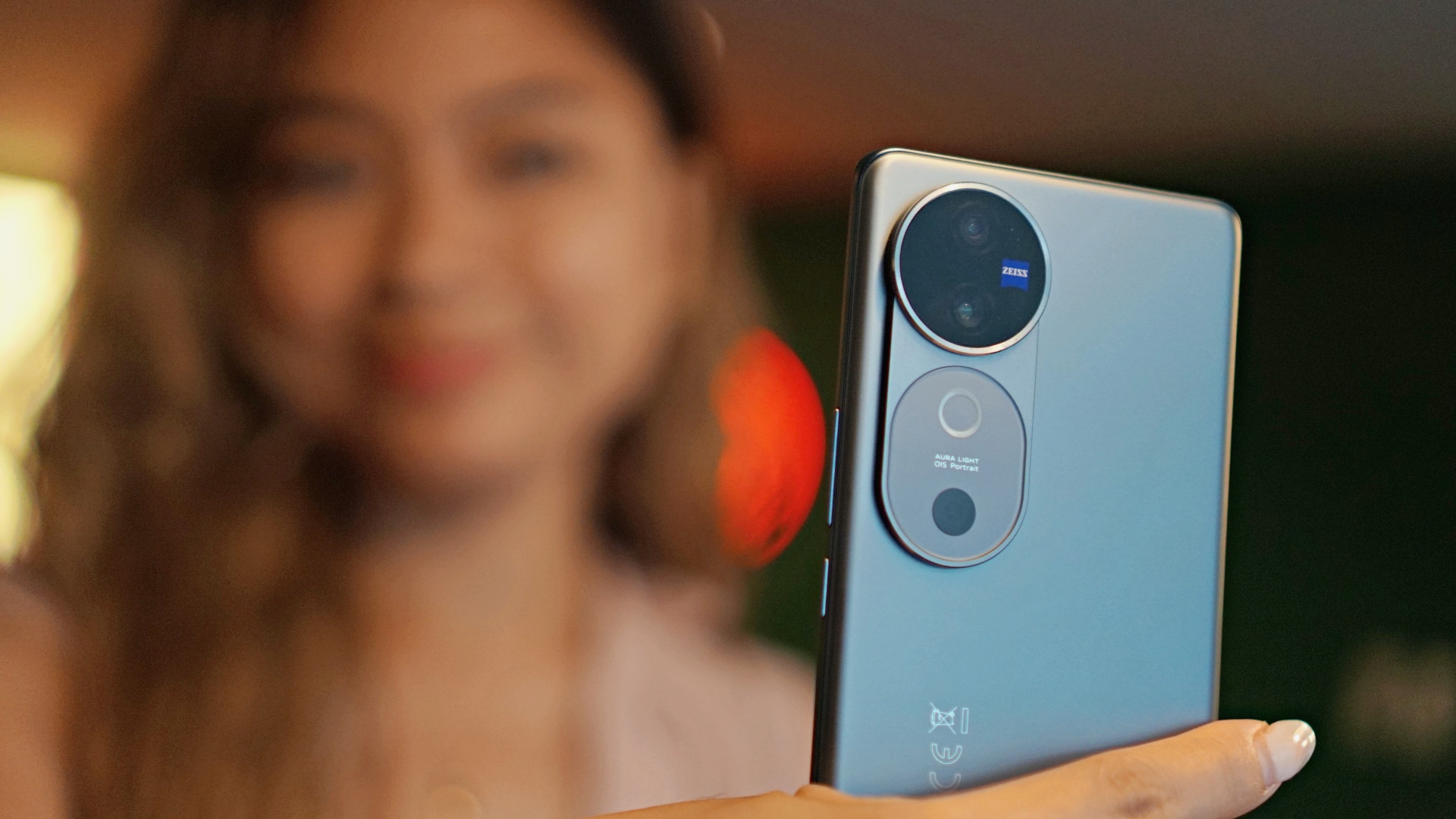

One of the biggest dealbreakers in buying a phone in 2024 is the camera. Like it or not, we are in the era of content creation, and it would be hard for brands with poor cameras to compete with the current market.
And I would assume this is vivo’s mindset when they partnered with ZEISS – a German brand famous for their motion picture lenses. Since their partnership in 2020, vivo has released impressive phones in the recent years with the same camera technology.
I could say the same for their latest offering, the vivo v40. Apart from the ZEISS technology, there’s a lot of improvements coming from its predecessor, vivo v30.
I had the vivo v40 for quite a while, and below are my favorite things about it. Spoiler alert: it’s a worthy upgrade.
The Zeiss Camera
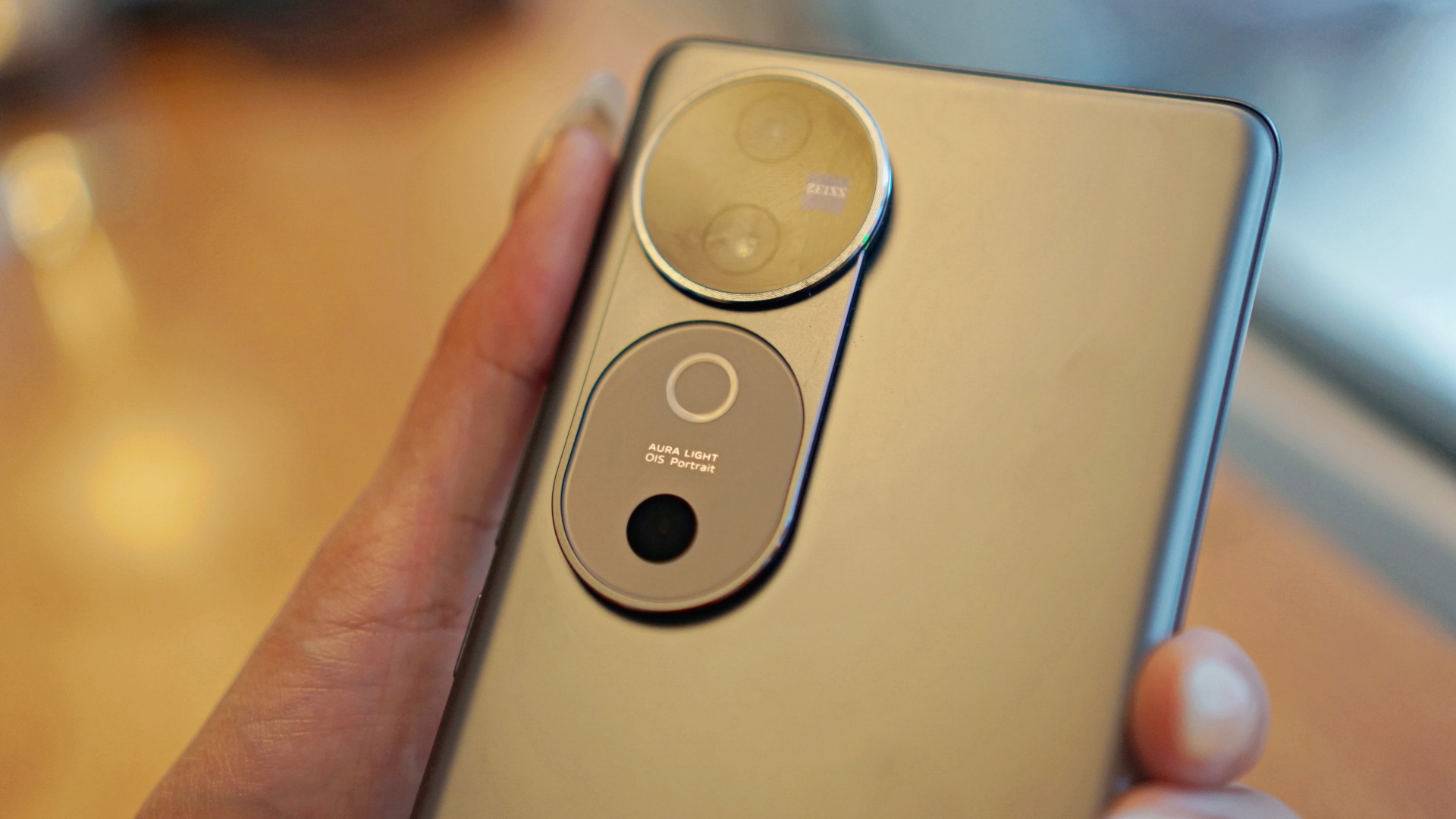
First of all, vivo v40’s predecessor – the vivo v30 series— only features the ZEISS technology in their Pro version. This time, the midranger gets this upgrade and we are here for it.
Honestly, I can tell the difference with the photos. Compared before, the scenes look clearer and more natural, especially the night shots.
Check out the sample photos below:


We also went to a café with neon light decors, and we were impressed with the portrait shots we took from the vivo v40.

The device features a 50-megapixel ZEISS in all its 4 cameras — group selfie, ultra-wide angle, telephoto portrait and main camera.

Selfies are very “HD” too—and there are multiple focal length options depending on your taste, or occasion. Thanks to Aura Light, the shots are bright.


I also took vivo v40 to a concert. For reference, we were seated at the VIP section. While I loved the colors and ability to capture great photos in different lighting situations, the zoom ability is just okay.




The camera can zoom up to 20x, but the image can be blurry in optimal zoom so I just choose 5-10x. That is the same with videos. I think this is where vivo v40 falls short.
Editor’s Note: Video Samples to follow!
The performance

In general, I had a smooth experience using the phone for a few weeks. Casual browsing works fine, and high-definition videos are given justice – thanks to its ultra-clear 1.5K AMOLED display.

I also tested vivo v40’s performance when I was trying to score tickets online for a concert. I have three phones with me at the same moment to queue, and the vivo v40 works pretty fast. One of the three phones lagged many times during the entire period, but the vivo v40 can withstand multiple loads during the queuing.
The looks

I’ve reviewed vivo phones in the past, and I’ve always mentioned how vivo picks the best colors for their phone. I remember I loved the colors of the vivo v29, and vivo v40 lived up to my expectations. vivo really invests in design, and their colorways always give off “expensive” energy. I also loved the matte texture.
While the assigned colorway to me (Stellar Silver) is a bit too masculine for my taste, I liked the other two options: the Nebula Purple and Sunglow Peach – just right for my personality.

The Gemini Ring design is also refreshing to see, and a bit stylish I would say, compared to the square design of the vivo v30.
The phone is very slim with its 7.55m body (vivo’s slimmest phone yet!), It’s very ideal for someone like me who loves bringing a small bag and struggles fitting all my essentials in there (haha).
I am not a fan of vivo v40’s overall shape, though. The curvy design seemed a little generic and outdated for me.
Other notable things

vivo v40 also boosts an IP68 and IP69 dust and water resistance feature, perfect for thick-headed people (like me) who brings out phone to take photos and videos in random scenarios, even when it’s raining.
I also tested it out with a glass of water – I poured a bit at the back of the device, and the phone’s material immediately prevented the water from leaking. Nice.
According to the brand, the vivo v40 can withstand being submerged under 1.5 meters of water for half an hour. But I am too scared to try that.
Is the vivo V40 your GadgetMatch?

For aspiring content creators with a budget of a little over PHP 25,000, the vivo v40 is a great deal. Not to mention, the aura light technology is a nice feature and advantage especially for casual location shoots.
Powered by Snapdragon 7 Gen 3, it’s ideal for editing videos on Capcut without the annoying lag. The battery is a powerhouse – it increased capacity to 5,500 mAh with BlueVolt Battery technology. Plus, the charging is very fast with FlashCharging at 80W.
The best thing about this series is you can choose from two more options depending on your budget and preference. This month, vivo just released the vivo v40 Lite – a great option if you’re on a tight budget. If you want all the premium benefits, go for the vivo V40 Pro (and here’s what we think about it.)





Reviews
Infinix NOTE Edge: Stellar at street photography
Despite trailing in other specs, the Infinix NOTE Edge was built for point-and-shoot photography.


What makes a good midrange phone? Is it the competitive price, the more subdued specs that scream “I guess it’s okay,” or the wackier designs? For me, it’s how light they are. It never ceases to amaze me how they can pack in so much hardware in such a thin chassis. Fresh off the oven, the new Infinix NOTE Edge did its homework, putting together one of the most impressive ultra-slim phones to date. At least, on paper.
Welcome back, Galaxy S6 Edge
A decade ago, my daily driver was the Samsung Galaxy S6 Edge. Though I’ve gone through more phones since then, it’s still one of my favorite flagships ever. The curved edge started off as a fun gimmick but quickly grew into what made the old phone so unique.
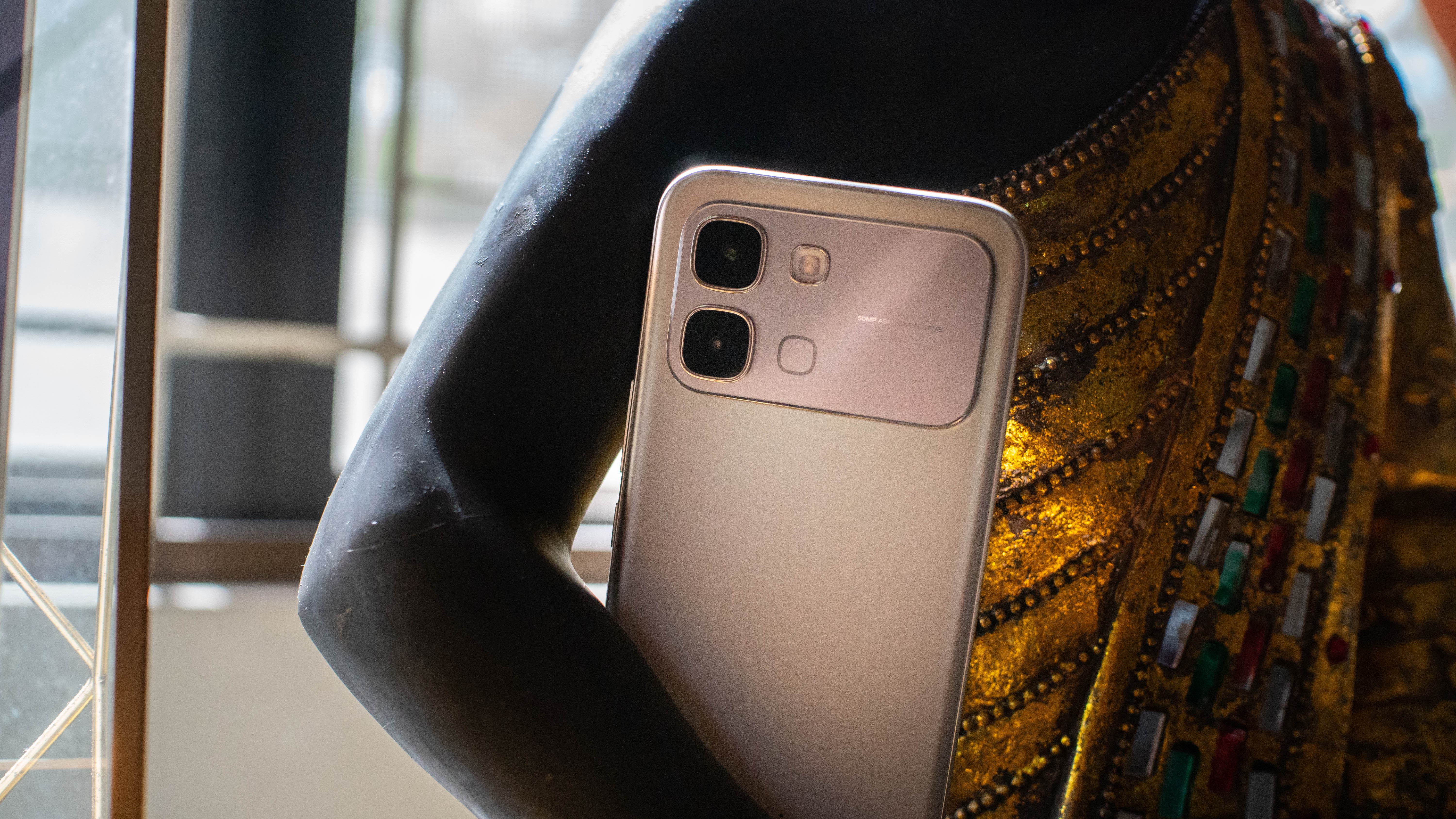
Now, in 2026, the Infinix NOTE Edge resurrects Samsung’s old flagship through its nostalgic design. The rear is mostly made up of a matte gold texture, which already makes for a nicely minimalist feel. However, it stands out even more with a huge camera island with a reflective surface that’s practically lifted from the iPhone 17 series.
Infinix’s phone skips the quirky designs typical of its segment. Instead, it goes for an iconic look that worked in the past and, arguably, still works today.
A phone for your pocket
A lot of phones today are just too big for pockets. Either the phone itself is just too large, or the camera island protrudes too much. Back in the day, we could have joked about having a certain appendage in our pockets. Now, phones are too comically large to be a laughing matter.
The Infinix NOTE Edge belongs to the unfortunately doomed ultra-thin phone segment. Though a lot of smartphone makers are already moving away from incredibly thin form factors, the NOTE Edge proves that the phone type works better in the midrange.

It weighs only 190 grams. Sure, it’s not a huge deal lighter than other smartphones, but you’d be surprised by how much cutting a few dozen grams helps. The NOTE Edge fits so well in my pocket. Throughout my time with the phone, it’s been only a secondary phone alongside my daily driver. Still, I could hardly feel it. Sometimes, I forget that it’s even in my pocket.
The ultra-thin phone might be a short-lived trend, but the NOTE Edge shows that it can be more with less.
Don’t let its size fool you
The Infinix NOTE Edge is one of the first phones to rock the Dimensity 7100 chipset. It’s a midrange chip that gets the job done. This phone has you covered for all facets of daily use. However, what it can’t do is become a dedicated gaming phone.
Zenless Zone Zero remains my biggest barometer for a phone’s performance. Very technically, the NOTE Edge can handle the title, but it wasn’t an enjoyable experience. Even in fairly low settings, the phone struggles with stuttering. Plus, on account of its lithe figure, it gets uncomfortably hot after only a while.
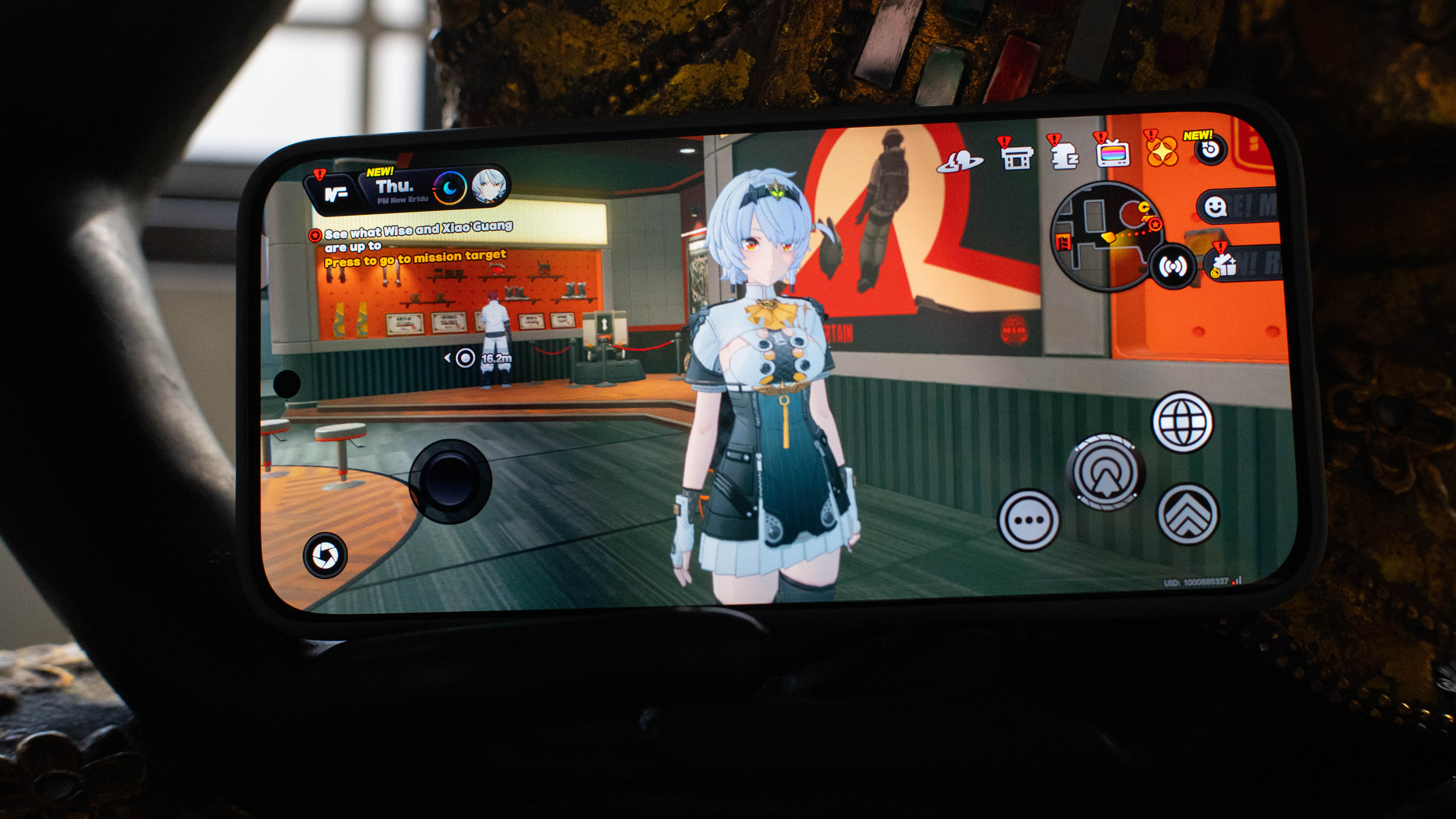
To be fair, it’s still capable with other titles. Firing up Bloons TD 6 from Netflix was a breeze. If you’re not a big mobile gamer, the NOTE Edge is pretty decent with those small time wasters.
Now Playing: Royal Rumble 2026
The Infinix NOTE Edge is more of a joy when you’re watching movies. The 6.78-inch AMOLED screen is delightful with 1B colors and 120Hz refresh rate.
As it happens, I got the phone right on time for this year’s Royal Rumble, my annual tradition as a lapsed WWE fan. What’s a better way to test a phone’s screen than with a 4-hour event?

Since WWE came to Netflix, wrestling fans have been eating good. The platform probably has every show to date. I’ve been enjoying the entire library from the past. But, of course, the best part is the availability of live events. Unlike the embarrassing way that Disney+ treated the WWE, Netflix’s live shows are in glorious HD, have no additional ads, and are available almost immediately.
Now, watching the show on the NOTE Edge was enjoyable. Because of its size, I didn’t need to squint hard to see which Superstar just made an entrance. And that’s a huge plus because there are so many new wrestlers I don’t recognize now.

Overall, I had a decent time watching, despite some questions with the results. Liv Morgan finally won a Rumble match, which I’m stoked by. Sadly, AJ Styles lost his career match, which means he’s gone from the WWE. I’m not really sure that having Roman Reigns win a Rumble again (and, therefore, be in the WrestleMania main event AGAIN) is a great idea, but that’s just part of the pain of liking the WWE.
At least, trying out the NOTE Edge was a revelation. Besides the size, the battery lasted well after four hours. Sure, a chunk was obliterated, but I still had around half the battery after that long.
An AI camera isn’t so bad after all
Whenever I see “AI” attached to a phone’s camera, the hairs on the back of my neck bristle. I don’t really need AI to help me take photos, thank you very much, especially when most of my gallery is of my cat anyway. (3,000 photos and counting!)
That said, I was blown away by the Infinix NOTE Edge. Despite only having a 50-megapixel rear shooter, I had fun using this phone to shoot. On a bright Saturday, it took the streets of Makati and a nearby taco shop with ease.
Colors under sunlight were lit perfectly without exposure turning everything into an overbright mess.

Similarly, indoor shots were very good. Just take a look at the colors on this wall.

This wall at Los Chachos in Makati looked sooo good.
I took the phone with me after dark, and it still performed well. Sure, you might jittery shots, but if you’re able to stay still, you’ve got a winner. For these shots, I did lower the brightness by quite a bit to allow the contrast to do the lifting.

Selfies were also good, if you’ve got good enough lighting.

Now, here’s a slight issue, though. The reflective back can give you a headache. If you find yourself shooting against the light or in brightly lit conditions, the camera can produce a very strong lens flare. In some situations, it adds a creative element to your shots, but it can be distracting during sunny days.


Here are a few more shots when I took the phone to Singapore. I’ll just say it: the Infinix NOTE Edge is incredibly good for street photography. The light weight and the photo quality are impressive.



Overall, I still wouldn’t sacrifice my daily driver and my camera for this phone. Regardless, it was enjoyable to shoot with this. It definitely works in a pinch.
The midrange problem of bloatware
Since this is a midrange phone, the NOTE Edge has the unfortunate problem consistent with most midrange phones: bloatware galore.
To be fair, the phone doesn’t really have a lot of apps installed. Then again, with the overwhelming deluge of advertised apps, the distinction hardly matters. The games section even had pages upon pages of titles that you’re definitely never installing in your life.

The phone also has the very midrange-coded Magazine Lockscreen, which sends content you might like straight to the lock screen. It’s a fancy way of saying that the lock screen has ads baked into it by default.

Thankfully, all these distractions can be turned off or deleted easily. But, honestly, I hope phone makers realize that no one really likes having them on in the first place.
A battery that’s good on paper
Despite its slim form factor, the NOTE Edge comes with a sizable 6500mAh battery. That’s a decent figure on paper. However, the phone’s real-time performance doesn’t really reflect this.
It’s not that the battery fails to perform as a smartphone battery. Rather, for a battery that hovers around the upper range of capacity these days, it doesn’t really have that oomph factor.

On the day that I took the NOTE Edge to a street shoot in Makati, the battery lasted a cool 15 hours before sinking to anxiety-inducing levels (around 20 to 30 percent for me). I’d consider this heavy usage already. Besides using the phone as a daily driver, I kept the camera on for extended periods of time, so I wouldn’t miss shots. I played games while waiting for friends and my food to arrive. I was using Waze without a charger going to and from Makati.
And, yes, by the way, it did get hot. After all, the thinness of the NOTE Edge doesn’t really allow for a dedicated cooling system, unlike thicker phones.
It’s fine as a battery, since it gets the job done throughout the day. But it’s not the 6500mAh type of fine.
Is the Infinix NOTE Edge your GadgetMatch?
Starting at only PhP 14,999, the Infinix NOTE Edge is as budget-friendly as it gets for a midrange phone. It’s not the most impressive phone I’ve seen in its price range, but, as I said for the battery, it gets the job done.

The two highlights here, besides that oh-so-affordable price, are the thin form factor and the impressive camera. If you value both specs in your daily driver, this is a good Swipe Right.
However, if bloatware is a problem for you, then this is a clear Swipe Left. You can also couple that with a processor and a battery that looks good on paper but fails to wow beyond that.

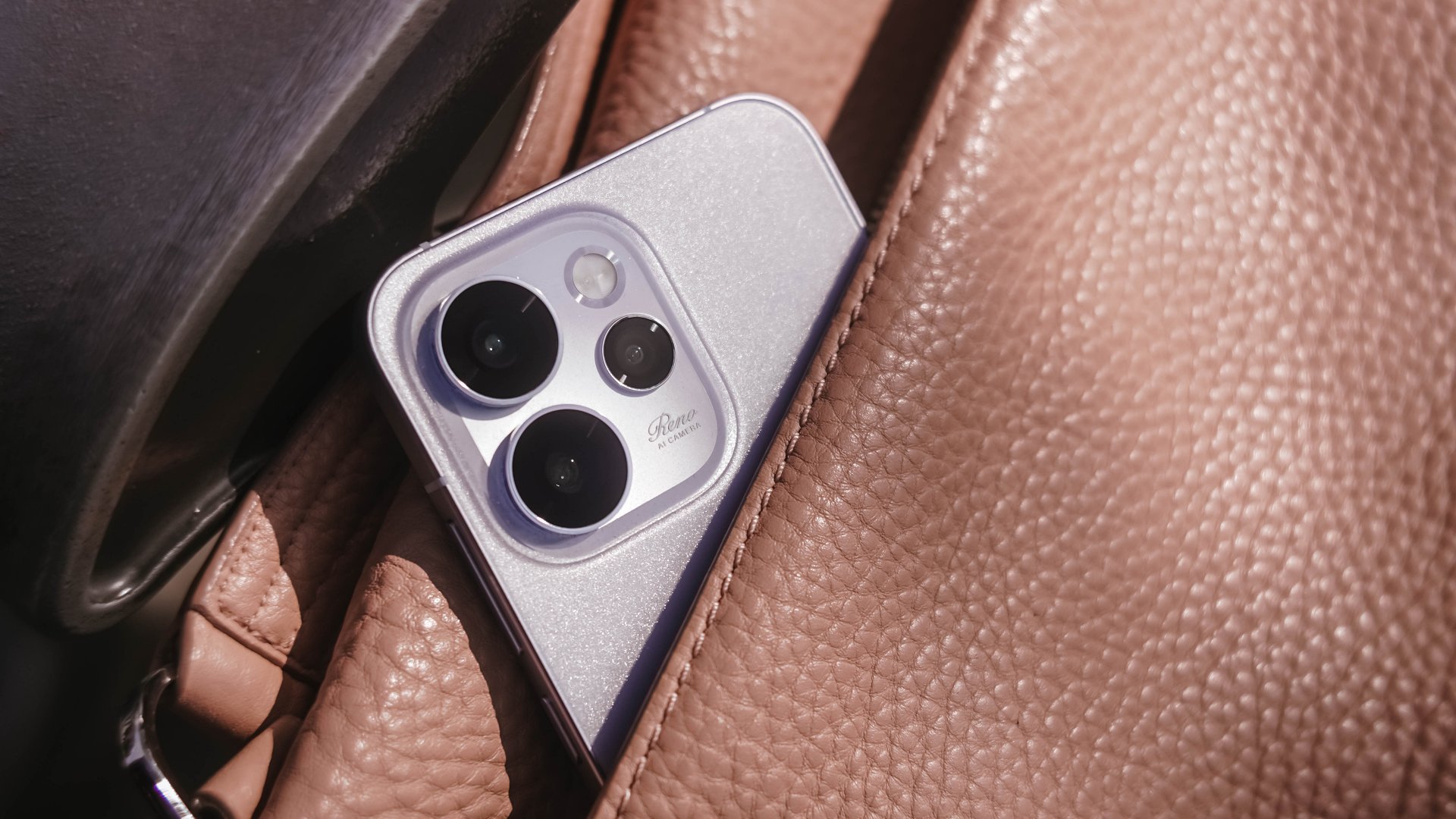
As GadgetMatch’s Creative Producer for 7+ years, I’ve had my fair share of review phones with me.
However, as I stated in my recent Reno15 Pro First Look, this is only my second time handling OPPO’s midranger.
Being the team’s full-fledged ~camera guy~, it’s the best time to shoot with this smartphone. Now, here’s my Camera Review of the all-new OPPO Reno15 Pro.
Hocus Focus
First in focus is none other than the Reno15 Pro’s main (1x) shooter. On paper, this has the biggest gap between the vanilla and Pro variants of the Reno15 series.
| OPPO Reno15 Pro | OPPO Reno15 | |
| Wide | 200MP f/1.8 1/1.56” Samsung ISOCELL HP5 sensor |
50MP f/1.8 1/1.95” Sony LYT-600 sensor |
| Ultra-Wide | 50MP f/2.0 116º FoV GalaxyCore GC50F6 |
8MP f/2.2 116º FoV OmniVision OV08D |
| Telephoto | 50MP f/2.8 1/2.75” Samsung ISOCELL JN5 sensor |
50MP f/2.8 1/2.75” Samsung ISOCELL JN5 sensor |
| Selfie | 50MP f/2.0 1/2.75” Samsung ISOCELL JN5 sensor |
50MP f/2.0 1/2.75” Samsung ISOCELL JN5 sensor |

That 200MP main camera not only has a larger megapixel count, but it also has a bigger sensor size, compared to what the base Reno15 has.
Right off the bat, the Reno15 Pro already serves with its superior image quality.
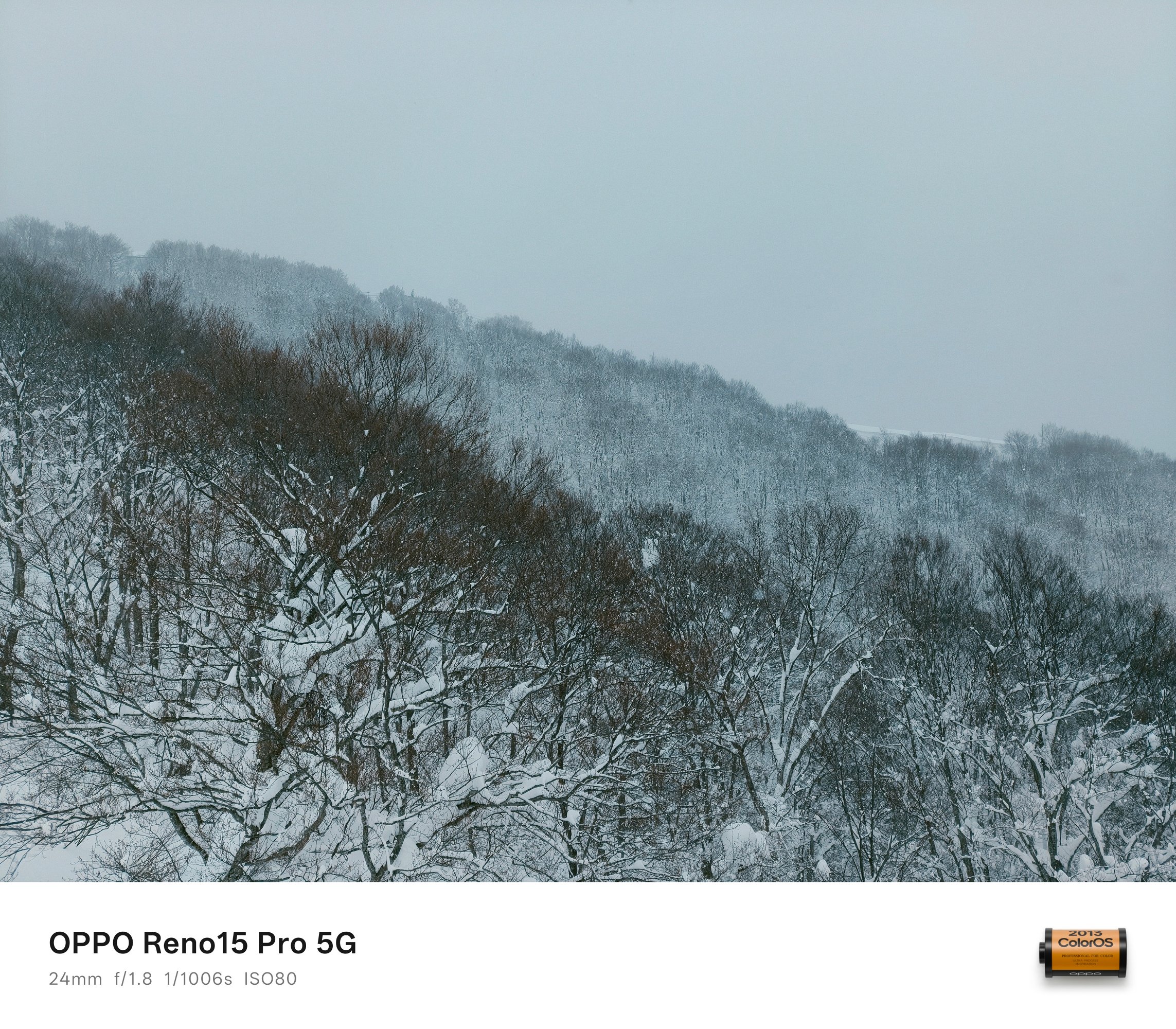
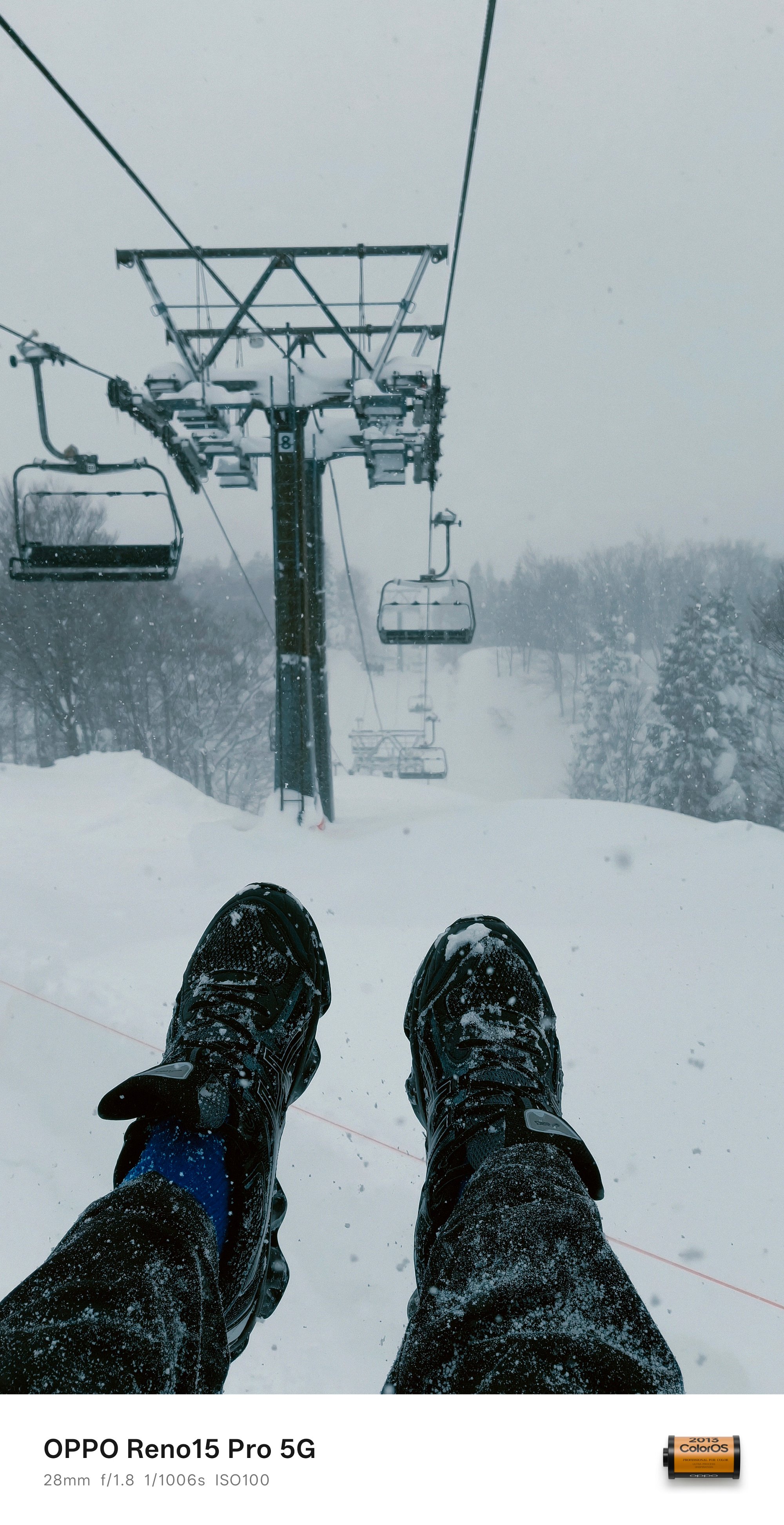
While color output is and will always be preferential, I prefer how the Reno15 Pro doesn’t produce photos that are looking too flat — with the fair share of balance in highlights, shadows, and contrast.




HDR scenes weren’t forgotten as well. There’s a good mix of everything in between despite capturing them against that harsh sunlight behind.


And before I forget, I just want to commend how fast the shutter response time is. Personally, I don’t use burst shooting and only relies on how fast my finger reflexes are when taking photos as fast as possible.
Good thing, the OPPO Reno15 Pro managed to capture this breezing train with ease.


The ability to switch between 24mm, 28mm, and 35mm is also a great feature flexibility especially for users who want to frame their shots properly.
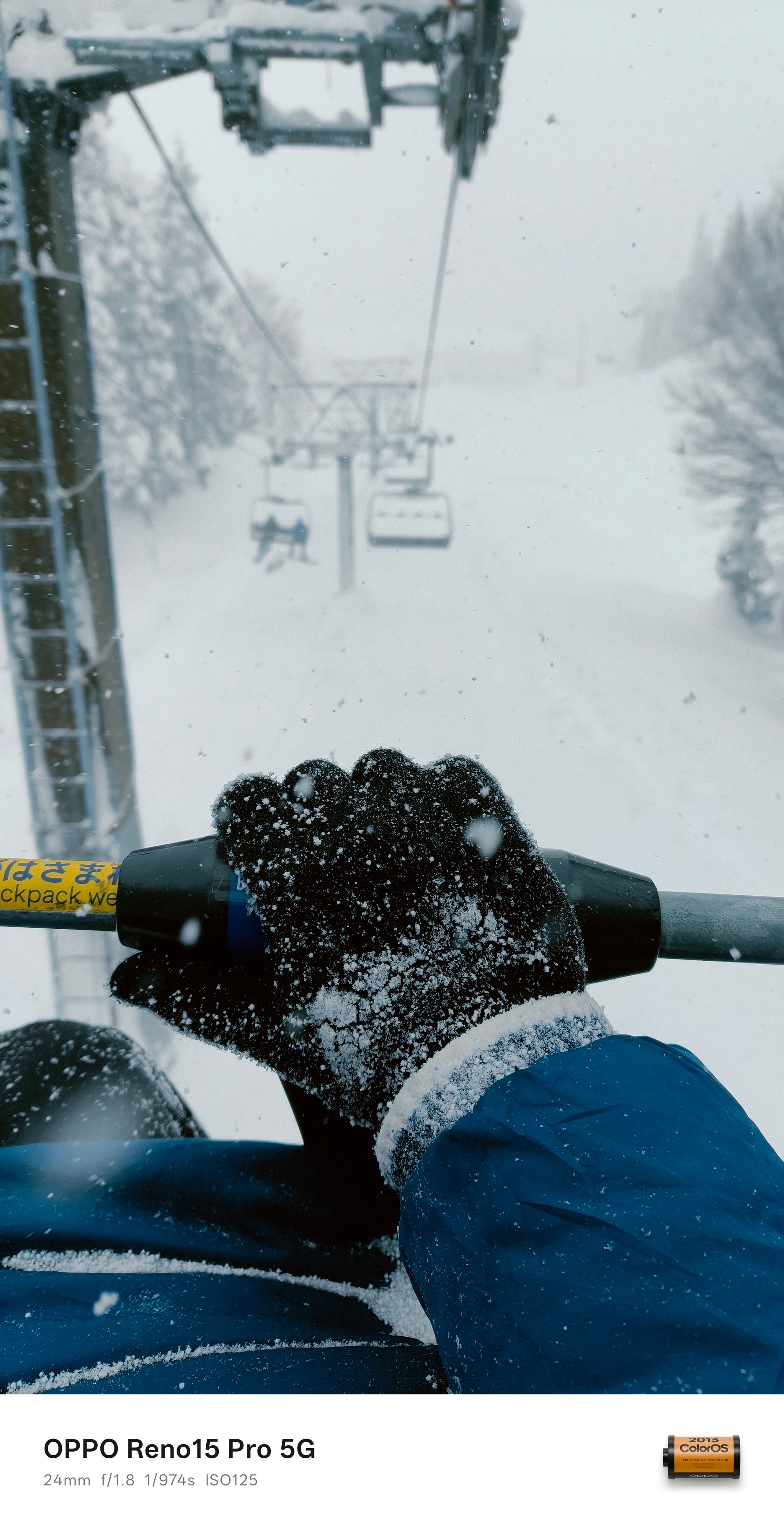
BONUS #1: It also captured my first snow fall experience in Osaka ❄️

Wider than wide
Usually, ultra-wide cameras are something that’s left behind among midrange phones. The case isn’t the same for the Reno15 Pro.
Although I cannot provide any comparison sample, that 50MP sensor obviously has the upper-hand versus the 8MP shooter found on the base Reno15.


Shots taken in the UWA (Ultra-Wide Angle) mode look crisp and clear, no questions asked.
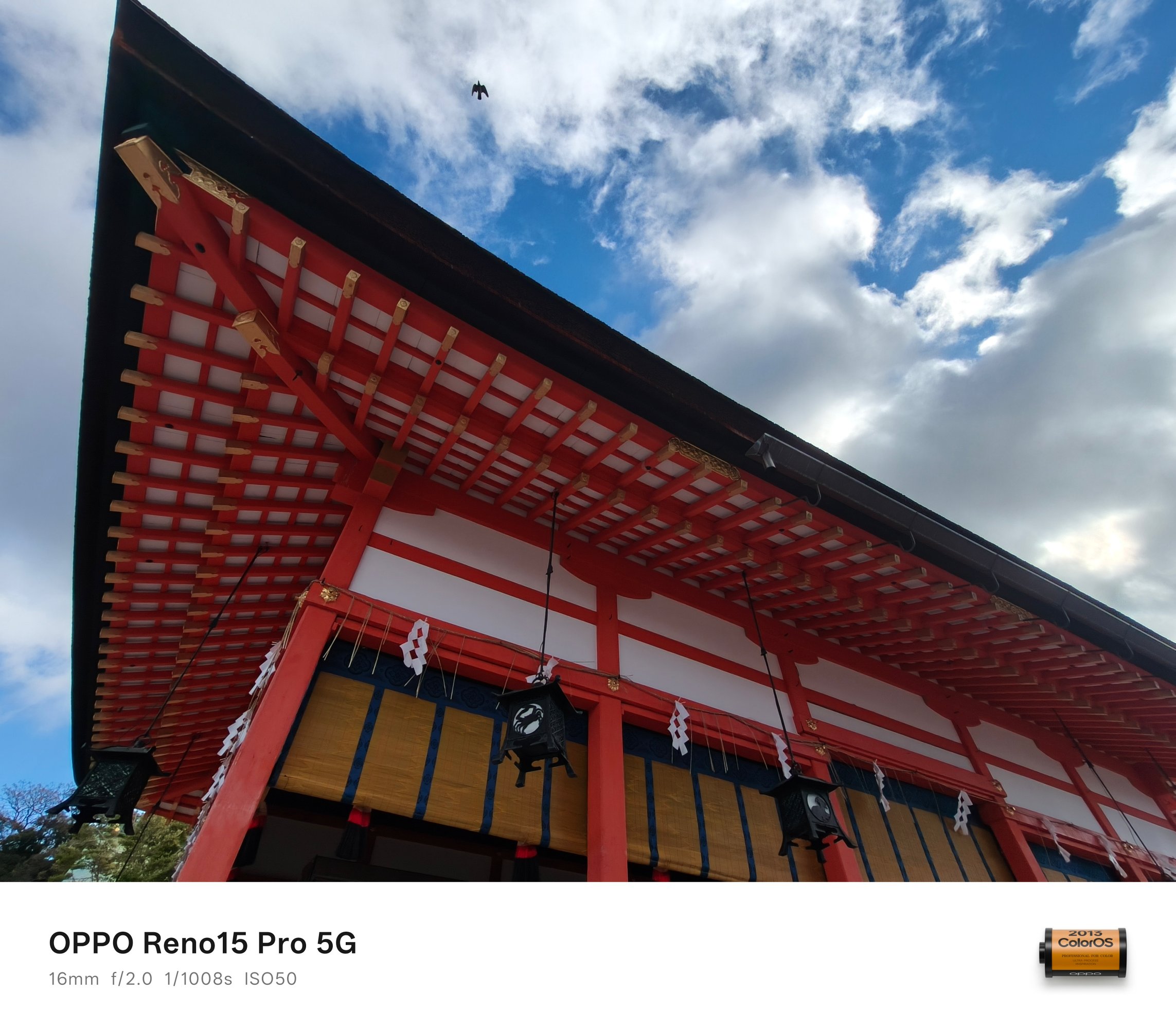
It even managed to snap that flying bird above like a fictional time freeze phenomenon.


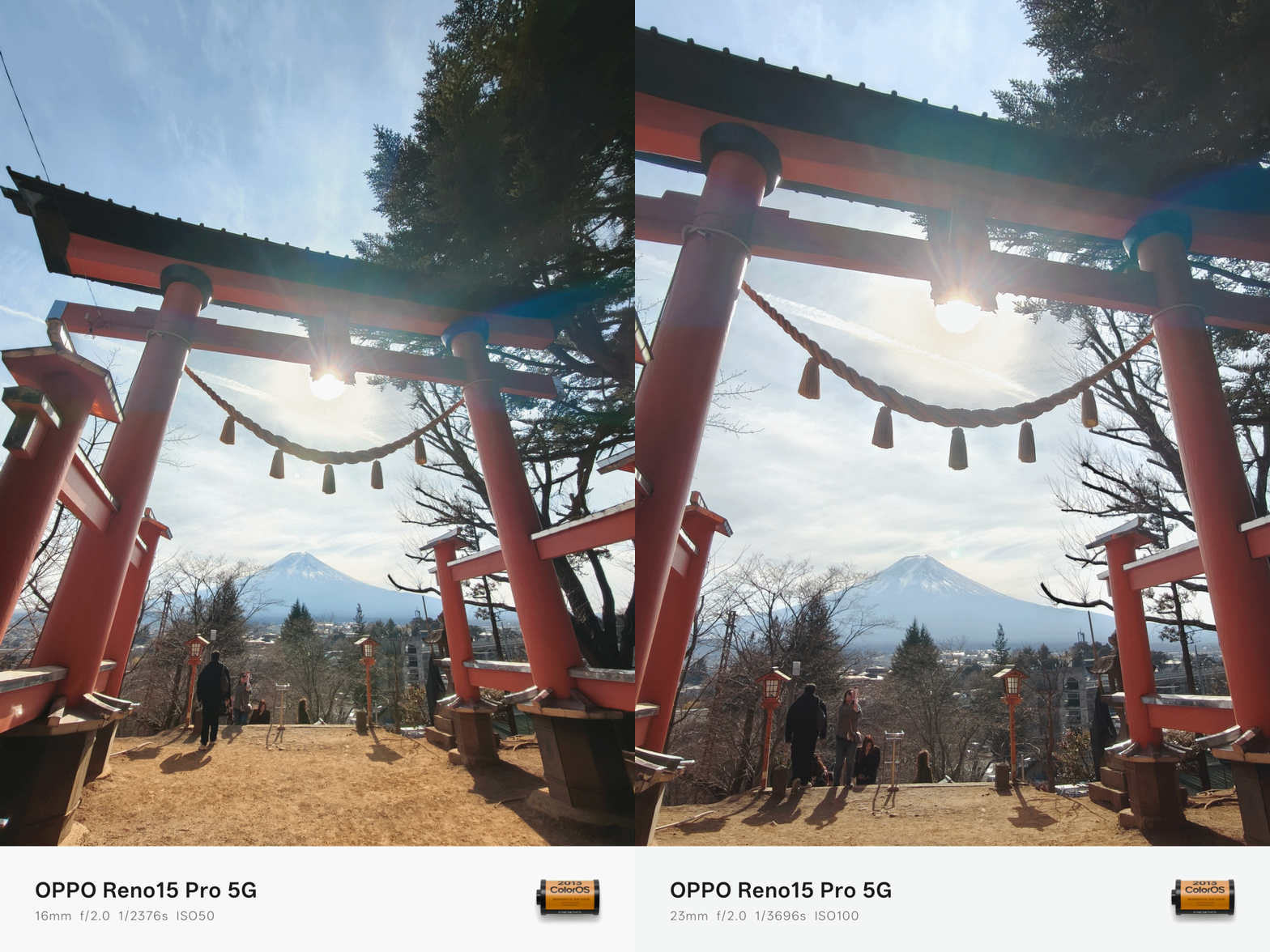
That 118-degree FoV squeezes in more details in the frame that cannot be captured by the regular 1x wide camera — unless you physically back off meters away from the subject.
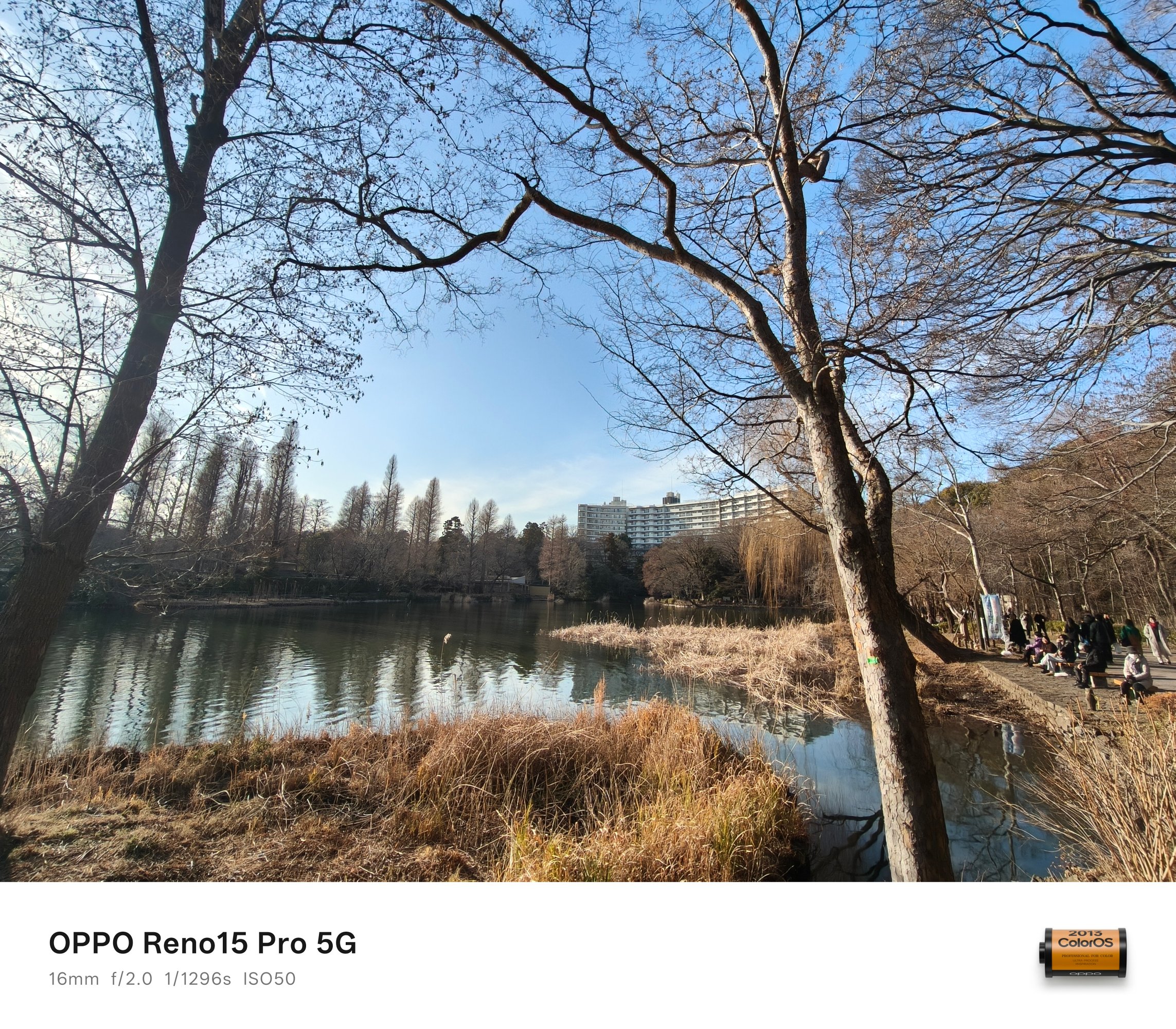

In certain scenarios where cropping in is required, that larger megapixel count means it has gathered more image data — especially in restricting environments.


The Zoom Boom
If you’re coming from last year’s Reno, that 3.5x zoom shooter still remains.
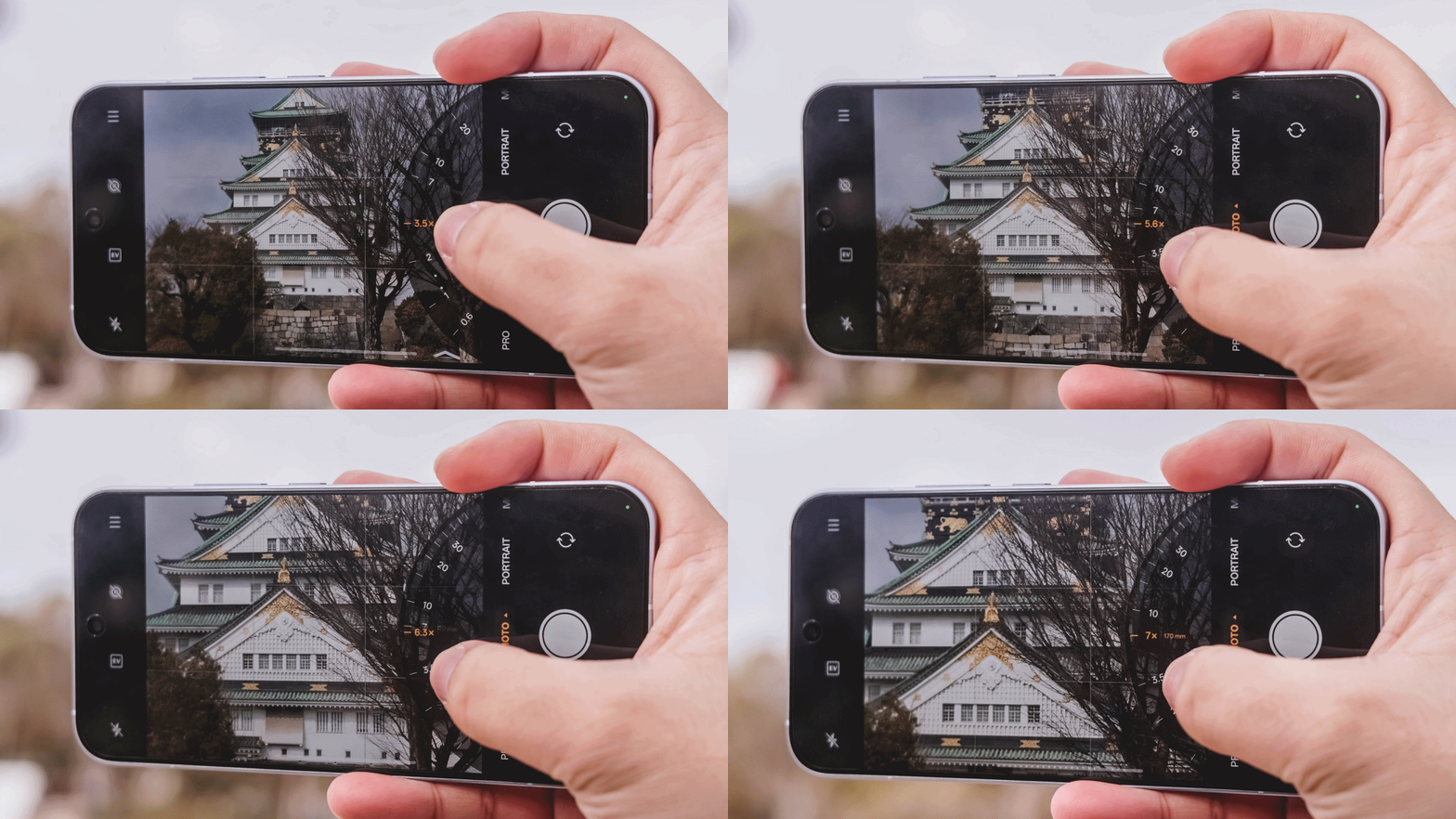
Albeit, from a periscope module, it was returned to a telephoto one (like what’s equipped in the Reno13 Pro). I’m quite unsure how massive or measly that change brings to the table.
And even if that 200MP can bring 2x zoom shots through in-sensor cropping, having a dedicated telephoto lens means clearer shots from afar.

And it’s not just limited to 3.5x telephoto zoom per se (85mm). The OPPO Reno15 Pro can even take as far as 7x with optical-quality zoom (or lossless / hybrid, whatever the best term is). That’s an equivalent of 170mm in camera lens’ focal length.
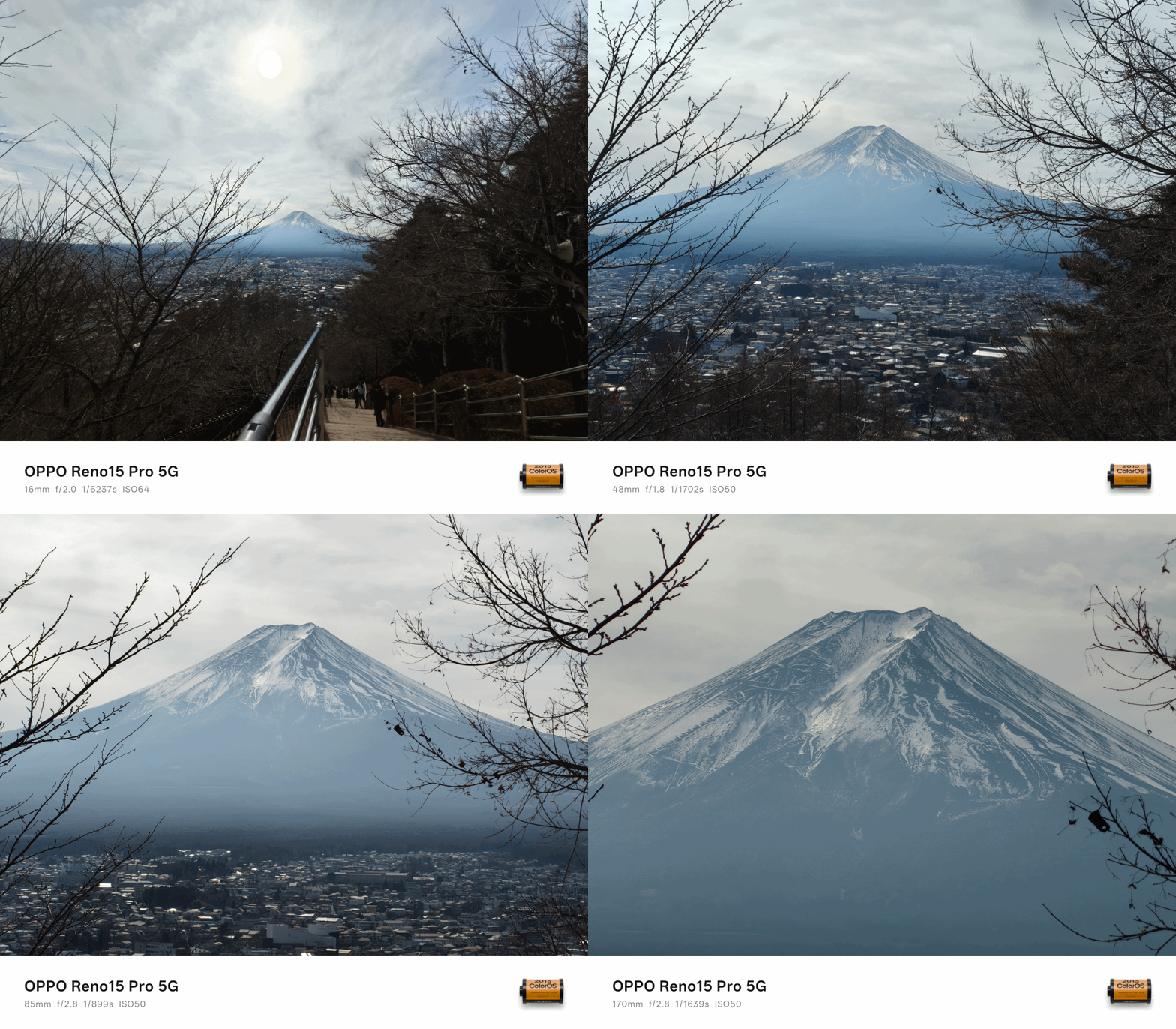
Good thing or not, it’s the same exact sensor found on the base Reno15 as well.




What matters the most is that I love how this zoom shooter performs.


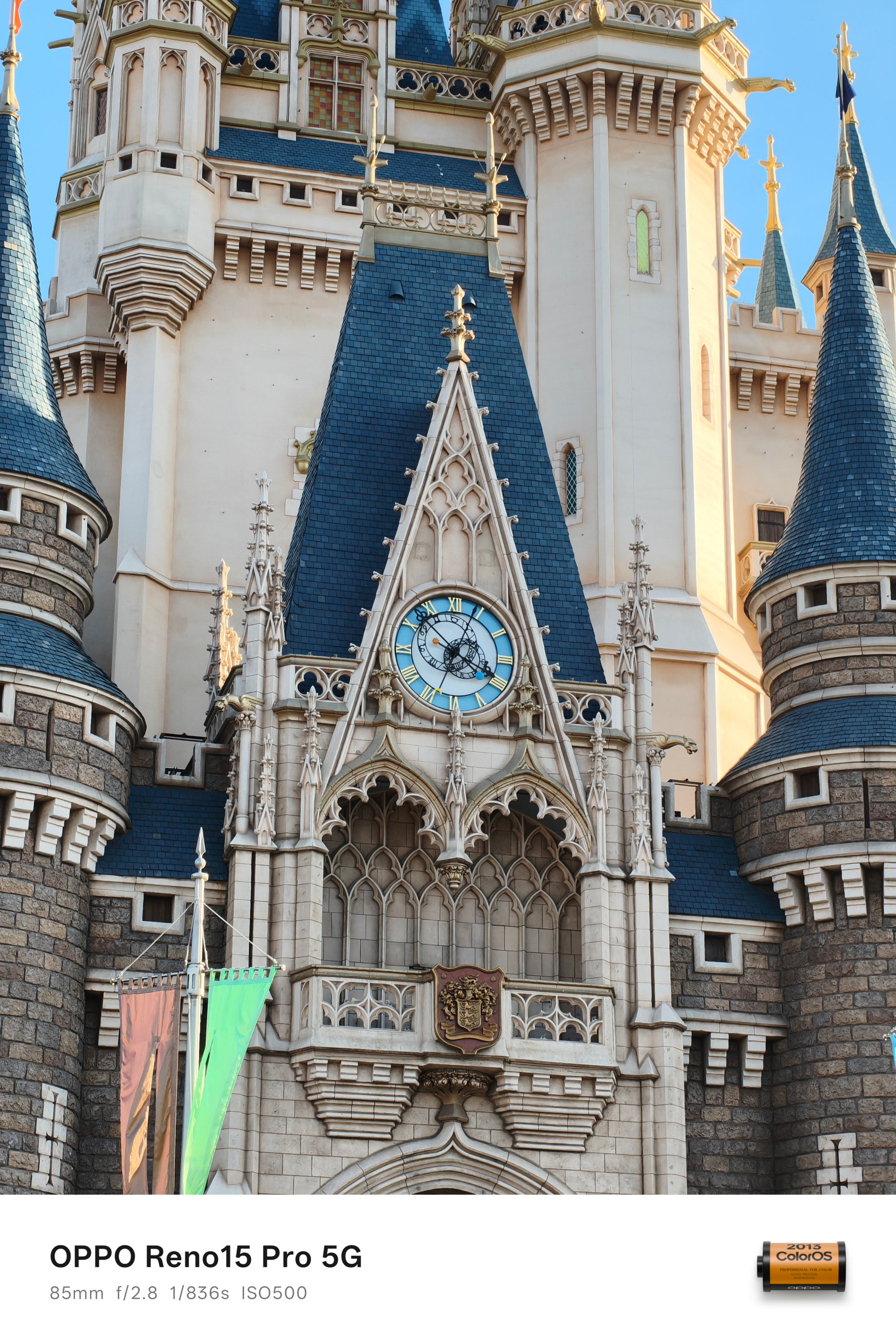





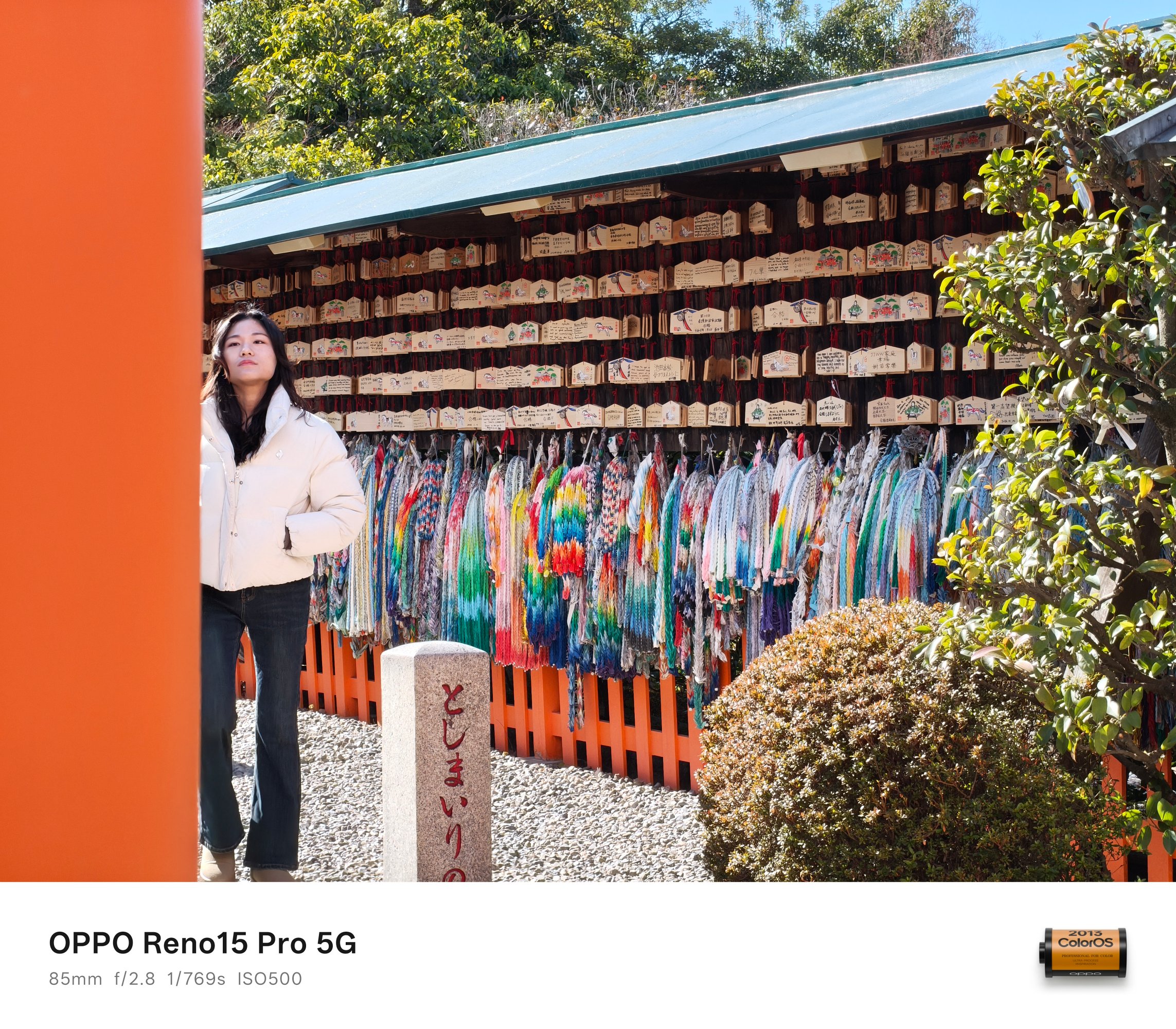
It even performs snappy when shooting moving subjects — like this deer and tux cat.


I am a firm believer of not taking food shots using the regular 1x view. Thankfully, the excellence of its 2x and 3.5x zoom modes made me capture these mouthwatering photos with enough segmentation.

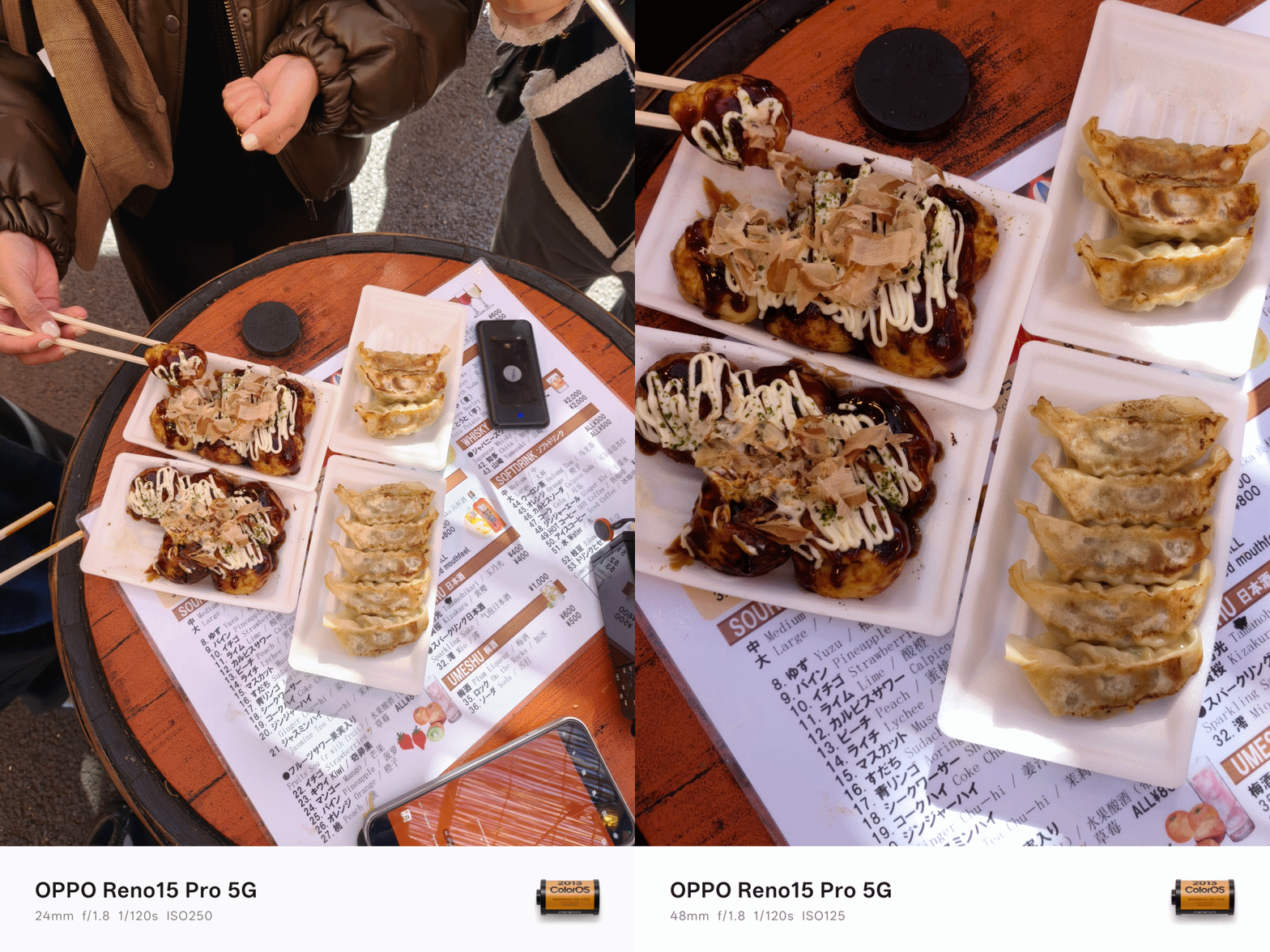







Also, my new obsession? Turning on the flash when capturing meals indoors for that ✨ 2000s digicam vibes 📸


Low-light that looks right
As I always say, shots taken with no presence of natural and artificial light is what makes or breaks a smartphone’s camera performance.
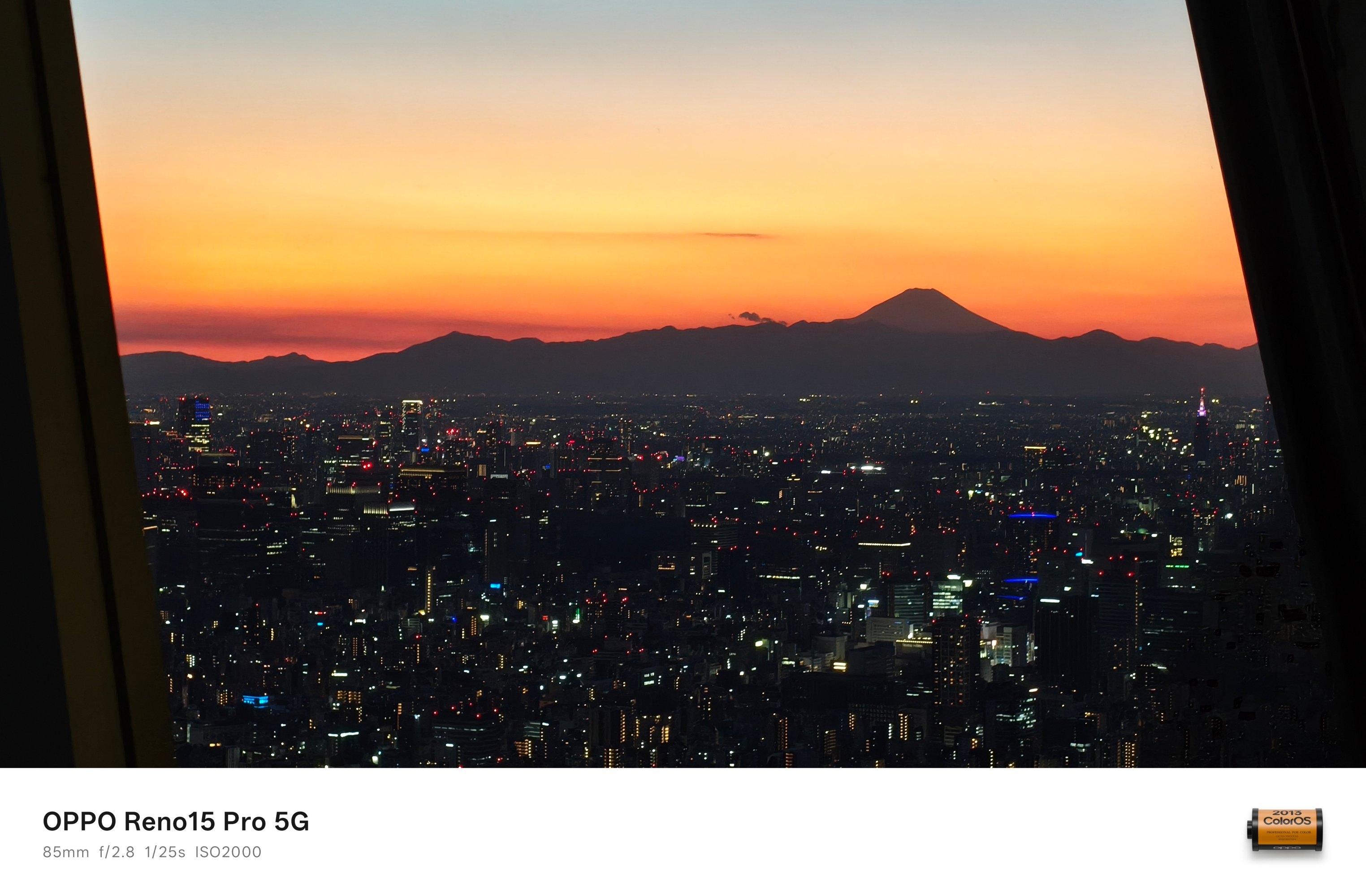
However, the OPPO Reno15 Pro dared. It was able to capture this Mt. Fuji scene at Tokyo Skytree even when the sun has already set.

With no surprise how it performs during the day, these evening photos provide more than satisfactory quality.


And just to be clear, I never actually switched to Night Mode.
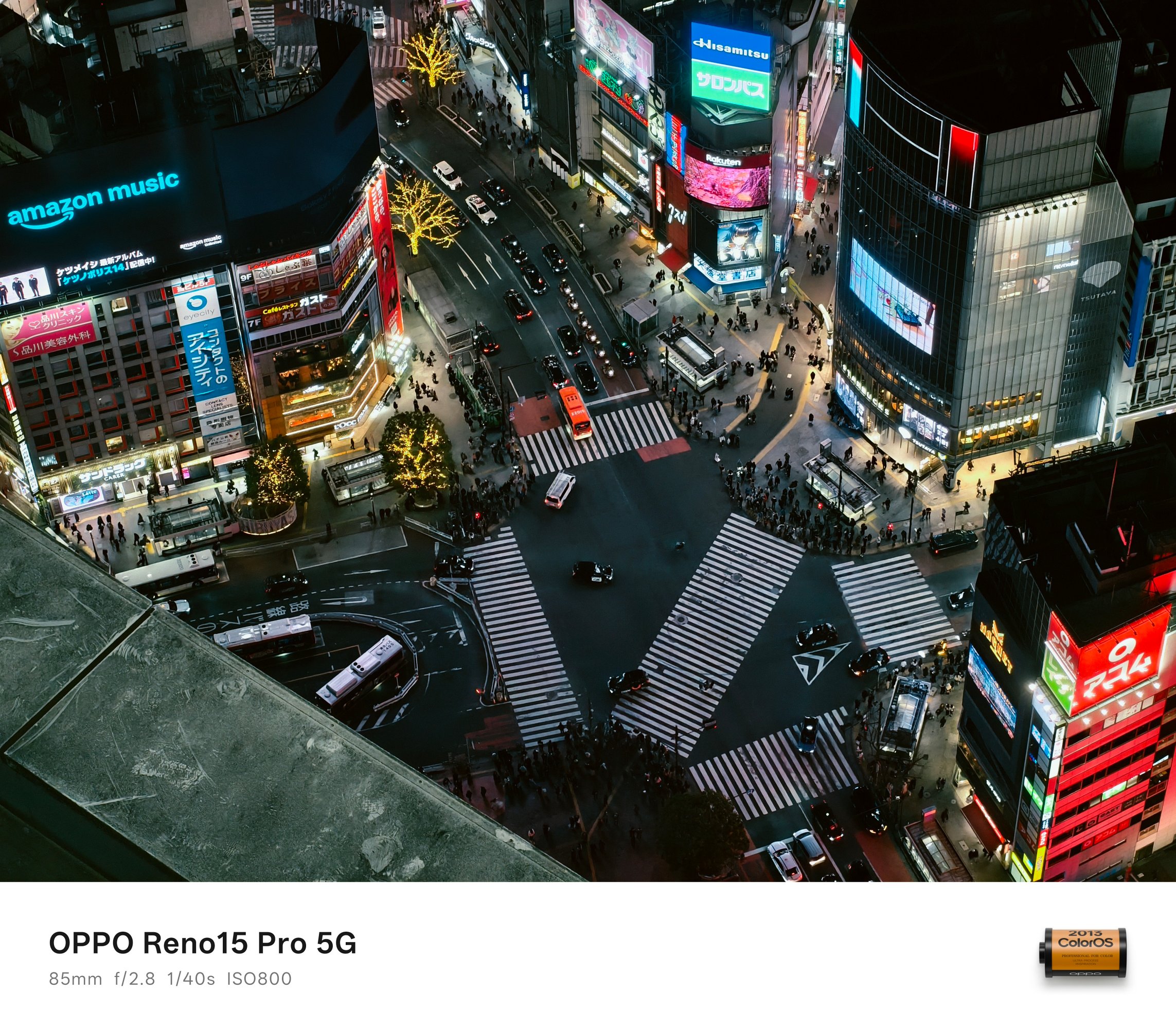
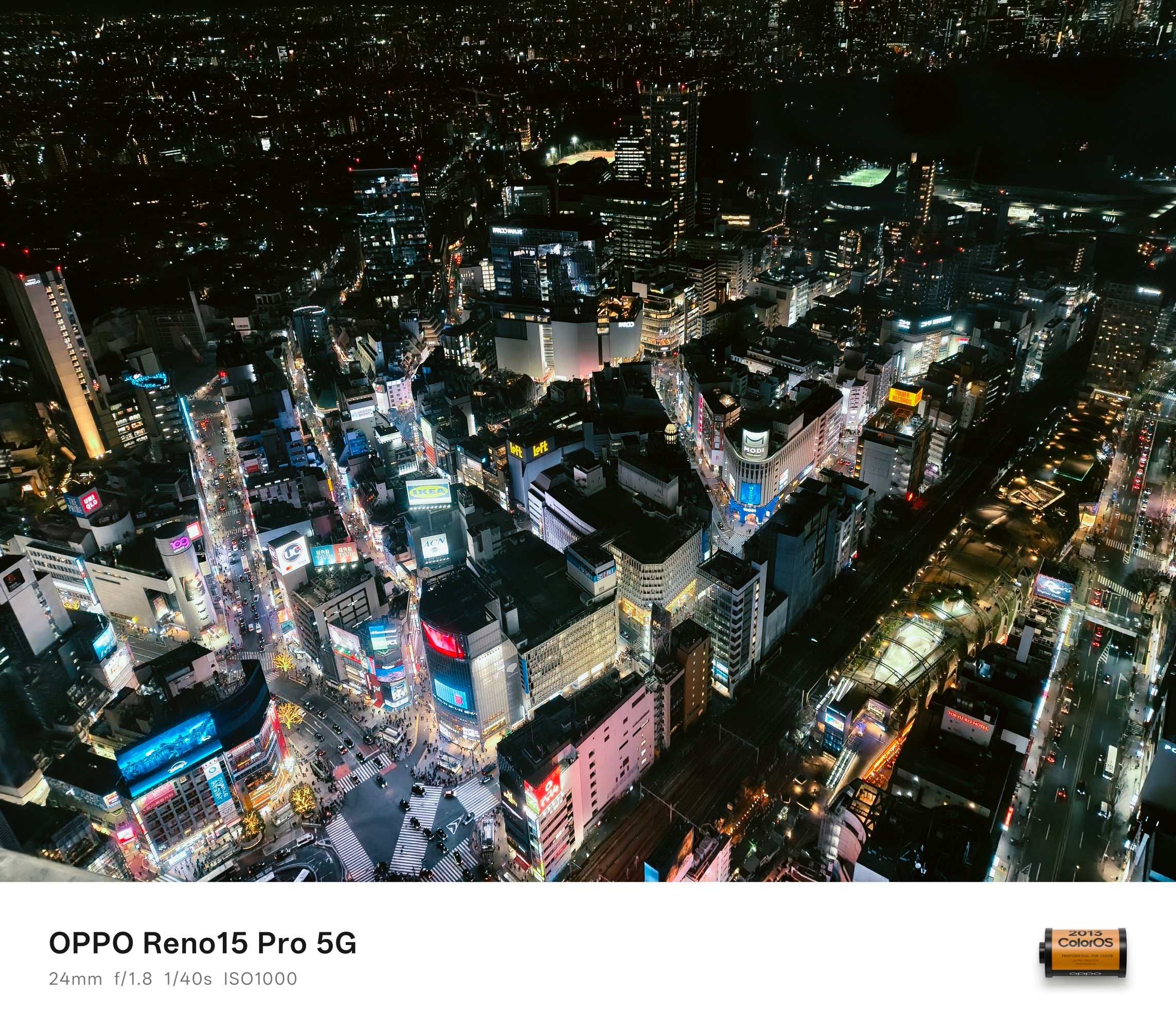


Regardless of the focal length you desire, the OPPO Reno15 Pro delivered well.







OPPO AI instantly detects the scene and kicks in that much-needed algorithm when capturing shots in the low-light. For instance, this part was so dark I didn’t even notice there’s a couple captured in the frame.

Indoor shots weren’t left out as well. Look at how clean these look despite capturing them while being in a ride full of twists and turns.


Speaking of, these two samples were also taken while the parade floats were in constant motion.


I didn’t fully intend to take as much low-light shots with the OPPO Reno15 Pro. Still, it would be a huge miss not to include these extras.





 BONUS #2: I accidentally took this with the flash enabled so it didn’t truly capture the split-second moment of that fireworks. However, IMHO, it still looked postworthy.

Pro-trait Expert
Having a telephoto shooter isn’t just for capturing subjects from afar, it also means better portraits through fixed focal lengths à la prime lenses for professional cameras.


While portrait mode works in both 1x or 2x modes, that 3.5x (or 85mm equivalent) gives the best possible output.


Not only is the Depth of Field (DoF) based on the phone’s distance away from the person, but it also provides a more natural bokeh — even if that means faking the aperture from f/16 to as shallow as f/1.4.





And this expertise isn’t just found on the rear cameras. With the front camera sharing the same sensor as the telephoto camera, quality is more than justified.





Same sensor found on the telephoto unit with a wider aperture clearly means the Depth of Field (DoF) is as natural as it can get.
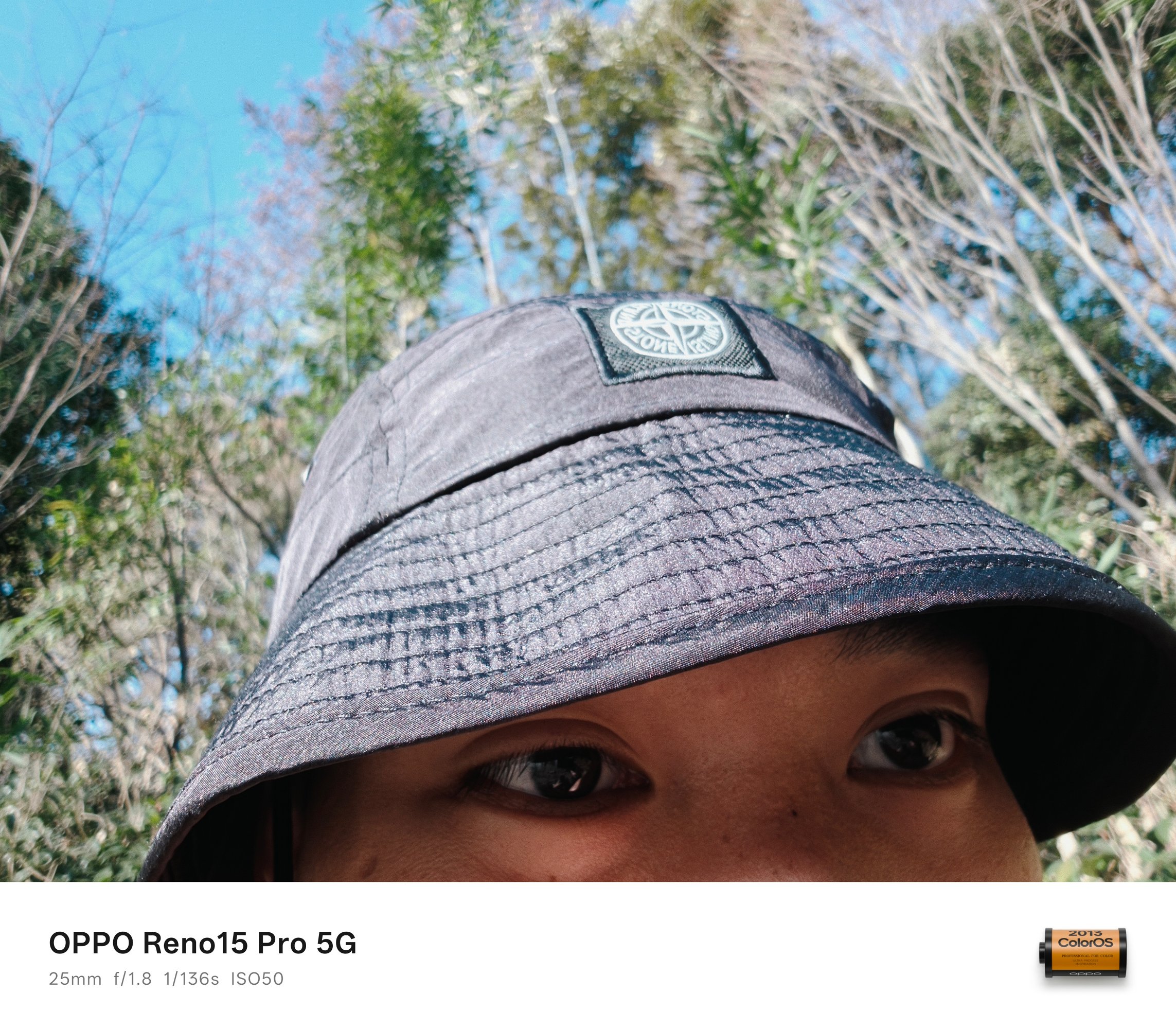
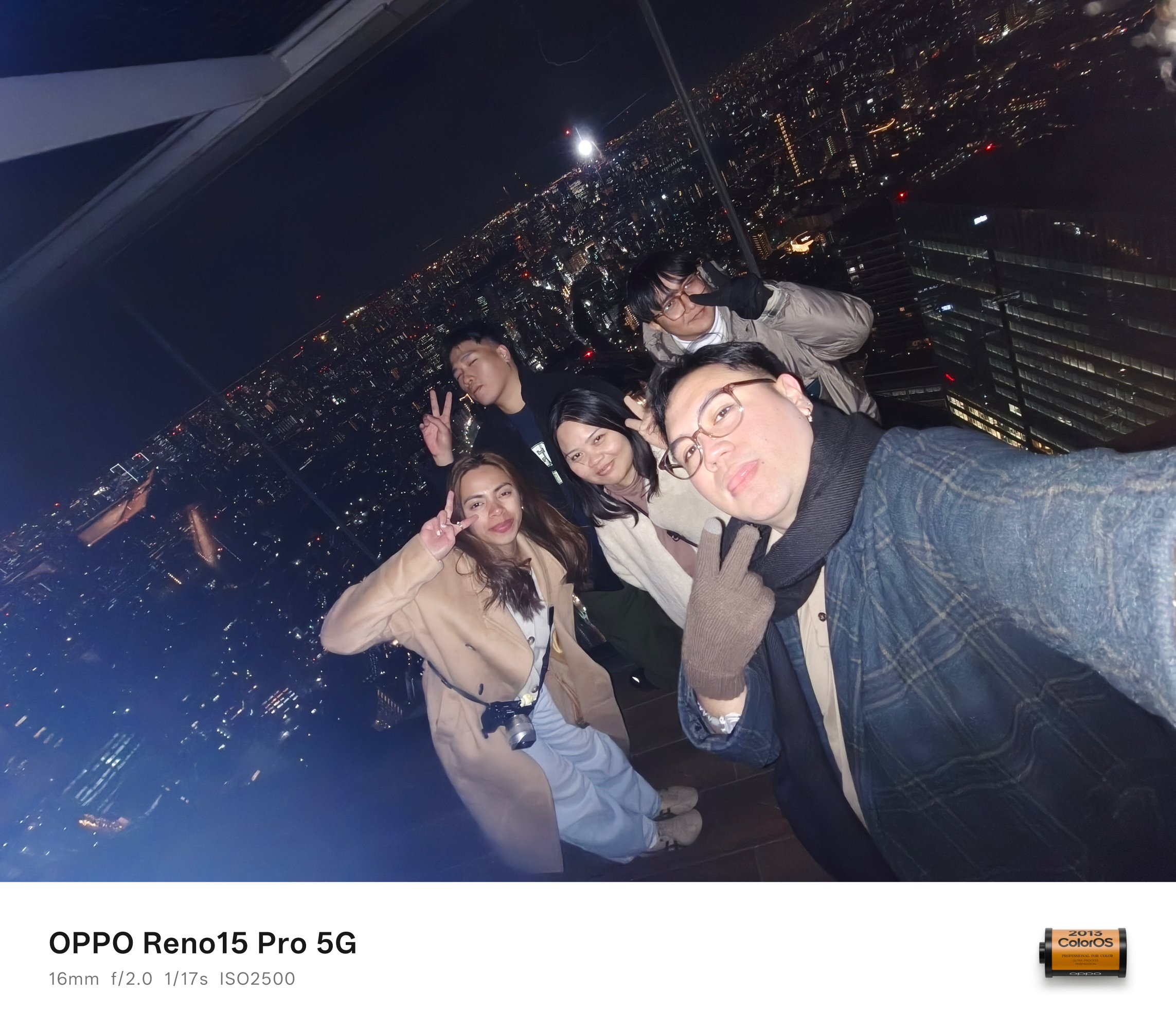
Selfies are for one, groufies are for another. The Reno15 Pro easily captures human subjects without frills.



Taking low-light groufies in this device weren’t a struggle at all.




BONUS #3: Gen-Z selfie with the rear UWA camera!
#NoFilter shots aren’t bragging rights
What draws the fine line between the Find and Reno line are their camera partnerships (or lack thereof).
While the Find still rocks that Hasselblad partnership since the Find X5 Pro, the Reno class relies on OPPO’s own imaging algorithms.
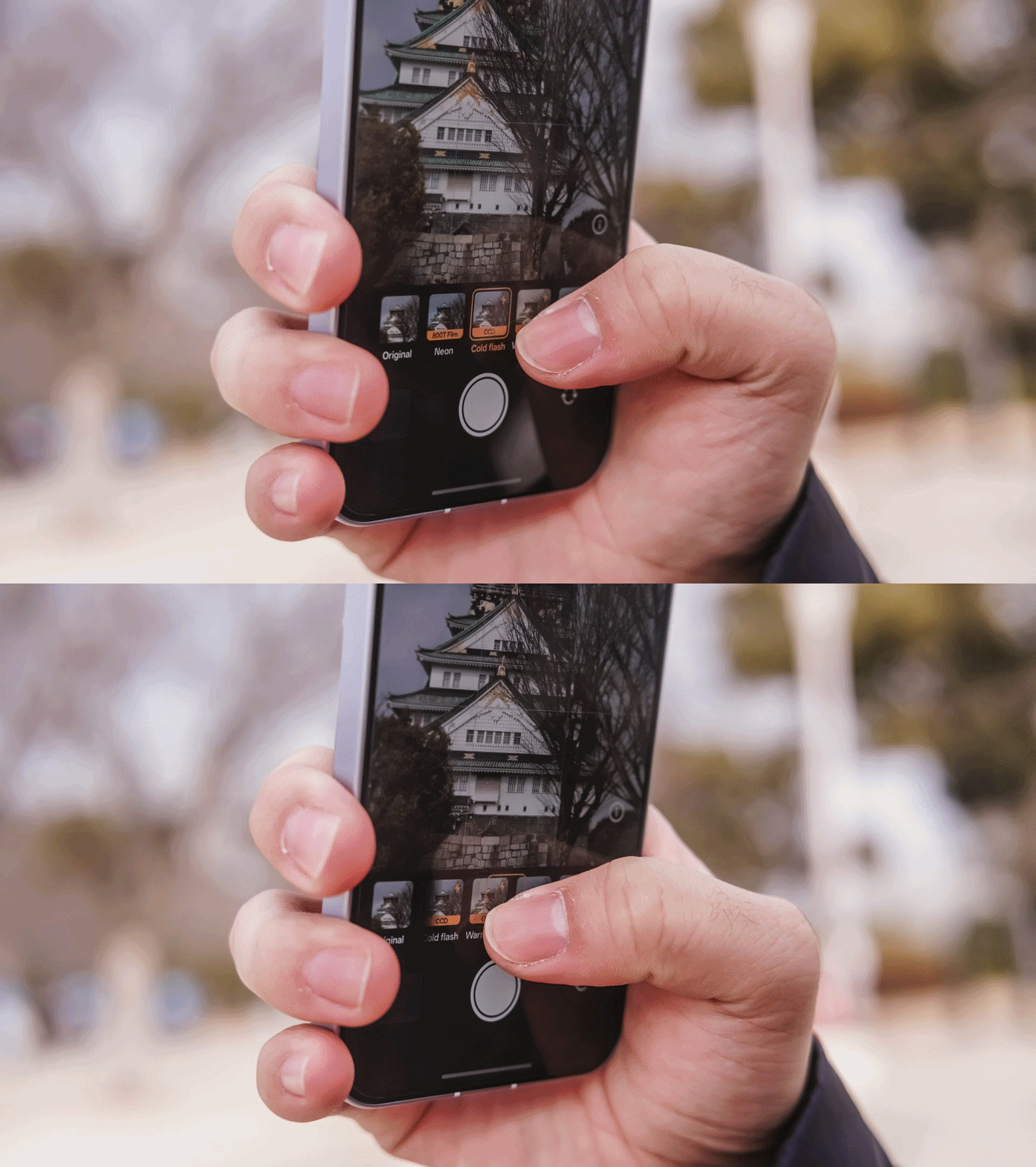
It’s honestly not the best. However, if you want your photos to look less “generic”, these filters truly give soul to your shots.
All in all, there are 18 filters you can choose from:
| Film-Simulated | Classic | Black and White |
| Neon (800T Film) | Vivid | B&W |
| Cold Flash (CCD) | Shine | Mono |
| Warm Flash (CCD) | Natural | |
| Fresh (Film CC) | Food | |
| Vintage (Film NC) | Cool | |
| Clear (Film NH) | Warm | |
| Vibrant | ||
| Faded |
-

- Film-Simulated Presets
-

- Classic + B/W Presets
Personally, my frequently used filter is Neon (or 800T Film).

Although it really depends on the subject you’re trying to capture, it performed well during my Japan trip. Either it’s the place, the camera, or both. You be the judge.
Love it or h(AI)te it
Given the unstoppable price hike in memory and other tech components, 2026 seems like a progressive year for AI.
Love it or hate it, AI Tools are getting more advanced — and the OPPO Reno15 Pro isn’t far from the race.
The precise AI Eraser is already given. However, there’s more than just that.

In times when the environment doesn’t fully expose each and everyone’s faces, the AI Portrait Glow feature comes in very handy.

With the right balance, it illuminates faces as if we each had our own fill light. Just be wary if your face gets tweaked and does not look the same way as it is.

Speaking of groufies, the AI Perfect Shot is the perfect companion in fixing those good shots ruined by your friend’s unprepared faces.

For bad photographers, AI Recompose reframes your bad-angled shots based on OPPO’s AI power.

More on the Reno15 Pro’s AI Editor list includes Enhance Clarity to 4K, Reflections Remover, and Unblur.

Pop-out collage is also there to make your Instagram Stories (or Facebook Stories) look more quirky.
Video Versatility
It wouldn’t be a complete camera review without testing out how the Reno15 Pro performs when shooting clips.
At first, I was really skeptical on its performance. But, after having a dead powerbank and flagship phone in my bag, my only recourse was to shoot with the Reno15 Pro during that festive electrical night parade in Tokyo Disneyland.
I’ve also used it to record the “Sky Full of Colors” ending fireworks show as the ending piece of our visit.
While it was cancelled last-minute during our Tokyo DisneySea journey, we were still lucky enough to see it from Disneyland a day after.
If the low-light performance was already commendable to begin with, how much more when it’s daytime?
For a phone in this segment, I was not expecting anything grand. Gladly, it delivered more than what I have imagined.
Zoom cruising, while not perfect, still provided a smoother transition between 1x to 3.5x (compared to phones in this league). Surprisingly, 4K/60fps with HDR is possible so I used it just like in the flagship phones I own.
That goes hand in hand with the Reno15 Pro’s tiny but mighty 6.32-inch AMOLED ProXDR display as it can actually display HDR content without any brute force.
Other Goodies
OPPO Reno15 Pro is more than just your typical midrange smartphone. Diving more into its camera app, there are several features I was not able to explore yet can still be very useful in times of need.
The usual ones are the Panorama, Time-lapse, and Slo-mo. For some fun, there are the Dual-View Video and Sticker modes. Need to scan documents? Document and Text Scanner both exist.
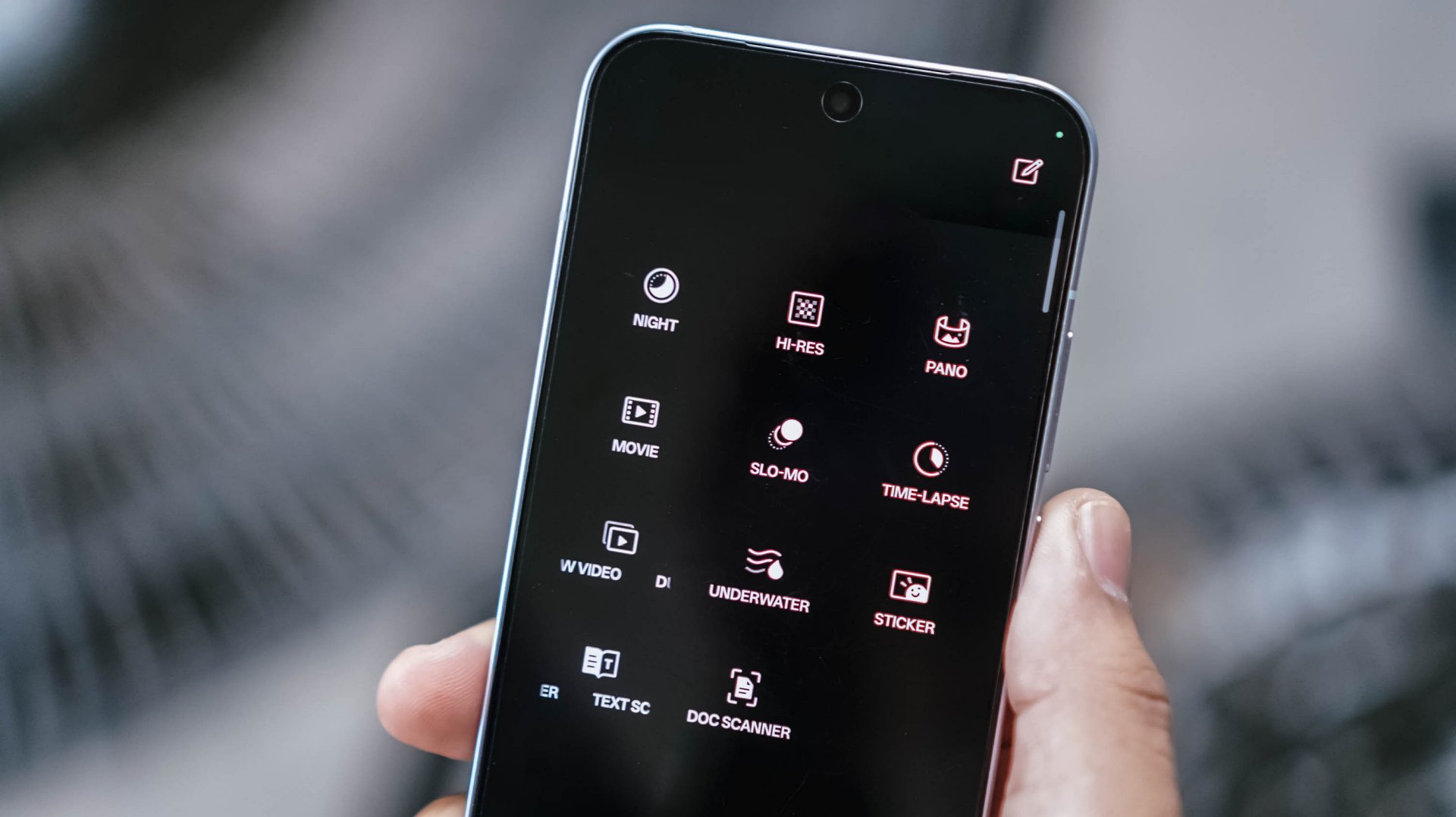
Professional-grade shooting? There’s the Pro mode for stills and Movie mode for, you guessed it, video recording.
Scene-strict modes? Night Mode and Underwater Mode both save the day and the night. After all, the Reno15 Pro is IP66/IP68/IP69-certified.
And, even in low-light shots, OPPO Reno15 Pro’s AI capabilities already does the job for you — even without switching to Night Mode that’s hidden in that vault anyway.
Is the OPPO Reno15 Pro your GadgetMatch?
With a staggering pricing of PhP 49,999, the OPPO Reno15 Pro isn’t a totally easy recommendation for users who want capable cameras in a phone for less.
However, looking at what the OPPO Reno15 Pro offers, it’s imaging prowess is more than justifiable. It’s more than just a “Portrait Expert.”

Now onto my bold excerpt:
Why is this even considered a “Reno”?
While it’s clearly still under OPPO’s midrange line, the Reno15 Pro already feels like a flagship. Honestly, it could have just been named as the “Find X9 mini” not just for its sheer size, but for all the flagship-grade qualities it possesses.

While I’m talking about its fast 4nm Dimensity 8450 SoC, 12GB memory, 6200mAh battery capacity, alongside the oh-so-fluid ColorOS 16, its superior cameras are for another — just without the Hasselblad branding and novelties on it.
(Re)volutionary and in(no)vative
While OPPO was vague with how they actually named “Reno” as their midrange line, I have thought of my own meaning: (Re)volutionary + in(no)vative.
If my memory serves me right, the first series of OPPO Reno that came out last 2019 had an unusual pop-up camera mechanism alongside that 10x hybrid zoom capability. Those two unique features embody what the Reno line is — or so I thought.
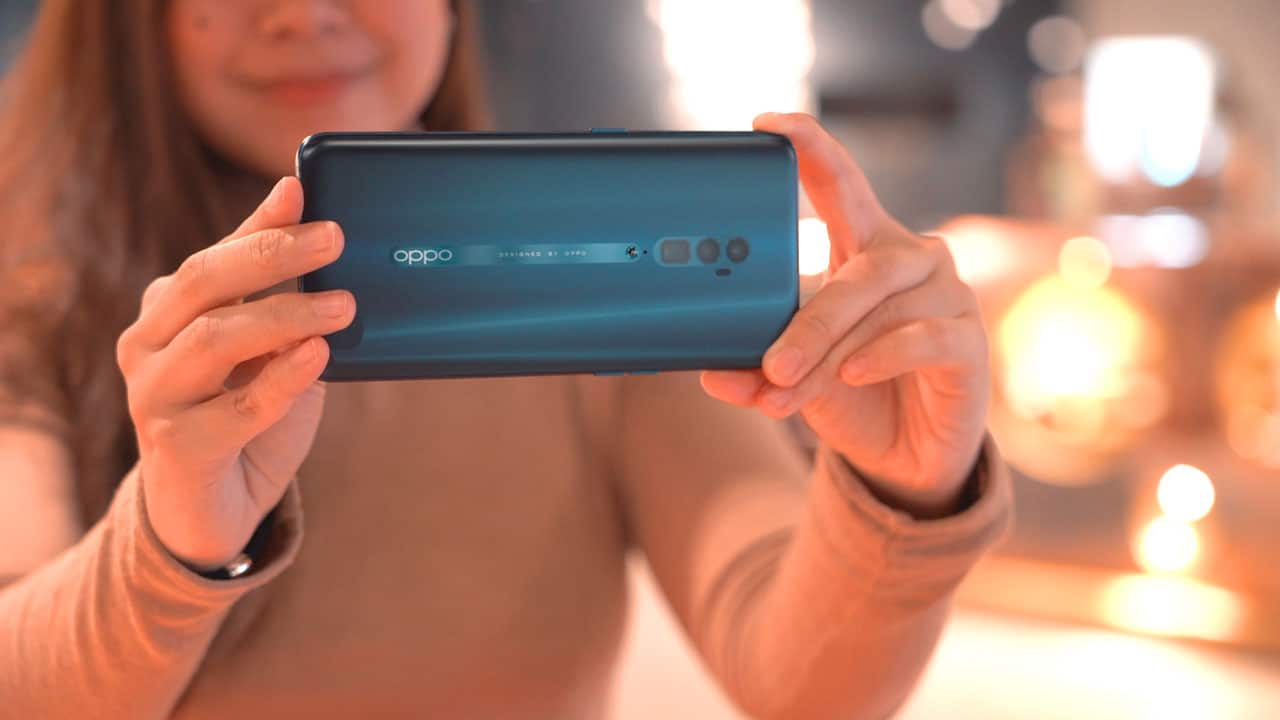
OPPO Reno 10x zoom | 2019
While I may not have experienced each and every Reno model ever released, my colleagues’ pieces are proof that the line isn’t totally consistent with what they wanted to deliver.
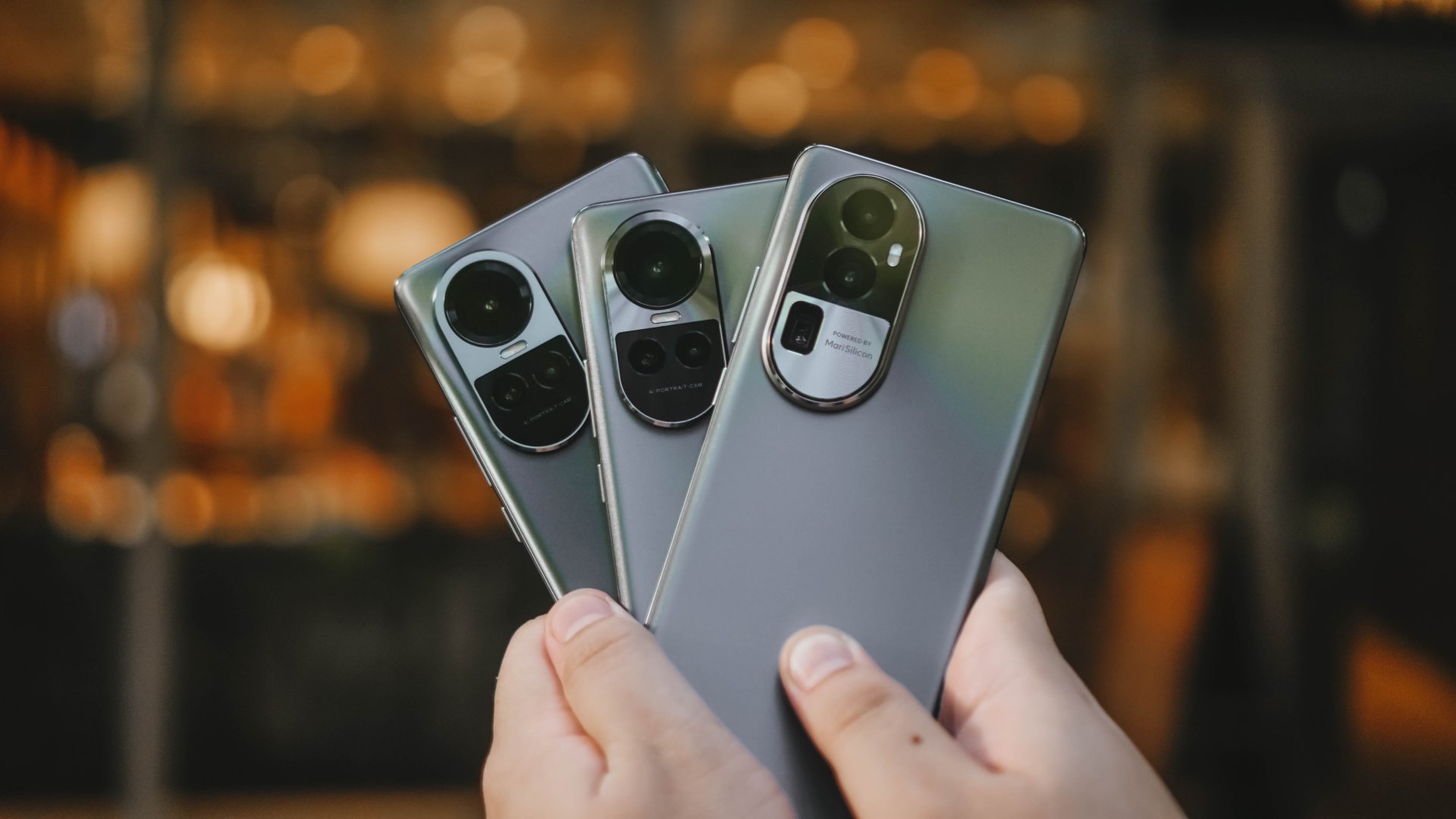
OPPO Reno10 Series | 2023
My memory with the Reno10 Pro back in 2023 is still vivid though. It felt like a midranger slapped with a mix of cameras that performed just right — much like any other mid phone in its prime. However, I cannot say the same for the Reno15 Pro. It was surprisingly delighting and more than satisfying.
Almost three years after, OPPO set the record straight. They finally delivered a midranger that doesn’t feel mid with its excellency in smartphone-tography. That’s minus the intimidating flagship price tag of its “Find” lineup.


THE Michael Josh puts AirTags in his bags, suitcases, keys, heck, even his TV remote.
They’ve saved him many times and keep anxiety at bay when it comes to delayed or missing baggage.
And just about last month, Apple announced a new model — the same size, shape, and price. But, it comes with a whole bunch of improvements that make it more findable.
So, should you rush out to get the new ones? In this review video, we test the range and sound of the all-new AirTag 2 in the real world.


Infinix NOTE Edge: Stellar at street photography
Despite trailing in other specs, the Infinix NOTE Edge was built for point-and-shoot photography.


OPPO Reno15 Pro: Camera Review
Why is this even considered a "Reno"?


Apple AirTag 2 Review
Range, Sound, and REAL-WORLD Tests!

Samsung Galaxy Book6 series coming to the US on March 11
Infinix NOTE Edge: Stellar at street photography

Netflix does the unthinkable: Mayweather-Pacquiao II set for September

IQOS x Isabel Santos turns heated tech into a cool, design statement

Neon Genesis Evangelion is getting another anime series

Breaking up with Adobe Photoshop after 20 years

TECNO will showcase the CAMON 50 and POVA 8 series at MWC 2026

PlayStation, LE SSERAFIM Chaewon team for the ‘Love of Play’ campaign

New DRAGON BALL game project “AGE 1000” for 2027 announced

VinFast updates battery subscription policy for large upfront savings


-

 Reviews2 weeks ago
The art of being in and behind the frame
-

 Gaming2 weeks ago
God of War Greek trilogy remake in development, Sons of Sparta out now
-

 India2 weeks ago
TECNO POVA Curve 2 5G packs an 8000mAh battery
-

 First Look2 weeks ago
Match Pulse: OPPO Reno15 Pro
-

 Accessories2 weeks ago
Sony WF-1000XM6 is out now: Price, availability
-

 Gaming2 weeks ago
New Resident Evil Requiem trailer teases a return to the RPD
-
Accessories1 week ago
Apple AirTag 2 Review
-

 Gaming2 weeks ago
John Wick, Kena sequel, more new games showcased at State of Play