
Smartphones
Xiaomi 14T series with AI, night photography now official
Price, availability in the Philippines


Xiaomi has officially launched the new Xiaomi 14T series, the brand’s latest Leica-powered flagship smartphones. The series comes in the AI-powered Xiaomi 14T Pro and Xiaomi 14T models.
The Xiaomi 14T Pro is priced at starting at PhP 39,999 for the 12GB+512GB variant and PhP 41,999 for the configuration with twice the internal storage.
Meanwhile, the Xiaomi 14T is priced at PhP 25,999 for the 12GB+256GB variant and PhP 27,999 for the 12GB+512GB variant.
Both phones come in Titan Gray, Blue, and Black colorways while the 14T has an additional color option in Lemon Green.
All models under the lineup come with free gifts worth PhP 2,099. Customers who purchase also get a 1+1 year extended warranty, one time free screen replacement, and six months of Google One storage subscription (100GB).
Redefining night photography
Xiaomi’s latest flagship smartphone lineup is again designed for photography enthusiasts, with a focus on nighttime shooting. The top-tier mobile imaging capabilities are coupled with AI features.
The Xiaomi 14T Pro, in particular, has a versatile triple camera system spanning five focal lengths from 15mm to 120mm. The package consists of the following Leica Summilux shooters:
- 50MP 1/1.31″ f/1.6 Light Fusion 900 camera OIS, PDAF
- 50MP 1/2.88″ f/2.0 telephoto camera PDAF
- 12MP 1/3.06″ f/2.2 ultra-wide camera
On the other hand, the Xiaomi 14T boasts of a 50MP f/1.7 Sony IMX906 camera, along with similar 50MP telephoto and 12MP ultrawide cameras. Both have 32MP wide selfie cameras in front.
The Xiaomi 14T Pro’s camera system is powered by Xiaomi AISP, an AI LM computational photography platform based on FusionLM.
This platform enhances dynamic range and reduces noise for extraordinary detail and vibrant colors, even in challenging conditions.
The series also supports UltraHDR format by leveraging FusionLM, enhancing the HDR experience.
In addition, PortraitLM within the platform enhances Master Portrait mode, which covers a focal range of 23mm to 75mm.
This way, users can be ensured of layered and detailed portrait photos with enhanced depth, clarity, and a natural bokeh effect.
Beyond their impressive capabilities, the series also excels in videography. Users can effortlessly film cinematic videos that default to a 2.39:1 aspect ratio. The cameras also support Cinematic Blur and Rack Focus switching.
Moreover, MasterCinema records HDR videos in the 10-bit Rec. 2020 format. The Xiaomi 14T devices can record up to 4K at 30fps, capturing more detail in light and shadow.
Advanced AI everyday
Furthermore, the Xiaomi 14T series levels up productivity and creativity with advanced on-device and cloud-based AI capabilities across search, voice, text, image, and video.
The devices under the latest series debuts Circle to Search with Google. That makes the Xiaomi 14T series the first Xiaomi offerings to get the feature.
Moreover, the phones come with Google Gemini so users can Chat with Gemini to aid in writing, learning, planning, and more scenarios.
The Xiaomi 14T series also has AI Interpreter for meetings and calls, as well as AI Notes and AI Recorder for quick summaries and transcriptions.
On the creative side, AI Image Editing, AI Eraser Pro, AI Film, and AI Portrait are just some of the tools users can utilize on either device to elevate the experience.

Ultra smooth, immersive
Both devices under the Xiaomi 14T series are equipped with a 6.67-inch AMOLED CrystalRes Display. The panel has a 1.5K (2,712 x 1,220) resolution, coupled with a pixel density of 446 ppi.
In addition, the screen has up to 144Hz refresh rate, DCI-P3 color coverage, and a peak brightness of 4,000 nits. The visual experience is complemented by Hi-Res Audio Wireless certification and Dolby Atmos stereo speakers.
For their processors, the Pro model is powered by a MediaTek Dimensity 9300+ processor, while the 14T has a Dimensity 8300-Ultra.
These chipsets deliver up to a 37% improvement in CPU performance and up to a 60% boost in GPU performance.
For gamers, the Xiaomi 14T Pro is also equipped with Xiaomi 3D IceLoop system for effective heat management.
Inside the phones are a 5,000mAh battery that, for the first time in the Xiaomi T series, can be charged wirelessly using 50W wireless charging.
The 14T Pro supports 120W HyperCharge for a full charge in as fast as 19 minutes. On the other hand, the 14T supports 67W HyperCharge.
Lastly, the devices have IP68 certification for dust and water resistance, ensuring up to 116% better resilience.




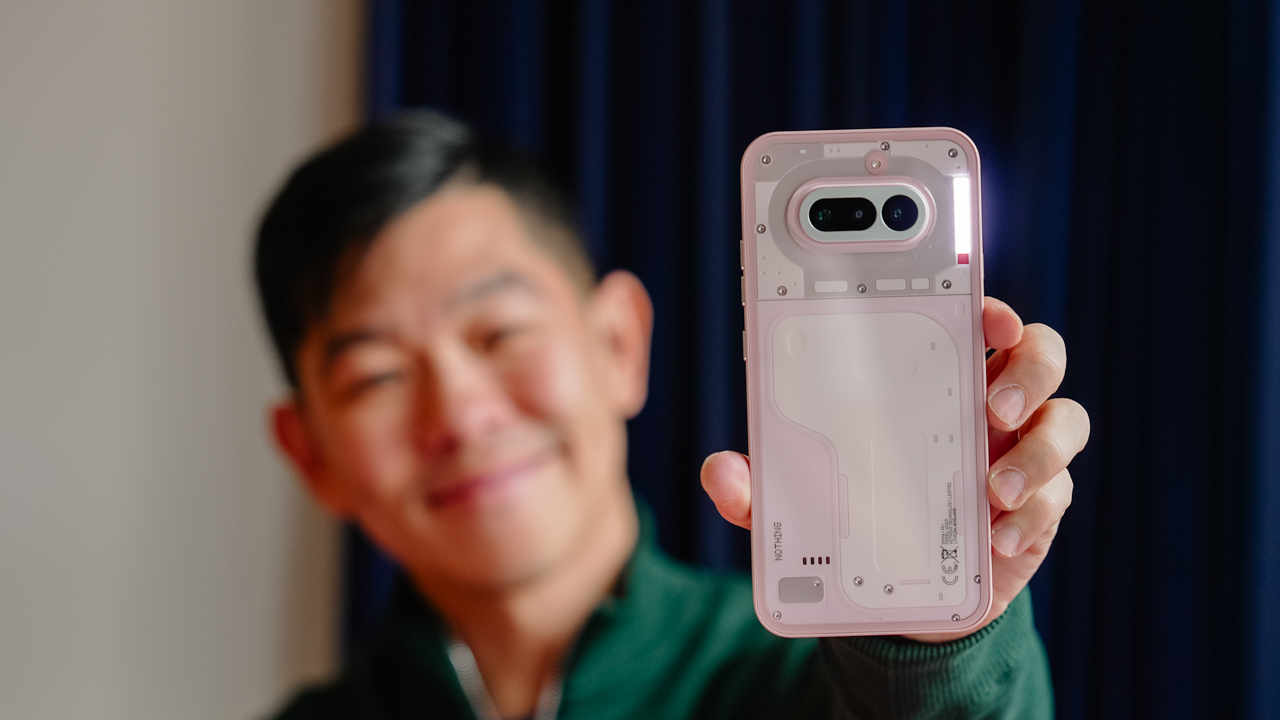
Nothing is not launching the Phone (4) this year. Though the lack of a flagship is certainly disappointing, the brand is still launching the Phone (4a) series, and now that it’s official, there really is no reason to feel like we’re missing out.
Nothing Phone (4a)
The base Nothing Phone (4a) carries over the circular camera island design of the previous Phone (3a). However, this generation will feature the new Glyph Bar, a subtler and more functional take on the brand’s iconic lighting system. It has 63 mini-LEDs in seven square light zones. It provides 3500 nits of brightness, which is 40 percent brighter than the Phone (3a)’s Glyph Interface.
The 6.78-inch AMOLED screen delivers images at 1.5K resolution,120Hz refresh rate, and 440 pixels per inch.
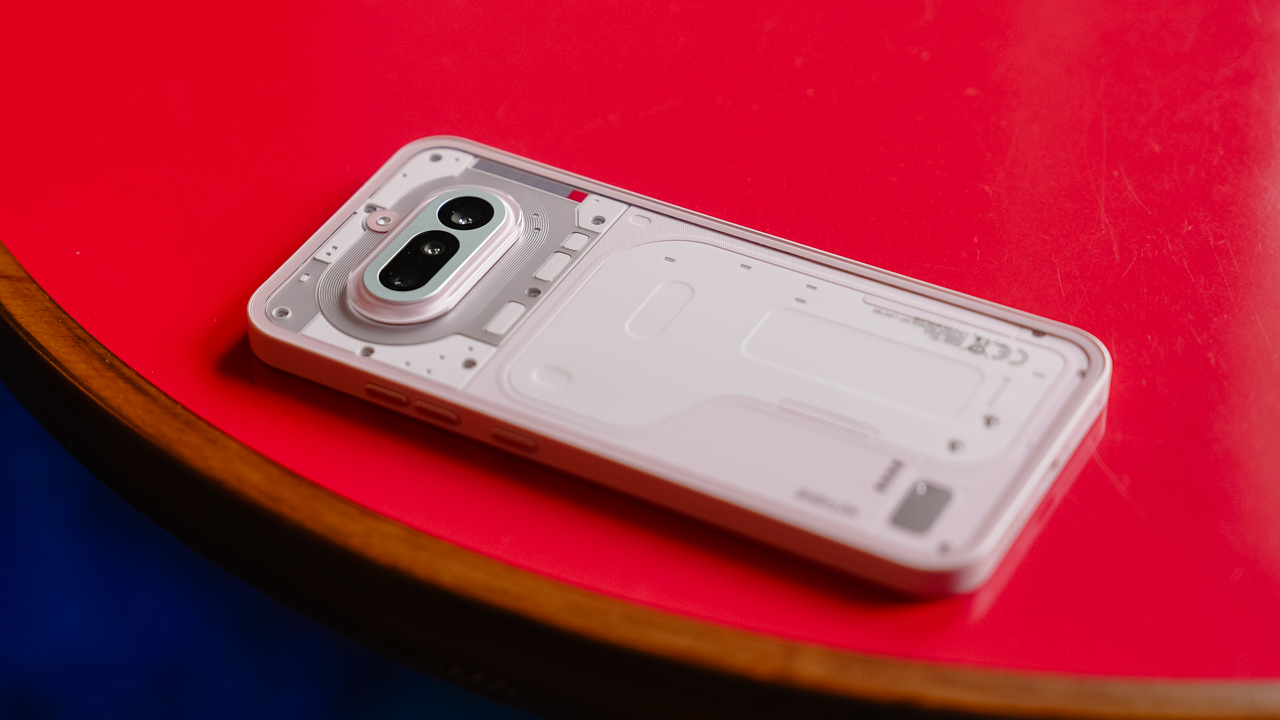
Inside, the Phone (4a) is powered by the Snapdragon 7s Gen 4. This is paired with up to 12GB of RAM and 256GB of internal storage. It can reportedly play Call of Duty: Mobile at up to 90fps.
For cameras, the model carries a Samsung GN9 50-megapixel main camera. It can take in more light and offer a wider field of view. Plus, the camera can zoom by up to 3.5 times using an optical zoom. There’s also 7x lossless zoom and 70x ultra zoom.
Using Qualcomm’s triple Image Signal Processor, the camera can shoot 4K video at 30 frames per second. It can also shoot Full HD videos at 120 frames per second.
Finally, the Phone (4a) has a large 5080mAh battery, capable of charging up to 60 percent in just 30 minutes.
Nothing Phone (4a) Pro
Meanwhile, the Nothing Phone (4a) Pro takes the best parts of the Phone (3) and brings it to life in the (a) series.
For one, the bolder camera island revives the Glyph Matrix of the flagship series and packs in more shooters inside. The three-camera system consists of a Sony LYT-700C 50-megapixel main shooter, a Samsung J5 50-megapixel periscope lens, and a Sony IMX355 ultrawide camera.

The 6.83-inch LTPS AMOLED screen is protected by Gorilla Glass 7i. It can deliver images at 1.5K resolution, 144Hz refresh rate, and 5,000nits peak brightness.
Inside, the Pro model sports the Snapdragon 7 Gen 4. Plus, the RAM Booster can increase the up to 12GB of RAM to 20GB. It will also have 256GB of internal storage.
It still has the large 5080mAh battery of its regular sibling and all the power that promises.
Price, availability
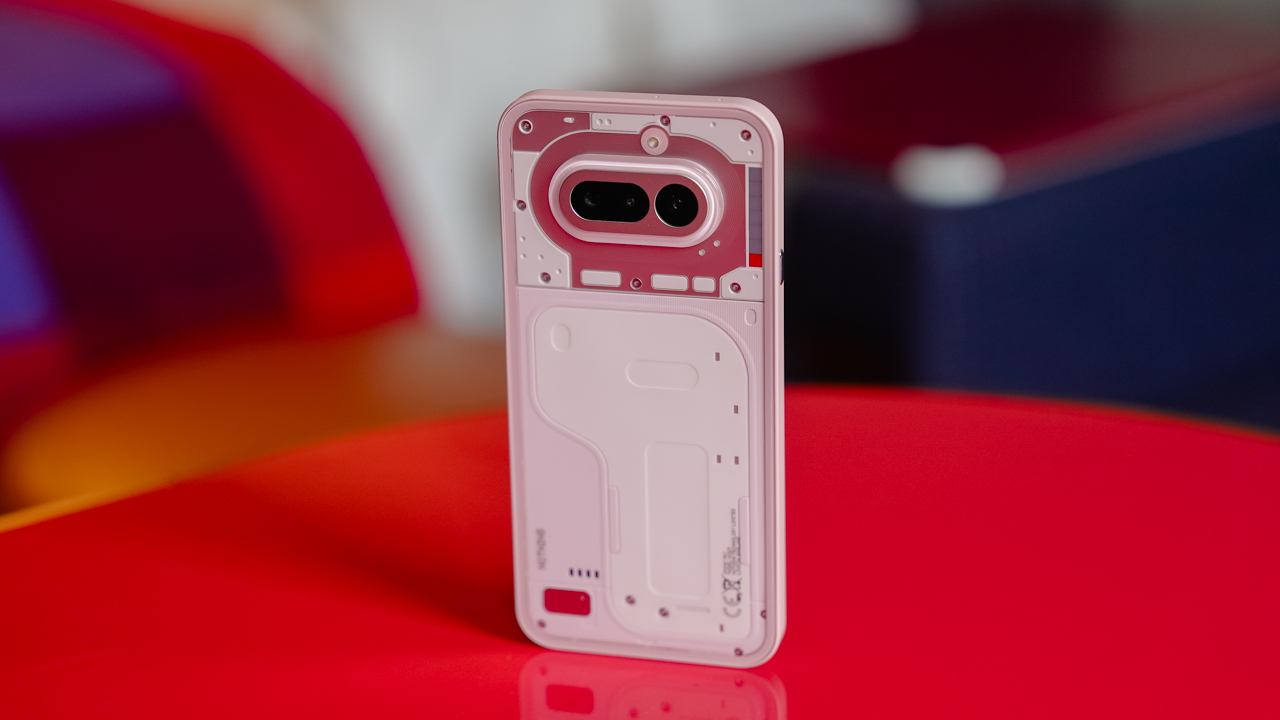
The Nothing Phone (4a) will be available in black, white, blue, and pink. It starts at EUR 349 for the 8+128GB configuration, topping off at EUR 429 for the 12+256GB model.
The Nothing Phone (4a) Pro will be available in black, silver, and pink. It starts at EUR 479 for the 8+128GB model, with the 12+256GB version selling for EUR 549.
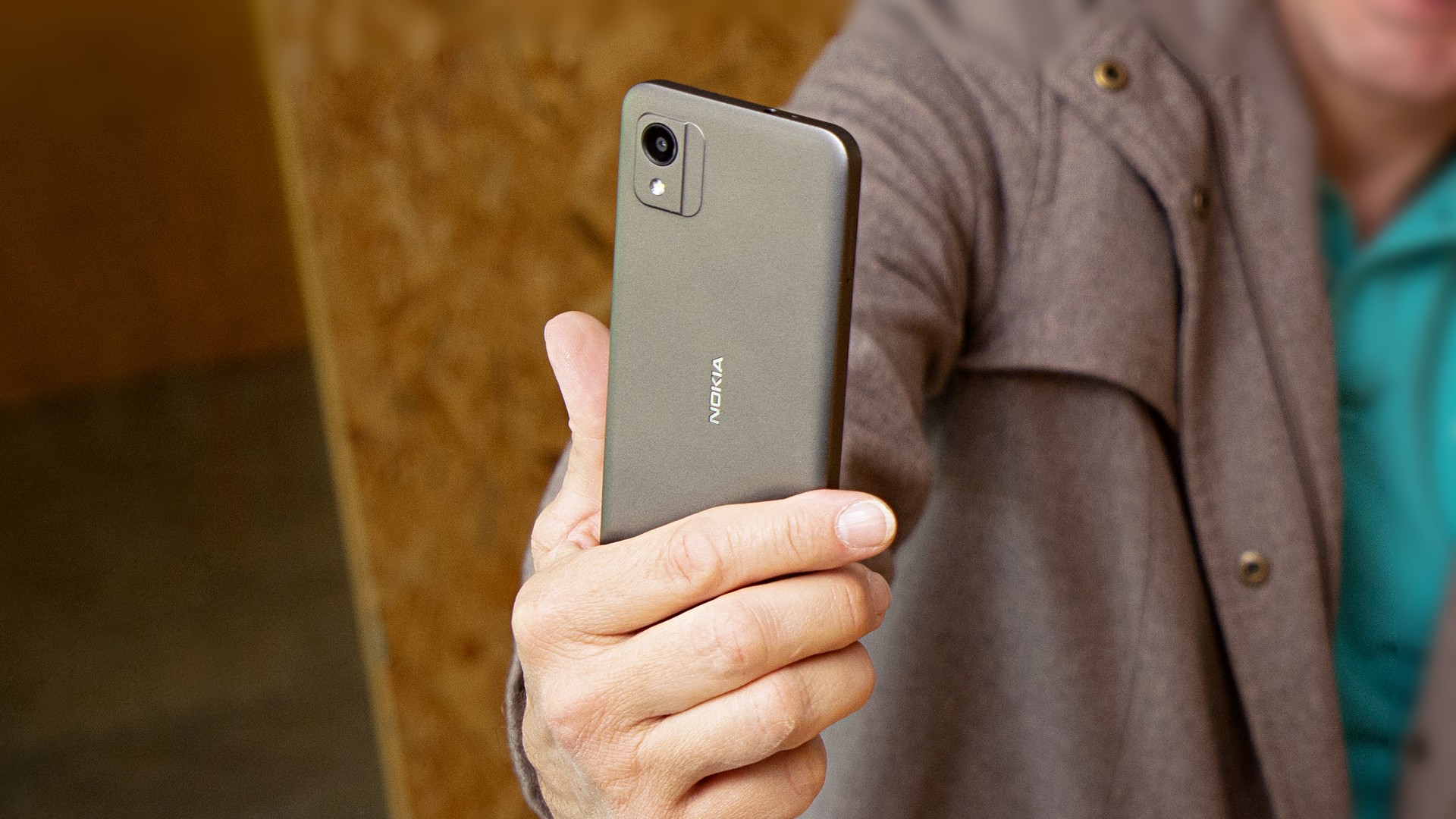
In the past, the only way to escape the constant influx of technology is to purposely go for older or “dumber” phones. For example, if you wanted to prevent your elder loved ones from fussing over features they’d never use, you’d give them feature phones. Now, there’s no escape. HMD, one of the biggest names in the feature phone segment, is bringing AI to its devices.
For years, HMD, especially through Nokia, has provided low-tech phones for everyone’s grandma. From merely keeping the Nokia brand of phones alive, the company has now embraced its reputation as the feature phone king, building its own branded phones.
Now, announced during MWC 2026 (via Tom’s Guide), HMD will start infusing its phones with AI, video calling, and a digital wallet.
Of these, video calling is the easiest to digest. Rather than just being simple front-facing selfie shooters, HMD’s phones can also use the camera for video calls.
Secondly, the company is also packing in its own digital wallet into its phones. As with other wallets, HMD’s version can receive, store, and send funds to other users. It’s set to launch in India first.
Now, the AI assistant is the more controversial one among the three. The first rollout is India’s Sarvam AI, which will do the basic tasks you’d expect from an AI assistant. Naturally, this rolls out in India first.
However, HMD is also developing its own AI assistant alongside InTouch. The feature will supposedly provide companionship for elder users. The company will test the assistant in Europe first but aims to launch it globally.
News
OPPO is finally getting AirDrop support
The update for the Find X9 series rolls out this month.

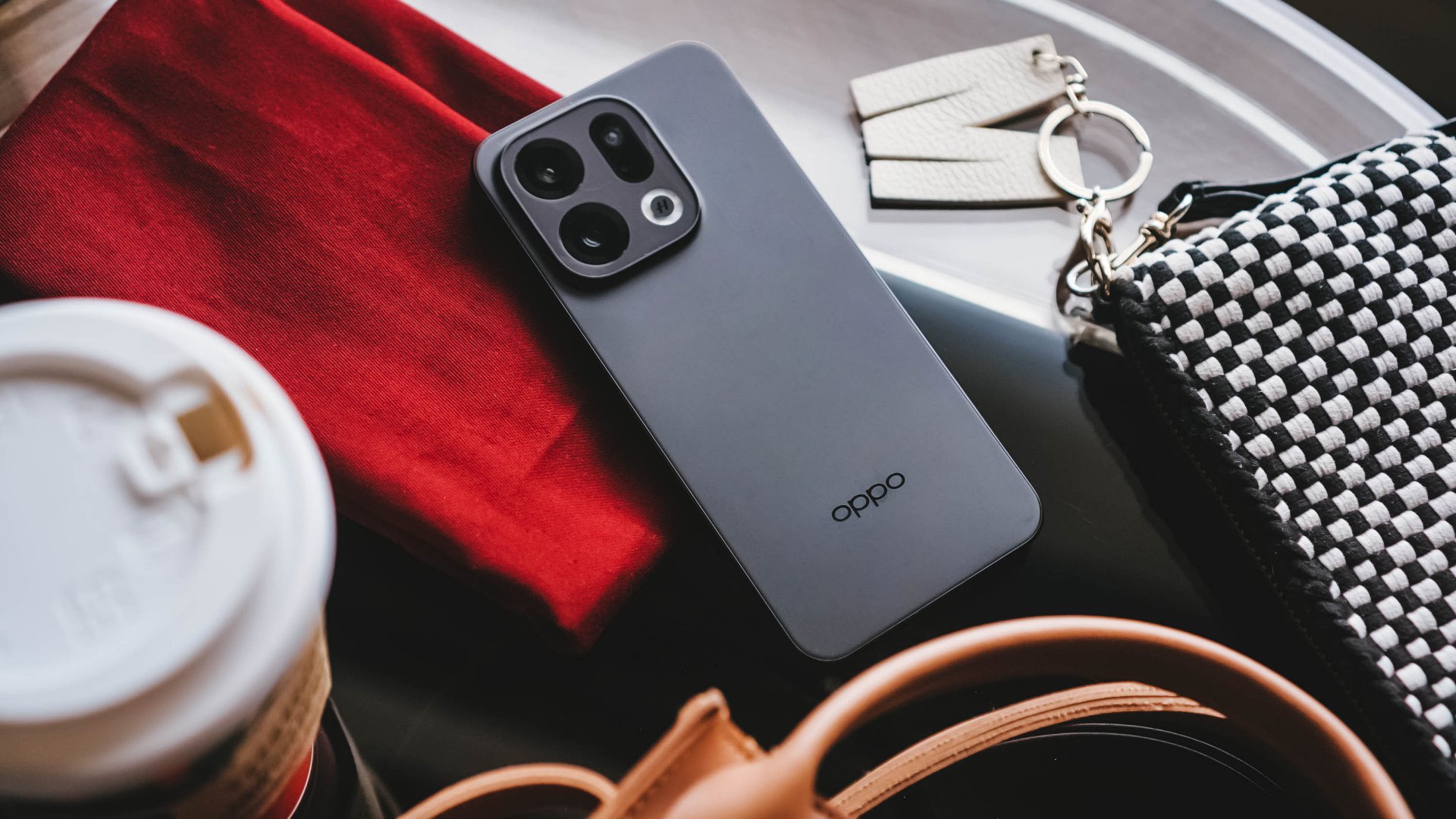
One of the biggest developments late last year was Android finally supporting AirDrop. Android users can finally counter the age-old “oh, your phone can’t do what my iPhone can do.” Unfortunately, when the announcement first dropped, it applied only to Pixel 10 users. Now, the feature is finally coming to more brands.
Today, OPPO has confirmed, via Android Authority, that its phones will get the ability to share files with Apple users. Specifically, the Find X9 and Find X9 Pro will receive an update later this month that will enable the feature. With the update, users can go through Quick Share to send files to AirDrop.
Like the initial implementation of the feature on Google, OPPO’s version will not need another app for it to work. Previously, Apple users also needed to install another app to connect with Android users. Now, the feature works natively through Quick Share.
Of course, there’s still a bit off finagling involved. As per Google’s instructions previously, the receiver, regardless of whether they’re on Android or iOS, must set their visibility to “everyone for 10 minutes.” It’s not the most elegant solution, but it sure beats all those jeers from iPhone users about how inflexible Android is when it comes to sharing files.



Nothing adds color to its wearables with the Headphone (a)

Nothing launches the Phone (4a) series

HMD is developing an AI assistant for the elderly

OPPO is finally getting AirDrop support

Ubisoft confirms Assassin’s Creed: Black Flag remake

Xiaomi 17 Ultra is now available outside China

TECNO will showcase the CAMON 50 and POVA 8 series at MWC 2026

The art of being in and behind the frame

HUAWEI MatePad 11.5 S 2026: The better-than-ever 4-in-1 productivity tablet

TECNO MEGABOOK K16s 13th review: No-frills beneath those grills


-
 News5 days ago
Xiaomi 17 Ultra is now available outside China
-

 Camera Walkthrough2 weeks ago
OPPO Reno15 Pro: Camera Review
-

 MWC 20261 week ago
TECNO resurrects modular phones with this new concept
-
 MWC 20264 days ago
TECNO showcases cool concepts at MWC 2026
-

 News2 weeks ago
HUAWEI launches Mate X7, MatePad 11.5 S 2026, FreeClip 2
-

 Reviews5 days ago
Xiaomi Pad 8 review: Slab that slaps!
-

 Events2 weeks ago
Capcom to hold Resident Evil Requiem launch event in Jakarta
-
 Gaming2 weeks ago
Pokémon FireRed and LeafGreen are coming to the Switch