
News
Xiaomi 17 Pro Max takes a jab at Apple’s iPhone 17 Pro Max
Unapologetically similar with Xiaomi 17 and 17 Pro in the roster

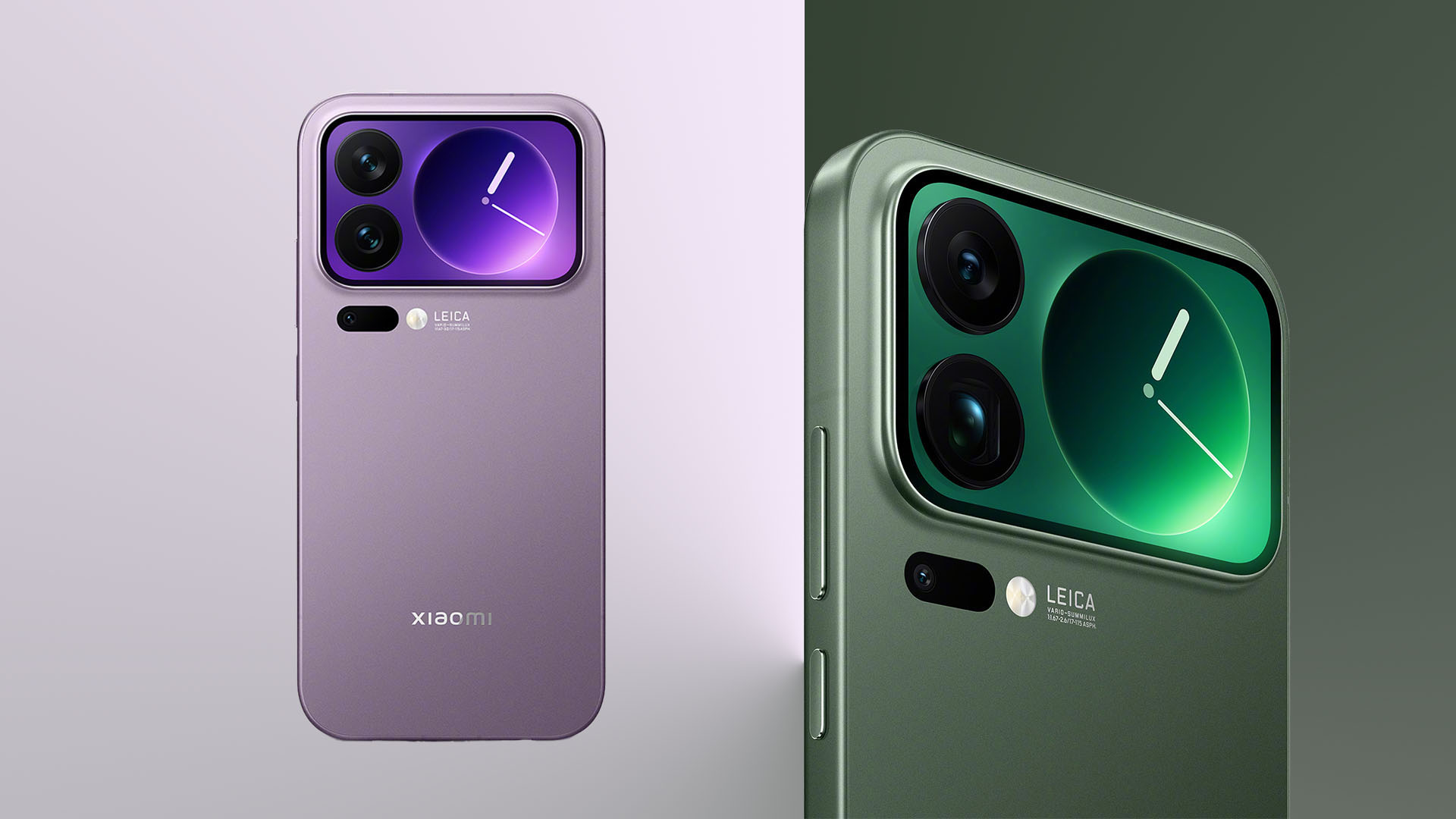
The Xiaomi 17 and 17 Pro series were all announced today in China.
Without context, this is much like any other phone announcement.
Graphics by Vincenz Lee | GadgetMatch
But, in the grand scheme of things, Xiaomi’s latest announcement just came in a day after the awfully-named (and very mouthful) Snapdragon 8 Elite Gen 5 unveiling at the Snapdragon Summit in Hawaii.
To make it more odd, the Xiaomi 15T and 15T Pro global launch in Munich, Germany was also just a day ahead prior to this Mainland-exclusive launch.
Even weirder, they skipped the 16 lineup altogether.
So… where’s the Xiaomi 16?
Xiaomi was upfront with this change.
Skipping “16” was their strategic shift to directly rival the recently-announced iPhone 17 lineup. And if you thought it stops there, you’re wrong.

For the first time in forever, Xiaomi debuts their very first “Pro Max” model (not replacing the already-existing Ultra flagship).
To make the upfront rivalry more dramatic, both models of the Xiaomi 17 Pro series looked like the iPhone 17 Pro on steroids.
Graphics by Vincenz Lee | GadgetMatch
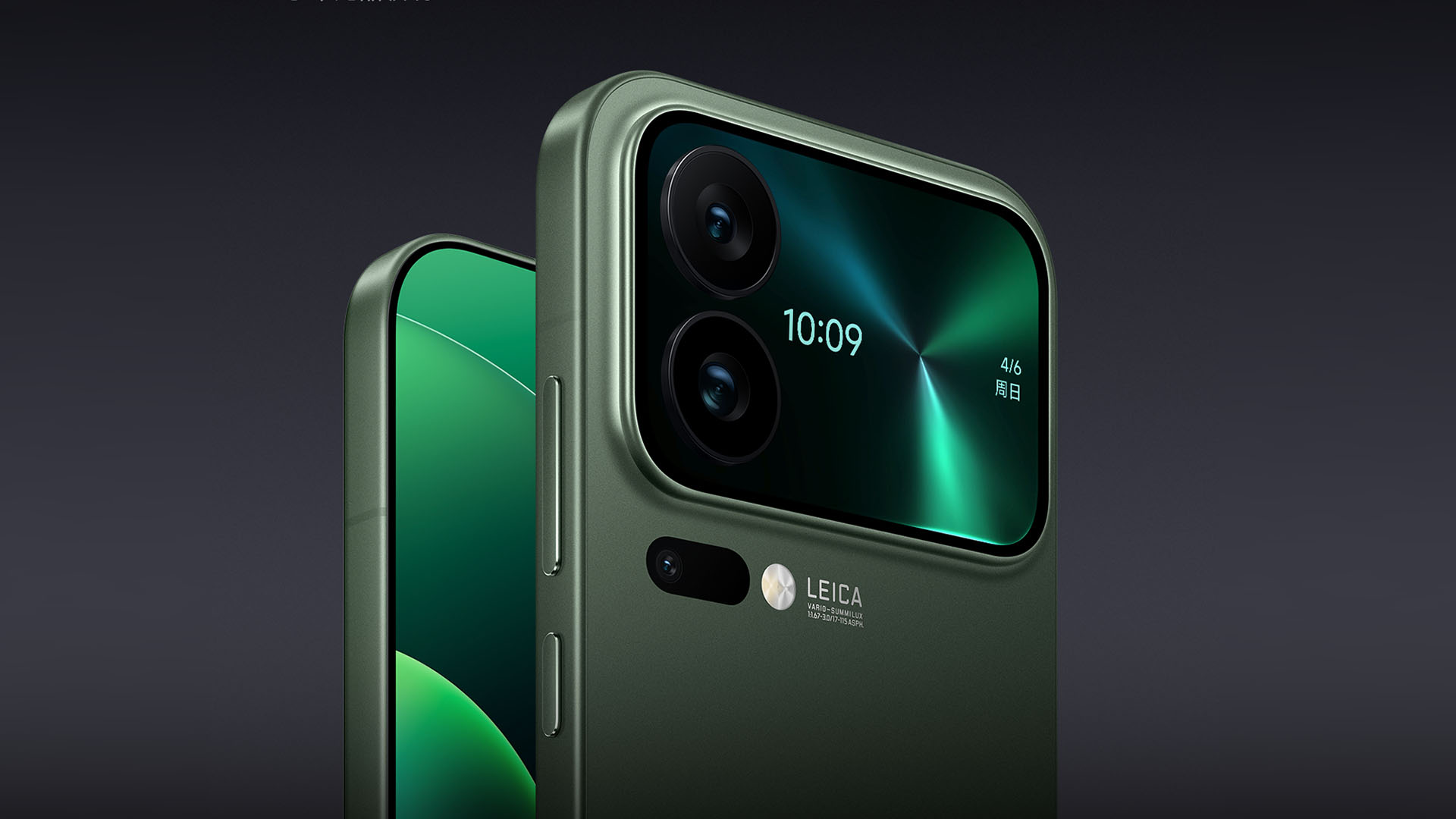
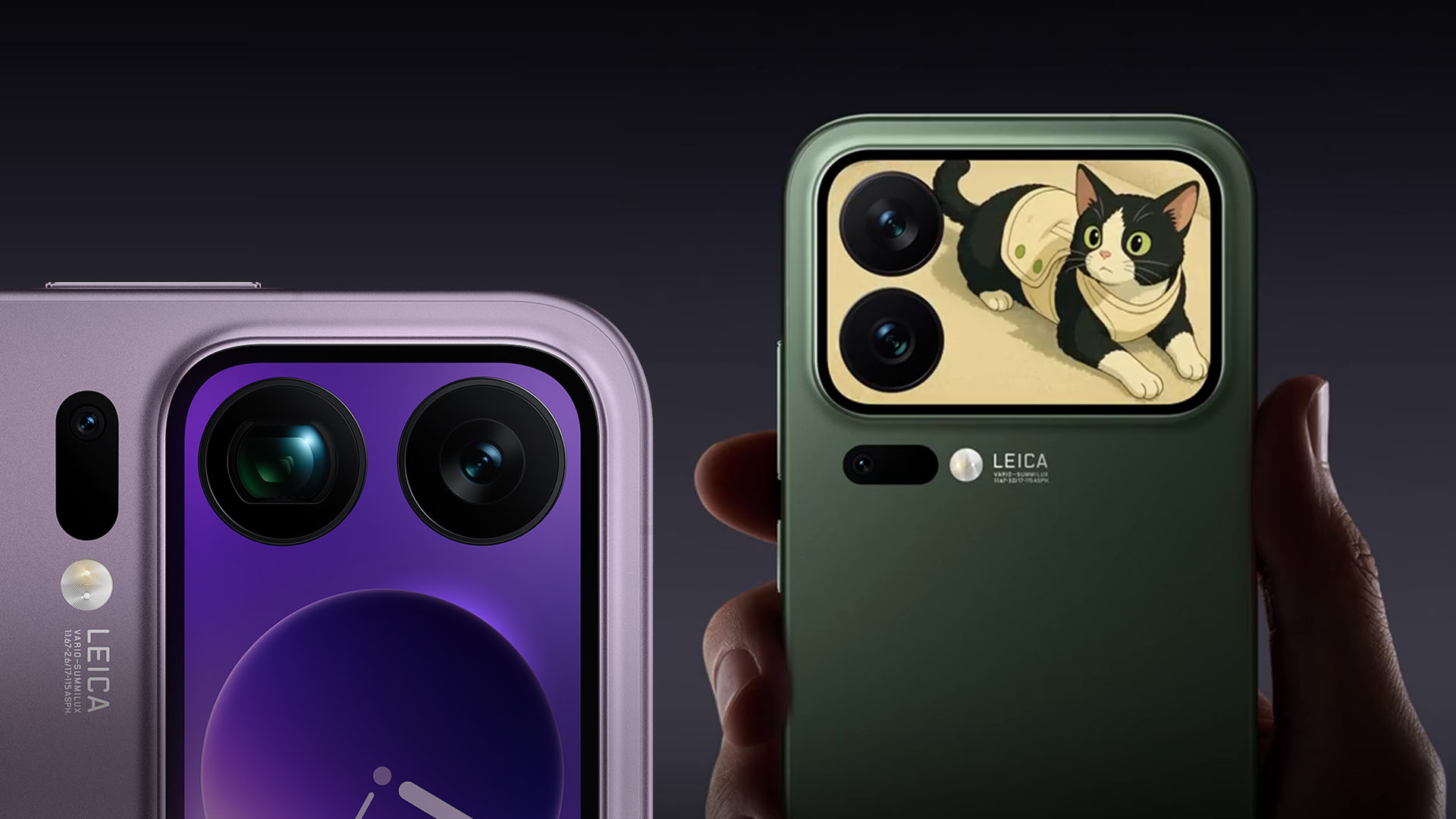
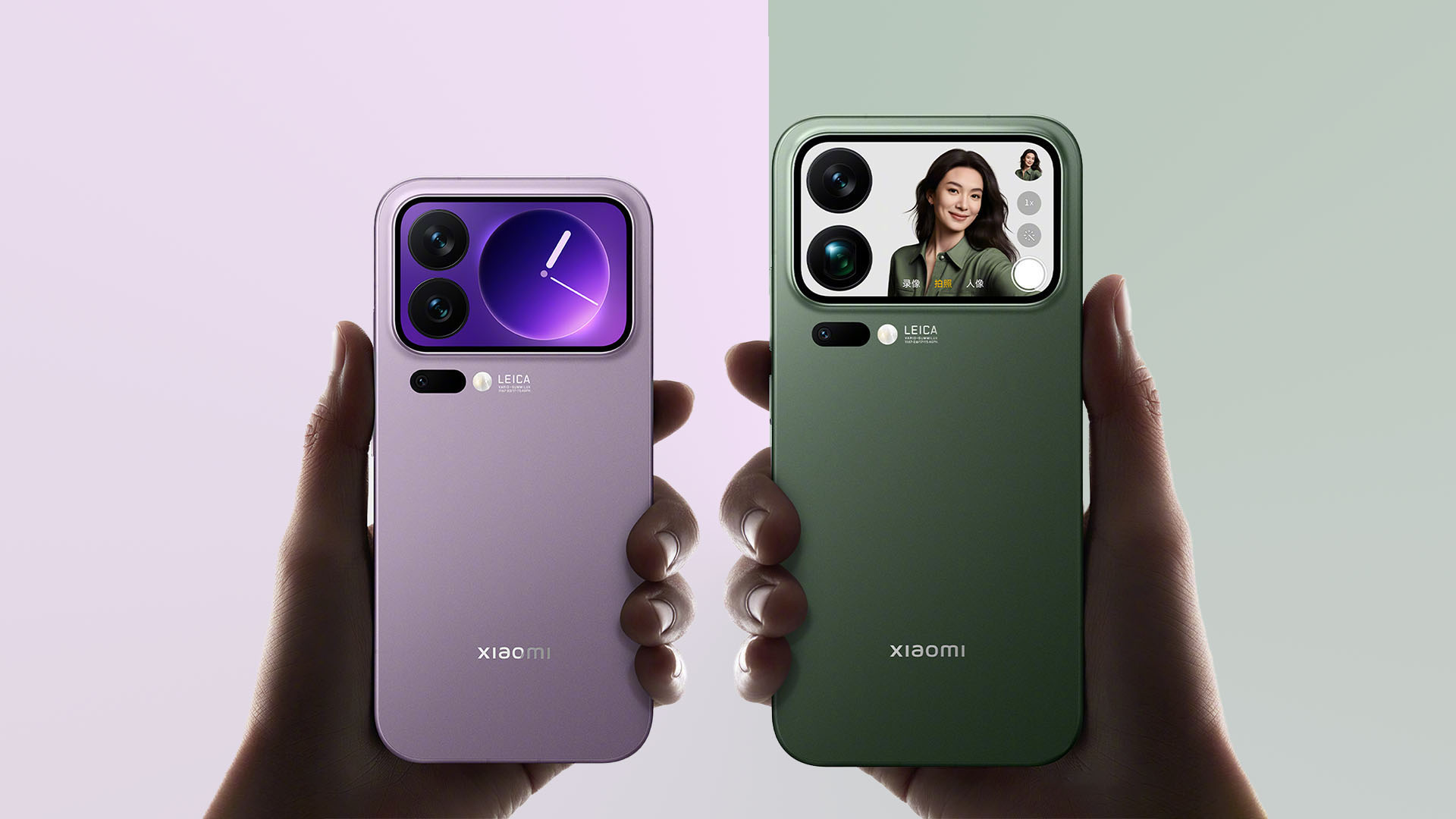
Like Apple’s iPhone 17 Pro and Pro Max, the all-new Xiaomi 17 Pro and Pro Max all have a “plateau”-like camera bar up top.
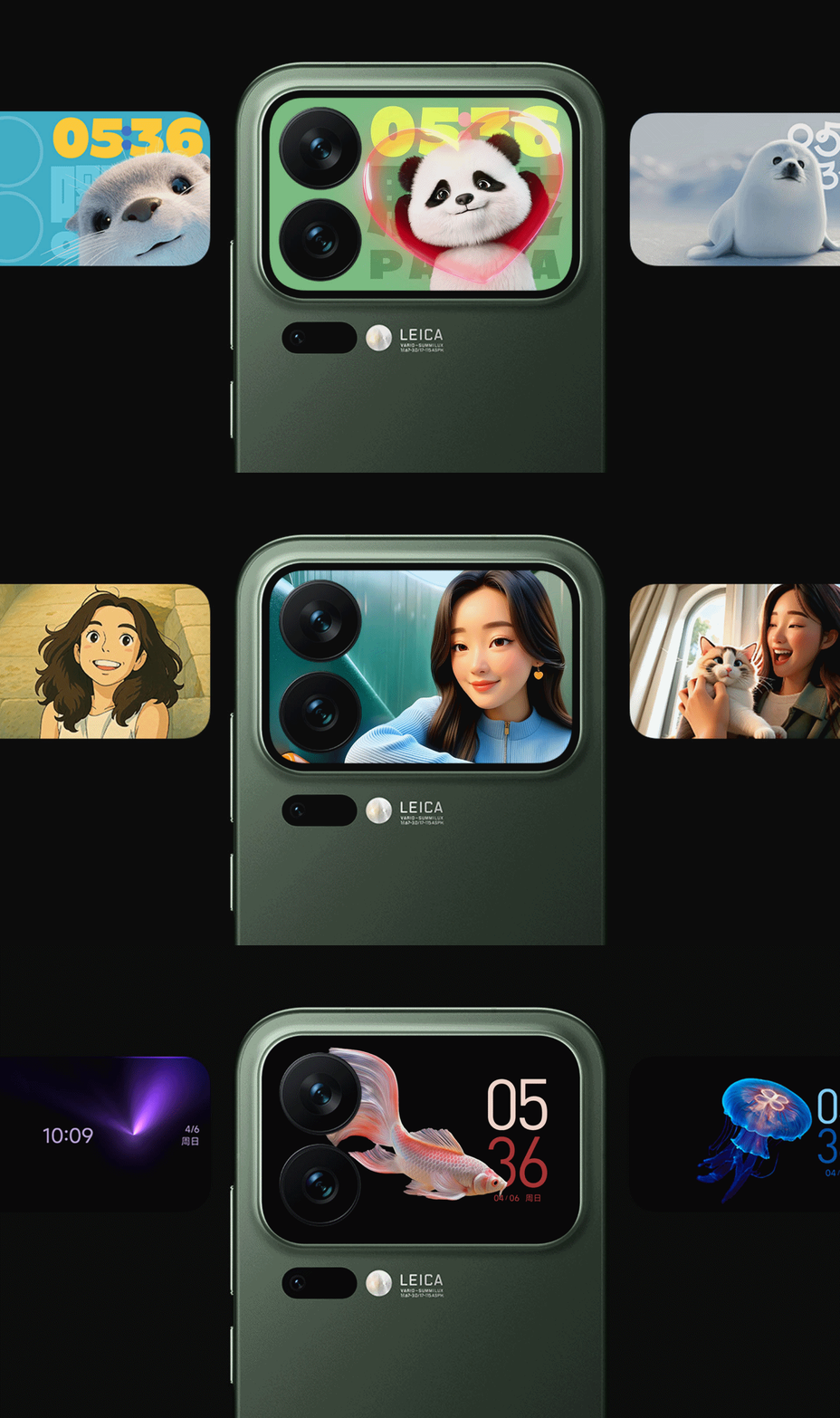
However, Xiaomi takes it to the next level by placing a 2.7 / 2.9-inch 120Hz AMOLED display on that cutout.
GIF by Vincenz Lee | GadgetMatch
It’s like the MIX Flip 2’s cover display was transplanted onto both the 17 Pro and Pro Max models.
Much like any other flip cover screen, it functions as a digital watch, a selfie mirror, even widgets that you can fiddle every once in a while.

Graphics by Vincenz Lee | GadgetMatch
Xiaomi even sells an optional Game Boy-like Retro Handheld case for CNY 299 just so you can play games on that mini screen.
Base, Pro, Pro Max
The main differentiating factor of the Xiaomi 17 and 17 Pro series are their display sizes: Both the base and Pro models have smaller screens at 6.3 inches. The difference? base has OLED, Pro has AMOLED.
Meanwhile. the 17 Pro Max, as expected, directly competes against Apple’s offering with its ginormous 6.9-inch AMOLED panel.
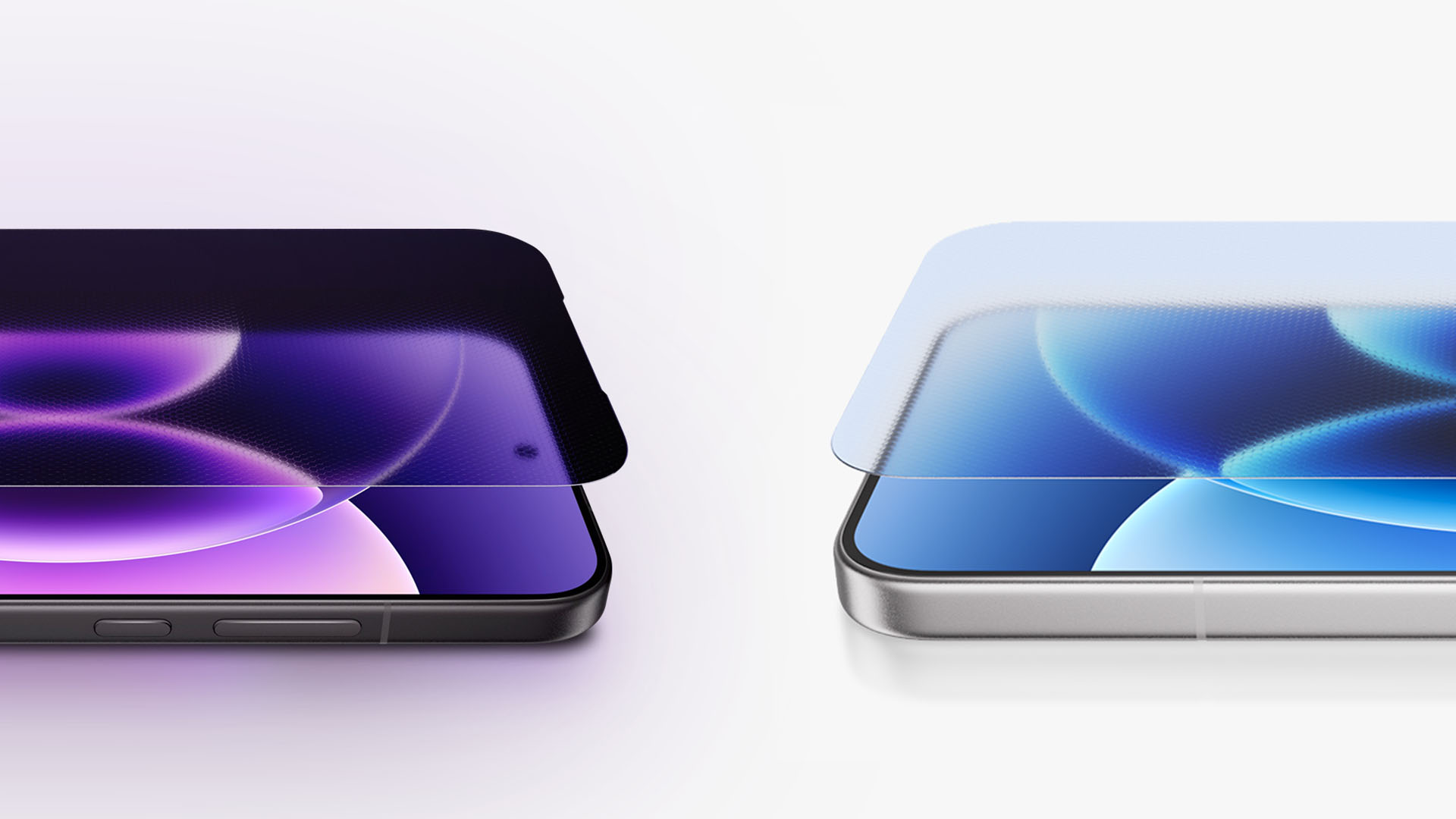
Graphics by Vincenz Lee | GadgetMatch
That’s protected by Xiaomi’s Longjing Glass 3.0 whereas the other two only have the first-gen glass protection.
All of them have second-gen LIPO screen technology which makes their bezels ultra-narrow at impossibly 1.18mm.
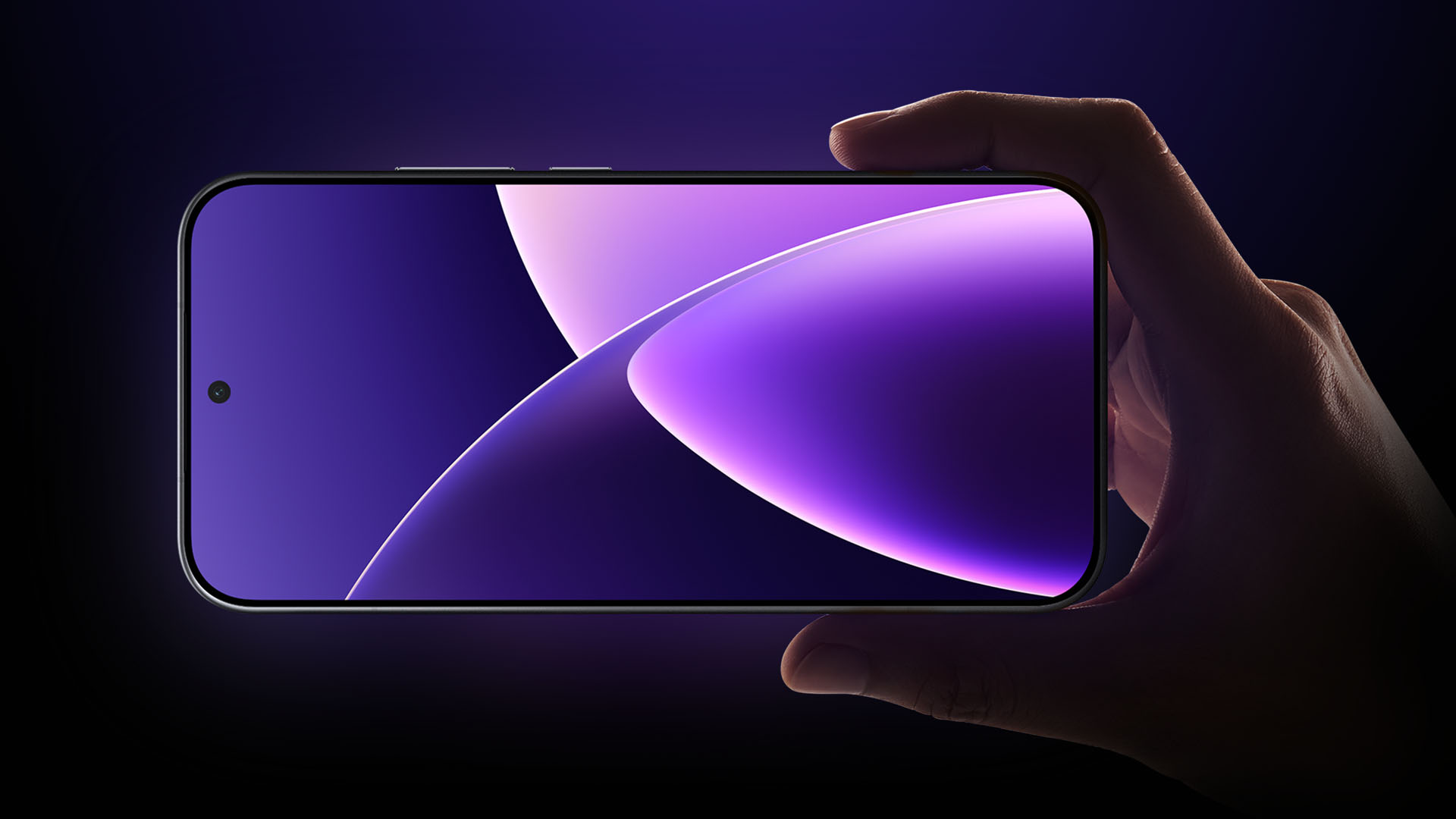
There’s also 1.5K resolution, adaptive 1~120Hz refresh rate, DC Dimming, and 1 nit ultra-low to 3500 nits max brightness. DCI-P3 wide color gamut is highly-accurate backed by HDR10+ and Dolby Vision certifications.
Speaking of, there are the Dolby Atmos-powered stereo speakers complemented by Hi-Res Audio and Snapdragon Sound support.
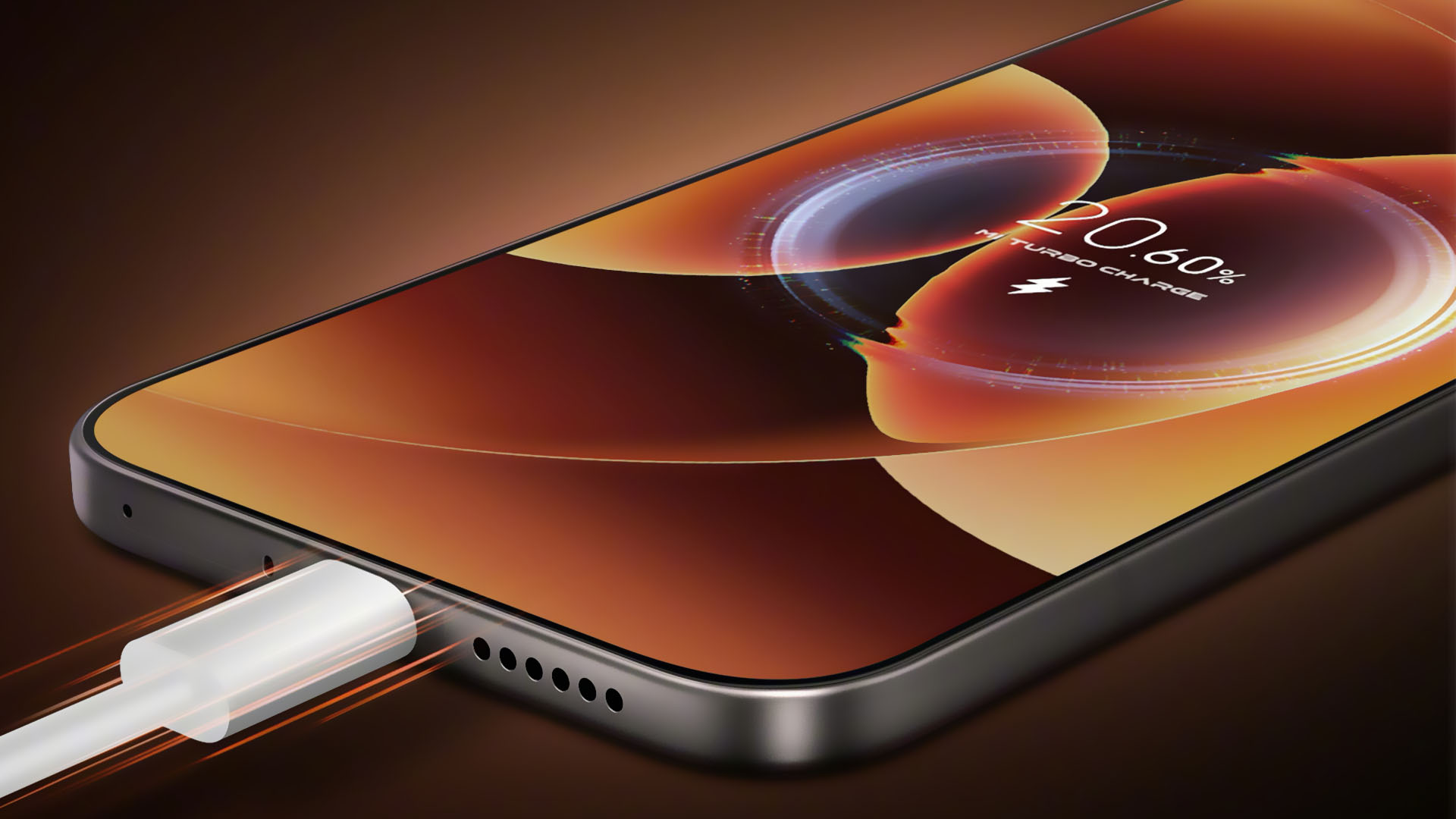
The bigger the size, the bigger the battery is.
Obviously, the Xiaomi 17 Pro Max possesses the largest at 7500mAh. Weird enough, the vanilla Xiaomi 17 has a bigger 7000mAh capacity than 17 Pro’s 6300mAh battery.
Phones can then be topped up via Xiaomi’s 100W HyperCharge + 50W wireless HyperCharge standard.

Lastly, all three models have triple rear 50MP Leica Camera + Summilux optics with varying differences in hardware:
| Xiaomi 17 Pro Max | Xiaomi 17 Pro | Xiaomi 17 | |
| Wide | 50MP f/1.67 1/1.28” Light Hunter 950L sensor LOFIC High Dynamic technology |
50MP f/1.67 1/1.28” Light Hunter 950L sensor LOFIC High Dynamic technology |
50MP f/1.67 1/1.31” Light Hunter 950 sensor |
| Ultra-Wide | 50MP f/2.4 102º OmniVision OV50M 5cm Super Macro |
50MP f/2.4 102º OmniVision OV50M 5cm Super Macro |
50MP f/2.4 102º
|
| Periscope / Telephoto | 50MP f/2.6 Super Concentration Periscope Telephoto 5x optical zoom 30cm Telephoto Macro 1/2″ Samsung GN8 Bottom Sensor |
50MP f/3.0 Floating Periscope Telephoto 5x optical zoom 20cm Telephoto Macro |
50MP f/2.0 Floating Telephoto — Samsung JN5 sensor |
| Selfie | 50MP f/2.2 90º | 50MP f/2.2 90º | 50MP f/2.2 90º |
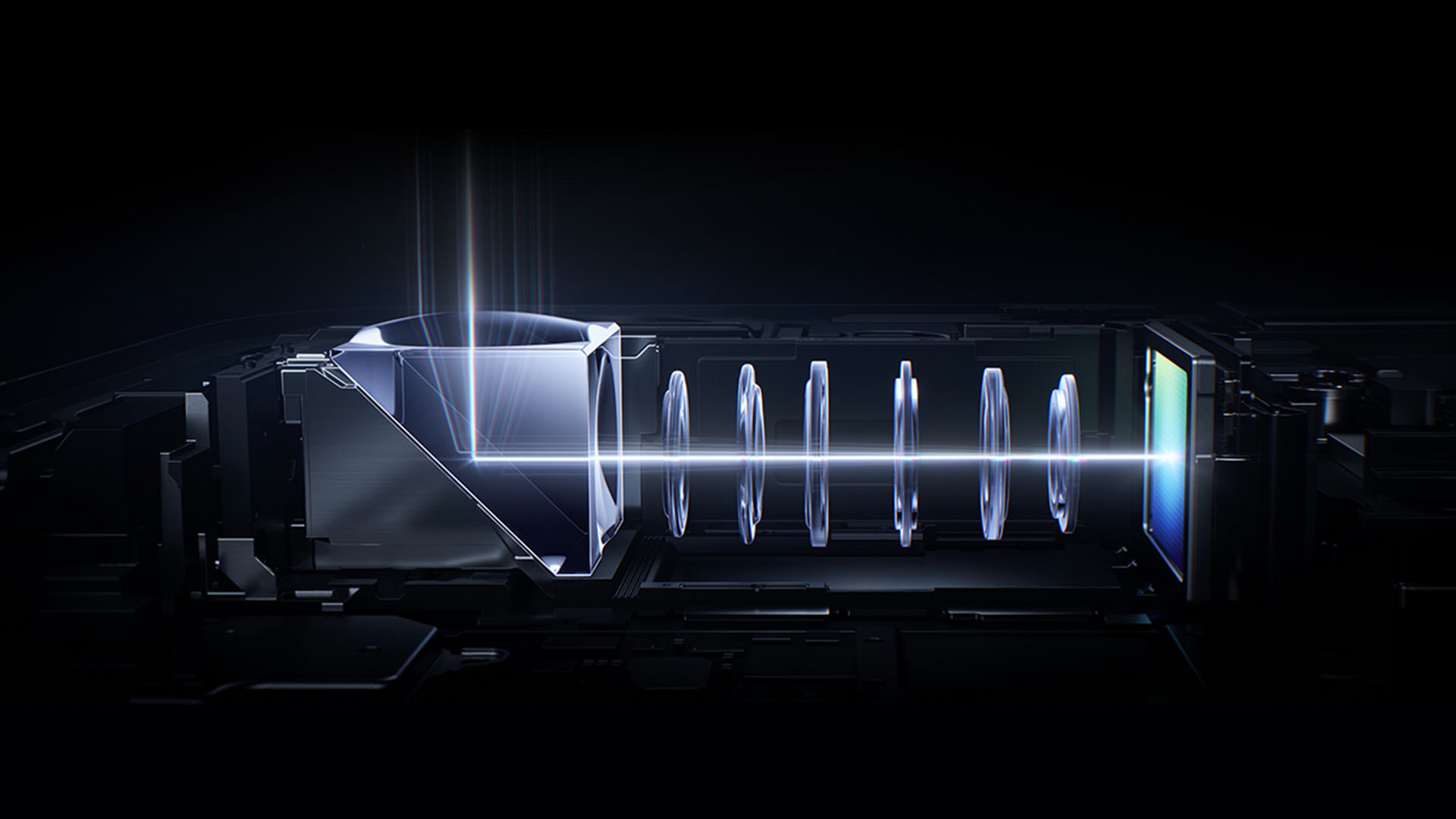
Xiaomi 17 Pro Max’s Super Concentration Periscope Telephoto
All phones can record up to 8K / 30fps with only the Pro series being able to shoot 4K / 120fps.
The Elite headliner
Even though Xiaomi has managed to pull off the XRING O1 as its first in-house chipset, it’s not the SoC that powers Xiaomi’s latest flagships.
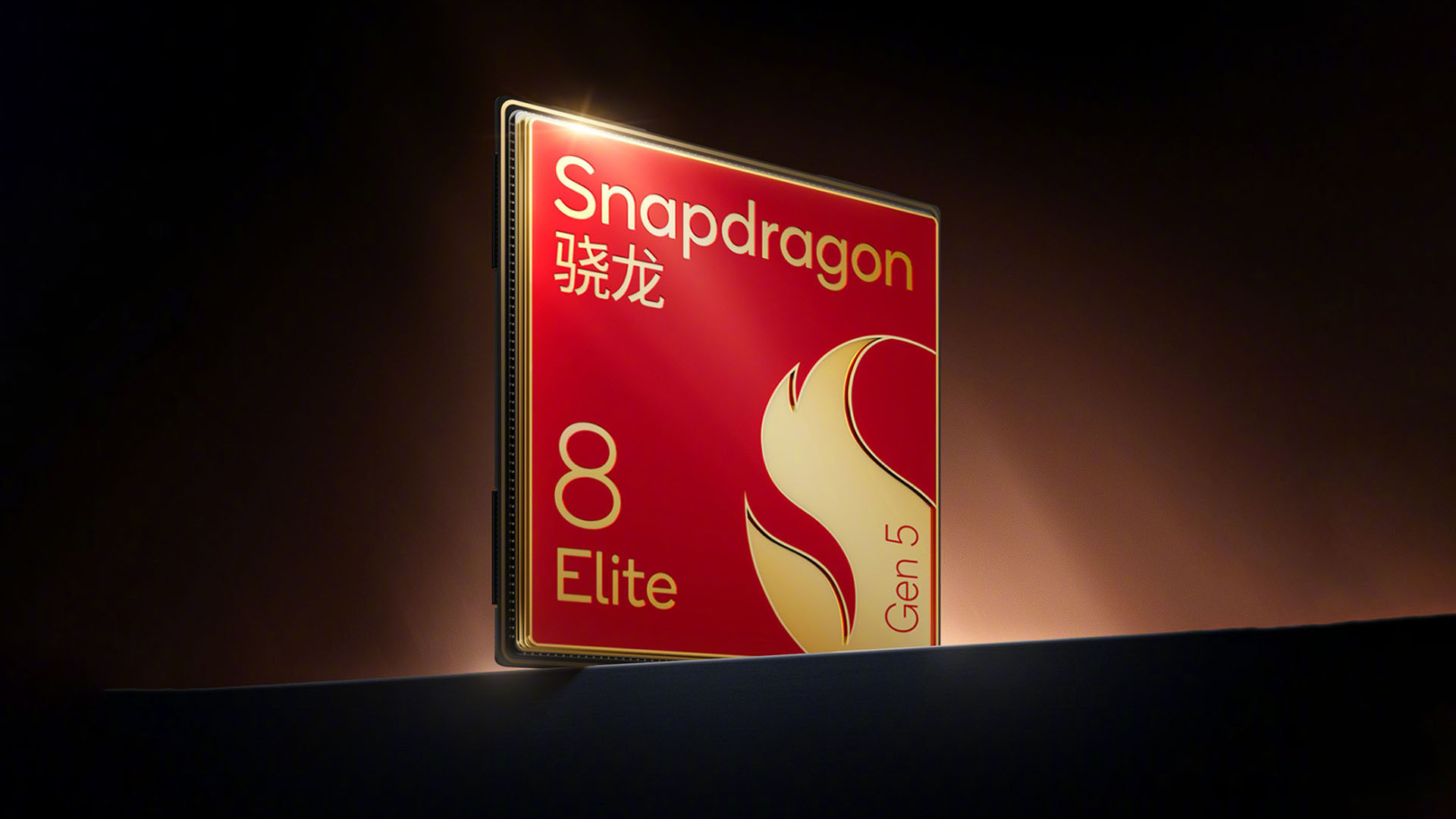
And unlike last year where the realme GT 7 Pro headlined the Snapdragon 8 Elite SoC, Xiaomi’s 17 series rocks the Snapdragon 8 Elite Gen 5 chip first in line. That’s regardless if you get the basic or Pro variants.
And as coincidental as it seems, both Qualcomm and Xiaomi made the bold move of skipping numbers: Xiaomi 17 instead of Xiaomi 16; Elite Gen 5 instead of Gen 4 (although Elite 2 would have sounded so much better IMHO).
That’s paired by either 12 or 16GB of LPDDR5X memory together with up to 512GB/1TB UFS 4.0 storage options.
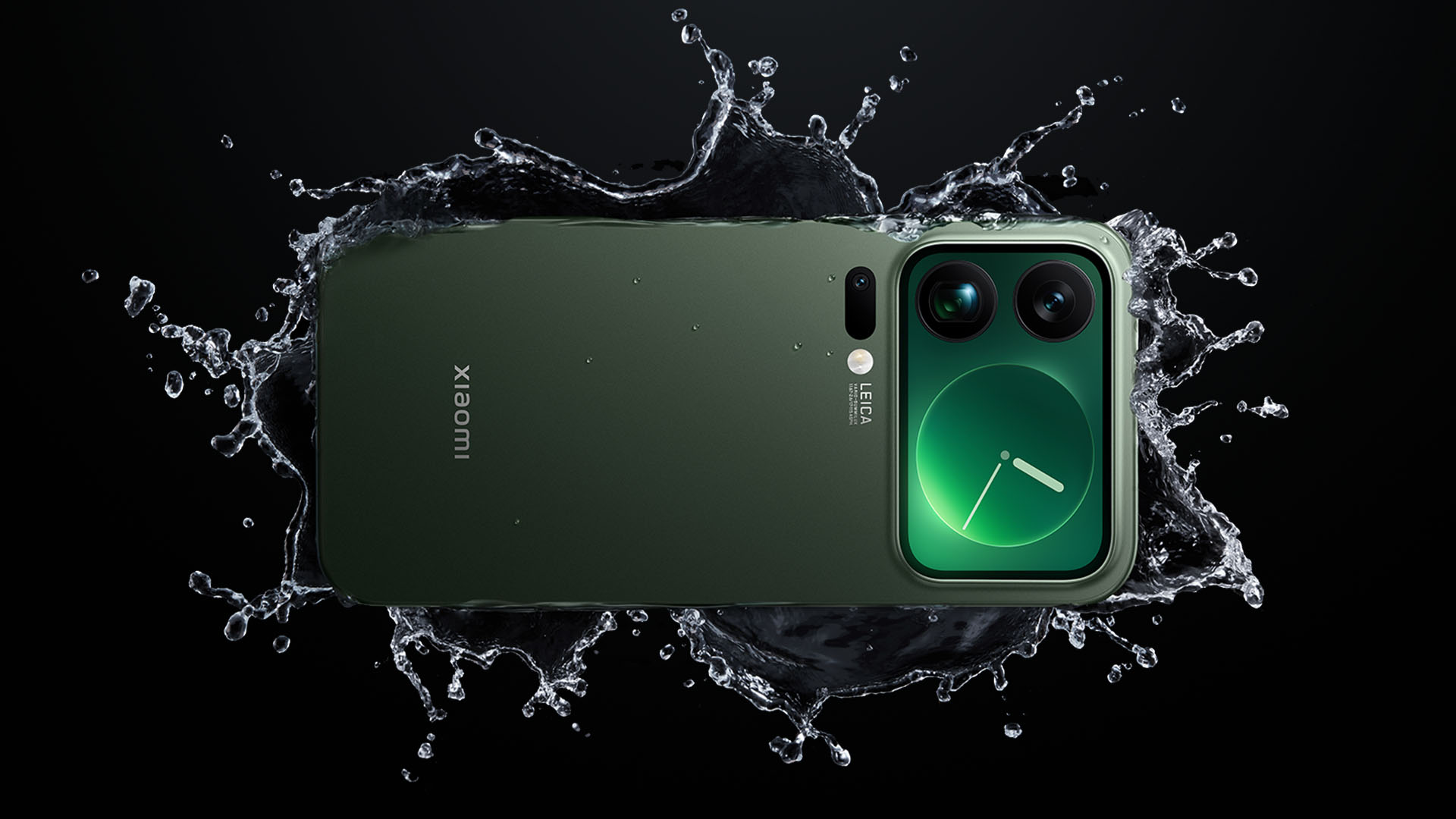
No one gets left behind as all phones boast IP68 water and dust resistance rating for utmost protection against dust, splashes, rain, and water immersion.
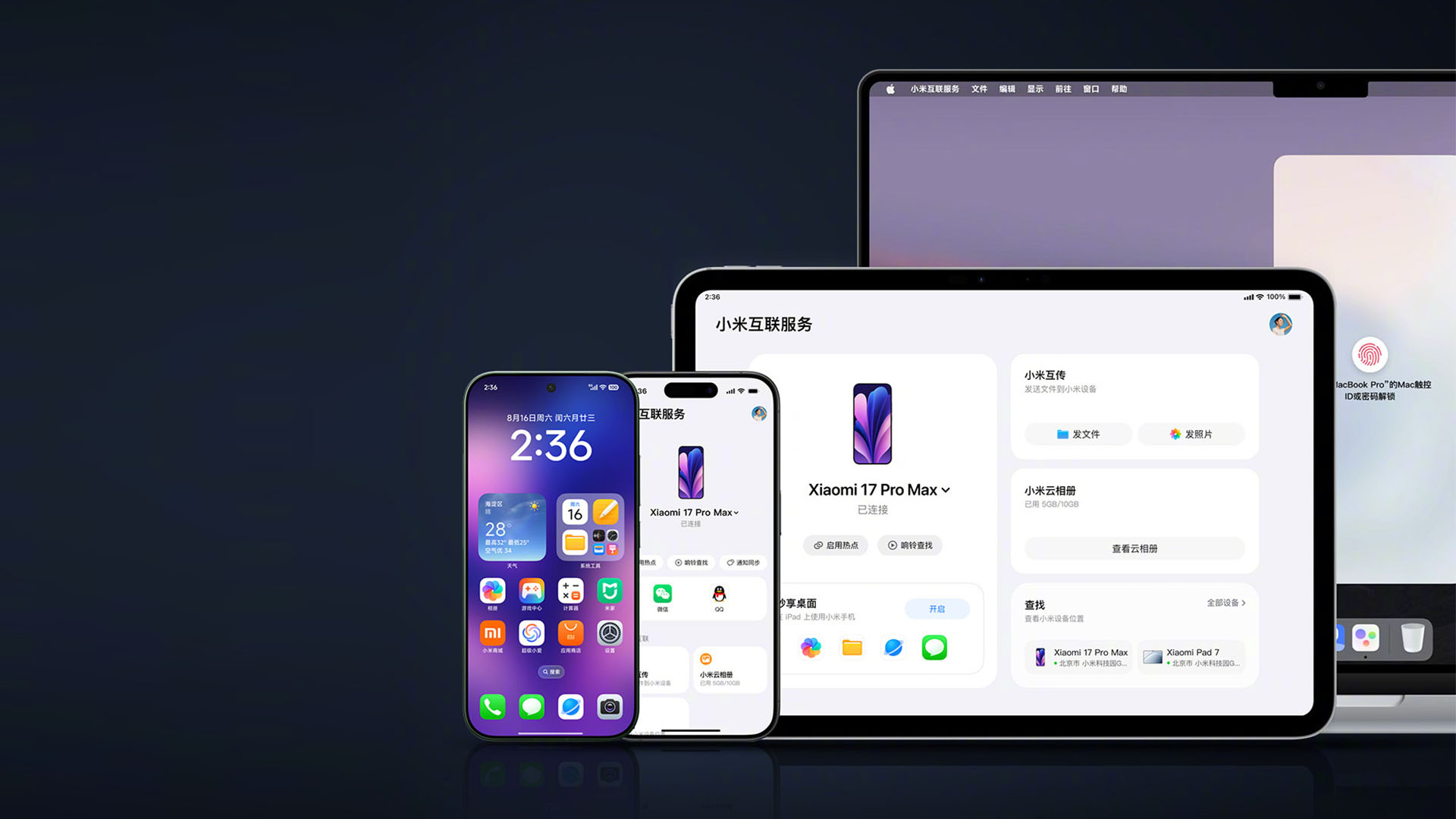
All of them also run Xiaomi’s latest HyperOS 3.0 with smarter and more powerful AI tools in mind.
Despite rivaling Apple’s latest iPhone 17, the new update makes pairing seamless to Apple devices. Regardless if it’s an iPhone, iPad, or Mac.
Pricing and Availability
The hero colors of the Xiaomi 17 are the Snow Mountain Powder and Icemelt Blue.
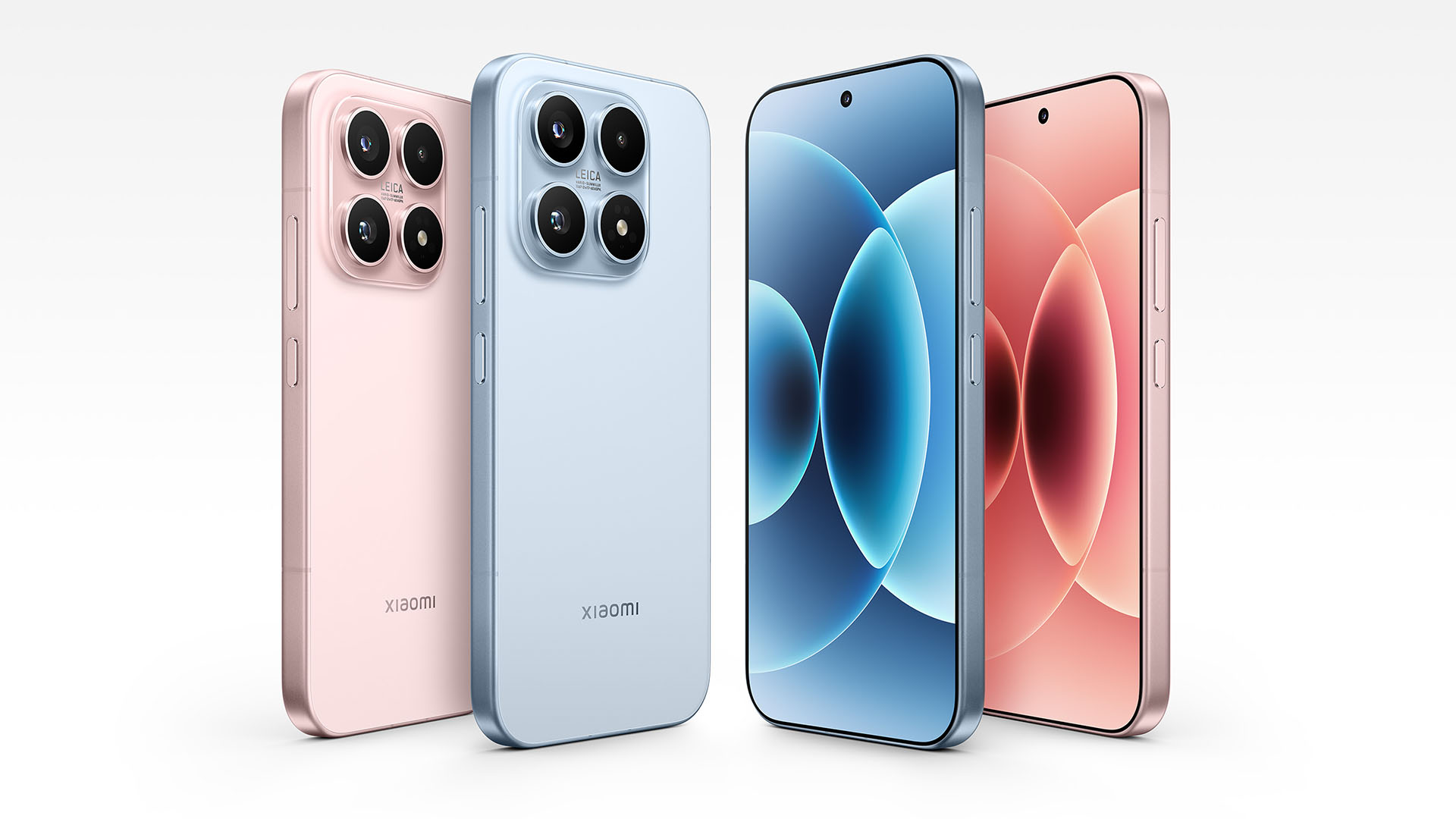
Meanwhile, the Xiaomi 17 Pro series highlights its Morino Green and Coldsmoke Purple colorways.
Graphics by Vincenz Lee | GadgetMatch
If you want classic choice, they’re still being offered in Black and White.
Specific pricing and configurations are as follows:
- 12+256GB = CNY 4499 (US$ 630 / EUR 540 / GBP 470 / SG$ 810 / MYR 2660 / PhP 36,280 / INR 56,000)
- 12+512GB = CNY 4799 (US$ 670 / EUR 570 / GBP 500 / SG$ 870 / MYR 2840 / PhP 38,700 / INR 59,730)
- 16+512GB = CNY 4999 (US$ 700 / EUR 600 / GBP 520 / SG$ 900 / MYR 2960 / PhP 40,315 / INR 62,220)
- 12+256GB = CNY 4999 (US$ 700 / EUR 600 / GBP 520 / SG$ 900 / MYR 2960 / PhP 40,315 / INR 62,220)
- 12+512GB = CNY 5299 (US$ 745 / EUR 635 / GBP 560 / SG$ 960 / MYR 3130 / PhP 42,730 / INR 65,950)
- 16+512GB = CNY 5599 (US$ 785 / EUR 670 / GBP 580 / SG$ 1010 / MYR 3300 / PhP 45,150 / INR 69,690)
- 16+1TB = CNY 5999 (US$ 840 / EUR 715 / GBP 625 / SG$ 1085 / MYR 3550 / PhP 48,380 / INR 74,670)
- 12+512GB = CNY 5999 (US$ 840 / EUR 715 / GBP 625 / SG$ 1085 / MYR 3550 / PhP 48,380 / INR 74,670)
- 16+512GB = CNY 6299 (US$ 880 / EUR 750 / GBP 660 / SG$ 1140 / MYR 3720 / PhP 50,800 / INR 78,400)
- 16+1TB = CNY 6999 (US$ 980 / EUR 835 / GBP 730 / SG$ 1260 / MYR 4130 / PhP 56,440 / INR 87,110)
* These are just approximate, rounded-off price conversions
Again, global availability has not been announced. But looking at the past, Xiaomi always reveals their latest flagships to the world during the start of the year. We should expect them to hit international shelves by early 2026.






News
Samsung develops QuantumBlack: Low-reflection, high-durability QD-OLED film
To be applied across this year’s QD-OLED product lineup

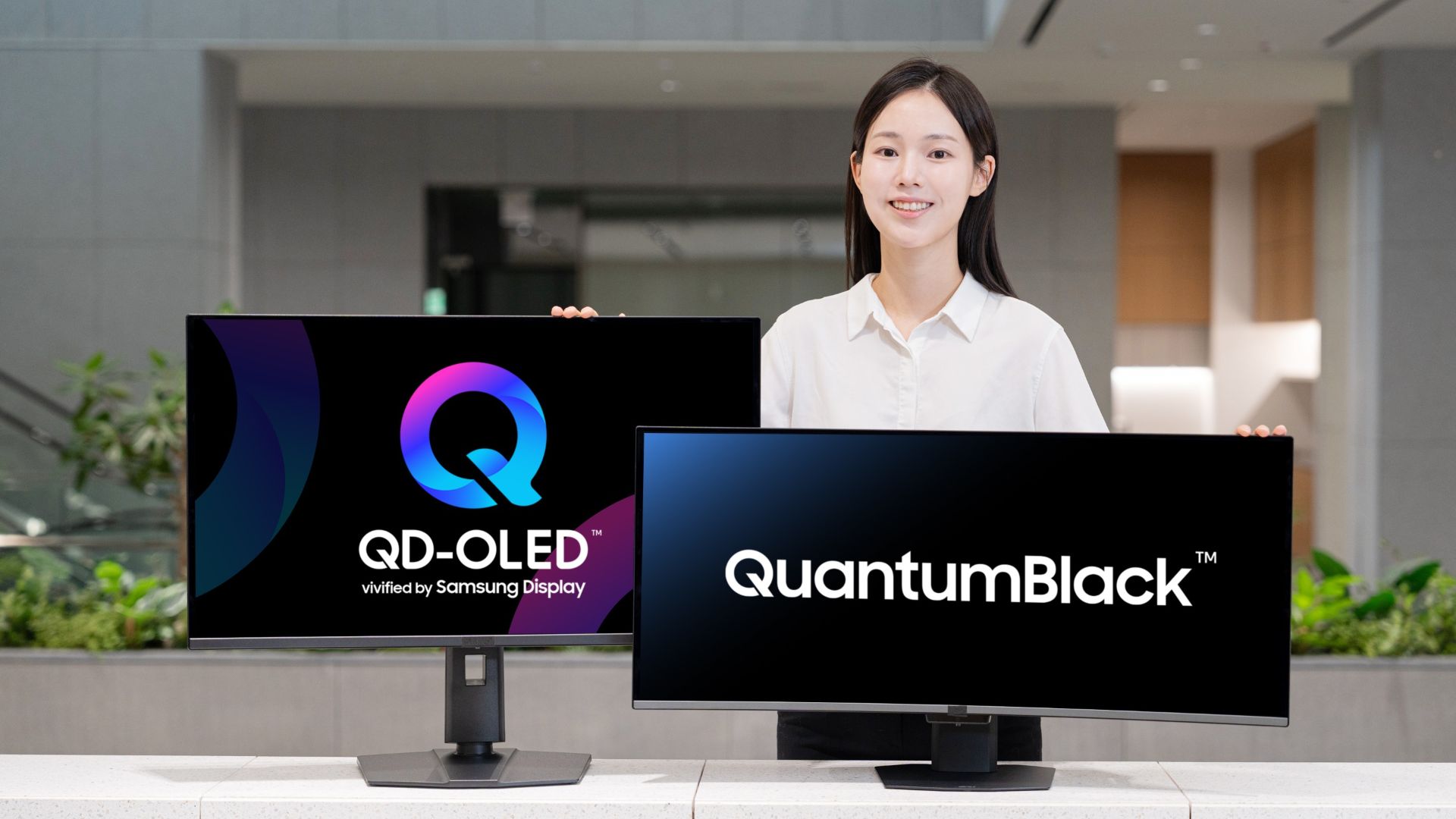
Samsung Display has announced the development of QuantumBlack, a next-generation low-reflection, high-durability film for QD-OLED monitors.
The technology reduces light reflection by 20% compared to the company’s previous film. It enhances the depth of black, while also improving panel hardness from 2H to 3H to deliver greater durability.
Samsung will fully apply the film to this year’s QD-OLED product lineup. As a self-emissive display, QD-OLED can achieve “True Black” by completely cutting off pixel power.
But in real-world usage environments, ambient light reflecting off the screen can make it difficult to experience the performance.
This is where the development of Samsung Display’s QuantumBlack comes in. Black performance is one of the most critical specifications for gaming monitors.
Accurate black levels define boundaries between objects and backgrounds, creating greater depth and spatial clarity to heighten immersion.
In particular, the gameplay of first-person shooters (FPS) or survival titles can be influenced by the technology with clearer visibility of enemy silhouettes or item locations.
In line with the launch of this new technology, global partners such as ASUS, Gigabyte, and MSI are also introducing new brands that emphasize low-reflection features, further expanding promotion of their latest monitor products.
ASUS has the “Black Shield”, Gigabyte has “Obsidian Shield”, and MSI has “Dark Armor”. These all have significantly upgraded low-reflection capabilities in their new products.
News
vivo X300 Ultra wants to beat the iPhone 17 Pro Max in pro video
Unleashed alongside the subtly-improved vivo X300s
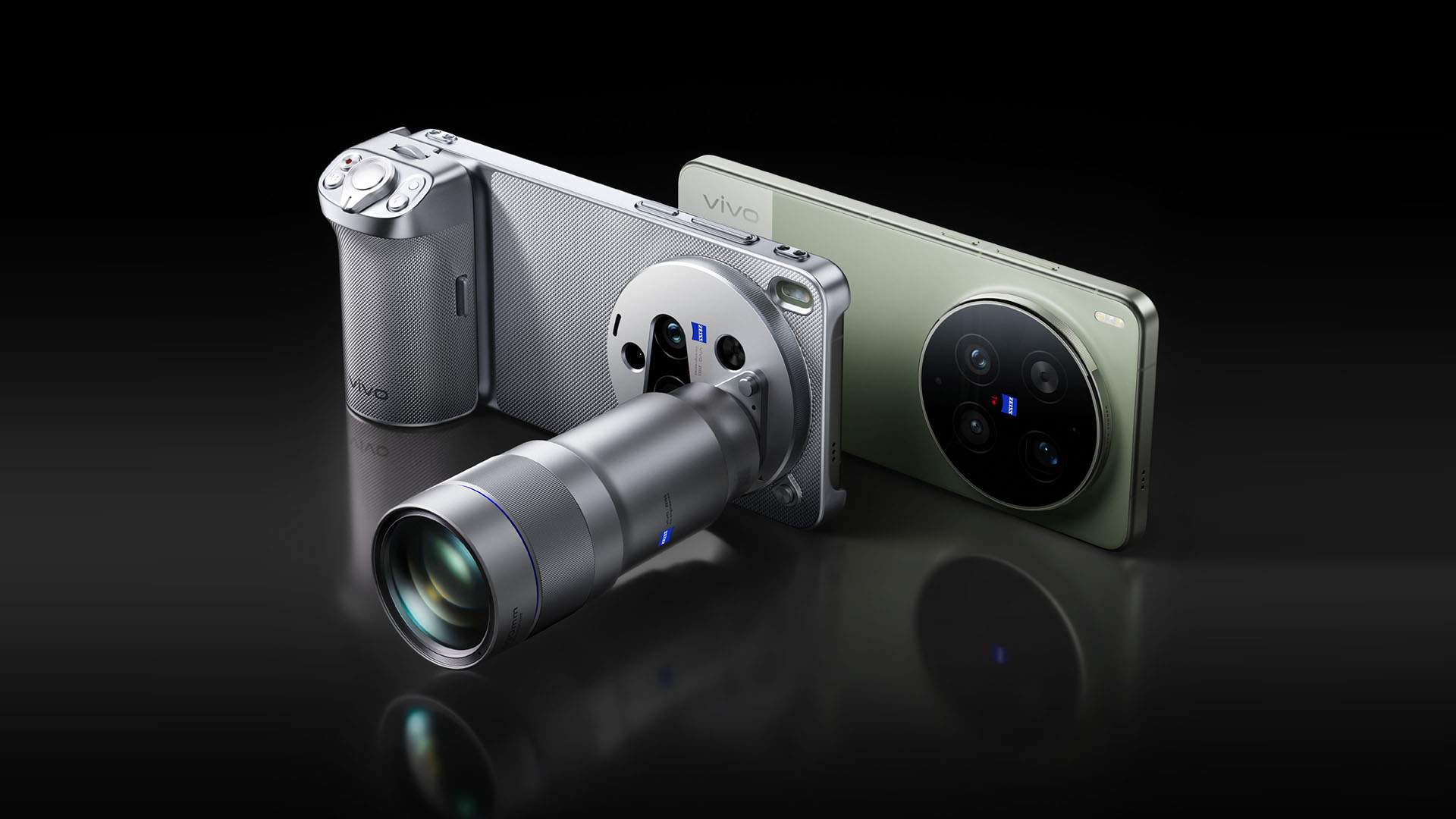
Almost six months after the launch of the vivo X300 and X300 Pro, the Chinese smartphone giant finally unleashes the much-awaited X300 Ultra.
Ultra-impressive camera system
First and foremost, its ultra-improved camera system.
Unlike its Pro sibling, the X300 Ultra follows the same configuration as last year’s X200 Ultra. It uses 35mm as its standard focal length instead of the usual 24mm found on most (if not all) smartphones.
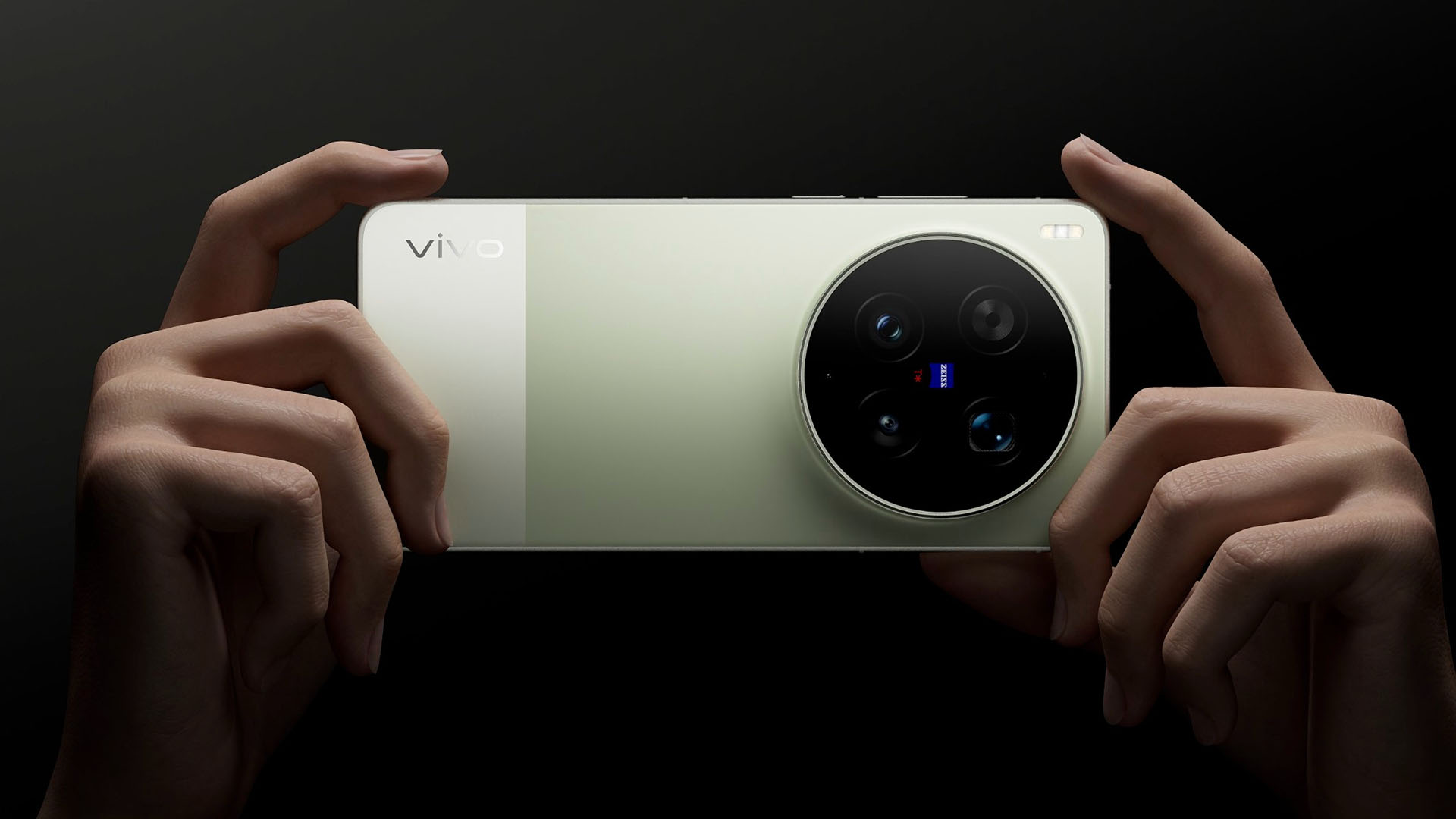
This means the main sensor is locked in at a minimum of 1.5x. Still, it’s been upgraded from 50MP to a whopping 200MP f/1.85 based on a large 1/1.18-inch Sony LYT-901 image sensor.
Meanwhile, shooting at “1x” relies on its 50MP f/2.0 ultra-wide lens based on the 1/1.28-inch Sony LYT-818. While it’s the same as last year’s X200 Ultra, it’s still considerably bigger and better among newer phones in its league.
Definitively, the X300 Ultra also boasts a newer 200MP f/2.67 periscope telephoto shooter using Samsung’s 1/1.4-inch ISOCELL HP0. Optical zoom distance still starts at 3.5x (85mm equivalent)which is similar to the X300 Pro and X200 Ultra.
If that isn’t enough, vivo announces not one, but two new teleconverter lenses.
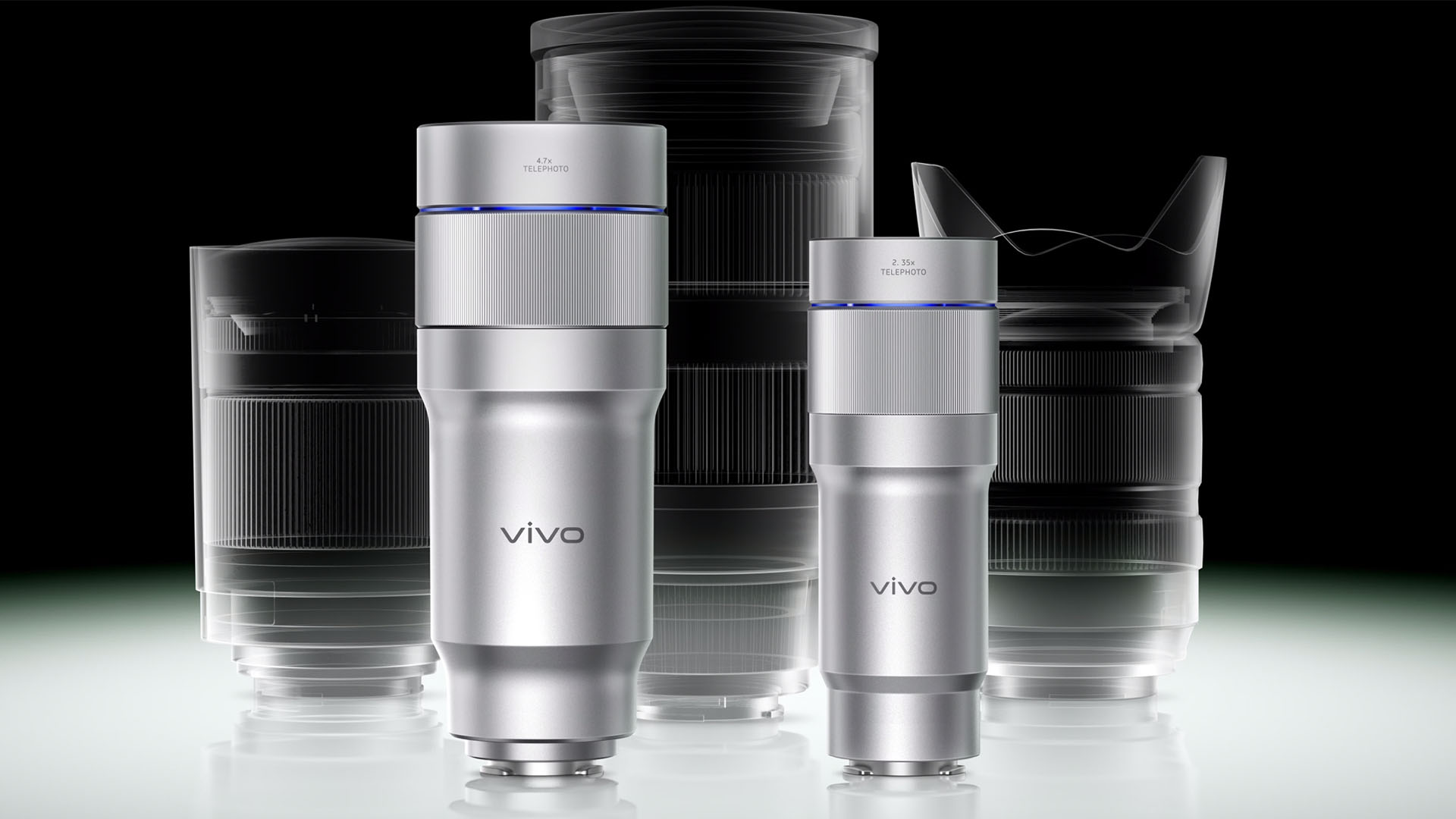
The all-new 400mm G2 Ultra ZEISS Telephoto Extender lens is the longest one in a smartphone so far. Still, vivo has achieved to make it as compact as possible — a tad longer than the former 200mm add-on lens in the X200 Ultra and X300 Pro.
There’s also the upgraded G2 ZEISS Telephoto Extender. It’s shorter and smaller compared to previous generation and comparable to a size of a lipstick (around 96mm in length).
This means better portability while trying to shoot subjects from afar with the same 200mm focal length.
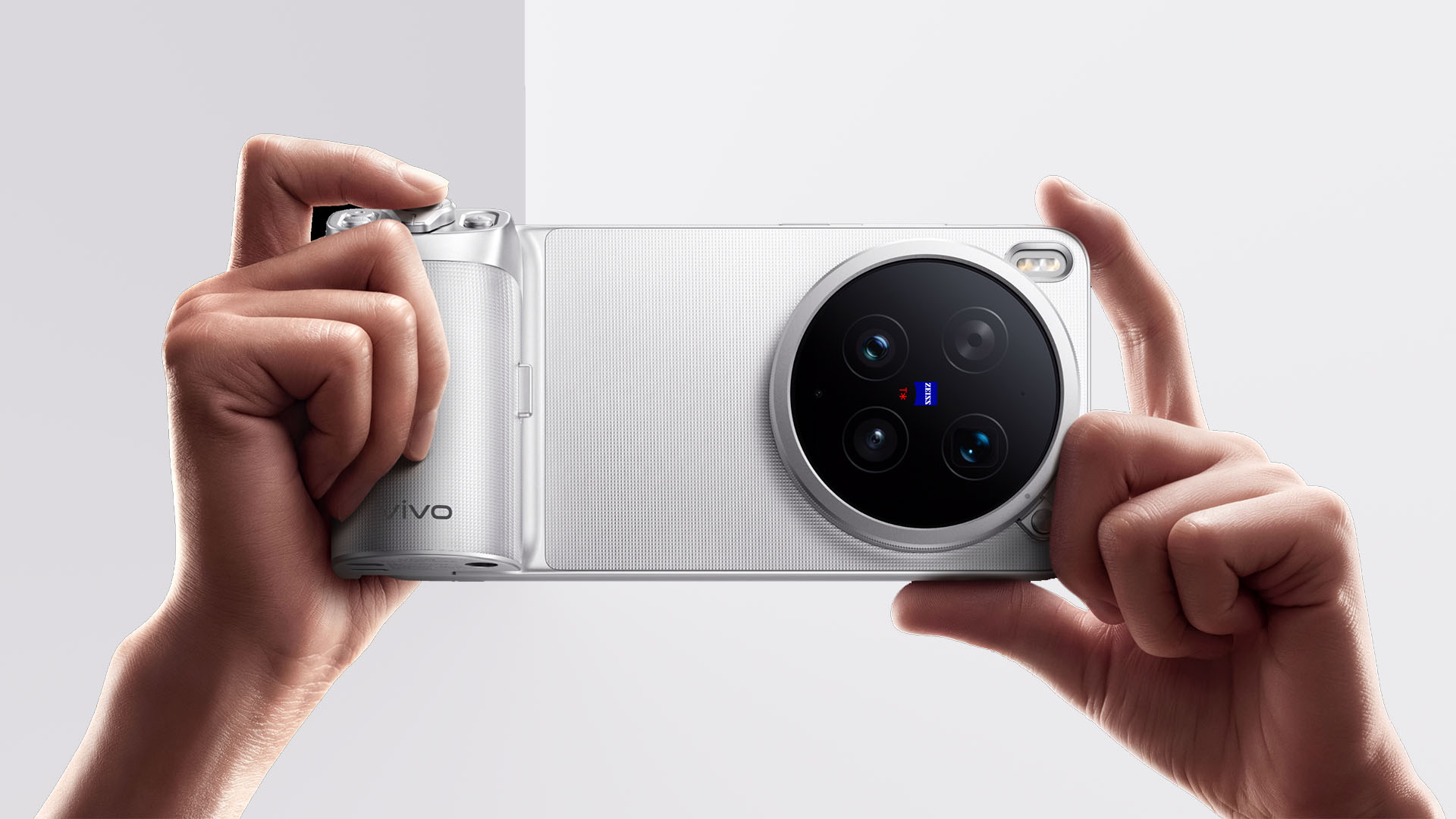
Additionally, the vivo X300 Ultra also has a 5MP f/2.45 multi-spectral sensor that other X300 phones lack. This is basically responsible for making colors more accurate by capturing a wider range of light beyond the usual RGB color spectrum.
Ultra-grade video shooter
One of the highlights of the vivo X300 Ultra focuses on its video shooting prowess that targets Apple’s iPhone 17 Pro Max.
For one, its ultra-wide camera has OIS built-in — a feature often overlooked by other phone makers.
OIS is also enabled when using the said teleconverter lenses.
Graphics by Vincenz Lee | GadgetMatch
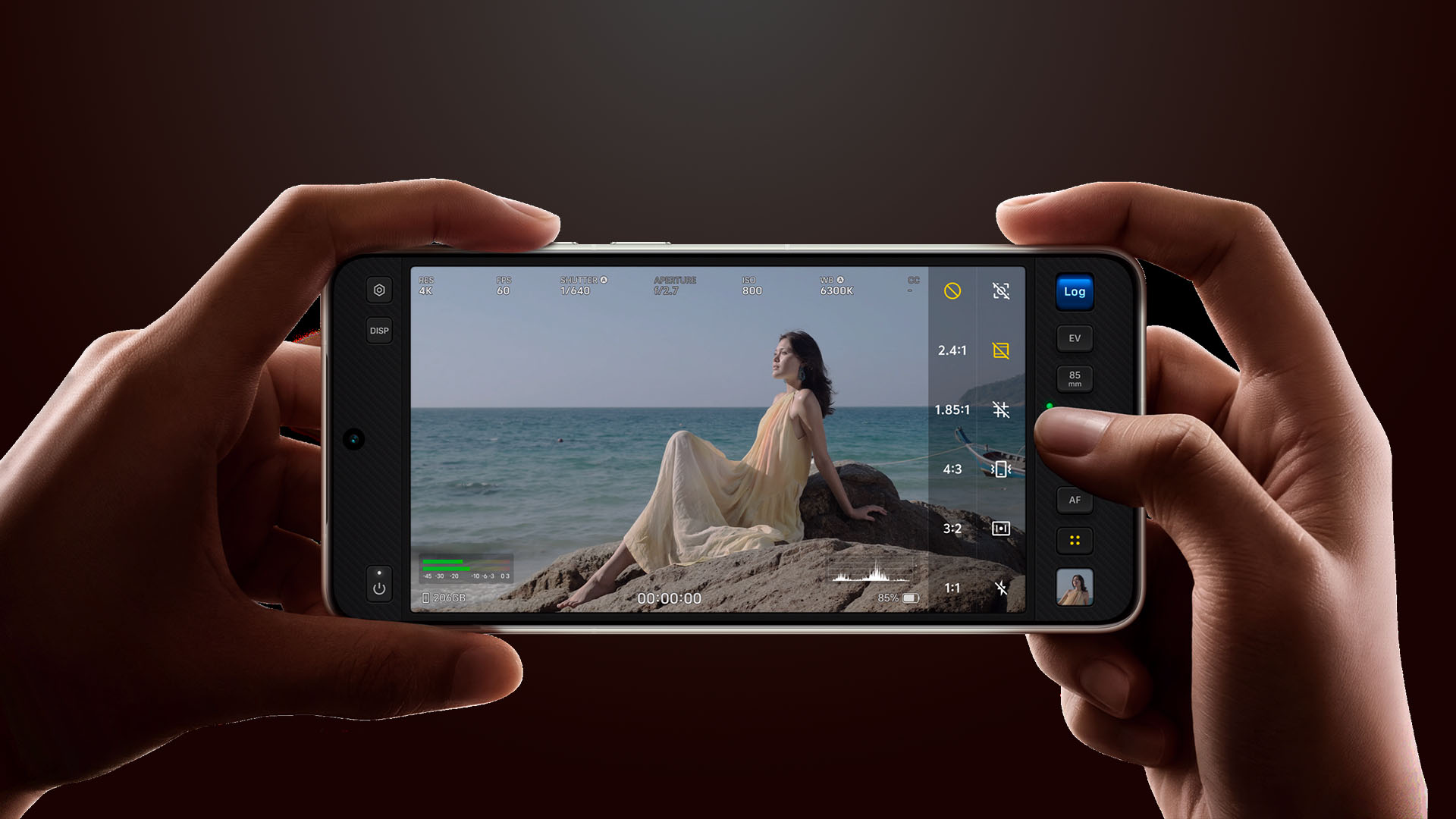
Other than that, the X300 Ultra is capable of shooting in both 4K/120fps Dolby Vision and 4K/120fps 10-bit LOG support.
This means prospective users can finally apply LUTs in post (or 3D LUTs in the phone) — much like how videographers and cinematographers do when shooting with their expensive mirrorless cameras.
Even though 10-bit LOG has been around in the recent vivo flagships, only the X300 Ultra can seamless switch between all focal lengths while LOG recording is enabled.
Graphics by Vincenz Lee | GadgetMatch
In line with these, the vivo X300 Ultra also possesses a new Professional Video Mode in its native camera app.
Ultra-powerful flagship
The vivo X300 Ultra brings some subtle improvements over the former X200 Ultra flagship.
While they both share the same 6.82-inch 8T LTPO AMOLED 2K display, the X300 Ultra has a faster 144Hz refresh rate support versus 120Hz. It’s also now an Ultra XDR screen, thanks to the improved BOE Q10 Plus panel.
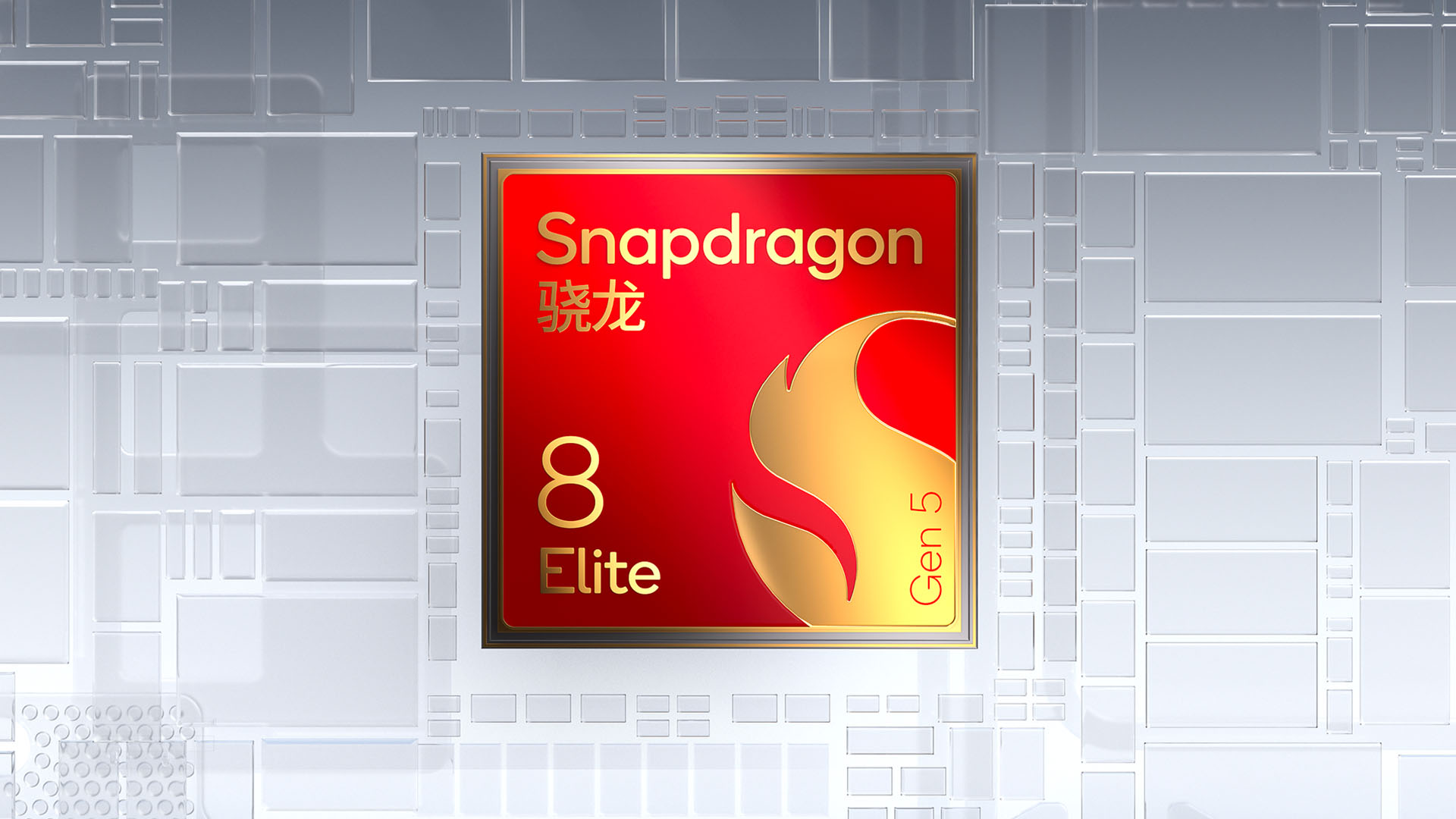
Most of all, the X300 Ultra runs the latest 3nm Qualcomm Snapdragon 8 Elite Gen 5 SoC. Despite the shortage of components, the X300 Ultra relies on a speedy UFS 4.1 storage standard while memory is even faster with LPDDR5X Ultra (and Ultra Pro) protocol.
Shockingly though, battery hasn’t been bumped by a lot as the X300 Ultra is only equipped with a 6600mAh battery — just 90mAh more than its Pro counterpart.
And just like that subtle improvement, wired charging speeds has been somewhat improved from 90W to 100W FlashCharge.
The Ultra s-idekick
Other than the X300 Ultra, the vivo X300s is also present in the scene. This is a follow-up to last year’s X200s.
It runs MediaTek’s Dimensity 9500 SoC like the vanilla X300 but with a bigger 7100mAh battery (versus 6040mAh).
However, the vivo X300s borrows that same 6.78-inch display size as the X300 Pro (and same display as X300 Ultra). This also marks as a departure from that 6.67-inch sweet-spot screen size of the X200s and the “smaller” 6.31-incher X300.
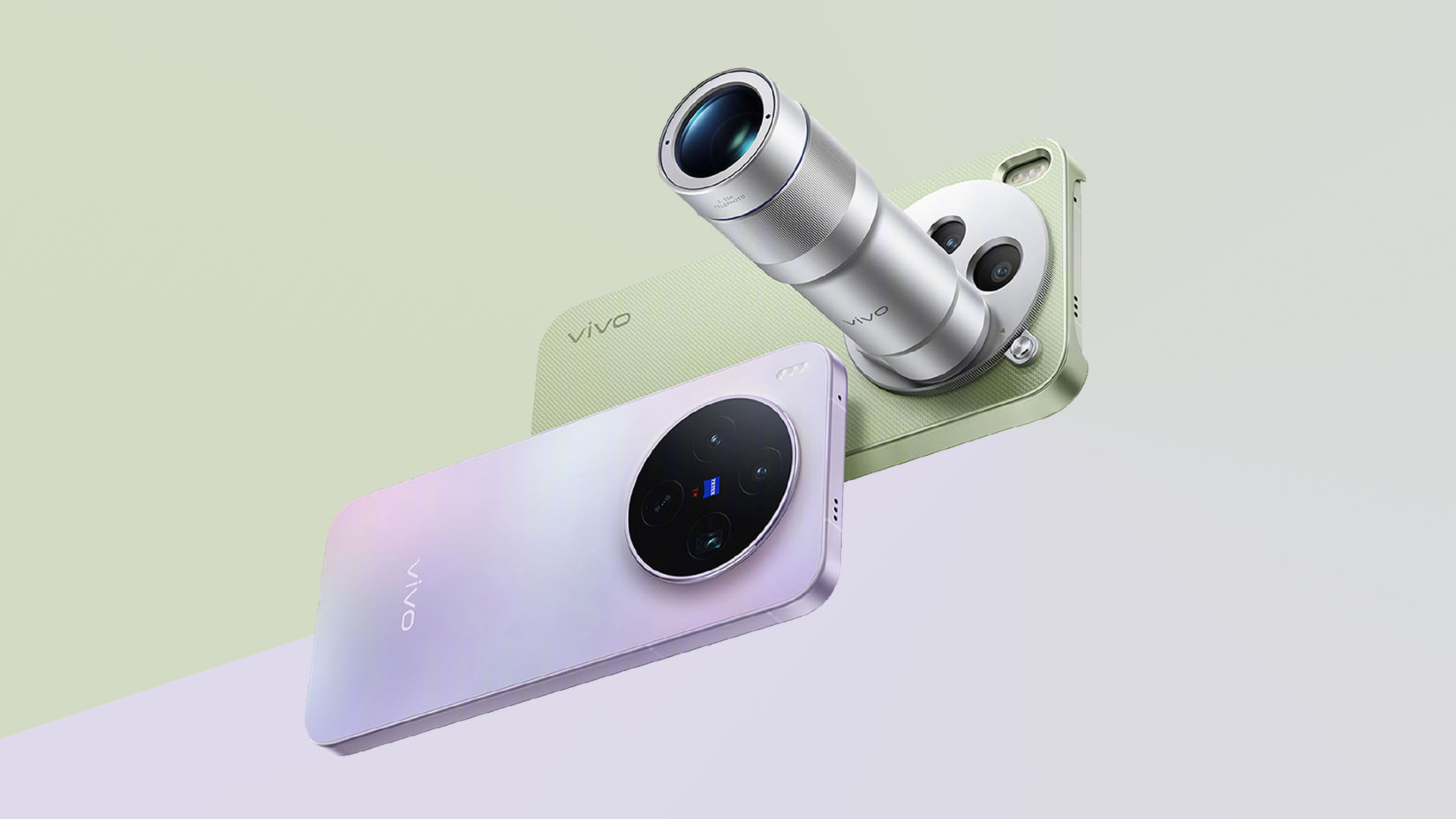
Graphics by Vincenz Lee | GadgetMatch
Cameras are similar as of the X300. A 200MP main camera based on Samsung ISOCELL HPB with Sony’s LYT-602 sensor for its telephoto module. The improvement though can be seen when using the camera app.
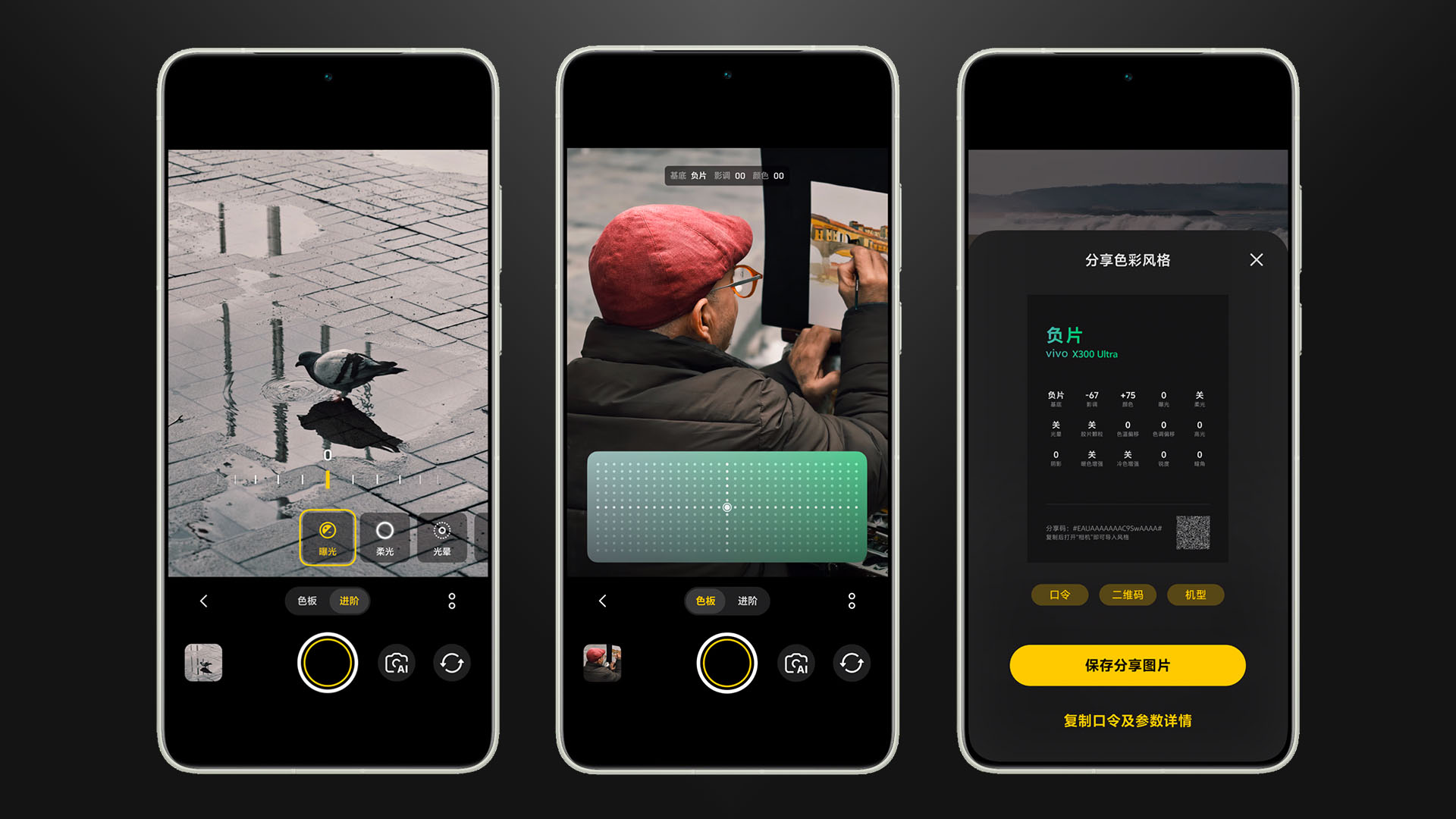
Graphics by Vincenz Lee | GadgetMatch
There’s also vivo’s new Blueprint Palette that lets you choose a color in a swatch board and save it as a recipe. The user can also adjust settings in real-time — letting you see the look of the image during preview even before hitting the shutter release. The same feat is also found on the X300 Ultra.
And much like the base X300, the vivo X300s is capable of attaching that 200mm teleconverter lens with its own camera kit — something the X200s cannot achieve.
Pricing and Availability
The vivo X300 Ultra and X300s are currently available for pre-orders in China along these colorways and configurations:
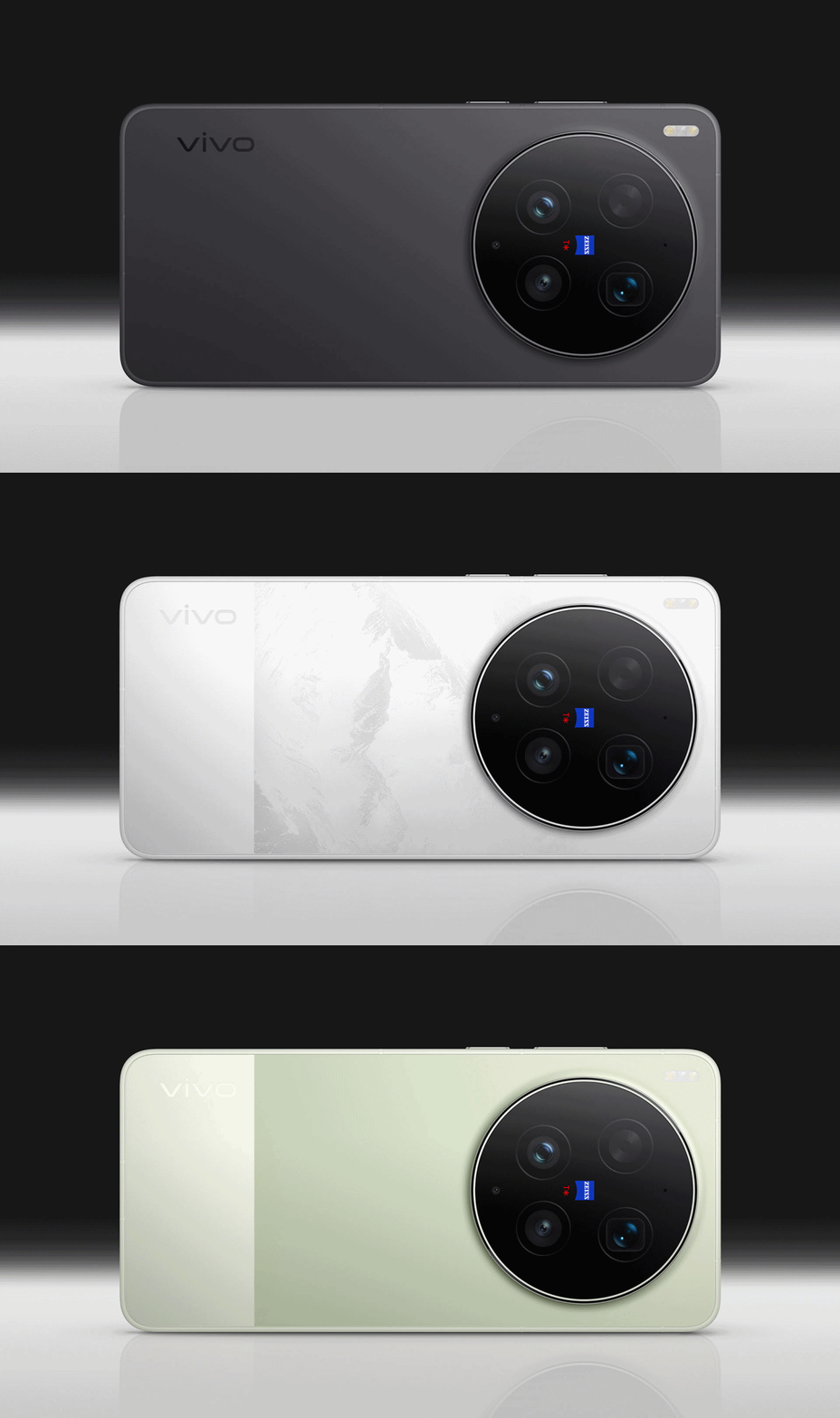
GIF by Vincenz Lee | GadgetMatch
X300 Ultra (Film Green, Silver Tune, Black Ka)
- 12+256GB = CNY 6999 (US$ 980 / EUR 835 / GBP 730 / SG$ 1260 / MYR 4130 / PhP 56,440 / INR 87,110)
- 12+512GB = CNY 7499 (US$ 1100 / EUR 900 / GBP 780 / SG$ 1345 / MYR 4355 / PhP 59,590 / INR 90,980)
- 16+512GB = CNY 7999 (US$ 1115 / EUR 960 / GBP 820 / SG$ 1430 / MYR 4645 / PhP 63,685 / INR 95,930)
- 16+1TB = CNY 8999 (US$ 1260 / EUR 1070 / GBP 920 / SG$ 600 / MYR 5225 / PhP 70,905 / INR 107,700)
X300s (Film Green, Dream Core Purple, Silvery White, Titanium Black)
- 12+256GB = CNY 4999 (US$ 700 / EUR 610 / GBP 530 / SG$ 910 / MYR 2970 / PhP 40,900 / INR 62,260)
- 16+256GB = CNY 5499 (US$ 770 / EUR 660 / GBP 570 / SG$ 985 / MYR 3190 / PhP 43,700 / INR 66,720)
- 16+512GB = CNY 5999 (US$ 845 / EUR 730 / GBP 635 / SG$ 1095 / MYR 3560 / PhP 49,085 / INR 74,715)
- 16+1TB = CNY 6999 (US$ 980 / EUR 835 / GBP 730 / SG$ 1260 / MYR 4130 / PhP 56,440 / INR 87,110)
For the camera enthusiasts…
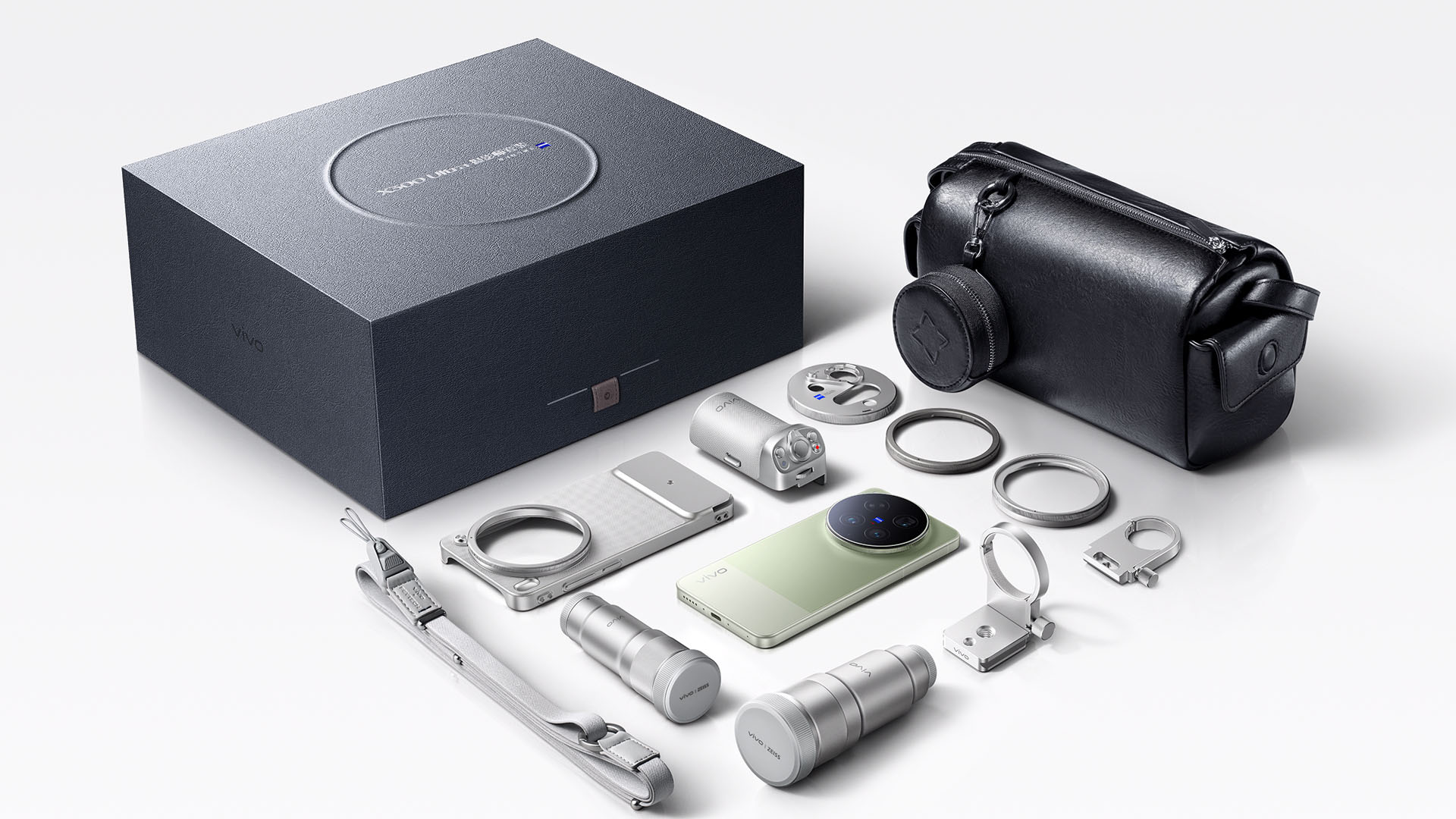
You can buy the vivo X300 Ultra and X300s in their special Photographer Kit Edition with all the accessories bundled:
- X300 Ultra Photographer Kit = CNY 11,999 (US$ 1260 / EUR 1070 / GBP 920 / SG$ 2235 / MYR 6965 / PhP 105,110 / INR 164,550)
- X300s Photographer Kit = CNY 7999 (US$ 1115 / EUR 960 / GBP 820 / SG$ 1430 / MYR 4645 / PhP 63,685 / INR 95,930)
Additionally, separate parts of the kit can also be bought separately:
- Camera Grip = CNY 699 (US$ 101 / EUR 88 / GBP 77 / SG$ 130 / MYR 405 / PhP 6130 / INR 9585)
- SmallRig Case = CNY 1699 (US$ 245 / EUR 215 / GBP 185 / SG$ 320 / MYR 990 / PhP 14,890 / INR 23,300)
- G2 Teleconverter Lens = CNY 1499 (US$ 220 / EUR 190 / GBP 165 / SG$ 280 / MYR 870 / PhP 13,140 / INR 20,560)
- G2 Ultra Teleconverter Lens = CNY 2499 (US$ 360 / EUR 315 / GBP 270 / SG$ 465 / MYR 1450 / PhP 21,900 / INR 34,270)
* These are only rough conversion estimates
As teased way back in MWC 2026, the X300 Ultra is vivo’s first Ultra smartphone to be sold globally. We’ll just have to wait and see which regions will have it.
Gaming
Nintendo might be working on an Ocarina of Time remake
It will reportedly launch in the second half of 2026.


What is the greatest game of all time? There’s a substantial chance that The Legend of Zelda: Ocarina of Time will be on the board. Even beside the Switch’s critically acclaimed Breath of the Wild duology, the Nintendo 64 title is one of the most quintessential games you can ever play. That said, it’s pretty dated. But maybe, not for long.
According to Nintendo insider NatetheHate, the company is working on a rerelease of Ocarina of Time. The title is scheduled for launch within the second half of 2026.
The wording is important here. “Rerelease” can mean anything. To be fair, NatetheHate, through his latest podcast, says that it’s likely we’ll get either a like-for-like remake or a full reimagining of the essential game. However, he does not discount the possibility that it’s just an HD remaster for the new consoles. Either way, Ocarina of Time is coming back this year.
If you can’t wait, the title isn’t exactly missing from the shelves. You can play the original from the list of available games through Nintendo Switch Online. The game also got a remaster for the 3DS.
There is no shortage of Zelda-related news lately. The franchise is getting a live-action adaptation next year, which now becomes a worthy follow-up to The Super Mario Galaxy Movie coming early next month.
SEE ALSO: The Legend of Zelda film gets its first official photos


JBL Sense Pro review
My daily driver met a loud and capable rival in this quest for a superior training companion.


Shokz OpenFit Pro: Somewhere between awareness and focus
Find your balance


Why this 180-degree gimbal projector is a “small win” for solo living
At $200, the XGODY N6 Pro transformed my one-bedroom apartment into a sanctuary of independence
JBL Sense Pro review

LE SSERAFIM Chaewon flexes Galaxy S26 Ultra Privacy Display

Power Mac Center opens 1st branch in Boracay

Samsung develops QuantumBlack: Low-reflection, high-durability QD-OLED film

vivo X300 Ultra wants to beat the iPhone 17 Pro Max in pro video


-
 Philippines2 weeks ago
The HONOR X8d is serviceable
-

 Gaming1 week ago
WWE 2K26 lets you live out all the fantasy matches you could want
-

 Reviews1 week ago
Galaxy Buds4 Pro review: I thought I was done with in-ears
-

 Gaming2 weeks ago
Switch 2 now lets you play old games in 1080p
-

 Gaming2 weeks ago
The hunt begins: The Witcher in Concert hits Manila with surprises in tow
-

 Gaming2 weeks ago
Monopoly: Star Wars Heroes vs. Villains launching on June 11
-

 News1 week ago
nubia to launch new Neo 5 series gaming phones on March 28
-

 Smartphones2 weeks ago
Spotlight: OPPO Find N6