
Features
7 reasons why the Sony Xperia XZ succeeds


Have you heard about how well Sony’s flagship Xperia XZ is doing? Believe it or not, it’s outperforming the likes of the Google Pixel, Moto Z, and LG V20. We can learn something from this.
After the ho-hum reception to the Xperia X Performance earlier this year, the surge in Xperia XZ users in the past three months proves just how badly needed a true Sony flagship is. But how did such an expensive smartphone with little hype and average reviews succeed?
It’s no fluke, and we have seven reasons why.
High-end specs don’t matter that much anymore
We call the Xperia XZ a premium flagship, but looking at the specs sheet, you wouldn’t think so at first glance. Having only a Snapdragon 820 processor (there’s a newer Snapdragon 821 now), 3GB of RAM (you can find as much as 6GB these days), and a Full HD display (lots go up to Quad HD already), this isn’t exactly top of the line.

And yet, all those numbers don’t really matter; this Sony phone does so well with so little. In my time with the Xperia XZ, I’d say it’s as fast as any other Android flagship you could name. It goes to show how important hardware-software optimization truly is.
There must be one signature color
If there’s one thing we learned from Apple’s persistent promotion of rose gold, having one trademark color helps sell phones. Many brands already do this, but they fail to make an impact or actually look good beyond marketing materials.
The Xperia XZ’s forest blue is an exception. Let’s just skip the ALKALEIDO metal mumbo jumbo and say this color looks stunning in all types of lighting. I can’t get enough of the way it reflects light at different angles. My parents normally don’t care about new phones (my dad still uses a Nokia 3310), but even they’re wholly impressed by the XZ’s use of color.
Side-mounted fingerprint scanners are the best
Fingerprint sensors are normally found in front or at the back; Sony has its own method, and for a good reason. Front scanners are tough to reach while holding the phone, and although rear-mounted ones are much more accessible when picked up, they’re covered when laid on a table.
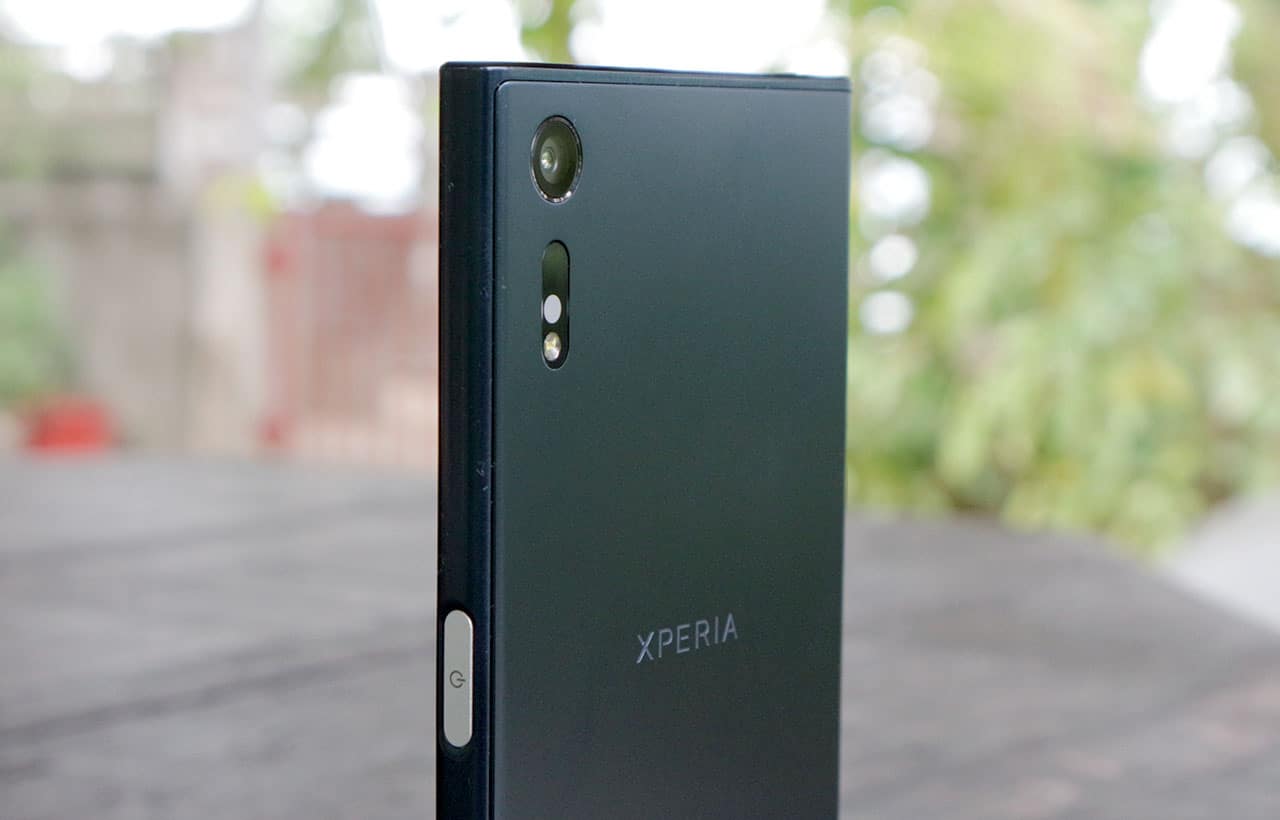
I must say, Sony’s implementation is the absolute best. It can be touched no matter where the phone is placed, and by covering a single side, the back and front of the Xperia XZ are way more pleasant to look at. This also leaves space for more important features, bringing us to our next point.
People care about legacy features
Useful features we’ve taken for granted are now disappearing in favor of all the new fluff smartphone manufacturers are coming up with. The Xperia XZ manages to keep two of them: a physical two-step camera shutter button and front-facing stereo speakers.
These are highly underrated features which consumers don’t realize are missing until they’re needed. The camera shutter is a must for any waterproof phone to take pictures while its screen is soaked, and a pair of speakers are always, always better than a single piece on the rear or bottom that can easily get covered up.
Price differences don’t matter as much in the premium segment
Somehow, despite costing more than the base Google Pixel or Apple iPhone 7, people still choose the Xperia XZ over its competition. It’s even more expensive in certain regions, so how does it still manage to sell so well?
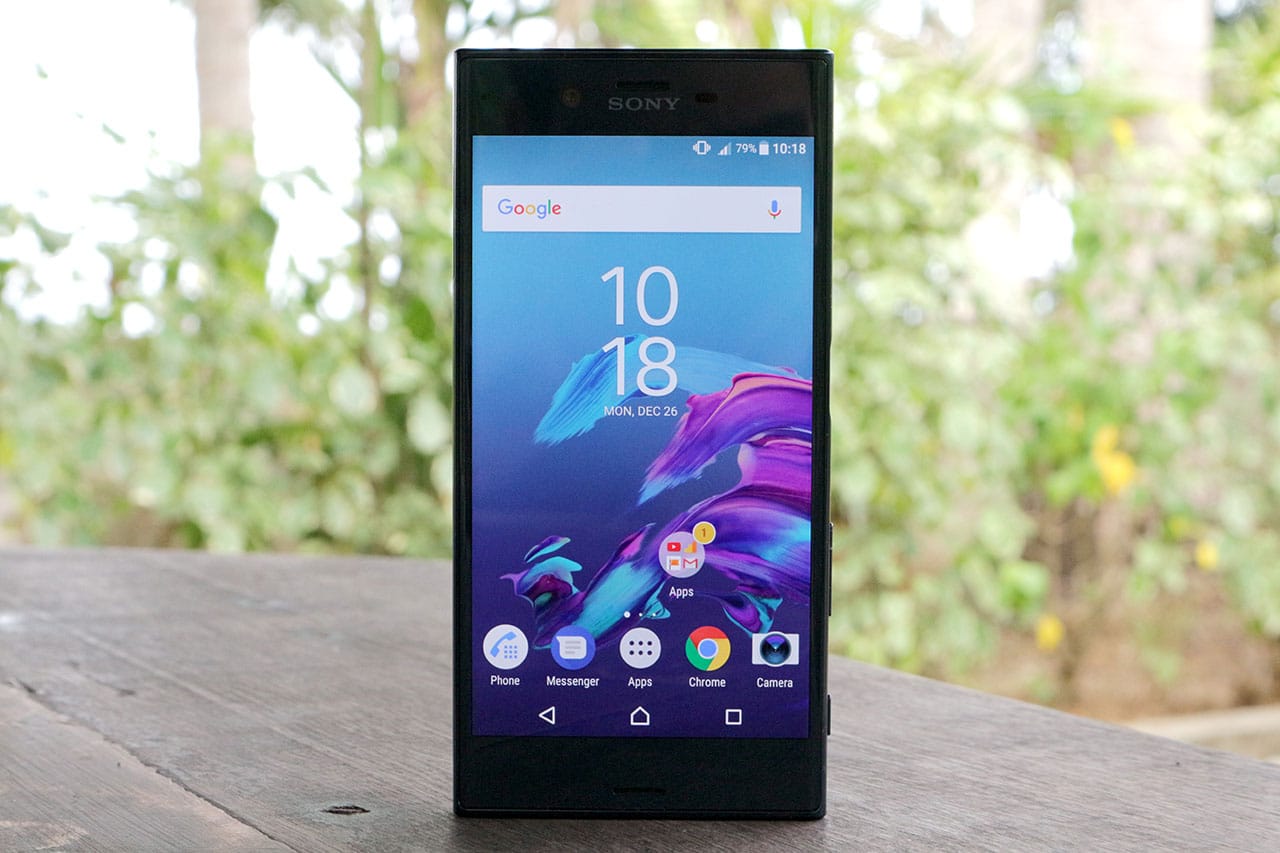
Apparently, when you get to this price point, adding a few extra dollars doesn’t seem to matter to loyal fans, as long as the experience is worth the expense. The Xperia XZ also came at the right time, just when the Samsung Galaxy Note 7 collapsed and there aren’t many clear alternatives.
Trademark aesthetics evolve
Something several manufacturers got wrong this year was either retaining too much of their old smartphone designs (e.g., iPhone 7, Galaxy S7, HTC 10) or going too far in radicalizing them (e.g., LG G5, ASUS ZenFone 3 Ultra, Moto Z). This led to same old, same old looks or a complete loss of brand identity.
The Xperia XZ, I believe, strikes the right balance. It’s evolved enough from the Xperia X Performance and Xperia Z5 to call it a fresh design; at the same time, it still has distinct Xperia aesthetics you can recognize a mile away. And in the process, holding the handset feels as good as ever.
[irp posts=”7442″ name=”Sony Xperia XZ review”]




Hands-On
Apple iPhone 18 Pro Series Hands-on
And everything announced during Apple’s September 2026 Event

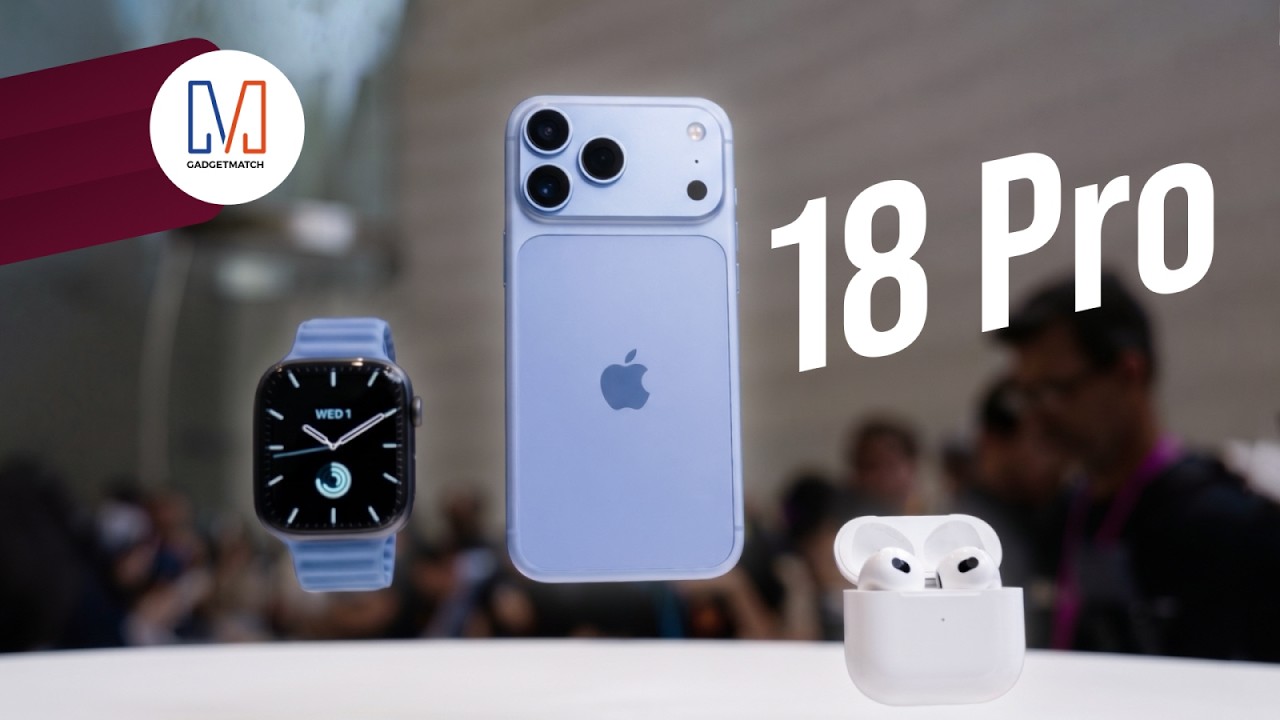
The latest Apple event isn’t just about the shiny new Apple Duo. There’s a lot to talk about!
In this video, we break down everything Apple has announced during their September 2026 keynote.
First, there’s the updated iPhone 18 Pro and 18 Pro Max. That’s alongside their design and color changes, battery and performance improvements. Even that massive camera upgrade.
There’s even the ANC-infused AirPods 5 alongside the newer Apple Watch Series 12 and Apple Watch Ultra 4. Plus, the latest software updates coming to both these wearables.
So, are these worth the upgrade?
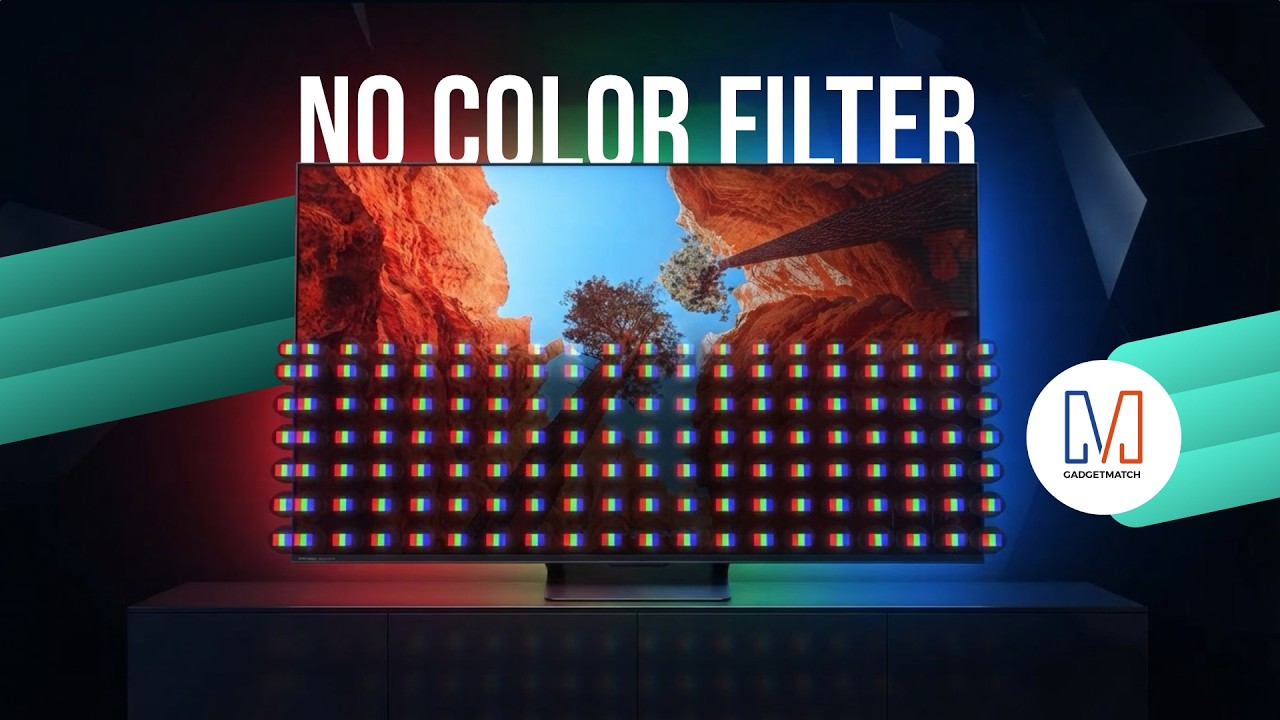
TV technology is changing in a way you can’t see. And it starts with how color itself is made.
Hisense’s new RGB MiniLED technology could change the way we see TVs.
Here’s our spotlight on their latest Hisense UR8 offering.
Check out the Hisense UR8 TV: https://bit.ly/4cxo6xl
Features
How did new CEO John Ternus do for his first Apple event?
Is a new golden age coming for Apple?


For a brief moment, I thought Tim Cook was refusing to step down as Apple’s CEO.
Apple’s “Surprise and shine” event, which heralded the coming of the foldable iPhone Duo, started bombastically with a montage of cinematic moments spanning different genres. The main point was: “what’s the best way to start an opening scene?”
After what felt like an age, the all-too-familiar voice of Tim Cook came on, perhaps for the very last time. But rather than overstaying his exit as the former CEO, he describes that the perfect opener should be classic, as a car that is, quite symbolically, riding off into the sunset. He then explains that he’s not the main character anymore.
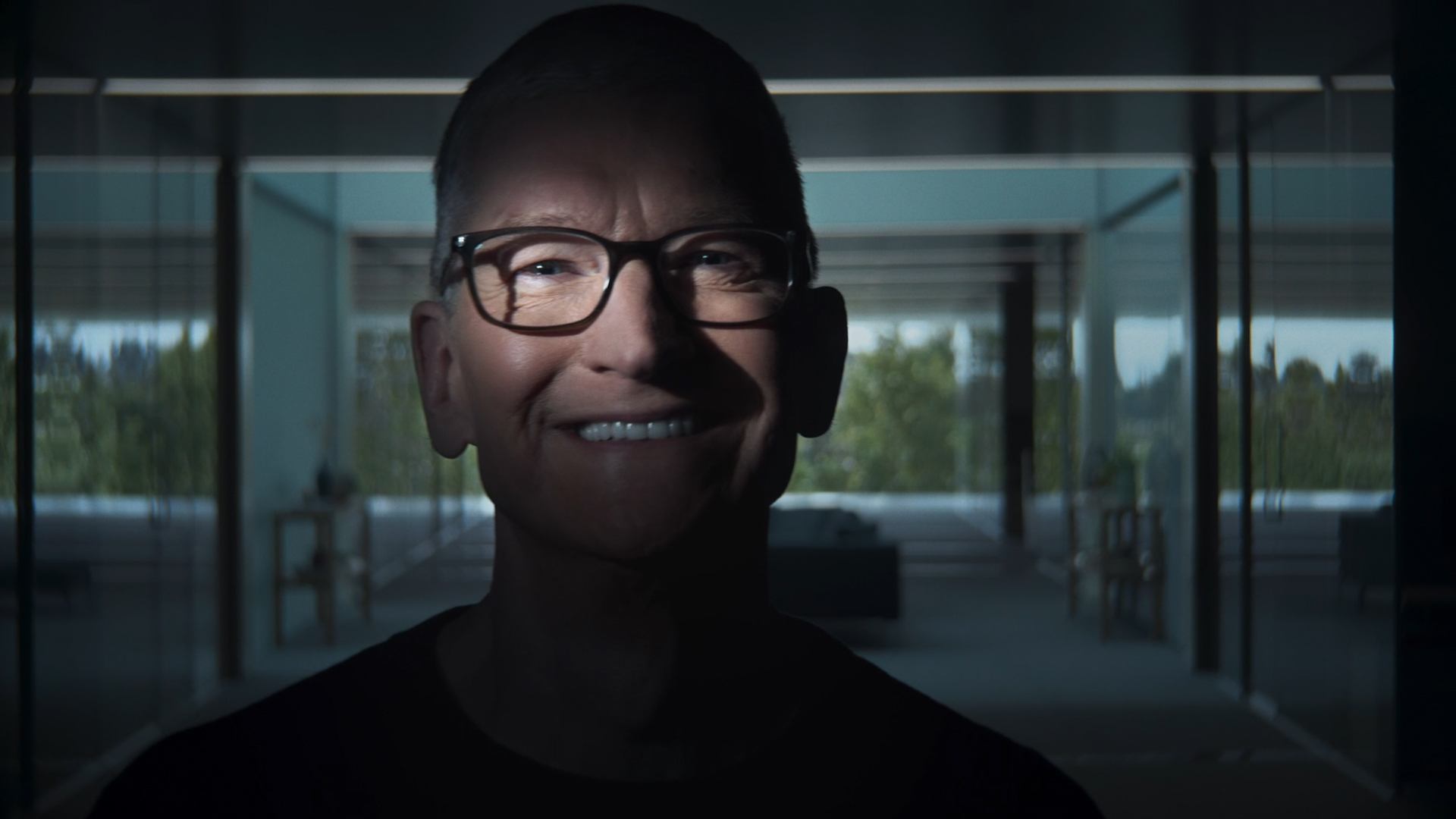
Last shot of Tim Cook at the Surprise and Shine event
“That’s your guy,” he said, before pointing to John Ternus, who steps into frame without an introduction or even a name card. It’s hard to image that this guy is the new face of Apple.
It’s the perfect end to Tim Cook’s tenure and as perfect a start for John Ternus’s.
Moving from an age of crisis to a golden age
After a decade and a half of being the face of the brand, Tim Cook stepped down from his tenure as CEO. He leaves the company in a much better state than when he took over. Thanks to him, the iPhone is now a household item. It’s a ubiquitous phone that draws millions of fans every time a new one comes out every year.
But his tenure didn’t start on a bed of roses. When he took over in 2011, it was in response to Steve Jobs’s failing health, who passed away soon after. He inherited a company constantly threatened by competitors trying to eat into Apple’s slice of the pie.
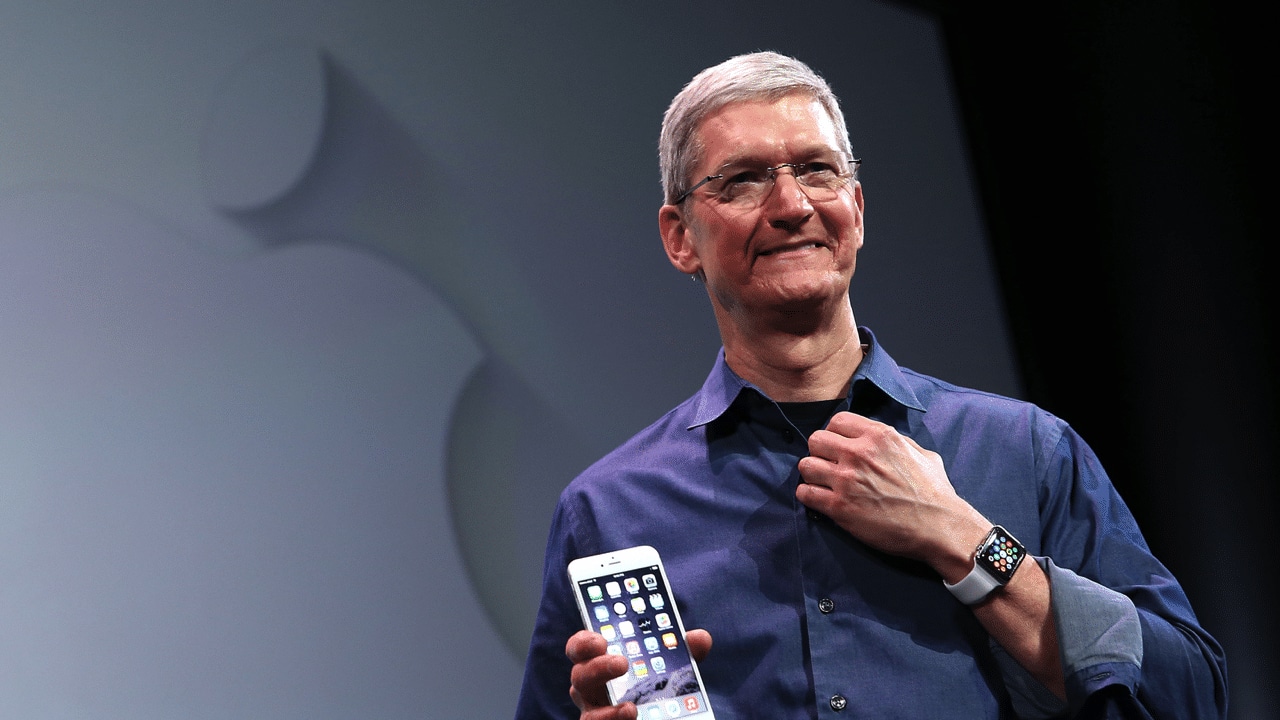
Indeed, Cook’s tenure was peppered with crises. He had to navigate Trump’s first reign, destructive as it was towards relationships in China. He had to figure out survival during the tempestuous pandemic years. Finally, he had to carefully build a strategy for the dawn of AI.
Cook is, first and foremost, a businessman. While the Jobs era was typified by innovation after innovation, Cook built upwards, turning Apple into a trillion-dollar company. Although we didn’t see a lot of new exciting segments introduced, the company built on what it was already good at, delivering a premium and refined experience.
John Ternus comes at an opportune time. Though the brand will always have a healthy share of diehard fans, Apple must now find the next big thing and rediscover the spice of years past.
A time for AI?
After his nonchalant introduction, Ternus immediately goes on the offensive and describes his vision for Apple Intelligence. Rather than dwell on NPUs, TOPS, and other metrics that a regular user can’t make heads or tails of, he described Apple Intelligence and Siri AI as a personal assistant. Usage versus performance, in other words.
If you’re an AI enthusiast, the renewed push towards Apple Intelligence should give you hope that the iPhone won’t just be a receptacle for other AI software. Rather, it’s building its own. Wherever the AI industry is going, Apple looks like it can keep up.
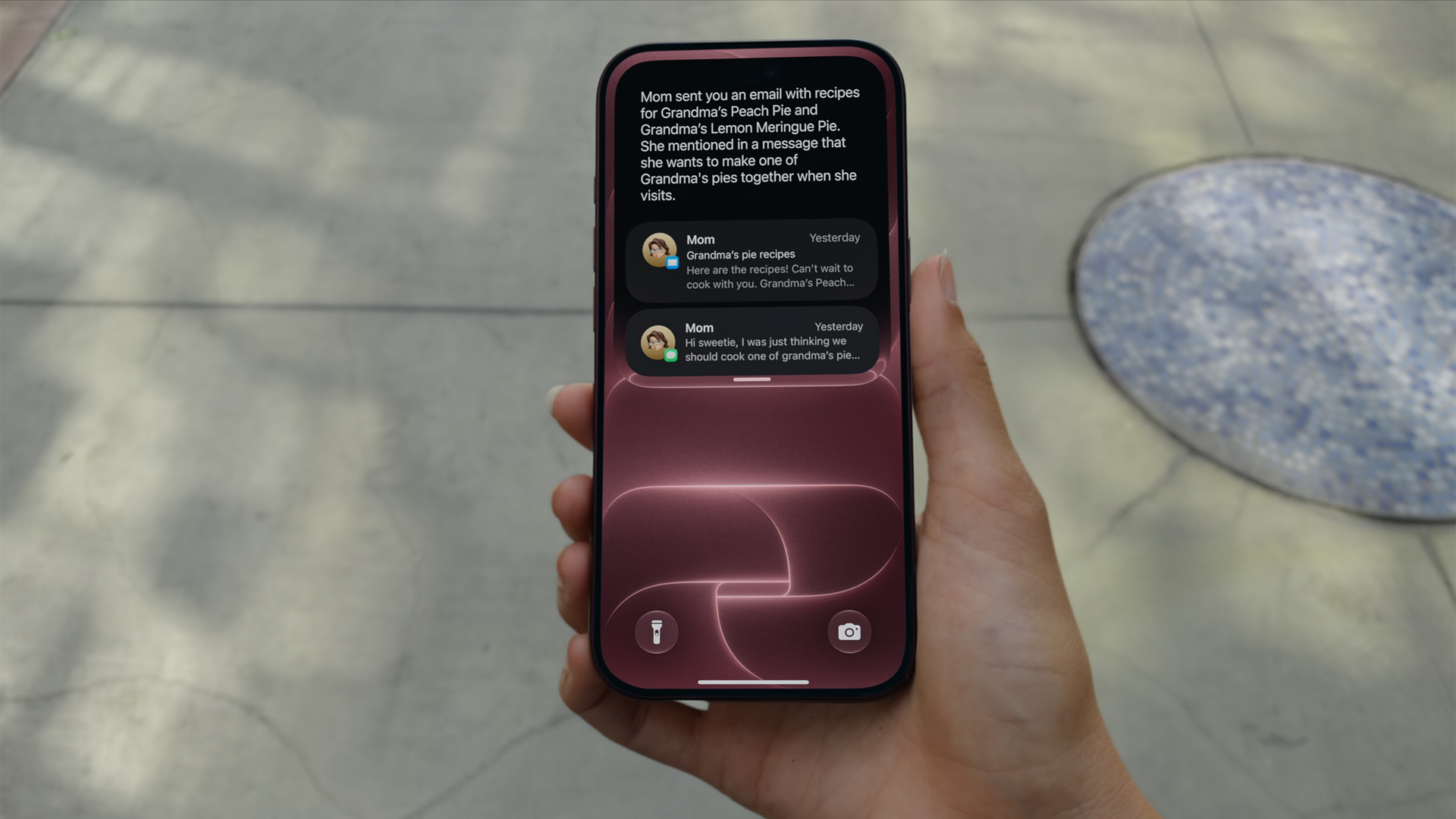
Now, if you don’t like AI at all, that’s fine, too. Ternus isn’t there just for the AI.
Unlike Jobs or Cook, Ternus comes from a strictly engineering background. In today’s world, hardware complements AI. The software must use NPUs after all. But, when the AI bubble finally pops, Ternus isn’t out of a job. In fact, if his track record is any indication, it’s just getting started.
Or a time for new hardware?
This year is absolutely monumental for Apple. Earlier this year, the company launched the MacBook Neo, its first budget-friendly notebook built for everyone. If you were looking to get into the MacBook lifestyle, now is the perfect time to buy in. A lot of users felt a subtle changing of the guard.
From there, you can feel Ternus’s influence already seeping in. And if it wasn’t obvious back then, it’s more than apparent now.
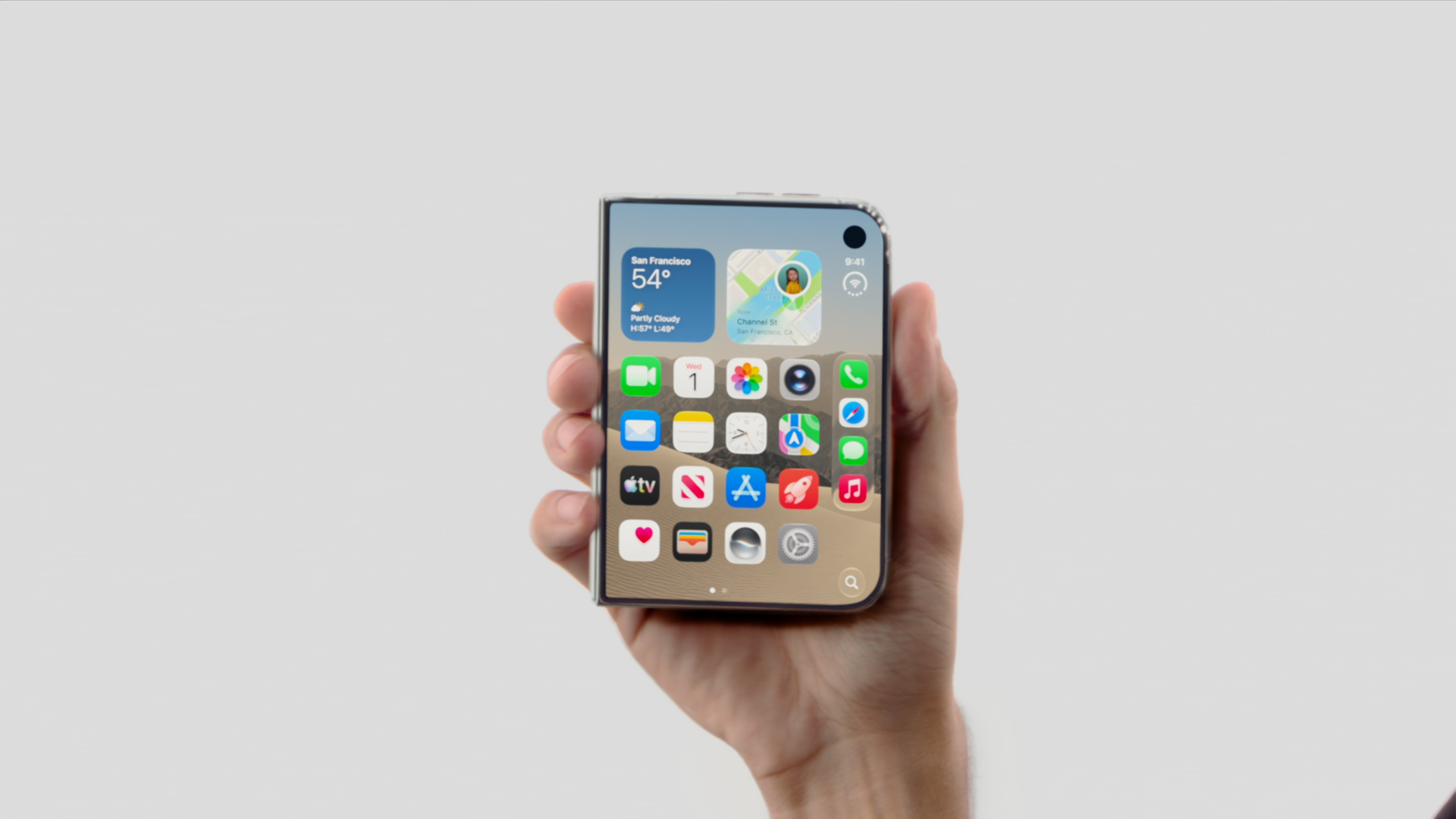
In his first ever “One More Thing,” Ternus started his tenure strong with the introduction of the iPhone Duo. Almost twelve hours since the phone’s announcement, I’ve never seen a more visceral reaction to the launch of a new iPhone.
Whereas most of their annual releases reveled in more incremental improvements that primarily tickled already dedicated fan, the iPhone Duo is something new. Everyone’s talking about it. It’s gotten so crazy that even Samsung, often more nonchalant with its prodding, openly attacked the foldable after teasing the brand to go foldable last year.
Though it’s technically not a new segment, the iPhone Duo is patching up the mistakes of past foldables. Rather than just pasting two screens together, Apple’s take feels like a unified whole, emphasized by an interface that seamlessly changes from folded to unfolded.
Where Tim Cook failed to illicit more than a modest ripple with the Vision Pro, Ternus flew to new heights with the iPhone Duo’s announcement. And the phone isn’t even out yet.
Now, there’s still a chance that the Duo won’t be a hit with sales, especially because of the price. But this is still a strong opener for Ternus.
Who is the main character?
“That’s your guy,” Tim Cook pointed.
I don’t think he was pointing in the right direction. Though the camera cut to Ternus himself, his first outing clearly states that the main character is no longer whoever is handling the reins. His decision to skip an official introduction feels intentional. The main character, after all, is the hardware itself: the iPhone 18 Pro, the iPhone Duo.
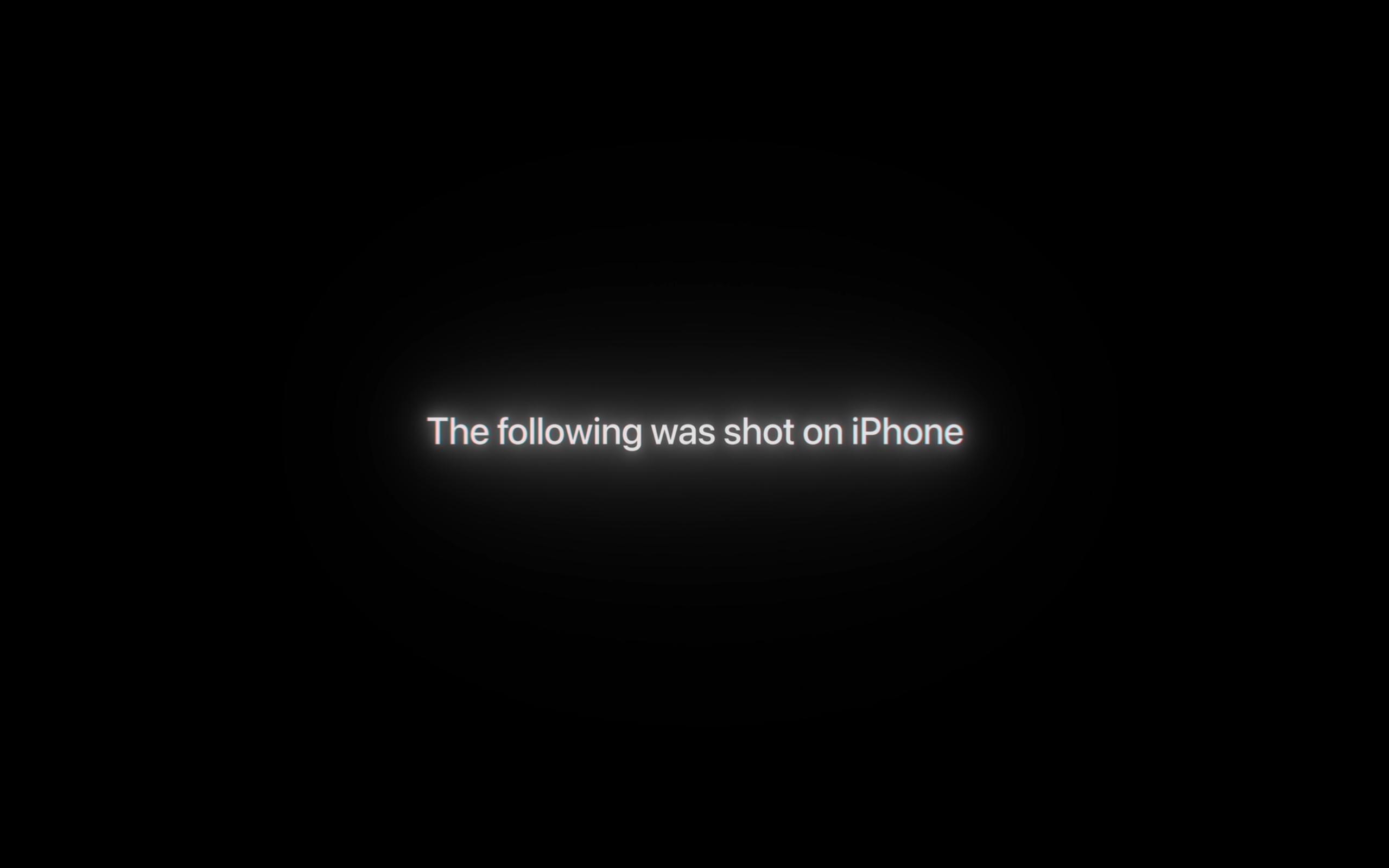
The entire event started with a bold declaration that everything was shot with an iPhone. It ended, in fact, with the same declaration. Channeling their inner Marshall McLuhan, Ternus’s Apple wants you to believe in the iPhone again.
Even as someone who doesn’t use Apple products mainly, I’m stoked to see what the new era will bring to the table. This is an exciting time for Apple. We might be in the first year of a new golden age.


Marvel’s Wolverine review: When the claws come out
A brutal, cinematic superhero adventure

Setting your bedsheets ablaze with the Lovense Solace Pro
The closest proxy I could find where I'm guilty as sin


Now Playing: Elden Ring Tarnished Edition
Is the Switch 2 port worth the price?

Apple iPhone 18 Pro Series Hands-on

Spotlight: Hisense UR8 + RGB MiniLED Explained

First Look: Apple iPhone Duo

Xbox saves Kojima’s PHYSINT after PlayStation drops support
Marvel’s Wolverine review: When the claws come out

TECNO MEGAPAD 2 review: Eyes on the size

realme 16T 5G with 8000mAh battery, IP69 Pro rating launches in PH

HUAWEI Pura X View is 2026’s first WIDE slab-type smartphone

REDMI reveals the refreshed Note 17 and Note 17 Pro series

REDMI Note 17 Series focuses on long-term reliability


-
 News6 days ago
HUAWEI Pura X View is 2026’s first WIDE slab-type smartphone
-

 News6 days ago
The CAMON Slim 5G is TECNO’s latest ultra-slim smartphone
-
 Cameras2 weeks ago
DJI Osmo 360 II review: Going all-in on the ecosystem
-
 IFA 20261 week ago
TECNO MEGABOOK T15 360 unveiled at IFA 2026
-

 Gaming1 week ago
NBA 2K27 review: A two-way All-Star
-
 Reviews2 weeks ago
Samsung Galaxy Z Fold8 Ultra review: It’s time to get a foldable
-
 News4 days ago
iPhone 18 Pro series: Price, availability in the Philippines
-

 IFA 20261 week ago
TECNO’s POVA 8 Pro gets a stealthy makeover