
Apps
Gmail Go is now available for every Android user
Lightweight experience for everyone


Three years ago, Google launched a suite of lightweight apps on their Go platform. At the time, the Go family — which included Files Go and YouTube Go — brought the beloved Google experience to the more affordable Go lineup. Today, Google is unleashing more of the Go experience for everyone to enjoy. For example, Gmail Go is now available for every Android user.
On its initial launch, Gmail Go touted less storage usage, bandwidth usage, and performance strain, despite offering the same features as the regular app. Google specifically designed the app for lightweight, budget-friendly smartphones.
Now, according to 9to5Google, Gmail Go is available on the Play Store for everyone. The lighter version appears on the store with an apparent “Go” badge.
In terms of user interface, Gmail Go does not come with the recently installed Mail and Meet tabs on the bottom. Further, the design has virtually no layering, going against Google’s usual design philosophy. It also comes with a severely hampered framerate to reduce performance usage.
The other members of the Go family have also launched for everyone including Google Go and Gallery Go. So far, only Assistant Go and YouTube Go have not launched for all Android users yet.
That said, not everyone needs the Go family now, given the current smartphone standards today. Still, if you have a budget smartphone, owning the Go family can prove useful.
SEE ALSO: Google is changing Gmail’s logo





Apps
Honor, Xiaomi are working on their own Privacy Displays
Samsung’s Privacy Display is apparently very popular.
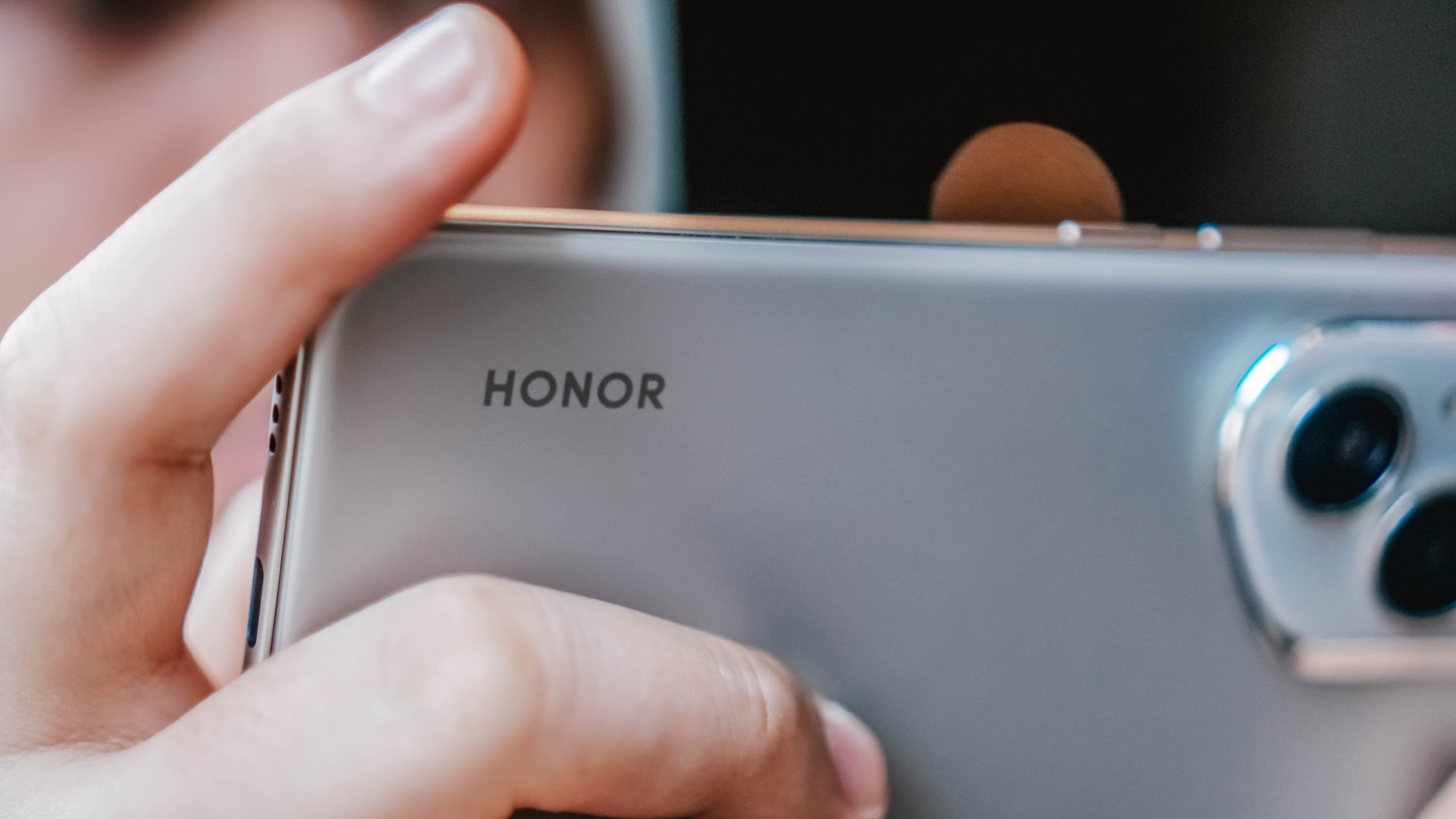
Normally, a smartphone brand’s blatant copying of another brand’s feature is not a good practice. Today, however, there is a new feature that we wish other brands would copy: Samsung’s Privacy Display. Thankfully, some brands, like Honor, have finally gotten the message and are working on version of the feature.
As reported by Digital Chat Station on Weibo, Honor is reportedly working on a privacy screen for its smartphones. Likewise, Xiaomi is working on the same thing, potentially launching the feature for the Xiaomi 18 Pro.
For the uninitiated, the Samsung Privacy Display is a built-in feature that blocks visibility of the screen at certain angles. If you’re not looking at the screen from the front, all you’ll see is a black void. It’s a built-in version of those protective screens that you can buy separately. Besides adding a nice layer of protection against scratches, it’s also meant to prevent snooping from your shoulder.
Samsung’s take was widely acclaimed for being insanely useful. When it arrives, this feature will be a godsend to more brands. Even better, users will no longer need to rely on third-party screen just to enjoy the privacy.
That said, there’s still no indication as to when these features will arrive on either Honor or Xiaomi.
SEE ALSO: LE SSERAFIM Chaewon flexes Galaxy S26 Ultra Privacy Display
Meta does not have the most stellar of reputations. Despite offering the world’s most popular social media platforms, the company, through its various experiments throughout the years, continuously proves that it has other priorities than just providing the best for its users. Today, another reported experiment wants to take Meta to a new market that its users might fall into: the prediction market.
If you haven’t heard of the prediction market, consider yourself lucky. These apps, such as Kalshi, are basically just gambling platforms without the glitz of playing cards or the rigor of the stock market. Users gamble on mundane circumstances like the weather and more serious ones like war.
Today, as reported by The New York Times, Mark Zuckerberg is reportedly asking Meta to develop a prediction app of its own. Interestingly, the experimental app, supposedly called Arena, will use virtual points, rather than real money. However, Meta has not ruled out real money — and hence, real gambling — in the future.
Meta is entering the industry at an extremely volatile time. The world is starting to crack down on prediction markets. Some users, for example, have been accused of using insider information to get easy wins on these platforms. Some markets have also accused these platforms of subverting anti-gambling laws.
SEE ALSO: Meta adds subscriptions for Facebook, Instagram, and WhatsApp
Apps
foodpanda relaunches cult-favorite roast chicken brand after 8 years of persistent search queries
Heritage chain Andok’s returns to the platform, driven entirely by long-term user analytics.


In the world of e-commerce and food delivery, platform algorithms usually dictate what consumers see. But occasionally, consumer behavior is so relentless that it shapes the platform’s strategy.
In a move driven entirely by long-term user analytics, foodpanda has officially relaunched Andok’s, one of the Philippines’ most iconic heritage rotisserie chains, back onto its platform after an eight-year absence.
The search bar as a digital wishlist
The decision to ink the partnership wasn’t just a marketing play. It was a response to an ongoing data anomaly. Despite being offline from the foodpanda platform for eight years, Andok’s consistently ranked as one of the most-searched merchants on the app.
Year after year, users treated the empty search results page as an unofficial wishlist. This persistent search intent gave foodpanda a clear, data-backed signal of pent-up demand.
Prior to the official digital rollout, teaser campaigns on social media validated this demand, generating thousands of organic interactions from users anticipating the return.
Bridging heritage flavor with digital infrastructure
For foodpanda, onboarding a merchant with this level of built-in demand fits its broader strategy of marketplace optimization and hyper-local network expansion, turning a heritage brand into another data point for how legacy retail plugs into delivery infrastructure.
For Andok’s, the integration works as a fast track to digital scale. A legacy quick-service chain skips years of independent app development and reaches customers already using foodpanda’s existing logistics network, on a platform they already check daily.
Andok’s built its following on charcoal spit-roasted chicken, a slow-cooked technique that’s stayed largely unchanged since the brand’s early days, alongside seasoned grilled pork belly.
More recently, the Dokito line extended that following into crispy fried chicken and chicken burgers, broadening the brand’s appeal beyond its original rotisserie format and giving foodpanda a menu with both heritage pull and everyday fast-food convenience.


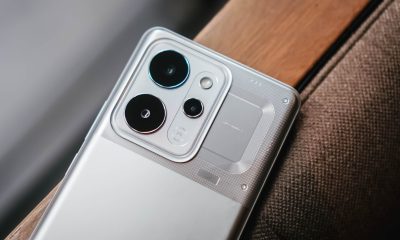
vivo X300 Ultra review: A “Whole Different Animal”
Got the beast (finally) unleashed!

The realme P4 Power: realme’s midrange power play?
A power bank and a phone — and more
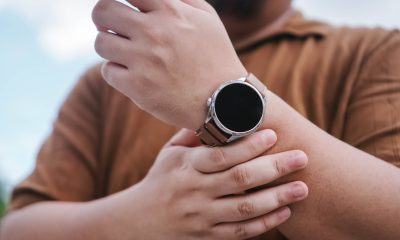

HONOR Watch 6 Review: Less guessing, more knowing
Beyond educated guesses

Samsung might be working on a rollable phone

DJI Osmo Pocket 4P launches with dual lenses and a 1-inch sensor

Vespa celebrates 80 years with the Edizione Ottantesimo

Android is finally getting a foldable gaming mode

Lenovo says RAM prices are not coming back down again

TECNO’s POVA 8 5G is both futuristic and future-ready

realme launches P4 Series 5G, including Power with 10,001mAh battery

The Xiaomi Watch S5 proves you don’t have to take it off

Buyer’s Guide: Xiaomi Pad 8 Series

HONOR Magic V6 review: The best version of a book-style foldable?


-
 Buyer's Guide2 weeks ago
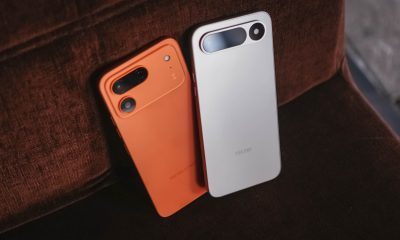
Buyer’s Guide: TECNO SPARK 50 Pro vs SPARK 50 5G
-
Reviews1 week ago
vivo X300 Ultra review: A “Whole Different Animal”
-
Reviews2 weeks ago
HONOR Watch 6 Review: Less guessing, more knowing
-
 News2 weeks ago
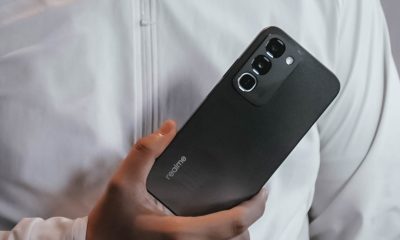
Budget smartphone realme C100 Series launches
-
Reviews2 weeks ago
The realme P4 Power: realme’s midrange power play?
-
 Camera Shootouts7 days ago
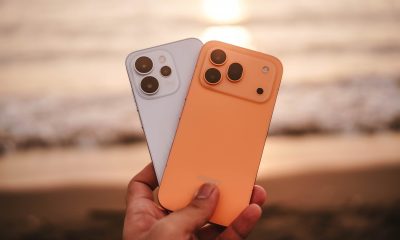
Camera Shootout: HONOR 600 Pro vs OPPO Reno15 Pro
-

 Entertainment2 weeks ago
Samsung brings the Galaxy Z series into Spider-Man: Brand New Day
-

 Accessories2 weeks ago
Father’s Day gift guide: Gadgets for every kind of dad