
News
Samsung Galaxy Z Fold3: Price, availability in the Philippines
Samsung really wants it to be mainstream

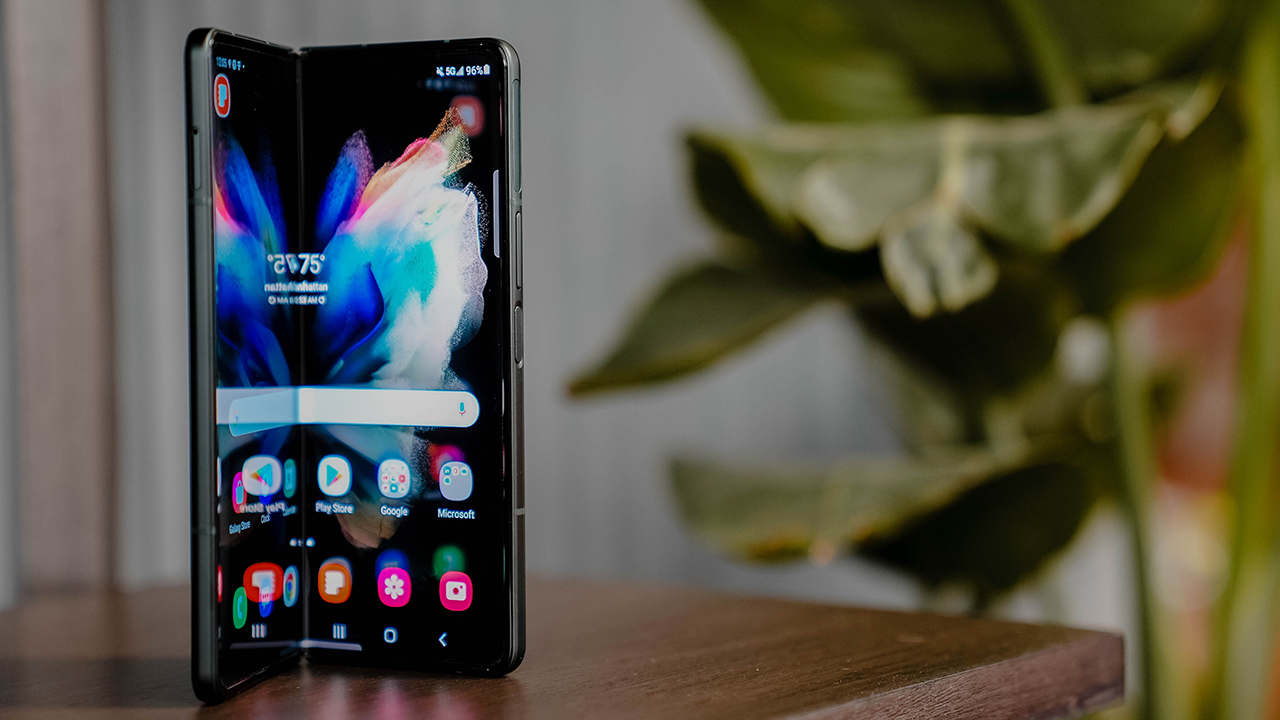
For years now, Samsung’s flagship Galaxy smartphones have had no particular specialty. They simply throw everything and see what sticks resulting in well-rounded smartphones that seem less flashy. They’ve taken the same approach with the Samsung Galaxy Z Fold3 5G, saying it can literally do anything AND it folds.
Lighter, more screen
The differences are subtle but still notable. For instance, the Galaxy Z Fold3 is lighter at 271g vs the Galaxy Z Fold2’s 281g.
Then there’s the Under Display Camera. From the eyesore that it was on the first Galaxy Fold, to the more subtle but still noticeable punch hole, Samsung is now finally introducing their first crack at an Under Display Camera on the Galaxy Z Fold3 5G.

It’s a 4MP camera that you shouldn’t expect much from in terms of quality. The priority here was to still deliver some form of front-facing camera while ensuring that you get as much screen real estate as possible on the Galaxy Z Fold3.
The screen now also has a protective film to prevent accidental scratches. We still don’t know exactly how tough it is but Samsung was confident enough to point it out.
Speaking of the screens, both the main display and the cover display can now go up to 120Hz refresh rate. Previously, this was only available on the main display.
Improved UX, app integration
The biggest challenge of the foldable form factor has been software. Naturally, there won’t be that many apps that could maximize, let alone scale properly to the Galaxy Fold. Three years in, and it’s significantly changing.
Samsung has expanded their partnerships with multiple companies that handle apps to ensure that they are maximized on the Fold form factor. Some of them are the most used ones today like video call apps Microsoft Teams and Zoom.
Apps like Spotify and YouTube should also now work better and feel more organic on the Galaxy Z Fold3. But it doesn’t stop there. On the settings menu, you can turn on the Labs feature which lets you customize the size of your app window so you can use it alongside other apps.
Fold Note?
Samsung already said we’re not getting a Galaxy Note this year, breaking the popular device line’s yearly cycle since it first came out in 2011. Fret not though, as Samsung is bringing S Pen support to the Galaxy Z Fold3.

There are two S Pens compatible with the Galaxy Z Fold3: The S Pen Fold Edition and the S Pen Pro.
As its name suggests, the S Pen Fold Edition is one that’s made especially for the Galaxy Z Fold3. It measures 132mm and has pretty much all the useful S Pen features we know and love like Air Command, instant screen captures and jotting down notes . There’s also a special cover case for the Galaxy Z Fold3 to be able to carry the S Pen Fold Edition.
Meanwhile, the S Pen Pro is larger at 173.7mm and can be used with other supported Galaxy devices like the S21 Ultra, Note 20 Series, Note 10 Series, Tab S7 and S7+, and the Galaxy Book Pro 360. It also has an onboard memory feature that lets you copy from one device and paste it to another.
Spec Rundown
Everything else on the Galaxy Z Fold3 is either a rehash or an expected upgrade from its predecessor. Here’s a spec rundown:
- Main Display — 7.6” Dynamic AMOLED 2X, Infinity Flex Display
- Cover Display — 6.2” Dynamic AMOLED 2X
- Rear Cameras:
- 12MP f/1.8 Wide
- 12MP f/2.2 Ultra-wide
- 12MP f/2.4 Telephoto
- Cover Camera — 10MP f/2.2
- Under Display Camera — 4MP f/1.8
- Processor — Qualcomm Snapdragon 888 5G
- SIM — Two (2) NanoSIMs, One (1) eSIM
- Battery — 4,400mAh
- RAM — 12GB
- Storage — 128GB and 256GB (Both UFS 3.1)
- Authentication — Pattern, PIN, password, Side fingerprint sensor, Face recognition
Price and availability
The Samsung Galaxy Z Fold3 5G comes in three colors: Phantom Green, Phantom Black, Phantom Silver. The 256GB version is priced at PhP 87,990 while the 512GB version will set you back PhP 95,990.
Pre-order period is from August 19 to September 21, 2021 in Samsung Experience stores and authorized retailers. Pre-orders also get freebies worth PhP 27,440. These include: PhP 5,000 e-voucher Galaxy Buds Pro worth PhP 9,990, 25W Travel Adapter worth PhP 949, 50 percent off on select cases, and one (1) year free Samsung Care+ coverage worth PhP 9,499.
The device will be available on samsung.com/ph starting September 22, 2021.
Galaxy Z Flip 3 5G — BUY here
Galaxy Fold 3 5G — BUY here
Galaxy Watch 4 and Galaxy Watch 4 Classic — BUY here
Tab S7 FE — BUY here
Galaxy Buds 2– BUY here








Square Enix has officially unveiled Final Fantasy VII Revelation, the third and final entry in the Final Fantasy VII Remake trilogy. The game launches in Spring 2027 for PlayStation 5, Nintendo Switch 2, Xbox Series X|S, and PC via Steam, Epic Games Store, and Xbox PC.
Revealed at Summer Game Fest Live
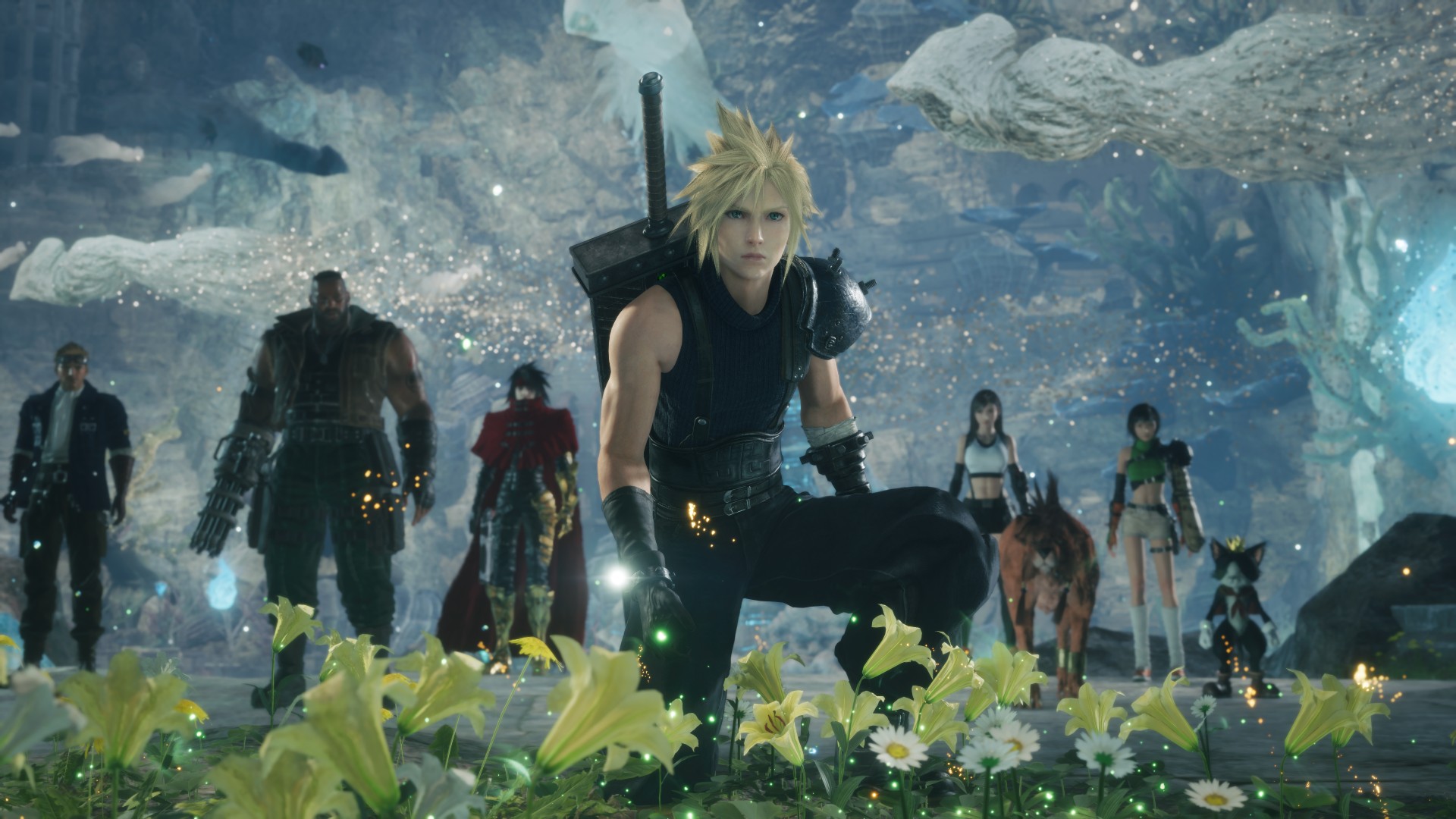
The announcement debuted during Summer Game Fest Live. Director Naoki Hamaguchi and Vincent Valentine voice actor Matt Mercer also showcased the game’s first trailer and an extended gameplay presentation.
Revelation picks up as Cloud Strife and his allies race to stop Meteor and prevent the destruction of the planet. Sephiroth stands closer than ever to godhood, while the party takes flight aboard the iconic Highwind airship for the trilogy’s final adventure.

For the first time in the Remake series, players can freely explore the entire world using the Highwind. They can parachute into locations, tackle objectives in different orders, and make decisions that affect parts of their companions’ stories. The hybrid combat system also returns with new playable characters and expanded abilities.
Major locations revealed

The gameplay showcase revealed several major locations, including Wutai, Mideel, and the Northern Continent. Vincent Valentine and Cid Highwind will also join the playable roster. A new FITS system lets players equip outfits that unlock different abilities inspired by classic Final Fantasy jobs such as Black Mage and Warrior.
Producer Yoshinori Kitase described Revelation as the culmination of 30 years of Final Fantasy VII storytelling. Director Naoki Hamaguchi added that the game’s central theme is “resolve” as Cloud and his companions move toward the battle that will decide the planet’s fate.
Remake and Rebirth available in multiple platforms
Players can prepare for the finale by playing Final Fantasy VII Remake Intergrade and Final Fantasy VII Rebirth, both of which are already available across current platforms. Save data from those games will also unlock bonus summon materia in Final Fantasy VII Revelation.
Final Fantasy VII Revelation launches in Spring 2027.
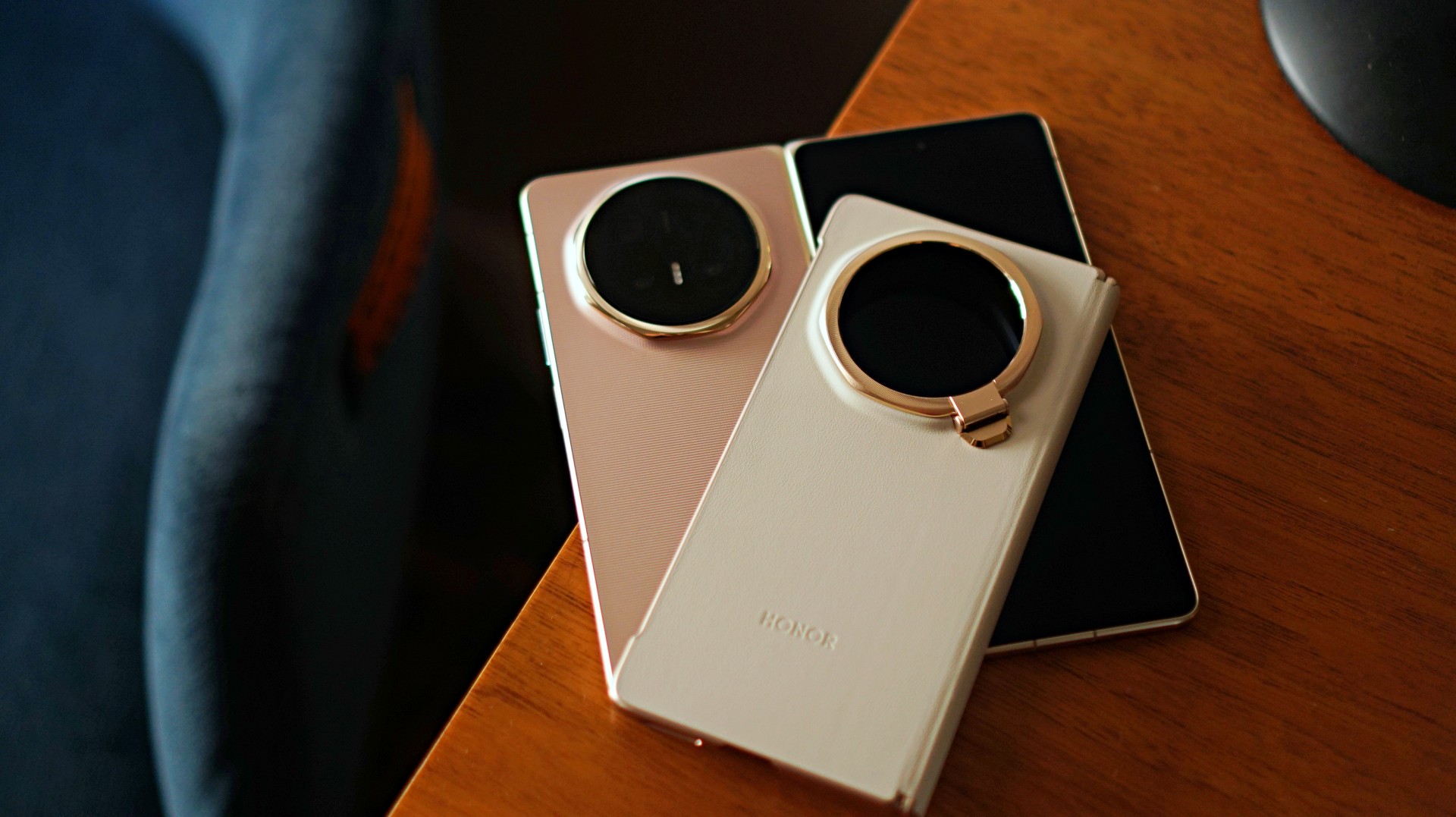
HONOR has officially launched the Magic V6 in Malaysia, bringing its latest foldable flagship to the market ahead of a wider rollout across Europe, the Middle East, Africa, and other regions.
Price and availability
The device starts at MYR 7,699 (roughly over USD 1900), with pre-orders running from June 4 to June 11, 2026. Customers who place an order during the promotional period will receive freebies and protection benefits worth up to MYR 3,797 (around USD 940). These include a 2-Year Worry-Free Quality Assurance plan and a 1-Year Worry-Free Crack Protection plan.
The HONOR Magic V6 will be available in Red, Gold, White, and Black color options.
HONOR positions the Magic V6 as a foldable that eliminates the usual trade-offs between portability, durability, and performance. The device measures just 8.75mm when folded and 4.0mm when unfolded, while weighing around 219g. Despite its slim profile, it carries IP68 and IP69 ratings for water and dust resistance and uses HONOR’s new Super Steel Hinge with a tensile strength of 2,800MPa.
Massive battery in a slim foldable
One of the biggest highlights of the Magic V6 is its 6,660mAh silicon-carbon battery. HONOR says it is the largest battery ever fitted inside a foldable smartphone. The company achieved this through a new battery design featuring roughly 25% silicon content and an energy density of 921Wh/L.
Charging is handled through 80W wired HONOR SuperCharge and 66W wireless charging. The device also supports wireless reverse charging.
The foldable is powered by the Snapdragon 8 Elite Gen 5 Mobile Platform, paired with LPDDR5X memory and UFS 4.1 storage. HONOR says its Vulkan graphics engine enables up to 120FPS gaming in supported titles while taking advantage of the larger foldable display.
Built for productivity
The Magic V6 features a 6.52-inch outer display and a 7.95-inch inner foldable display. Both panels support adaptive refresh rates from 1Hz to 120Hz. Peak brightness reaches 6,000 nits on the cover screen and 5,000 nits on the inner display.
Running MagicOS 10, the device introduces several AI-powered tools and productivity features. These include AI agents designed to assist with settings, photos, content creation, and contextual actions. HONOR also adds Fast Flex and PC-level Multi-Flex modes, allowing users to run multiple apps simultaneously and take advantage of the larger screen for multitasking.
The company is also emphasizing cross-device compatibility. The Magic V6 works with iPhones, Macs, AirPods, and Apple Watches through HONOR Share. Users can transfer files, share notifications, and even use dual-screen workflows with compatible Apple devices. Quick Share support also enables easier file transfers between Android and supported Apple hardware.
AI-powered cameras and Gemini integration
For photography, the HONOR Magic V6 uses a triple-camera setup consisting of a 50MP main camera, a 64MP periscope telephoto camera, and a 50MP ultra-wide camera. The system is supported by AI-powered imaging tools such as AI Color Engine, Magic Color 2.0, Magic Video Color, and AI Image to Video 2.0.
The device also comes with Google Gemini integration, allowing users to interact through text, voice, and images. HONOR is bundling a three-month Google AI Pro trial, which includes access to advanced Gemini features, NotebookLM, Flow, Veo-powered video generation tools, and 5TB of cloud storage.
News
realme launches P4 Series 5G, including Power with 10,001mAh battery
realme P4 Power becomes 1st smartphone with 10,001mAh battery

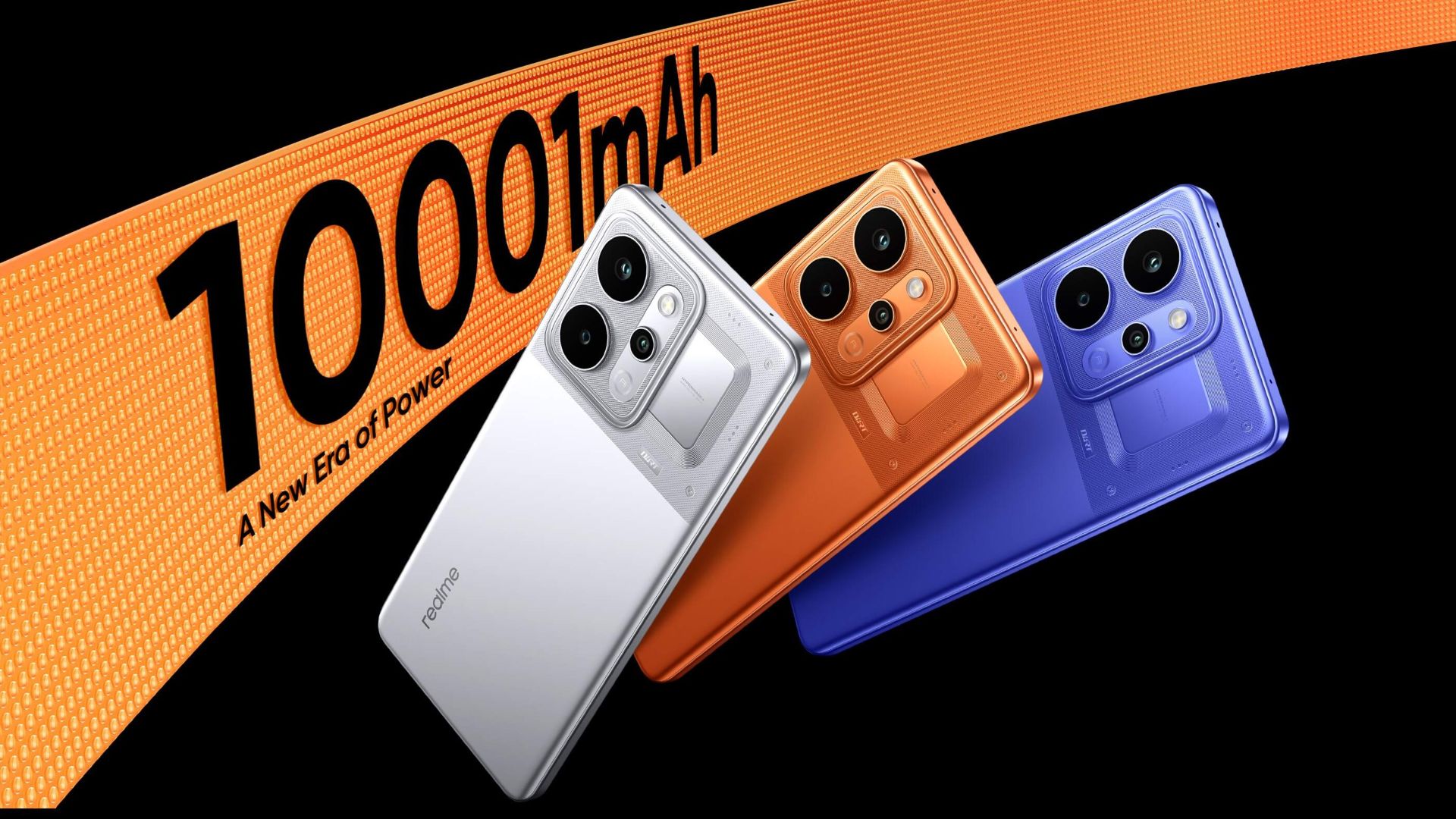
realme has officially launched the realme P4 Series 5G in the Philippines. This marks the first time consumers in the market can avail of the devices. In the past, realme has offered just models from the C, numbered, and GT Series.
The P4 Series 5G is a new lineup built around long-lasting battery life, along with reliable performance and 5G connectivity. Products under the roster are designed for users who need power throughout the day — and beyond.
The lineup consists of the realme P4 Power 5G, realme P4x, and realme P4 Lite.
The series headliner is the realme P4 Power 5G, which becomes the first smartphone in the country to bring a 10,001mAh battery.
This battery supports 80W Ultra Charging, 27W wired reverse charging, and a TÜV Rheinland 5-Star Battery Rating.
The device is powered by a MediaTek Dimensity 7400 Ultra and comes with a 144Hz 1.5K HyperGlow 4D Curve+ Display and 50MP Sony IMX882 main camera. It is likewise rated IP66/IP68/IP69 for water and dust resistance.
This variant is offered at a special promo price of just PhP 19,999, exclusively on the realme Official Shopee Store.
Meanwhile, the realme P4x comes with an 8,000mAh Titan Battery, 45W Fast Charging, and reverse charging support. It is available for pre-order via Shopee.
Lastly, the realme P4 Lite has a 7,000mAh Titan Battery. It also has a Military Grade Standard shock resistance (MIL-STD-810H).
The P4 Lite is readily available on TikTok for the 4GB+64GB variant at PhP 4,897 (SRP: PhP 7,499) and on Shopee for the 4GB+128GB variant at PhP 6,136 (SRP: Php 8,999).
The published introductory prices are available until June 10.


Close without crossing: A Xiaomi 17T Pro photo essay
Distance and closeness are not always opposites.


Spring reset: Growing more at home with Auk Mini
From kitchen counter experiment to everyday habit


UGREEN MagFlow Air review: Airy Yet Mighty
Slim and light power bank with a strong suit and core

Dune: Awakening is coming to PlayStation 5, Xbox Series X|S

Final Fantasy VII Revelation arrives in Spring 2027

HONOR Magic V6 debuts in Malaysia

Here’s all the RTX Spark notebooks announced at COMPUTEX 2026

The No-Nonsense guide to mid-year shopping

HONOR 600 Pro review

The Infinix GT 50 Pro has the most inspired design for a gaming phone

Sony Xperia 1 VIII arrives with AI Camera Assistant, bigger telephoto sensor

vivo X300 FE review: Don’t judge the camera by its cutout

The UGREEN Nexode Air 65W is the only charger I travel with now


-
Reviews1 week ago
Close without crossing: A Xiaomi 17T Pro photo essay
-

 Deals2 weeks ago
Sony Days 2026: Unmissable deals, exclusive roadshows, and experiences
-

 Accessories1 week ago
UGREEN launches FineTrack Series with Apple Find My support
-
 Philippines1 week ago
Xiaomi 17T series Philippines price, availability, offers
-

 Gaming1 week ago
Acer unveils Predator Atlas 8 handheld with Intel Arc G-Series power
-

 Gaming1 week ago
Valve just announced a massive price hike for the Steam Deck
-

 Gaming1 week ago
Call of Duty: Modern Warfare 4 has been officially announced
-

 Gaming1 week ago
The Witcher 3 is getting a third expansion, Songs of the Past