
Security
Twitter whistleblower reveals security issues on site
Allegedly lying about numbers and international influence

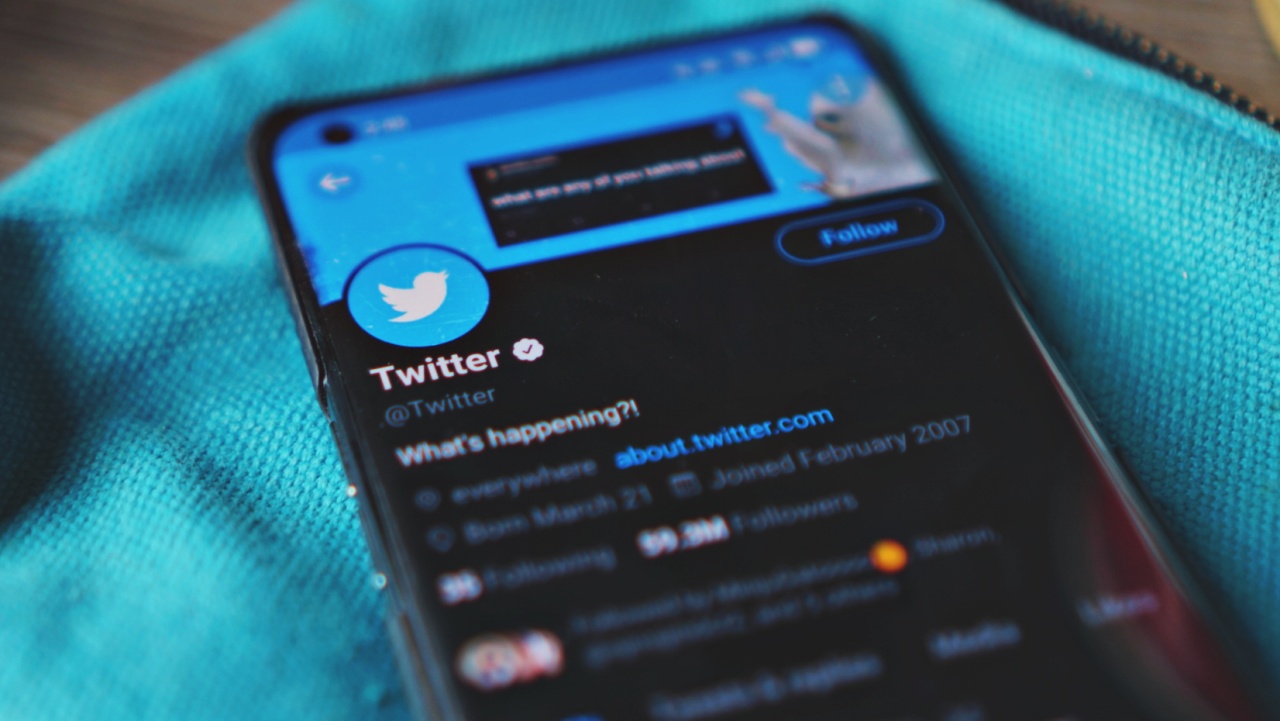
Compared to rivaling social media networks, Twitter has — or had — successfully navigated away from controversy, leaving everyone else in a mire of privacy issues. However, the platform might have finally run out of luck. This week, an ex-executive has turned into a whistleblower to reveal a litany of issues surrounding the platform.
The story so far
Back in 2020, Twitter suffered one of its biggest attacks in its storied history. The list of victims included major names in American politics, industry, and entertainment like Barack Obama, Joe Biden, Apple, and Kanye West. All of the hacks invited users to deposit money into a Bitcoin wallet for the promise of doubled returns. Though innocuous, the attack represented a critical failure in Twitter’s infrastructure.
To address what happened, Jack Dorsey’s Twitter hired Peiter “Mudge” Zatko, a white-hat hacker, as its new head of security. While he quickly ascended through the company’s ranks, Zatko didn’t stay long in the position. He was fired back in January this year. Of note, Dorsey already left Twitter at this point, leaving the company to now-CEO Parag Agrawal.
Fast forward to a few months later, billionaire Elon Musk made a bold claim that he was going to purchase and privatize Twitter. The deal, sparkling with promise, is currently stuck in limbo, owing to both parties’ issues with the other. Musk, for one, claimed that the company lied about how many bots were on the platform, among other security-focused issues. Now, his concerns do have some precedence: Musk was one of the big names affected during the 2020 hack.
Connecting the dots
What does a Bitcoin scam, a fired executive, and Elon Musk have in common? It sounds like the start of a bad joke, but they’re all connected.
For one, the eventual whistleblower is Zatko. According to the extensive report, obtained by CNN and The Washington Post, the ex-chief discovered a list of security issues during his tenure. However, Agrawal reportedly forced Zatko to stay silent and not provide a full account to the company’s board of directors. Zatko believes that his firing stems from this issue.
Months after his firing, Zatko decided to act as a whistleblower, fulfilling the responsibility initially entrusted to him by Jack Dorsey.
A litany of issues
Most of Zatko’s issues revolve around how lax the company is with security and information. According to the whistleblower, all of the company’s engineers have access to the website’s source code. Further, anyone can easily make changes to the code without logging in what changed. Even worse, an astounding 4 out of 10 devices with this access have poor security standards. If an engineer (or someone close to them) wanted to, they can easily change the website to favor more of their views over others.
Additionally, Twitter allegedly fails to delete a user’s data if they chose to shut their Twitter account down. By regulation, the platform is required to delete all data and not keep a cache for themselves.
Thirdly, Zatko says that the platform does not accurately measure exactly how many bots are on the site. Twitter claims that less than 5 percent of users are verifiably bots. Though Zatko doesn’t estimate how many there actually are, one can easily argue that there are more. In fact, Musk himself argues that there are more. The lack of transparency as to the exact number is actually one reason why the sale hasn’t pushed through yet.
Finally, and arguably most critically, Zatko says that the platform is easily swayable by foreign actors. It’s no secret that some countries are forcing platforms to open up local offices in their home turf. The United States, for example, is pushing TikTok to open an American office to prevent data transfer from the country to China.
While national security presents a good side to opening a local office, others can also use the tactic to further national goals. For example, the report alleges that Agrawal asked Zatko to hire a Russian agent to comply with censorship demands during the early stages of the conflict with Ukraine. Another instance alleges that Twitter hired an agent from the Indian government who had access to a vast amount of user data.
What happens now
Currently, the Securities and Exchange Commission, which received Zatko’s complaint, is investigating the extent of the whistleblower’s claims. If found guilty, Twitter is liable for billions of dollars’ worth in fines.
Twitter is denying the allegations, claiming that the platform maintains the best modicum of security for its users. “While we haven’t had access to the specific allegations being referenced, what we’ve seen so far is a narrative about our privacy and data security practices that is riddled with inconsistencies and inaccuracies, and lacks important context,” a spokesperson said to CNN.
On the other hand, the whistleblower has likely piqued Elon Musk’s claim to Twitter. With security concerns part of his original argument, the billionaire might be interested to see what the SEC finds.





Editors' Choice
GadgetMatch Awards: Best of IFA 2026
Xiaomi 18 Fold, Govee, XGIMI, ARZOPA, Cuktech and more!


We’re back at IFA 2026 in Berlin, checking out some of the coolest and most interesting tech on the show floor.
From smart home lighting and portable displays to projectors, power solutions, foldables, and more, these are some of the products and brands that caught our attention this year.
In this video, we take a look at:
- AI Lighting https://bit.ly/4xmY342
- Z3FC Portable Monitor https://bit.ly/4gRk7wD
- D14 Digital Photo Frame https://bit.ly/4qYlRJ6
- 30 Ultra Desktop Charging Station https://s.whaee.com/tXBornw
- 10 Ultra Charger https://s.whaee.com/UsWT4U2
** Use code CUKTECH09, valid until September 30
XGIMI
ASUS x NVIDIA RTX SPARK
- ProArt P16: https://asus.click/h7607_gm
- ProArt P14: https://asus.click/h7407_gm
- ProArt GR1X
Watch until the end for our favorite finds from IFA 2026!
Accessories
Thoughtful gift ideas for modern living: 2025 holiday gift guide
Gift ideas that feel intentional and considered


The best gifts aren’t impulse buys nor extravagant. This year’s holiday gift guide is about giving with intention. Each pick was chosen not as a novelty, but as something that adds value to your loved ones’ lives. They support routines, encourage rest, create shared moments, elevate everyday comforts, and provide peace of mind. These are the kind of gifts that feel considered, personal, and truly meant for the person receiving them.
Peace of mind, wherever the day goes

OrbitKey Travel Sling (3L), US$89.90
This sling is designed for moving through the day feeling organized and secure. Along with its compact, structured layout, it includes RFID-protected pockets that help shield cards and personal information from digital theft. It’s ideal for both commuting and traveling and comes in Black, Stone, and Terracotta.
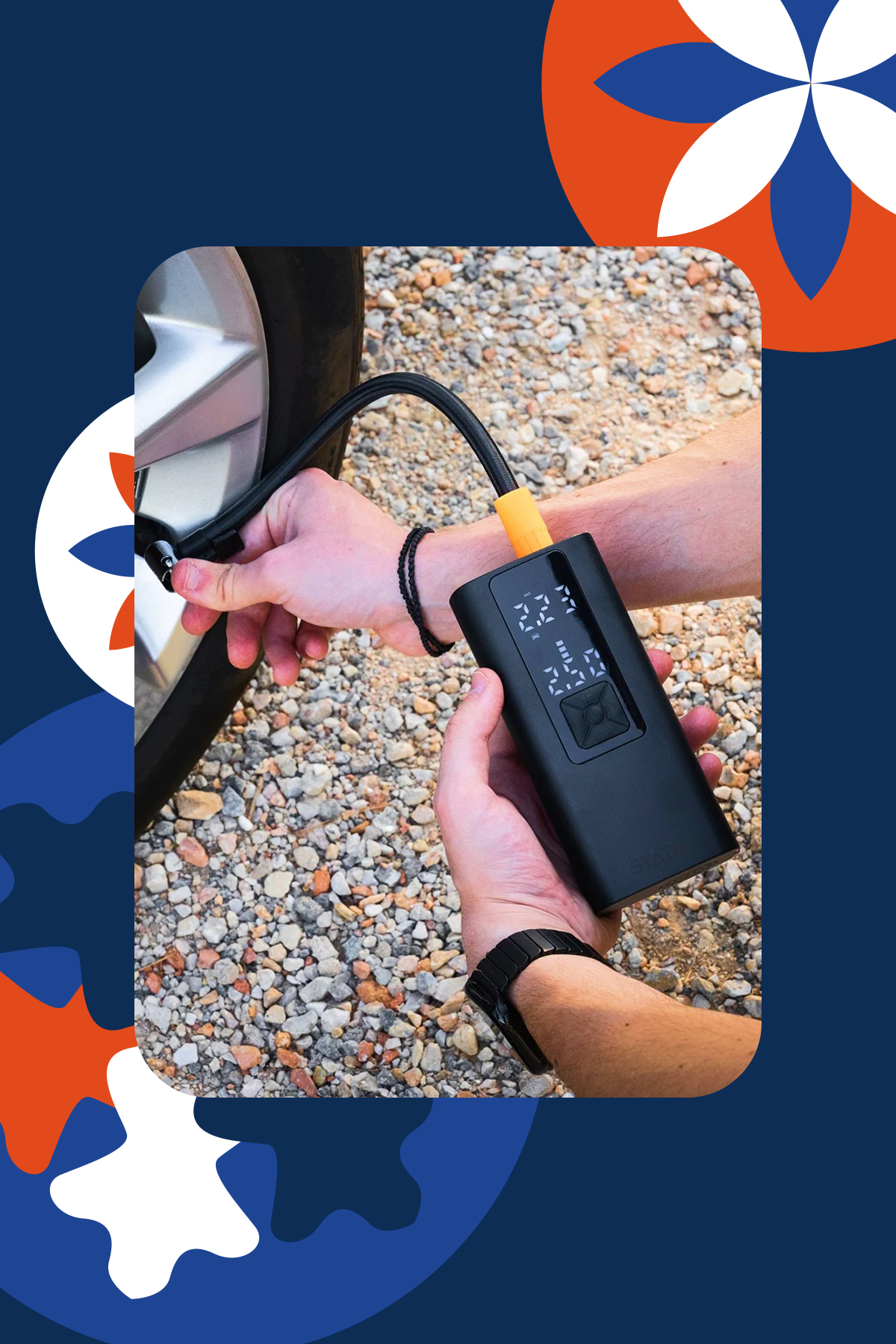
Statik TireHero Smart Tire Pump, US$69.99
This is the kind of gift that helps people feel prepared rather than reactive. Compact and easy to use, it quickly inflates tires at home or on the road. A small tool that offers real reassurance, it’s especially useful for drivers and cyclists alike.
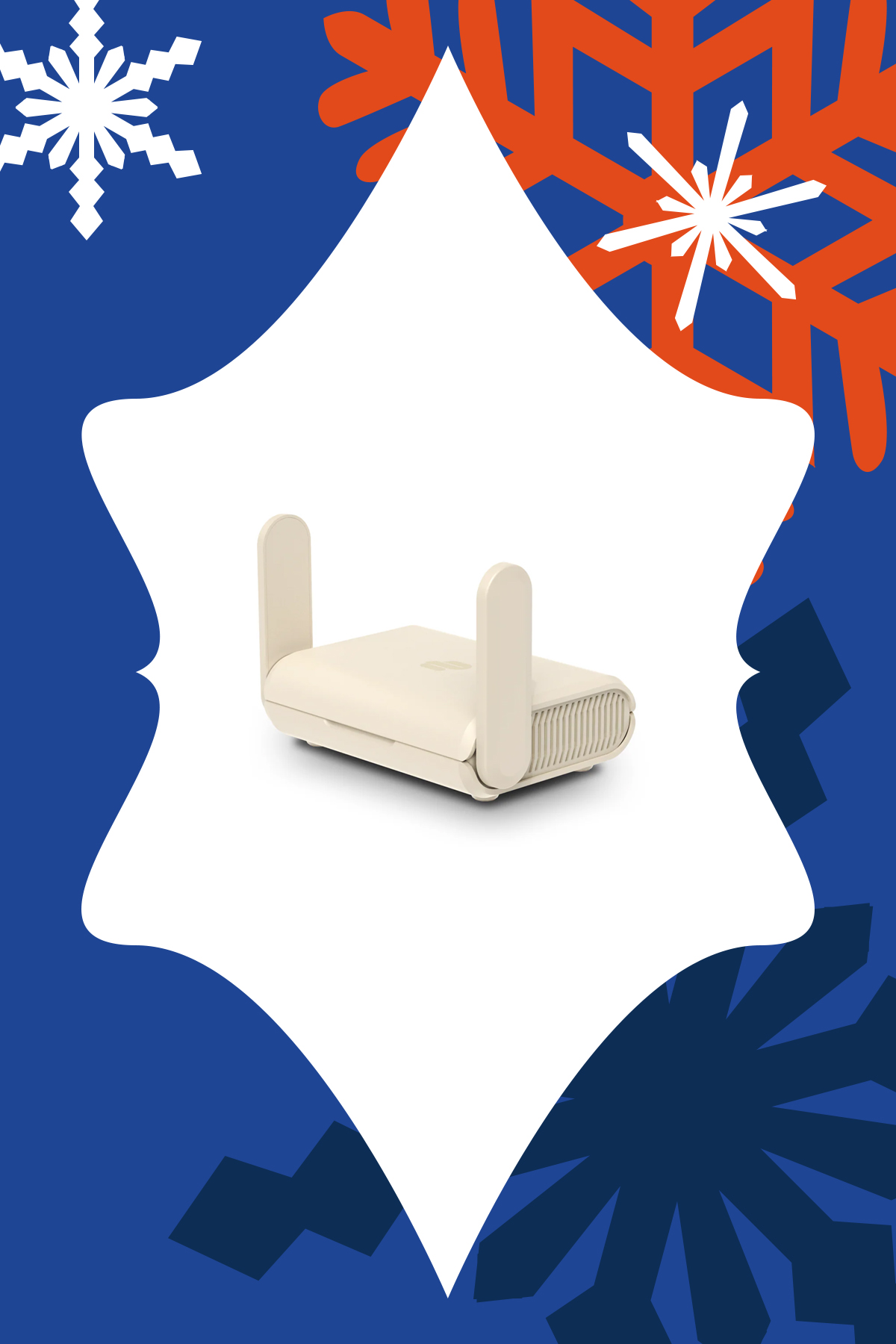
ExpressVPN Aircove Go, US$169.90
This pocket-sized router creates a secure, VPN-protected network anywhere, making public Wi-Fi far safer to use. Ideal for travelers, remote workers, or anyone handling sensitive information on the go. It’s small enough to travel with but powerful enough to protect privacy beyond the home.

OrbitKey Foldable Duffel, US$49
Having an extra bag when you didn’t know you need one can remove a surprising amount of stress and unnecessary expenses. This duffle folds down flat for easy storage, then opens into a 55L bag when packing gets too ambitious and you’re being charged at the airport for your overweight suitcase. It’s reliable, flexible, and quietly reassuring to have on hand.
Thoughtful tech for home and productivity
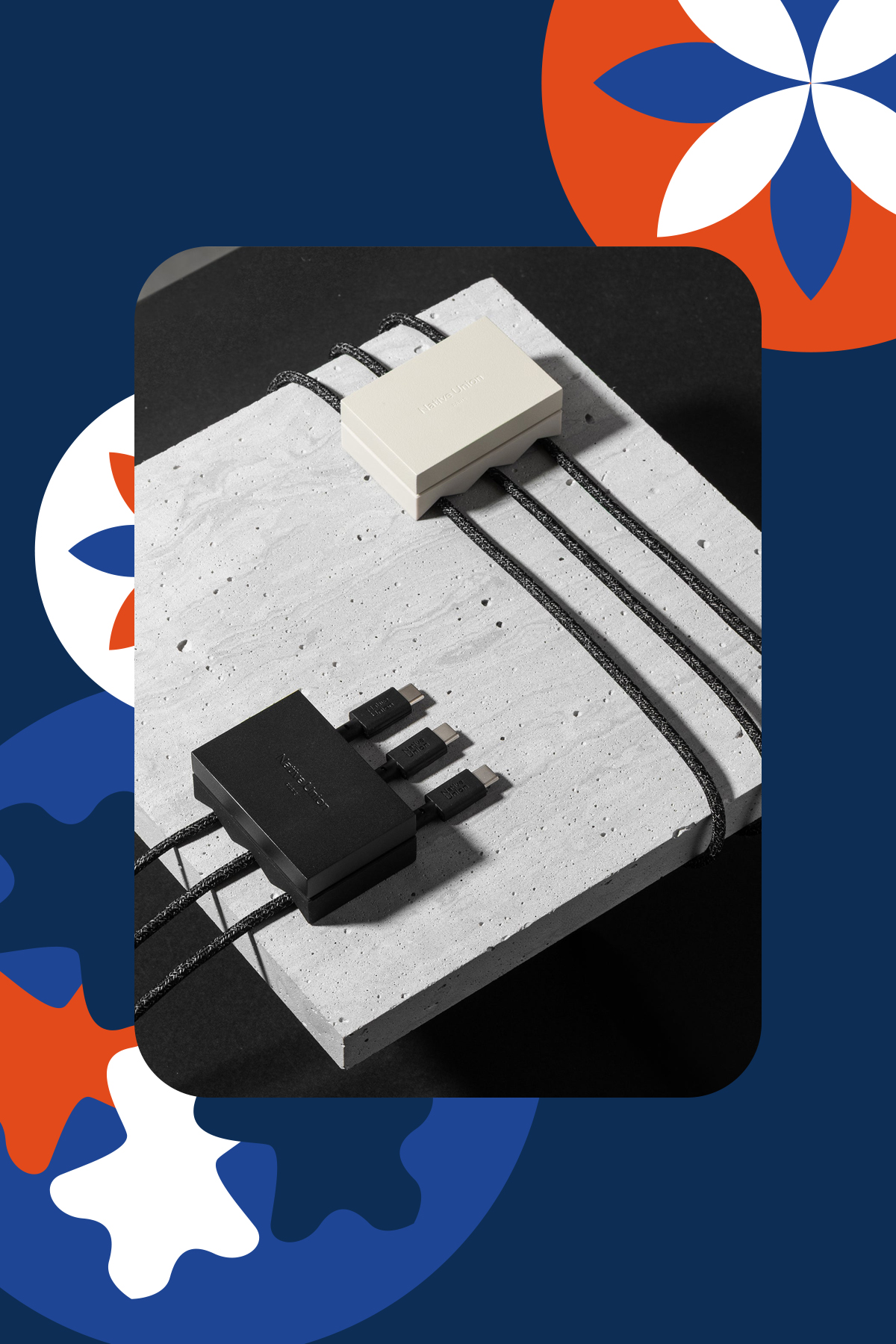
Native Union WEIGHTER, starts at US$19.99
Sometimes the smallest upgrades make the biggest difference. This weighted desk accessory keeps charging cables from slipping out of reach, reducing friction in everyday routines. It’s a subtle but satisfying improvement for someone who works from home or their messy night stand. It comes in Black and Sandstone, and two models: 1 Cable and 3 Cables.
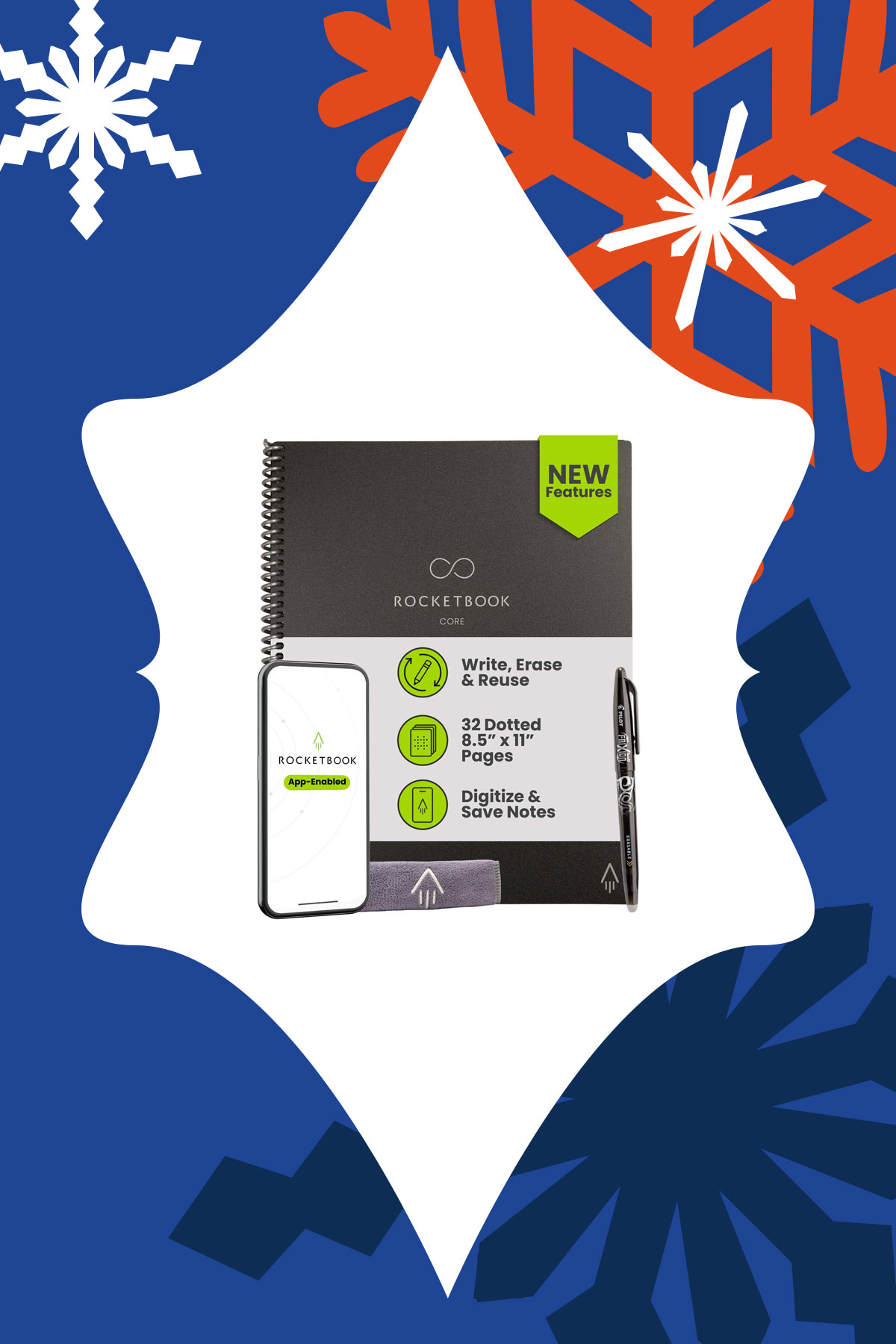
For someone who loves writing by hand but also wants their notes organized digitally, this reusable notebook allows handwritten notes to be stored in the cloud. It’s great for planners, students, even creatives that don’t want clutter. It combines the satisfying tactility of pen and paper and digital convenience.
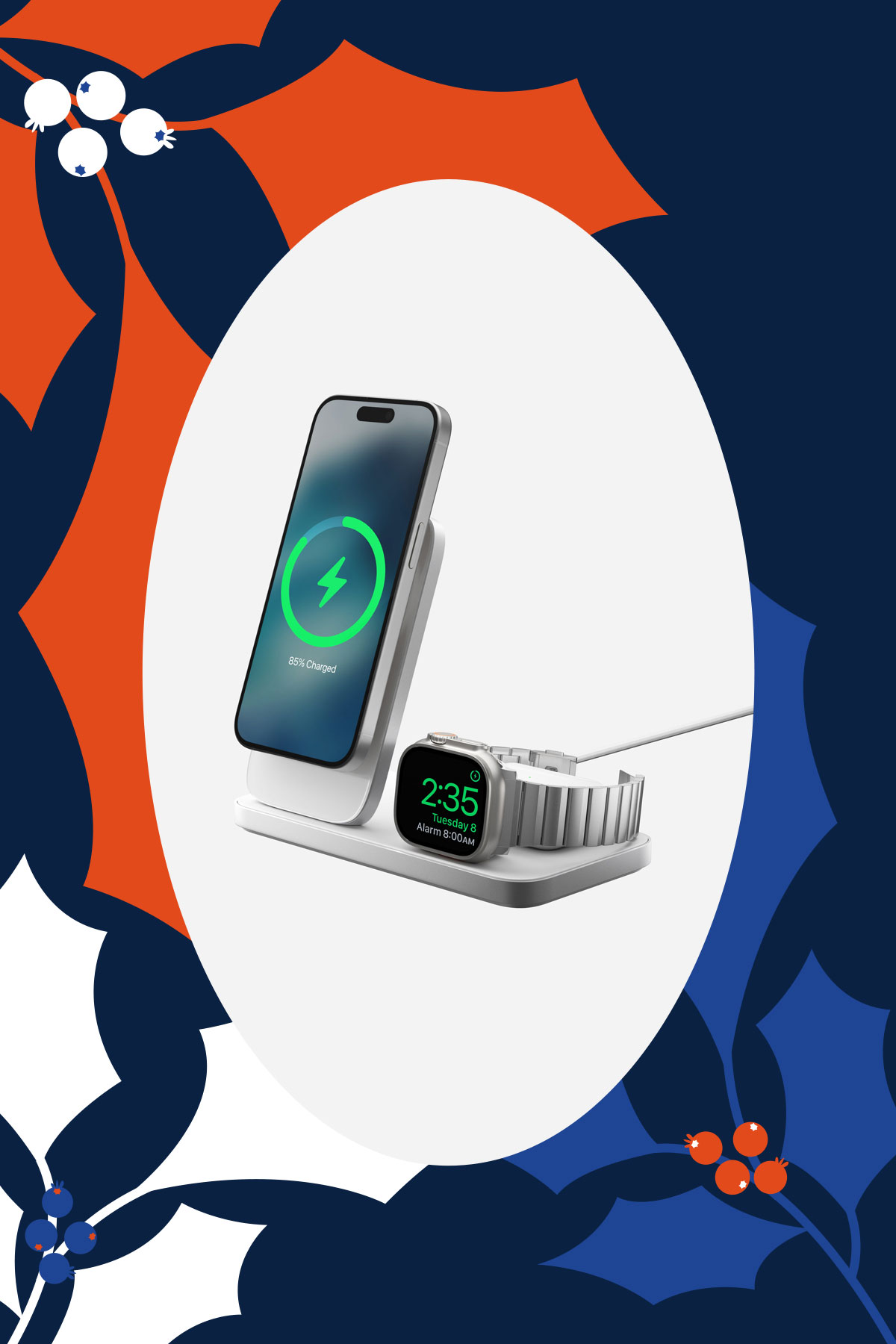
Built with Qi2 25W, this charger brings calm to the end of the day. With one solid, beautifully weighted base, it charges the iPhone, Apple Watch, and AirPods in one place. It reduces clutter and decision-making, turning charging into a simple ritual.
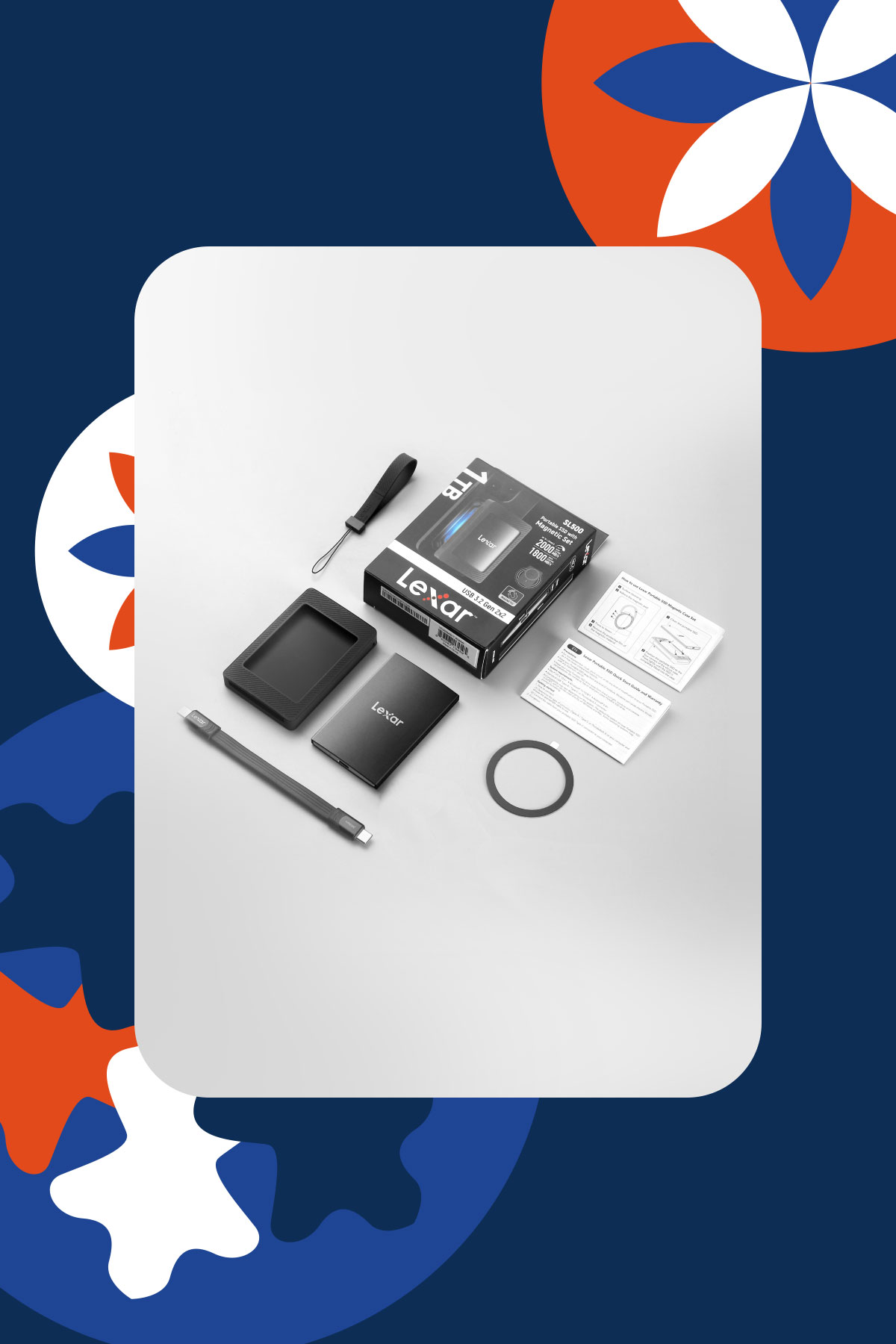
Lexar SL500 Portable SSD with Magnetic Set, starts at US$105
Extra storage becomes invaluable once someone starts creating, traveling, or documenting more of their life. This portable SSD offers fast, reliable storage with a magnetic sleeve that makes it easy to attach and carry. It’s ideal for backing up photos, videos, and important files without fuss. It’s a practical gift to support that creative in your life and help them stay organized.
Rituals, wellness, and slowing down

Üllo Original Wine Purifier, US$79.99
For someone who enjoys a glass of wine as part of winding down but hates the headaches that come after: Üllo removes sulfites while aerating the wine. It helps enhance the flavor and aroma of wine while being gentler for those sensitive to additives. Add the hand blown Decanter that’s made from ultra transparent lead-free crystal to make any bottle taste fancier.
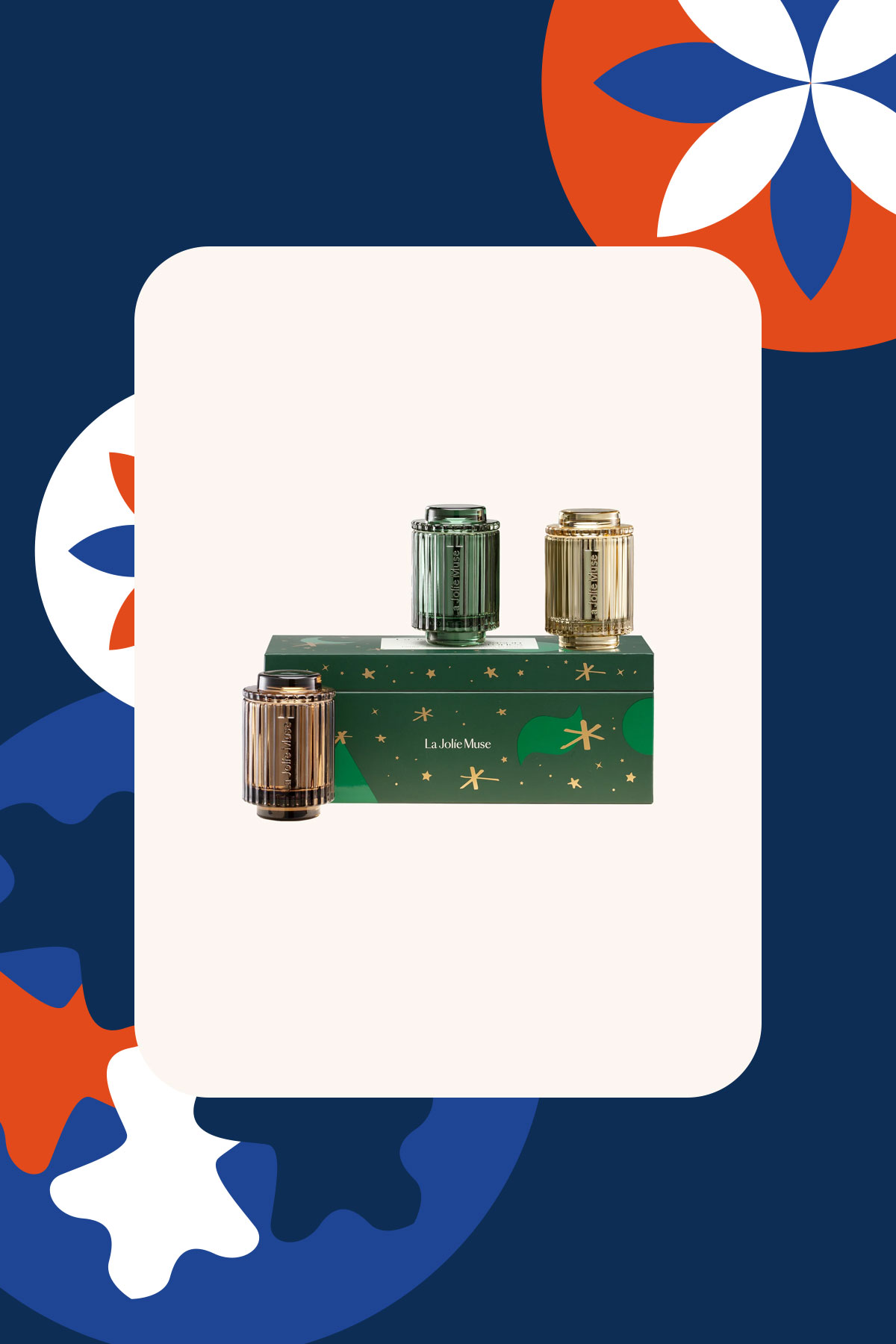
La Jolie Muse Season of Stories Trio Set, US$60
With artful vessels and clean-burning soy wax, these candles feel as much like decor as they do self-care. The scents are cozy and ideal for winding down or hosting. It’s a gift that invites pause.

LEGO Botanicals, starts at US$14.99
A calming, screen-free build that becomes a beautiful piece of home decor, each set invites someone to slow down and enjoy the process. With flower bouquets, bonsais, and plants to choose from, it’s a satisfying project that brings a sense of completion without the upkeep of real plants. As an added bonus, if you can build it together it turns the gift into a shared memory, so every time they see the finished piece, they’re reminded of the time you spent creating it together.
Small joys, big upgrades
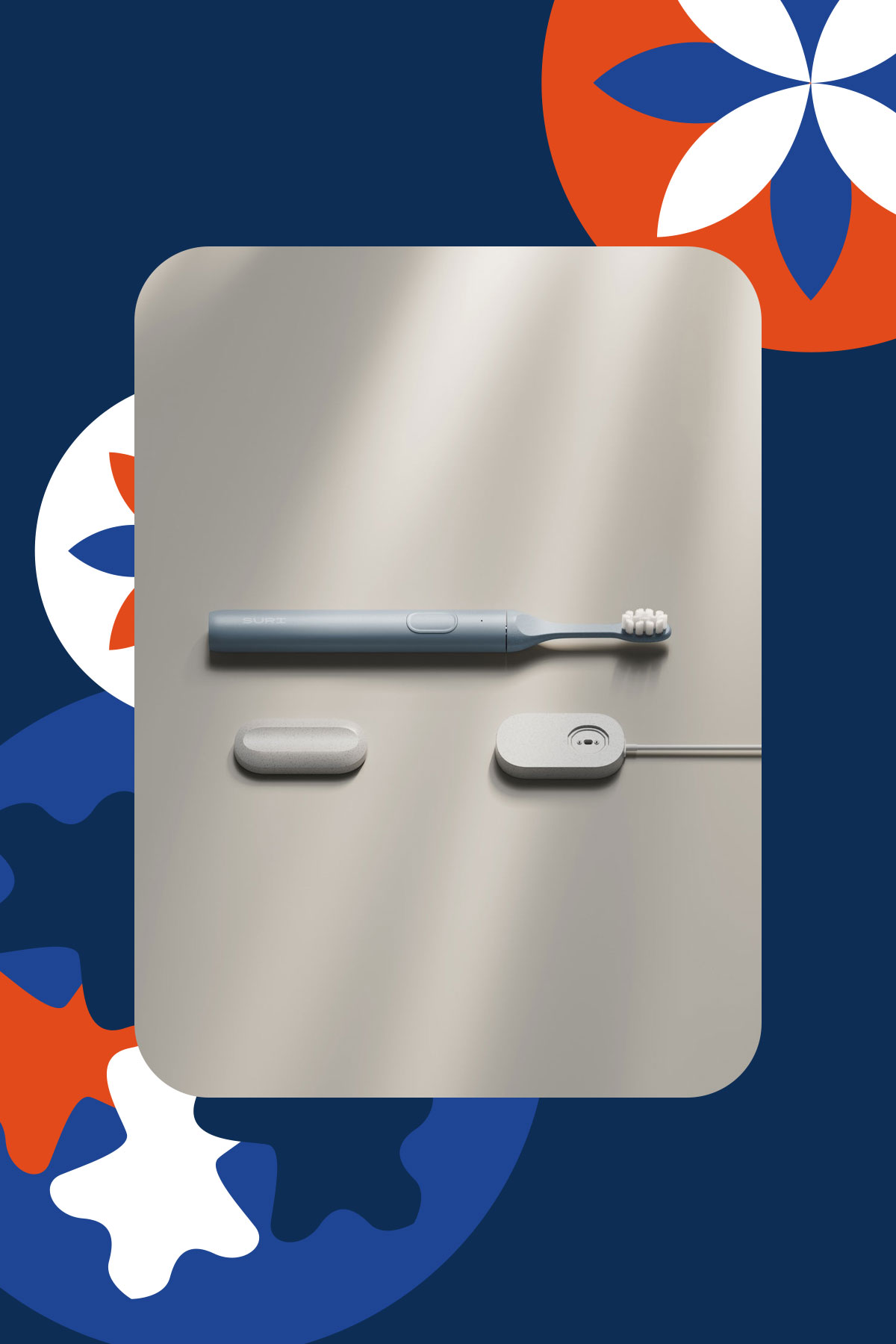
SURI 2.0 Electric Toothbrush, US$135
This device makes an everyday habit feel more intentional. Created with sustainability in mind, it’s a sleek yet practical gift that elevates anyone’s bathroom shelf. It’s got wireless charging and the redesigned travel case powers UV cleaning on the go. It comes in five colors: Winter Fern, Sea Mist, Sunset Bloom, Midnight Black, and Morning Waves.
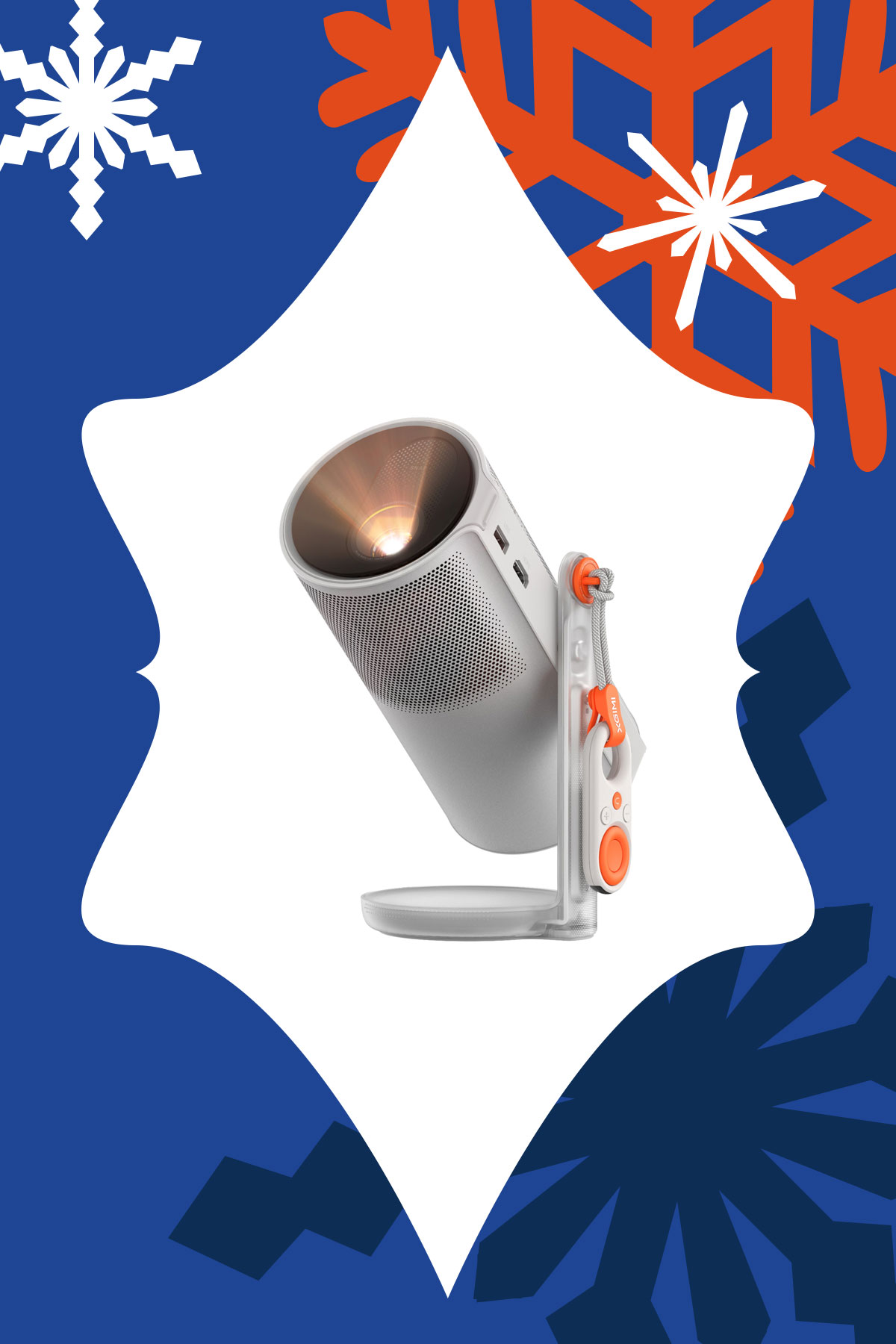
This portable projector makes it easy to turn any wall into a big screen. You can give the gift of a quiet solo night for someone who needs to decompress from work, or movie nights shared with their loved ones. It’s great for a cozy home setup this winter or the outdoors when the weather starts to get warmer.

Lighting is one of the most overlooked features in any space, but is truly transformative. This smart LED lamp creates soft, customizable ambient light that works indoors or outdoors. It’s perfect for someone who just moved into a new apartment, or that person in your life who cares about mood and intentional design.

Liiton American Peaks Whiskey Decanter Set, US$129
This glassware set transforms drinking into a sensory experience, whether on display or in use. It’s a great conversation piece and makes a nightcap more intentional. Place your glass in the freezer and get chilled and aerated whiskey in just 18 seconds thanks to its proprietary X1 Crystalline Chill Charge System. Made from lead-free crystal, the glassware is sculpted with the majestic U.S. mountain peaks: Mount Whitney, Yosemite, Smoky Mountains, Mount Rainier, and The Rockies.
For growing lives and staying connected

With fewer strings and a simplified design, kids can start playing real songs quickly without feeling overwhelmed. It builds confidence and creativity while introducing musical fundamentals. It’s a gift that supports learning through play.

This gift turns fleeting moments into tangible memories. With a few taps, photos on your phone become physical prints that can be shared, saved, and displayed. In an age where taking photos has never been easier, having physical prints encourages reminiscing without increasing screen time. It’s a wonderful gift for families and friends who love documenting life.

Arzopa Digital Photo Frame, starts at US$99.99
Bring warmth to someone’s home without requiring technical effort. This photo frame is great for that loved one who’s moved far away. Photos can be updated remotely, making it easy to feel closer despite the distance. It comes in two sizes: 10″ and 14″, both with a champagne colored bezel.
Apps
Don’t get tricked: Spot these financial monsters before they get you
Ghosts are harmless compared to these real-life threats that prey on your hard-earned money.

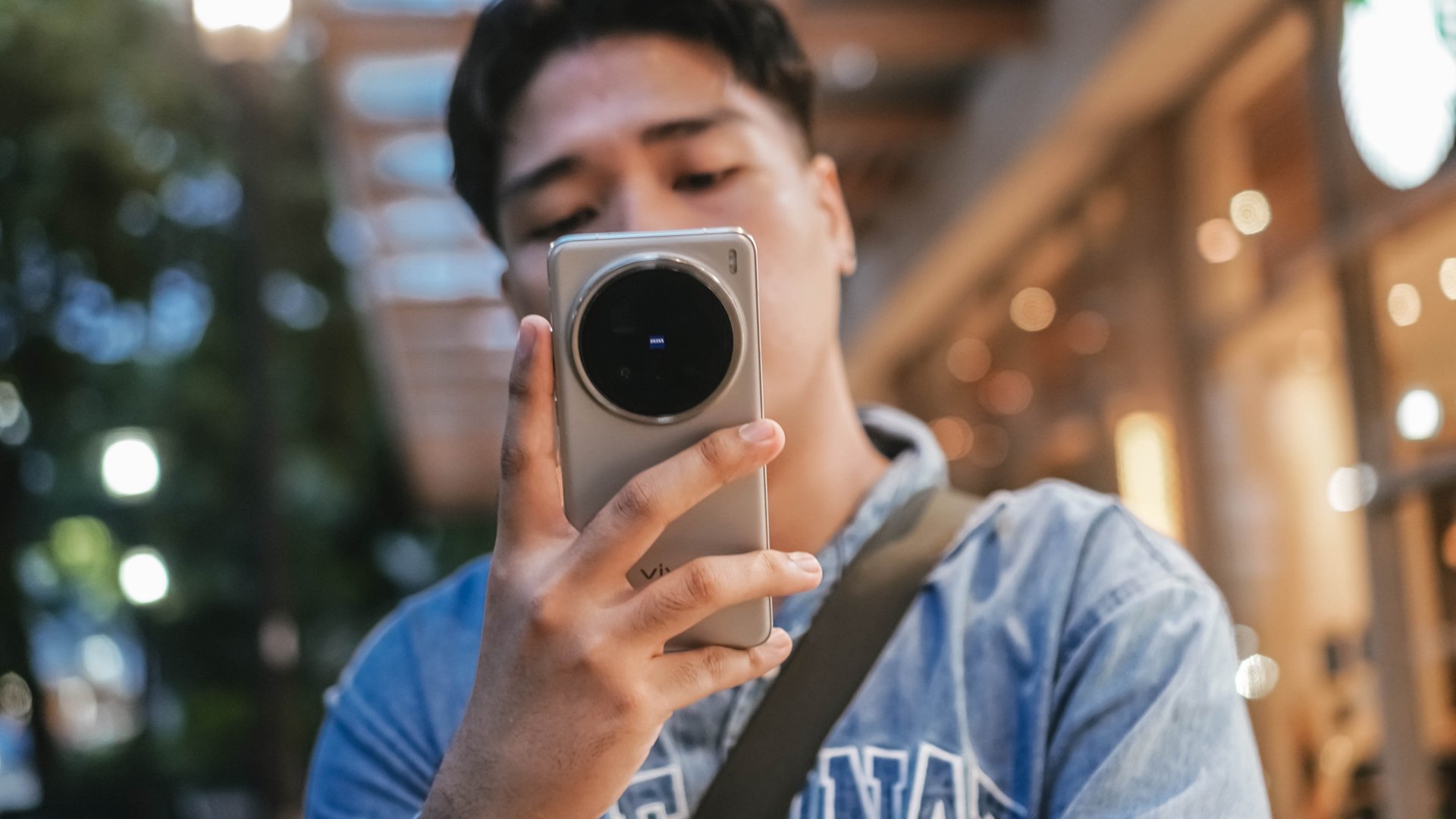
The spooky season has arrived, but not all monsters wear masks. Some hide behind fake links and shady offers designed to trick you into giving up your hard-earned money.
These are the real-life financial monsters: fraudsters, impersonators, and manipulators who turn everyday moments into horror stories.
According to the Cybercrime Investigation and Coordinating Center, 32% of Filipinos have fallen victim to digital fraud in the past year. And while it’s tempting to think you’d never fall for one, scammers are getting smarter and more creative.
Here’s what to watch out for:
Suspicious links and emails.
Those random texts and emails saying “there’s a problem with your account” or “you’ve won a prize”? They’re classic traps.
Scammers disguise themselves as legitimate companies to steal your information or access your accounts. Always double-check the sender’s address. If it looks off, don’t click.
Grammar gone wrong.
If a message is full of weird typos, awkward phrasing, or off punctuation, that’s a red flag.
Reputable companies review every message they send. When in doubt, don’t reply. Report it to authorities like the PNP Anti-Cybercrime Group or the NBI.
Urgent and emotional messages.
Scammers love to pressure you. They’ll make you feel scared or guilty to get you to act fast.
Real companies won’t threaten or rush you into sharing personal info. Take a breath, hang up, and reach out to the official hotline to verify.
Deals that sound too good to be true.
If someone promises instant money or massive discounts, run. These scams often demand “processing fees” or personal info before disappearing. No legitimate prize will ever require payment upfront.
Behind every scam is a story of someone who deserved better. Sometimes, what started as a simple loan application can turn into a nightmare if a rogue online lender decides to harass someone over payments they didn’t even fully receive.
It’s a familiar story for many Filipinos who’ve been preyed on by unregistered or unethical financial services.
Thankfully, more responsible lenders and financial platforms today (Tala, for example) are working to raise awareness and fight back against these threats.
Some even use advanced systems to flag suspicious behavior, partner with authorities for investigations, and educate communities through financial literacy programs.
At the end of the day, awareness is your strongest defense. So this Halloween, stay sharp because protecting your peace (and your money) will always be the sweetest treat.


DJI Lito X1 review: Is this the best lightweight drone for creators?
Making a strong case as a travel companion and a capable B-cam!


REDMI Note 17 Pro Max review: A new breed born from AI greed
Welcome to the new normal


Marvel’s Wolverine review: When the claws come out
A brutal, cinematic superhero adventure
DJI Lito X1 review: Is this the best lightweight drone for creators?

Now Playing: Resident Evil

HONOR, Fidesmo partner for contactless payments across Europe, Middle East

Ford revs up Truck Month with extended 5-star care offers
REDMI Note 17 Pro Max review: A new breed born from AI greed

TECNO MEGAPAD 2 review: Eyes on the size

realme 16T 5G with 8000mAh battery, IP69 Pro rating launches in PH

HUAWEI Pura X View is 2026’s first WIDE slab-type smartphone

REDMI reveals the refreshed Note 17 and Note 17 Pro series

REDMI Note 17 Series: Price, availability in Singapore


-
 News1 week ago
HUAWEI Pura X View is 2026’s first WIDE slab-type smartphone
-

 News2 weeks ago
The CAMON Slim 5G is TECNO’s latest ultra-slim smartphone
-

 News1 week ago
iPhone 18 Pro series: Price, availability in the Philippines
-

 IFA 20262 weeks ago
TECNO’s POVA 8 Pro gets a stealthy makeover
-

 Automotive2 weeks ago
Ford’s new Everest lineup brings V6 engine to the top, tech down the line
-

 Gaming2 weeks ago
Now Playing: Elden Ring Tarnished Edition
-

 Singapore1 week ago
iPhone 18 Pro series: Price, availability in Singapore
-

 Philippines2 weeks ago
Smart cuts 5G Home WiFi price