
News
Apple’s iPhone 14 and iPhone 14 Plus are new base model iPhones
Plus new Photonic Engine for cameras

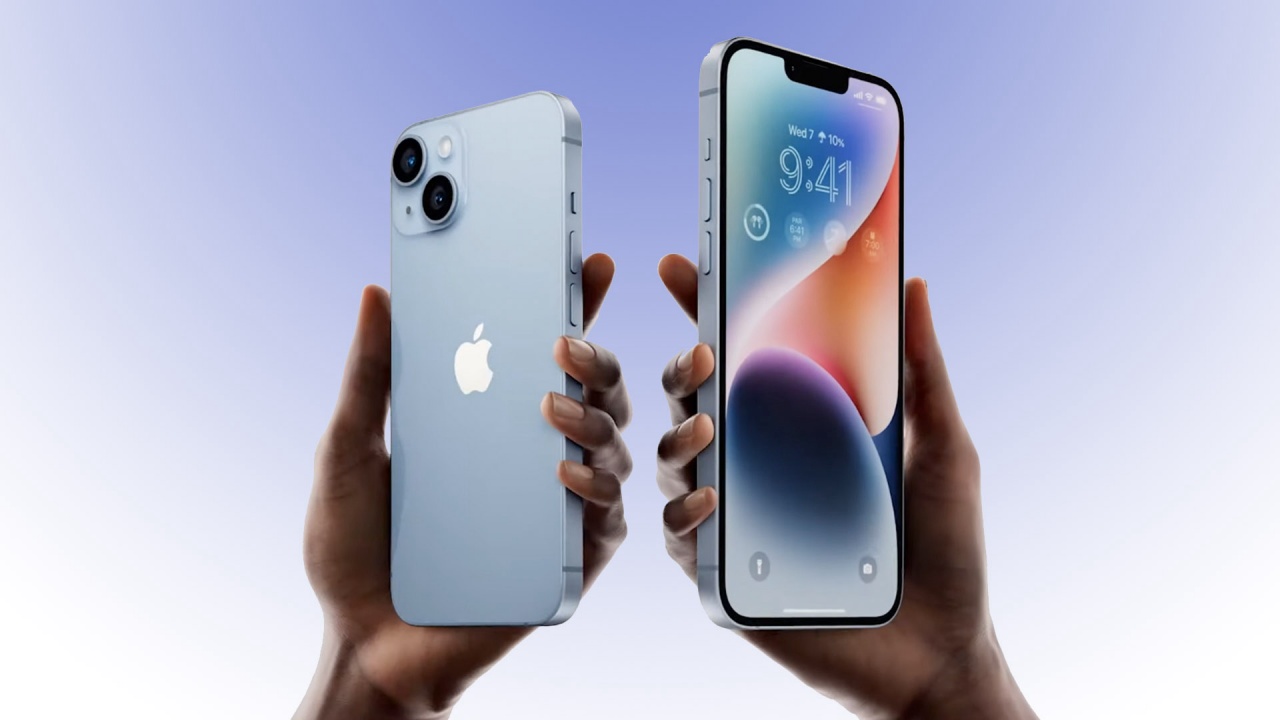
Size matters and Apple is going big with its new pair of base models of the iPhone 14. Instead of a mini, we’re getting an iPhone 14 and an iPhone 14 Plus.
(Some) of the rumors were true
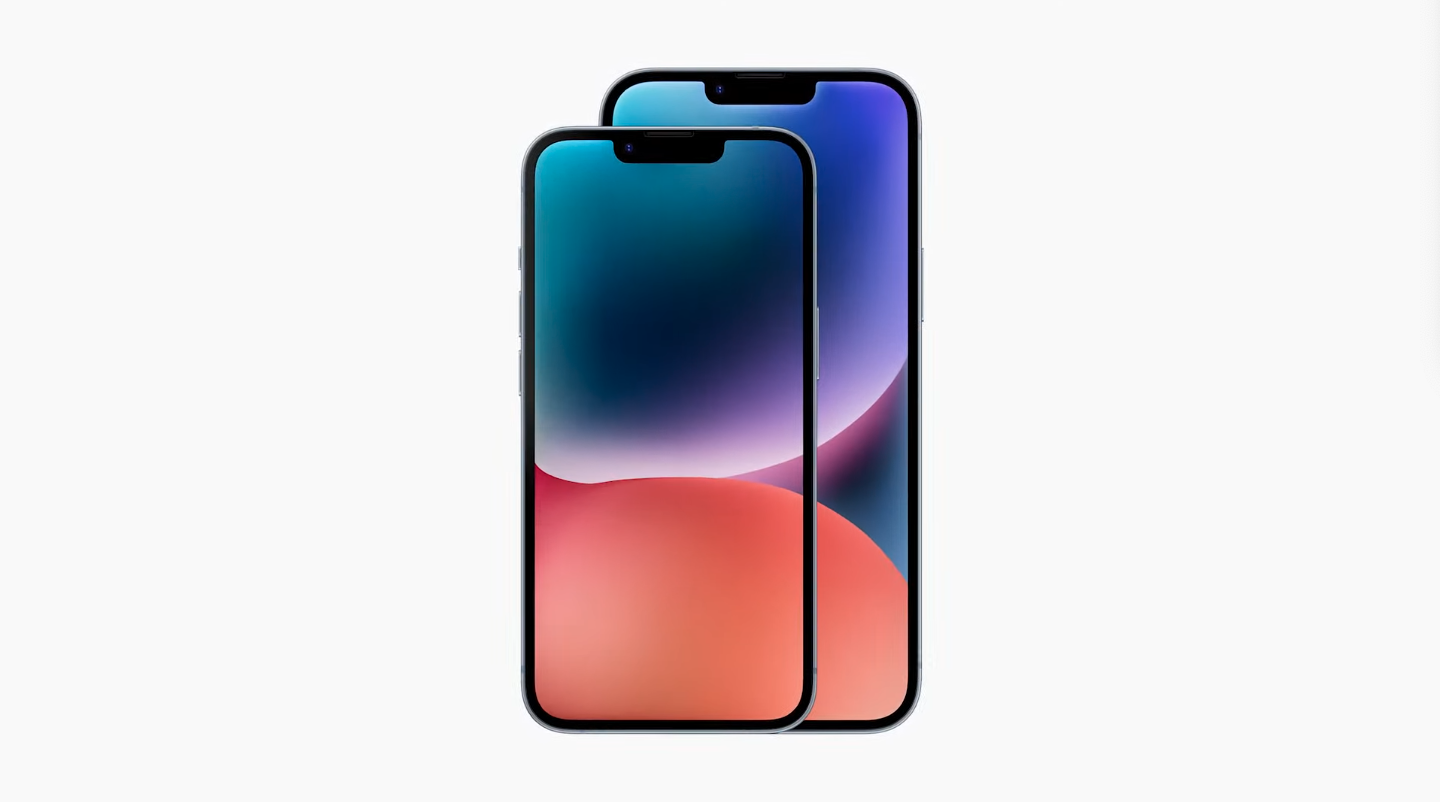
We expected the Mini biting the dust and, going by its sales, it might not be missed as much. But one rumor confirmed is that the base iPhone 14 models will use the A15 chip. It’s the same one found on last year’s models. Well, Apple is saying it’s slightly more powerful than last year’s, but they do share the same name.
It’s by no means a terrible chip, but if you want the latest and greatest, you have to go Pro.
Design-wise, it mostly also retains the look of the iPhone 13. You still get a notch, and at the back, your two cameras.
What’s new?
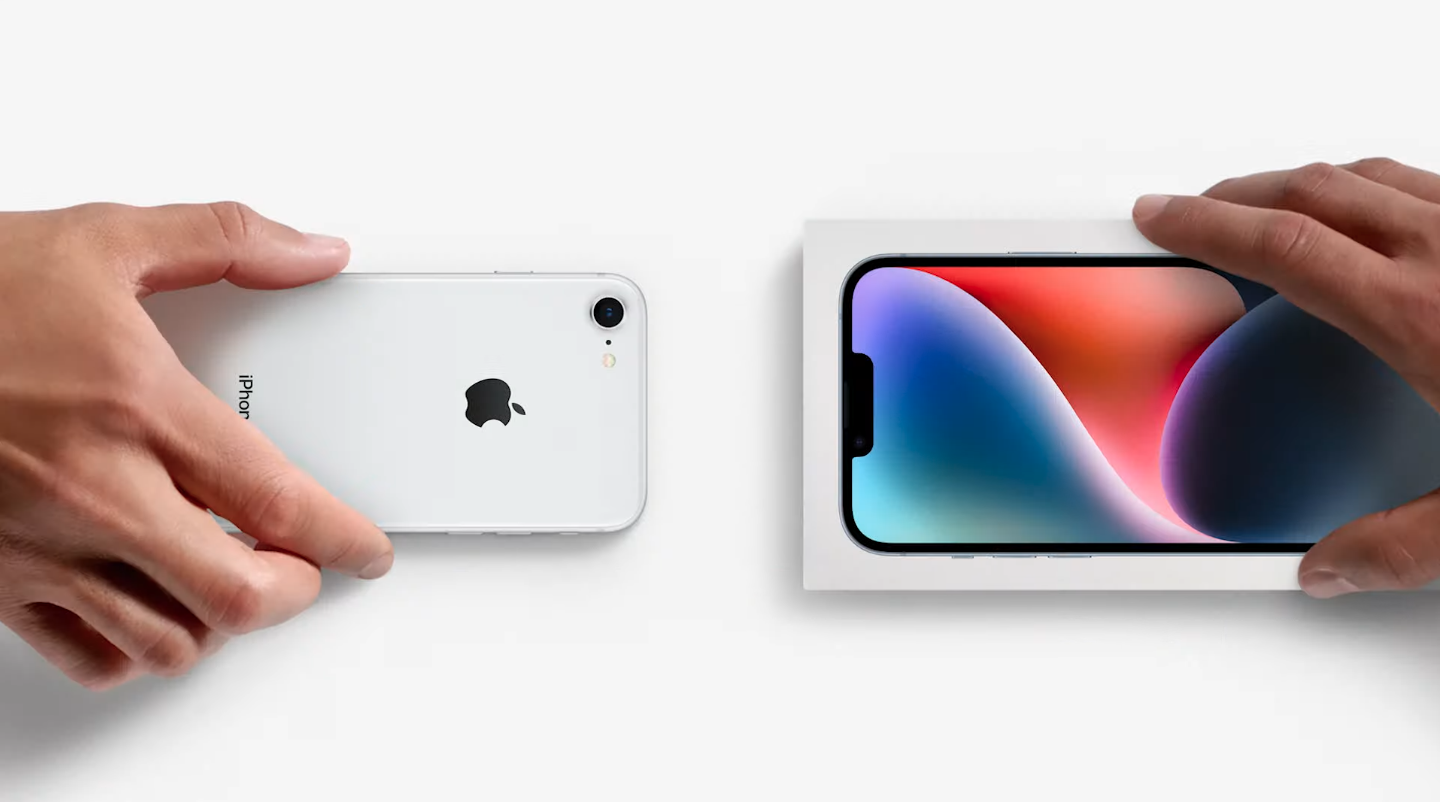
For starters, the Plus version. Instead of a tiny base model, we’re getting a supersized one. The iPhone 14 has a 6.1″ display while the iPhone 14 Plus comes in at 6.7″ inches. The larger display lends itself nicely to better media consumption. This is especially useful too if you like gaming whether that’s regular mobile games or ones available on Apple Arcade.

The dual-camera system has been revamped too. Yes, you’re still getting a 12MP main sensor but now you have a larger sensor and larger pixels. But most importantly is the Photonic Engine. It’s a feature that deeply integrates software and hardware to improve mid to lowlight performance. And this applies on the main camera, the ultra-wide camera, and even the TrueDepth (selfie) camera.
For video shooters, the iPhone 14 models are also getting Action Mode. This is enhanced stabilization for shooting high-octane shots.
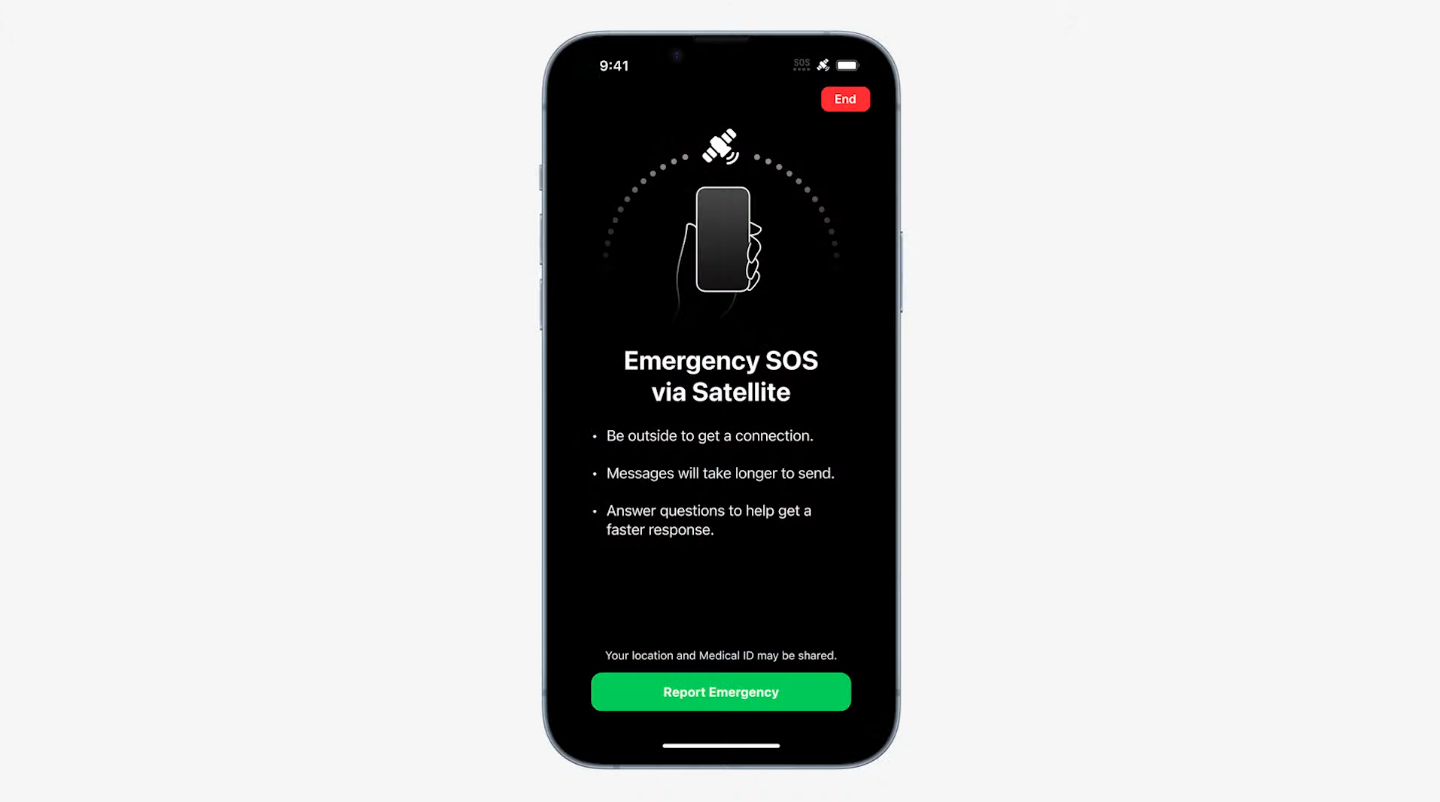
Crash Detection isn’t just on the Apple Watch Series 8. It’s also coming to the iPhone 14. As an addition, there’s an Emergency SOS via Satellite feature that will contact emergency services should you, god forbid, figure in a vehicular accident.
One new thing that not many people may be happy with is the removal of the physical SIM tray, at least for the US models. Yes, the iPhone 14 will force you to move to an eSIM. Apple argues it’s more secure.
Pricing and Availability

The iPhone 14 will be available on September 14 while the iPhone 14 Plus is coming on October 7. Both models are available in Starlight, Midnight, a new shade of Blue, Purple, and the Product (RED) colorway.
Pricing are as follows:
iPhone 14
- 128GB – US$ 799 / SG$ 1299 / ₱56,990
- 256GB – US$ 899 / SG$ 1469 / ₱63,990
- 512GB – US$ 1099 / SG$ 1799 / ₱75,990
iPhone 14 Plus
- 128GB – US$ 899 / SG$ 1499 / ₱63,990
- 256GB – US$ 999 / SG$ 1669 / ₱72,990
- 512GB – US$ 1199 / SG$ 1999 / ₱80,990
SEE ALSO:






News
TCL expands mobile lineup with latest NXTPAPER series
3 new smartphone models featuring a paper-like viewing experience


TCL has expanded its mobile lineup with the launch of the latest NXTPAPER smartphone series.
Part of the new NXTPAPER roster are the NXTPAPER 60 Ultra, NXTPAPER 70 Pro, and K70 Power 4G.
The new generation of smartphones is designed to deliver smarter, more comfortable, and more powerful mobile experiences for today’s connected lifestyle.
At the heart of the lineup is the company’s proprietary NXTPAPER technology, and award-winning display innovation.
It combines both hardware and software advancements to reduce eyestrain while preserving vivid colors and sharp picture quality. The result is a paper-like viewing experience.
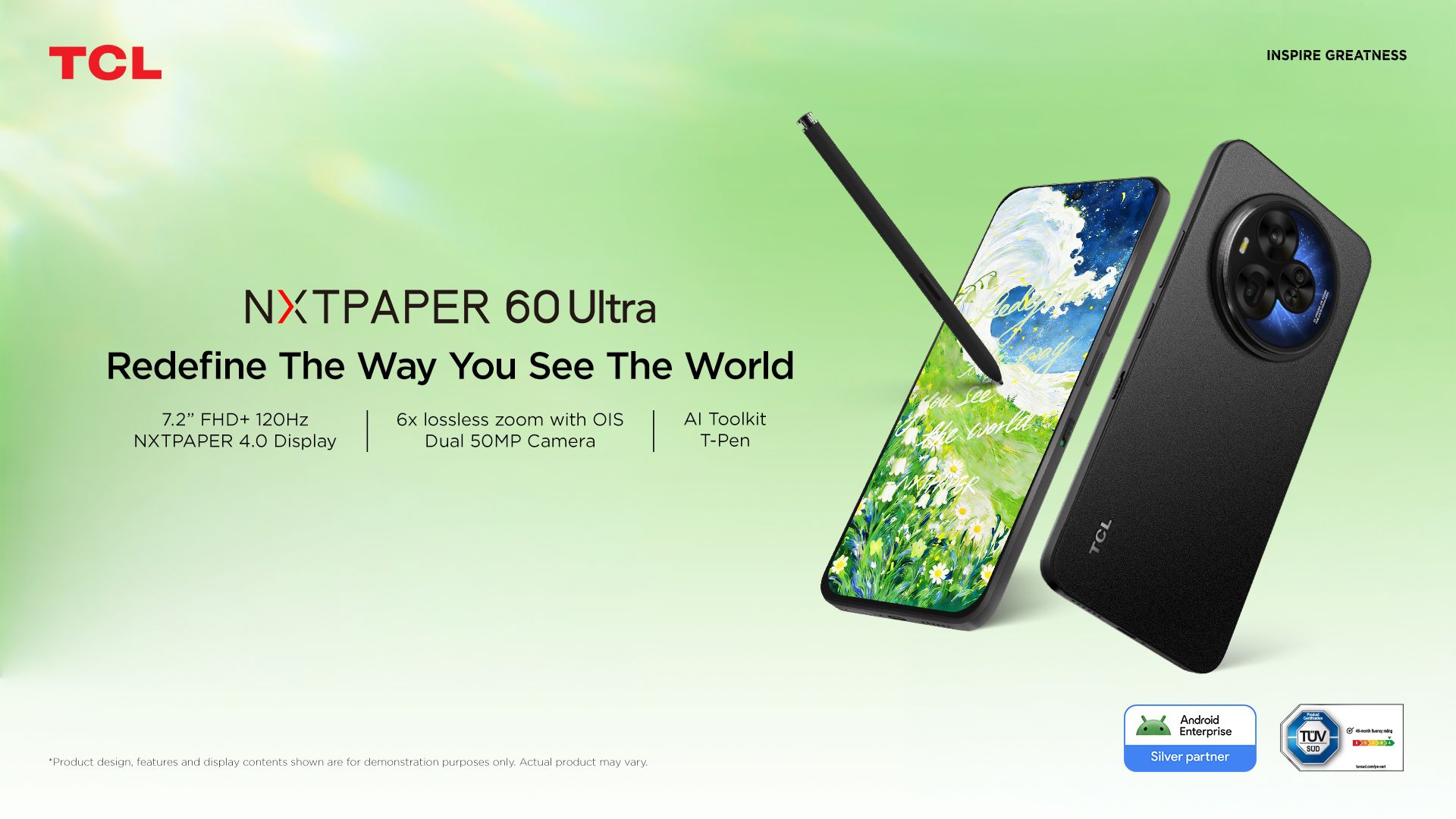
Bannering the roster is the NXTPAPER 60 Ultra. It is powered by a Dimensity 7400 Elite processor and runs on Android 16.
It comes with up to 512GB of internal storage and 12GB of base RAM, plus 12GB more for expansion.
In front is an expansive 7.2-inch 120Hz FHD+ display featuring Nxtpaper 4.0 and a 32MP selfie camera, while at the back is a 50MP main camera, along with a 50MP 3X telephoto camera.
This variant houses a 5,200mAh battery with support for 33W charging.
Right under the 60 Ultra is the NXTPAPER 70 Pro. It is powered by a Dimensity 7300 processor, and comes with a 6.9-inch 120Hz FHD+ display and a 50MP main shooter.
This model has 8GB of RAM and 256GB of internal storage. It has a similar 5,200mAh battery with 33W charging.
Lastly, the K70 Power 4G is a budget choice, with a Helio G100 Ultra chipset, 6.75-inch 120Hz display, 4GB of RAM, 128GB of storage, and a 50MP main camera.
Price, availability
In the Philippines, the latest NXTPAPER smartphones are available for the following pricing:
- NXTPAPER 60 Ultra: PhP 35,995
- NXTPAPER 70 Pro: PhP 22,995
- K70 Power 4G: PhP 9,495
All devices are available through Shopee.
Apps
Canva teams up with SB19 to turn A’TIN’s passion into creativity
Campaign lets fans access assets, editable templates, more

Canva Philippines has joined forces with SB19 and Sony Music Entertainment to launch the “Kaya sa Canva” campaign.
This first-of-its-kind initiative is aimed at transforming the popular Filipino boy band’s fanbase into creators by giving them access to official design assets, exclusive templates, and powerful creative tools.
That’s of course as fans have a way of creating artwork, banners, and more outputs to honor their idols.
As such, the partnership enables the A’TIN (SB19’s fanbase) to access the Canva-exclusive SB19’s Creative Hub.

This dedicated space lets fans access assets, including SB19-inspired sticker packs, custom typography, and editable templates inspired by the group.
Fans around the world will initially have access to templates for photo-booth strips, wallpapers, posters, and videos.
The campaign will then expand with Canva-exclusive assets celebrating the group’s New Era, as well as their latest single, “Lawless”.
Meanwhile, the original song “KAYA” is accompanied with an upbeat music video, doubling as a love letter to A’TIN and a masterclass in Canva’s tools.
Every visual and animation is fan-inspired, a celebration of the creativity, passion, and dedication that’s defined in the community from day one.
News
OPPO Reno16 Series 5G price, availability in PH
‘Pocket Studio’ with flagship-level cameras, AI tools, intelligent software

The OPPO Reno16 Series 5G is now official in the Philippines, launching in three variants: the OPPO Reno16 Pro 5G, OPPO Reno16 5G, and OPPO Reno16 F 5G.
The latest premium midrange offerings from OPPO are marketed as a “Pocket Studio” — a complete content creation package with flagship-level camera hardware, AI-powered editing tools, and intelligent software.
Bannering the lineup is the OPPO Reno16 Pro 5G with a professional creator experience. It comes with triple 50MP cameras, offering users better detail and quality from different perspectives:
- 50MP main camera
- 50MP telephoto portrait camera
- 50MP front camera
- 8MP ultra wide camera
These, paired with OPPO’s AI-powered creator features, offer a a versatile system that lets users capture, edit, and share standout content with ease.
Among the tools are AI Remix Collage, Motion Photo Popout 2.0, POP Cam, and more. Such features let users turn everyday moments into polished, social-ready content faster, without the need for additional third-party apps.
OPPO Bubble with Camera Remote View
New to the OPPO Reno16 Series 5G is the OPPO Bubble with Camera Remote View.
This allows users to preview the camera frame in real-time and remotely trigger both photos and videos without physically touching the phone.
Users can control the camera from up to 10 meters away and adjust framing from 0.6X to 3.5X zoom.
This makes the powerful rear camera system easier and more readily available to use for selfies, group photos, and more content while ensuring the quality stays topnotch.
Built for creators, designed for everyday life

The entire Reno16 series is powered by ColorOS 16 for an intelligent smartphone experience that supports both creativity and productivity.
Features include:
- AI Mind Space
- Study Assistant
- O+ Connect with iOS Bridge
- Nano Second Smooth
Price, availability
Pre-orders for the series are now open nationwide across all OPPO stores, official e-commerce platforms, and partner telco providers.
Until August 20, exclusive gifts will also be available for customers who place pre-orders.
Flexible payment options at up to 24 months 0% interest are likewise available through Home Credit and select credit cards.
OPPO Reno16 Series 5G pricing:
OPPO Reno16 F 5G
- 8GB+128GB: PhP 44,999
- 8GB+256GB: PhP 49,999
OPPO Reno16 5G
- 12GB+256GB: PhP 59,999
OPPO Reno16 Pro 5G
- 12GB+256GB: PhP 74,999
Depending on the platform and model, freebies may include:
- OPPO Enco Buds3 Pro
- PhP 3,000 off product voucher (or PhP 4,000 via myOPPO)
- E-commerce platform voucher
- Google AI Pro + OPPO Care Warranty (1 Year Screen and Water Protection)
- PhP 100 GCash Product Review Cashback
- 100% free shipping
- PhP 2,000 off voucher on OPPO Bubble
- Free Tango Jet 10,000mAh power bank
- Free Babymonster bag or case
#FirstBarkadaBlend experience
As part of the devices’ Philippines launch, OPPO has also collaborated with local cafes built around the #FirstBarkadaBlend campaign.
This campaign running until August 21 transforms everyday coffee runs into opportunities to create, capture, and celebrate shared memories.
The OPPO Cafe Club experience will be available at participating partners such as Matcha Bar, ODD Cafe, Papa Kape, A Cup for Lola, Sulok Coffee, Matcha Super, and Matcha Mama.
Visitors who purchase the exclusive collaboration drink can head to the dedicated OPPO Pocket Studio Corner.
There, they can experience the OPPO Bubble with Camera Remote View firsthand and try taking group photos.
It is also a good way to test the O+ Connect feature to easily share results to different devices.


30 days later with the ASUS ExpertBook Ultra: Like seeing an ex
Felt exactly as I remembered.


ROG STRIX G16 Review: Building for the moment
Setting it up however you want to make the most out of it

realme C100: Enduring and durable in spite of entry-level realities
Enough power but needs more agility

Getting the latest Samsung Galaxy Z Flip8 at 0% Interest with Maya Mini Payments
30 days later with the ASUS ExpertBook Ultra: Like seeing an ex

TCL expands mobile lineup with latest NXTPAPER series
ROG STRIX G16 Review: Building for the moment

Smart opens HUAWEI Pura 90s Series pre-orders with exclusive freebies

Hands-on: Samsung Galaxy Z Fold8, Flip8, Ultra

Garmin launches its first screenless fitness band

VinFast debuts two-wheeler models, opens 21 e-motorcycle showrooms

Samsung releases teaser with Spider-Man: Brand New Day Easter eggs

Most of the world’s PlayStations will be officially useless by 2028


-
 Automotive1 week ago
VinFast debuts two-wheeler models, opens 21 e-motorcycle showrooms
-

 Computers2 weeks ago
AMD launches Radeon RX 9050 graphics card
-

 Automotive2 weeks ago
Xiaomi debuts SkyNomad Series featuring new Kunlun platform
-

 News7 days ago
OnePlus officially leaves the United States and Canada
-

 Gaming2 weeks ago
NBA 2K27 gameplay trailer showcases new dunk mechanics, Rucker Park, and more
-

 Gaming1 week ago
Call of Duty: Modern Warfare 4 clip shows Losing Ground 1st look
-

 Automotive2 weeks ago
BYD Atto 2 launches with EV, plug-in hybrid options
-

 Automotive2 weeks ago
GAC launches new trio of MPVs