
Automotive
Gogoro introduces their smart e-scooters in the Philippines
The company’s first grand launch outside Taiwan

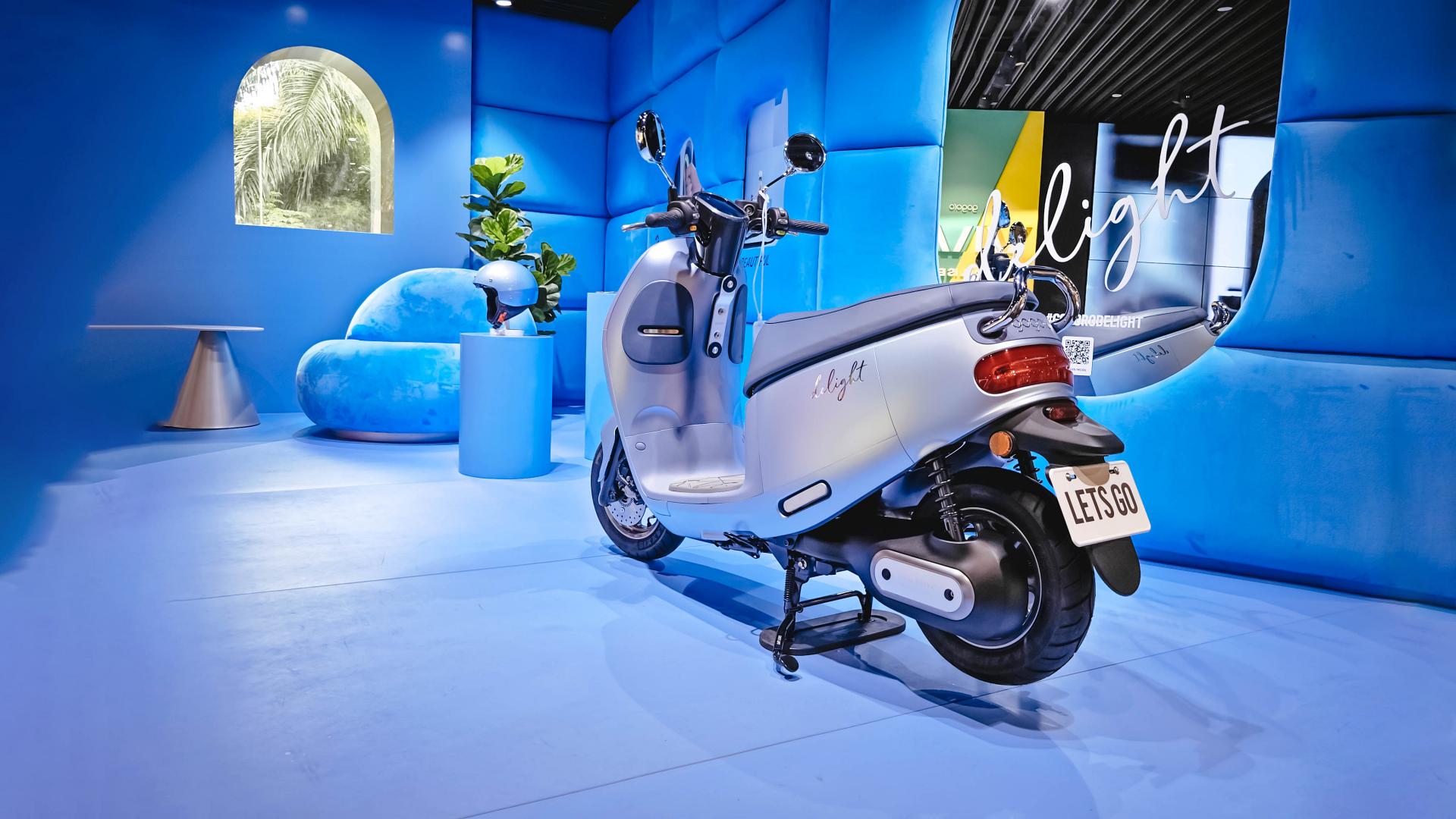
With the rising demand for EVs (electric vehicles) in the Philippines, now is the best time for Gogoro to finally introduce their smart e-scooters in the country.
Smart and Sexy
Gogoro Taiwan has officially introduced four of their e-scooters to the Philippine market.
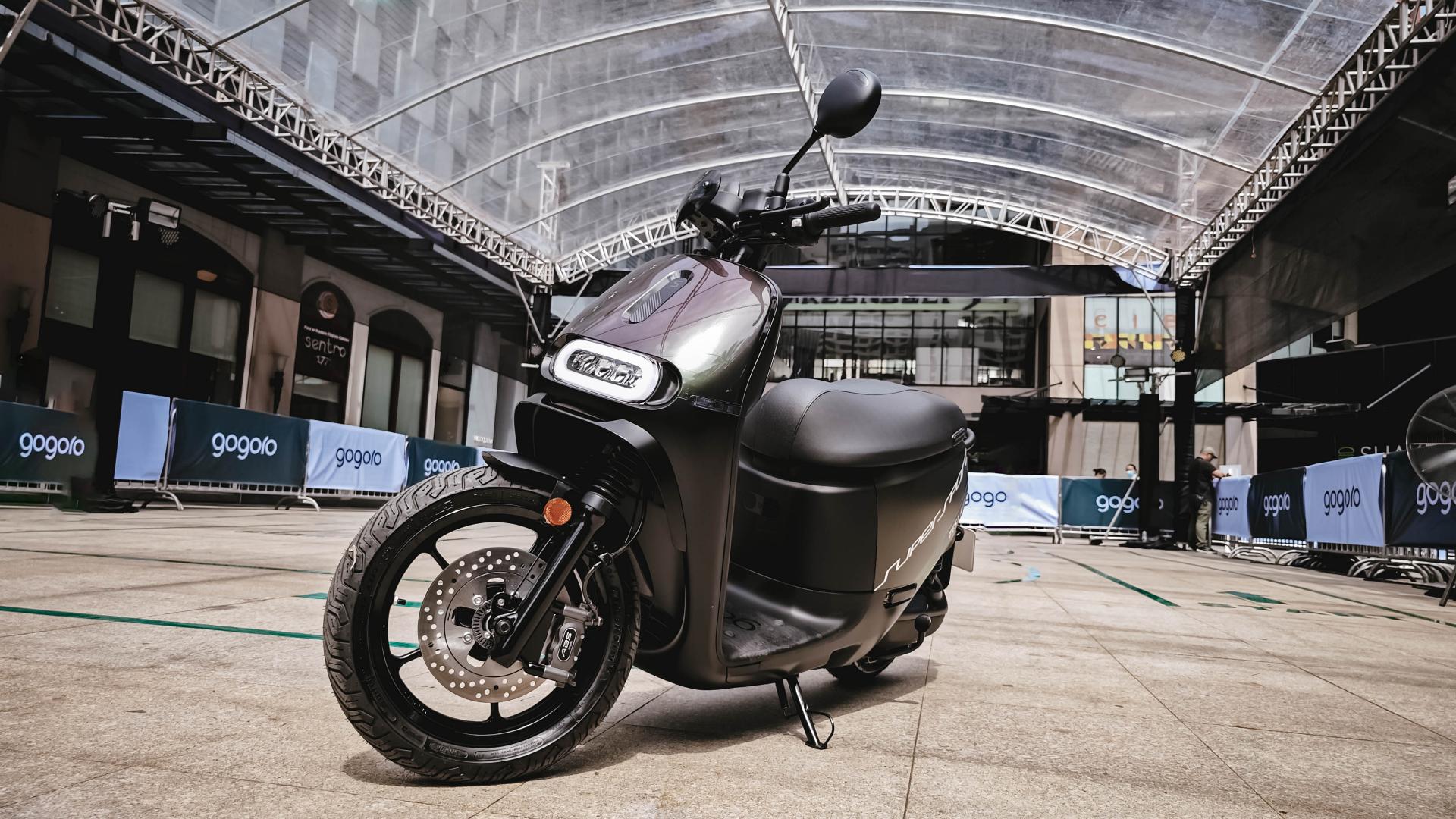
The SuperSport is their top-class model with speeds reaching as fast as 96km/h. A representative even told me that it can exceed as much as 100-120km/h if the user permits to reach its exceeding potential.
This e-scooter has three different shades: Arctic Gray, Aura Blue, and Polar Green.
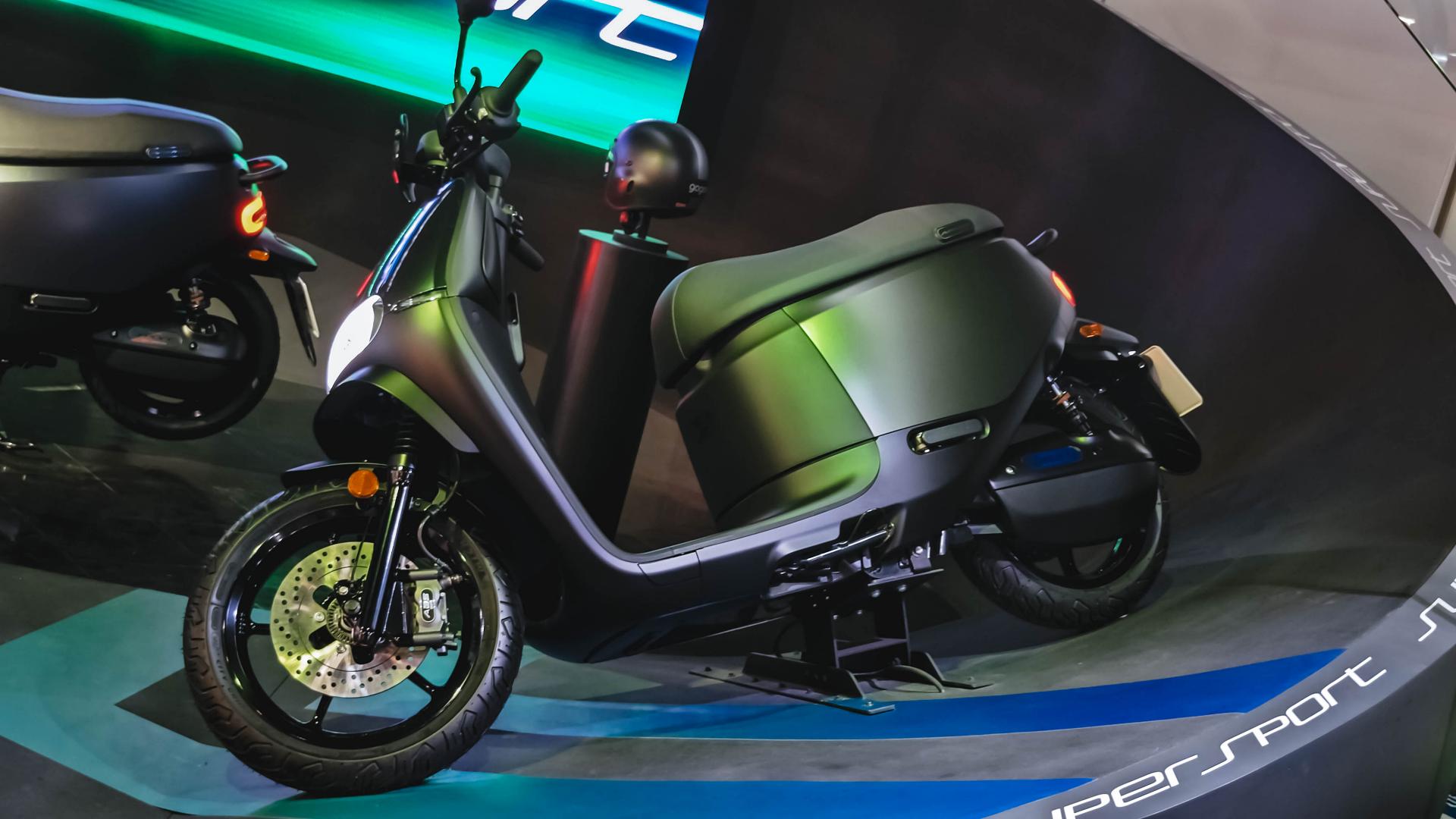
The Gogoro S1 looks pretty much like the SuperSport but with a chassis crafted from racing-grade aluminum.
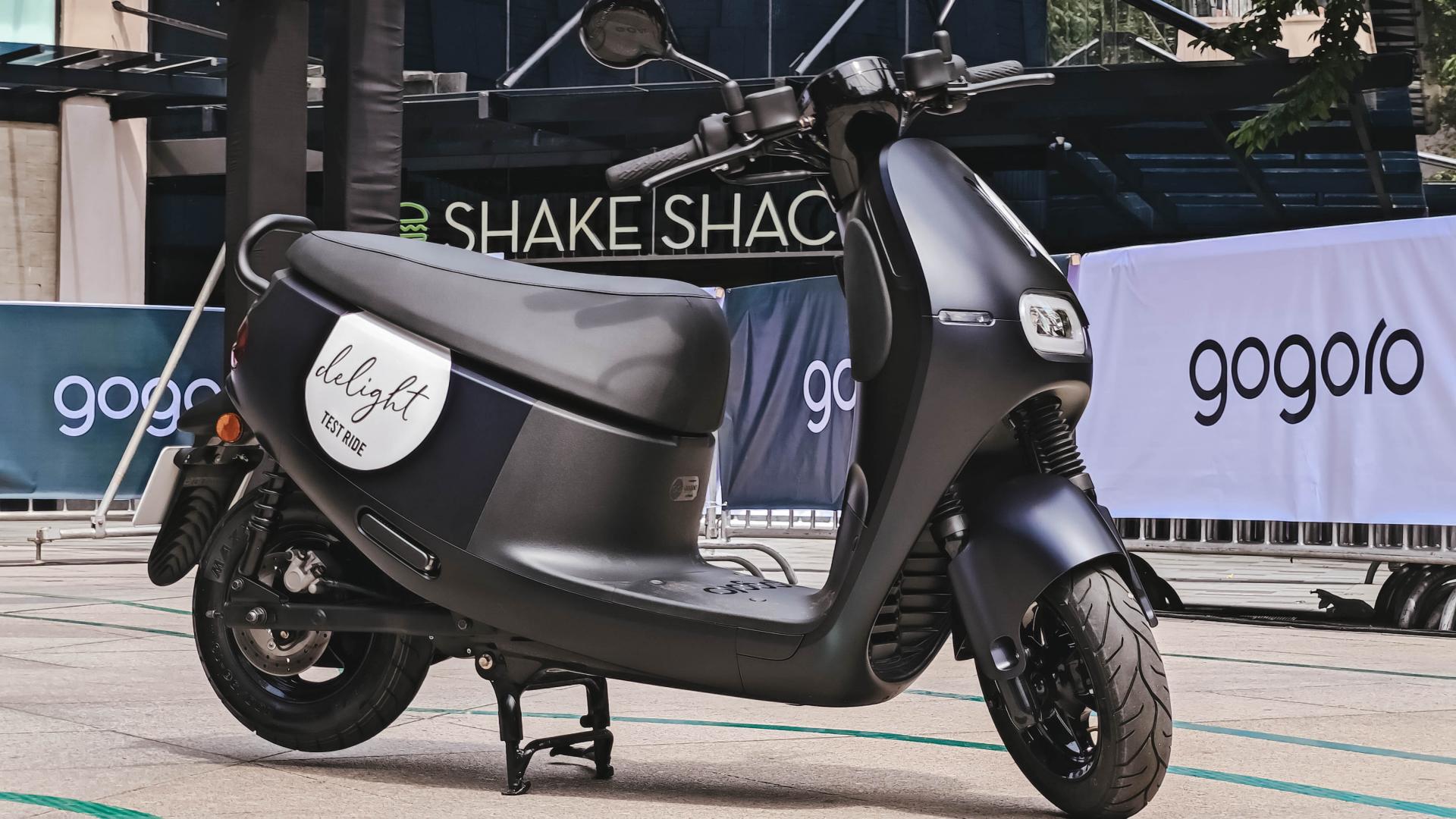
Gogoro Delight
Designed by four women from the Gogoro Taiwan team, Delight is meant for any woman (or basically anyone regardless of gender) who wants a lighter and more comfortable e-scooter without actually sacrificing its max speed potential.
This model comes in three colors: Beryl Green, Gem Blue, and Pearl Gold.

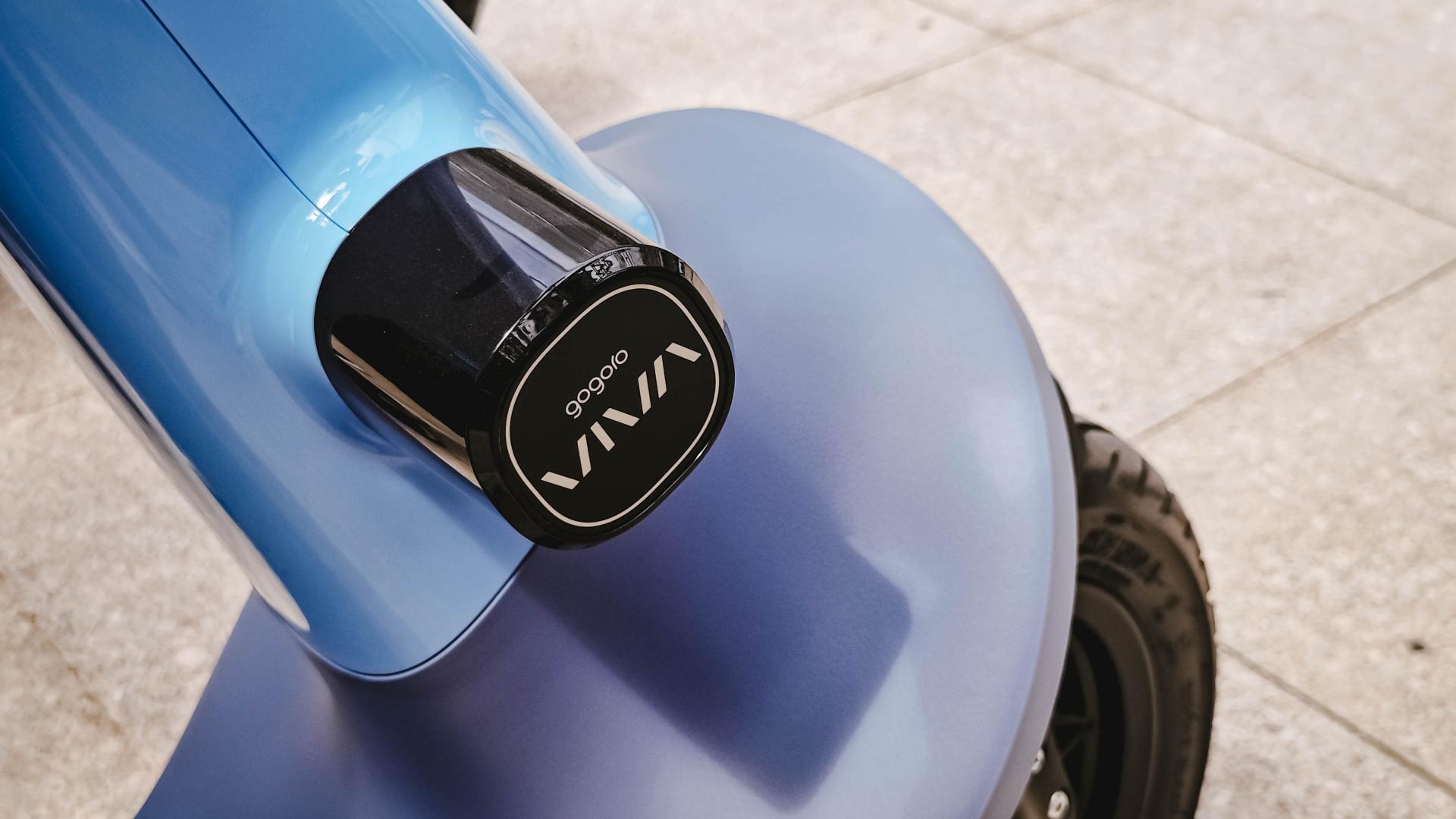
No driver’s license? No problem! The Gogoro Viva is the best bet for you. Despite its quirky and chic-looking design, this e-scooter doesn’t compromise its potential and reaches speeds of up to 50km/h.
This fun-looking scooter is available in louder-looking Pomegranate Red and Wasabi Yellow, plus pastel-coded hues in Mint Blue and Seasalt White.
What makes all of these scooters smart is the ability to wireless connect them through Gogoro’s app.
No live demonstration was presented to us but several smart connectivity features should be expected such as displaying one’s exact parking location, identifying potential issues in the scooter, keyless unlocking via the app, and even additional security using Touch or Face ID in iPhones.
The Gogoro Super App also enables any user to customize some of the scooter’s function as well as updating several features over the air if possible.
Safe and (No) Sound
Gogoro e-scooters have fail-safe features that prevent the user from being prone to accidents and other mishaps.
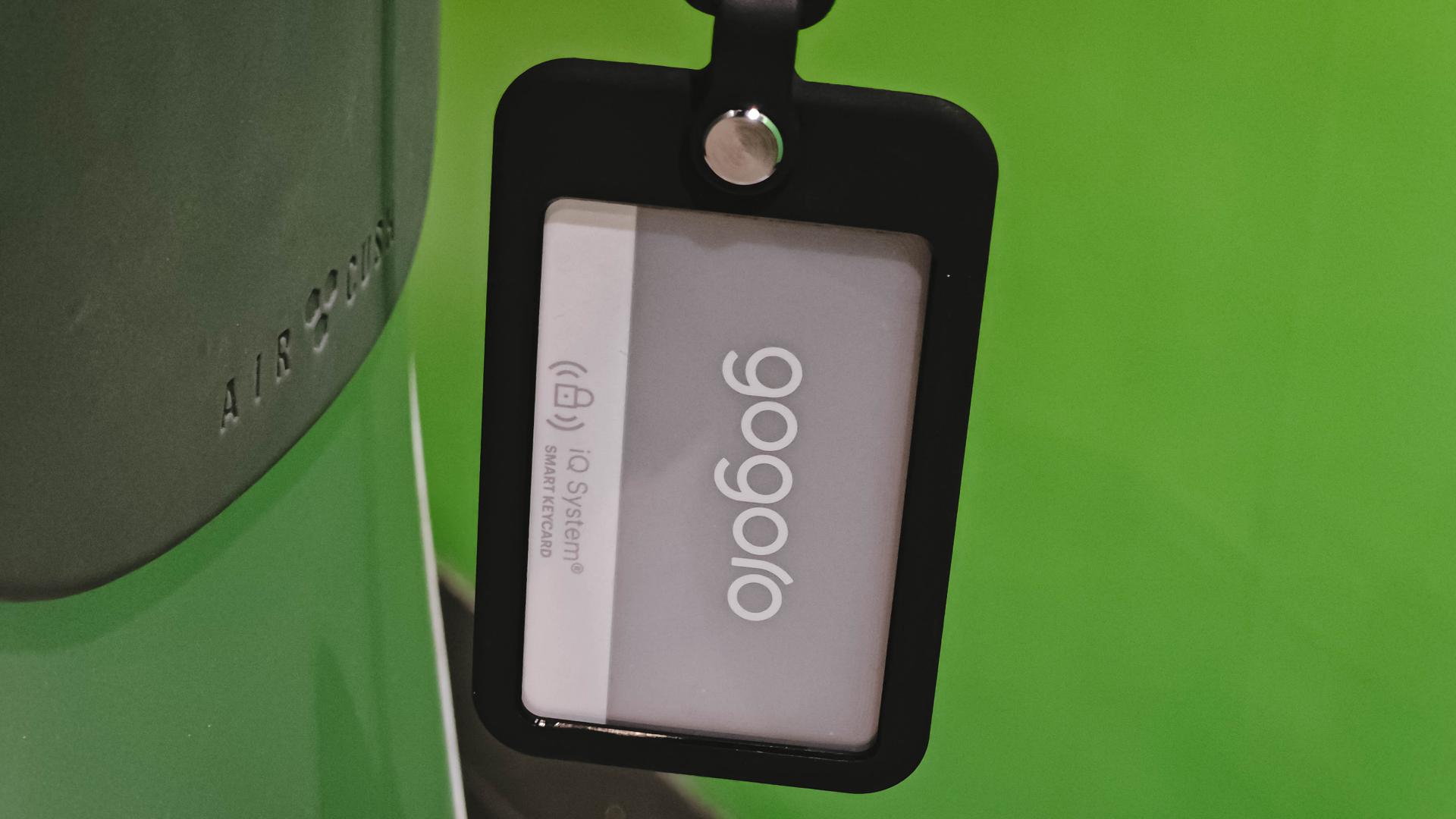
Aside from a keyless entry via the app, it can also be unlocked by using the dedicated smart keycard with iQ System. While it may display the massive oval LED display, it doesn’t mean the e-scooter is ready to go.
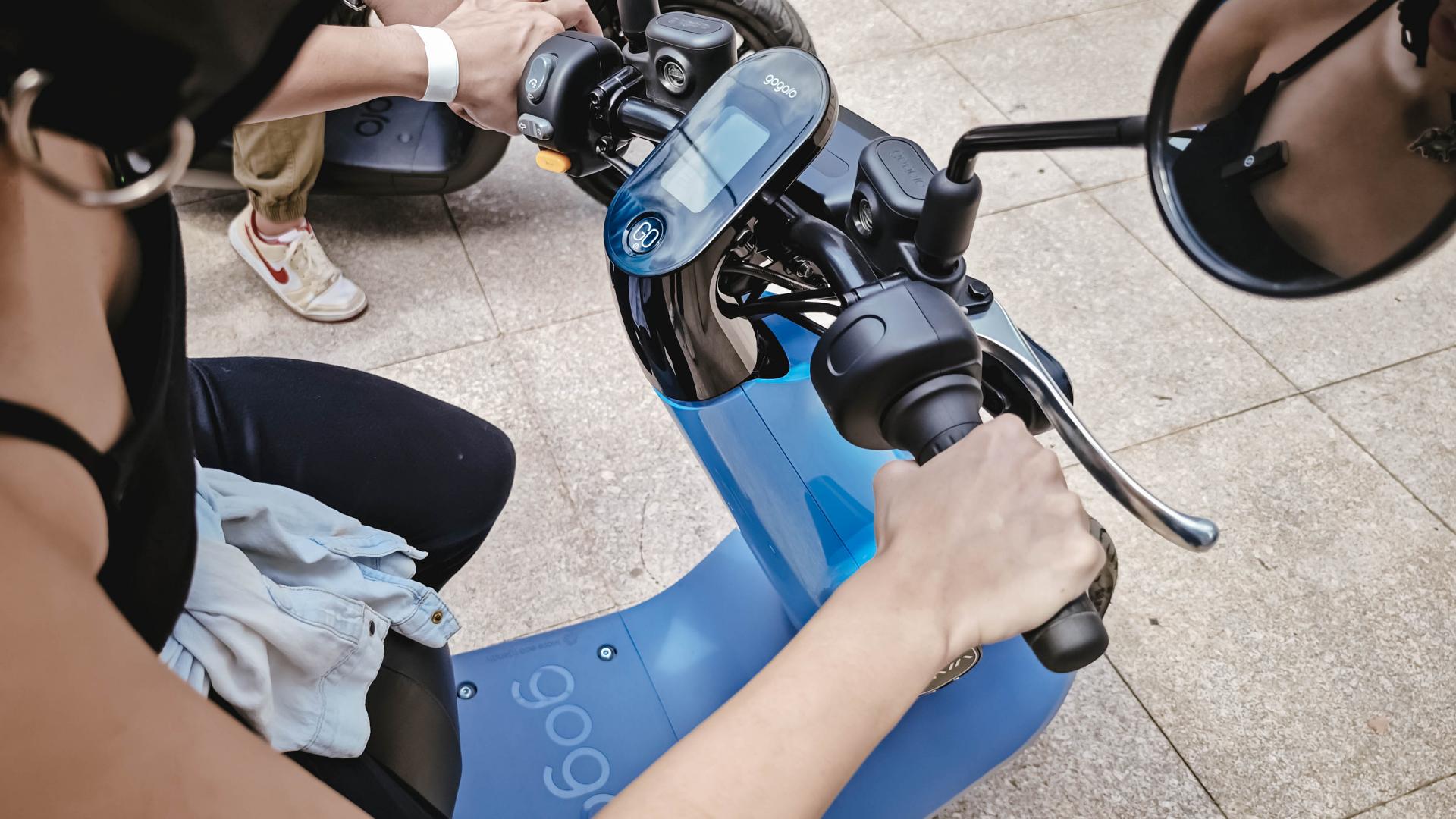
Another step should be made in order to fully start-up the e-scooter. By pressing the “Go” button, it would then activate its motors and brakes so any user/rider is set and settled before they actually go with their EV companion. This is also to avoid having stolen bikes by unwanted thieves.

Just in case the e-scooter falls by itself (or even while you are riding), it automatically stops all of the EV’s functions to avoid unwanted speeding and acceleration.
Also, this is already given for any EV but, you won’t hear any sound from these e-scooters simply because they are full-on electric.
Swappable and Sustainable
Usual e-scooters are all being charged via plug outlets in EV stations, homes, and apartments. But with the growing population who rely on renting along crammed urban “spaces”, it’s more convenient, reliable, sustainable, and safer to just hot-swap the batteries through their dedicated “Gogoro Network” swapping stations.
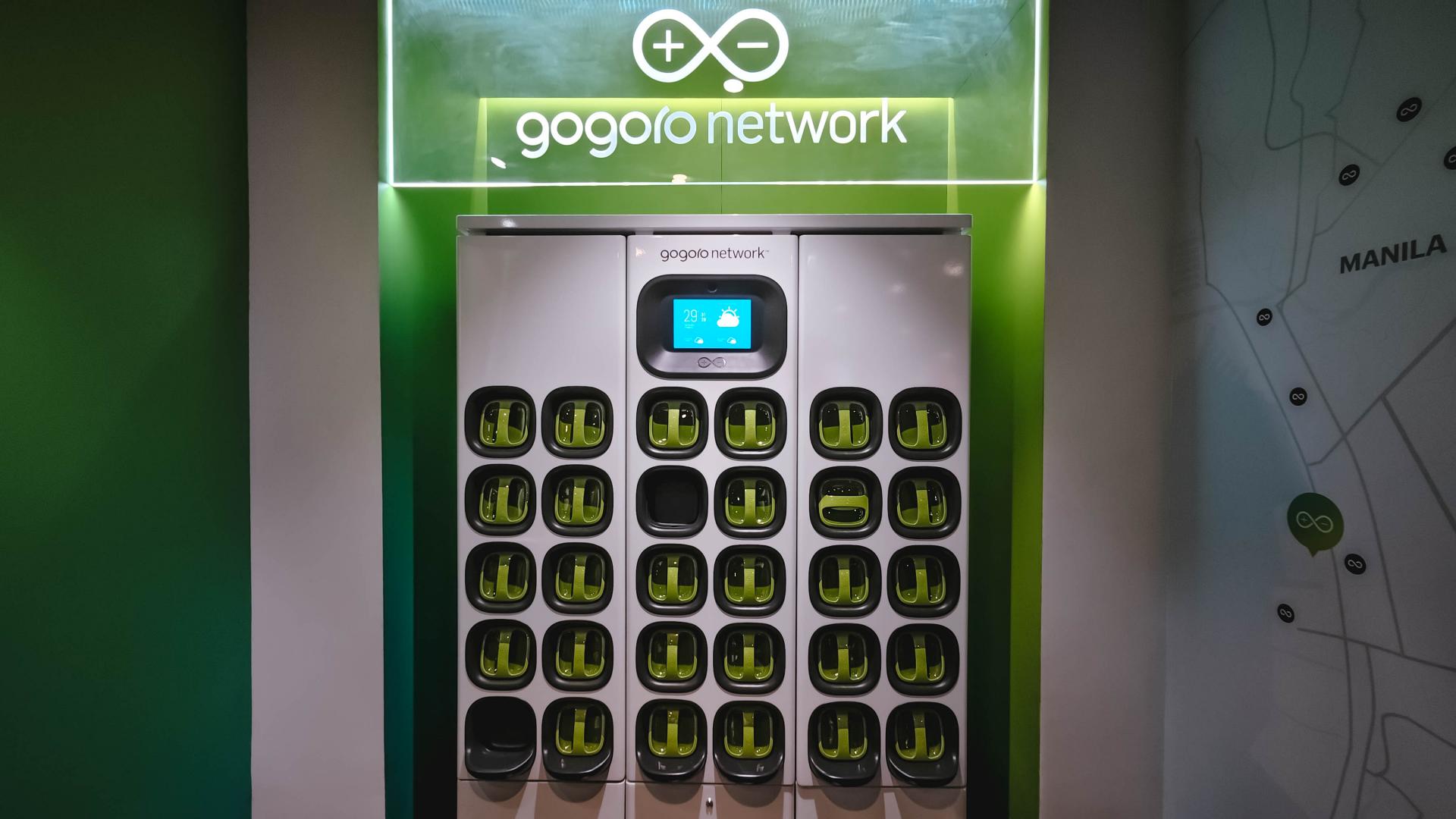
Through the use of the Gogoro app, it can tell you whether one of the batteries (or both) needed to be replaced.
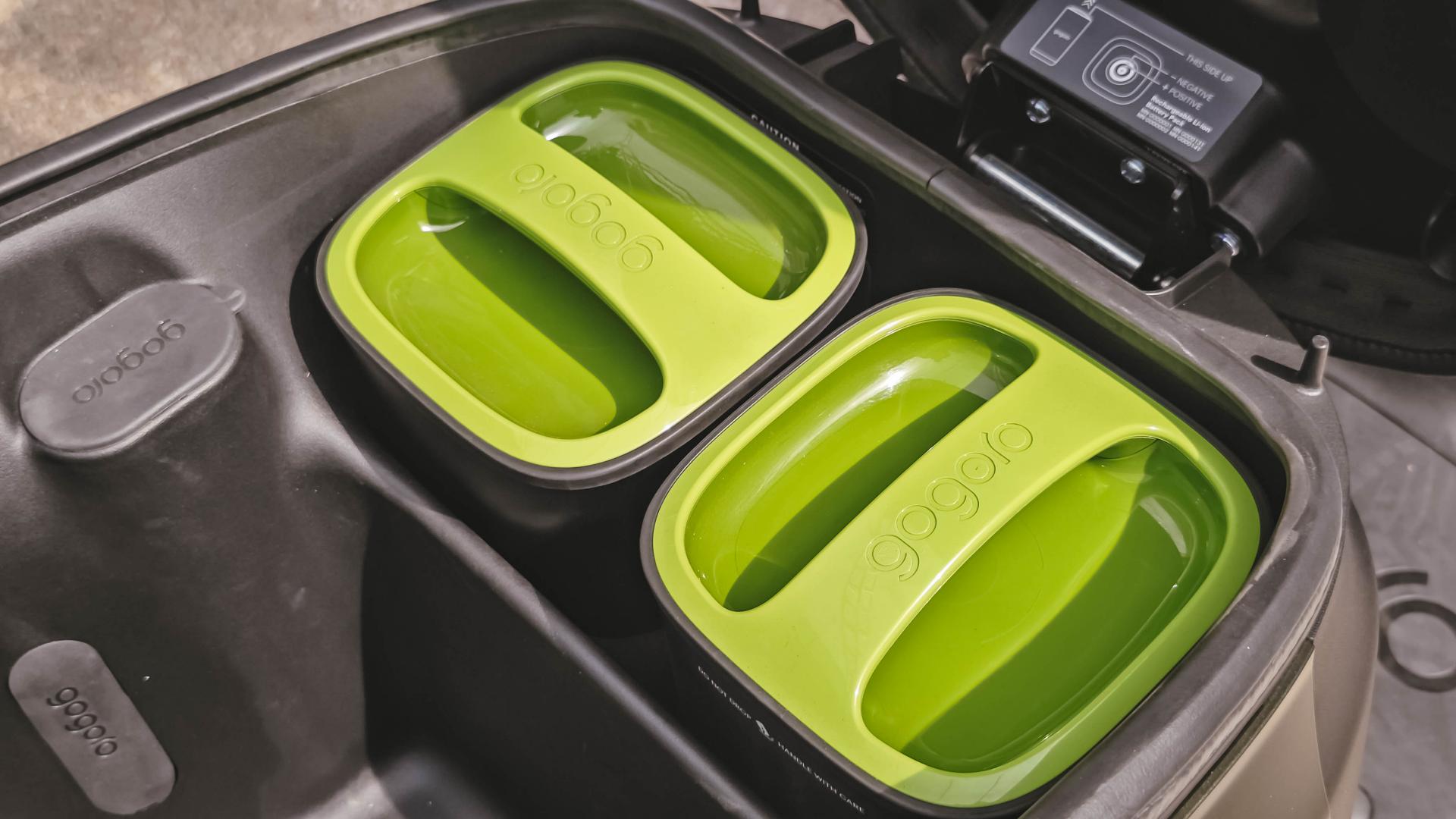
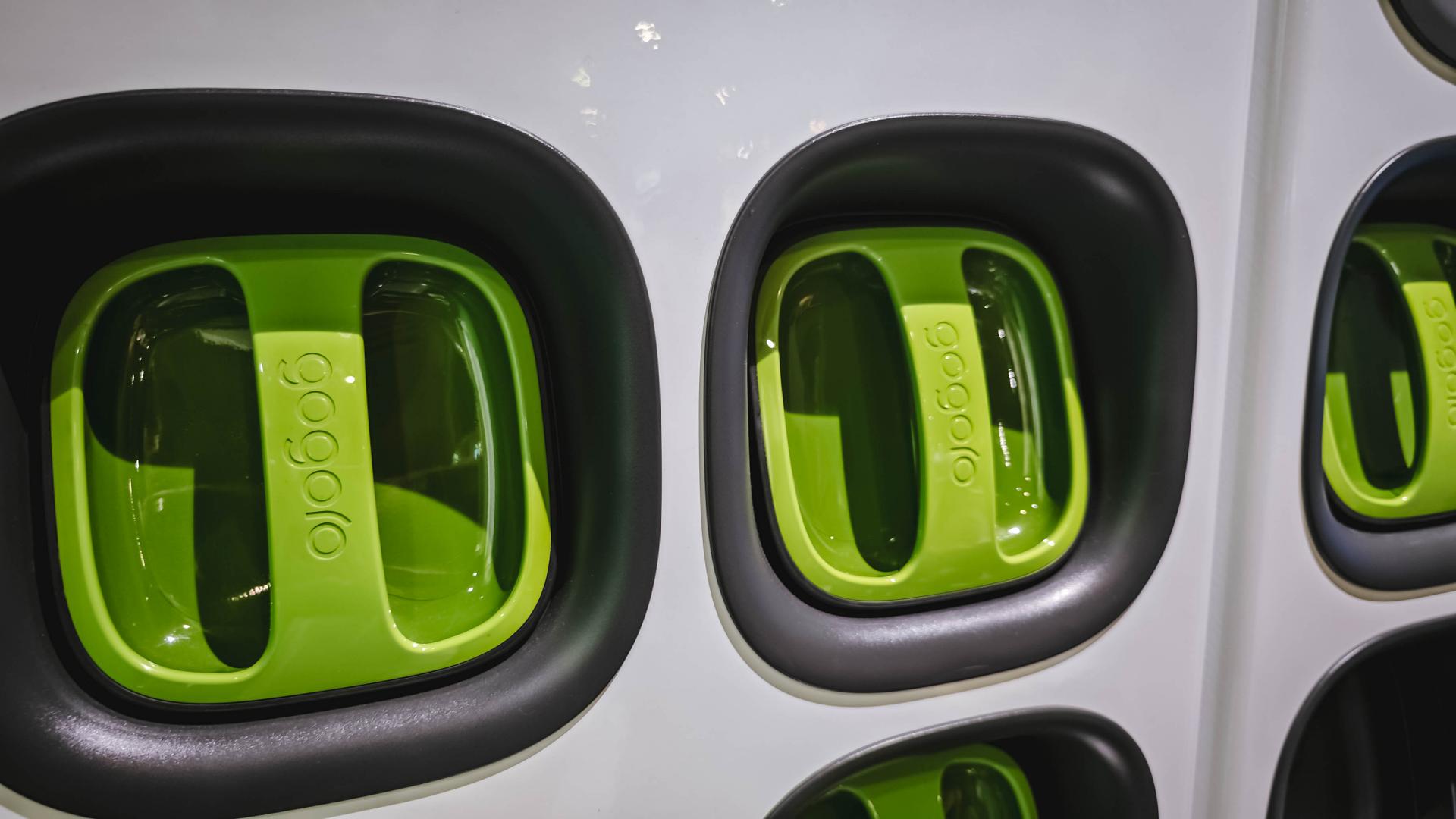
Swapping out can be done by anyone (again, regardless of gender) in less than a minute. Though it is said that each battery pod weighs 20 kilograms, with the right handling, you can easily swap one in no time.
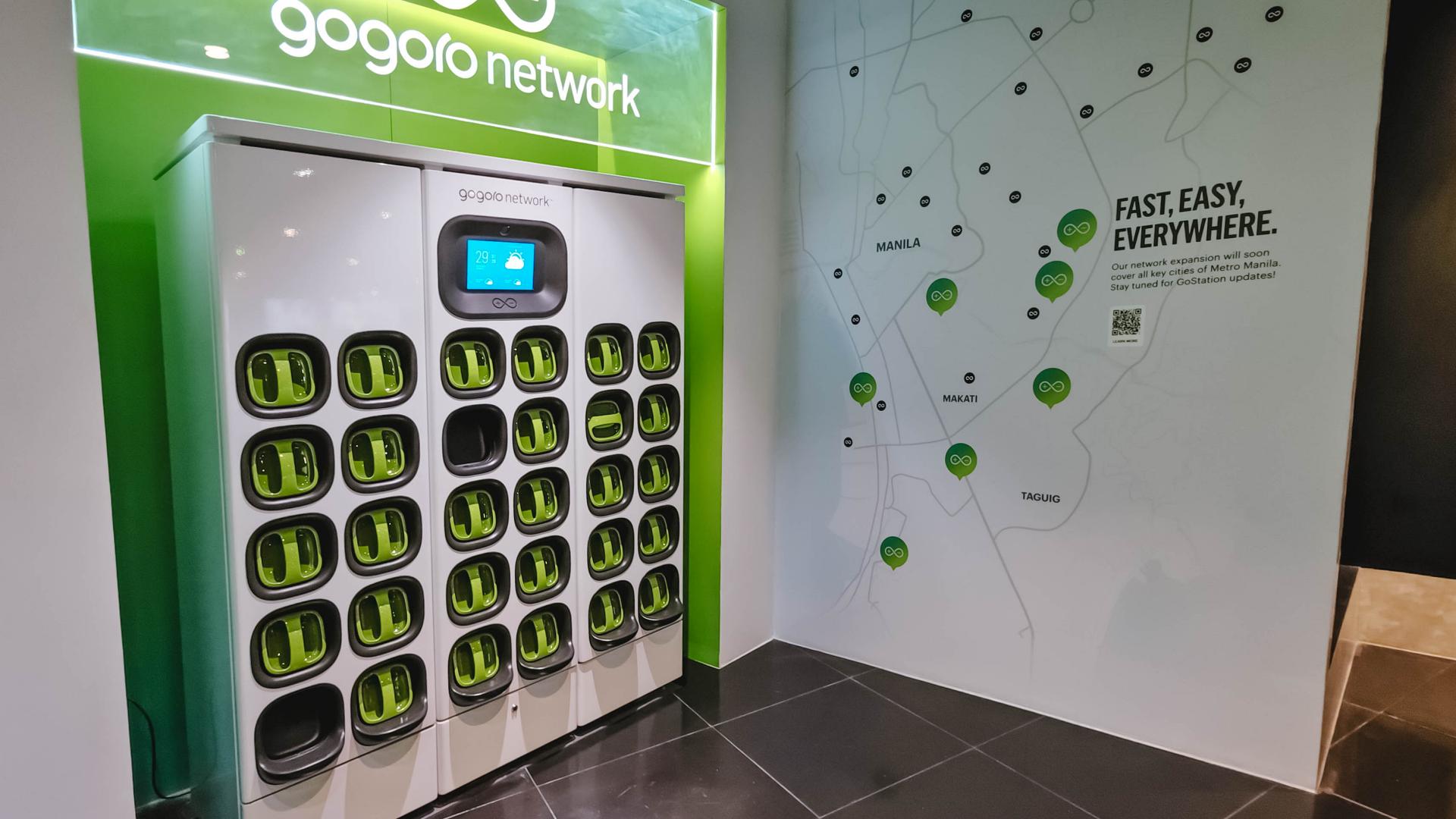
As of this writing, there are five existing stations wherein prospective users can easily hot-swap their batteries whenever they needed to be replaced. There’s vague information stated by a representative but as far as I remember, there’s one in Dela Rosa Carpark in Makati, another in BGC, plus Phoenix Gas Station in Parañaque.
With less reliance to power electricity, this also means it’s more sustainable in the long run as it doesn’t harness much of the energy that produce greenhouse gases — which in return harms our only livable planet.
No further information on how it can be bought and accessed but a store rep answered me that it will be subscription-based and can be paid through Gcash, the country’s leading cashless payment system.
Test To Witness
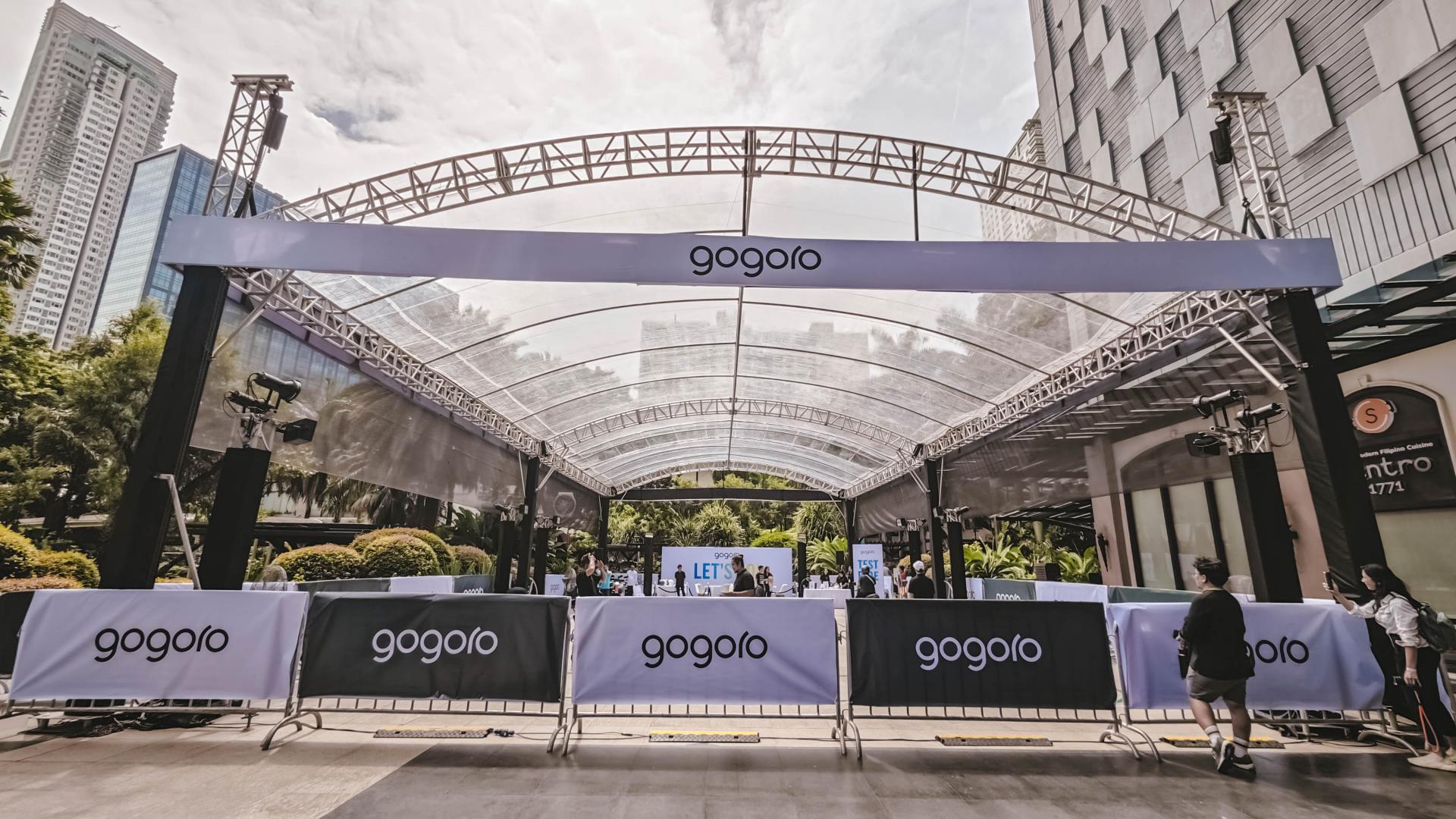
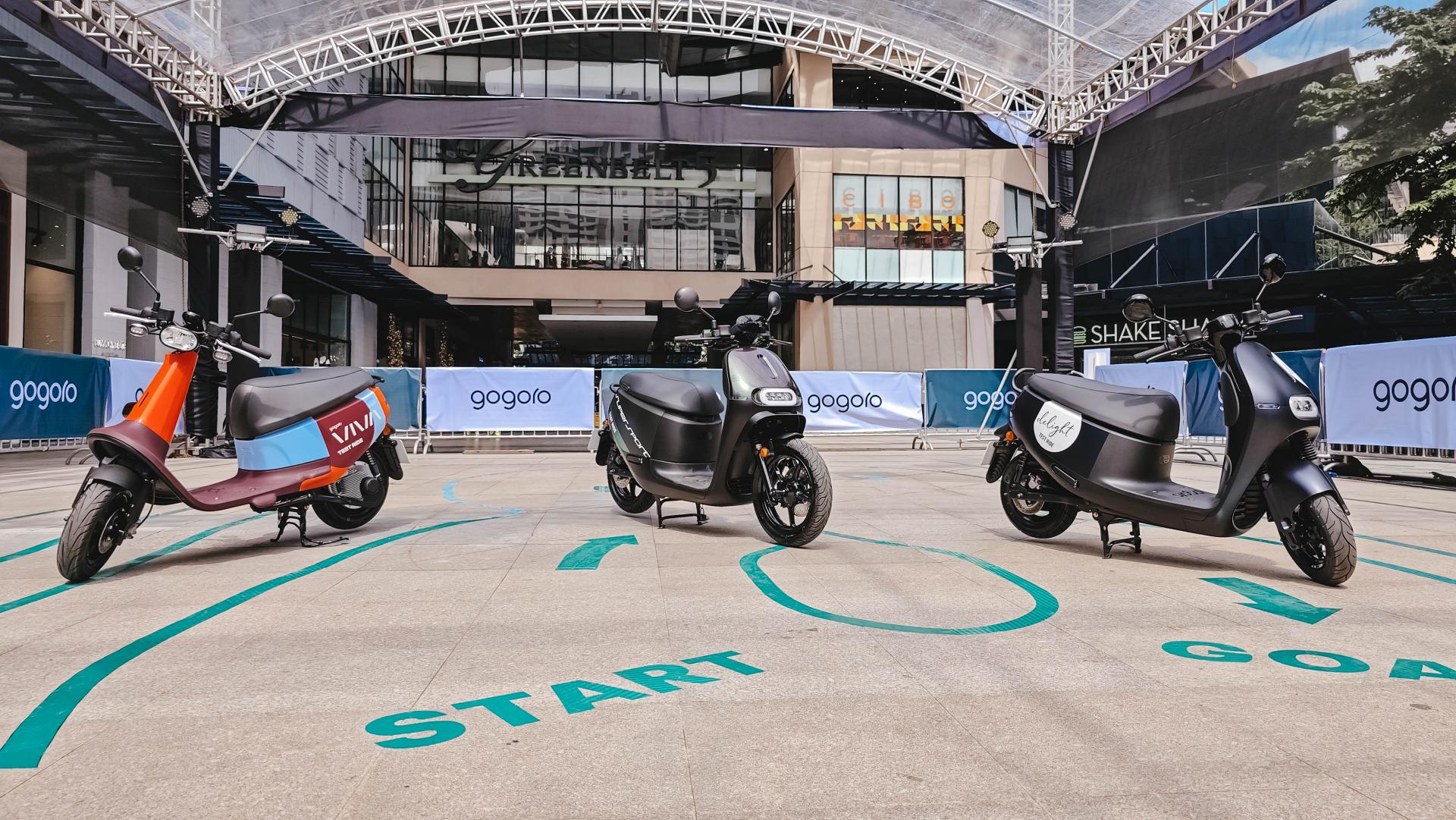
After the official launch announcement, Gogoro Philippines has also prepared a mini testing track at the very heart of Greenbelt 5 for peeps to actually try out the newly-launched two-wheeled EVs.
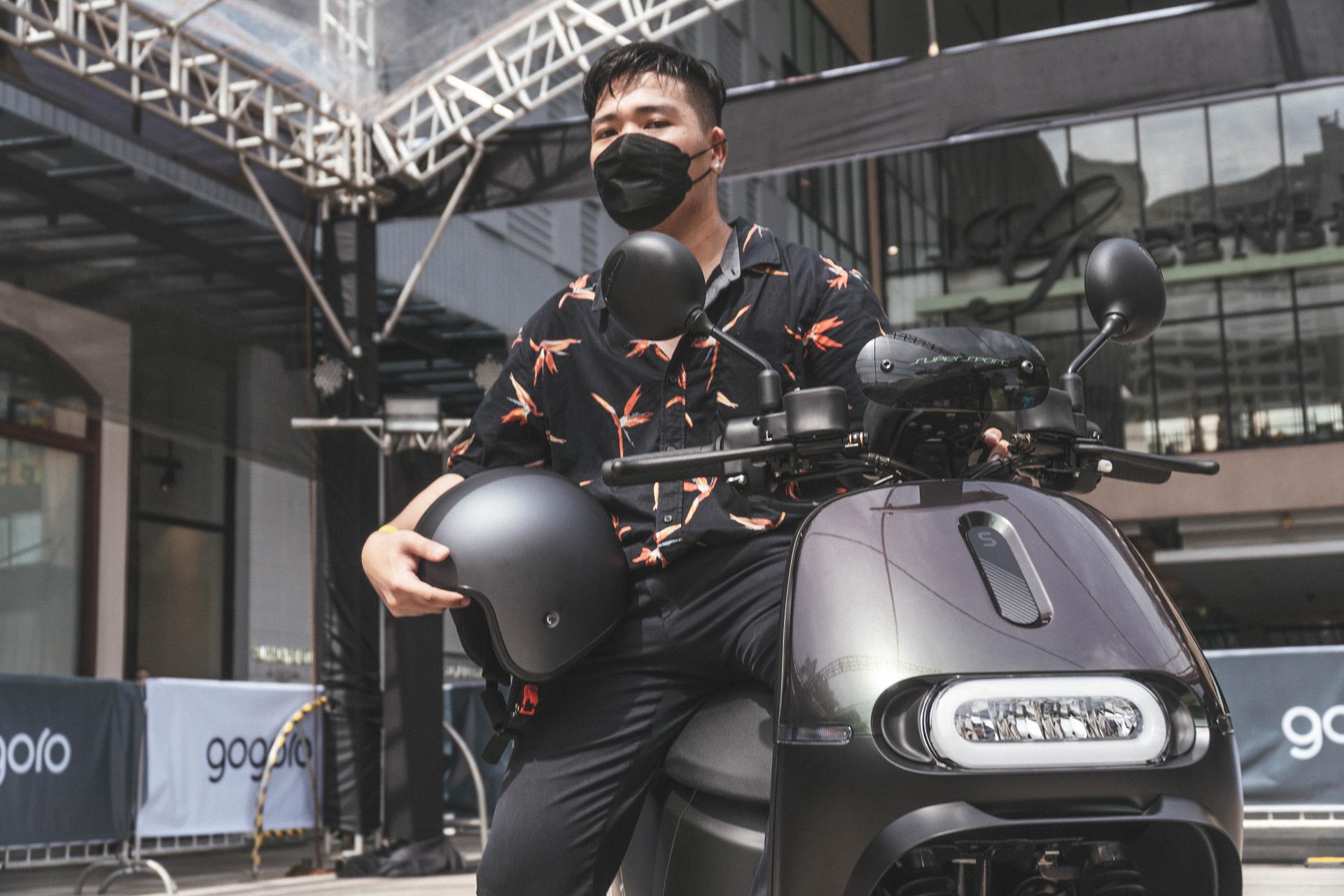
As I already spoiled it at the very beginning, Gogoro’s first three e-scooters require you a driver license before you can ride and use one. Unfortunately, your in-house writer never applied for one. Thus, the clout-chasing photo above with Gogoro’s top-class e-scooter among the bunch.
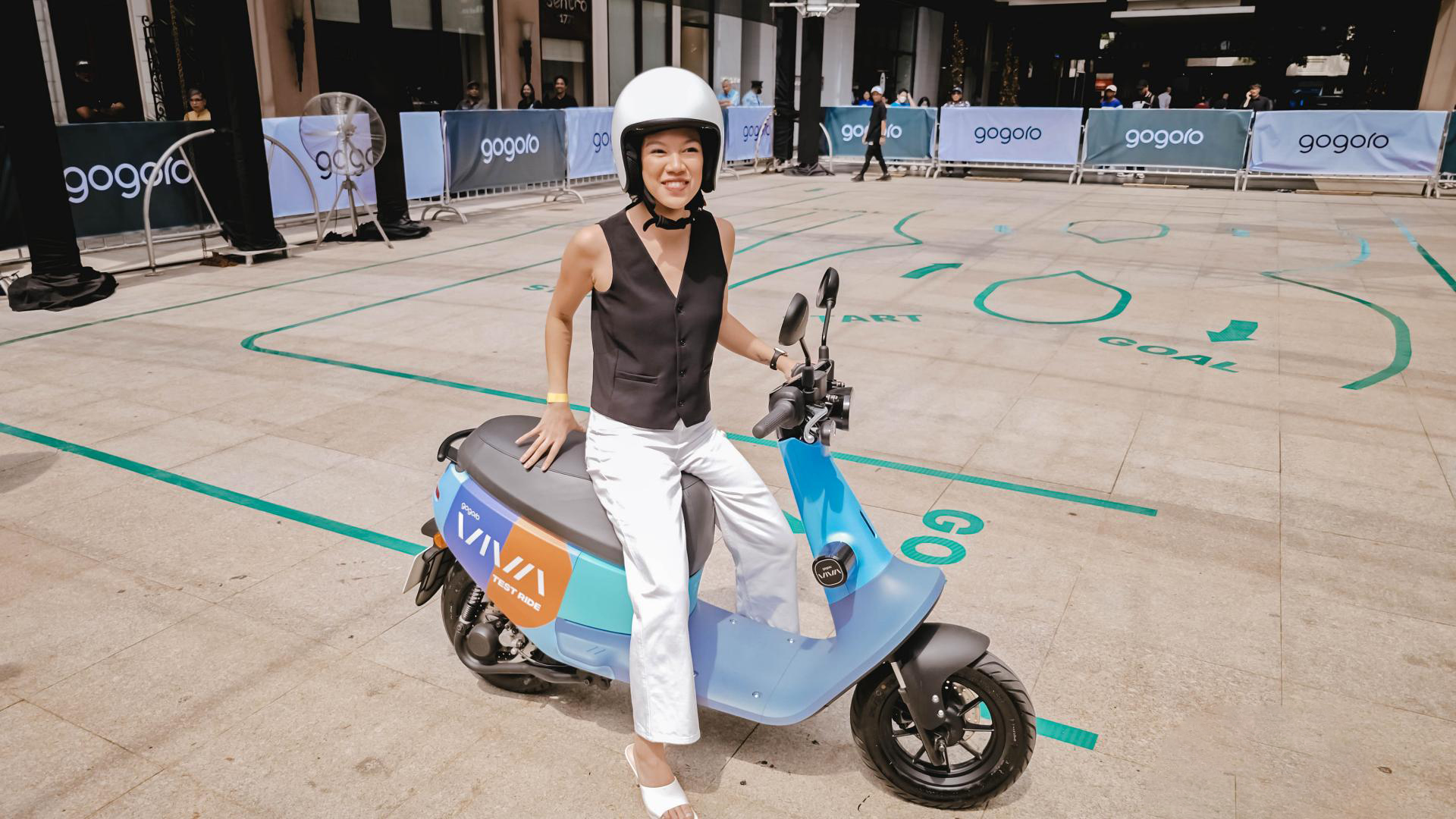
Nevertheless, it never stopped people with no license to try one. Individuals who are well-versed in riding motorcycles wouldn’t have a hard time adjusting and actually moving into using one of these e-scooters.
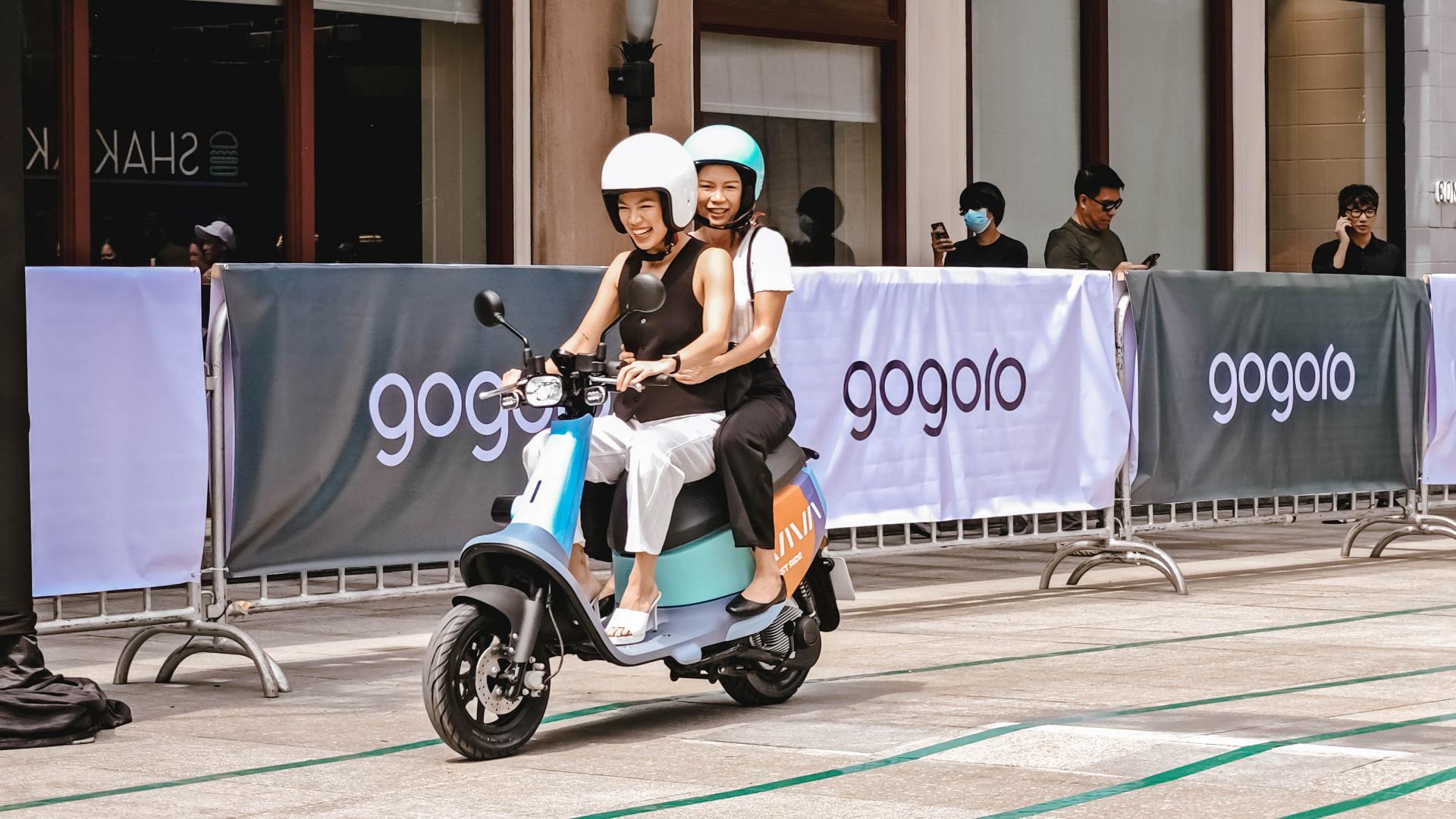
Others with less knowledge but have overflowing braveness literally did their “ride or die” journey. Personally, I just chose to watch fellow media friends ride and enjoy these new two-wheeled EVs.
Exhilirating Experience
The Gogoro Experience Center (GEC) is now open for everyone to visit. It can be found at the 2nd floor of Greenbelt 3 (across H&M) where the Greenbelt branch of Globe used to be located. The first experience store of the scooter company was built with Greenbelt in mind as one of the greenest spots across Makati.
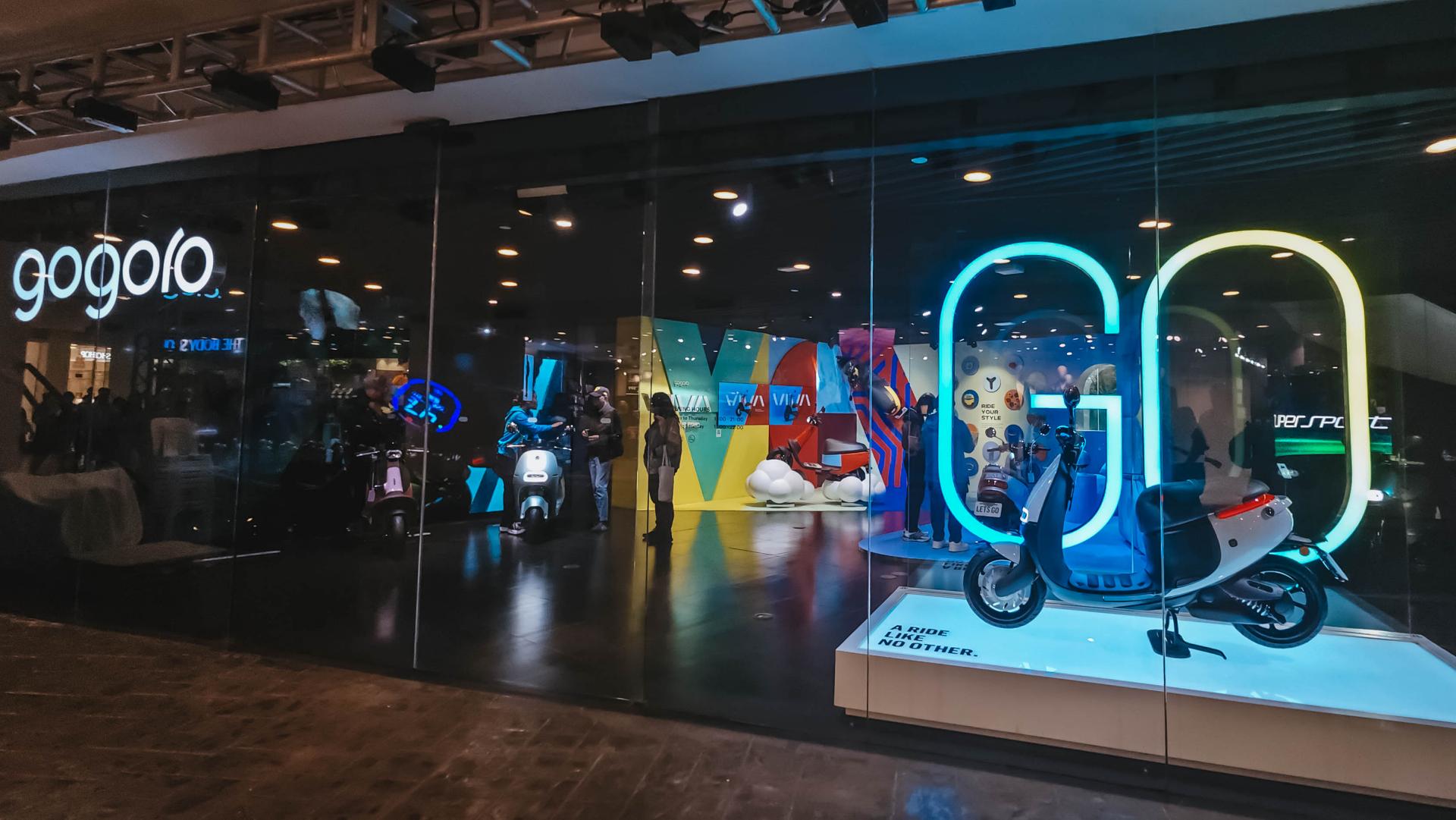
Aside from witnessing all the present e-scooters in their full glory, you can also experience the utmost mobility and comfort of these scooters. Moreover, practicing how to operate the scooters and actually swapping out the batteries before you do it in the real world.
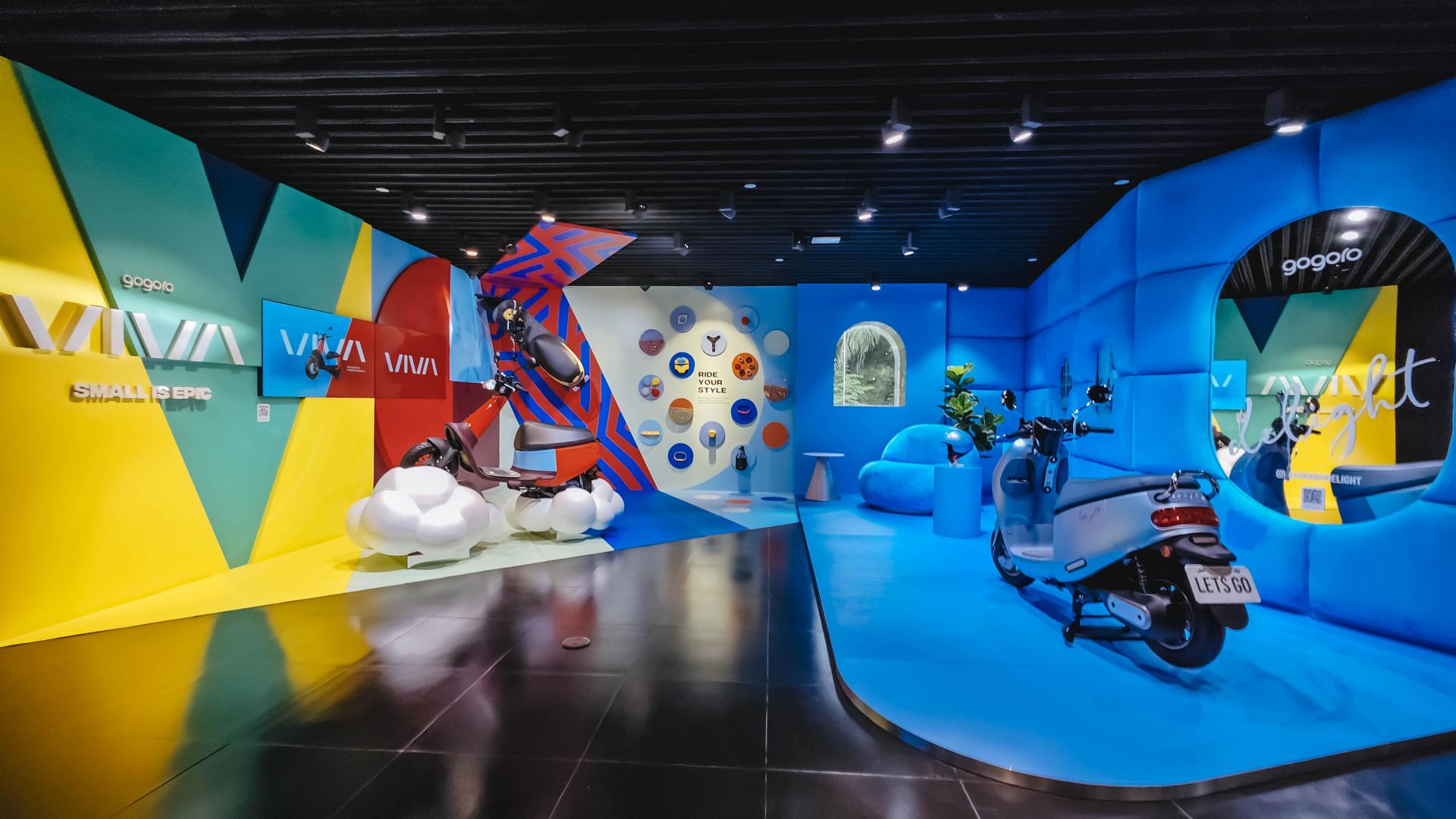
You can even talk to Gogoro representatives and experts your inquiries and curiosities about their products and the how the whole Gogoro ecosystem works.
Greater EV future
This promised partnership came through Globe and Gogoro’s long time of hardships and utmost patience. It actually took seven years for the two companies to bring next-level EV mobility in the Philippines.

Both Globe Group’s President and CEO Ernest Cu and Gogoro’s Founder, Taiwan CEO and Chairman of the Board Horace Luke shared how they connected with each other in sharing the same vision to the country — bringing the carbon footprint lower by promoting electric vehicles as the next main mode of transportation in the Filipino scene.

And with Ayala’s Jaime Alfonso stepping into the scene and having the same sentiments as Luke achieving a “net zero by 2050”, the conglomerate is committed to continuously promote green and sustainability.

No wonder why most Gogoro Network stations stated earlier are either located near an Ayala Mall or a related business/establishment. Expect these will expand further as we head towards an EV future.
Pricing and Availability
Gogoro Philippines hasn’t announced official pricing for these e-scooters but they are promising it will be announced by December 2023. More models will soon be revealed by 2024.

Custom accessories and parts will also be available in order for future users to make better styles for their bikes as well as their overall rider look.







Automotive
What Qualcomm and VinFast say about the future of driver assistance
TheV-Creator All Star Summit 2026 puts the spotlight on AI-powered driving technology

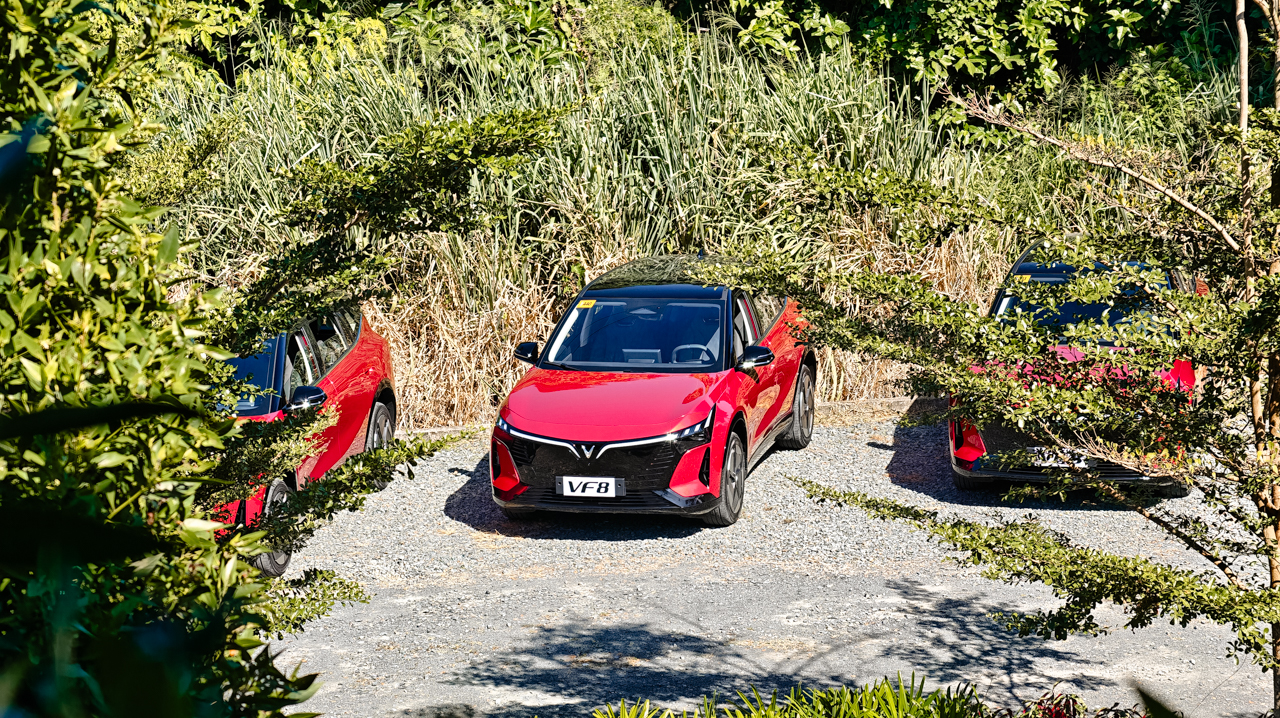
Cars are getting smarter, and new vehicle technology is steadily changing what everyday driving looks like.
From lane-centering tools to hazard detection, advanced driver assistance systems (ADAS) are becoming standard in modern cars.
This shift took center stage at VinFast’s V-Creator All Star Summit 2026 in Nha Trang, Vietnam. There, leaders from Qualcomm and the auto industry joined academics to discuss the future of mobility.
How AI is reshaping driver assistance
Abhay Rai, Vice President of ADAS Product Management at Qualcomm, led a session on the evolution of automated driving.
He explained how AI and high-performance computing are powering more advanced features. Paired with software-defined vehicle architectures, these tools allow cars to process data faster and smarter.
For everyday motorists, this means vehicles can better read their surroundings and react to road hazards. Depending on the model, ADAS features often include lane-keeping assistance and automatic emergency braking.
These systems also sit at the center of talks on road safety and accessibility. As the tech advances, automakers face a clear challenge: making these features reliable and affordable enough for everyday vehicle segments.
Inside VinFast’s automated driving roadmap
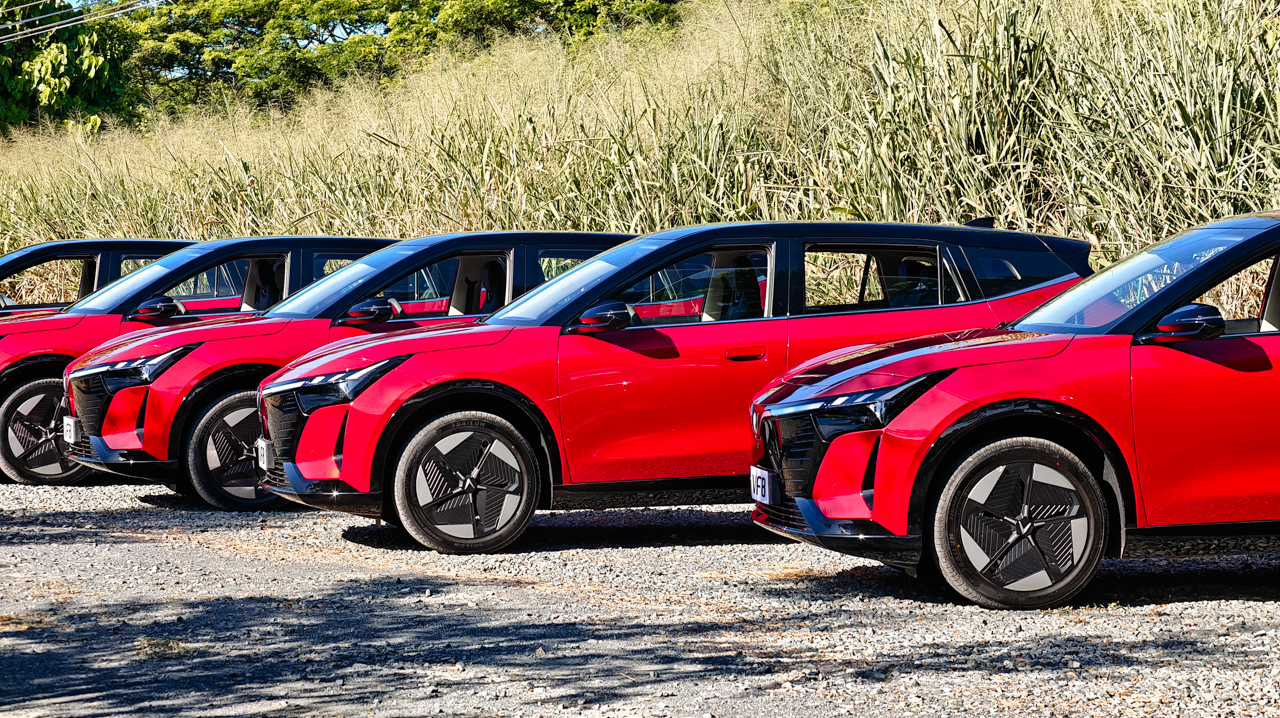
VinFast also highlighted its own progress in this space. Professor Dr. Van Duong Nguyen, who specializes in ADAS and autonomous driving at the company, presented their latest work.
The session covered VinFast’s Level 2 and Level 2+ systems, alongside emerging approaches using end-to-end AI and Vision-Language-Action models.
These levels matter because automated driving arrives in stages. Level 2 systems can manage steering, acceleration, and braking at the same time. Even so, drivers must stay attentive and remain responsible for the car.
Meanwhile, the industry uses “Level 2+” to describe more capable assistance, though it is not a standardized SAE automation tier.
Making EVs practical for everyday drivers
Beyond intelligent driving, the summit looked at what makes electric vehicles a practical choice for everyday consumers.
VinFast Asia CEO Tapan Ghosh outlined the key drivers of wider EV adoption. He pointed to vehicle affordability, charging infrastructure, ownership policies, and reliable customer support.
Those points apply directly to Asian markets like the Philippines. For local buyers, going electric depends on easy charging, fair pricing, and a smooth ownership experience. All of these factors will shape how readily consumers embrace the technology.

The summit took place on November 17 and brought together more than 500 international participants, including journalists and content creators from several Asian markets.
These conversations show how closely the auto industry is now tied to AI, computing, and consumer technology. As these innovations reach more vehicles, driving could look very different in the years ahead.
Automotive
The all-new VinFast VF 8 arrives in Manila with a battery subscription option
Starting at PhP 1,548,000

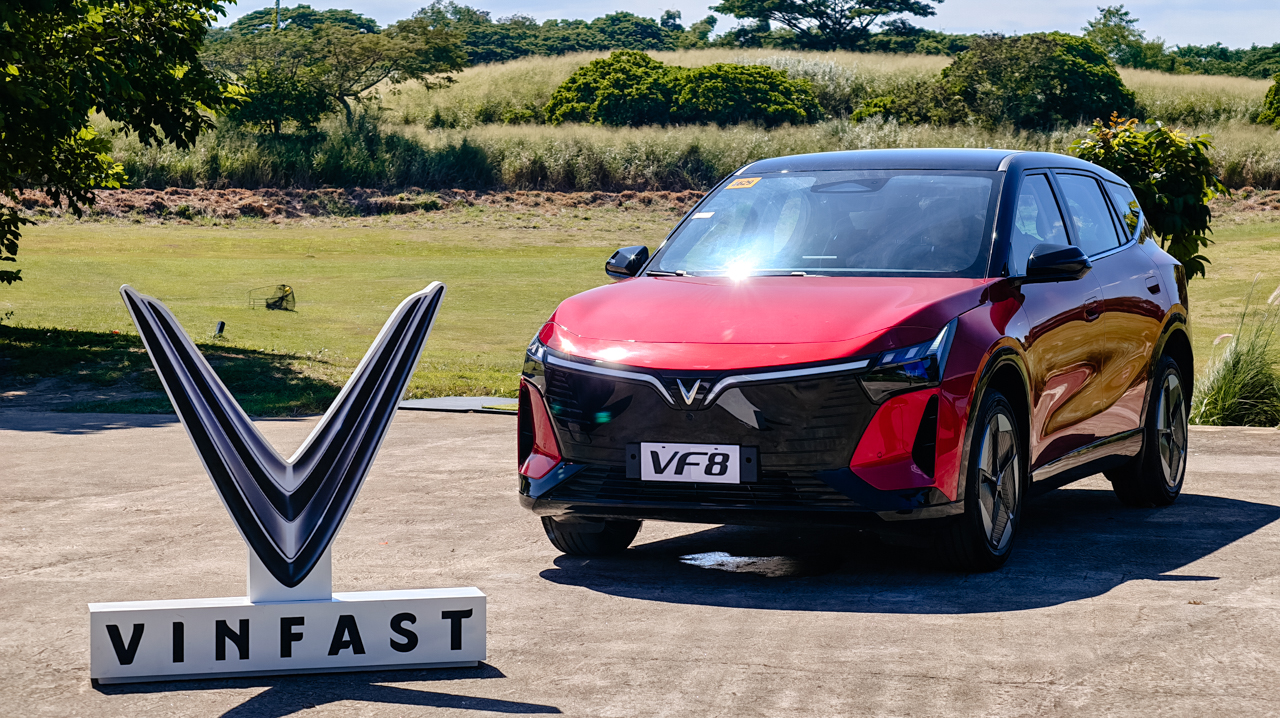
VinFast has officially launched the All-New VF 8 in the Philippines. The all-electric D-segment SUV is aimed at families and at buyers who are making their first switch to an EV, and the first customer deliveries are expected to begin in November 2026.
Updated design, dimensions
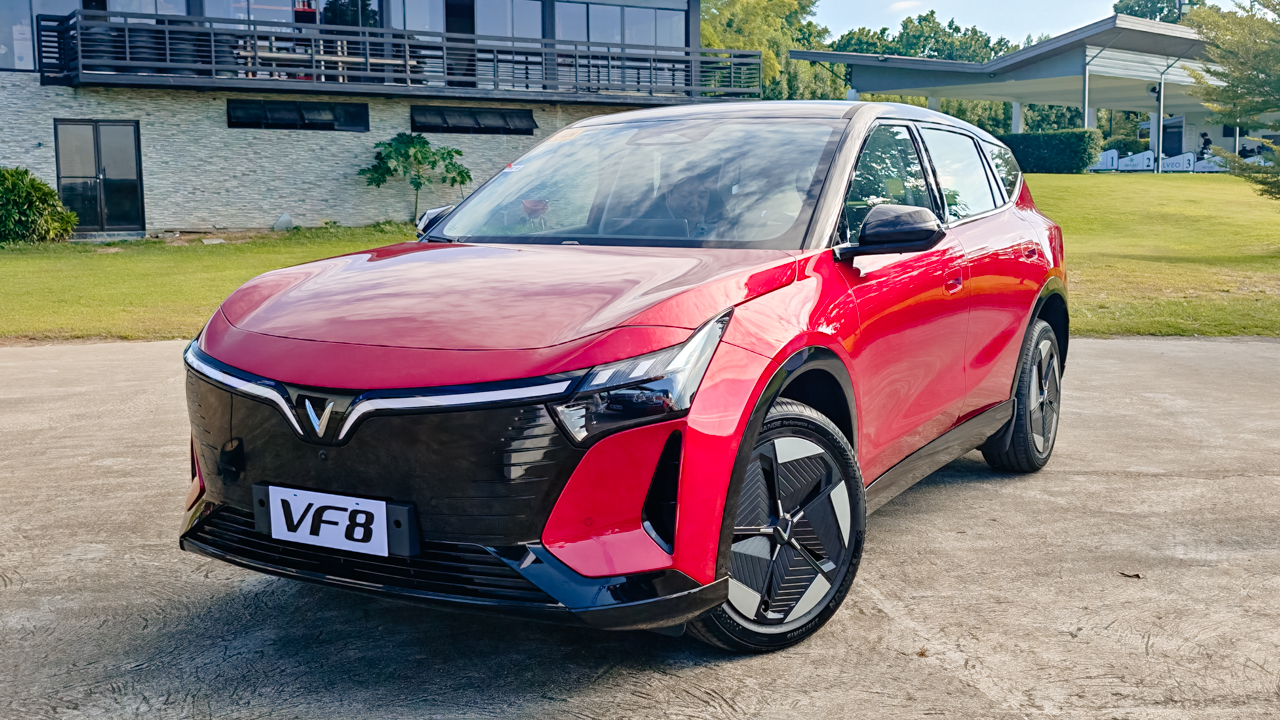
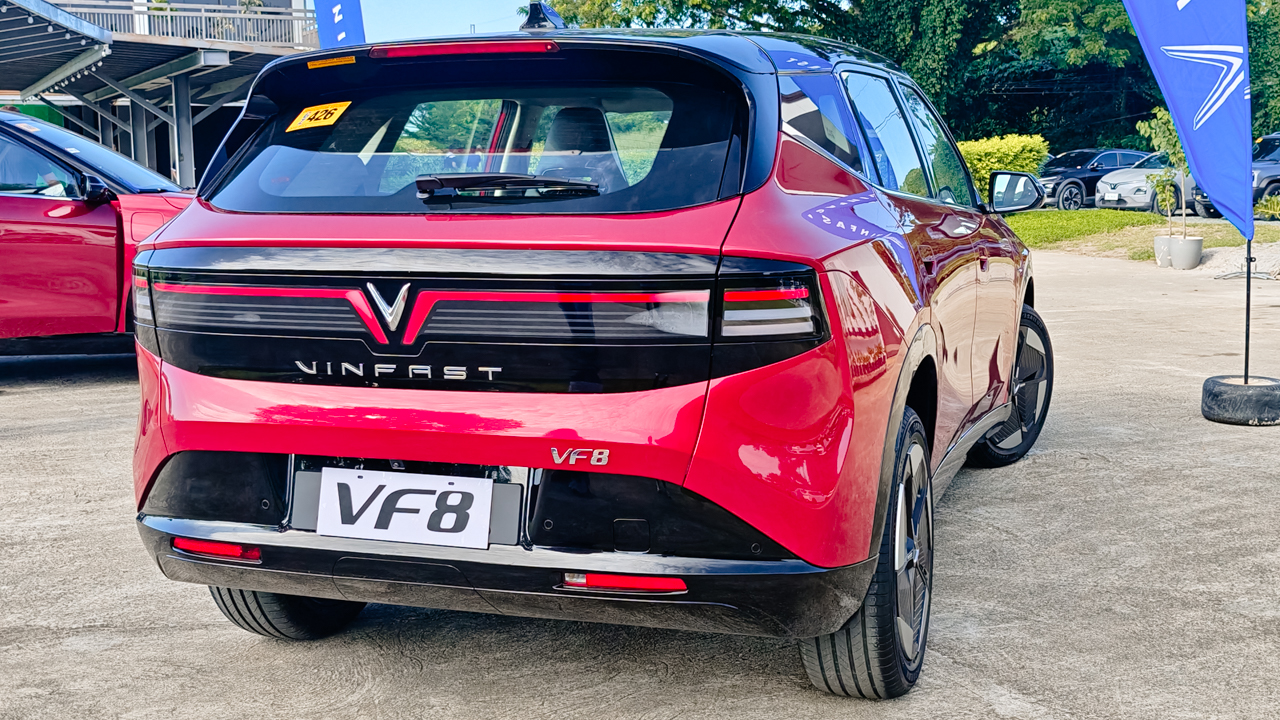
VinFast overhauled the VF 8’s design, chassis, electrical architecture, and vehicle systems for a smoother, more responsive ride. Its exterior follows the brand’s “Tech Fluid” design philosophy, which balances modern styling with everyday practicality.
The five-seater measures 4,701 mm long, 1,872 mm wide, and 1,670 mm tall, with a 2,840 mm wheelbase. Its 170 mm ground clearance and 19-inch wheels help handle varied road conditions, though performance depends heavily on road quality.
Inside, a 12.9-inch central display controls the main vehicle functions. A second screen behind the steering wheel displays essential driving data. Mounting the gear selector on the steering column keeps the center console clear and simplifies daily driving.
Powertrain, range, and charging
A single electric motor drives the front wheels, producing up to 170 kW and 330 Nm of peak torque. Drivers can choose between Eco, Normal, and Sport driving modes.
The 60.13 kWh battery delivers up to 480 km under the NEDC standard, though real-world range typically runs lower. Fast charging boosts the battery from 10% to 70% in under 30 minutes.
Buyers can purchase the vehicle with the battery included or subscribe to the battery separately to match their budget. A seven-year or 160,000 km warranty covers the vehicle. The high-voltage battery gets 10 years or 200,000 km of coverage, whichever comes first.
Price, availability in the Philippines
The VinFast VF 8 is priced at PhP 1,548,000 with a battery subscription, or PhP 1,799,000 with the battery included.
VinFast Philippines CEO Antonio “Toti” Zara III called the launch another milestone in the brand’s local commitment. He added that the VF 8 strengthens VinFast’s premium EV lineup for Filipino drivers with diverse mobility needs.
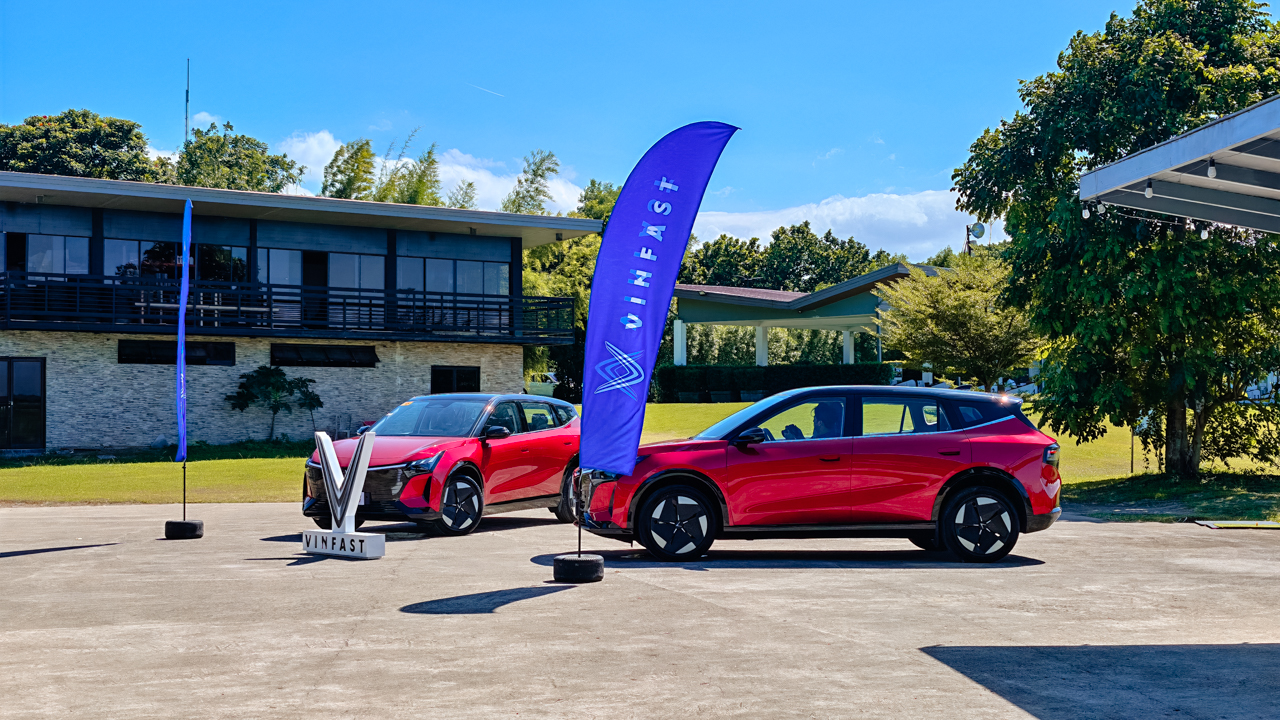
The Philippines serves as the first international market to receive the All-New VF 8. VinFast is also expanding its dealerships, aftersales services, and charging network alongside V-Green and local partners.
Automotive
Inside Xiaomi’s world of possibilities
A visit to Xiaomi’s Beijing campus reveals how the technology giant is imagining a more connected way of living.

The first time I encountered Xiaomi, I was tinkering with the Xiaomi Mi Max 2 and Mi Mix 2 in 2017. Yes, that was almost a decade ago. They were among the first gadgets I worked on after I took the leap into the world of consumer technology journalism.
That career move eventually turned my curiosity about shiny new things into an actual profession. (My younger self would be delighted to know that shopping for gadgets could, in fact, become part of the job description.)
Back then, I was far more familiar with writing travel essays and lifestyle features. Consumer technology was an entirely different playground. At that time, Xiaomi was beginning to spread its wings beyond China. Its smartphones were reaching more markets and earning attention for their hardware and competitive pricing.
In 2026, I found myself in Beijing, walking through the company’s sprawling headquarters. Autumn foliage surrounded me, along with futuristic electric vehicles and enough technology to make any gadget enthusiast feel a ~little~ giddy.
The Xiaomi Science and Technology Park was a fitting backdrop for this full-circle moment. What began with a handful of smartphones I once had to familiarize myself with has grown into a global technology company. Its ambitions now cover personal devices and smart homes, and they extend to electric mobility.
Catching the right wind
The park was inaugurated in July 2019 as the company’s global headquarters in Beijing’s Haidian District. It spans approximately 340,000 square meters across eight interconnected buildings.
The campus brings together Xiaomi’s core research and development, along with its software engineering and executive operations.

My visit coincided with Beijing’s autumn season, which made the grounds particularly picturesque. Golden ginkgo leaves shimmered against the crisp sky, while vibrant maples and fiery red smoke trees added splashes of color to the modern architecture.
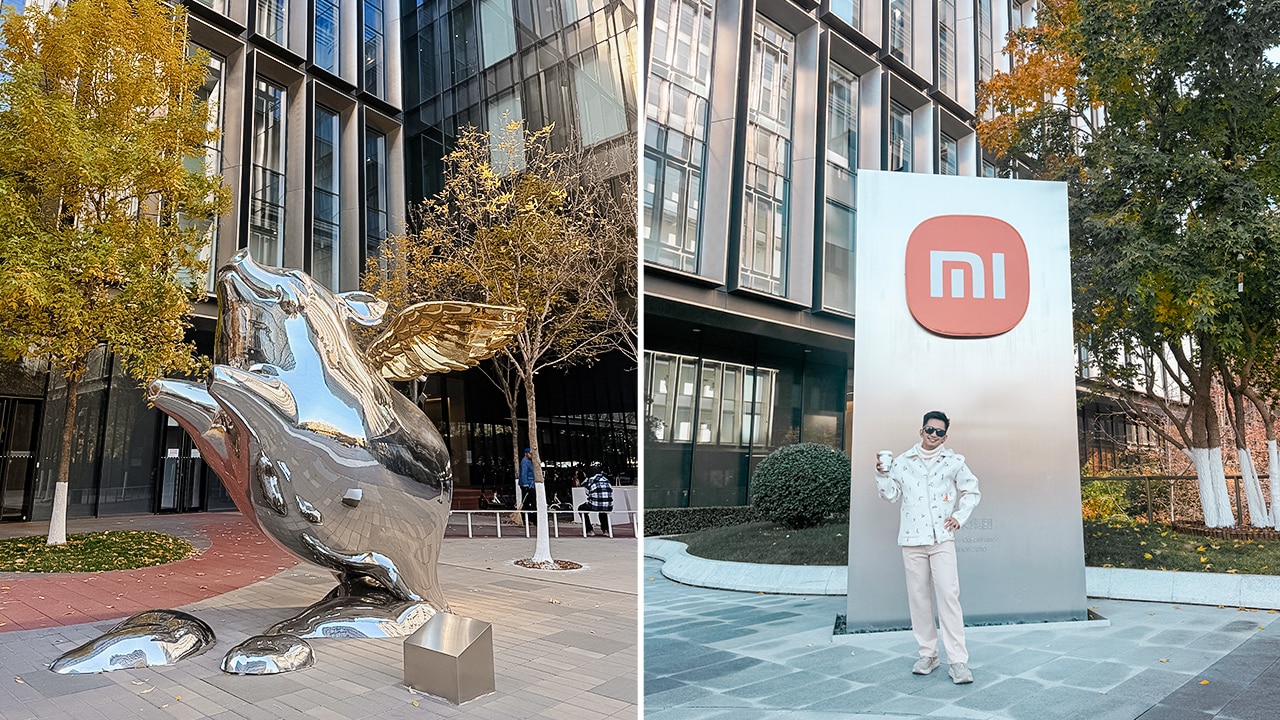
It made me want to put my phone away for a moment and simply appreciate being somewhere beautiful. Eventually, something unexpected stole my attention: a metallic pig with wings.
Known as “The Flying Pig,” the sculpture was first installed in 2021. It represents founder Lei Jun’s business philosophy.
“Even a pig can fly if it catches the right wind.”
The idea speaks to timing and market momentum. For Lei Jun, it captures how Xiaomi positioned itself during the early 2010s mobile internet boom, when the industry was going through a massive transformation.
The philosophy resonated with me more than I expected. I’ve always believed that a little luck can go a long way, although it helps when you’ve done the work before the opportunity arrives. You have to build the foundation and develop your capabilities so you can take advantage of the moment when it comes. After all, you can catch the right wind, but you still need wings.
The pig also reflects Xiaomi’s willingness to chase seemingly impossible ambitions. Since the company has expanded from smartphones into electric vehicles, it’s an amusingly fitting mascot. Apparently, pigs can fly. They can also drive now.
A little electricity, a lot of ambition
Inside the campus, I gravitated toward the in-house café, tucked beside enormous floor-to-ceiling windows that overlook the colorful autumn landscape. The contemporary, understated space invites you to linger over coffee, even with an entire itinerary waiting.
I ordered an oat latte and paid with GCash through Alipay. It was a small reminder of how seamlessly technology has become part of everyday transactions. With a warm cup in hand, I settled in to admire three electric vehicles displayed nearby.
Behind them was a showcase of Xiaomi’s wider ecosystem, with tablets, laptops, wearables, accessories, and smartphones. It was familiar territory for someone who has spent nearly a decade writing about consumer technology.

Still, my attention kept wandering back to the cars. Xiaomi built much of its global identity around smartphones, so its automotive push is one of its most fascinating developments.
The vehicles on display showed how the company is applying its technology expertise to a different industry, with software and connectivity mattering as much as the hardware itself.
And if the cars were anything to go by, Xiaomi wasn’t planning a subtle entrance.
A pink car made for the Elle Woods
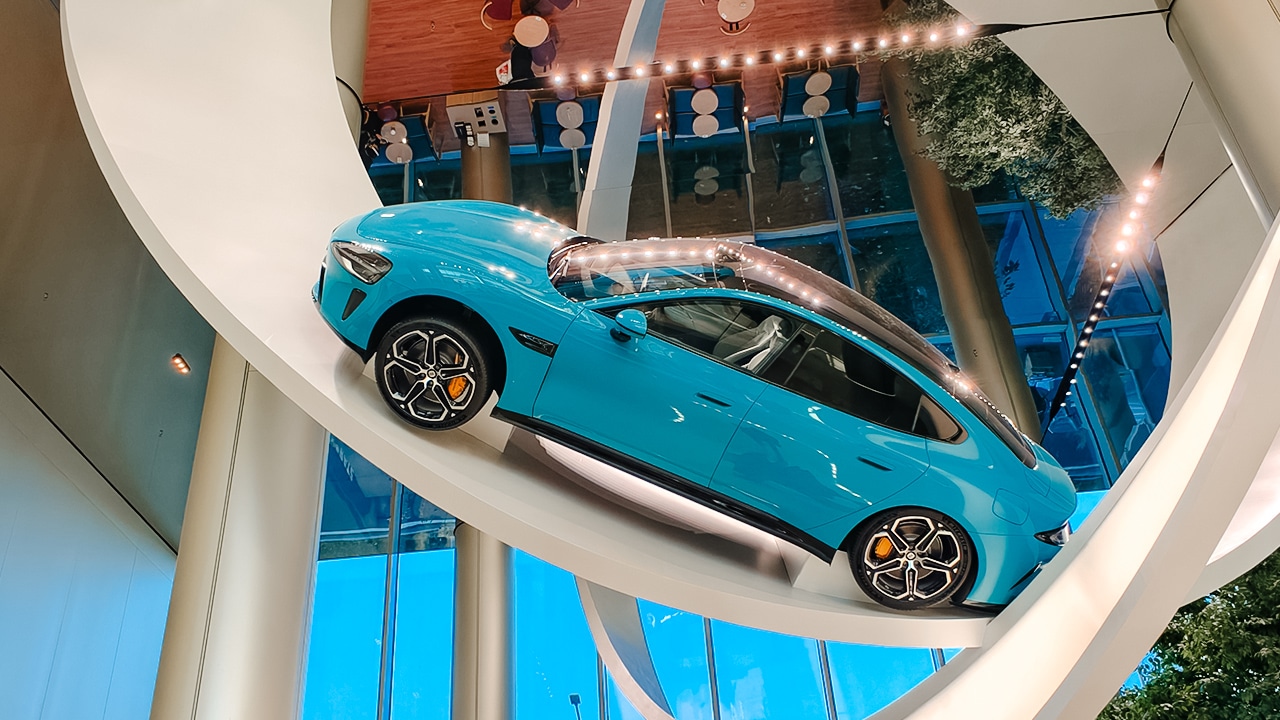
First on display was the Xiaomi SU7, the company’s first electric vehicle. The electric sports sedan entered a competitive market alongside established names such as the Tesla Model 3 and Porsche Taycan. Xiaomi says it secured nearly 90,000 firm orders within the first 24 hours of launch, at an introductory starting price of RMB 215,900.
The unit at the campus came in Dawn Pink, and I was immediately sold on the color. The finish debuted on the YU7 in June 2025 and later made its way to the sedan lineup.
View this post on Instagram
It’s inspired by golden sunlight hitting snow-capped mountains at sunrise. It has a soft blush-pink base layer beneath a clearcoat infused with fine light-gold metallic flakes. Depending on the light, the finish shifts subtly between warm rose and champagne gold.
It’s a rather sophisticated shade of pink. Think Elle Woods after graduating from Harvard Law, building a successful career, and deciding that her next major purchase should have four wheels and serious horsepower. (I’d happily take it for a spin!)
The SUV gets a performance makeover
Xiaomi later expanded its lineup with the YU7, its first all-electric SUV, which entered the market in 2025 as a competitor to the Tesla Model Y. In May 2026, the company introduced the YU7 GT, positioned as the performance-focused flagship of the SUV lineup.
The example on display came in Crimson Red, a fitting choice for a vehicle with considerably more visual aggression. It has flared wheel arches, a unified front splitter, an active rear diffuser, carbon fiber mirror housings, and 24K gold carbon fiber badges.
View this post on Instagram
Inside, the cabin pairs suede and leather sport upholstery with heated, ventilated, and massaging seats across both rows. It also runs Xiaomi’s HyperOS-powered Human x Car x Home ecosystem, which connects the vehicle with the company’s wider range of smart devices.
It’s an interesting take on a performance SUV. The exterior is sporty and the hardware appears to match, while the interior still looks after the important business of keeping everyone comfortable. Apparently, even a performance car understands that we all deserve a little pampering.
Room for the whole family, and then some
Further up the lineup is the Xiaomi SkyNomad, officially unveiled in July 2026 ahead of its China launch in September.
It marks Xiaomi’s entry into the large family SUV segment and the extended-range electric vehicle category. Its proposition revolves around the idea of a mobile living space, with an interior designed to accommodate longer journeys and the practicalities of family travel.
View this post on Instagram
The SkyNomad is built on Xiaomi’s Kunlun Architecture, which began development in 2023. It has a completely flat floor and five extended sliding rails. The second-row seats can slide, rotate, and recline into zero-gravity lounging positions.
The cabin also extends the Human x Car x Home philosophy into a larger living space. Features include a nine-liter heating and cooling compressor refrigerator, a 21.4-inch rear entertainment display, and an audio system with up to 25 speakers.
On the tech side, Xiaomi lists assisted-driving capabilities powered by a 700 TOPS NVIDIA Drive Thor chip and LiDAR. It also reports a 650 to 750mm water-wading capability and an emergency water-floating function.
It’s an interesting direction for Xiaomi’s automotive ambitions. The company is looking past the idea of a vehicle as a way to get from one place to another and exploring how the cabin itself can extend the connected home.
At this rate, the family road trip might come with its own refrigerator and cinema screen. A comfortable place to nap is included. I can already see the appeal.

Building an ecosystem that moves with you
Xiaomi’s Human x Car x Home philosophy became even more relevant once the company entered the automotive industry. The strategy connects its smartphones and smart home devices with its vehicles so they can work together as one ecosystem.
For Lei Jun, the automotive venture represents the “last major entrepreneurial project” of his life. It’s backed by a 720,000-square-meter manufacturing base equipped with more than 700 industrial robots.
At peak efficiency, the production line can roll out a finished vehicle every 76 seconds. Let that sink in for a moment. Before I’ve even decided what to order for lunch, Xiaomi could have another electric vehicle rolling off the line.
During our visit, we also got to see the machinery behind that production. Xiaomi says approximately 91 percent of the factory is automated, and watching it was quite an experience.
Large industrial robots moved components into place in motions that almost looked choreographed, and they synchronized so well that the entire line seemed to have its own rhythm.

I’ve always found industrial robots fascinating, especially when they take on physically demanding or hazardous work. I could probably spend another afternoon watching them do their thing.
Human oversight still has a place, though. Workers continue to inspect and supervise production to make sure the finished vehicles meet the company’s standards, which is a reminder that the human eye remains part of the process even in a highly automated factory.

One ecosystem, an entire lifestyle
Beyond the machinery, what interested me most was how the automotive venture fits Xiaomi’s larger ambitions. The Human x Car x Home strategy is about making technology feel like a continuous part of everyday life, with your smartphone as the control center and your electric vehicle extending the connected experience onto the road.

Think about how much of your day already revolves around technology. Your smartphone wakes you up, your wearable tracks your activity, your appliances help run your household, and your car gets you where you’re going.
Xiaomi wants these experiences to feel like parts of the same connected lifestyle, with HyperOS helping the products work together across different scenarios.

It’s an ambitious proposition for a company that many consumers first came to know through its smartphones. Xiaomi is moving from supplying the gadgets we carry to wanting a place in the environments we inhabit.
Perhaps the biggest lesson here is that the future of technology lies in making the devices we already live with work better together. And if the “flying pig” is any indication, the sky isn’t even the limit.


Now Playing: The Legend of Zelda: Ocarina of Time (2026)
It's a true labor of love.


My latest fashion accessory happens to play music
The JBL Soundgear Clips are the finishing touch my outfits needed!


Fujifilm instax Pal 2 review
A tiny digital camera that’s all about the keepsakes.

Apple might be working on a foldable iPad worth $5,000

CASETiFY has a new Pokémon collection

Salmon launches basketball-themed virtual card designs

Secretlab for Automobili Lamborghini Deluxe Collection now in the Philippines

Xiaomi 18 Pro Series: Price, availability in the Philippines

Your coffee nook is getting a makeover with Starbucks’ holiday collections

Sticker season is back, and so is the planner your ~friends~ might fill in for you

Wild Rift Patch 7.3, celebrates K/DA comeback

ROG G700 review: The best prebuilt PC you can get off the shelf

vivo X500 Pro Max review: 500+ hours later


-
 Reviews1 week ago
vivo X500 Pro Max review: 500+ hours later
-

 Gaming1 week ago
Five new (and better) games you can play instead of GTA VI
-
Cameras5 days ago
Fujifilm instax Pal 2 review
-

 Smartphones1 week ago
Spotlight: OPPO Find X10 Pro Max
-

 Entertainment3 days ago
Spider-Man: Brand New Day returns to cinemas with new scenes
-

 Smartphones1 week ago
The iPhone Duo is replacing my Kindle
-

 Tablets2 weeks ago
Infinix XPAD 30 launches, comes with AI features and expansive display
-

 Buyer's Guide1 week ago
Buyer’s Guide: 2026 Amazon Kindle