
Gaming
Paper Mario, Luigi’s Mansion 2 remakes get a release date
Coming in May and June

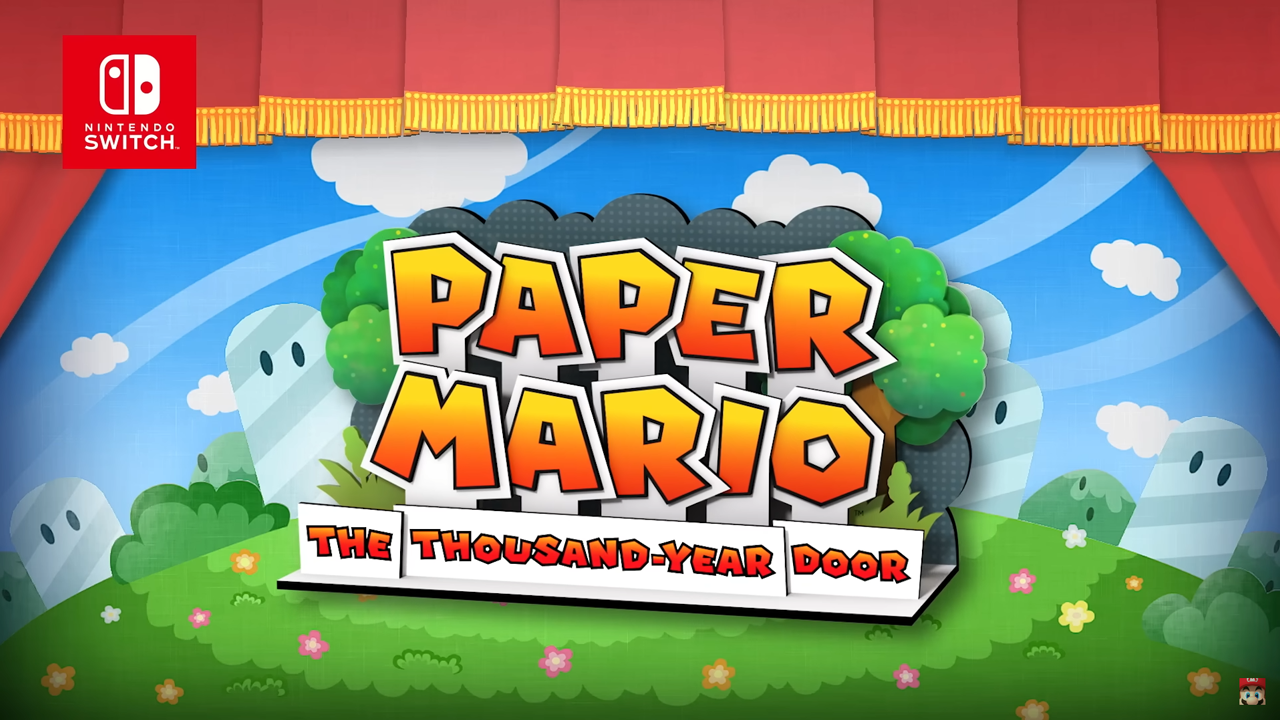
Happy Mario Day, everyone! As with every year, March 10 is dedicated for everyone’s favorite red plumber. In 2024, Nintendo is celebrating the occasion with a definitive release date for upcoming remakes of Paper Mario: The Thousand-Year Door and Luigi’s Mansion 2.
Remakes have been an essential part of the Switch ecosystem. Nintendo is constantly releasing its older titles for its main console. Older Mario titles are no different. Last year, the company announced its intention to rerelease the above titles for the Switch. Now, we finally have a release date.
Paper Mario: The Thousand-Year Door will launch on May 23. If you played the Switch’s Paper Mario: The Origami King, The Thousand-Year Door brought the series to the heights that it enjoys now. Whereas the usual fare of Mario games are platformers, the Paper Mario series takes a more whimsical (and turn-based) approach to the iconic character. Originally released in 2004 for the GameCube, The Thousand-Year Door is now getting a remake for the modern Switch.
On the other hand, Luigi’s Mansion 2 is the second solo outing for Mario’s brother. As with the other games in the series, the title turns Luigi into a ghostbuster trying to survive against King Boo. Now, players might remember the title more as Luigi’s Mansion: Dark Moon. It was originally released in 2013 for the Nintendo 3DS. The remake will bring the ghostbusting title to the Switch. The remake releases on June 27.
Besides the two remakes, Nintendo has also announced that last year’s The Super Mario Bros. Movie is getting a sequel set for release in 2026.








Global K-pop sensation LE SSERAFIM is returning to BlizzCon.
Blizzard Entertainment has announced that the five-member girl group will perform as the closing musical act at BlizzCon 2026. LE SSERAFIM will take the Main Stage on Sunday, September 13 (PT), bringing fans another live performance after its BlizzCon debut in 2023.
The appearance also comes ahead of the group’s upcoming U.S. tour. Blizzard teased that the performance will make it a “Perfect Night” for fans attending the convention at the Anaheim Convention Center.
View this post on Instagram
LE SSERAFIM returns to Blizzard
LE SSERAFIM debuted in 2022 under SOURCE MUSIC, a label of HYBE. The group is composed of Sakura Miyawaki, Kim Chaewon, Huh Yunjin, Kazuha Nakamura, and Hong Eunchae.
The group’s name is an anagram of “I’m Fearless,” reflecting the confidence that has defined its music since debut.
This won’t be LE SSERAFIM’s first crossover with Blizzard. The group previously collaborated with Overwatch 2, bringing themed cosmetics and a special event to the hero shooter.

BlizzCon 2026 is sold out
BlizzCon is Blizzard Entertainment’s annual community celebration. It brings together fans of World of Warcraft, Diablo IV, Overwatch 2, and other Blizzard franchises for game announcements, developer panels, esports, cosplay, and hands-on experiences.
Passes for BlizzCon 2026 have already sold out. However, Blizzard says tickets may still become available through the Tixr public resale marketplace.
Fans can learn more about LE SSERAFIM’s appearance on Blizzard’s official blog.

Gaming
AMD FSR Upscaling 4.1 now available for Radeon RX 7000 Series
Update drops earlier than expected, powering more than 300 supported games

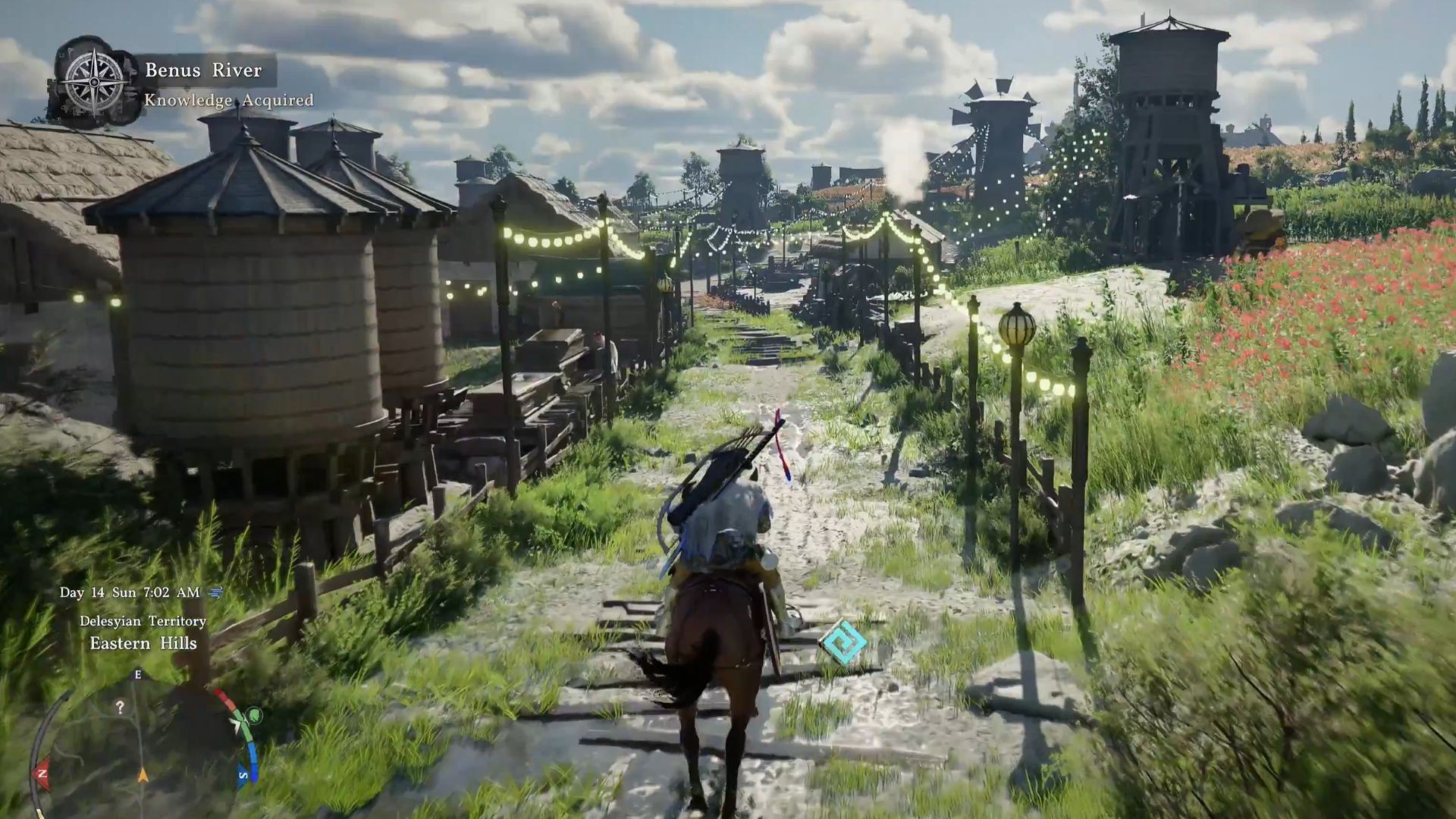
PC and handheld gamers can officially skip the wait, as AMD has launched its FSR 4.1 upscaling technology for Radeon RX 7000 series (RDNA 3) GPUs.
Computing and Graphics Group Senior Vice President and GM Jack Huynh made the announcement on X (formerly Twitter). This development brings machine learning powered gaming to millions of players across more than 300 games.
By downloading the latest AMD Software: Adrenalin Edition 26.6.2 driver, users can unlock the new AI upscaling suite on existing RX 7000 series desktop graphics cards.
(The driver can be downloaded here.)
The update drastically sharpens image reconstruction, delivers far superior temporal stability, and keeps motion ghosting to an absolute minimum. That’s across a massive library of supported titles.
Beyond optimized frame rates out of the gate for those two blockbusters, the release packs vital architecture stability improvements and bug fixes for the broader Radeon ecosystem.
Huynh added that AMD is actively engineering lightweight machine learning models to expand FSR 4.1 optimizations to a wider base of gamers. More details are to come.
Moreover, the driver for the FSR 4.1 upscaling technology will deliver day-one support for two highly anticipated releases: Assassin’s Creed Black Flag Resynced and DOOM: The Dark Ages | Revelations.
if you are wielding an RDNA 3 desktop rig or an RDNA 3-powered handheld, like the ROG Ally X or Lenovo Legion GO, simply open up the AMD Software suite, get the update, and test the new AI tech.
Gaming
GTA VI: New images unveiled as pre-order details, price finally announced
Highly-anticipated title to launch on November 19 for PS5, Xbox Series X|S

Grand Theft Auto VI finally has a price. The highly-anticipated upcoming installment in the series is set to launch on November 19 on PlayStation 5 and Xbox Series X|S.
Pre-orders will begin on midnight, June 25. Available versions are the Standard Edition at US$ 79.99 and the Ultimate Edition at US$ 99.99.
The Ultimate Edition amplifies the single player experience with an exclusive collection of premium vehicles, weapons, apparel, and action threaded across all aspects of Jason and Lucia’s story.
Here are some newly-released exclusive images:

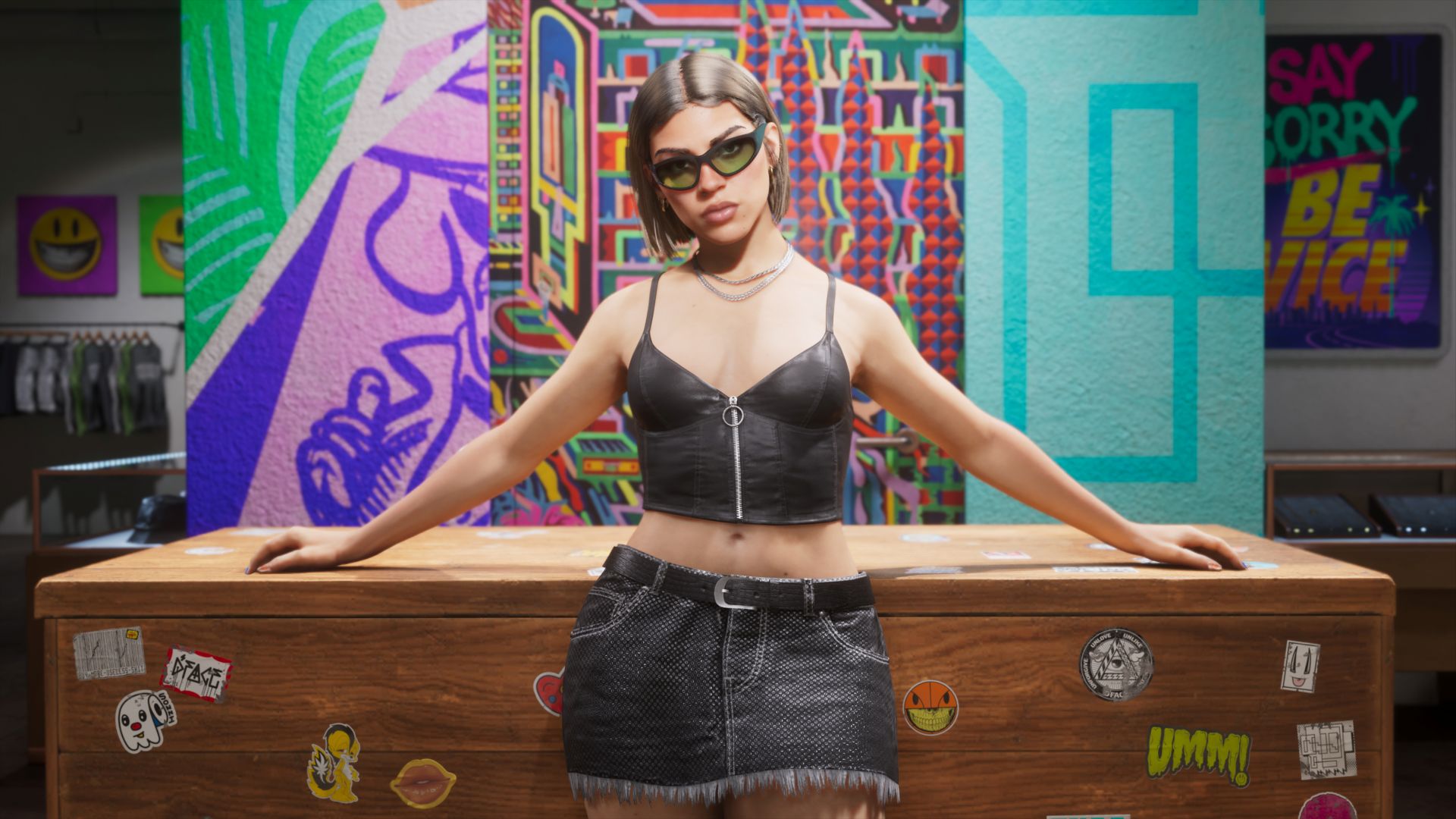



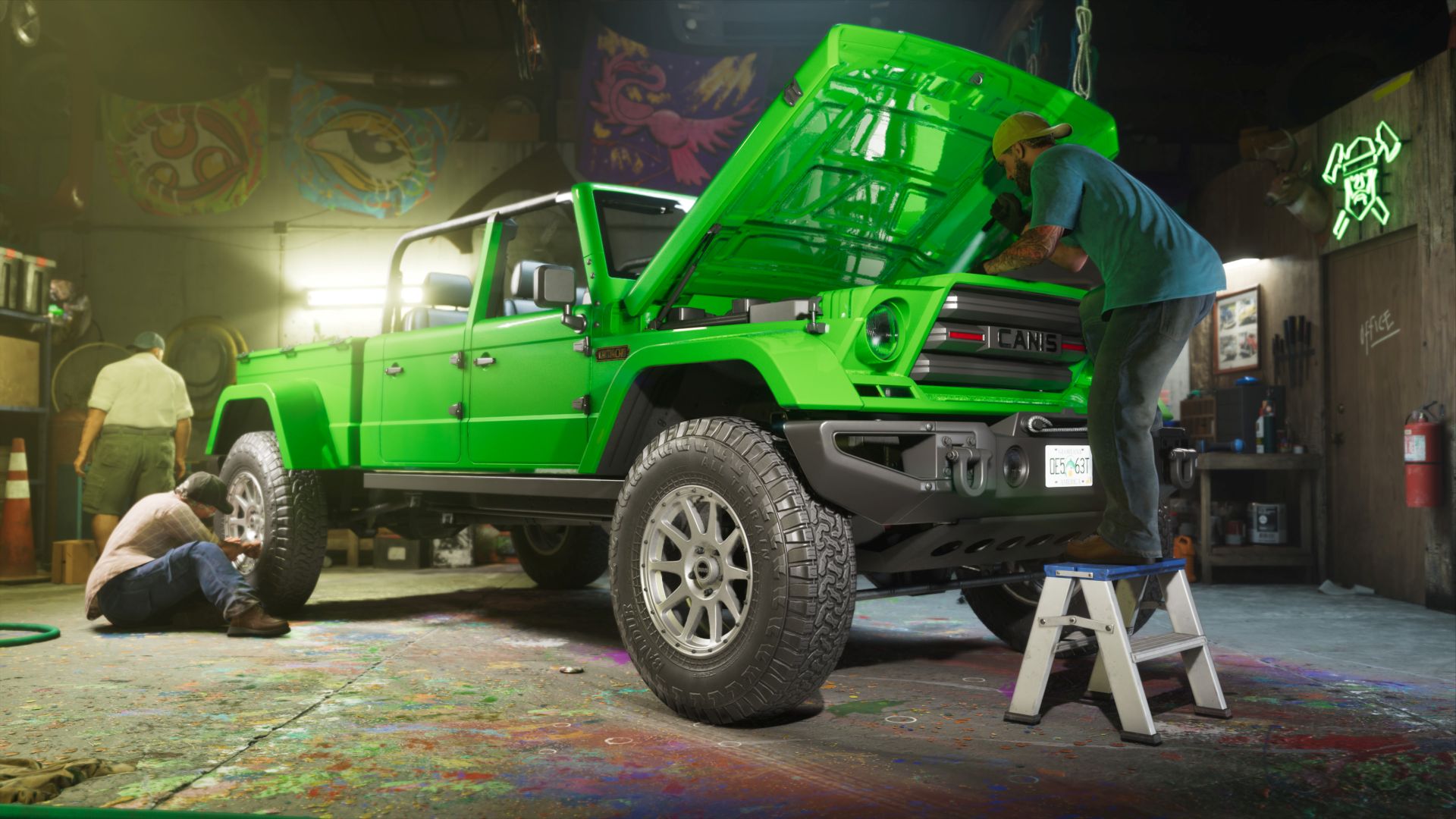
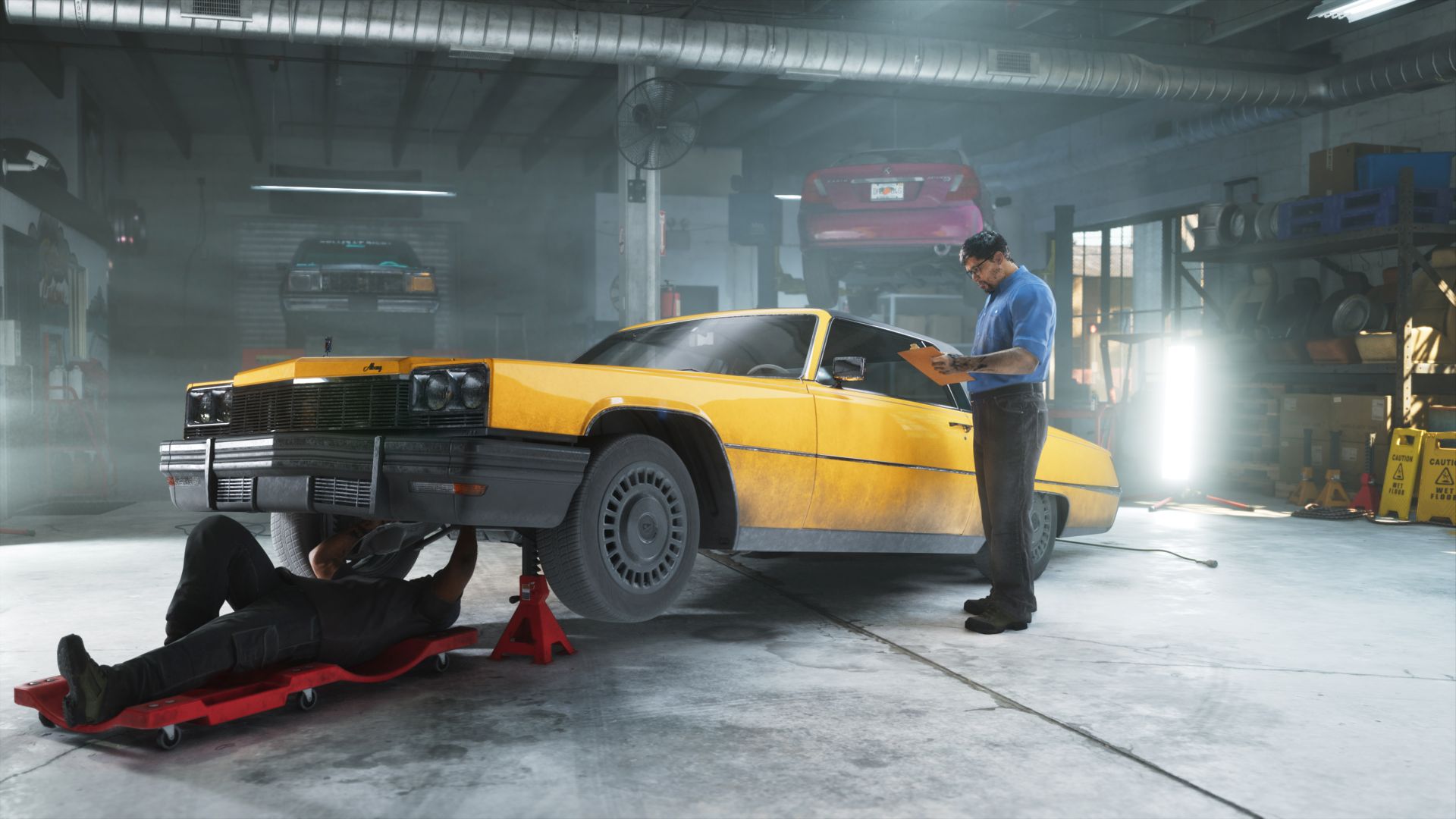

Alongside the Standard and Ultimate Editions, all Grand Theft Auto VI pre-orders and purchases before November 20 will also get the Vintage Vice City Pack.
This is a collection of items that flash back to when the neon burned brightest:
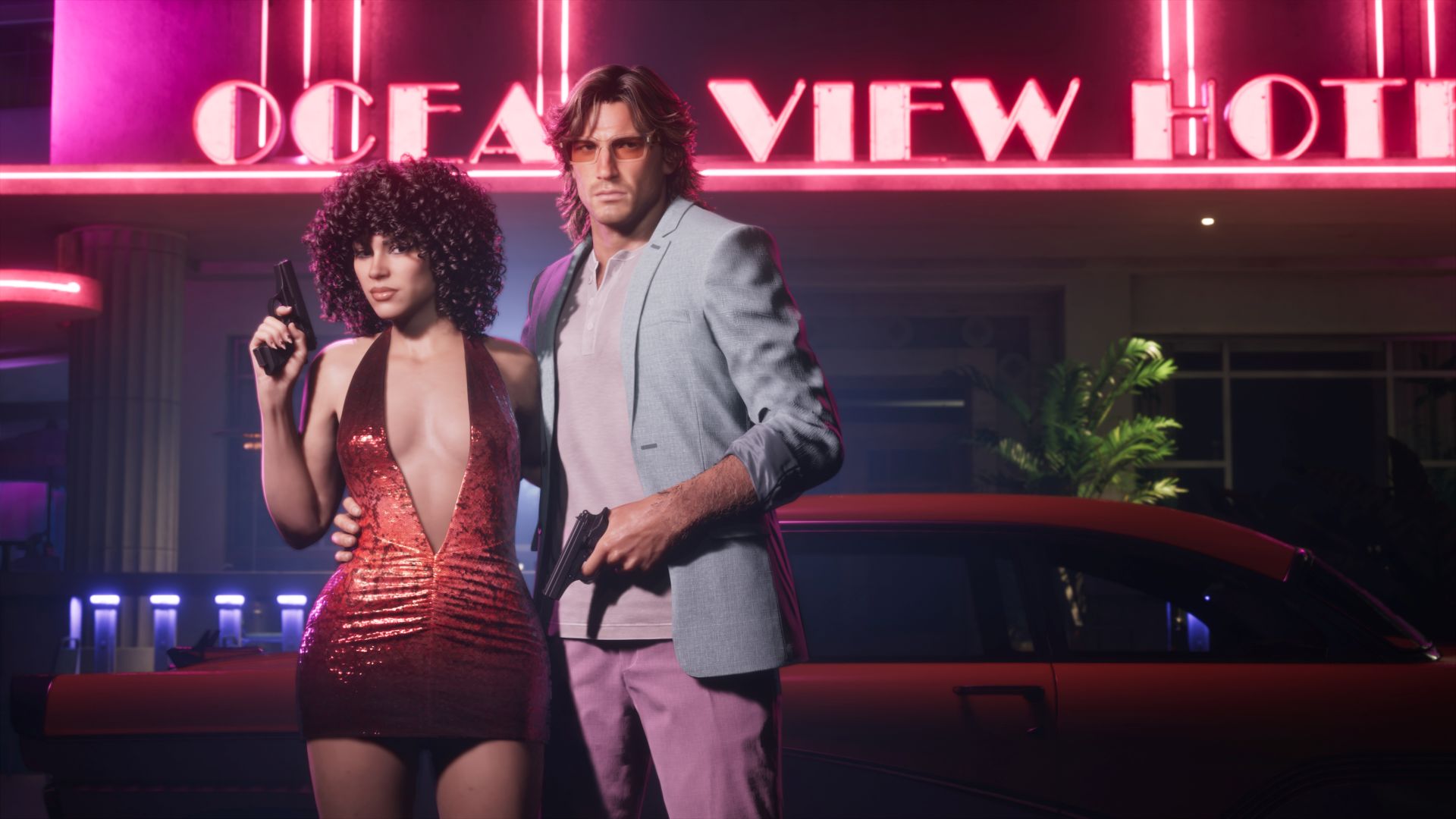


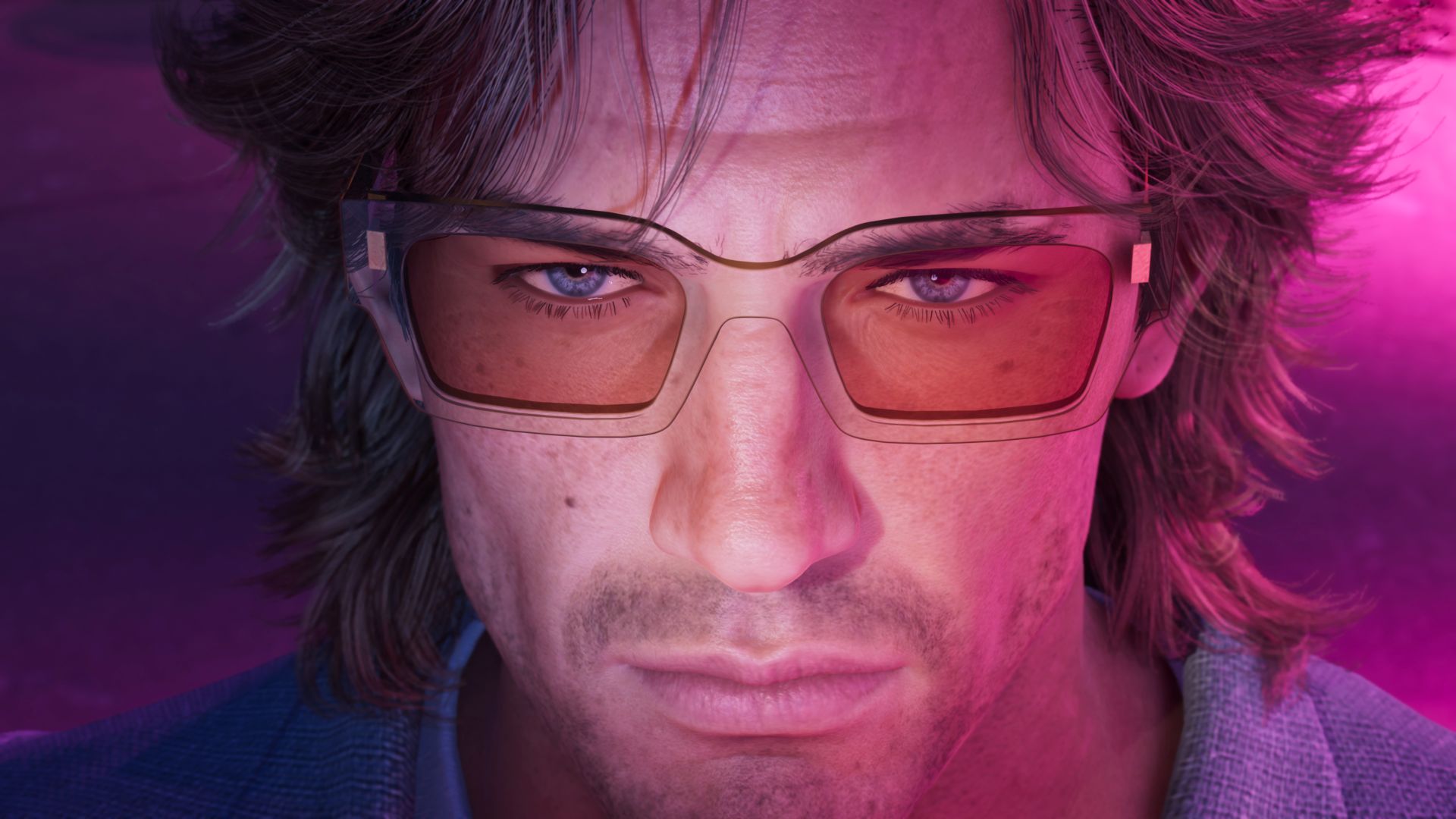



Players who pre-order digital versions of GTA VI will be able to begin pre-loading on November 12. This is to ensure they are able to play at launch on November 19.
The physical version, which contains a download code inside the box, will be available starting November 12 as well to support pre-loading.


vivo X300 Ultra review: A “Whole Different Animal”
Got the beast (finally) unleashed!


The realme P4 Power: realme’s midrange power play?
A power bank and a phone — and more


HONOR Watch 6 Review: Less guessing, more knowing
Beyond educated guesses

The vivo X Fold6 is the first foldable to support teleconverter lens

Now Playing: Supergirl

Apple raises the prices of iPad and MacBook lineups

LE SSERAFIM to perform at BlizzCon 2026

Xiaomi opens largest Singapore store yet at VivoCity

TECNO’s POVA 8 5G is both futuristic and future-ready

Close without crossing: A Xiaomi 17T Pro photo essay

realme launches P4 Series 5G, including Power with 10,001mAh battery

The Xiaomi Watch S5 proves you don’t have to take it off

Buyer’s Guide: Xiaomi Pad 8 Series


-

 News2 weeks ago
TECNO’s SPARK 50 Pro is the latest budget smartphone battery beast
-

 Buyer's Guide1 week ago
Buyer’s Guide: TECNO SPARK 50 Pro vs SPARK 50 5G
-
Reviews6 days ago
vivo X300 Ultra review: A “Whole Different Animal”
-
 Singapore3 days ago
Xiaomi opens largest Singapore store yet at VivoCity
-

 News1 week ago
Budget smartphone realme C100 Series launches
-
Reviews1 week ago
HONOR Watch 6 Review: Less guessing, more knowing
-
 Laptops2 weeks ago
ROG launches 2026 Strix gaming laptop series
-
Reviews1 week ago
The realme P4 Power: realme’s midrange power play?