
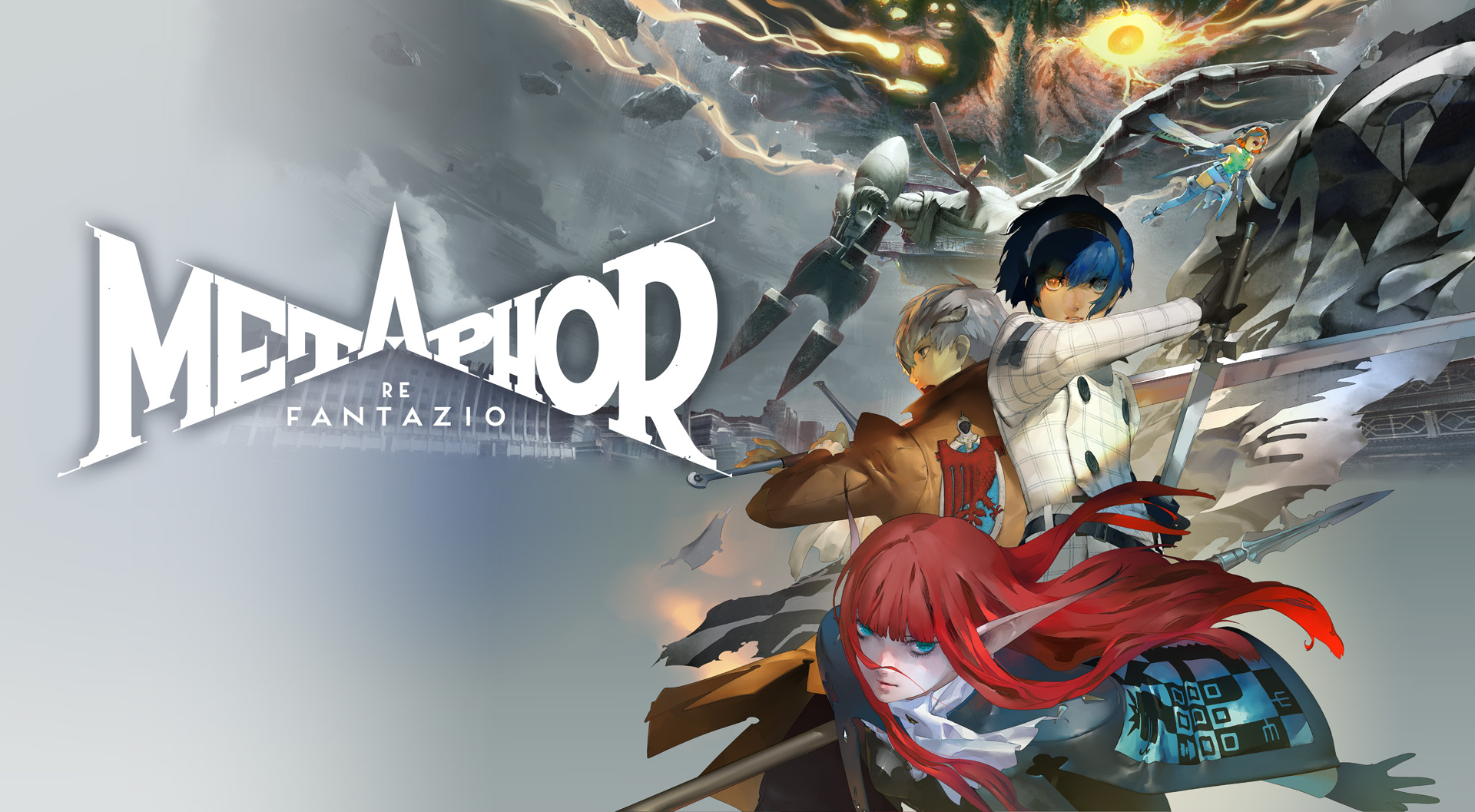

Persona 5 was the game that got me back into gaming outside of the NBA 2K franchise. It felt like a modern take of the late 90s and early 2000s JRPGs that I grew attached to. When I learned that Metaphor: ReFantazio was being developed largely by the same team responsible for the game that brought us the Phantom Thieves, I knew I had to play it.
After spending time with the game, I can say with absolute certainty that it definitely hit that JRPG sweet spot. However, it took a while to get there.
Getting through the early hours
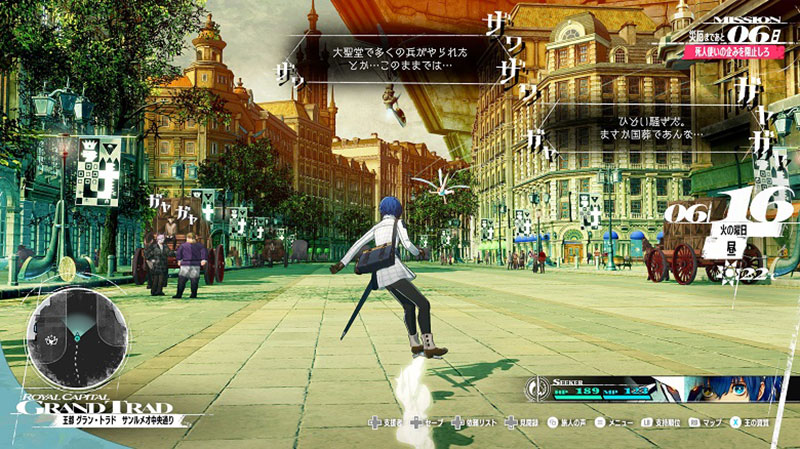
Unlike Persona 5, I wasn’t immediately taken by Metaphor: ReFantazio. That can be attributed to many factors both in-game and in real life.
When the former came out, I was at a very different place in my life. I was certainly yearning for a game and actually had some time and mental space to really immerse myself. Fast forward to seven years later and Metaphor came at a time when I’m more jaded and saddled with more things cluttering my head.
At first, I thought it was just my general disposition that’s preventing me from being completely taken by the game’s early hours. Turns out, it wasn’t just me.
I’d say the first three hours, which are available on the demo, are a bit of a slog. It’s a lengthy tutorial that, while integrated into the story, still took a while to take off.
Even the intense moments revealing a big turning point at the start of the story, while grand, still felt predictable.
However, it only gets better from here. As of writing, the game currently has a Metacritic score of 94 and has had glowing reviews. I’m happy to report that if you can power through the early hours, you’re in for an epic tale, a grand adventure, and a journey that will make you feel nostalgic about JRPGs from a couple of decades ago and beyond.
Euchronia and its fractured people
It’s hard to discuss any bits of the story without touching even minor spoiler territory, so there’s your warning.
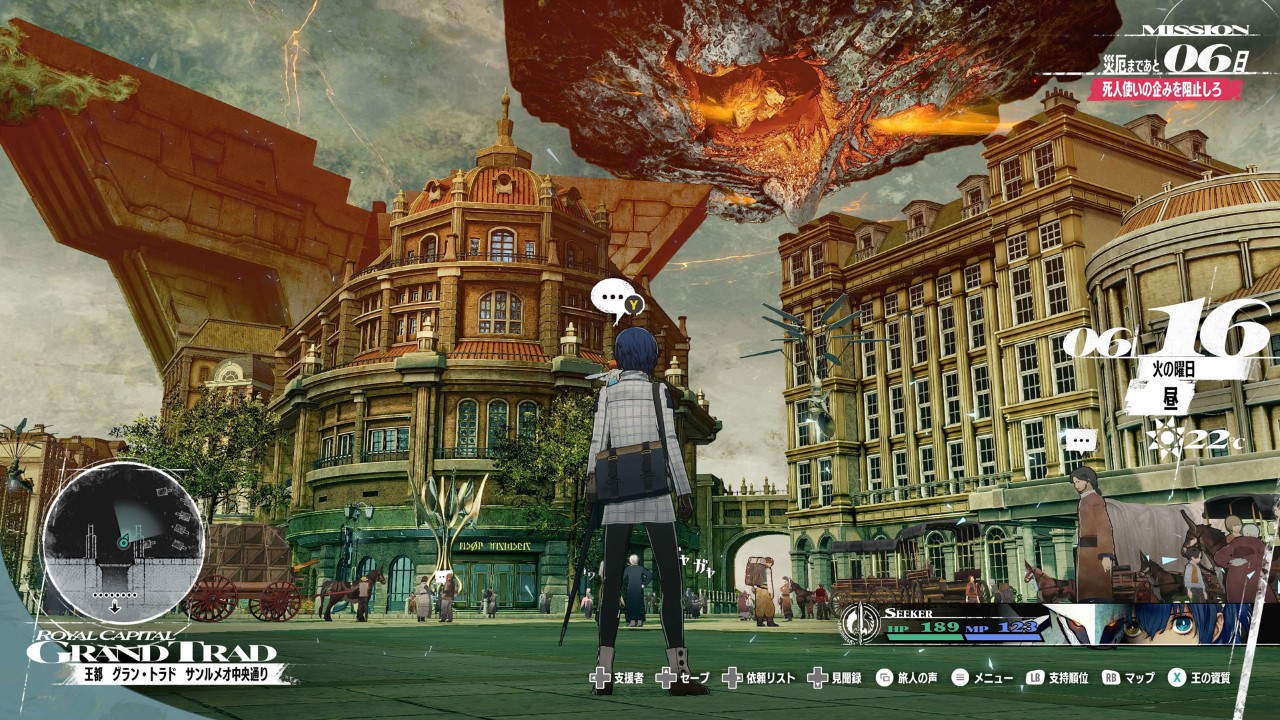
Metaphor: ReFantazio is set in the United Kingdom of Euchronia. It’s a kingdom filled with various tribes or clans easily distinguishable through many of their physical features. The ruling class has horns, there are tribes that wear masks all the time, there are those with beast-like ears, and more.
The protagonist belongs to the tribe most looked down upon. So much so that the ruling class deems your mere presence to bring some form of misfortune.
The game begins with the Kingdom being shaken up following the death of their king. What does the protagonist have to do with this? Well, after a string of events, you end up becoming a candidate, among many others, to take the throne by virtue of the king’s magic.
That’s the abridged version and there’s plenty of story that takes place in between. However, it’s that situation that forms the many mechanics of the game.
To say it’s an uphill climb is an understatement. Especially since the majority of the people of Euchronia are extremely racist. Nope, I’m not going to dance around it since the game flat out shows you that anyway.
Persona-like

With Persona 5 being the last Atlus game I played all the way to completion and enjoyed thoroughly; I was immediately familiar with some mechanics of the Metaphor: ReFantazio.
The two games share a Calendar progression. This means you have to plan your activities well in order to level-up the many other aspects of the game all while keeping in mind the next big event that’s marked on the calendar.
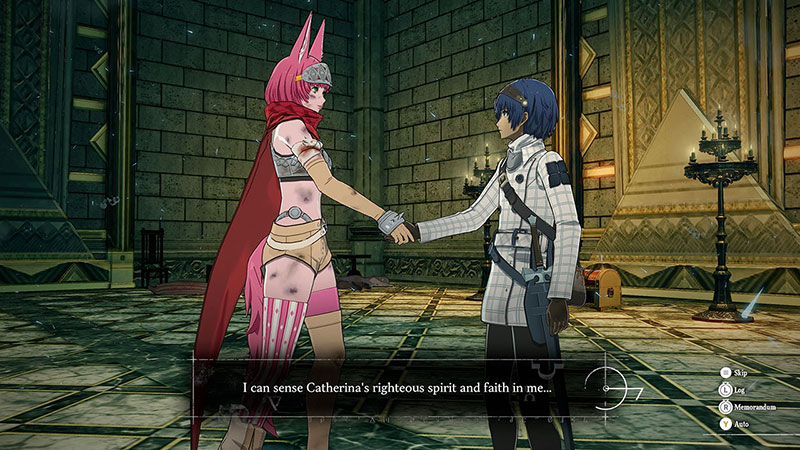
Many of the activities include increasing your Virtues, Bonds with characters, and more. Virtues are ideal traits that a king possesses. There’s also a parallel mechanic in Persona called Social Stats. Leveling these up allows you to unlock conversations and quests that otherwise you would have no access to. Some of these conversations lead to increasing Bonds with other characters.
Bonds are like the Social Links in Persona. Increasing Bonds means gaining skills and abilities that will be useful in battle. You increase bonds by spending time with members of your party and other close confidantes.
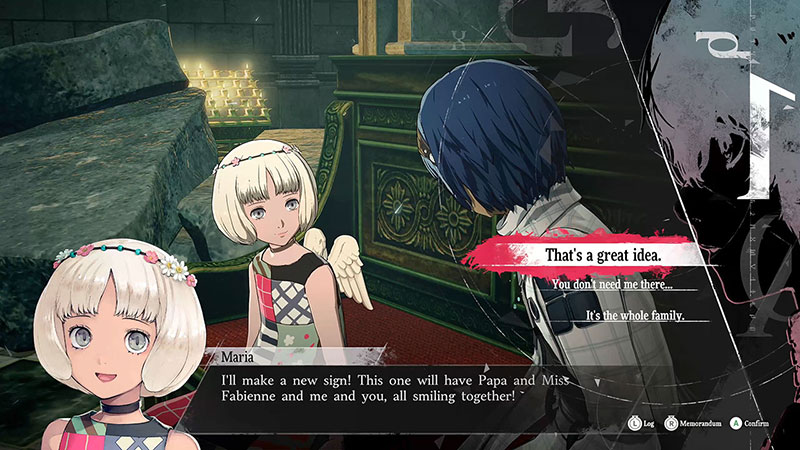
The beautiful thing about the game is how all of these mechanics play into each other. So, even though it feels like you have limited time until the next big event in the calendar, there’s literally no wasted actions as every single one contributes to leveling up in one aspect or another.
That doesn’t mean you shouldn’t be strategic with your time. You definitely still need to pick and choose wisely to fully optimize your playthrough. But for the most part, just doing any of the activities will yield mostly good results.
Melee and turn-based combat
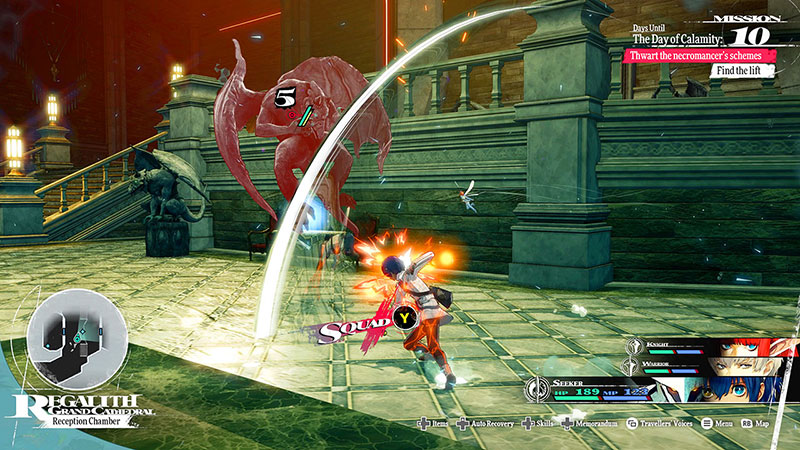
Other than being a game from the Persona team, the thing that got me curious the most about Metaphor: ReFantazio is its combat. The first time it appeared on my radar, it was said to have a good mix of action and turn-based combat. I wasn’t sure what to expect but what we’re getting, I suppose, is generally an okay mix.
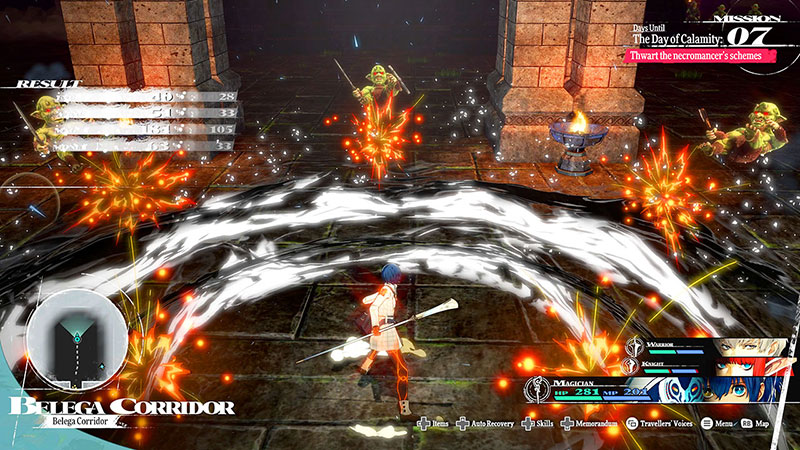
In the overworld as you’re exploring a stage or dungeon, you encounter enemies on the prowl. Before approaching, you can hit the Left shoulder button to assess how strong they are in relation to your current level.

Anyone below your level can be eliminated in melee combat. Meanwhile, enemies at your level or stronger than you can be stunned. You then press a button to enter into turn-based combat.
If you were able to deal damage to an enemy stronger or at your level, you enter turn-based combat with an advantage. It can be anything from the enemies being stunned, taking the first turns, or one of your party members launching an attack before your official turn starts to deal extra damage.
Hit’em with your best shot
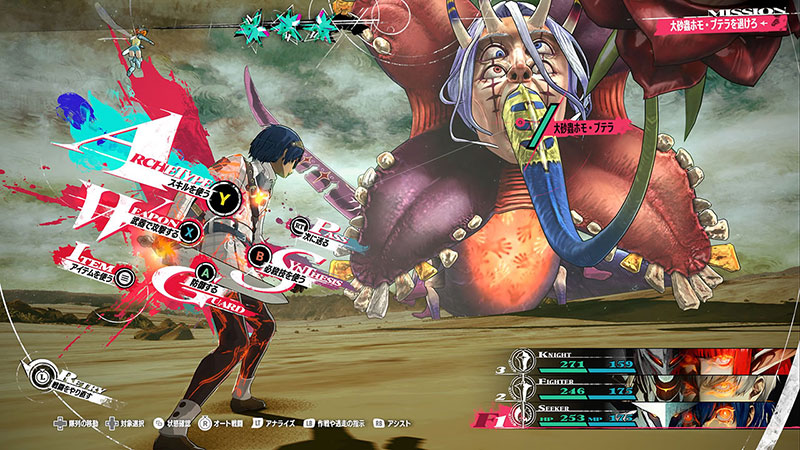
To keep turn-based combat at a high pace, players are encouraged to end the combat as swiftly as possible. This can be done by exploiting your enemy’s weakness. One way of doing this is by experimenting with different attacks first to log the enemy’s stats and weaknesses, and then pressing L3 or the left thumbstick to start the fight over and deal with your opponent expeditiously.
In this manner, it shares much in common with Persona 5, and from what I hear, other modern Atlus games. This helps you keep the game moving and not feel slowed down by turn-based combat which I believe is the reason why most people are not exactly enthusiastic about it.
I loved this approach in Persona 5 and I love it even more here in Metaphor: ReFantazio. There are more nuances to combat but I’ll leave it to you to learn them as you play along.
Archetypes
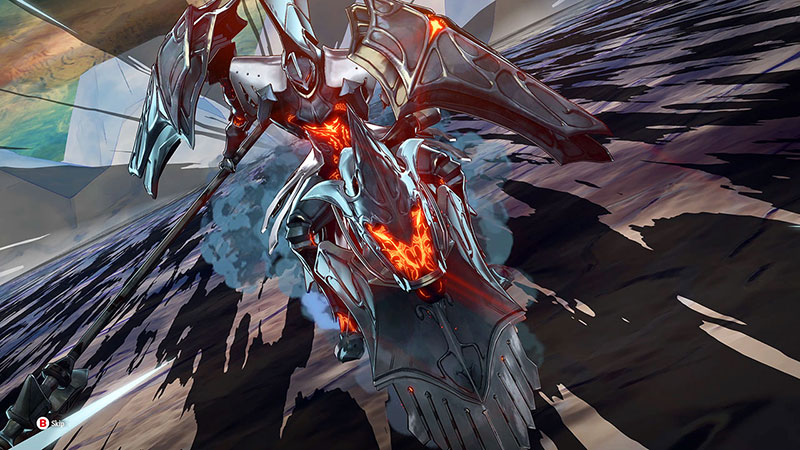
Combat is even more elevated through Archetypes. If we’re choosing parallels, you can say the Archetypes are the Personas in this game. Although, not quite the exact same.
Archetypes function more like job classes which you can shuffle between party members. I say job classes because the Archetypes do share those names. Some of these that you can unlock are Warrior, Knight, Mage, Healer, and more. Anyone familiar with JRPGs or even just RPGs in general will be familiar with those terms and what they bring to the table.
Each character has their own Archetype. But through the mysterious figure named More, your characters are able to learn multiple Archetypes as soon as they are unlocked. You do need a resource called Magla (MAG) to do any of these.
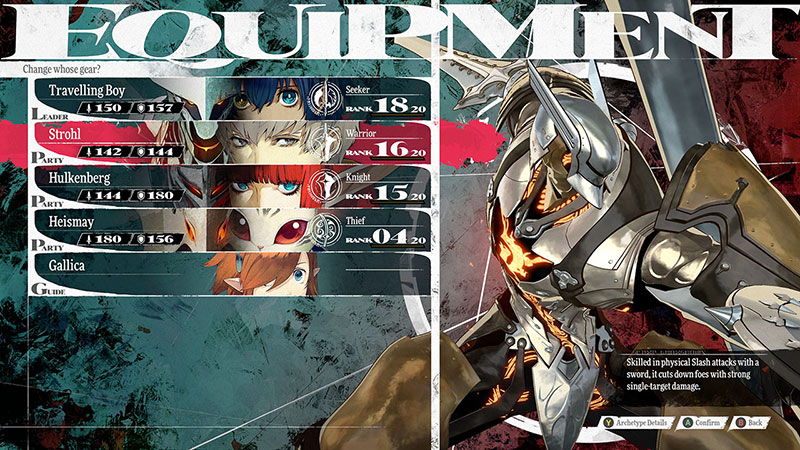
You gain Magla (MAG) only through battle at first but more options unlock later on in the game. With MAG you can play around with characters and the Archetypes. You can have an Archetype learn a skill from another archetype, and Synthesize Archetypes.
A lot of these mechanics are similar to how you’d handle personas. But here, you’re able to have different characters carry different personas to be most effective depending on the enemies you’re about to face.
Each Archetype has abilities of their own, but in battle they can also pair with other characters’ Archetypes for Synergy attacks that consume more MP or HP but also usually deal more damage or have stronger effects.
Figuring out which Archetypes work best with which character along with making sure you’re equipped with the right ones for a dungeon crawl is part of the whole fun in strategizing for combat.
Audiovisual spectacle
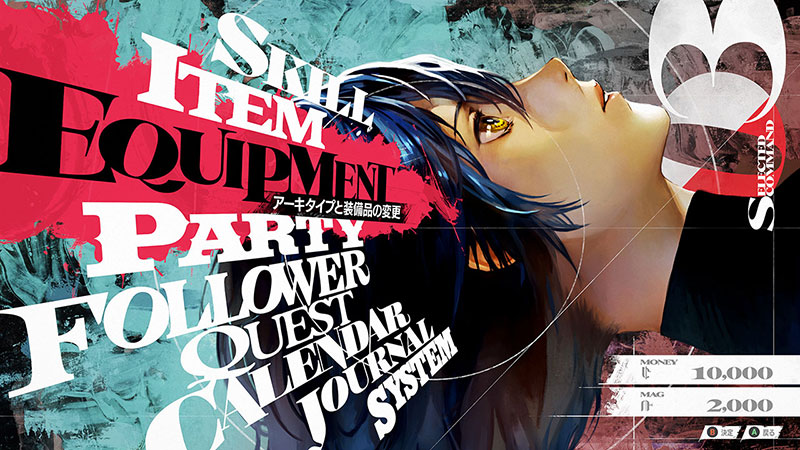
As expected from Atlus, the Metaphor: ReFantazio is an Audiovisual spectacle. Sticking to a cel-shaded, anime-like art style means the developers can also spend a lot of time adding plenty of pizzazz to other parts of the game.
The menu screen, for instance, is dripping with style. Sure, it can seem a lot to take in at first glance. But you’ll soon get used to it and appreciate the art style more as you play along.
In place of the jazzy tracks of Persona 5 are epic orchestral tunes that completely match the vibe of Metaphor’s fantasy world. They’re perfect during high-tension story moments as well as during battle. Although, I did find them out of place in certain parts of the game.
Overall though, Metaphor: ReFantazio is a feast for both the eyes and ears.
Is Metaphor: ReFantazio your GameMatch?
Metaphor: ReFantazio is a must-play for any JPRG fan. It features a refinement of many mechanics that Atlus has implemented over the years in their games in a brand new fantasy world.
The upwards of 60 hours you’ll need to complete the game might turn-off some. But we strongly believe its gameplay loop and overall presentation offer more than enough to keep you engaged until the credits roll.
Metaphor: ReFantazio is out now on PlayStation 5, PC via Steam, and Xbox Series X | S. This game was reviewed on a PS5 with a code provided by the publisher.






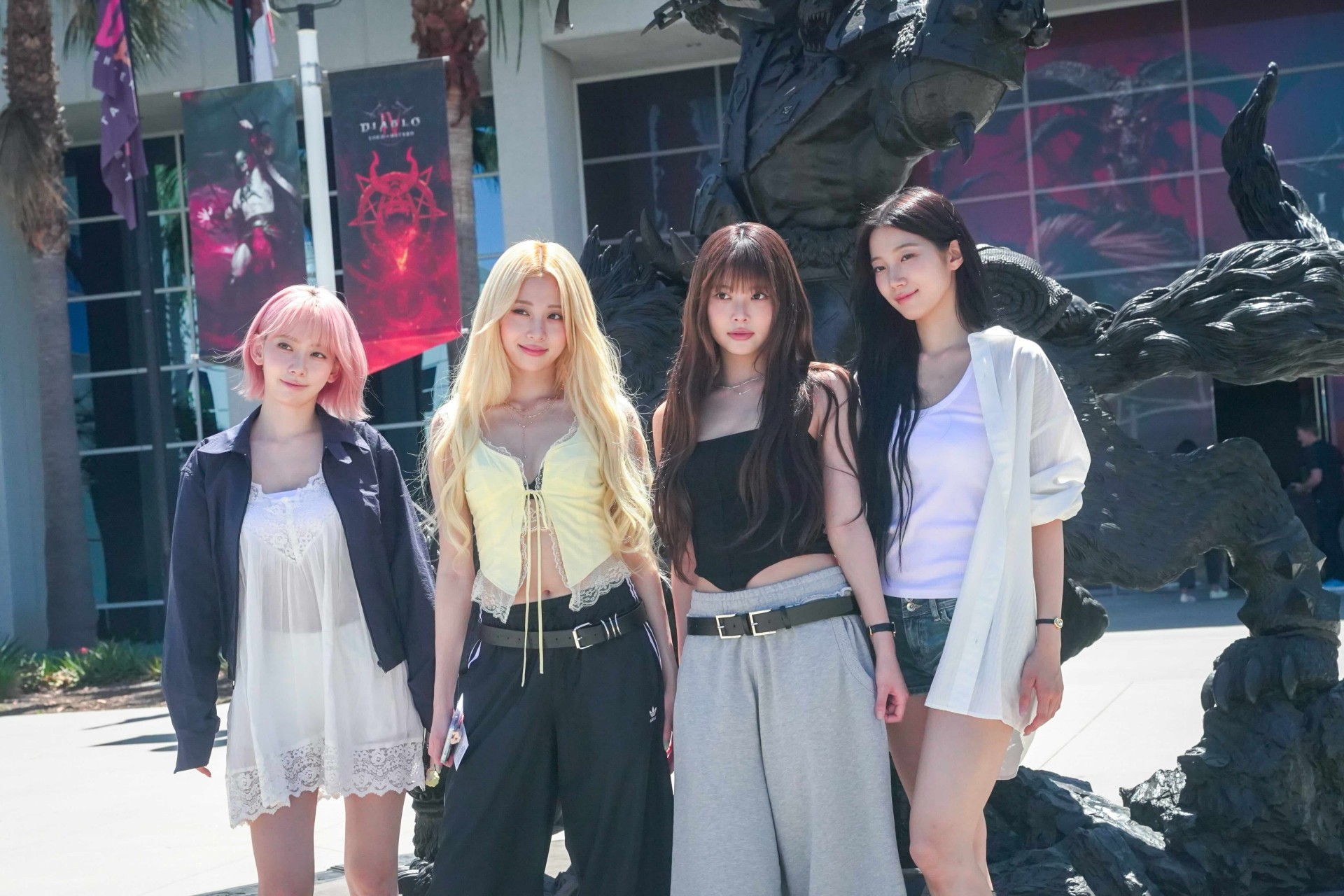
Global K-pop sensation LE SSERAFIM is returning to BlizzCon.
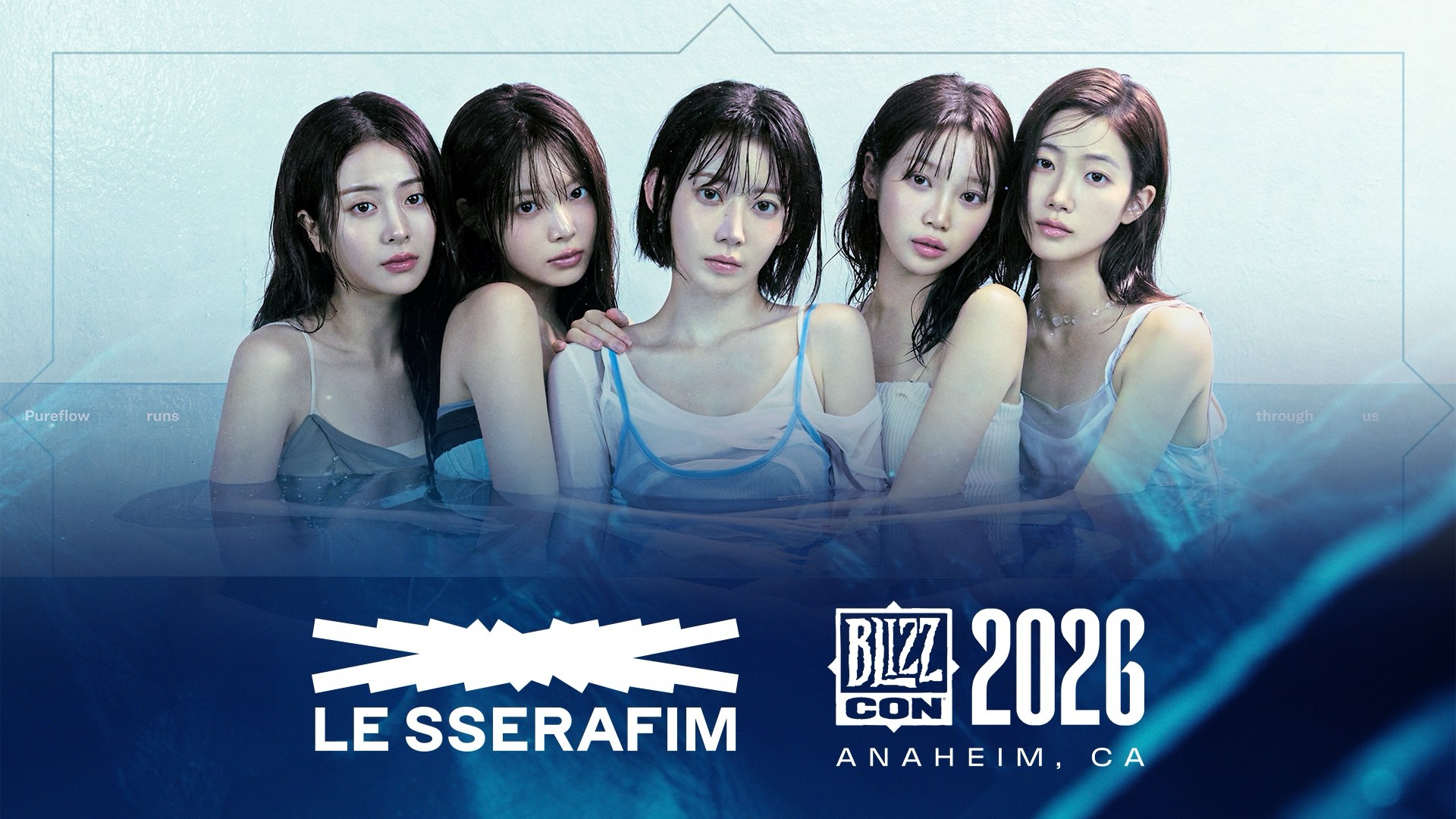
Blizzard Entertainment has announced that the five-member girl group will perform as the closing musical act at BlizzCon 2026. LE SSERAFIM will take the Main Stage on Sunday, September 13 (PT), bringing fans another live performance after its BlizzCon debut in 2023.
The appearance also comes ahead of the group’s upcoming U.S. tour. Blizzard teased that the performance will make it a “Perfect Night” for fans attending the convention at the Anaheim Convention Center.
View this post on Instagram
LE SSERAFIM returns to Blizzard
LE SSERAFIM debuted in 2022 under SOURCE MUSIC, a label of HYBE. The group is composed of Sakura Miyawaki, Kim Chaewon, Huh Yunjin, Kazuha Nakamura, and Hong Eunchae.
The group’s name is an anagram of “I’m Fearless,” reflecting the confidence that has defined its music since debut.
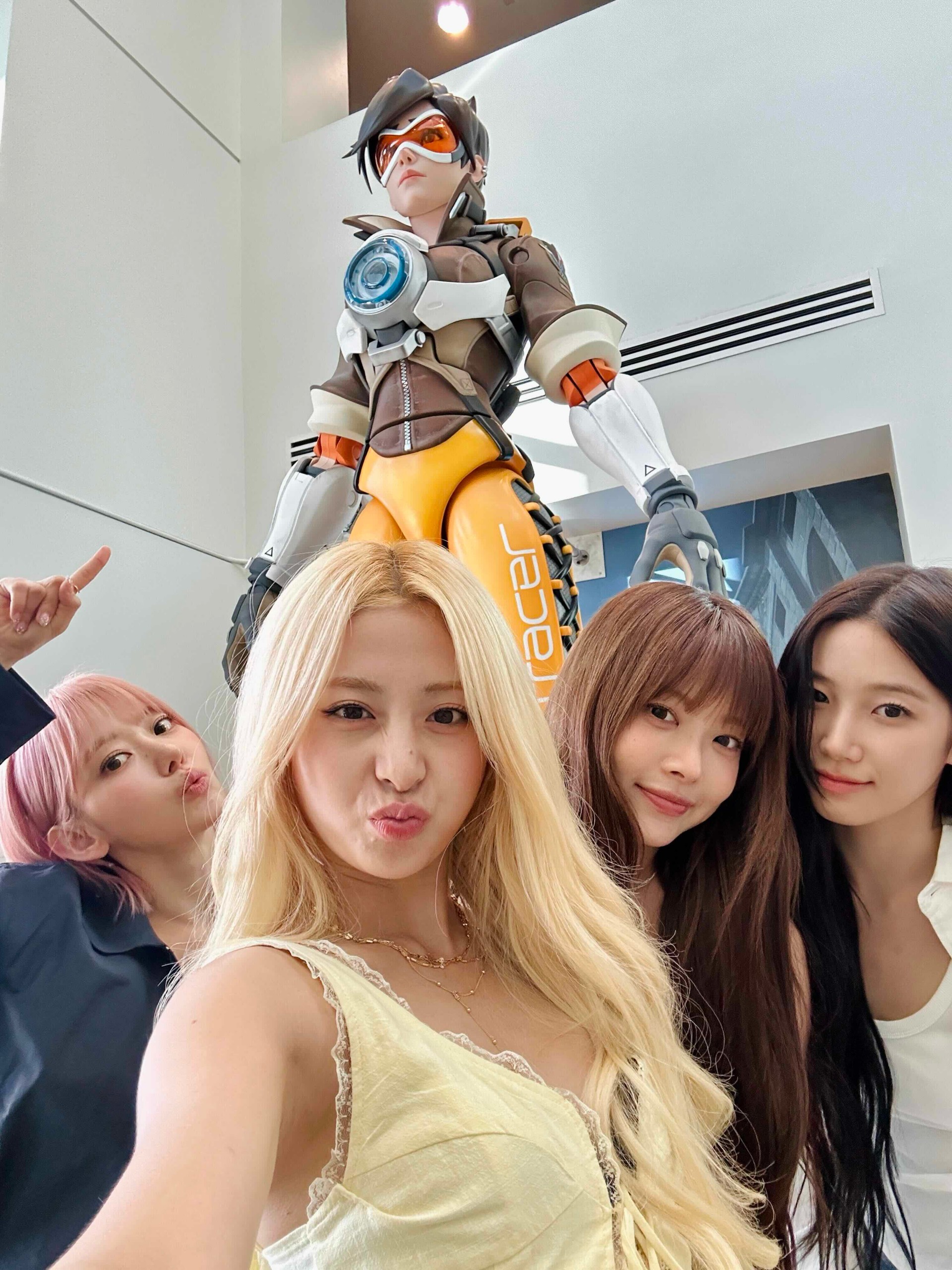
This won’t be LE SSERAFIM’s first crossover with Blizzard. The group previously collaborated with Overwatch 2, bringing themed cosmetics and a special event to the hero shooter.
BlizzCon 2026 is sold out
BlizzCon is Blizzard Entertainment’s annual community celebration. It brings together fans of World of Warcraft, Diablo IV, Overwatch 2, and other Blizzard franchises for game announcements, developer panels, esports, cosplay, and hands-on experiences.
Passes for BlizzCon 2026 have already sold out. However, Blizzard says tickets may still become available through the Tixr public resale marketplace.
Fans can learn more about LE SSERAFIM’s appearance on Blizzard’s official blog.
Gaming
AMD FSR Upscaling 4.1 now available for Radeon RX 7000 Series
Update drops earlier than expected, powering more than 300 supported games

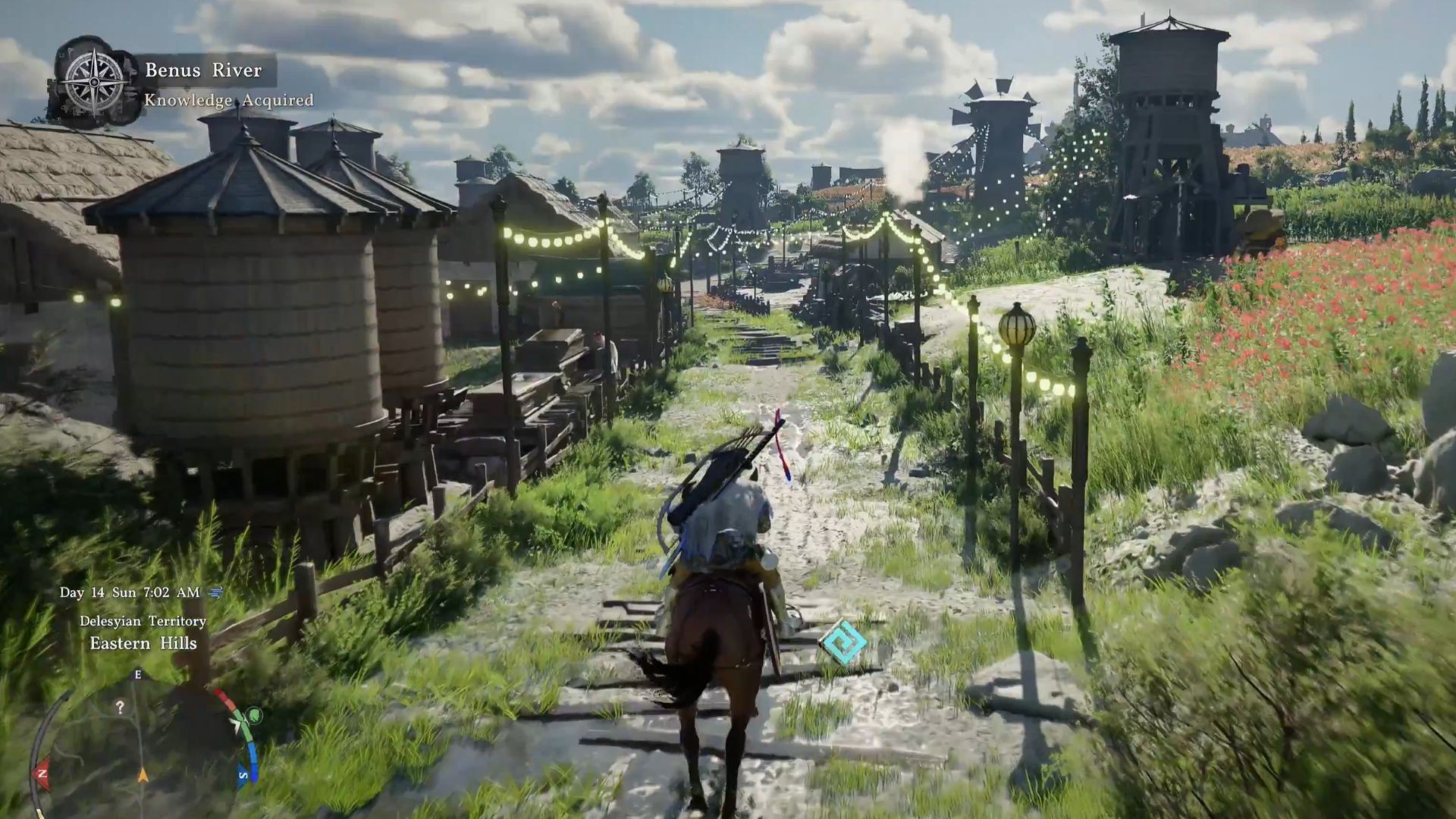
PC and handheld gamers can officially skip the wait, as AMD has launched its FSR 4.1 upscaling technology for Radeon RX 7000 series (RDNA 3) GPUs.
Computing and Graphics Group Senior Vice President and GM Jack Huynh made the announcement on X (formerly Twitter). This development brings machine learning powered gaming to millions of players across more than 300 games.
By downloading the latest AMD Software: Adrenalin Edition 26.6.2 driver, users can unlock the new AI upscaling suite on existing RX 7000 series desktop graphics cards.
(The driver can be downloaded here.)
The update drastically sharpens image reconstruction, delivers far superior temporal stability, and keeps motion ghosting to an absolute minimum. That’s across a massive library of supported titles.
Beyond optimized frame rates out of the gate for those two blockbusters, the release packs vital architecture stability improvements and bug fixes for the broader Radeon ecosystem.
Huynh added that AMD is actively engineering lightweight machine learning models to expand FSR 4.1 optimizations to a wider base of gamers. More details are to come.
Moreover, the driver for the FSR 4.1 upscaling technology will deliver day-one support for two highly anticipated releases: Assassin’s Creed Black Flag Resynced and DOOM: The Dark Ages | Revelations.
if you are wielding an RDNA 3 desktop rig or an RDNA 3-powered handheld, like the ROG Ally X or Lenovo Legion GO, simply open up the AMD Software suite, get the update, and test the new AI tech.
Gaming
GTA VI: New images unveiled as pre-order details, price finally announced
Highly-anticipated title to launch on November 19 for PS5, Xbox Series X|S
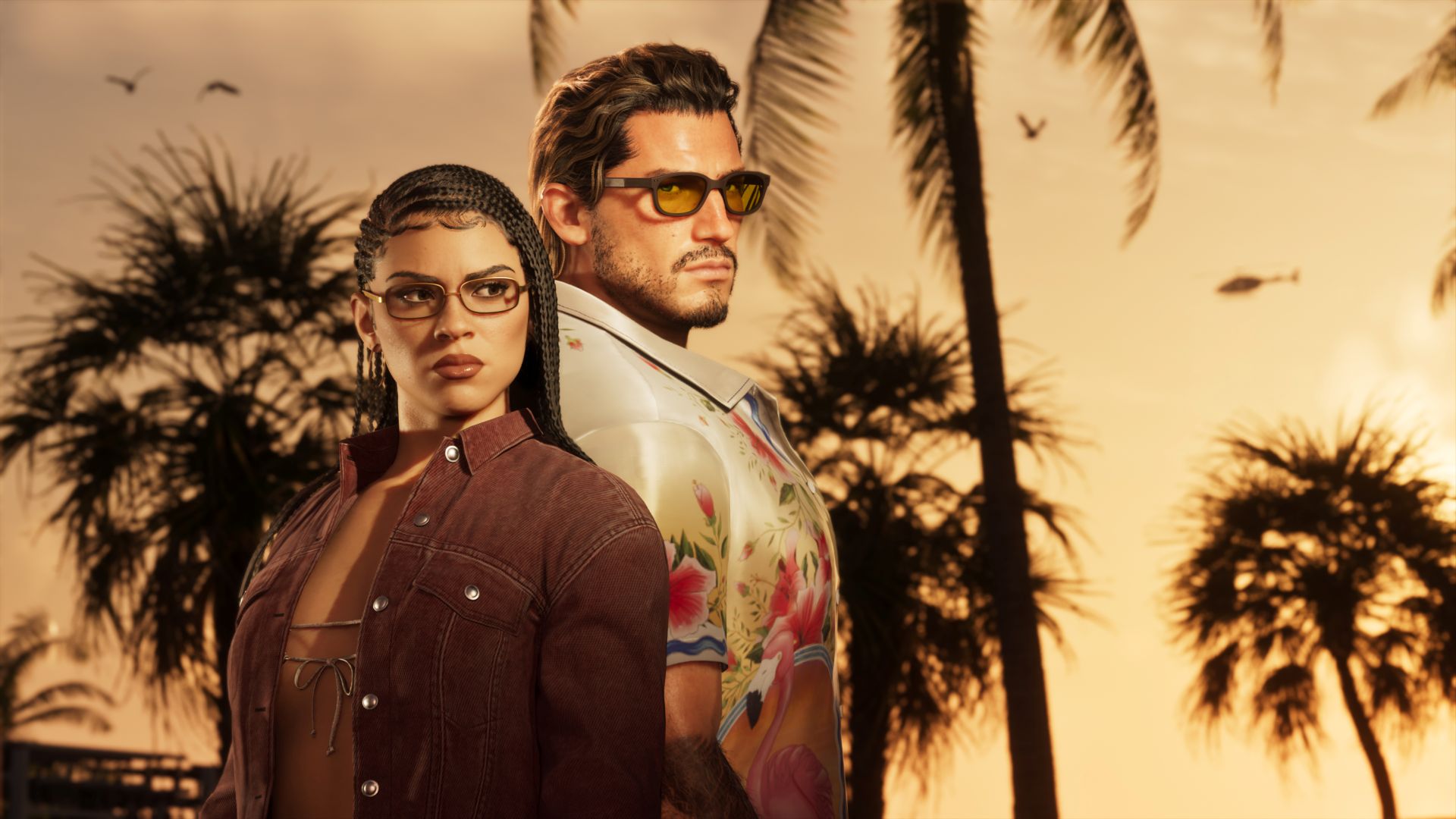
Grand Theft Auto VI finally has a price. The highly-anticipated upcoming installment in the series is set to launch on November 19 on PlayStation 5 and Xbox Series X|S.
Pre-orders will begin on midnight, June 25. Available versions are the Standard Edition at US$ 79.99 and the Ultimate Edition at US$ 99.99.
The Ultimate Edition amplifies the single player experience with an exclusive collection of premium vehicles, weapons, apparel, and action threaded across all aspects of Jason and Lucia’s story.
Here are some newly-released exclusive images:
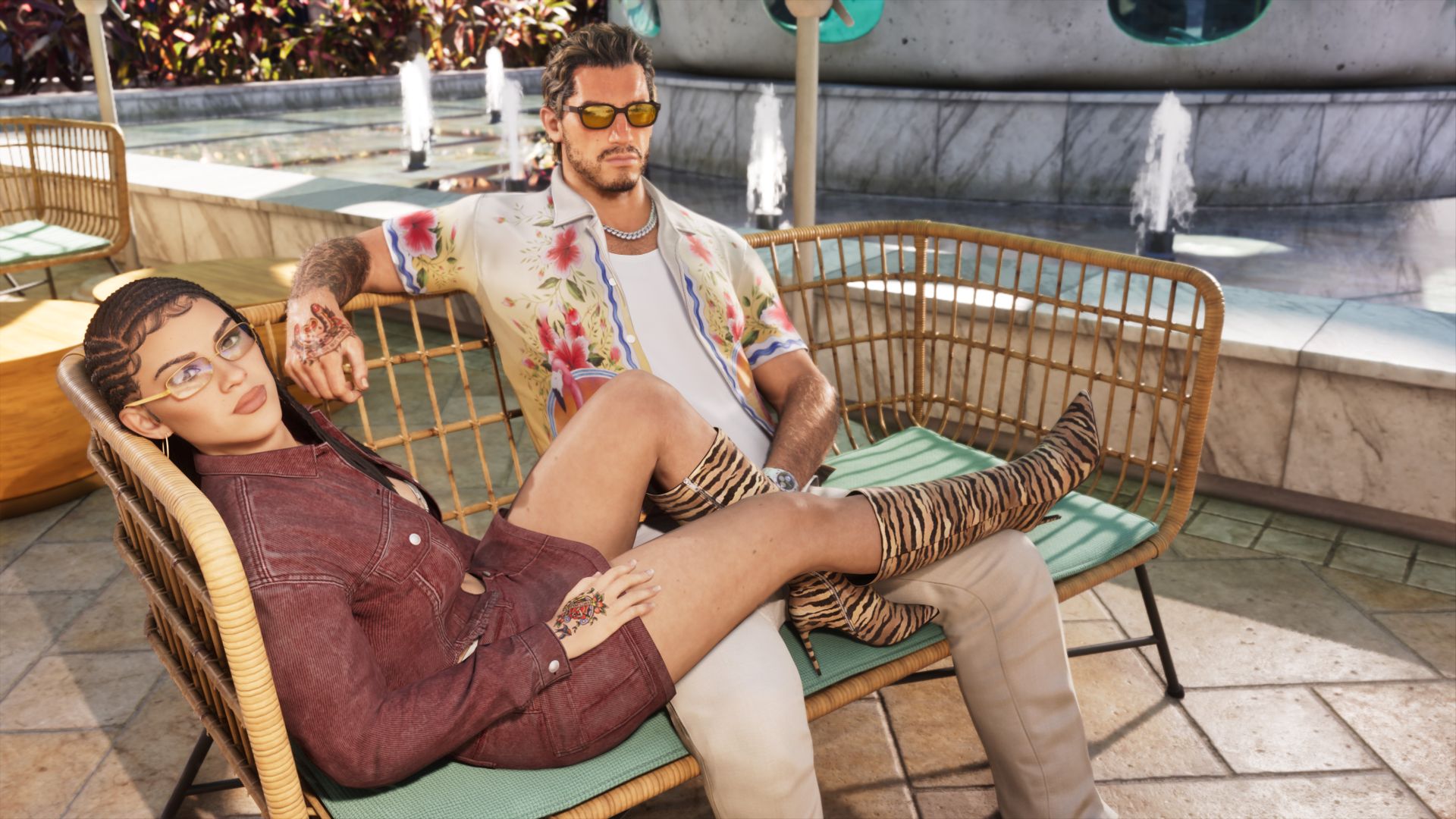
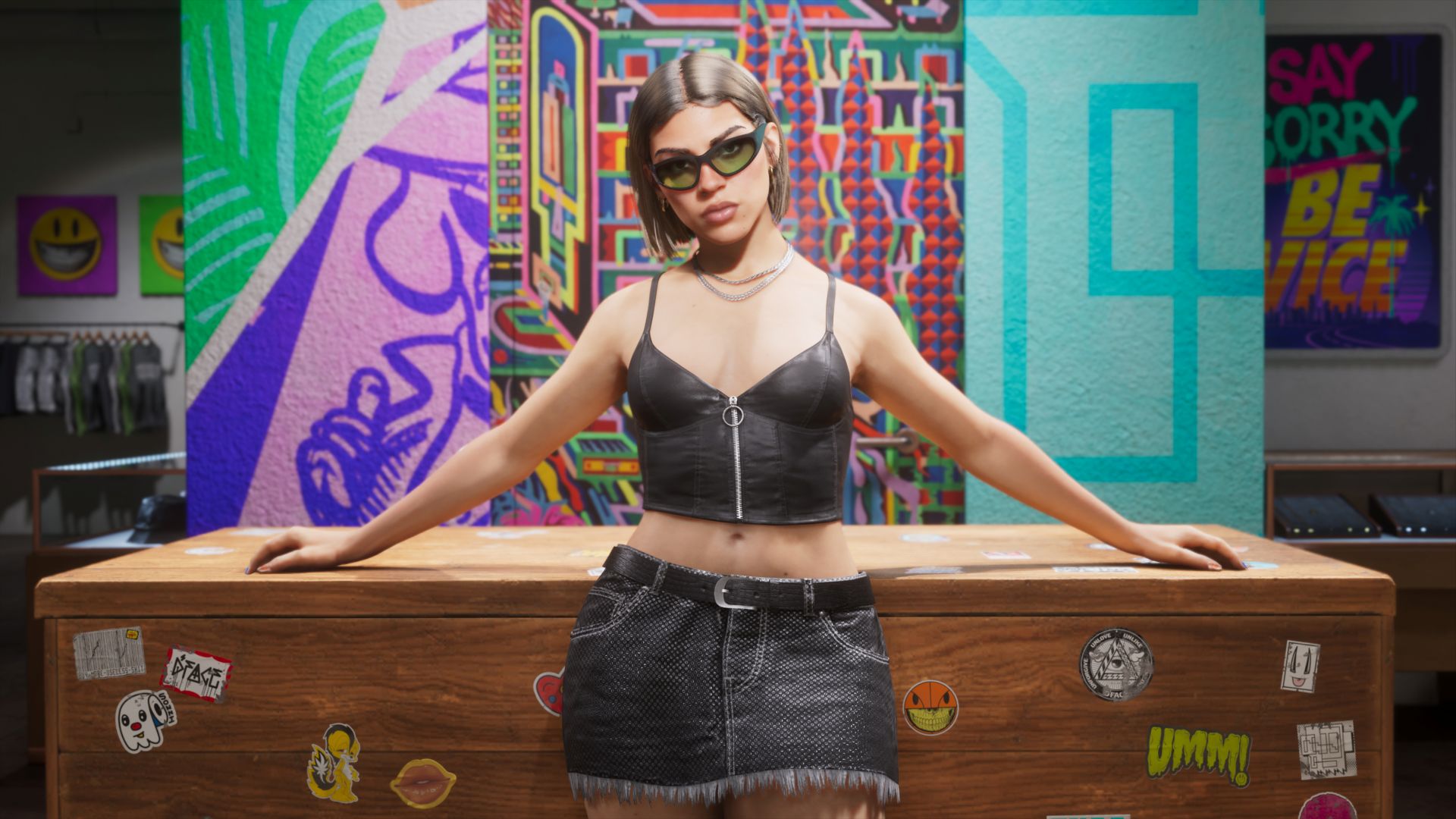



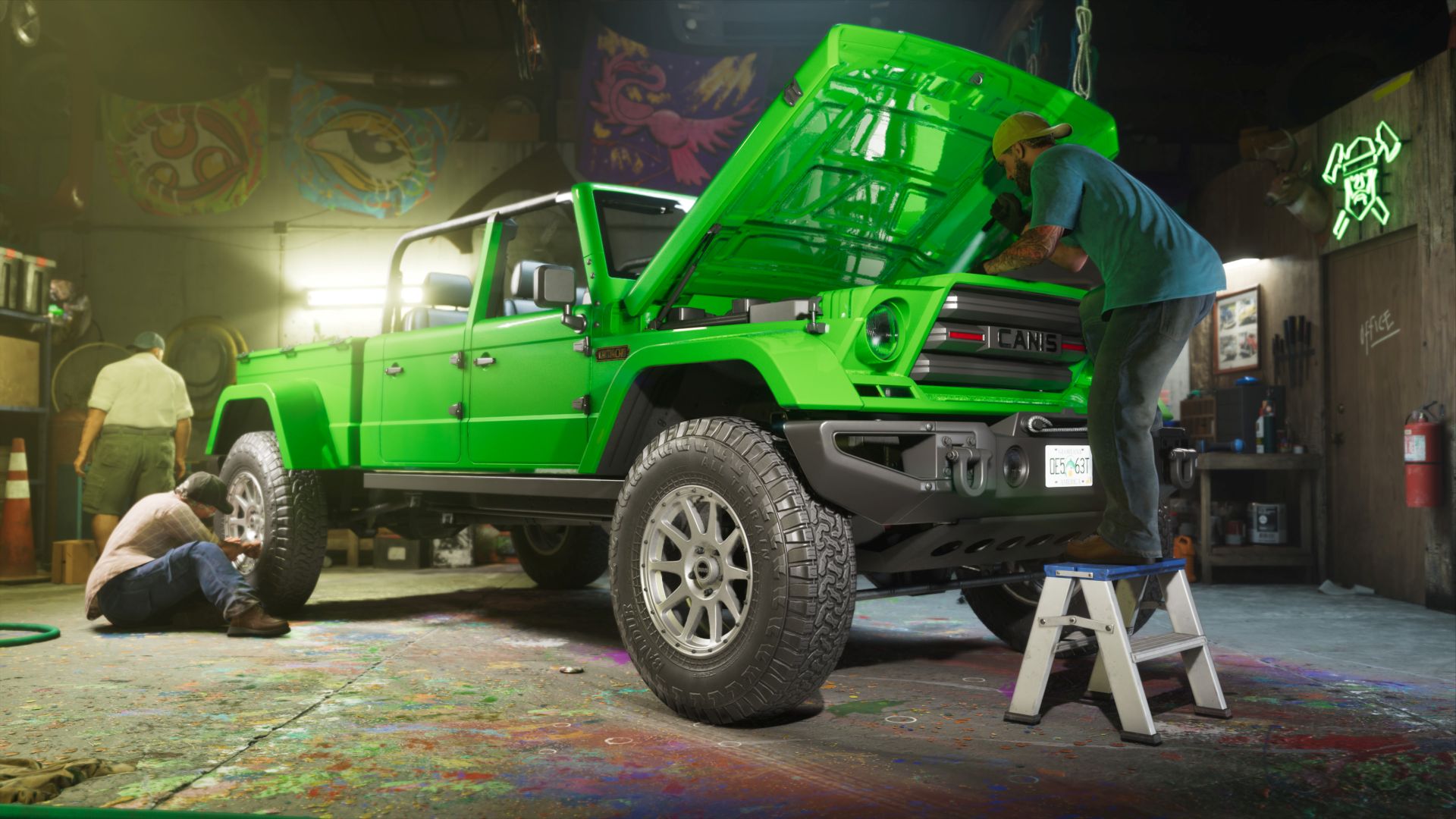
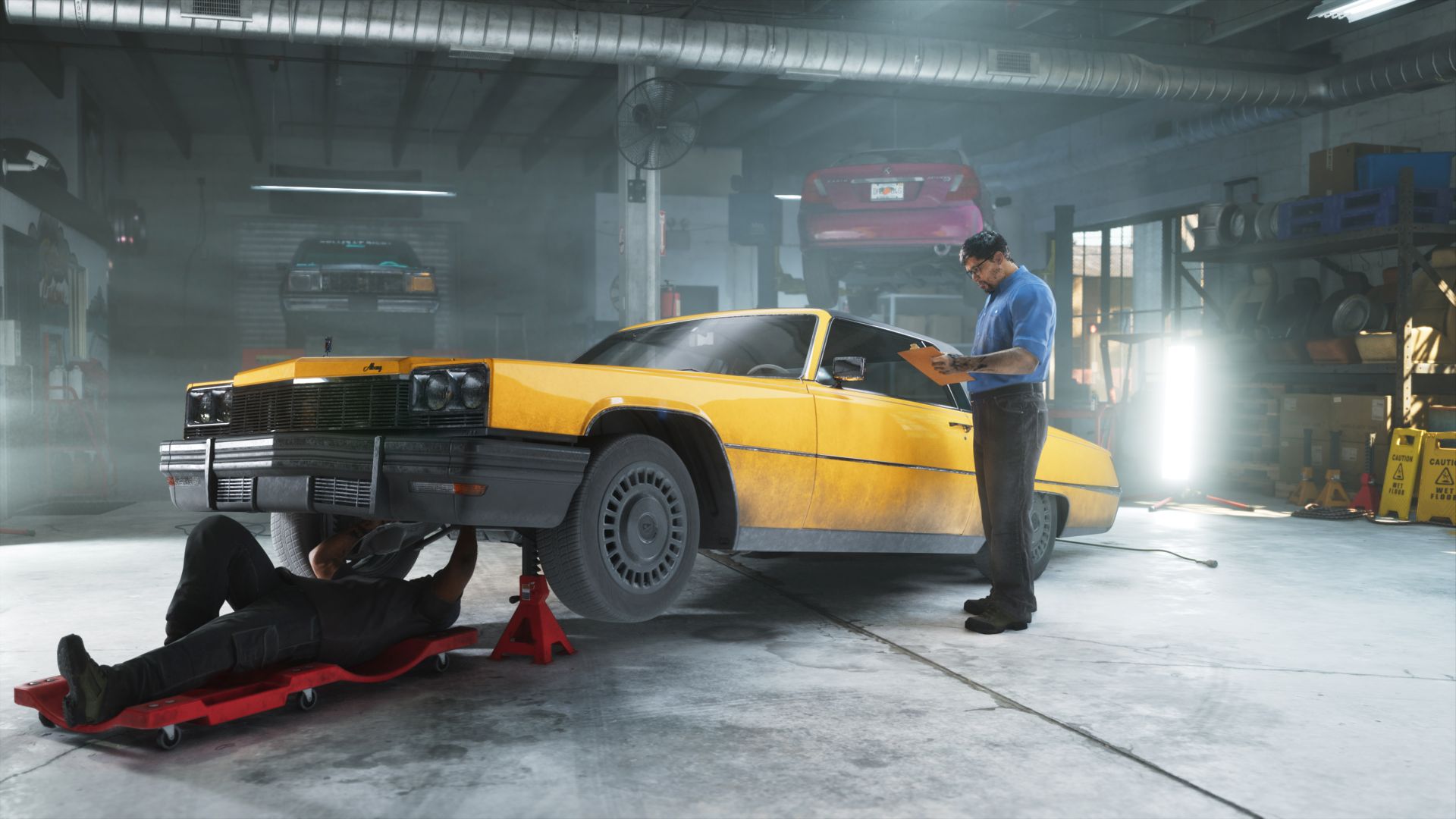
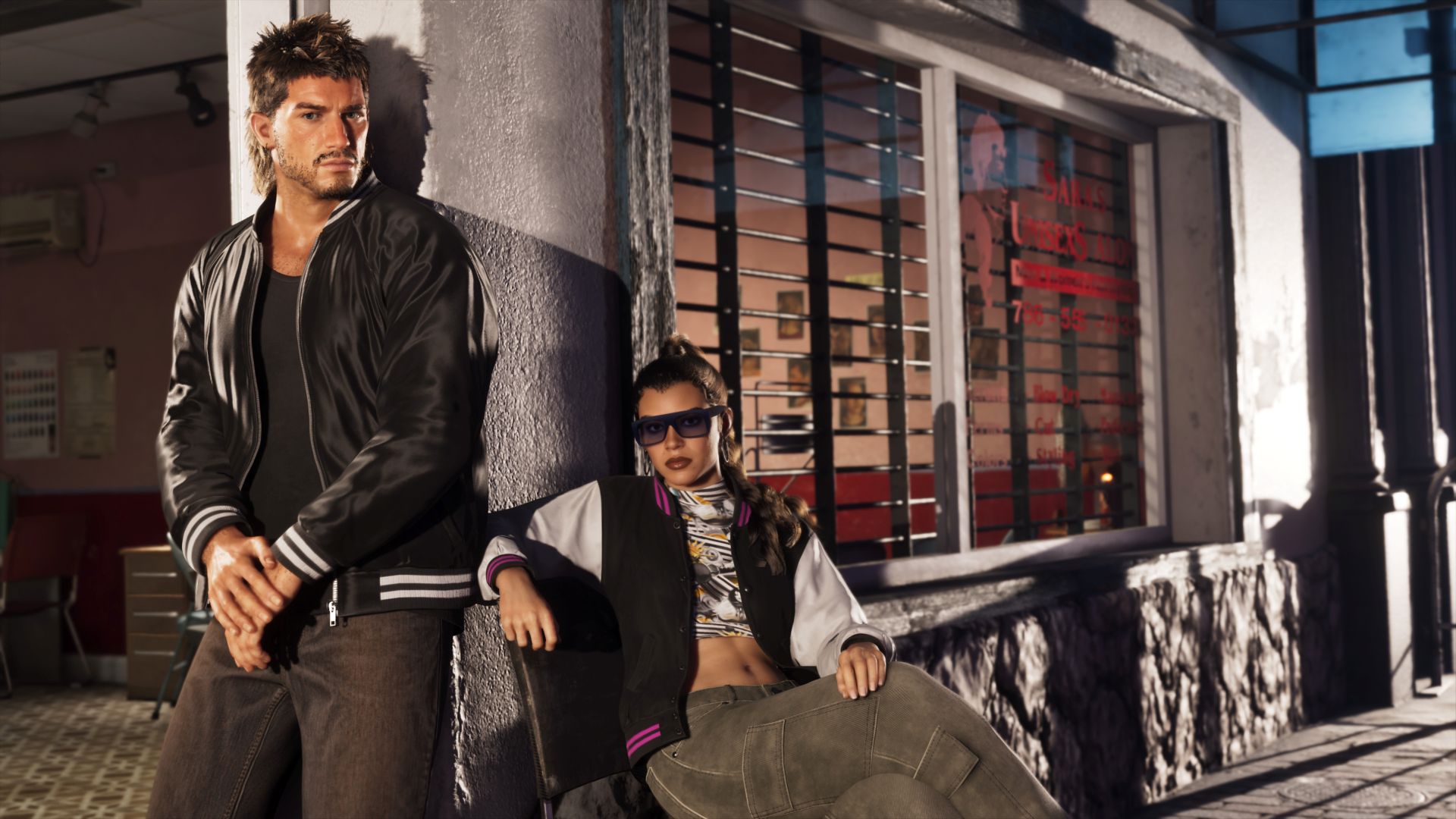
Alongside the Standard and Ultimate Editions, all Grand Theft Auto VI pre-orders and purchases before November 20 will also get the Vintage Vice City Pack.
This is a collection of items that flash back to when the neon burned brightest:


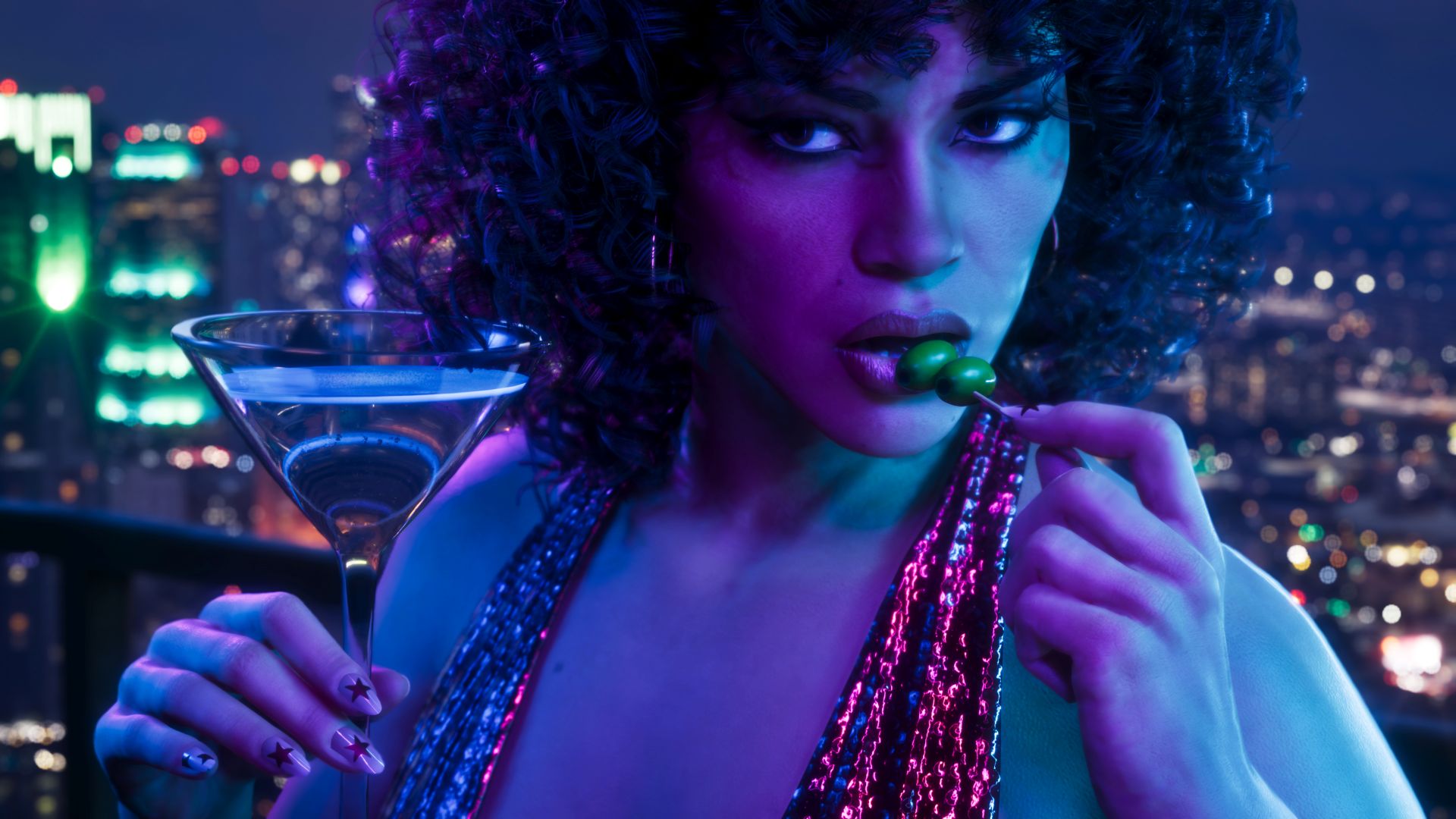
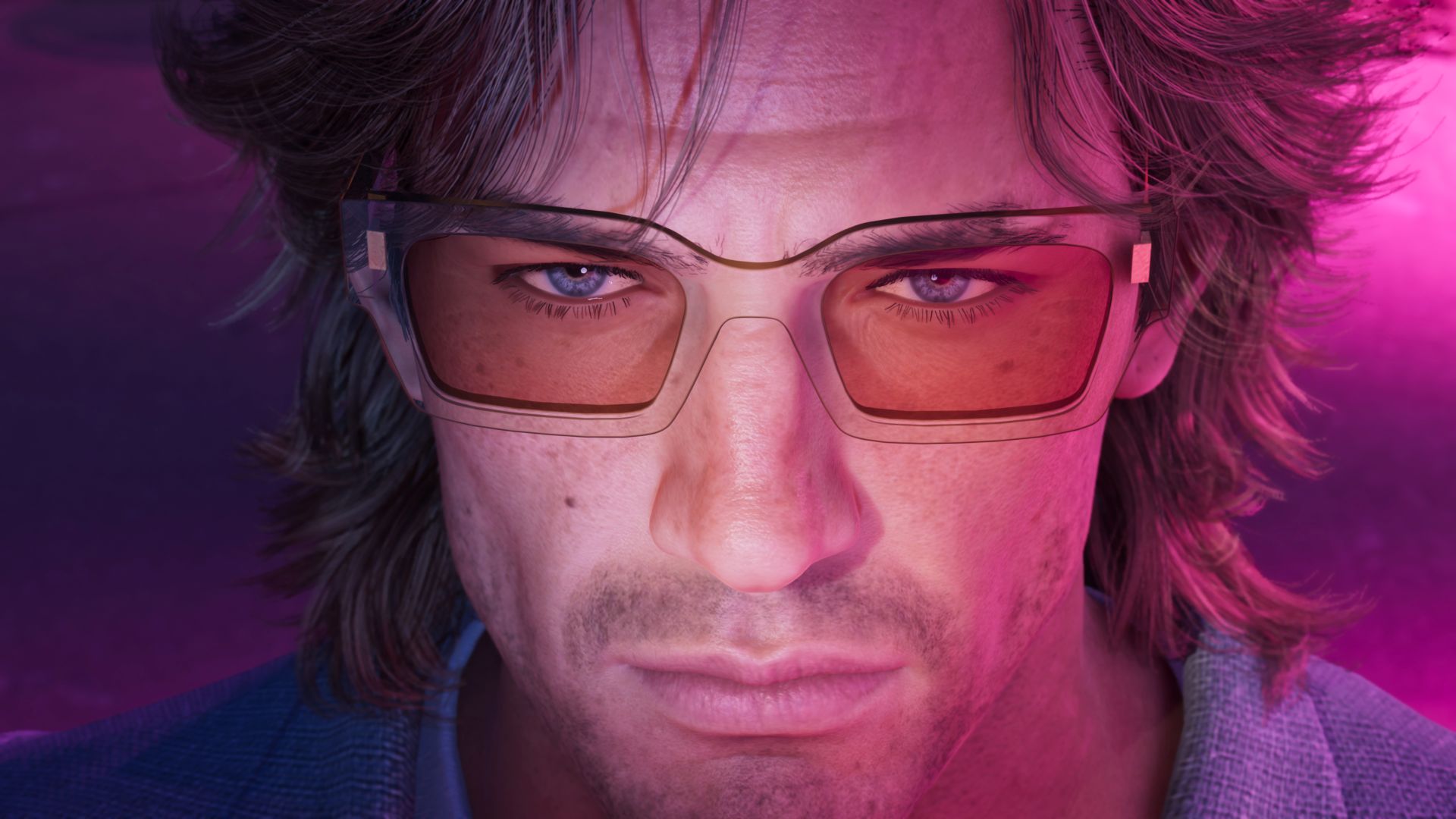



Players who pre-order digital versions of GTA VI will be able to begin pre-loading on November 12. This is to ensure they are able to play at launch on November 19.
The physical version, which contains a download code inside the box, will be available starting November 12 as well to support pre-loading.


vivo X300 Ultra review: A “Whole Different Animal”
Got the beast (finally) unleashed!


The realme P4 Power: realme’s midrange power play?
A power bank and a phone — and more


HONOR Watch 6 Review: Less guessing, more knowing
Beyond educated guesses

The vivo X Fold6 is the first foldable to support teleconverter lens

Now Playing: Supergirl

Apple raises the prices of iPad and MacBook lineups

LE SSERAFIM to perform at BlizzCon 2026

Xiaomi opens largest Singapore store yet at VivoCity

TECNO’s POVA 8 5G is both futuristic and future-ready

realme launches P4 Series 5G, including Power with 10,001mAh battery

The Xiaomi Watch S5 proves you don’t have to take it off

Buyer’s Guide: Xiaomi Pad 8 Series

HONOR Magic V6 review: The best version of a book-style foldable?


-

 News2 weeks ago
TECNO’s SPARK 50 Pro is the latest budget smartphone battery beast
-
 Singapore4 days ago
Xiaomi opens largest Singapore store yet at VivoCity
-

 Buyer's Guide2 weeks ago
Buyer’s Guide: TECNO SPARK 50 Pro vs SPARK 50 5G
-
Reviews1 week ago
vivo X300 Ultra review: A “Whole Different Animal”
-

 News2 weeks ago
Budget smartphone realme C100 Series launches
-
Reviews2 weeks ago
HONOR Watch 6 Review: Less guessing, more knowing
-

 Laptops2 weeks ago
ROG launches 2026 Strix gaming laptop series
-
Reviews1 week ago
The realme P4 Power: realme’s midrange power play?