

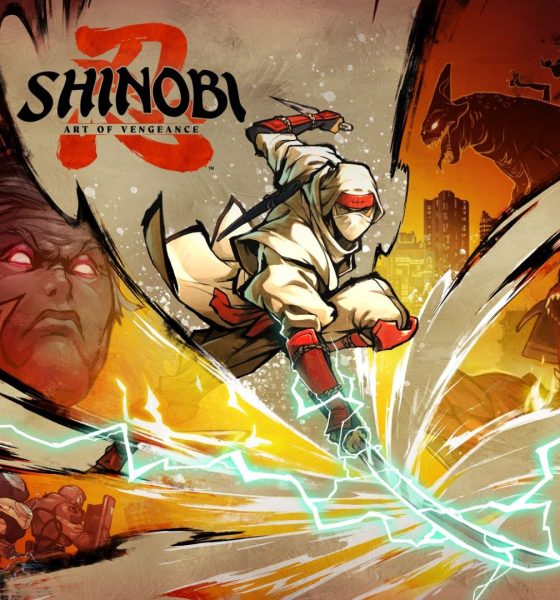

Allow me to frame this properly. Megaman X4, specifically Zero’s campaign, is one of my all-time favorites. I can’t recall every detail anymore, but I’ll never forget the feeling — chaining that three-slash combo, jump-dashing, wall-hopping, and pulling off special moves. Playing SHINOBI: Art of Vengeance brought all of that flooding back.
This game didn’t just scratch my itch for a good 2D action platformer — it satisfied it. From the action to the platforming to the presentation, everything clicked in a way that made me feel right at home, while still giving me something new.
Vengeful combat

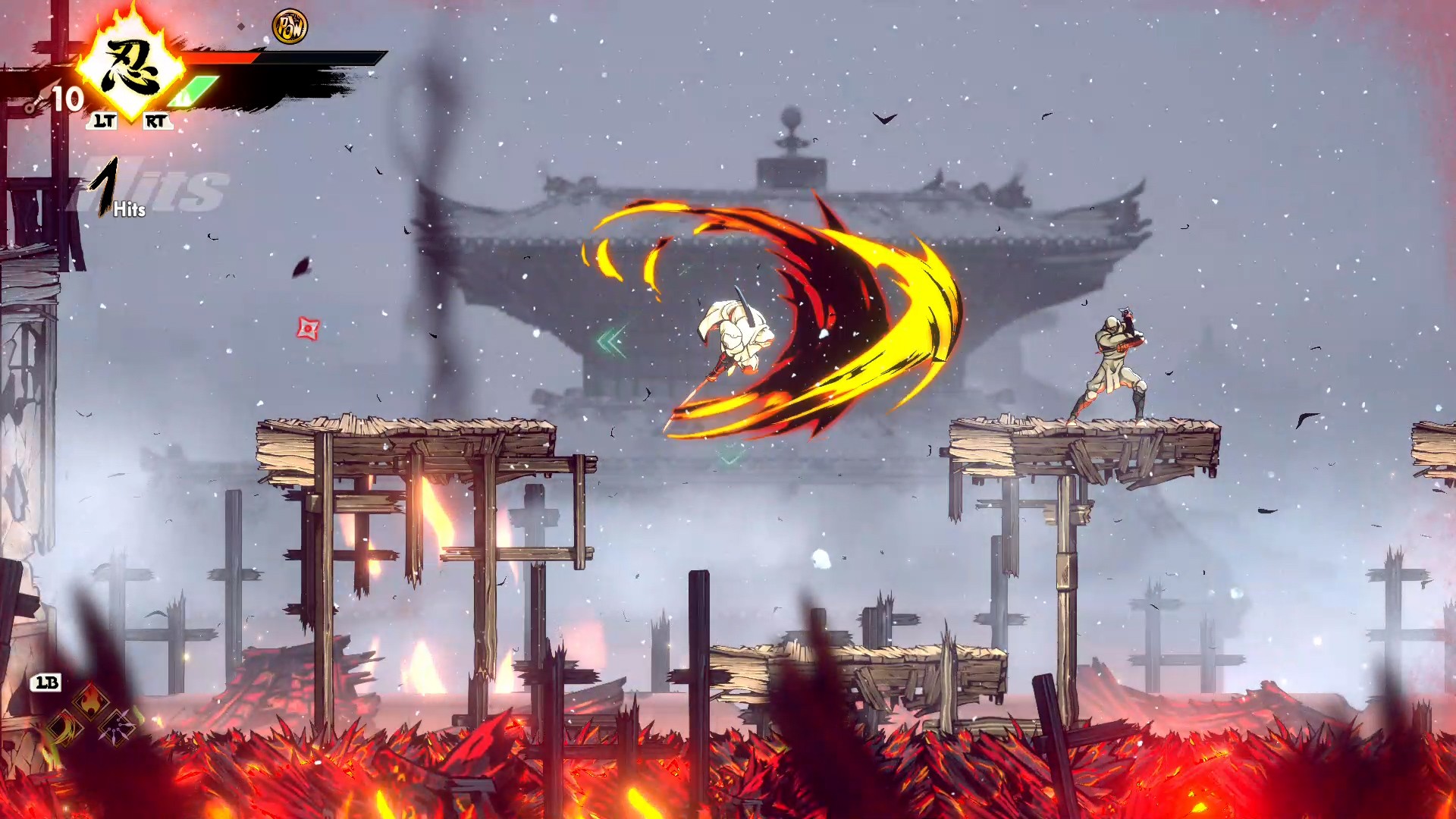
The starting moveset is strong. You don’t feel like the character was held back — from the get-go, you already feel like a badass ninja. Combos are fluid, chaining light and heavy strikes with kunai throws, and you can cancel into dashes to keep the flow going. By the time you unlock new skills, the enemies have already ramped up in ways that make each addition feel necessary rather than just flashy.
What really sold me was how layered the combat becomes. Beyond standard combos, you can pull off executions once an enemy’s stagger gauge fills, rewarding you with bursts of health or ammo. Ninpo skills add another dimension — special moves that let you clear space or punish groups when things get hectic. Later on, amulets and traversal tools fold into combat as well, letting you customize your approach, whether that’s aggressive, defensive, or a balance of both.
Even with all that, fights never felt overwhelming. Deaths were on me, not the game. The enemy variety kept me on my toes, and boss fights in particular made sure I used every tool I had learned up to that point. Each one felt like a proper exam on my ninja training.
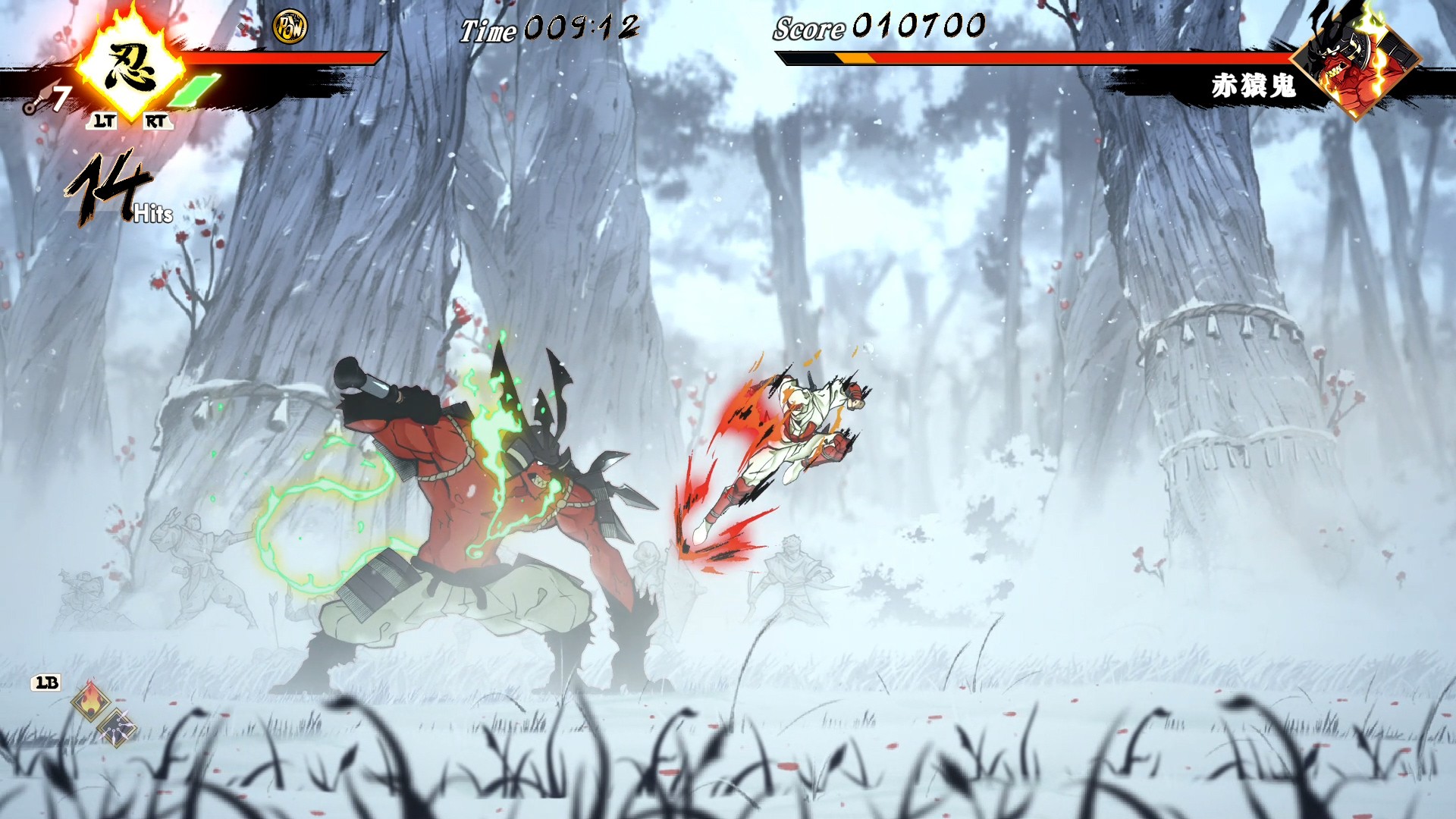
What sealed it for me was one of the early boss fights. On paper, it wasn’t the toughest, but I played it jetlagged on a flight — not exactly ideal ninja conditions. I knew I had the tools to win, but it still took me close to ten tries before I finally nailed the rhythm. I landed the finishing blow just as the pilot asked us to prepare for landing. That mix of stubborn challenge and sweet payoff is what this game nails so well.
Challenging platforming
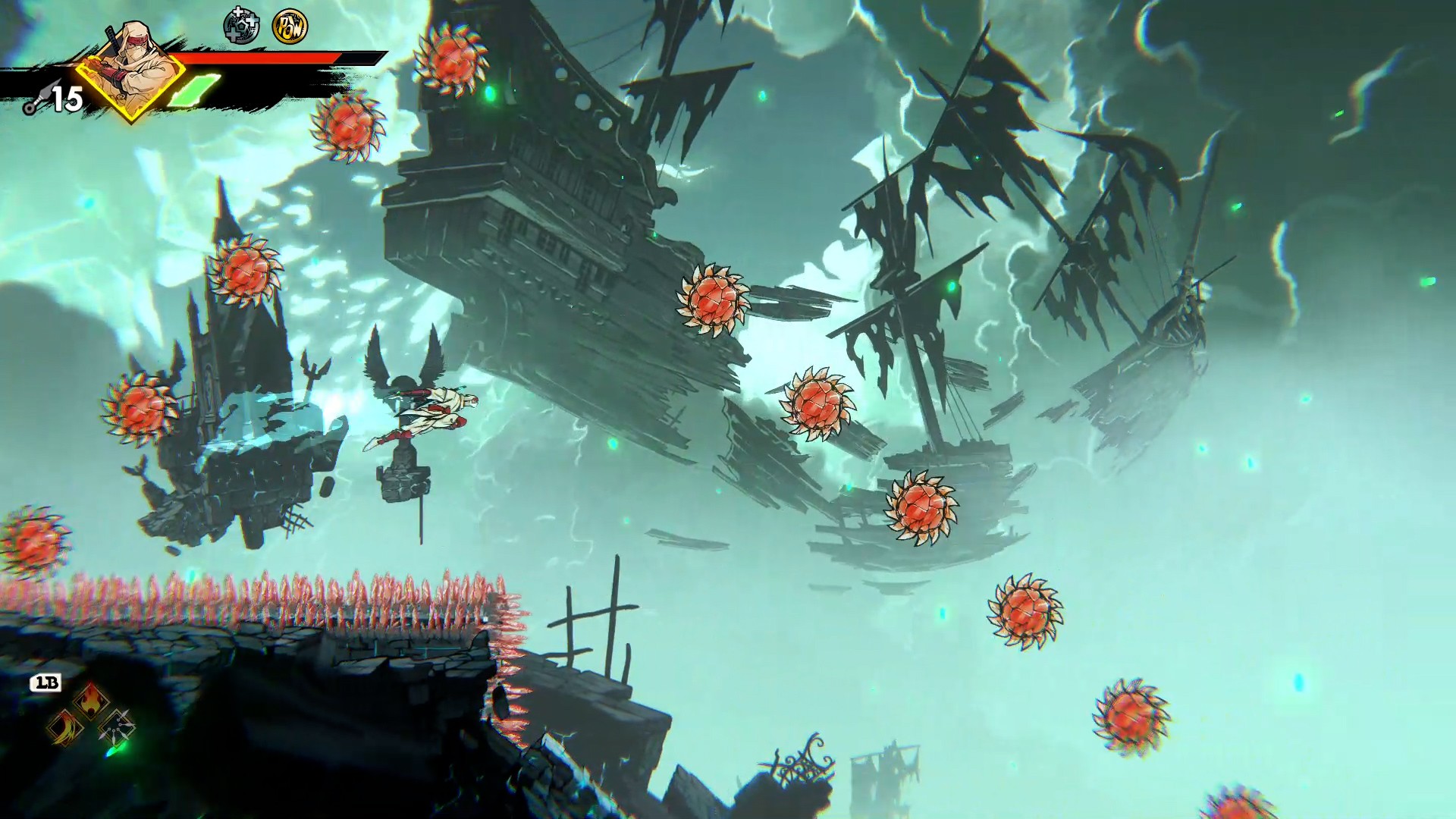
Jumping, double jumping, and air-dashing felt second nature right away. If you’ve played other 2D action platformers, you’ll slide right into the rhythm. Wall-hopping and wall-running took me longer to get a handle on — about two and a half hours before I stopped second-guessing my inputs — but once it clicked, it opened up the game in the best way.
Stages always kept things fresh. One level had moving platforms over bottomless pits that punished sloppy timing. Another leaned on vertical climbs, forcing me to chain wall runs and dashes in rapid succession. Later on, environmental hazards like lasers and collapsing floors made traversal feel like puzzles as much as platforming tests.

I fell plenty of times, but I never felt lost or cheated. The level design does a great job of pointing you in the right direction without handholding. And when new abilities unlocked, they didn’t just add flair — they gave me access to hidden rooms and shortcuts in earlier stages, rewarding exploration without dragging the pace.
Artful presentation

The hand-drawn look nails the vibe. Sharp character sprites and backgrounds pop without being too busy, and it sells the whole cyberpunk-ninja aesthetic. Each stage feels distinct — neon-soaked cityscapes, industrial factories, and eerie temples keep things from blending together. Enemy designs also play into the theme, mixing traditional ninja motifs with futuristic twists.
The soundtrack does a lot of heavy lifting. Pulsing synth beats push you forward during combat, while moodier tracks give boss arenas real weight. It matches the action so well that I found myself nodding along mid-slash.

Voice acting is solid across the board. The lead only communicates through grunts and battle cries, which is equal parts funny and fitting, but the supporting cast delivers their lines with enough conviction to carry the story beats. Speaking of story, it’s serviceable — a classic tale of revenge and corruption. You won’t be dissecting it years from now, but it does enough to keep the momentum going.
You also don’t need to have played past Shinobi games to enjoy this one. It stands tall on its own, even if you’re coming in fresh.
Is SHINOBI: Art of Vengeance your GameMatch?
A quick note: starting with this title, we’re gonna carry over our playful way of saying what’s worth your time — a seal of approval of sorts — into game reviews.
- Swipe Up means it’s highly recommended.
- Swipe Right means recommended, but maybe not for everyone.
- Swipe Left means not recommended.
SHINOBI: Art of Vengeance is an easy Swipe Up. The action, platforming, and presentation come together to make for a riveting experience — the kind of game that respects your time while still pushing you to master its systems. It’s a classic case of the whole being greater than the sum of its parts.
And if you grew up chasing that Zero slash-combo high like I did, SHINOBI: Art of Vengeance is the modern revival you didn’t know you needed.
It’s available now on PlayStation 4 and 5, Xbox One, Xbox Series X|S, Steam, and Nintendo Switch.





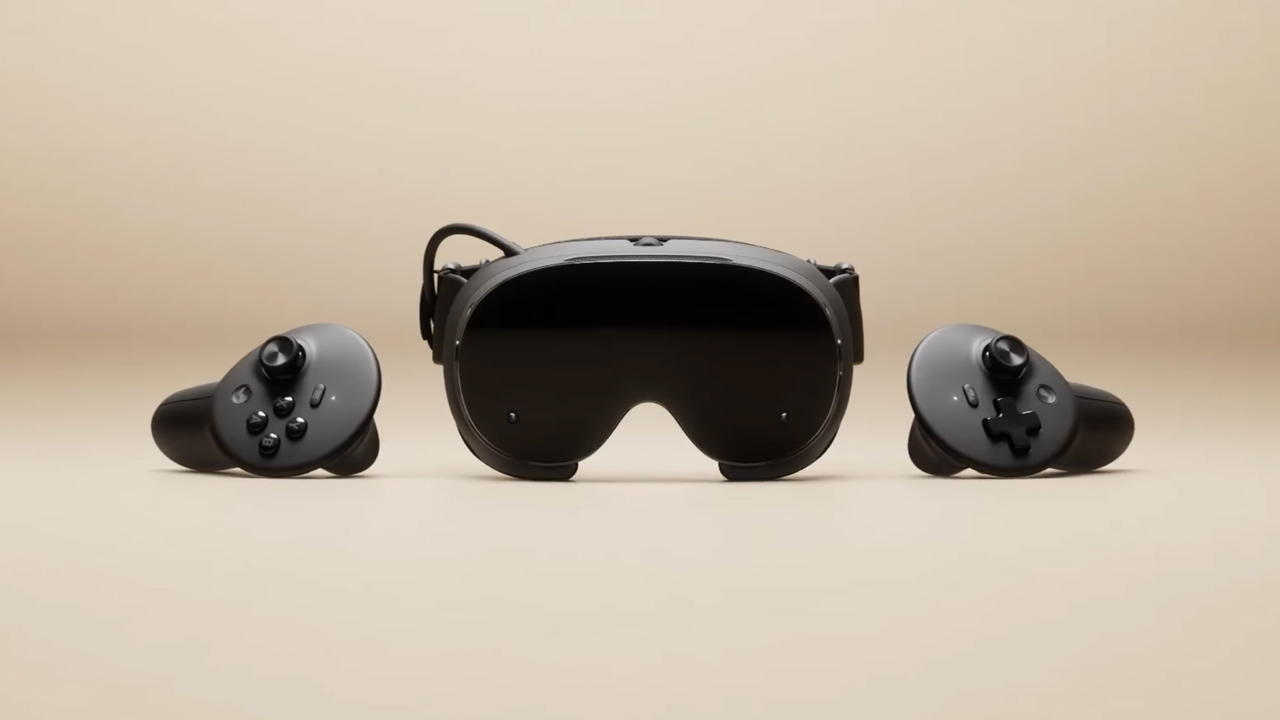
The trifecta is complete. Almost a year after announcing their new hardware, Valve has finally unveiled the price tag of the Steam Frame, complementing the Steam Machine and Steam Controller revealed a few months ago.
Whereas the Steam Machine is a console of its own, the Steam Frame is a traditional VR headset with a pair of controllers for both hands. Unfortunately, despite being in a different segment, the headset is not immune to the rising prices of technology. The Steam Frame will start at US$ 1,059 for a 256GB model and can go up to US$ 1,299 for the 1TB model. On the plus side, each box will come Half-Life: Alyx packaged along with the headset.
Here’s a more detailed rundown of what you’re getting. The Steam Frame will ship with the Snapdragon 8 Gen 3 chipset, paired with 16GB of RAM. Each eye comes with a 2160 x 2160 LCD screen, putting out images at up t0 a 144Hz experimental refresh rate. As mentioned above, the headset will start with 256GB of storage but can go up to 2TB. It will come packaged with SteamOS 3 and a rechargeable 21.6Wh battery.
This might be a hard buy for some. The industry currently has more affordable options, for one. Also, virtual reality isn’t the most thriving segment of gaming today.
If you’re still decided on buying one, however, Valve is using its lottery system. Interested customers can sign up from now until September 17. The company will then randomize the purchasing order. Those who draw the first ones in the lottery can get a purchase email as soon as September 18. Meanwhile, anyone who registers after September 17 will automatically be put at the back of the queue.
SEE ALSO: Valve announces its own console called the Steam Machine
Gaming
BlizzCon 2026 announces World of Warcraft: Forever and Diablo V
StarCraft, Overwatch, Hearthstone, and more also get news

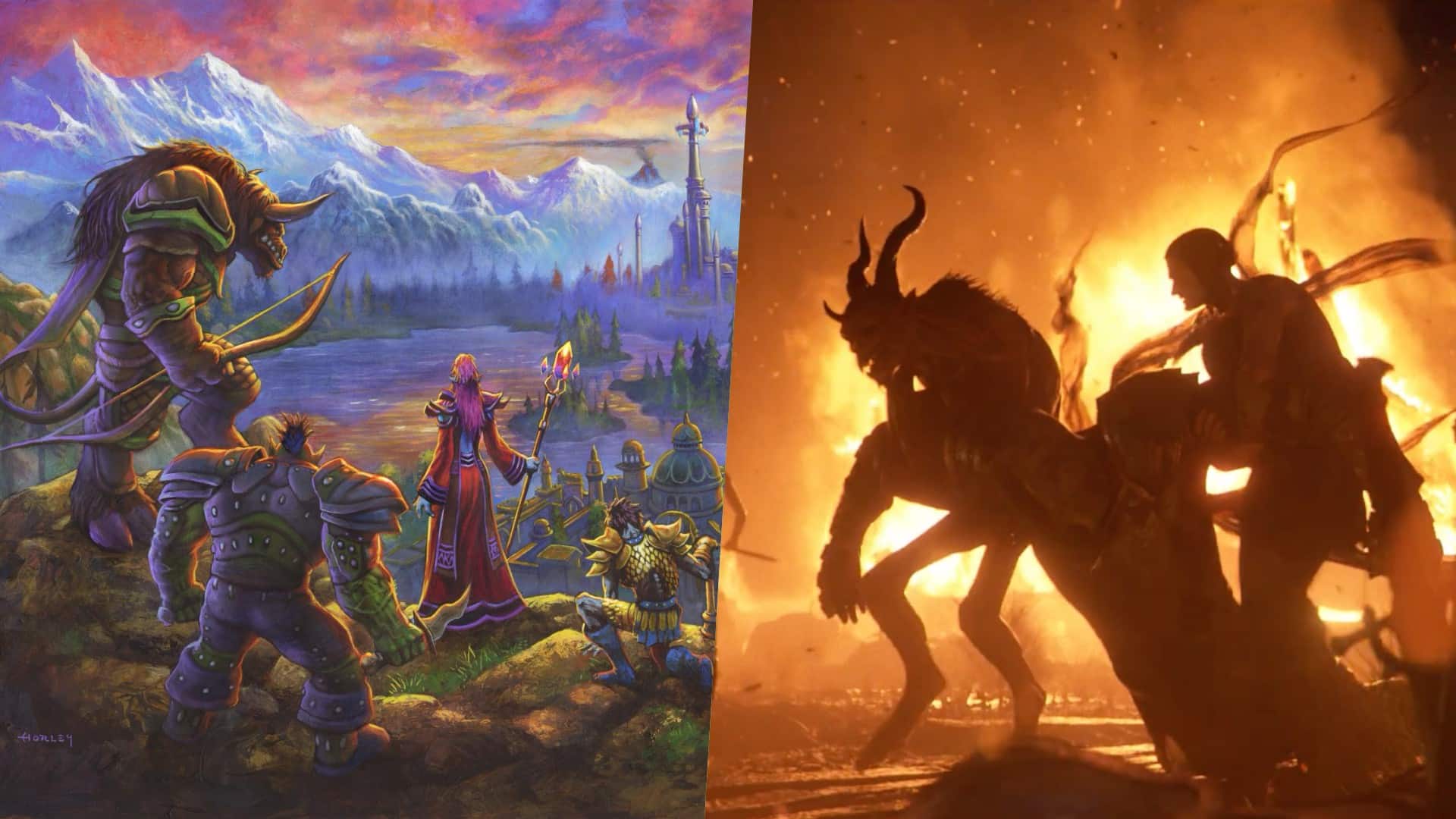
Blizzard Entertainment kicked off BlizzCon 2026 with a packed Opening Ceremony featuring new games, major expansions, updates, and other announcements across its biggest franchises.
Blizzard Entertainment President Johanna Faries opened the event at the Anaheim Convention Center, celebrating the community behind the company’s games and the teams that bring its worlds to life.
World of Warcraft: Forever and Diablo V
The biggest announcement was World of Warcraft: Forever, a new World of Warcraft experience launching November 5 AEDT, with its beta beginning September 18 AEST. The new experience will feature three zones, more than 1,000 quests, nine dungeons, two raids, and a new Skyborne race.
Blizzard also officially announced Diablo V, marking the next era of the franchise. The game is set to launch in North America in Spring 2029, with Sanctuary having fallen and Diablo having won.
StarCraft is also returning with a new story-driven, open-world shooter. The game is currently planned for a Spring 2030 release in North America.
Beyond games, Blizzard revealed that an animated series set in the Diablo universe is in development with Netflix. The company says this is only the beginning of its plans to expand its universes beyond gaming.
For Warcraft III Reforged, the new Forsaken Kingdom campaign is available today. It marks the Warcraft RTS series’ first new storyline in more than 23 years and explores the fall of Lordaeron and the origins of the Undercity. The accompanying 3.0 update also brings graphical improvements and a revamped World Editor.
Heroes of the Storm is adding Xal’atath as its newest Hero. She arrives in the Nexus on September 29 AEST, with her PTR release scheduled for September 15 AEST.
Existing games updates
Meanwhile, Diablo IV is preparing for its next major content drop. Season of Hell’s Legacy begins September 16 AEST and celebrates the franchise’s 30-year history with the return of the Prime Evils and Deckard Cain, alongside themed rewards and gear.
The legendary Amazon class will also arrive in the first half of 2027 as part of Diablo IV’s first class pack. The Diablo IV: Age of Hatred Collection is additionally coming to Nintendo Switch 2 on September 16 AEST with cross-platform play and cross-progression.
For World of Warcraft, Blizzard teased the next major update for Midnight. Eclipse (12.2) will see Xal’atath move closer to her goal of claiming Azeroth’s Worldsoul. Blizzard also offered another look at The Last Titan, the next expansion in the Worldsoul Saga and a major culmination of more than two decades of Warcraft storytelling. More information is coming early next year.
Overwatch is getting a major update with Season 5. The season introduces new Support Hero Doctrine, reworks for Sombra and Roadhog, and the new Watchpoint: Grimsvötn map. It will also conclude The Reign of Talon, Overwatch’s first year-long narrative arc.
LE SSERAFIM & YOASABI
BlizzCon also featured performances from YOASOBI and LE SSERAFIM. YOASOBI will perform during the first-ever esports halftime show at BlizzCon, while LE SSERAFIM will return to the Main Stage to close the weekend. A new LE SSERAFIM in-game collaboration is available now, with another Overwatch Spotlight scheduled for February 2027.
Finally, Hearthstone is getting its first new class in more than six years. The Monk arrives in 2027, while the upcoming Reign of the Black Empire expansion takes players back to the earliest age of Azeroth. It introduces the Assemble keyword, which combines two cards into a new one. Battlegrounds is also adding Aberrations as a new minion type.
BlizzCon 2026 is now underway, with Blizzard promising more announcements and details throughout the weekend.
Gaming
Just Dance: Decades of Hits to launch on October 13
All-new Just Dance experience that brings every generation together
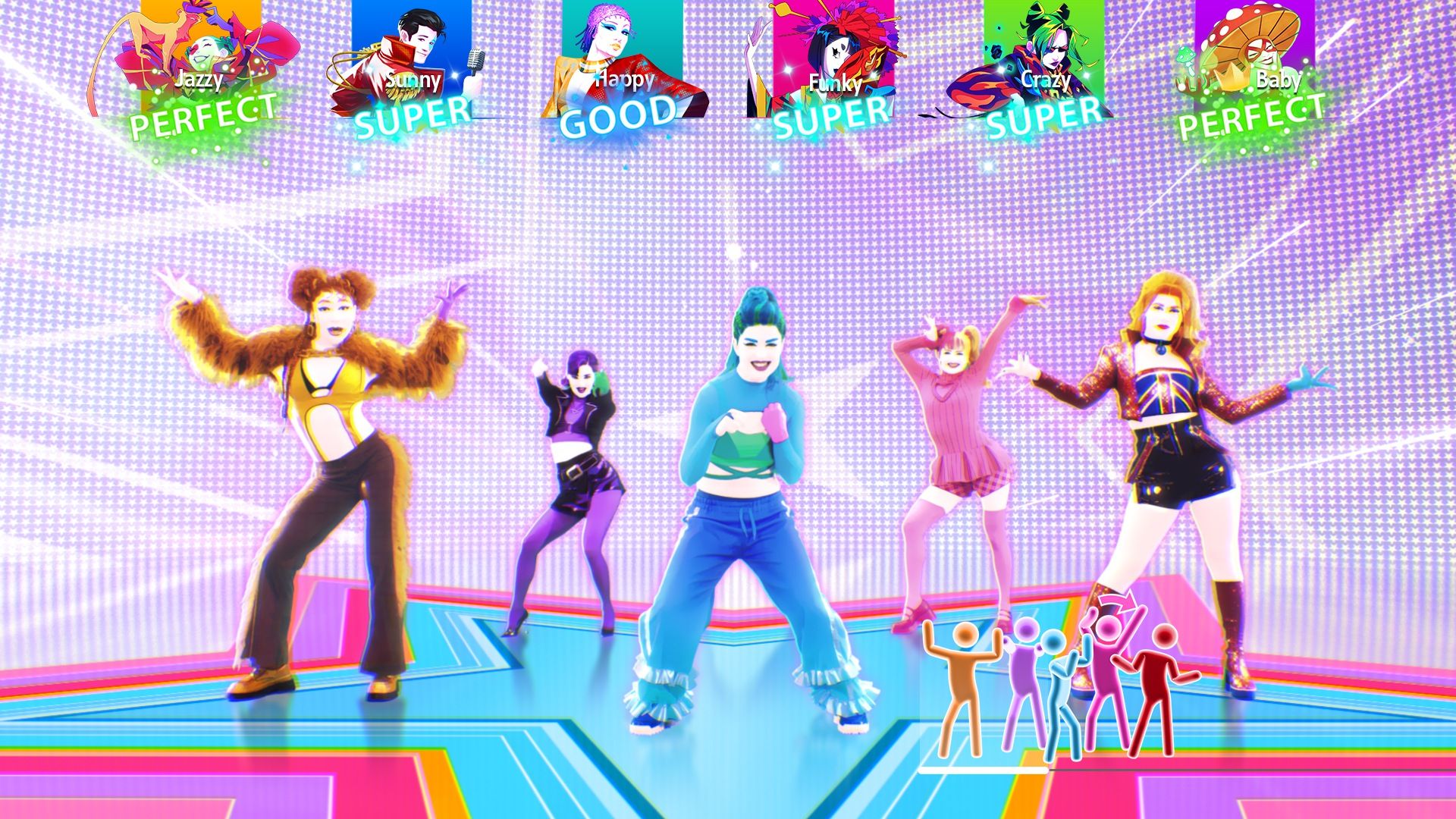
Just Dance: Decades of Hits will launch on modern consoles on October 13, Ubisoft has announced.
This will offer fans of the franchise a new experience across eras of music. The game will be available on PlayStation5 , Xbox Series X|S, and Nintendo Switch on the launch date.
Nintendo Switch 2 users, meanwhile, will be able to enjoy the title by November 10, 2026.
Just Dance: Decades of Hits brings together every generation to one dance floor with 25 iconic songs across six different decades:
- Mamma Mia by ABBA
- Uptown Girl by Billy Joel
- It’s Tricky by Run-DMC
- No Scrubs by TLC
- Wannabe by Spice Girls
- Bye Bye Bye by *NSYNC
- Feel Good Inc. by Gorillaz
- Turn Down for What by DJ Snake and Lil Jon
- Danza Kuduro by Don Omar feat. Lucenzo
- Manchild by Sabrina Carpenter
- NUEVAYoL by Bad Bunny
- And more!

Bringing every generation together
Songs, visuals, and an all-new Adventure Mode are all designed to immerse players in the spirit that made each decade unforgettable.
From the funky ’70s disco floors and the electrifying ’80s rock scene to the glossy 2000s pop and beyond, travel through time and share the joy of rediscovering iconic moments with friends and family.
In Adventure Mode, follow Lyra, Dr. Gigavolt’s daughter, in a playful journey through time to rescue her father.
Explore the decades through six themed worlds, enjoy fun mini activities, and unlock exclusive rewards.

For unpredictable, chaotic fun where the rules change every round, players can jump into Party Mode. Or they can get moving with the Workout Mode, which tracks calories burned with each dance.
Up to six players can dance locally in the game, with no extra accessories needed.
In addition those who own Just Dance: Decades of Hits as well as Just Dance 2023-2026 editions will be able access all their songs in one place on the same console without having to switch games or separate menus.
This also includes songs from purchased Music Packs and songs available through an active Just Dance+ subscription.


DJI Lito X1 review: Is this the best lightweight drone for creators?
Making a strong case as a travel companion and a capable B-cam!


REDMI Note 17 Pro Max review: A new breed born from AI greed
Welcome to the new normal


Marvel’s Wolverine review: When the claws come out
A brutal, cinematic superhero adventure

Epson Lifestudio Grand Plus EH-LS970B with 4K projection, more launches

Jackery Explorer 300D: Power and portability in one

Nike’s Alphafly 4 is built for the part of the marathon ~that actually hurts~

SEGA, Netflix announce Crazy Taxi film adaptation

Smart launches LiveSmart App for exclusive deals

TECNO MEGAPAD 2 review: Eyes on the size

realme 16T 5G with 8000mAh battery, IP69 Pro rating launches in PH

HUAWEI Pura X View is 2026’s first WIDE slab-type smartphone

REDMI reveals the refreshed Note 17 and Note 17 Pro series

REDMI Note 17 Series: Price, availability in Singapore


-
 News2 weeks ago
HUAWEI Pura X View is 2026’s first WIDE slab-type smartphone
-

 News2 weeks ago
The CAMON Slim 5G is TECNO’s latest ultra-slim smartphone
-

 News2 weeks ago
iPhone 18 Pro series: Price, availability in the Philippines
-

 Singapore2 weeks ago
iPhone 18 Pro series: Price, availability in Singapore
-

 News2 weeks ago
iPhone Duo: Price, availability in the Philippines
-
 News2 weeks ago
HUAWEI Mate XT 2 tri-fold launches with Kirin 9050 Pro
-

 News2 weeks ago
vivo introduces refurbished versions of X300 FE, X300 Ultra for less
-

 News2 weeks ago
iPhone Duo: Price, availability in Singapore