
News
TECNO’s two new telephoto tech redefines the future of mobile imaging
Slimmer telephoto structure and seamless continuous zoom, comin’ thru!

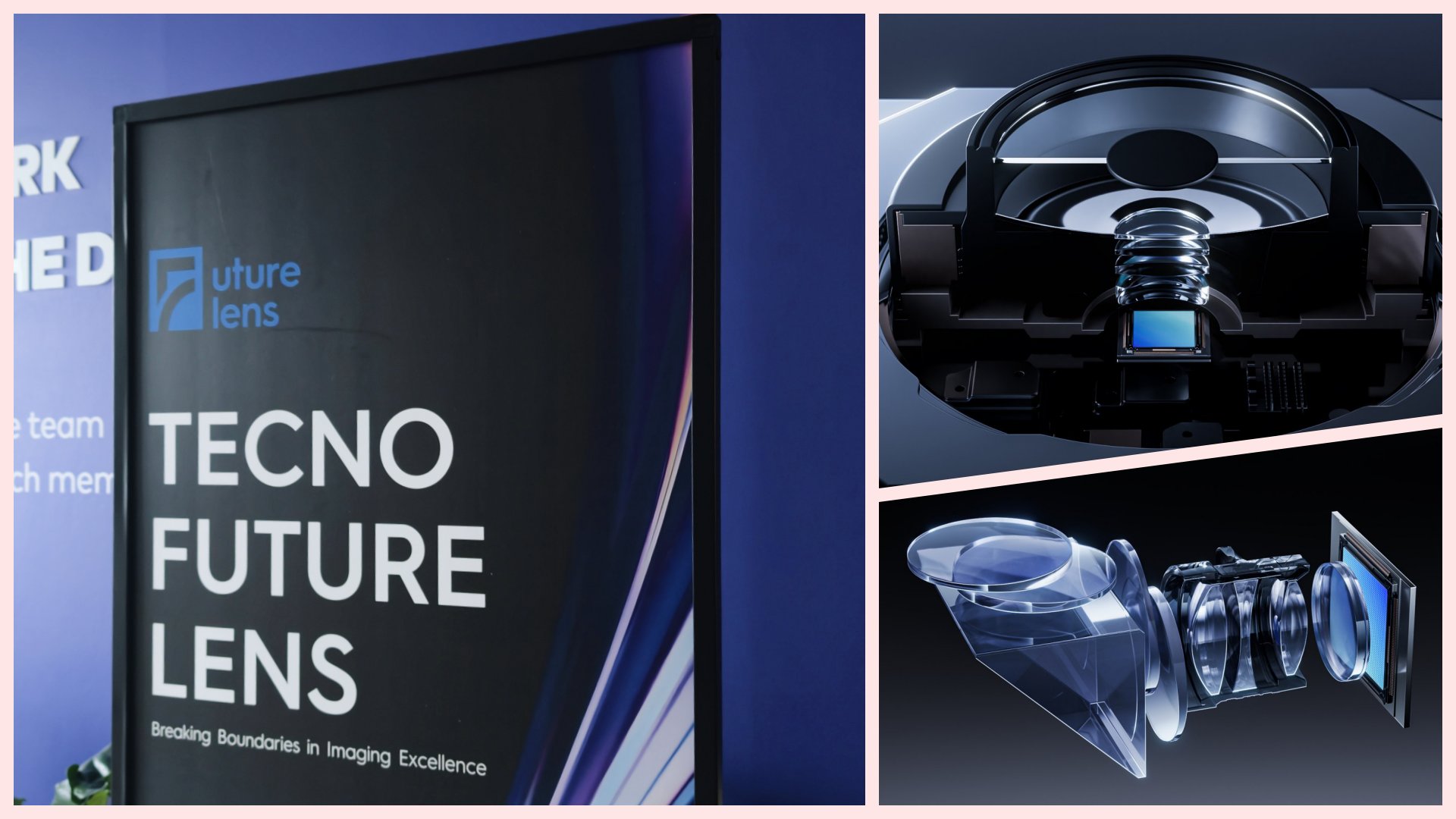
TECNO continues to break boundaries in imaging with their recent line of smartphones — the CAMON 40 Premier highlighting that claim as it’s one of the market’s midrangers that deliver excellent camera quality without compromising overall price.
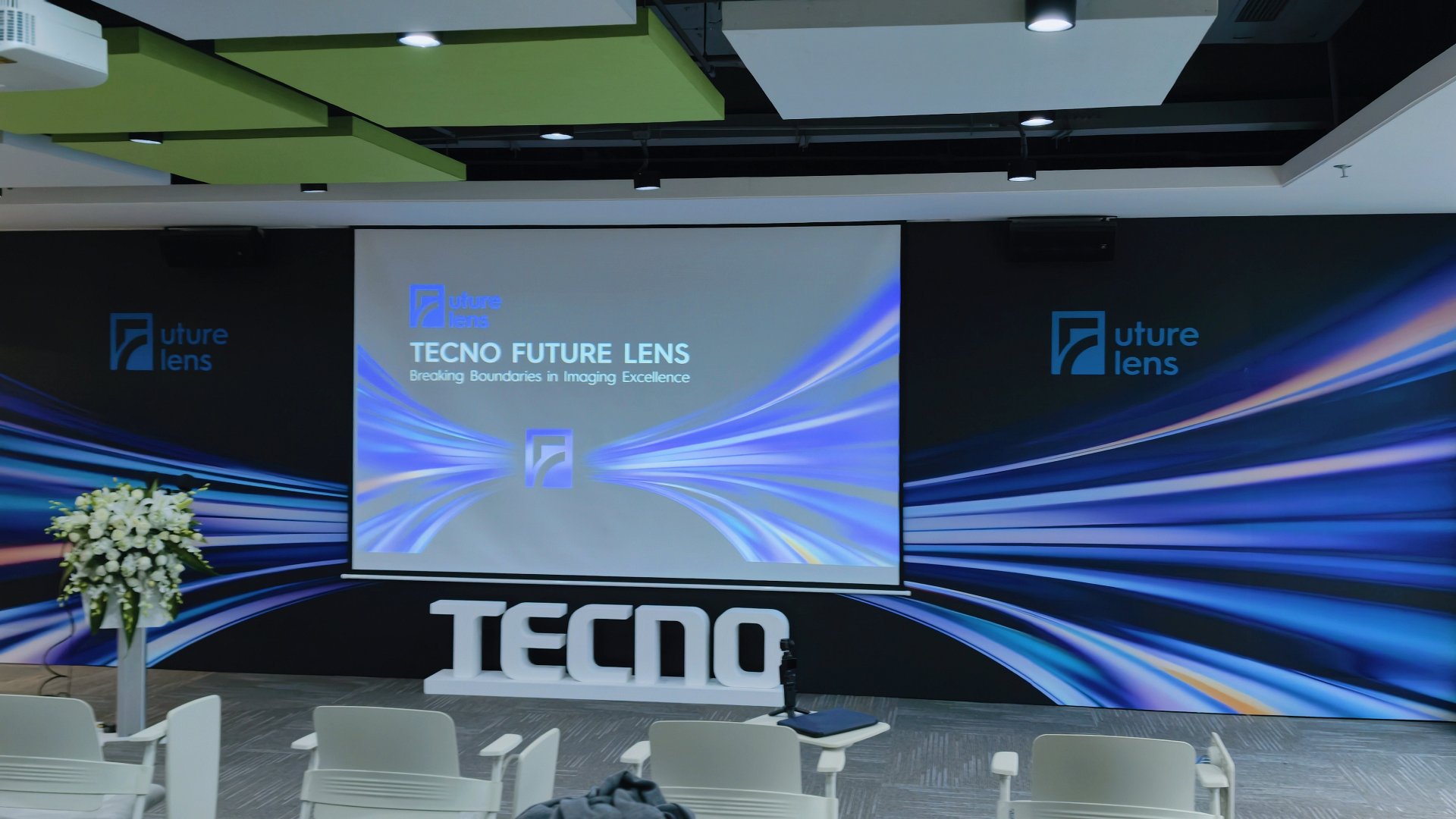
At this year’s event, not only this marks the fifth anniversary of its annual Future Lens showcase, they are delivering two new innovations in mobile imaging.
Two New Tele-nnovation
From 2023’s W-Shaped Liquid Telephoto Macro Lens to last year’s (very mouthful) Tap Any Zoom Dual Prism Telephoto, TECNO introduces two new flagship-level telephoto zoom innovations for future smartphones.
Dual-Mirror Reflect Telephoto
First and foremost, this new type of telephoto tech is based on a smaller telephoto module 50% smaller than traditional systems.
That’s all thanks to its coaxial optical structure that enables an evern slimmer design slimmer without totally compromising the zoom performance.
Moreover, this type of telephoto module also creates a distinct “doughnut-shaped” bokeh and low-light shots that are also strong.
Freeform Continuum Telephoto
This is another breakthrough of TECNO in terms ofd telephoto zoom tech.
From the term itself, the Freeform Continuum Telephoto tech provides true continuous optical zoom from 1x to 9x. By that, it totally eliminates those unwanted “focal jumps” very apparent in modern-day smartphone camera systems.
TECNO says this achieves with a pro-grade zoom performance comparable to camcorders. Still, providing full image quality and sharp detail at every distance and angle.
Advancing the TECNO Image Matrix
That said, it’s not always limited to just announcing an upgraded camera hardware and advanced optics alongside an intelligent camera software experience . TECNO seamlessly bridges all of these with its already-existing imaging architecture, the TECNO Image Matrix (TIM).
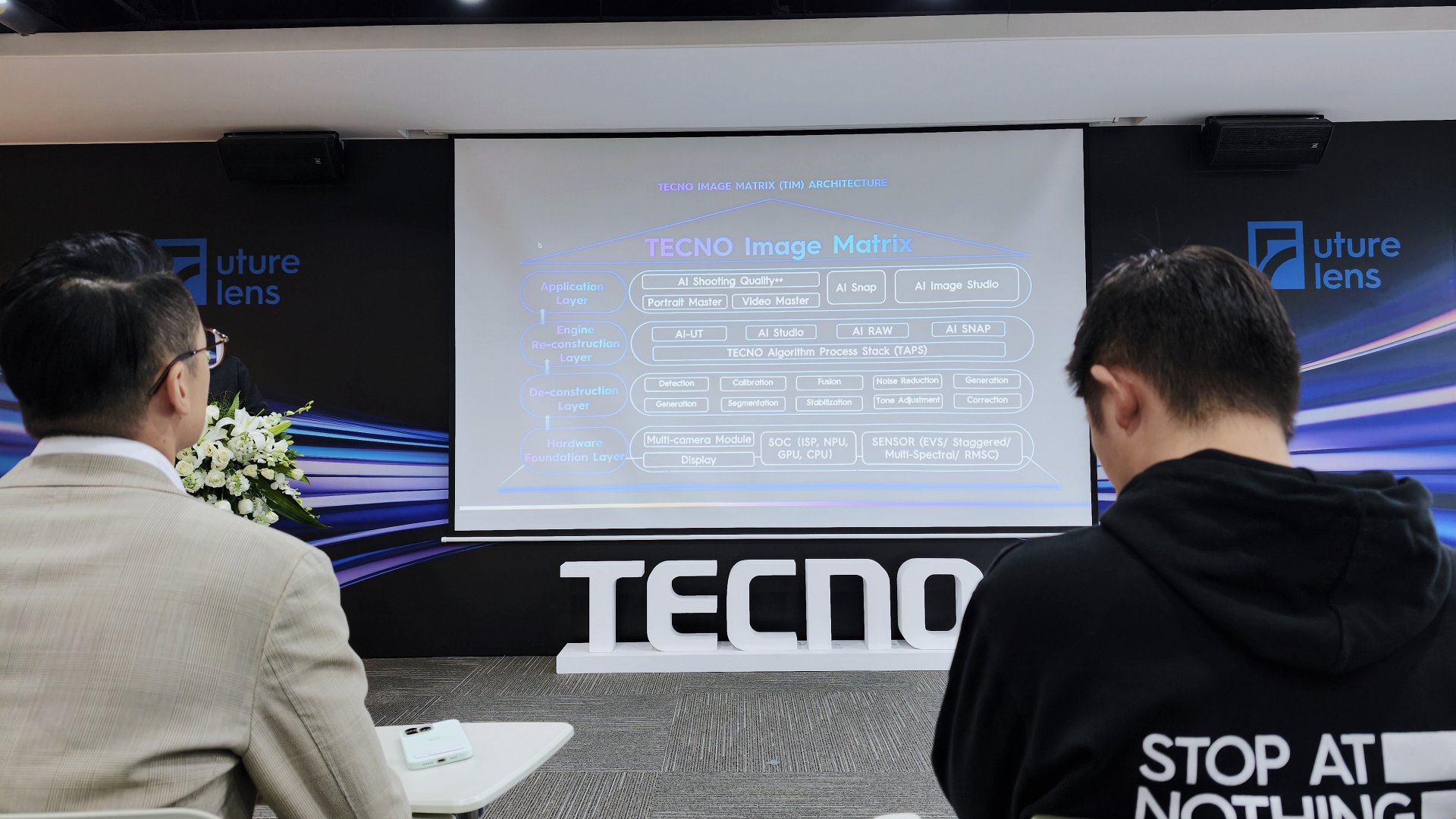
The uprising brand is also committed to imaging that favors humans in all races, as well as providing industry-leading color science with their very first automated imaging lab collab with DXOMARK.

ICYMI, it unifies AIGC-enhanced hardware and intelligent algorithms. This system also powers technologies such as TECNO’s revolutionary Universal Tone (UT) technology that continues to deliver accurate and inclusive color rendering of diverse skin tones — eliminating the racial bias in image processing.

TECNO’s Universal Tone Demonstration at MWC 2025
Technology that understands culture makes it possible. Cultural accuracy at the center — cultural fidelity the core in mobile photography. And in the wisest words of Amateur Photographer’s Musa Bwanali, “Every culture has a story worth telling.”

Musa Bwanali of Amateur Photographer
In addition to that, she told her that TECNO truly knows the path they’re aiming for. “This is not just about technical progress. It’s human progress.”
Why Focus on Telephoto?
Shenghao Bai, a Senior Analyst from Counterpoint, has revealed that more and more phone brands have invested and applied telephoto and periscope zoom lenses among their smartphones during the first half of 2025 — regardless if it’s a flagship model or a midrange one.

Shenghao Bai, Senior Analyst of Counterpoint
Furthermore, periscope zoom lenses is the most challenging part among smartphones nowadays. Not only with all the varying sizes of lens modules, quality also differs from one brand to another.
TECNO’s latest tech developments in telephoto modules demonstrate the clear alignment with these trends. And it’s not just zooming in and capturing light. Also, intelligently understand scenes and intention of users.
Quick Fire Q&A
After the very-detailed presentation, some media friends were encouraged to ask anything and everything under the sun.
* These were answered in Mandarin by TECNO’s Director of Image R&D Centre, Xiaohan Huang, and was translated live for us by a human translator. The answers you will see here are non-verbatim and was simplified by the author during the writing process.
1. Is it possible to fuse these two new tech together?
Technically and mechanically speaking, it is impossible and incompatible.

Xiaohan Huang, TECNO’s Director for Image R&D
Other than the high-precision requirement, processing and manufacturing these modules are already very challenging to begin with.
2. Are there any realistic timeline for these to be available for users?
All I can tell is that, 2026 will be challenging for commercialization. For the freeform telephoto, it is very difficult. The two lens module groups in this unit have a high requirement for processing and manufacturing.

Laury Bai, TECNO’s CMO
On the other hand, the Dual-Mirror Reflect Telephoto is ready to be commercialized.
However, TECNO is still testing what will be the effect for its intended users. Commercialization and market-size are key factors for this survey.
3. Is TECNO re-considering to go back in making flagship smartphones (like the Phantom X2 Pro) or just focus on CAMON series moving forward?
There’s no definite answer to going back and moving forward. New technologies are very costly with an expensive sale price.

Hosted by Nicole Scott
That said, TECNO’s main goal is to focus and bring the latest and greatest to these users. This technique can solve the painpoints of mobile photography in the middle or lower-end spectrum of the market.
4. Is it possible to bring these two telephoto technologies to phones like the TECNO Slim?
If you don’t mind getting the bump thicker, it is doable. But realistically speaking, it is still too thick for this product — thicker than we wanted it to be. Therefore, it’s merely impossible to do it just yet.

Paco Zheng of Gizmochina
There are phone markets that are willing to sacrifice overall camera performance in favor of a pleasing design and appearance. Also, cameras aren’t only the bottleneck, battery longevity is for another.
Bringing it to the Slim series may not be possible (for now) but should be doable for TECNO’s another set of phone series.
5. When can the DXOMARK collab be seen in TECNO’s phones?
Even though the first fully-automated imaging lab was announced just this year, TECNO and DXOMARK has already established a long-term partnership for many years now.
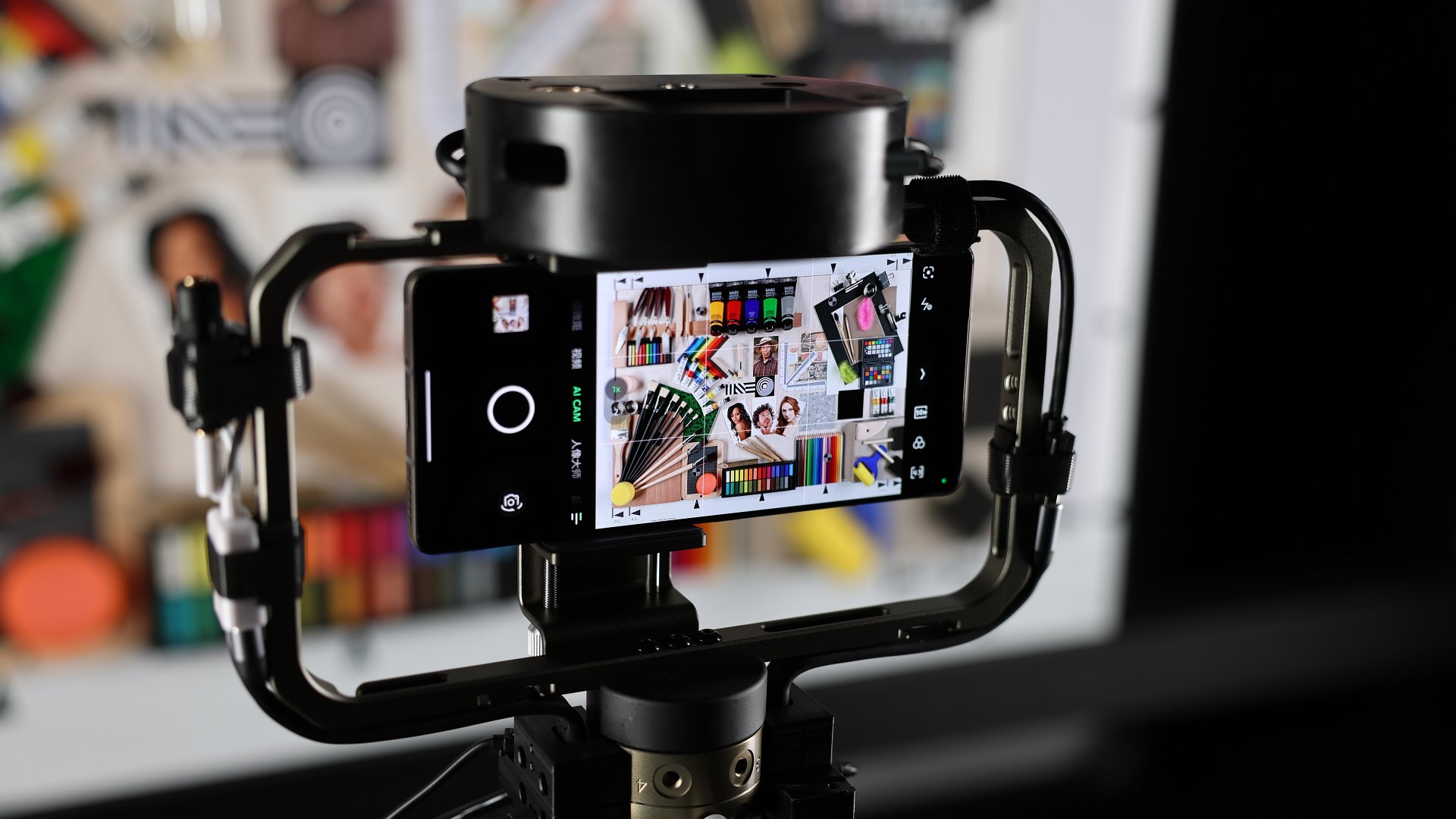
The first fully-automated Imaging Lab by TECNO x DXOMARK in Chongqing, China
At TECNO, we clearly focus and prioritize on portrait shooting. And, with our heavy reliance on DXOMARK’s professional quantifiable benchmarking tools and technologies, we are hoping to further deepen this relationship.
With all that being said, the collab can be felt and seen by 2026 without a specific date.
Shaping the Future of Mobile Imaging
Building on innovations ranging from periscope telephoto lenses to full-system imaging frameworks, TECNO reaffirmed its ambition to make pro-grade imaging accessible across global markets.

Through continued research partnerships and advanced testing facilities, it aims to deliver more personalized, authentic, and creatively empower photography experiences both for professionals, hobbyists, and even just casual users.
Together with TECNO’s “Stop At Nothing” mantra, they will continue to focus on breaking through the boundaries of smartphone camera innovation for the next five years — and the foreseeable future.






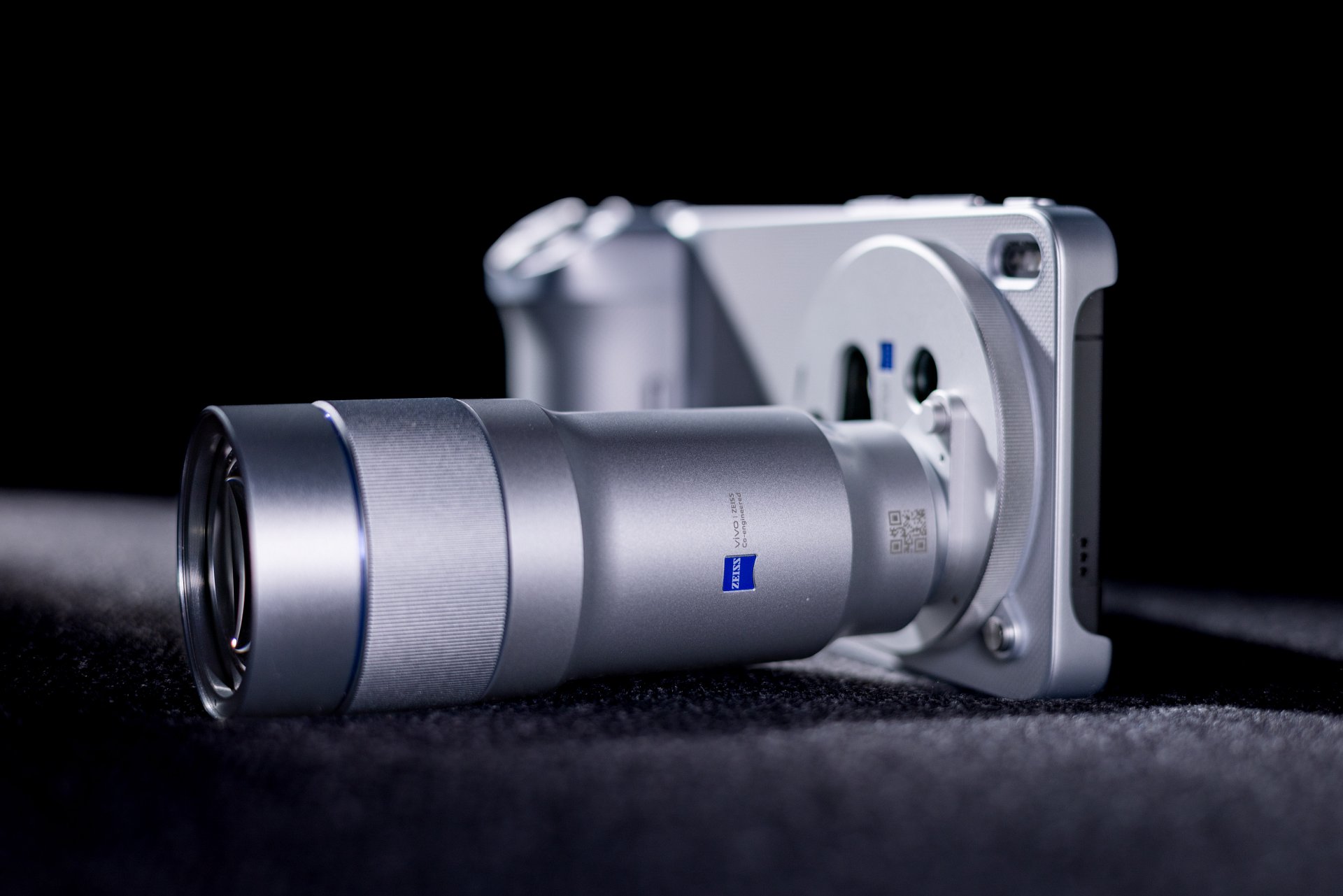
vivo has officially announced the global launch of the X300 Ultra, marking the first international debut of its top-tier imaging flagship.
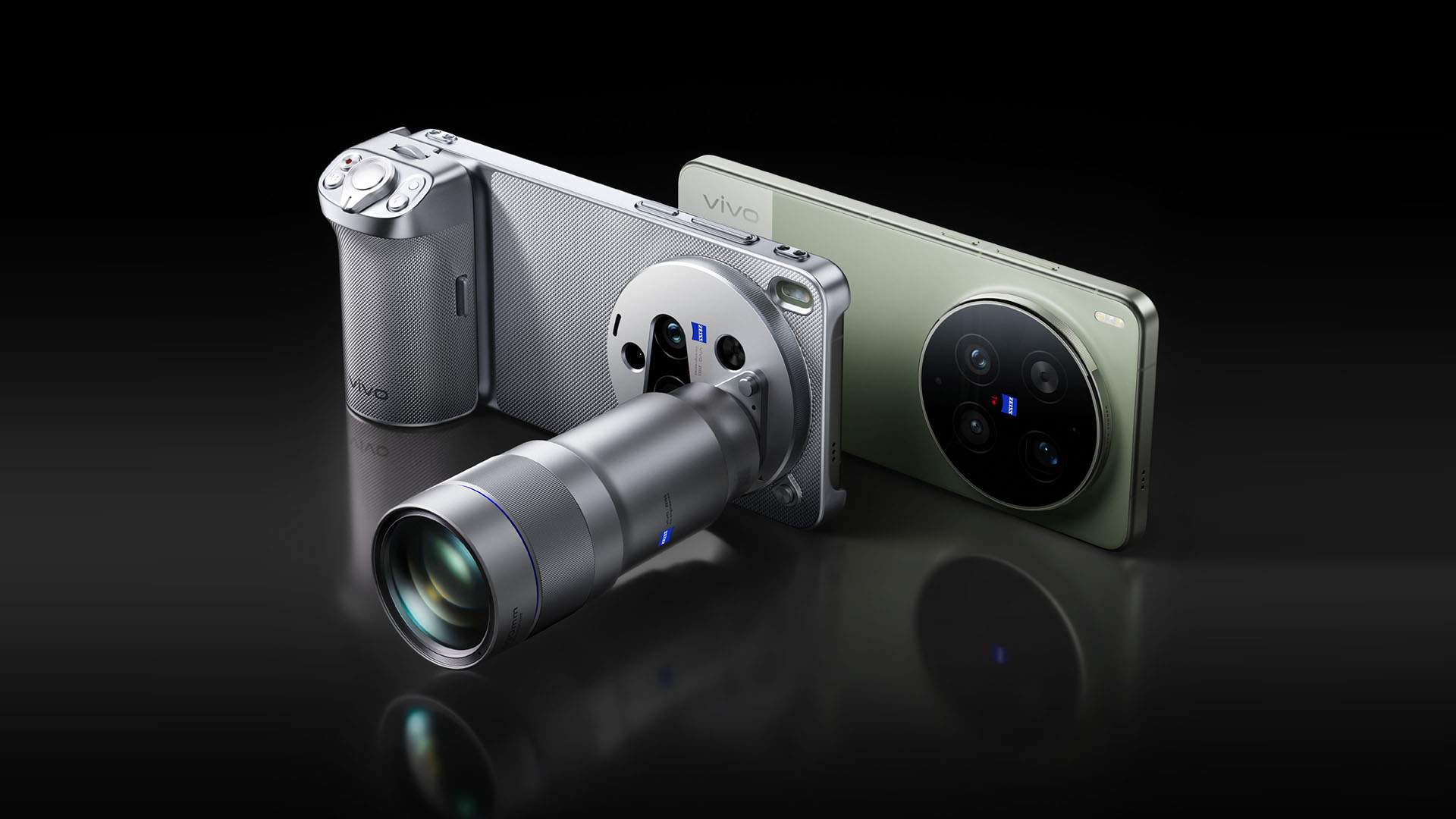
The device introduces the ZEISS Master Lenses Collection, featuring triple prime focal lengths at 14mm, 35mm, and 85mm. It supports up to 200MP output across key focal lengths and can extend reach to 200mm and 400mm using optional telephoto extenders.
A 200MP 85mm telephoto camera with gimbal-level stabilization and 60fps AF tracking enables detailed long-range shots. Meanwhile, the 35mm camera uses a large Sony LYTIA sensor for natural perspective and improved low-light performance.
Graphics by Vincenz Lee | GadgetMatch
For video, the X300 Ultra supports multi-focal 4K 120fps recording in both 10-bit Log and Dolby Vision formats. It also introduces Pro Video mode with LUT support and compatibility with ACES workflows for advanced color grading.
The phone runs on Snapdragon 8 Elite Gen 5, paired with a dedicated imaging chip. It packs a 6600mAh battery with 100W wired and 40W wireless charging.
Other features include a 2K ZEISS Master Color Display, quad-mic audio recording system, IP68/IP69 durability, and up to five years of OS updates.
Pricing and availability will depend on the region.


Allbirds is an odd shoe company. Though it already enjoyed a cult following in some circles around the world, the brand suddenly expanded its reach everywhere, offering a lighter and more environment-friendly alternative to the usual suspects of the shoe world. Now, getting even odder, Allbirds is ditching the shoes and going barefoot into the world of AI.
It’s one of the oddest transitions in the corporate world. In an official statement, Allbirds has confirmed that it will pivot fully into a “fully integrated GPU-as-a-Service and AI-native cloud solutions provider.” From Allbirds, it will be known as NewBird AI.
It’s not an incredibly abrupt change, though. The shoe brand and its stores won’t disappear overnight. The company will still hold a shareholder vote on May 18. If approved, they will transition into the new brand gradually.
The transition to AI, itself a gremlin of a keyword in today’s financial world, has resulted in the company’s stock value rising up. However, its long-term viability is in question, especially for a company with no experience in a world already drowning in AI.
From last year to today, AI has been the darling child of investors and a plague to consumers. While the former salivates over the short-term gain of AI adoption, the latter ruminates on the technology’s projected effects on the world.
SEE ALSO: Lenovo accelerates production-ready enterprise AI with NVIDIA
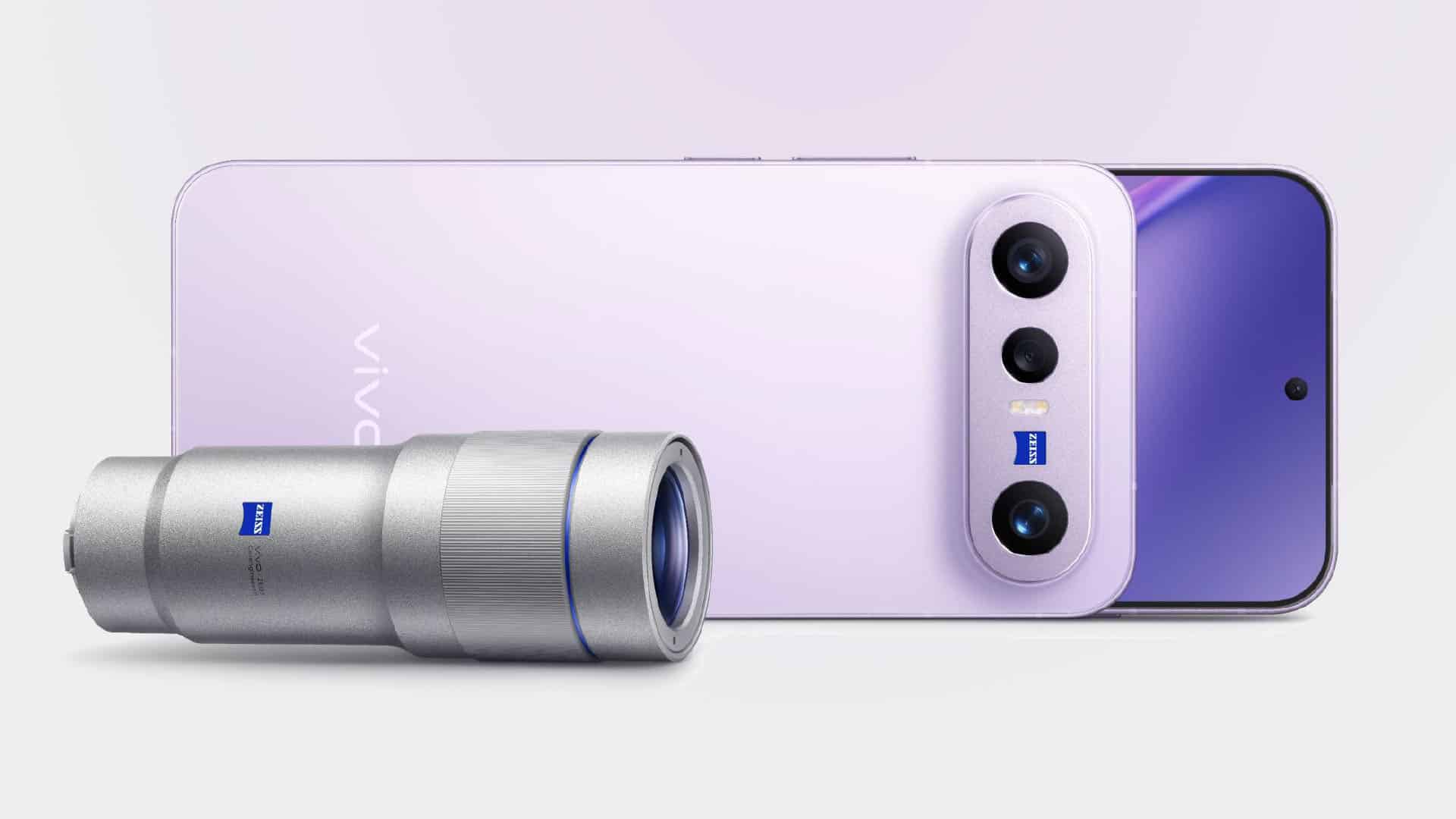
vivo has announced the vivo X300 FE, a compact flagship built around pro-grade imaging, long battery life, and extended software support.
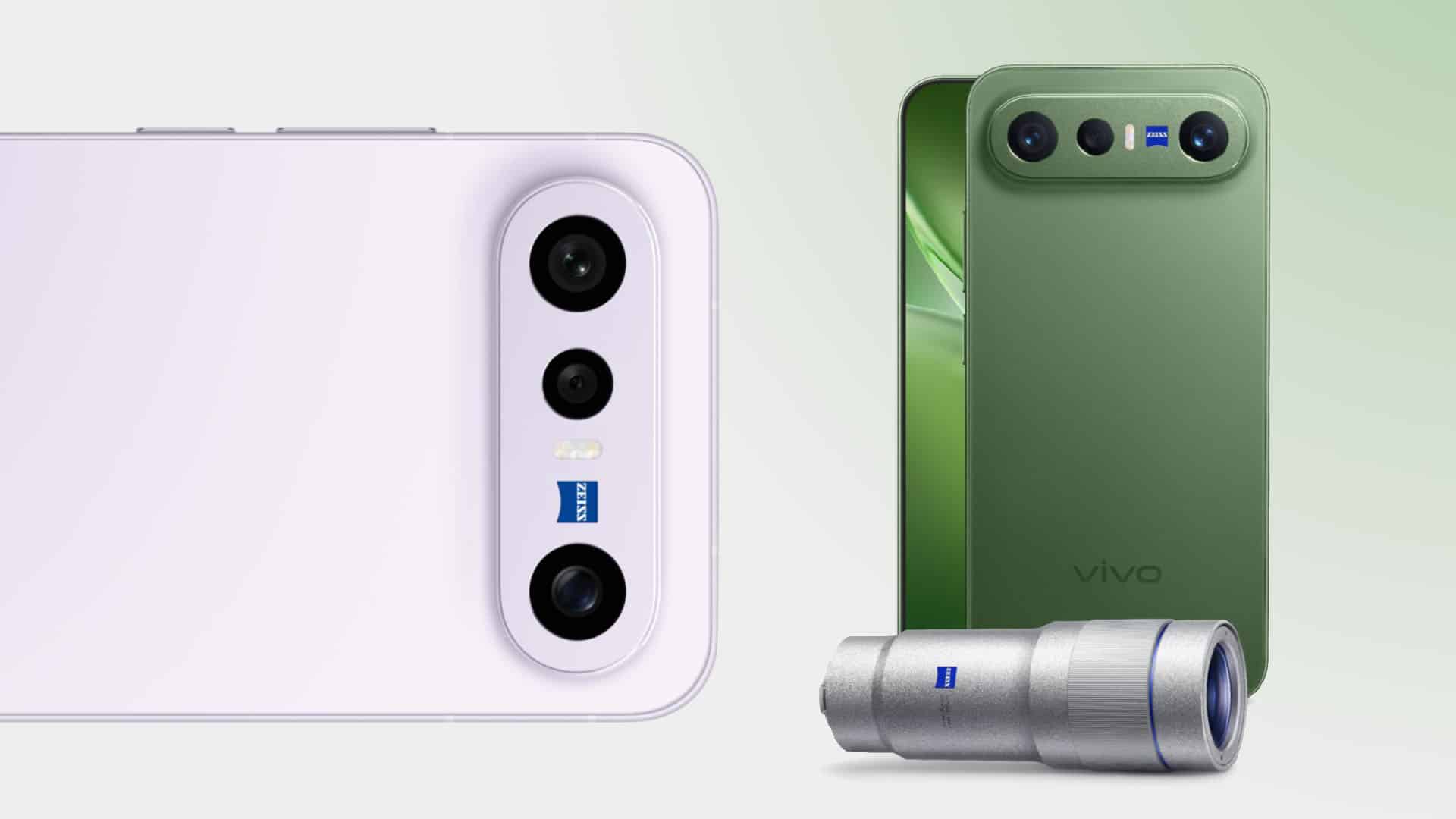
The device features a ZEISS co-engineered camera system, led by a 50MP Super Telephoto camera with up to 200mm equivalent focal length via the all-new Telephoto Extender Gen 2. It also includes a 50MP main camera alongside a 110° ultra-wide lens.
This camera system is designed for flexible shooting across travel, concerts, and street photography.
Graphics by Vincenz Lee | GadgetMatch
AI imaging powers much of the experience, with features like AI True Clarity Engine, Stage Mode for low-light concerts, and AI editing tools such as AI Erase and AI Image Expander. Video capabilities go up to 8K at 30fps and 4K at 120fps.
The X300 FE adopts a compact flat design with a 6.31-inch display, weighing 191g and measuring 7.99mm thin. It comes in Mist Purple, Glow White, Luxe Black, and Urban Olive colorways.
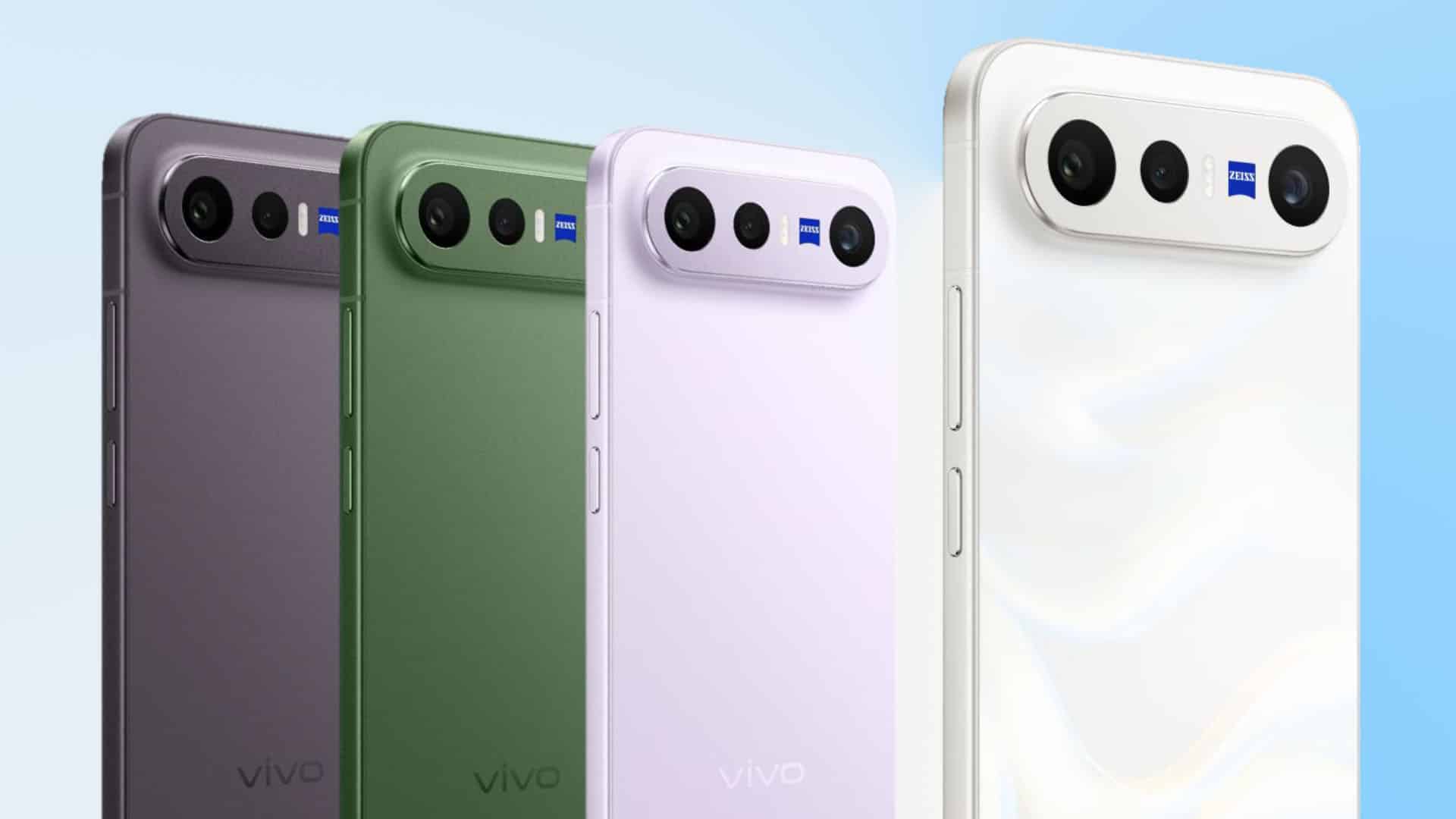
Graphics by Vincenz Lee | GadgetMatch
Powering the device is the Snapdragon 8 Gen 5. You should not confuse it though with the more superior Snapdragon 8 Elite Gen 5.
Moreover, it has a 6500mAh battery paired with 90W wired charging plus 40W wireless charging that the newer V70 series lacks.. It also features a vapor chamber cooling system for sustained performance.

Graphics by Vincenz Lee | GadgetMatch
The phone runs OriginOS 6 with cross-device features and promises five years of OS updates, seven years of security patches, and long-term smooth performance.
The vivo X300 FE also carries IP68 and IP69 ratings for dust and water resistance.
Pricing and availability will depend on the region.


DJI Osmo Pocket 4 review: A solo creator’s production crew
Now, you can be the director and editor of your own story.


HONOR MagicPad4: A tablet that found its place
Better as a second screen


TECNO POVA Curve 2 review: Munch That Power Crunch!
Unbelievably the slimmest 8000mAh phone you can buy right now

Spotlight: Amazon Ember Artline TV + New Fire TV Stick HD

PRAGMATA launches with dual-character sci-fi action

AGIBOT is turning robots into companions for our everyday routines

Luxury you can ride: The Vespa 180cc Collection
DJI Osmo Pocket 4 review: A solo creator’s production crew


-

 Accessories2 weeks ago
GameSir G7 Pro ZZZ Edition: My default PC controller
-

 Reviews2 weeks ago
Apple iPhone 17e review
-
Reviews4 days ago
HONOR MagicPad4: A tablet that found its place
-

 Entertainment1 week ago
BINI, KATSEYE among top worldwide Google Searches ahead of Coachella
-
Cameras3 days ago
DJI Osmo Pocket 4 review: A solo creator’s production crew
-
Reviews5 days ago
TECNO POVA Curve 2 review: Munch That Power Crunch!
-
 News4 days ago
vivo X300 FE launches with ZEISS telephoto system
-

 Gaming2 weeks ago
PlayStation can now scan you and put you inside a game