
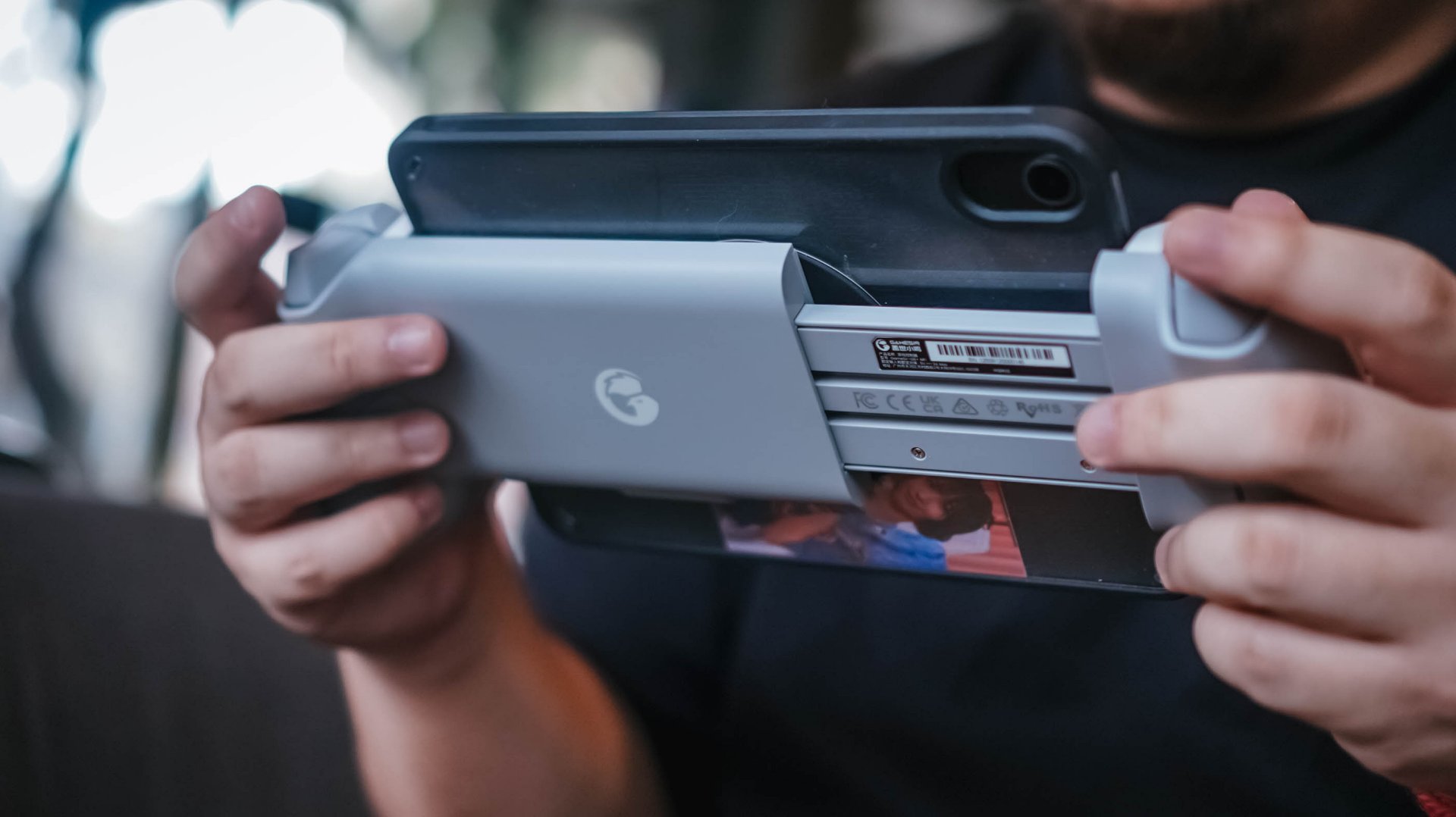
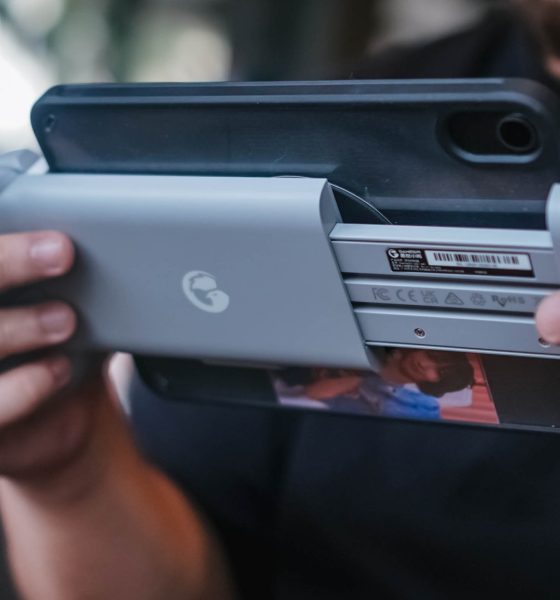

There’s a point where mobile gaming stops feeling like a compromise and starts feeling intentional. For the iPad mini, that moment usually comes when you stop treating it like a stretched-out phone and start using it like the compact gaming console that it can be. The GameSir G8+ MFi is designed precisely for that shift.
Designed like it belongs
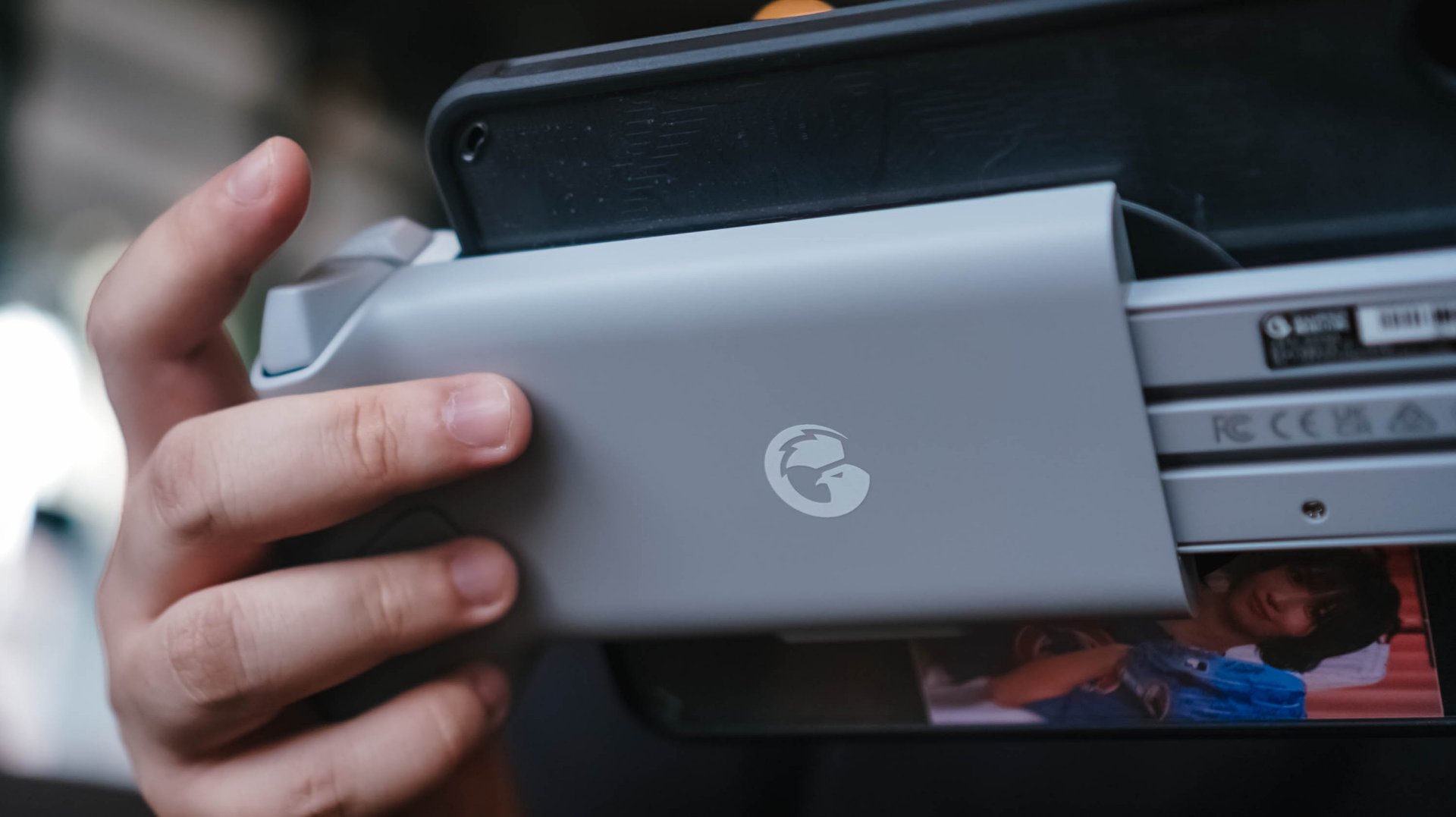
At first glance, the G8+ MFi looks like a premium console controller that’s been split down the middle. The gray-and-white colorway feels clean and understated, more lifestyle accessory than gamer toy.
It doesn’t scream for attention, but once your iPad mini snaps into place, it immediately reframes the entire experience. This isn’t just an add-on. It feels like a missing piece.
Plug-and-play, the iOS way
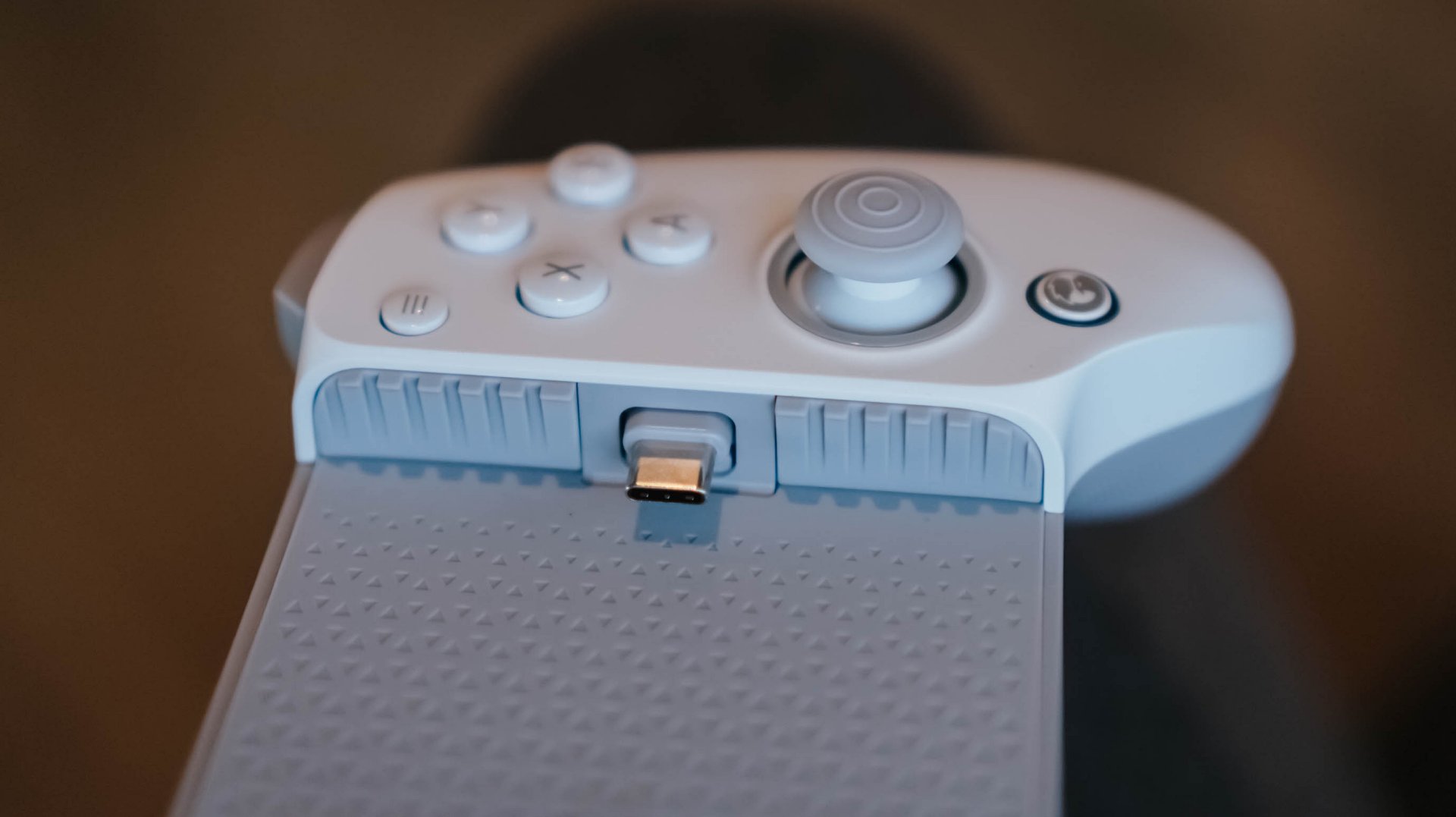
What makes the G8+ MFi instantly approachable is its official MFi certification. There’s no pairing process to fuss over, no settings rabbit hole to fall into. You plug it in through the built-in Type-C connector and it just works.
Inputs register instantly, games recognize it properly, and latency simply isn’t part of the conversation. That plug-and-play reliability is a big deal on iOS, where controller support can feel inconsistent depending on the accessory.
Built to fit more than phones
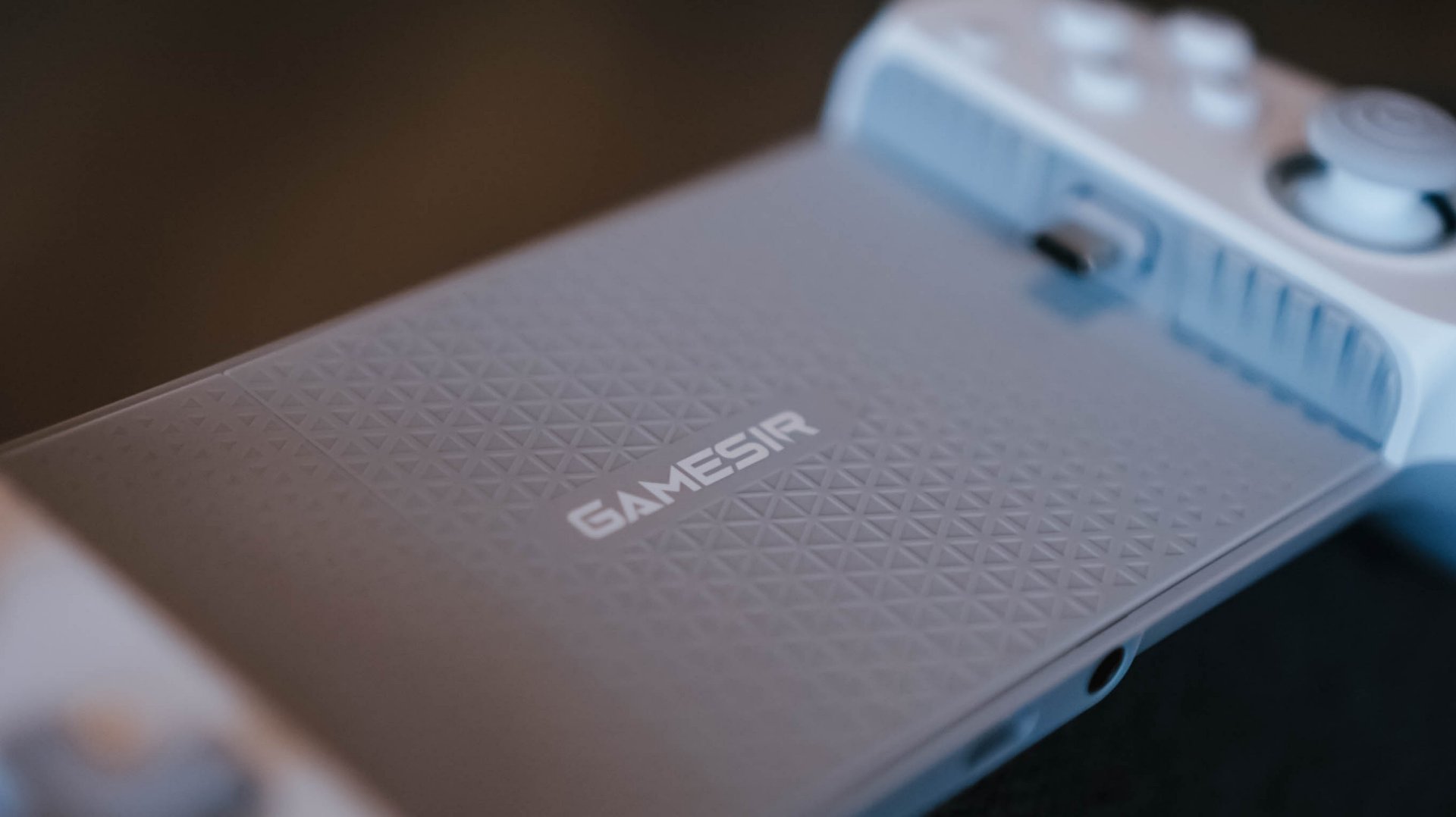
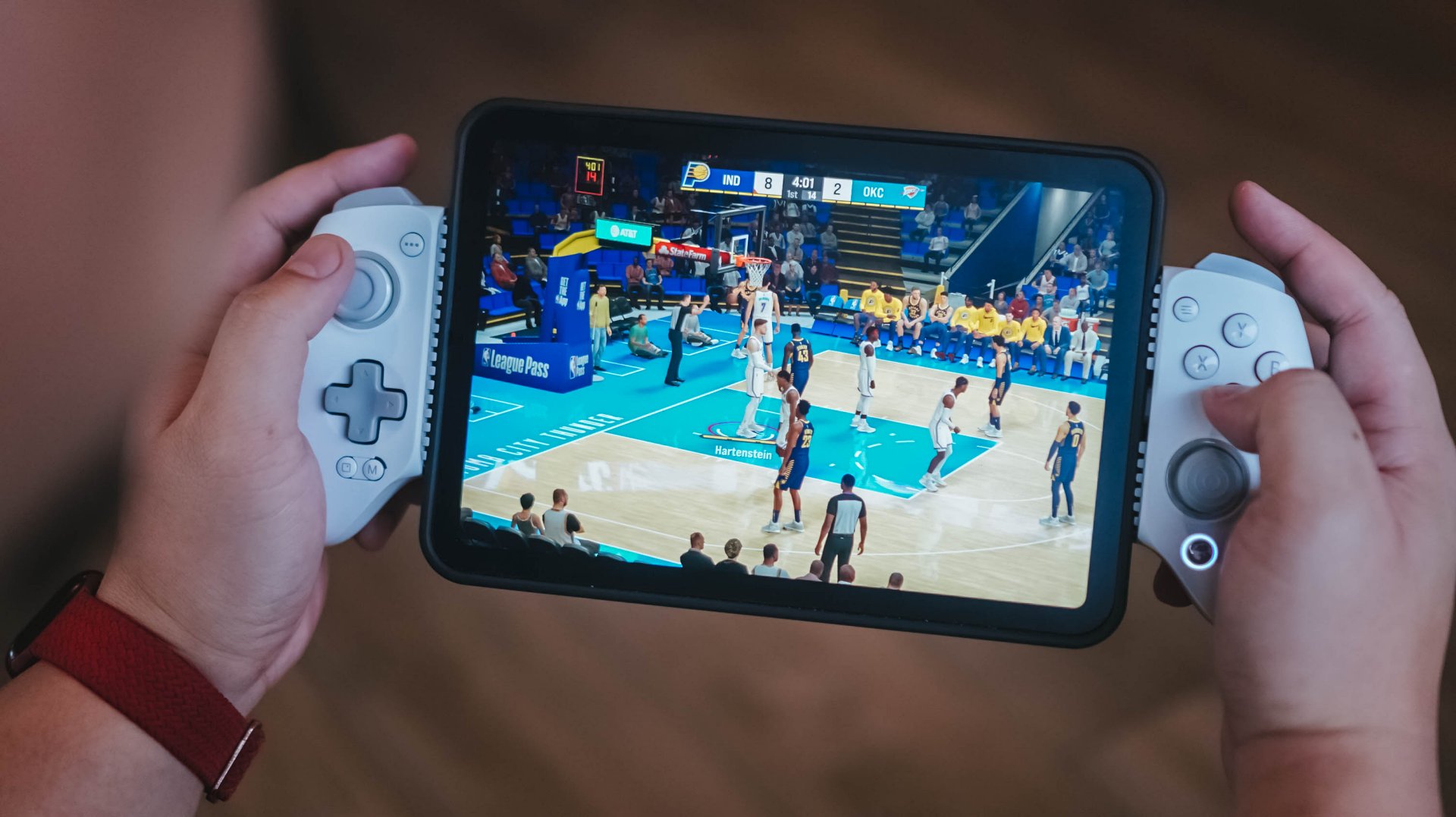
The ultra-wide stretch design is the other quiet hero here. With support for devices from 125mm to 215mm, the G8+ MFi holds the iPad mini securely without feeling overextended or awkward. It will work with any Type-C device that fits within that range, whether it’s a compact tablet or a larger smartphone.
Weight distribution matters when you’re gaming for longer sessions, and GameSir gets this right. The controller grips take the strain off your hands, so the iPad mini never feels top-heavy or uncomfortable, even after extended play.
Console-grade comfort and control
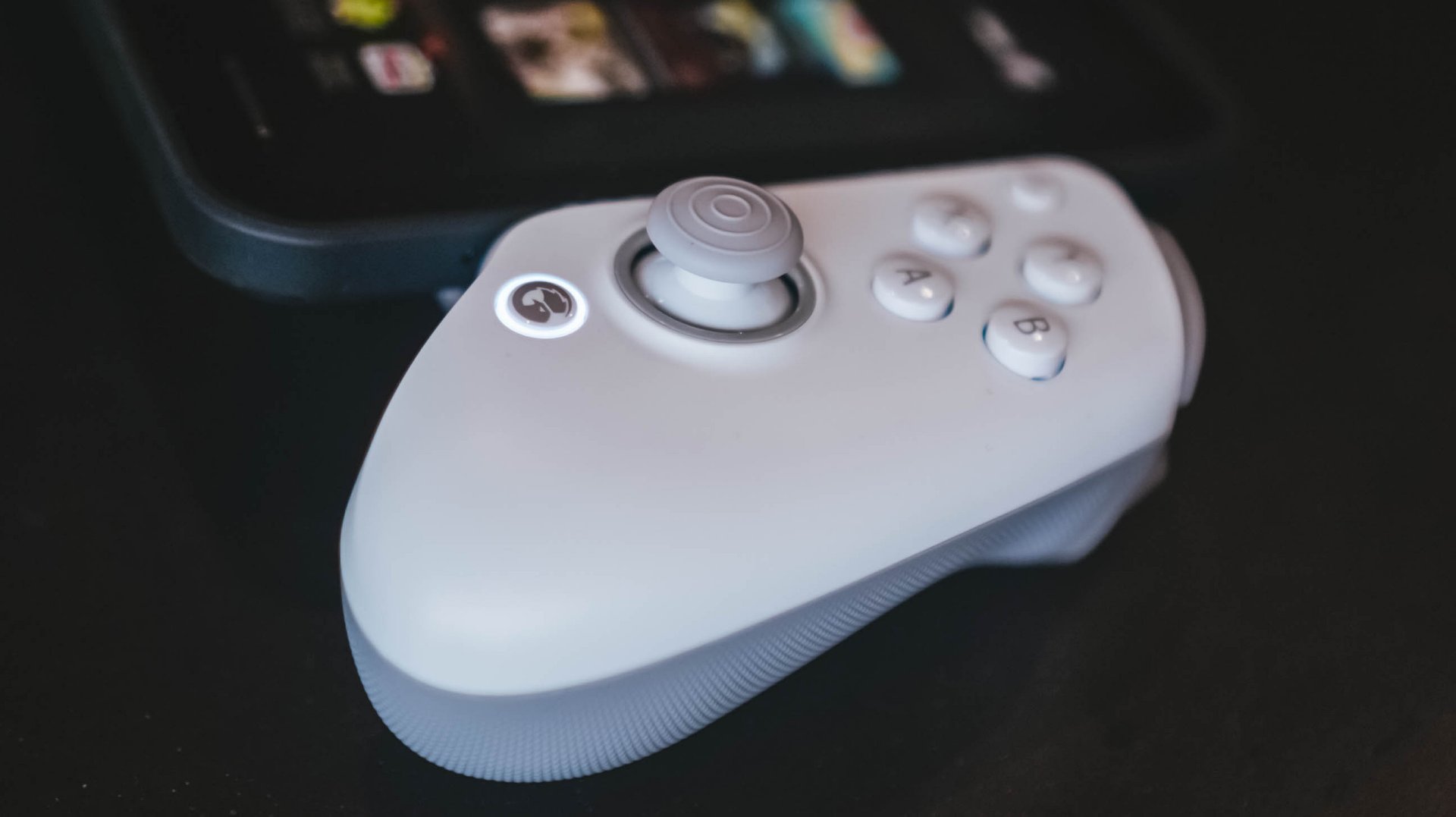
Once you start playing, the console-grade ambition of the G8+ MFi becomes obvious. The laser-textured grips add just enough friction to feel secure without being abrasive. The mechanical D-pad is crisp and responsive, especially noticeable in fighting games and platformers where precise inputs matter.
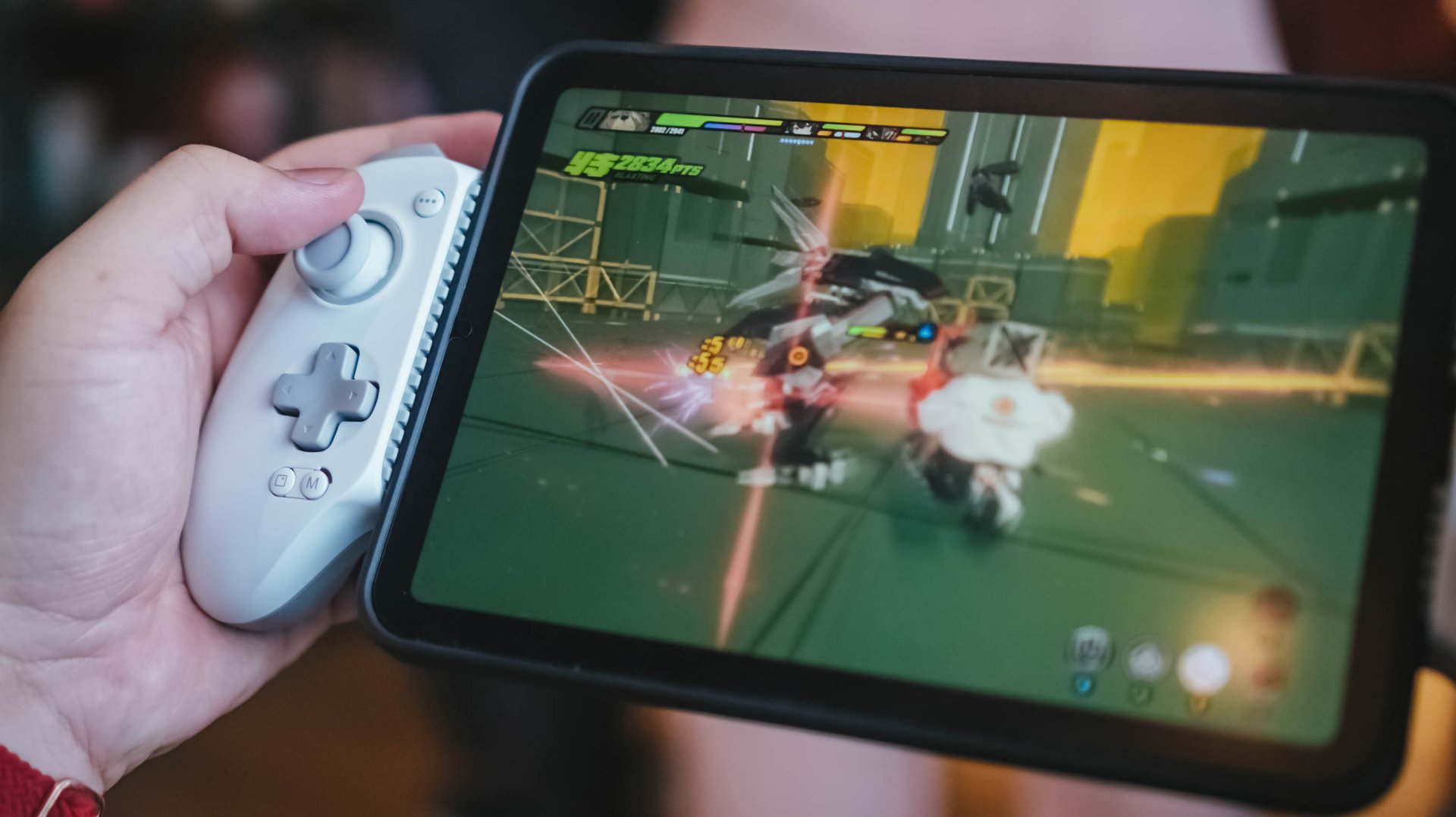
This made playing Zenless Zone Zero and NBA 2K26 Apple Arcade Edition even more engaging. Everything feels deliberate, as if the controller was tuned for real gameplay rather than quick demos.
Hall Effect precision, no drift
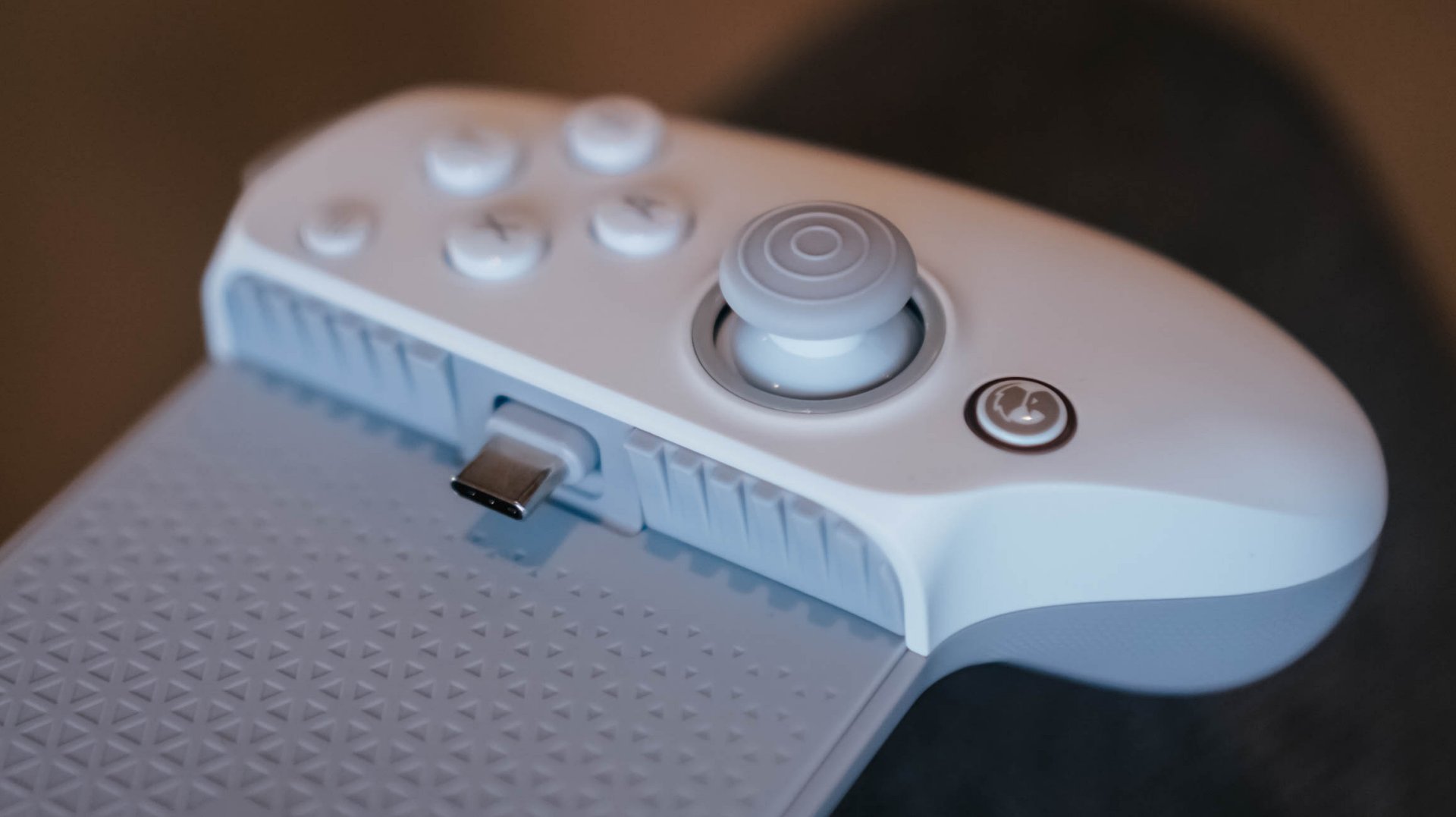
The Hall Effect sticks and triggers are the standout feature, and not just on paper. In use, the sticks feel smooth and consistent across their full range of motion, with none of the dead-zone uncertainty that cheaper mobile controllers suffer from.
Because they rely on non-contact magnetic sensors, stick drift isn’t something you have to worry about creeping in months down the line. The triggers mirror that same philosophy. They’re analog, smooth, and responsive, and with hair-trigger mode enabled, they snap into instant-response territory that works especially well for shooters and racing games.
Customization that actually matters
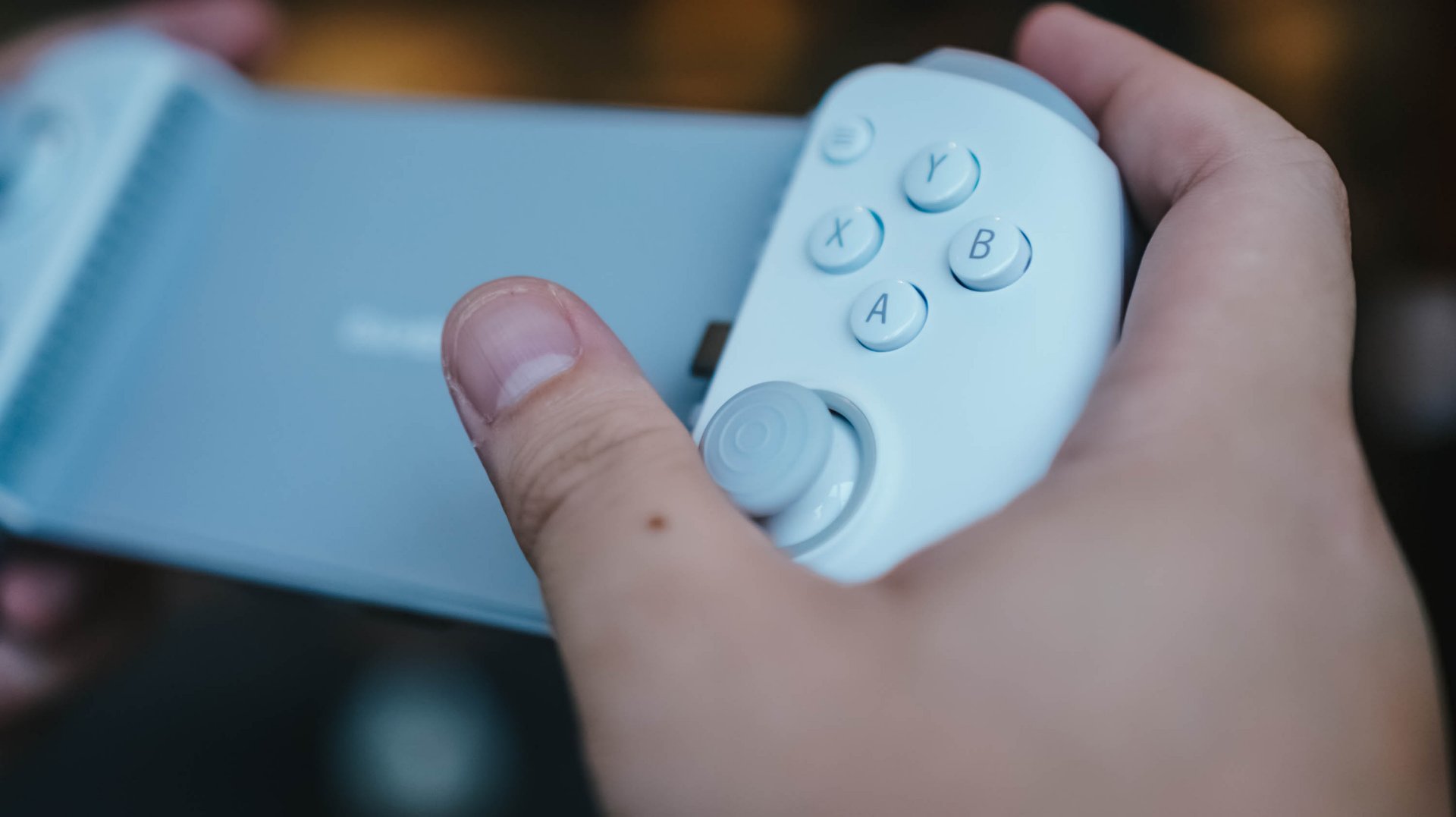
Customization is another area where the G8+ MFi leans into enthusiast territory without becoming overwhelming. The magnetic faceplate pops off easily, letting you swap ABXY layouts or thumbsticks depending on your preference.
Two rear buttons sit right where your fingers naturally rest, and they’re fully remappable for quick actions or shortcuts. It’s the kind of flexibility you appreciate more over time, especially when you start tailoring controls to specific games.
Immersion without compromise
GameSir also didn’t skimp on immersion. Dual asymmetric vibration motors provide feedback that feels purposeful rather than noisy. Explosions, collisions, and subtle environmental cues come through clearly, adding texture to gameplay without becoming distracting.
Combined with the wired connection and pass-through charging, it encourages longer sessions without the usual battery anxiety.
After spending time with the GameSir G8+ MFi, it’s hard to go back to touch controls or generic Bluetooth pads. It turns the iPad mini into something closer to a dedicated handheld console—one that feels focused, comfortable, and capable.
For anyone serious about mobile gaming on iOS, this controller doesn’t just improve the experience. It completes it.







The Steam Machine is the most anticipated gaming device this year. Valve’s upcoming machine aims to deliver a PC gaming experience in a convenient package. Today, the price of the Steam Machine was finally unveiled, and it’s a doozy. But did you know that it was supposed to be much, much cheaper?
Now, we already know that the Steam Machine was cheaper before, but we didn’t really know how much cheaper. Speaking to IGN, Valve essentially confirmed the Machine followed the same price hikes as the Steam Deck, which experienced an increase of over US$ 200.
After doing a bit of algebra, it can be assumed that the Steam Machine was supposed to start at around US$ 750. That’s a huge jump, considering that the more expensive variant currently costs almost US$ 1,500, almost double the price of the original.
Unfortunately, that’s just how the industry works these days. Because of the ongoing RAM crisis, several manufacturers have already confirmed price hikes happening throughout the year. Apple, most recently, announced that price increases might come soon because of the untenability of shouldering the costs themselves.
It gets worse for the Machine, though. Despite being expensive, the price tag doesn’t really reflect the specs you’re getting. You can certainly grab a gaming laptop with better specs for around the same (or even a smaller) price tag, especially considering that Valve’s console-but-not-really-a-console doesn’t come with peripherals yet.
Gaming
Epic Games Launcher is getting a huge update to make it faster
The update will also add customizable profiles and user reviews.

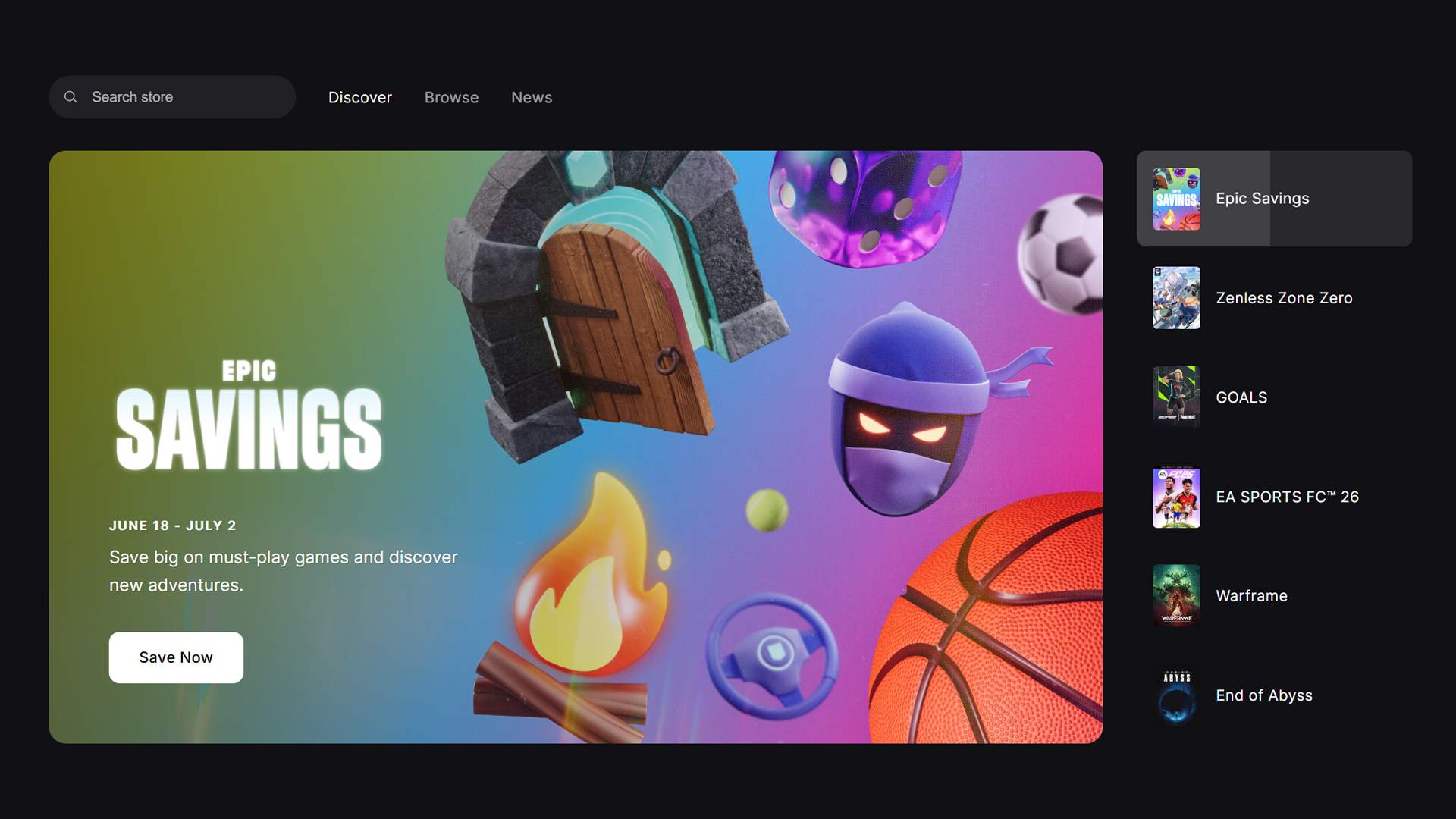
Admit it; you probably have a hoard of free games languishing on the Epic Games Store. Though it’s nice that Epic gives away games every week, the overall inconvenience of using the platform sadly outweighs the freebies. Now, the company is finally redesigning the app from the ground up with a distinct focus on making it much faster.
Earlier this year, Epic admitted that “the launcher sucks.” Though the company cited a number of reasons, the number one culprit is certainly speed. Compared to its contemporaries (especially Steam), the Epic Games Launcher leaves much to be desired. The platform just doesn’t let users into their games as quickly as Steam does.
During the recent Unreal Fest, Epic, via @LuKaOnIndeed on X, confirmed that the entire launcher will be rebuilt to be “5x to 6.5x faster.”
The performance improvements will come with other new features including player profiles and user written reviews. Epic’s vision of the future looks completely different from how the launcher is today.
Though the company doesn’t have a definite timeline right now, Epic promises that the updates will come later this summer.
It does remain to be seen whether these updates will change anything about how users perceive the platform. For the longest time, gamers consider Steam as the platform of choice. Some users even repurchase their Epic games (sometimes obtained for free) on Steam just to have it on the platform they prefer.

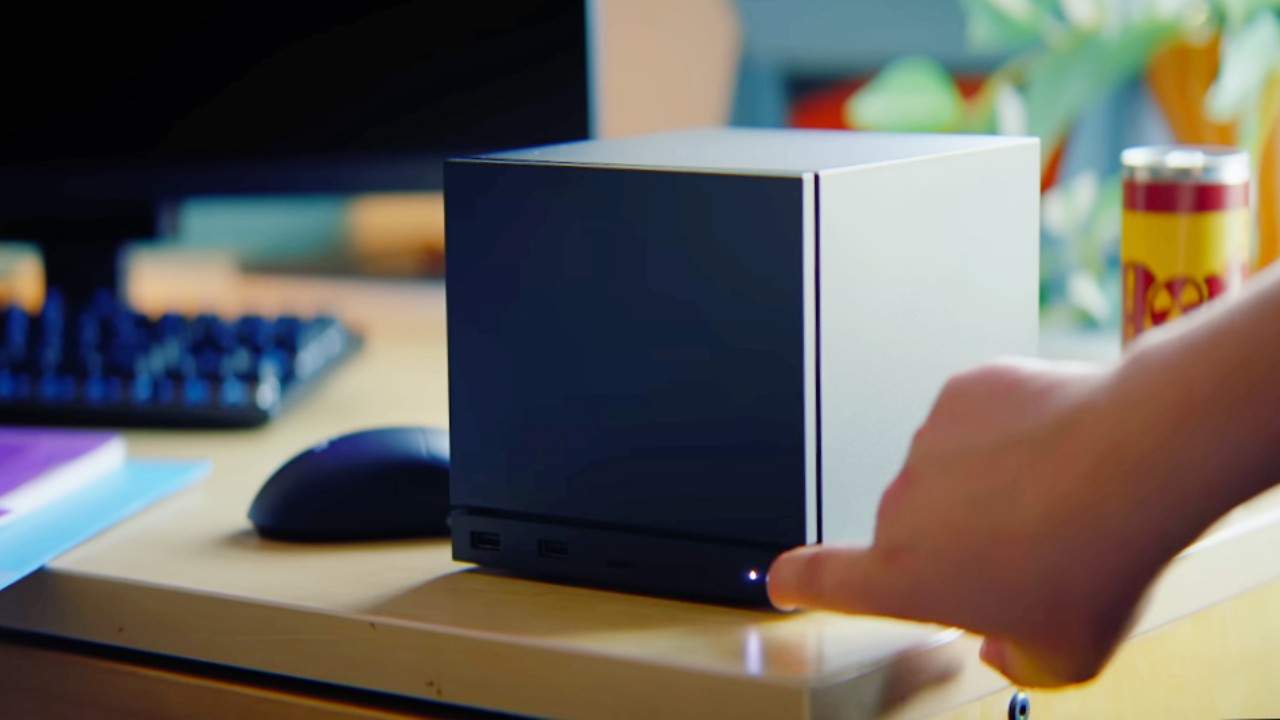
Valve has officially revealed pricing and availability details for the Steam Machine, its living room-focused gaming PC running SteamOS.
The company is launching the device in four configurations. Reservations open immediately through a randomized queue system designed to reduce scalping and bot purchases.
Steam Machine price
The base Steam Machine with 512GB of storage costs USD1,049. A bundle that includes the Steam Controller is priced at USD 1,128.
Meanwhile, the 2TB model costs USD 1,349, while the 2TB bundle with a Steam Controller retails for USD 1,428.
Buyers who opt for either 2TB variant will also receive two additional faceplates: a red fabric finish and a solid walnut option.
Valve says all listed prices already include VAT where applicable.
Why Steam Machine costs more than expected
The pricing announcement comes months after Valve delayed the Steam Machine’s launch.
According to the company, rising component costs and supply chain issues forced it to revisit its original pricing targets.
Valve explained that when development began in 2023, it expected hardware costs to gradually decline over time. Instead, the company encountered significant increases in RAM and storage pricing, alongside periods where some components became difficult to source altogether.
The company added that component shortages also limited the number of units it could manufacture for launch.
Steam Machine was first announced as a compact PC gaming device designed for living room setups. It runs SteamOS and is positioned as an alternative to traditional game consoles while maintaining access to the broader PC gaming ecosystem.
Reservations use randomized queue
Rather than opening direct sales, Valve is implementing a reservation system.
Interested buyers can sign up for their preferred Steam Machine model until June 25 at 10:00 a.m. Pacific Time. After the registration window closes, Valve will randomize all entries and assign customers either a reservation slot or a waitlist position.
Customers selected for the reservation queue will receive an email confirming that a Steam Machine has been reserved in their name. Purchase invitations will begin rolling out starting June 29 as inventory becomes available.
To qualify, users must have a Steam account in good standing and must have made a Steam purchase before April 27, 2026. Valve is also limiting registrations to one entry per household.
Users may sign up for multiple models. If selected for more than one queue, Valve will automatically assign the highest-end model available and remove the user from other reservation lists.
Not a console, says Valve
Despite its console-like form factor, Valve says it does not view Steam Machine as a traditional console.
The company describes the device as an extension of PC gaming rather than a closed ecosystem. Unlike conventional consoles that often subsidize hardware through software sales and subscriptions, Valve says Steam Machine is built around the openness that has long defined PC gaming.
Valve also reiterated plans to expand SteamOS support beyond its own hardware. With the recently released SteamOS 3.8, users can already install the operating system on compatible living room PCs, although support is currently limited to AMD graphics cards.
For users in Japan, Taiwan, and Hong Kong, orders will be handled through regional distributor Komodo. Steam Machine will not be available in South Korea.







Camera Shootout: HONOR 600 Pro vs OPPO Reno15 Pro

Dyson’s viral portable fan arrives in the Philippines

Steam Machine was supposed to be much, much cheaper

Now Playing: Toy Story 5

Epic Games Launcher is getting a huge update to make it faster

TECNO’s POVA 8 5G is both futuristic and future-ready

Close without crossing: A Xiaomi 17T Pro photo essay

realme launches P4 Series 5G, including Power with 10,001mAh battery

The Xiaomi Watch S5 proves you don’t have to take it off

Buyer’s Guide: Xiaomi Pad 8 Series


-
 India2 weeks ago
TECNO’s POVA 8 5G is both futuristic and future-ready
-

 Reviews2 weeks ago
HONOR Magic V6 review: The best version of a book-style foldable?
-

 Gaming2 weeks ago
Kingdom Hearts IV gets new trailer, confirms Switch 2 release
-

 Gaming2 weeks ago
Final Fantasy fans have two big reasons to look forward to 2026
-

 Smartphones2 weeks ago
Upcoming realme C100 series to feature 8,000mAh battery
-

 News1 week ago
TECNO’s SPARK 50 Pro is the latest budget smartphone battery beast
-

 Buyer's Guide5 days ago
Buyer’s Guide: TECNO SPARK 50 Pro vs SPARK 50 5G
-

 Computers2 weeks ago
Rewind: WWDC 2026