
Gaming
ASUS ROG Strix GL503 Review: Too little or too much?


As much as we enjoy reviewing new-age, hyper-expensive gaming laptops, we have to go back down to earth and look at machines that regular consumers can actually afford.
For this round, we’re looking at the ROG Strix GL503. The name is a little daunting at first, but it’s quite memorable after what we’ve been through.
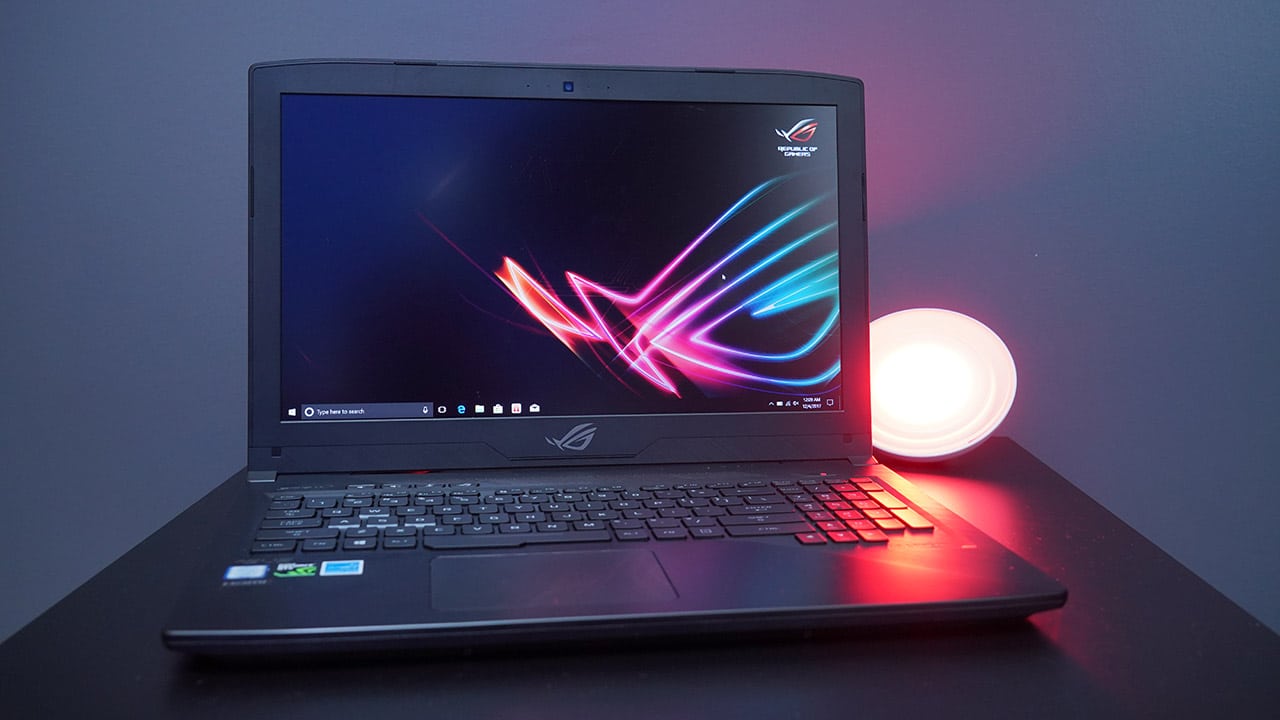
It’s one of ASUS’ midrange gaming laptops, armed with a sleek and solid body that gives it a premium feel beyond its price point, as well as a CPU and GPU pairing fit for certain types of AAA video games.
That’s the gist, but there’s a lot more to it.
What does it feel like?
Despite being on the more affordable side of gaming laptops, the brushed metal casing of this Strix takes some cues from the far more expensive Zephyrus of ASUS. That’s a good thing, because the Strix GL503 feels like it can take a beating but doesn’t feel that heavy at 2.3kg.

And since we’re dealing with a 15.6-inch model here, it fits perfectly in a backpack designed for slim 15-inch notebooks. Its power brick is on the heavy side though, adding weight to what could’ve been a more travel-friendly gaming machine.
How many peripherals can you connect?
This being a relatively standard-thickness gaming notebook at 23mm, input-output ports weren’t compromised:
- 3x USB 3.0
- 1x USB 2.0
- 1x USB-C
- 1x HDMI
- 1x mini-DisplayPort
- 1x Ethernet LAN
- 3.5mm headphones/microphone port
- SD/SDHC/SDXC card reader

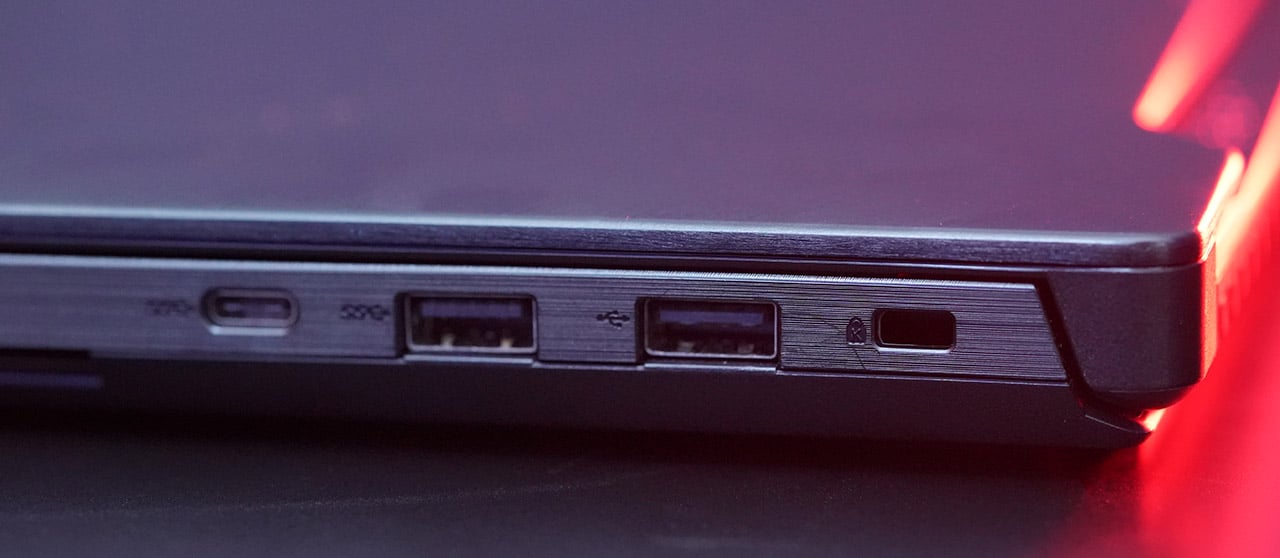
That’s as complete as it gets for a mobile computer. ASUS labels the ROG Strix GL503 as VR-ready, but getting acceptable frame rates might be a stretch with this configuration.
What’s inside?
Here’s a quick rundown of the specifications:
- 15.6-inch 1080p display (60Hz)
- Intel Core i7-7700HQ processor (2.8GHz)
- 8GB DDR4 memory (2400MHz)
- 128GB M.2 SSD, 1TB HDD
- NVIDIA GeForce GTX 1050 (4GB)
Looking at the standard refresh rate of the display, high-speed Core i7 processor, and entry-level graphics chip, we already know what we’re in for: low to medium visual settings for graphics-intensive games, yet smooth frame rates for MOBA titles and first-person shooters.

You could also argue that the RAM is lacking. Fortunately, installing more is as simple as popping open the panel underneath and sliding in an additional stick.
How does it perform on benchmarks?
We ran our standard selection of synthetic and gaming benchmarks to see what the Strix GL503 could do. Here’s what we got:
- Unigine Superposition: 4212 (1080p, Medium)
- Cinebench R15: 85.74fps (OpenGL), 744cb (CPU)
- Rise of the Tomb Raider: 59.4fps (1080p, Lowest)
- Deus Ex: Mankind Divided: 48.1fps (1080p, Low)
That’s close to what we expected even before running the stressful software. For the two games listed, you’d have to tone down every major graphics settings to achieve frame rates close to 60fps at a resolution of 1080p.
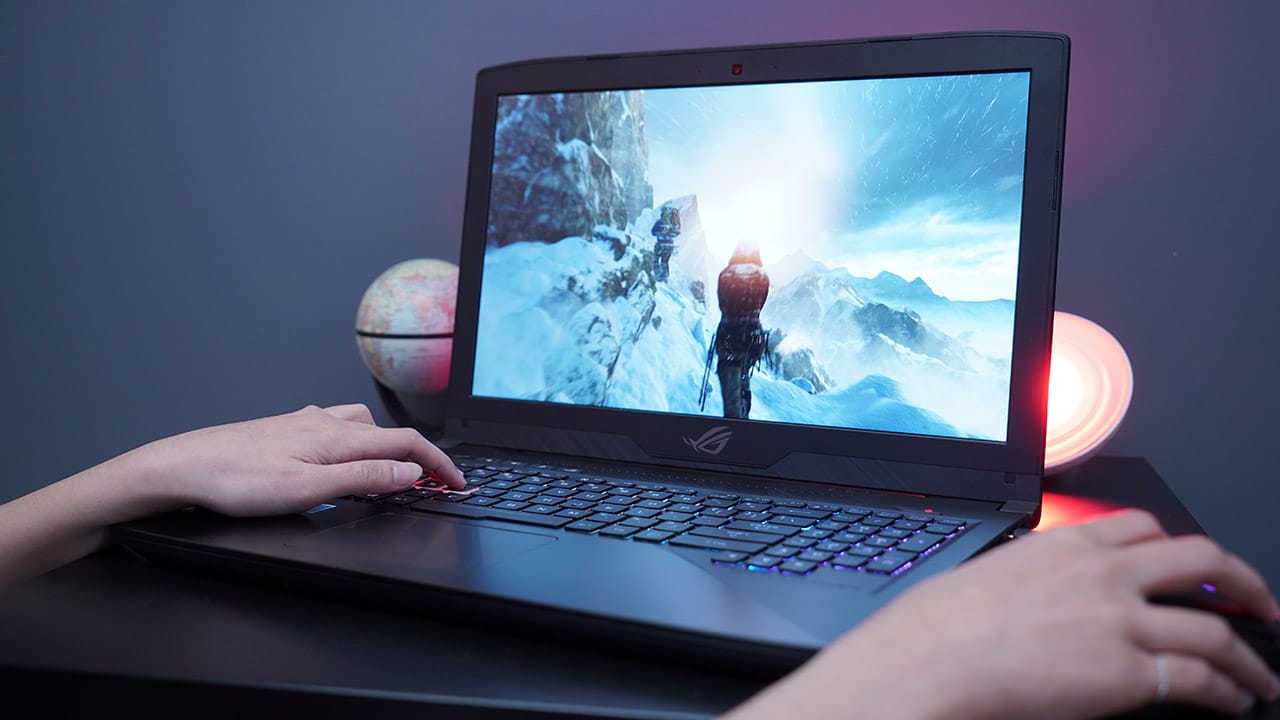
Clearly, gameplay is a lot smoother when playing titles such as Overwatch and CS:GO, which are what this laptop targets in the first place. The same goes for MOBA games like League of Legends and Dota 2, which demand more CPU power than graphics processing.
Can it stay cool?
One advantage of using a non-anorexic gaming notebook is the extra space allotted for a possibly better cooling system. Indeed, the Strix GL503 can keep itself cool for the output it delivers, though it’s still best left on top of a table rather than on a lap.

Not once did the CPU or GPU exceed 70 degrees Celsius during intense gameplay. Of course, fan speeds had to kick it up a notch to stay consistent, yet it was never really loud enough to fill up a room — something a Predator would do.
Are the keyboard and trackpad up to par?
Benchmarks give you a rough idea of what to expect performance-wise, but they don’t paint the entire picture. How you interact with the games plays a big part, and this is handled primarily by the keyboard and either the trackpad or bundled mouse.


My experience with the keyboard wasn’t so great. While I liked how I could customize the RGB lighting to nail certain keys more precisely, I found the buttons to be overly squishy because of the soft material. It didn’t gel well with the trackpad, which felt too tough to press in comparison to the keyboard.


ASUS must have anticipated these complaints and included a decent gaming mouse in the package. It’s mandatory to use even while you aren’t gaming. Its ergonomics are actually quite good for right-handed use and it never failed me while playing something as fast as Overwatch.
Anything else to know?
We don’t normally bother to extensively test a gaming laptop’s battery, although it’s worth noting that the Strix GL503 has satisfactory endurance for its class. When taking it to a coffee shop to get some writing done, I was always surprised to get almost four hours of life out of it. That’s double what gaming laptops this size used to get me, and nearly as much as what power-hungry convertibles do for me now.
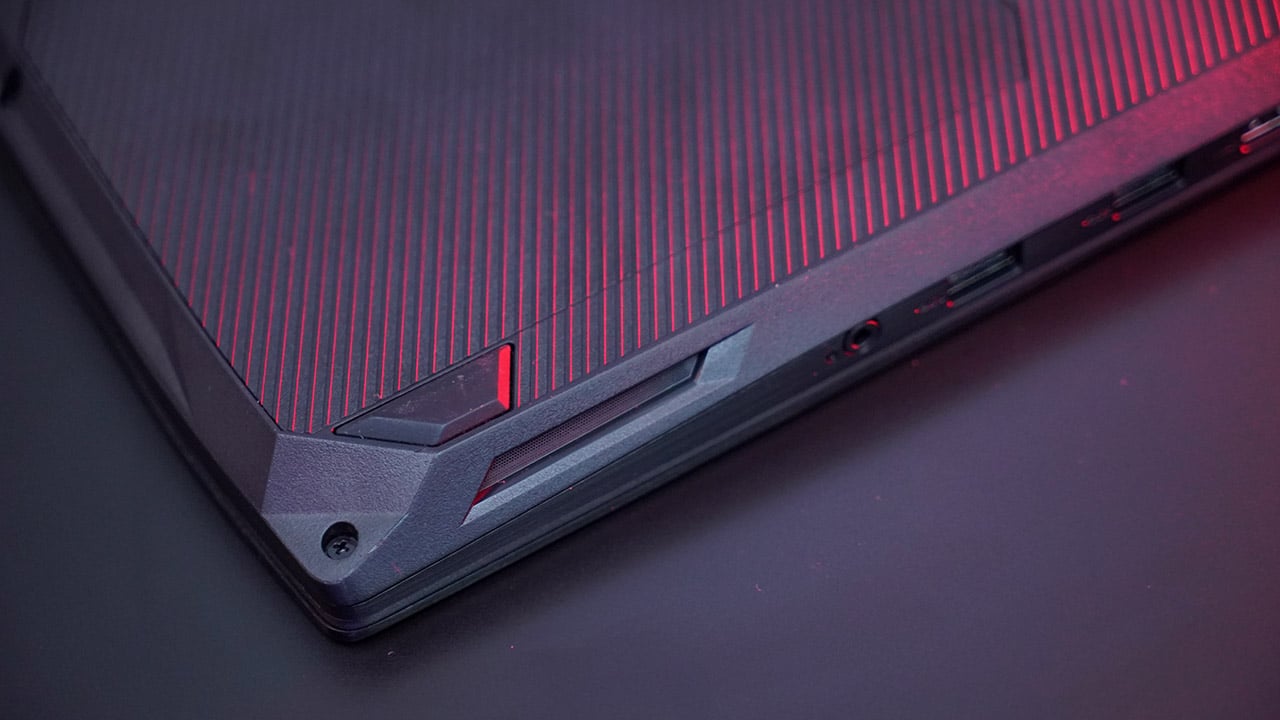
On the downside, I was disappointed by how the speakers cracked at high volumes. It doesn’t just happen during explosive moments in video games, but also while watching YouTube videos at max volume. For something that has all this space for proper acoustics, having ample audio output to match the colorful display and keyboard would’ve only been fitting.
Is this your GadgetMatch?
It’s easy to get blinded by the glitzy designs and incredible thinness of higher-end gaming laptops, but it’s mobile machines like the Strix GL503 that are perfect for playing popular games at optimal settings.
With a starting price of US$ 1,199 — or PhP 69,995 for this particular model provided by ASUS Philippines — you definitely get what you pay for out of a sub-US$ 1,500 laptop. No design cues are going to wow you and there aren’t any special features that make this an instant buy.

There are configurations available to upgrade the graphics chip up to a GTX 1070, but that’ll make the price dangerously close to US$ 2,000 and would hamper the per-buck performance the lower-end models offer.
When it comes down to it, the ROG Strix GL503 is the gaming-optimized notebook you’d travel with for quick gaming sessions. Just don’t forget to bring a decent pair of headphones and mouse along.
SEE ALSO: ASUS ROG Strix GL702VM Review: Portable gaming powerhouse
[irp posts=”18002″ name=”ASUS ROG Strix GL702VM Review: Portable gaming powerhouse”]







Global K-pop sensation LE SSERAFIM is returning to BlizzCon.
Blizzard Entertainment has announced that the five-member girl group will perform as the closing musical act at BlizzCon 2026. LE SSERAFIM will take the Main Stage on Sunday, September 13 (PT), bringing fans another live performance after its BlizzCon debut in 2023.
The appearance also comes ahead of the group’s upcoming U.S. tour. Blizzard teased that the performance will make it a “Perfect Night” for fans attending the convention at the Anaheim Convention Center.
View this post on Instagram
LE SSERAFIM returns to Blizzard
LE SSERAFIM debuted in 2022 under SOURCE MUSIC, a label of HYBE. The group is composed of Sakura Miyawaki, Kim Chaewon, Huh Yunjin, Kazuha Nakamura, and Hong Eunchae.
The group’s name is an anagram of “I’m Fearless,” reflecting the confidence that has defined its music since debut.
This won’t be LE SSERAFIM’s first crossover with Blizzard. The group previously collaborated with Overwatch 2, bringing themed cosmetics and a special event to the hero shooter.

BlizzCon 2026 is sold out
BlizzCon is Blizzard Entertainment’s annual community celebration. It brings together fans of World of Warcraft, Diablo IV, Overwatch 2, and other Blizzard franchises for game announcements, developer panels, esports, cosplay, and hands-on experiences.
Passes for BlizzCon 2026 have already sold out. However, Blizzard says tickets may still become available through the Tixr public resale marketplace.
Fans can learn more about LE SSERAFIM’s appearance on Blizzard’s official blog.

Gaming
AMD FSR Upscaling 4.1 now available for Radeon RX 7000 Series
Update drops earlier than expected, powering more than 300 supported games

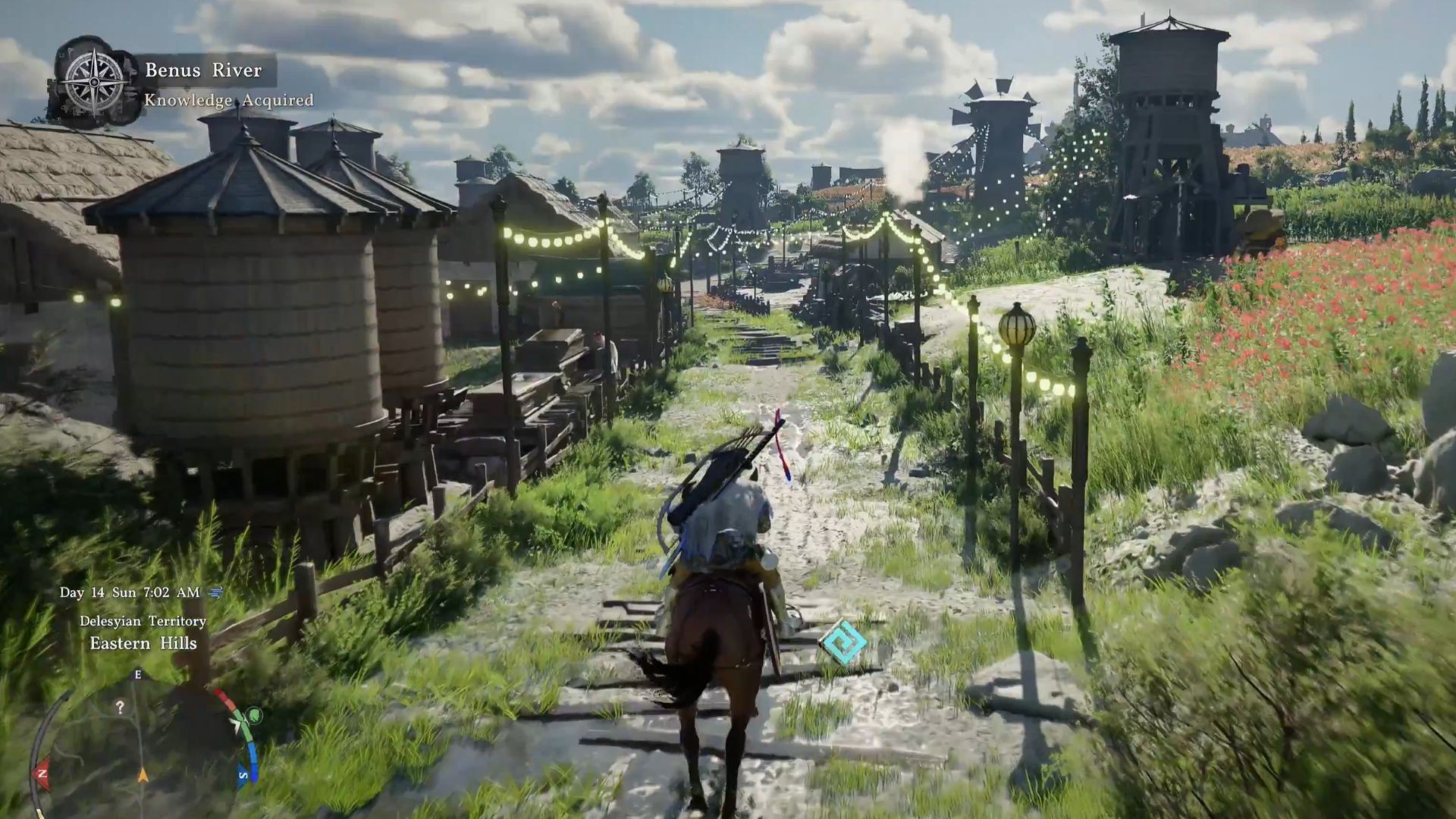
PC and handheld gamers can officially skip the wait, as AMD has launched its FSR 4.1 upscaling technology for Radeon RX 7000 series (RDNA 3) GPUs.
Computing and Graphics Group Senior Vice President and GM Jack Huynh made the announcement on X (formerly Twitter). This development brings machine learning powered gaming to millions of players across more than 300 games.
By downloading the latest AMD Software: Adrenalin Edition 26.6.2 driver, users can unlock the new AI upscaling suite on existing RX 7000 series desktop graphics cards.
(The driver can be downloaded here.)
The update drastically sharpens image reconstruction, delivers far superior temporal stability, and keeps motion ghosting to an absolute minimum. That’s across a massive library of supported titles.
Beyond optimized frame rates out of the gate for those two blockbusters, the release packs vital architecture stability improvements and bug fixes for the broader Radeon ecosystem.
Huynh added that AMD is actively engineering lightweight machine learning models to expand FSR 4.1 optimizations to a wider base of gamers. More details are to come.
Moreover, the driver for the FSR 4.1 upscaling technology will deliver day-one support for two highly anticipated releases: Assassin’s Creed Black Flag Resynced and DOOM: The Dark Ages | Revelations.
if you are wielding an RDNA 3 desktop rig or an RDNA 3-powered handheld, like the ROG Ally X or Lenovo Legion GO, simply open up the AMD Software suite, get the update, and test the new AI tech.
Gaming
GTA VI: New images unveiled as pre-order details, price finally announced
Highly-anticipated title to launch on November 19 for PS5, Xbox Series X|S

Grand Theft Auto VI finally has a price. The highly-anticipated upcoming installment in the series is set to launch on November 19 on PlayStation 5 and Xbox Series X|S.
Pre-orders will begin on midnight, June 25. Available versions are the Standard Edition at US$ 79.99 and the Ultimate Edition at US$ 99.99.
The Ultimate Edition amplifies the single player experience with an exclusive collection of premium vehicles, weapons, apparel, and action threaded across all aspects of Jason and Lucia’s story.
Here are some newly-released exclusive images:








Alongside the Standard and Ultimate Editions, all Grand Theft Auto VI pre-orders and purchases before November 20 will also get the Vintage Vice City Pack.
This is a collection of items that flash back to when the neon burned brightest:







Players who pre-order digital versions of GTA VI will be able to begin pre-loading on November 12. This is to ensure they are able to play at launch on November 19.
The physical version, which contains a download code inside the box, will be available starting November 12 as well to support pre-loading.

Now Playing: Supergirl

Apple raises the prices of iPad and MacBook lineups

LE SSERAFIM to perform at BlizzCon 2026

Xiaomi opens largest Singapore store yet at VivoCity

Honor is reportedly working on a 14000mAh battery

TECNO’s POVA 8 5G is both futuristic and future-ready

Close without crossing: A Xiaomi 17T Pro photo essay

realme launches P4 Series 5G, including Power with 10,001mAh battery

The Xiaomi Watch S5 proves you don’t have to take it off

Buyer’s Guide: Xiaomi Pad 8 Series


-

 News1 week ago
TECNO’s SPARK 50 Pro is the latest budget smartphone battery beast
-

 Buyer's Guide1 week ago
Buyer’s Guide: TECNO SPARK 50 Pro vs SPARK 50 5G
-

 News1 week ago
Budget smartphone realme C100 Series launches
-

 Reviews5 days ago
vivo X300 Ultra review: A Whole Different Animal
-

 Reviews1 week ago
HONOR Watch 6 Review: Less guessing, more knowing
-
 Laptops1 week ago
ROG launches 2026 Strix gaming laptop series
-

 Entertainment1 week ago
Samsung brings the Galaxy Z series into Spider-Man: Brand New Day
-

 Reviews1 week ago
The realme P4 Power: realme’s midrange power play?