
Gaming
ASUS ROG Zephyrus Review: So thin, so powerful

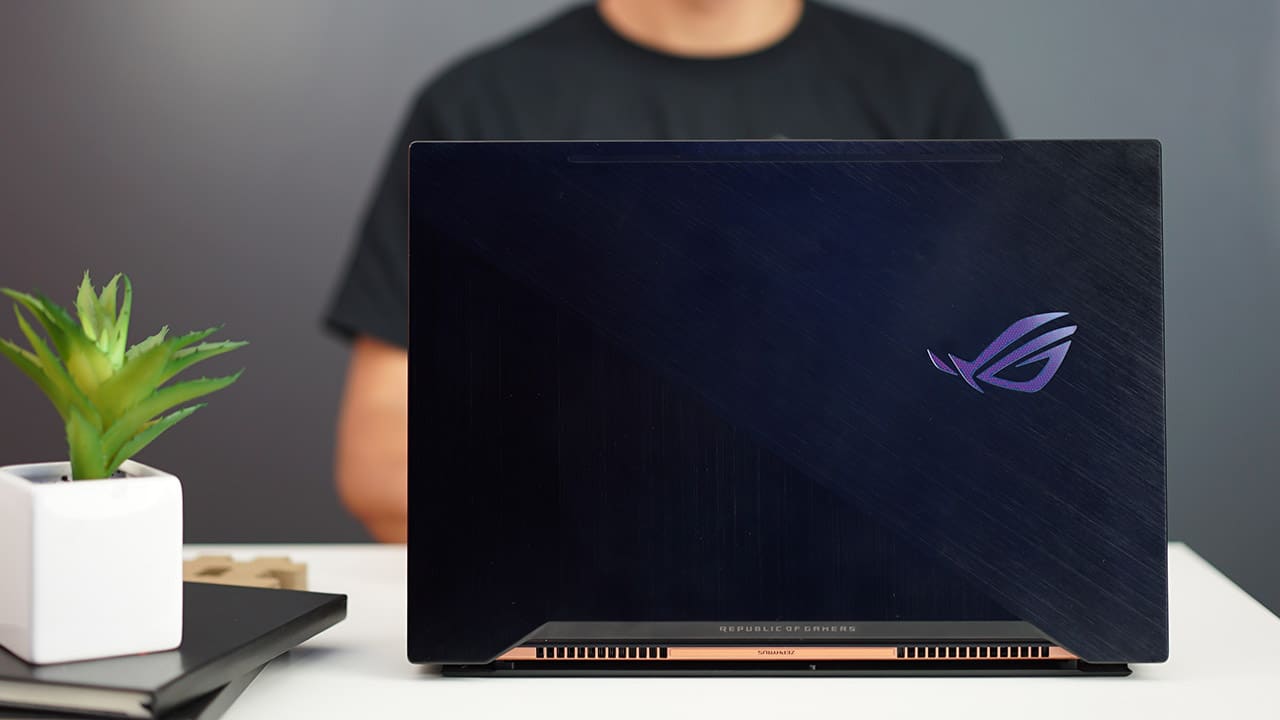
How thin can a high-end gaming laptop get? Looking at the ROG Zephyrus of ASUS, we have a pretty solid answer.
The Zephyrus (GX501) is based on NVIDIA’s recently introduced Max-Q design, which cuts down the size of graphics chips in favor of thinner notebooks without compromising too much power. But wait — haven’t manufacturers been doing this for a while already?
Yes and no. While brands have been striving for that oh-so-slim gaming laptop for ages, it’s only now with NVIDIA’s help that it’s possible to fit a top-of-the-line GeForce GTX 1080 GPU into a frame that’s less than 18mm thick.
In this case, the 15.6-inch Zephyrus has that GTX 1080 within an approximately 17mm, 2.25kg chassis. Here’s how it fares.
It definitely looks and feels like a regular laptop
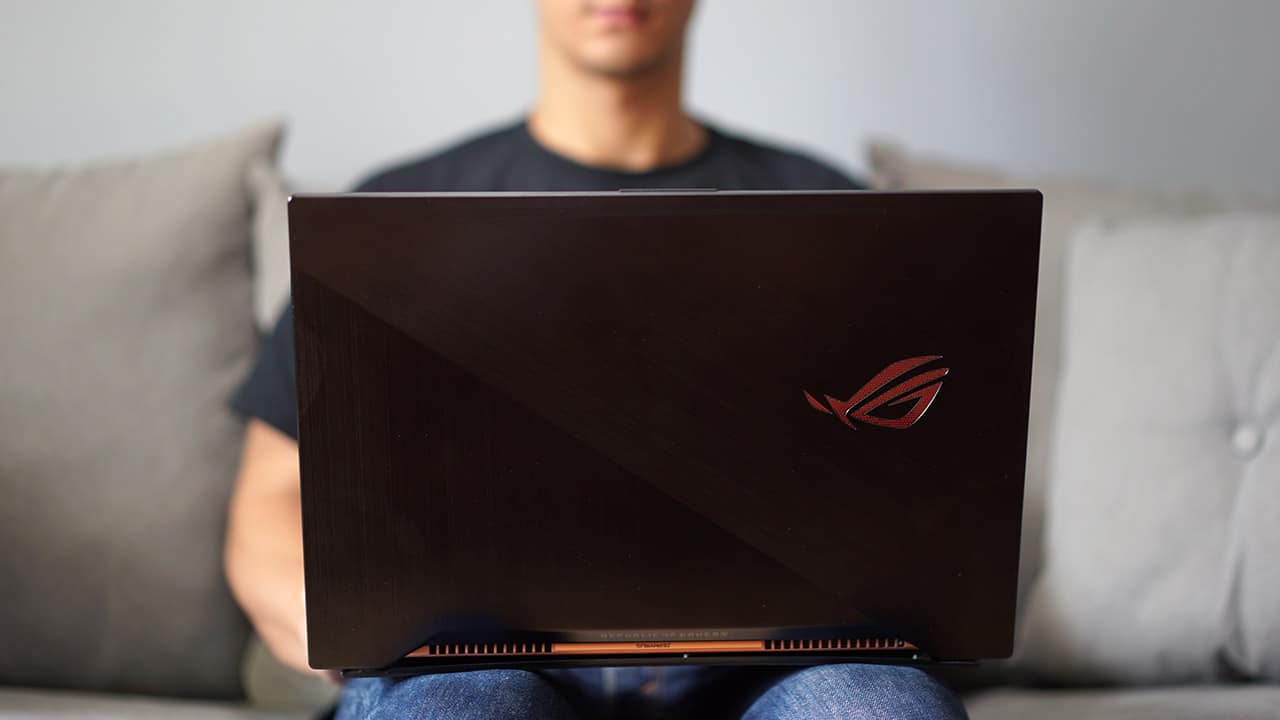
This is one of the few gaming laptops I’d actually allow on top of my lap. My only qualm is in the way the cooling system was built.
ASUS uses this technology called the Active Aerodynamic System, which lifts the rear end of the body when you open the lid for greater air distribution.
While I can attest to the efficiency of the cooling system — not once did it burn my legs or howl like a large washing machine — the design means the bottom plate is somewhat flimsy unless it’s placed on a flat surface.
But that’s fine, since the Zephyrus isn’t designed for traveling writers without a stable workplace; gamers who want to settle down in a LAN party or hotel room will appreciate this form factor.
The hands-on experience may be weird at first

Just look at it: By shoving all the internal components to the upper half, the keyboard had to be pushed to the bottom with the touchpad awkwardly placed to the right.
The abrupt cutoff of the keyboard’s bottom edge, shallowness of the keys themselves, and vertical trackpad have a really steep learning curve. One week of everyday use wasn’t enough to master this setup, and that may be a bad thing.
You must do several practice runs on Overwatch or your preferred MOBA before jumping into competitive play. ASUS bundles a rubber palm rest (as pictured above) to help ease you into the compromised part of the design, but it’s purely for table-top use since it doesn’t attach to the unit itself.
There’s some trackpad magic
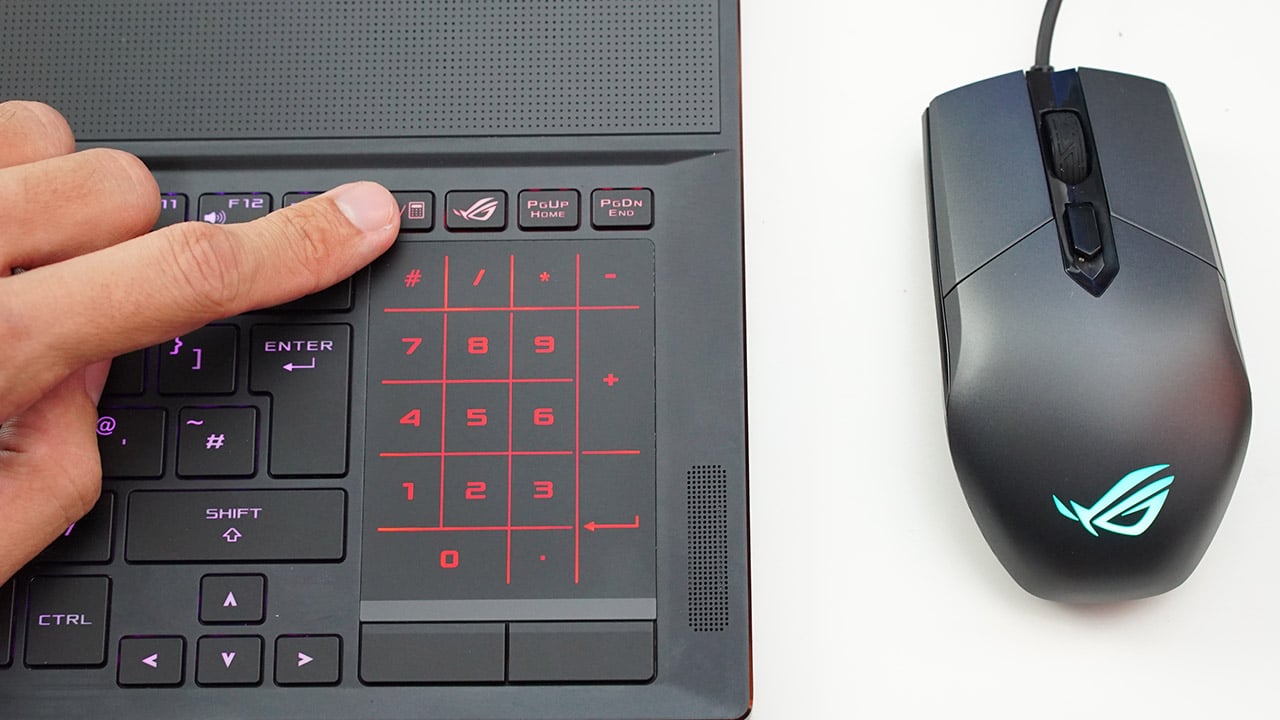
By pressing the button pointed at above, you can transform the trackpad into a fully functional numpad.
If you use the bundled optical mouse — which I found to be quite delightful to use, by the way — you’re better off just ignoring the trackpad altogether in favor of this traditional keyboard-numpad-mouse-palm rest setup.
Actually, this should be the only setup you should consider, especially if you take gaming seriously. Just be sure to take the palm rest and mouse with you, and never leave them behind by accident, which happened to me a couple of times.
Comes with performance that matches a much bulkier PC
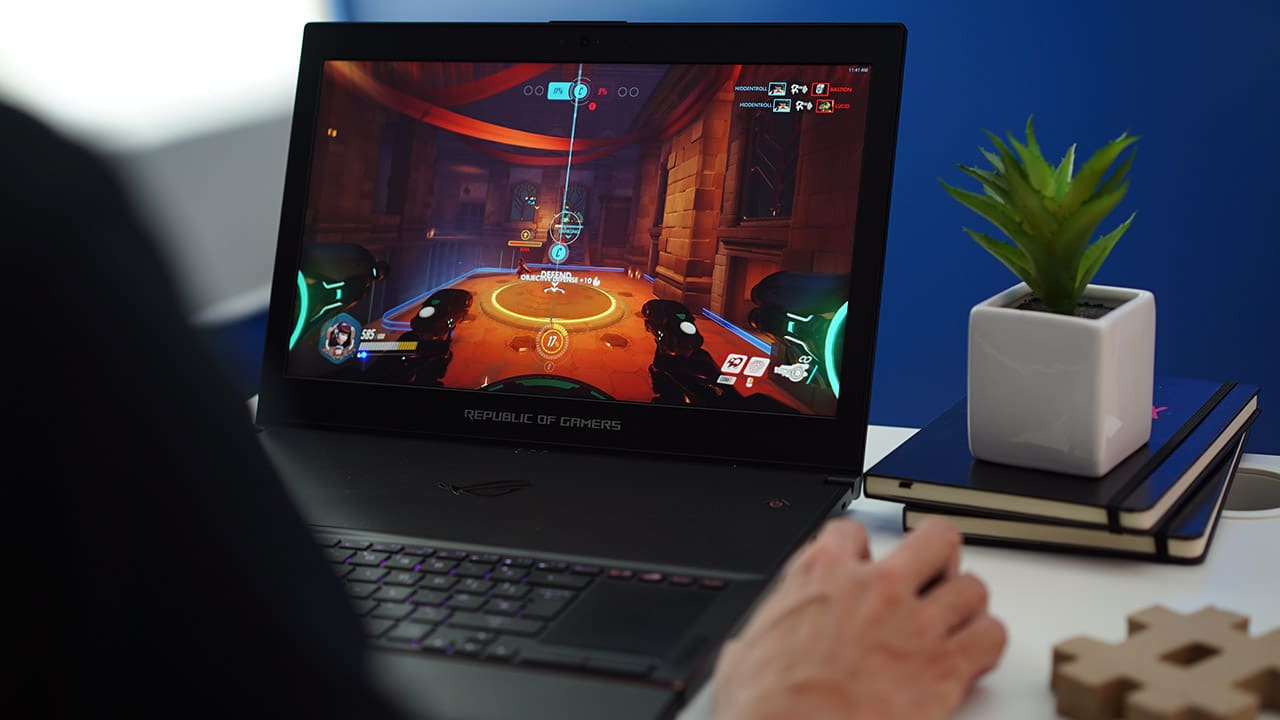
I feel like it’s justified to spend half of this review on the design alone, since this is what the Max-Q philosophy stands for, but this wouldn’t be a gaming article without talking about performance.
There’s no getting around it; the Zephyrus ticks every box for a gaming laptop. The variant we reviewed has the following: An Intel Core i7-7700HQ processor, 24GB of memory, 1TB SSD storage, and of course, a full-fledged GTX 1080 — none of that “mobile version” terminology attached to it.
It’s a given this machine can run through the latest games. Titles like Rise of the Tomb Raider and the latest DOOM can be maxed out on the laptop’s native 1080p resolution with frame rates consistently exceeding 60fps.
To be specific, I got an average of 98.14fps and 58.2fps on the benchmark tests of Rise of the Tomb Raider and Deus Ex: Mankind Divided respectively on Ultra settings and DirectX 12. The maximum temperatures reached during these stress tests were 71 degrees Celsius for the CPU and 70 degrees for the GPU.
More importantly, the Zephyrus we tested has NVIDIA’s G-Sync enabled on the LED-backlit panel to prevent unwanted tearing and stuttering during fast-paced games.
Coupled with the 120Hz refresh rate, this is a godsend for games like CS:GO and Overwatch. Not once did I feel like the Zephyrus held me back during intense gaming with lots of action going on.
Here are closer looks at the finer details
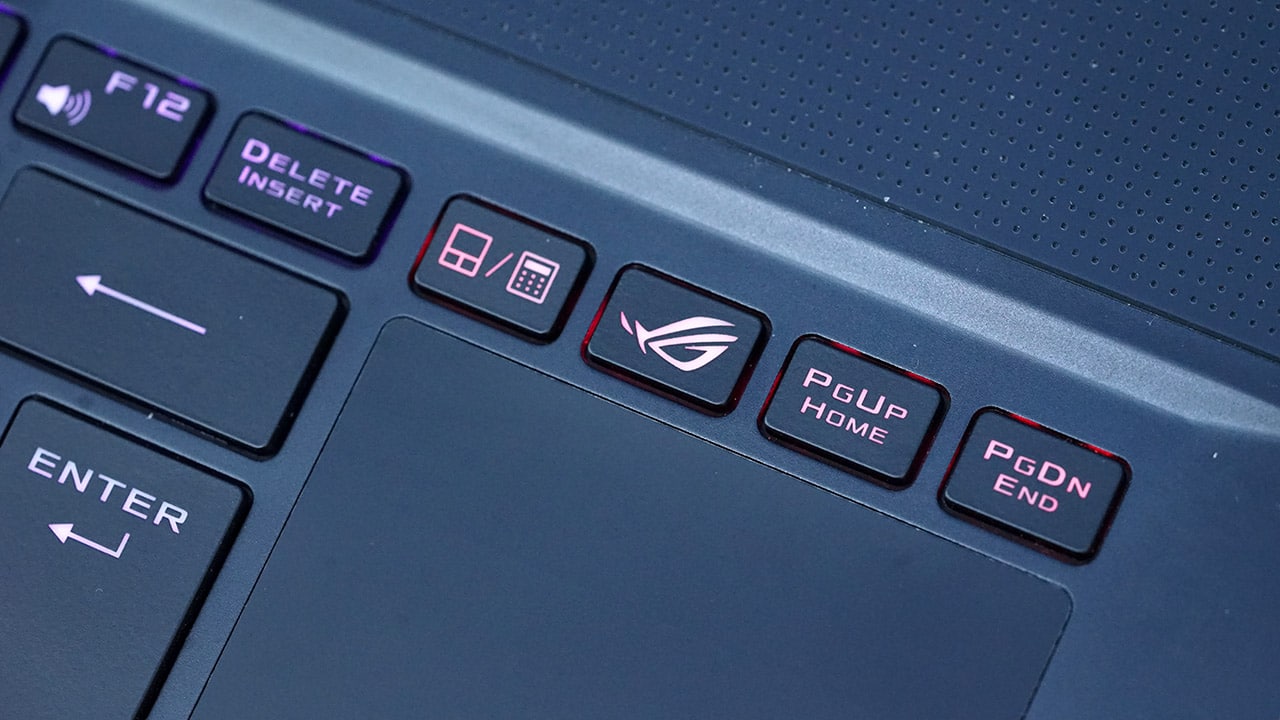
The ROG button opens up ASUS’ own command center for tweaking performance settings and the keyboard’s colors
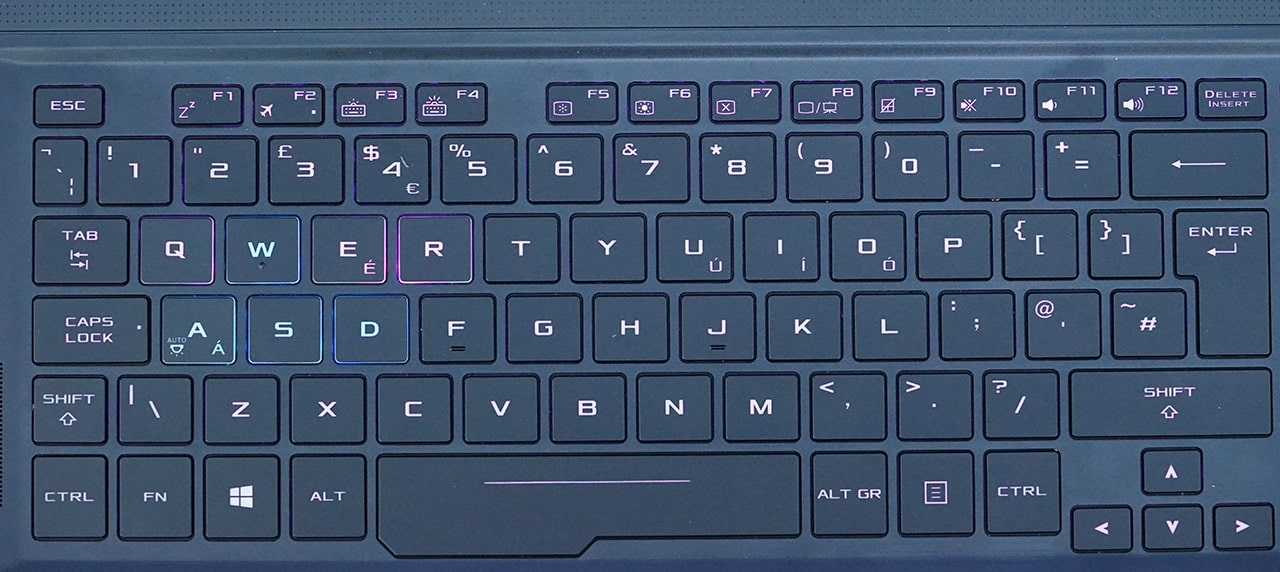
Yes, the left shift key is narrow, really narrow. Every other key is well sized, especially the space bar.
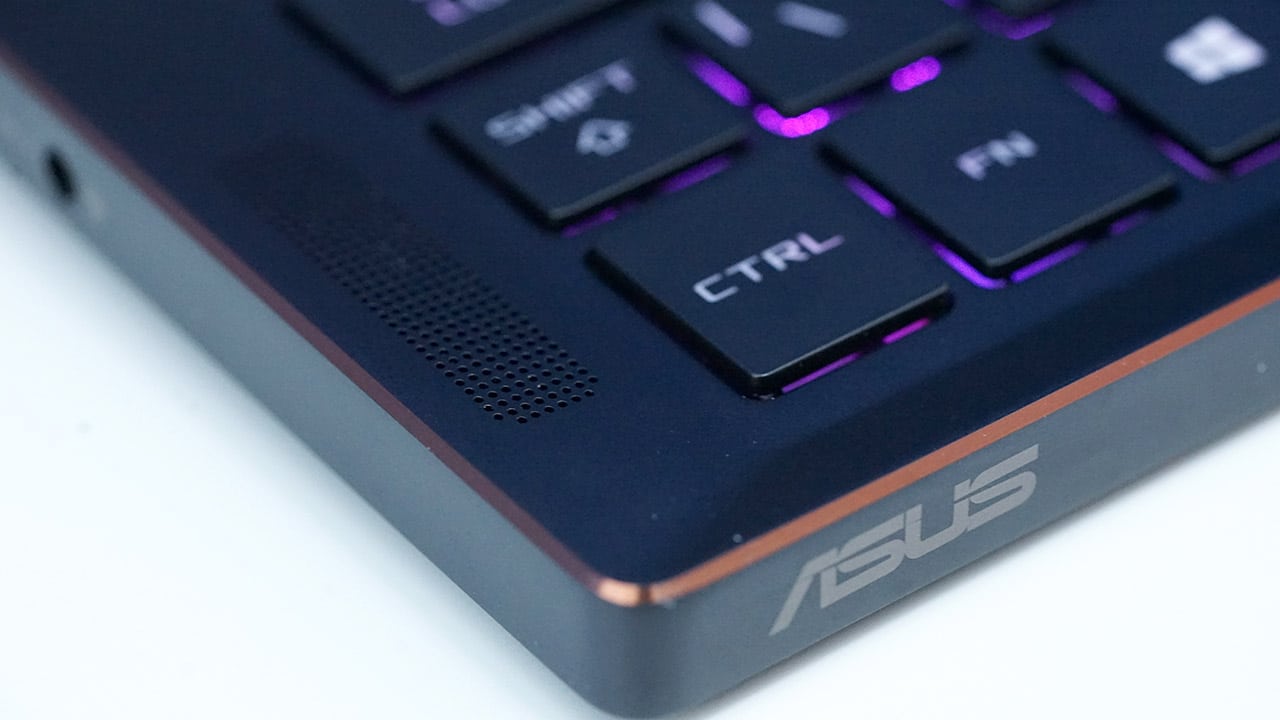
The stereo speakers face upwards and are loud, but not deep in bass. Headphones during gaming are a must.
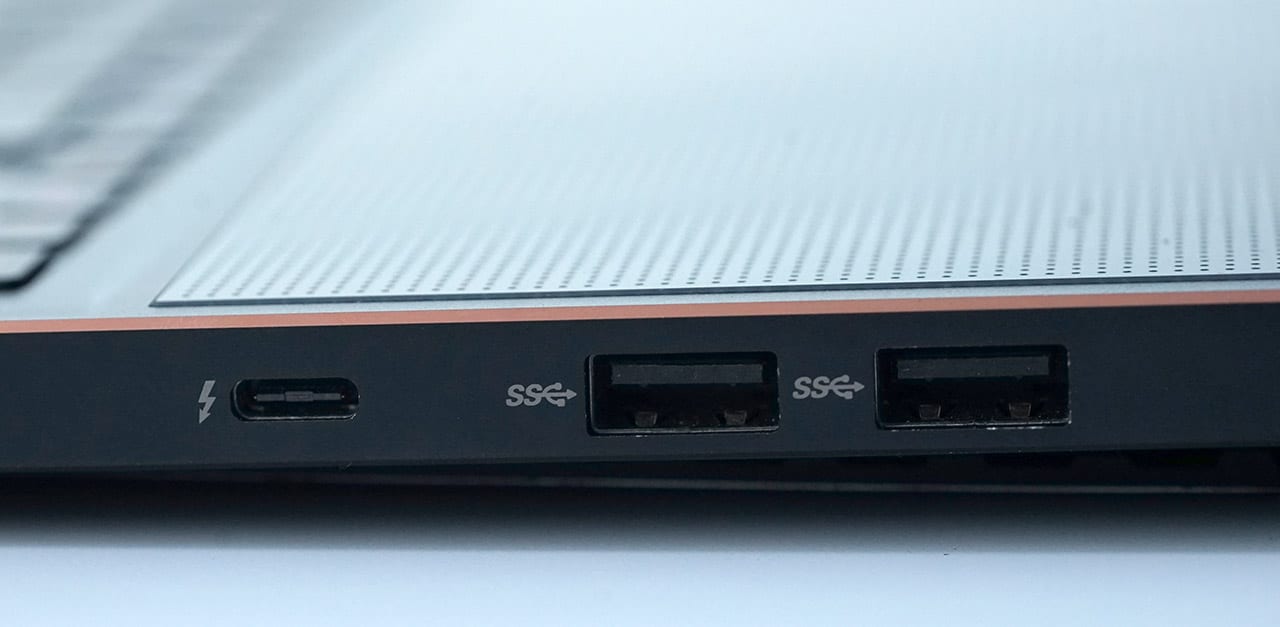
Two full-sized USB 3.0 ports and a Thunderbolt-enabled USB-C port are found on the right side.
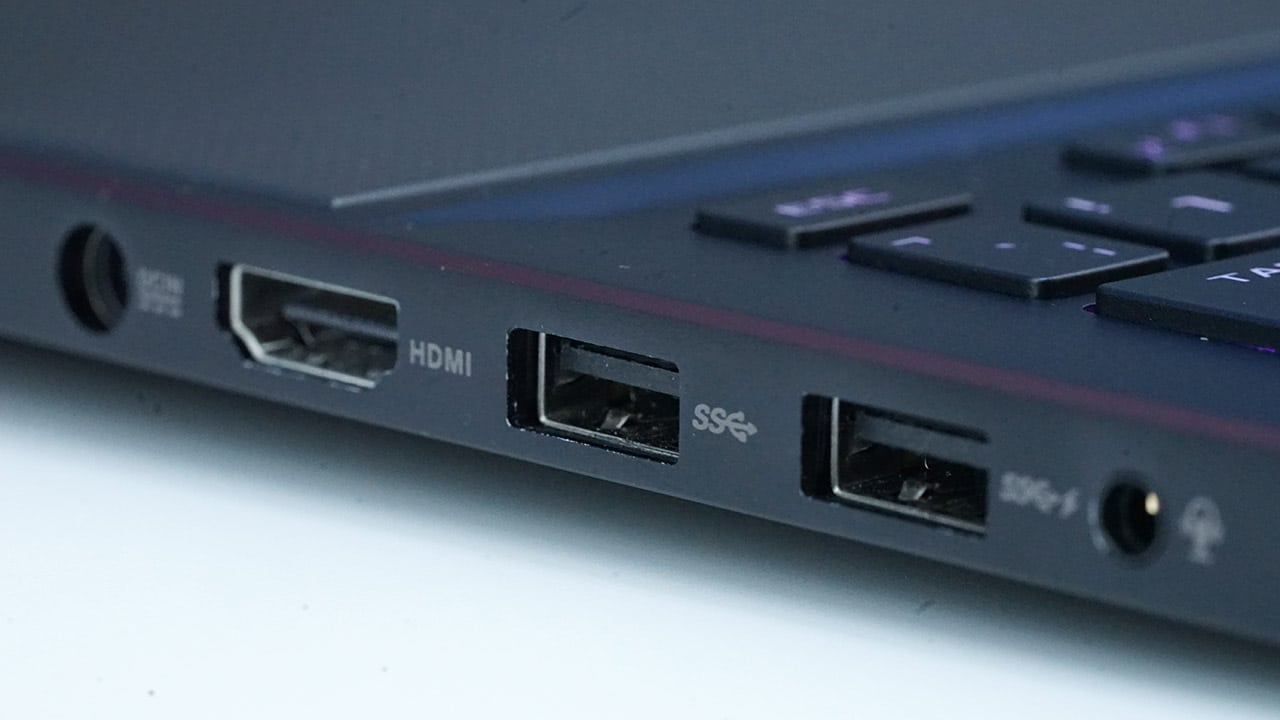
The left side contains two more USB 3.0 ports, a 3.5mm audio port, HDMI, and power port.

Those who are into first-person shooters may choose to highlight the WASD keys like this.
What else is there to know?
With the exception of the somewhat uncomfortable keyboard-trackpad combo and flimsy bottom plate, the Zephyrus seems like it’s about to reach the finish line without any deal-breakers. But wait — I found something!
No matter how many optimization tricks I tried or useless software I uninstalled, I couldn’t for the life of me get this thing to last more than two hours on a single charge.
It turns out that cramming so much high-powered hardware in such a slim profile leads to atrocious battery life. I was never confident enough to unplug the Zephyrus from a wall socket to work or game on the move for more than an hour.
Is this your GadgetMatch?
That’s a tough question. As innovative and well-rounded as the Zephyrus is, its target market is as slim as the laptop itself.
With a starting price of $2,700, it’s way more expensive than building an equally capable desktop PC rig of your own, but it isn’t crazy pricey like some of the behemoths we’ve covered recently.
Our particular model was provided by ASUS Philippines, and it costs slightly more at PhP 179,995 (roughly US$ 3,550) since it has the best-possible configuration.

I often found myself taking a break in between work and gaming sessions to reflect on how far we’ve come since the impractical “mobile” PCs of the past. Those massive machines still exist, but they’re no longer the standard by which all gaming laptops must follow.
At the same time, there are drawbacks to slimming down a computing monster: The chassis loses its sturdy build, the keyboard and trackpad are relegated to awkward spots, and most of all, battery life takes a dive.
I’d say those are weaknesses you can ignore; keep the Zephyrus on a desk, insert the bundled mouse and wrist rest, and stay plugged in. Have to move to a new location? You can easily slide everything into a medium-sized backpack and bring them with you.
SEE ALSO: ASUS ZenFone AR review
[irp posts=”15440″ name=”ASUS ZenFone AR review”]







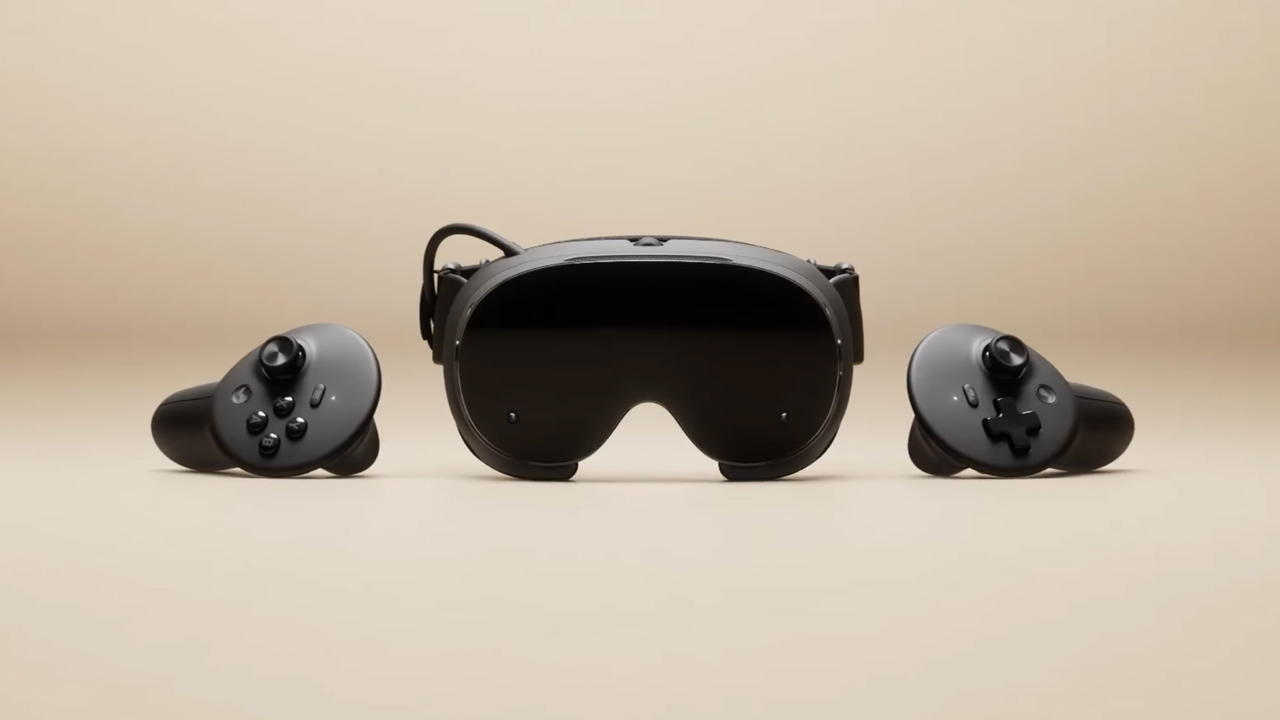
The trifecta is complete. Almost a year after announcing their new hardware, Valve has finally unveiled the price tag of the Steam Frame, complementing the Steam Machine and Steam Controller revealed a few months ago.
Whereas the Steam Machine is a console of its own, the Steam Frame is a traditional VR headset with a pair of controllers for both hands. Unfortunately, despite being in a different segment, the headset is not immune to the rising prices of technology. The Steam Frame will start at US$ 1,059 for a 256GB model and can go up to US$ 1,299 for the 1TB model. On the plus side, each box will come Half-Life: Alyx packaged along with the headset.
Here’s a more detailed rundown of what you’re getting. The Steam Frame will ship with the Snapdragon 8 Gen 3 chipset, paired with 16GB of RAM. Each eye comes with a 2160 x 2160 LCD screen, putting out images at up t0 a 144Hz experimental refresh rate. As mentioned above, the headset will start with 256GB of storage but can go up to 2TB. It will come packaged with SteamOS 3 and a rechargeable 21.6Wh battery.
This might be a hard buy for some. The industry currently has more affordable options, for one. Also, virtual reality isn’t the most thriving segment of gaming today.
If you’re still decided on buying one, however, Valve is using its lottery system. Interested customers can sign up from now until September 17. The company will then randomize the purchasing order. Those who draw the first ones in the lottery can get a purchase email as soon as September 18. Meanwhile, anyone who registers after September 17 will automatically be put at the back of the queue.
SEE ALSO: Valve announces its own console called the Steam Machine
Gaming
BlizzCon 2026 announces World of Warcraft: Forever and Diablo V
StarCraft, Overwatch, Hearthstone, and more also get news


Blizzard Entertainment kicked off BlizzCon 2026 with a packed Opening Ceremony featuring new games, major expansions, updates, and other announcements across its biggest franchises.
Blizzard Entertainment President Johanna Faries opened the event at the Anaheim Convention Center, celebrating the community behind the company’s games and the teams that bring its worlds to life.
World of Warcraft: Forever and Diablo V
The biggest announcement was World of Warcraft: Forever, a new World of Warcraft experience launching November 5 AEDT, with its beta beginning September 18 AEST. The new experience will feature three zones, more than 1,000 quests, nine dungeons, two raids, and a new Skyborne race.
Blizzard also officially announced Diablo V, marking the next era of the franchise. The game is set to launch in North America in Spring 2029, with Sanctuary having fallen and Diablo having won.
StarCraft is also returning with a new story-driven, open-world shooter. The game is currently planned for a Spring 2030 release in North America.
Beyond games, Blizzard revealed that an animated series set in the Diablo universe is in development with Netflix. The company says this is only the beginning of its plans to expand its universes beyond gaming.
For Warcraft III Reforged, the new Forsaken Kingdom campaign is available today. It marks the Warcraft RTS series’ first new storyline in more than 23 years and explores the fall of Lordaeron and the origins of the Undercity. The accompanying 3.0 update also brings graphical improvements and a revamped World Editor.
Heroes of the Storm is adding Xal’atath as its newest Hero. She arrives in the Nexus on September 29 AEST, with her PTR release scheduled for September 15 AEST.
Existing games updates
Meanwhile, Diablo IV is preparing for its next major content drop. Season of Hell’s Legacy begins September 16 AEST and celebrates the franchise’s 30-year history with the return of the Prime Evils and Deckard Cain, alongside themed rewards and gear.
The legendary Amazon class will also arrive in the first half of 2027 as part of Diablo IV’s first class pack. The Diablo IV: Age of Hatred Collection is additionally coming to Nintendo Switch 2 on September 16 AEST with cross-platform play and cross-progression.
For World of Warcraft, Blizzard teased the next major update for Midnight. Eclipse (12.2) will see Xal’atath move closer to her goal of claiming Azeroth’s Worldsoul. Blizzard also offered another look at The Last Titan, the next expansion in the Worldsoul Saga and a major culmination of more than two decades of Warcraft storytelling. More information is coming early next year.
Overwatch is getting a major update with Season 5. The season introduces new Support Hero Doctrine, reworks for Sombra and Roadhog, and the new Watchpoint: Grimsvötn map. It will also conclude The Reign of Talon, Overwatch’s first year-long narrative arc.
LE SSERAFIM & YOASABI
BlizzCon also featured performances from YOASOBI and LE SSERAFIM. YOASOBI will perform during the first-ever esports halftime show at BlizzCon, while LE SSERAFIM will return to the Main Stage to close the weekend. A new LE SSERAFIM in-game collaboration is available now, with another Overwatch Spotlight scheduled for February 2027.
Finally, Hearthstone is getting its first new class in more than six years. The Monk arrives in 2027, while the upcoming Reign of the Black Empire expansion takes players back to the earliest age of Azeroth. It introduces the Assemble keyword, which combines two cards into a new one. Battlegrounds is also adding Aberrations as a new minion type.
BlizzCon 2026 is now underway, with Blizzard promising more announcements and details throughout the weekend.
Gaming
Xbox saves Kojima’s PHYSINT after PlayStation drops support
PlayStation says the separation was mutual, but Kojima hints otherwise.


Things aren’t going well in the PlayStation camp. After two months of frankly questionable decisions, the company adds another to the pile by dropping support for Hideo Kojima’s PHYSINT.
For a while now, Kojima and PlayStation were in a very productive relationship with the Death Stranding duology, a critically acclaimed collection of titles for the platform. When things looked like they were going well, Kojima announced PHYSINT, an espionage-themed game which reminded fans way too much of Metal Gear Solid.
If you were investing in a PlayStation 5 to play Kojima’s latest thriller, you might want to move your chips elsewhere now. PlayStation has just dropped support for the espionage game, meaning PHYSINT will no longer be a first-party title for the platform.
Though PlayStation claims that the decision came after “careful consideration,” Kojima himself has said that the move was “unexpected,” going against PlayStation’s assurance of a mutual separation.
Very quickly, Xbox has announced that their platform will support PHYSINT instead. It’s a big get for the competing brand because Xbox Game Studios is already supporting OD, Kojima’s other upcoming horror project starring Sophia Lillis.
Unfortunately, it’s difficult to say more. As is tradition, Kojima will not explain much more about his upcoming titles. In fact, OD’s trailer barely says anything. One thing’s for sure, though: we’re all in for quite a ride.


DJI Lito X1 review: Is this the best lightweight drone for creators?
Making a strong case as a travel companion and a capable B-cam!


REDMI Note 17 Pro Max review: A new breed born from AI greed
Welcome to the new normal


Marvel’s Wolverine review: When the claws come out
A brutal, cinematic superhero adventure

SEGA, Netflix announce Crazy Taxi film adaptation

Smart launches LiveSmart App for exclusive deals
DJI Lito X1 review: Is this the best lightweight drone for creators?

Now Playing: Resident Evil

HONOR, Fidesmo partner for contactless payments across Europe, Middle East

TECNO MEGAPAD 2 review: Eyes on the size

realme 16T 5G with 8000mAh battery, IP69 Pro rating launches in PH

HUAWEI Pura X View is 2026’s first WIDE slab-type smartphone

REDMI reveals the refreshed Note 17 and Note 17 Pro series

REDMI Note 17 Series: Price, availability in Singapore


-
 News2 weeks ago
HUAWEI Pura X View is 2026’s first WIDE slab-type smartphone
-

 News2 weeks ago
The CAMON Slim 5G is TECNO’s latest ultra-slim smartphone
-

 News1 week ago
iPhone 18 Pro series: Price, availability in the Philippines
-

 Automotive2 weeks ago
Ford’s new Everest lineup brings V6 engine to the top, tech down the line
-

 Singapore1 week ago
iPhone 18 Pro series: Price, availability in Singapore
-

 Philippines2 weeks ago
Smart cuts 5G Home WiFi price
-

 News1 week ago
iPhone Duo: Price, availability in the Philippines
-
 IFA 20262 weeks ago
XGIMI announces AURA 3 Series 4K 120Hz UST projectors