
News
Samsung Galaxy S9+ takes top spot on DxOMark
Beats the Pixel 2 and iPhone X


One of the biggest questions on everyone’s mind whenever a new smartphone launches is, “How good are the cameras?” While it’s often subjective and difficult to gauge from early photo samples, imaging authority DxOMark’s numeric ratings provide a good idea of where a handset’s cameras stand.
The latest entry is Samsung’s Galaxy S9+. It launched during Mobile World Congress earlier this week and is the first Galaxy S smartphone to own dual cameras of any sort. The setup turned out well for Samsung, as the cameras have been bestowed the highest rating ever on DxOMark’s mobile scoring.
With an overall score of 99, the Galaxy S9+ is a point higher than the previous king, the Pixel 2, and two points above the 97 of the iPhone X and Mate 10 Pro. That’s an impressive feat considering how strong the competition was during our own camera shootouts.
Here’s the breakdown of the numbers:

Where the Galaxy S9+ truly shines is in the still photos department. Its 104 points are way above the previous top score of 101 by the iPhone X. Meanwhile, the 91 video score is quite good, too, losing only to the 96 of the Pixel 2.
DxOMark praises the Samsung flagship for having no real weakness. The Galaxy S9+ is strong in all aspects, and performs well in any lighting situation. Other advantages are the secondary lens on the back for optical zooming (something the smaller Galaxy S9 doesn’t have) and a true portrait mode that blurs out the subject’s background.
But before Samsung can celebrate, they have to accept that it’s still early in 2018. With flagships from Huawei coming out soon and both Google and Apple releasing even better smartphones later this year, these rankings can easily turn to another’s favor.
We’ll have to get the Galaxy S9+ in our hands for a full review before we can attest to these scores. Stay tuned for that.





News
These are the best Android 17 features (if you hate AI)
Easy sharing with iOS, a new anti-distraction tool, and 3D emojis!

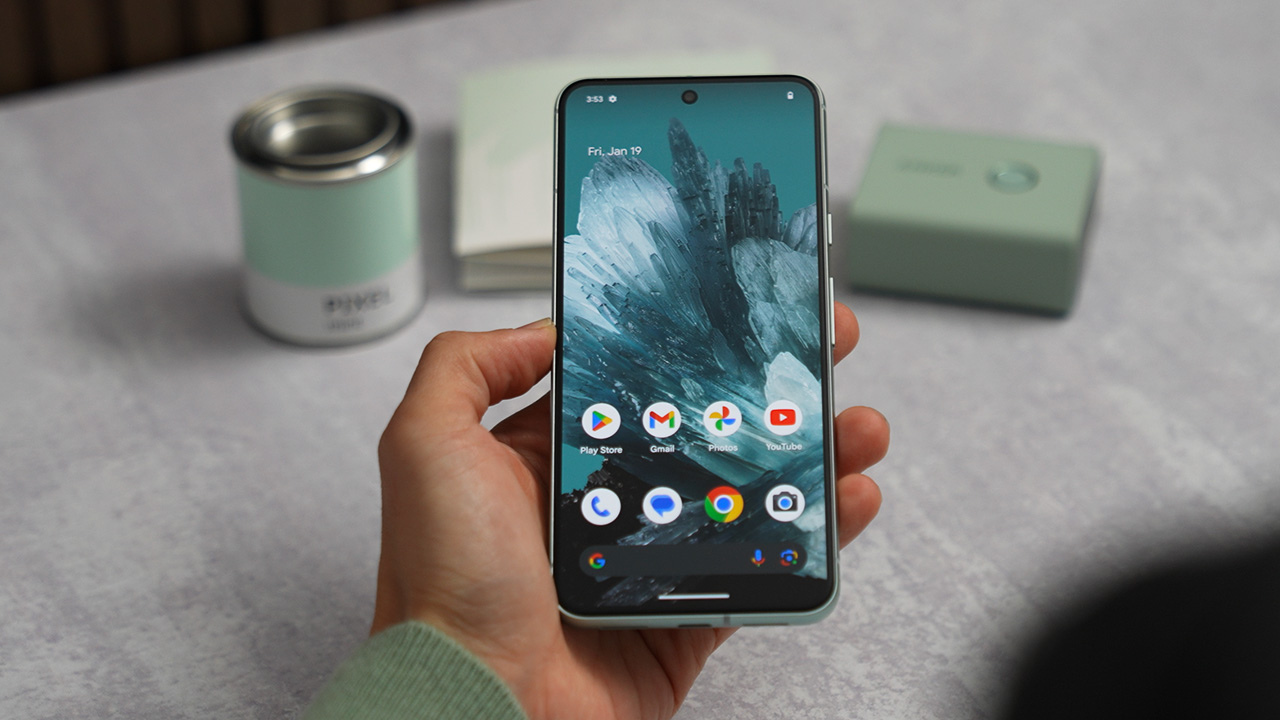
As ever, the buzzword for Android 17 is “Gemini.” Like previous years, Google is delving further into the world of AI. Now, if you don’t really care about Gemini, you might be wondering why it might be worth the time to jump over to Android 17 when it launches. Here are a few reasons:
Pause Point: A more effective anti-distraction tool
You’ve heard of this before. There are apps today designed to prevent you from getting too distracted by other apps while working. However, it’s likely that they don’t work because they’re too lax or too restrictive. There’s no in-between.
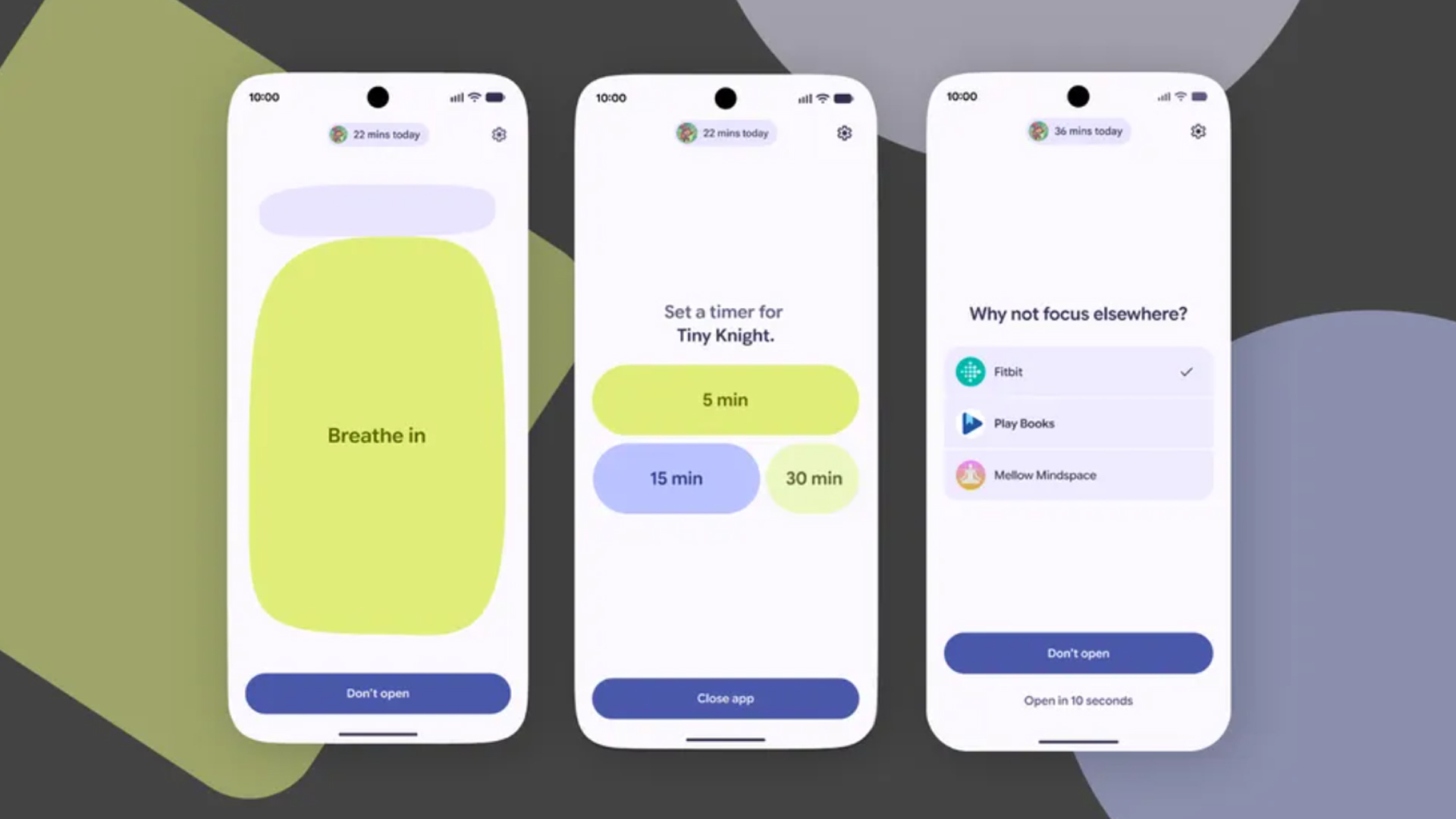
Pause Point presents an interesting take on the anti-distraction tool. With the tool, opening a potentially distracting app will come with a prompt for you to set a timer or focus on a more productive app.
Since you can open the app (or other apps), it’s not a very restrictive option. At the same time, it’s not easy to wave away, either. You’ll need a restart to completely turn the feature off.
More sharing options with iOS
Last year, Android and iOS destroyed their file-sharing woes when the former started supporting AirDrop. Because it’s not a perfect solution, there are still some pain points. However, Android 17 is adding a new trick to ease file transfers to and from iOS 26.5.
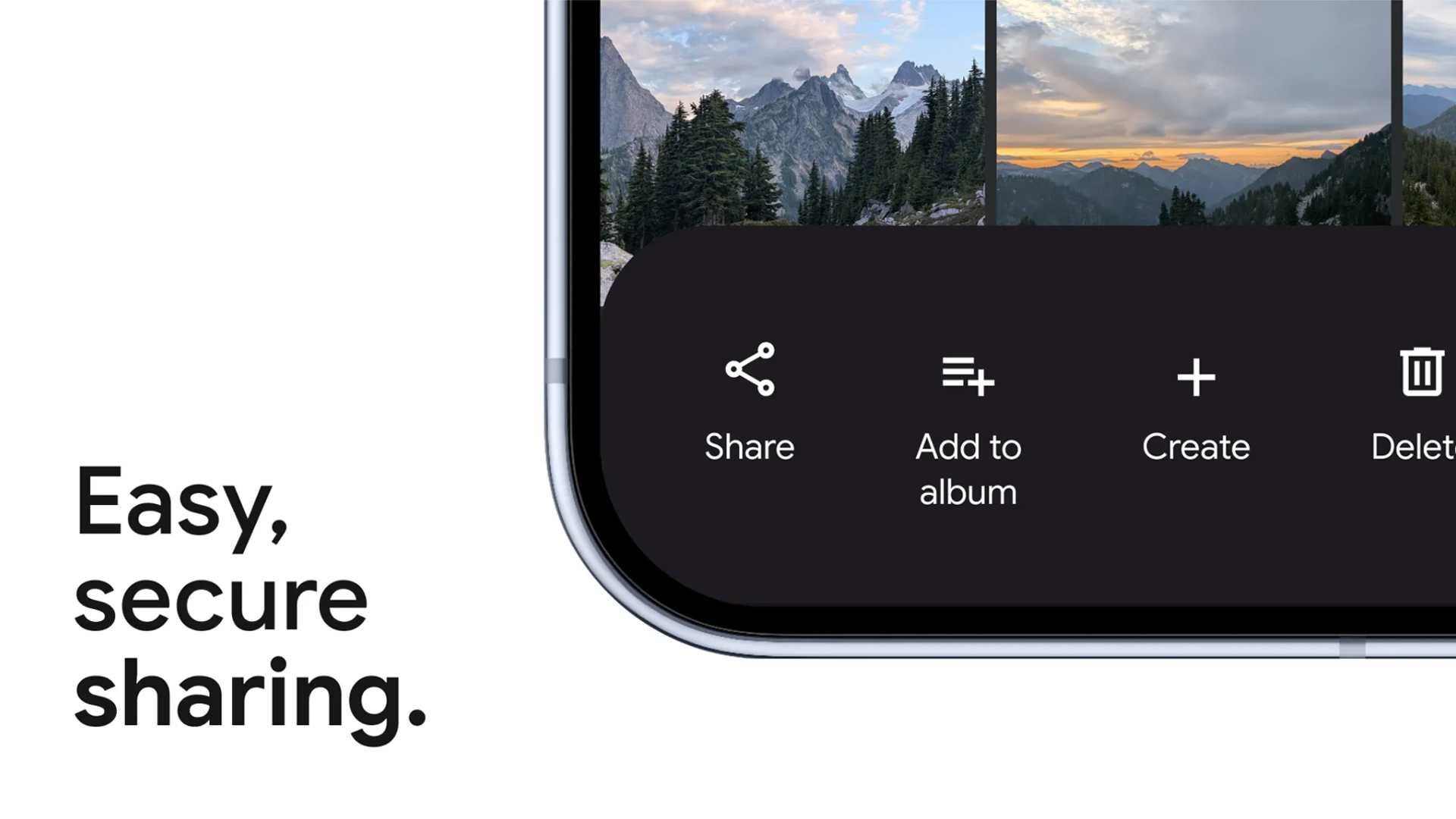
With the new update, users can generate a QR code which allows for easy file transfers between the platforms.
Android also shared that it is continuing work on Quick Share. The feature is expected to arrive on other apps, including WhatsApp, soon.
Screen reactions
Reaction videos are the new meta on social media. Creators love posting shortform videos of them just reaction to other content online.

If you’re that type of creator (or you just love sending your reactions to your friends), Android 17 is making it easier to make this format. Besides social media apps that already have that function, Android will be able to natively make those videos without a third-party app.
It’s perfect if you want to post the same video on multiple platforms, or if you just want to share your reaction with friends and family.
3D emojis!
Welcome to 2026, Android!
After an age in flat design, Google is finally adding a third dimension to its designs. It started with a set of updated app icons that added gradients to the formerly flat Material Design. Now, Android’s emojis are going 3D.

Honestly, this is the most subtle change of the four, and you might not care if you don’t use emojis anyway. But it’s still huge for Android’s future.
Though the new set of emojis are still visually distinct from Apple’s set, the splash of lighting and shadows makes this set more cohesive with Apple’s language. It feels exciting to use emojis again as an Android user.
Gaming
Switch 2 finally gets a Choose Your Game bundle
Choose from Mario Kart World, Donkey Kong Bananza, or Pokémon Pokopia.
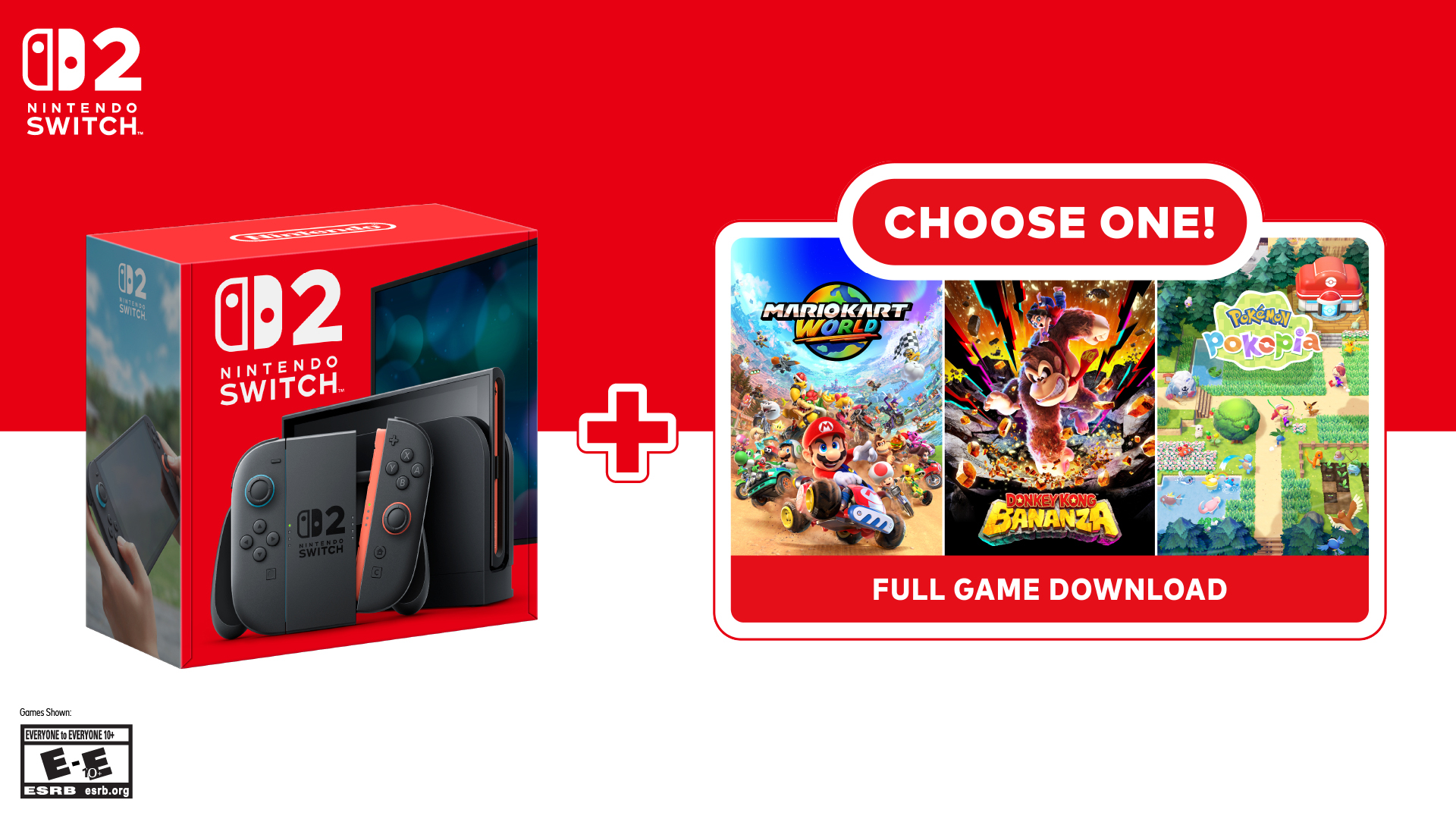
When the console launched, Nintendo fans had only two options when buying a new Switch 2: the console by itself or packaged with Mario Kart World. Since then, Nintendo has very occasionally released more bundles for more games. Finally, a new bundle will let you pick your bundled game from three hard-hitting options.
The best way to buy a new console is through a bundle. It allows you to save a few dollars on a game you’re probably buying anyway and lets you play right as you unbox your new purchase.
Today, Nintendo announced a new bundle that adds more options for gamers. These options include Mario Kart World, Donkey Kong Bananza, and Pokémon Pokopia. The bundle lets you pick one.
As someone who’s played all three games, this selection isn’t too shabby at all. In fact, they’re the best first-party games you can currently get for the console.
It’s also a cost-efficient purchase that gives you more savings before the price of a new Switch 2 goes up in September. It’s likely that Nintendo introduced the option to soften the blow of the upcoming price hike.
The bundle will cost US 499.99. Being the most expensive game of the bundle, selecting Mario Kart World will save you US$ 29.99. Meanwhile, both Donkey Kong Bananza and Pokémon Pokopia will save you US$ 19.99.
The Nintendo Switch 2: Choose Your Game Bundle will come out in early June and will be available until supplies last. If you’re still craving for a Switch 2, this might be the perfect time to grab one.
Laptops
The Googlebook is the next evolution of the Chromebook
Notebooks are coming later this year.
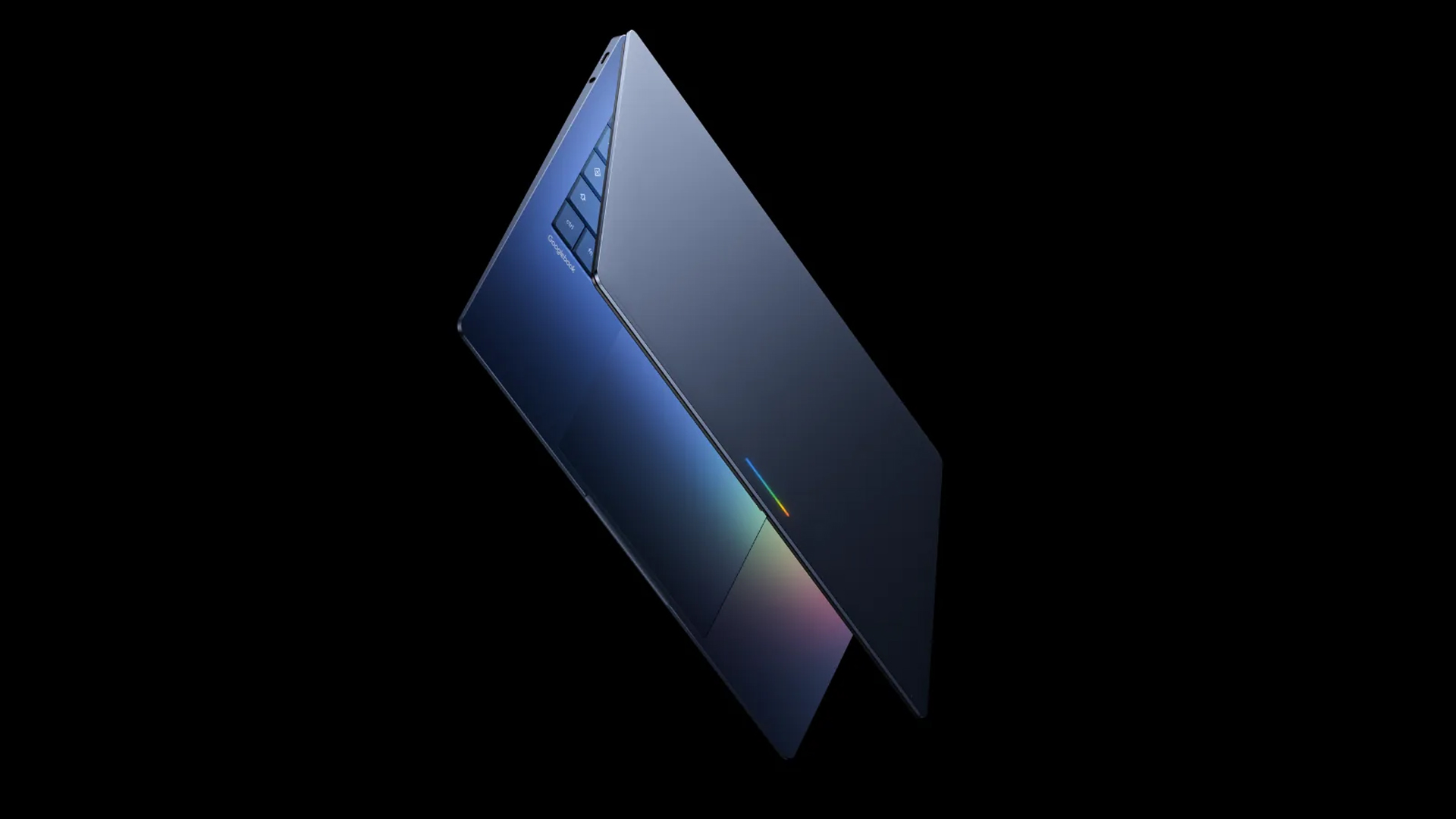
Chromebooks did not become the go-to alternative for laptop users on a budget. Given how the market looks today, it could have been a matter of “right place, wrong time.” Today, Google is trying again with the new Googlebook lineup.
The Googlebook is different from the Chromebook. Though both platforms allow Android apps to run natively, the Googlebook will focus more on building a foundation on Gemini Intelligence.
Of course, the Android ecosystem is still a focal point. The Googlebook can run apps from the ecosystem and can connect seamlessly with Android phones. Specifically, users can access their phone’s apps and files directly from the notebook without waiting for transfers.
As for the Gemini part, the Googlebook starts by reinventing the cursor. The new Magic Pointer brings the wonder of Gemini to your mouse. A wiggle of the cursor wakes the software, which contextualizes anything it’s pointed to. For example, pointing at a date will ask you if you want to schedule a meeting. Pointing at two photos might merge the two into an AI-generated mashup.
Additionally, Create a Widget will allow you to customize software to perfectly tailor to your needs. Using Gemini, the Googlebook can collate everything you need on your dashboard.
Currently, there are no official models set to come out just yet. However, Google has confirmed that Acer, ASUS, Dell, HP, and Lenovo have committed to bringing out the Googlebook this fall. Naturally, each of these brands will have their own take on lineup, but the one thing uniting them will be a unique glowbar to set them apart from other notebooks.
SEE ALSO: Google, on Android adopting Liquid Glass: “Not happening!”


vivo X300 FE review: Don’t judge the camera by its cutout
A midrange-sized camera bar doesn't mean mid camera performance


PRAGMATA is not for the faint of heart
Already a Game of the Year contender for all the feels

5 games with the nubia Neo 5 GT 5G
Niche device, but is worth the price?

11 must-have accessories for your next tropical escape this summer

Zero Latency VR is opening its first local venue this July

New luvit card offers flexible Buy Now, Pay Later installments

These are the best Android 17 features (if you hate AI)

Sony Xperia 1 VIII arrives with AI Camera Assistant, bigger telephoto sensor


-

 Singapore1 week ago
vivo Y Series launches in Singapore with bigger battery, durability upgrades
-

 Automotive2 weeks ago
The VinFast VF6 is perfect for urban travelers
-
Gaming1 week ago
PRAGMATA is not for the faint of heart
-

 Features2 weeks ago
A Galaxy summer to remember
-

 Laptops7 days ago
Spotlight: ASUS Zenbook A16
-

 Gaming1 week ago
Star Wars: Galactic Racer launches October 6
-

 Gaming7 days ago
Stranger Than Heaven is a Yakuza prequel with Snoop Dogg
-

 News7 days ago
iPhone 17 is the best-selling phone of 2026 so far