
Explainers
Here’s what you need to know about eSIM
The technology behind Apple’s first dual-SIM iPhone


When Apple first revealed their new iPhone XS and iPhone XS Max, people were expecting something different. While on the outside nothing seems to have changed, the inside is a whole different story. The most notable change is the introduction of eSIM (embedded SIM) technology, something that they’ve done before with the Apple Watch.
But, what is this eSIM? How different is it from the SIM card that you know and love? And does using an eSIM change the game completely?
Let’s talk about the SIM and eSIM
One of the essentials for any phone in the market is a SIM card. Short for Subscriber Identity Module, a SIM card contains key identification and security features from any network carrier. It is used by these networks to identify their consumers and provide mobile connectivity for them — through calls, texts, and access to the internet. SIM cards also allow you to store information when you decide to switch devices every now and then.
eSIM technology, as the name implies, is embedded into the phone yet it still keeps the same functionalities as before. On devices that were designed with only one SIM card slot, adding an eSIM makes it a virtual dual-SIM machine.
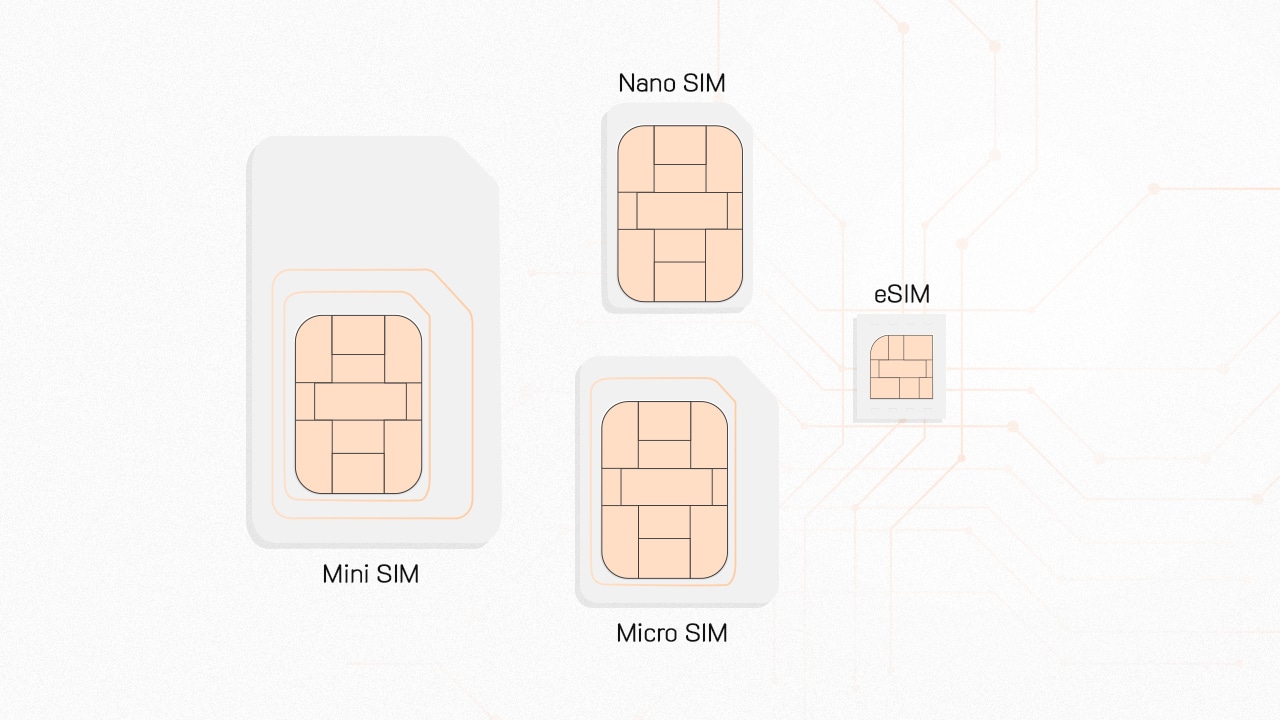
How have regions adopted eSIM?
As mentioned earlier, this isn’t the first time Apple dealt with eSIM tech. The company had initially launched the eSIM for their Apple Watch Series 3 to give it better connectivity on the go. While Apples continues to incorporate eSIM in its newer Watch Series 4, they’ve decided to take it one step further with the iPhone XS and iPhone XS Max.
However, as of writing, only ten countries in the entire world currently support eSIM. This is mostly due to these countries having the proper infrastructure to support the use of it. While smartphone companies are looking to incorporate this new technology, the market for it seems to be relatively small.
The good and bad about eSIM
Like any other new technology, eSIM comes with its own set of benefits and difficulties — especially for those transitioning from the traditional SIM card. With eSIM installed in your phone, users will no longer have to go through the hassle of buying a specific SIM card.
Ideally, having an eSIM also allows you to switch between networks easily. Apart from an eSIM-capable phone, it also comes with the needed software to make the switching process faster and easier. In essence, you will be able to free up the allocated SIM card slot for a physical SIM card if your device supports it. This is most helpful when you travel abroad, and you need a local number in that country to access their network.

However, there are some processes that prove to be difficult with eSIM, one of which is quickly transferring your phone number to another phone, especially if you frequently switch devices. Unlike traditional SIM cards wherein you just transfer the card, you’d have to contact your service provider to activate the number in your new phone. This could be cumbersome depending on your provider’s customer service.
Furthermore, if the eSIM in your phone becomes corrupted or gets damaged in any way, it’s possible that you would need to replace your whole phone. Because the eSIM is integrated inside your phone, it won’t be easy to pry it out when things go wrong. This wouldn’t be too big of a concern for traditional SIM cards, especially when the card gets destroyed.
Are smartphones ready for the eSIM?
The eSIM technology is still in its young stages, and only a handful of devices currently support it. There is potential for the tech to be implemented across more devices in the future despite only a few countries welcoming them. However, a lot of people still primarily utilize traditional SIM cards given the difficulties of using an eSIM.
In the case of the new iPhones, for example, you can’t create two instances of chat apps on iOS. So even if you have two numbers running at the same time, you’d need a separate phone for another WhatsApp or Viber number, until Apple comes up with a software patch for this.
In the end, the technology’s impact can only be measured once more devices embrace it. But, for now, let’s celebrate how the eSIM gave us the first dual-SIM iPhone and see where the future will take us.






Explainers
Everyone’s angry at PlayStation’s new no-disc policy, and this is why
It’s a tragedy for nostalgia, ownership, and preservation.

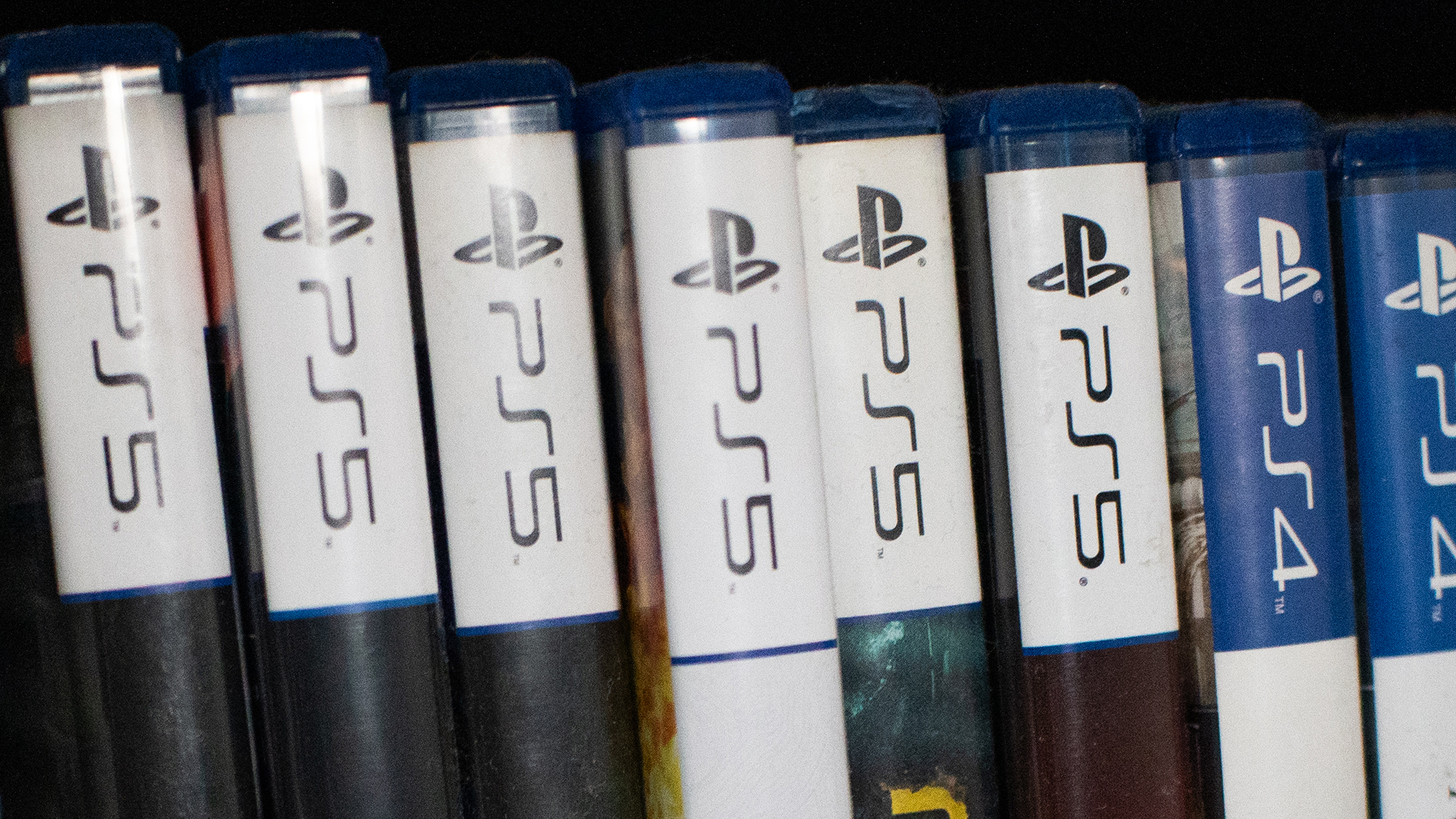
Check in with your gamer friends today. Today, a lot of gamers are up in arms over Sony’s decision to kill the physical game disc starting in 2028. But, if you’re a digital-only gamer or just not a gamer yourself, you might not understand the anger. If you want to understand the ire or just want to relate with your gamer friends, here’s a primer for you.
Ending the era of the physical media
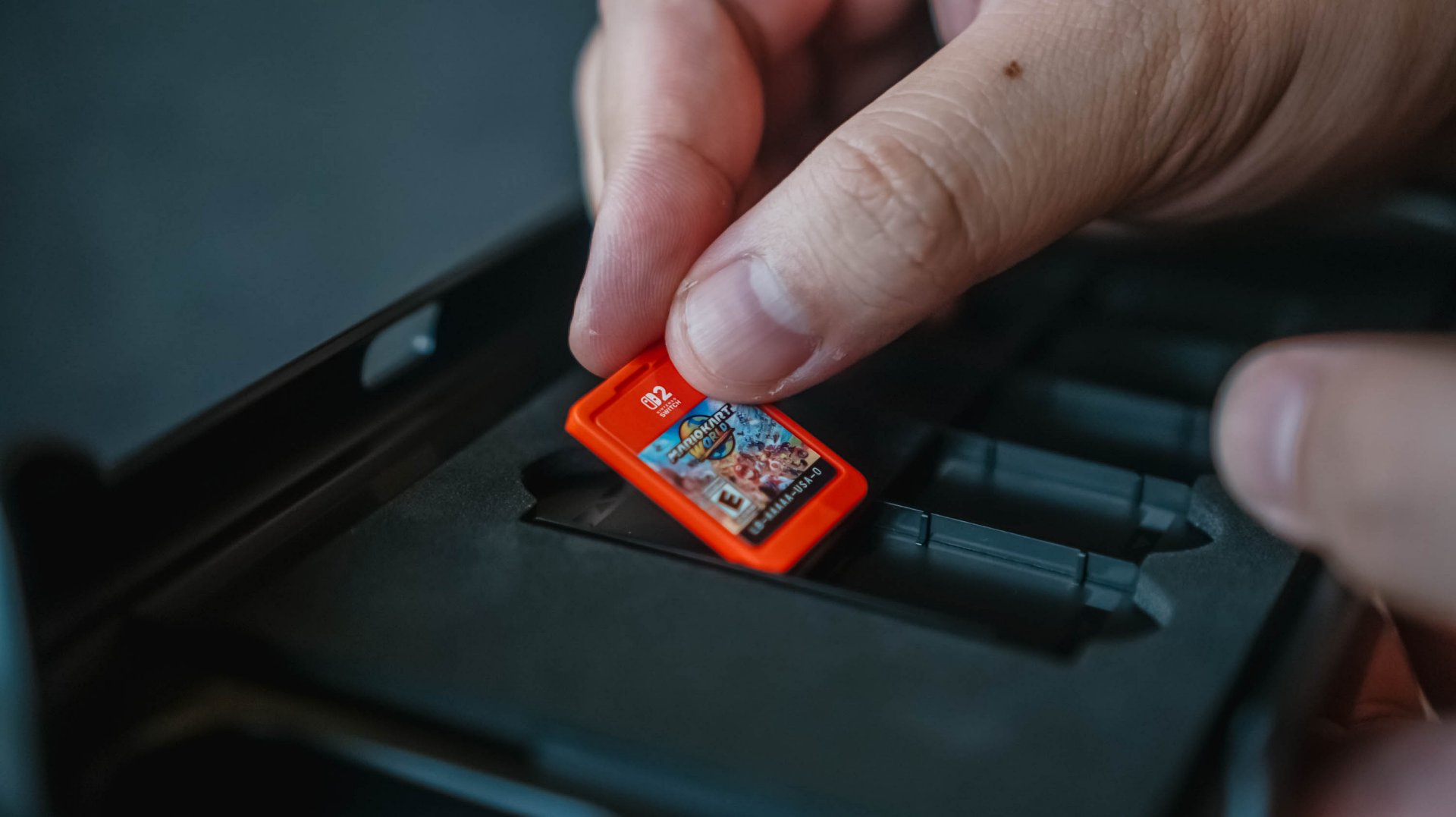
Last year, Nintendo launched the Switch 2. Though the console still has a slot for physical cartridges, the Switch 2 also introduced the Virtual Game Card as a way to digitize your library of games.
Of course, the feature wasn’t positioned as a way to eliminate physical cartridges. In fact, Nintendo just wanted to add the flexibility of physical cartridges to the digital world. In the end, the feature strangely coincided with less cartridges. For example, Pokémon Pokopia, one of the most popular games this year, does not come with a cartridge even if you buy a “physical” copy in a brick-and-mortar store. It was a portent of things to come.
Fast forward to today, Sony has made the monumental decision to stop producing physical game discs starting in 2028. The PlayStation’s future is completely digital.
On a similar note, Microsoft is also experimenting with a disc-to-digital feature. Much like the Nintendo Virtual Game Card, the experiment will digitize libraries and attaches the digital copy to the physical game disc. It sounds awfully like a prelude to killing off the game disc.
Why this matters
The physical disc is synonymous with a simpler time. It represents a time when gamers camped out stores to anticipate midnight releases, when gamers can learn more about their games through an in-box manual, and when gamers can show off their fandom through a beautifully stocked shelf of games.
And yes, that’s part of why this situation sucks, but it’s not the only reason.
If you’re an outsider looking in, this nostalgia factor is the easiest to see. Then again, it’s also the most difficult to relate with, especially if you’ve never had the history of buying physical games.
The more crucial reason — and the one that most people will relate with — is media ownership. By not having a physical copy, you will no longer have ownership of what you bought digitally.
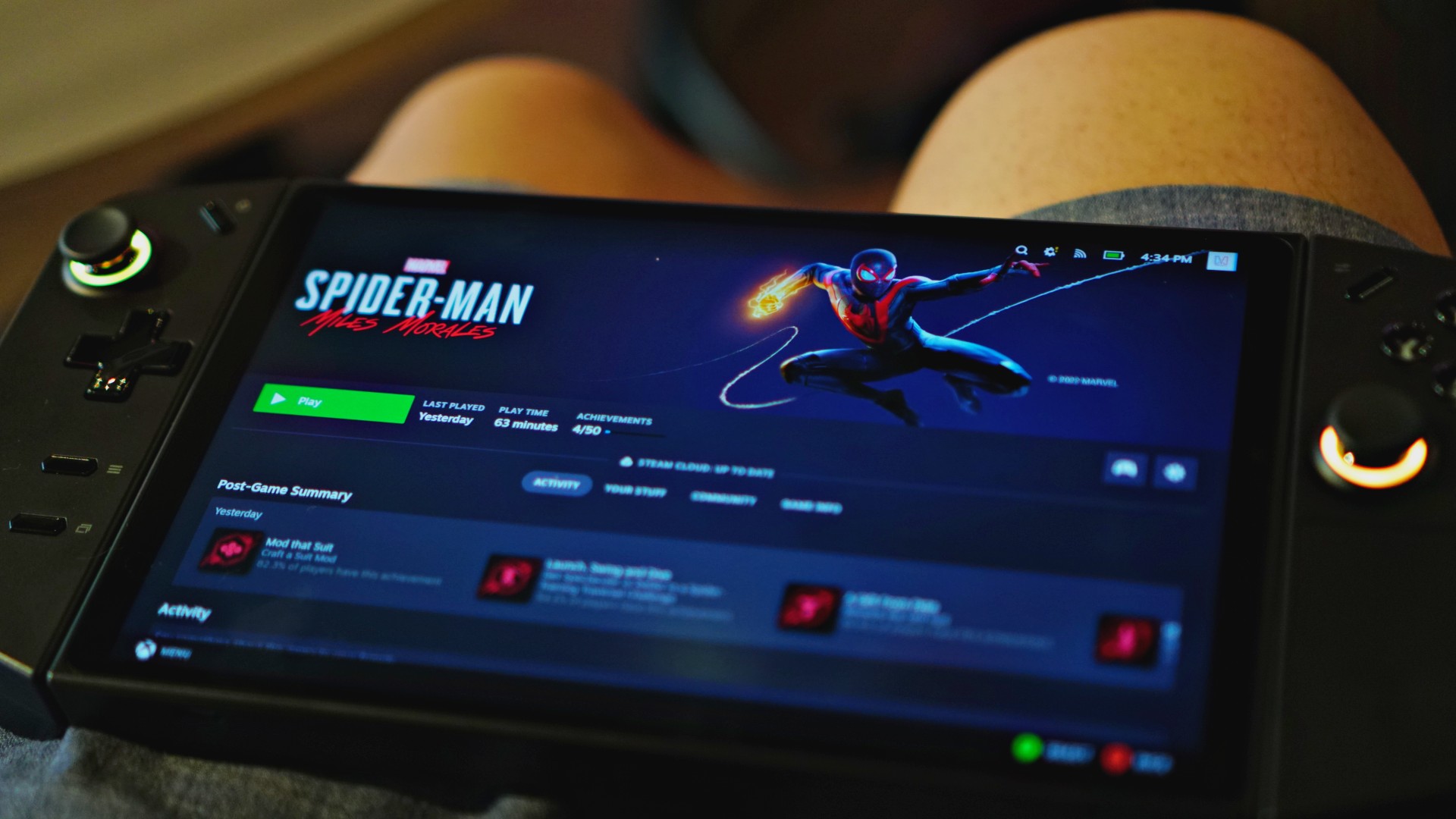
And it’s not an imaginary issue. In 2024, Steam amended its policies to reflect that players do not own the games they buy. Rather, they simply own a license to play the game.
In the same year, Ubisoft delisted The Crew, a sure sign that the new policy means business. Though Steam itself has a relatively good track record of prioritizing its customers, publishers and developers can get rid of games if they choose to.
That limitation doesn’t exist with a physical copy. As long as you have a working disc drive, you can install a game whenever you want, even if the publisher decides to pull it from stores.
Therein lies how much this is a touchy topic. Should you own digital goods in the same way as you own physical ones? If the answer is yes, then selling only the license for the good doesn’t make sense. But if it’s a no, we shouldn’t pay full price for something we don’t own anyway.
Will PlayStation actually delete games?
Now, just because they can, does it mean that they will?
Right now, it’s hard to say. You can certainly go by the optimistic hope that PlayStation would never do something as anti-consumer as that. And yes, there are times when you’d be right.
Plus, there is a good chance that governments, especially those in the European Union, will protect consumers if PlayStation even thinks about deleting a game that others have paid for. Governments have been known to intervene in the past, such as when the EU forced Apple to adopt USB-C as a standard. There are checks and balances available.

Then again, Sony has had recent history of deleting media from a user’s library.
Only a few days ago, PlayStation made headlines for deleting over 500 titles from their library. Starting September 1, users can no longer access movies distributed by Studio Canal, due to licensing agreements. Sony was unapologetic about unceremoniously deleting this content. No refunds, no apologies; just 500 movies, which you thought you bought, gone for good.
No matter how you angle it, Sony’s recent decisions just don’t bode well for media ownership.
You can argue that this is the price we’re paying for not buying enough physical games. Still, losing PlayStation discs, even as an option, is tragic for nostalgia, ownership, and preservation.
The world we live in
Unfortunately, this all comes with precedent. Unless you buy physical games and movies, we already don’t own anything in today’s world.
Outside games, Netflix and Disney+ remove the ownership of movies and shows from us. It’s already common practice for these platforms to remove titles regularly. Some platforms even give you a last chance to catch these titles before they go away. Moreover, they can even restrict access, like with Disney+, if you travel abroad.
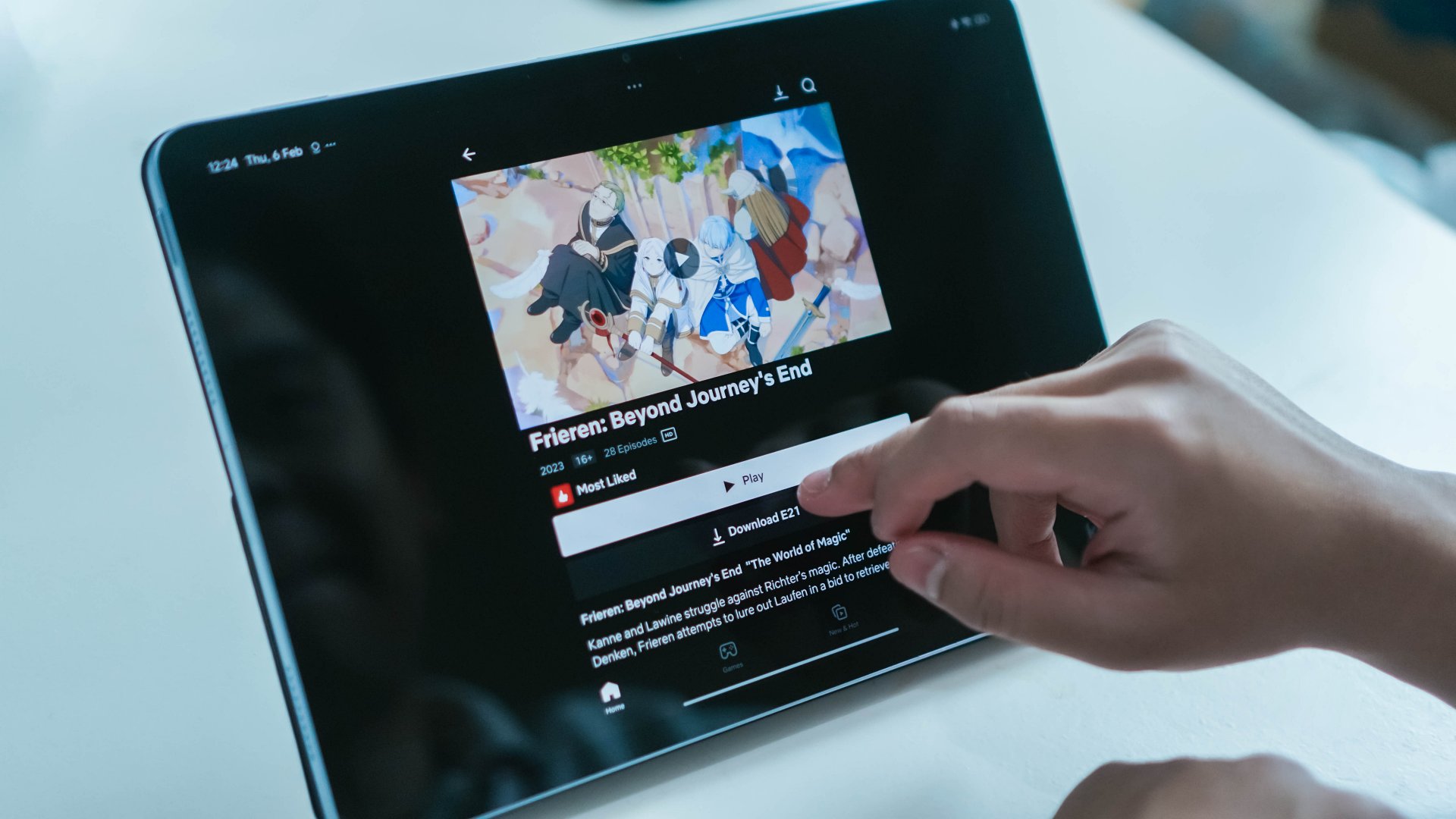
In exchange for convenience, subscription services and digital storefronts have made it all too comfortable to not own media. With a rental service like Netflix, that’s all expected, but we’re now at the inevitable stage when even bought games and movies are at the behest of our corporate overlords.
This is where the fury comes from. Companies are getting more brazen about taking more options from us. Between this and the increasing prices of RAM, it’s getting harder and harder to live as a tech-savvy citizen in today’s age.
Computers
Samsung’s SECRET That Made OLED Even Better
Say hello to the new QD-OLED Penta Tandem display tech by the Korean giant


Samsung Display just unveiled QD-OLED Penta Tandem technology. This is a next-generation display structure that stacks five emission layers to improve brightness, efficiency, and overall OLED performance.
In this video, we simplify what Penta Tandem actually is, how it works, and show you two monitors that already have the technology — specifically from MSI and Dell.
For more details, check out Samsung Display here.

With a huge change in naming scheme, Apple promises a big leap ahead.
The all-new Liquid Glass design isn’t just breath of fresh air — it’s a bold redesign ever since the iOS 7 came out.
It’s not limited just to the iPhone. It’s coming to the iPad, Mac, and even the Apple Watch!
And with latest Public Beta now available across all devices, now is the perfect time to try ’em out.
Here are our favorite features, design updates, and hidden gems in Apple’s latest OS 26 series of software updates.
Namely iOS 26, iPadOS 26, watchOS 26, visionOS 26, and macOS Tahoe.

realme C100: Enduring and durable in spite of entry-level realities
Enough power but needs more agility


The ASUS ExpertBook Ultra wins you over
The laptop sneaks up on you


Nexal Watch Sport review: A rugged watch for small budgets
I couldn't believe that watches this good could come for this cheap.

Mercedes-Benz celebrates 140th anniversary at the Presidential Car Museum

Street Fighter 6’s first Filipina fighter arrives August 3

Samsung releases teaser with Spider-Man: Brand New Day Easter eggs

iOS 27 public beta gives us our first taste of Siri AI

The case for traveling without a plan

New York becomes first state to ban smart glasses

vivo X300 Ultra review: A “Whole Different Animal”

DJI Osmo Pocket 4P launches with dual lenses and a 1-inch sensor

Lenovo says RAM prices are not coming back down again

realme P4 Power: realme’s midrange power play?


-
 News1 week ago
New York becomes first state to ban smart glasses
-

 Singapore1 week ago
Sony launches IER-M500 in-ear monitors
-

 Gaming1 week ago
Microsoft dictates that a new Fallout game is coming
-

 Computers1 week ago
GIGABYTE releases new AORUS RTX 5080 INFINITY graphics cards
-

 Gaming1 week ago
HoYo FEST 2026 details announced; tickets on sale from July 16
-

 Gaming1 week ago
Assassin’s Creed Black Flag Resynced available worldwide now
-
Reviews1 week ago
realme C100: Enduring and durable in spite of entry-level realities
-

 Automotive2 weeks ago
The Kia Carnival Hybrid is a gentle giant