
Enterprise
Mislatel confirmed as Philippines’ new telco
In partnership with China Telecom


After the long wait, the Philippines finally has a new major telco: Mislatel. After the controversial bidding process, the country’s National Telecommunications Commission finally confirmed the telco. All the appeals against Mislatel’s selection have been dismissed, which paved way for the much-awaited confirmation.
Mislatel, which stands for the Mindanao Islamic Telephone, is a consortium by Udenna Corporation, Chelsea Logistics Holdings Corp. and China Telecommunications Corporation. Officially, Mislatel is now Philippines’ New Major Player.
Based on the consortium’s proposal, Mislatel will spend PhP 258 billion for five years to build a telco network that’ll cover 84 percent of the Philippines’ population. They’ll be offering a minimum average internet speed of 27Mbps on their first year, and they’ll bump that to 55Mbps in the succeeding years.
The country’s New Major Player now has 90 days to submit the remaining requirements including their rollout plan.
Department of Information and Communications Technology Acting Secretary Eliseo M. Rio Jr. urged Mislatel to tap existing small players such as Converge ICT Solution and even those of disqualified bidders Philippine Telegraph and Telephone Corp. (PT&T) and Sear Consortium to help them meet their promise.
Source: DICT


Enterprise
New US-China ban might affect 75% of phones, laptops
Companies can no longer use Chinese labs to test their products.

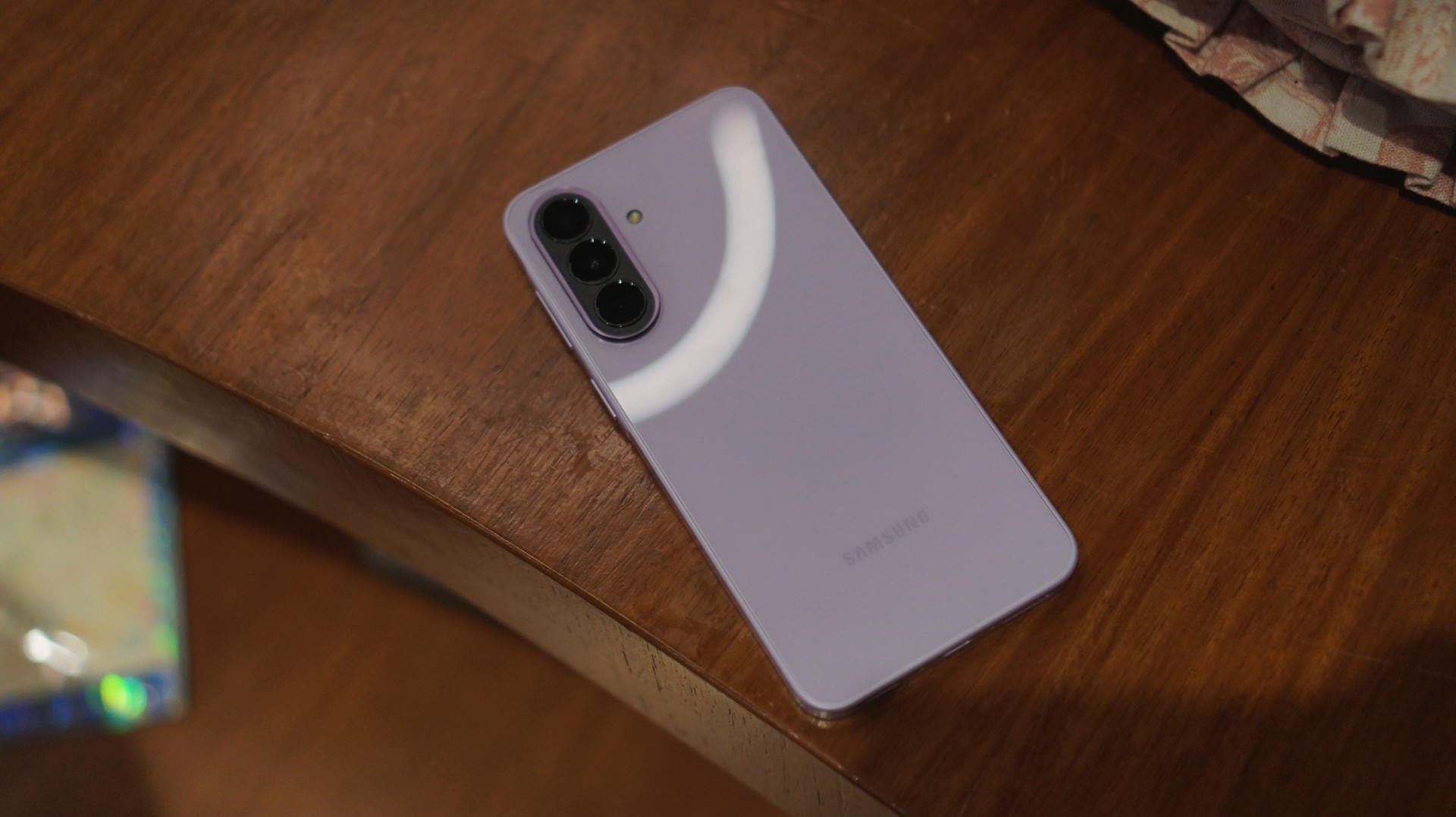
The United States is continuing its crusade against Chinese technology today. However, the target now isn’t a company from China but a method important to a lot of non-Chinese brands.
Today, via Reuters, the Federal Communications Commission (or FCC) has unanimously voted to prohibit companies from using Chinese labs to test their electronic devices if they are to be sold for use in the United States. Naturally, this includes smartphones and computers.
Notably, the prohibition doesn’t directly target Chinese brands. However, it will still affect a huge swath of the industry. The FCC estimates that around 75 percent of the entire market are devices tested in labs based in China.
This means that companies who wish to sell future products in the country must move their testing to labs in the United States or other countries that it deems secure. At its current iteration, the prohibition will not affect devices that already earned their certification prior. However, it might prevent them from getting recertified once their current one expires.
Now, the prohibition isn’t an absolute lock just yet. The FCC will allow the industry to submit comments about the proposal. But, with a unanimous vote from the FCC, companies might have to start looking for alternative testing sites if they want to stay operation in the United States.
Enterprise
OnePlus has reportedly merged with realme
Both brands were previously rumored for restructuring early this year.
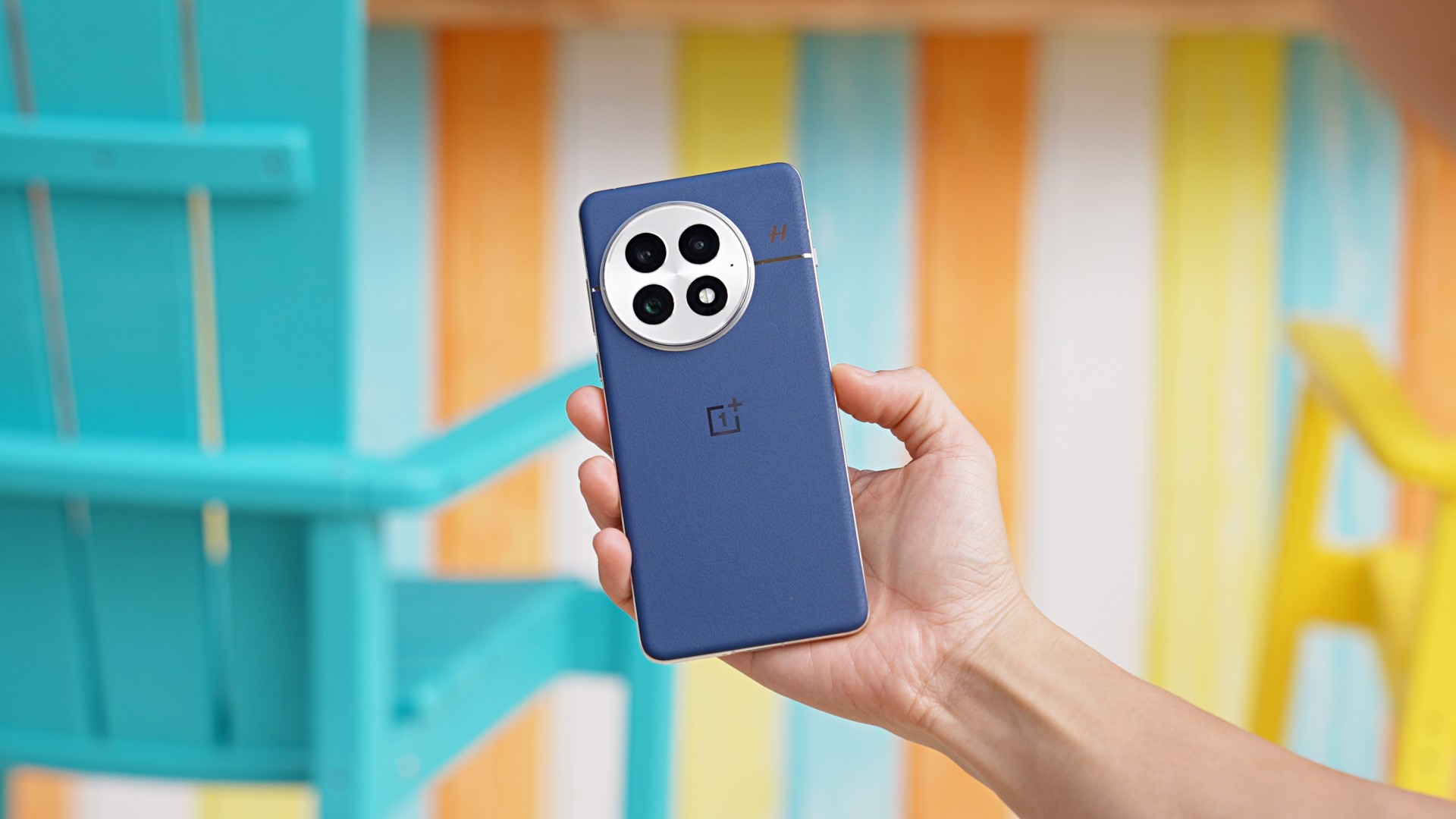
OnePlus has a problem. For a while now, rumors have swirled about the company’s dissolution. For their part, the company has continued to deny the reports, citing business as usual. Likely to their dismay, the reports just keep coming. Today, sources have hinted that OnePlus has merged with realme.
Back in January, it was rumored that OnePlus would be closing up shop this year. Since the company very quickly denied the rumors, the report hardly made waves. However, a suspected merger with realme is more difficult to debunk.
For one, realme is itself in a very interesting position. Also back in January, realme was reportedly moving back into being a sub-brand of OPPO. Coupled together with the OnePlus debacle, all this internal restructuring seems par for the course.
According to Digital Chat Station on Weibo, OnePlus and realme have already concluded the merger. The two brands have reportedly united their Chinese and international operations under one roof. Likewise, their marketing will be the same. Pete Lau will still be the main head for this new division.
As with anything of this nature, take this with a grain of salt. OPPO, OnePlus, and realme have not issued any official statements concerning a merger or a shutdown for any brand.
SEE ALSO: realme is reportedly going back to being an OPPO sub-brand
Enterprise
AGIBOT is turning robots into companions for our everyday routines
The era of robots performing cool tricks is over!

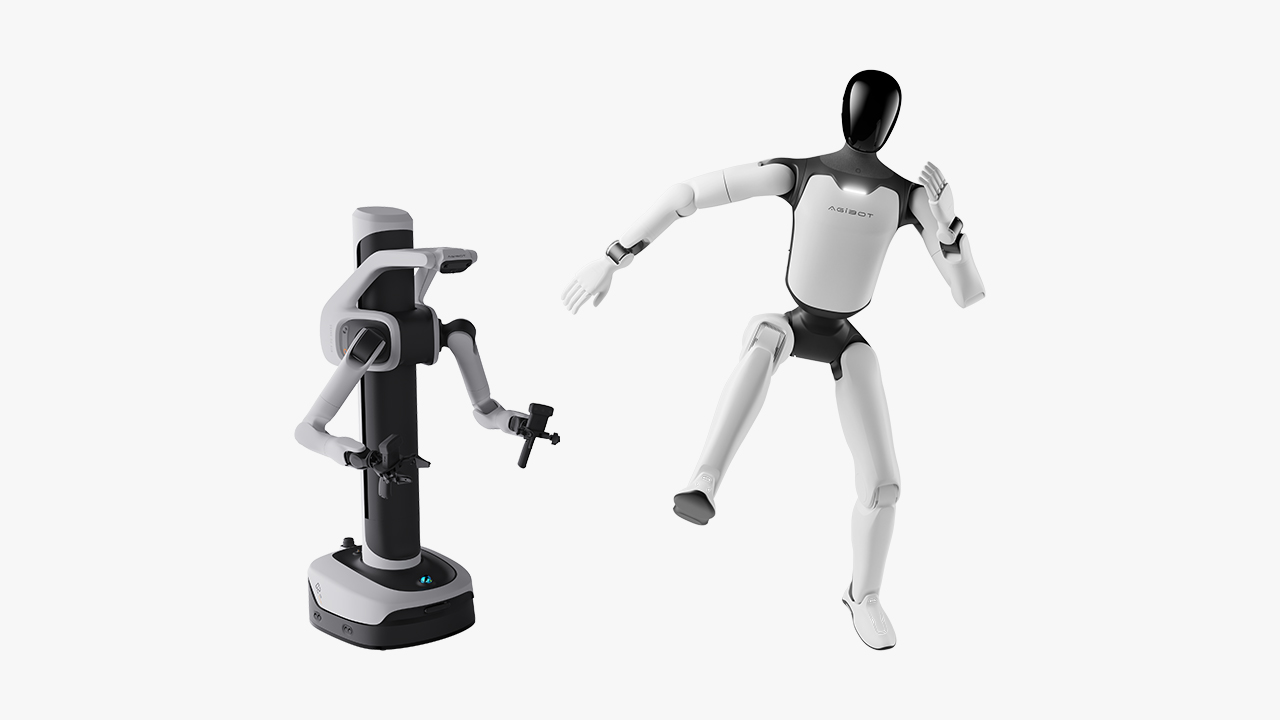
The era of robots performing “cool tricks” is over.
At its 2026 Partner Conference, AGIBOT moved embodied AI out of the lab and into the real world.
y using a “One Robotic Body, Three Intelligences” architecture, the company launched five new robot platforms and eight AI models to make physical AI a normal part of how we live and work.
Engineering for human environments
AGIBOT believes that for a robot to be a good partner, it first needs a body you can actually rely on.
Take the AGIBOT A3, for example. This 173 cm tall humanoid weighs 55 kg, about the same as a teenager. It uses a magnesium and titanium build to stay strong yet light.
It moves smoothly for 10 hours straight, and if the battery runs low, you can swap it out in just 10 seconds to keep the momentum of your day going.
In the workplace, the AGIBOT G2 Air acts as a single-arm helper that works right alongside people. It navigates narrow doorways and tight office spaces with ease.
This robot actually learns while it works; it records its environment and actions in real-time to help its AI get smarter every single day.
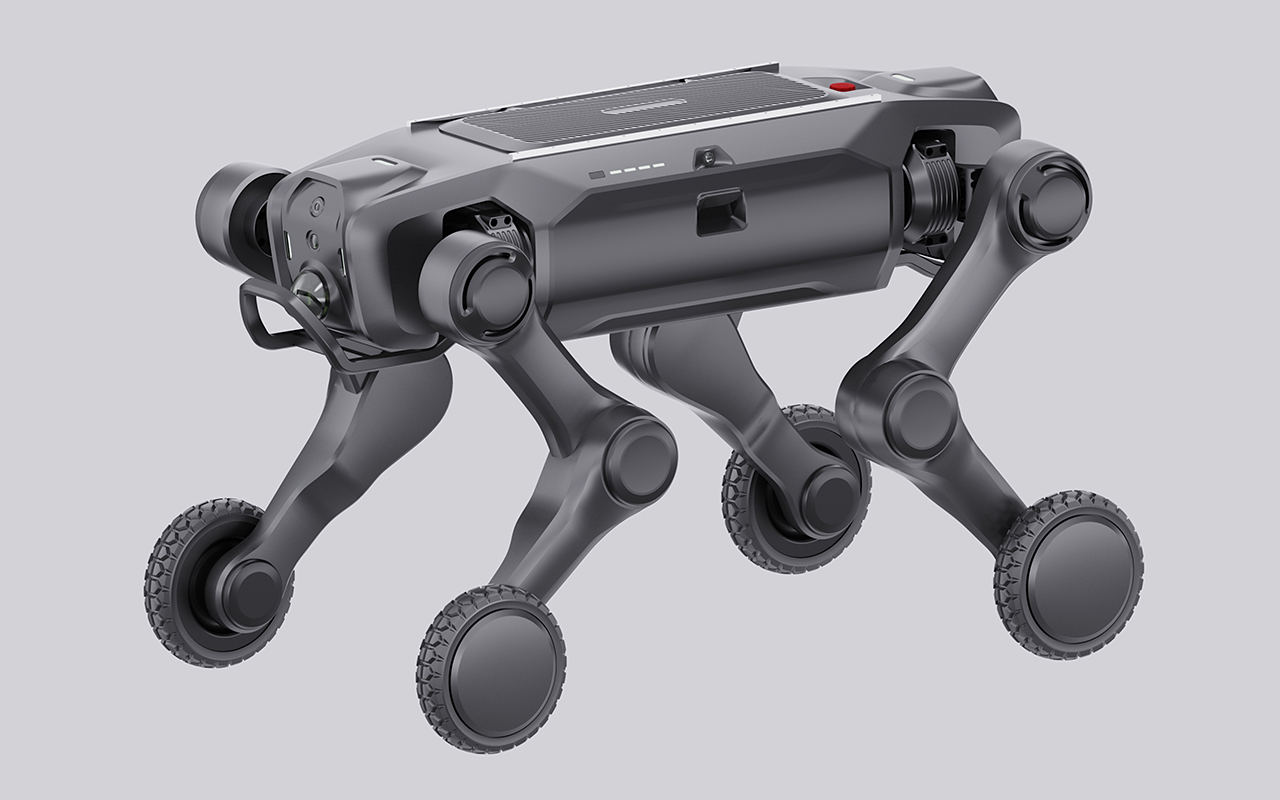
Then there is the D2 Max, the world’s first Level 3 autonomous four-legged robot. It isn’t a toy you control with a remote; it is a partner that explores tough terrain and handles security patrols entirely on its own.
Finally, the OmniHand 3 series brings a human-like touch to these machines. The flagship Ultra-T model mimics almost any hand movement, while the OmniPicker 3 and OmniHand 3 Lite handle the heavy-duty, high-impact jobs that require extra muscle.

8 models driving autonomy
The “brain” of these machines is a closed-loop system that helps them move, think, and talk.
To master movement, the Behavioral Foundation Model (BFM) allows a robot to copy human actions just by watching a short video.
Another model, the GCFM, lets the robot react to your voice or actions in real-time, which makes its movements feel natural instead of stiff.
To tackle complex tasks, AGIBOT uses a massive dataset called AGIBOT WORLD 2026, a library of real-life situations from homes and factories.
This library helps robots plan out long lists of chores without getting confused. They even use a “digital twin” system called Genie Sim 3.0, where robots practice new skills in a virtual world before trying them in the real one.
On top of that, the WITA Omni model helps the robot understand your feelings, allowing it to talk and move like it’s having a true conversation
Scalable deployment
The robots are becoming a part of our daily lives. By using the MEgo system to collect data easily, AGIBOT is making it simpler for these machines to learn how to help us in shops, warehouses, and our own homes.
As these robots start showing up in our lives, the technology feels less like a complicated machine and more like a companion that helps us grow.


Spring reset: Growing more at home with Auk Mini
From kitchen counter experiment to everyday habit

UGREEN MagFlow Air review: Airy Yet Mighty
Slim and light power bank with a strong suit and core

The Infinix GT 50 Pro has the most inspired design for a gaming phone
Liquid cooling that actually shows the liquid cooling.

Meta quietly launches Forum app for Facebook Groups

PlayStation increases the prices of PlayStation Plus

CASETiFY x Tamagotchi brings back nostalgia

GAC Aion UT brings big car energy to the compact segment

Samsung Vision AI TV Match: Which display fits you?

OPPO Find X9 Ultra lands in PH: Price, availability, pre-order perks

vivo Y Series launches in Singapore with bigger battery, durability upgrades

OPPO Find X9s now official in PH: Price, availability, pre-order info

Saros review: Returnal’s difficulty is back and better than ever

HONOR 600 Pro review


-
 Reviews1 week ago
HONOR 600 Pro review
-
 Singapore1 week ago
Sony Xperia 1 VIII arrives with AI Camera Assistant, bigger telephoto sensor
-

 Reviews2 weeks ago
vivo X300 FE review: Don’t judge the camera by its cutout
-
 News1 week ago
HONOR Magic8 Pro gets Android 17 Beta 3 support early
-

 Gaming2 weeks ago
SEGA/ATLUS, animate launch year-long collaboration featuring popular IPs
-

 Convenient Smart Home2 weeks ago
Spotlight: The Tech Behind Every Screen You Use
-

 News7 days ago
Xiaomi is making it easier for customers in the PH to shop
-
 Buyer's Guide1 week ago
2026 MacBook Neo vs Air vs Pro: Buyer’s Guide