
Features
Get the most out of your twenties by investing in a mesh router
Home is where the Wi-Fi connects automatically

So many things in our twenties depend on being connected; whether that’s getting work done, catching up with friends and family, planning our next trip, or even me time.
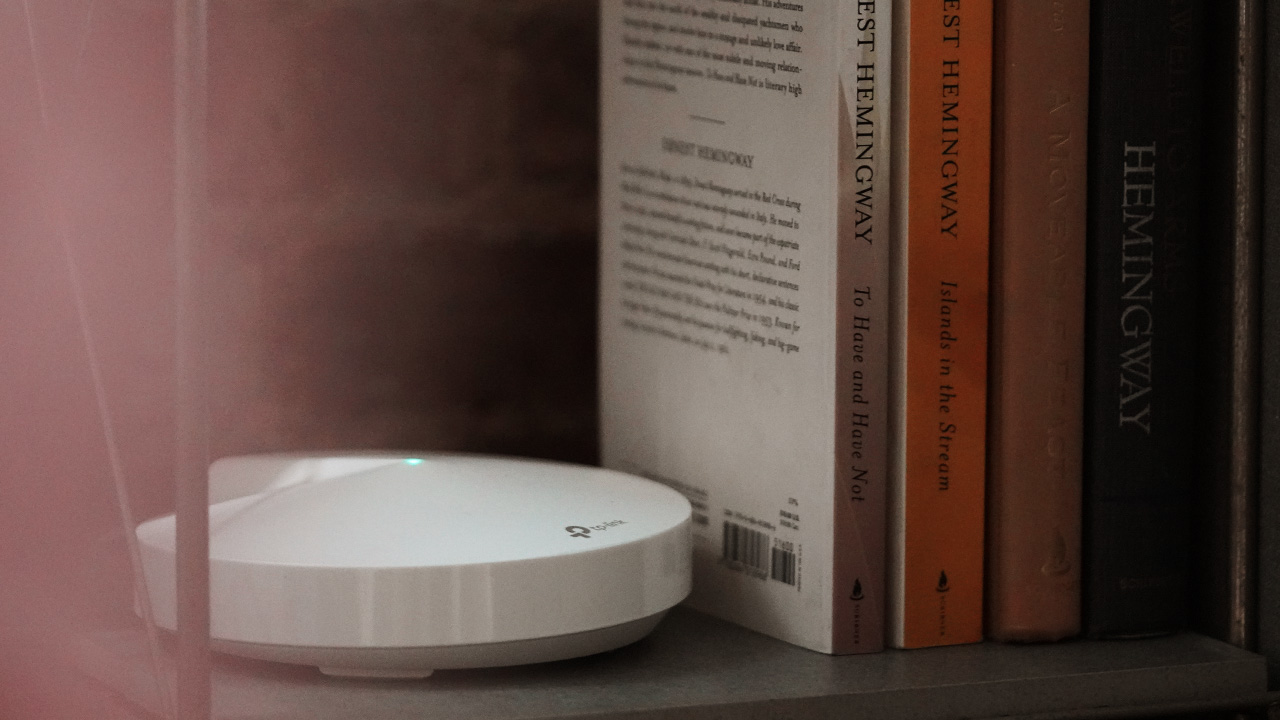
Imagine being able to do everything you want to do wherever you are in your apartment — from the bedroom, to the toilet, to your couch without worrying about losing connectivity. A mesh Wi-Fi router like the TP-Link Deco M9 Plus allows you to do that and more. Here are some reasons why it’s the best gift you can give yourself during this pivotal decade in your life:
Maximize what you’re paying for
Getting the most out of every spending is almost always the only justification we have for buying something new. Can I wear this beautiful pair of heels without dying in pain after 20 minutes? Will it work with half of my wardrobe or is it practically disposable?
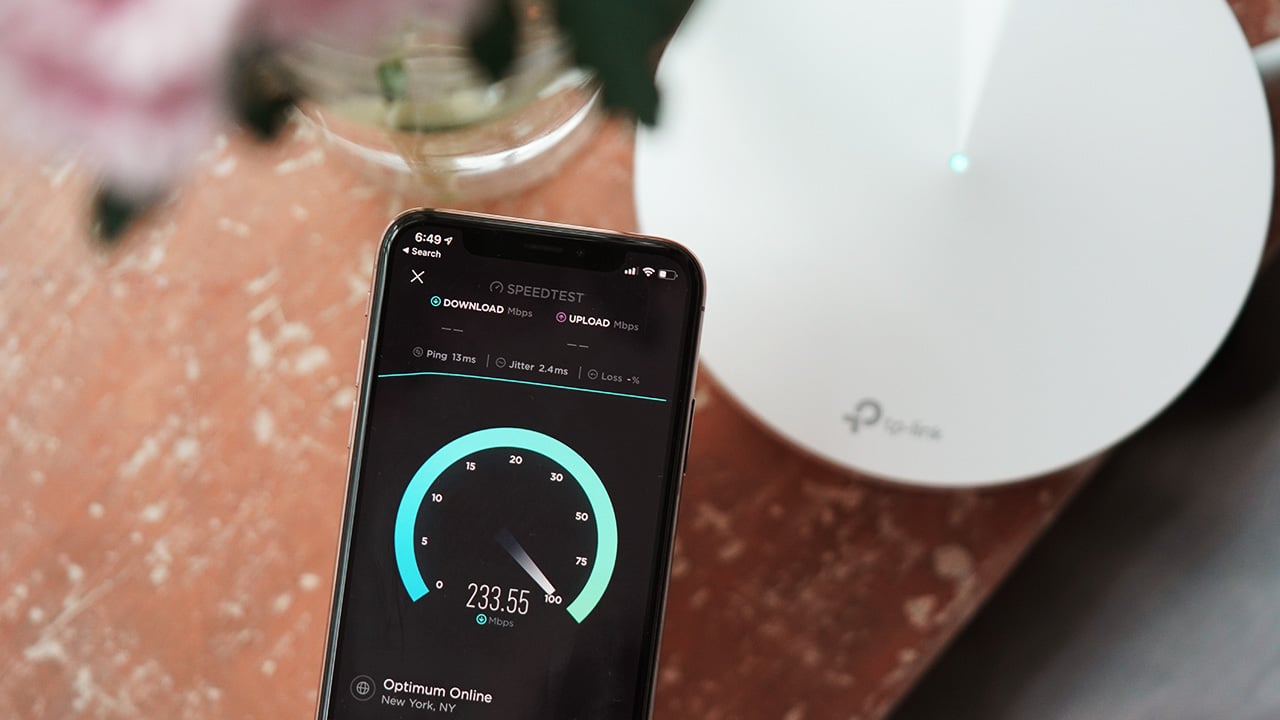
The same decision-making process applies to a Wi-Fi subscription or getting a router. More often than not, it doesn’t feel worth it because you don’t get the advertised speeds when you’re minding your own business from the toilet seat, or when you just want to binge-watch your favorite YouTubers without getting out of bed.
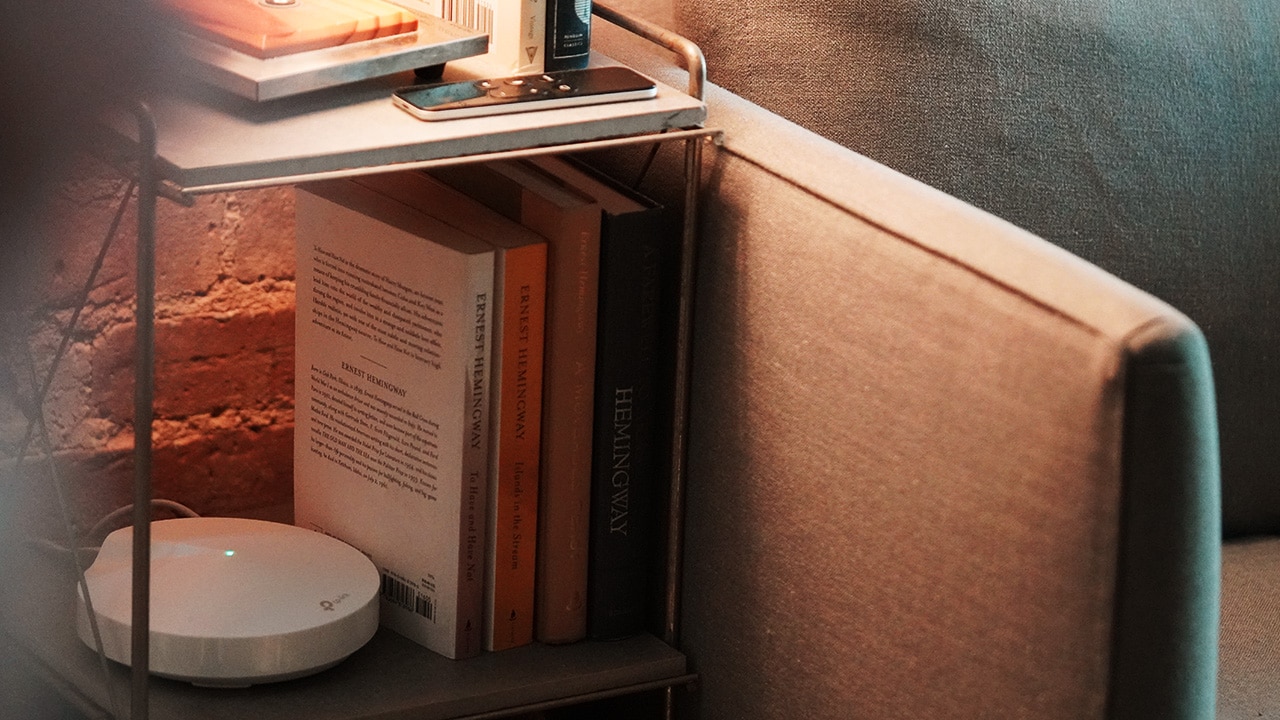
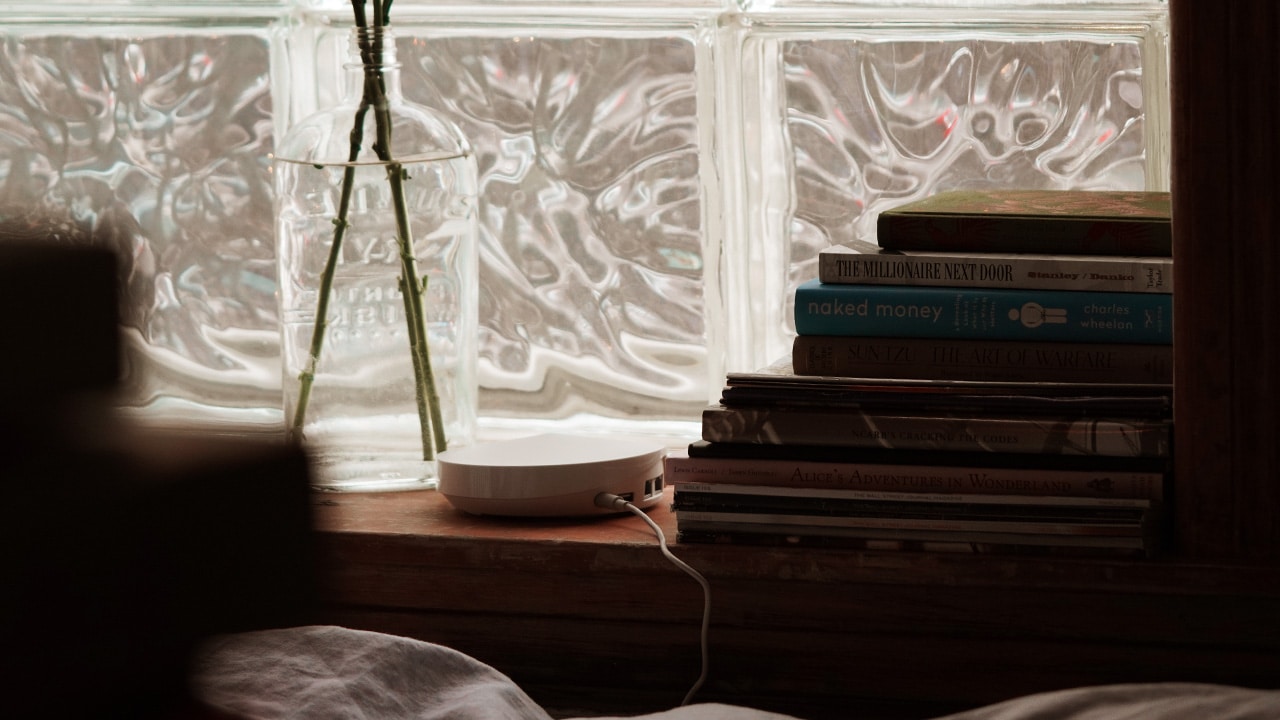
A mesh Wi-Fi router like the TP-Link Deco M9 Plus is an easy solution for those dead spots in the apartment. It comes with up to three Deco units, so they can be placed in key locations to get the best coverage. In rooms where you’re originally only getting zero to 58Mbps, it’ll dramatically improve to the speed you’re actually paying monthly for.
Setup doesn’t require the use of your last two braincells
Us twentysomethings are smarter than most people think — we can tinker with practically anything and learn things on the fly. But it doesn’t hurt to have a new piece of technology to work just as it should: to make our busy lives easier and more efficient.
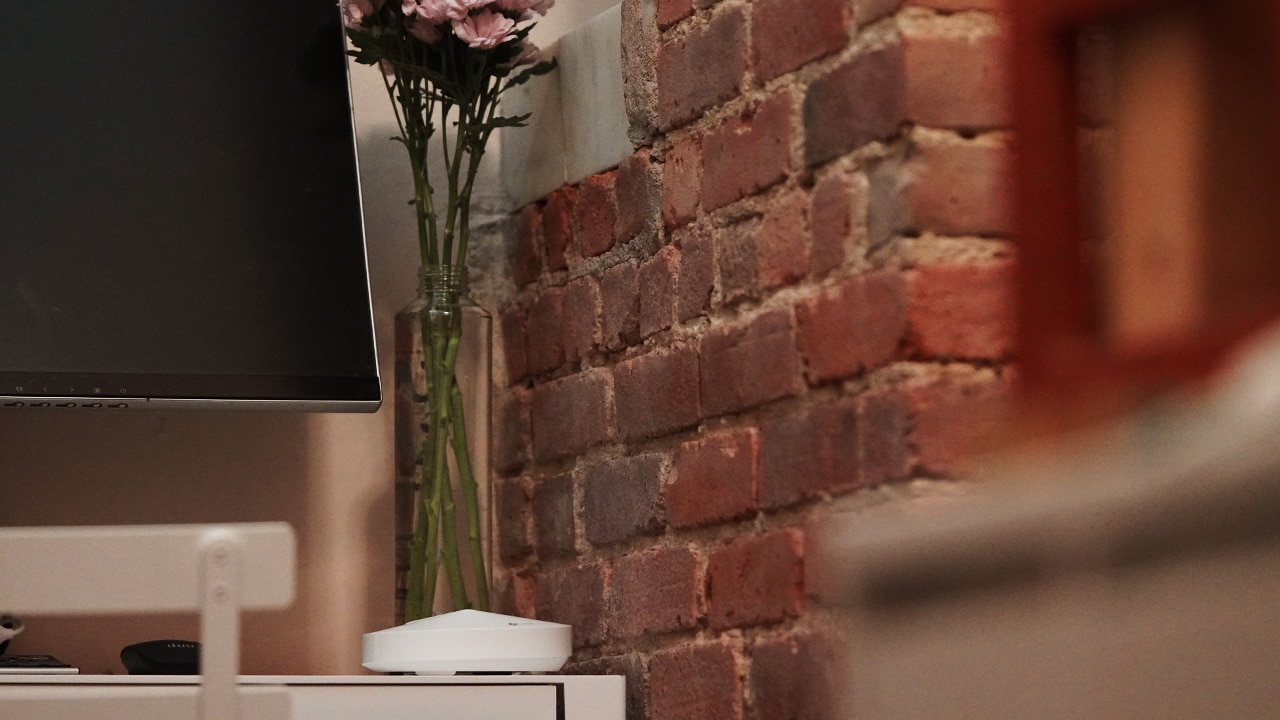
Setting up the TP-Link Deco M9 Plus doesn’t require much. Just plug the Deco units, download the app, and link them with a few taps. Next thing you know you’re wondering why you didn’t buy it sooner.
Netflix and actually chill
Whether you’re planning on binge watching the latest season of Black Mirror on your smart TV or downloading a movie or two on your phone to watch when you’re on the plane, you’ll no longer need to wait to do so.
We’ve all been there: you’re in the middle of the most nerve-wracking or heart-warming scene and the TV suddenly freezes. With the right mesh router, buffering will be a thing of the past.
It’s future-proof
If you haven’t noticed by now, life doesn’t get easier. Cliché as it may sound, we only get stronger and more patient but more importantly, we also (have to) get smarter about our choices.
We may feel broke 90 percent of the time, but investing in smart appliances and devices is going to be inevitable. Imagine not having to google whether you can put your expensive dress into the dryer or turn off the lights when you’re already half asleep and can’t be bothered?
The Deco M9 Plus is one of the few mesh routers that offer smart home support. It can serve as a hub for smart appliances and devices you’ll eventually get for yourself and/or your future not-yet-existing family.
If dead spots are your only problem now, the band-aid cheaper solution is to get Wi-Fi extenders; but changes will happen, and we’ll all level up in life. We hopefully won’t live in the same tiny apartment our twentysomething jobs can afford.
When we do move to a better, more spacious home someday, making this purchase today will still make sense ten years down the line. Like deciding between faux leather and genuine leather, it’s not the cheapest option, but you’ll get more out of it in the long run than the more affordable options right now.
Want to read this in German? Visit MobileGeeks.de to see a translation.





Explainers
Everyone’s angry at PlayStation’s new no-disc policy, and this is why
It’s a tragedy for nostalgia, ownership, and preservation.

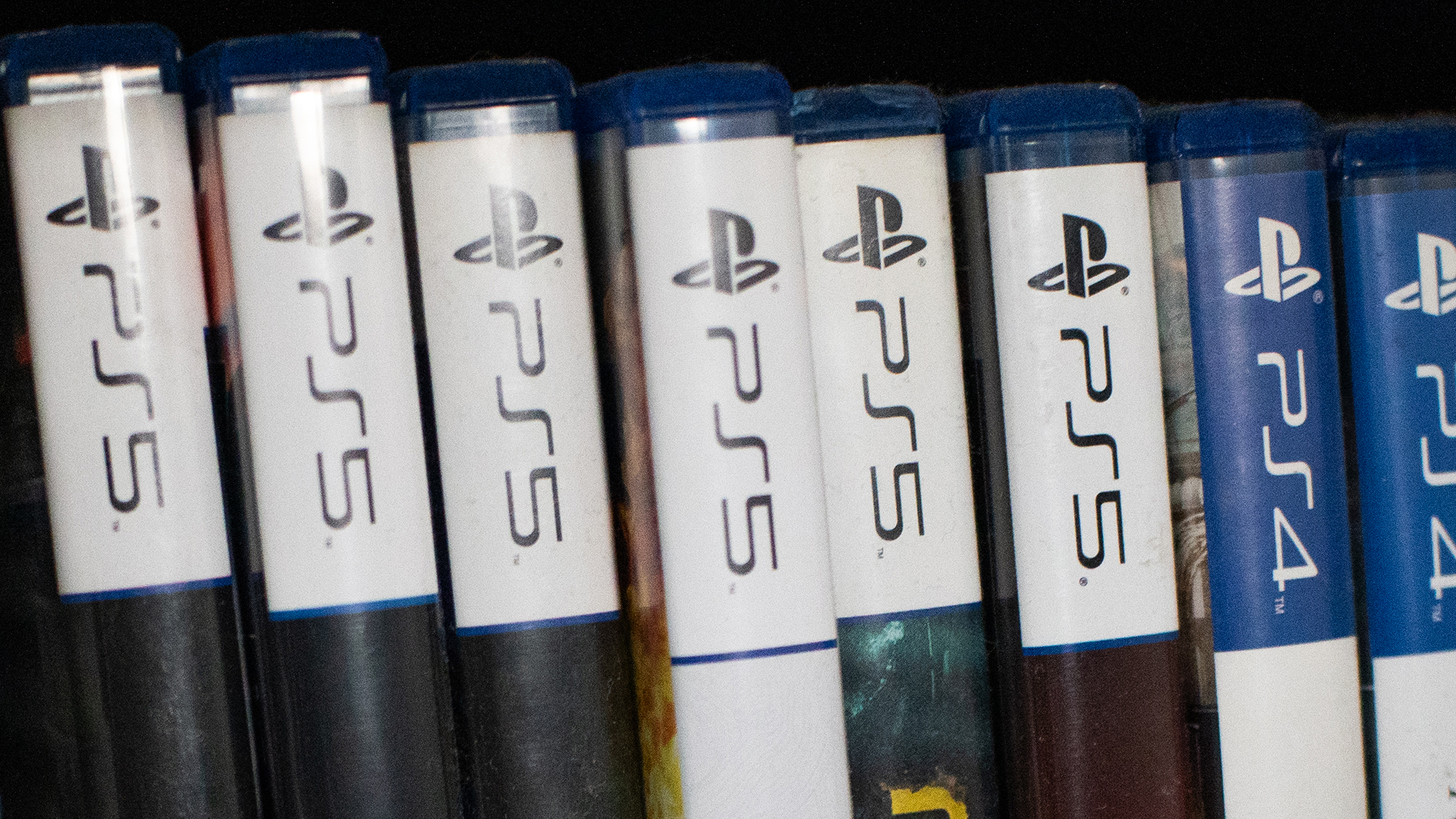
Check in with your gamer friends today. Today, a lot of gamers are up in arms over Sony’s decision to kill the physical game disc starting in 2028. But, if you’re a digital-only gamer or just not a gamer yourself, you might not understand the anger. If you want to understand the ire or just want to relate with your gamer friends, here’s a primer for you.
Ending the era of the physical media
Last year, Nintendo launched the Switch 2. Though the console still has a slot for physical cartridges, the Switch 2 also introduced the Virtual Game Card as a way to digitize your library of games.
Of course, the feature wasn’t positioned as a way to eliminate physical cartridges. In fact, Nintendo just wanted to add the flexibility of physical cartridges to the digital world. In the end, the feature strangely coincided with less cartridges. For example, Pokémon Pokopia, one of the most popular games this year, does not come with a cartridge even if you buy a “physical” copy in a brick-and-mortar store. It was a portent of things to come.
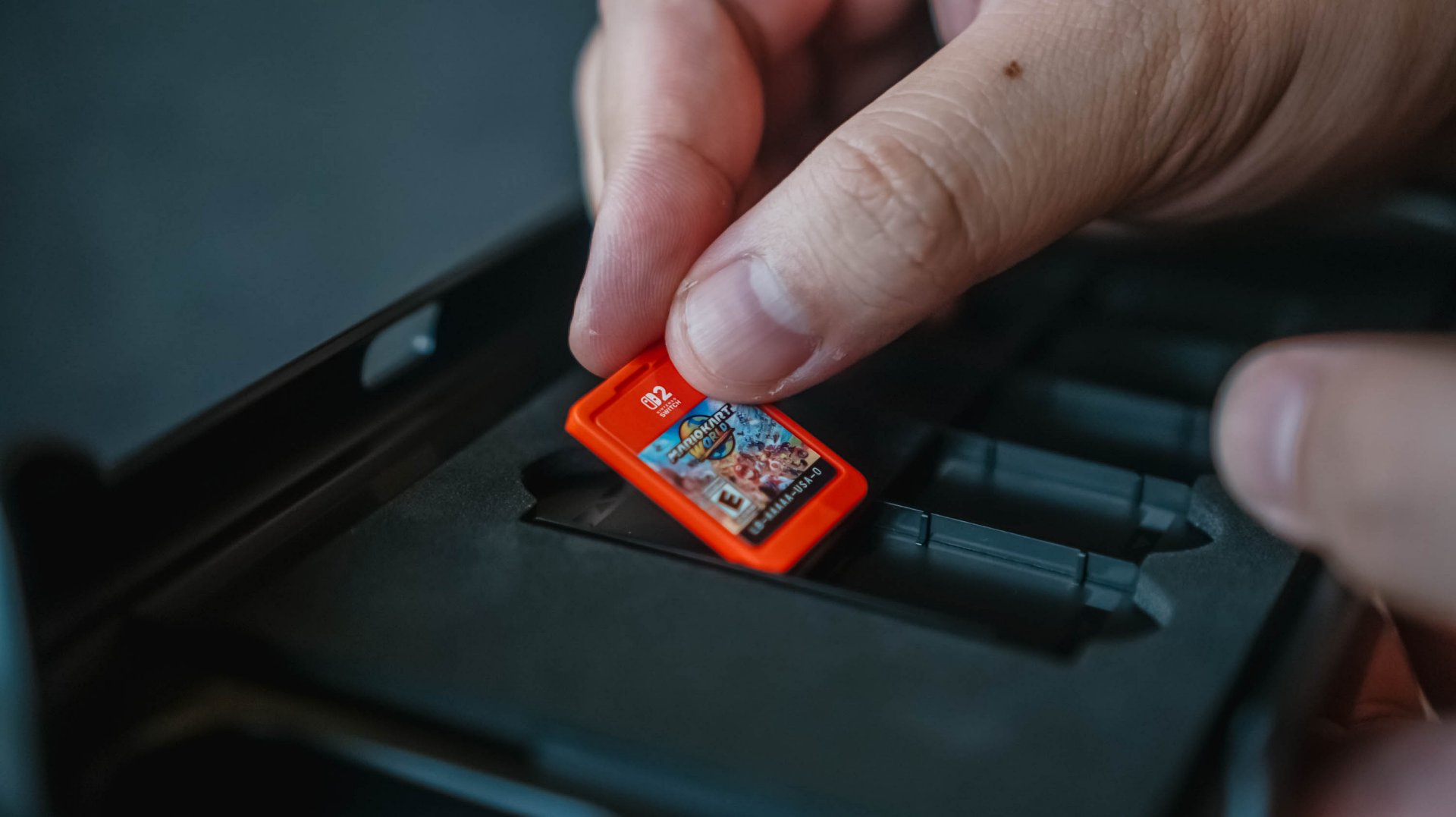
Fast forward to today, Sony has made the monumental decision to stop producing physical game discs starting in 2028. The PlayStation’s future is completely digital.
On a similar note, Microsoft is also experimenting with a disc-to-digital feature. Much like the Nintendo Virtual Game Card, the experiment will digitize libraries and attaches the digital copy to the physical game disc. It sounds awfully like a prelude to killing off the game disc.
Why this matters
The physical disc is synonymous with a simpler time. It represents a time when gamers camped out stores to anticipate midnight releases, when gamers can learn more about their games through an in-box manual, and when gamers can show off their fandom through a beautifully stocked shelf of games.
And yes, that’s part of why this situation sucks, but it’s not the only reason.
If you’re an outsider looking in, this nostalgia factor is the easiest to see. Then again, it’s also the most difficult to relate with, especially if you’ve never had the history of buying physical games.
The more crucial reason — and the one that most people will relate with — is media ownership. By not having a physical copy, you will no longer have ownership of what you bought digitally.
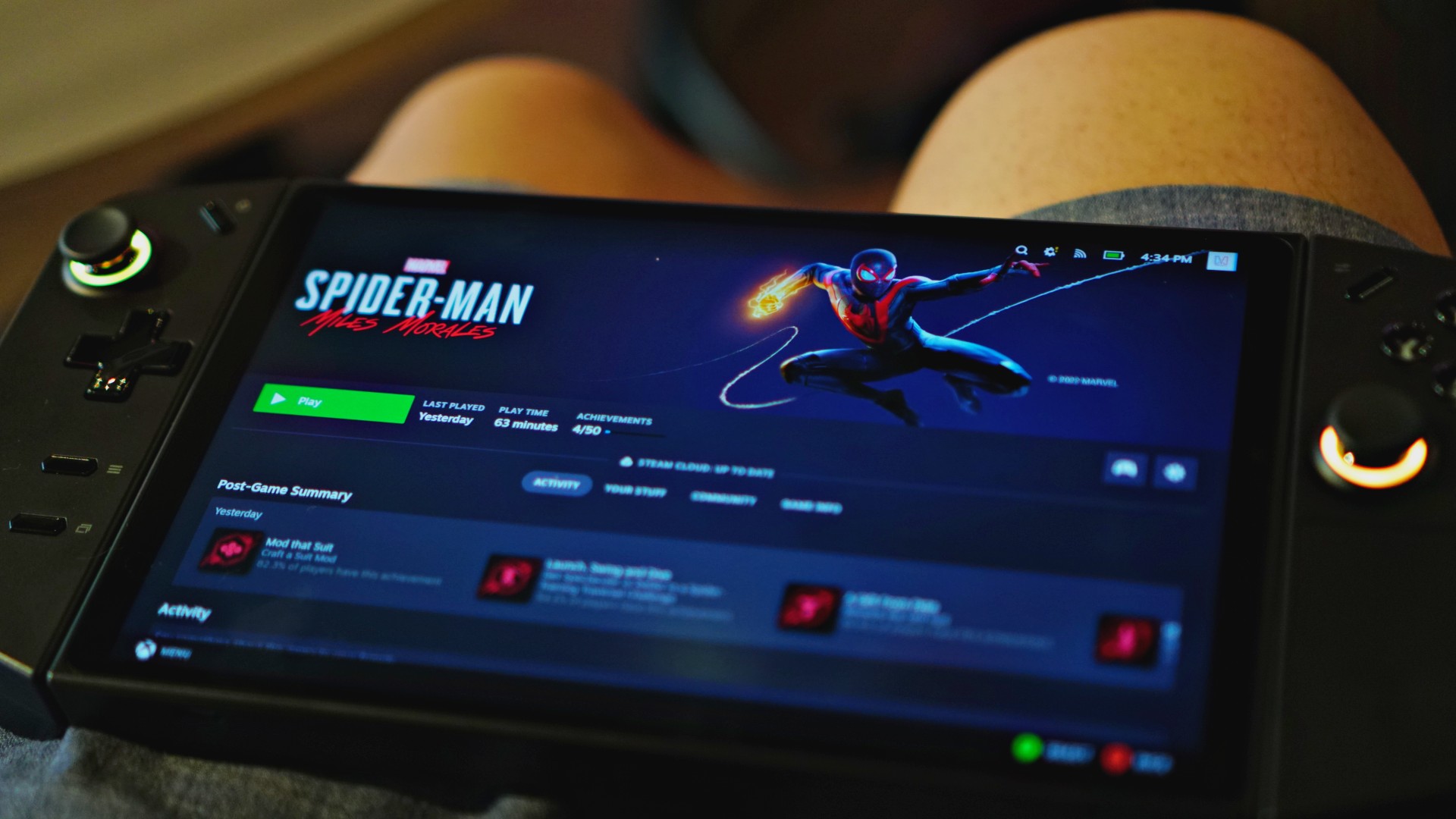
And it’s not an imaginary issue. In 2024, Steam amended its policies to reflect that players do not own the games they buy. Rather, they simply own a license to play the game.
In the same year, Ubisoft delisted The Crew, a sure sign that the new policy means business. Though Steam itself has a relatively good track record of prioritizing its customers, publishers and developers can get rid of games if they choose to.
That limitation doesn’t exist with a physical copy. As long as you have a working disc drive, you can install a game whenever you want, even if the publisher decides to pull it from stores.
Therein lies how much this is a touchy topic. Should you own digital goods in the same way as you own physical ones? If the answer is yes, then selling only the license for the good doesn’t make sense. But if it’s a no, we shouldn’t pay full price for something we don’t own anyway.
Will PlayStation actually delete games?
Now, just because they can, does it mean that they will?
Right now, it’s hard to say. You can certainly go by the optimistic hope that PlayStation would never do something as anti-consumer as that. And yes, there are times when you’d be right.
Plus, there is a good chance that governments, especially those in the European Union, will protect consumers if PlayStation even thinks about deleting a game that others have paid for. Governments have been known to intervene in the past, such as when the EU forced Apple to adopt USB-C as a standard. There are checks and balances available.

Then again, Sony has had recent history of deleting media from a user’s library.
Only a few days ago, PlayStation made headlines for deleting over 500 titles from their library. Starting September 1, users can no longer access movies distributed by Studio Canal, due to licensing agreements. Sony was unapologetic about unceremoniously deleting this content. No refunds, no apologies; just 500 movies, which you thought you bought, gone for good.
No matter how you angle it, Sony’s recent decisions just don’t bode well for media ownership.
You can argue that this is the price we’re paying for not buying enough physical games. Still, losing PlayStation discs, even as an option, is tragic for nostalgia, ownership, and preservation.
The world we live in
Unfortunately, this all comes with precedent. Unless you buy physical games and movies, we already don’t own anything in today’s world.
Outside games, Netflix and Disney+ remove the ownership of movies and shows from us. It’s already common practice for these platforms to remove titles regularly. Some platforms even give you a last chance to catch these titles before they go away. Moreover, they can even restrict access, like with Disney+, if you travel abroad.
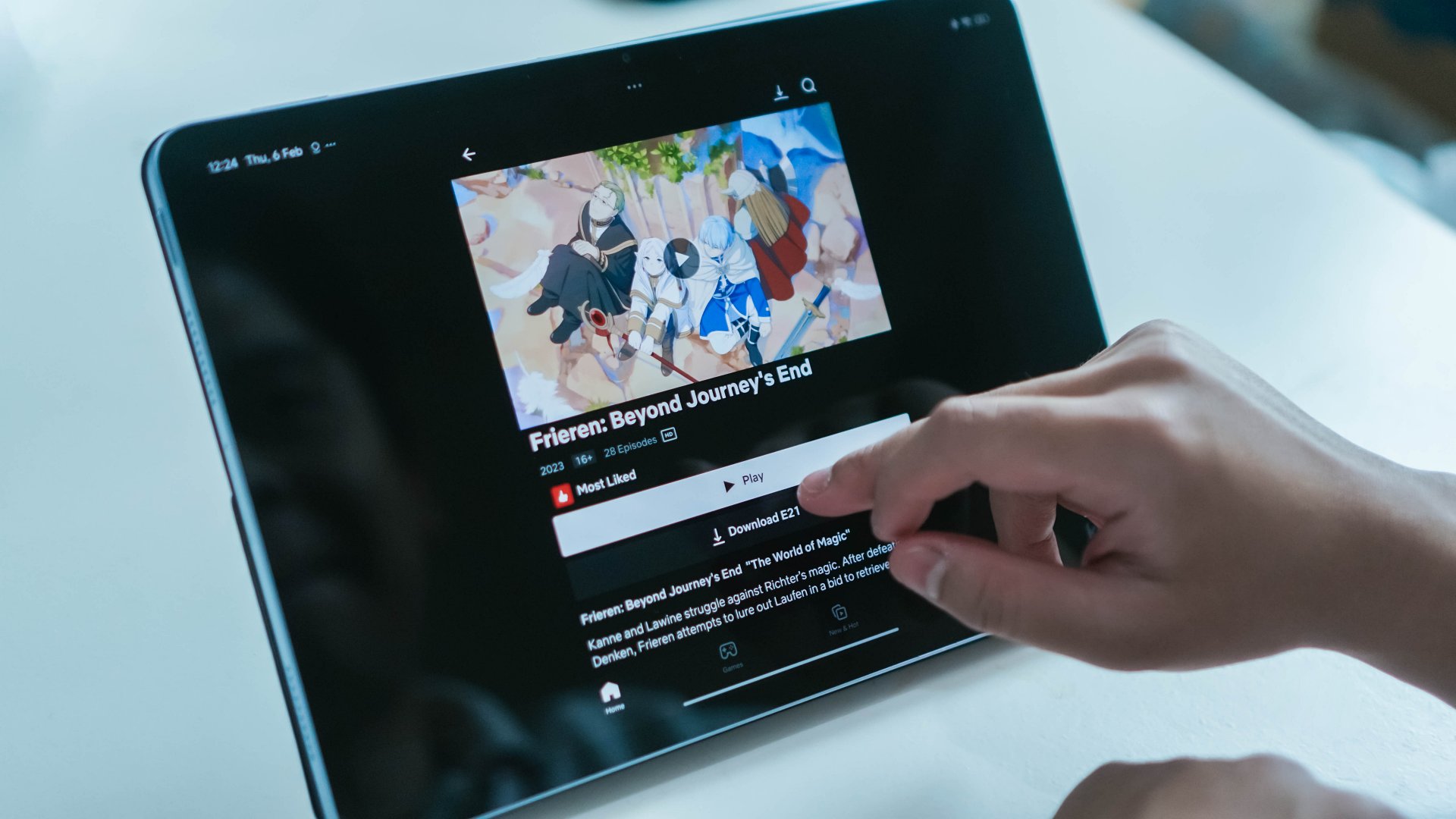
In exchange for convenience, subscription services and digital storefronts have made it all too comfortable to not own media. With a rental service like Netflix, that’s all expected, but we’re now at the inevitable stage when even bought games and movies are at the behest of our corporate overlords.
This is where the fury comes from. Companies are getting more brazen about taking more options from us. Between this and the increasing prices of RAM, it’s getting harder and harder to live as a tech-savvy citizen in today’s age.
Features
Why I stopped chasing grid-worthy and started eating peso-worthy food
Grab’s 5-Star Eats saved me, and I’ve been ordering smarter ever since

La Union has always held a complicated kind of real estate in my chest. I wrote about it early, before the bagnet boom and before I’m Drunk, I Love You made it a pilgrimage site for broken hearts.
The piece went viral and tourism spiked. I’ve quietly felt a little responsible for that ever since.
Three years ago, I went back to reconcile with someone who had broken mine. We rebuilt things the only way I know how: through food and sunsets, slowly and without any real plan.
It didn’t work out. He was gone two years later. And this year, I drove up again with my friends who’ve seen all fourteen years of me, specifically to replace those memories with better ones.
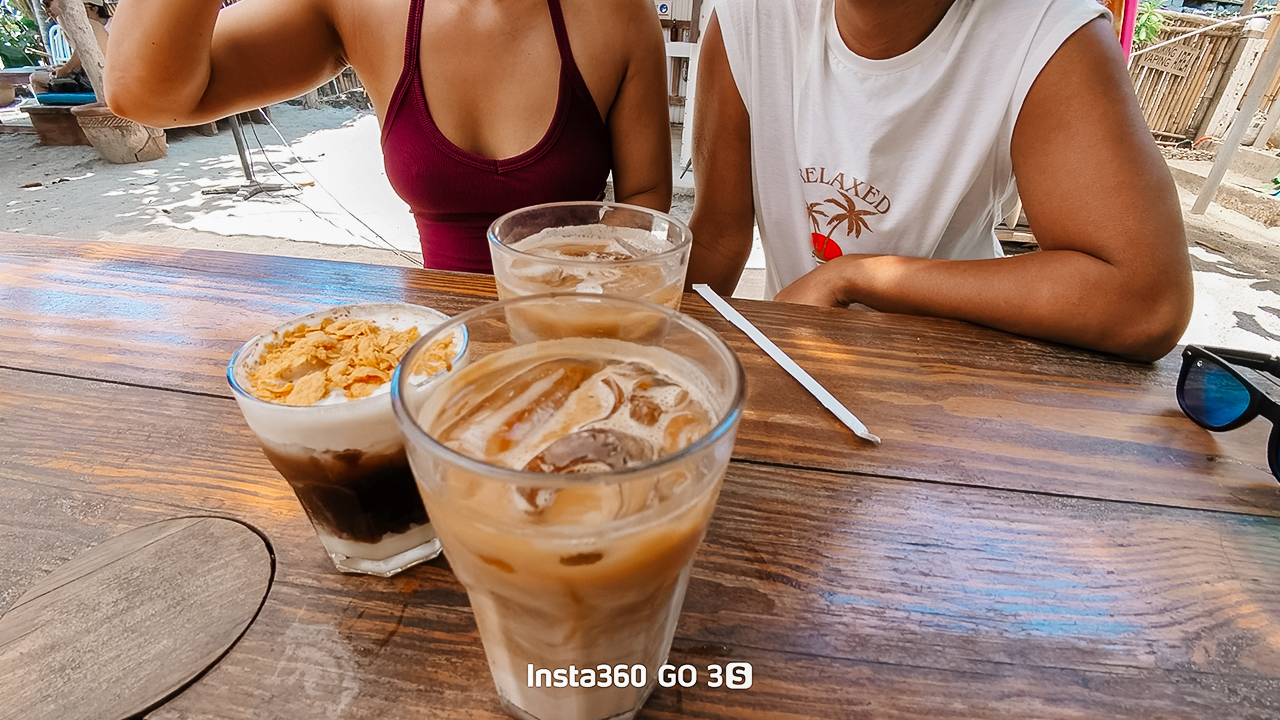
What I didn’t expect was to need saving from the food. The coffee I used to swear by tasted like warm brown water. A restaurant I’d always loved wouldn’t extend basic hospitality on a quiet, off-peak afternoon.
One of our watermelon shakes had a fly in it, and we genuinely spent a minute debating whether it was tapioca. Even my go-to dish from the place I’d been hyping for years landed completely flat, and I ate it quietly thinking I could cook better than this at home.
It stings when a place you loved starts coasting on its own legend.
When the ratings know better
Halfway through the trip, I gave up on memory and opened Grab. I let the star ratings decide where we’d eat, because I was tired of being let down by places I’d been vouching for.
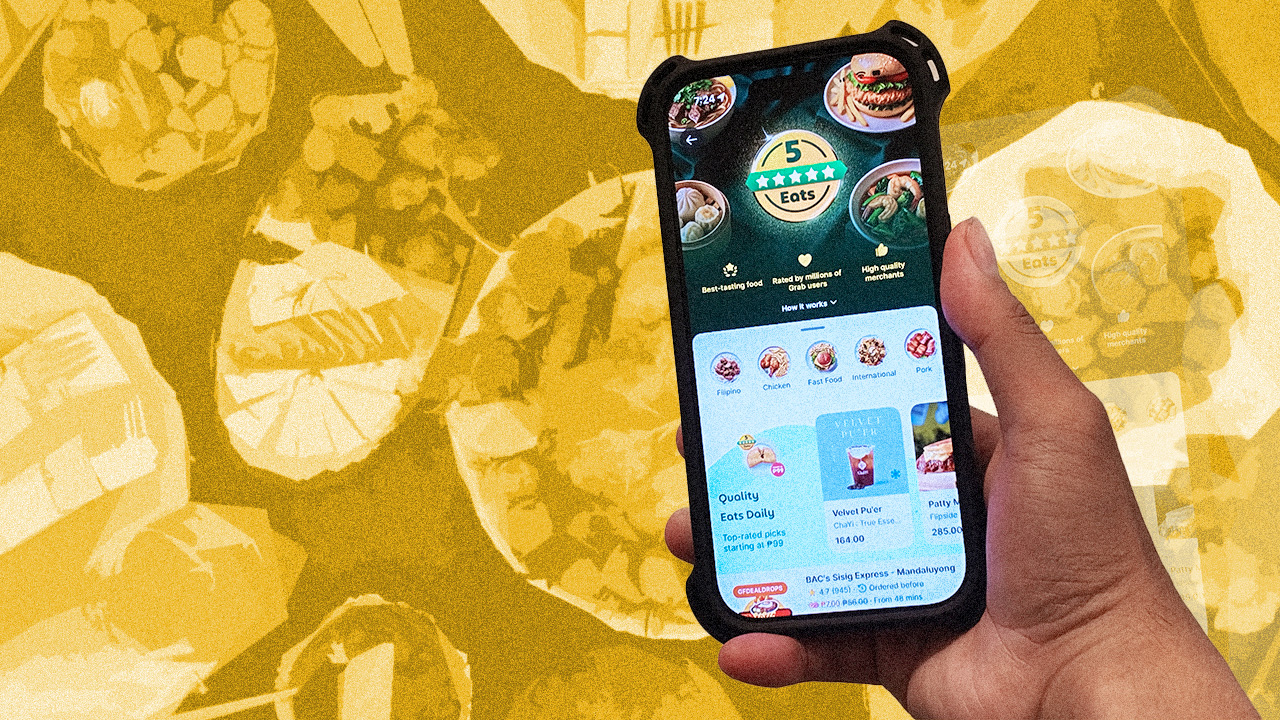
That’s how we found Grab’s 5-Star Eats, a curated list that runs on real diner reviews, not sponsored placement or algorithm luck. To make the list, a restaurant has to prove itself at volume — a handful of glowing testimonials won’t move the needle.
Service gets weighted too: prep time, order accuracy, whether what arrived actually matched what was ordered. And food quality is measured the most practical way possible, where what the photo promises, the plate has to deliver.
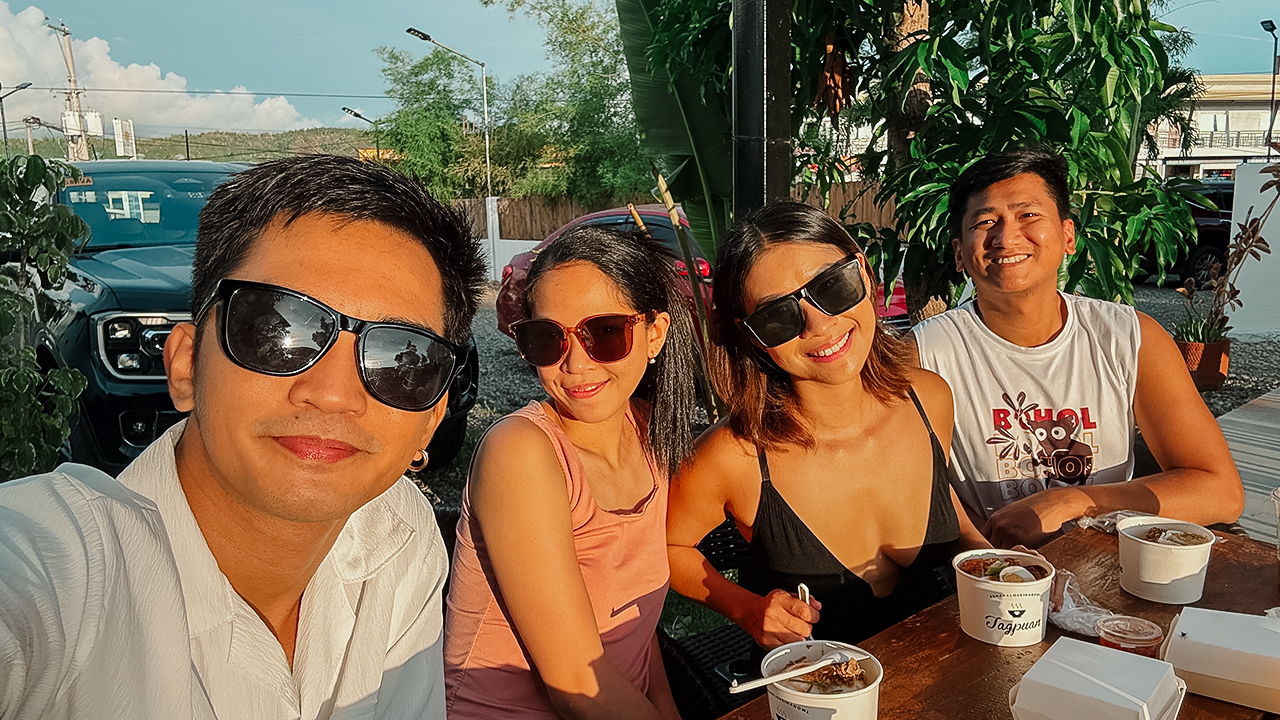
We dined in at one place and ordered delivery to our stay from another. None of them were photogenic, and they certainly weren’t the posh spots making rounds on TikTok and Instagram.
They looked like roadside canteens and family-run eateries, the kind you’d drive past on the way to the beach without a second glance. Every single one was excellent.
After the trip, I reached out to a former mentor who, like me, had spent enough summers in La Union to feel like it belonged to us a little. He said the best restaurants there have always been away from the beach and the hype, and away from the content.
The list I didn’t know I was already following
When I got home to Kapitolyo, I had a quiet revelation that I probably should’ve had a lot sooner. The neighborhood is a well-known food hub, and I’ve been ordering and dining out here on instinct.
When I pulled up the 5-Star Eats list after La Union, I realized that many of the places I already rotate through were already on it. I’d been eating well by accident, and the list had been validating my choices the whole time.
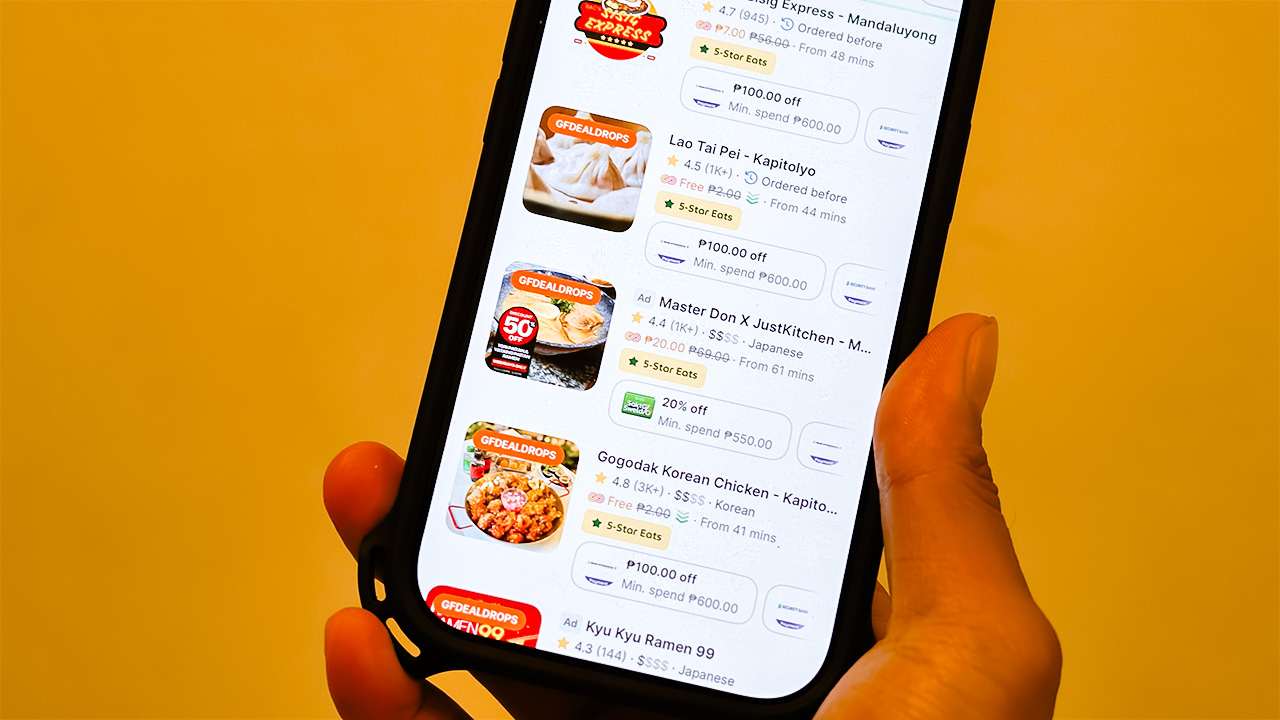
BAC’s Sisig Express, where I get my silog fix on mornings I can’t be bothered to cook, turns out to be one of the top-ranked spots on the local list.
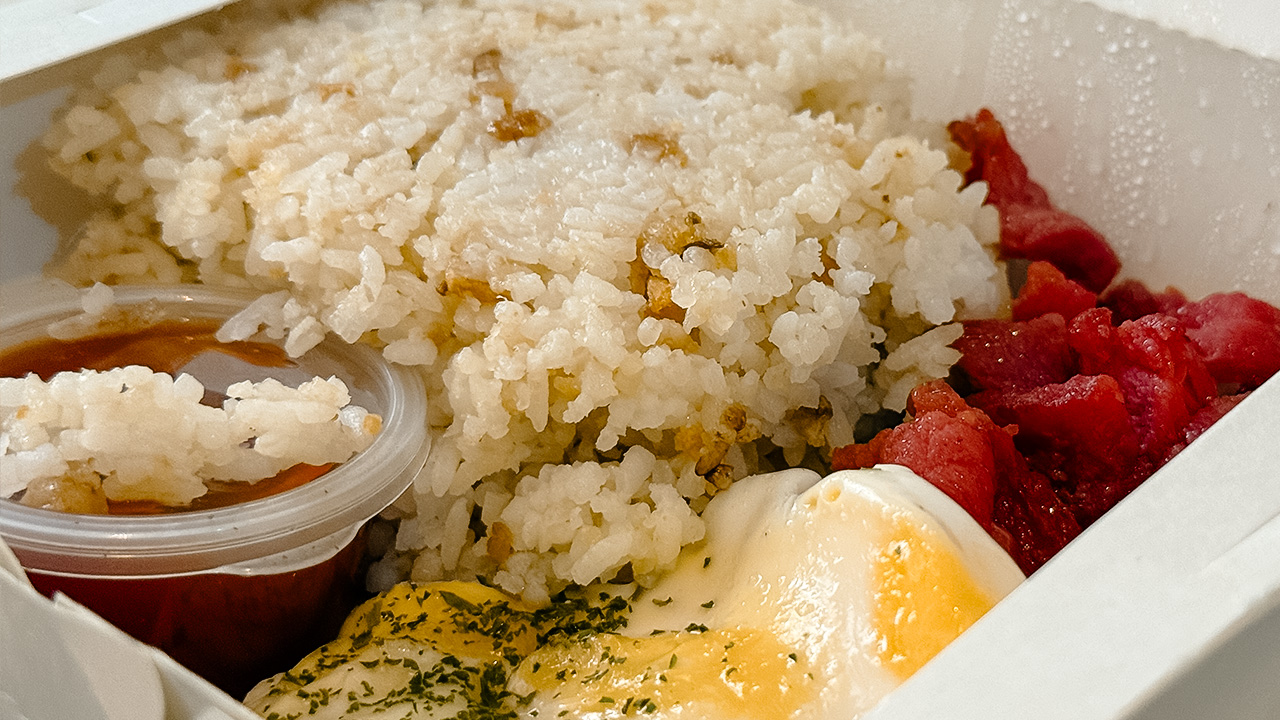
I found that out during the busiest week I’ve had this year, when a sudden shift at work sent everything sideways and I ordered the sisig, the Shanghai rolls, and the tocilog to get through the day. It delivered, as it always does.
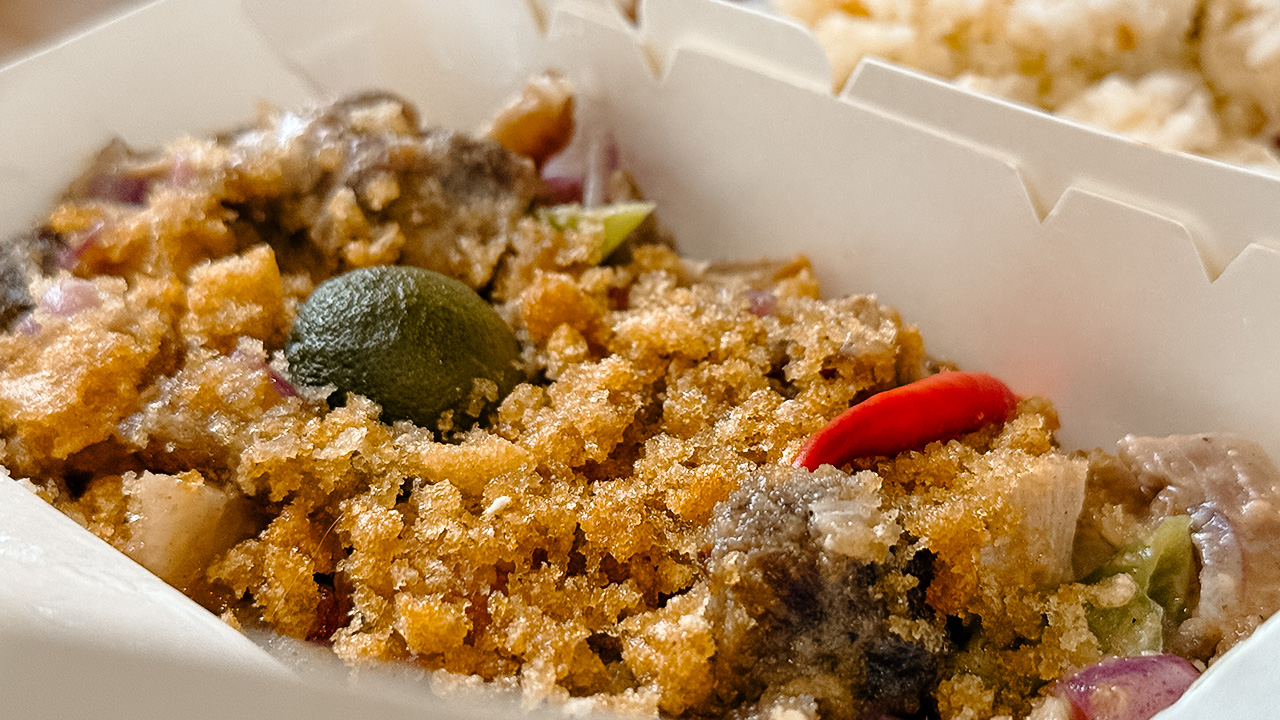
And Lao Tai Pei in Kapitolyo, my go-to for dinner dates with the people I actually want to spend time with, the place I’ve been half-gatekeeping because it feels too good to share — it’s on the list too. Ranked exactly where it deserves to be.
I wasn’t surprised. I was glad that more people would finally find their way there through something more reliable than a viral reel.
Peso-worthy over grid-worthy, every time
Here’s what I’ve come to understand about food content: it’s beautiful, and it’s largely useless.
Social media gave small restaurants a real shot at finding an audience, and that part is genuinely good. Somewhere along the way, though, people confused visibility for quality.
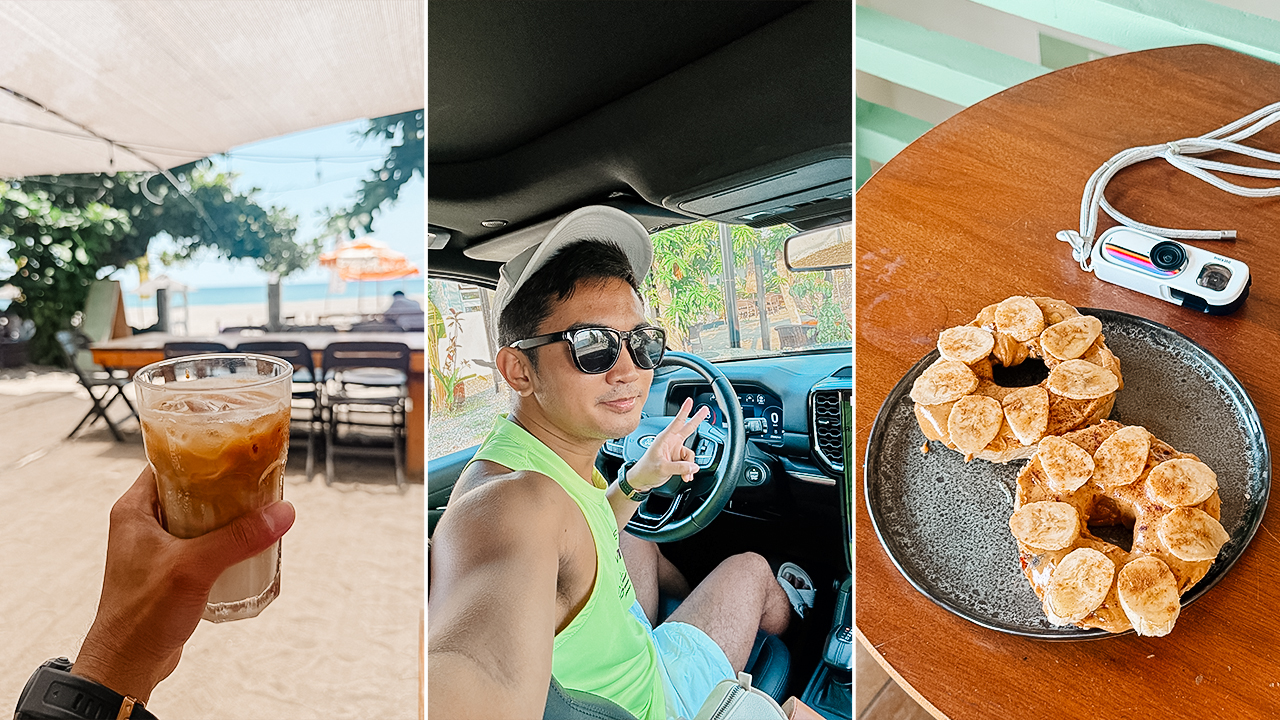
Now, every café has a grid, a vibe, and a color palette. You can’t actually tell what’s worth your money until you’re already sitting there, 300 pesos poorer, eating something that looks stunning in natural light and tastes like nothing.
I spent years chasing the aesthetic: the plating and the whole production of a well-styled meal. I still eat with my eyes, but I’ve gotten older, and I’ve learned that the experience has to match what I paid for. That’s not a small thing to ask for.
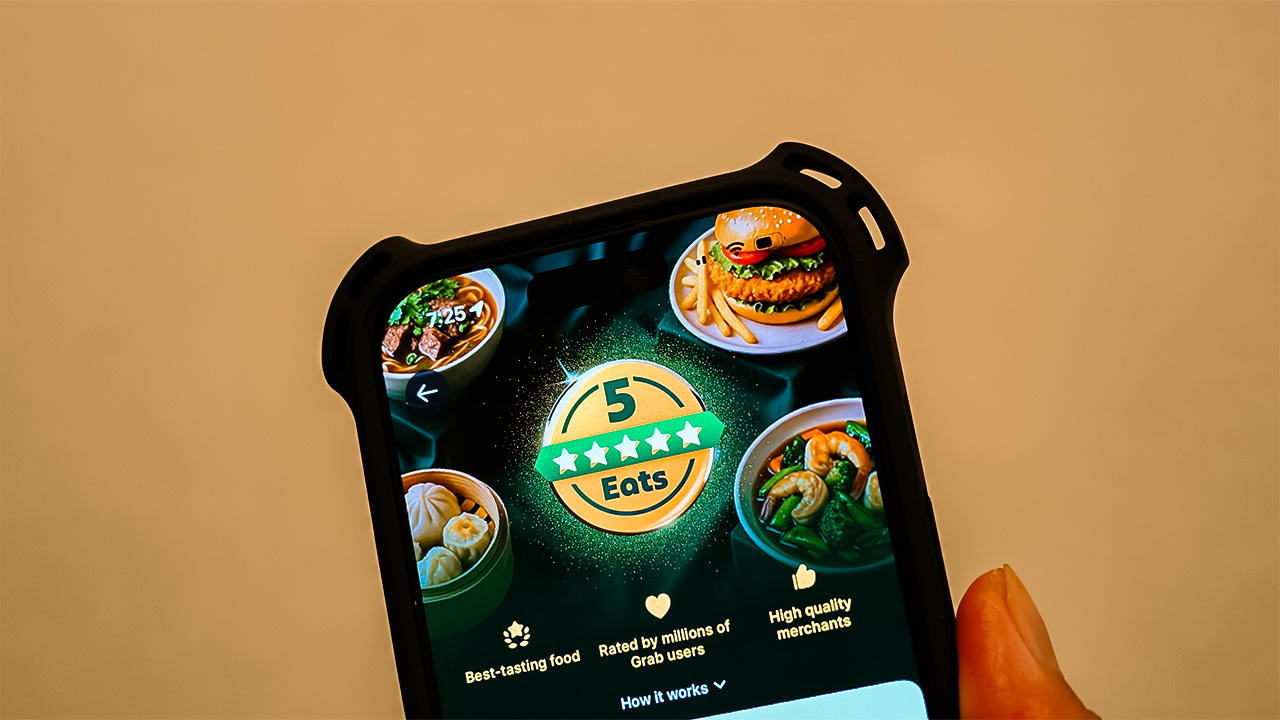
What I appreciate most about Grab’s 5-Star Eats is that it doesn’t trade in aesthetics. It trades in accountability.
The ratings reflect what diners actually experienced, from the accuracy of the order to the quality of what landed on the table, and the list only holds restaurants that can sustain that standard over time.
Grid-worthy is easy to manufacture. Peso-worthy has to be earned.
Automotive
The luxury of being nowhere else to be
A road trip with the Ford Everest Titanium+ and a long weekend that finally stood still
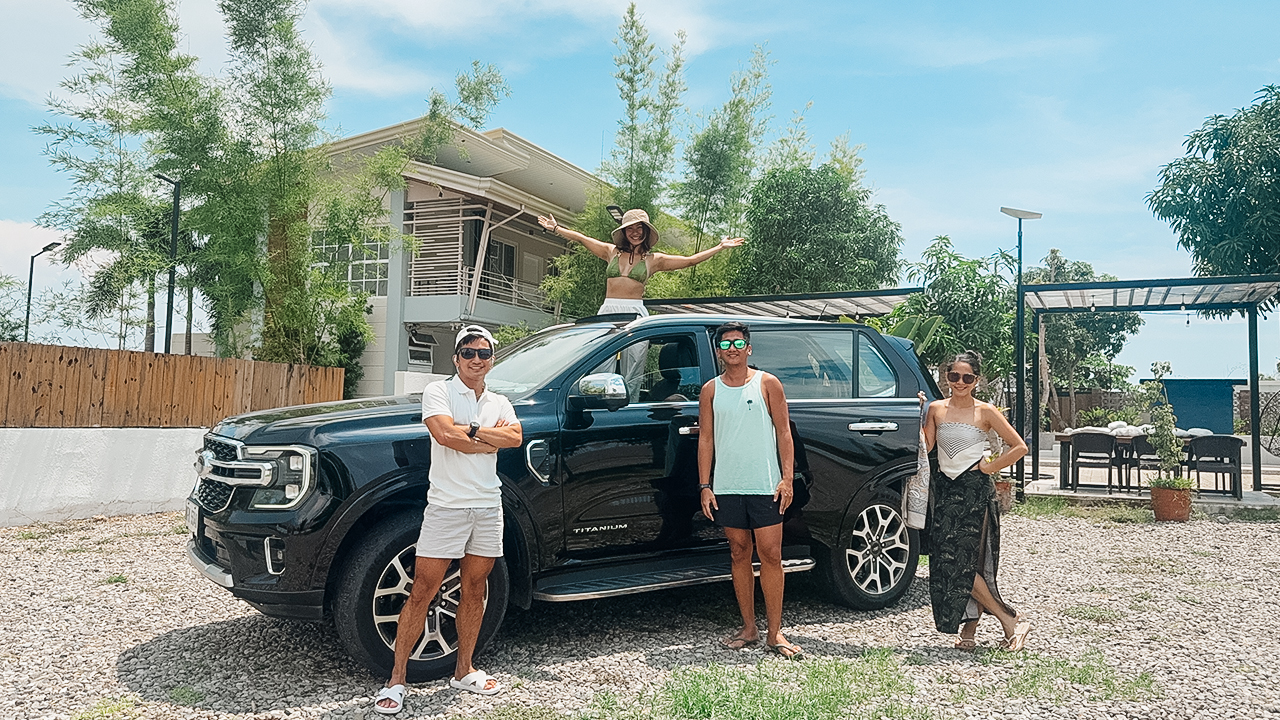
After crossing the finish line at the Galaxy Manila Marathon, my friends and I pointed the Ford Everest Titanium+ north toward La Union.
The 12-inch touchscreen glowed softly in the dark, and our playlist connected wirelessly before we even reached the expressway gates.
Adaptive Cruise Control took over the repetitive parts of the drive not long after. We were cruising toward the coast, and for the first time in recent memory, I had nowhere else to be.
That lack of urgency might sound unremarkable. To me, it felt foreign. My life runs on calendars. There’s always a race to train for, a campaign to launch, a production to wrap, or a deadline waiting somewhere down the road.
Even weekends tend to arrive with a checklist. A long weekend with no race, no deliverable, and no training block doesn’t happen naturally. It has to be chosen.
When Ford Philippines handed me the keys to the Everest Titanium+ and suggested a road trip, I said yes almost immediately.
I spent the following week wondering why saying yes had felt so effortless, but I packed my bags regardless. I brought along three companions who have witnessed nearly every version of me over the past decade, sharing in my victories, heartbreaks, career milestones, and constant reinventions.
With 30 approaching next month, I wanted this trip to hold all of that. A celebration of who I’ve been, and a look at who I’m becoming.
What followed was the most complete weekend I’ve had in years. The Everest was exactly the right car for it.
Taking the open road
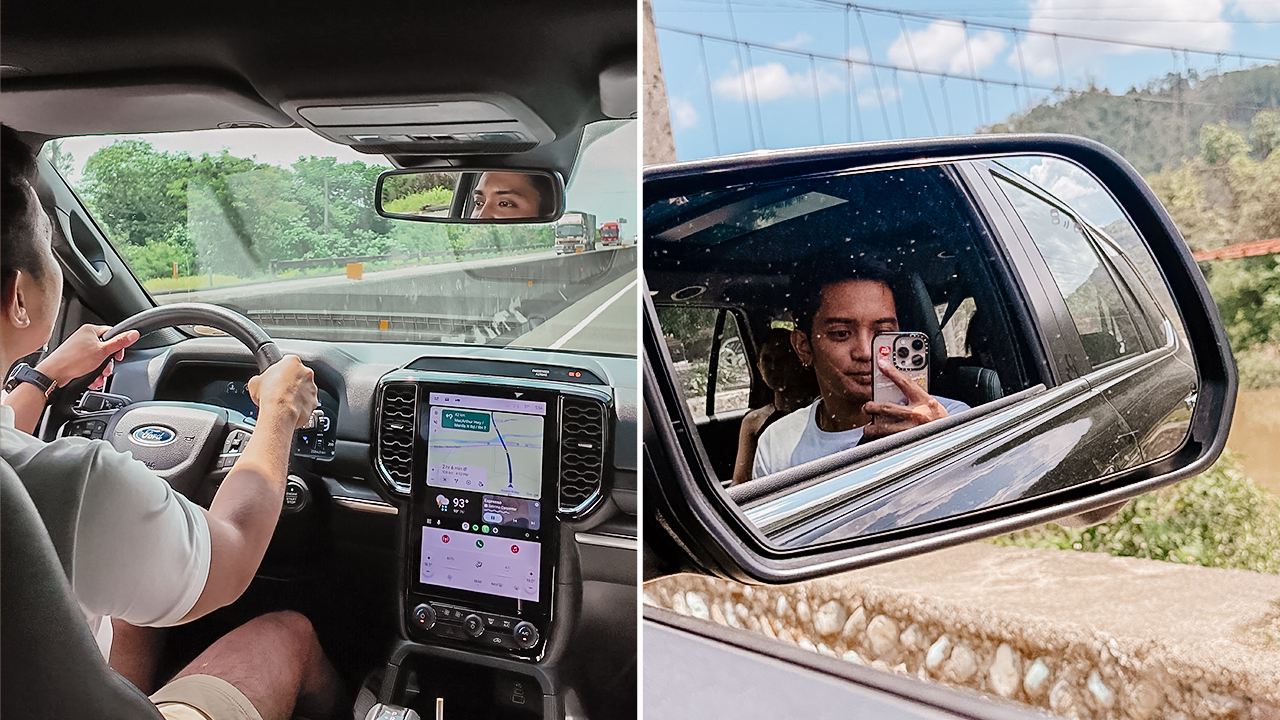
The route from Manila to San Juan covers hundreds of kilometers of expressways, provincial roads, and coastal highways. On a clear Saturday, the Everest handled it with enough ease that long drives stopped feeling like something to get through.
Ford’s Co-Pilot360 suite earns its keep on stretches like this. Adaptive Cruise Control maintained speed and distance naturally, while Lane Centering offered gentle corrections along the long runs of TPLEX.
For someone who spends most days managing too many things at once, it’s genuinely comforting when a car removes some of that mental load.
I’d planned to use the drive to process everything from the weeks before. Instead, I watched the landscape change. Concrete gave way to open fields. Fields gave way to mountains. Mountains eventually led us to the sea. For once, that was enough.

My friend, Echo, shared driving duties while Kelly and Noela drifted between conversations and naps. Up front, Echo and I turned the cabin into a private concert.
The B&O sound system filled the space without overwhelming it, and the insulation kept road noise distant enough that the outside world felt like a silent movie playing through the glass.
Our phones stayed charged the whole drive; the wireless pad handled that quietly, the way good technology should. With everything running through SYNC 4A, navigation and music just worked. The less we had to manage, the more we could enjoy the drive.
Luxury of staying put
Arriving at Casitas in San Juan, La Union, we settled in Villa Nikholai which felt less like a resort and more like a friend’s rest house in the province.
We didn’t rush out to explore and instead, settled around the dining table and talked about nothing in particular. The good nothing; the sort that fills a whole afternoon without you noticing.
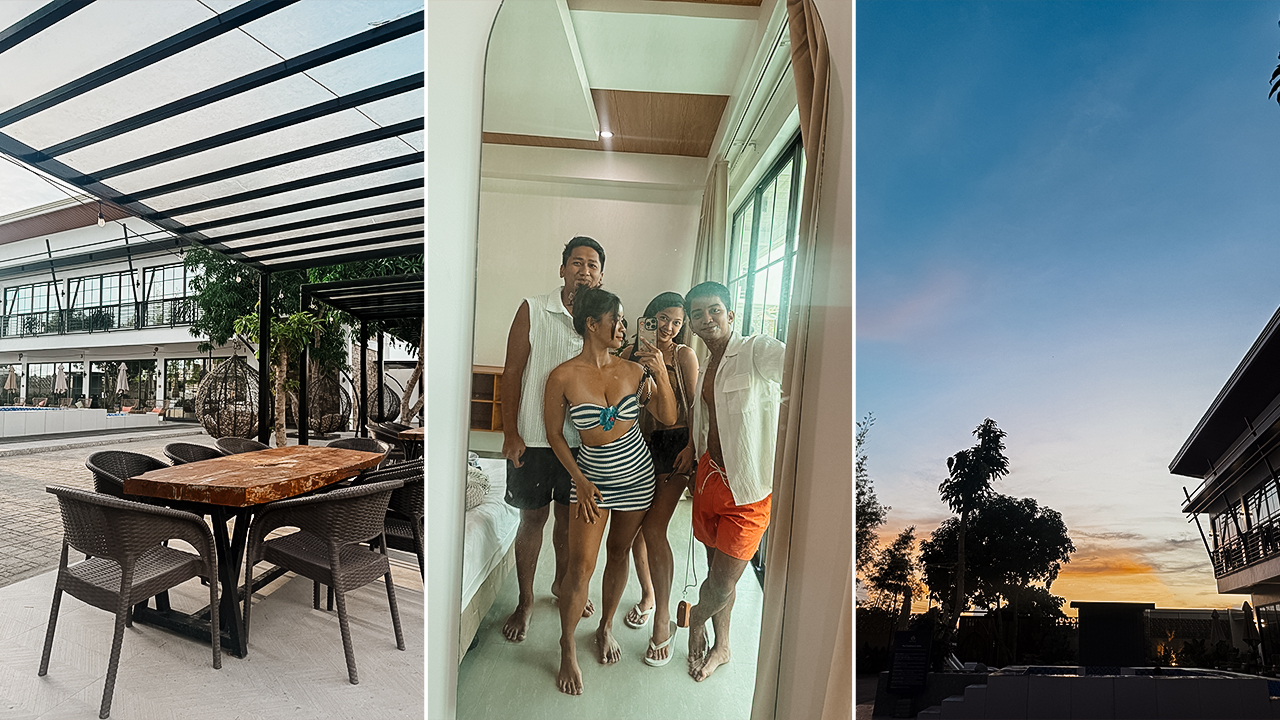
The older I get, the less I want to maximize every trip. We used to try to squeeze every attraction into a single weekend.
These days, we trust that places will still be there when we come back. We spent the afternoon unpacking far more than just our luggage. Marathon stories, life updates, a decade’s worth of reflection over comfort food from Tagpuan.
Later, we watched Good Girls on Netflix until sleep won. No arguments. No suggestions of something else to do. Nobody felt guilty for resting.
The falls as the destination
Sunday morning took nearly two hours to start. Nobody seemed concerned. That collective patience felt like a small marker of growth.
We drove from San Juan toward San Gabriel, where Tangadan Falls was waiting. The road narrowed as we climbed, the scenery shifting into layers of green and winding mountain paths.
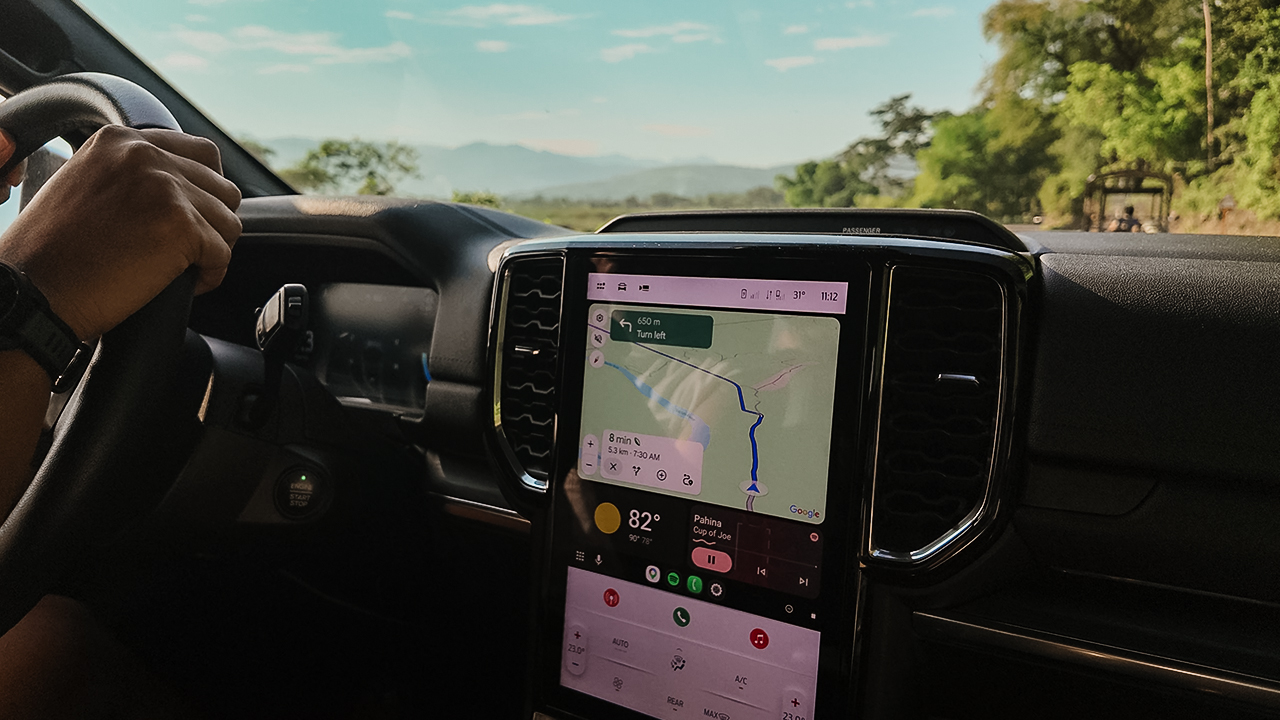
What the maps don’t tell you is that the last stretch — about 27 minutes from the municipal hall to the jump-off point — is steep, narrow, and in some sections, right beside a cliff with no guardrails.
We were careful the entire way up. And the entire way down. But we always knew where the car was, and that made the difference between a stressful drive and a manageable one.
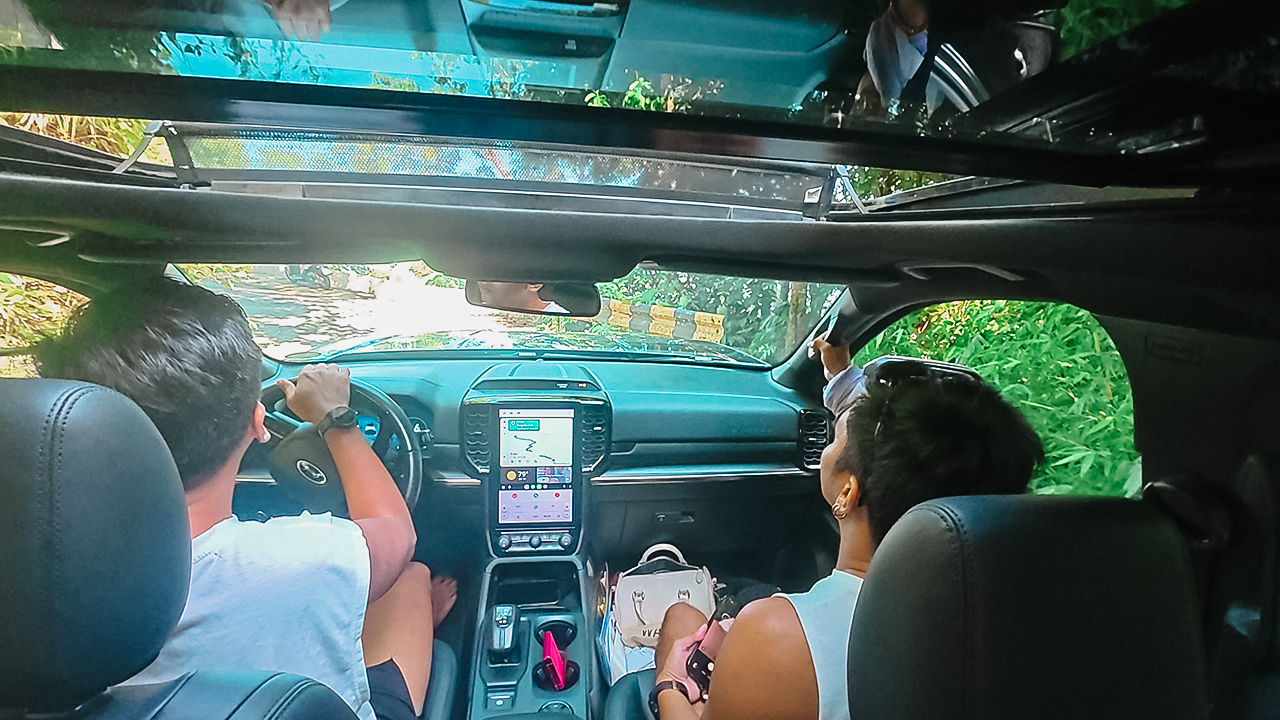
At the jump-off, it’s a stairway down to the falls now; the original route through the boulders and river is closed. The climb down doesn’t prepare you for what’s waiting.
The falls are cold, loud, and completely indifferent to how long it took you to get there. We swam and didn’t say much.
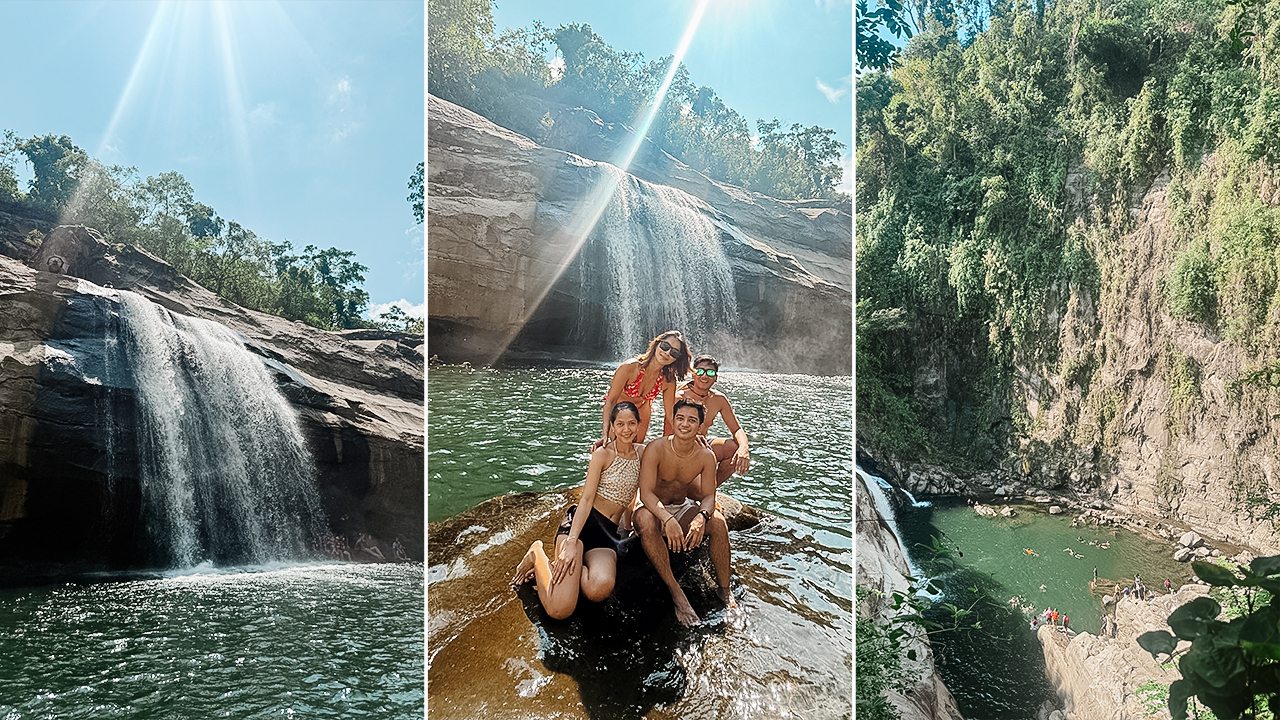
A few years ago, I’d have been looking for the next thing the moment we arrived. This time, getting there was enough.
Uninterrupted sunset
Back in San Juan, we returned to our easy yet different rhythm. Noela had another beach outfit ready. Kelly rotted on bed watching Good Girls.
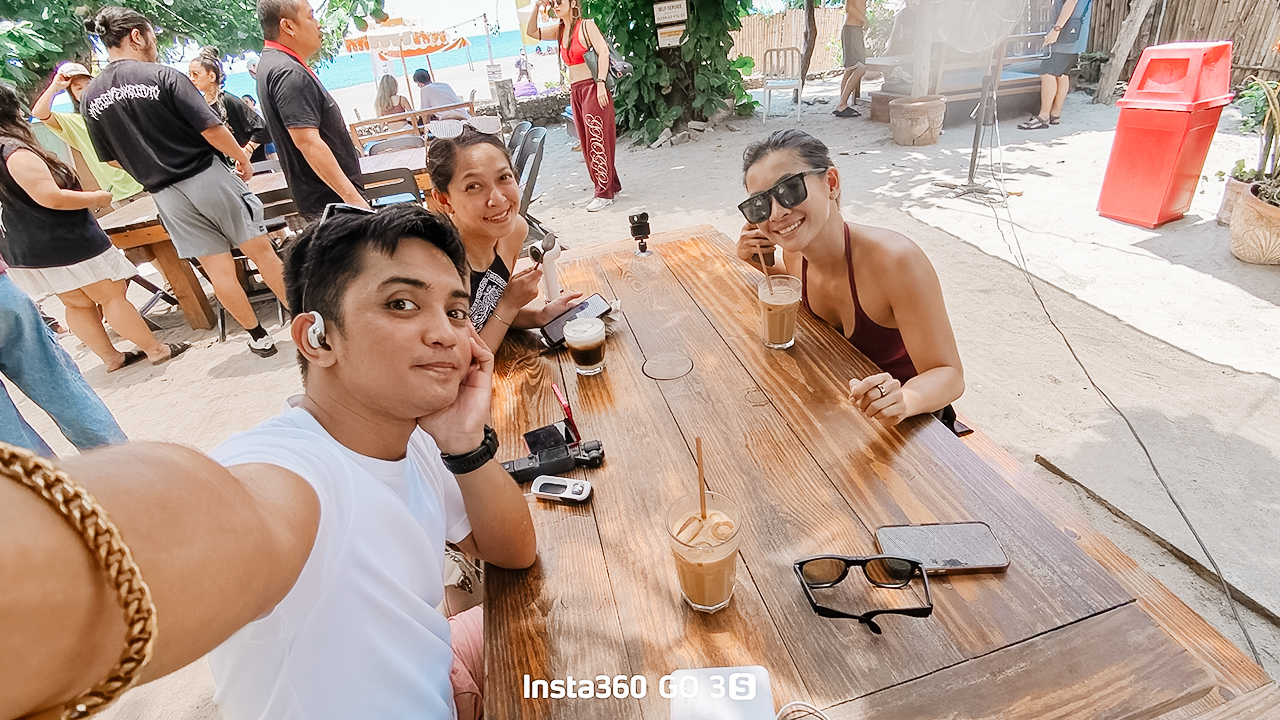
Echo alternated between napping and watching the same episodes. He’s a man fully committed to the art of doing nothing, which, I realized, was the whole point of the weekend.
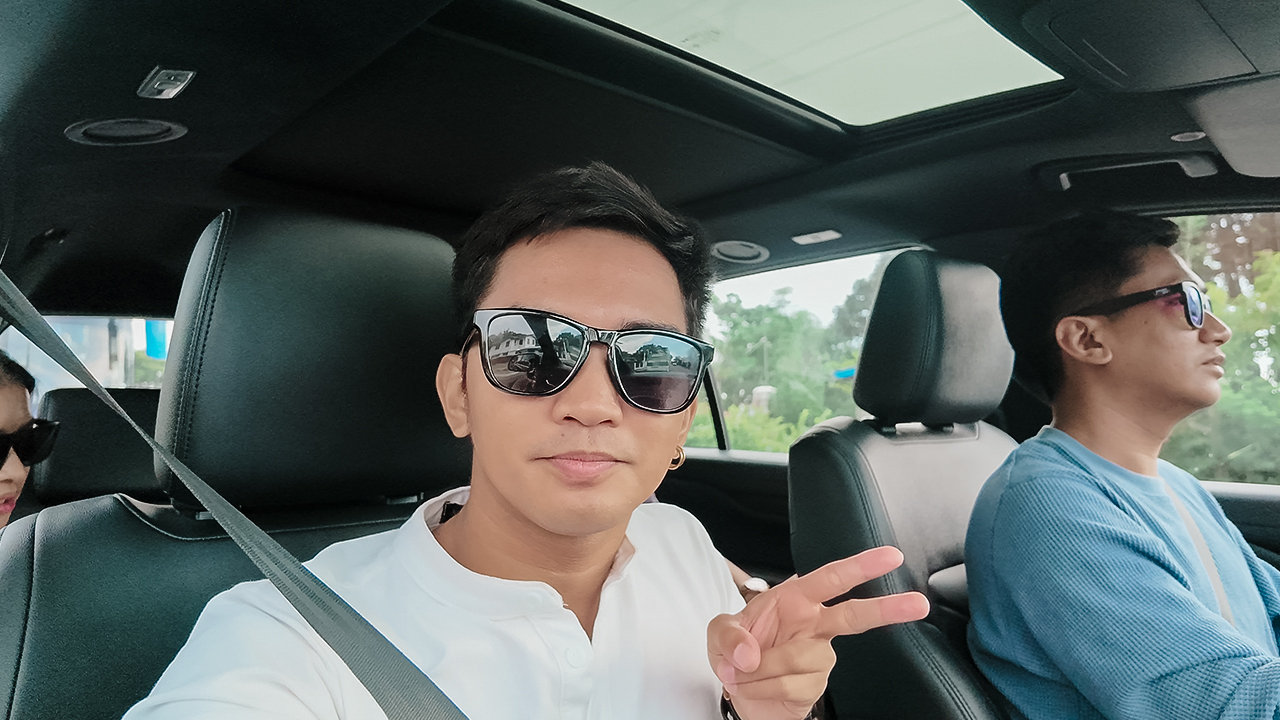
So I uploaded photos, cleared a few work emails, then gave up on productivity and went outside.
As the afternoon light softened, we drove to a spot near the shoreline and settled in. We didn’t have any agenda or urgency. Nowhere to be after this.
At some point I realized I hadn’t checked my phone in hours — not because I was being disciplined about it or because I’d set some boundary for myself. I’d simply forgotten.
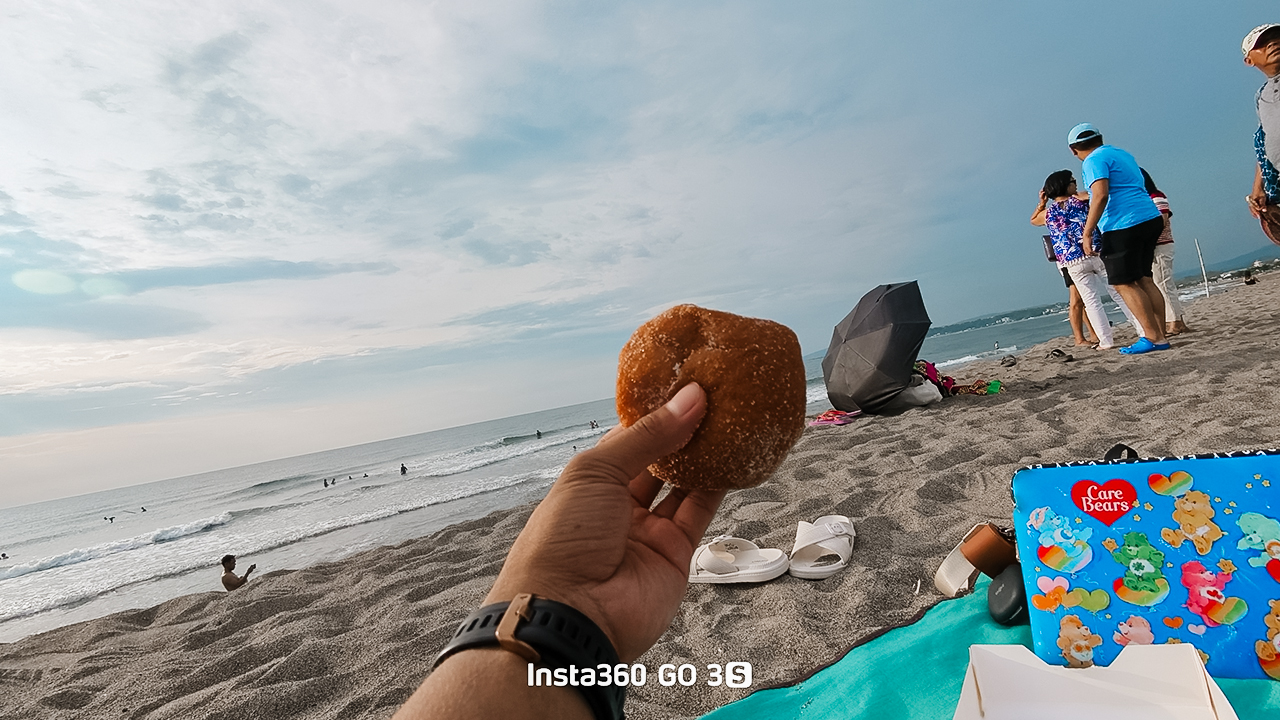
The sun was changing the color of the water. People moved in and out of the shoreline. Waves kept their conversation with the sand going, indifferent to all of us.
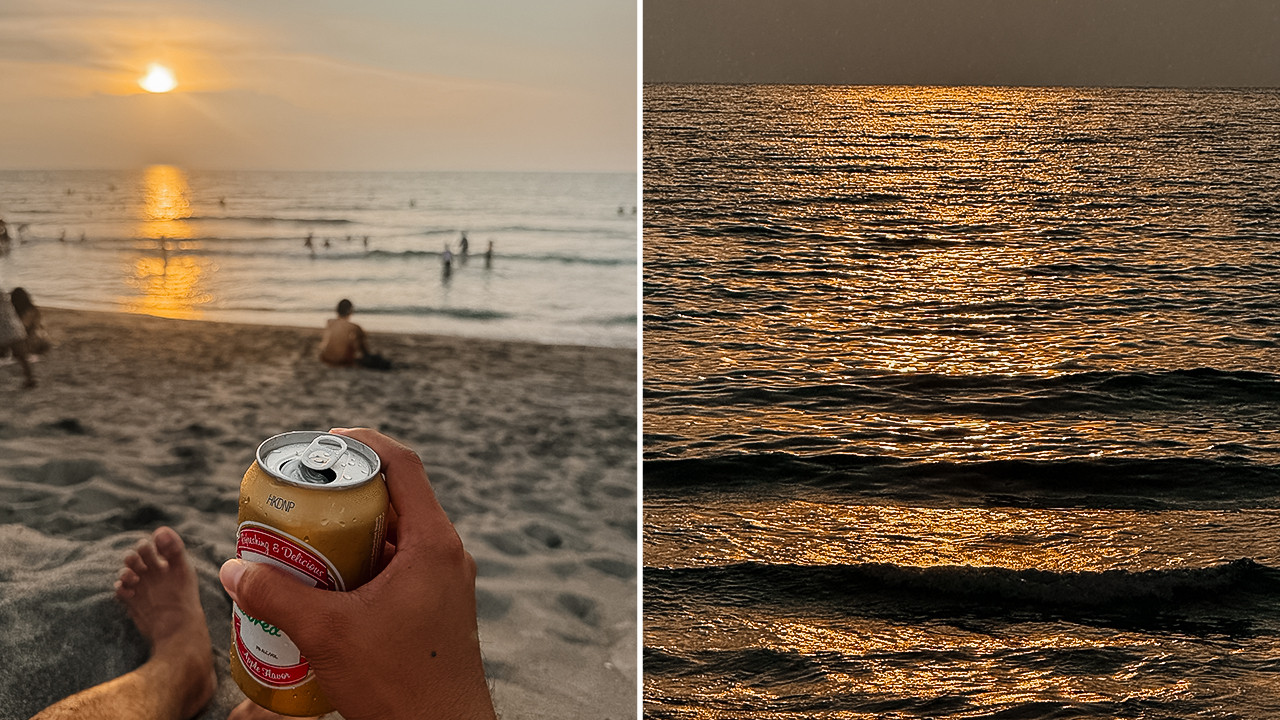
I sat with that longer than I expected. A genuinely restorative weekend doesn’t really announce itself. It arrives quietly, while you’re watching the tide, or while you’re noticing light on the water. It arrives while your phone is at the bottom of your bag and the world isn’t asking anything of you.
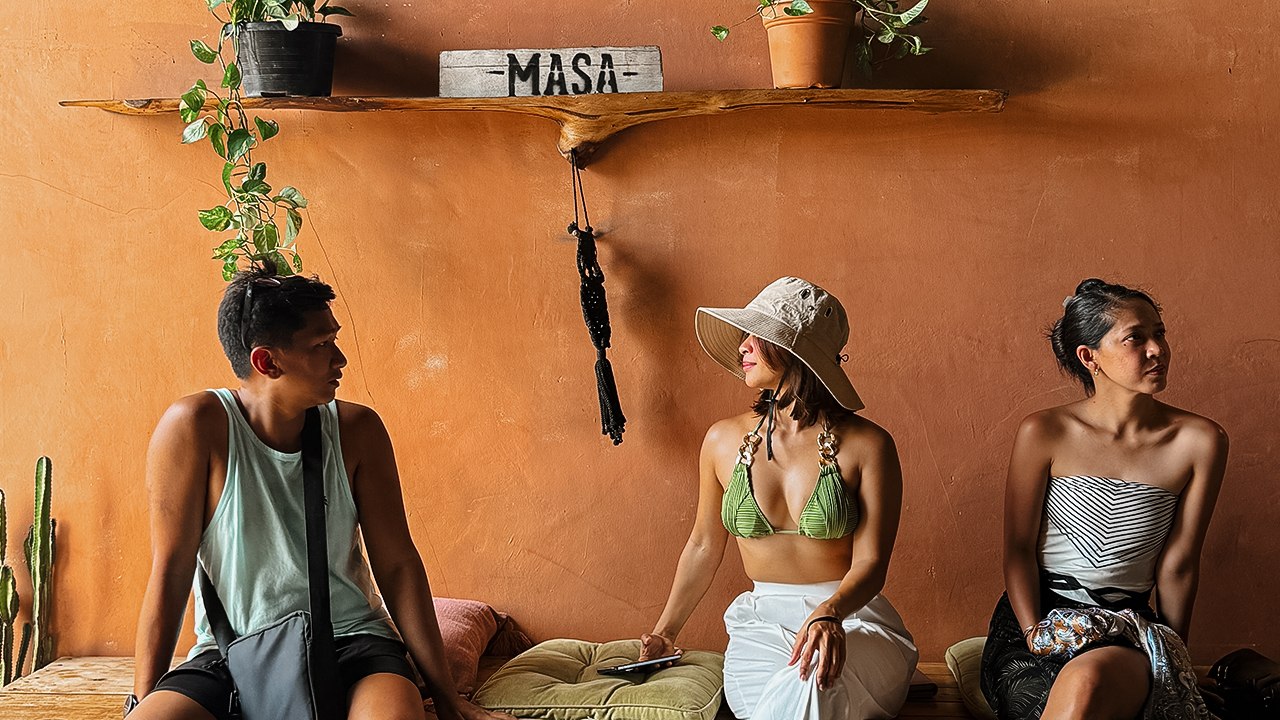
The rain came in before evening. We rushed back to the villa, which by then felt entirely ours. I jumped into the pool while it poured and sang Taylor Swift at a volume that required my friends to develop selective hearing. Nobody tried to stop me. That’s fourteen years of friendship.
I’m choosing to take that as love.
On the drive home…
Monday arrived slowly. We enjoyed a leisurely breakfast, lingered by the shoreline, and appreciated a peaceful version of La Union that felt deeply nostalgic. Devoid of the typical weekend crowds, Urbiztondo reminded me of the serene province I used to visit years ago.
While we seriously considered extending our stay for another day, reality eventually won because we had obligations waiting in Manila and an absolute lack of fresh clothes. That evening we loaded the Everest and drove home.
Echo and I split the night driving again. Along the dark stretches of TPLEX, my mind drifted. The last time I was in La Union, I was standing at the edge of something much harder: a reconciliation with someone who’d broken my heart.
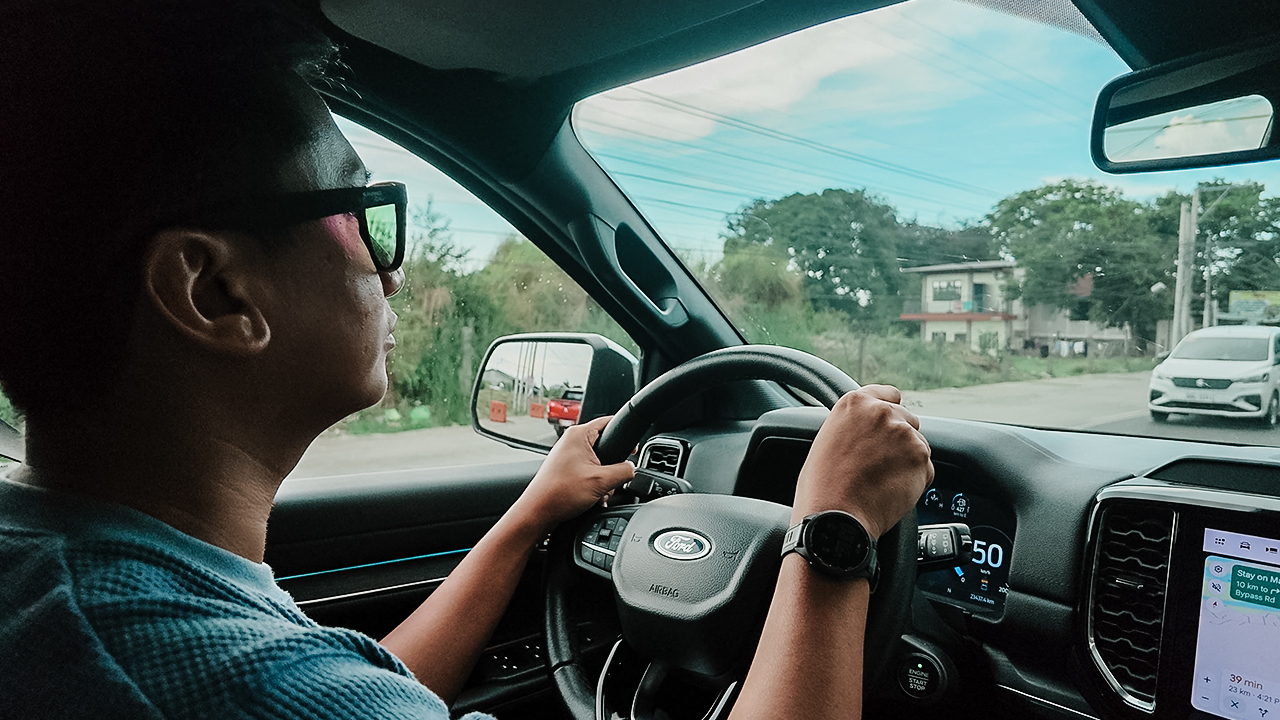
The province had offered space for that. The waves listened while we said things neither of us knew how to say anywhere else.
That was three years ago. My life looks almost unrecognizable now.
This trip wasn’t about any of that, though. It was about gratitude. For friendships that have survived every version of who I’ve been. For growth that tends to happen quietly, without announcing itself. And for reaching a point where rest doesn’t feel like something to be earned.
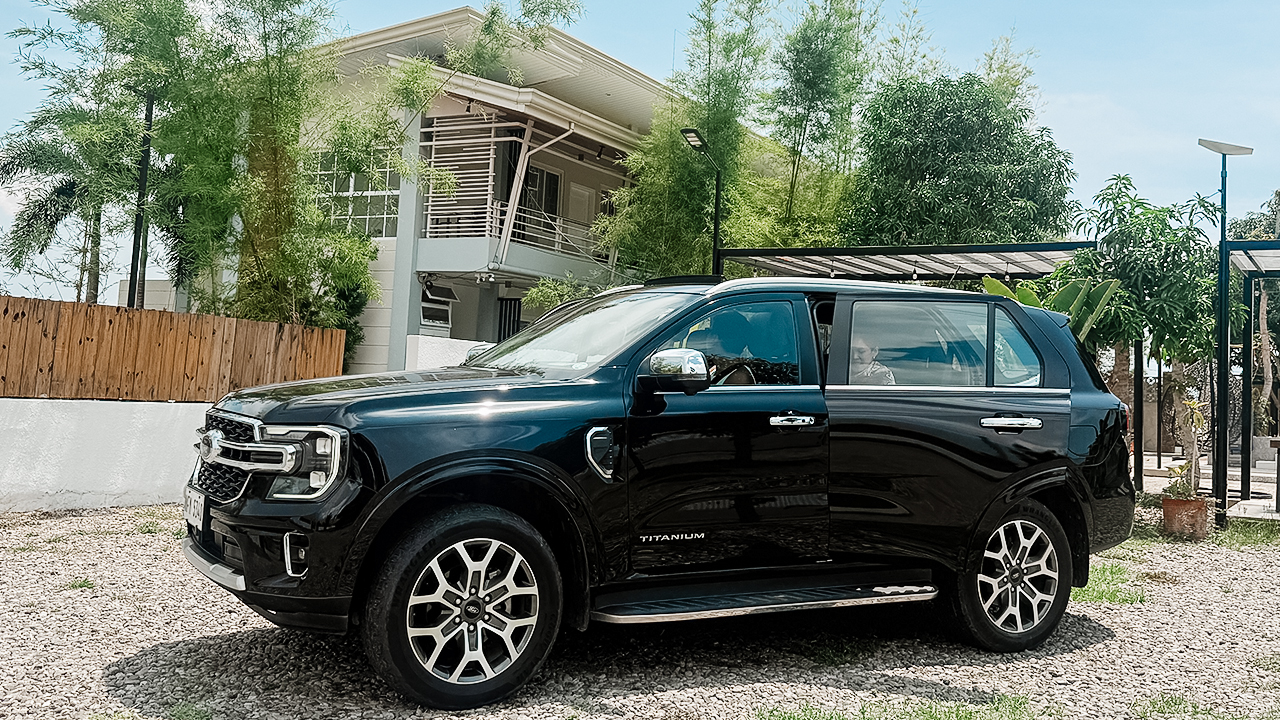
As the Everest carried us home, I realized the weekend had given me exactly what I needed. Not an adventure or a revelation. Just a reminder that sometimes the greatest luxury isn’t arriving somewhere extraordinary.
It’s having nowhere else to be.




Pokémon at 30: Massive slate of events, pop-up store, more to highlight anniversary

Honor might launch the Robot Phone in August, leak says

Google will host its Pixel 11 event on August 12

TECNO and Angélica Dass team up for a global portrait project

Samsung sets Galaxy Unpacked for July 22 in London

TECNO’s POVA 8 5G is both futuristic and future-ready

HONOR Magic V6 review: The best version of a book-style foldable?

TECNO’s SPARK 50 Pro is the latest budget smartphone battery beast

Buyer’s Guide: TECNO SPARK 50 Pro vs SPARK 50 5G

DJI Osmo Pocket 4P launches with dual lenses and a 1-inch sensor


-
 Cameras1 week ago
DJI Osmo Pocket 4P launches with dual lenses and a 1-inch sensor
-
 News1 week ago
Lenovo says RAM prices are not coming back down again
-

 Singapore2 weeks ago
Xiaomi opens largest Singapore store yet at VivoCity
-
 News2 weeks ago
The vivo X Fold6 is the first foldable to support teleconverter lens
-

 Laptops2 weeks ago
Apple raises the prices of iPad and MacBook lineups
-
 Laptops6 days ago
The ASUS ExpertBook Ultra wins you over
-

 News2 weeks ago
HONOR is reportedly working on a 14,000mAh battery
-

 Entertainment2 weeks ago
LE SSERAFIM to perform at BlizzCon 2026