



Some laptops are meant to look flashy, while some focus on a specific feature to make them stand out. It looks like ASUS came up with something that ticks both of those in the form of the ZenBook S13. It’s got a premium-looking design, the slimmest bezels in town, and specs that allow you to do more.

Since the ZenBook S13 is about accomplishing things and looking good while doing it, you won’t see cheap plastic on this laptop. The S13 is built with an all-metal chassis with a spun-metal finish for that signature ASUS touch. It’s not just made for show as it’s durable as well.
ASUS says the laptop goes through a series of stress tests during production that include drop, shock, vibration, and even altitude tests. This ensures each unit meets the military standard for extra toughness. So don’t worry about accidentally subjecting it to stress inside your bag, for example.

Design-wise, the company went with an elegant Utopian Blue color and an ErgoLift that we’re pretty familiar with. Once the lid opens, it lifts the chassis for a more comfortable typing experience and better audio performance through its down-firing speakers. But, the most important function of this design is to allow airflow underneath for better cooling so it can perform longer and faster.

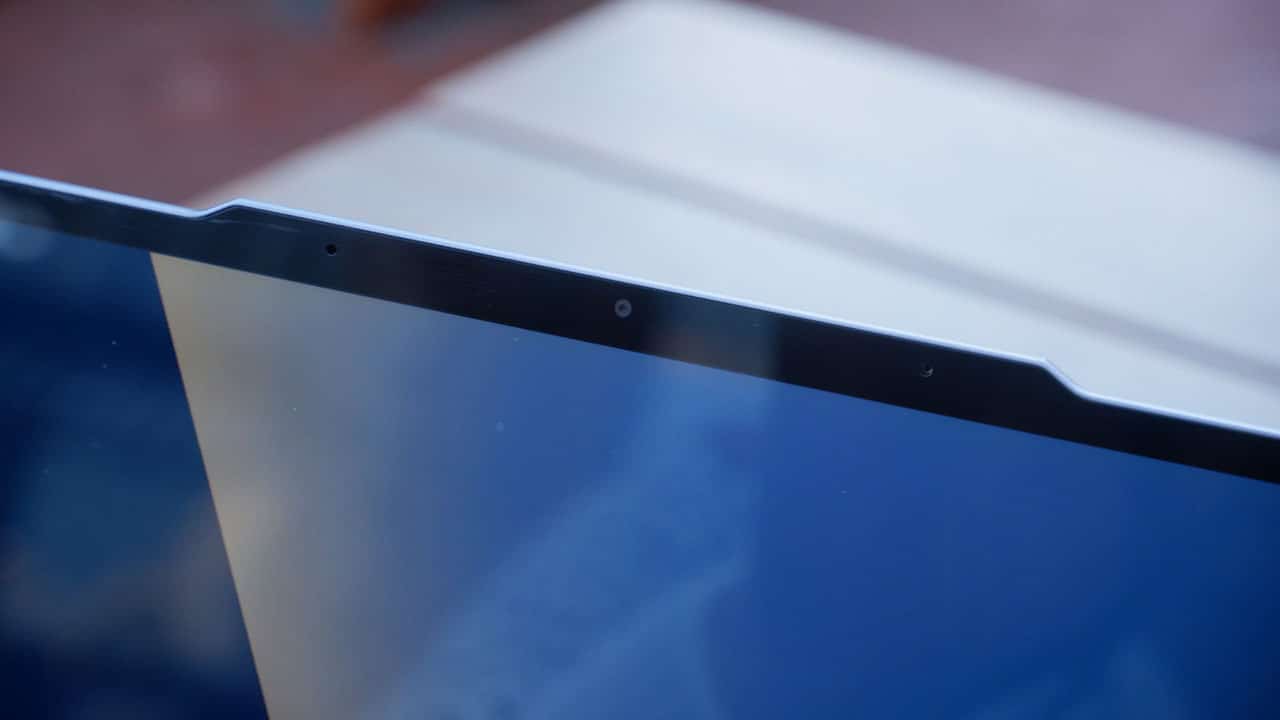
When you get past the entertaining lifting action, you will then be greeted by its 13.9-inch display that maximizes its borders. On paper, the company is proud to claim the title of the world’s slimmest bezels at 2.5mm and world’s largest screen-to-body ratio at 97 percent. The thin border does make the Full HD screen pop out more, especially when you’re watching videos online and on full screen.

The company was also able to make the laptop smaller than previous 13.9-inch models like its very own ZenBook 3 Deluxe. Weighing a little over a kilo, the ZenBook S13 is really easy to carry around and is compact enough to seamlessly fit inside backpacks.

As we mentioned during our first look, the clickable trackpad doesn’t give much space to move around. Although we really couldn’t expect much considering how thin and compact this thing is. Good news, though: There’s an embedded fingerprint sensor on the upper-right corner for an added layer of security. It scans fast and is a quicker way to access your account than typing your password.
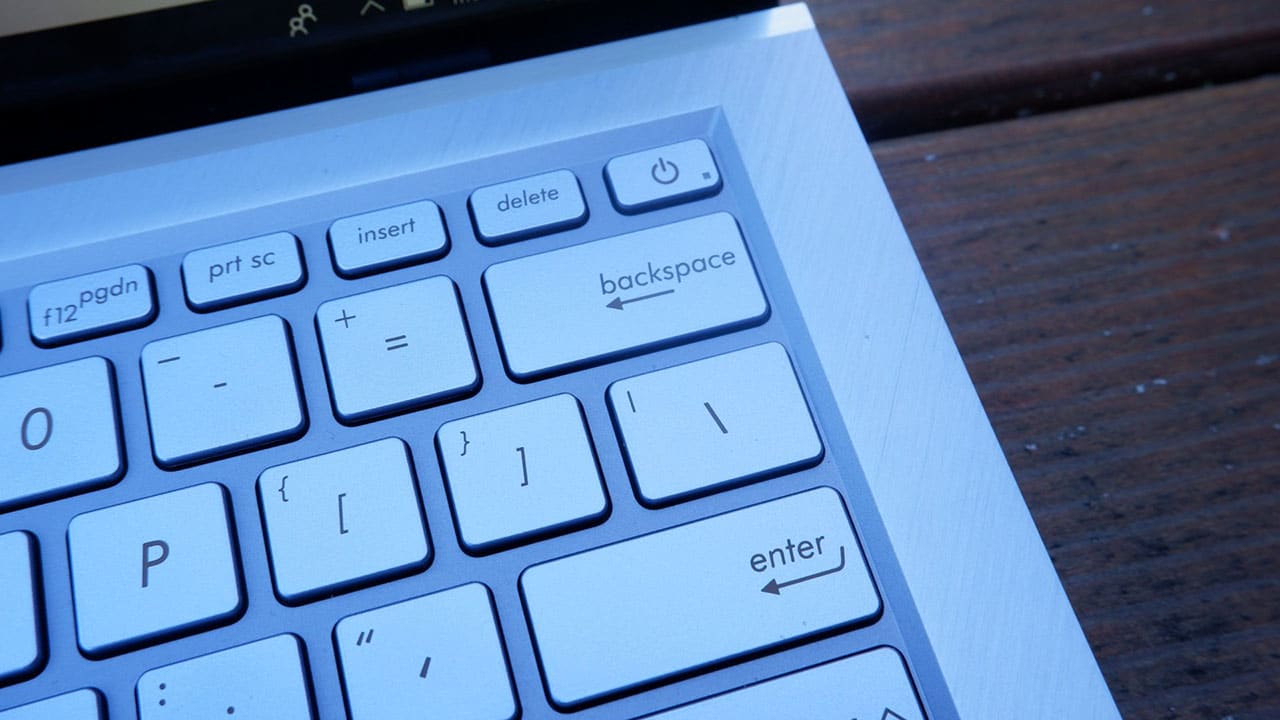
Speaking of typing, the keyboard is a joy to use. The keys have good travel, are easy for fast typing, and are back-lit so using it at night or in a dimly lit environment is never a struggle. It’s an immediate appreciation for how it feels natural while typing.
Sound quality is sometimes overlooked, and I’ve always wanted my laptop to have good speakers. The ZenBook S13 features a bottom-firing Harman Kardon sound system and they actually deliver great quality. It can get pretty loud, too, filling up an average living room easily.
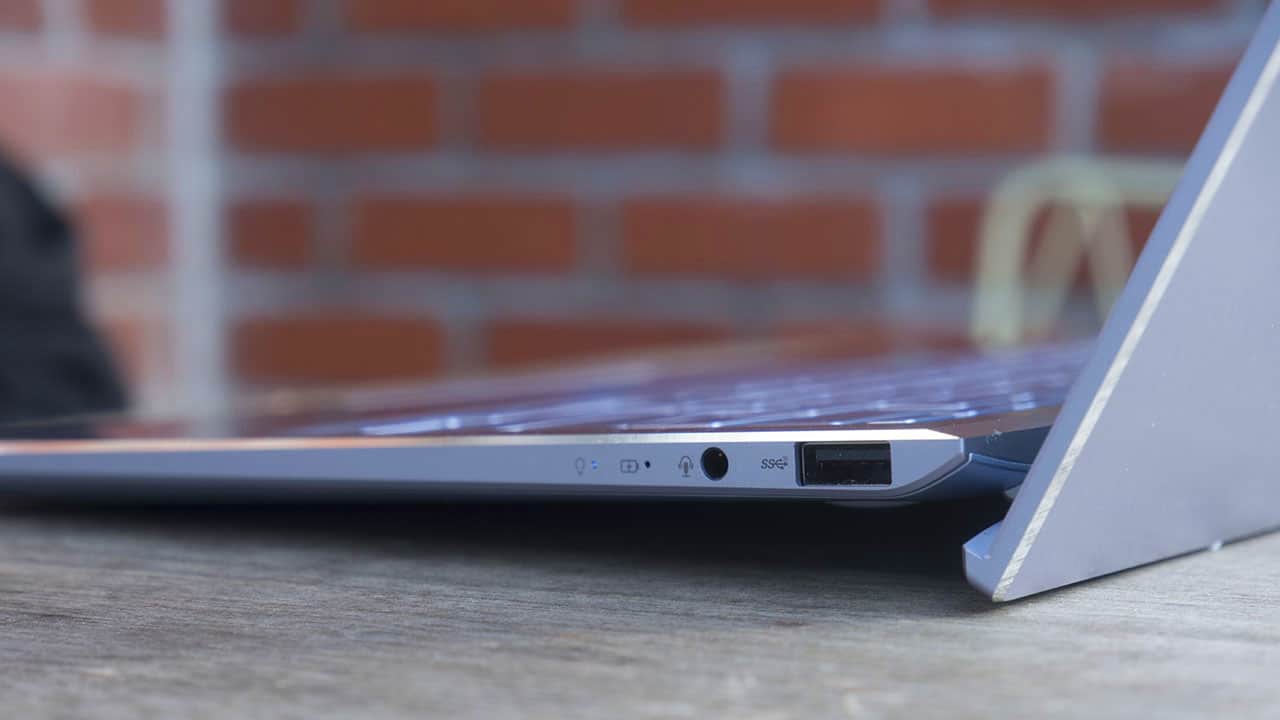
In terms of connectivity, there are two USB-C ports on the left side with support for fast charging, data transfers, and external displays. Meanwhile, a single USB-A is on the right side along with a 3.5mm audio jack for microphone/headphones input. These total to three USB 3.1 ports that are ready to accommodate input for working alone or presenting on a meeting. Oh, and there’s a microSD reader built into the S13.
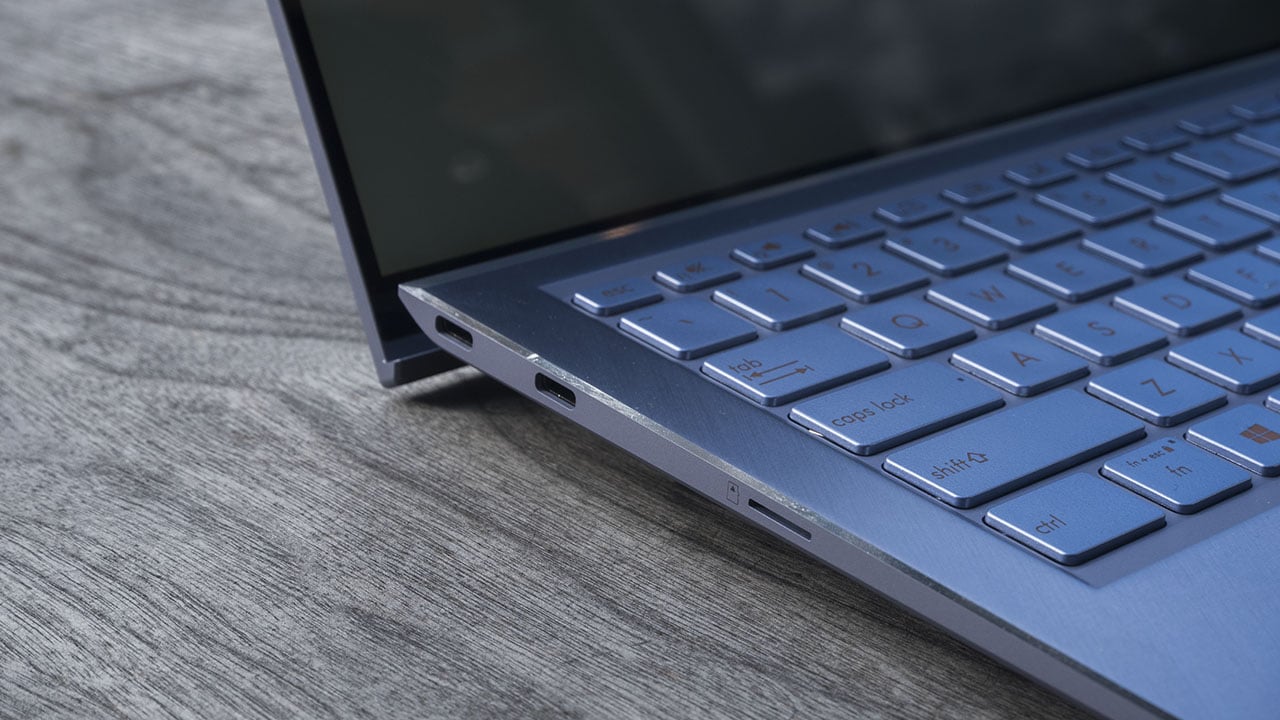
And if you still need more, ASUS says there’s a bundled Mini Dock that adds two extra USB ports and HDMI for the S13. It basically has your necessities covered to deliver that presentation.

Of course, all these features mean nothing if the internals are not up to the task. Inside, this thin laptop is equipped with up to an 8th-gen Intel Core i7 processor and an NVIDIA MX150 GPU. ASUS takes pride in the S13 being the world’s slimmest laptop with a dedicated discrete graphics.
If needed, you can add up to 16GB of RAM to maximize what it can do and thanks to this tandem, I was able to sit down, pull it out of my backpack, and do light video editing even on the go. It runs Windows 10 Pro and storage comes in at up to a 1TB SSD for faster boot up from sleep when you resume working.
For this part, I probably know what you’re thinking: How’s the battery life on something this small with not-so-basic internals and a larger display? Well, ASUS claims a battery life of up to 15 hours on a single charge.
In real-life usage, I was able to use it to browse the internet for a good hour and a half, edit photos while blasting music through its loudspeakers, and edit videos for about four hours before needing to plug in again. Basically, it lasted longer compared to similar laptops I’ve used before. As a cherry on top, it has fast charging, achieving about 70 percent of juice within an hour.

There hasn’t been an official list of prices for the different configurations, but according to reputable websites that have the same specs (Core i7, GeForce MX150, 16GB RAM, and 512GB SSD), it retails for US$ 1,399.






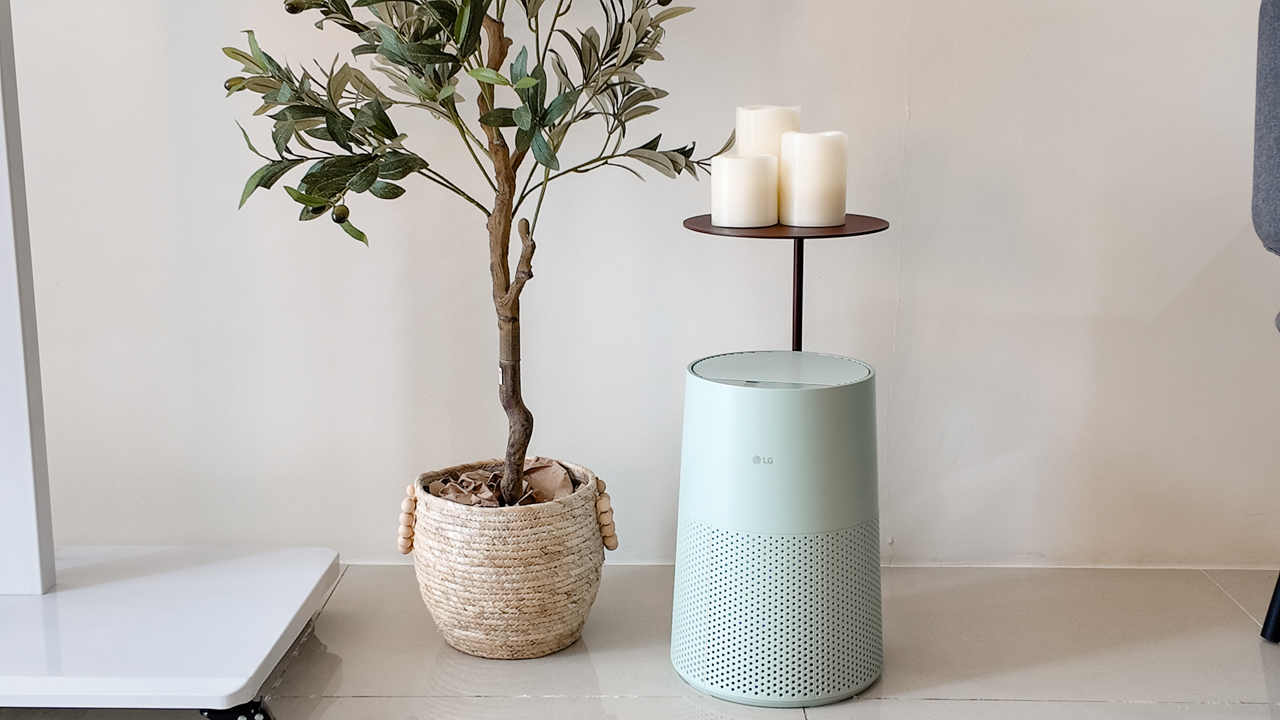
Moving into a new space comes with a long list of things to figure out, and lately, I’ve been paying more attention to something that’s easy to overlook: air quality.
After using the LG AeroMini for about a month, it has become a subtle but welcome addition to my space. It helps make the room feel fresher, while its compact and stylish design fits naturally into my setup. Here are the things that stood out to me most after living with it for a month.
360° purification for a fresher space
One of the things I appreciate about the AeroMini is its 360° air purification, designed to bring purified air in every direction.
For me, this is particularly useful in a new space where I’m spending a lot of time working, relaxing, and just settling in.
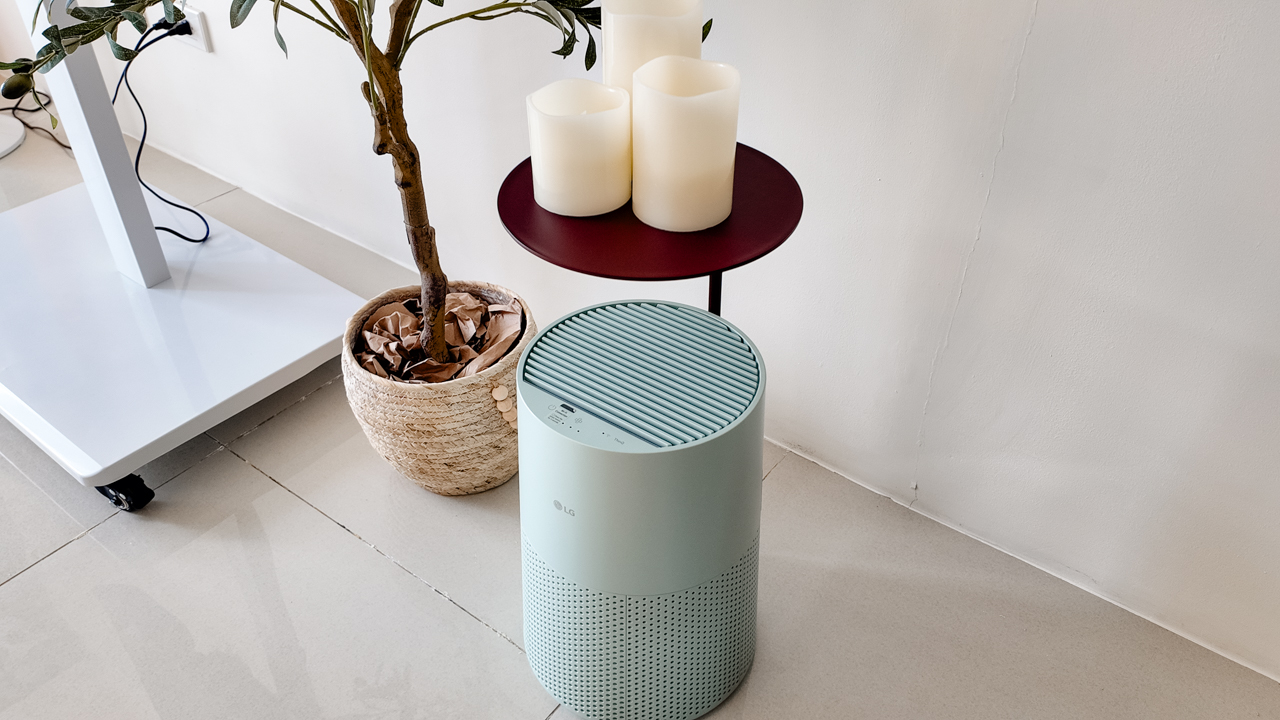
Combined with its True HEPA filter, which is designed to remove 99.999% of 0.01μm fine dust and allergens, it gives me added peace of mind about the air I’m breathing every day.
After a month, I can genuinely say that the space feels fresher with it running.
Surprisingly quiet
This is probably my favorite feature.
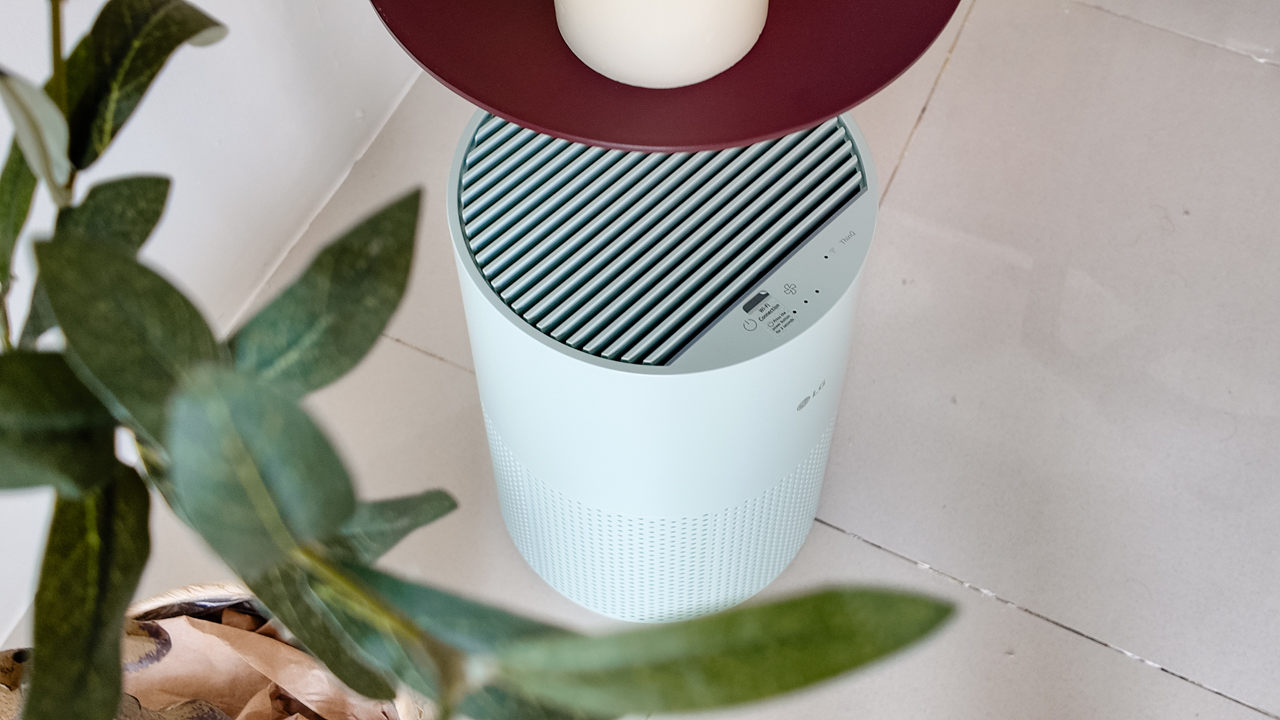
The LG AeroMini operates at just 26dB, and after using it for a month, what stands out is how easy it is to forget that it’s even running.

I can have it running while I’m working or sleeping without the noise becoming a distraction. For an appliance that’s designed to continuously improve the air around you, I think that’s a big deal.
Sometimes, the best feature is the one you barely notice.
Design that fits my space
Since I recently moved, I’ve been pretty conscious about what I bring into the space. I want things to be functional, but I also don’t want appliances that feel like they’re taking over the room.
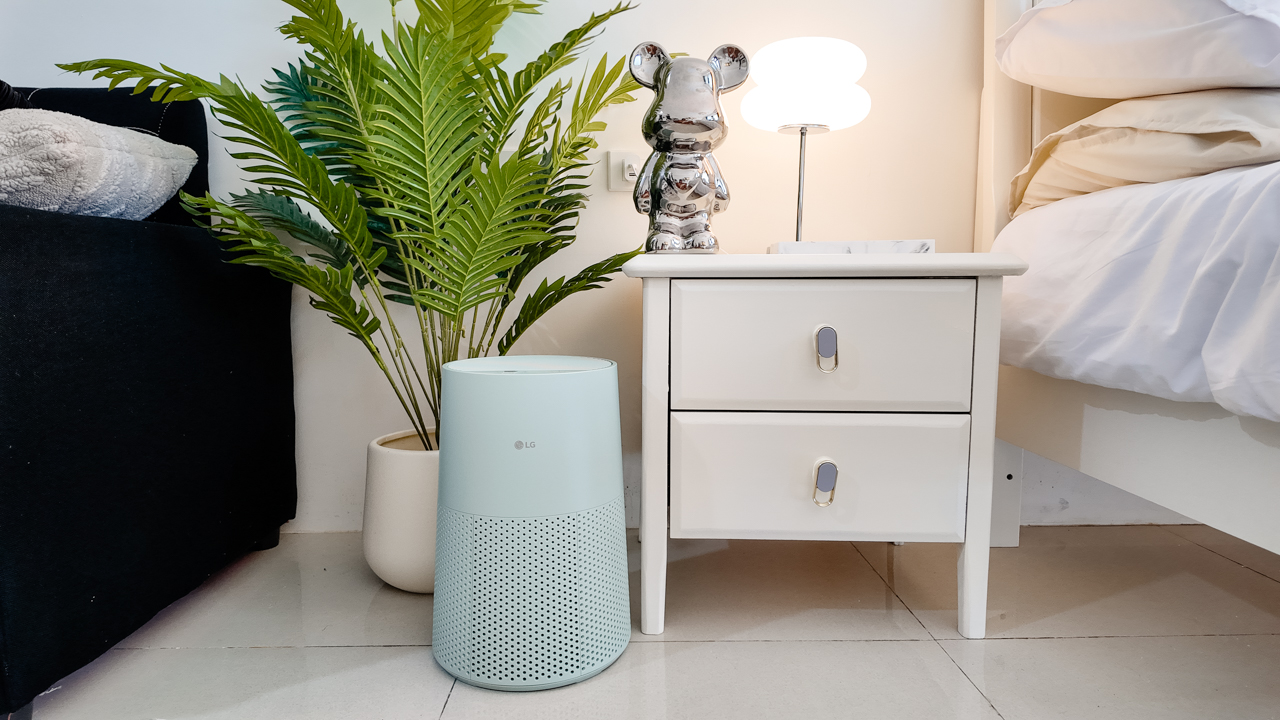
The AeroMini’s slim and compact design makes it easy to incorporate into my setup. It doesn’t feel bulky or industrial, and I like that I can leave it out without feeling like I need to hide it away.
For me, that balance between functionality and aesthetics makes it feel more like part of the space rather than just another appliance.
Air quality at a glance
Another feature I’ve found convenient is its Smart Control. Through the app, I can monitor and control the AeroMini while getting real-time updates on the indoor air quality.
It’s a small convenience, but being able to check the air quality without having to interact with the purifier directly makes it easier to keep track of what’s happening in the room.

Easy to maintain
I also appreciate that the AeroMini is designed with an all-in-one dust and deodorization filter that makes replacement and maintenance easier.
That matters to me because the best home gadgets are the ones that don’t create another complicated chore. I want something I can set up, use regularly, and maintain without too much fuss.

After a month, would I keep it?
Yes, and mainly because it quietly fits into my everyday routine.
The LG AeroMini has helped make my new space feel fresher and more comfortable, while its compact design means it doesn’t compromise the look of the room. But if I had to pick just one thing I appreciate most, it’s still how incredibly quiet it is.

It’s one of those upgrades that doesn’t demand your attention. It simply works in the background.
If you’re also looking to make your home a fresher and more comfortable space for yourself and your family, visit https://www.lg.com/ph/ to learn more about the LG AeroMini and how it can fit into your everyday life.
Hands-On
Apple iPhone 18 Pro Series Hands-on
And everything announced during Apple’s September 2026 Event

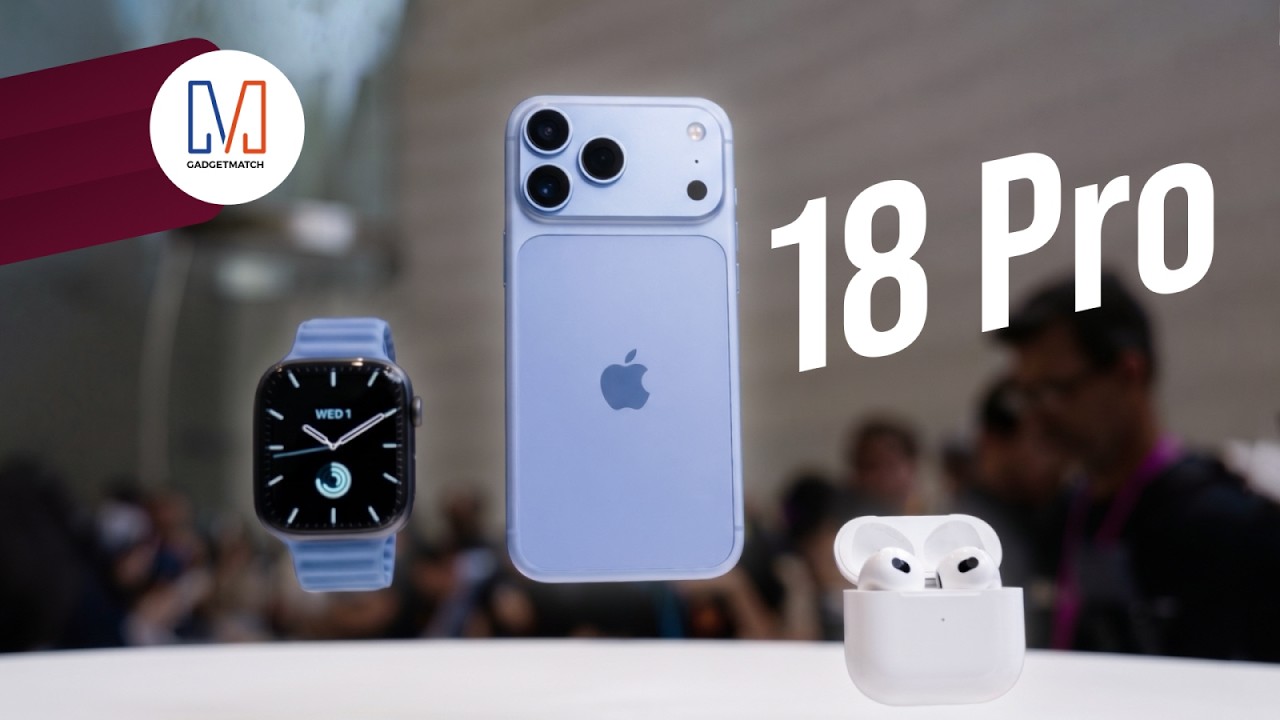
The latest Apple event isn’t just about the shiny new Apple Duo. There’s a lot to talk about!
In this video, we break down everything Apple has announced during their September 2026 keynote.
First, there’s the updated iPhone 18 Pro and 18 Pro Max. That’s alongside their design and color changes, battery and performance improvements. Even that massive camera upgrade.
There’s even the ANC-infused AirPods 5 alongside the newer Apple Watch Series 12 and Apple Watch Ultra 4. Plus, the latest software updates coming to both these wearables.
So, are these worth the upgrade?

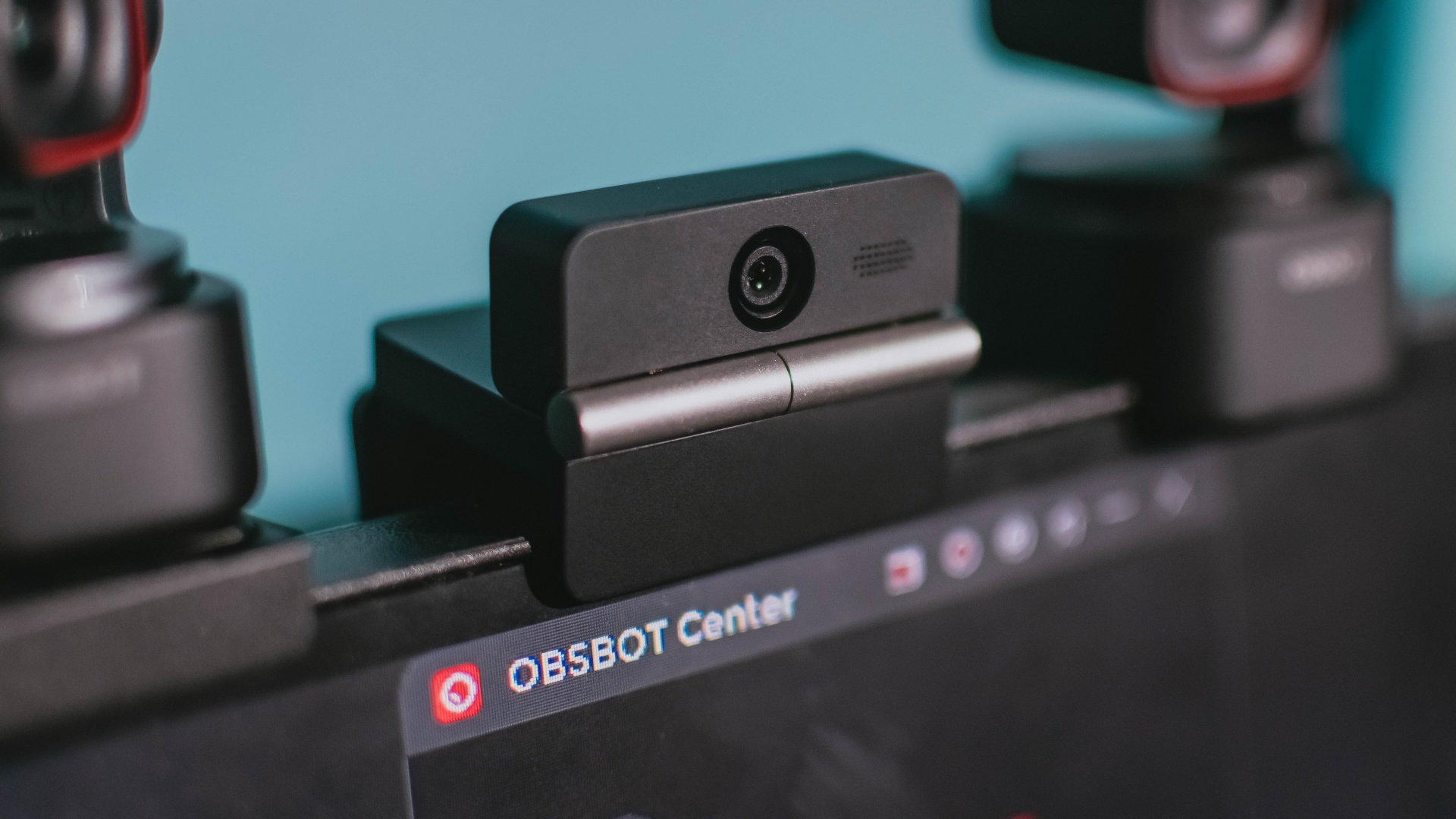
Phones flip and fold. Now webcams do too.
Foldable screens have found their way into phones, tablets, and laptops in recent years. Now, OBSBOT is taking that idea in a considerably smaller direction: the webcam.
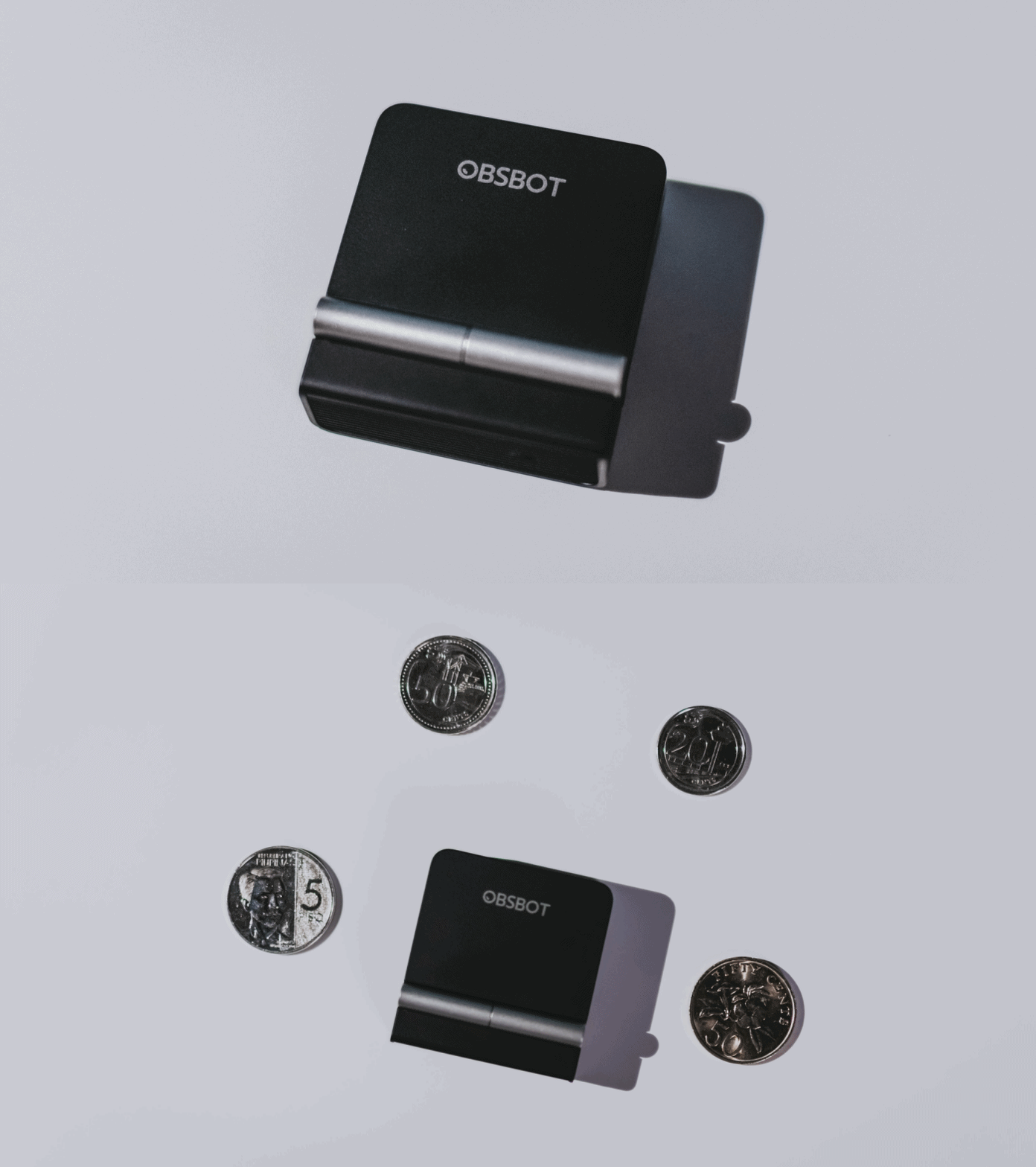
The OBSBOT Meet Flip is the company’s first foldable 4K webcam packing:
- 1/2-inch stacked CMOS sensor
- intelligent audio
- a collection of AI-powered meeting tools
All of these inside a body weighing just 37.7 grams.
A fold that does something, not just a gimmick
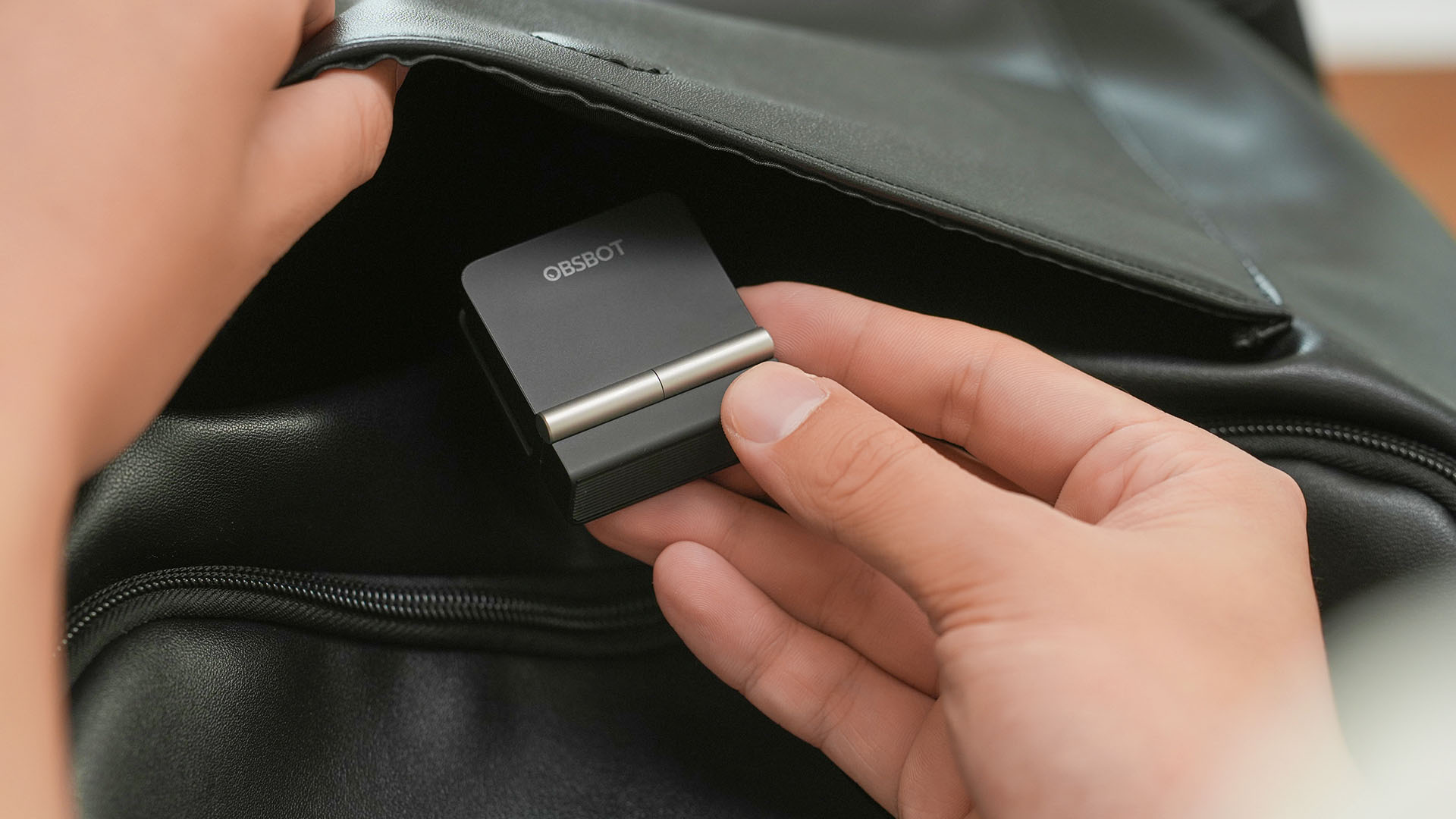
The OBSBOT Meet Flip isn’t foldable just to make it easier to throw into a bag.
Closing the webcam physically blocks the lens and puts the device into sleep mode. Open it when you want to be seen, flip it shut when you don’t.
A physical privacy cover isn’t novel in itself. What’s clever here is how it’s part of the folding design.
As someone with a love-hate relationship with data privacy, I almost always keep some physical barrier over my laptop webcam. And if I can avoid having a webcam there entirely, even better.
Serious camera hardware in a pocket-sized webcam
Despite its size, OBSBOT hasn’t treated the Meet Flip like a basic laptop-camera replacement.
Inside is a 1/2-inch Exmor RS stacked CMOS sensor with Quad Bayer technology, capable of recording 4K UHD at 30 fps or 1080p at 60 fps. It also packs an f/1.8 aperture, HDR, PDAF autofocus, ISO 100–6400, and up to 4x digital zoom.
At its core is a 1/2-inch Exmor RS stacked CMOS sensor with Quad Bayer technology.
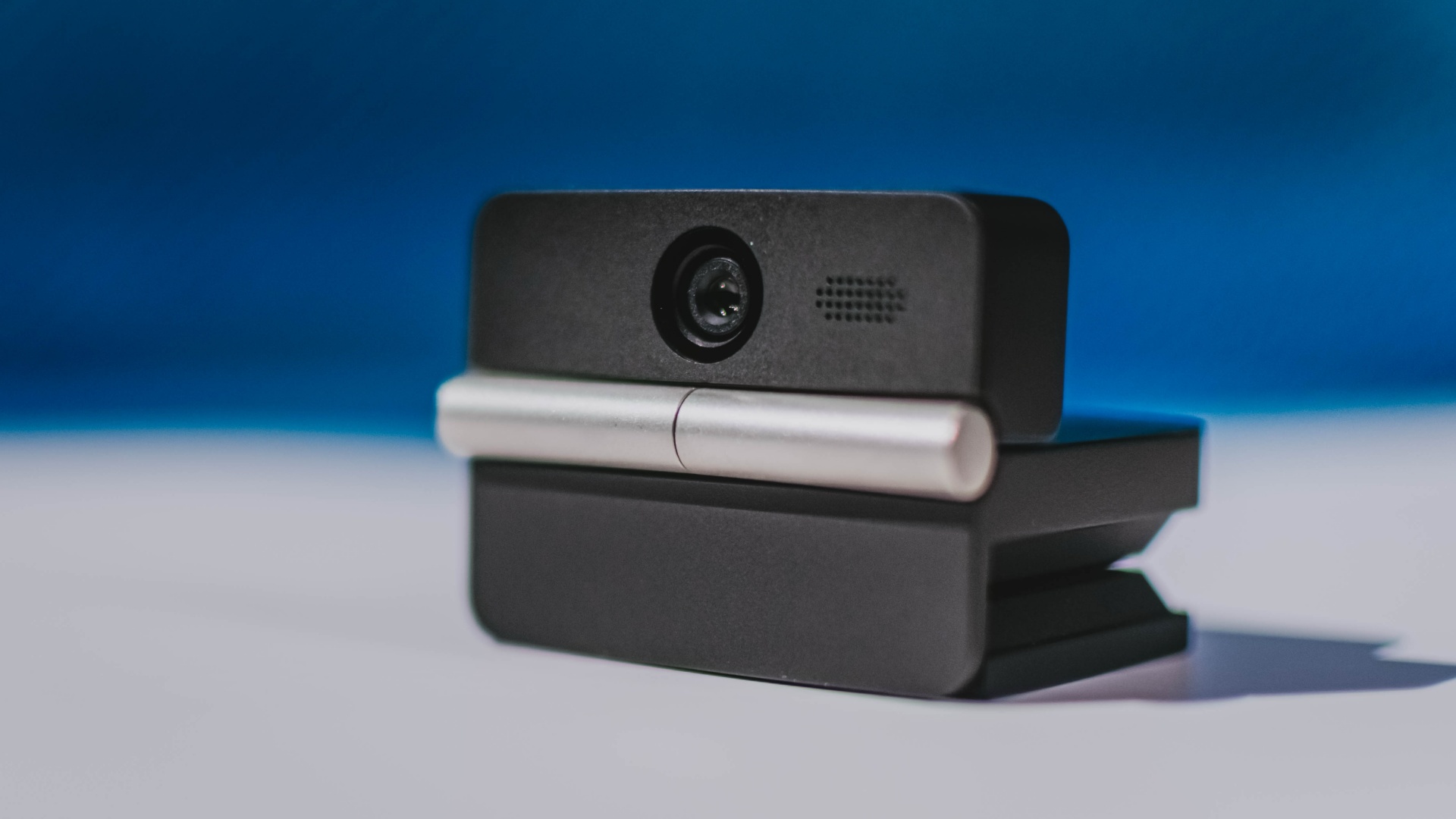
It can record:
- 4K UHD at 30fps
- 1080p at 60fps
You also get:
- f/1.8 aperture
- HDR
- PDAF autofocus
- ISO 100–6400
- up to 4x digital zoom
On paper, that gives the Meet Flip a better shot at handling the situations built-in laptop webcams often struggle with: dim rooms, harsh backlighting, changing lighting conditions, or simply moving around in front of the camera.
HDR helps keep faces visible against bright backgrounds, while PDAF autofocus continuously adjusts focus as you move closer to or farther from the lens.
The wider f/1.8 aperture should also help in less-than-ideal lighting.
The point is that once the Meet Flip is set up, you shouldn’t have to spend much time thinking about the camera itself.
It listens differently depending on the room setup
The Meet Flip also uses an intelligent dual-microphone system combining omnidirectional and directional microphones.
Instead of relying on one pickup pattern for every situation, it offers four audio modes for different setups:
Directional Mode focuses on sound coming from the front, making it the obvious choice for solo calls.
Dual-Directional Mode listens to both the front and rear of the webcam, which could be useful for interviews or conversations between two people sitting across from each other.

Smart Omni Mode is designed for group meetings, picking up voices from around the room.
And Pure Audio Mode provides unprocessed left and right stereo channels for users who would rather handle the audio themselves in post-production.
Auto Gain and AI Noise Reduction also work across the first three modes, helping clean up audio without requiring much manual adjustment.
It gives the Meet Flip more flexibility than a typical webcam microphone, especially if you regularly switch between solo calls, interviews, and group meetings.
AI that doesn’t intrude
AI has become an almost obligatory addition to new hardware in 2026, but several of the Meet Flip’s features put it to work on real-world meeting annoyances.
AI Auto Framing keeps you in frame, with options for:
- Group
- Single Close-up
- Upper Body
- Full Body
Gesture controls can also toggle Auto Framing or adjust the zoom without reaching for a keyboard or mouse.
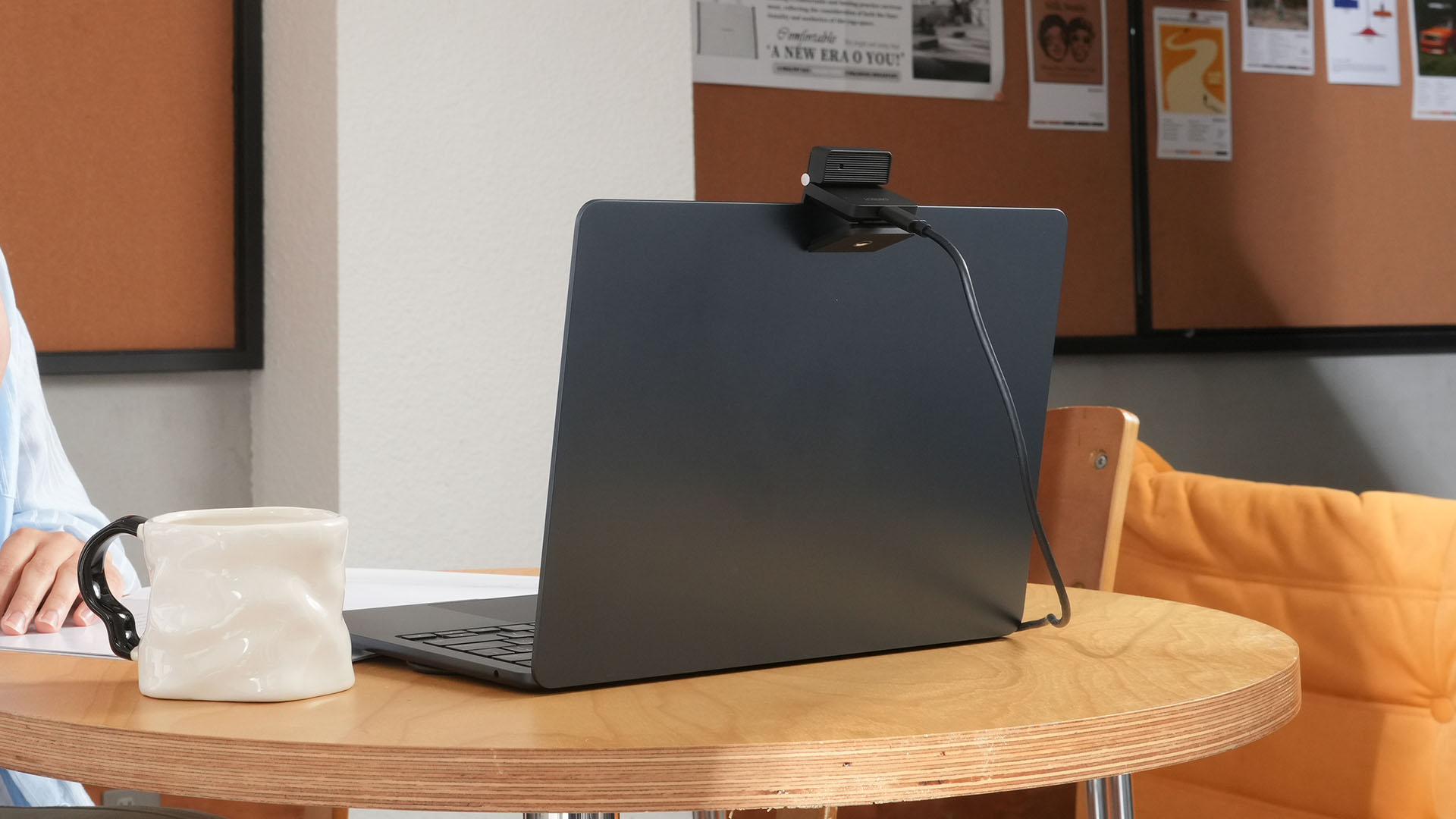
More interesting is AI Magic Notes.
Through OBSBOT Center, it provides real-time transcription and can automatically generate meeting summaries with key points, decisions, and action items. It works across Google Meet, Zoom, and Microsoft Teams.
Although AI Magic Notes is offered as a subscription service, every Meet Flip includes 120 complimentary minutes to get started.
MORE with OBSBOT Center & OBSBOT Live
There are plenty of other software features as well. OBSBOT Center includes:
- Background Blur and Background Replacement
- Real-Time Beauty Mode
- Picture-in-Picture overlays
- Smart Eye Tracking
- Teleprompter support
- Detailed image adjustments
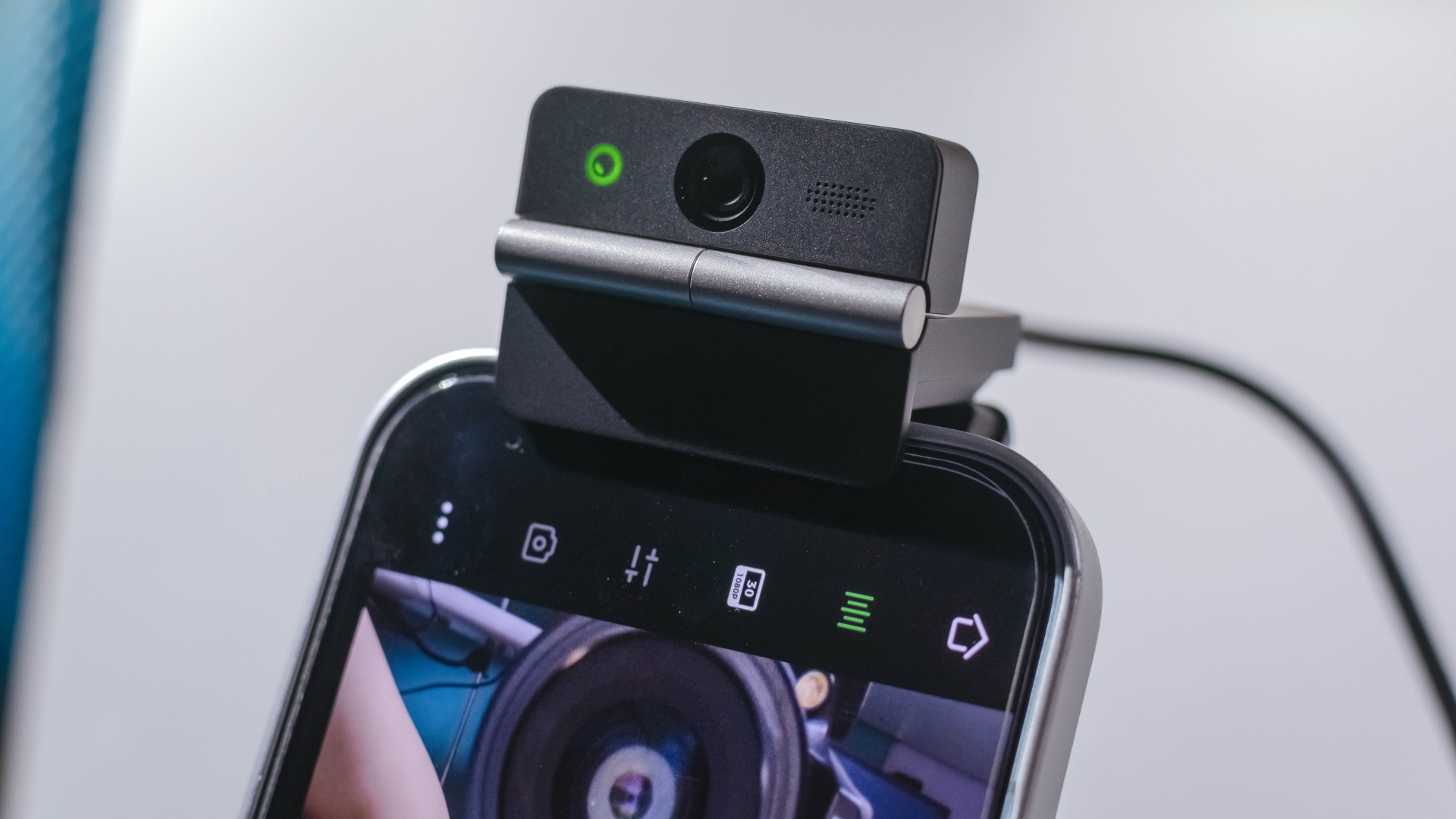
The Meet Flip isn’t limited to laptops or desktops either. Through OBSBOT Live, it can connect directly to smartphones and tablets over USB-C for mobile streaming and content creation.
Flip it open. Fold it away.
None of those features reinvent the webcam on their own.
Taken together, though, they make the Meet Flip a more thoughtful take on a piece of hardware whose basic design and features have barely changed.
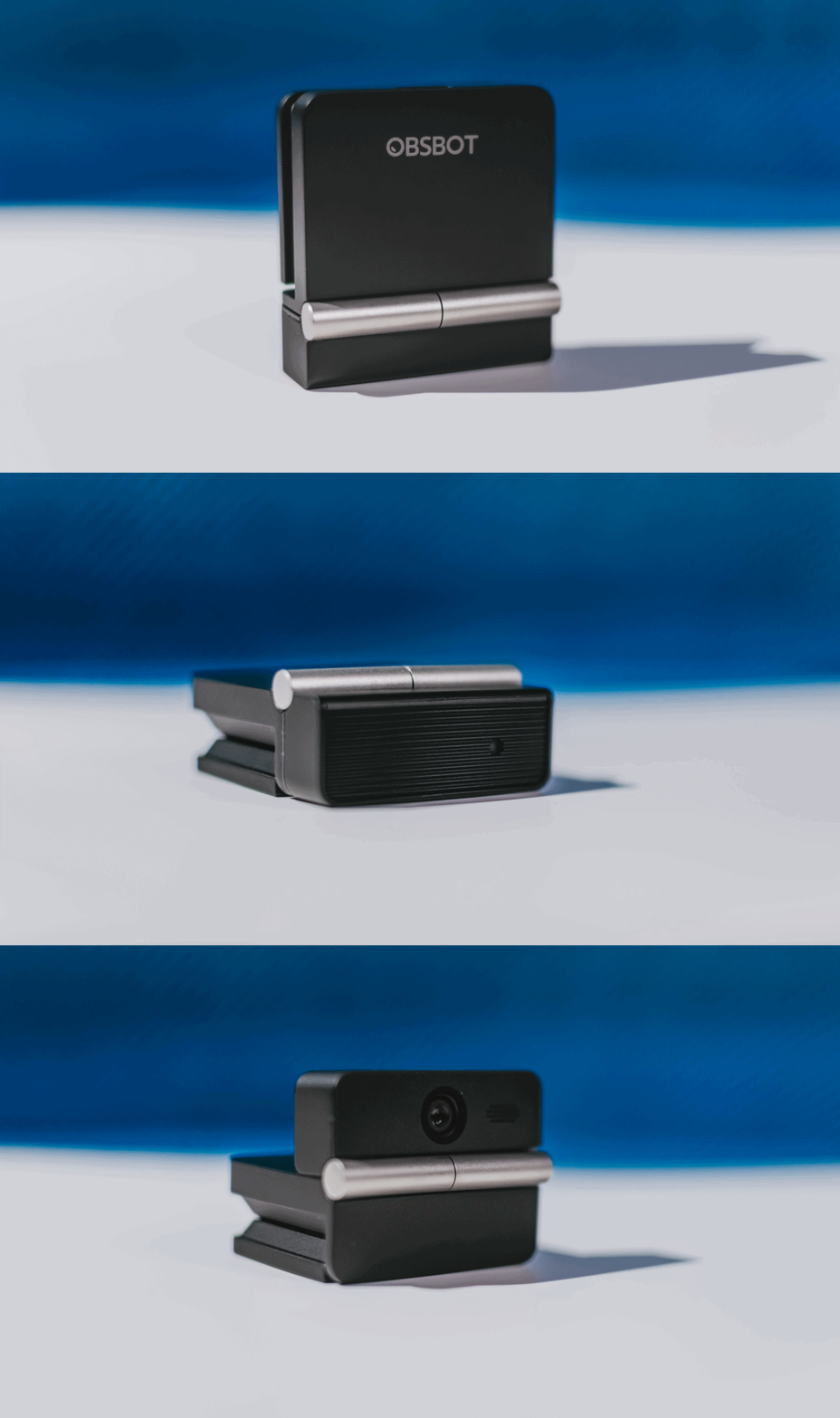
The flip may grab your attention first, but it’s how OBSBOT uses that design alongside its camera, audio, and software features that makes the Meet Flip interesting.
The OBSBOT Meet Flip is now available at US$ 119 and is currently available through OBSBOT’s official store, Amazon US, and select retailers.
&
@gadgetmatchPhones flip. Now webcams do too. 👀 Meet the OBSBOT Meet Flip, a tiny foldable 4K webcam with a lot packed inside. ✨
If you buy one, here’s what you’ll get out of the box!



Dragon’s Dogma 2: Dark Arisen launches with new Official Pawns

Score PhP 22,000 in guaranteed freebies when you pre-order the iPhone 18 Pro at Beyond the Box

Sony unveils world’s 1st Eclipsa Audio-certified mic for smartphones

Garmin Approach S72 brings swing metrics, green reading to your wrist

Garmin Enduro 4 promises up to 320 hours of battery life

vivo X500 Series launches with major imaging upgrades

OPPO Find X10 Pro Max is the first phone with a triple 200MP camera system

BYD says that way better EV batteries are coming next year

TECNO CAMON Slim 5G: Price, availability in the Philippines

HONOR Magic9 Pro Max launches in China with ARRI-powered imaging


-
 Philippines2 weeks ago
TECNO CAMON Slim 5G: Price, availability in the Philippines
-
 News2 weeks ago
HONOR Magic9 Pro Max launches in China with ARRI-powered imaging
-
 Reviews2 weeks ago
TECNO CAMON Slim 5G review: Slim on size, big on surprise
-

 News2 weeks ago
Apple wants to release new iPhones more regularly
-
 News1 week ago
vivo X Fold6 makes global debut with 200MP camera and 6900mAh battery
-

 Computers2 weeks ago
ROG brings out the ultra-stylish G1000 gaming desktop
-
 Reviews2 weeks ago
HONOR 600S review
-

 Her GadgetMatch2 weeks ago
TECNO and Angélica Dass visit the Philippines next for its grand portrait project