
Smartphones
ASUS ZenFone 3 unboxing

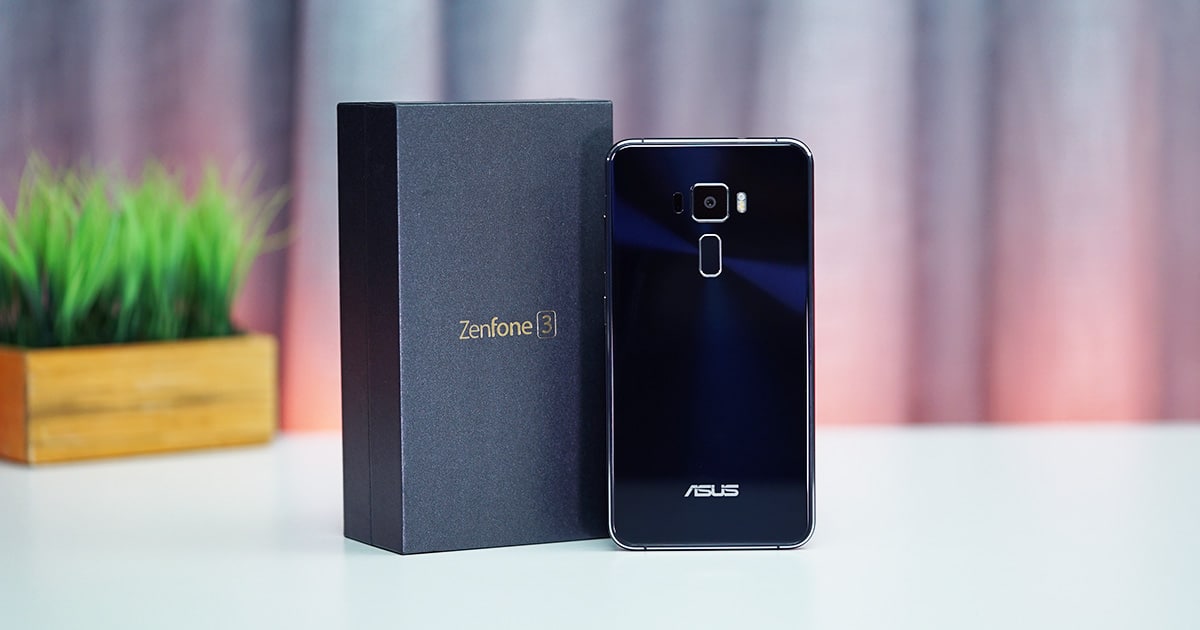
As many of you know, we’re only a few short weeks away from seeing ASUS’ signature smartphone series hit the streets in many parts of the world.
As of this month, it’s reportedly already available in Taiwan, Hong Kong, and Macau. Next up are Indonesia, Malaysia, Thailand, Vietnam, and the Philippines in August. A ZenFone 3 launch event is expected to take place in India sometime in September. Shipments could be headed to Europe, Japan, and the United States later in the year.
The standard ASUS ZenFone 3 comes in two variants: one, a 5.2-inch model with 3GB of RAM and a 2,650mAh battery; the other, a 5.5-incher with 4GB of RAM and a 3,000mAh battery. Each variant is identifiable by a unique model number. But regardless of specifications, the outward appearance has been completely redesigned from the ground up — in lieu of a removable plastic back, there’s curved-edge glass on the front and back and a metal frame that holds the assembly in place.
The ZenFone 3 is far less cumbersome and prettier now, arguably more attractive than the bigger and higher-specced and more expensive ZenFone 3 Ultra and Deluxe models. Its design is proof that ASUS, like Xiaomi and OnePlus and so many other Chinese startups, is also capable of building a premium-feeling phone for less.
More importantly, the ZenFone 3 is a more capable phone than before, housing a new octa-core processor from Qualcomm, as opposed to an Intel chip, which has historically been synonymous with poor heat dissipation and inefficient battery use. We quickly noticed the difference and thanked the heavens ASUS went with a different chip maker this year.
Our immediate takeway from the ASUS ZenFone 3 event was that the Taiwanese manufacturer is well aware of the huge expectations from the public that saw a deluge of quality but affordable smartphones over the past year and a half, hence the guns-blazing approach in 2016. After playing around with the ZenFone 3, we’re convinced ASUS has surpassed its previous feats.
But ASUS doesn’t operate in a vacuum; and more so than ever, the market is seeing brands of all sizes making headlines in the affordable phone segment.
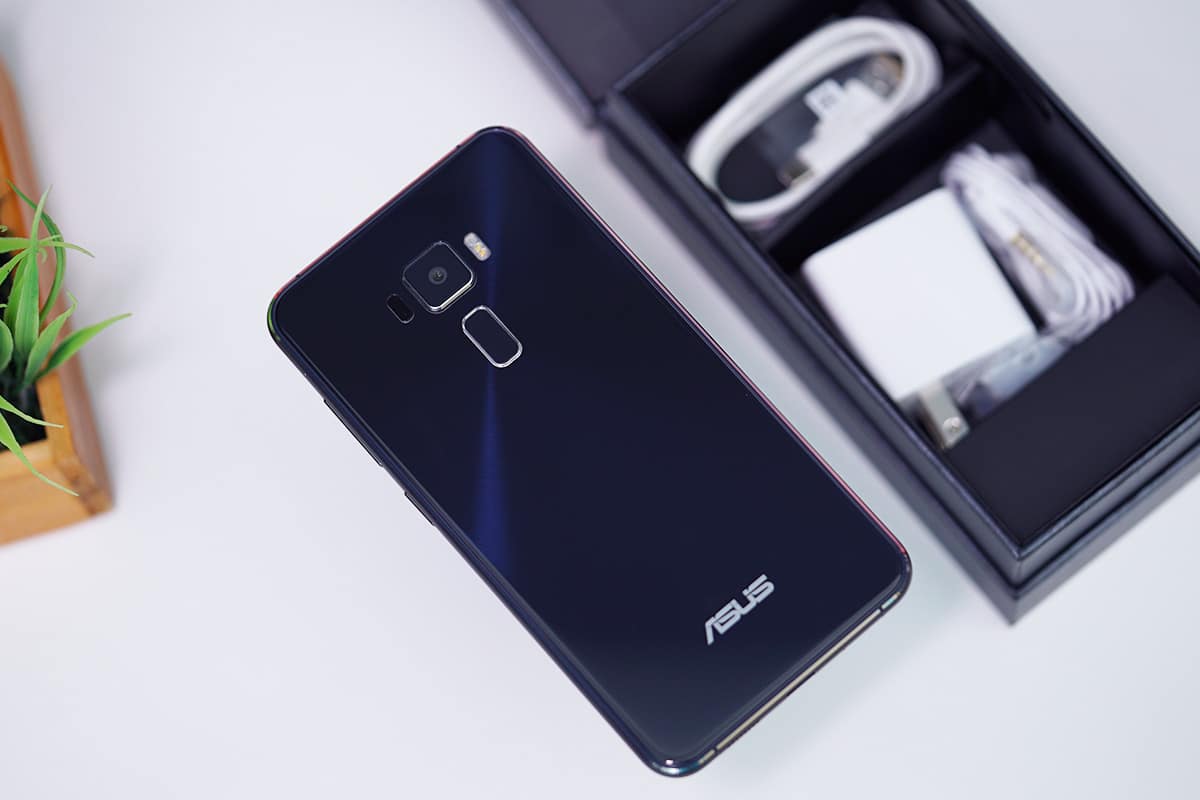
The ASUS ZenFone 3 starts at $249. Check out our unboxing video to see a retail unit in action.
[irp posts=”3880″ name=”ASUS ZenFone 3 review”]






News
vivo X Fold6 makes global debut with 200MP camera and 6900mAh battery
With 200MP camera and 6900mAh battery

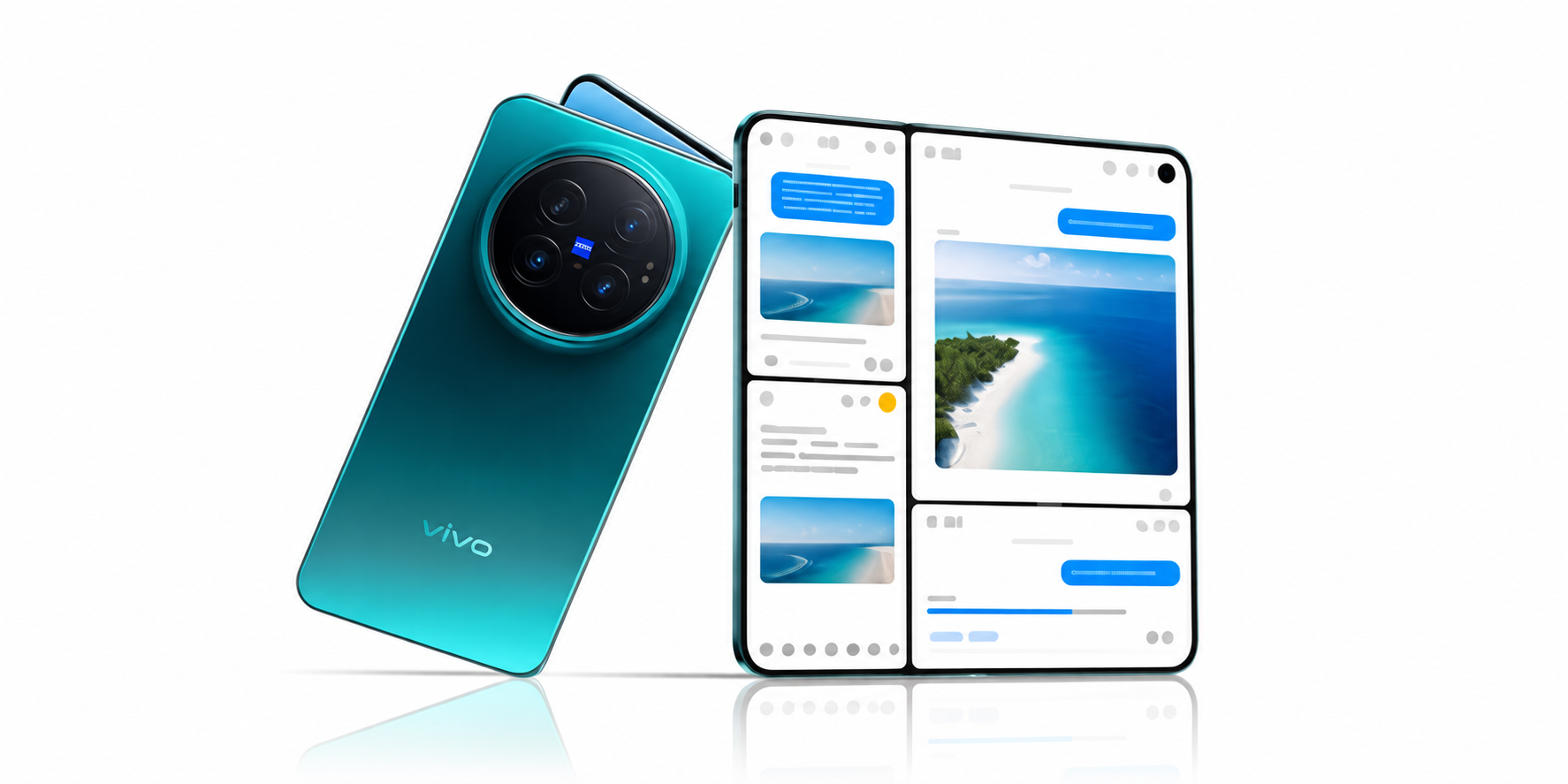
vivo has officially launched the X Fold6 globally. It combines a slim foldable design with productivity features, flagship imaging, and a large 6900mAh battery.
The X Fold6 runs OriginOS 7 Fold, which introduces Multi-Task Workbench with Origin Workbench and Multi-Split Screen. Users can display and resize up to four windows simultaneously, while AI Cross-App Drag allows content to move directly between apps.
Productivity with AI
The foldable also includes AI-powered productivity tools. AI Meeting Assistant provides speaker transcription and summaries through AI Recorder, while AI Captions adds real-time subtitles during online meetings. AI File Manager organizes files with features such as Topics, Smart Naming, AI Summary, and Column View. There’s also AI Reader Mode that reformats PDFs into an eBook-style layout.
vivo also equips the X Fold6 with Jovi, an AI agent designed to handle tasks across smartphones and PCs. It can search and understand materials, generate content, and complete office workflows through voice commands. It also supports scheduled and recurring tasks.
For users who want to replace a computer for lighter workloads, vivo Office Kit enables cross-device collaboration. Desktop Mode turns the foldable into a desktop-like workspace when connected to a compatible monitor or TV.
6900mAh large battery
The X Fold6 packs a 6900mAh BlueVolt Battery with 80W FlashCharge, 40W Wireless FlashCharge, and wireless reverse charging. Its 5th-Gen Silicon Anode Technology allows vivo to fit the large battery into a slim foldable body, while its 3rd-Gen Semi-Solid-State Battery is designed to maintain performance in temperatures as low as -20°C.
Despite its battery capacity, the X Fold6 measures as little as 4.4mm when unfolded and weighs 228g in Prism Black. The Horizon Blue version measures 4.8mm and weighs 235g. Both variants feature a 2.5D flat-edge metal frame and ultra-narrow bezels.
For photography, the foldable features a 200MP ZEISS main camera with a Samsung HPB large sensor, ZEISS T* coating, and optical image stabilization. It is paired with a ZEISS APO telephoto camera with a Sony LYTIA 602 sensor, 3x periscope design, telephoto macro capability, and up to 100x ZEISS HyperZoom.
The camera system also introduces Stage Mode for telephoto concert and live performance photography. It supports 4K 60fps Dolby Vision video, while Motion Portrait 2.0 uses subject tracking and portrait processing to capture moving subjects.
Powered by MediaTek
The X Fold6 uses the Dimensity 9500 Super Edition flagship platform and features an 8.02-inch inner display alongside a 6.51-inch cover display. Both screens use 8T-LTPO technology with a 1–120Hz adaptive refresh rate, adaptive dimming, up to 5,000 nits local peak brightness, and a minimum brightness of 1 nit.
The foldable also carries IPX8 and IPX9 water resistance and IP5X dust resistance. Its 1+4 Communication Chipset is designed to improve cellular and Wi-Fi connectivity, while Data Store allows users in select markets to purchase local data plans directly on the device across 129 countries and regions.
Philippines
Smart opens iPhone 18 Series pre-orders in the Philippines
iPhone 18 Pro starts at P3,713 monthly
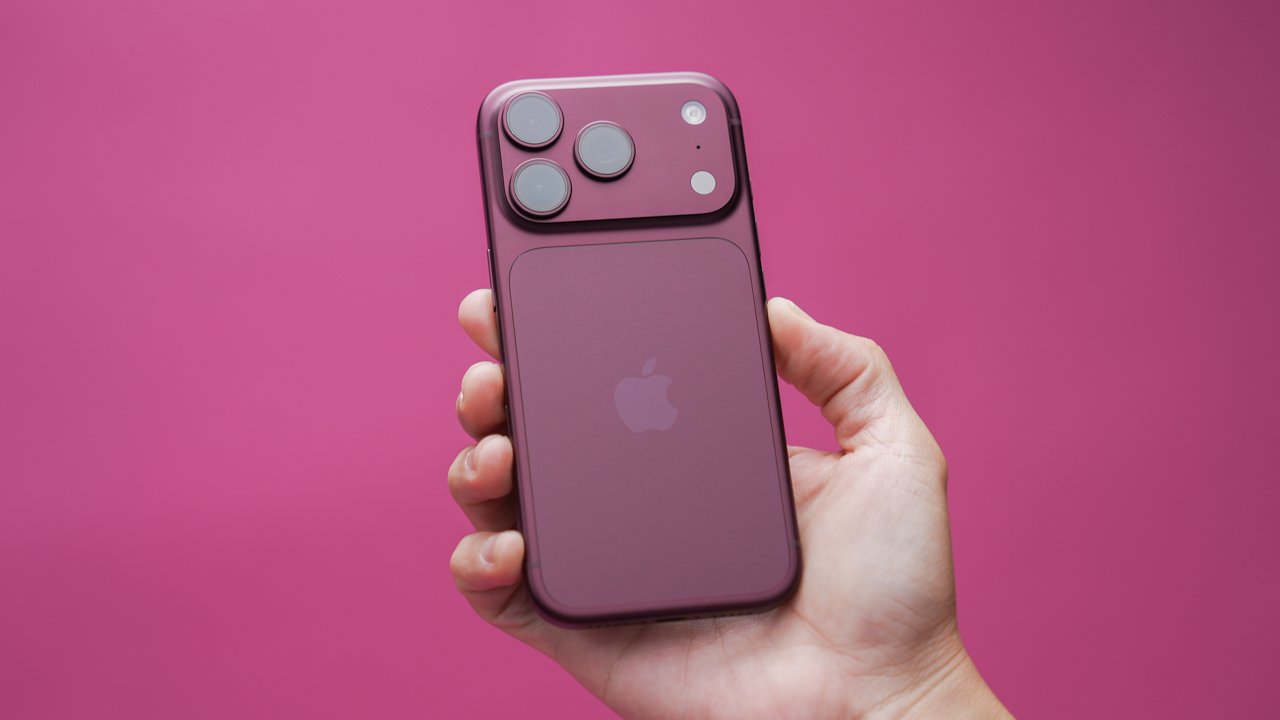
Starting October 2, subscribers can pre-order the iPhone 18 Pro with Smart Postpaid Plans+ 1499. It starts at PhP 3,713 per month. Meanwhile, the iPhone 18 Pro Max starts at PhP4,050 per month.
Customers can also pay for their devices through zero-interest credit card installments of up to 24 months with select banks. Smart Postpaid subscribers renewing their plans can choose payment terms of up to 36 months, charged directly to their Postpaid bill.
Both iPhone models come with an open-line device, a preferred Unli App bundle, UNLI 5G for 12 months, Open Access Data, and high priority on the Smart network.
Customers who successfully pre-order an iPhone 18 Series device will also receive 18GB of free Open Access Data valid for three months, a PhP5,000 discount voucher for select Smart Accessories, and 18% off select third-party Digimap accessories.
Those who pre-order through the Smart Online Store will also receive a free AirTag.
Smart Postpaid customers can pre-order at Smart Stores nationwide or through the Smart Online Store.
Smart Infinity gets additional perks
Members of Smart Infinity can get the iPhone 18 Series starting with the Infinity Plan 5000, which now includes Infinity Roam+ Plans for connectivity while traveling abroad.
Members can also opt for the Infinity Plus Plan 9500, which includes one Primary Line and two Supplementary Lines.
Infinity members who pre-order the iPhone 18 Series will receive a PhP5,000 discount voucher for select Smart Accessories and a complimentary PowerMac e-voucher.
Apple Watch Series 12 and Ultra 4 arrive October 9
Smart will begin offering the Apple Watch Series 12 and Apple Watch Ultra 4 on October 9.
The Apple Watch Series 12 starts at PhP1,521 per month with zero-interest installment as a Device Add-On, or PhP28,900with a Smart Postpaid Plans+ 999 plan.
The Apple Watch Ultra 4 starts at PhP2,467 per month with zero-interest installment as a Device Add-On, or PhP49,200 with Smart Postpaid Plans+ 999.
Smart Postpaid subscribers can also connect multiple Apple devices to one account through Smart Device Link, which costs PhP199 per month and is charged to the subscriber’s Postpaid bill.
Smart says subscribers can use the latest iPhones and Apple Watches on its 5G network. The company was recently recognized by Ookla for the Best Mobile Video Experience in the Philippines for the first half of 2026, recording a Video Score of 72.82.
Philippines
TECNO CAMON Slim 5G: Price, availability in the Philippines
TECNO’s ultra-slim CAMON phone
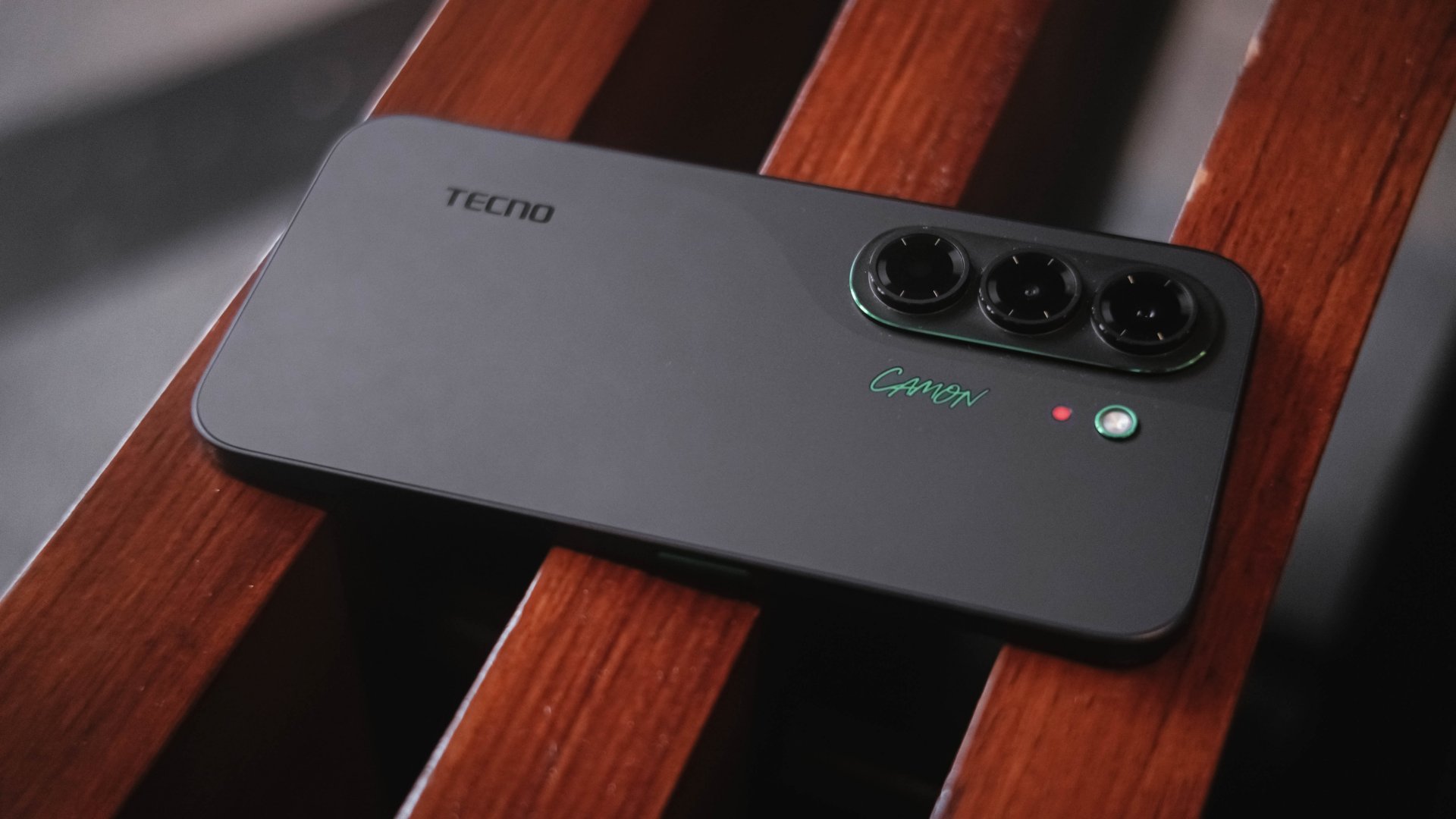
TECNO has officially launched the CAMON Slim 5G in the Philippines, bringing its latest CAMON smartphone with a focus on slim design, photography, and everyday durability.
The phone measures just 6.39mm thin while packing a 6,000mAh battery. It also features a 6.78-inch 1.5K AMOLED display with a 144Hz refresh rate and is powered by the MediaTek Dimensity 7300e 5G chipset.
Slim design, big battery
The CAMON Slim 5G comes in five colorways: Burgundy Red, Neo Mondrian, Matisse Black, Van Gogh Blue, and Rebel Pink.
TECNO gives each variant a distinct rear design. Neo Mondrian, for example, uses a photochromic panel that reveals a colored grid pattern under ultraviolet light, while Van Gogh Blue uses a patterned gradient inspired by The Starry Night.
Despite its slim profile, the phone carries a 6,000mAh battery. It also has IP69K/IP69/IP68/IP66 protection ratings and has passed MIL-STD-810 certification.
50MP Sony LYTIA camera
For photography, the CAMON Slim 5G features a 50MP Sony LYTIA 700C main camera with a 1/1.56-inch sensor.
TECNO also highlights its Super-Zoom FlashSnap feature, which can capture fast-moving subjects without requiring users to manually press the shutter at the exact moment. The camera supports up to 2x telephoto snap shooting.
The phone also supports Multi-Focal-Length Portrait with 24mm, 35mm, and 50mm focal lengths.
TECNO Mag Badge
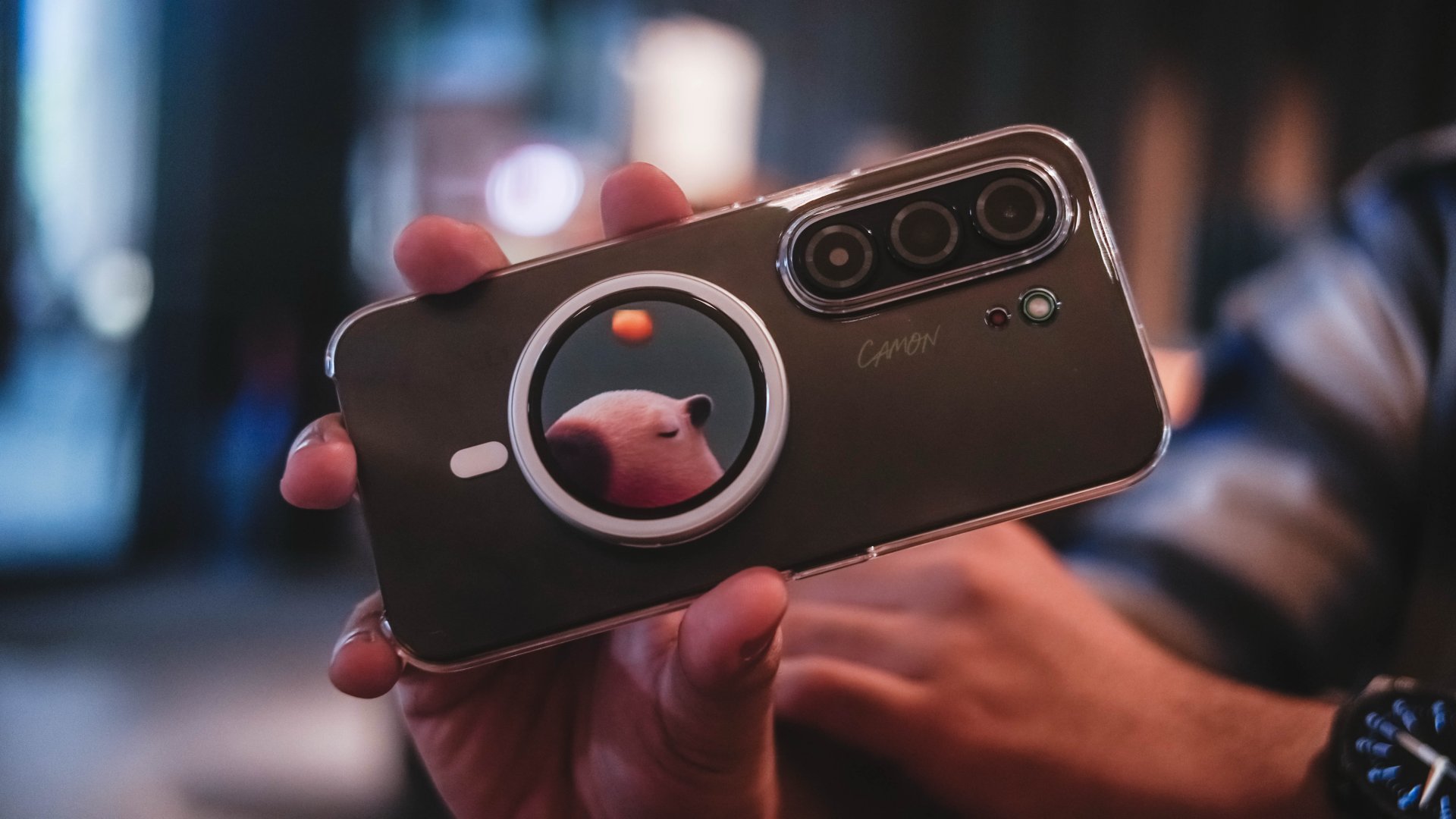
The TECNO Mag Badge is a magnetic accessory designed to work with the CAMON Slim 5G. It has a 1.73-inch AMOLED display and can function as a photo gallery, remote shutter, and selfie preview.
Price and availability
The TECNO CAMON Slim 5G starts at PhP 24,999 for the 8GB+128GB variant, which is exclusive to TikTok Shop.
The 8GB+256GB model is priced at PhP 27,999 and is available through online channels and TECNO stores nationwide.
Pre-orders run from October 2 to 15, 2026.
Customers who pre-order will receive a TECNO MagBadge, along with a 60-day free replacement warranty, three years of 256GB cloud storage, and a three-month Google One AI Plus 2TB trial. Eligible pre-order buyers can also get up to PhP 3,000 in special cash discounts.
For those who want the accessory separately, the TECNO MagBadge is priced at PhP 5,999 in the Philippines. It features a 1.73-inch OLED display and can serve as a rear-camera preview screen and remote shutter, with the latter working from up to 10 meters away.





iPhone 18 series breaks records in Vietnam as pre-orders triple

The Ace Combat 8: Wings of Theve launch event is happening this week

30 days with the LG AeroMini

Nike’s new race-day system, explained

Linkin Park: Unshatter is the band’s kintsugi

HUAWEI Pura X View is 2026’s first WIDE slab-type smartphone

The CAMON Slim 5G is TECNO’s latest ultra-slim smartphone

iPhone 18 Pro series: Price, availability in the Philippines

vivo X500 Series launches with major imaging upgrades

iPhone 18 Pro series: Price, availability in Singapore


-

 News2 weeks ago
OPPO Find X10 Pro Max is the first phone with a triple 200MP camera system
-

 Automotive1 week ago
BYD says that way better EV batteries are coming next year
-

 News1 week ago
HONOR Magic9 Pro Max launches in China with ARRI-powered imaging
-

 Philippines4 days ago
TECNO CAMON Slim 5G: Price, availability in the Philippines
-

 Smartphones1 week ago
TECNO CAMON Slim 5G teases an ultra-slim design ahead of launch
-

 Accessories2 weeks ago
70mai launches the A900 series with 4K front, rear recording
-
 Reviews5 days ago
TECNO CAMON Slim 5G review: Slim on size, big on surprise
-

 Reviews1 week ago
TECNO POVA 8 Pro Tonino Lamborghini review