
Reviews
ASUS ZenFone AR review


The ZenFone AR is known for two things: being the first smartphone to have 8GB of memory, and first to come with both of Google’s Tango AR and Daydream VR platforms. That’s a problem.

While the abundant amount of memory makes sense to boast about — we have a full explainer for that — what exactly is so special about having two mixed reality systems on a single phone? I’ll begin the review by explaining each one.
What is Google Daydream?
In a nutshell, it’s the search giant’s virtual reality (VR) program. But Daydream isn’t something any smartphone can just start using; in fact, there are only five handsets with official support, two of which are Google’s very own Pixel and Pixel XL.
So, how did the ZenFone AR get near-exclusive access to the platform? With the combination of a high-resolution Quad HD AMOLED display and powerful (yet slightly outdated) Snapdragon 821 processor. Simply insert the phone into a compatible Daydream headset, pair it with the bundled wand-like controller, and fire up the Daydream app.
We already had some fun with it last January:
Daydream has experienced more development since then, and the platform has a lot more supported apps now. I had fun playing games using the controller, which I found simple to handle thanks to the simple three-button layout and accurate detection. But honestly, I spent more time watching 360-degree videos on YouTube, wherein I could just sit back and enjoy some shows.
As for how the ZenFone AR performed, it never skipped a beat, but the smooth performance came at the expense of overheating. You can’t use Daydream for more than an hour at a time, and you definitely can’t play while charging.
What is Google Tango?
Not to be confused with VR, Tango’s augmented reality (AR) system doesn’t need a headset or controller to work. Instead, you hold the compatible phone — the ZenFone AR in this case — and point the multi-camera setup on the back at your surroundings for graphics to show up.
Again, the ZenFone AR is in special company; it’s just the second commercial device to support Tango. That’s because the requirements are a lot stricter, requiring motion-tracking and depth-sensing camera modules on top of the ZenFone AR’s 23-megapixel main shooter to record surrounding data.
We were fortunate enough to try out The Sims in AR during this year’s Google I/O:
So yes, you can have fun with Tango and the ZenFone AR. Early builds of Google’s platform showed off mostly interior design apps and basic games during demos. While practical in application, it was only when we tried out the latest Tango-compatible games when we were sold on what ASUS and Google were promoting.
But like any developing system, Tango has a long way to go. On top of there being only two available smartphones supporting this, the Tango store is terribly lacking. There were a few fun AR apps to play with, but the novelty quickly wore off and I found myself charging the ZenFone AR more than I normally had to.
What else is there to the ZenFone AR?
Now that we have the two headlining features covered, we can talk more about the phone itself.
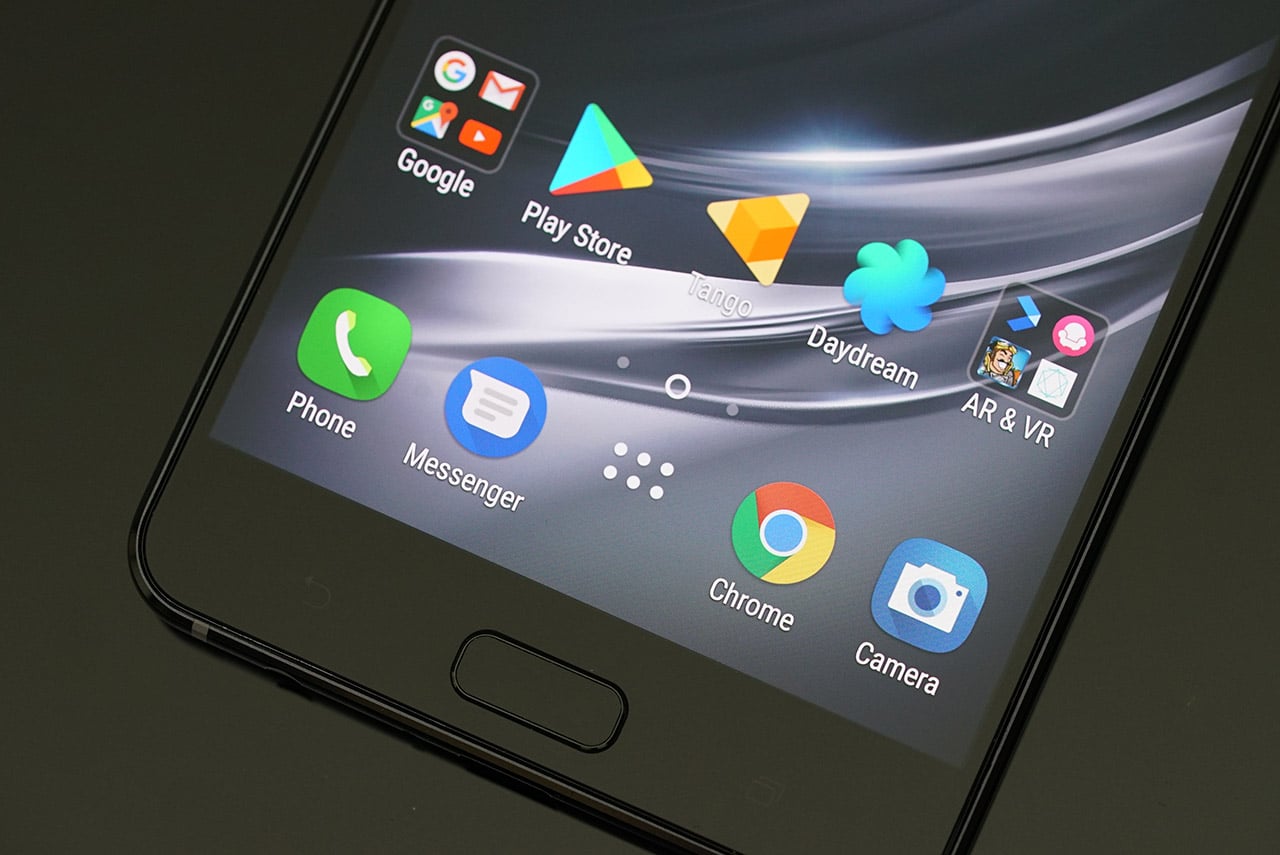
From the interface alone, you can tell not much has changed from previous versions of ASUS’ signature ZenUI styling. It’s still bloated with useless apps you’ll want to uninstall the moment you start up the phone, and even though ASUS finally applied Android 7.0 Nougat at its core, the overly large, somewhat cartoonish icons are still there.
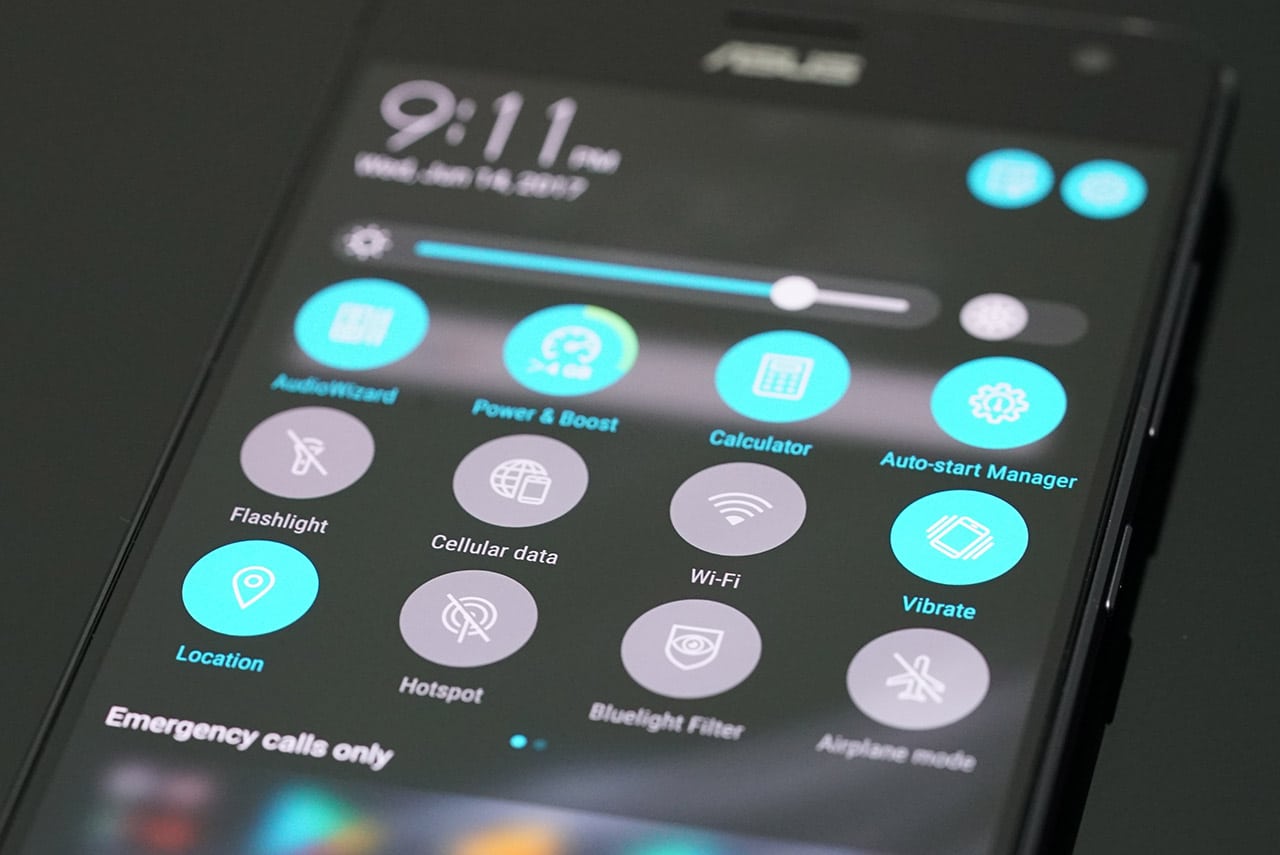
On the bright side, the 5.7-inch AMOLED panel makes the interface pop like no other. It’s a little on the large side, and reaching for the fingerprint scanner-embedded home button below it can be a pain, but this is way more pleasant to look at than ZenFones before. Only the ZenFone 3 Zoom can compete.
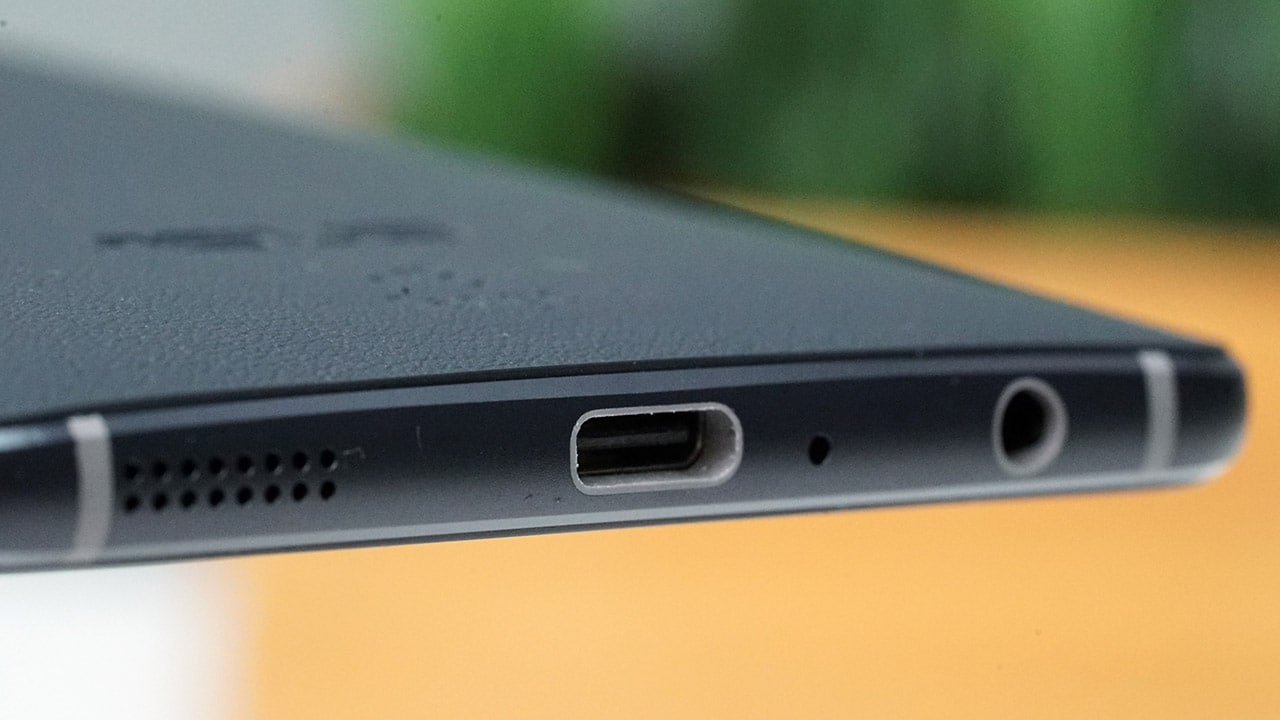
It’s only when you turn the unit around when you forget for a second that this is a ZenFone. There’s nothing typical of ASUS here, from the rough back to the overbearing multi-camera setup. It’s solid, grippy on both glass surfaces and hands, and has that Tango logo near the bottom — no Daydream branding for some reason.

Can it take great photos?
More cameras mean improved image quality, right? It’s not that simple.

Despite being high in resolution, the single main camera struggles with the same issues that plagued previous ASUS smartphones, namely mushy shots under poor lighting and artificial-looking dynamic range when HDR mode is on.
Check ’em out:








It’s not all bad. I liked how the ZenFone AR didn’t oversharpen photos under noontime daylight, which is something a lot of smartphones are guilty of. The 8-megapixel front-facing shooter was a pleasant surprise. Despite its low pixel count, my selfies exhibited great quality even in the worst indoor environments I could find and it had lots of beautifying features — but I preferred leaving the filters off.
It’s no ZenFone 3 Zoom. But really, did we expect ASUS to top its own camera-centric flagship?
Does it last more than a day?
And here we have the biggest question (well, before the last and most important section): Can it handle a full day’s worth of usage?
Short answer is: it depends. If you buy a ZenFone AR, you’re sure to abuse the heck out of Daydream and Tango, or else you lose out on most of your investment. With those two features constantly on, you’re looking at an afternoon of playtime on a single charge. Without any AR or VR fun, getting over a day of usage with at least five hours of screen-on time is possible.
Since this is a Qualcomm-powered gadget, fast charging is available through Quick Charge 3.0 and it works well enough on the 3300mAh battery. Using the bundled charger, I reached close to a hundred percent in two hours’ time. At that point, the flow of energy slows down and requires an additional 15 minutes to get to full.
Is this your GadgetMatch?
Based on the opening lines of this review, the purpose of the ZenFone AR was already clear: to be the first in multiple aspects and show off what ASUS can do. This is a statement product from the Taiwanese company, and proves that its phones aren’t mere copycats of established brands.
A price of PhP 44,995 in the Philippines (roughly $900) for the variant with 8GB of memory and 128GB of storage only compounds the fact that this is not a mainstream device. It’s in absolute premium territory with a processor from last year and user interface from years ago. Think about that for a moment.
So, whose GadgetMatch is the ZenFone AR? The early adopters, VR and AR enthusiasts, loyal Google followers, and die-hard ASUS users who must have the most ambitious ZenFone to date.
With rumors pointing to a July launch for the next-generation ZenFone series, there isn’t much sense in getting a ZenFone AR right now, unless you must have a one-of-a-kind smartphone with the most advanced mixed reality integration today.
SEE ALSO: ASUS ZenFone AR comes with Tango, Daydream, 8GB RAM
[irp posts=”9226″ name=”ASUS ZenFone AR comes with Tango, Daydream, 8GB RAM”]





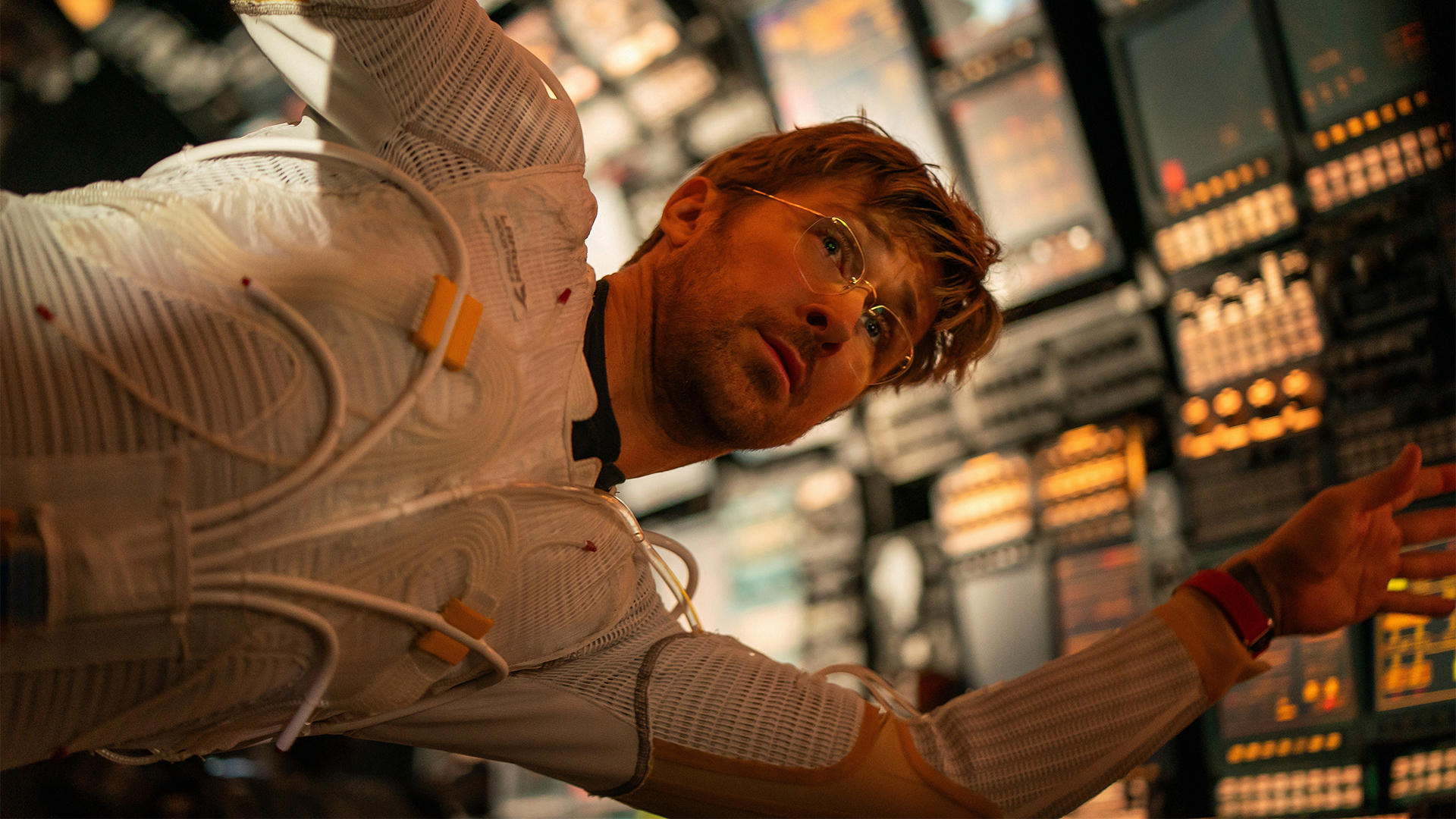
To be honest, I didn’t expect to like Project Hail Mary. I assumed that the decision to reveal the book’s biggest plot twist in the trailer was a mistake. I thought that the two-and-a-half-hour runtime might be too long. I worried that a hard sci-fi story like this one would be hard to translate into a feature-length film. Thank goodness I was wrong.
Project Hail Mary adapts Andy Weir’s novel of the same name. Indeed, that’s the same Andy Weir who wrote The Martian. Ryland Grace (Ryan Gosling), a molecular biologist, wakes up in an interstellar ship without his memory. With everyone else on board dead, he must find the answers to two questions on his own: who he is, and why he’s far away from Earth.
Though a soul-searching mystery might be entertaining in its own right, it wouldn’t be an Andy Weir story if it didn’t have some MacGyvering in space. Grace’s mission is apparently one of global importance. When a spacefaring virus starts to feed on the Sun and other surrounding stars, Earth sends a mission — that is, Ryland Grace and his deceased crewmates — to Tau Ceti, a faraway star somehow immune to the so-called astrophages.
Less problem solving, more emotion wrangling
Despite Weir’s tendencies to throw his protagonists into problem after problem, Phil Lord and Christopher Miller, who directed the adaptation, offers a more emotional story. Now, make no mistake; the original novel is already a tearjerker, but the film ups this even further by masterfully adapting the story’s most iconic character, Rocky.
Upon reaching Tau Ceti’s orbit, Grace realizes that he’s not alone. He isn’t the first visitor to the mysterious star. An alien spaceship is already orbiting the star. However, far from visions of War of the Worlds, this particular alien has a single mission: to save their own star from the same astrophages.

Rocky, as Grace calls them, looks like a living rock. Initially unable to communicate with the alien, Grave eventually builds a friendship with Rocky by translating the latter’s chirps to human words.
In the book, Rocky communicates with Grace (and the reader) through the broken English from a translating software. Naturally, the film adaptation offers more creative freedom. Instead of just text, Rocky gets a voice, thanks to James Ortiz, who offers a friendly-but-snarky character to the alien. As a result, Rocky feels more like a sidekick than just a (literally) alien entity.
Though it comes at the cost of some science-filled problem solving, Rocky’s slight change is more cinematic and can tug tighter at the heartstrings.
A healthy dose of humor
Rocky’s voice isn’t the only change. Despite the long runtime, the adaptation already prunes or shortens plot beats from the novel.
To be fair, all these changes don’t detract from the essence of the novel. Sometimes, they simplify. Other times, Lord and Miller infuse their trademark humor, which can be jarring for those expecting a more technical sci-fi story. But again, the novel’s spirit is still intact.
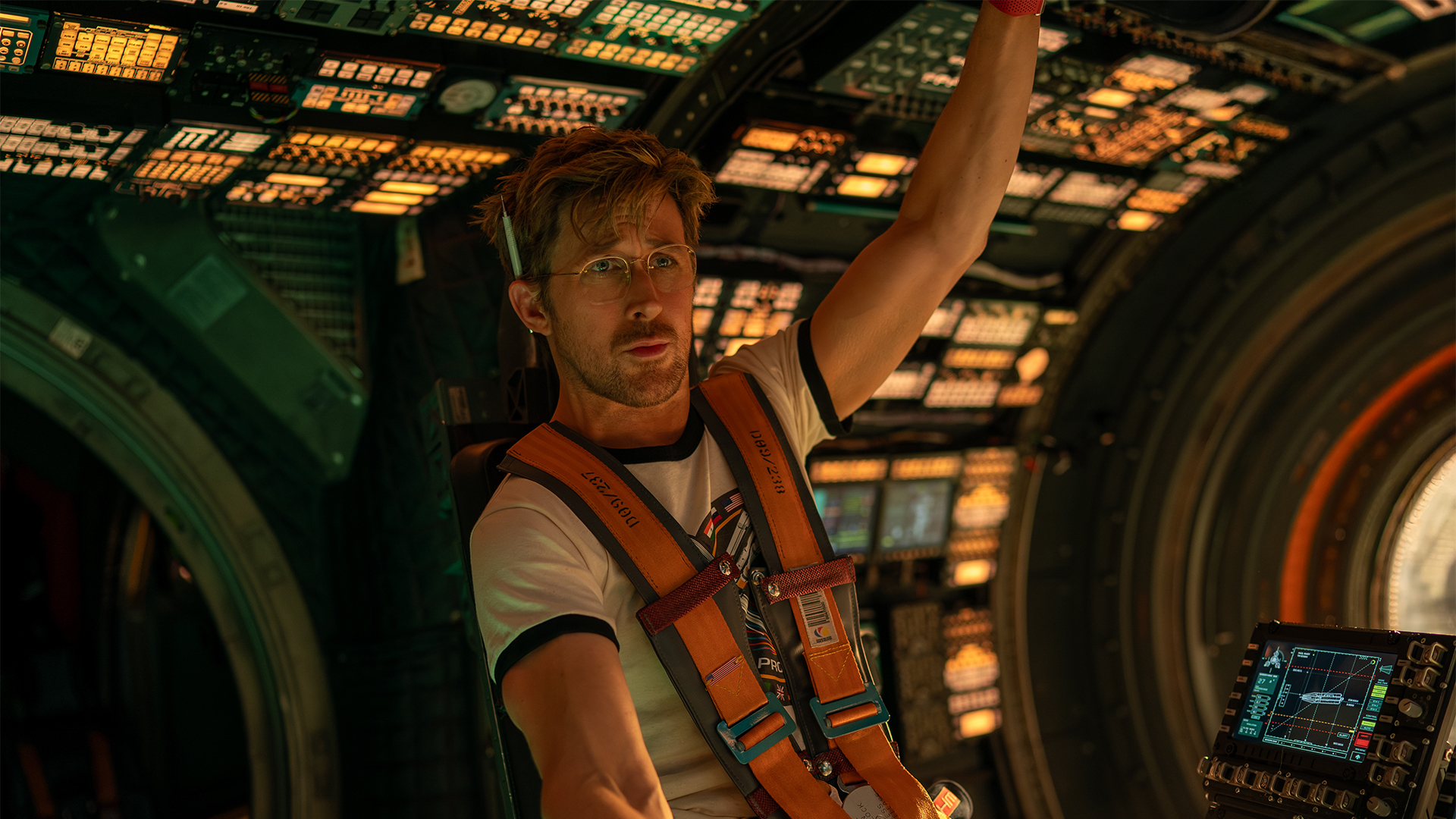
If anything, the added humor keeps the film entertaining throughout two-and-a-half hours. Now, if you’re tired of the so-called “Marvel humor,” there are moments of slapstick and snark sarcasm that pushes the limits of typical movie tropes. It’s just the price that an adaptation like this has to pay. Project Hail Mary’s plot is too complex to condense into the archetypal 90-minute window.
As someone who read and loved the original novel, it was difficult to see stitches between the book’s story and the screenplay’s changes. And I think that’s what makes the adaptation work so well.
Should you watch Project Hail Mary?
Project Hail Mary is as faithful as an adaptation can be. It doesn’t change the story for the sake of Hollywood. All the changes you’ll see are just ways to keep audiences engaged because of the long story. If you loved the book, there’s no way you wouldn’t love the adaptation, too.
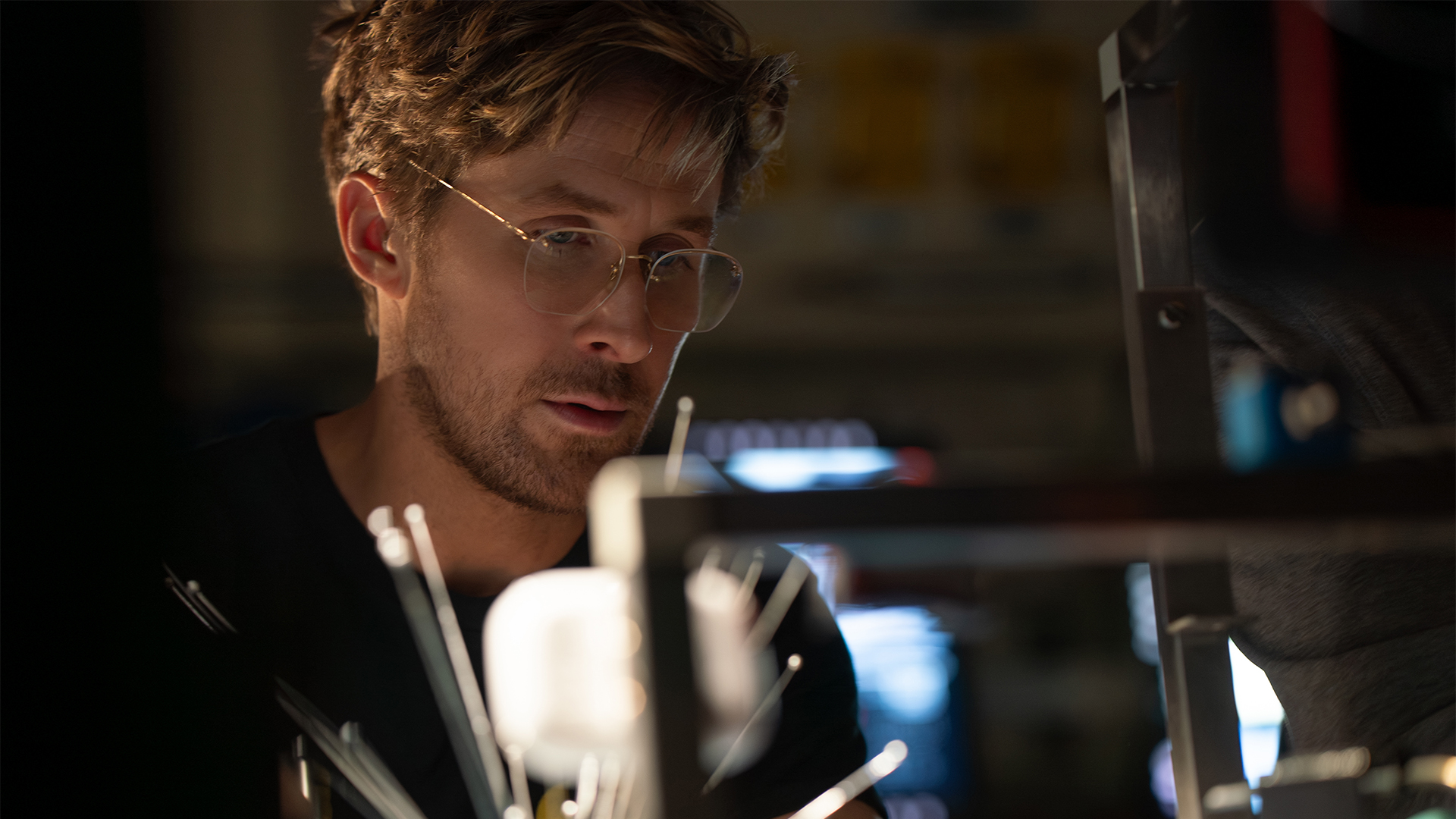
Now, if you haven’t read the book, firstly, you’ll still love this movie. It’s a highly compelling story with high stakes and an emotional rollercoaster. Secondly, read the damn book. It’s a masterpiece of science fiction.

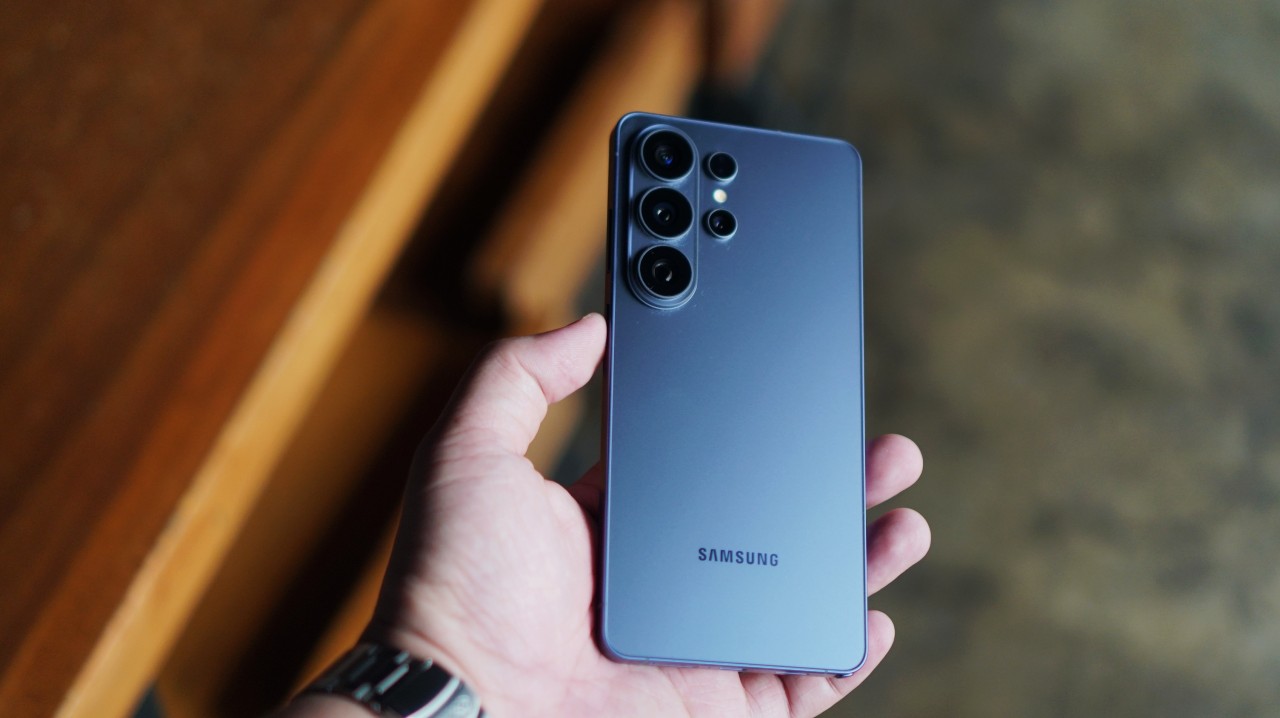
Not every flagship needs to reinvent the wheel.
Some phones try to wow you with dramatic hardware changes. Others focus on making the experience smoother, smarter, and easier to live with every day.
The Galaxy S26 Ultra falls squarely into the latter category.
At first glance, it doesn’t look dramatically different from last year’s model. But spend enough time with it — watching shows, listening to music, recording concerts, charging it between episodes — and the changes begin to make more sense.
A practical display trick
@gadgetmatch The Galaxy S26 Ultra introduces something we haven’t really seen on a mainstream smartphone before: a built-in Privacy Display. 🫣 #Unpacked #Unpacked2026 #SamsungGalaxyS26 #withGalaxy #GalaxyS26 ♬ original sound – GadgetMatch
The headline hardware feature this year is Privacy Display.
It’s one of those features that immediately feels useful in the real world. When activated, the screen limits viewing angles so people beside you can’t easily see what’s on your display.
Anyone who has ever used their phone on a train, plane, or crowded café will understand the appeal.
Some users might notice the display resolution dropping when the feature is active, but that’s a natural trade-off given the nature of the feature. Limiting light dispersion requires compromises, and Samsung appears to have struck a reasonable balance between usability and privacy.
More importantly, it’s a feature that solves an everyday problem instead of chasing a spec-sheet headline.
@gadgetmatch Say goodbye to prying eyes with Samsung’s newest built-in Privacy Display. 😎 #Unpacked #Unpacked2026 #SamsungGalaxyS26 #withGalaxy #GalaxyS26 ♬ original sound – GadgetMatch
A meaningful charging bump
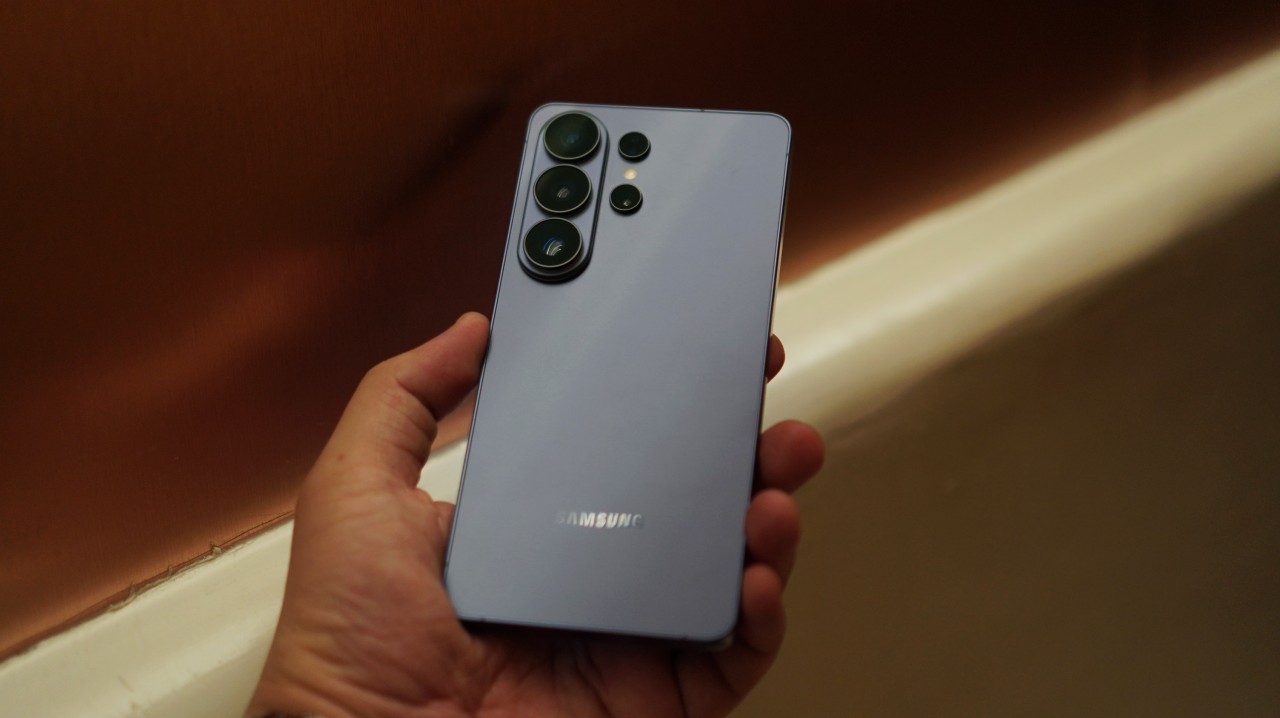
Another upgrade that quietly improves daily use is charging.
The jump from 45W to 60W charging feels significant.
Previously, I had to watch two anime episodes before the Galaxy S25 Ultra was fully charged from around 20-ish percent. With the Galaxy S26 Ultra, that’s down to roughly a single episode.
It’s a simple comparison, but it’s also how most people experience charging in real life: plugging in while watching something.
Faster charging means you spend less time thinking about battery levels and more time actually using the phone.
Now Playing: Jujutsu Kaisen Season 3
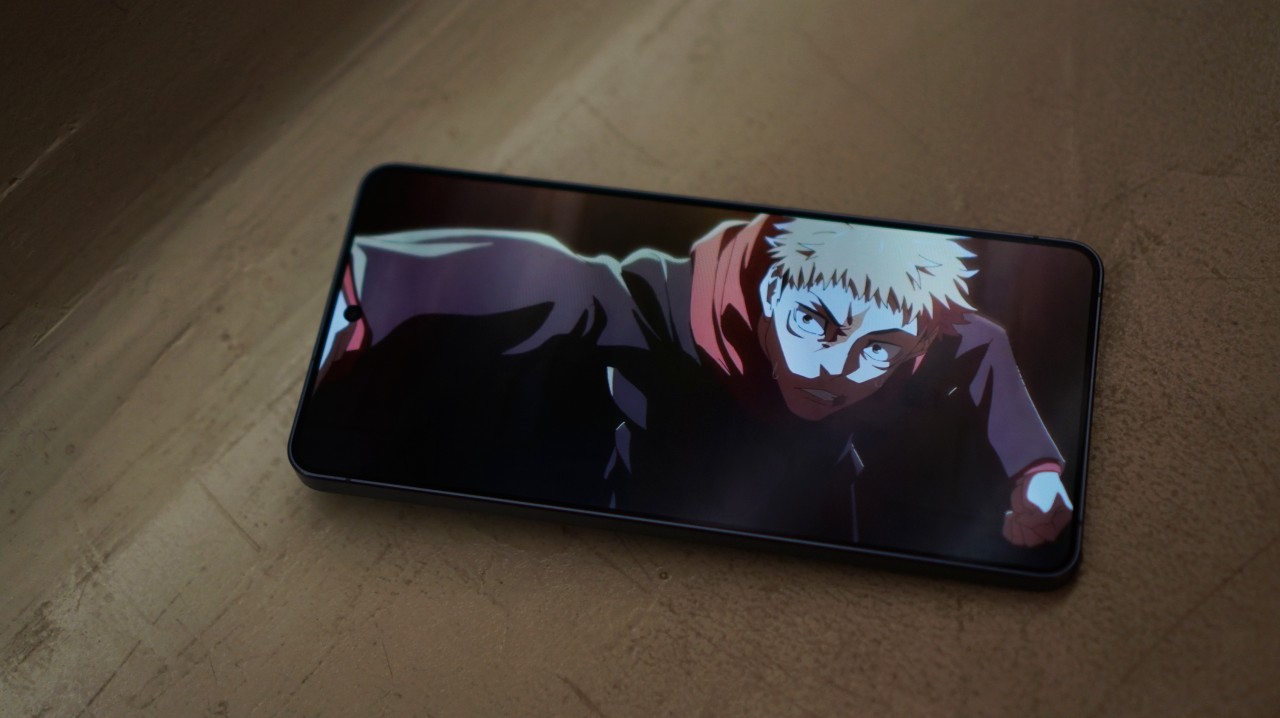
Speaking of anime, I used the phone to catch up on Season 3 of Jujutsu Kaisen.
The latest battle between Yuji Itadori and “Judge Man” Higuruma looked absolutely stunning on the large Ultra display. As is to be expected.
Samsung has long been known for excellent smartphone displays, and that reputation continues here. The panel remains one of the easiest ways to enjoy streaming content on a mobile device.
Now Playing: Steal on Prime Video
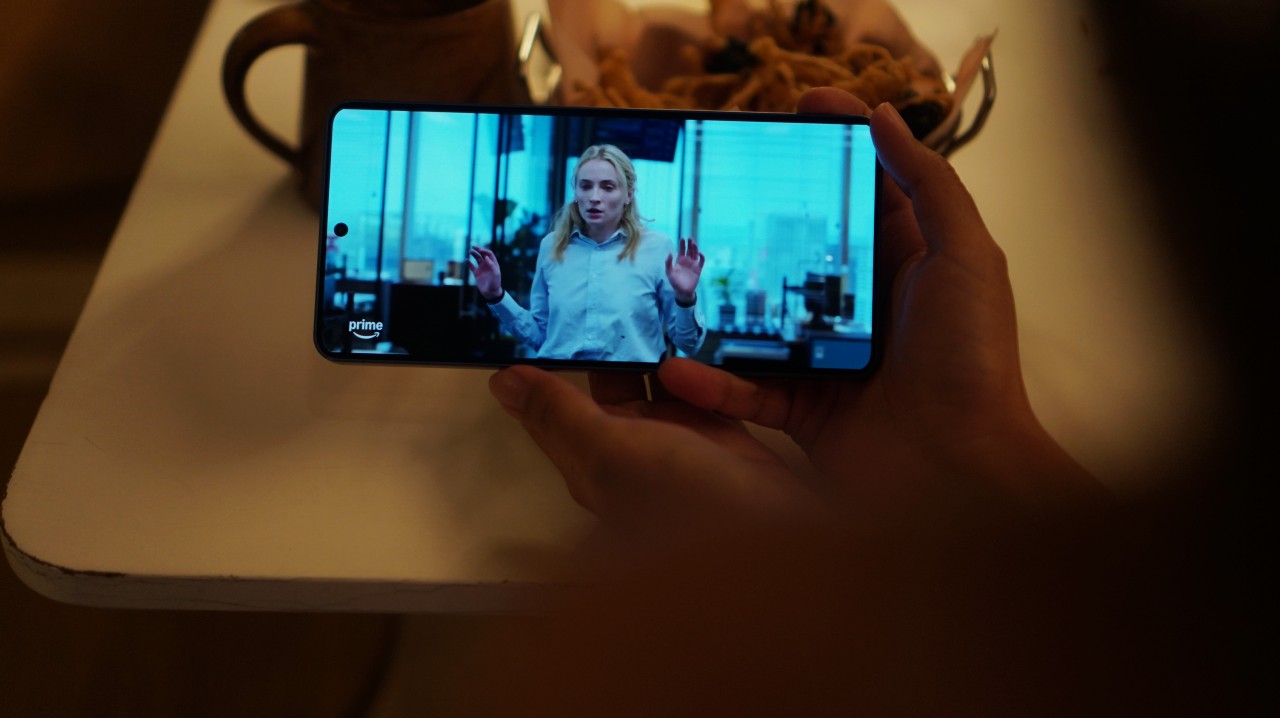
The phone also became my late-night streaming companion.
I spent a few evenings watching Steal on Prime Video as I wind down at night. It stars Sophie Turner as a rank and file investment company employee caught in a high stakes hostage situation.
It’s a steady thrill watch – one you can finish in a weekend – where you can watch Turner on Prime before she shifts gears into tomb raiding.
Phones like the Galaxy S26 Ultra increasingly double as our primary personal screens, and the large display makes that transition feel effortless.
@gadgetmatch Audio Eraser now works on third-party apps! 🤩 #Unpacked #Unpacked2026 #SamsungGalaxyS26 #withGalaxy #GalaxyS26 ♬ original sound – GadgetMatch
This also feels like the kind of scenario where Samsung’s Audio Eraser could come in handy. The feature can reduce background noise from videos — even from clips on apps like Instagram or YouTube.
While we’ve demonstrated it as a feature that works, I never really felt the need to use it during my week with the phone. Still, it’s nice knowing the tool is there if you ever need to clean up a noisy clip.
Paired with Galaxy Buds4 Pro
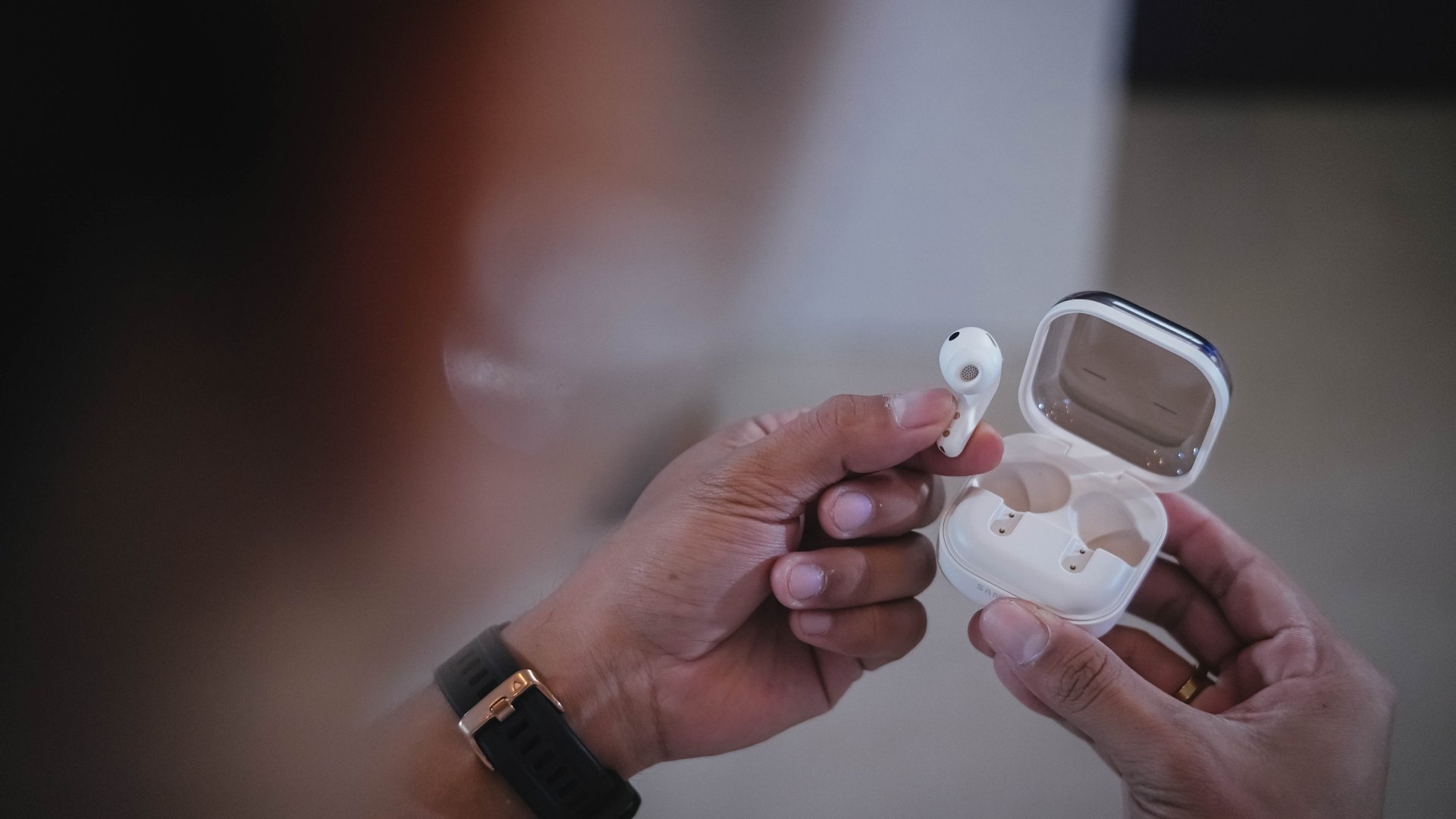
Paired with the Galaxy Buds4 Pro, I also started hearing stuff I didn’t usually hear when listening to my MyOPM playlist on Spotify.
The quality certainly feels a step higher than usual and a lot closer to lossless tracks I hear on Apple Music with my usual headphones.
It’s a subtle improvement, but one that adds up when you listen to music throughout the day.
Cameras: consistent, not dramatic
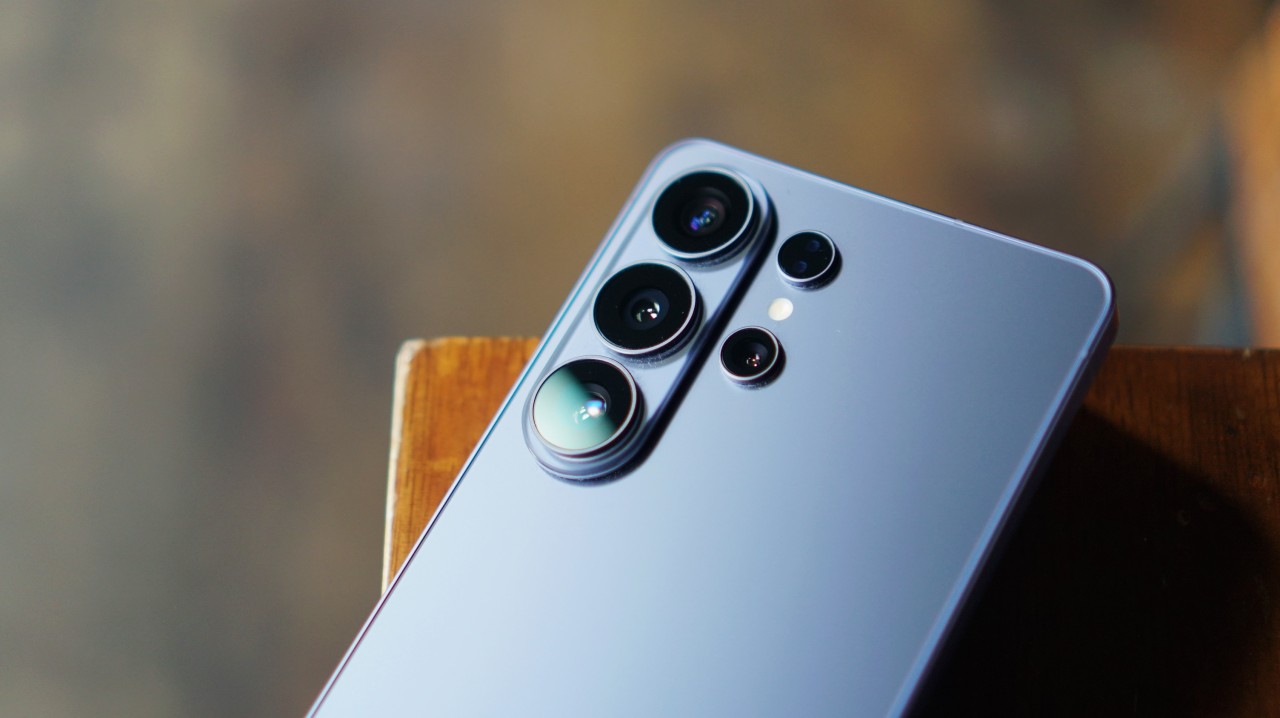
Camera performance remains largely unchanged.
The larger aperture does make a difference somewhat. But you’ll only really notice it if you’re scrutinizing the images.
View this post on Instagram
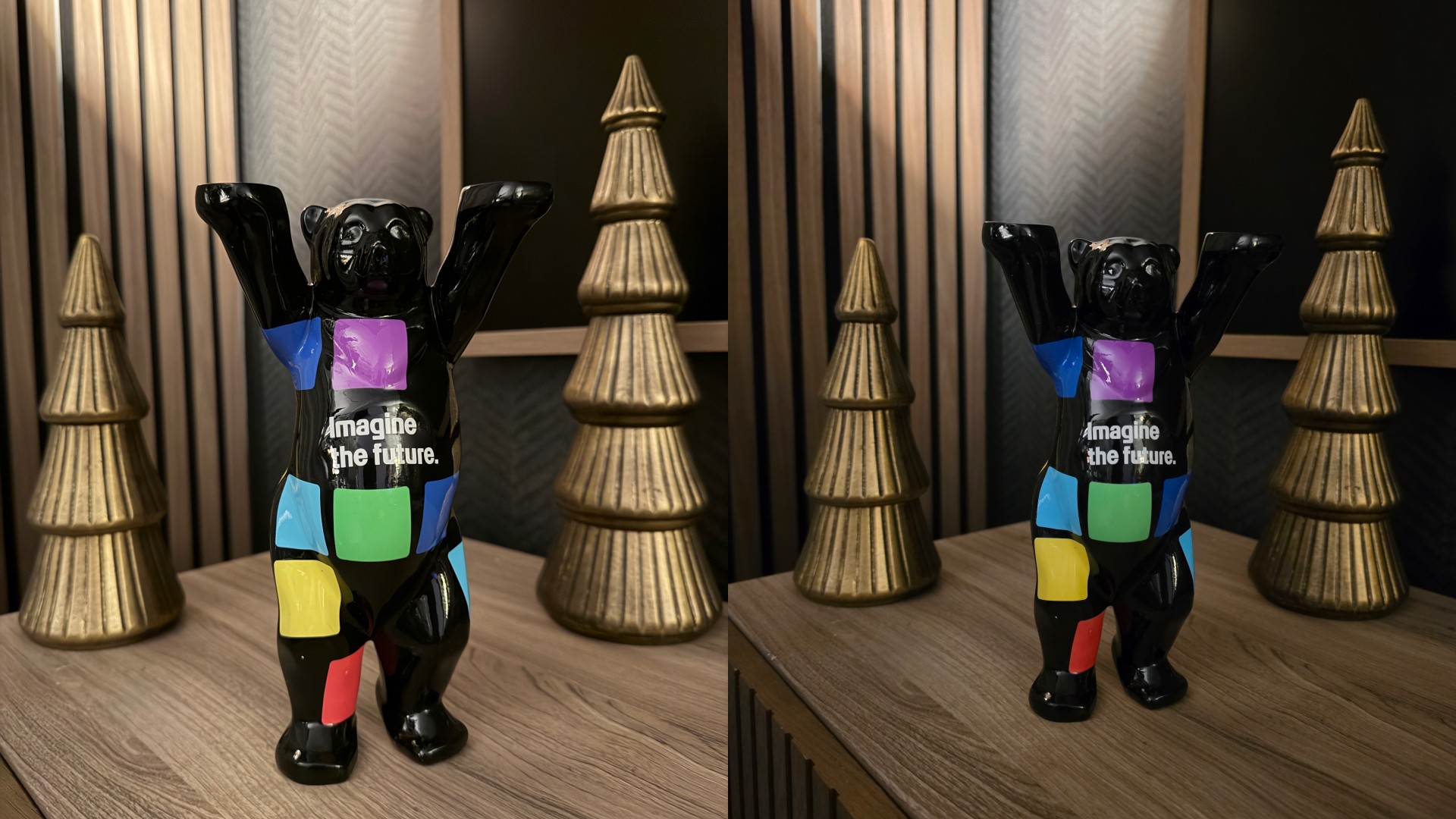
Magic8 Pro vs Galaxy S26 Ultra
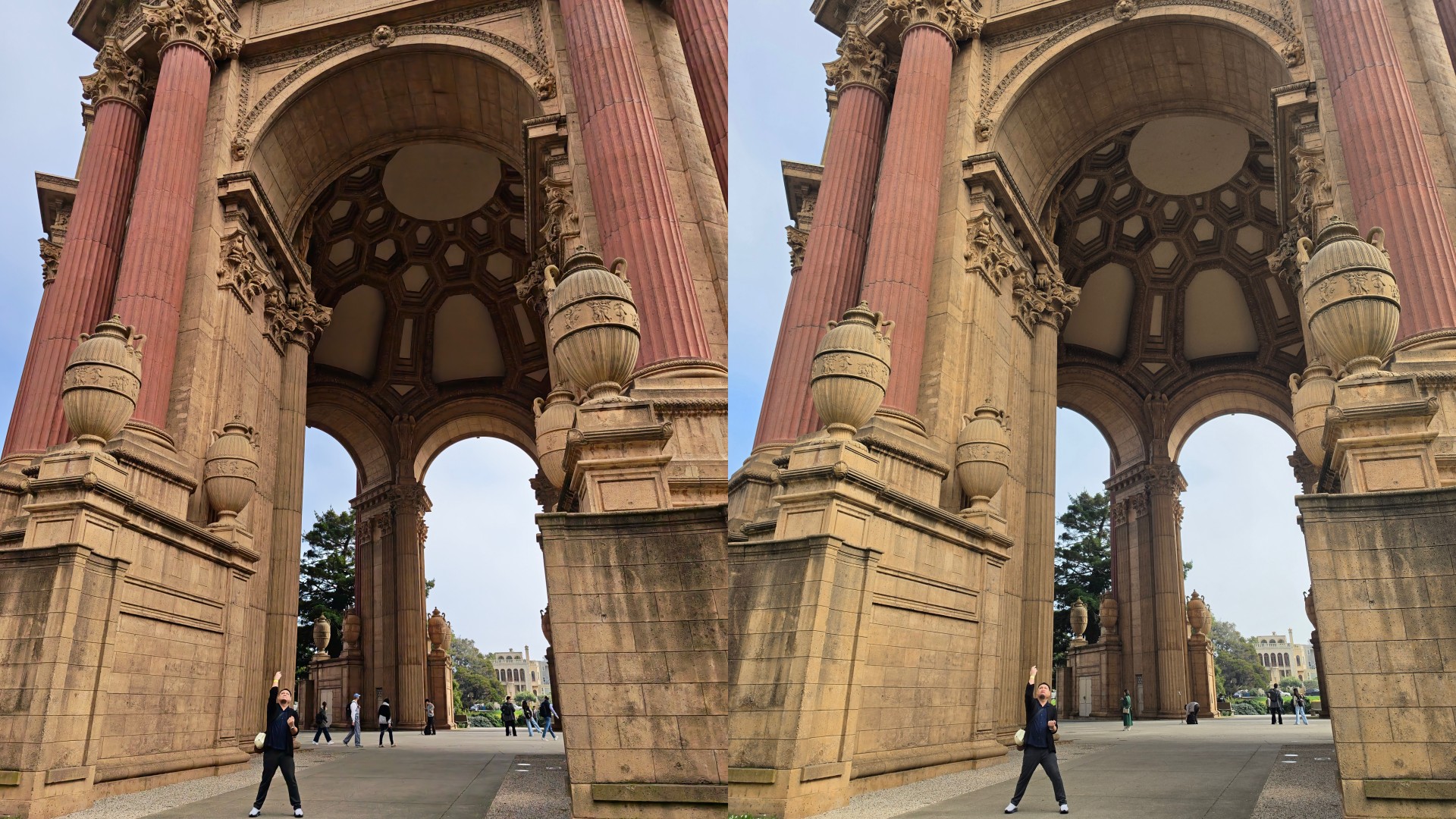
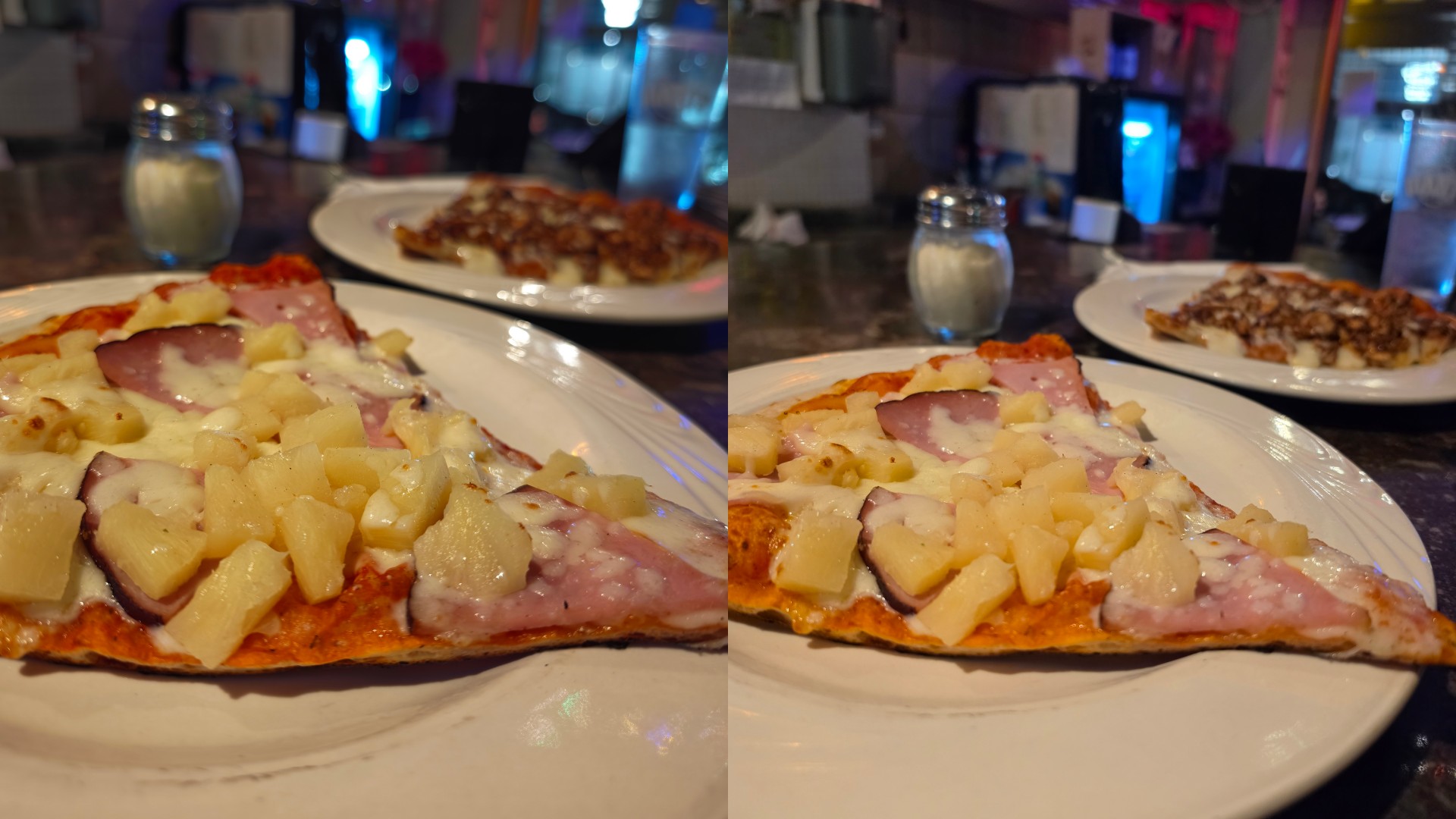
I compared it with my personal smartphone camera of choice right now – the HONOR Magic8 Pro – and the difference in color science is staggering.
We’re not going to go in-depth here, but you’ll see that even with its Vibrant shooting filter, the Magic8 Pro’s photos tend to look warmer. They also have more character, especially when you shift to the Authentic filter.
Meanwhile, the photos produced by the Galaxy S26 Ultra tend to look closer to what you see in real life. They’re also flatter.
Some photos lose character when the highs, lows, and mids look a little too close to each other. The preset filters don’t help either. They’re just there for the sake of it.
All photos on the left are from the Magic8 Pro. The Galaxy S26 Ultra are on the right.





iPhone 17 Pro Max vs Galaxy S26 Ultra
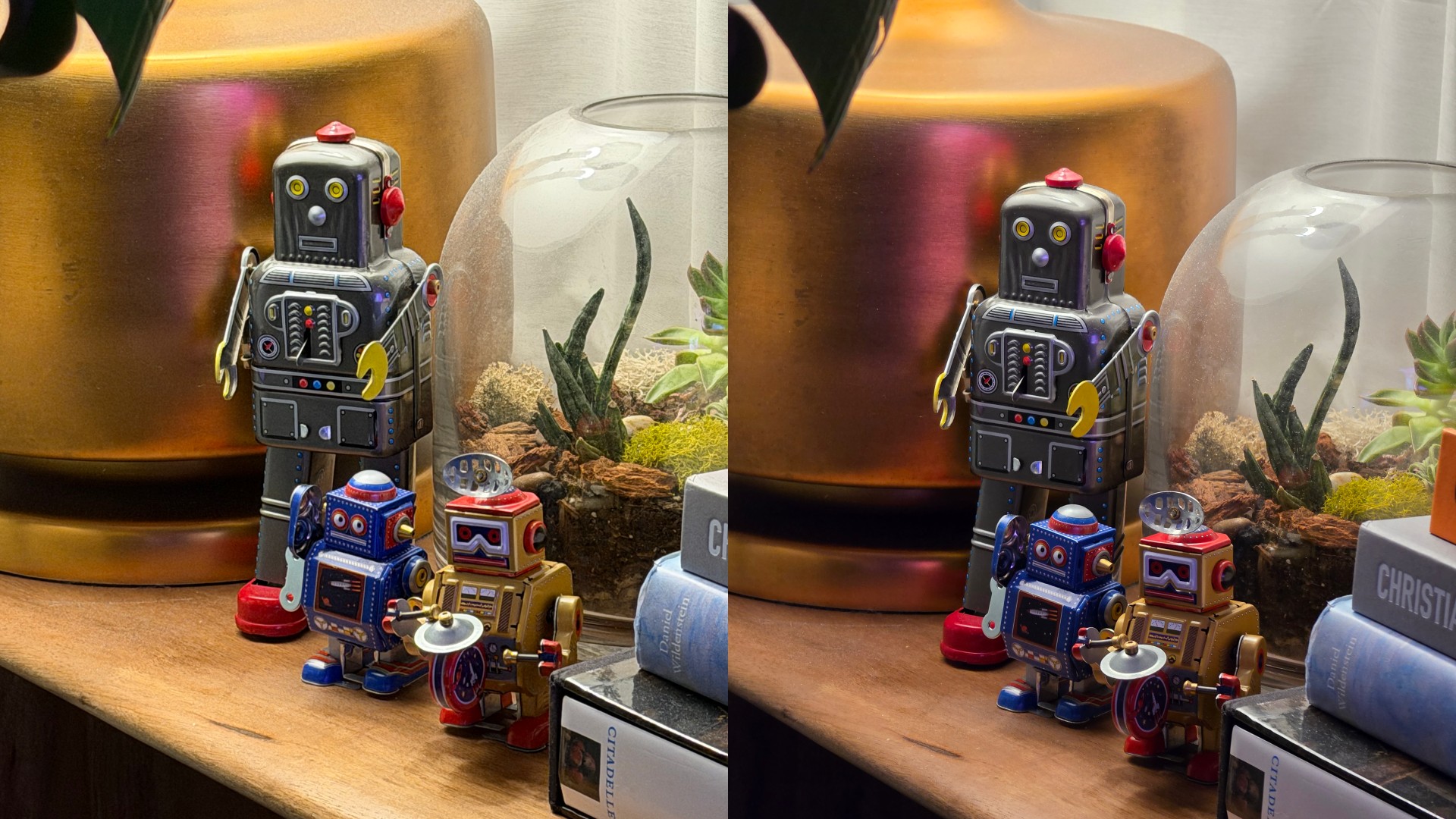
In terms of color reproduction, it’s a lot closer to the iPhone 17 Pro Max. Less warm and more true-to-life. After close examination, the Galaxy S26 Ultra photos — especially in broad daylight — tend to be brighter. That’s what causes it to look a lot more flat and feel a little soul-less.
All photos on the left are from the iPhone 17 Pro Max. The Galaxy S26 Ultra are on the right.





Still a concert buddy
That said, the zoom video capabilities are definitely still as reliable as they have always been.
If I’m going to a concert and I’m seated nowhere near the barricade, I’m making sure I have the Galaxy S26 Ultra with me to record the experience.
The Horizon Video lock is also impressive. While use-case will vary depending on the activities you engage in, it’s a nice-to-have tool in your video-taking arsenal.
Galaxy AI in daily use
View this post on Instagram
Samsung continues to push Galaxy AI as the defining layer of its latest flagship, and the Galaxy S26 Ultra adds a few new tricks to that toolkit.
One of them is Now Brief and Now Nudge, which aim to surface contextual suggestions depending on what you’re doing.
So far, Now Brief still doesn’t feel as essential as it should. But some Now Nudge suggestions already available during our week with the Galaxy S26 Ultra are actually nice.
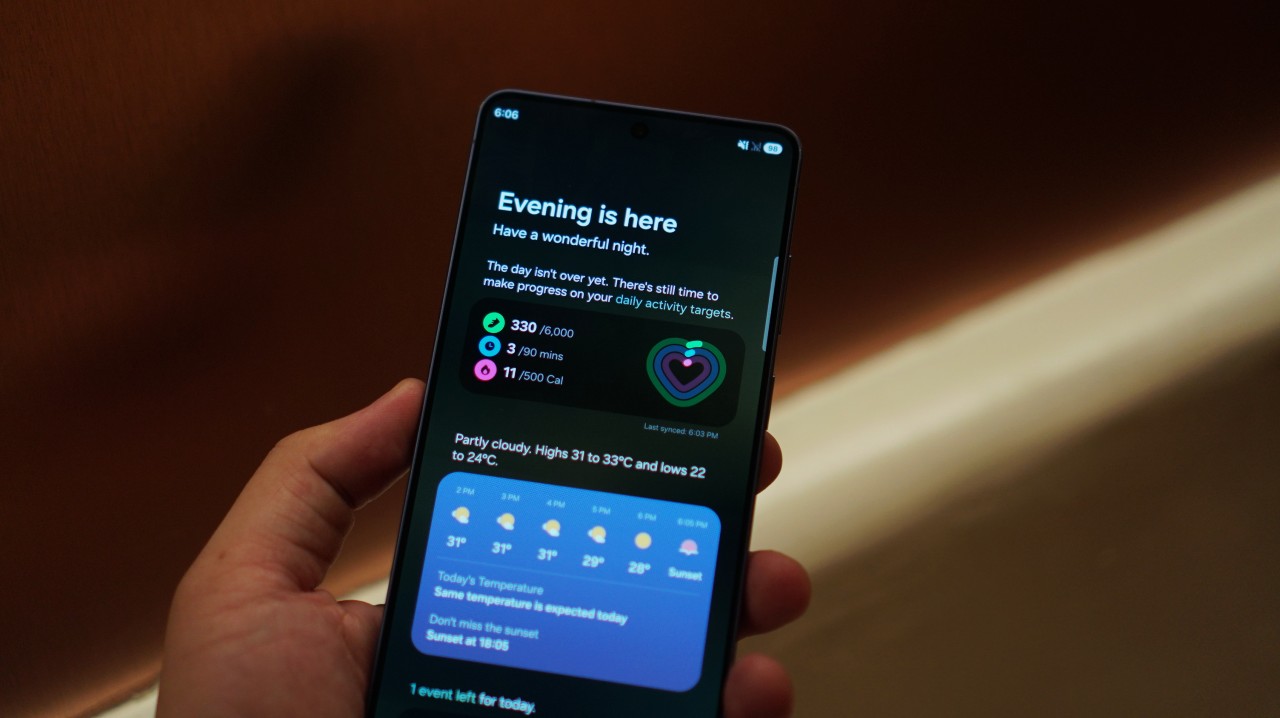
When a colleague suggested setting a meeting over on WhatsApp, the phone immediately pulled up the Calendar. It also showed if there’s a schedule conflict so you can adjust accordingly.
Next, my colleague asked if my San Francisco photos were ready and the phone immediately showed the Gallery app.
These aren’t dramatic features, but they do save a few taps. Over time, that convenience could add up.
This feature has potential. And it should only get better with time.
AI Photo Assist: promising but limited
I was less enthused by AI Photo Assist.
I thought it was promising at first but the text prompt is limited to 100 characters so you can’t really do super specific prompts.
That opens short prompts to a lot of interpretation by the AI and with my experience so far, it isn’t great.
I’d stick to using Gemini Pro for more detailed prompts and your usual photo editing apps for specific photo edits.
AI Photo Assist may improve over time, but right now it feels more like an experiment than an essential editing tool.
Heating observations
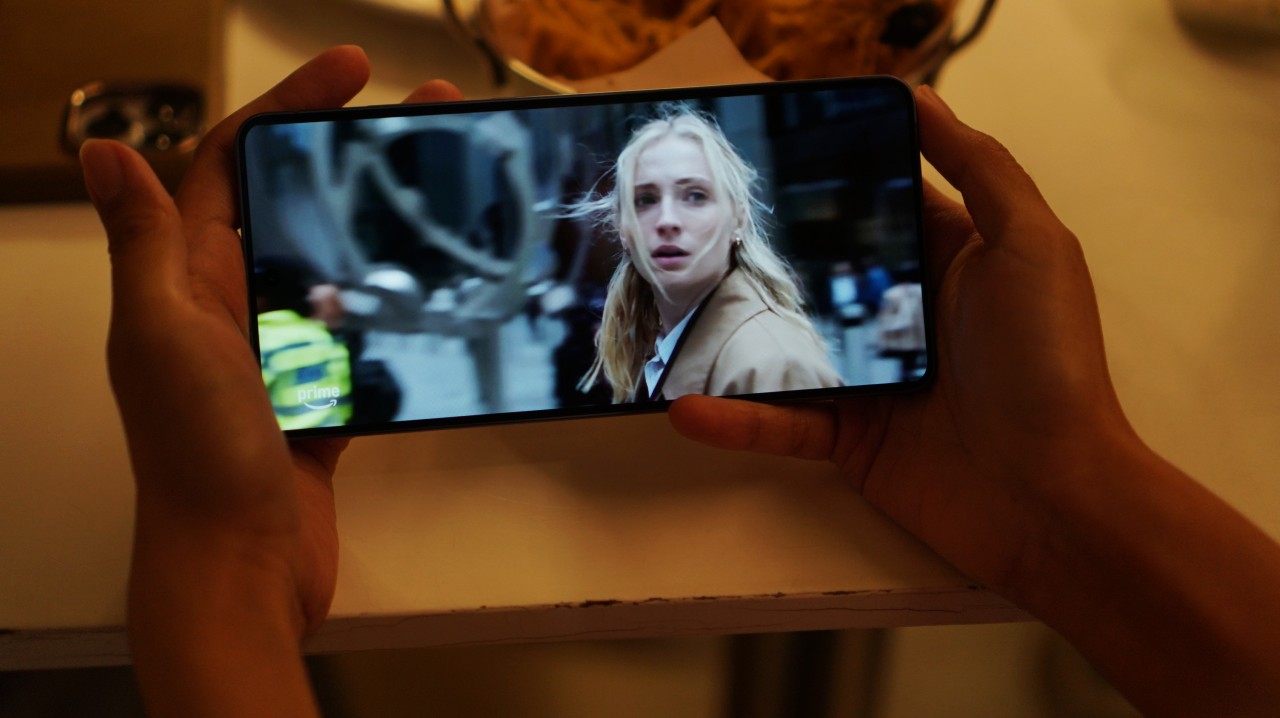
One thing worth noting is thermal behavior. The phone isn’t uncomfortable to use, but heating is definitely noticeable even when just watching a livestream. It also happens when gaming.
Interestingly, I experienced this type of heating recently on another Snapdragon 8 Elite Gen 5 device as well. It may simply be the reality of running increasingly powerful chips in compact devices.
It’s not a dealbreaker, but it’s something power users may want to keep in mind.
A phone that still feels good to hold
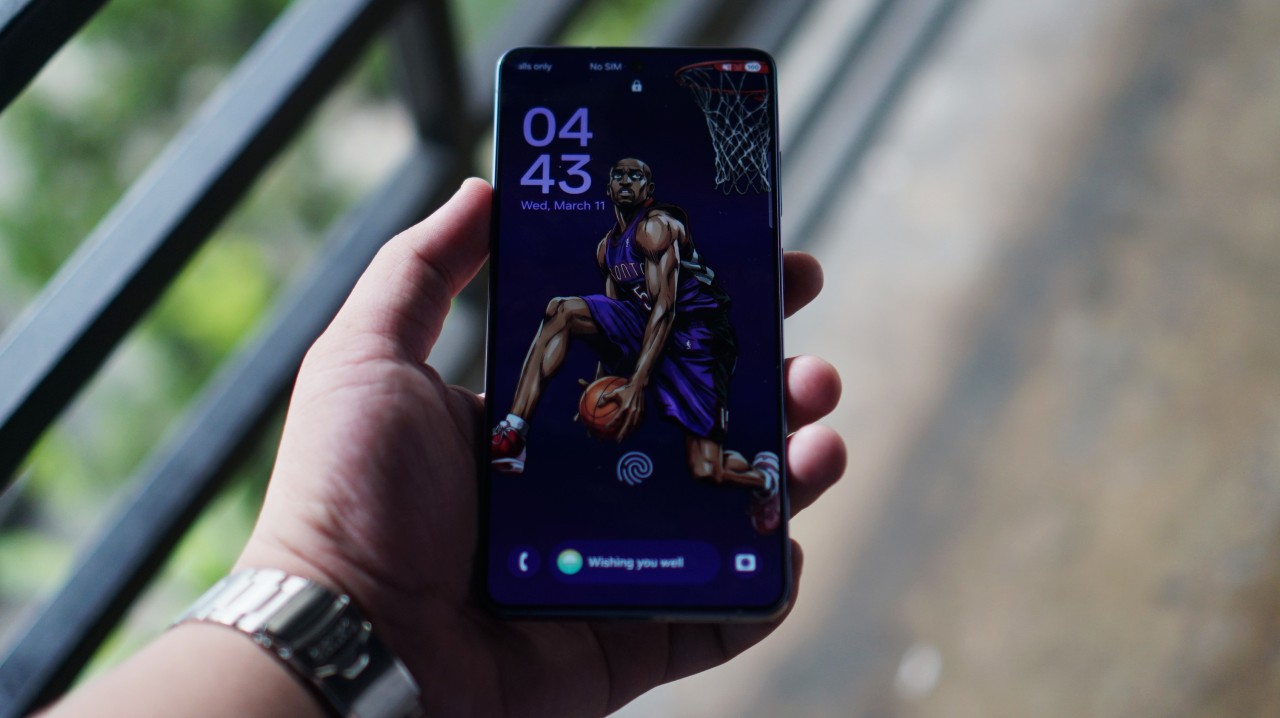
Last year I ultimately kept picking up the Galaxy S25 Ultra because of how good it feels to hold.
That aspect remains largely unchanged.
In fact, the Galaxy S26 Ultra feels slightly lighter and easier to hold. That’s true even if you add one of Samsung’s official cases with MagSafe compatibility.
Alternatively, you can use one of CASETiFY’s cases for extra protection. It’s going to feel bulkier, but that’s the tradeoff for adding to your defense stats.
Is the Galaxy S26 Ultra your GadgetMatch?
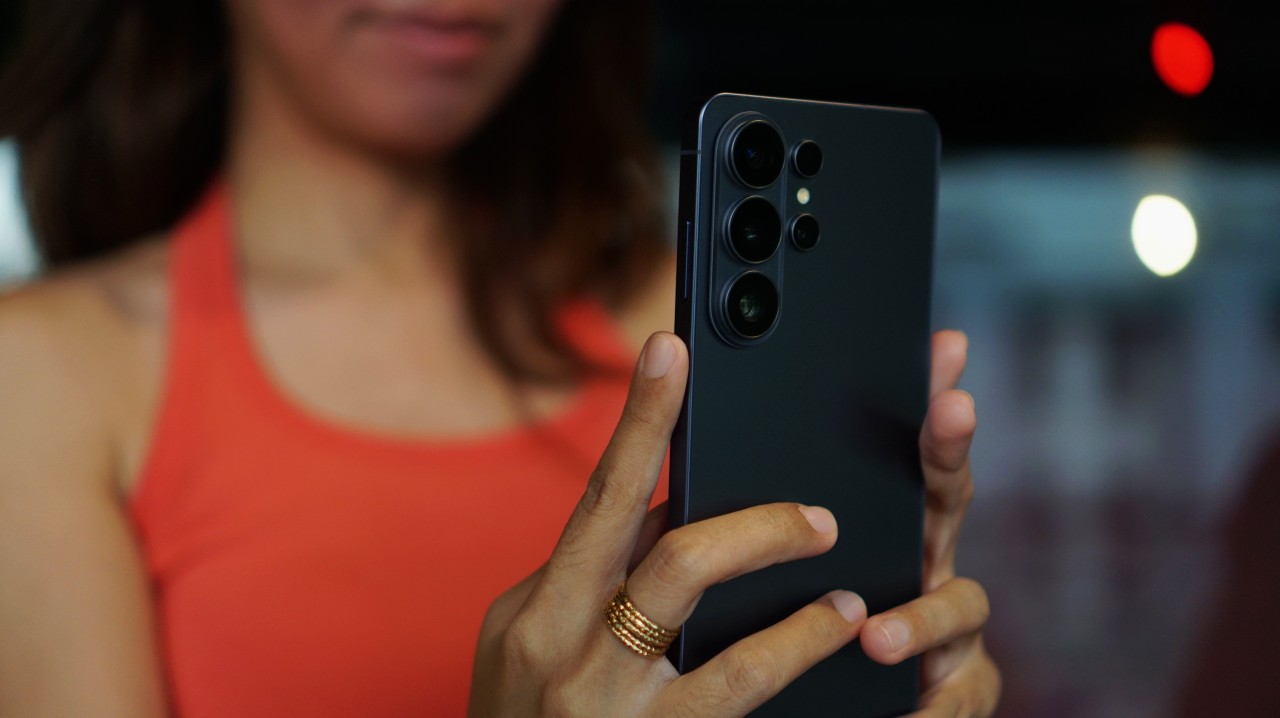
I wrote about Samsung’s philosophy of not chasing specs anymore. And while it’s a defensible direction, it’s not the “sexy” approach. At least perhaps not one that leads to massive sales or new customer acquisition.
But for anyone who’s been with the Galaxy S series for a while, they know what they’re getting – a reliable, ultra overall performer – one with kickass zoom cameras and now a nifty display trick.
Anyone coming from the Galaxy S23 Ultra or older, this is an easy swipe right.
If you’re into discount hacks and are coming from the Galaxy S25 Ultra, you might be surprised at how much you’ll save if you decide to upgrade.
The Galaxy S26 Ultra still offers good value.
Its overall balance remains the benchmark that most users will measure Android flagships by.
For that reason, Samsung’s flagship is still a Swipe Right.

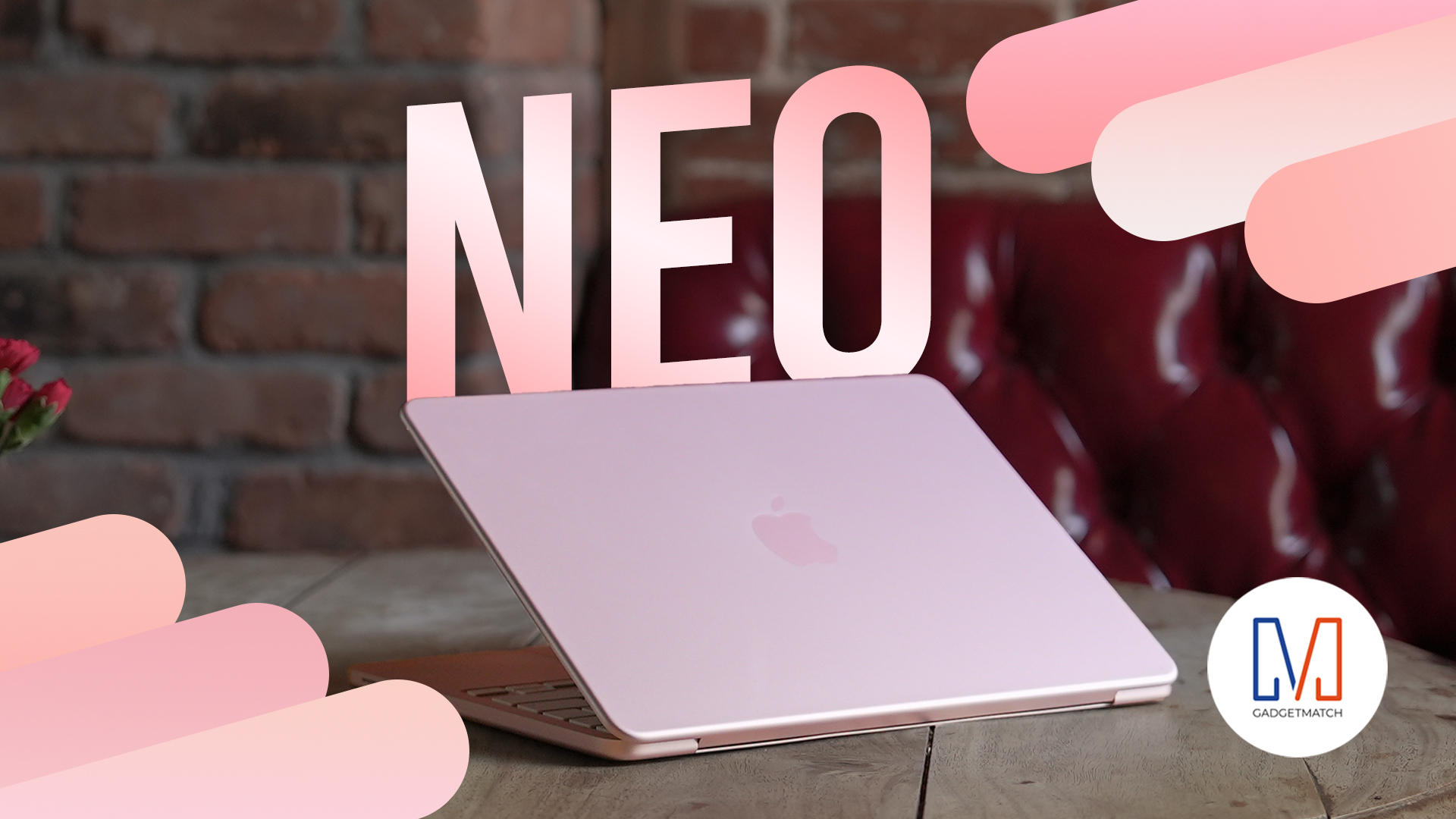
Apple disrupts the industry with their latest MacBook — an affordable to say the very least.
If you’re a student, a first-time Mac owner, someone who’s been priced out of this ecosystem their whole life, someone who just needs a laptop for basic tasks but one that looks great, without slowing them down, this is it!
Or maybe you’re torn choosing between the MacBook Neo and the more powerful M5 MacBook Air?
Well, that’s what we’re here for. Here’s our review with the all-new MacBook Neo.




Now Playing: Project Hail Mary

Zenless Zone Zero Version 2.7 available on March 24

Infinix expands SEA footprint with more official MLBB tourney partnerships

Samsung Galaxy S26 Ultra review: A phone you live with

DJI’s Inspire 3 Basic Package make 8K aerial filmmaking more accessible


-
 Reviews2 weeks ago
TECNO CAMON 50 Ultra review: End of an era?
-
 MWC 20262 weeks ago
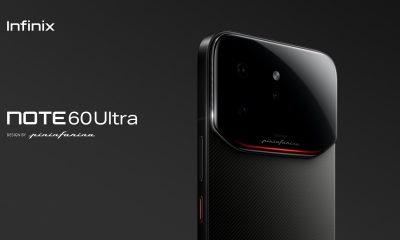
Infinix NOTE 60 Ultra makes a motorsport-inspired debut
-
 MWC 20262 weeks ago
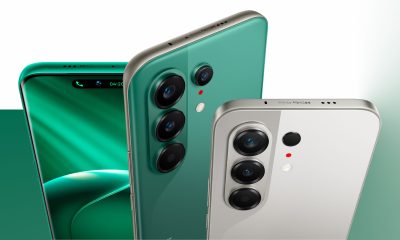
TECNO launches the all-new CAMON 50 series
-
 MWC 20262 weeks ago
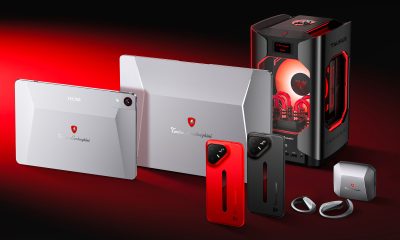
TECNO unleashes Tonino Lamborghini collection
-
 Computers2 weeks ago
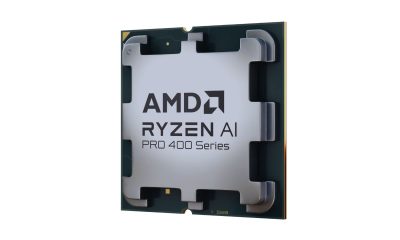
AMD announces Ryzen AI 400, AI 400 PRO series at MWC 2026
-
 MWC 20262 weeks ago
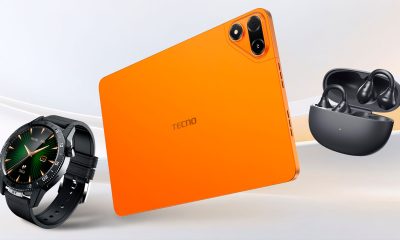
TECNO debuts latest devices, HiOS 16, upgraded Ella at MWC 2026
-

 Reviews1 week ago
The Xiaomi 17 shoots Leica dream
-

 Laptops2 weeks ago
Apple unveils MacBook Pro with M5 Pro and M5 Max