
News
Bill Gates believes Microsoft losing to Android is his ‘greatest mistake’
He regrets that Microsoft didn’t beat Google


It’s no secret that Microsoft is enjoying the dominance of Windows on PCs, but its mobile counterpart didn’t do well while it was still alive. Windows Phone or Windows 10 Mobile failed to compete with Apple’s iOS and Google’s Android in the mobile scene. Unsurprisingly, Microsoft’s founder Bill Gates saw this as a missed opportunity.
During a talk with venture capital company Village Global, Bill Gates admitted that he regrets that Microsoft lost to Google in making a “standard non-Apple phone platform.”
The whole interview is available for viewing on YouTube and it’s more than an hour long. A lot of topics were discussed with useful insights about startups, investments, major world issues from Bill Gates himself.
One of the interesting answers from Gates was the revelation of his “greatest mistake ever,” which was Microsoft failing to take the opportunity Android had before.
In his own words, “In the software world, particularly for platforms, these are winner-take-all markets. So the greatest mistake ever is whatever mismanagement I engaged in that caused Microsoft not to be what Android is. That is, Android is the standard non-Apple phone platform. That was a natural thing for Microsoft to win. It really is winner take all. If you’re there with half as many apps or 90 percent as many apps, you’re on your way to complete doom. There’s room for exactly one non-Apple operating system and what’s that worth? US$ 400 billion that would be transferred from company G to company M.”
Gates’ owning the mistake is somewhat surprising because it was assumed that it was Steve Ballmer, former CEO of Microsoft, who didn’t saw the touchscreen revolution coming. Ballmer even laughed at the iPhone and called it unappealing to business customers because it lacks a keyboard. Hence, the company stuck with phones with keyboards.
We all know it was a big mistake for Microsoft as a company to ignore the iPhone. Google, on the other hand, took the golden chance and now they are on top of the mobile operating system chain.
Microsoft eventually came up with Windows Phone and launched it in 2010. It was pretty good, although it lacks the apps people are already enjoying on an iPhone or any Android device.
SEE ALSO: Microsoft’s Project xCloud game streaming service is coming in October





News
vivo X300 Ultra wants to beat the iPhone 17 Pro Max in pro video
Unleashed alongside the subtly-improved vivo X300s

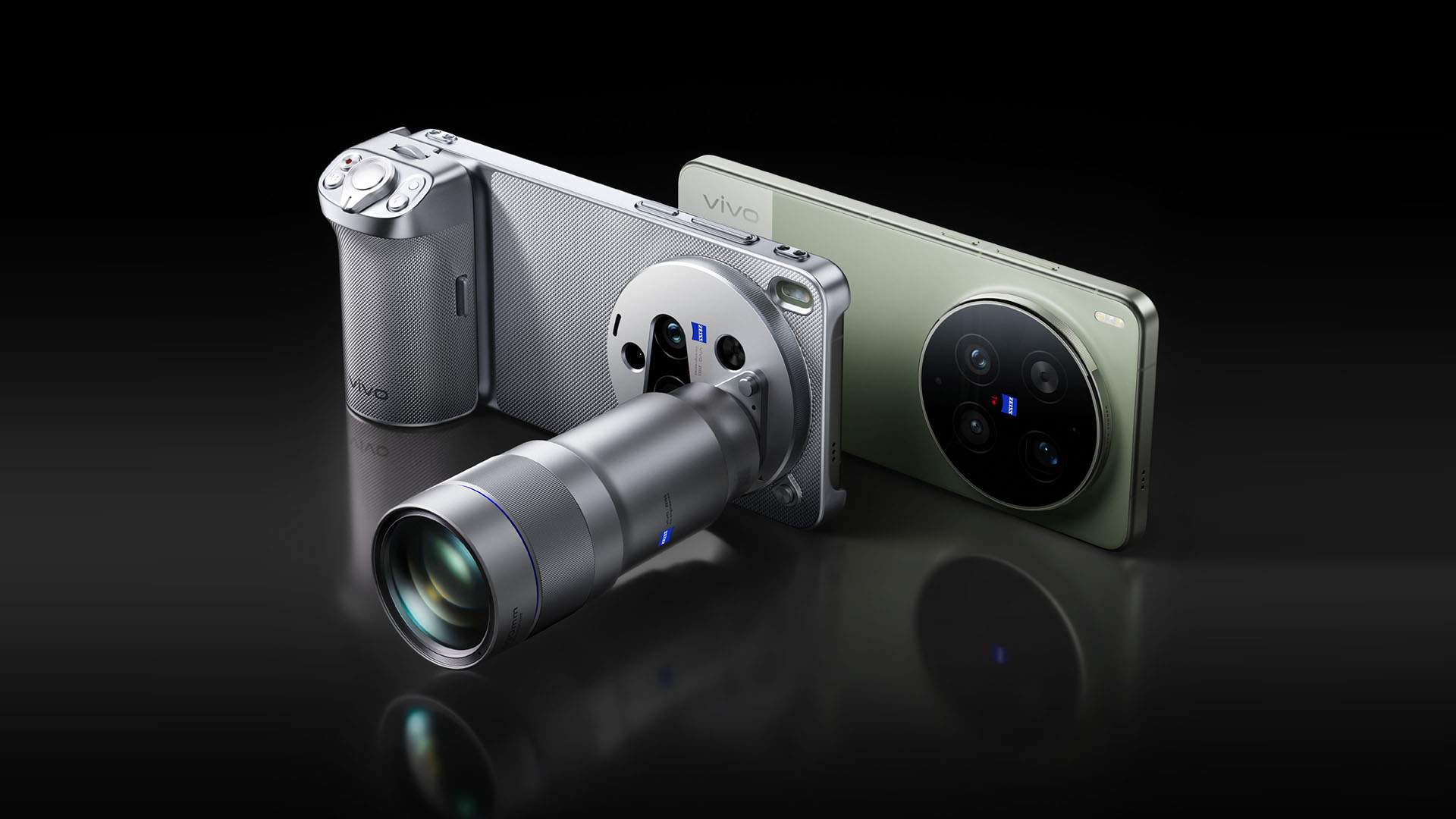
Almost six months after the launch of the vivo X300 and X300 Pro, the Chinese smartphone giant finally unleashes the much-awaited X300 Ultra.
Ultra-impressive camera system
First and foremost, its ultra-improved camera system.
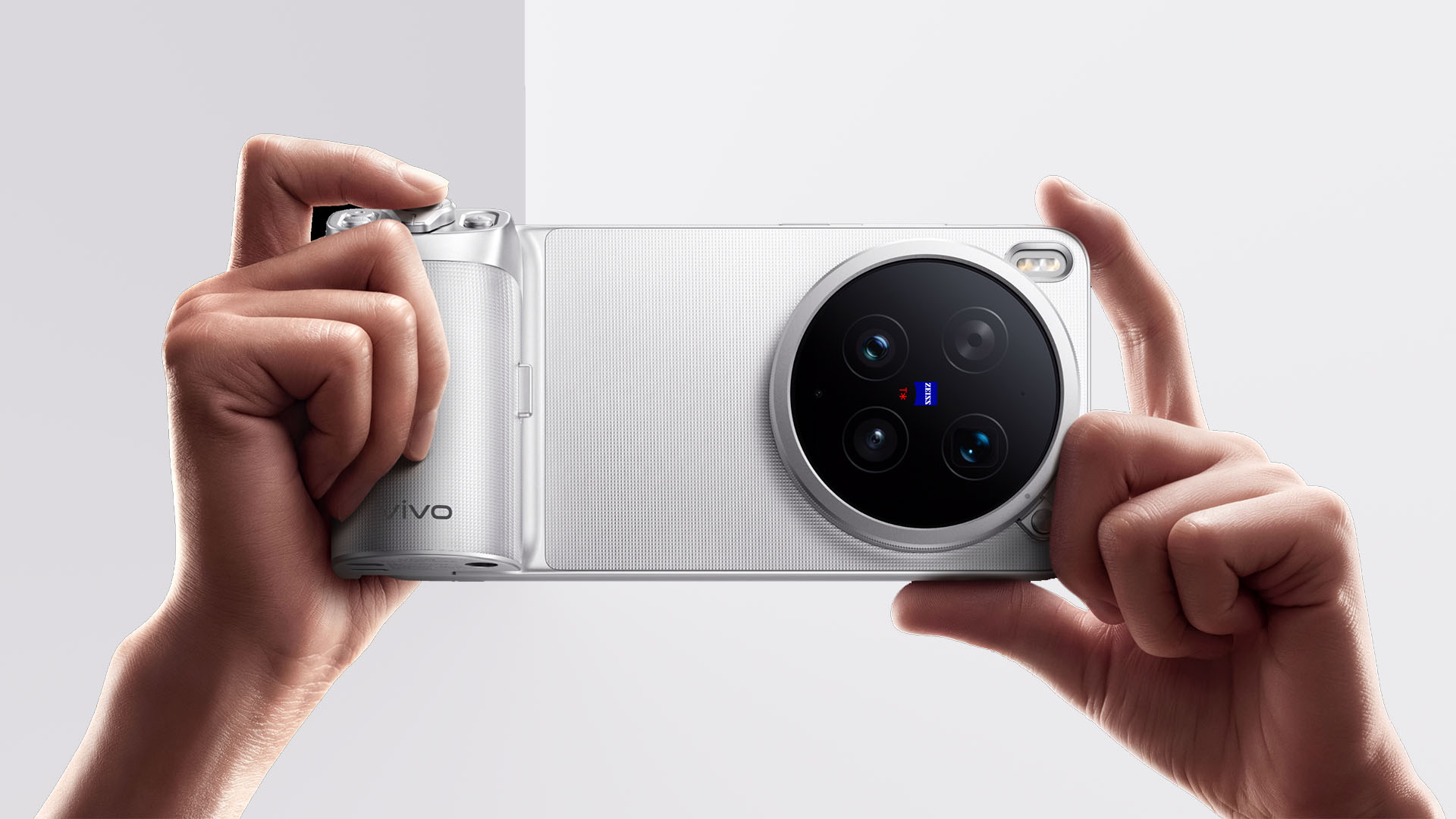
Unlike its Pro sibling, the X300 Ultra follows the same configuration as last year’s X200 Ultra. It uses 35mm as its standard focal length instead of the usual 24mm found on most (if not all) smartphones.
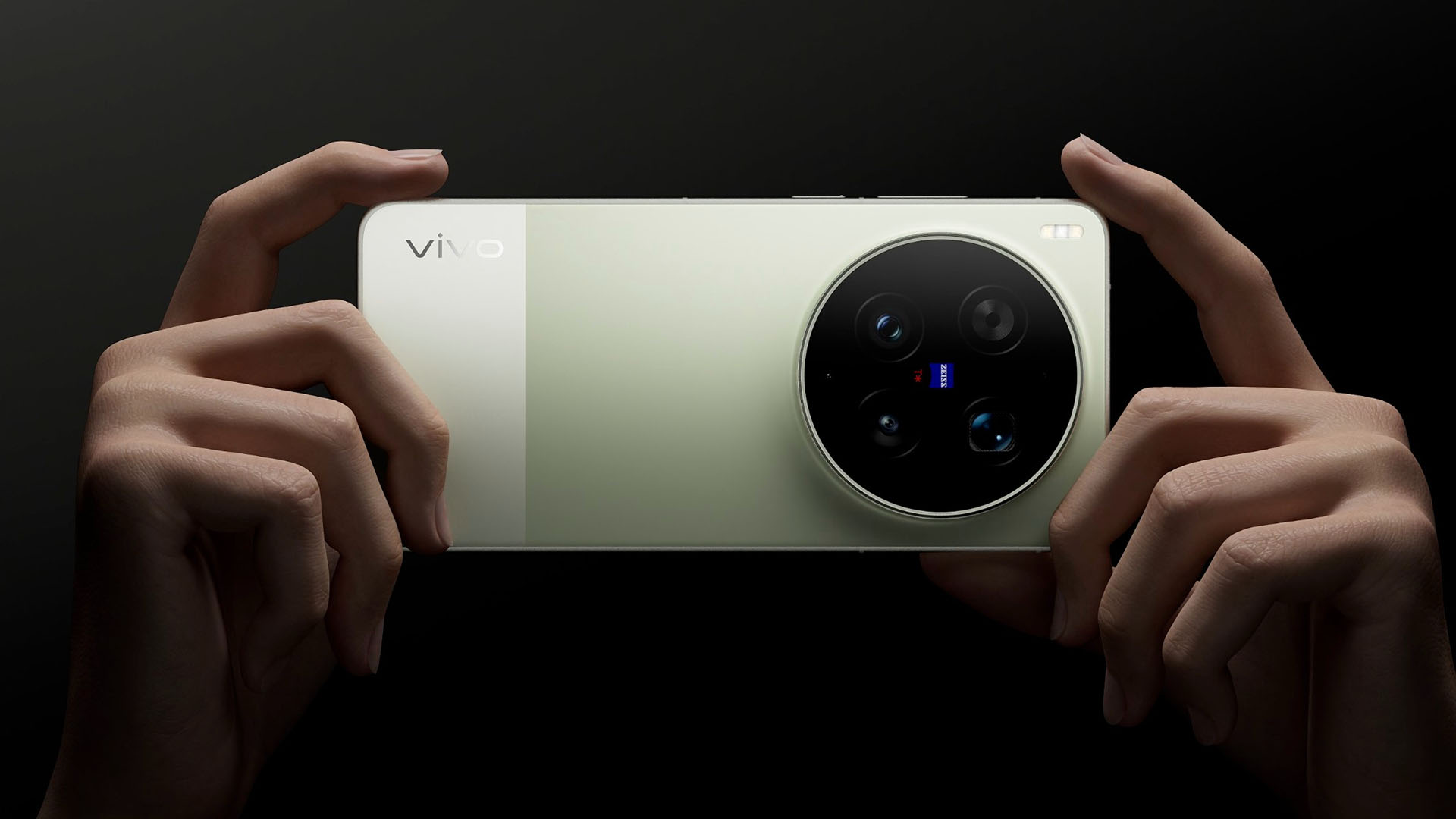
This means the main sensor is locked in at a minimum of 1.5x. Still, it’s been upgraded from 50MP to a whopping 200MP f/1.85 based on a large 1/1.18-inch Sony LYT-901 image sensor.
Meanwhile, shooting at “1x” relies on its 50MP f/2.0 ultra-wide lens based on the 1/1.28-inch Sony LYT-818. While it’s the same as last year’s X200 Ultra, it’s still considerably bigger and better among newer phones in its league.
Definitively, the X300 Ultra also boasts a newer 200MP f/2.67 periscope telephoto shooter using Samsung’s 1/1.4-inch ISOCELL HP0. Optical zoom distance still starts at 3.5x (85mm equivalent)which is similar to the X300 Pro and X200 Ultra.
If that isn’t enough, vivo announces not one, but two new teleconverter lenses.
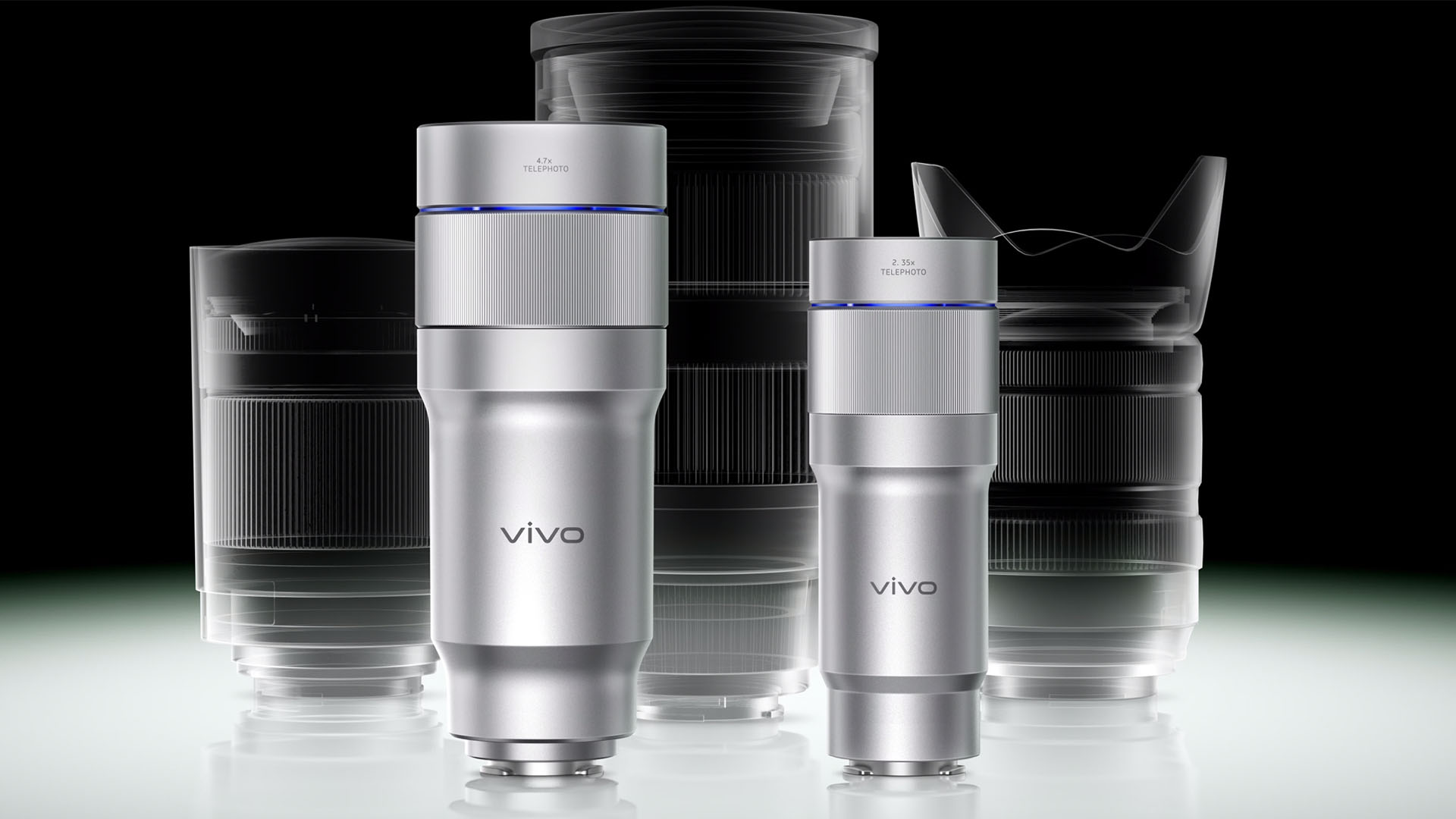
The all-new 400mm G2 Ultra ZEISS Telephoto Extender lens is the longest one in a smartphone so far. Still, vivo has achieved to make it as compact as possible — a tad longer than the former 200mm add-on lens in the X200 Ultra and X300 Pro.
There’s also the upgraded G2 ZEISS Telephoto Extender. It’s shorter and smaller compared to previous generation and comparable to a size of a lipstick (around 96mm in length).
This means better portability while trying to shoot subjects from afar with the same 200mm focal length.
Additionally, the vivo X300 Ultra also has a 5MP f/2.45 multi-spectral sensor that other X300 phones lack. This is basically responsible for making colors more accurate by capturing a wider range of light beyond the usual RGB color spectrum.
Ultra-grade video shooter
One of the highlights of the vivo X300 Ultra focuses on its video shooting prowess that targets Apple’s iPhone 17 Pro Max.
For one, its ultra-wide camera has OIS built-in — a feature often overlooked by other phone makers.
OIS is also enabled when using the said teleconverter lenses.
Graphics by Vincenz Lee | GadgetMatch
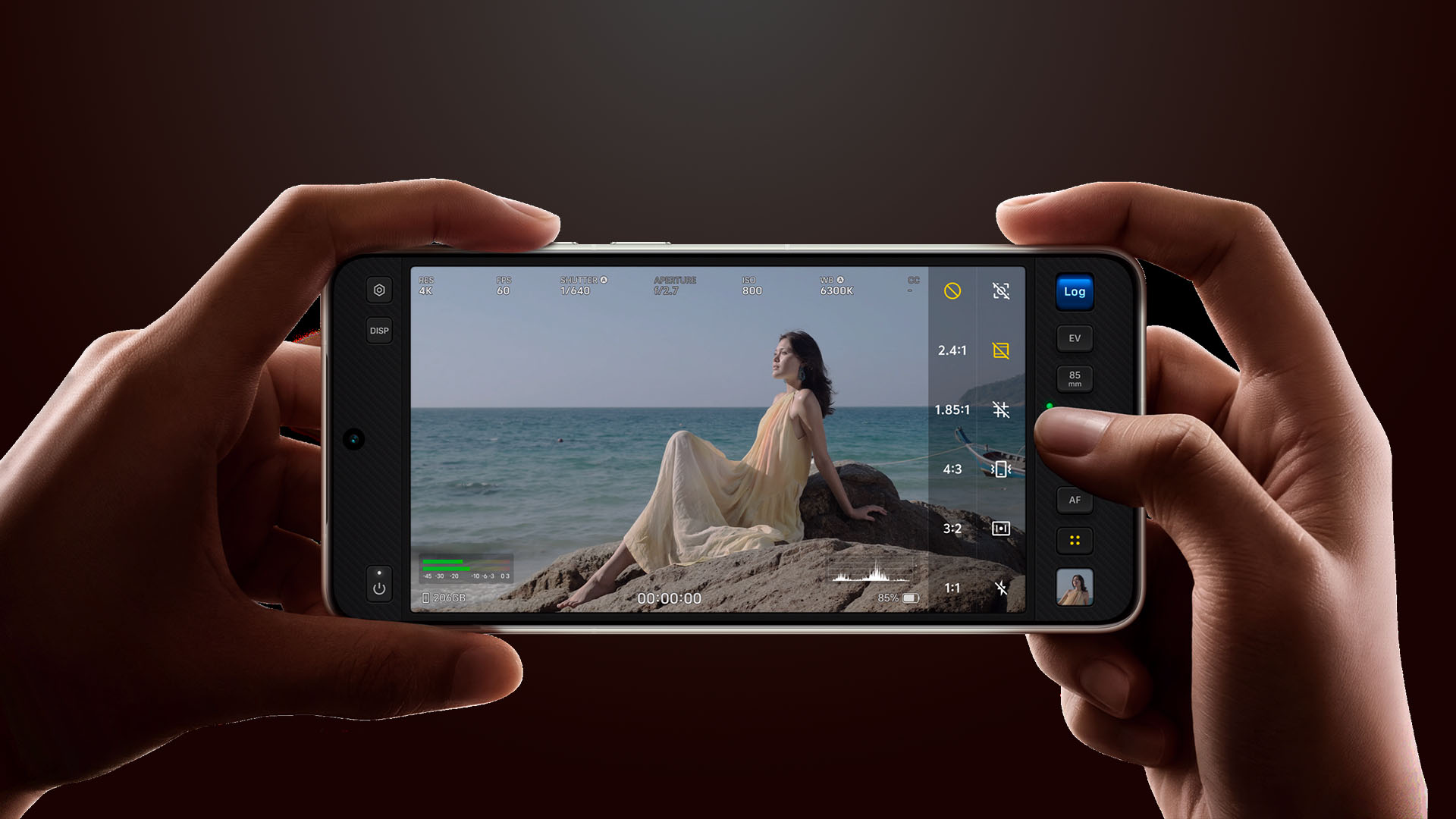
Other than that, the X300 Ultra is capable of shooting in both 4K/120fps Dolby Vision and 4K/120fps 10-bit LOG support.
This means prospective users can finally apply LUTs in post (or 3D LUTs in the phone) — much like how videographers and cinematographers do when shooting with their expensive mirrorless cameras.
Graphics by Vincenz Lee | GadgetMatch
In line with these, the vivo X300 Ultra also possesses a new Professional Video Mode in its native camera app.
Ultra-powerful flagship
The vivo X300 Ultra brings some subtle improvements over the former X200 Ultra flagship.
While they both share the same 6.82-inch LTPO AMOLED display, the X300 Ultra has a faster 144Hz refresh rate support versus 120Hz. It also retains that 2.5D micro-curved glass that was ditched in the Pro variant.
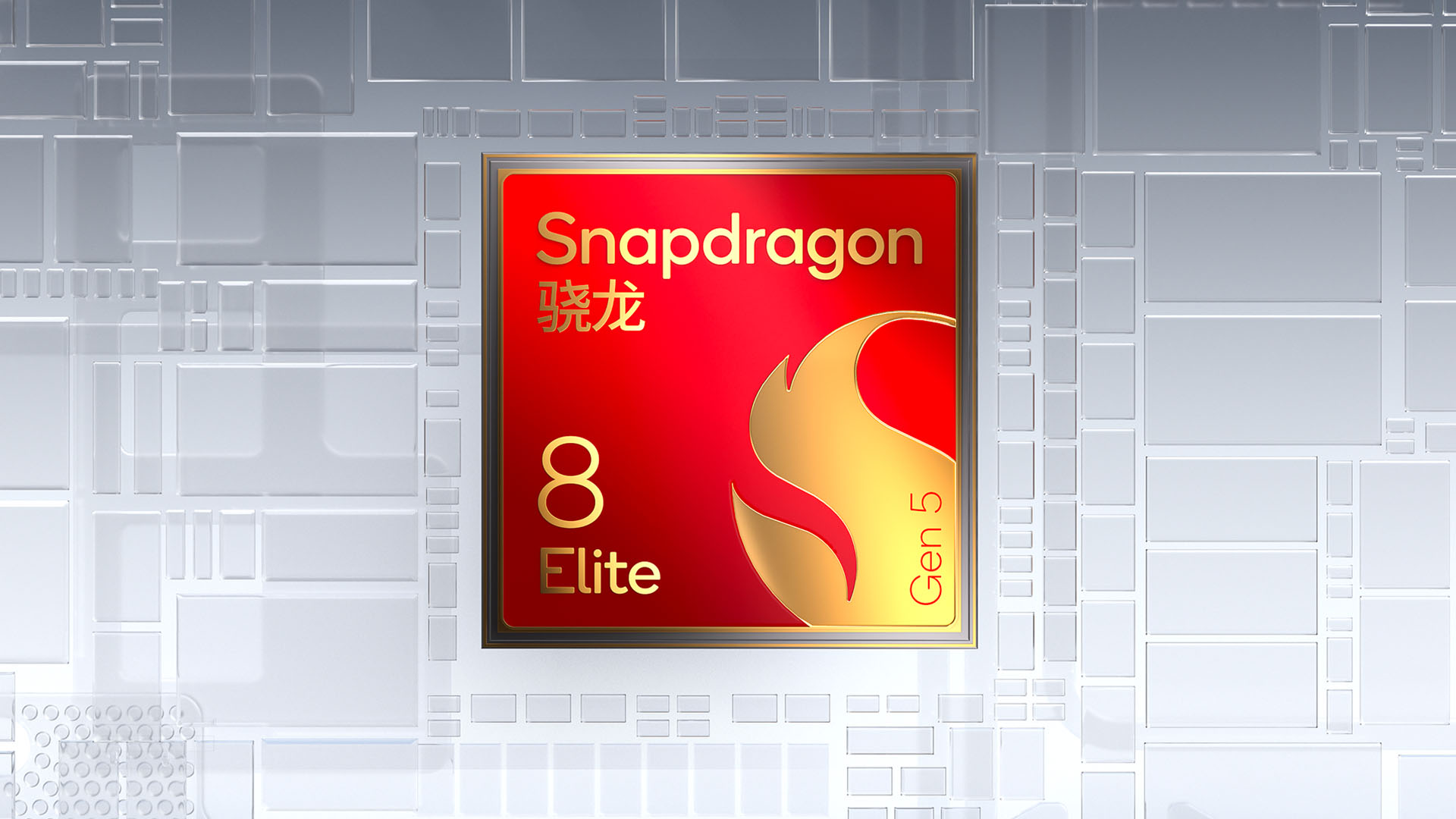
Most of all, the X300 Ultra runs the latest 3nm Qualcomm Snapdragon 8 Elite Gen 5 SoC. Despite the shortage of components, the X300 Ultra relies on a speedy UFS 4.1 storage standard while memory is even faster with LPDDR5X Ultra (and Ultra Pro) protocol.
Shockingly though, battery hasn’t been bumped by a lot as the X300 Ultra is only equipped with a 6600mAh battery — just 100mAh more than its Pro counterpart.
And just like that subtle improvement, wired charging speeds has been somewhat improved from 90W to 100W FlashCharge.
The Ultra s-idekick
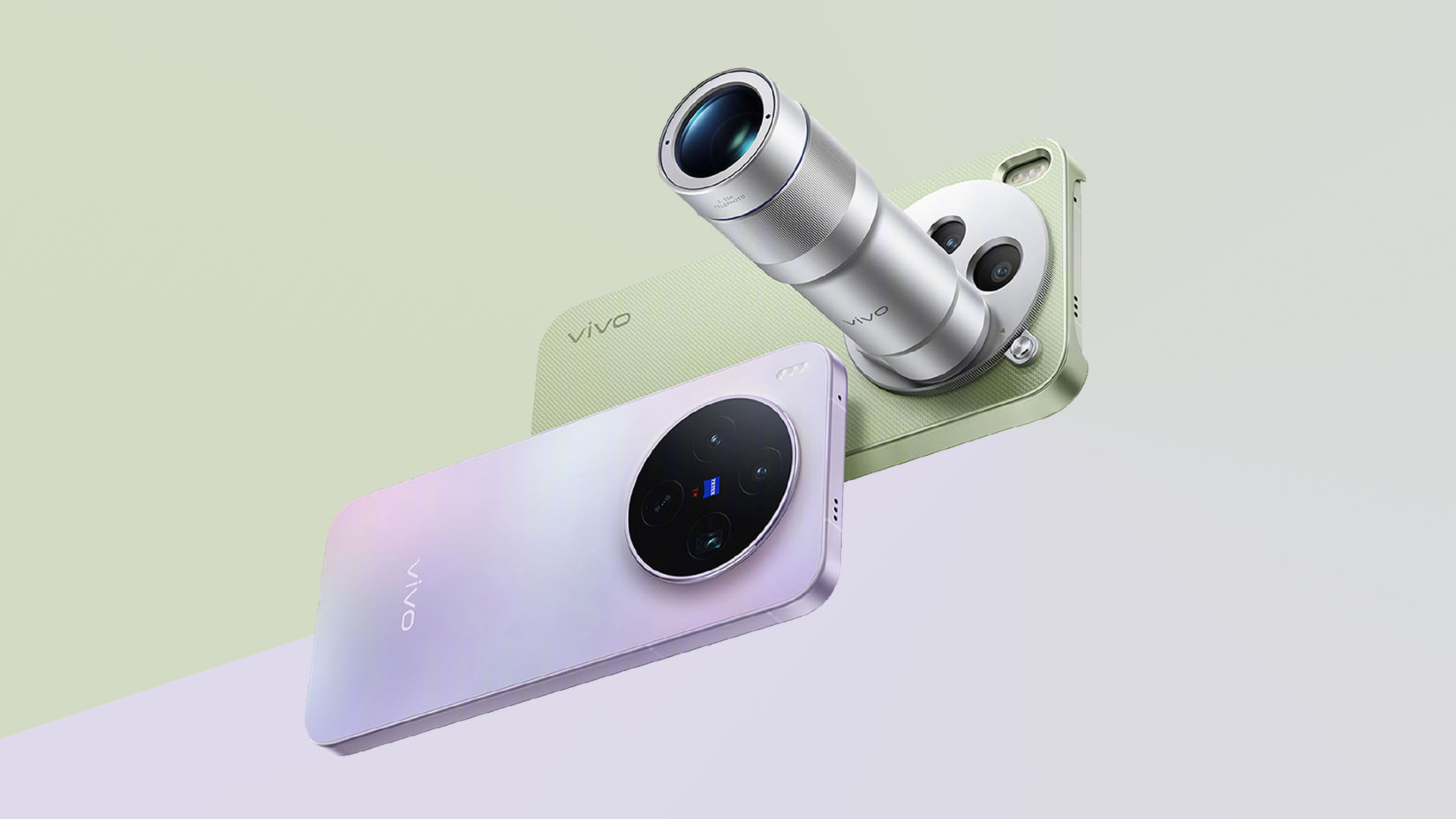
Other than the X300 Ultra, the vivo X300s is also present in the scene. This is a follow-up to last year’s X200s.
It runs MediaTek’s Dimensity 9500 SoC like the vanilla X300 but with a bigger 7100mAh battery (versus 6040mAh).
However, the vivo X300s also borrows that same 6.78-inch display size as the X300 Pro. This also marks as a departure from that 6.67-inch sweet-spot screen size of the X200s and the “smaller” 6.31-incher X300.
Graphics by Vincenz Lee | GadgetMatch
Cameras are similar as of the X300. A 200MP main camera based on Samsung ISOCELL HPB with Sony’s LYT-602 sensor for its telephoto module. The improvement though can be seen when using the camera app.
Graphics by Vincenz Lee | GadgetMatch
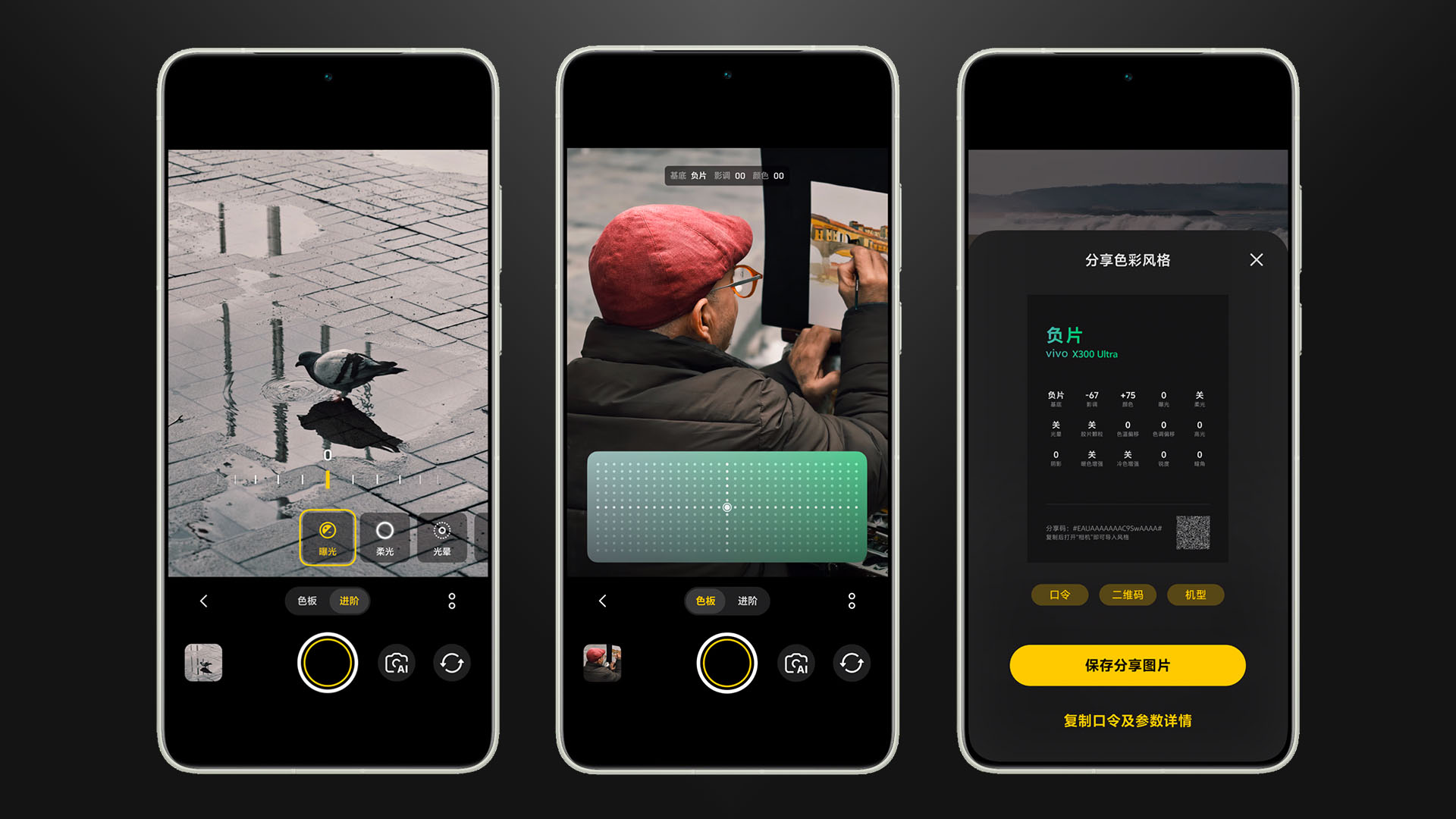
There’s also vivo’s new Blueprint Palette that lets you choose a color in a swatch board and save it as a recipe. The user can also adjust settings in real-time — letting you see the look of the image during preview even before hitting the shutter release. The same feat is also found on the X300 Ultra.
And much like the base X300, the vivo X300s is capable of attaching that 200mm teleconverter lens with its own camera kit — something the X200s cannot achieve.
Pricing and Availability
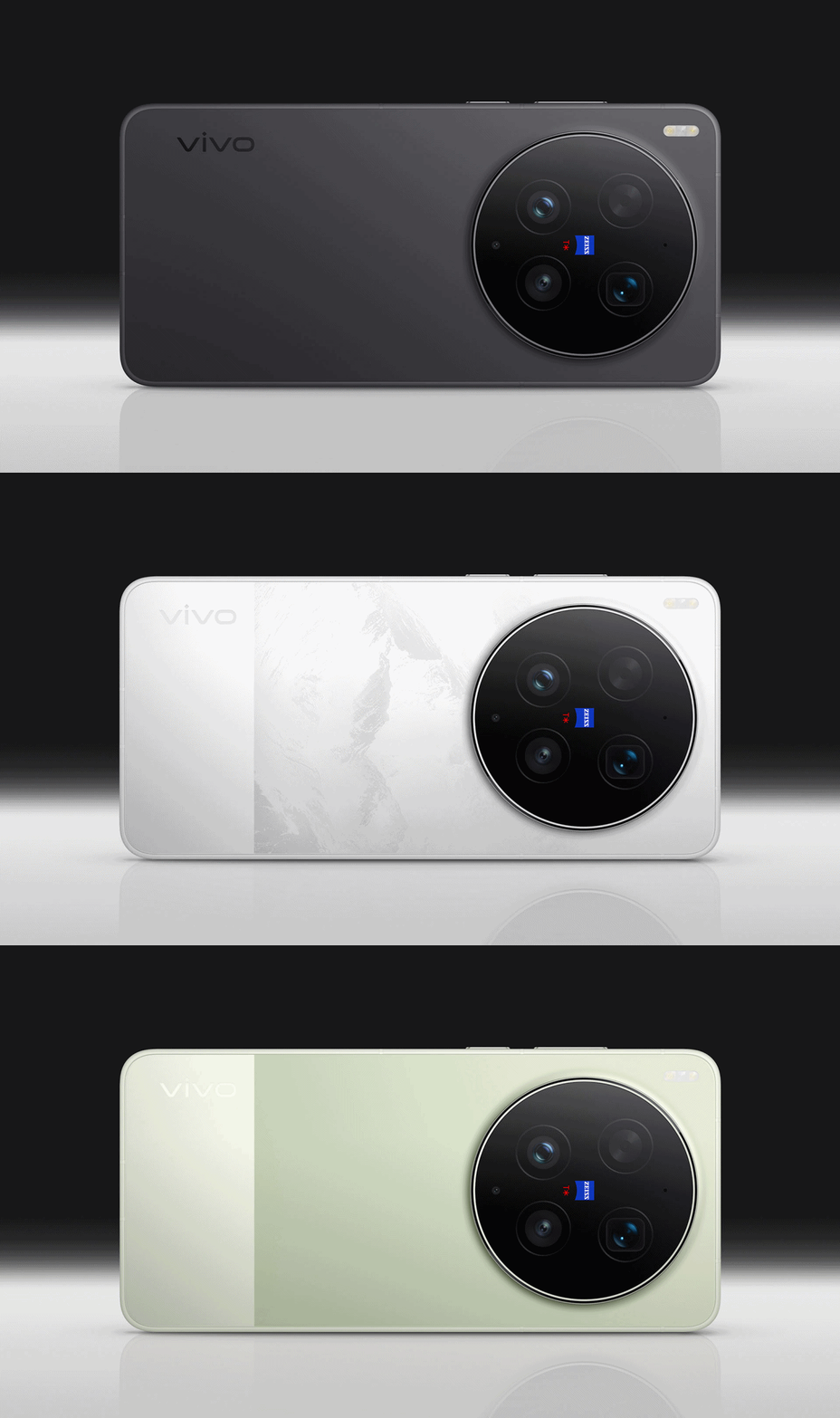
The vivo X300 Ultra and X300s are currently available for pre-orders in China along these colorways and configurations:
GIF by Vincenz Lee | GadgetMatch
X300 Ultra (Film Green, Silver Tune, Black Ka)
- 12+256GB = CNY 6999 (US$ 980 / EUR 835 / GBP 730 / SG$ 1260 / MYR 4130 / PhP 56,440 / INR 87,110)
- 12+512GB = CNY 7499 (US$ 1100 / EUR 900 / GBP 780 / SG$ 1345 / MYR 4355 / PhP 59,590 / INR 90,980)
- 16+512GB = CNY 7999 (US$ 1115 / EUR 960 / GBP 820 / SG$ 1430 / MYR 4645 / PhP 63,685 / INR 95,930)
- 16+1TB = CNY 8999 (US$ 1260 / EUR 1070 / GBP 920 / SG$ 600 / MYR 5225 / PhP 70,905 / INR 107,700)
X300s (Film Green, Dream Core Purple, Silvery White, Titanium Black)
- 12+256GB = CNY 4999 (US$ 700 / EUR 610 / GBP 530 / SG$ 910 / MYR 2970 / PhP 40,900 / INR 62,260)
- 16+256GB = CNY 5499 (US$ 770 / EUR 660 / GBP 570 / SG$ 985 / MYR 3190 / PhP 43,700 / INR 66,720)
- 16+512GB = CNY 5999 (US$ 845 / EUR 730 / GBP 635 / SG$ 1095 / MYR 3560 / PhP 49,085 / INR 74,715)
- 16+1TB = CNY 6999 (US$ 980 / EUR 835 / GBP 730 / SG$ 1260 / MYR 4130 / PhP 56,440 / INR 87,110)
For the camera enthusiasts…
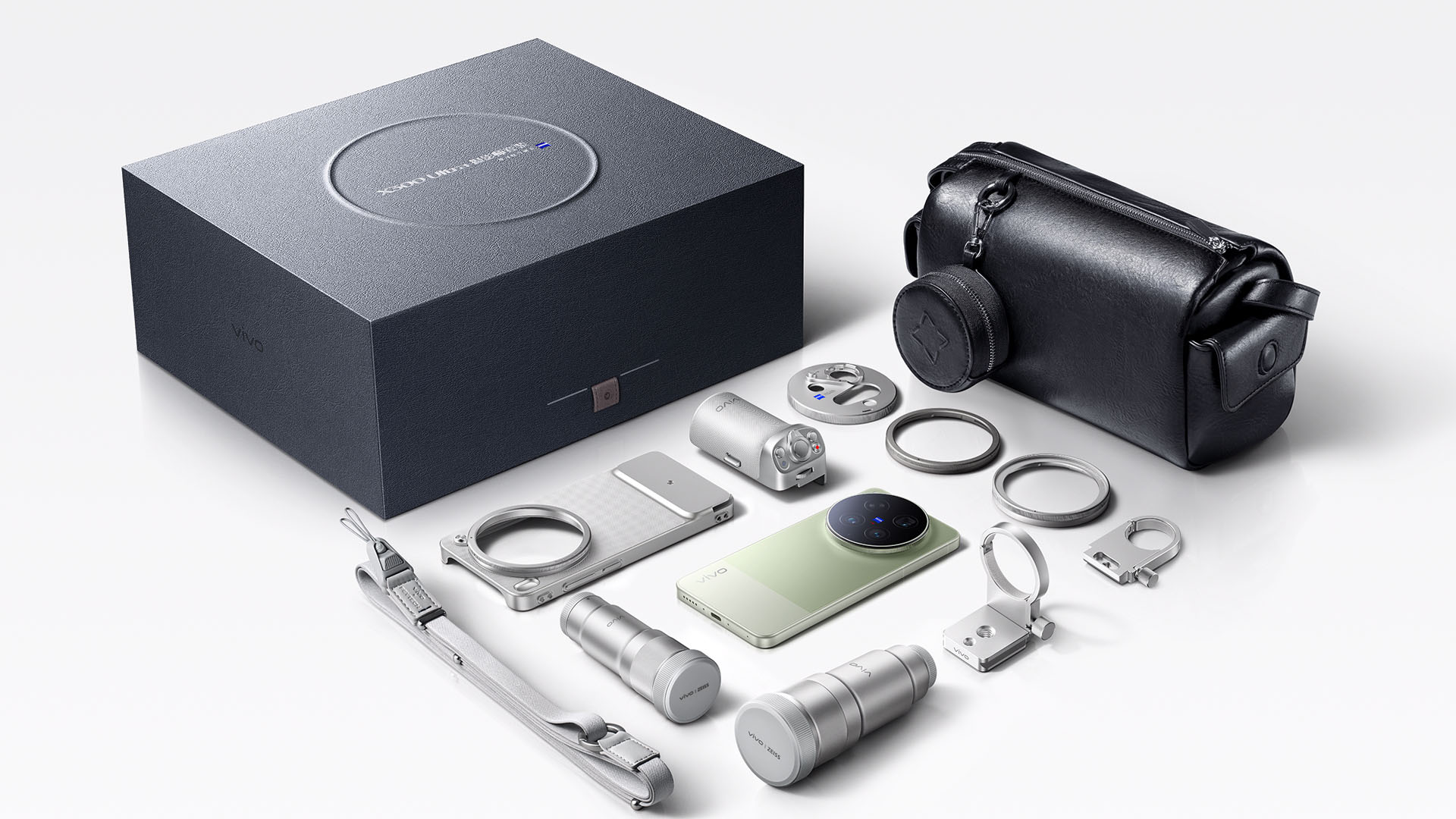
You can buy the vivo X300 Ultra and X300s in their special Photographer Kit Edition with all the accessories bundled:
- X300 Ultra Photographer Kit = CNY 11,999 (US$ 1260 / EUR 1070 / GBP 920 / SG$ 2235 / MYR 6965 / PhP 105,110 / INR 164,550)
- X300s Photographer Kit = CNY 7999 (US$ 1115 / EUR 960 / GBP 820 / SG$ 1430 / MYR 4645 / PhP 63,685 / INR 95,930)
Additionally, separate parts of the kit can also be bought separately:
- Camera Grip = CNY 699 (US$ 101 / EUR 88 / GBP 77 / SG$ 130 / MYR 405 / PhP 6130 / INR 9585)
- SmallRig Case = CNY 1699 (US$ 245 / EUR 215 / GBP 185 / SG$ 320 / MYR 990 / PhP 14,890 / INR 23,300)
- G2 Teleconverter Lens = CNY 1499 (US$ 220 / EUR 190 / GBP 165 / SG$ 280 / MYR 870 / PhP 13,140 / INR 20,560)
- G2 Ultra Teleconverter Lens = CNY 2499 (US$ 360 / EUR 315 / GBP 270 / SG$ 465 / MYR 1450 / PhP 21,900 / INR 34,270)
* These are only rough conversion estimates
As teased way back in MWC 2026, the X300 Ultra is vivo’s first Ultra smartphone to be sold globally. We’ll just have to wait and see which regions will have it.
Gaming
Nintendo might be working on an Ocarina of Time remake
It will reportedly launch in the second half of 2026.


What is the greatest game of all time? There’s a substantial chance that The Legend of Zelda: Ocarina of Time will be on the board. Even beside the Switch’s critically acclaimed Breath of the Wild duology, the Nintendo 64 title is one of the most quintessential games you can ever play. That said, it’s pretty dated. But maybe, not for long.
According to Nintendo insider NatetheHate, the company is working on a rerelease of Ocarina of Time. The title is scheduled for launch within the second half of 2026.
The wording is important here. “Rerelease” can mean anything. To be fair, NatetheHate, through his latest podcast, says that it’s likely we’ll get either a like-for-like remake or a full reimagining of the essential game. However, he does not discount the possibility that it’s just an HD remaster for the new consoles. Either way, Ocarina of Time is coming back this year.
If you can’t wait, the title isn’t exactly missing from the shelves. You can play the original from the list of available games through Nintendo Switch Online. The game also got a remaster for the 3DS.
There is no shortage of Zelda-related news lately. The franchise is getting a live-action adaptation next year, which now becomes a worthy follow-up to The Super Mario Galaxy Movie coming early next month.
SEE ALSO: The Legend of Zelda film gets its first official photos
News
Global tech leaders to convene in Singapore for GITEX AI Asia 2026
Even to feature 550 enterprises, 250 investors, 175 speakers

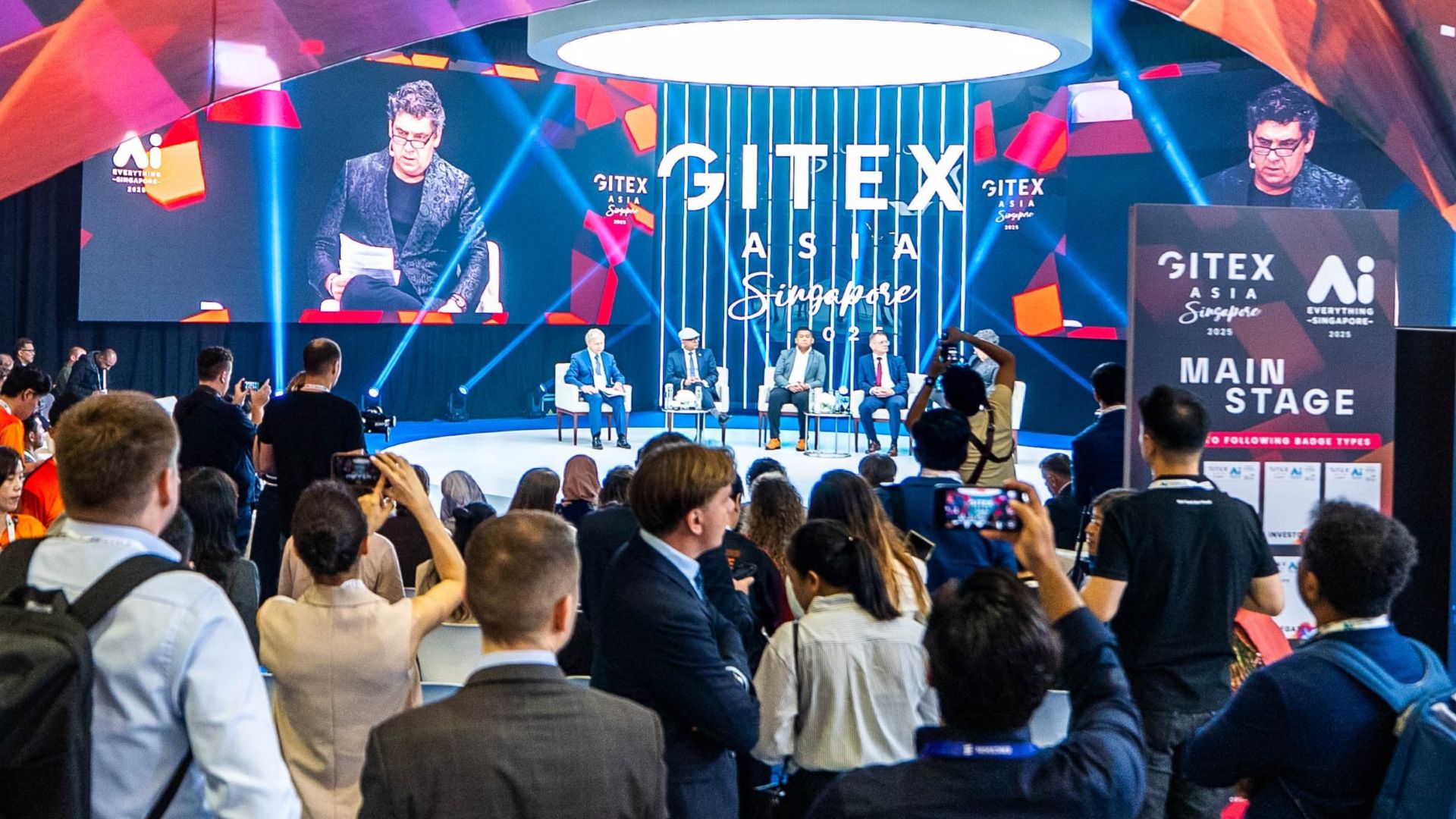
Singapore will host the second edition of GITEX AI Asia next week from April 9 to 10, with more than 550 enterprises, 250 investors, and 300 startups from over 110 countries expected to convene at Marina Bay Sands.
The event comes as Asia-Pacific’s AI spending is projected to hit US$ 78 billion by 2026, according to an IDC report.
Singapore, Malaysia, and Indonesia are also projected to account for 40% of global data center capacities by 2030. Singapore itself produces about 15% of the world’s semiconductors and recently launched a new quantum research center.
The conference underscores the region’s rapid adoption of AI across healthcare, finance, and public services. It will feature global technology leaders, investors managing US$ 350 billion in assets, and policymakers discussing Asia’s role in shaping the next era of AI and quantum innovation.
There will be a total of about 175 speakers. Among them are Japan former senator and vice minister Kotaro Tamura, and Aires Applied Quantum Technologies CEO Ken Lin They will highlight the region’s growing quantum IP base.
In addition, startups at North Star Asia, the regional edition of Expand North Star, will showcase breakthroughs. There are energy-efficient AI systems, real-time translation earbuds, and brain-computer interface rehabilitation tools.
Major firms including Ericsson and Gorilla Technology will likewise present infrastructure solutions for AI-driven urban environments.
Meanwhile, Belgium, Canada, the Philippines, and more countries will debut country pavilions. They will join mainstay participants like Australia, China, Germany, Hong Kong, India, the Netherlands, Pakistan, South Korea, United Arab Emirates, Vietnam, and of course, the host Singapore.
For investors and innovators alike, GITEX AI Asia signals Asia’s inflection point as a global leader in AI and quantum technologies. It also reinforces Singapore’s role as a high-impact gateway linking the continent’s innovation ecosystems with global capital and markets.


Shokz OpenFit Pro: Somewhere between awareness and focus
Find your balance
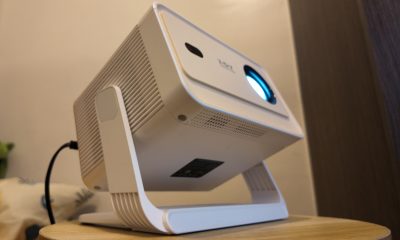

Why this 180-degree gimbal projector is a “small win” for solo living
At $200, the XGODY N6 Pro transformed my one-bedroom apartment into a sanctuary of independence

Nothing Phone (4a) + (4a) Pro review
Is "different" actually better?

vivo X300 Ultra wants to beat the iPhone 17 Pro Max in pro video
Shokz OpenFit Pro: Somewhere between awareness and focus

Nintendo might be working on an Ocarina of Time remake

Global tech leaders to convene in Singapore for GITEX AI Asia 2026

Fujifilm Philippines introduces instax Mini Evo Cinema, Mini Link+


-
 Reviews2 weeks ago
POCO X8 Pro Max review: A new beast from the far east
-

 News2 weeks ago
POCO X8 Pro Series: Price, availability in the Philippines
-

 Reviews2 weeks ago
POCO X8 Pro Iron Man Edition review: Midrange phone in superhero armor
-

 Automotive2 weeks ago
VinFast extends free unlimited charging in 3 markets amid rising fuel prices
-
 Philippines2 weeks ago
The HONOR X8d is serviceable
-
 News2 weeks ago
POCO X8 Pro Series launches in Singapore with early bird prices
-
 News2 weeks ago
POCO introduces X8 Pro Series with Dimensity 9500s
-

 Gaming1 week ago
WWE 2K26 lets you live out all the fantasy matches you could want