
News
Cherry Mobile’s smartphone empire is targeting Europe next


Cherry Mobile, the Philippines’ leading smartphone brand, is expanding to European markets later this year, a Cherry Mobile executive told GadgetMatch in a phone conversation. Germany will be the first country to sell Cherry Mobile devices and accessories, starting as early as the third quarter. If all goes according to plan, we might see Cherry Mobiles in retail stores in Spain and Italy by the end of the year.
We’re also told that the company’s initial offering for German consumers will include a good number of feature phones, smartphones, and action cameras, though the lineup is subject to change depending on which models sell quicker. Our money goes to the sub-Php5,000 LTE handsets from the Flare series.
Android One phones, unfortunately, are off the list for the time being, as exporting them overseas requires Google’s approval. Google is — after all — the architect of the Android One program.
Of course, news about Cherry Mobile’s global efforts shouldn’t come as a surprise; the company has extended its reach to Malaysia, Thailand, Laos, Papua New Guinea, and Tunisia in hopes of eventually becoming more like Samsung and Huawei and less like its homegrown rivals.
Germany is about as good a place to build an empire as any other, with smartphone usage climbing rapidly in recent years. Bitkom, a trade association for the technology industry in Germany, said handset shipments in the country rose to 26.2 million units in 2015, up 7.4 percent from the previous year, and that an estimated 74 percent of Germans 14 years old and older — the equivalent of 51 million people — own a smartphone.
Another important thing to note about the German market: Last year’s average price for a smartphone was 395 euros, or roughly 20,000 Philippine pesos. By contrast, Cherry Mobile’s devices retail for a fraction of that cost.
[irp posts=”7115″ name=”Cherry Mobile Flare S5 Power review”]




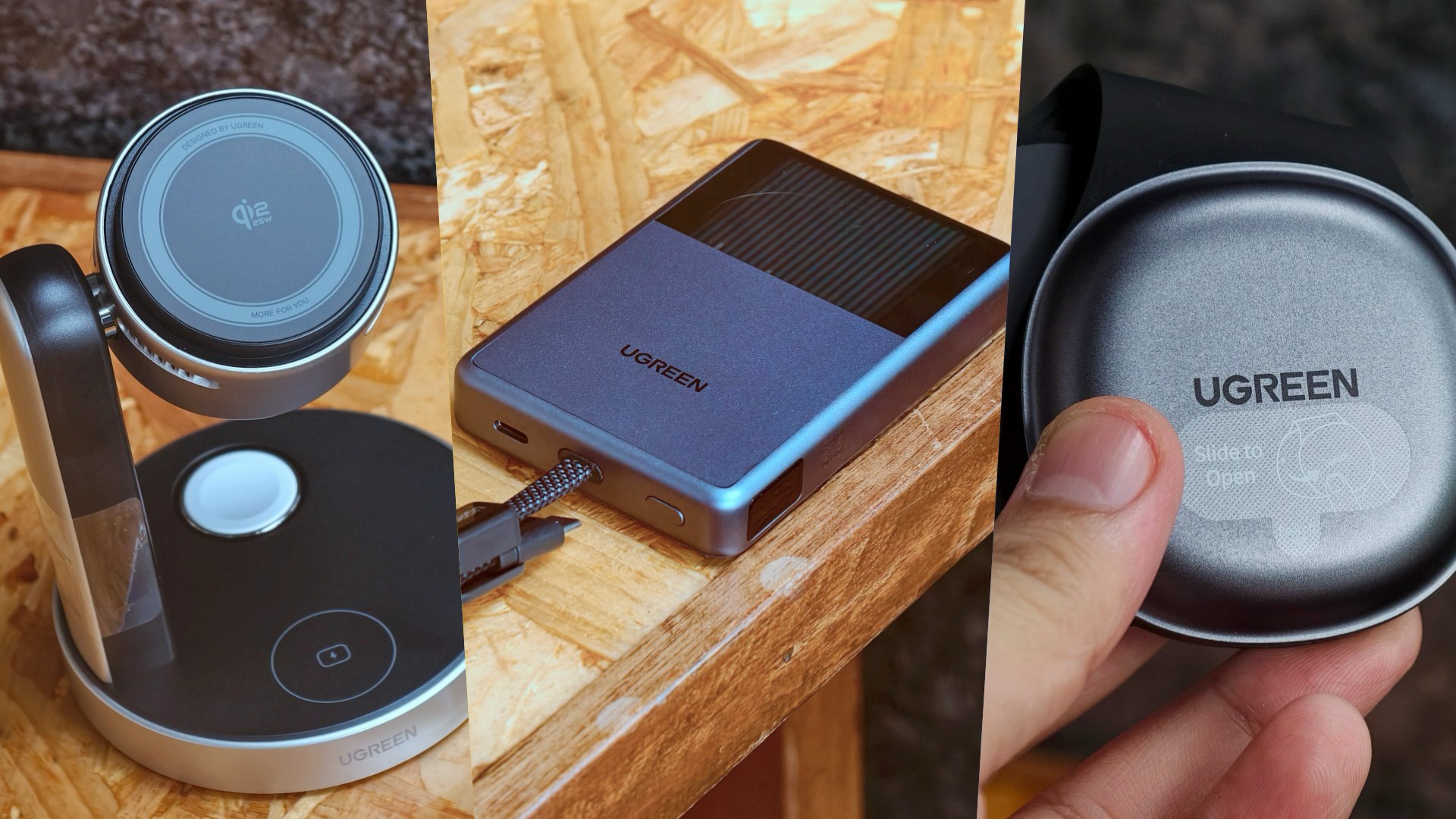
UGREEN has expanded its MagFlow lineup with three new wireless charging products. The range now covers portable power, desktop charging, and travel.
All three support Qi2 25W charging. UGREEN also focuses on thermal management to keep charging cooler and more consistent.
A cooler power bank
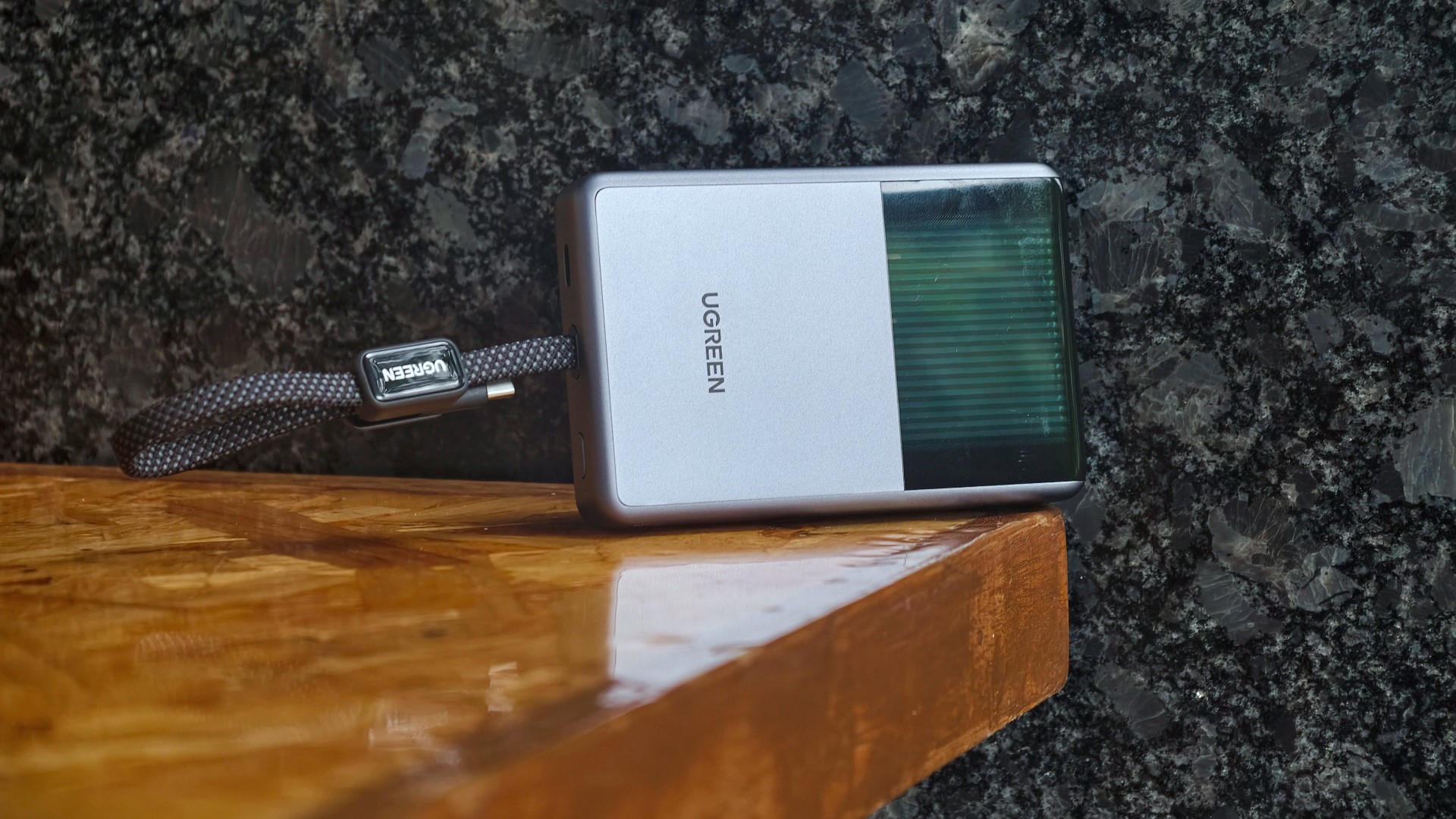
The highlight is the UGREEN MagFlow Pro Magnetic Power Bank 10000mAh 25W. UGREEN calls it the world’s first liquid-cooled Qi2 25W magnetic power bank.
It uses UGREEN’s CryoPulse technology. A micro-pump circulates coolant around key components to draw away heat. A Cyber Window also lets users see the cooling process in real time.
UGREEN says the system can keep peak temperatures up to 18°F below the industry benchmark. The power bank also uses Dymondcell 2.0 high-density ATL cells.
A built-in smart display shows charging power, battery level, cycle count, and cooling status. UGREEN says the power bank can charge an iPhone 17 Pro Max to 50 percent in 40 minutes.
Charging three devices at once
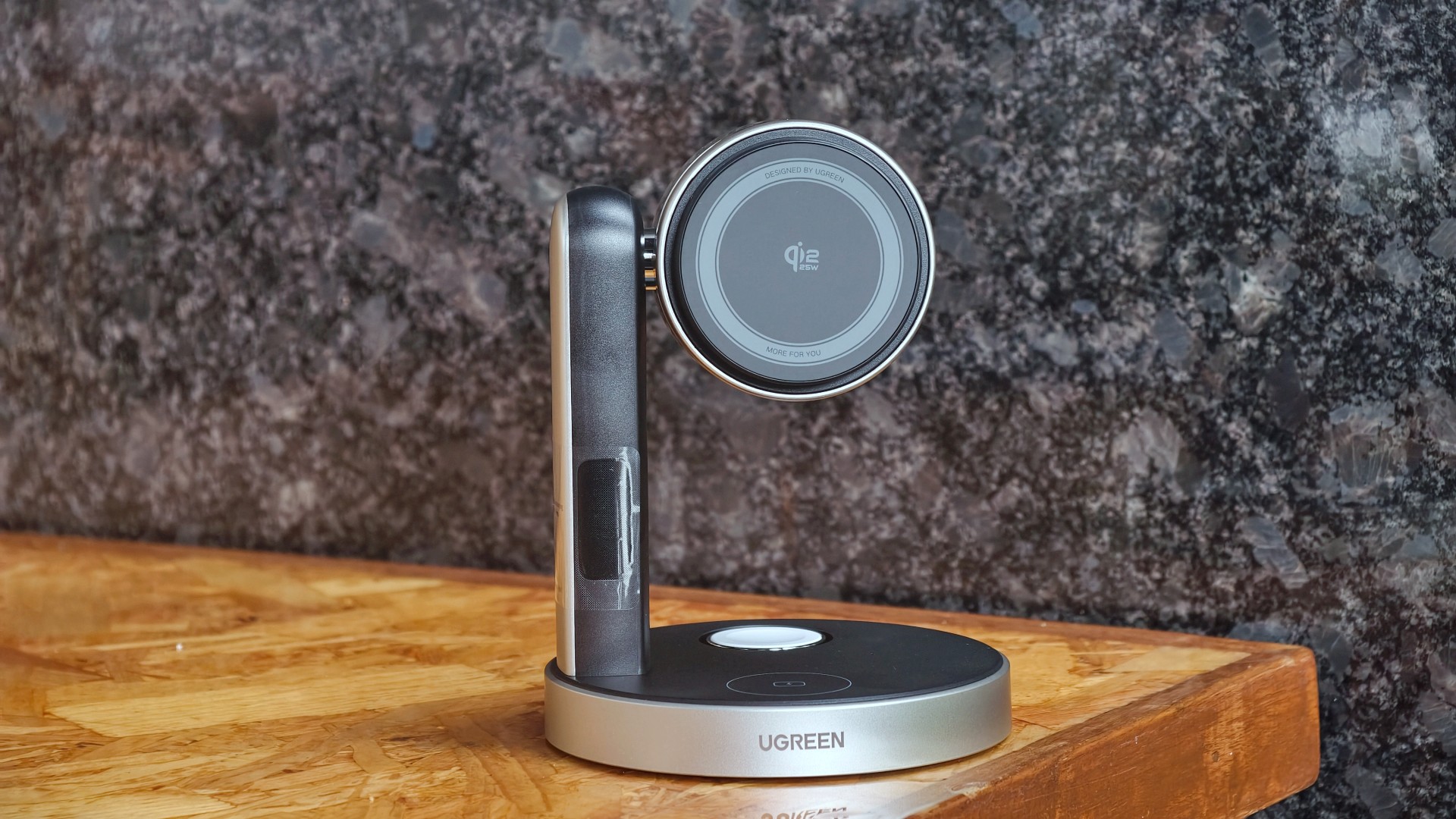
The UGREEN MagFlow Pro 3-in-1 Magnetic Wireless Charging Stand 25W targets desktop setups. It can charge an iPhone, Apple Watch, and AirPods at the same time.
The stand uses CryoPulse TEC active cooling and an ultra-quiet 15dB fan. Its thermoelectric cooling system draws heat away from the charging surface.
UGREEN says the center of the charging surface can reach temperatures as low as 51.8°F. It can also charge an iPhone 17 Pro Max to 50 percent in 26 minutes under its internal testing conditions.
The stand has an adjustable design for easier viewing. A smart display shows charging power and temperature.
A foldable charger for travel

The UGREEN MagFlow 2-in-1 Foldable Magnetic Wireless Charger 25W offers dual-device charging in a compact design.
It can also work as a magnetic phone stand. Users can set it up on a desk or bedside table, or bring it along while traveling.
When folded, the charger takes on a palm-sized clamshell design that fits into a pocket or bag.
All three MagFlow products are available now.
- The MagFlow Pro Magnetic Power Bank 10000mAh 25W costs USD 149.99.
- The MagFlow Pro 3-in-1 Magnetic Wireless Charging Stand 25W costs USD 159.99.
- The MagFlow 2-in-1 Foldable Magnetic Wireless Charger 25W is priced at USD 59.99.
UGREEN sells all three through its official store and Amazon.
Accessories
Acer announces 1st FHD 1000Hz gaming monitor: Predator XB253Q U1
Acer unveils new lineup of monitors across Predator, Acer Nitro, and Acer ProDesigner brands

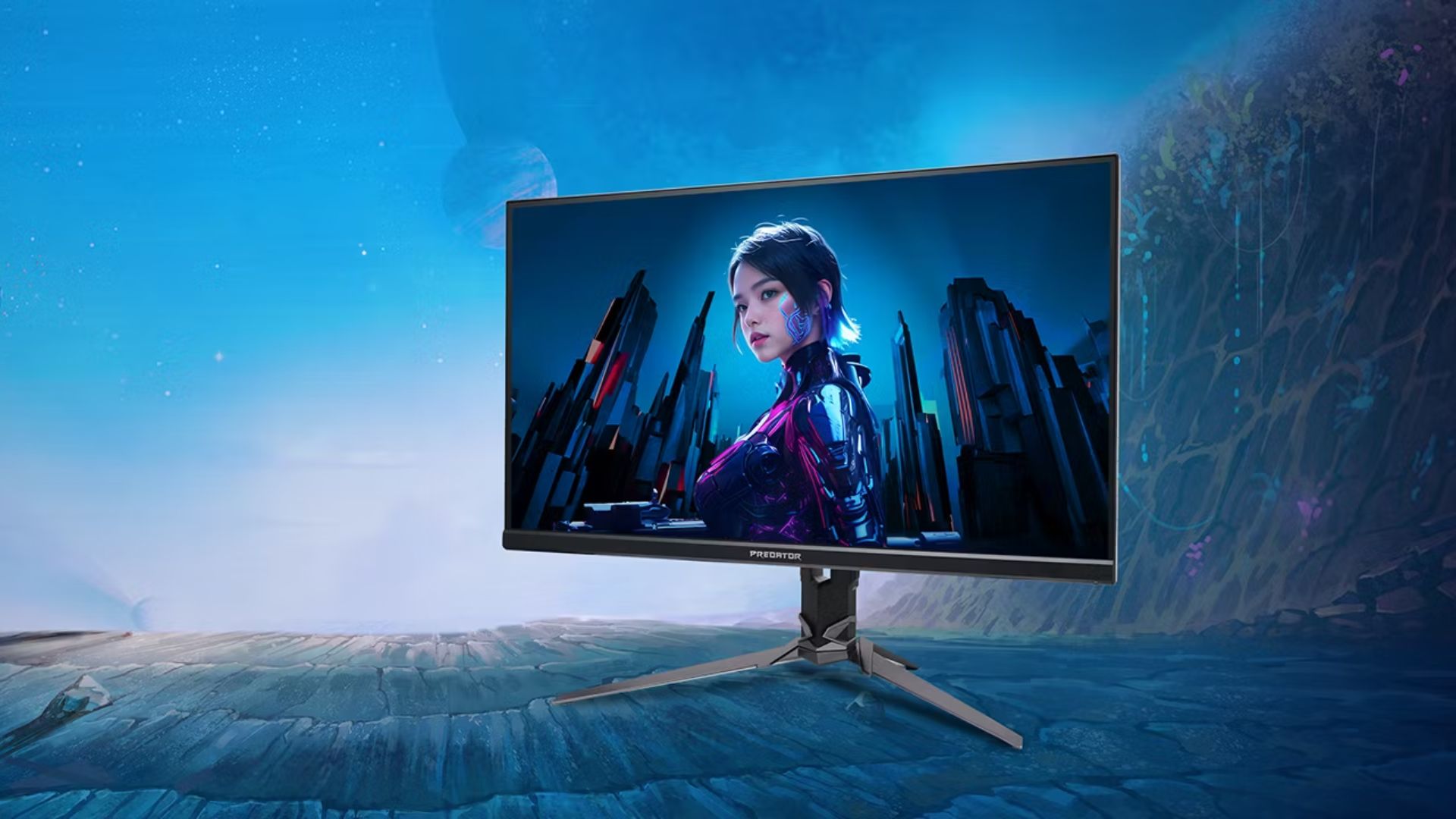
Acer has announced a full lineup of monitors for high-powered gaming and content creation, headlined by the first FHD 1000Hz gaming monitor Predator XB253Q U1.
This offering leads various releases across the Predator, Acer Nitro, and Acer ProDesigner portfolios.
The Predator XB253Q U1 monitor is a premium gaming display designed for top-tier responsiveness for fast-paced titles and esports competitions.
It comes in an optimal 24.5-inch display size for esports environments and delivers ultrafast visual response, motion clarity, and consistent performance.
It features a 1000Hz refresh rate with FHD resolution, along with Acer’s Visual Response Boost (VRB) Pro technology to reduce motion blur and ghosting for fast-moving objects.
The monitor is VESA DisplayHDR400 certified and includes Circular Polarizer technology to reduce glare and eye strain during longer gaming sessions.
Furthermore, it also offers AMD FreeSync Premium and NVIDIA G-SYNC Compatible for tear-free gaming visuals.
Acer unveils new monitors
Acer also released the Predator X23 V3, which comes with a 31.5-inch QD-OLED Penta Tandem display. It has a UHD resolution with 180Hz refresh rate, VESA DisplayHDR True Black 400 certification, and 99% DCI-P3 color gamut.
For a versatile option for both gaming and creative work, there’s the 27-inch Predator XB273K V7. It comes with up to a 500Hz refresh rate, and a baseline UHD resolution at 160Hz.
Users can switch on up to FHD resolution at 500Hz for fast-paced gameplay. This option also offers AMD FreeSync Premium and NVIDIA G-SYNC compatibility. An Acer Smart Dial is also built-in for remote adjustments.
Moreover, Acer has launched the 27-inch Acer Nitro XV275X P, which offers 5K resolution, 2304-zone Mini LED backlighting, and a 0.5ms GTG response time.
This variant is also ideal for creative work with 99% Adobe RGB, 99% sRGB, 99% DCI-P3 color gamuts and Delta E<2 color accuracy.
Speaking of creatives, the Acer ProDesigner PE270X P monitor is built for professional creative work.
It delivers exceptional 5K clarity at a 5120 x 2880 resolution, alongside factory calibration Delta E<1 factory calibration.
More options
For curved display enthusiasts, there’s the Acer Nitro XZ340CKR P monitor. This curved 34-inch display offers up to a 5120 x 2160 resolution at 180Hz, and up to a 360Hz refresh rate at WFHD resolution.
Features include: 0.5ms GTG response time, AMD FreeSync Premium, HDR10 certification, and 90% DCI-P3 color gamut.
Rounding out the lineup are the Acer Nitro XV275U Z2 and Nitro XV270U Z3 monitors. These 27-inch displays are designed as a single display that caters to multiple needs of modern gamers.
They can handle AAA titles and competitive esports, while providing a balance between image quality and ultra-high refresh rates.
They also both support tri-mode DFR technology, allowing users to choose among three optimized visual experiences with one click.
Pricing availability
Predator XB253Q U1
- North America (Q1 2027): Starts at US$ 1,099.99
- EMEA (Q1 2027): Starts at EUR 1,099
- China (Q1 2027): Starts at RMB 7,999
Predator X32 V3
- North America (Q1 2027): Starts at US$ 899.99
- EMEA (Q1 2027): Starts at EUR 899
- Australia (Q2 2027): Starts at AUD 1,999
- China (Q1 2027): Starts at RMB 5,999
Predator XB273K V7
- North America (Q4 2026): Starts at US$ 449.99
- EMEA (Q4 2026): Starts at EUR 449
- Australia (Q2 2027): Starts at AUD 899
- China (Q4 2026): Starts at RMB 2,999
Acer Nitro XV275X P
- North America (Q1 2027): Starts at US$ 1,199.99
- EMEA (Q1 2027): Starts at EUR 1,199
- China (Q1 2027): Starts at RMB 9,999
Acer Nitro XZ340CKR P
- North America (Q4 2026): Starts at US$ 699.99
- EMEA (Q4 2026): Starts at EUR 699
- China (Q4 2026): Starts at RMB 4,999
Acer Nitro XV275U Z2
- North America (Q4 2026): Starts at US$ 329.99
- EMEA (Q4 2026): Starts at EUR 329
Acer Nitro XV270U Z3
- North America (Q1 2027): Starts at US$ 299.99
- EMEA (Q1 2027): Starts at EUR 299
- China (Q1 2027): Starts at RMB 1,999
Acer ProDesigner PE270X P
- North America (Q1 2027): Starts at US$ 1,299.99
- EMEA (Q1 2027): Starts at EUR 1,299
News
Acer unveils Predator ES Thunder Pro e-Scooter
More power, longer range, better safety features
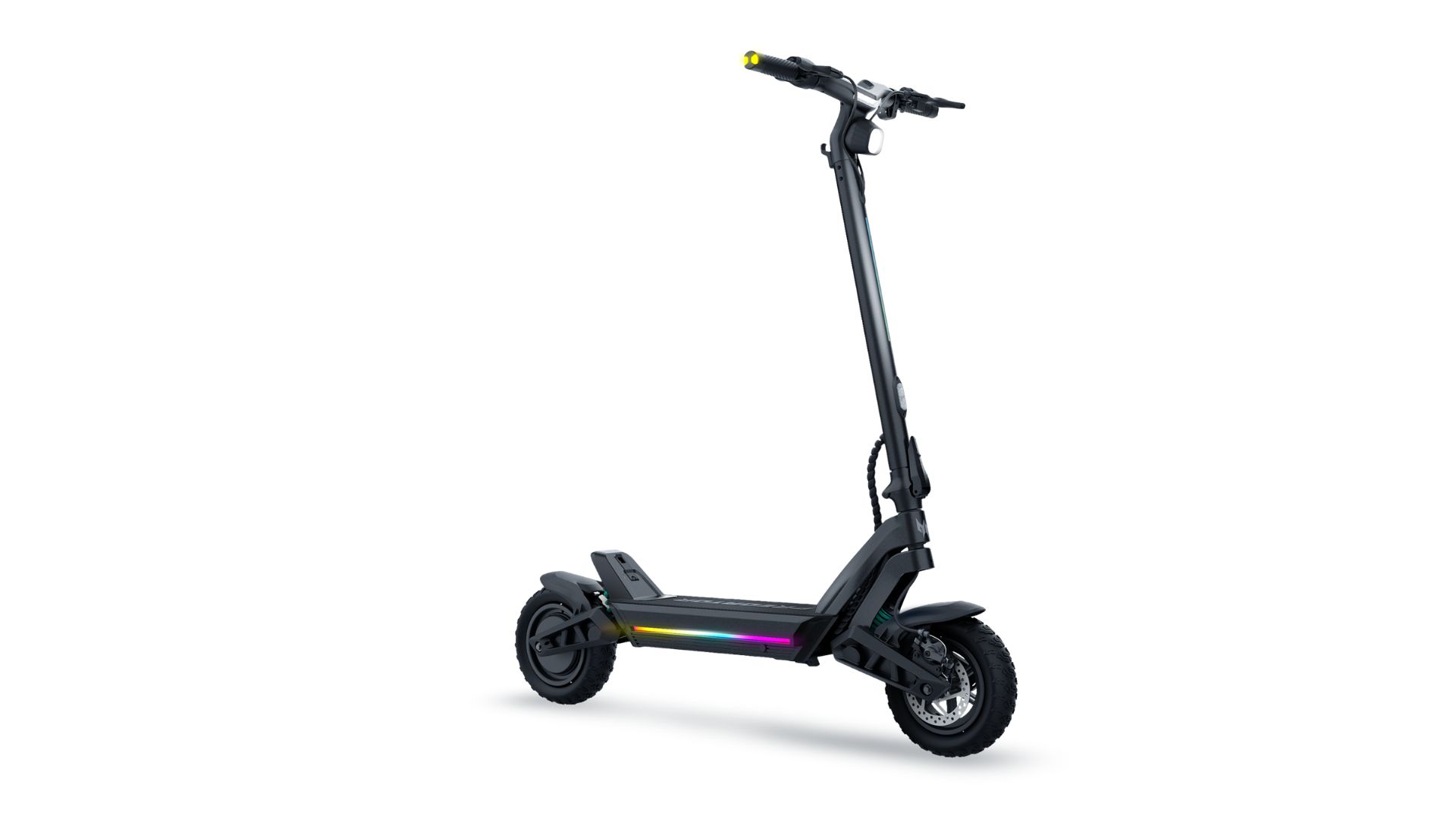
Acer continues to expand its e-scooter portfolio with the launch of the Predator ES Thunder Pro. It is the latest mobility offering from the brand after expanding to the category in 2023.
The all-new e-scooter enhances powertrain performance, enabling confident handling across a wide range of terrains.
It is designed both for everyday mobility and versatile terrain handling, making it well-suited for extended use and longer riding distances.
The most powerful model yet in the Predator e-scooter portfolio, it is equipped with a high-performance 500W rear-wheel-drive DC motor.
This has a peak output power of 1,600W, and a maximum torque of 32Nm. This way, the e-scooter delivers stronger, smoother power output during acceleration and hill-climbing.
In addition, the Predator ES Thunder Pro uses a Traction Control System (TCS) that adjusts power output in real time base on road conditions. This improves tire traction and overall stability on wet or low-grip surfaces.
The e-scooter comes with 10-inch tubeless pneumatic off-road tires and IPX6 water-resistance rating as well.
In front are daytime running lights while on the sides are RGB ambient lighting for better visibility.
In terms of range, the e-scooter can travel up to 70 kilometers on a single charge, effectively reducing charging frequency.
Furthermore, the e-scooter integrates dual-platform location tracking via Find My and Find Hub, paired with the Acer eMobility app with AI voice control.
Pricing, availability
The Acer Predator ES Thunder Pro will be available in Europe early next year, starting at EUR 799.


NBA 2K27 review: A two-way All-Star
Better ball game, same 2K?

DJI Osmo 360 II review: Going all-in on the ecosystem
I'm finally leaving my Insta360 X5 behind!


Now Playing: The Blood of the Dawnwalker
The game lovingly cobbles together inspiration from past games.

Acer PA100 portable SSD brings fast, flexible storage on the go

UGREEN expands MagFlow lineup with Qi2 25W chargers
NBA 2K27 review: A two-way All-Star

Final Fantasy VII Revelation launches April 8, 2027

Acer announces 1st FHD 1000Hz gaming monitor: Predator XB253Q U1

TECNO MEGAPAD 2 review: Eyes on the size

realme 16T 5G with 8000mAh battery, IP69 Pro rating launches in PH

REDMI Note 17 Series focuses on long-term reliability

realme 16T to come with 8,000mAh battery, 7-year battery health guarantee

HUAWEI Pura X View is 2026’s first WIDE slab-type smartphone


-
 Reviews2 weeks ago
TECNO MEGAPAD 2 review: Eyes on the size
-
 News6 days ago
realme 16T 5G with 8000mAh battery, IP69 Pro rating launches in PH
-

 Cameras2 weeks ago
30 days with the DJI Osmo Pocket 4P
-

 Singapore1 week ago
REDMI Note 17 Series: Price, availability in Singapore
-
 News1 week ago
REDMI reveals the refreshed Note 17 and Note 17 Pro series
-

 Cameras1 week ago
Insta360 Luna Ultra review: My new solo coverage camera
-

 Reviews1 week ago
REDMI Note 17 Pro review: What a rollercoaster ride!
-

 News1 week ago
HONOR Magic V6: Price, availability in the Philippines