
Gaming
Detroit: Become Human review: Create-your-own-adventures are back
This is your story


Throughout video game history, the element of choice has never factored prominently towards a game’s progress. Even with an abundance of gameplay elements, video games always corral you to its own desired ending.
With Detroit: Become Human, developer Quantic Dream completely leaves that option to you. Besides a unique cinematic experience, Detroit brings a complete create-your-own-adventure set inside a near-future sci-fi world.

Welcome to Detroit
Like its predecessors Heavy Rain and Beyond: Two Souls, Detroit: Become Human mixes its plot seamlessly with its gameplay. Because both are so intertwined, it becomes impossible to talk about one without the other.
Detroit brings us to its eponymous city in 2038. Despite being set two decades into the future, the Motor City doesn’t differ greatly from how it is now. Cars, houses, and clothing styles strangely look the same. However, for all its similarities, the Detroit (and everywhere else) of the future differs in one crucial aspect: artificially intelligent androids exist.
As predicted, humanity has invented compliant and intelligent robots that can do our bidding as servants, companions, and even occasional lovers. Unfortunately, things aren’t as smooth as they seem. Everywhere, androids have started to rebel against their masters. Humanity would call them “deviants.”
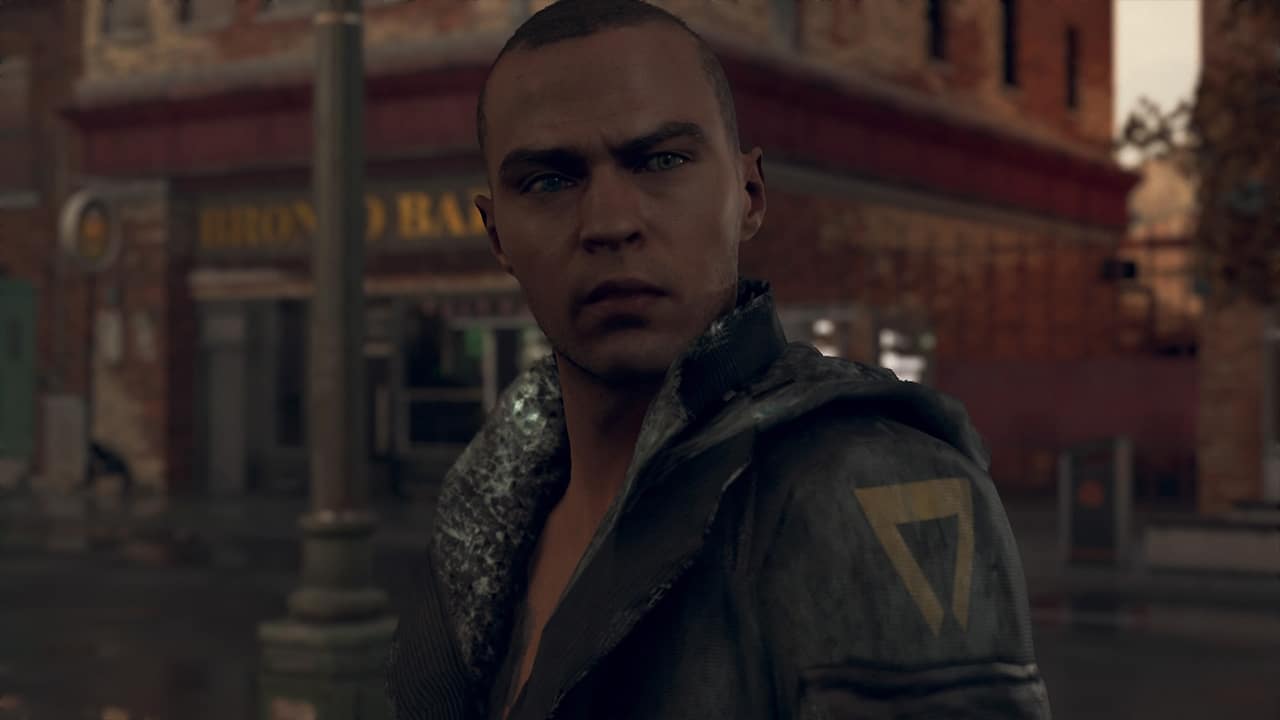
In Detroit, you control three androids portrayed through their own respective points of view. Connor is a prototype police android tasked with investigating why androids are turning deviant. Kara is a housewife managing an abusive father’s house and his daughter. Markus is a companion robot caring for an aging artist.

Three-in-one
With three characters, Quantic Dream created three distinct perspectives to separate each story from the other. Besides three collaborative ones, each chapter takes on a different tone and theme.
From gameplay elements to the soundtrack, each perspective is its own story. Even if you isolate them as separate stories, they can still exist individually as an adequately drawn game.
For the most part, every character is isolated in its own world. Detroit successfully created different moods for each story. Connor’s story and gameplay takes on a CSI vibe. Kara’s story has a more familial vibe. Finally, Markus’ story has a more revolutionary tone.

Sigh-filled sci-fi
A well-written science fiction story is always an excellent medium to depict a cautionary tale of the future a la Black Mirror. Like that show, Detroit starts off with an optimistic, well-rounded vision of the almost-near future. In that vision, androids have elevated humanity into new technological levels.
Unfortunately, this breath of fresh air eventually degrades to an on-the-nose civil rights story. From the onset, Detroit already hints that android rights lack the same modicum of respect that human rights do.
While civil rights stories shine in the spotlight today, Detroit hammers it down a little too much. Case in point, the story’s android rights movement uses too much historic taglines like “we have a dream” and “we think therefore we are.” Despite its create-your-own nature, Detroit really wants you to care about its androids.
For what it’s worth, its background worldbuilding excels. Through in-game magazines and TV screens, the game explores other facets of 2038’s world — politics, sports, interpersonal relationships, and transportation.
Do choices really matter?
Thankfully, yes. As with Quantic Dream’s other games, Detroit features a vast river of branching paths. Every decision — whether major or trivial — affects future chapters. Even missing a single slip of paper in one scene blocks you from significant decisions in future scenes.
Despite the allure of unlocking every option possible, the game naturally blocks you from achieving — or at least, unlocking — every option. Some scenes even lock users into time limits, both explicitly shown and hidden.
Further, developers have also highlighted the game’s permadeath options. A persistent worry, however, is if Detroit will have copouts when it deals with death. Thankfully, death is a real option in the game. In my first playthrough, a key character didn’t make it to the end credits. While there are some copout moments, permadeaths for both side and main characters remain a possibility throughout.
Fortunately, Detroit shows you which branches and options you’ve unlocked during your playthrough. The developers adamantly encourage gamers to finish a playthrough first before backtracking into new branches. However, the temptation to replay a chapter is always there.

Press X to pay respects
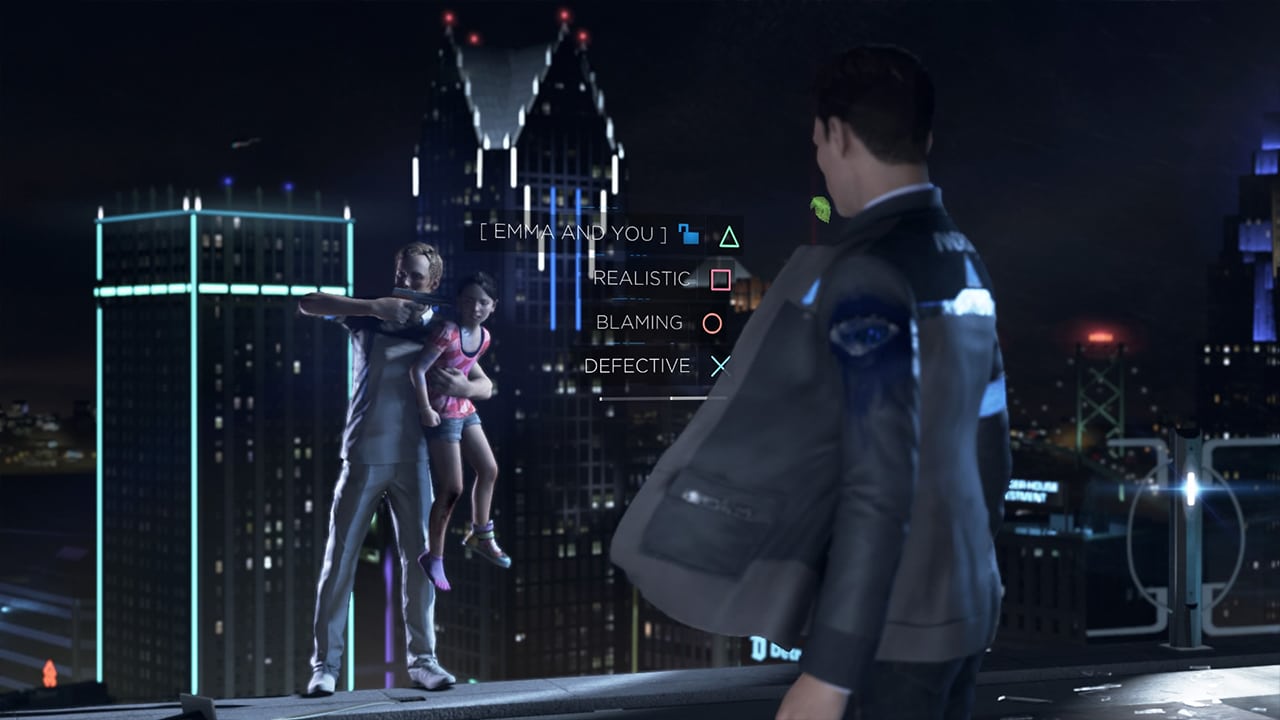
Unlike most games, Detroit does not have a standard verb set. Besides the traditional movement stick and some interfaces, there are no dedicated run, use, and shoot buttons. Random prompts often appear to perform certain actions.
Usually, this isn’t a problem. In a laidback investigation portion, prompts are easy enough to decipher. However, as is the norm with Quantic Dream, the game also includes nerve-wracking quick-time events (QTEs) to get through action and chase scenes. While this is the best use of the janky controls, it’s not the best way to tell a story. The harried pressure to press the right button in time often takes away from the game’s cinematic element.

Realistic dolls in an empty dollhouse
The video game industry has come a long way from the polygonal character designs of yesteryear. Detroit pushes that boundary even further with its motion-captured performances. From cinematic cutscenes to trivial fidgets, Quantic Dream created extraordinarily realistic characters. The three main characters even share an uncanny likeness with the actual actors who play them.
Unfortunately, Detroit’s background visuals are less desirable. With interactable elements scattered throughout a scene, the game often plays out like an old-school point-and-click adventure game. However, they lack the random charm of those lovable games. Besides the actual objectives, Detroit’s backgrounds feel blank and empty. Even if they’re filled with details and background actors, neither Connor, Kara, nor Markus can interact with them other than just walking past. For a game that puts the premium on character design, Detroit falls short on delivering a thriving physical world.
Regardless, with its choice-driven narrative and superb character design, Detroit: Become Human marks a turning point for video games. It opens the industry as a medium for cinematic but interactive storytelling.
Despite its flaws, Detroit: Become Human is still a loving homage to the choose-your-own-adventures and point-and-click games of before.
SEE ALSO: Step into androids’ shoes in Detroit: Become Human







Gaming
Ubisoft confirms Assassin’s Creed: Black Flag remake
It’s officially called Assassin’s Creed: Black Flag Resynced.
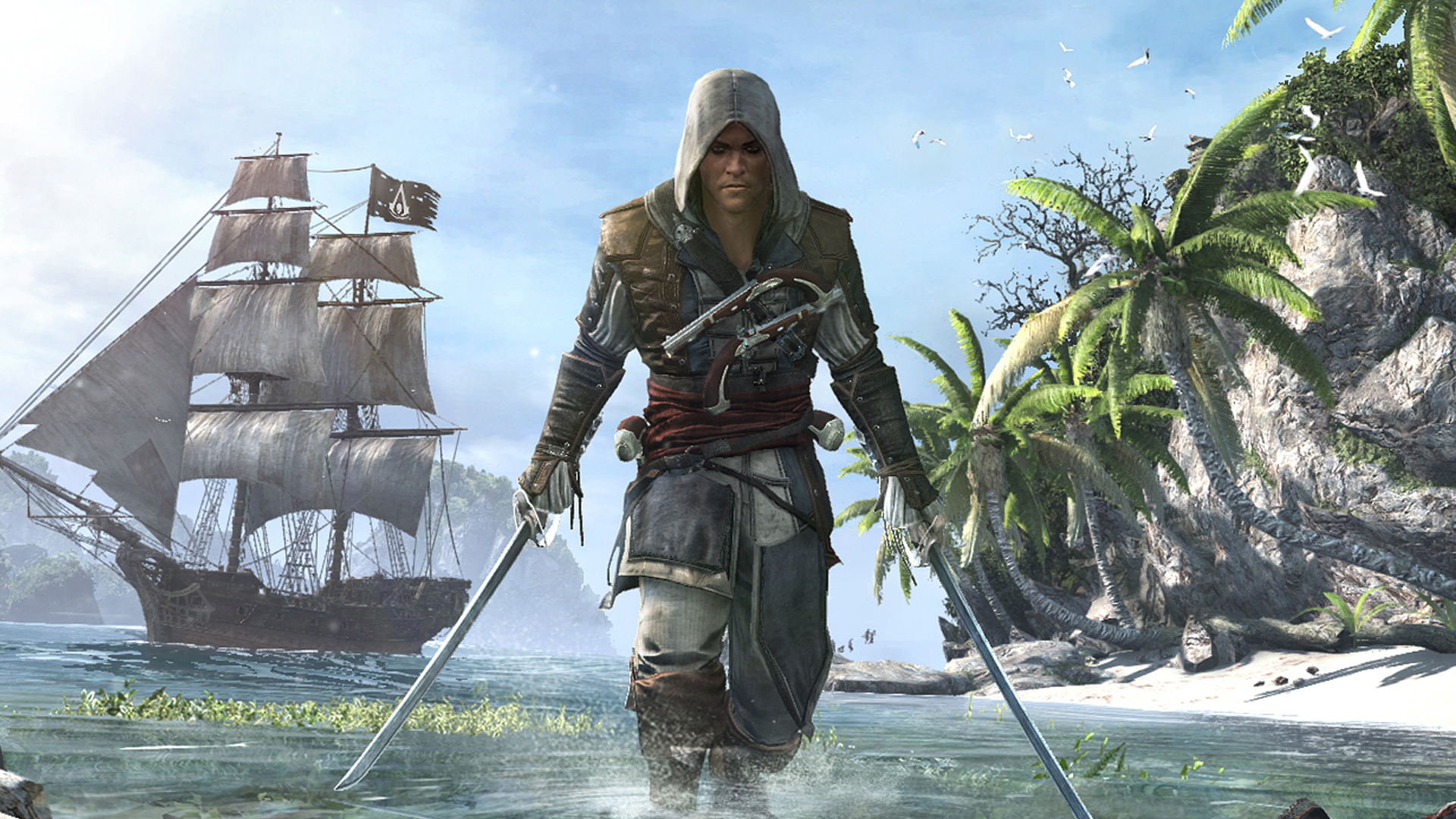
If you ask an Assassin’s Creed fan what their favorite game of the series is, Assassin’s Creed: Black Flag will likely be one of the top contenders. Because of its reputation, gamers are constantly asking for a remake of the popular pirate simulator. Now, the dream is finally here. Ubisoft has confirmed that a remake, called Assassin’s Creed: Black Flag Resynced, is coming.
Released in 2013, Assassin’s Creed: Black Flag saw the journey of Edward Kenway, a vagabond pirate haplessly thrust into life as part of the Assassin Brotherhood against his will. The critically acclaimed game was something that all gamers have been clamoring for since Sid Meier’s Pirates: a true pirate simulator. It was no surprise that the game got as popular as it did.
Today, through an official roadmap shared by the company, Ubisoft has confirmed that Assassin’s Creed: Black Flag Resynced is real, and it might launch later this year. The company also released the first concept art for the remake.

Currently, there’s no official word as to how Ubisoft is remaking the game. At the very least, we can expect significant graphical upgrades to put it up to par with the modern games. We wouldn’t be opposed to more stories and missions too.
Now, though the Black Flag remake is already a big deal, the same roadmap also emphasizes that Codename Hexe, the next mainline title, is still coming. Ubisoft hasn’t confirmed the actual timeline yet, but the game will depict “a pivotal moment in history.” With post-launch development for the ongoing Shadows winding down, efforts to launch Codename Hexe should be ramping up soon.
SEE ALSO: Assassin’s Creed Shadows gets Attack on Titan-themed content
Gaming
PlayStation will stop releasing its games on PC
A new reports suggests that Sony is going back to console exclusives.

PC-only gamers have been eating well for the past few years. The formerly exclusive PlayStation library opened its gates and released worthy ports for PC. Unfortunately, Sony is putting an end to this short-lived era of openness to PC gamers. According to a new report, the company is once again making first-party PlayStation games exclusive to the console.
During the pandemic, Sony started releasing its critically acclaimed first-party games on PC. The new wave saw gamers get the ability to play titles such as Horizon Zero Dawn, The Last of Us, Marvel’s Spider-Man, and God of War on another platform. Even now, players are still eagerly awaiting the PC launch of Death Stranding 2, due out later this year.
However, as reported by Bloomberg’s Jason Schreier, Sony has just had a change of heart and will no longer release any more games on the PC, beyond those already confirmed for future launches.
This will mean that last year’s Ghost of Yotei and the upcoming Saros will remain PlayStation exclusives for the foreseeable future.
It’s a big change to Sony’s direction. However, it’s not without its precedents. For one, Microsoft has started to compete in the non-exclusive market. The company is already set to launch Fable and Forza Horizon 6 on other platforms, including PC and PlayStation, concurrently with the Xbox launch. To compare, PlayStation still waits a long time before launching exclusive games on PC.
Also, now that rumors have begun to speak of a fabled PlayStation 6, Sony might want to keep things close to its chest for now. After all, selling the console might be its top priority for now.
SEE ALSO: PlayStation 6 reportedly delayed to 2029 because of RAM shortage
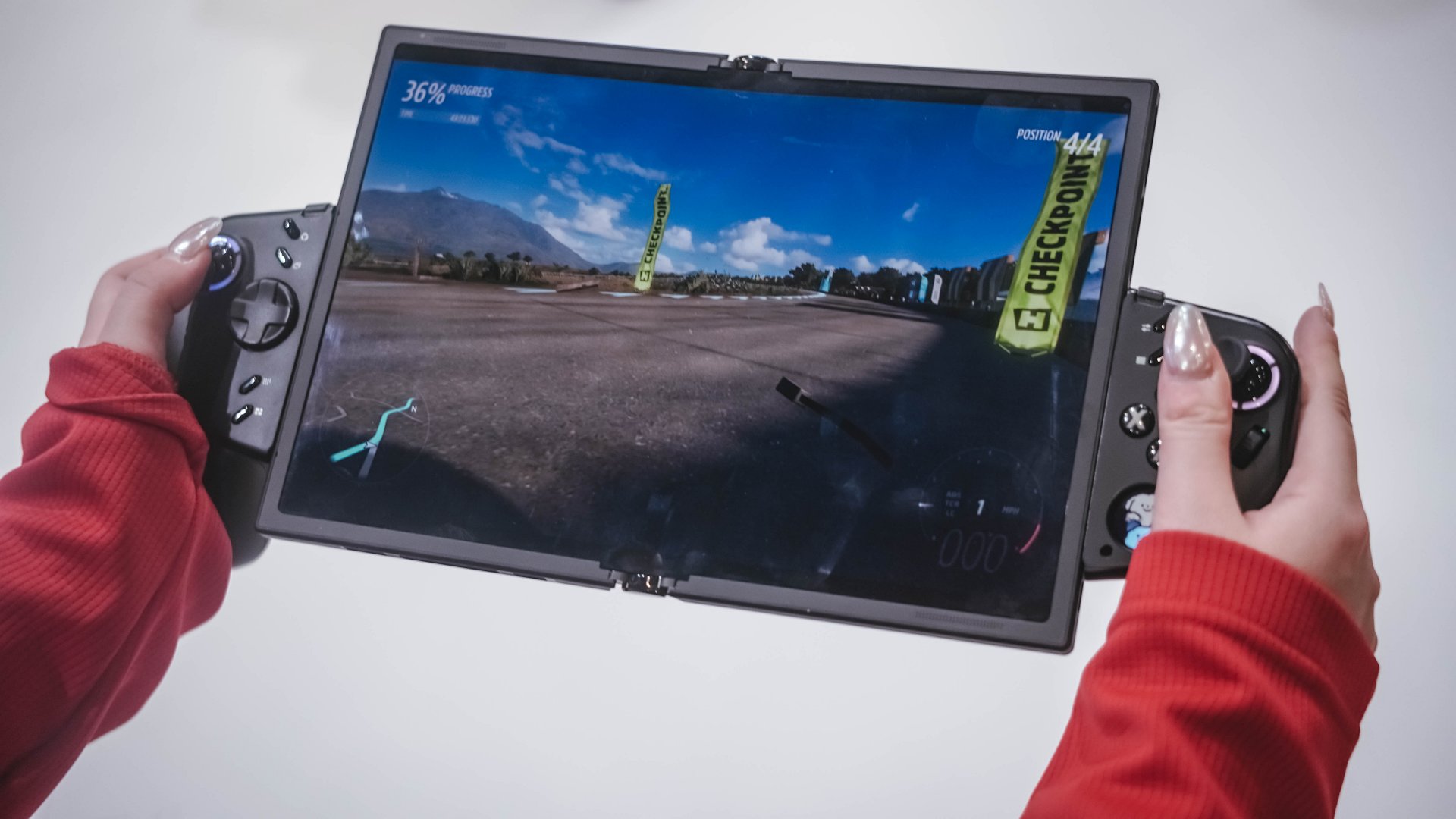
An all-in-one device is a pipe dream for many. Imagine a device that can turn into a tablet, a laptop, a phone, and a console with the flip of a switch. As showcased during MWC 2026, Lenovo wants you to stop imagining. A new concept called the Legion Go Fold is an all-around device you can take with you on travels.
On account of the lineup it’s associated with, the Legion Go Fold is, first and foremost, a handheld gaming console. Normally, it’s a sizable 7.7-inch screen you can attach the Legion Go’s recognizable controllers to.
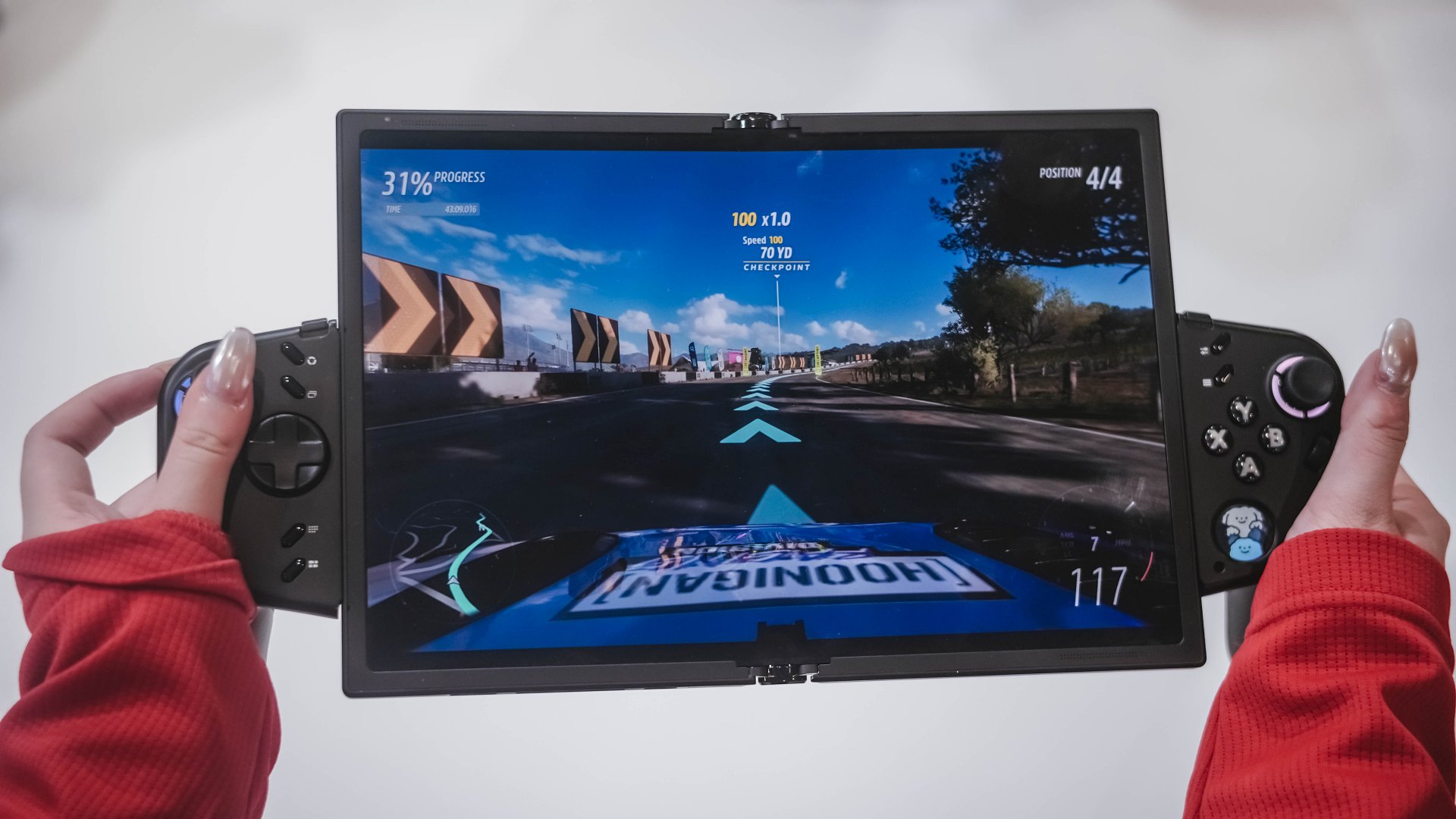
However, as the “Fold” in its name is hinting, the screen can be unfolded into a much larger screen. At its quirkiest, the concept looks like a vertical tablet with controllers attached to either side. Lenovo says that this is best used in split-screen mode where you can split the display between a game and other media such as a walkthrough video.
Alternatively, you can just rotate the screen horizontally and attach the controllers to play with the maxed out 11.6-inch display.
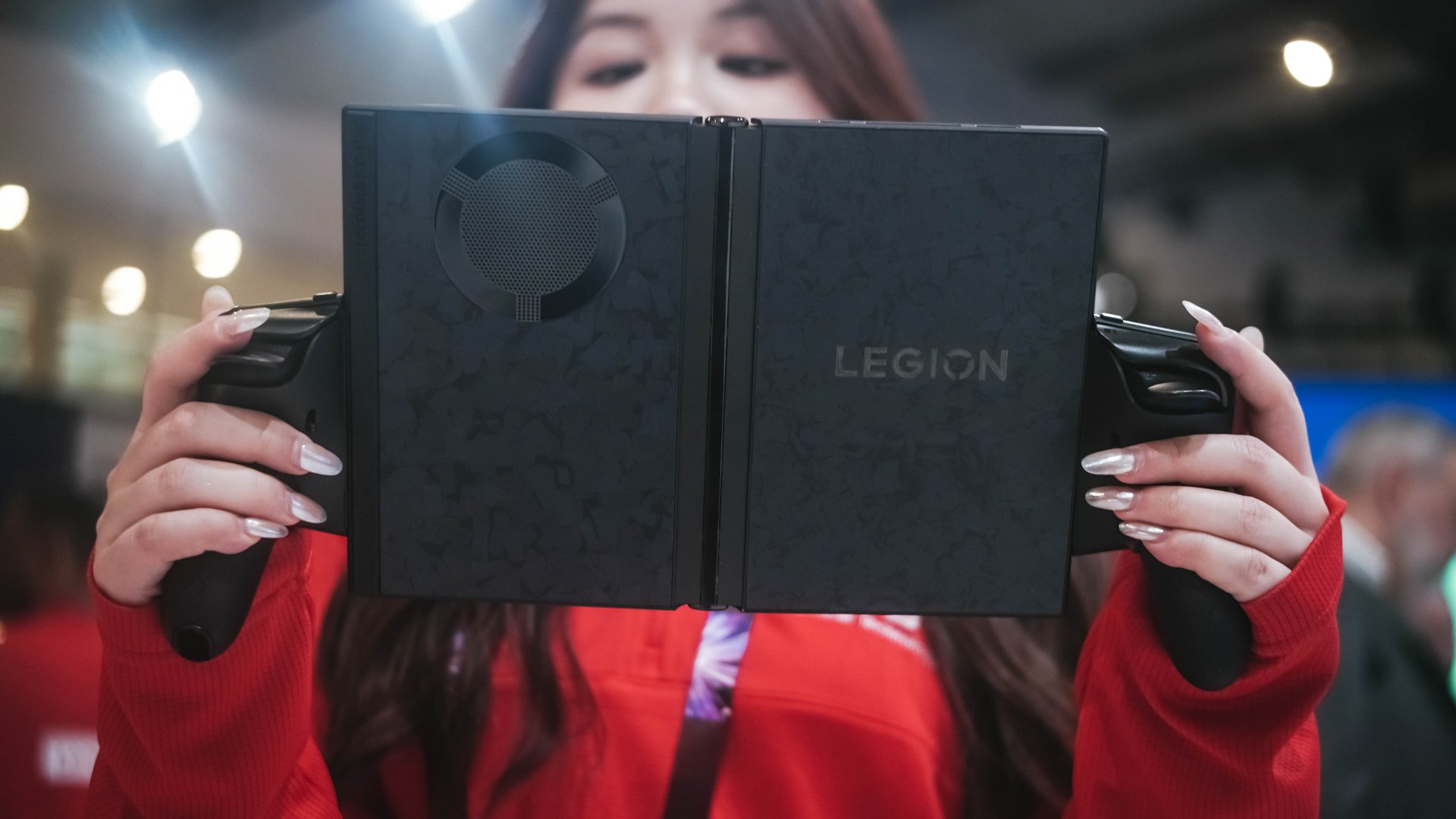
Finally, the Legion Go Fold can be used as a laptop via the detached screen and an included wireless keyboard. Like the other devices in the Legion Go lineup, the right controller can be used as a makeshift mouse.
Because it’s a concept, the Legion Go Fold isn’t close to being released yet. However, it’s a good evolution of what the Legion Go can already do. As we said in previous reviews, the lineup can technically be a work laptop in a pinch. This just makes it easier.





Nothing adds color to its wearables with the Headphone (a)

Nothing launches the Phone (4a) series

HMD is developing an AI assistant for the elderly

OPPO is finally getting AirDrop support

Ubisoft confirms Assassin’s Creed: Black Flag remake

Xiaomi 17 Ultra is now available outside China

TECNO will showcase the CAMON 50 and POVA 8 series at MWC 2026

The art of being in and behind the frame

HUAWEI MatePad 11.5 S 2026: The better-than-ever 4-in-1 productivity tablet

TECNO MEGABOOK K16s 13th review: No-frills beneath those grills


-
 News5 days ago
Xiaomi 17 Ultra is now available outside China
-

 Camera Walkthrough2 weeks ago
OPPO Reno15 Pro: Camera Review
-

 MWC 20261 week ago
TECNO resurrects modular phones with this new concept
-

 News2 weeks ago
HUAWEI launches Mate X7, MatePad 11.5 S 2026, FreeClip 2
-

 Events2 weeks ago
Capcom to hold Resident Evil Requiem launch event in Jakarta
-

 Reviews5 days ago
Xiaomi Pad 8 review: Slab that slaps!
-
 Gaming2 weeks ago
Pokémon FireRed and LeafGreen are coming to the Switch
-

 MWC 20263 days ago
TECNO showcases cool concepts at MWC 2026