


Her GadgetMatch
A look at Dyson’s technology and how they’re made
I went on a tour at the Dyson factory in the Philippines!

I have, like many of my twenty-something millennial women peers, gushed about Dyson. Though some may easily dismiss the brand as over-hyped, overpriced machines, my fascination for their tech remains. Even more so when I learned that the international brand makes their engines in none other than the Philippines.
For the first time ever, Dyson opened their factory doors to the media and I was one of the first to see what goes on behind Dyson’s closed doors.

Before anything else though, just what makes Dyson so special? Let me explain.
What’s the big deal?
British brand Dyson has made a name for themselves worldwide. The company, known for their premium hairdryers, bladeless fans, purifiers, and cordless vacuums are household names (well, at least for those who can afford them.) With their products now almost synonymous to modern ideal #HomeGoals, I find more and more of my peers drooling over their appliance tech.
You know what they say, “Nothing says you’re a fully formed adult like top-of-the-line expensive smart appliances,*” and there is almost nothing more premium or expensive than Dyson devices.

Playing house with a Dyson vacuum makes me feel like a real adult
Dyson has been making waves for their innovative approach to appliances and attention to user experience. The resulting devices are premium gadgets that are very well designed — after all, Dyson prides themselves as being a technology company first and foremost. They aim to innovate already-existing tech to levels that will elevate the whole user experience.
It’s the little things. Take for example the Supersonic dryer: Engineered to provide better leverage for easier handling and designed to maintain consistent heat to prevent burns, the Ferrari of hairdryers is definitely a departure from the usual hair-drying experience. The same is true for other Dyson devices like the PureCool, or even their line of cordless vacuums.

Me reviewing the Dyson Supersonic that I can’t afford 😅

GadgetMatch Creative Director Chay getting creative with the Dyson PureCool at the SEA launch
Exciting times are ahead for Dyson, too! They’ve confirmed that they’re dipping their toes in the smart auto market with a release date for the first Dyson car in 2020.
Behind the scenes
For a brand built by engineers, one that stresses being a technology company, it comes as no surprise that a tour at their factory felt more like a showcase of technology.

We arrived at their one-hectare facility in Calamba, Laguna that’s home to 300 robots. In a fully automated process, these robots create the engines for the Dyson V6, V7, V9 (Supersonic hairdryer), and V10. Of course, Dyson explains, there are still human engineers involved somewhere along the way for quality control purposes. There are 400 employees in this complex, only a hundred more than the machines at work.

Dyson machinery

More Dyson machinery
Walking into the production floor seemed like a sci-fi movie. The area was clean, cool, and had a buzz of efficiency in the air (or that could just be all the motors running). That sound never goes off — the factory runs seven days a week, 24 hours per day, and it targets to produce 300 engine units per hour.

Not entirely sure what they exactly do but they were mesmerizing to watch
After the motors are made, they’re shipped to other Dyson facilities, another one in the Philippines, and one in Malaysia, for assembly. They’re then sold worldwide.
Although amazed at the fact that these world-class devices are mostly manufactured just in my backyard, the visit to their Laguna plant didn’t really change anything: I still want their devices… and like most people, I still can’t afford them.**

Nevertheless, I went home with a souvenir: A part of the Dyson engine and a better insight into Dyson’s processes.
*Okay, no one really says that but my point still stands.
**US$ 400 for a hair dryer is still something I can’t consider, no matter how much I need to dry my hair.






Moving into a new space comes with a long list of things to figure out, and lately, I’ve been paying more attention to something that’s easy to overlook: air quality.
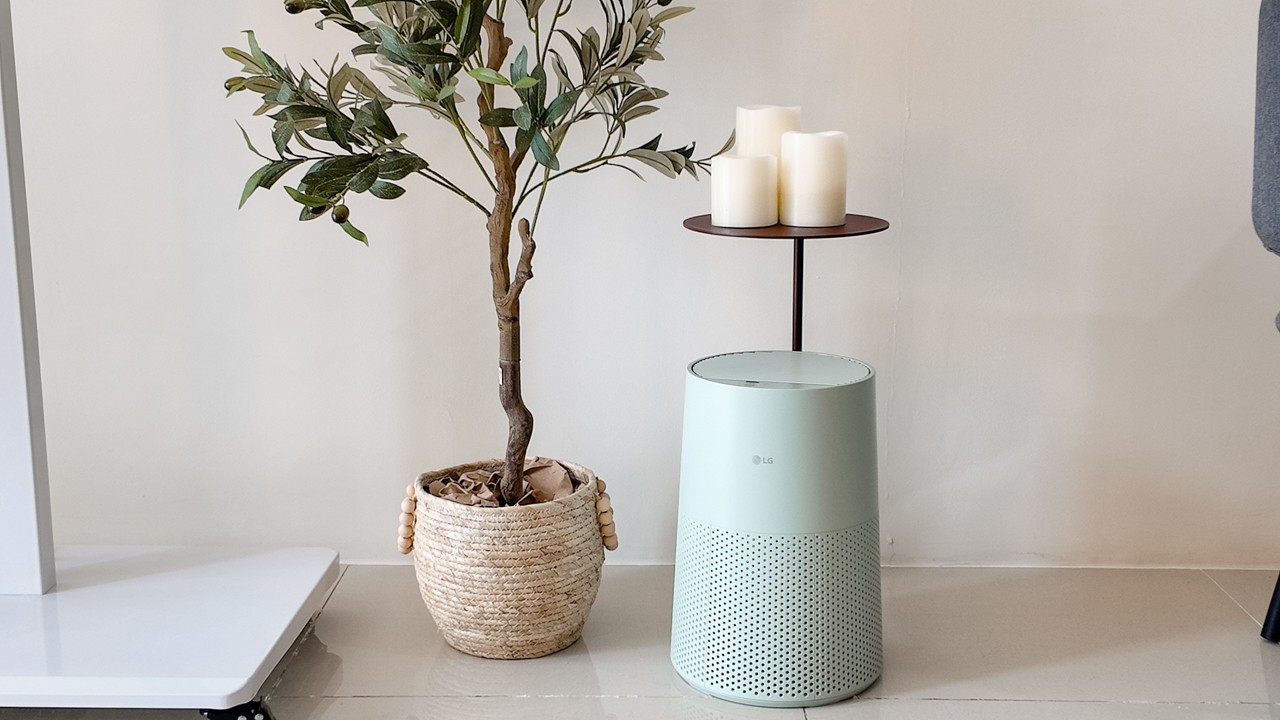
After using the LG AeroMini for about a month, it has become a subtle but welcome addition to my space. It helps make the room feel fresher, while its compact and stylish design fits naturally into my setup. Here are the things that stood out to me most after living with it for a month.
360° purification for a fresher space
One of the things I appreciate about the AeroMini is its 360° air purification, designed to bring purified air in every direction.
For me, this is particularly useful in a new space where I’m spending a lot of time working, relaxing, and just settling in.
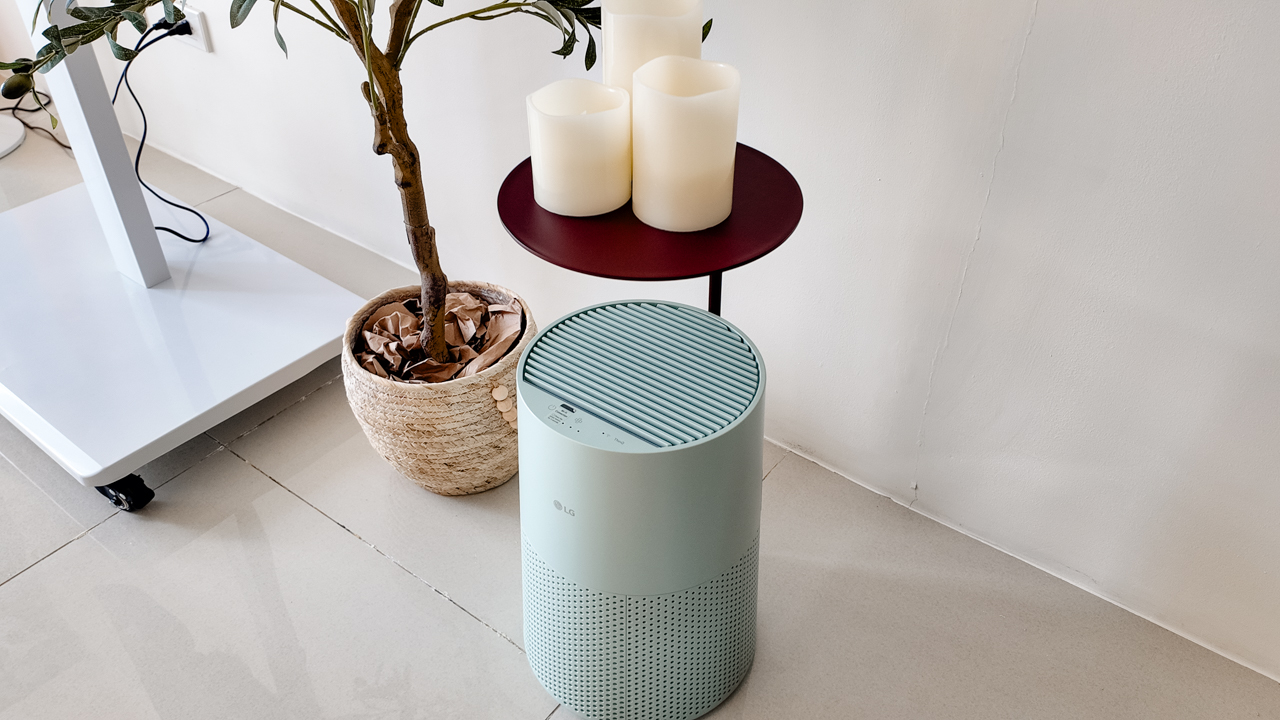
Combined with its True HEPA filter, which is designed to remove 99.999% of 0.01μm fine dust and allergens, it gives me added peace of mind about the air I’m breathing every day.
After a month, I can genuinely say that the space feels fresher with it running.
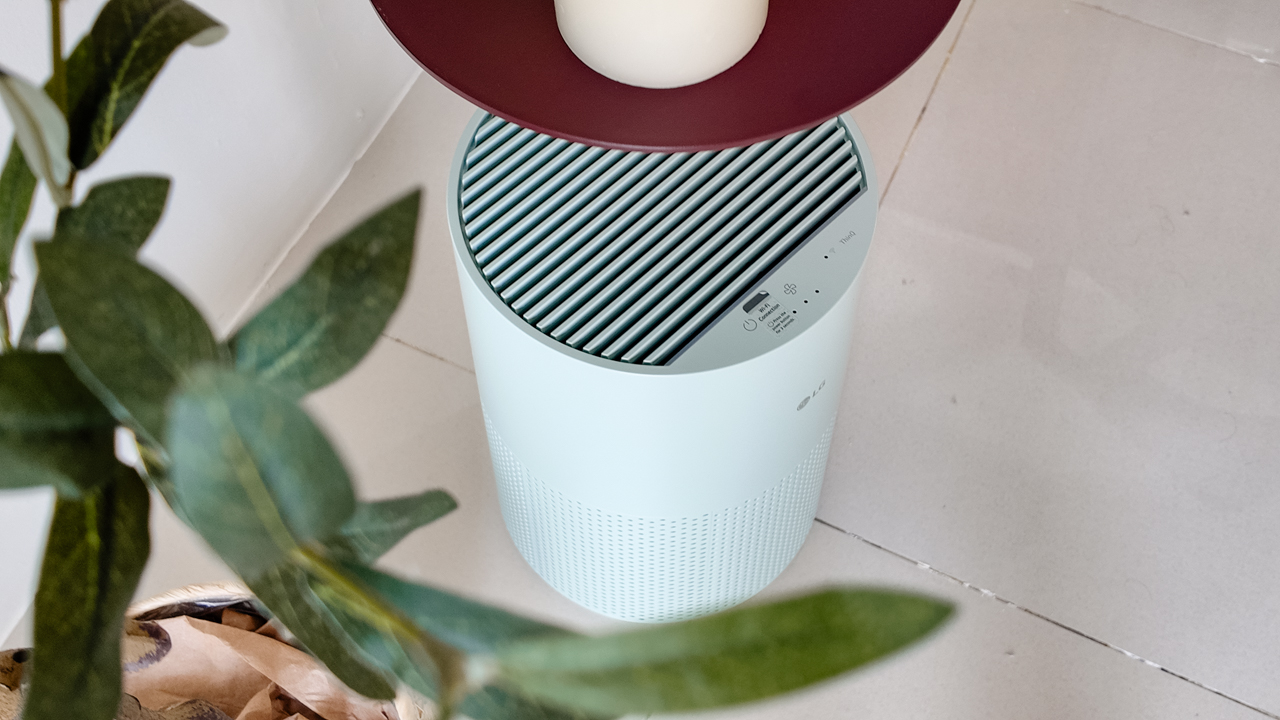
Surprisingly quiet
This is probably my favorite feature.
The LG AeroMini operates at just 26dB, and after using it for a month, what stands out is how easy it is to forget that it’s even running.

I can have it running while I’m working or sleeping without the noise becoming a distraction. For an appliance that’s designed to continuously improve the air around you, I think that’s a big deal.
Sometimes, the best feature is the one you barely notice.
Design that fits my space
Since I recently moved, I’ve been pretty conscious about what I bring into the space. I want things to be functional, but I also don’t want appliances that feel like they’re taking over the room.
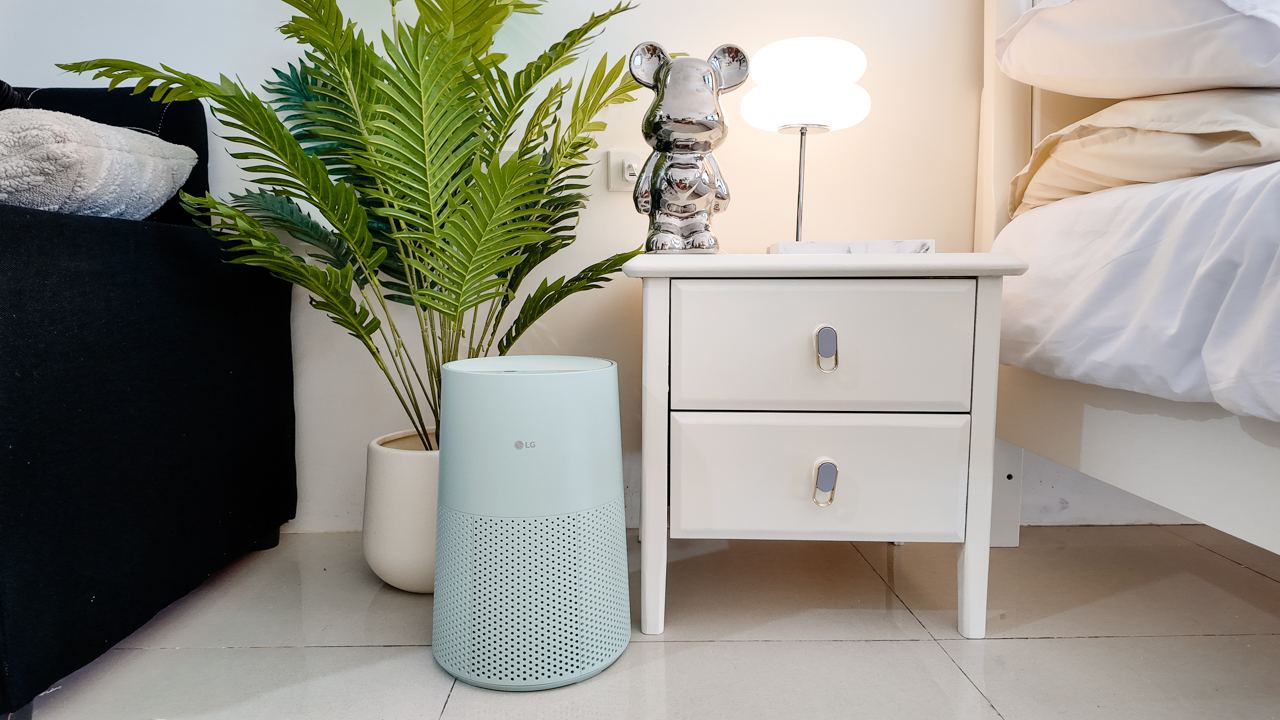
The AeroMini’s slim and compact design makes it easy to incorporate into my setup. It doesn’t feel bulky or industrial, and I like that I can leave it out without feeling like I need to hide it away.
For me, that balance between functionality and aesthetics makes it feel more like part of the space rather than just another appliance.
Air quality at a glance
Another feature I’ve found convenient is its Smart Control. Through the app, I can monitor and control the AeroMini while getting real-time updates on the indoor air quality.
It’s a small convenience, but being able to check the air quality without having to interact with the purifier directly makes it easier to keep track of what’s happening in the room.

Easy to maintain
I also appreciate that the AeroMini is designed with an all-in-one dust and deodorization filter that makes replacement and maintenance easier.
That matters to me because the best home gadgets are the ones that don’t create another complicated chore. I want something I can set up, use regularly, and maintain without too much fuss.

After a month, would I keep it?
Yes, and mainly because it quietly fits into my everyday routine.
The LG AeroMini has helped make my new space feel fresher and more comfortable, while its compact design means it doesn’t compromise the look of the room. But if I had to pick just one thing I appreciate most, it’s still how incredibly quiet it is.

It’s one of those upgrades that doesn’t demand your attention. It simply works in the background.
If you’re also looking to make your home a fresher and more comfortable space for yourself and your family, visit https://www.lg.com/ph/ to learn more about the LG AeroMini and how it can fit into your everyday life.
Her GadgetMatch
TECNO and Angélica Dass visit the Philippines next for its grand portrait project
100 Faces, 100 Stories


A portrait can show what someone looks like, but what about the story behind the face?
TECNO and visual artist Angélica Dass are exploring that question through “100 Portraits of Becoming,” a two-year global portrait project featuring 100 people across Kenya, the Philippines, Saudi Arabia, Türkiye, and Brazil.
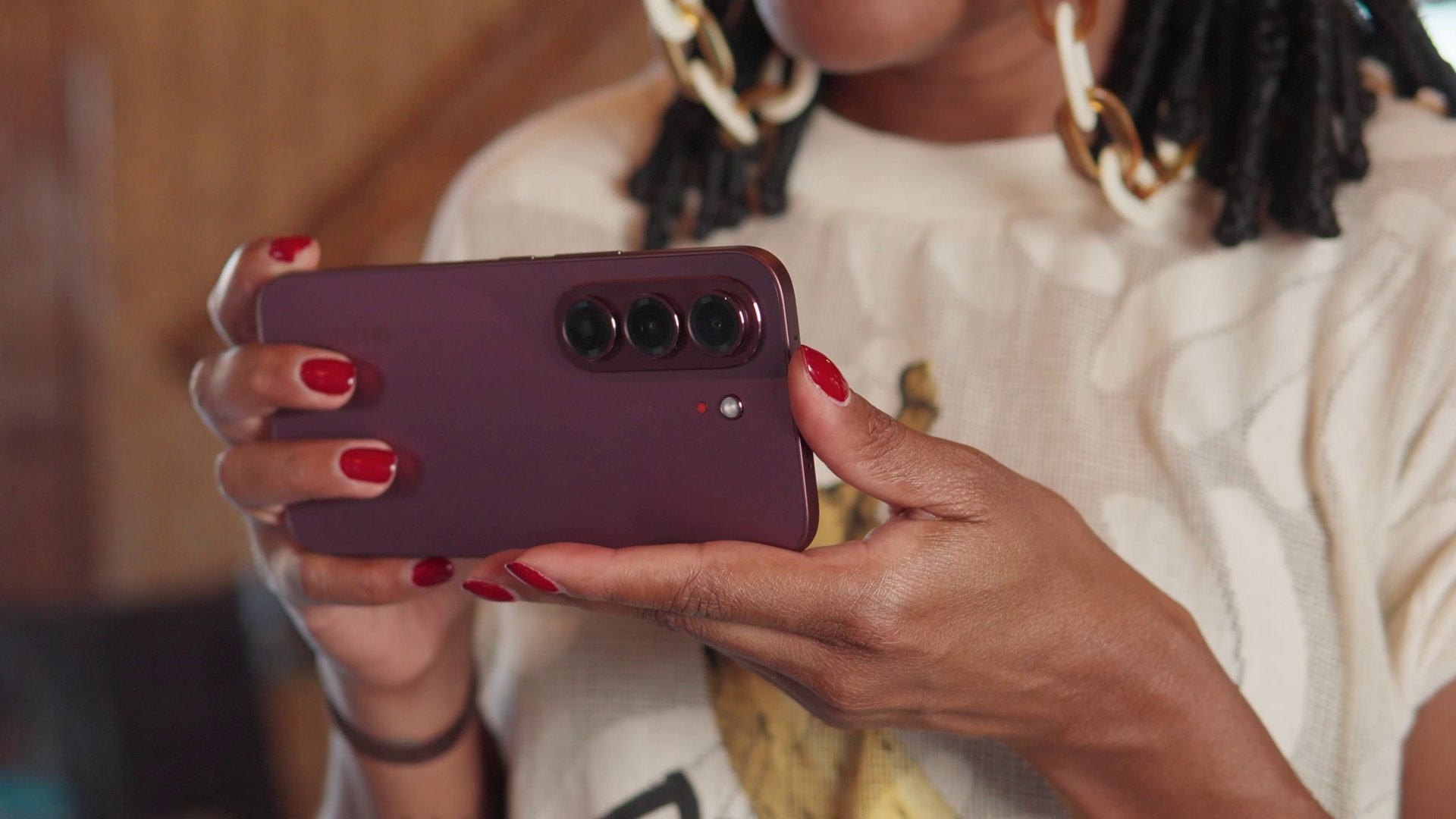
The project begins with 20 portraits from Kenya, each paired with a personal story about identity, choices, change, and growth. Rather than having participants represent an entire culture or generation, the project focuses on their individual experiences.
Beyond inclusive imaging
The project builds on TECNO’s work with Universal Tone, its imaging technology designed to represent diverse skin tones more naturally and accurately.

But “100 Portraits of Becoming” takes that idea further. With AI increasingly involved in capturing, recognizing, and generating images of people, TECNO and Dass want to explore how technology can better represent the individual behind the image.
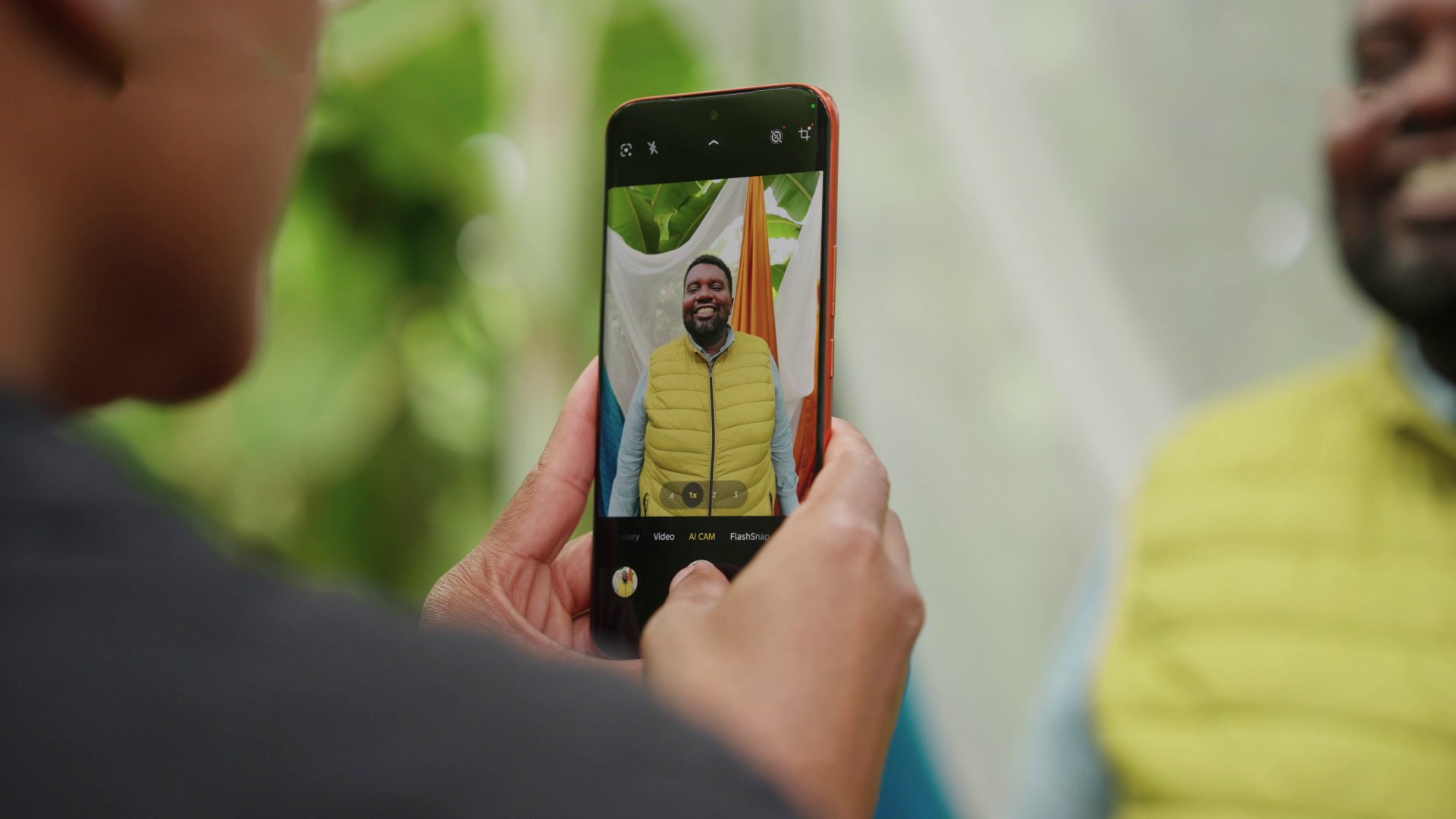
For Dass, meaningful portraiture starts with human connection.
“Meaningful portraits are never created by technology alone.”
She says her experience in Kenya reinforced the importance of trust, listening, and the willingness of people to share their stories.
The Philippines is next
Following Kenya, the project heads to the Philippines for a chapter called “Beyond Many Labels.”
It will feature 20 individuals, including working solo mothers and people whose lives are closely connected to solo parenthood.
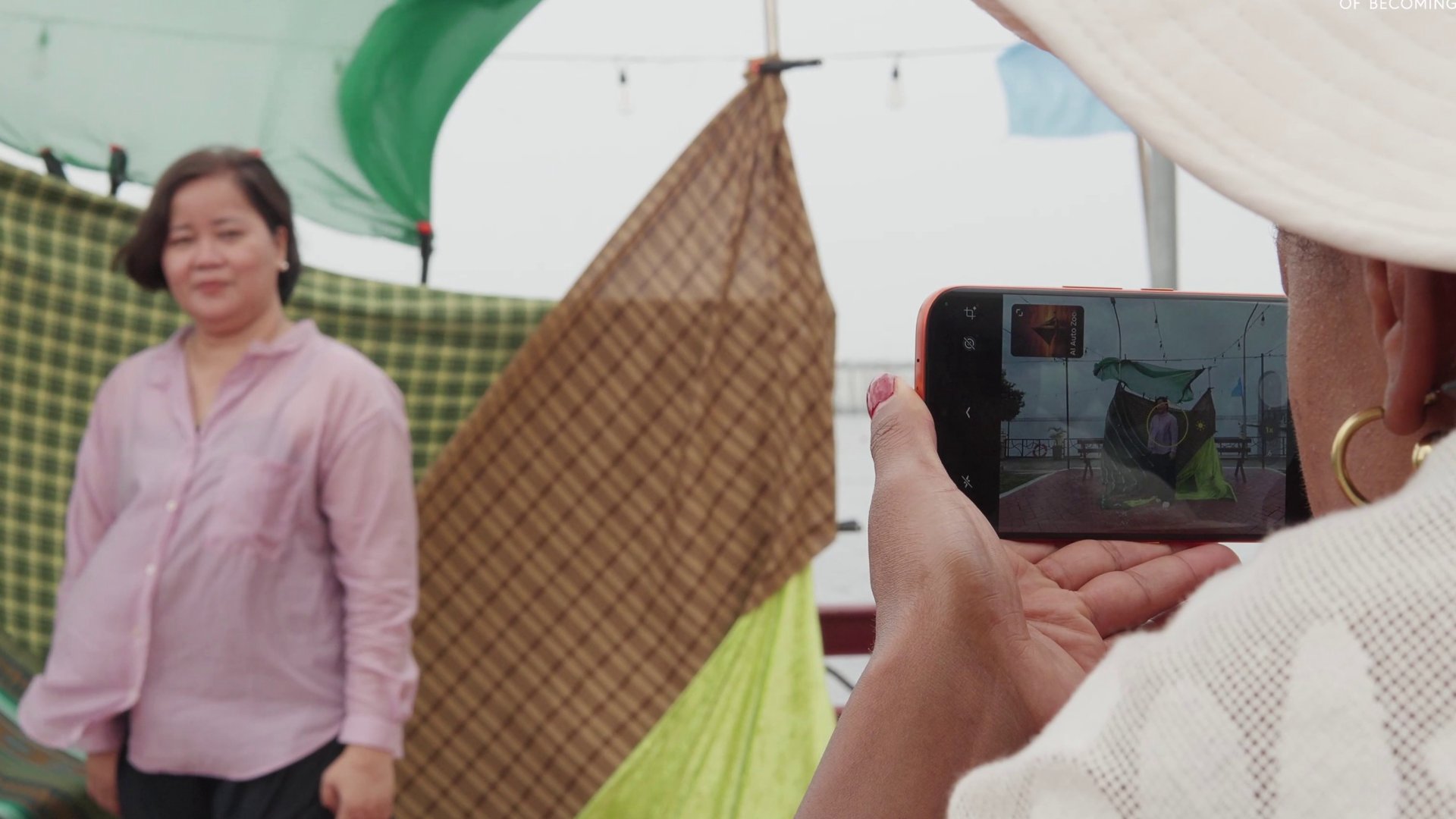
Their stories will look beyond labels such as “single mother,” “breadwinner,” and “strong woman,” while exploring their ambitions, relationships, and personal growth.
The chapter will also explore “diskarte” — the ways Filipinos adapt, make choices, and find practical ways forward in everyday life.
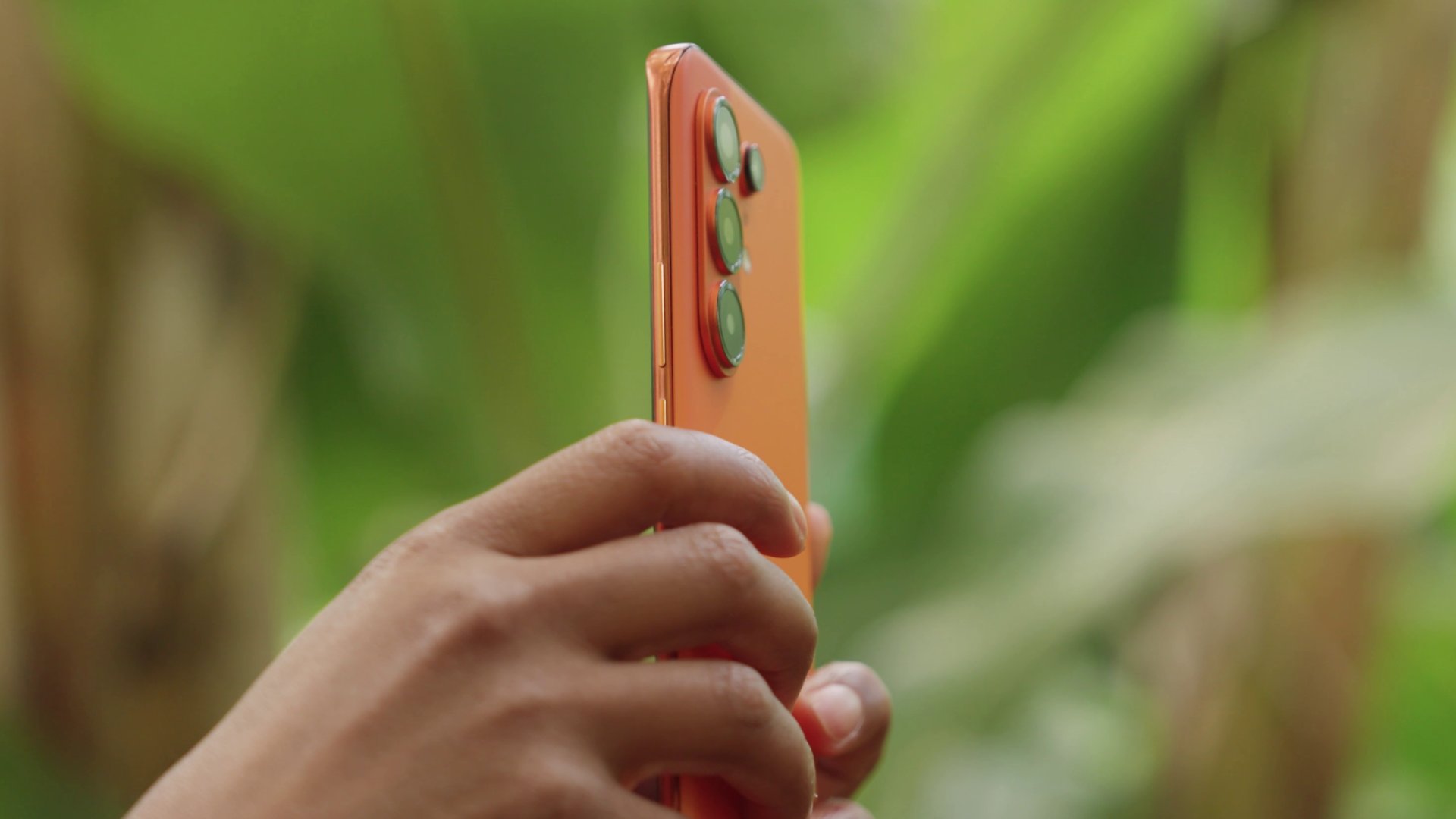
After the Philippines, “100 Portraits of Becoming” will continue to Saudi Arabia, Türkiye, and Brazil.
By the end of the project, TECNO and Dass hope the 100 portraits will offer exactly what the title suggests: 100 different ways of seeing humanity.
Her GadgetMatch
What your smartphone color choice reveals about you
Eight colors, eight personalities. Here’s how to pick.


Your phone color says more than you think. With the Pixel 11 series, Google’s giving you eight ways to make that statement, and there’s genuinely one for every kind of person.
Hibiscus
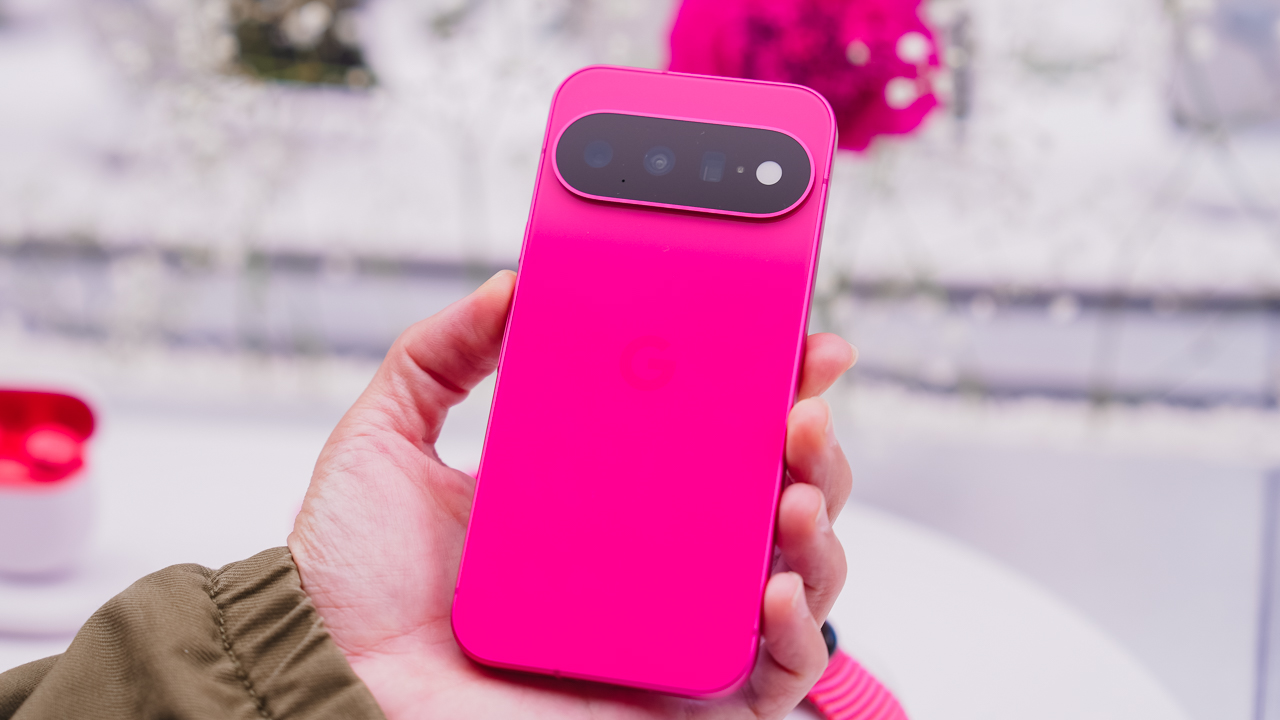
You’re never the quiet one in the room. Hibiscus doesn’t ask for attention; it just takes it, and if that sounds like you, you’re probably not planning to start hiding now. This is the pick for anyone who’d rather stand out than blend in.
Pistachio

You’re the one who remembers everyone’s coffee order. Pistachio is soft and easy; the one whom people gravitate toward without quite knowing why. It doesn’t try hard to be liked. It just is.
Frost

You like things a little too organized. Frost means clean lines and a clear head, the color equivalent of a camera roll with zero mess in it. If your notes app has color-coded folders, this one’s calling your name.
Obsidian
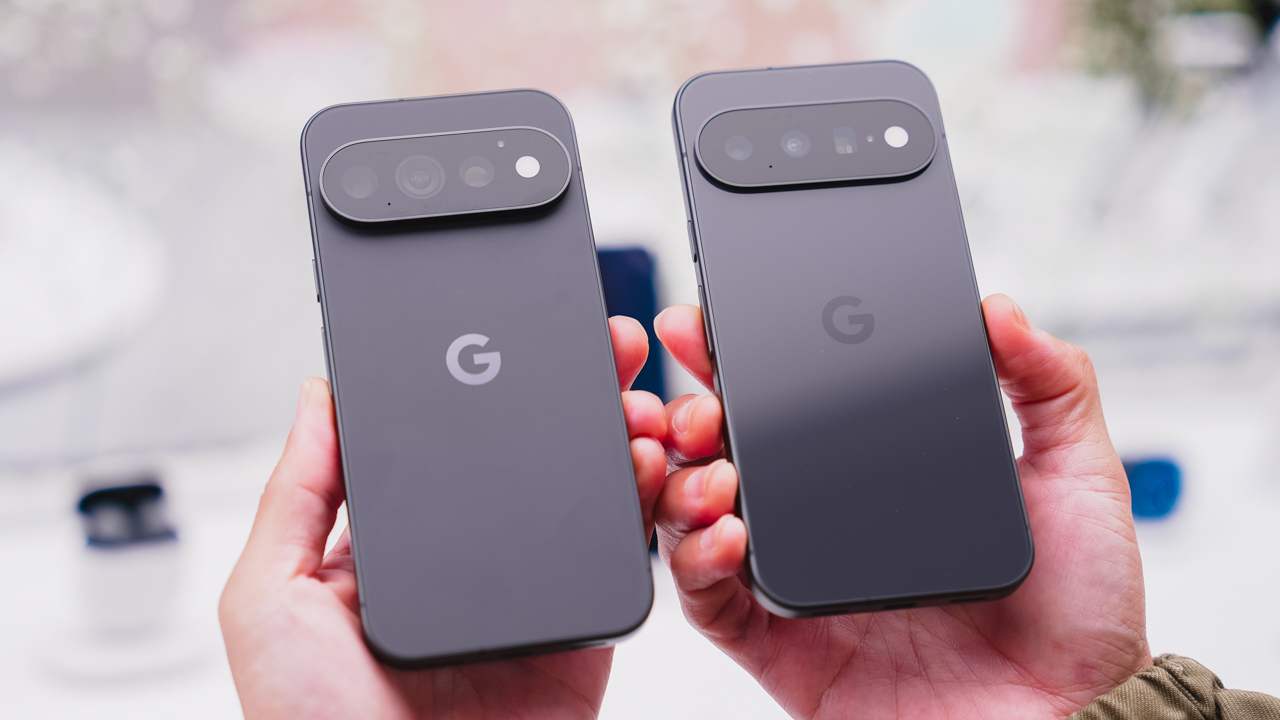
You let the work speak for itself. No flash needed, because when you show up, the room adjusts anyway. Obsidian is the classic choice, the one that’s never trying too hard because it doesn’t have to.
Canyon

You’re the one who suggests the sunset drive. Canyon is warm and a little restless, always chasing golden hour whether or not anyone else is up for it. Available on the Pro and Pro XL, it’s built for people who treat every evening like it might be a good one.
Olive
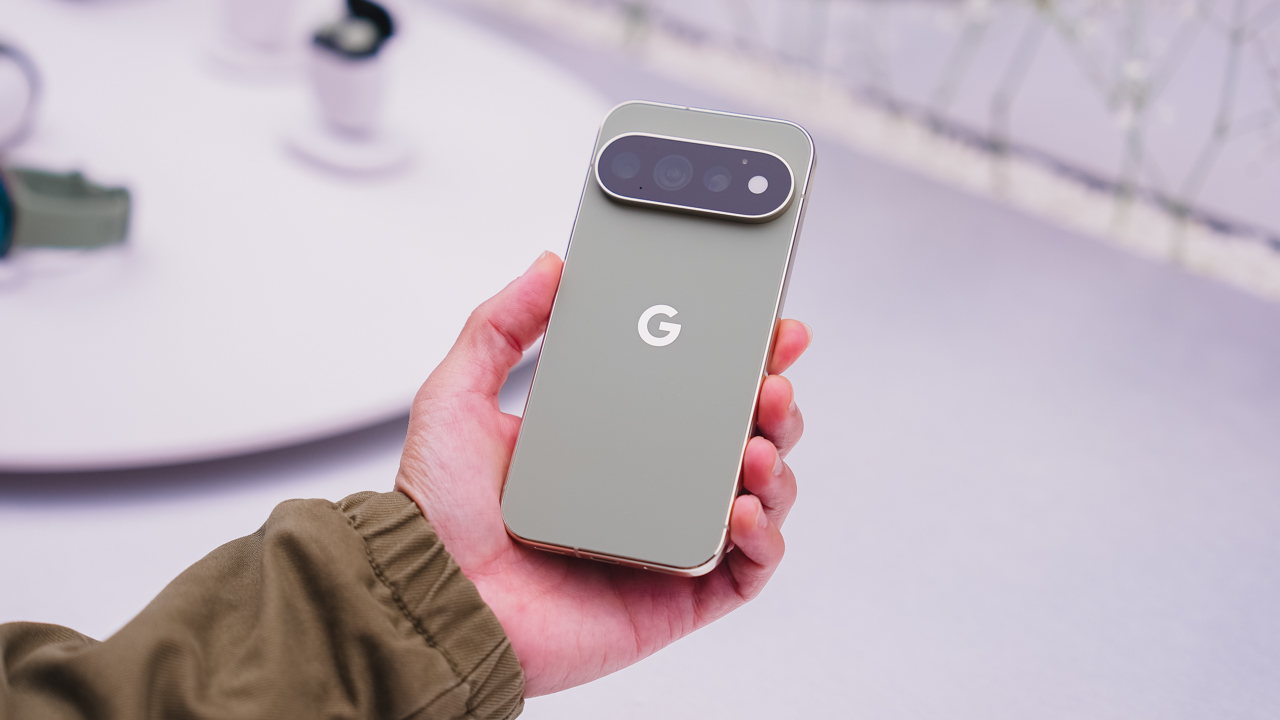
You’re outdoorsy, but you’ll still show up looking put together. Olive is low-key and grounded, the one who doesn’t try too hard because it’s already comfortable in its own skin. Another Pro and Pro XL exclusive.
Fog

You’re hard to read, and you like it that way. Fog is understated on purpose, a Pro and Pro XL colorway for anyone who’d rather keep people guessing.
So, which one’s you?

Eight colors, three phones, one very personal decision. Pixel 11, Pixel 11 Pro, and Pixel 11 Pro XL goes on sale starting August 20 — with Pistachio, Hibiscus, Frost, and Obsidian on the base model; and Canyon, Fog, Olive, and Obsidian on the Pro line.
Which one’s calling your name?

NBA experimenting with smart basketballs, wrist wearables

Apple introduces new Home Collection

When your internet ruins the moment

A Morning with the Galaxy Wellness Club

Dragon’s Dogma 2: Dark Arisen launches with new Official Pawns

vivo X500 Series launches with major imaging upgrades

OPPO Find X10 Pro Max is the first phone with a triple 200MP camera system

TECNO CAMON Slim 5G: Price, availability in the Philippines

BYD says that way better EV batteries are coming next year

HONOR Magic9 Pro Max launches in China with ARRI-powered imaging


-
 Philippines2 weeks ago
TECNO CAMON Slim 5G: Price, availability in the Philippines
-
 Reviews2 weeks ago
TECNO CAMON Slim 5G review: Slim on size, big on surprise
-

 News2 weeks ago
Apple wants to release new iPhones more regularly
-
 News2 weeks ago
vivo X Fold6 makes global debut with 200MP camera and 6900mAh battery
-

 Reviews2 weeks ago
HONOR 600S review
-

 Gaming2 weeks ago
Ghost of Yōtei Complete Edition review: More of a great thing
-

 Philippines2 weeks ago
HONOR 600S price, availability in the Philippines
-

 Philippines2 weeks ago
Bambu Lab opens first Authorized Store in the Philippines