
News
Flagship OnePlus 3T replaces not-so-old OnePlus 3


It took only half a year for OnePlus to discontinue its best-ever phone and add a “T” to its immediate successor. Welcome the OnePlus 3T, a somewhat faster and better-equipped OnePlus 3.
The plain OnePlus 3 was very well-received and has been in demand since it’s launch last June, so it’s a surprise to see it scrapped so soon. We did our own unboxing and hands-on of the handset, and we were wholly impressed.
Changes are actually quite minor; so much so that the newer model looks identical to its predecessor. Some fans may be turned off by the higher price tag, but the updated internal hardware hopes to justify the slight increase.
Shelling out $439 for the 64GB storage variant or $479 on the 128GB storage model (both have 6GB of memory) gives you a faster chipset in the Qualcomm Snapdragon 821 (compared to the original’s Snapdragon 820), a jump to a 3400mAh battery from capacity of 3000mAh, and double the front camera’s resolution at 16 megapixels.
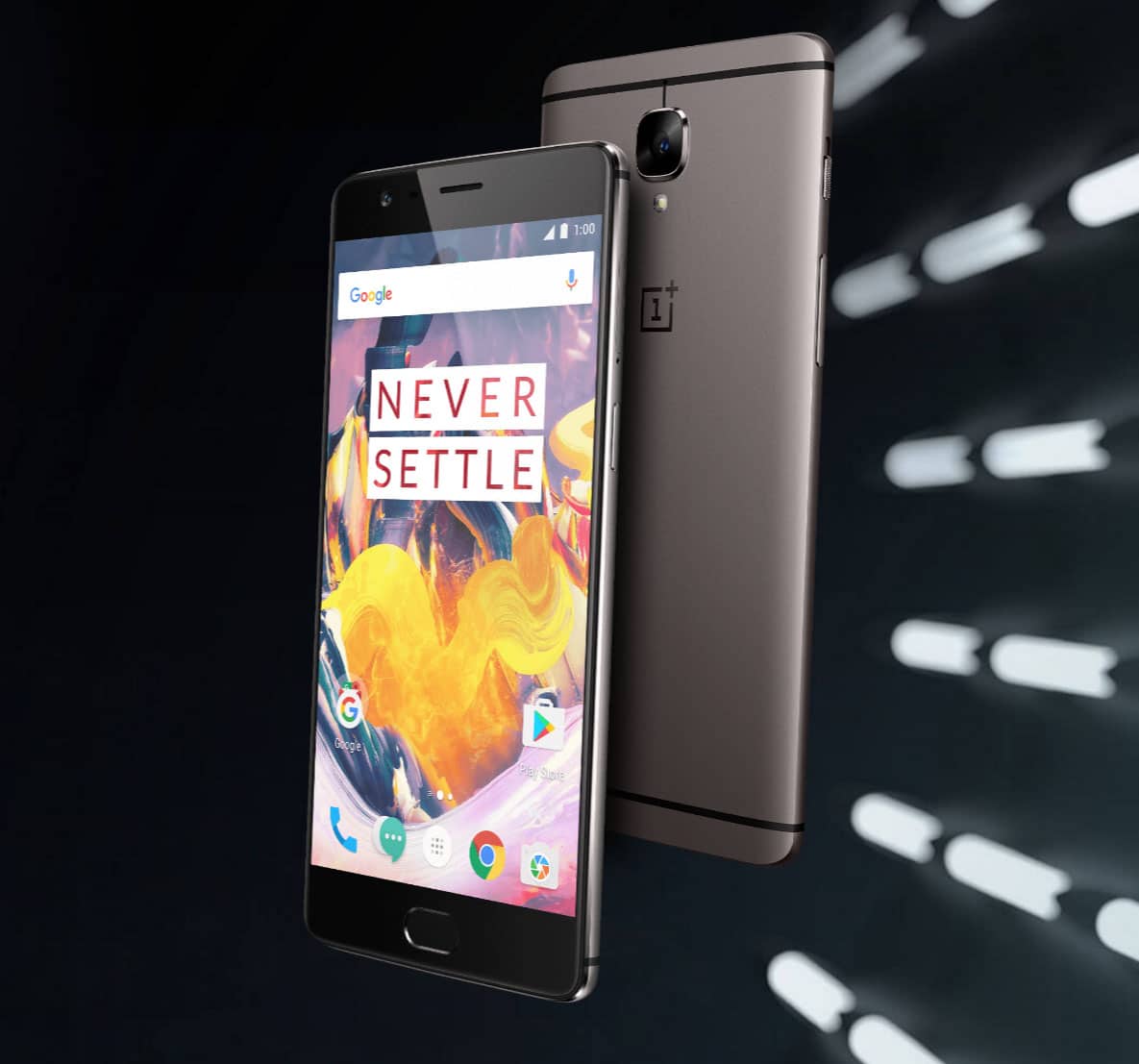
Looks exactly the same as the original
The only glaring omission is Android’s seventh-generation Nougat operating system, meaning you get the same old 6.0 Marshmallow the older OnePlus 3 has. The company promises a Nougat rollout for both phones by the end of the year, so you’ll have to make do with whatever refinements OxygenOS is offering this time around.
That’s pretty much it; no waterproofing, improved rear camera, or curved display has been added. This is obviously OnePlus’ way of milking its third-generation design before a real successor comes out next year.
And yet, the decision to replace a flagship phone so soon — a fantastic one at that — and offer something more expensive undercuts the company’s own strategy of offering a high-end product at the most affordable price possible.
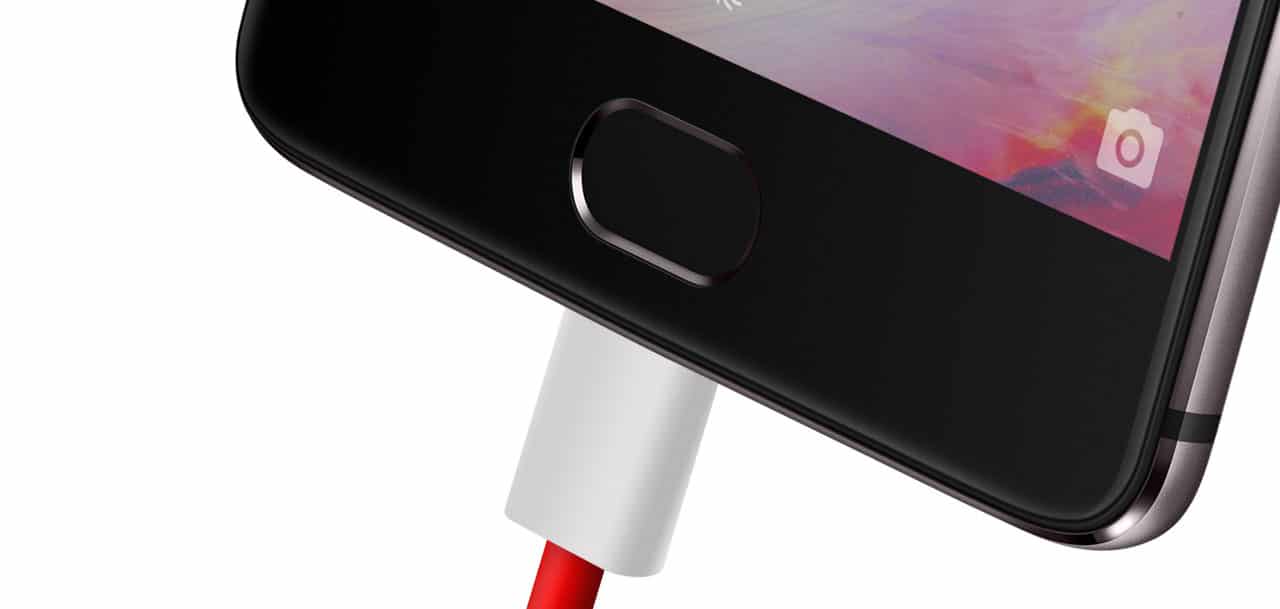
The same fast-charging technology and fingerprint scanner are still here
Still, critics will appreciate the bump up in specs, specifically the battery’s capacity. As you may or may not know, the only knock most reviews have against the OnePlus 3 was its less-than-stellar battery life. Any sort of upgrade without finding a way to ruin it, like adding a higher-resolution display or making it much thicker, is sweet music to our ears.
Before we forget, there’s also a new color: Gunmetal. That should help distinguish the newer model from the older one — okay, not really. You can get a hold of it beginning November 22 in the US or November 28 in Europe.
[irp posts=”2997″ name=”OnePlus 3 has almost everything you want in a smartphone, including a very attractive price”]
Source: OnePlus




Enterprise
New US-China ban might affect 75% of phones, laptops
Companies can no longer use Chinese labs to test their products.

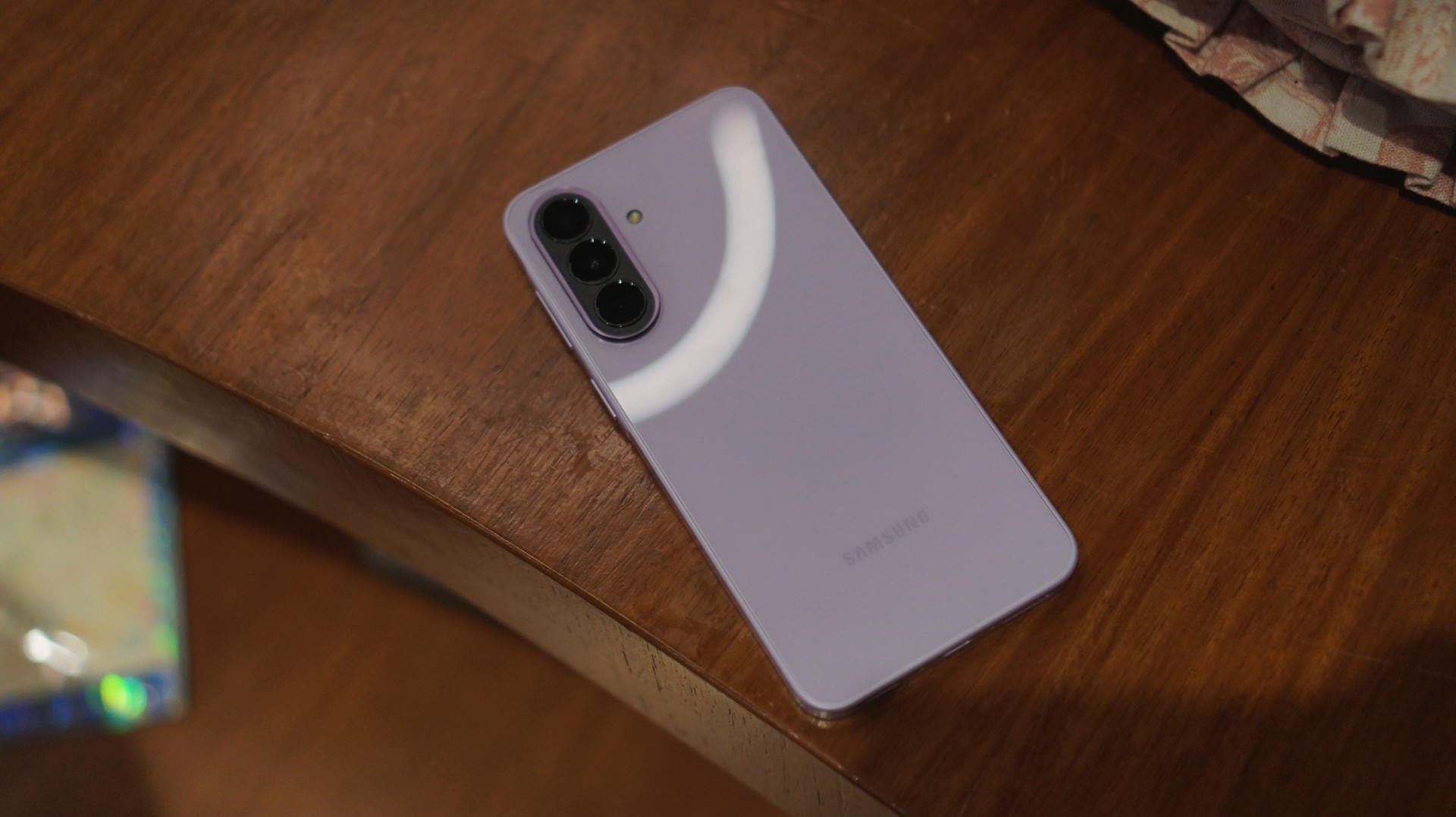
The United States is continuing its crusade against Chinese technology today. However, the target now isn’t a company from China but a method important to a lot of non-Chinese brands.
Today, via Reuters, the Federal Communications Commission (or FCC) has unanimously voted to prohibit companies from using Chinese labs to test their electronic devices if they are to be sold for use in the United States. Naturally, this includes smartphones and computers.
Notably, the prohibition doesn’t directly target Chinese brands. However, it will still affect a huge swath of the industry. The FCC estimates that around 75 percent of the entire market are devices tested in labs based in China.
This means that companies who wish to sell future products in the country must move their testing to labs in the United States or other countries that it deems secure. At its current iteration, the prohibition will not affect devices that already earned their certification prior. However, it might prevent them from getting recertified once their current one expires.
Now, the prohibition isn’t an absolute lock just yet. The FCC will allow the industry to submit comments about the proposal. But, with a unanimous vote from the FCC, companies might have to start looking for alternative testing sites if they want to stay operation in the United States.
Apps
iOS 26.5 will support end-to-end encryption RCS messaging
The final update should come out within the month.
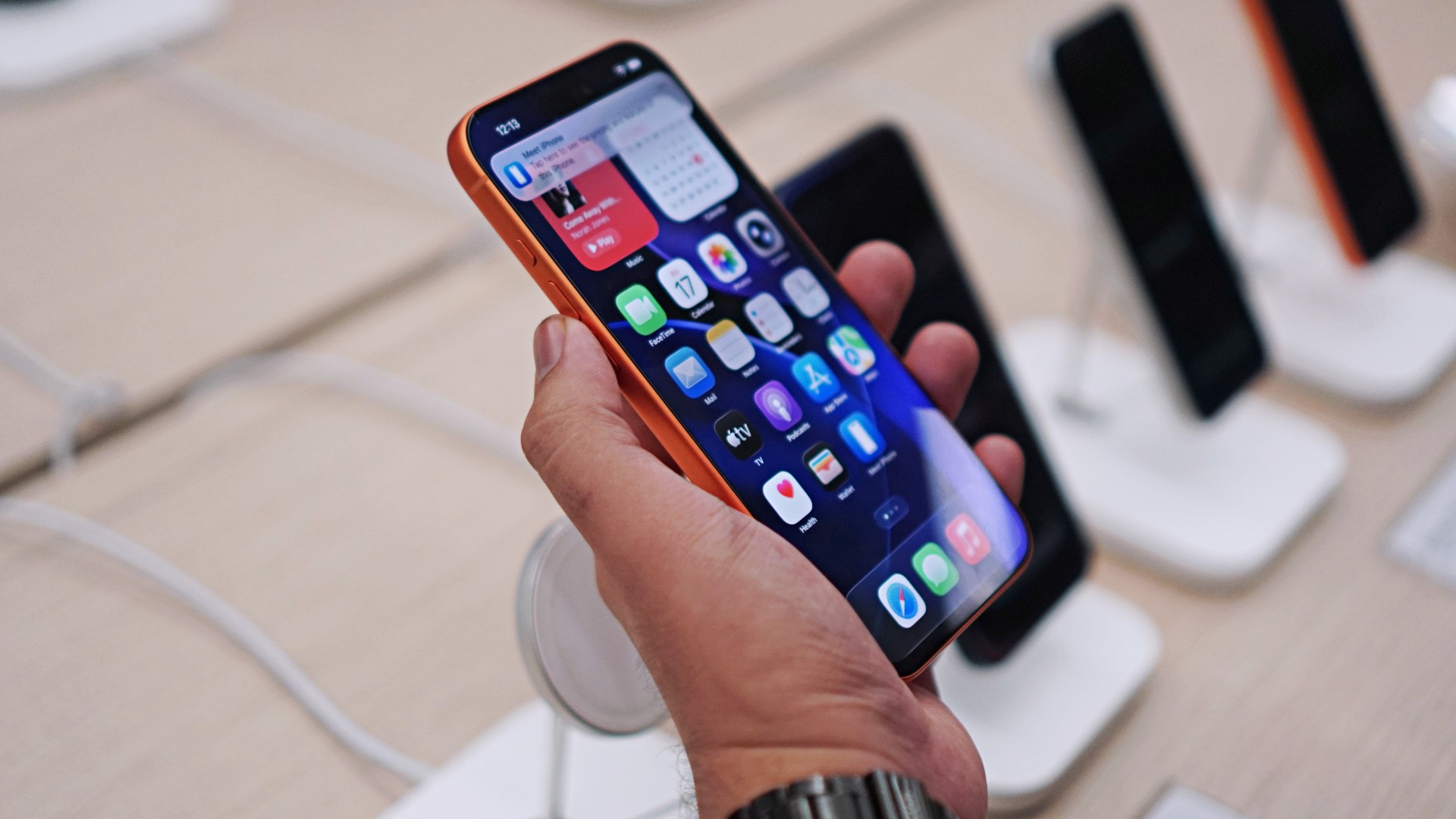
Back in 2023, Apple finally adopted the RCS messaging standard, ensuring that iOS and Android users could communicate more seamlessly despite being on different platforms. This year, the platform is adding an improvement to the feature: end-to-end encryption.
Starting with the upcoming launch of iOS 26.5, Apple will now support end-to-end encrypted RCS messaging between iOS and Android users (via 9to5Mac). Besides the seamless communication, users on both platforms can start enjoying secure messaging with one another.
Apple has been testing the feature since February. Now, the company is confident enough to release the encryption technology in a new build for iOS 26.5 meant for developers. At this point, it’s just waiting for an actual release.
Why is this a big deal? Encryption adds an extra layer of security for your messages. Plus, end-to-end encryption means that messages is encrypted and decrypted only by the sender and the receiver. Third parties, which includes Apple, cannot intercept and access your information.
With the feature on, both messaging platforms on Android and iOS will show a lock icon to signify that, yes, your messages are encrypted.
Though the current build isn’t meant for end users just yet, it’s expected that iOS 26.5 will launch within the month, if not by next week.
SEE ALSO: Apple iPhone 17e review
News
Dreame enters smartphones with AURORA debut
Modular imaging, AI-native OS, and luxury design lead new “perception-first” push

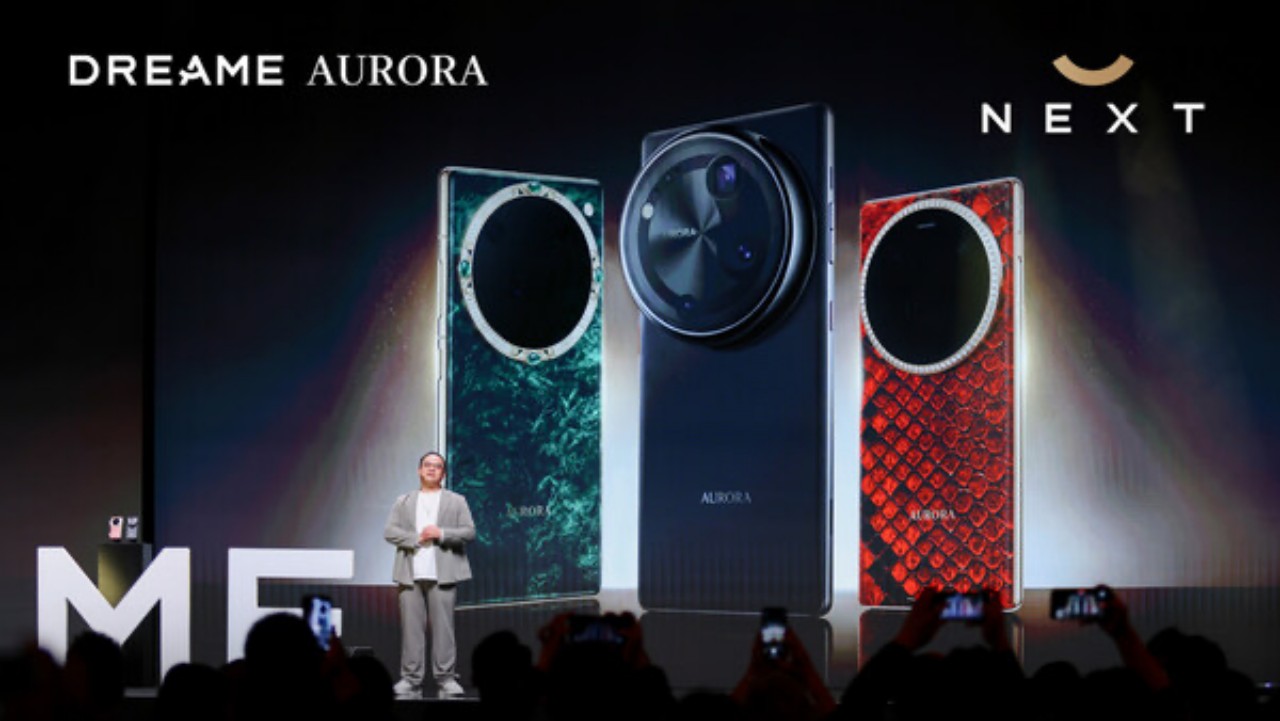
Dreame has officially stepped into the smartphone space with the debut of its AURORA lineup in Silicon Valley, positioning itself beyond appliances and into next-generation intelligent devices.
Unveiled on April 29, the new AURORA brand introduces what Dreame calls three core breakthroughs: imaging, communication, and an AI-native operating system — all built around a “human-centric” approach to technology.
A new take on smartphones
At launch, Dreame showcased three key directions under the AURORA lineup.
Leading the charge is the AURORA NEX, a modular imaging flagship designed to unlock more advanced, flexible photography setups. The idea is to move beyond typical camera upgrades and give users more control over how they capture content.
Alongside it is the AURORA LUX, a luxury-focused series that leans into premium materials and craftsmanship. Dreame positions this as “heirloom-grade” tech — less gadget, more statement piece.
Completing the lineup is a new flagship range aimed at balancing performance, design, and everyday usability for high-end users.
Moving past spec wars
Dreame isn’t framing this as another specs race. Instead, it’s calling this shift a “perception revolution.”
The pitch is simple:
- Better imaging should feel like creating, not just capturing
- Connectivity should be stable and seamless everywhere
- AI should be invisible but proactive, not something users have to manage
To get there, Dreame says it’s addressing familiar industry pain points — from camera hardware stacking to inconsistent signal performance and surface-level AI features.
Its solution is a full-stack approach:
- A dedicated imaging system built with input from professional photographers
- A “full-time signal” communication system for more stable connectivity
- An AI-native OS designed to flip the model from users adapting to devices → devices adapting to users
From tools to partners
The bigger ambition here is clear. Dreame wants devices to evolve from passive tools into what it calls “proactive service partners.”
That means:
- Devices anticipate needs
- AI operates in the background
- Hardware and software feel like a single system
It’s a familiar direction across the industry, but Dreame is betting on tighter integration and a stronger design identity to stand out.
A broader ecosystem play
The AURORA launch also signals something bigger: Dreame is expanding fast beyond its roots in home and personal care tech.
From hair tools to now smartphones, the company is building toward a full ecosystem anchored on AI and connected experiences.
Whether that vision lands will depend on execution — especially in a category as competitive as smartphones.
For now, AURORA marks Dreame’s most ambitious move yet, and a clear statement that it wants to compete not just on devices, but on how those devices fit into everyday life.


PRAGMATA is not for the faint of heart
Already a Game of the Year contender for all the feels

5 games with the nubia Neo 5 GT 5G
Niche device, but is worth the price?
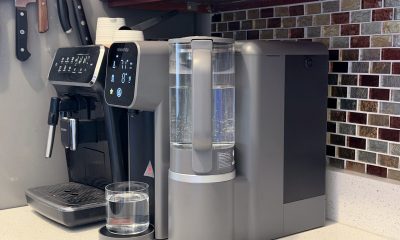

Giving up counter space for reverse osmosis: Living with Waterdrop M6H in NYC
A 7-stage filtration system

Now Playing: Mortal Kombat II

New US-China ban might affect 75% of phones, laptops

iOS 26.5 will support end-to-end encryption RCS messaging

Win a trip to Boracay at the Power Mac Center x Shokz Pop-up booth in Rockwell

Star Wars: Galactic Racer launches October 6


-
 News2 weeks ago
OPPO Find X9 Ultra lands in PH: Price, availability, pre-order perks
-
 News2 weeks ago
OPPO Find X9s now official in PH: Price, availability, pre-order info
-

 Gaming2 weeks ago
Saros review: Returnal’s difficulty is back and better than ever
-
 News2 weeks ago
OPPO Find N6 now in PH: Price, pre-order, availability
-

 Automotive2 weeks ago
VinFast to expand in the Philippines with e-scooters: report
-

 Gaming1 week ago
Level Infinite launches Gangstar Mirage City exclusively in PH
-
 News2 weeks ago
realme 16 series 5G launches in the Philippines
-
 Laptops2 weeks ago
MacBook Neo officially arrives at Power Mac Center