


It doesn’t take a lot to create a decent roleplaying game. All you need is a fish-out-of-water character, a vast open map, and a seemingly endless list of objectives. Though it has all three, Forspoken struggles to keep up with its pretenses as a Western roleplaying game.
First, the good
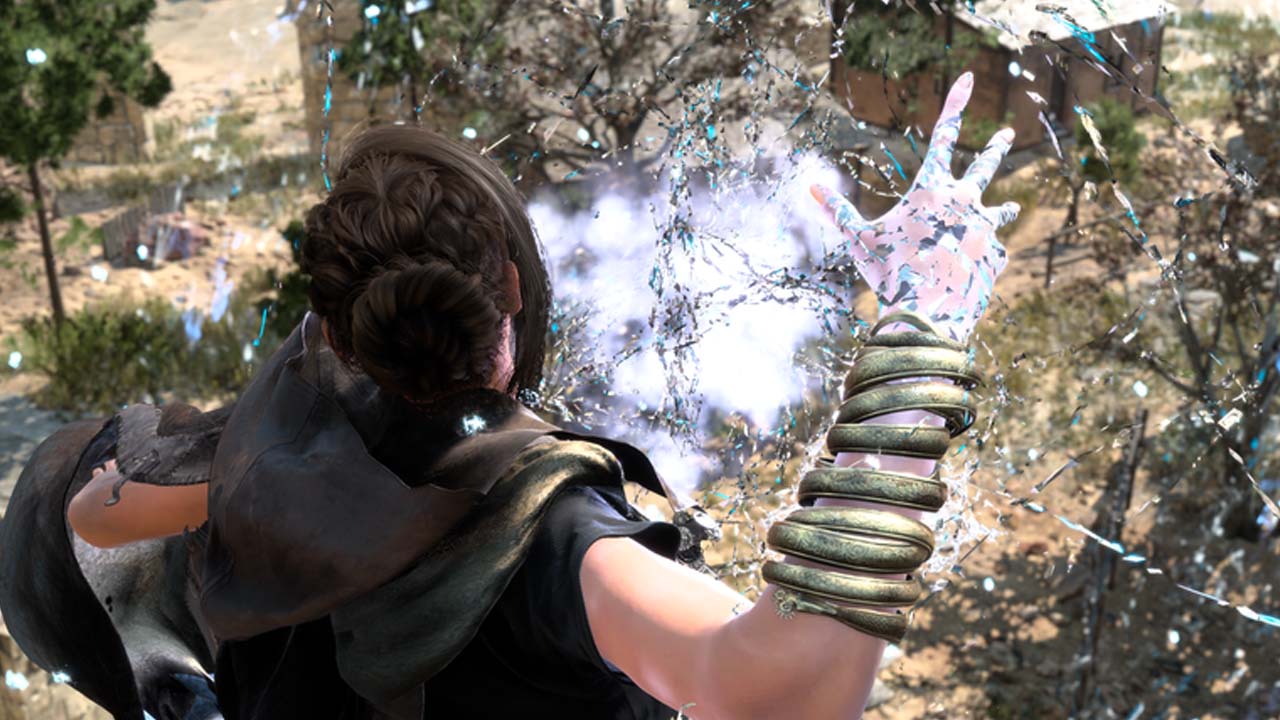
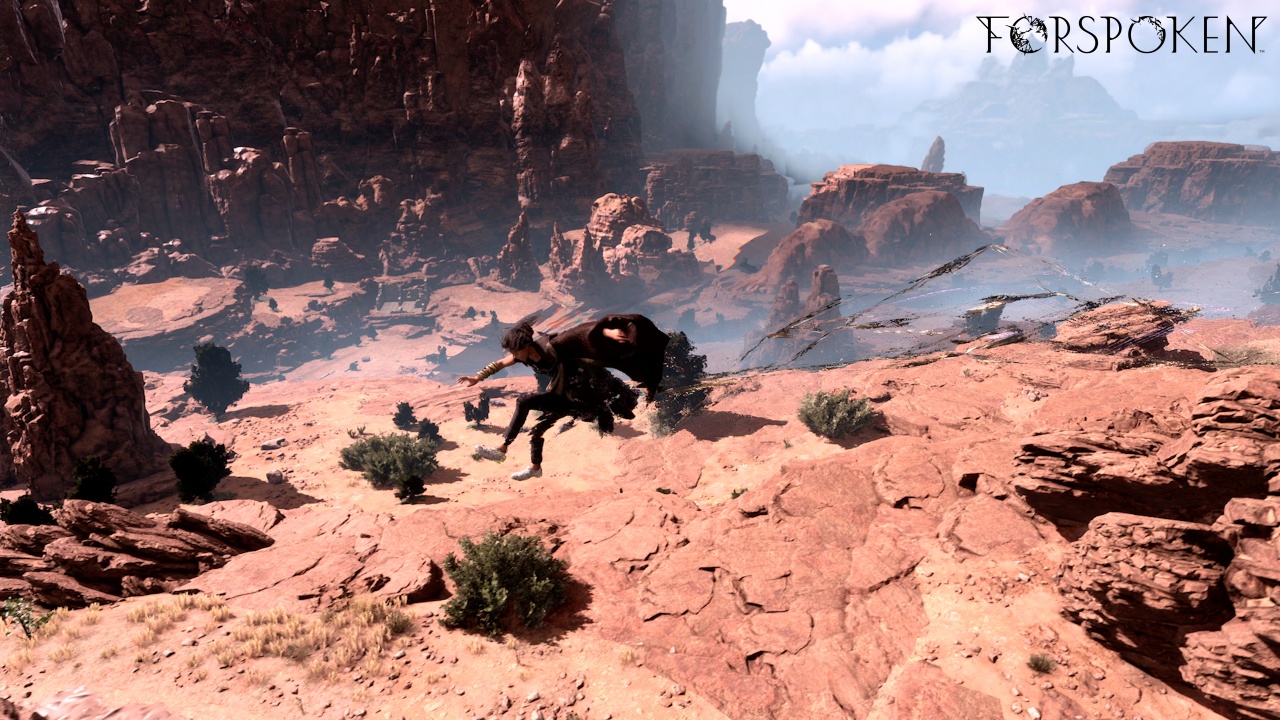
Credit to where it’s due, Forspoken is a fun game for the first few sections. Exploring the incredibly huge map with magical parkour is enjoyable. Eclipsed only by Elden Ring’s Torrent, magic parkour is one of the most innovative ways to quickly traverse large distances, especially after learning more advanced techniques.
Likewise, fighting balanced enemies with limited powers provides enough of a challenge to keep players on their toes in Athia. Neither the player nor the first enemies feel overpowered.
Unfortunately, the game’s novelty quickly evaporates after you figure out that you have to repeat the same motions dozens upon dozens of times. Forspoken’s map is much larger than it ever should have been. Though abundant in number, every point of interest is separated by large distances, some platforming challenges, and a battle sequence. The greater map is empty. Do this over and over, and the game gets stale quick. With adequate rewards, this shouldn’t be a problem, but Forspoken also suffers from a communication issue.
A communication issue
For most roleplaying games, completing an objective on the map usually nets palpable rewards for the player: a significant experience boost, new skills, new gear, or a bag of loot. An open-world game necessitates a lot of exploring. Even if a game is repetitive, earning substantial rewards is satisfying, at least. Forspoken does not have this — not in an easily discernible way, at least.
Treasure chests, which account for most of the points of interest on the map, reward players with a litany of crafting materials. Most of which will go unused because the game doesn’t easily tell players how to use them. After a dozen hours of collecting materials, I had a wealthy cache of each ingredient to make practically anything. Even then, I had little idea where each one went.
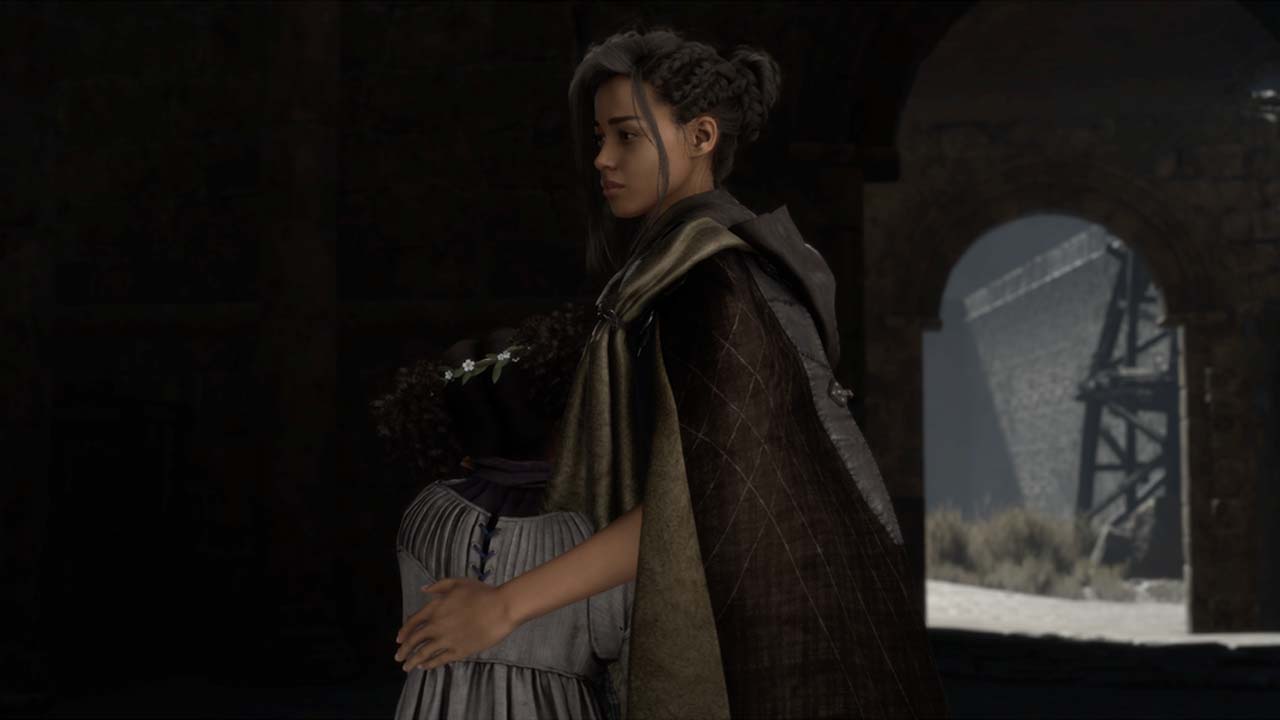
The map’s major rewards — new cloaks, new nail arts, and experience — also do little to explain how Frey improves with each completed objective. Clearing out an enemy camp, for example, rewards players with +1 magic. The game does not tell you how much damage that conveys. Certainly, after completing a few of these, Frey feels stronger, but it’s not easy to see how much stronger, especially when most enemies are bullet sponges with absurd health pools anyway.
Plus, these don’t even scratch the surface of objectives wherein the main reward is literally just a lore dump you have to read from a menu.

Difficulty shouldn’t always mean more enemies
Another issue with clearing out Athia’s large map is how Forspoken handles difficulty. Though there are options to adjust difficulty, the game relies on a limited bag of tricks to make it more difficult for players: increasing enemy health and quantity. In moderation, relying on this strategy works. However, Forspoken does this to an obnoxious level.
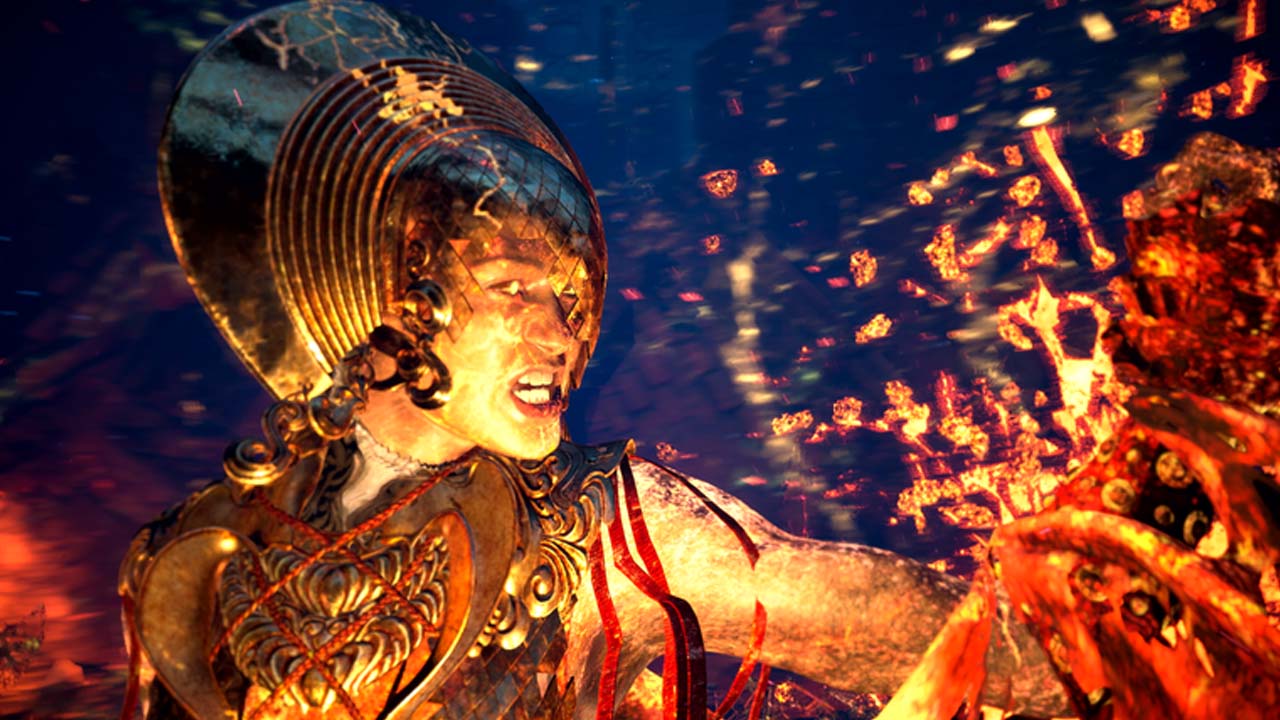
Prepare to fight five mini-bosses in one encounter for a lore entry. What compounds this issue more is an insane enemy health pool which causes encounters to last a lot longer than they should. One mini-boss encounter took me 15 minutes, even with appropriately leveled gear and the right spells.
Because of the sheer number of enemies, an encounter can stun-lock Frey for an absurd amount of time. The player can hardly prevent this since it relies on chance. Despite offering a wide array of moves, the risk of knockbacks shoehorn players into a slow run-and-gun tactic (which might not even play into an enemy’s weaknesses), instead of using each ability to the max.
On paper, Forspoken’s combat offers a fluid way to take down enemies by seamlessly switching between spells and moving through the battlefield with magic parkour. Unfortunately, an imbalance in enemy strategies bogs the game down in prolonged sequences that often reward players with only middling boosts.
A lack of optimization
For a game released on modern hardware, Forspoken took a while to launch. The game was delayed a few times. Given how delays often work, you’d think that it would release in a fairly optimized state. It’s not.
Though I haven’t hit major game-breaking bugs, there were a number of performance dips throughout the game. Even on performance-focused settings, framerates dropped to a standstill when there were high particle effects on screen. Frey constantly clipped through the terrain and found herself stuck on finnicky edges (which sometimes required reloading from previous saves).
The game is also dragged down by numerous cutscenes. Though not a bug per se, it’s not a great sign of optimization that the game has to pause for a cutscene just to show enemies arriving. For a game featuring fluid movement and combat, Forspoken often takes players out of the action by pausing for unnecessary cutscenes.
Better on sale
Overall, Forspoken is persistently flawed. However, amid the game’s shortcomings, the title still has an exciting combat and movement system. Plus, if you disregard the tedious open world, Forspoken’s linear story, featuring the wide range of abilities, are enjoyable. My interest always bounces back after beating one of the game’s main bosses.
Still, it’s hard to call Forspoken a game worthy of its AAA price tag. It might be better to wait for a discount.


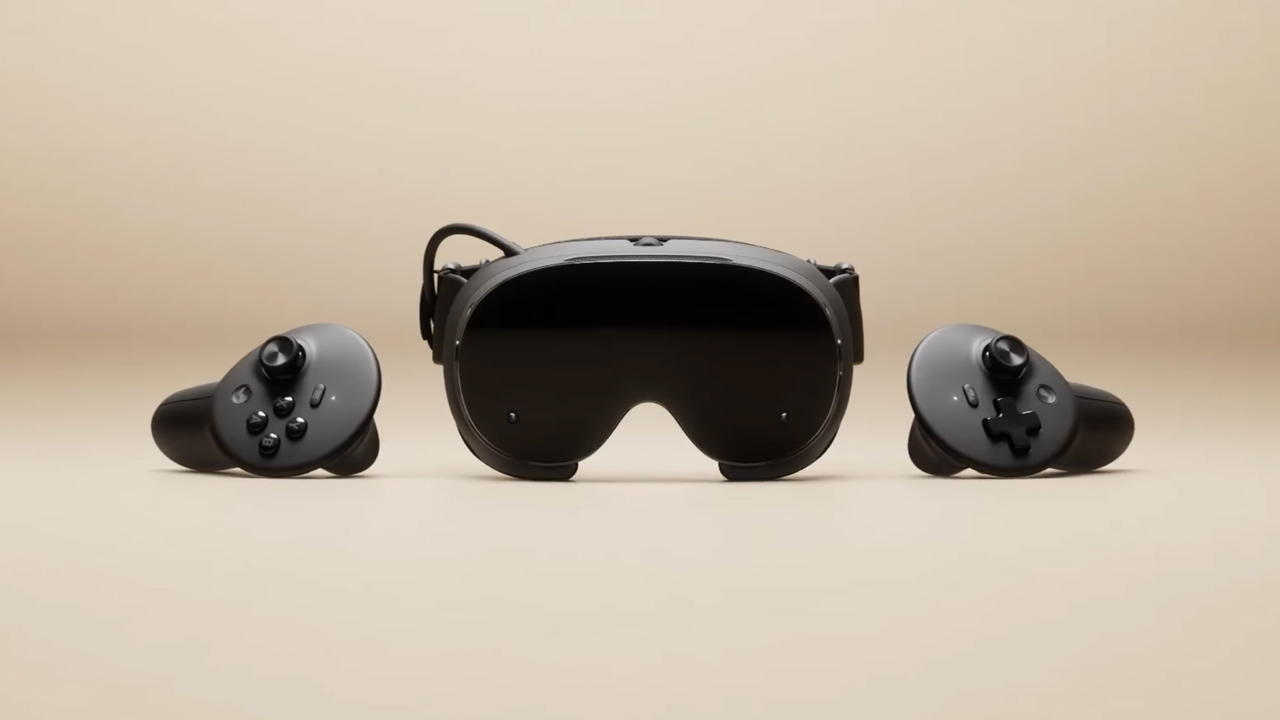
The trifecta is complete. Almost a year after announcing their new hardware, Valve has finally unveiled the price tag of the Steam Frame, complementing the Steam Machine and Steam Controller revealed a few months ago.
Whereas the Steam Machine is a console of its own, the Steam Frame is a traditional VR headset with a pair of controllers for both hands. Unfortunately, despite being in a different segment, the headset is not immune to the rising prices of technology. The Steam Frame will start at US$ 1,059 for a 256GB model and can go up to US$ 1,299 for the 1TB model. On the plus side, each box will come Half-Life: Alyx packaged along with the headset.
Here’s a more detailed rundown of what you’re getting. The Steam Frame will ship with the Snapdragon 8 Gen 3 chipset, paired with 16GB of RAM. Each eye comes with a 2160 x 2160 LCD screen, putting out images at up t0 a 144Hz experimental refresh rate. As mentioned above, the headset will start with 256GB of storage but can go up to 2TB. It will come packaged with SteamOS 3 and a rechargeable 21.6Wh battery.
This might be a hard buy for some. The industry currently has more affordable options, for one. Also, virtual reality isn’t the most thriving segment of gaming today.
If you’re still decided on buying one, however, Valve is using its lottery system. Interested customers can sign up from now until September 17. The company will then randomize the purchasing order. Those who draw the first ones in the lottery can get a purchase email as soon as September 18. Meanwhile, anyone who registers after September 17 will automatically be put at the back of the queue.
SEE ALSO: Valve announces its own console called the Steam Machine
Gaming
BlizzCon 2026 announces World of Warcraft: Forever and Diablo V
StarCraft, Overwatch, Hearthstone, and more also get news

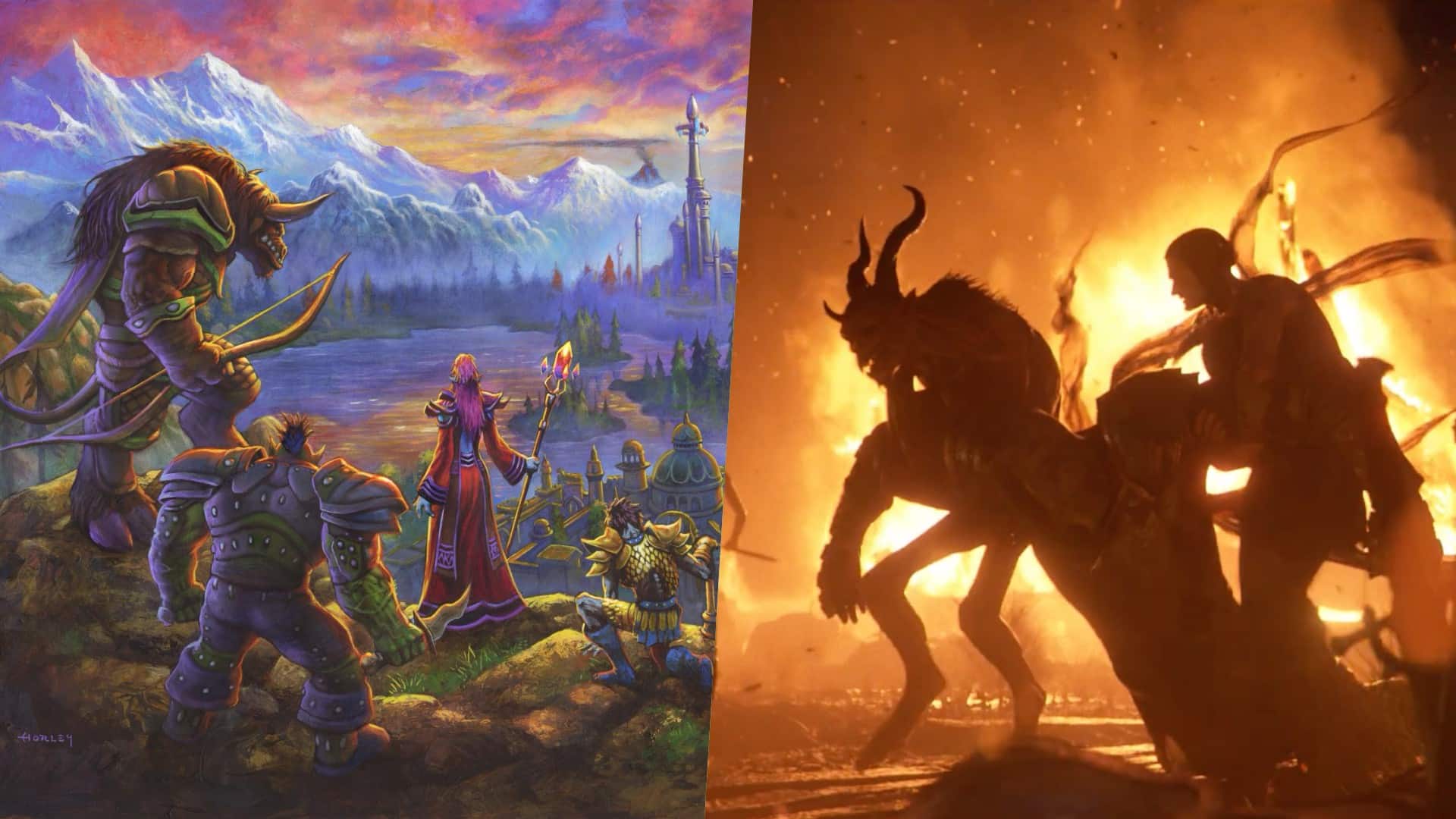
Blizzard Entertainment kicked off BlizzCon 2026 with a packed Opening Ceremony featuring new games, major expansions, updates, and other announcements across its biggest franchises.
Blizzard Entertainment President Johanna Faries opened the event at the Anaheim Convention Center, celebrating the community behind the company’s games and the teams that bring its worlds to life.
World of Warcraft: Forever and Diablo V
The biggest announcement was World of Warcraft: Forever, a new World of Warcraft experience launching November 5 AEDT, with its beta beginning September 18 AEST. The new experience will feature three zones, more than 1,000 quests, nine dungeons, two raids, and a new Skyborne race.
Blizzard also officially announced Diablo V, marking the next era of the franchise. The game is set to launch in North America in Spring 2029, with Sanctuary having fallen and Diablo having won.
StarCraft is also returning with a new story-driven, open-world shooter. The game is currently planned for a Spring 2030 release in North America.
Beyond games, Blizzard revealed that an animated series set in the Diablo universe is in development with Netflix. The company says this is only the beginning of its plans to expand its universes beyond gaming.
For Warcraft III Reforged, the new Forsaken Kingdom campaign is available today. It marks the Warcraft RTS series’ first new storyline in more than 23 years and explores the fall of Lordaeron and the origins of the Undercity. The accompanying 3.0 update also brings graphical improvements and a revamped World Editor.
Heroes of the Storm is adding Xal’atath as its newest Hero. She arrives in the Nexus on September 29 AEST, with her PTR release scheduled for September 15 AEST.
Existing games updates
Meanwhile, Diablo IV is preparing for its next major content drop. Season of Hell’s Legacy begins September 16 AEST and celebrates the franchise’s 30-year history with the return of the Prime Evils and Deckard Cain, alongside themed rewards and gear.
The legendary Amazon class will also arrive in the first half of 2027 as part of Diablo IV’s first class pack. The Diablo IV: Age of Hatred Collection is additionally coming to Nintendo Switch 2 on September 16 AEST with cross-platform play and cross-progression.
For World of Warcraft, Blizzard teased the next major update for Midnight. Eclipse (12.2) will see Xal’atath move closer to her goal of claiming Azeroth’s Worldsoul. Blizzard also offered another look at The Last Titan, the next expansion in the Worldsoul Saga and a major culmination of more than two decades of Warcraft storytelling. More information is coming early next year.
Overwatch is getting a major update with Season 5. The season introduces new Support Hero Doctrine, reworks for Sombra and Roadhog, and the new Watchpoint: Grimsvötn map. It will also conclude The Reign of Talon, Overwatch’s first year-long narrative arc.
LE SSERAFIM & YOASABI
BlizzCon also featured performances from YOASOBI and LE SSERAFIM. YOASOBI will perform during the first-ever esports halftime show at BlizzCon, while LE SSERAFIM will return to the Main Stage to close the weekend. A new LE SSERAFIM in-game collaboration is available now, with another Overwatch Spotlight scheduled for February 2027.
Finally, Hearthstone is getting its first new class in more than six years. The Monk arrives in 2027, while the upcoming Reign of the Black Empire expansion takes players back to the earliest age of Azeroth. It introduces the Assemble keyword, which combines two cards into a new one. Battlegrounds is also adding Aberrations as a new minion type.
BlizzCon 2026 is now underway, with Blizzard promising more announcements and details throughout the weekend.
Gaming
Xbox saves Kojima’s PHYSINT after PlayStation drops support
PlayStation says the separation was mutual, but Kojima hints otherwise.

Things aren’t going well in the PlayStation camp. After two months of frankly questionable decisions, the company adds another to the pile by dropping support for Hideo Kojima’s PHYSINT.
For a while now, Kojima and PlayStation were in a very productive relationship with the Death Stranding duology, a critically acclaimed collection of titles for the platform. When things looked like they were going well, Kojima announced PHYSINT, an espionage-themed game which reminded fans way too much of Metal Gear Solid.
If you were investing in a PlayStation 5 to play Kojima’s latest thriller, you might want to move your chips elsewhere now. PlayStation has just dropped support for the espionage game, meaning PHYSINT will no longer be a first-party title for the platform.
Though PlayStation claims that the decision came after “careful consideration,” Kojima himself has said that the move was “unexpected,” going against PlayStation’s assurance of a mutual separation.
Very quickly, Xbox has announced that their platform will support PHYSINT instead. It’s a big get for the competing brand because Xbox Game Studios is already supporting OD, Kojima’s other upcoming horror project starring Sophia Lillis.
Unfortunately, it’s difficult to say more. As is tradition, Kojima will not explain much more about his upcoming titles. In fact, OD’s trailer barely says anything. One thing’s for sure, though: we’re all in for quite a ride.


DJI Lito X1 review: Is this the best lightweight drone for creators?
Making a strong case as a travel companion and a capable B-cam!


REDMI Note 17 Pro Max review: A new breed born from AI greed
Welcome to the new normal


Marvel’s Wolverine review: When the claws come out
A brutal, cinematic superhero adventure
DJI Lito X1 review: Is this the best lightweight drone for creators?

Now Playing: Resident Evil

HONOR, Fidesmo partner for contactless payments across Europe, Middle East

Ford revs up Truck Month with extended 5-star care offers
REDMI Note 17 Pro Max review: A new breed born from AI greed

TECNO MEGAPAD 2 review: Eyes on the size

realme 16T 5G with 8000mAh battery, IP69 Pro rating launches in PH

HUAWEI Pura X View is 2026’s first WIDE slab-type smartphone

REDMI reveals the refreshed Note 17 and Note 17 Pro series

REDMI Note 17 Series: Price, availability in Singapore


-
 News1 week ago
HUAWEI Pura X View is 2026’s first WIDE slab-type smartphone
-

 News1 week ago
The CAMON Slim 5G is TECNO’s latest ultra-slim smartphone
-

 IFA 20262 weeks ago
TECNO MEGABOOK T15 360 unveiled at IFA 2026
-

 Gaming2 weeks ago
NBA 2K27 review: A two-way All-Star
-

 News1 week ago
iPhone 18 Pro series: Price, availability in the Philippines
-

 IFA 20262 weeks ago
TECNO’s POVA 8 Pro gets a stealthy makeover
-

 Automotive2 weeks ago
Ford’s new Everest lineup brings V6 engine to the top, tech down the line
-
 Gaming2 weeks ago
Now Playing: Elden Ring Tarnished Edition