
Accessories
Gamesir X2 review: Turning phones into Switches
Supports a decent amount of games, but has its hiccups

One of the standard peripherals for any device capable of gaming is a controller. In the early days, most home consoles introduced a joypad with buttons and triggers designed for ease in gaming. I mean, instead of having to type the commands, you just had to press a button and it does it for you. Of course, even this kind of technology expanded to portable gaming devices.
Nowadays, you can use controllers to play games on your smartphone. In some genres like driving simulators and sports games, touch controls may not be the best way to play them. In their place, a controller is an ideal peripheral to have. This is where the Gamesir X2 Type-C Mobile Gaming Controller comes in, and that’s a mouthful to say.
Honestly, the entire name alone speaks of all the features the controller comes with, and on paper, it’s all good stuff. But is it something you should consider for the games you’re playing? Let’s find out.
A design that resembles a portable console
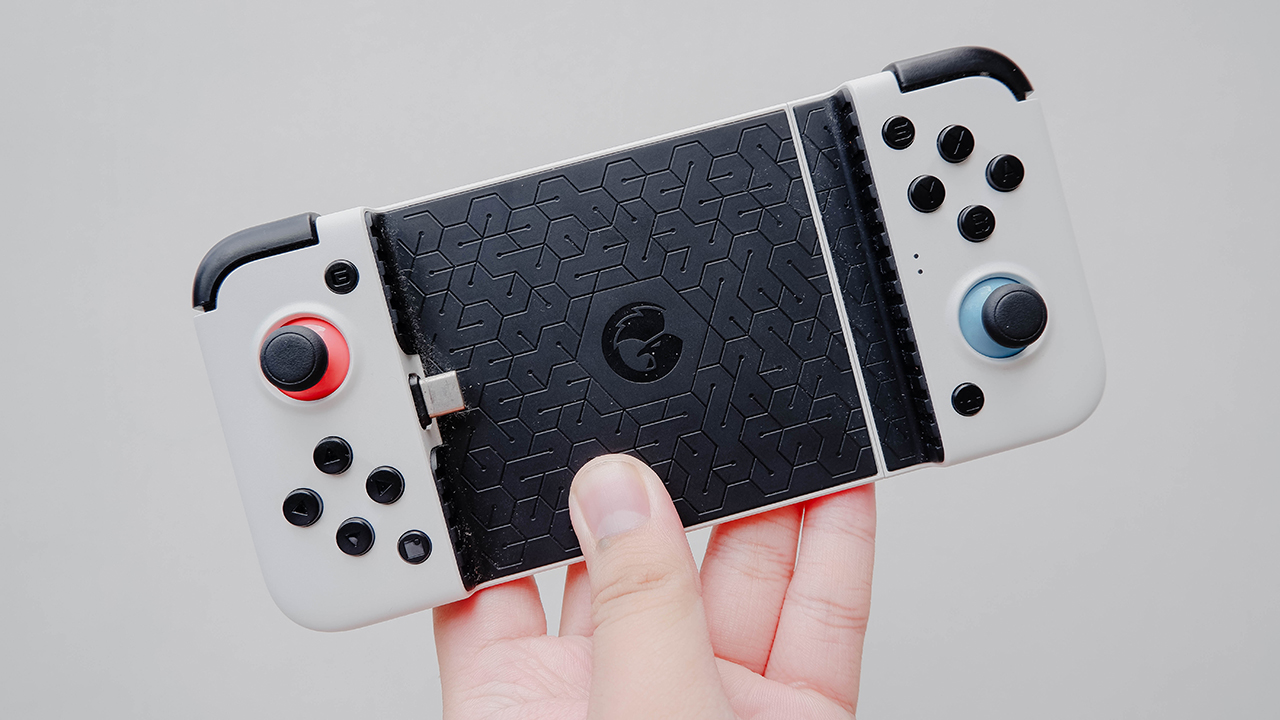
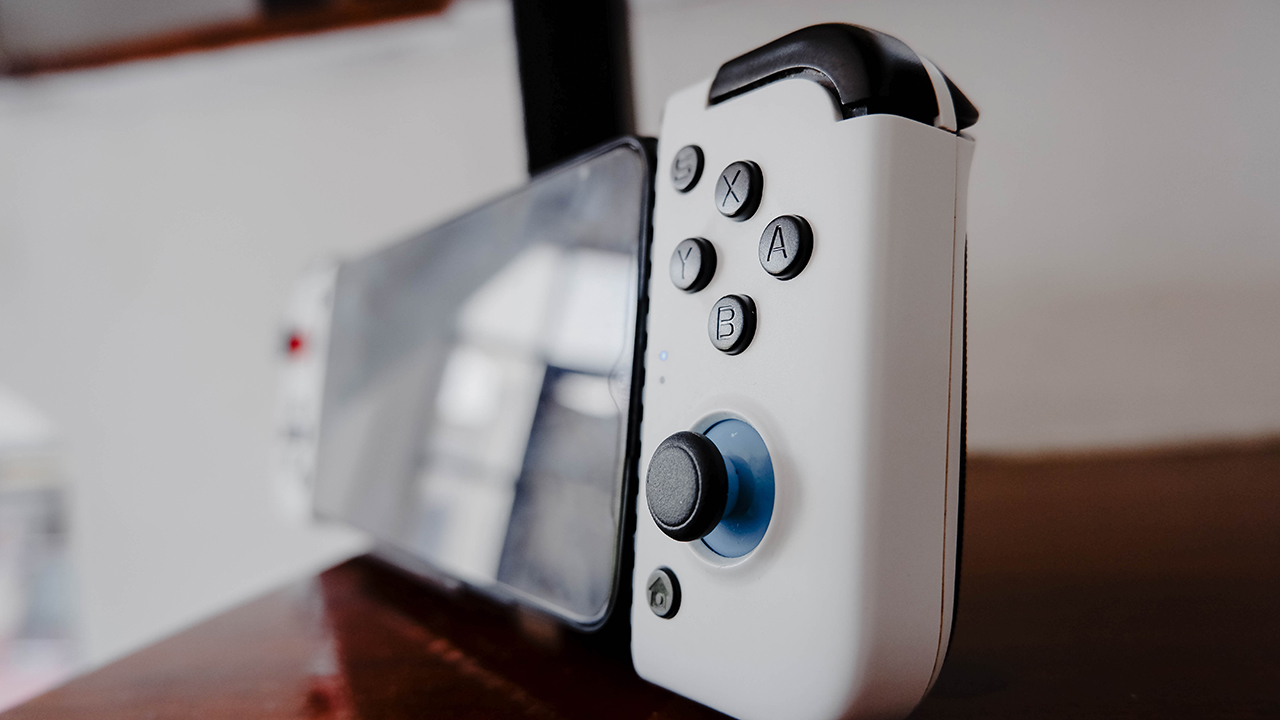
Upon initial inspection, the Gamesir X2 has the buttons and triggers you see in most controllers. Honestly, I find it weird that they incorporated Xbox/Nintendo face buttons but PlayStation triggers, but that’s just nitpicky. Also, the whole controller is made of hardened plastic that feels a little durable, but don’t try any drop tests on it.

At first glance, you would think it looks like a display-less Nintendo Switch, and I agree wholeheartedly. It comes with a USB Type-C connector for your smartphone, provided that it has a USB-C charging port and OTG connection support. When you plug your smartphone in, you basically get something that resembles the Nintendo Switch (OLED Model).

The only thing, though, is that it supports phones up to 6.5 inches in length. See, the whole controller extends to provide enough space for your smartphone to nest inside it while you play. Phones like the realme narzo 30A fit here quite well, so be sure to check your phone’s length first.
Setting it up was a little longer than expected
Now for what I think was the weird part of the experience: setting things up. Usually, plug and play controllers like the Gamesir X2 should be easy to set up. I mean, all you really have to do is plug it into your phone, and it just works. Apparently, there’s a lot more to it than just that as you need to tinker some phone settings first.

I mentioned earlier that your phone needs OTG connection support to use the Gamesir X2, and you have to toggle this in your phone’s settings. Once that’s done, it’s recommended that you download the Gamesir app to properly set up the controller. Unfortunately, you can’t use the app to create specific control mapping for certain games. After a required update, the Gamesir X2 is ready to go.
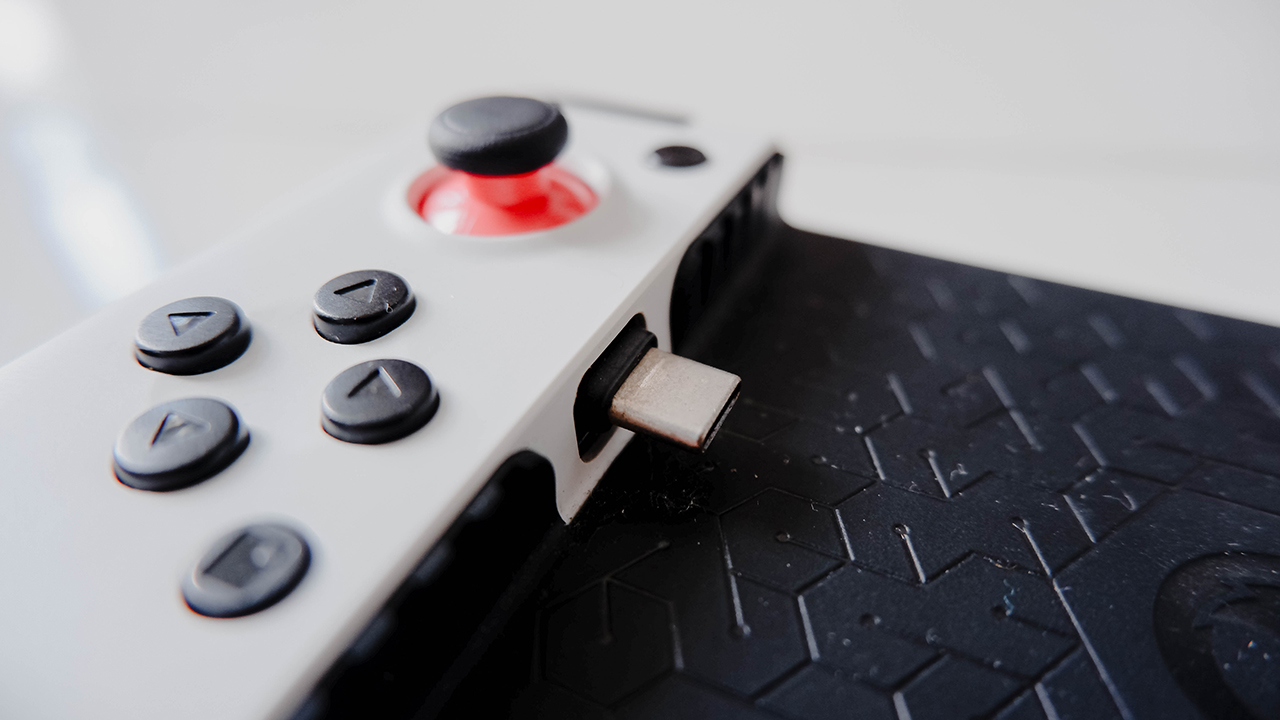
Honestly, for something like the Gamesir X2, this was a rather long set up process. I mean, most controllers — with or without Bluetooth support — end up relatively easier and simpler in the set up process than this one. Alas, it’s a necessary process if you want the controller to work as intended.
Easy to use, but not recommended for all games
Once you set everything up, the Gamesir X2 works quite well and is easy to work around. It supports a wide variety of games, depending on which mode you switched the controller to. See, there are light indicators on the right side of the controller that turn blue or green, and you can only switch to either mode through the app.
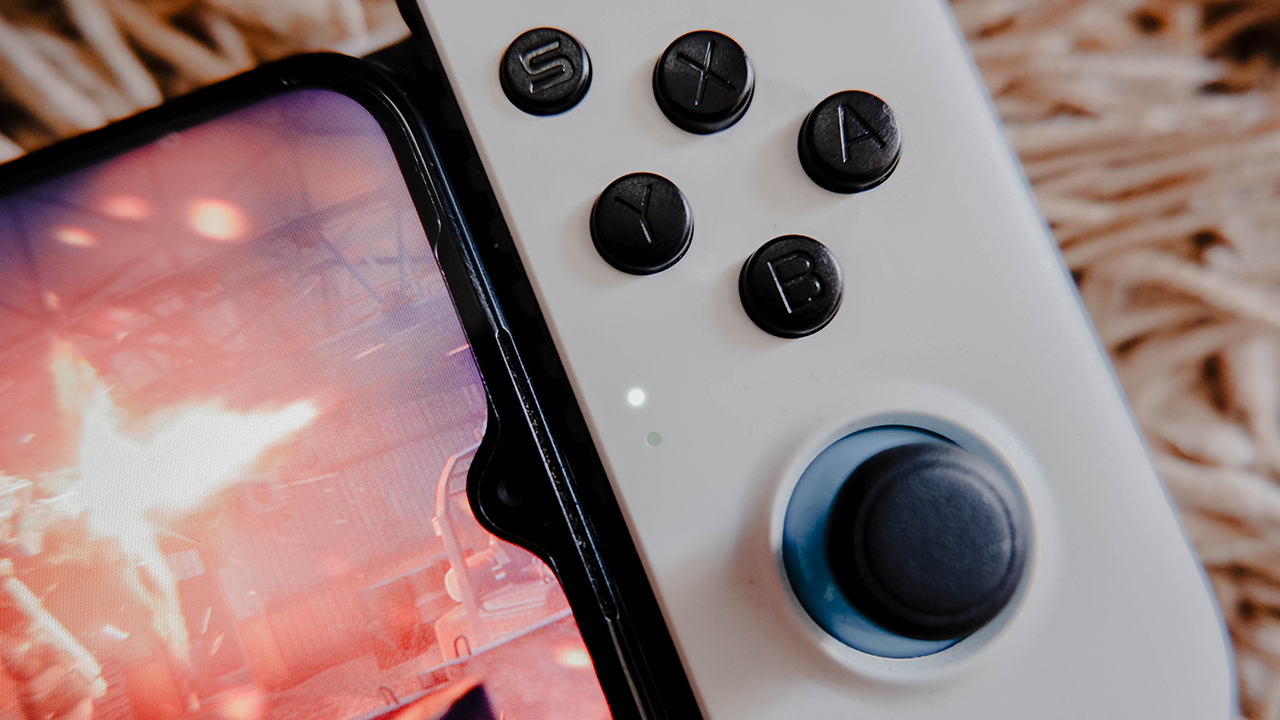
If the light is blue, it will only work for games that are officially supported by Gamesir. This means that these games are fully mapped out against the Gamesir X2’s buttons and triggers. In my time using the controller, I found that most driving simulators and sports games work best with it. Honestly, the Gamesir X2 nails the controls so well in this regard.

If the light is green, the Gamesir X2 will work across all games provided you add them on the app. In essence, Gamesir will assign its own control mapping, even if the game comes with its own controller mapping. Even if the buttons and triggers work, I found that in games like Call of Duty Mobile, it doesn’t follow the controller mapping. I’m honestly better off using touch controls instead of the controller.
Charge or play, it’s one or the other
Another feature I found with the Gamesir X2 is support for power pass-through. Yes, you can actually charge your phone while it’s connected to the controller, as long it has a USB-C charging cable. Honestly, this is good considering that your phone’s battery drains a lot faster when you play longer.

Although, when you choose to charge your phone while connected to the controller, you can’t use your controller. Within the app, there’s no setting that allows you to do this, which is a bummer. I guess that’s your reminder to take a break from playing too much with the controller.
Is this your GadgetMatch?
The Gamesir X2 is a decent game controller for all kinds of smartphones. Even with the long set up process, it’s easy to use and work around once you start playing. If you wanted to know what it feels like to have a Nintendo Switch, the Gamesir X2’s design roughly resembles that.
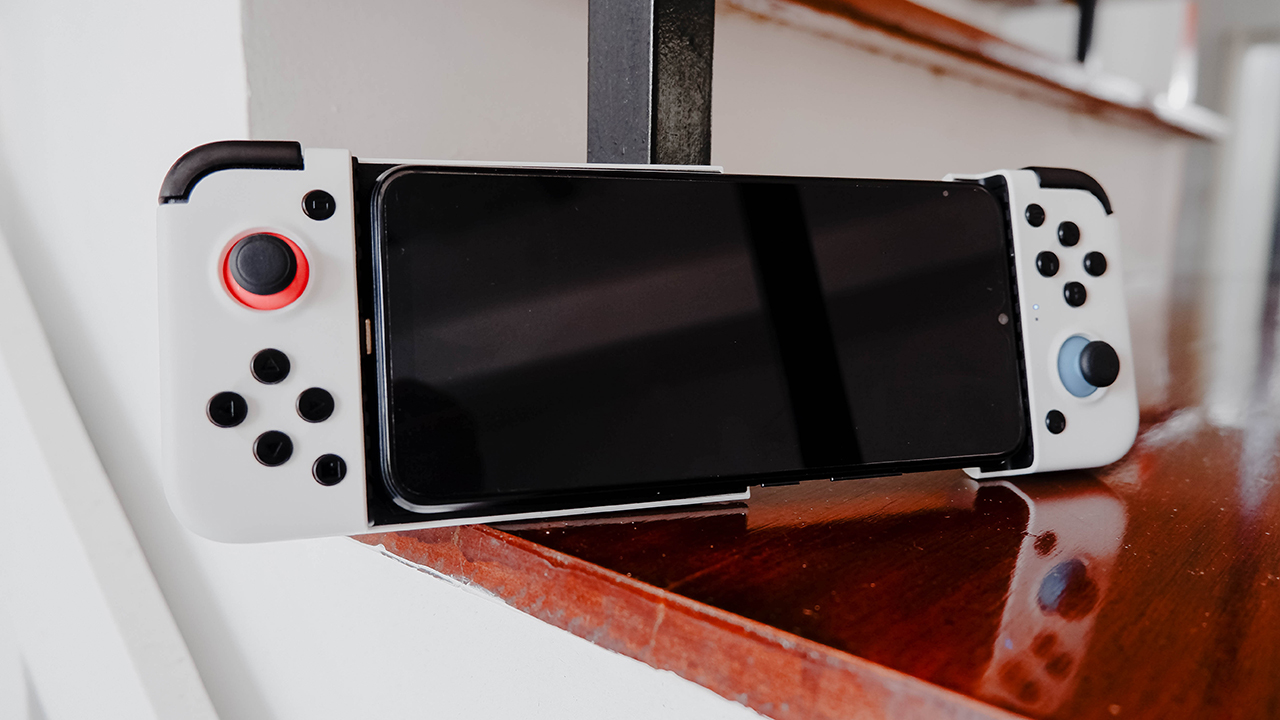
I caution you, however, that it suits those who play a lot of driving games or sports games like NBA 2K. See, these are some of the games the controller officially supports, so the experience is much better with them. Most games people play aren’t fully supported by the Gamesir X2, and the control mapping is whack if you try to play them with this controller.
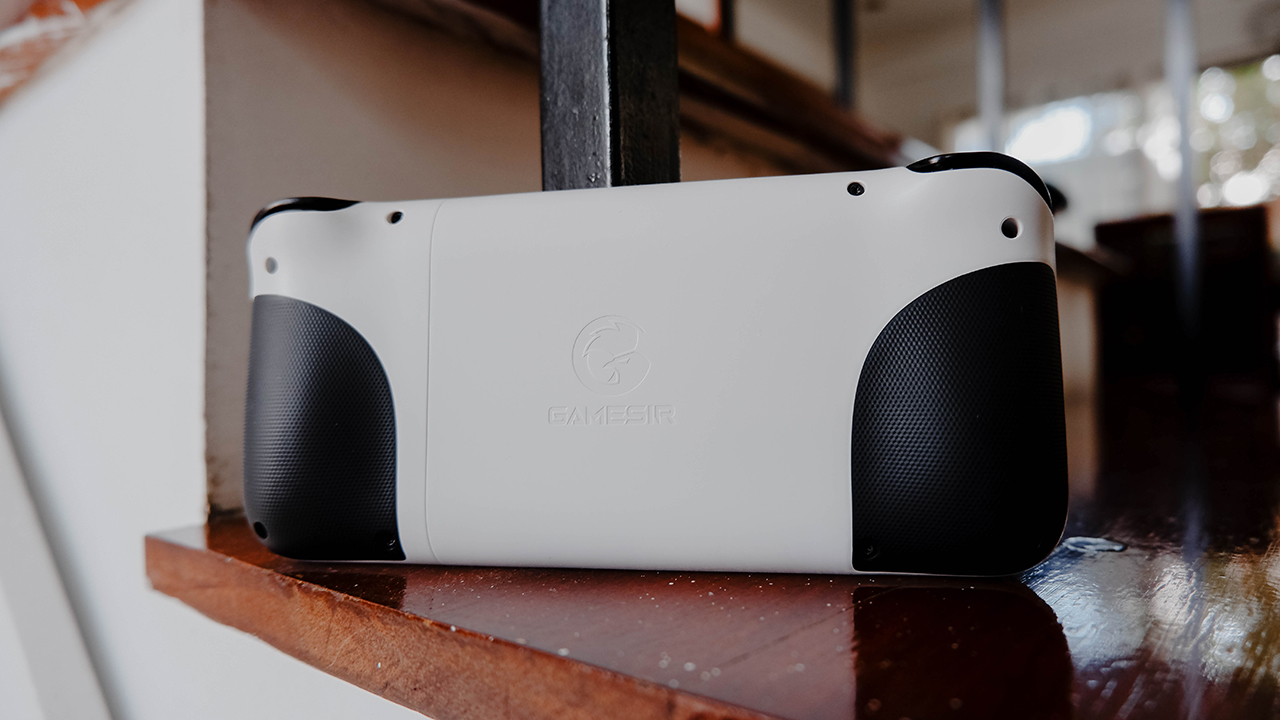
Overall, the Gamesir X2 is well-suited for a specific set of mobile players, even if it caters to everyone somehow. It’s not for everyone, and it’s better that way.
The Gamesir X2 retails for PhP 3,499 /US$ 65.78 and is available on online shopping stores with various GameSir authorized resellers.


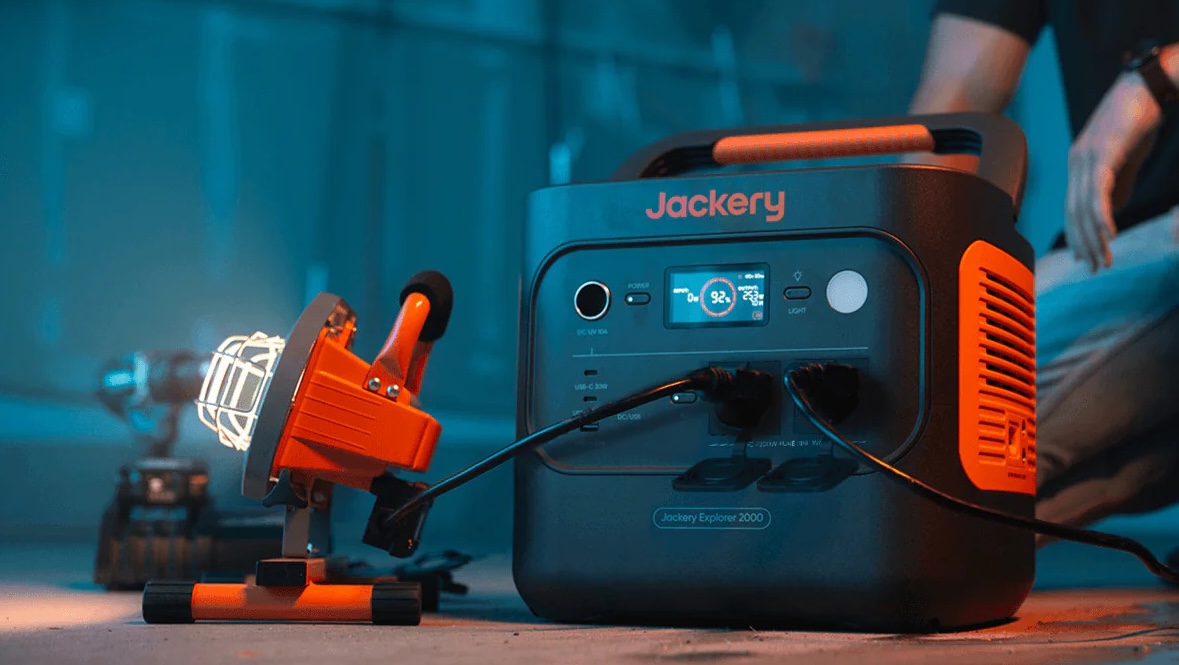
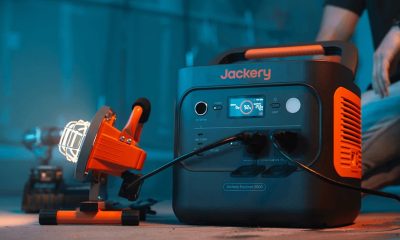
Jackery has expanded its Explorer Series, introducing three new models: the Explorer 300D, Explorer 500 V2, and Explorer 2000 V2.
These new portable power station models join the earlier Explorer 100 Plus, 300 Plus, and 1000 V2 releases earlier in the year.
Each is built for different needs, from brief power interruptions to outdoor adventures and prolonged outages.
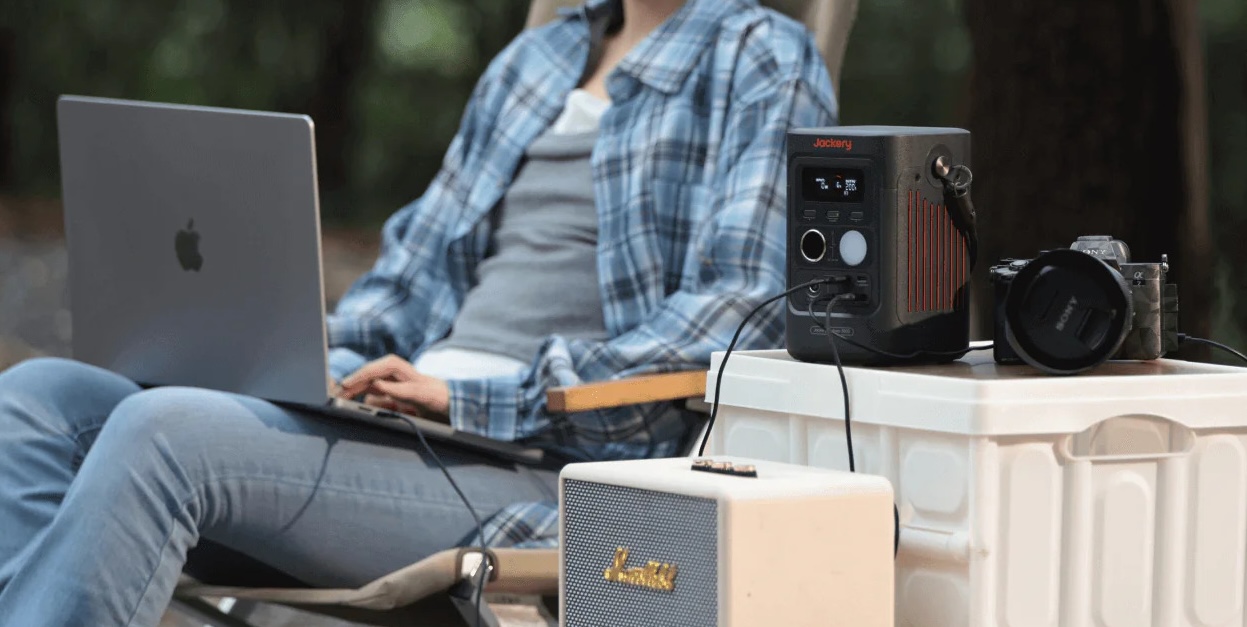
The Jackery Explorer 300D is a grab-and-go variant for unexpected power cuts. It is a compact power station weighing just about 2.5 kilograms and is 64% smaller than standard 300Wh units.
With a speaker-like form factor, 288Wh capacity, and 300W total DC output, it is the ideal power station for content creators, remote workers, and outdoor enthusiasts who live life on the move.
It can juice up a fast-charging Type-C laptop three to four times, smartphones up to 22 times, and drone batteries four to five times.
The Explorer 300D comes with unique DC-only design to eliminate idle power loss. It also has a 2-in-1 shoulder strap that unclips to double as a heavy-duty 140W USB-C charging cable.
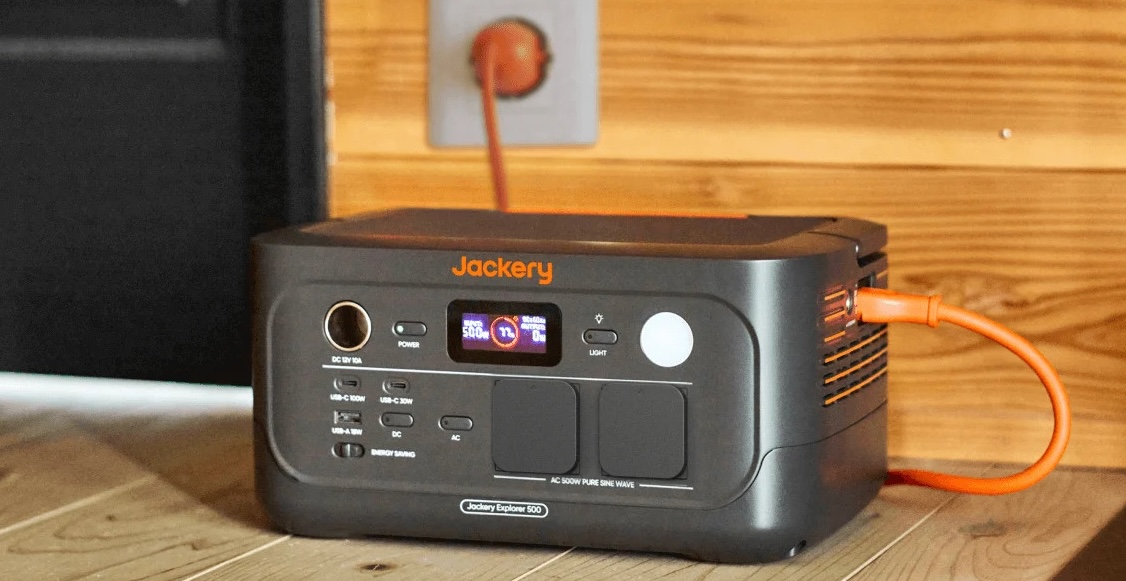
Meanwhile, the Jackery Explorer 500 V2 packs a 512Wh capacity and 500W max output into a sleek frame.
It has an Uninterruptible Power Supply switchover time of under 10 milliseconds, ensuring devices such as Wi-Fi routers or laptops will not drop connection. It can also power up a desk fan for about 8.5 hours.
For easy storage, it has a fold-down handle. This makes the power station also portable to carry with you wherever you need it.
Lastly, the heavy-duty Jackery Explorer 2000 V2 features a massive 2,042Wh capacity and 2,200W inverter.
Weighing just 17.9 kilograms, it is about 41% lighter and 34% smaller than standard generators in the 2kWh category.
It can power a standard inverter refrigerator for up to 14 hours, run a 1.0 HP air conditioner for up to 3.5 hours, or power multiple electric fans for up to 28 hours.
It can also power kitchen essentials like rice cookers, small water heaters or coffee makers, and microwaves, in case hunger strikes amidst a power interruption.
The Explorer 2000 V2 also features an EV-grade LiFePO4 battery engineered for over 10 years of daily use.
The entire Jackery lineup is available on Lazada, Shopee, the Jackery kiosk at SM Fairview, and other partner stores.
Accessories
Pulse Elevate wireless speakers come to Southeast Asia this November
Pre-orders open September 2

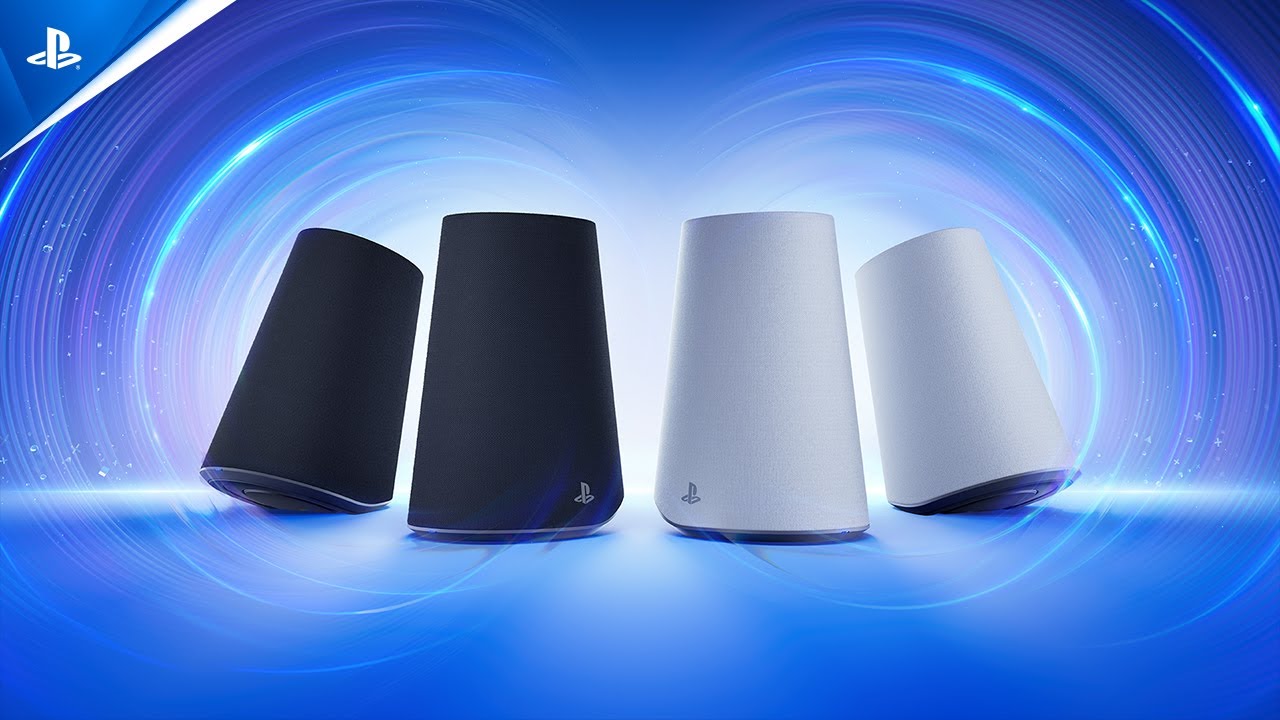
PlayStation is expanding its audio lineup with the Pulse Elevate wireless speakers, its first wireless speakers developed by Sony Interactive Entertainment. The speakers will launch in Southeast Asia starting November 12, 2026, with pre-orders opening September 2.
The Pulse Elevate speakers are designed for desktop gaming on PS5, PC, and Mac, while also supporting portable use with the PlayStation Portal remote player and smartphones. They combine planar magnetic drivers, built-in woofers, and PlayStation Link wireless connectivity for low-latency, lossless audio.
Each speaker uses a studio-inspired planar magnetic driver to deliver sound across the audible spectrum. Built-in woofers add richer bass, while the speakers can enhance positional audio in PS5 games that support Tempest 3D AudioTech.
The right speaker also has a built-in microphone with AI-enhanced noise rejection. This allows users to handle voice chat without wearing a headset while helping filter out unwanted background noise.
Designed for gaming and beyond
Pulse Elevate uses PlayStation Link for ultra-low-latency wireless audio with compatible devices, including the PS5, PC, Mac, and PlayStation Portal. The speakers also support Bluetooth, allowing users to listen to audio from a Bluetooth device while using PlayStation Link for another connected device.
A PlayStation Link USB adapter is included and works with USB-C ports. The speakers also feature built-in rechargeable batteries, letting users take them on the go. Charging docks are included for returning to a desktop setup.
Users can adjust the speakers’ volume directly and position them horizontally or vertically. PS5 and PC users can also customize EQ, sidetone, volume, and microphone mute settings through system menus.
Pulse Elevate will be available in Midnight Black and White.
Price and availability
Pulse Elevate wireless speakers will launch starting November 12, 2026. Pre-orders begin September 2 at local retailers. Availability may vary by market and retailer.
The recommended retail prices are:
- Singapore: SGD 319
- Malaysia: MYR 1,099
- Thailand: THB 8,499
- Philippines: PHP 14,709
- Vietnam: VND 6,999,000
The Pulse Elevate marks Sony Interactive Entertainment’s first entry into wireless speakers, extending the PlayStation audio ecosystem beyond the Pulse Elite headset and Pulse Explore earbuds.
Accessories
Apple is working on AirPods with built-in cameras
References to the wearable were spotted inside a new macOS beta.

The launch of operating system betas is a cause of celebration for those digging into what’s next for a brand. No other company does that better than Apple. Today, Apple released a new release candidate for macOS Tahoe 26.7. As expected, the release has a treasure trove of references to unreleased devices, including a new type of AirPods with built-in cameras.
Let’s get the obvious out of the way first. The references include a slew of unreleased iPads, Macs, and HomePods. Since these devices are already expected to come out, they’re hardly worth nothing. This includes the iPhone 18 series. If anything, the references confirm the iPhone Ultra, the rumored entry into the foldable market, but that’s it.
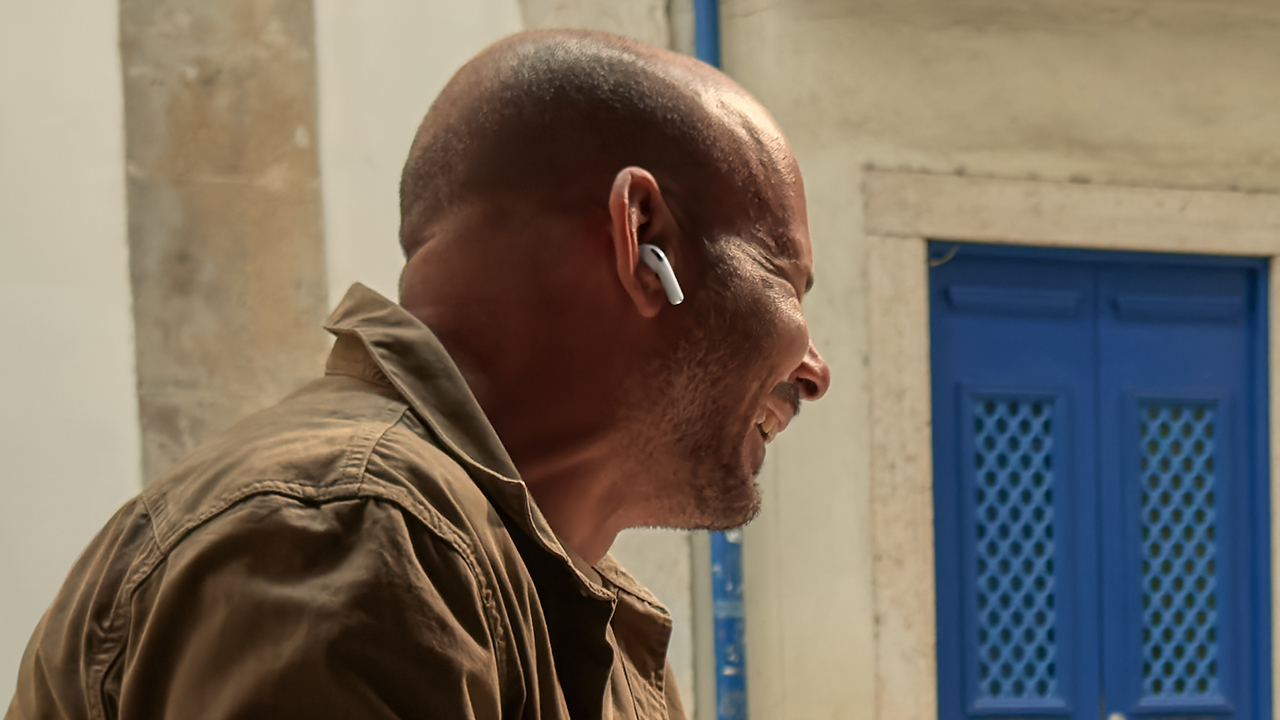
Now, the more interesting inclusion is a pair of AirPods with cameras. Despite the controversies surrounding cameras on smart glasses, Apple is reportedly building audio-based wearables with cameras themselves.
In a short demo video (also obtained from the macOS beta via MacRumors), the AirPods can apparently “save” things that it sees, including a book you might want to search for later. In that way, the built-in camera acts more like a voice assistant, rather than a recording device.
Though the references don’t confirm a launch date, it’s likely that the camera-based AirPods will come out sometime soon. After all, why would a blatant reference be inside a publicly available beta?
SEE ALSO: The iPhone 18 might sell out for an unexpected reason

REDMI Note 17 Pro review: What a rollercoaster ride!
The serious series of ups and downs are NOTEworthy of your attention

Insta360 Luna Ultra review: My new solo coverage camera
Changed my workflow

TECNO MEGAPAD 2 review: Eyes on the size
The MEGA pad for two base users

NBA, Salmon team up for multi-year partnership

realme 16T 5G with 8000mAh battery, IP69 Pro rating launches in PH

Dune: Awakening gets new PS5 gameplay, movie DLC

CAPTAIN TSUBASA 2: WORLD FIGHTERS is out now

Samsung Galaxy S26 FE brings Galaxy AI upgrades
TECNO MEGAPAD 2 review: Eyes on the size

VinFast debuts two-wheeler models, opens 21 e-motorcycle showrooms

REDMI Note 17 Series focuses on long-term reliability

OnePlus officially leaves the United States and Canada

Xiaomi debuts SkyNomad Series featuring new Kunlun platform


-
Reviews1 week ago
TECNO MEGAPAD 2 review: Eyes on the size
-
 Singapore2 weeks ago
REDMI Note 17 Series focuses on long-term reliability
-
 News2 weeks ago
realme 16T to come with 8,000mAh battery, 7-year battery health guarantee
-

 News1 week ago
HUAWEI Pura X View is 2026’s first WIDE slab-type smartphone
-
 Accessories1 week ago
Jackery expands Explorer Series portable power stations
-
 Cameras1 week ago
30 days with the DJI Osmo Pocket 4P
-

 Gaming1 week ago
NBA 2K27 expands MyCAREER, MyPLAYER, MyNBA, more
-

 Gaming2 weeks ago
Now Playing: Assassin’s Creed Black Flag Resynced