
Apps
Google may soon delete unopened files and folders in Drive
If your account has been inactive for two years

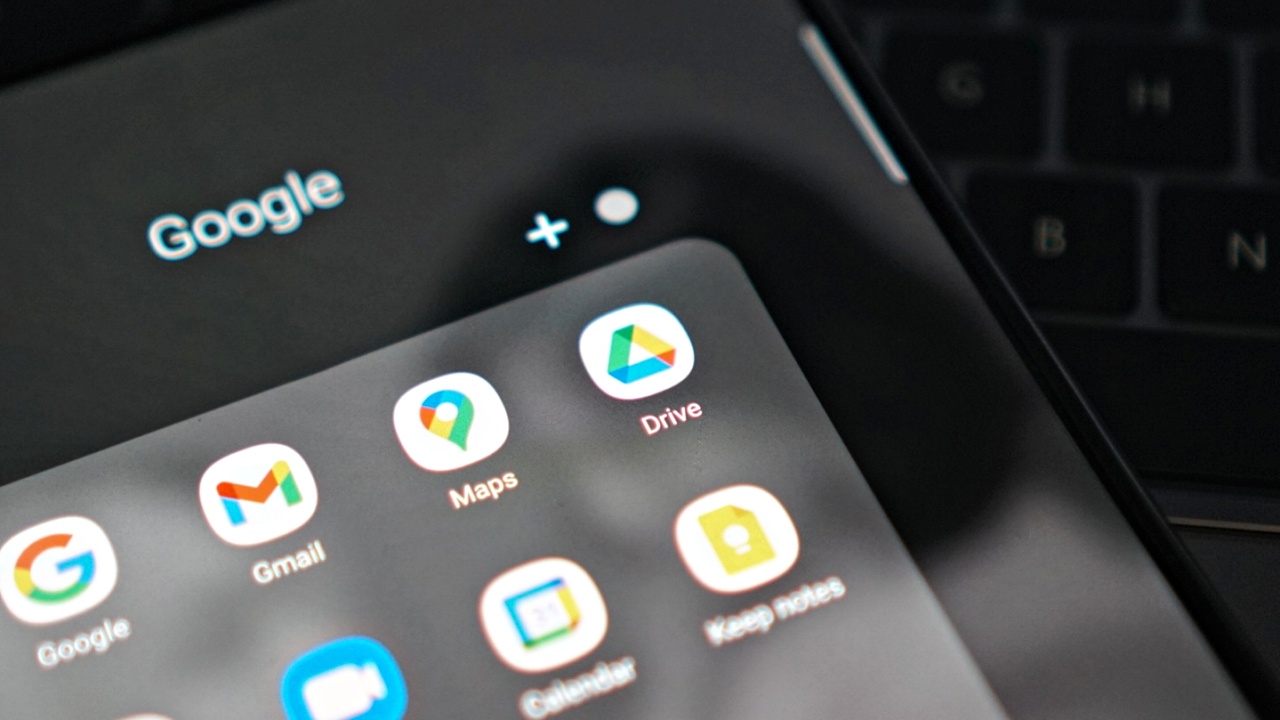
You should probably open your Google Drive from time to time starting next year. Google just updated its storage policy stating that it could delete your files if you don’t use them for long.
Before you worry though, there are two conditions to keep in mind for it to be a target of Google’s new storage policy. First, your Google account should be inactive for at least two years. Accounts that have never been opened for two years will have their files or folders automatically deleted.
Second, your Google account must have been over its storage limits for two years. If you remain above the storage limits for two years, Google will delete contents across Gmail, Drive, and Photos. By default, a Google account has 15GB of storage, which could take years to fully reach depending on usage.
Once you have met either of the two conditions, Google will notify you multiple times at least three months before deleting any file or folder. If you have been inactive, it is recommended that you “periodically visit Gmail, Drive, or Photos on the web or mobile.” Take note of the wording — using a third-party app or sync provider won’t likely work.
It is also worth noting that this change in policy won’t affect any setting you set on the Inactive Account Manager, a little-known feature for managing your accounts in case of prolonged inactivity.
Now, if the problem lies in going above storage limits, the only way is to trim files and folders you probably don’t use. You can also buy more storage through Google One. Storage plans start at 100GB and have additional perks that you may benefit from, like access to Google experts, family plans, and more.
The new storage policy will take effect on June 1, 2021. After that date, Google will delete any files or folders that meet the conditions. So right now, look into your Google account and see if it goes above the storage limits.
Aligning with the industry standards
According to Google, this change counts towards aligning storage policies across their products. Such reasoning makes sense given that the company has been a little inconsistent with its storage policies over the years.
As a matter of fact, the default 15GB storage limits for Google Accounts only applies to Gmail and Google Drive until recently. Now, every upload to Google Photos will count on the storage limits of a user.
Granted, you still have 15GB of free online storage to work with. Google’s storage limit is actually one of the generous out there. Apple, for example, still provides a paltry 5GB for a free iCloud account.






Apple Music is getting a revamp. In one of the tamer things going on with the brand today, Apple has introduced a new design language for its native music streaming platform.
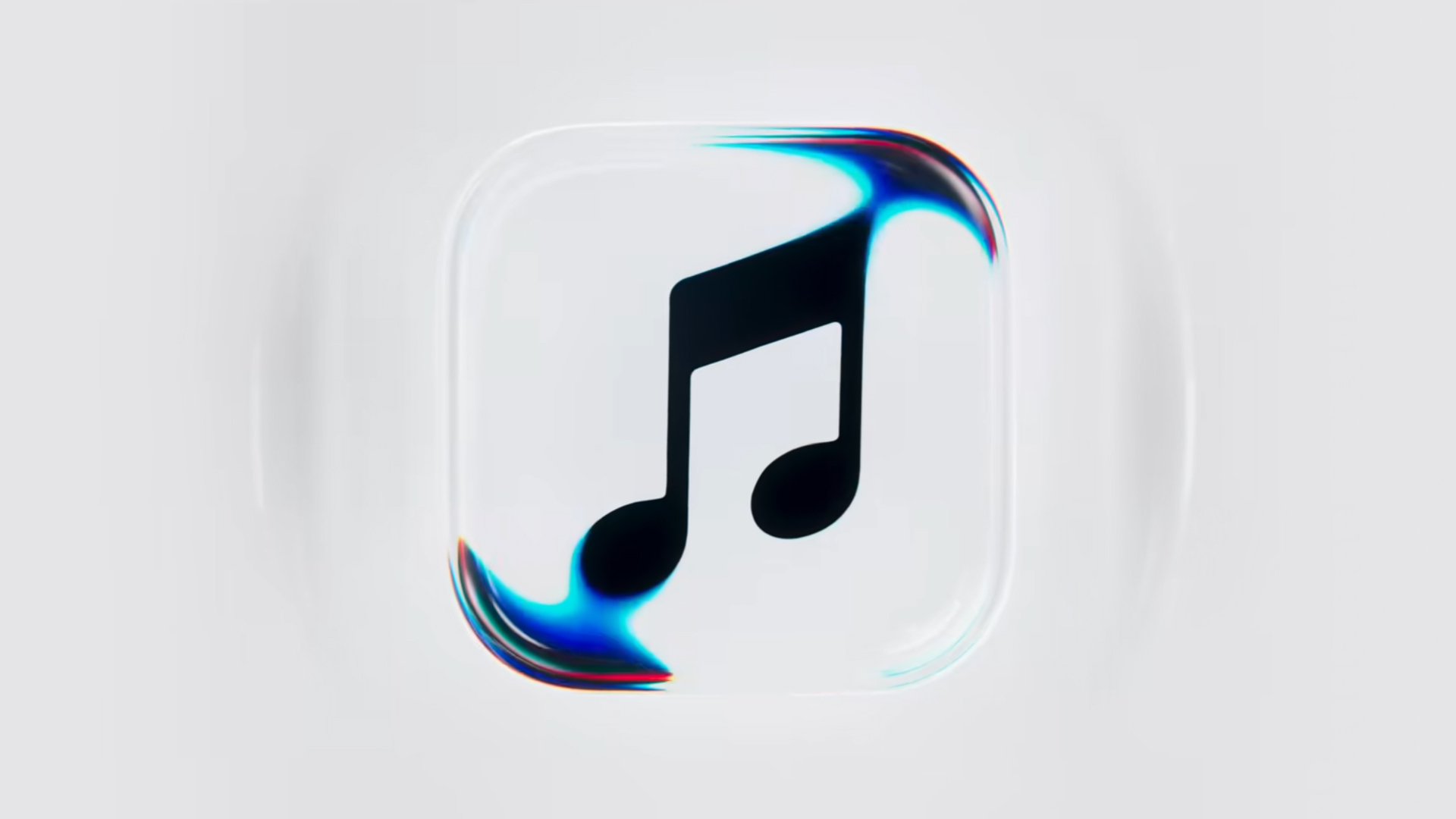
In the midst of all the hubbub surrounding the iPhone Duo, Apple released a change in the visual identity of Apple Music. Rather than a static logo, the platform’s newest evolution offers a dynamic look that melds Liquid Glass and the power of sound together.
Confirmed through a behind-the-scenes video, Apple says that the new aesthetic was made with practical effects. Music producer Fred Again and NEST Acoustics submerged the platform’s logo in a tank of mineral oil and creating ripples with sound. The new language matches well with the chrome aesthetic typical of today’s trends and… well, Liquid Glass, of course.
Apple says that the more ripple-filled version will play before longer content like concert recordings (similar to Netflix’s startup stinger). Meanwhile, a black-and-white version will replace the app’s icon currently colored red and white. Current previews show off a simple logo, but it’s unknown whether Apple is adding a but more elements when the final version drops.
The updated version will debut for users after next week’s iOS 27.2 and macOS 27.2 updates.
SEE ALSO: Apple iPhone Duo Unboxing and Hands-on
Apps
Disney+ strengthens footing as go-to sports streaming app with UFC, NBA, more
ESPN on Disney+ brands itself as ‘new home ground for sports’


Disney+ is strengthening its footing as a go-to sports streaming app as ESPN on Disney+ is now available in the Philippines, one of its markets with a huge sports-loving fanbase.
The launch coincides with a brand new campaign, “Ito ang Homecourt Mo!” (This is your homecourt!), welcoming Filipino fans to a new home ground for games, stories, and moments.
Subscribers can access live events, on-demand replays, studio shows, documentaries and original programming together in one dedicated destination through ESPN on Disney+.
Production and coverage will be led by ESPN, delivering high-quality broadcasts, commentary and expert analysis across the sports season where available, alongside Disney+ general entertainment and family programming.
Following last season’s success, NBA returns to ESPN on Disney+ with matchups during NBA Tip-Off Week.
Christmas Day games will also be available to stream, including the NBA Finals rematch between the New York Knicks and San Antonio Spurs and the Philadelphia 76ers versus the Los Angeles Lakers.
Playoff games through the conference finals shall also be streamed live and on demand.
Meanwhile, the UFC is among some of the new regular sports programs Filipinos can watch on Disney+.
The action kicks off at UFC 333 in Abu Dhabi scheduled on October 25, where two world championship titles are expected to be on the line: UFC featherweight champion Alexander Volkanovski takes on undefeated No. 1-ranked contender Movsar Evloev, and UFC bantamweight champion Petr Yan defends against former champion and No. 1-ranked Merab Dvalishvili.
Alongside live UFC numbered events and UFC Fight Nights, fans will have access to a library of classic fights and curated UFC content.
There will also be the original and and behind-the-scenes programming, including UFC Countdown, UFC Connected, UFC Main Event, UFC Fight Flashback, UFC Reloaded, and ROAD TO UFC.
A new home ground for sports
Other notable sports programming will include the Formula E 2026/27 season, with practice, qualifying and main races across 21 rounds in 13 host cities.
Also available on Disney+ are NCAA events, including March Madness, and Australia’s National Basketball League (NBL), with all games live across the regular season and championship series.
ESPN’s popular 30 for 30 documentaries will continue to be available on the platform. The line-up also features ESPN studio shows, including ESPN FC and Pardon the Interruption.
Apps
GrabCar Group Ride now splits the fare automatically
Passengers stand to save up to 50% compared with booking a solo ride
GrabCar Group Ride now splits the fare automatically among passengers, making it simpler to book such ride types.
Each rider can save up to 50% on fare as well when using a group ride, compared with booking a solo ride.
The ride type lets the ride host and up to two friends share one GrabCar, with up to three drop-off points along the way. The more people join, the more affordable the ride becomes for everyone.
Regular ride buddies can also be saved as a group, together with frequent pickup and drop-off pins. This way, repeat bookings take just a few taps.
Such a system is ideal for officemates headed the same way or friends coming home from a night out, as well as plenty of other scenarios.
To book a Group Ride, follow these steps:
- Open the Grab app, tap GrabCar, then select Group Ride
- Enter your pickup point and drop-off
- Share the invite link with up to two friends
- Your friends can add their own drop-off points
- Confirm the booking to split the fare automatically
The GrabCar Group Ride feature is now available in all GrabCar cities nationwide.
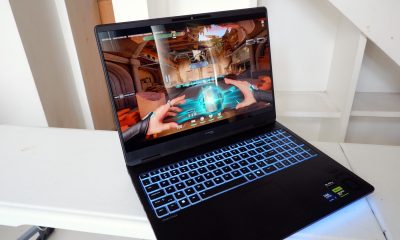

HP OMEN Max 16 review: Gamer-maxxing in deep black
Peripherals deemed necessary to max this out
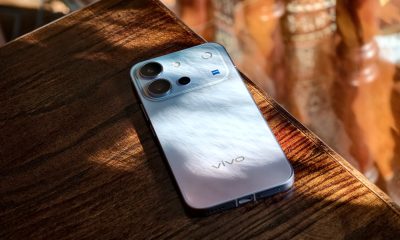

vivo V80 review: Good phone, tough sell
A capable travel companion


Ghost of Yōtei Complete Edition review: More of a great thing
Picking up where Atsu left off

Visa: 79% of Filipinos want to learn about stablecoins

CASETiFY Match: Finding the right case for your Galaxy Z8 Series phone
HP OMEN Max 16 review: Gamer-maxxing in deep black

Google illegally destroys 250,000 trees for a single AI data center

FINAL FANTASY RESONANCE now available across major platforms

TECNO CAMON Slim 5G review: Slim on size, big on surprise

TECNO CAMON Slim 5G: Price, availability in the Philippines

HONOR Magic9 Pro Max launches in China with ARRI-powered imaging

BYD says that way better EV batteries are coming next year

HONOR 600S review


-
 News1 week ago
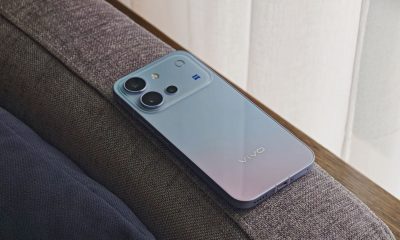
vivo V80 debuts with ZEISS cameras
-
 Philippines1 week ago
TECNO CAMON Slim 5G gets launch discounts, free MagBadge
-
 News1 week ago
Samsung: Galaxy Z Fold8 demand rose because of iPhone Duo
-
Reviews1 week ago
vivo V80 review: Good phone, tough sell
-
 Features2 weeks ago
I don’t want a phone that unfolds — the Galaxy Z Fold8 gets why
-
 News5 days ago
OPPO Find X10 Series: Price, availability in the Philippines
-
 Philippines1 week ago
Smart opens iPhone Duo pre-orders today
-
 Buyer's Guide1 week ago
iPhone Duo Philippines: Prices, installments, and where to buy