
News
Honor announces Honor 9X Pro and View 30 Pro globally
MWC cancellation couldn’t hinder Honor’s plan


Huawei’s sub-brand Honor, through a virtual conference in Barcelona, expanded its Internet of Things (IoT) portfolio and announced the Honor 9X Pro and Honor View 30 Pro. Due to the U.S. ban, Honor is also relying on Huawei Mobile Services to replace Google apps.
Honor 9X Pro
The Honor 9X Pro has a 6.59-inch Honor FullView display. Powering the phone is a Kirin 810 chipset and a Mali G52 GPU. For extended gaming, the phone also houses a liquid cooling system. On the rear is a 48-megapixel primary camera, followed an 8-megapixel wide-angle lens and a 2-megapixel depth sensor. Backing the phone is a 4000mAh battery.
It will be available in France, Germany, the Netherlands, Egypt, the Kingdom of Saudi Arabia and Malaysia, starting March 2020, with a starting price of EUR 249.
Honor View 30 Pro
The Honor View 30 Pro is the first 5G phone from Honor and features a Matrix camera for improved photography. Among the main features of the phone is the device’s Kirin 990 chipset which Honor claims will help the phone deliver an industry-leading 5G experience.
The phone comes with a triple camera setup on the rear that consists of a 40-megapixel Sony IMX600 primary camera, a 12-megapixel wide-angle lens, and an 8-megapixel telephoto sensor. It has a 4100mAh battery that supports 40W fast charging. The company hasn’t confirmed market availability, price, or release date yet.
Through the Huawei AppGallery, the phones have access to a number of new features including a new app store. The company is actively trying to reduce its dependence on Google’s services and is also working on its own operating system — Harmony OS.





Gaming
Xbox saves Kojima’s PHYSINT after PlayStation drops support
PlayStation says the separation was mutual, but Kojima hints otherwise.


Things aren’t going well in the PlayStation camp. After two months of frankly questionable decisions, the company adds another to the pile by dropping support for Hideo Kojima’s PHYSINT.
For a while now, Kojima and PlayStation were in a very productive relationship with the Death Stranding duology, a critically acclaimed collection of titles for the platform. When things looked like they were going well, Kojima announced PHYSINT, an espionage-themed game which reminded fans way too much of Metal Gear Solid.
If you were investing in a PlayStation 5 to play Kojima’s latest thriller, you might want to move your chips elsewhere now. PlayStation has just dropped support for the espionage game, meaning PHYSINT will no longer be a first-party title for the platform.
Though PlayStation claims that the decision came after “careful consideration,” Kojima himself has said that the move was “unexpected,” going against PlayStation’s assurance of a mutual separation.
Very quickly, Xbox has announced that their platform will support PHYSINT instead. It’s a big get for the competing brand because Xbox Game Studios is already supporting OD, Kojima’s other upcoming horror project starring Sophia Lillis.
Unfortunately, it’s difficult to say more. As is tradition, Kojima will not explain much more about his upcoming titles. In fact, OD’s trailer barely says anything. One thing’s for sure, though: we’re all in for quite a ride.
Entertainment
PH to celebrate 1st ever National Cinema Day; movies start at less than $2
Watch a movie on September 12 for a fraction of the cost


The Philippines will be celebrating its first ever National Cinema Day on September 12. On this day, movie tickets will go for as low as PhP 100 (US$ 1.60) at regular 2D cinemas.
The campaign aims to make moviegoing more accessible to audiences. This includes families, friends, students, and cinephiles in general.
Such initiative has been a staple in other countries, like the United States, United Kingdom, Spain, Germany, Australia, New Zealand, and more. The same concept applies, with movie tickets going on sale for a lot less.
What’s great about the celebration is that all movies scheduled for exhibition on September 12, whether local or international, shall get the special admission price.
Advanced tickets sales have already begun. Customers can purchase through participating box offices, official websites, mobile apps, and authorized platforms.
Tickets will be sold on a first-come, first-served basis and remain subject to theater capacity. Prices vary for other viewing formats like Director’s Club or IMAX, for instance.
The campaign is organized by the Cinema Exhibitors Association of the Philippines (CEAP), along with industry and government partners.
The initiative is supported by the Film Academy of the Philippines (FAP), Film Development Council of the Philippines (FDCP), Movie and Television Review and Classification Board (MTRCB), and the Metro Manila Film Festival through the MMDA.
Participating cinemas include Ayala Malls Cinemas, SM Cinemas, Robinsons Movieworld, CityMall Cinema, Megaworld Cinemas, and more.
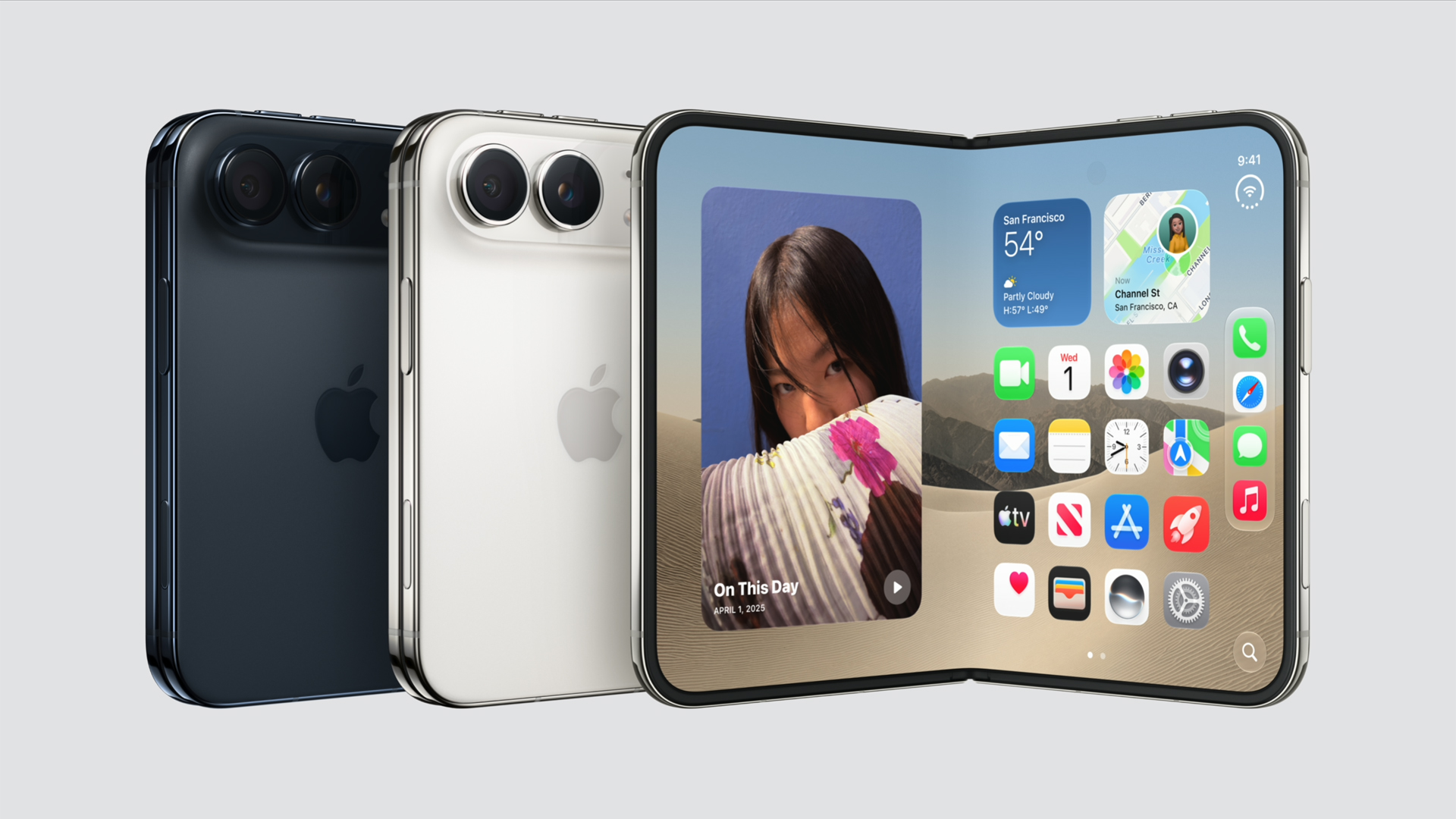
Apple has officially entered the foldable smartphone market with the iPhone Duo, its first foldable iPhone. It uses a passport-style design that opens into a larger display while retaining a more conventional smartphone experience when folded.
Price and availability
The iPhone Duo starts at PhP 159,990 in the Philippines for the 256GB model as listed on the Apple website.
Here’s the full local pricing:
- 256GB — PhP 159,990
- 512GB — PhP 175,990
- 1TB — PhP 207,990
- 2TB — PhP 254,990
The iPhone Duo comes in Star White and Night Sky.
Actual availability in the Philippines has yet to be officially announced.
A foldable design with two displays
The iPhone Duo has a 5.4-inch outer display when folded and expands to a 7.6-inch main display when opened. Both orientations use the same aspect ratio, allowing iOS to transition between them seamlessly.
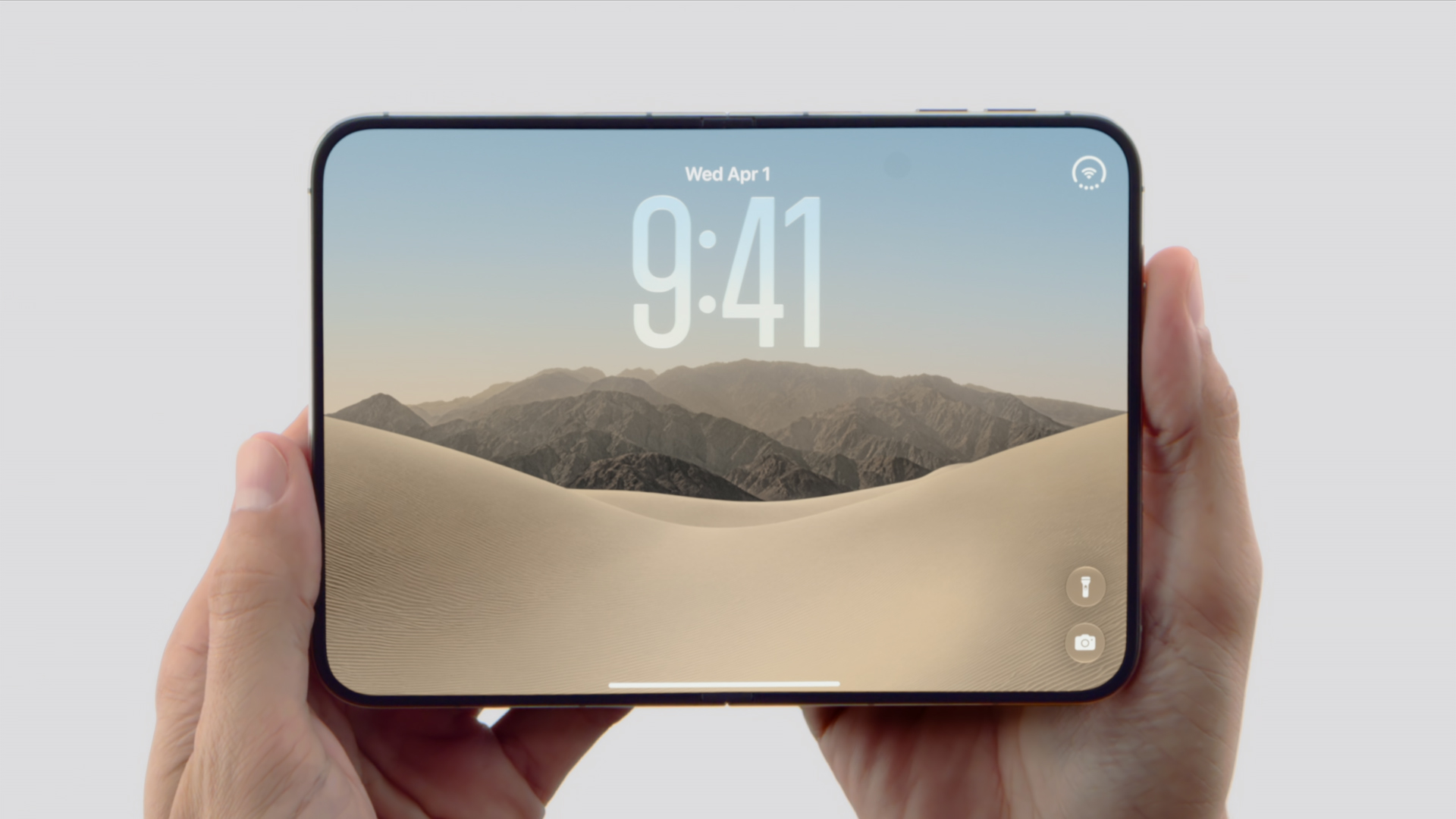
The rear chassis uses Ceramic Shield, while the front display gets Ceramic Shield 2. The device is also IP68-rated for dust and water resistance.
Its hinge uses carbon fiber supports and magnets that produce an audible click when the phone is folded.
A20 Pro brings flagship performance
The iPhone Duo is powered by the A20 Pro, the same chip found in the iPhone 18 Pro series. Apple says the chip delivers 35 percent better sustained performance than the iPhone 17 Pro.
It also comes with the new C2 cellular modem, which provides up to 50 percent faster uploads. Like other foldables, the Duo can be used in different configurations, including tent mode and a partially folded book-like position.
48-megapixel camera system
The iPhone Duo gets a 48-megapixel Fusion Main camera alongside a 12-megapixel 2x telephoto camera.
For selfies and video calls, it has a 12-megapixel Center Stage camera. The inner display also uses an under-screen camera for a cleaner look.
Battery life goes beyond a day
The iPhone Duo offers up to 31 hours of video playback using the inner display and up to 44 hours using the outer display.
Charging is also quick. Apple says a 20-minute charge can replenish half the battery, while a five-minute charge can provide up to five hours of video playback.
For the complete specifications and first-look details, check out our main iPhone Duo launch coverage.


Marvel’s Wolverine review: When the claws come out
A brutal, cinematic superhero adventure

Setting your bedsheets ablaze with the Lovense Solace Pro
The closest proxy I could find where I'm guilty as sin


Now Playing: Elden Ring Tarnished Edition
Is the Switch 2 port worth the price?

First Look: Apple iPhone Duo

Xbox saves Kojima’s PHYSINT after PlayStation drops support
Marvel’s Wolverine review: When the claws come out

PH to celebrate 1st ever National Cinema Day; movies start at less than $2

New AGON gaming monitor features up to 1000Hz refresh rate

TECNO MEGAPAD 2 review: Eyes on the size

realme 16T 5G with 8000mAh battery, IP69 Pro rating launches in PH

HUAWEI Pura X View is 2026’s first WIDE slab-type smartphone

REDMI Note 17 Series focuses on long-term reliability

REDMI reveals the refreshed Note 17 and Note 17 Pro series


-
 News2 weeks ago
realme 16T 5G with 8000mAh battery, IP69 Pro rating launches in PH
-
 News4 days ago
HUAWEI Pura X View is 2026’s first WIDE slab-type smartphone
-
 Cameras1 week ago
DJI Osmo 360 II review: Going all-in on the ecosystem
-

 News5 days ago
The CAMON Slim 5G is TECNO’s latest ultra-slim smartphone
-

 Features2 weeks ago
The designated photographer’s new favorite phone: OPPO Reno16 Series 5G
-

 IFA 20261 week ago
TECNO MEGABOOK T15 360 unveiled at IFA 2026
-

 Gaming1 week ago
NBA 2K27 review: A two-way All-Star
-
 Reviews2 weeks ago
Samsung Galaxy Z Fold8 Ultra review: It’s time to get a foldable