
News
Honor View 20 will come in special edition Moschino models
Merging fashion and tech


Honor’s newest smartphone has just been announced in Paris. Amid the many fun tech announcements that have come up, one thing stood out to me: Honor collaborated with Italian fashion brand Moschino for special versions of their newly released View 20.

These special edition phones feature two iconic Moschino designs: the double question mark and the cute Moschino teddy bear. According to Moschino CEO Gabriele Maggio who was on stage at the Honor event, the double question mark symbolizes “seeing the unseen,” with one question mark representative of “looking at the future as an opportunity” and the other as living in the present with happiness. The familiar Moschino bear, he explains, is symbolic of happiness and a joyful approach to life.
Moschino, Maggio explains, has always created fashionable pieces that envision an “aspirational style with unique creativity and humor.” Since bringing on American fashion designer Jeremy Scott and his contemporary approach, Moschino has targeted this new tech-forward generation. Maggio characterizes them as those who “can see the reality and future in a different way… a colorful, digital generation,” the same users Honor attracts. This was the starting point for the partnership.

These co-designed phones add two more eye-catching colors to the View 20 roster, in addition to the Midnight Black and Sapphire Blue versions. The Moschino co-designed Phantom Blue and Phantom Red devices are slightly more powerful than the normal versions with 8GB of memory and 256GB of storage capacity, and cost more at EUR 649.

These phones also come with the cutest Moschino cases, ever. (Obviously, I want them bad.)
Together with the normal Honor View 20 versions, these are on sale starting today in select regions which include France, United Kingdom, Germany, Spain, Italy, Finland, Czech Republic, Poland, Russia, Malaysia, India, United Arab Emirates, and Saudi Arabia.






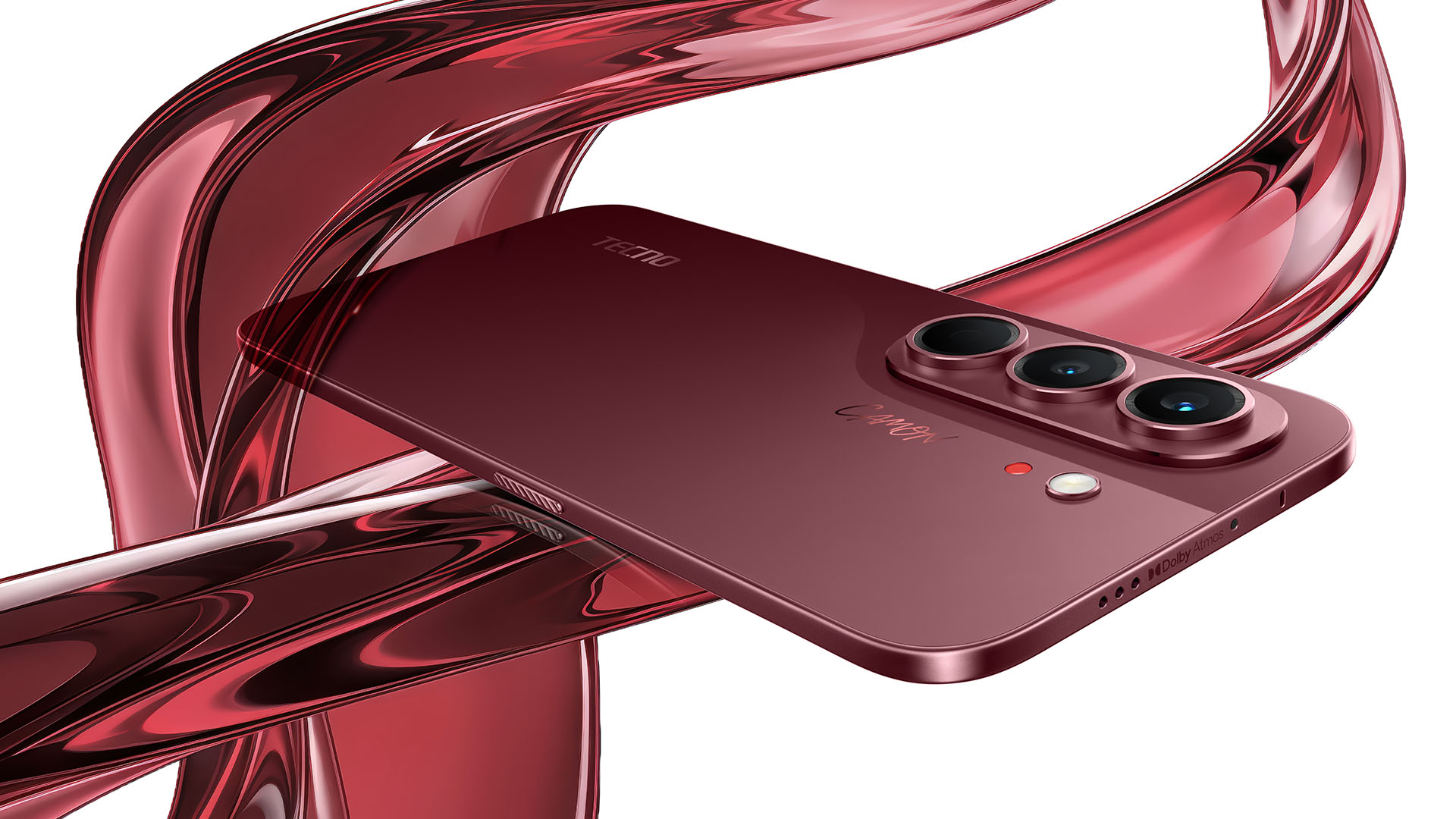
TECNO has been focused on making super-slender smartphones for the masses.
Their first “Slim” phones made their debut with the SPARK and POVA series. This time, it has also arrived towards the CAMON line.
Same slimness but with differences
The TECNO CAMON Slim was announced not too long ago. ICYMI, it’s rocking a MediaTek Helio G200 Ultimate SoC. That also meant that this phone is limited to 4G.
That’s about to change with the newer TECNO CAMON Slim 5G.
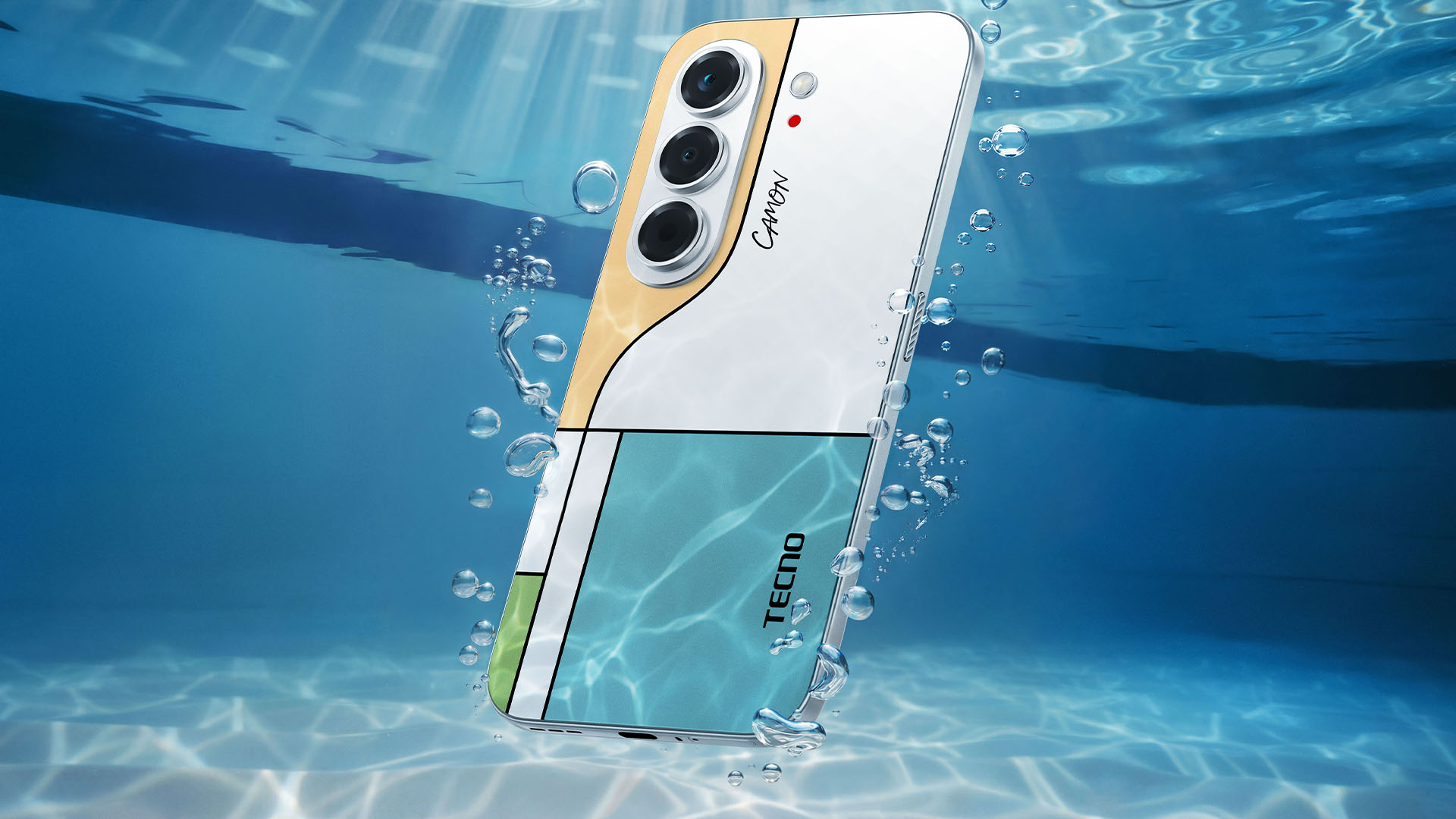
Despite the same slim chassis at 6.39mm, they changed the core to MediaTek’s Dimensity 7300e chipset. This enables faster 5G speeds in a more powerful octa-core processor.
Definitely, the battery of the CAMON Slim 5G is quite bigger at 6000mAh over the 5600mAh. Albeit, charging speed is slower at 45W versus 60W of its 4G counterpart.
Utmost durability was also given importance with its quadruple IP66, IP68, IP69, and IP69K water and dust resistance ratings. It has passed military-grade MIL-810-STD certifications as well as a TÜV SÜD certification for 60 months of sustained fluidity.
Back-to-back changes
The changes don’t end just with internals alone.
While both share the same 6.78-inch 1.5K 144Hz AMOLED screen, the CAMON Slim 5G possesses a flat display over the curved ones of the regular CAMON Slim.
Other display feats remain such as TÜV Rheinland’s low blue light certification, as well as Rain Touch, Waterproof Case Touch, and even Wet & Oily Hand Touch Recognition 2.0 Rain Touch that boosts touch sensitivity even under watery conditions.
Flipping to the back, you’ll see the biggest change.
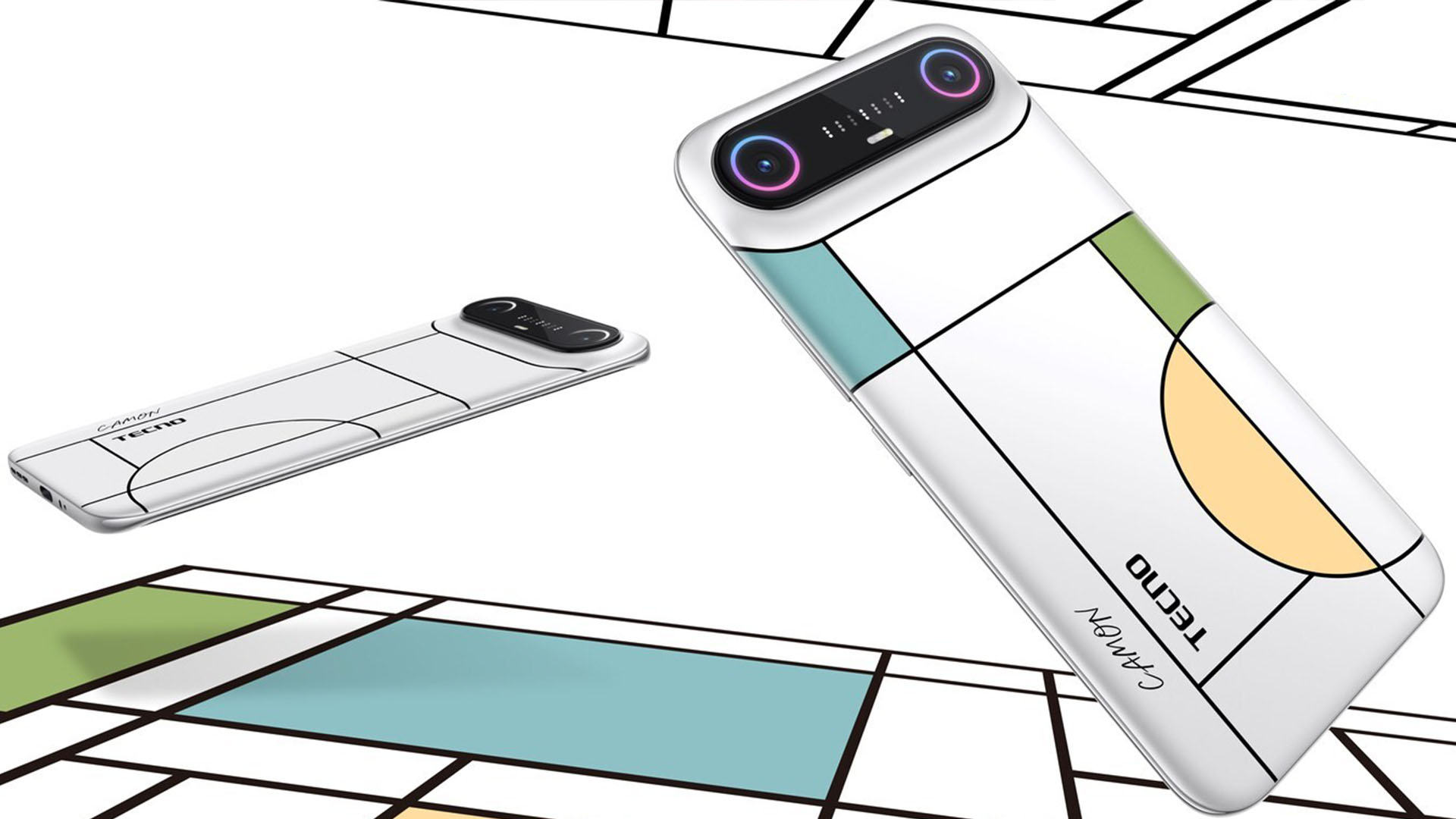
TECNO CAMON Slim 4G
The fun-looking camera bar with its AI Mood Light was removed in favor of a vertical-styled camera placement together with the iconic swan-neck curve design like the rest of the CAMON 50 line.
The reason? TECNO CAMON Slim 5G features a better 1x main camera courtesy of Sony’s LYTIA 700C Ultra (LYT-700C) 1/1.56-inch sensor. The CAMON Slim 4G relies on a smaller 1/2-inch Sony LYT-600 Ultra shooter.
For context, the better camera module was used in a lot of recent midrange and flagship phones — including the latest TECNO CAMON 50 Ultra.

Multi-focal length portraits are supported at 24mm, 35mm, and 50mm. Speaking of Super-Zoom FlashSnap is also supported for those fast-filled action shots.
Selfie cameras of both phones are capped at 32MP.
Colors are similar yet different as well. Retained are the special Neo Mondrian and Van Gogh Blue colorways.

There’s also the hero Burgundy Red shade along with Rebel Pink and Matisse Black shades.
The CAMON Slim 5G runs the latest HiOS 16 based on Android 16 with all the latest AI Tools that TECNO has to offer. The brand is also promising five years of security updates and three major Android OS upgrades.
Pricing and Availability
TECNO did not release any specific pricing for the CAMON Slim 5G. However, they say the phone is rolling out across various markets with local pricing yet to be announced.
In select markets, prospective buyers can also receive a 3-month trial of Google AI Plus’ 2TB subscription plan at no extra charge.
Gaming
Civilization VII is finally adding a fourth Age
Plus, an upcoming paid expansion will introduce space-themed gameplay.


I’m not ashamed to admit that I had fun with Civilization VII. Despite spanning seven generations already, the 4X game series is now going through a rough patch with the current entry, riddled as it is with lackluster reviews. Again, I had fun with it, but I can see that it’s still lacking in some respects. Next year, Civilization VII is finally plugging in some of those gaps with a free update and a paid expansion.
Coming in 2027, the upcoming “Arc of Tomorrow” will introduce something that every fan is wishing for: a fourth Age. Currently, the game has three playable Ages: Antiquity, Exploration, and Modern, spanning from ancient prehistory to the 1950s. Now, the Atomic Age will span from the 1950s to the 2050s.
As the name implies, the Atomic Age will introduce the nuclear arms race, pitting nations against each other in a race to disarm or escalate the accumulation of nuclear warheads. The update also teases a “fun twist on mutually assured destruction.” Likewise, new Civs, leaders, and units are coming. Oh, and series favorite Gandhi is coming back with the nukes.
Then, adding a bit more mystery into the future of the series, the upcoming paid expansion, Earthrise, will introduce astronomy and spacefaring as mechanics. Starting from the early Ages, players can ponder the stars and discover space-themed mechanics to help conquer the world. The Modern Age will then have the standard operations to the Moon. Finally, the Atomic Age will have players engage in interplanetary missions to get new resources and help life back on Earth.
Love the game or not, Civilization VII is proving that it is a dynamic game still pushing for perfection. There’s hope that this upcoming update will be a state of completion that everyone is happy with.


Select ASUS and ROG laptops now come with three months of Google AI Pro or Google AI Plus at no extra cost. The offer starts September 7 and covers eligible models from the 2025, 2026, and upcoming 2027 lineups.
Google AI Pro includes 5TB of cloud storage, while Google AI Plus comes with 400GB. Both plans also provide access to a range of Google’s AI-powered tools and features.
More Google AI on ASUS laptops
Eligible customers can use the Google Gemini app, Deep Research, Google Flow, Gemini in Google apps, and Gemini Notebook, among other features. Availability varies depending on the Google AI plan and supported features.
Google AI Pro offers higher usage limits and expanded access to Google’s more capable Gemini models. It also includes additional developer and agentic tools such as Google Antigravity, Jules, and AI Studio, subject to availability and plan terms.
Google AI Plus provides elevated access to Google’s AI tools alongside features for creative generation and productivity.
The offer covers more than just AI features. Google AI Pro’s 5TB of cloud storage and Google AI Plus’ 400GB give users additional space for documents, photos, videos, research, and other projects.
Available across select ASUS models
The one-year program starts September 7 and applies to selected ASUS and ROG laptops in supported markets. Eligible models span the ROG, TUF Gaming, ProArt, Zenbook, and Vivobook families, including select 2025 and 2026 models and upcoming 2027 devices.
Customers can redeem the offer exclusively through the MyASUS app. ASUS has published the full list of eligible models and the offer’s terms and conditions on its website.
Check the full list of eligible ASUS laptops
ASUS is also running its No. 1 Quality, School-Ready Deals promotion until September 15, 2026. The promo offers additional deals for students, gamers, and professionals buying select ASUS and ROG devices.
The company’s No. 1 Quality and Service package also includes up to three years of international and local warranty, service access across more than 90 countries, and over 100 ASUS Service Centers and Drop-Off Points in the Philippines. Eligible laptops also come with one year of Local Accidental Damage Protection and up to six free device cleaning claims.





How Samsung folds the Galaxy into people’s lives

The CAMON Slim 5G is TECNO’s latest ultra-slim smartphone

Civilization VII is finally adding a fourth Age

ASUS laptops now come with three months of Google AI

GUNDAM ROGUE ORBIT launches in March 2027

TECNO MEGAPAD 2 review: Eyes on the size

realme 16T 5G with 8000mAh battery, IP69 Pro rating launches in PH

REDMI Note 17 Series focuses on long-term reliability

realme 16T to come with 8,000mAh battery, 7-year battery health guarantee

HUAWEI Pura X View is 2026’s first WIDE slab-type smartphone


-
 News1 week ago
realme 16T 5G with 8000mAh battery, IP69 Pro rating launches in PH
-

 Singapore2 weeks ago
REDMI Note 17 Series: Price, availability in Singapore
-

 News2 weeks ago
REDMI reveals the refreshed Note 17 and Note 17 Pro series
-

 Cameras2 weeks ago
Insta360 Luna Ultra review: My new solo coverage camera
-

 Reviews2 weeks ago
REDMI Note 17 Pro review: What a rollercoaster ride!
-

 News2 weeks ago
HONOR Magic V6: Price, availability in the Philippines
-

 Features1 week ago
The designated photographer’s new favorite phone: OPPO Reno16 Series 5G
-
 Cameras5 days ago
DJI Osmo 360 II review: Going all-in on the ecosystem