
Computers
Intel announces 11th-Gen chips with new company branding
Directly competes with AMD Ryzen series

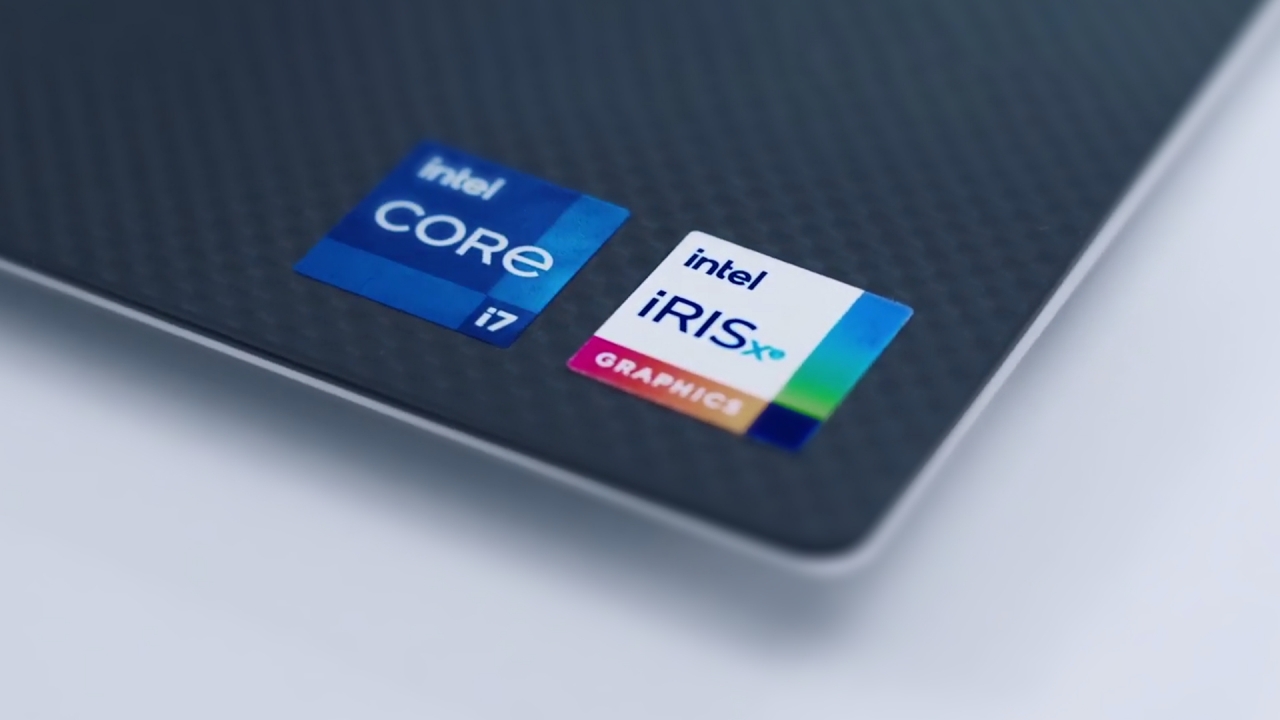
Intel has finally announced their newest 11th-gen chipsets that directly rival AMD’s powerful yet inexpensive Ryzen series. Though these aren’t the new 7nm processors that are rumored to come as late as 2022, these are still new chips based on their 10nm SuperFin process technology.
Other than the annual chipset announcement, Intel also announces a major rebrand after almost a decade — all before Apple ditches Intel with their first in-house ARM-based Apple Silicon chipset that will run on the new MacBook by the end of 2020.
New branding
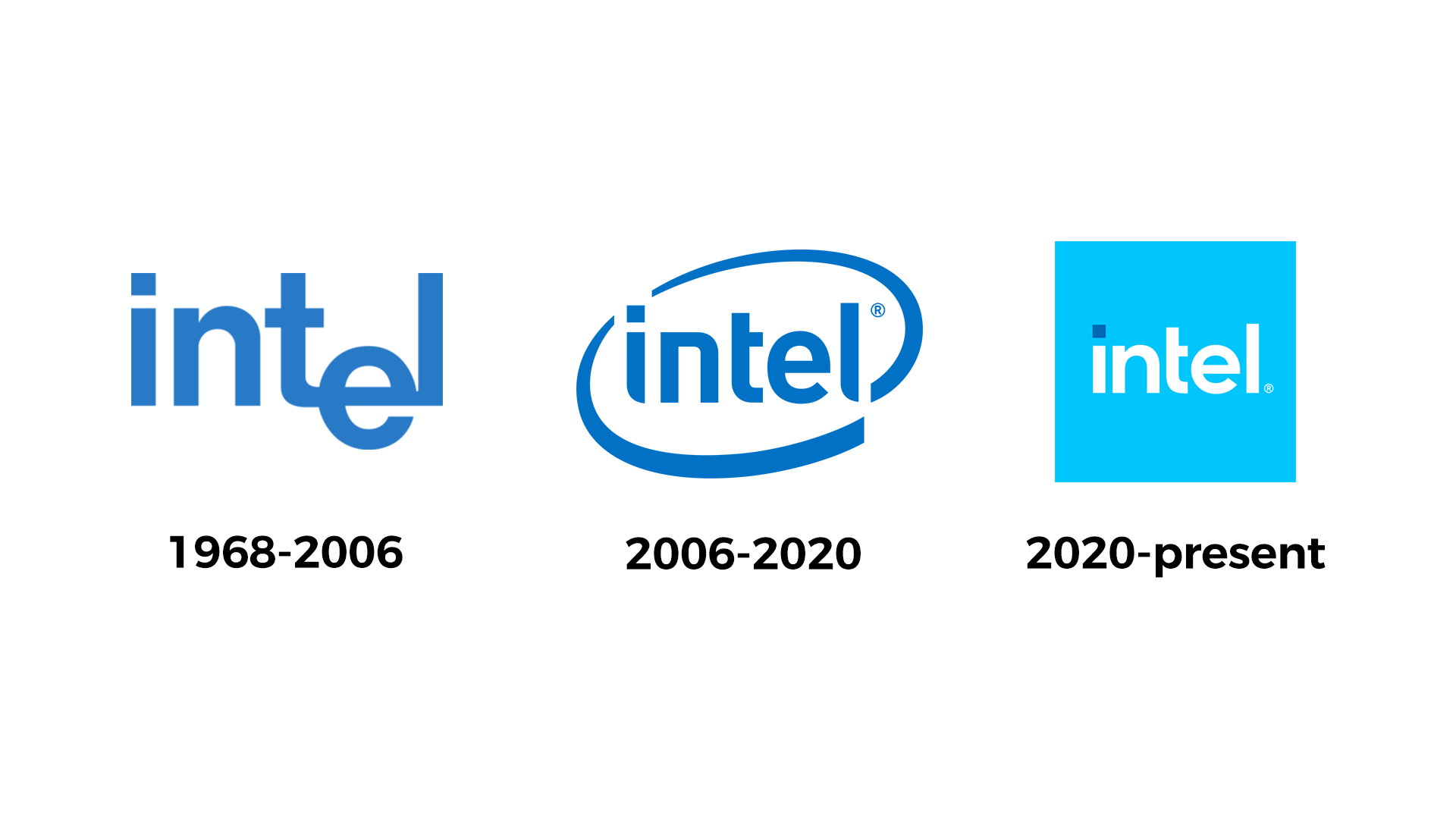
Image by GadgetMatch
For half a century, Intel has undergone three major logo overhauls. The oldest logo was used for 38 years while the post-millennium logo was utilized for just 14 years. In this new decade, they decided to re-do their logo. Just like any other manufacturer, the COVID-19 pandemic isn’t stopping them from doing a major rebrand.
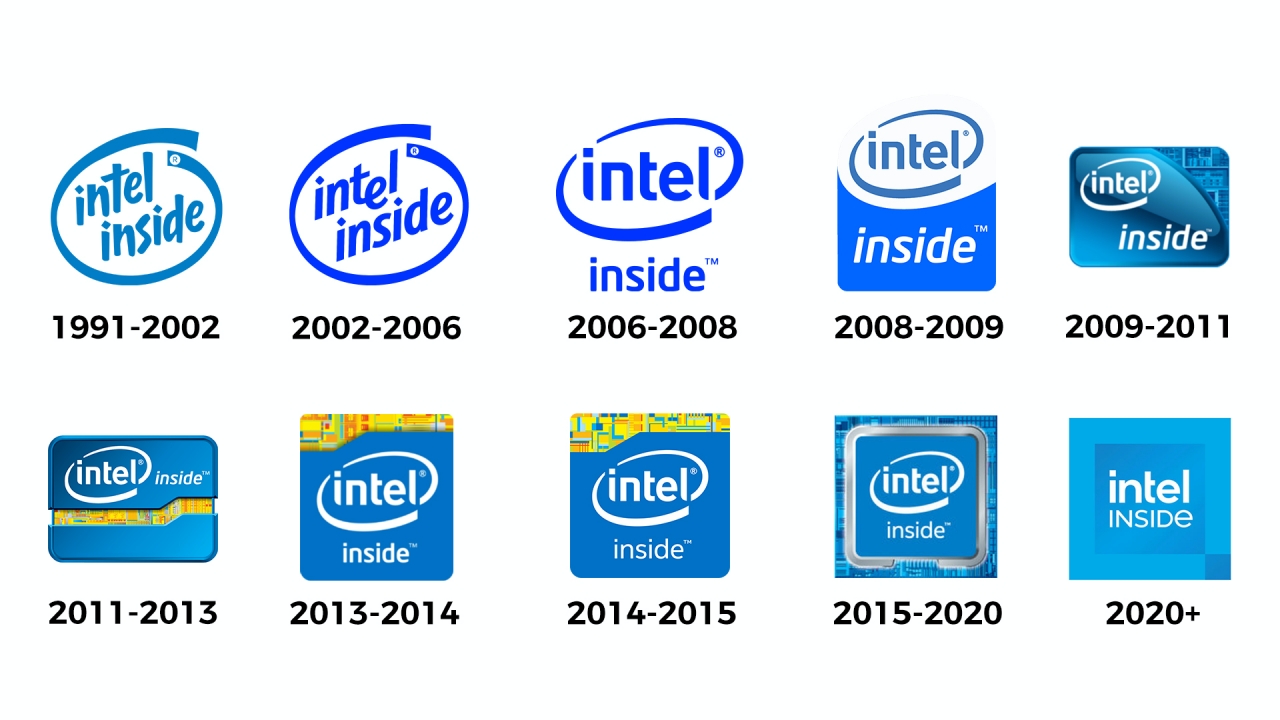
Image by GadgetMatch
Alongside the company logo, they also did several iterations of the “Intel Inside” campaign that was launched in 1991. The new logo leans more into a flat, minimalist style — a trend you can see among company logos nowadays.

Image by GadgetMatch
While the new branding may not be totally flat because of the gradient styling, it’s still a major rebrand that changes the overall look of their chipset lineup in contrast to the older generation that heavily relied on images of system internals and silver gradient combinations that imitate the metallic texture of processors.
New chipset lineup

As expected, Intel has revealed their latest Intel chipset lineup. It uses Willow Cove cores with a maximum speed of up to 4.8GHz (faster than last year’s 3.8GHz) but still at 4-cores and 8-threads. Future motherboards can support up to two 64GB of DDR4 RAM on PC rigs, while four 32GB LPDDR4x RAM on portable machines.
The new Tiger Lake architecture equips the 11th-gen chipsets with the next-gen Wi-Fi 6 standard for faster internet/wireless transfer speeds. The PCI Express 4.0 support will also be able to handle the latest SSDs and discrete graphics cards with low latency and higher bandwidth.

For video editors and content creators, the new chipset has a Thunderbolt 4 support that can plug one 8K/60Hz display or up to four 4K/60Hz displays altogether. It will also be able to read 4K/90p videos and up to 42-megapixels of still image. The new Thunderbolt standard can also reach 32GB/s of transfers and faster charging in higher voltages through Power Delivery.
There’s also an integrated AI-based engine that reads tasks faster such as image and text processing or video playback.
New (real) integrated graphics

As said earlier, Intel is directly hitting AMD with their new line of chips. A diagram shows that everything’s faster with the latest 11th-gen Core i7 chipset — that’s in comparison with AMD’s latest Ryzen 7 4th Gen. A significant boost can be seen when running Office apps and Adobe apps. It also shows that there are improvements while browsing and downloading files.

With Intel’s Iris Xe graphics integrated into the new-gen Core chipsets, 1080p Full HD gaming will be more accessible. Mainstream games such as Valorant, League of Legends (LoL), Dota2, CS:GO can be played over 100 frames per second (fps) .
Moreover, graphics-intensive games such as Grand Theft Auto (GTA) V, Overwatch, Fortnite, PUBG, and other titles can run around 40-60fps depending on game settings and processor power. Playing these titles usually require dedicated graphics card such as NVIDIA’s GeForce and AMD’s Radeon series.
The new integrated graphics will also be able to read 4K HDR10 and Dolby Vision-certified videos with minimal power consumption.
New platform

Evo is Intel’s new platform that can fit in upcoming thin and light ultrabooks without compromising their overall performance. With the new chips’ improved power-efficiency, you can expect no less than nine hours of use with Full HD displays. 40% responsiveness will also be present via Instant Wake.
Cuts in cords doesn’t mean you will be less connected. The platform will also support Thunderbolt 4 through USB-C ports and Wi-Fi 6 for consistent internet and data transmission.
Machines that will run this platform will feature either an 11th-Gen Core i5 or i7 chipset coupled with Iris Xe graphics. That’s a better alternative for bulky gaming laptops that are equipped with thick dedicated graphics cards.
New machines
Intel’s 11th-generation chipsets are expected to be shipped by the end of 2020 alongside brands like Acer, Asus, Dell, HP, Lenovo, MSI, Razer, Samsung, and many more in the list. Sourced from a tweet, there will be 50 new machines that will run Intel’s latest chipset family — including 20 devices that run the Evo platform.
It is expected to run most (if not all) Windows 10 laptops in the coming months and years plus several ChromeOS-based Chromebooks as well.





Computers
ASUS, ROG announce 2026 desktops, AiO availabilities in PH
For gaming, heavy workloads, modern setups


ASUS and ROG have announced the availabilities of their latest 2026 desktops and all-in-one (AiO) PCs in the Philippines.
Headlining the lineup is the ASUS V600 All-in-One PC, the latest addition to the AiO series. It has a sleek aesthetic and is powered by up to an AMD Ryzen AI 5 330 processor, capable of handling demanding workloads with ease.
This processor is paired with AMD Radeon 820M graphics, up to 16GB DDR5 memory, and up to 512GB SSD storage.
The V600 has a 23.8-inch FHD IPS 178-degree view display with a wide 93% screen-to-body ratio, anti-glare coating, and is certified for eye comfort.
The 50 TOPs NPU PC is also part of the Copilot+ family, making it efficient for AI computing tasks. Other features include ASUS AI Noise-Cancelling and Adaptive Lock.
Price: PhP 56,995
ASUS V500 Mini Tower
Meanwhile, the ASUS V500 Mini Tower is crafted to blend modern workspaces while delivering dependable performance.
It touts up to an Intel Core 7 240H processor and comes in a Dark Wood color. It operates at as low as 24dB in whisper mode.
An addition, it features up to 80 PLUS Platinum-certified PSU, reducing heat generation and eliminating power-consumption concerns. The PC has support for up to 64GB DDR5 RAM and up to 512GB of SSD storage.
Price: Starts at PhP 41,995
ASUS TUF Gaming TM500
Moreover, the ASUS TUF Gaming TM500 is a compact gaming desktop that delivers power and efficiency in a streamlined form factor.
It is fueled by an AMD Ryzen 7 260 processor, reaching a maximum boost speed of 5.1GHz. Along with up to an NVIDIA GeForce RTX 5060 GPU, users can experience seamless gameplay.
The PC comes with 16GB DDR5 memory, and two more SO-DIMM slots to support up to 64GB of memory. This allows the machine to breeze through memory-heavy workloads, outside of the most demanding AAA titles.
Complementing these hardware is a custom heatsink with 1,218cm2 of total dissipation area, copper heat piping, and 90 mm cooling fan.
Price: Starts at PhP 76,995
ROG GM700
Lastly, the ROG GM700 features the undisputed power and beastly performance of the AMD Ryzen 7 9800X3D processor and AMD Radeon RX 9070 XT GPU.
With up to 32GB of memory, the PC can process jaw-dropping visuals at ultra-fast speeds. With up to 2TB of storage, it guarantees swift load times, high frame rates, and freedom from stutters in high-stakes gaming.
The ROG GM700 is also amenable for customization, maintenance, and future-proofing. Users can enjoy an upgrade potential of up to four DDR5 U-DIMM slots and multiple M.2 slots.
Price: starts at PhP 139,995
Computers
3D printing made accessible: Bambu Lab moves closer to everyday consumers
Empowering consumers to create tangible objects
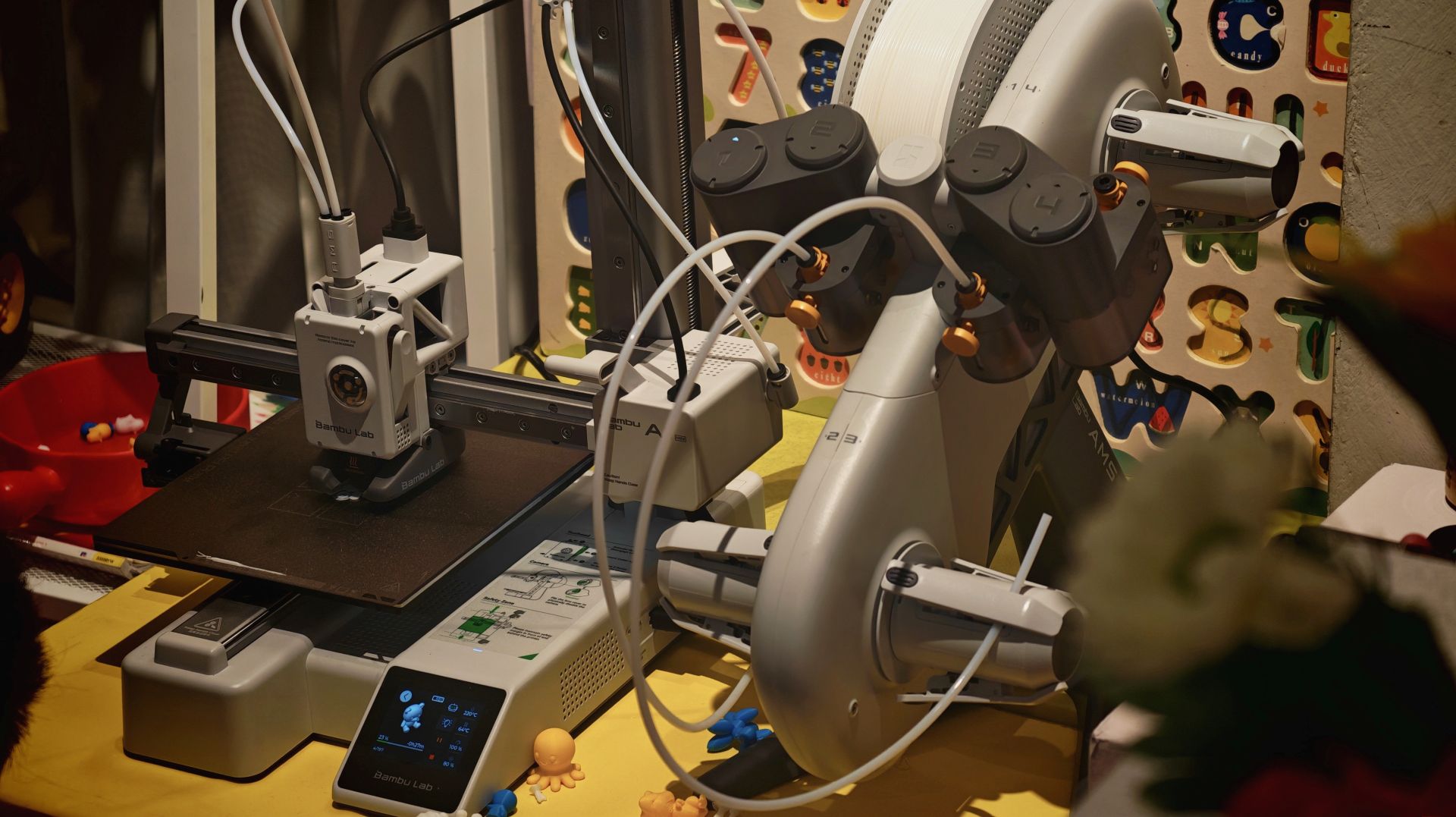
China-based brand Bambu Lab makes an effort to move closer to everyday consumers in the Philippines with a new retail partner by holding a media and creators roundtable in the Philippines. This was a bid to reshape how consumers perceive and use 3D printing technology.
Established in Shenzhen, China in 2020, Bambu Lab aims to make 3D printing more accessible, practical, and relevant to daily life through printers and other supplies.
The goal is to support practical home use, creative hobbies, product design, and even specialized tools, while putting emphasis on ease of use.
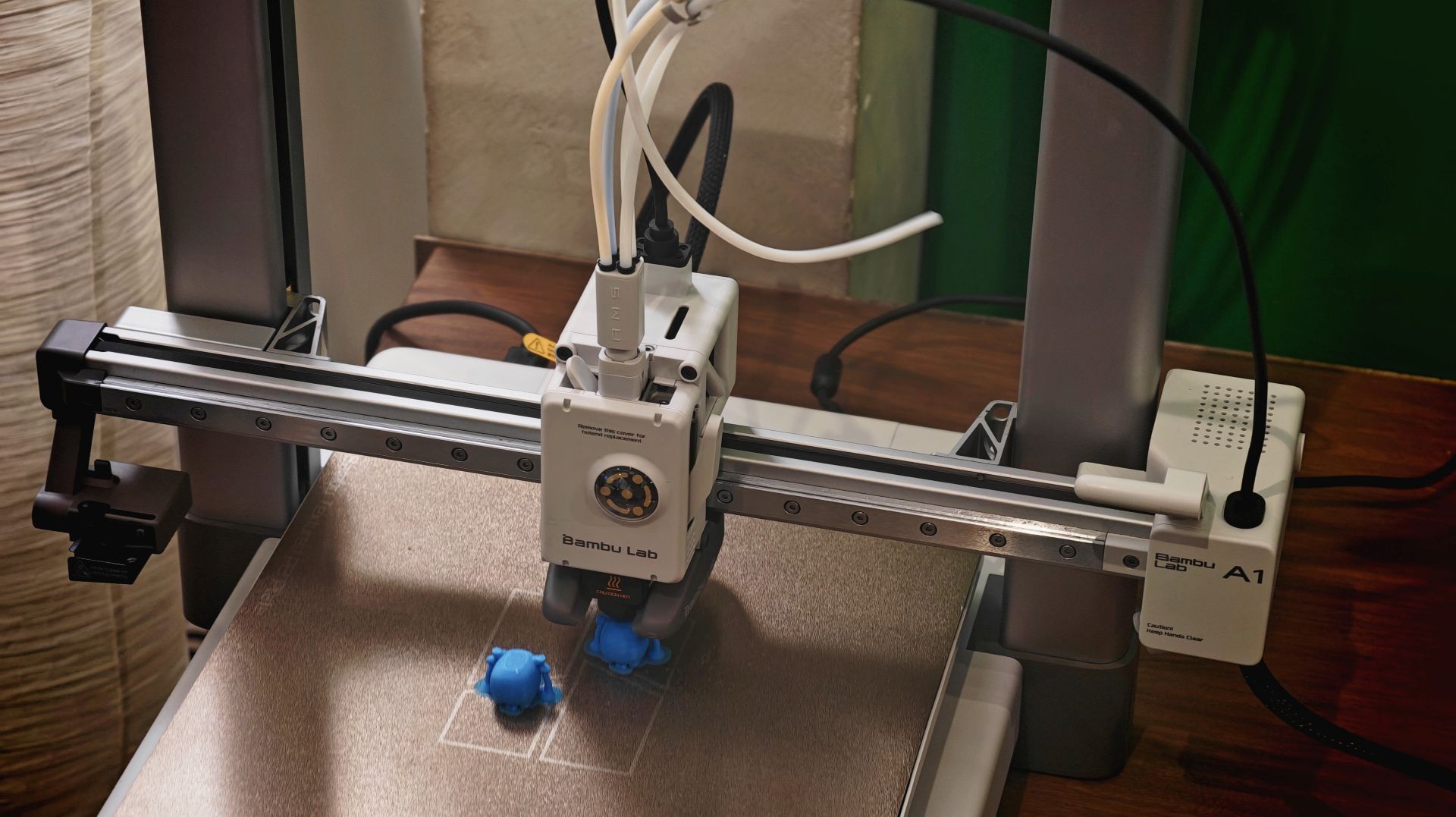
With such optics, Bambu Lab is trying to make consumers feel that there is less deep technical knowledge required and that they can actually create physical objects with 3D printing.
One of their products is the entry-level Bambu Lab A1 mini, which is compact enough to fit on a small desk.
The brand also has more advanced models which are capable of printing multiple colors and materials on a single run.

To complement the hardware ecosystem, Bambu Lab’s open platform MakerWorld lets users browse, select, and print from an extensive library of shared 3D designs directly from their own desktops.
The platform features a wide variety of objects across multiple categories. There’s household items, DIY tools, children’s toys, props, and educational materials.

In the Philippines, Bambu Lab will open its first concept store at One Ayala, Makati City. The concept corner will give mallgoers the opportunity to see the range of 3D printers and consumables firsthand.
Computers
Next-gen AMD Ryzen 7 9850X3D desktop processor out soon
Built for the most demanding titles
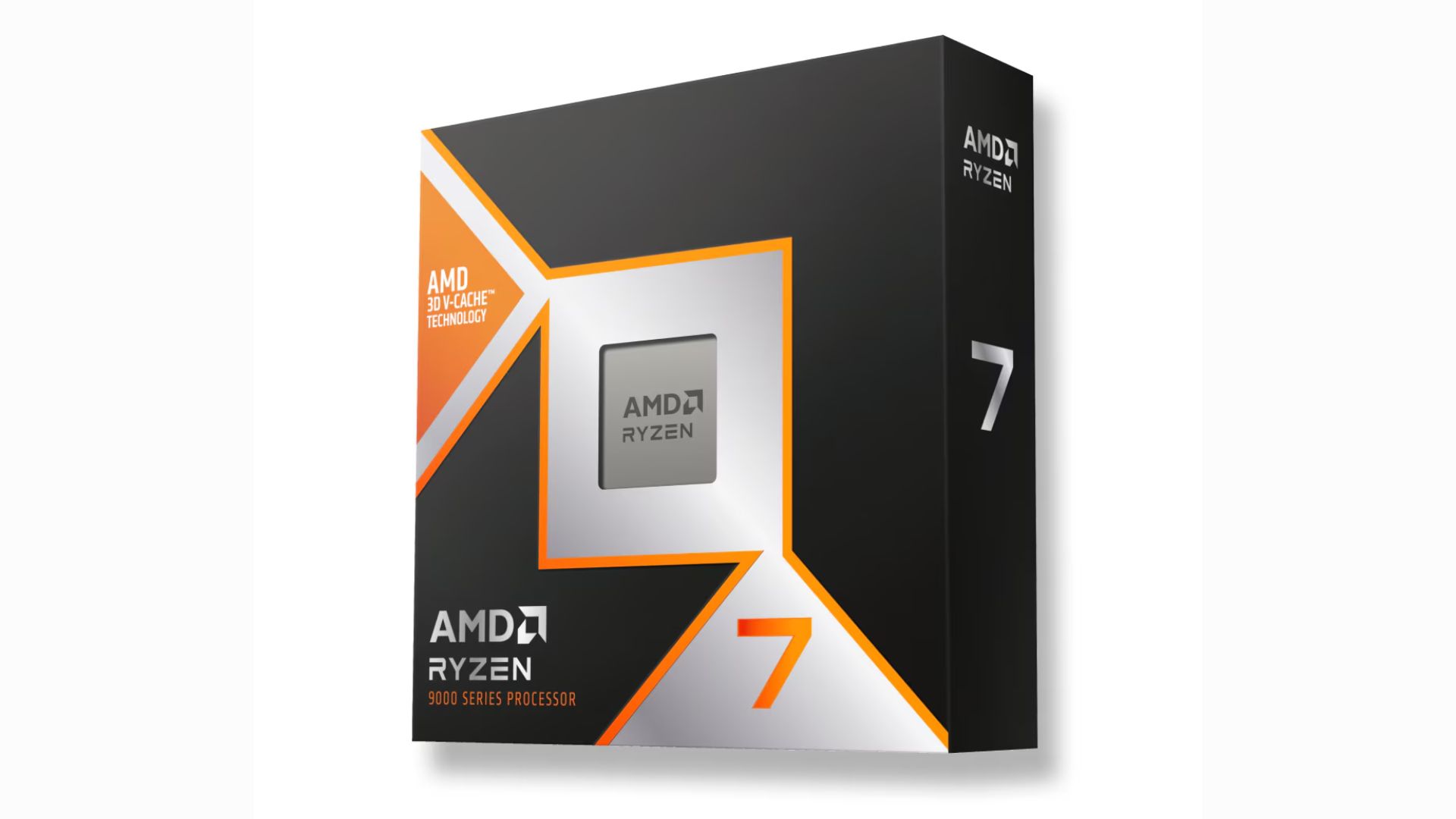
The next-generation AMD Ryzen 7 9850X3D desktop processor will be available for sale starting January 29. It has a standard pricing of US$ 499.
Built for enthusiasts, the latest AMD Ryzen 9000 series processor features a +400MHz improvement to the boost clock, building on the legacy of the 9800X3D.
This makes the “world’s fastest gaming processor” even faster. AMD says their offering boasts of an average 27% gaming performance improvement over the Intel Core Ultra 9 285k.
On paper, the Ryzen 7 9850X3D has a maximum boost clock speed of up to 5.6GHz, and a base clock speed of 4.7GHz.
The new 8-core, 16-thread processor is aided by 2nd Gen 3D V-Cache technology, so a high-frequency memory is not required.
Across an average of more than 30 games played, the FPS difference between a DDR5-4800 and a DDR5-6000 was below 1%.
The AMD Ryzen 7 9850X3D is ideal for running demanding titles, i.e. AAA games, at maximum FPS. Initial checks also suggest the processor stays efficient in spite of higher speeds.
For connectivity, the processor has two memory channels for a maximum 192GB of DDR5 memory. It can also support four USB 3.2 Gen 2s and a USB 2.0.


The art of being in and behind the frame
An OPPO Reno15 5G review


Now Playing: Yakuza Kiwami 3 & Dark Ties
How old should a game be before it gets a remake?


TECNO MEGABOOK K16s 13th review: No-frills beneath those grills
All-around laptop without messing around
The art of being in and behind the frame

New Resident Evil Requiem trailer teases a return to the RPD

Jason Momoa will star in upcoming Helldivers film adaptation

Metal Gear Solid: Master Collection Vol.2 launches August 27 on PS5

TECNO POVA Curve 2 5G packs an 8000mAh battery

Infinix NOTE Edge debuts: High-end features for accessible pricing

POCO M8 Pro review: Goin’ loco over this POCO

HONOR X9d 5G review: Tougher, more long-lasting and optimized

Redmi Note 15 Pro+ 5G review: The midrange fashion piece

Mijia Smart Audio Glasses review: Immerse yourself in the music


-

 Apps2 weeks ago
Breaking up with Adobe Photoshop after 20 years
-

 Gaming2 weeks ago
PlayStation, LE SSERAFIM Chaewon team for the ‘Love of Play’ campaign
-
 Accessories1 week ago
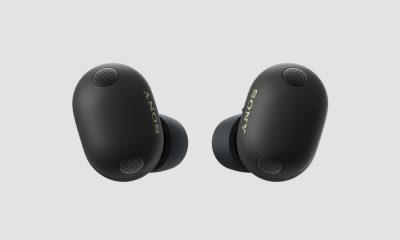
Sony WF-1000XM6 was accidentally leaked online
-

 Reviews2 weeks ago
nubia V80 Max: Long battery, marginal upgrades, casual budget phone
-

 Gaming2 weeks ago
Zenless Zone Zero Version 2.6 launches February 6 with idol group debut
-

 News3 days ago
TECNO will showcase the CAMON 50 and POVA 8 series at MWC 2026
-

 Gaming1 week ago
My Hero Academia: All’s Justice: A familiar Final War, made playable
-

 Gaming1 week ago
New Civilization VII update will address everyone’s biggest issue