
Automotive
Lenovo M2 Electric Scooter: Price and availability in the Philippines
Gear up and go places!


Lenovo brings the M2 Electric Scooter to the Philippines — the solution for short-distance travels and commutes.
It’s the company’s first-generation electric scooter offering top-notch performance with a focus on rider safety and protection while staying stylish and smart.
The Lenovo M2 Electric Scooter is equipped with a powerful 350W motor and 7.5Ah high-capacity battery, moving up to 25 km/h and travels up to 30km in a single charge. It has an intelligent battery management system installed, protecting the battery against short-circuiting, overcurrent, overcharge, over-discharge, and extreme temperatures.
It has a cruise control function so you can maintain and control acceleration and speed. It also supports speed shifting so you can quickly change gears. The electric scooter houses an LED screen where you can preview vital information and track parameters such as speed, mileage, gear used, and battery capacity. Stats are also available on Lenovo’s mobile app, wherein you can connect the electric scooter via Bluetooth support.
Furthermore, it comes with a triple-brake and triple-damping system for added protection and comfort on the road. It’s designed with the user in mind, utilizing strong yet light components like magnesium and aluminum alloy for durability and portability.
It’s stable enough to support a load up to 120kg, and handle steep roads with a max incline of 15-degrees. Additionally, it comes with an IP54 rating, making it suitable for riding under light rain and on dusty terrain.

Price and availability
The Lenovo M2 Electric Scooter retails for PhP 19,995, and will be available at official resellers and exclusive stores nationwide starting March 27.
Celebrating its arrival, Lenovo is holding two special promos for the M2 Electric Scooter. From March 18 to 27, you can pre-order the electric scooter from the official Lenovo Mobile Flagship Store via the Lazada app, at a reduced price of PhP 16,995. It is bundled together with a free Herschel backpack and Lenovo Trackpods.
Simultaneously, Lenovo hosts an online promo where the winning participant can get one unit of the e-scooter for free. For more details, visit Lenovo Philippines’ official Facebook page.
SEE ALSO: Lenovo M2 Electric Scooter review: Your new, city best friend







Automotive
Inchcape Philippines and Changan are parting ways
The two companies won’t renew their distribution deal, with the transition running through Q4 2026.
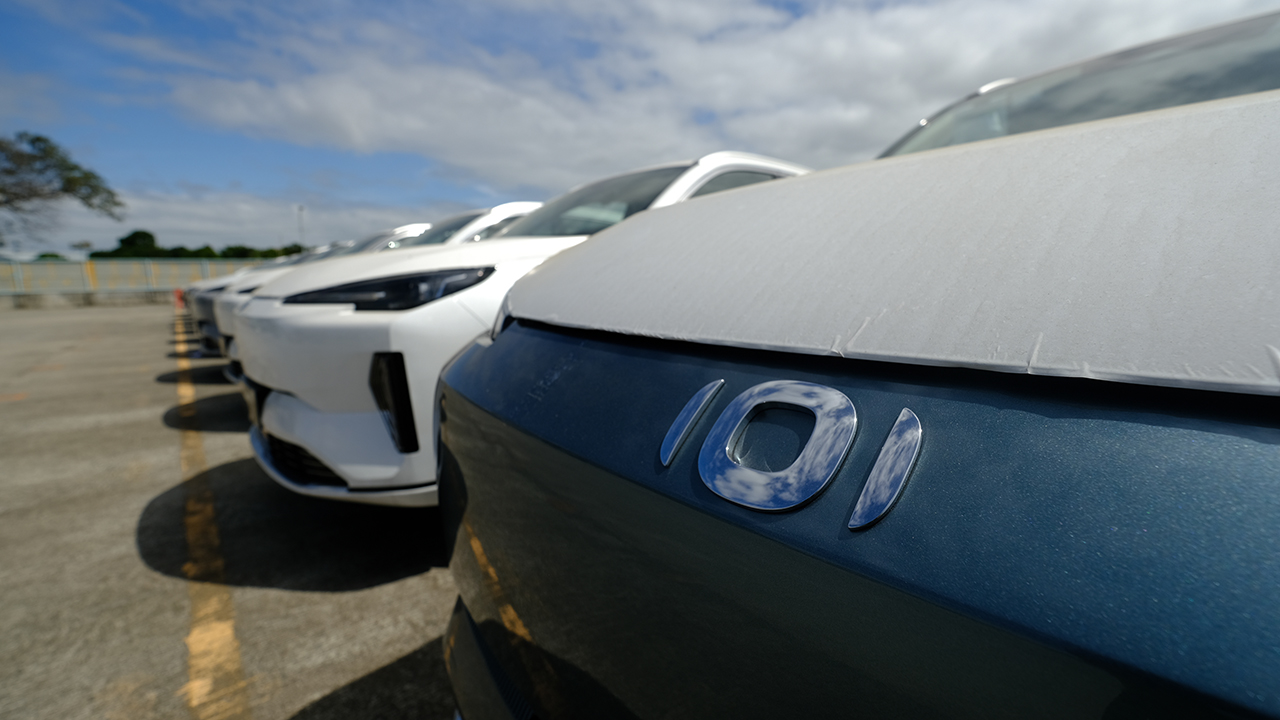
Inchcape Philippines and Changan have mutually agreed not to renew their distribution partnership in the country. The companies announced the decision, citing Changan’s own long-term plans for the Philippine market as the reason.
The partnership enters a transition period that runs through Q4 2026. During this time, existing customer commitments remain in place, including aftersales support, warranty coverage, parts, and service.
Alex Hammett, Inchcape’s Managing Director for South Asia & Pacific, said Inchcape Philippines and Changan have worked together since 2023 to build the Changan brand locally, supported by Inchcape’s distribution network and dealer relationships.
He thanked the Inchcape Philippines team and dealer partners for their role in that effort over the past three years.
Inchcape says the Philippines remains a key market for the company. It continues to distribute Mercedes-Benz passenger cars, trucks, and buses, along with Jaguar Land Rover, and operates the retail business for Harley-Davidson locally. The company’s stated focus going forward is growing its existing portfolio and introducing new products to Filipino customers.
The Philippines also houses Inchcape’s Digital Delivery Centre and Global Business Services teams, which together employ more than 700 people supporting the company’s global operations.
Further details on arrangements after the transition period, including Changan’s next distribution partner, have not yet been announced.
Automotive
Tesla involved in recalling over 4 million electric cars
China is banning a feature found on most Teslas.


Electric vehicles have been simmering in some hot water for a while now, but it’s not because of a reason you might be thinking of. Instead of its performance or even its reliability, the world’s modern vehicle is fretting over its door handles. Over the feature’s potential risks in a life-or-death situations, carmakers in China, including Tesla, are recalling around 4.3 million vehicles in the country.
When it comes to door handles, electric vehicles today are known for creating hidden ones that sit flush on a car door. These handles appear only when needed and automatically retract into the door when not in use.
For a while now, governments have been worried about them, citing concerns that they don’t offer easy exits during threatening scenarios. There have been incidents when the handles don’t pop up while a car is on fire, preventing both the car’s occupants and rescuers from opening the door.
Today, via Reuters, nine carmakers, including Tesla, are recalling 4.3 million vehicles from the country over these same door handles. Moreso than domestic brands, Tesla finds itself leading this pack with almost 3 million units. The other eight brands include Xiaomi and Geely.
This recall is responding to China’s latest regulation to ban hidden door handles starting 2027. Other measures include installing mechanical releases. Some brands are also rolling out software updates which automatically lower the car’s windows in case of an emergency, offering another exit for trapped occupants.
SEE ALSO: BYD Atto 2 launches with EV, plug-in hybrid options
Automotive
New EV player XPENG to launch in the Philippines in September
XPENG to unveil two models in the market

AI-driven mobility company XPENG is launching in the Philippines next month, adding to the list of smart electric vehicle (EV) players in the market.
XPENG Philippines will commence operations as the country’s direct subsidiary, as well as national sales and marketing company.
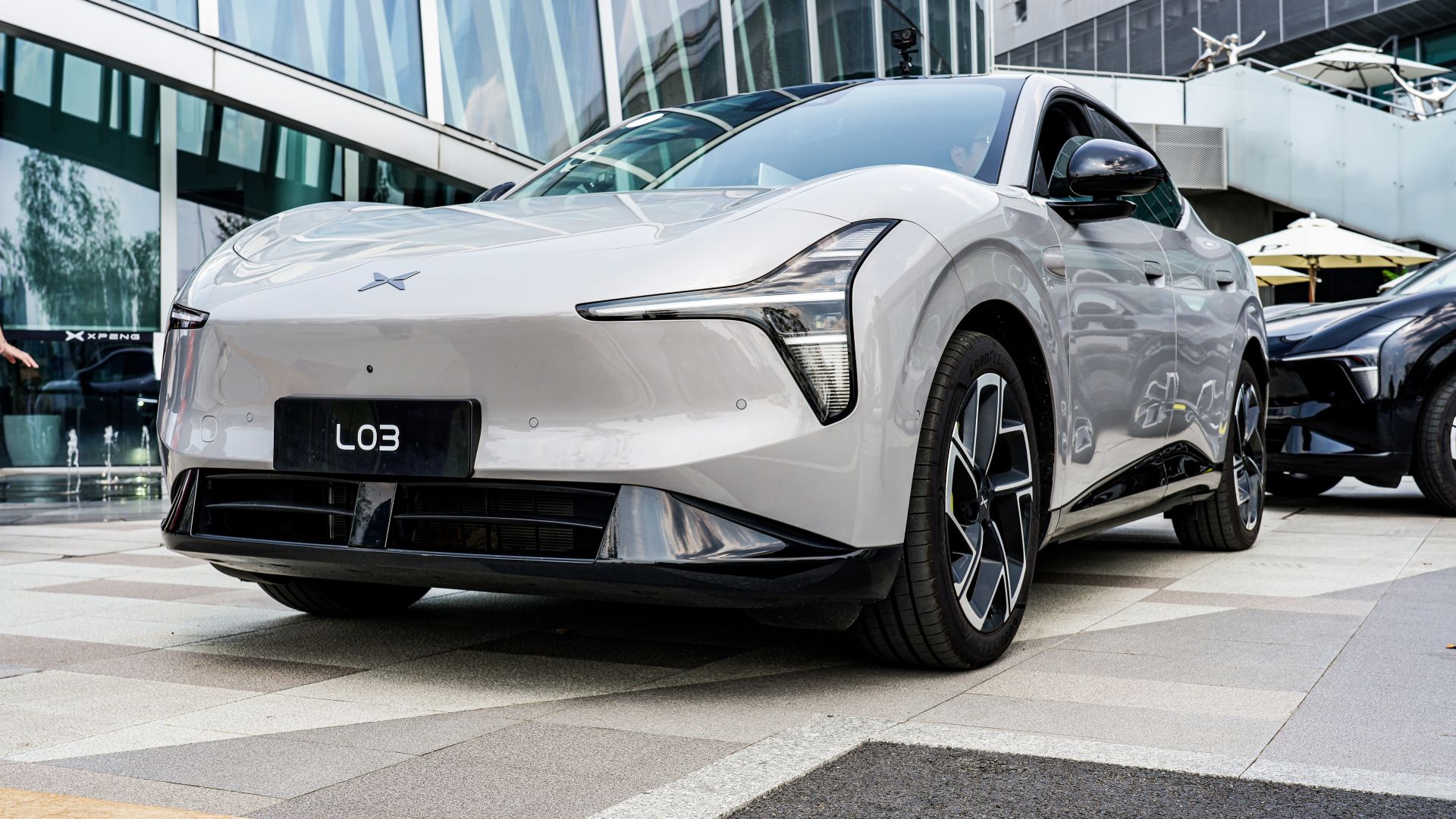
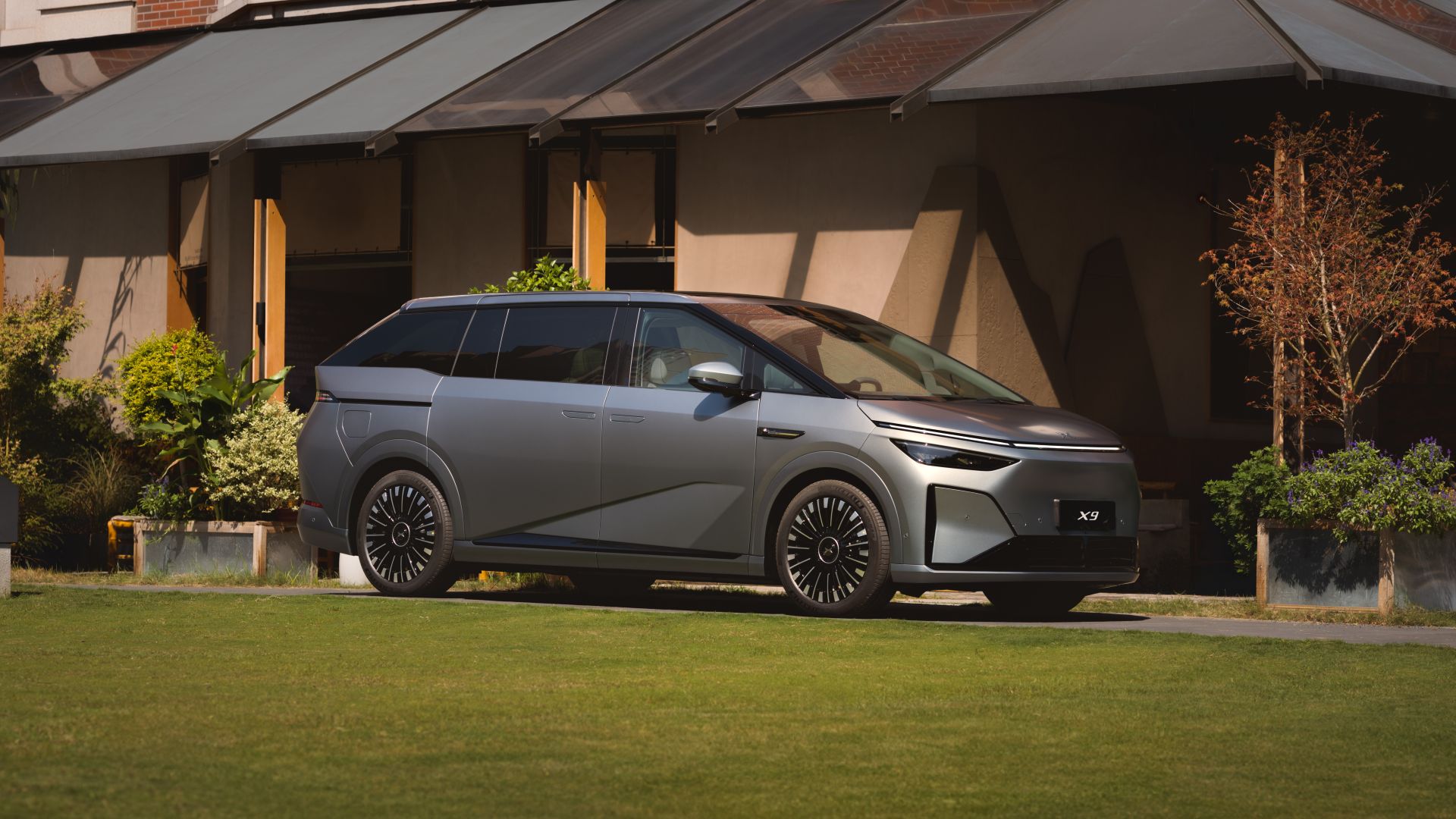
As part of the launch, XPENG will launch two smart EV models: the XPENG X9 and XPENG L03.
The XPENG X9 is the brand’s flagship intelligent seven-seater. It is positioned as an EV for executive-class comfort, featuring AI-powered technologies and a premium cabin for modern families, businesses, and professionals.
Meanwhile, the XPENG L03 is an intelligent SUV coupe that brings together a contemporary design, AI-powered innovation, and software-defined mobility. It promises to deliver a smarter, more intuitive driving experience for today’s car owners.
Additional pricing details, variants, and complete specifications of each model, as well as their availability, will be unveiled soon.
XPENG is a global AI technology company based in Guangzhou, China. It specializes in smart EVs, driven by a mission to shape the future of mobility through innovation.
The company designs, develops, manufactures, and markets such vehicles, supported by its in-house, full-stack, advanced driver-assistance system, smart in-car OS, and core vehicle technologies.
The brand has a presence in more than 60 countries and regions across Europe, the Middle East, Southeast Asia, Oceania, and Latin America.


REDMI Note 17 Pro review: What a rollercoaster ride!
The serious series of ups and downs are NOTEworthy of your attention


Insta360 Luna Ultra review: My new solo coverage camera
Changed my workflow

TECNO MEGAPAD 2 review: Eyes on the size
The MEGA pad for two base users

Marvel’s Wolverine details combat, abilities, and features

The designated photographer’s new favorite phone: OPPO Reno16 Series 5G

NBA, Salmon team up for multi-year partnership

realme 16T 5G with 8000mAh battery, IP69 Pro rating launches in PH

Dune: Awakening gets new PS5 gameplay, movie DLC
TECNO MEGAPAD 2 review: Eyes on the size

VinFast debuts two-wheeler models, opens 21 e-motorcycle showrooms

REDMI Note 17 Series focuses on long-term reliability

realme 16T to come with 8,000mAh battery, 7-year battery health guarantee

OnePlus officially leaves the United States and Canada


-
Reviews1 week ago
TECNO MEGAPAD 2 review: Eyes on the size
-
 Singapore2 weeks ago
REDMI Note 17 Series focuses on long-term reliability
-
 News2 weeks ago
realme 16T to come with 8,000mAh battery, 7-year battery health guarantee
-

 News1 week ago
HUAWEI Pura X View is 2026’s first WIDE slab-type smartphone
-

 Accessories2 weeks ago
Jackery expands Explorer Series portable power stations
-

 Cameras1 week ago
30 days with the DJI Osmo Pocket 4P
-

 Gaming2 weeks ago
NBA 2K27 expands MyCAREER, MyPLAYER, MyNBA, more
-

 Gaming2 weeks ago
Now Playing: Assassin’s Creed Black Flag Resynced