



In Eat Pray Love, recent divorcee Liz Gilbert goes on a journey of self-discovery by travelling to Italy, India, and Bali. Someone should tell Gilbert that Japan is everyone’s preferred Eat Pray Love destination these days. Today, tourists from all over the world like going to Japan because of its different, almost perfect serene, culture.
However, the truth of Japan is less romantic than what’s shown in travelogues: absurd working hours, not enough time for personal life, and societal pressures to do only what’s expected. It’s this Japan that Rental Family wants you to see.
Truths
In Rental Family, Brendan Fraser plays Phillip Vanderploeg, a struggling American actor living in Japan. After failing to land a gig outside of the odd commercial here and there, an unconventional opportunity suddenly lands on his lap: to work for a rental family agency, which provides stand-ins for social situations. In one case, Philip pretends to be a young woman’s groom, so her family doesn’t ask questions when she moves and starts a life of her own in Canada.

It’s no surprise that Philip exclaims a loud “the f*ck?” when he first realizes what the firm does. Aiko (Mari Yamamoto), one of his colleagues, explains that this is how Japan works. Instead of paying for therapy, the Japanese people would rather pay for someone to pretend for them. For an outsider looking in, the practice seems strange, but it’s real. Rental family agencies have been around for a while.
Despite Aiko’s insistence that this is a Japanese phenomenon, Philip eventually understands that these agencies provide something more than just a country-exclusive need: the desire to be seen and to be heard.
Rental Family is a film that speaks to everyone. Often, we need someone to fill those gaps in our lives: a missing father, a missing lover, a missing friend. It’s a truth that should feel self-evident, but the film remains a poignant reminder of whatever, whoever is missing in our lives. We see ourselves in Kikuo Hasegawa (Akira Emoto), a retired actor who just wants a friend before his memory withers away. We see ourselves in Mia Kawasaki (Shannon Mahina Gorman), a young girl whose father left her.
And lies
Philip plays a multitude of roles: a father, a journalist, a cheerleader, a groom, a friend. It’s his job to play a role so credible that his client believes in the illusion. Essentially, he’s a professional liar.

However, Philip finds himself also believing in the same lies he’s crafted. He gets attached to a few of his clients, especially Mia whom he quickly becomes close to, as if as her real father. Even when his boss Shinji (Takehiro Hira) tells him not to get too personal with his clients, he cares for them beyond his initial assignment.
It’s the lie that makes the movie so believable. Who among us has never felt inadequate to play a certain role? Too incompetent to be a father, a lover, and a friend?
Ironically, the one who plays the part most authentically is the one person willing to build the lie, Philip. He becomes a better companion to their clients than the people closest to them. As the saying goes, “fake it ‘till you make it.”
Sometimes, the mask slips. Sometimes, Philip’s boss warns him that he’s too close, or a client ends the relationship themselves. When this happens, Philip has to confront the lie, which can mean that he tells his client that he was lying.

And yet, he doesn’t leave as if it’s just the conclusion of a deal. He opens up and makes himself vulnerable. He confronts what he did and promises to do better. Lying is easier, and we lie all the time. We tell ourselves that we’re the best at what we do. If we do it enough, we start to believe.
But Rental Family is about the truth behind the lie. An untruth can be the foundation, but a relationship only truly prospers with being vulnerable. It’s about realizing that, just as the other person needs us, we also need them. We’re all rental families in our own way.

Entertainment
One Piece: Into the Grand Line unveils final trailer ahead of premiere
All 8 episodes dropping on Netflix this March 10

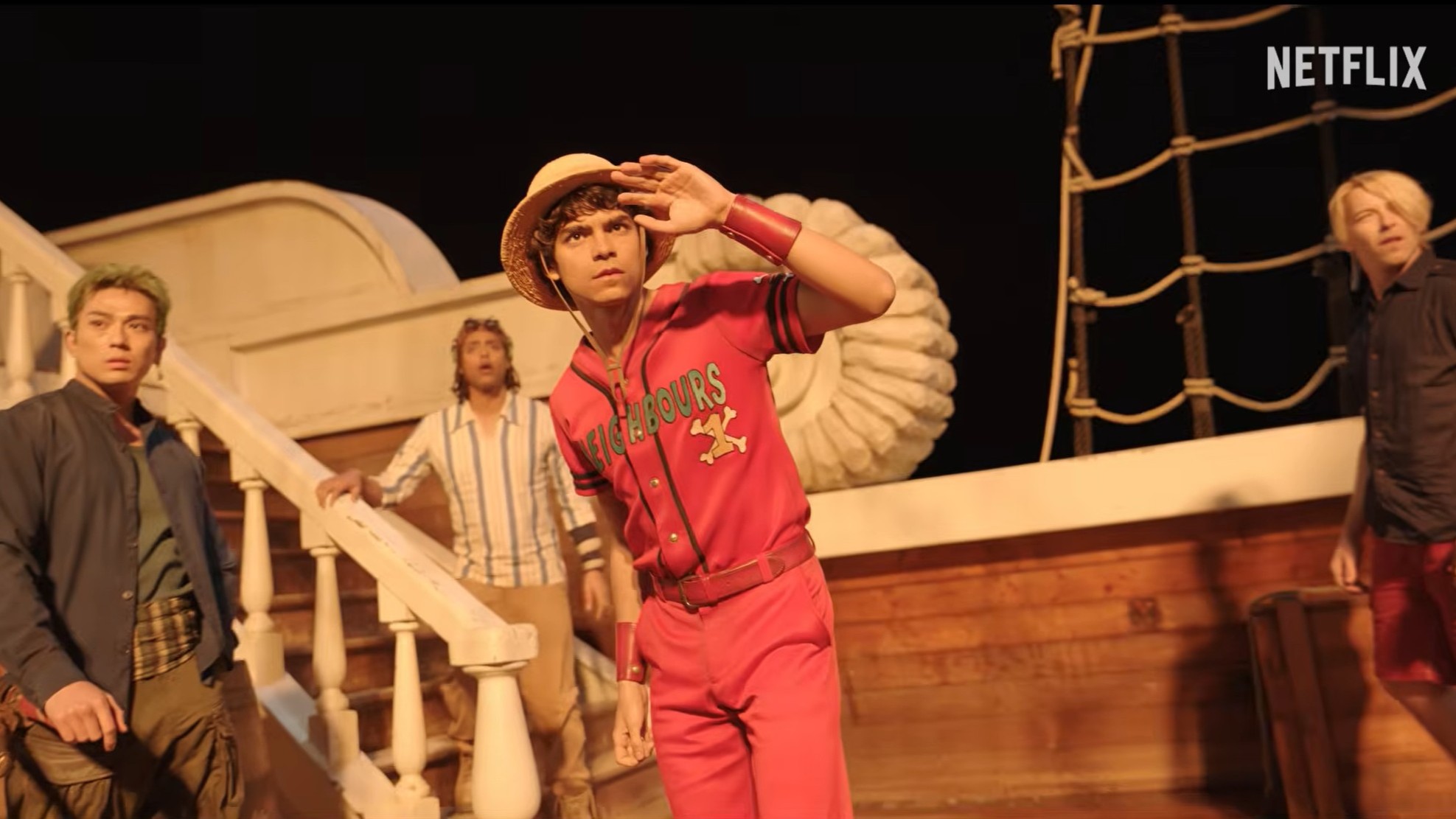
Netflix has revealed the final trailer for One Piece: Into the Grand Line, exactly one week before its March 10 premiere.
The clip opens with a monologue from Monkey D. Luffy, reminding the Straw Hat crew of how far they’ve come to make it to the gates of the legendary Grand Line.
He mentions that it is time for the pirates to see what’s in store for them in the legendary stretch of sea.
Of course, that’s the treasure they’re seeking albeit encountering bizarre islands, new enemies, and unpredictable danger.
The clip then again features the larger-than-life scale of Season 2, including the towering Red Line, giant whale Laboon, Little Garden’s dinosaurs, and the giant, Brogy.
For a brief moment, the protagonist is also shown in an encounter with Smoker. Tony Tony Chopper, shown in the official trailer, once again made a quick appearance.
Just as action-packed as previous trailers, this 1:44 clip then culminates with more combat. There’s Zoro defending the crew at Whisky Peak.
Wapol and his metal-transforming Munch-Munch powers was shown in the end against Monkey D. Luffy.
The entire trailer is also set to an upbeat remix of “Come Sail Away” in the background, continuing the excitement from Season 1.
All eight episodes of One Piece: Into the Grand Line will be made available by March 10.
Entertainment
ITZY’s YUNA is Infinix’s first ever global brand ambassador
Infinix is in with YUNA in the scene


Infinix is entering a new era — and the brand is bringing one of K-Pop’s most sought-after stars along the ride.
A first for Infinix
In line with the launch of the latest NOTE 60 series, Infinix has also named YUNA of ITZY as its very first Global Brand Ambassador. The company calls this a bold step forward for both innovation and style.

For the record, this is the first time Infinix has tapped a global ambassador — and the choice makes sense. YUNA is known for her confidence, vibrant energy, and unapologetic self-expression. These qualities align closely with Infinix’s “Joy Tech, Beyond Limits” philosophy.
In a statement, YUNA shared her excitement about the partnership. She said she’s looking forward to connecting with fans in a new way and creating meaningful stories together with the brand.
For Infinix, this collaboration is more than just a celebrity endorsement. It signals a shift in how the company wants to position itself globally — not just as a smartphone maker, but as a lifestyle tech brand for expressive, tech-savvy youth.
The more, the merrier
The partnership goes along the debut of the NOTE 60 Series, further fueling Infinix’s move toward a more premium smartphone experience.
Like YUNA, the NOTE 60 line also brings notable names in the table:
- Powered by Snapdragon from Qualcomm
- Design collaboration with Pininfarina
- Audio tuned with JBL
It’s a clear attempt that Infinix wanted to elevate both performance and design by blending in flagship-level specs, more refined aesthetics, and immersive sound altogether.

Infinix says this launch also marks its expansion into more premium international markets.
With YUNA as the face of the brand, the company hopes to strengthen its appeal among younger users who want both powerful hardware and a device that matches their personality.

Rather than focusing purely on specs, Infinix is leaning into storytelling — highlighting how technology can spark creativity, joy, and individuality.
With the NOTE 60 Series and YUNA front and center, Infinix appears ready to redefine its brand identity on a global scale.
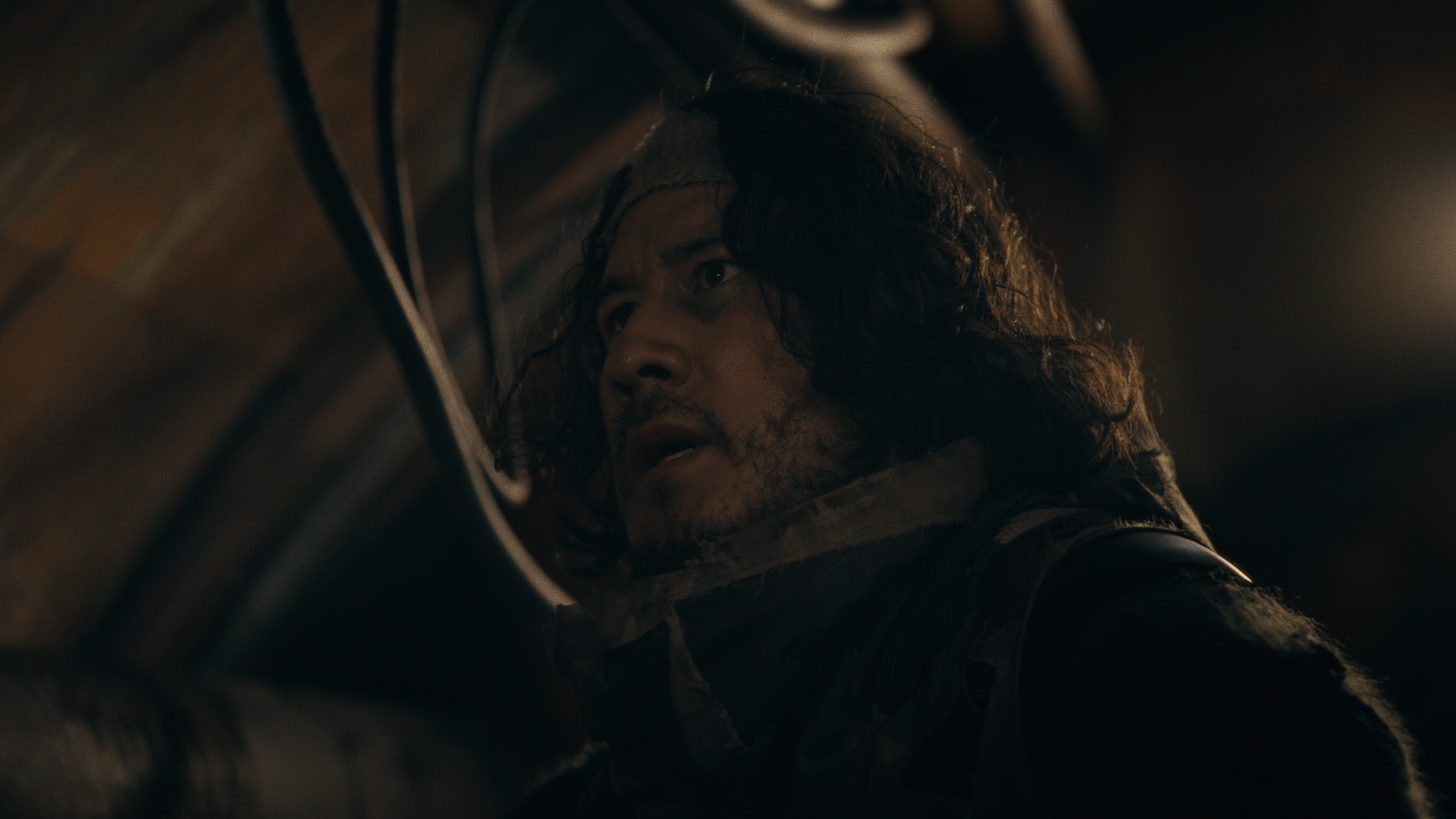
I’m starting to think that cosmic horror is near-impossible to adapt to the big screen. Often, the point of this subgenre of horror is to showcase the unfathomable, a horror so unknowable that it’s impossible to describe. Now, for a medium that thrives on “show, don’t tell,” a full-length movie doesn’t seem like the best format for this type of horror. I’ve seen so many cosmic horror films, and a majority of them fail to land the satisfaction of a more traditional horror film.
Iron Lung, directed by and starring Markiplier, takes a stab at this elusively complex genre.
After the sudden disappearance of stars and planets in the universe, a lone space station explores a nearby moon to search for a way to save humanity. The catch is that the entire moon is covered in an ocean of blood. A convict, played by Markiplier, is tasked with exploring the moon in a one-man submersible, in exchange for his freedom.
Naturally, an ocean of blood isn’t the best place to be. The moon’s ocean hides mysteries and monsters beneath all the gore.
On the impossibility of cosmic horror
Though a movie is all about showing and not telling, Iron Lung navigates through these intricacies by not showing anything.
Because everything is just blood outside, the submarine needs a special camera that takes only grainy photos directly in front of the submersible. There’s always a sense of claustrophobic dread. What’s outside the submarine? What were those sounds? Did the camera really take a photo of something alive?
The film’s premise alone is a perfect source of horror. This is where cosmic horror thrives: on the questions, on the tiny sneak peeks of a monster lurking around the corner.
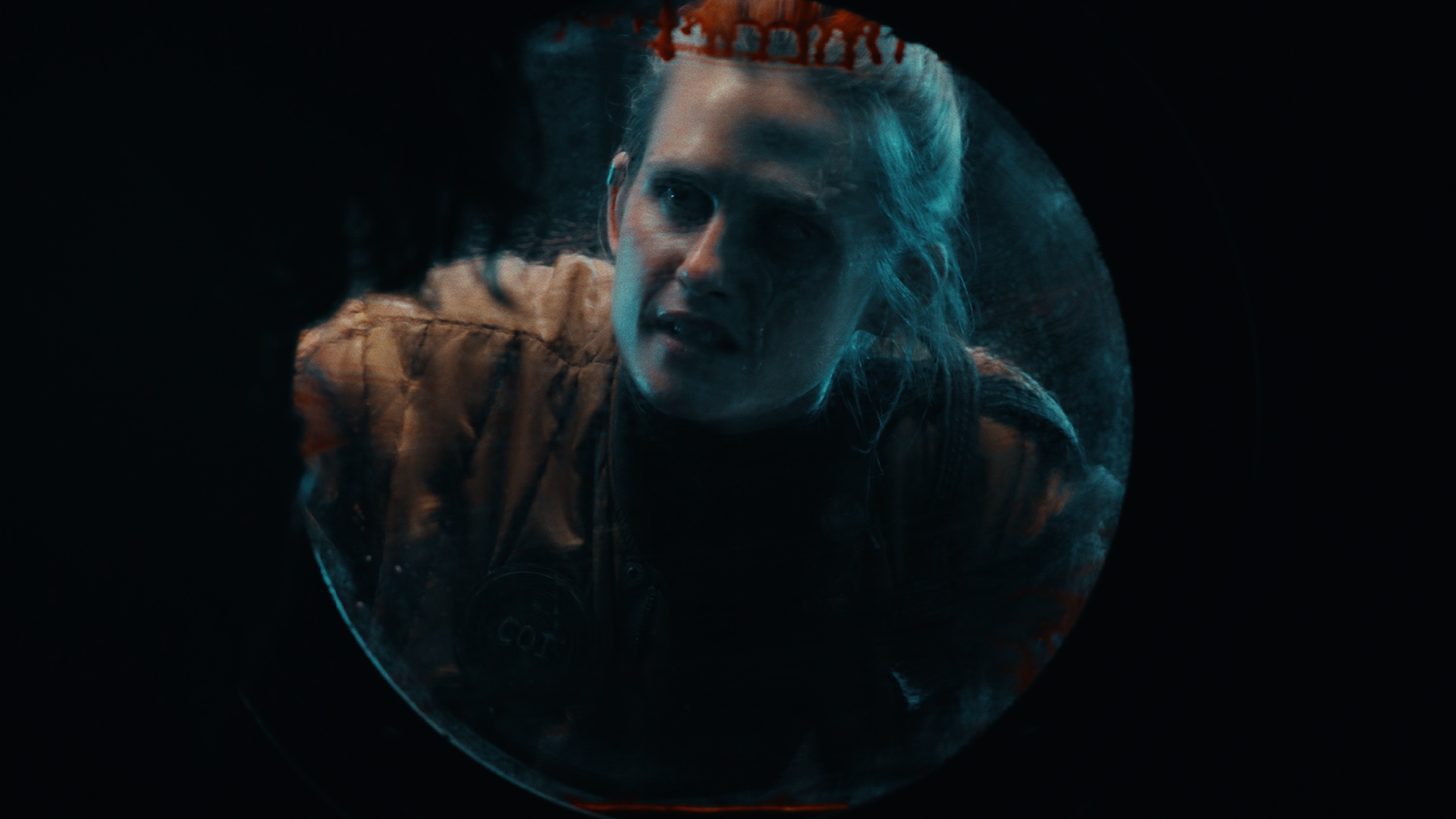
But, then again, this is also where the subgenre can paint itself into a corner. Eventually, audiences ask for more. They need to see and know the beast for real. Think Cloverfield, when the massive alien finally shows its face, or The Nun with… well, The Nun.
It’s an unwritten rule in horror films that the monster must make an appearance. It becomes a paradox for cosmic horror because the beast must also be unknowable.
When the beast finally shows up in Iron Lung, the audience never learns an understandable reason why it’s stalking the submarine. It’s not hungry, it doesn’t want revenge, and it doesn’t want to take over the world. It just is.
Is that a satisfying enough conclusion? If you’re a fan of cosmic horror, then it’s par for the course. However, if you’re more used to the more traditional horror film, it might leave you wanting more.
On madness
A mysterious monster isn’t the only thing that cosmic horror is known for. It’s also about madness and how the protagonist goes insane after seeing the unknown.
It’s apropos, then, that the convict starts hallucinating right after seeing a glimpse of the ocean’s beast. He starts to lose track of what’s real and what’s not.
In other movies, madness is an effective tool in subverting expectations and amplifying the horror. For example, in The Lighthouse, Winslow, the protagonist, also loses his sanity and questions reality. The film is all about this descent into madness and the questionable actions as a result from it. In Shutter Island, madness is a punchline, a plot twist that invites the audience to revisit the entire film and question their own perception.
Iron Lung, however, is neither a complete descent nor a plot twist. Rather, it’s a clear third act stemming from the convict’s encounter with the monster.
Since it’s clearly delineated in the third act, it’s hard to empathize with the convict’s plight. There’s a sense of vertigo moving from a creature feature into, in the convict’s own words, “alien shit” where you’re not sure of what’s real. Likewise, it’s not a plot twist either. You don’t reevaluate whether the entire movie was a hallucination.
Madness is understandably a major plot point of the original game that the movie is based on. However, its translation into film isn’t the smoothest. It’s both too short and too long.
But is it a good film?
Despite its struggle with the format, Iron Lung is still a spirited attempt at a one-room horror film. Markiplier melds into his role and doesn’t just showcase his on-screen YouTube personality.

The premise is, at once, frightening. It’s eerie and creepy. There is always a pervasive need to figure out what comes next. That’s pretty much what you want from a movie anyway. Yes, the ending might be polarizing, especially to those more used to the usual horror film, but the journey is still worth the price of admission.
And, at the very least, the film got me interested in watching Mark’s original playthroughs.





OPPO is finally getting AirDrop support

Ubisoft confirms Assassin’s Creed: Black Flag remake

PlayStation will stop releasing its games on PC

Infinix NOTE 60 Ultra makes a motorsport-inspired debut

MacBook Neo enters the chat with a $599 starting price

Xiaomi 17 Ultra is now available outside China

TECNO will showcase the CAMON 50 and POVA 8 series at MWC 2026

The art of being in and behind the frame

HUAWEI MatePad 11.5 S 2026: The better-than-ever 4-in-1 productivity tablet

TECNO MEGABOOK K16s 13th review: No-frills beneath those grills


-
 News5 days ago
Xiaomi 17 Ultra is now available outside China
-

 Camera Walkthrough2 weeks ago
OPPO Reno15 Pro: Camera Review
-

 News2 weeks ago
iPhone 17 Pro Max is somehow the most traded-in phone today
-

 News2 weeks ago
HUAWEI launches Mate X7, MatePad 11.5 S 2026, FreeClip 2
-

 Events2 weeks ago
Capcom to hold Resident Evil Requiem launch event in Jakarta
-
 Gaming2 weeks ago
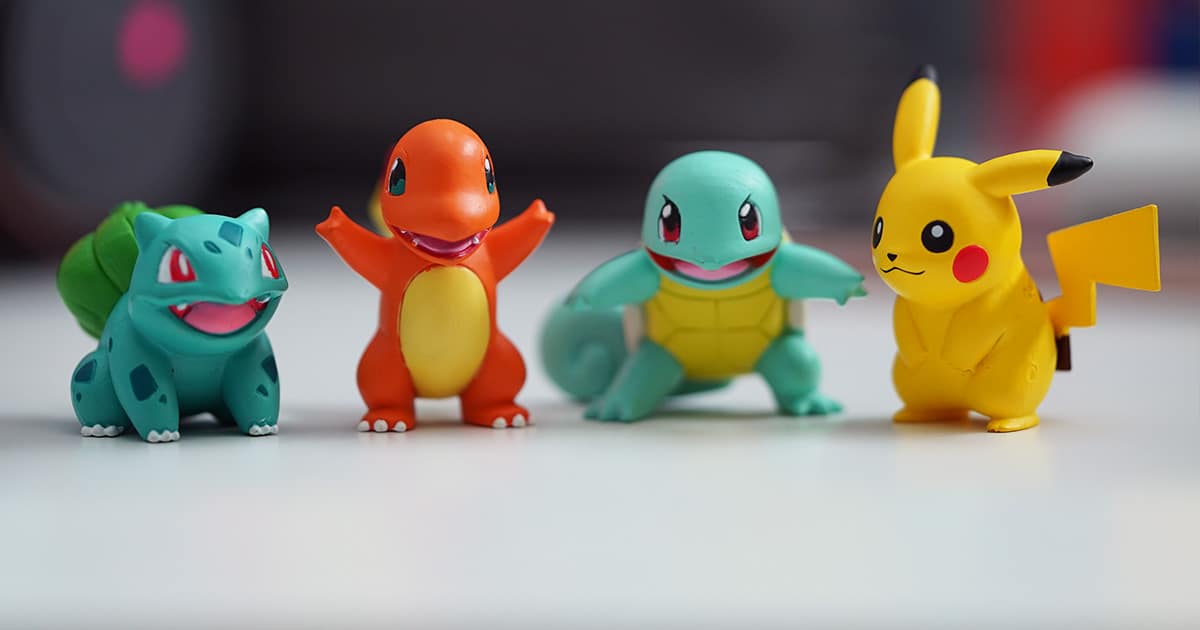
Pokémon FireRed and LeafGreen are coming to the Switch
-

 MWC 20261 week ago
TECNO resurrects modular phones with this new concept
-

 Reviews5 days ago
Xiaomi Pad 8 review: Slab that slaps!