

I just want to feel really excited again about the MCU — not cautiously optimistic all the time.
Somewhere along the way, keeping up with Marvel TV on Disney+ started to feel more like obligation than anticipation. So much so that I skipped Agatha All Along without much thought. Wonder Man was headed down the same path. Another Marvel Spotlight project I assumed I could safely ignore.
Then a weekend plan didn’t push through. I suddenly had time. And after coming off a personal binge streak that included The Copenhagen Test on HBO Max and Steal on Prime Video in the weeks prior, I pressed play on Wonder Man without much expectation.
That might have been the best way to watch it.
What I got was a pleasant surprise. Not a reinvention of the MCU. Not a must-watch cultural moment. Just a grounded, character-driven show that reminded me why this universe can still work when it stops trying so hard to be loud.
Simon Williams and the problem with overthinking
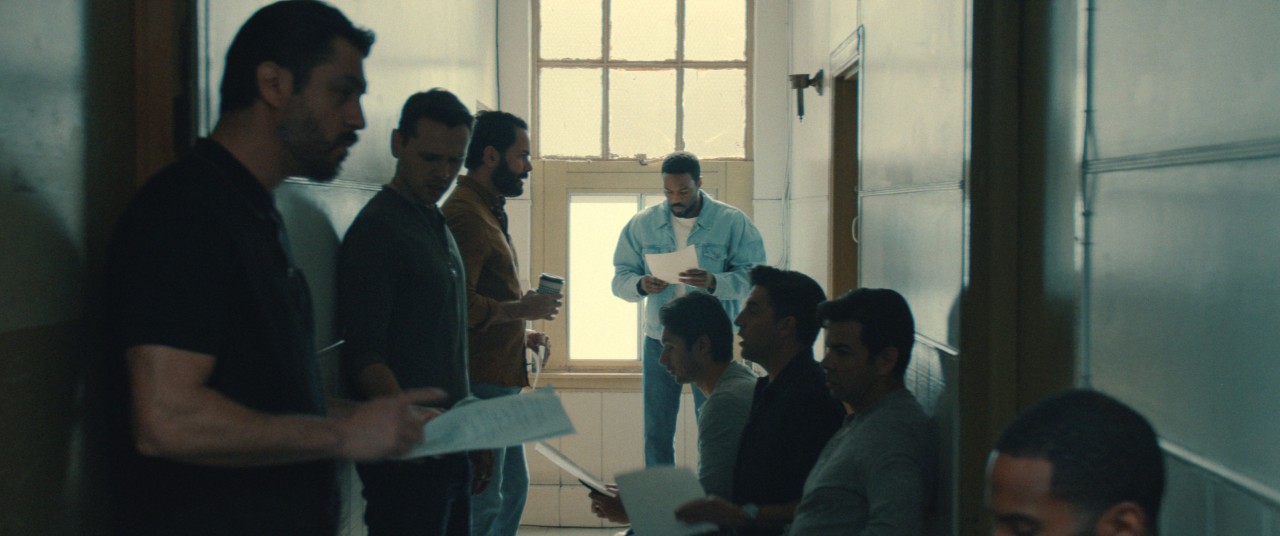
(Center) Simon Williams/Wonder Man (Yahya Adbul-Mateen II) in Marvel Television’s WONDER MAN, exclusively on Disney+. Photo courtesy of Marvel Television. © 2025 MARVEL.
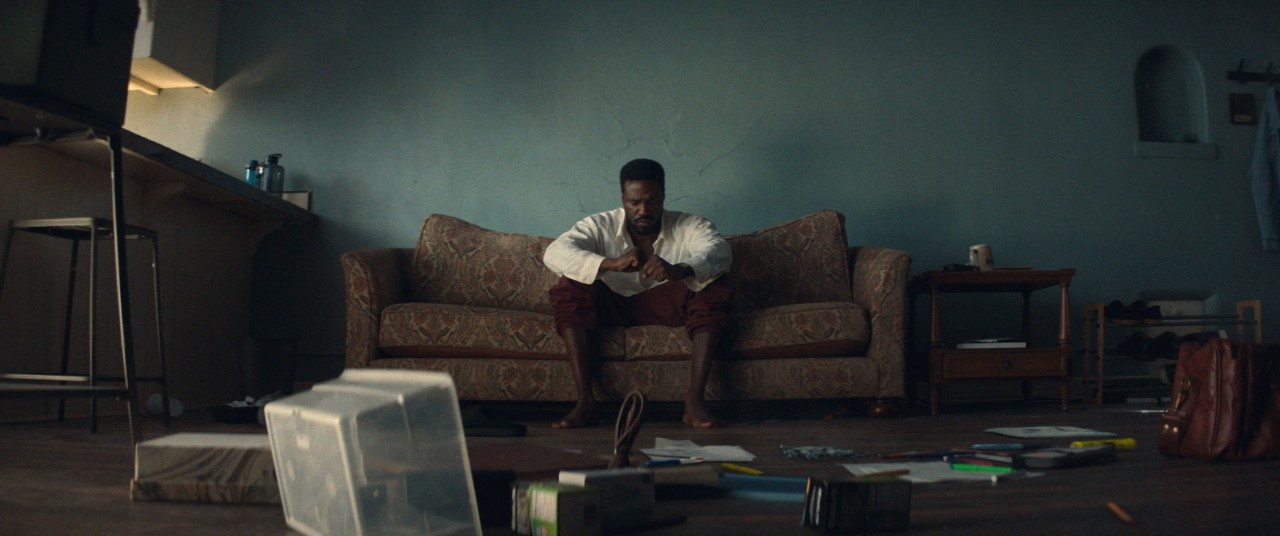
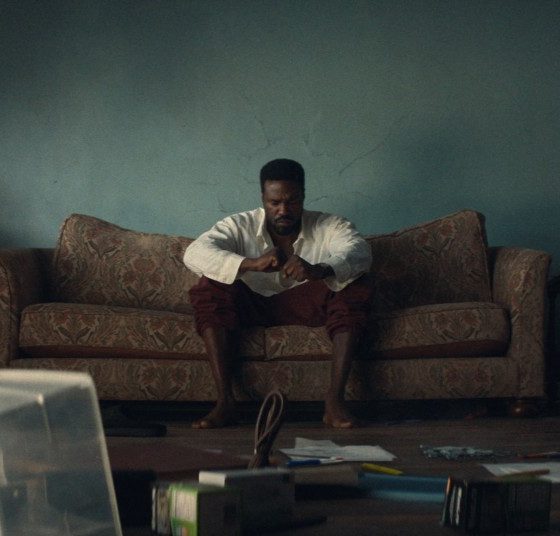
Simon Williams is introduced doing something deceptively simple: rehearsing.
He’s given a scene. He offers notes. Thoughtful ones, at first. Then more. And more. Until the production team’s patience wears thin. In that moment, Simon isn’t framed as misunderstood genius. He’s framed as difficult. A little exhausting. And kind of a pain to work with.
Simon’s biggest obstacle isn’t a villain or a grand conspiracy. It’s his inability to get out of his own head. He intellectualizes emotion. He wants specificity where instinct would do. And he tries to control the performance instead of trusting it.
What Wonder Man does right is that this flaw doesn’t disappear after one heartfelt conversation. It keeps coming up. Again and again. Sometimes he improves. Sometimes he backslides. Often, he doesn’t even realize he’s doing it.
Character development arcs don’t happen in an instant. That’s why they’re arcs to begin with. The show understands that, and it lets Simon’s growth feel gradual, uneven, and frustrating in the way real personal change usually is.
The Doorman and the cost of power
Episode four, titled The Doorman, is where the show quietly proves how smart it can be.
It’s a largely self-contained story that explains why superpowered individuals are barred from acting in the first place. What could have been a throwaway rule becomes a fully realized backstory. We see the incident, understand the fallout, and feel the ripple effects.
And suddenly, the ban isn’t arbitrary. It’s policy born from consequence.
This episode does more than justify a plot device. It adds another layer to a world where superpowers exist alongside unions, contracts, and liability insurance. It reminds you that in the MCU, enhanced individuals don’t just fight aliens. They disrupt industries, create legal gray areas, and leave scars.
The Doorman doesn’t rely on spectacle. It relies on context. And in doing so, it deepens the stakes of Simon’s struggle in a way that feels earned.
Watching as a casual fan
I’ll be upfront: I don’t know Wonder Man from the comics.
I came into this with general MCU familiarity and nothing else. No expectations about power sets. No attachment to comic lore. And honestly, that worked in the show’s favor.
If there are deep comic references here, they never get in the way of the story being told. Wonder Man plays just fine as a character piece first and a Marvel project second, which makes it easier to recommend to anyone who doesn’t feel like doing homework.
Trevor Slattery, recontextualized
There’s something quietly poetic about Trevor Slattery’s role in this story.
Here’s a man who gained notoriety by pretending to be powerful. Now, he’s mentoring an actor who is powerful but trying to hide it.
Trevor, of course, is best known for the controversial Mandarin twist in Iron Man 3. At the time, many fans felt shortchanged. Over the years, the MCU slowly reframed that decision, most notably in Shang-Chi and the Legend of the Ten Rings, where Trevor was given consequence and context.
Wonder Man might be where the character finally feels fully at home.
Bringing Trevor back not as a punchline but as a mentor is a clever use of a once-maligned character. He understands performance and deception. He understands what it means to survive by playing a role. By the end of the show, he’s not just tolerable — he’s genuinely endearing.
An unlikely pairing that works
Much of Wonder Man plays like a low-key buddy comedy.
Trevor is a seasoned actor who’s already been burned by the superpowered reality of this world. Simon is an enhanced individual trying desperately to live a normal creative life within it. Their banter carries the show. Their conversations feel lived-in rather than scripted for punchlines.
Trevor’s advice to Simon is simple: get out of your head. Be in the moment. Stop hiding who you are.
But the show wisely doesn’t let those words land all at once. They take time. Fail. And repeat. Somewhere along the way, Trevor himself changes too. What begins as a deal with the Department of Damage Control slowly turns into genuine concern for Simon’s growth, even if it costs Trevor his easy way out.
That shift sells the relationship.
Grounding the MCU, one small story at a time
Stories like this help ground a universe where an alien once snapped half of existence away, only for time travel to undo the damage in Avengers: Endgame.
There’s no undo button here.
Whether the stakes are multiversal or minute, actions have consequences. Consequences that can’t be erased — only learned from, in the hope that the next decision leads to a better outcome. Wonder Man lives in that space. It doesn’t try to escalate. It tries to observe. That restraint is refreshing.
Where it stumbles
For all its strengths, Wonder Man does feel like it’s missing an episode.
Simon’s eventual control over his emotions — and by extension, his abilities — is implied more than it’s shown. The pieces are there, but a few connective scenes feel absent. One more episode focused squarely on that internal breakthrough could have made the arc feel more complete.
It doesn’t ruin the experience, but it’s noticeable.
A quiet reminder of why this can still work
Ultimately, Wonder Man isn’t about saving the world. It’s about learning to stop shrinking yourself in it.
It’s about being present. About embracing your strengths instead of hiding from them. About letting yourself exist without constantly managing how you’re perceived.
I didn’t go into this expecting to care. I came out glad that I did.
And for the first time in a while, it reminded me that the MCU can still surprise me — not by being bigger, but by being smaller.





Entertainment
UNDERTALE: The Determination Symphony gets two more shows
Both shows will be held on the next day.


The Philippines has an unquenchable love for game-based concerts (so *wink wink* please bring more of them). Though these concerts do generate a lot of hype, the drawback is that they often sell out way before most fans can grab tickets. If you’re an UNDERTALE fan, that experience might be rocking you right now, as both shows have already sold out. But fear not: UNDERTALE: The Determination Symphony has just opened two more shows.
Late last month, Film Concerts PH, in partnership with SOHO Live, announced UNDERTALE: The Determination Symphony happening on October 17. As expected, both shows, at 3pm and at 7pm, sold out very quickly after sales opened.
Today, the concert experience is opening two more shows on the next day, October 18. Like the original date, the two shows will happen at 3pm and at 7pm, allowing more fans to experience the concert.
The concert will be performed by the Filharmonika Orchestra and conducted by Thanapol Setabrahmana. Personally curated by creator Toby Fox and developed by Lambert Jackson with Materia Music, the concert experience showcases the game’s most recognizable tunes laid over gameplay footage playing simultaneously. Plus, for the world tour, the experience will have expanded scoring.
Tickets are available through Ticketmelon. Both dates will be held at The Proscenium Theater in Makati.
SEE ALSO: UNDERTALE: The Determination Symphony hits Makati in October
As of today, the entirety of the Marvel Cinematic Universe will take around 650 hours to watch. So, if you wanted to catch up with everything before this December’s Avengers: Doomsday, you would need to allot around 5 hours per day to watch content from Marvel. For a lot of us, that sort of commitment is completely untenable. Thankfully, Marvel has released an official watchlist, paring the list down to something much more manageable.
Before the MCU got as big as it is today, it was fun to do a movie marathon heading into a major Marvel release. For example, when Avengers: Endgame came out, some theaters held continuous marathons lasting a few days. Take note that this was before Marvel officially included every TV show and legacy movie (like the X-Men universe).
Now, heading into Avengers: Doomsday, Marvel will not ask you to devote the rest of your year just for homework. Instead, here’s an official list you can use to catch up:
- X-Men
- X2
- Captain America: The First Avenger
- The Avengers
- Avengers: Infinity War
- Avengers: Endgame
- Loki
- Shang-Chi and the Legend of the Ten Rings
- Spider-Man: No Way Home
- Black Panther: Wakanda Forever
- Captain America: Brave New World
- Deadpool & Wolverine
- Doctor Strange in the Multiverse of Madness
- Thunderbolts
- The Fantastic Four: First Steps
Compared to the extensive list of everything Marvel, this official list is much more manageable, especially since there’s only one show (Loki). It’s also a veritable who’s who of the MCU, so it’s hard to get bored.
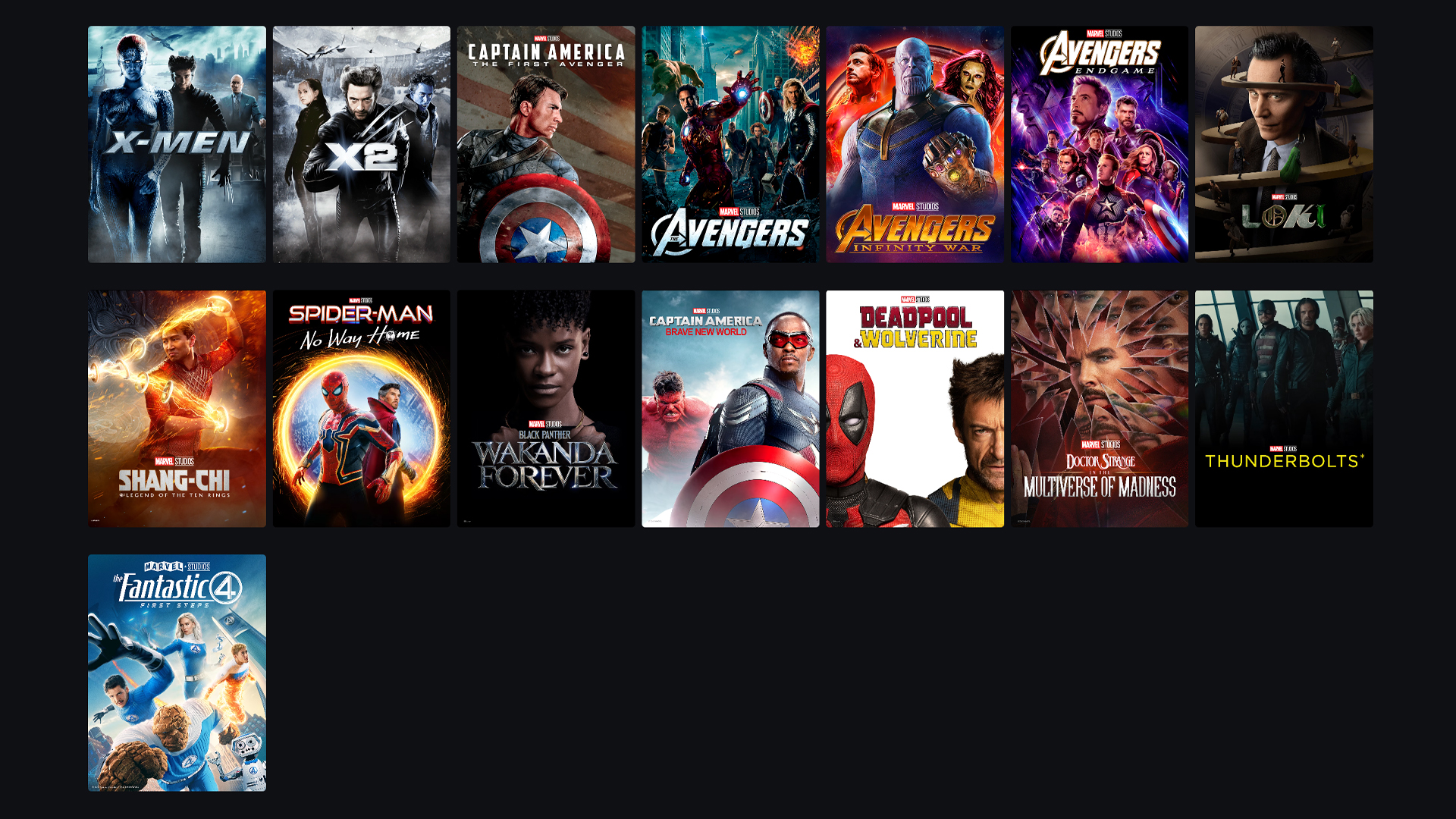
The official list as seen on Disney+
There are, however, a few surprises and spoilers. For one, if you’ve been avoiding the teasers and trailers, the X-Men films might be a shock to you. Likewise, the inclusion of the critically panned Brave New World is interesting.
The exclusions are just as noteworthy, too. Though the two earliest X-Men films are included, the list doesn’t add Days of Future Past, one of the first Marvel films to use time travel. Thor: Love and Thunder isn’t on here, despite Love, Thor’s adopted daughter, appearing in the trailers. Brand New Day is also missing, but that’s likely because the movie isn’t on Disney+ yet.
Avengers: Doomsday premieres in cinemas on December 18. Four months should be enough time to catch up on these titles.
Entertainment
Now Playing: The End of Oak Street
A more grounded, relentlessly suspenseful take on human-dinosaur coexistence

For years, cinema has repeatedly tried to answer the age-old question: “What if humans and dinosaurs co-existed?”
Executions have varied wildly from standout franchises. There’s the corporate greed-driven, sci-fi techno-thrills of Jurassic Park.
There’s also the colossal, kaiju-laden spectacle from modern monster movies led by Godzilla.
The End of Oak Street, on the other hand, approaches the premise from a much more grounded and relentlessly suspenseful angle.
Led by A-listers Anne Hathaway and Ewan McGregor, director David Robert Mitchell delivers what feels like a Marvel-style “incursion” — except localized entirely to a quiet 1980s suburban neighborhood.
⚠️ Some spoilers ahead! ⚠️
Well-paced buildup to an 80s nightmare
The End of Oak Street doesn’t waste time getting its board pieces into position. It quickly establishes the Platt family dynamic: Anne Hathaway’s Denise is a frustrated aspiring writer, Ewan McGregor’s Greg is a moonlighting pizza delivery rider struggling to keep his family afloat while striving to be a better man, husband, and father.
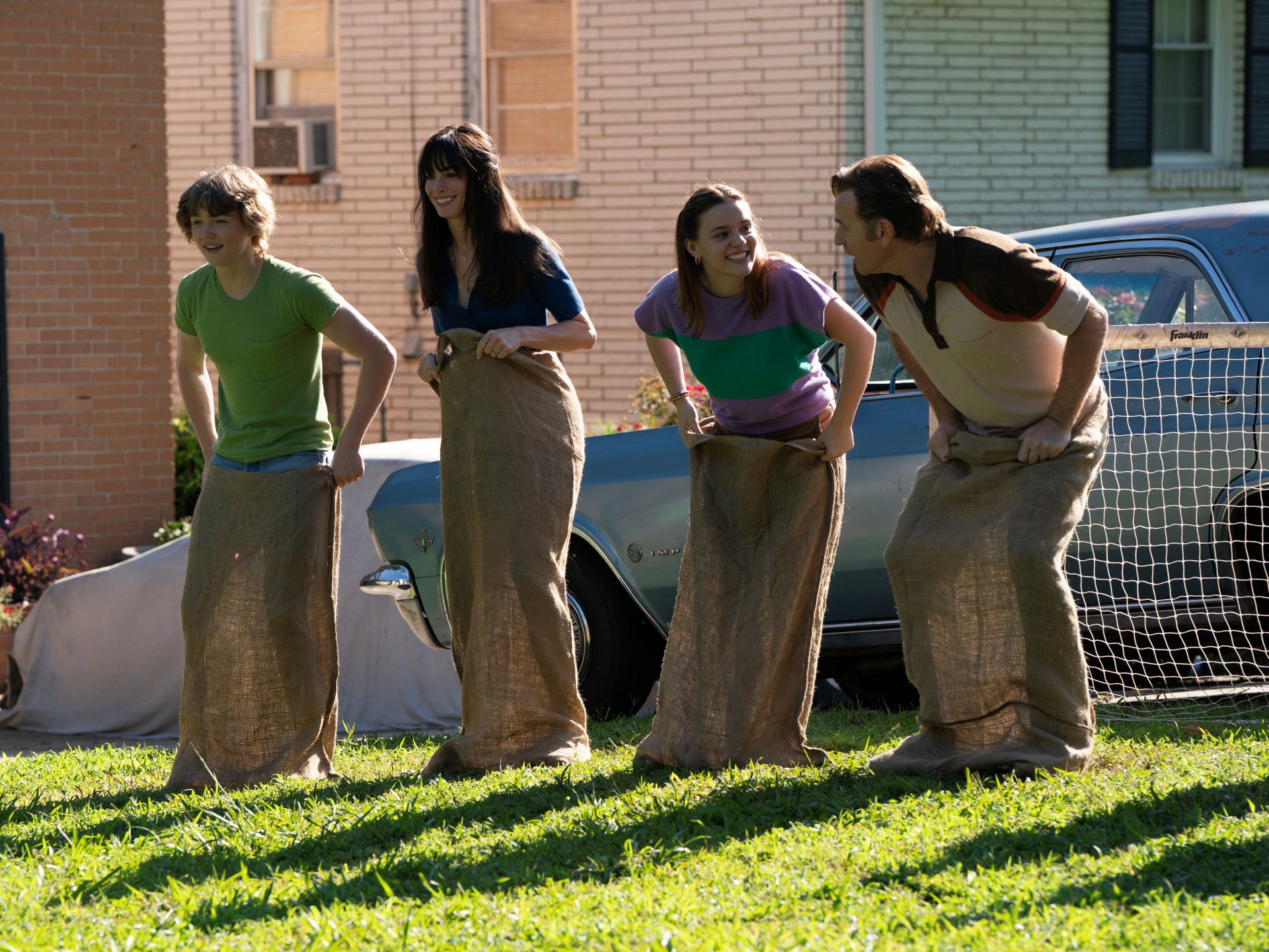
They have two children: Brian (Christian Convery) and Audrey (Maisy Stella) plus their family dog Starbuck. The Platts aren’t picture-perfect, and a brief argument early on reveals this fractured marriage on the brink of divorce.
Visually, the film nails its 80s aesthetic right off the bat. There’s warm color grading, period-accurate costume design, and of course, backyard activities to build-up the overall setting.
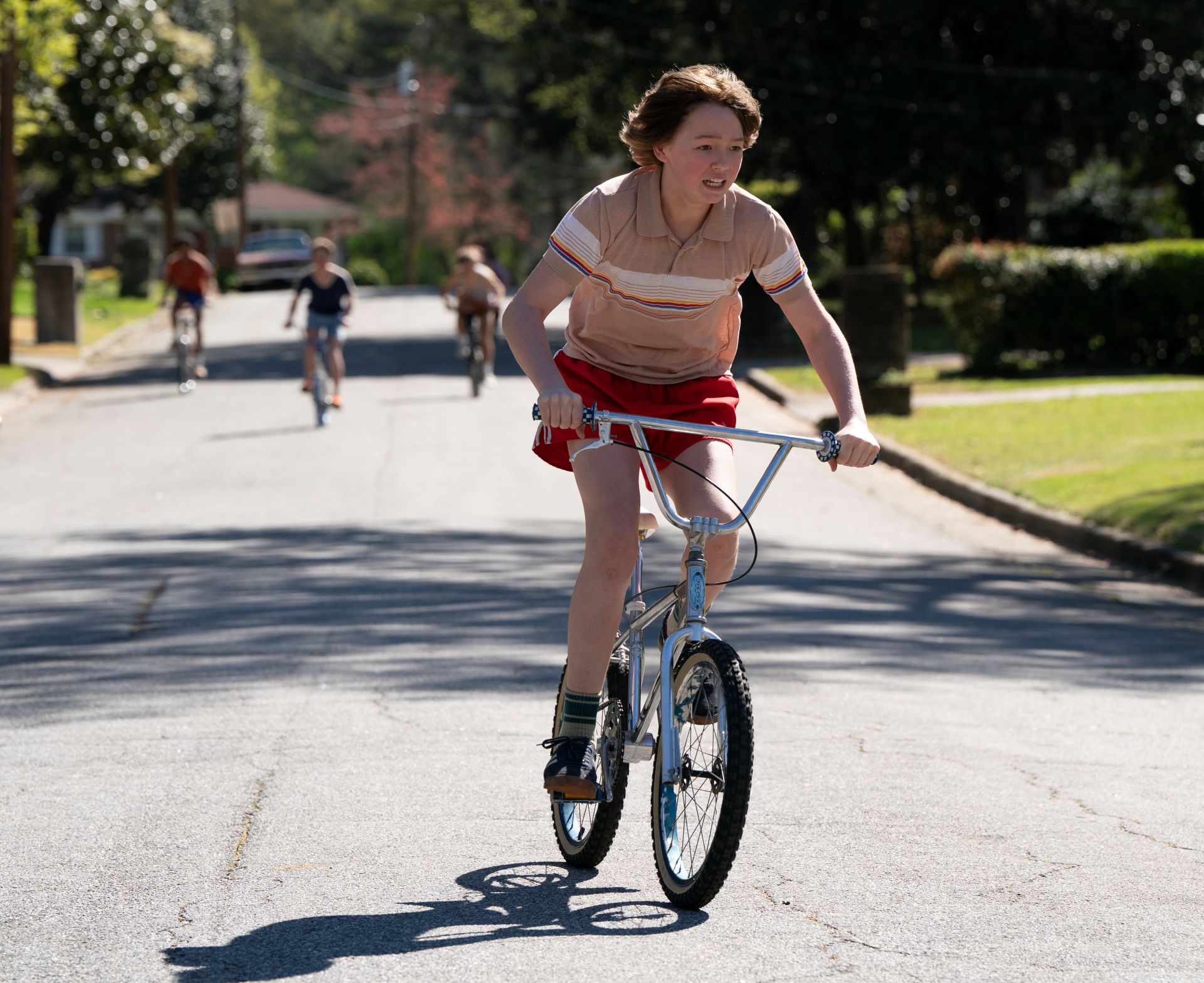
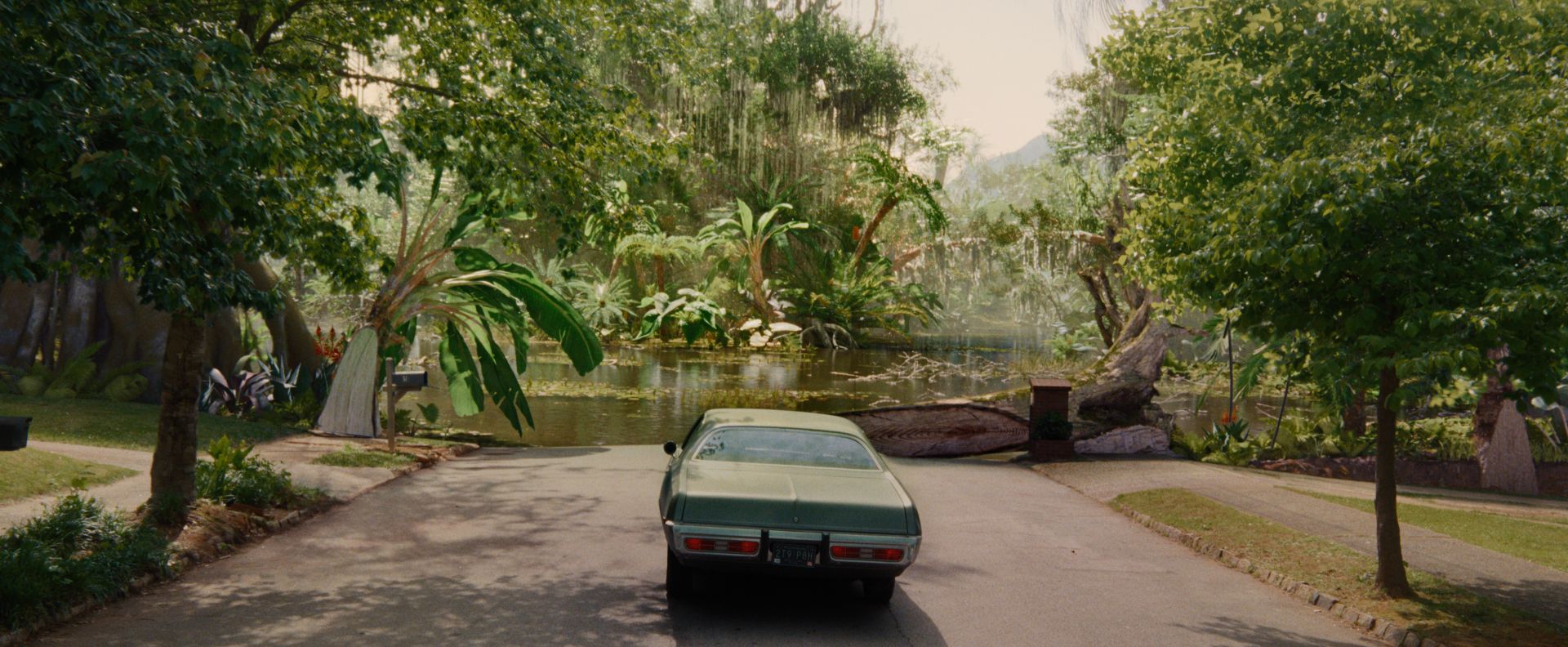
The mystery kicks off when Denise photographs a mysterious plant suddenly appearing in her neighbor’s yard, only to be identified as Pleuromeia, a species that had been extinct for millions of years.
Moments later, a violent storm and a blinding flash of cosmic light would rip Oak Street out of normalcy as dinosaurs and other prehistoric wildlife would be transported into the same timeline.
Dinosaurs galore, relentless suspense
Once the neighborhood shifts, the film becomes a continuous gauntlet of prehistoric terror. Mitchell fills the screen with an impressive array of creatures.
There’s all kinds, from the flying pterosaur, the harmless but massive Stegosauruses and Triceratops, the heavily-armored but likewise herbivorous Ankylosaurus, and the main threat, the Allosaurus. In between, there’s even giant pre-historic crocodiles and eels.

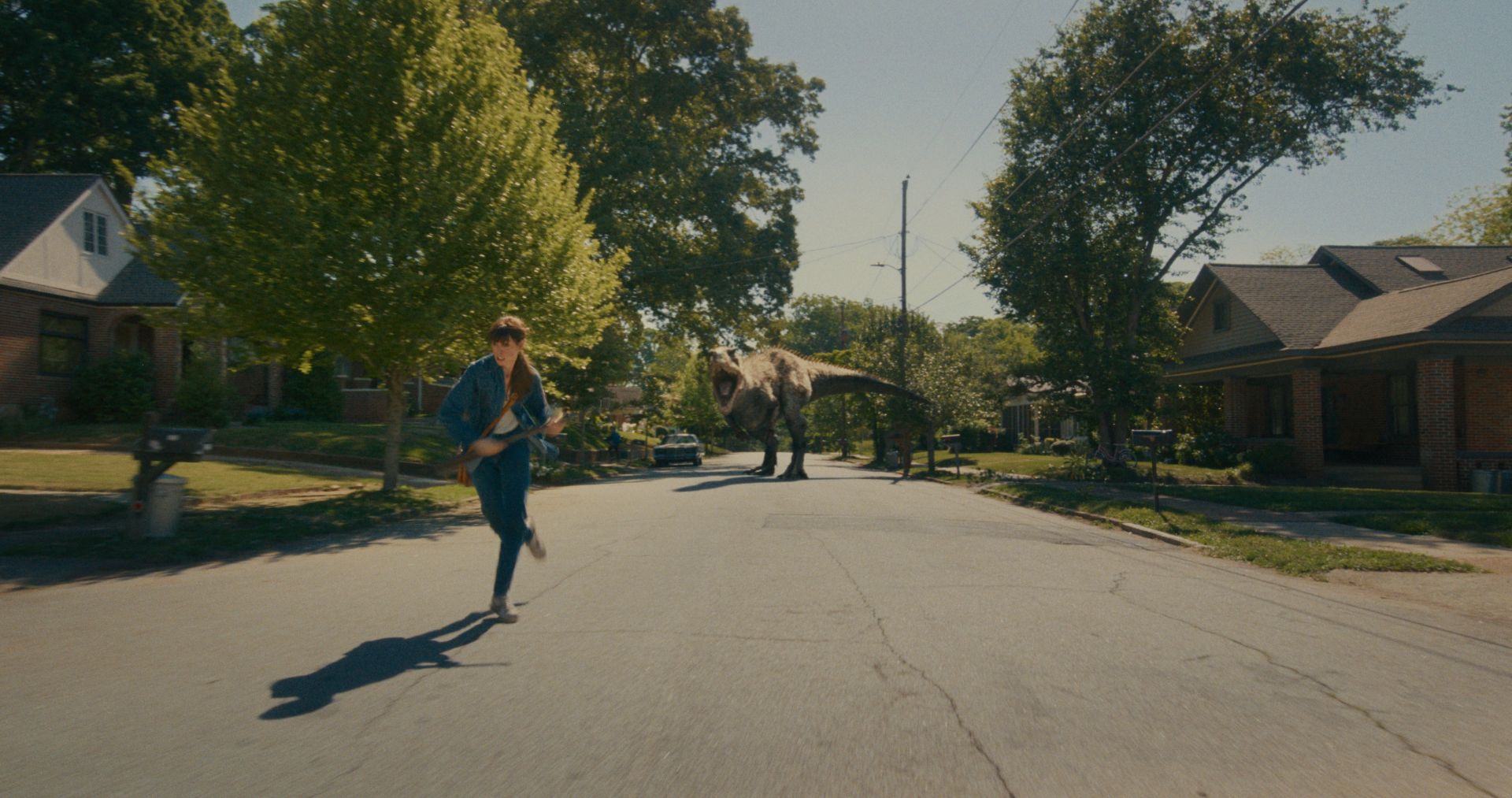
Cinematography works exceptionally well here. It balances full creature reveals with the more subtle, tension-building frames, like the tip of a tail disappearing, spikes moving behind house roofs, or just the simple rustling behind bushes and trees.
Also noteworthy is how these various species all mostly played a role in the plot’s progression, not just thrown visually for mindless fanservice or eye candy.
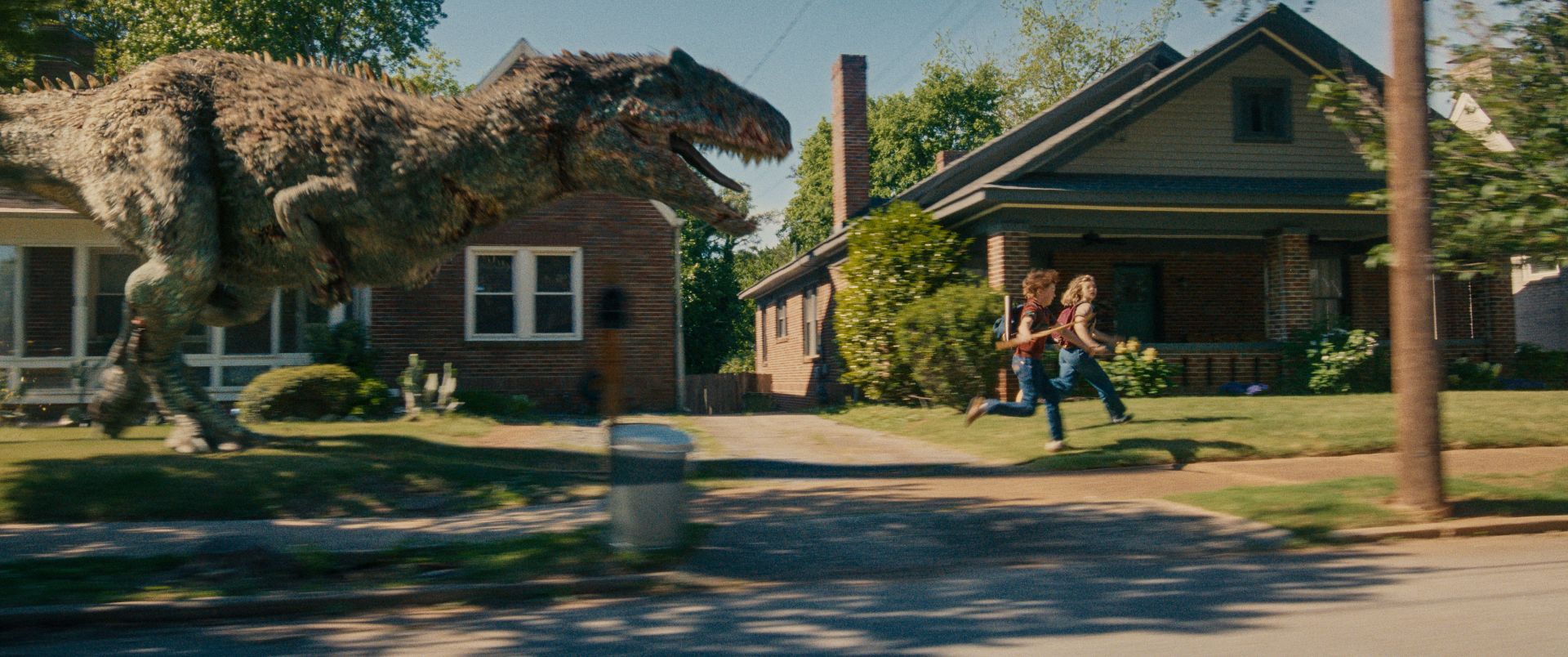
Arguably, the two most suspenseful scenes were the attack of the mighty Allosaurus in a brutal, wide-open chase, and the claustrophobia-causing slithering prehistoric eel that held the Platts’ collective breaths while trapped inside their home.
Logically, when you’re in a state of panic, you wouldn’t be able to notice what’s happening around you, which was exactly what happened to the Platts when discussing a strategy just as the apex predator was about to get to them.
Worthy performances, well-timed sequences
Hathaway and McGregor carry the film’s emotional weight, from the portrayal of their strained marriage to trying to stay intact amidst the chaos for their children.
Greg gets a tragic, redemptive arc when he sacrifices himself in the mid-film shocker as he gets caught by the Allosaurus. All he wanted to be was a better husband and father figure, afraid to lose everything.
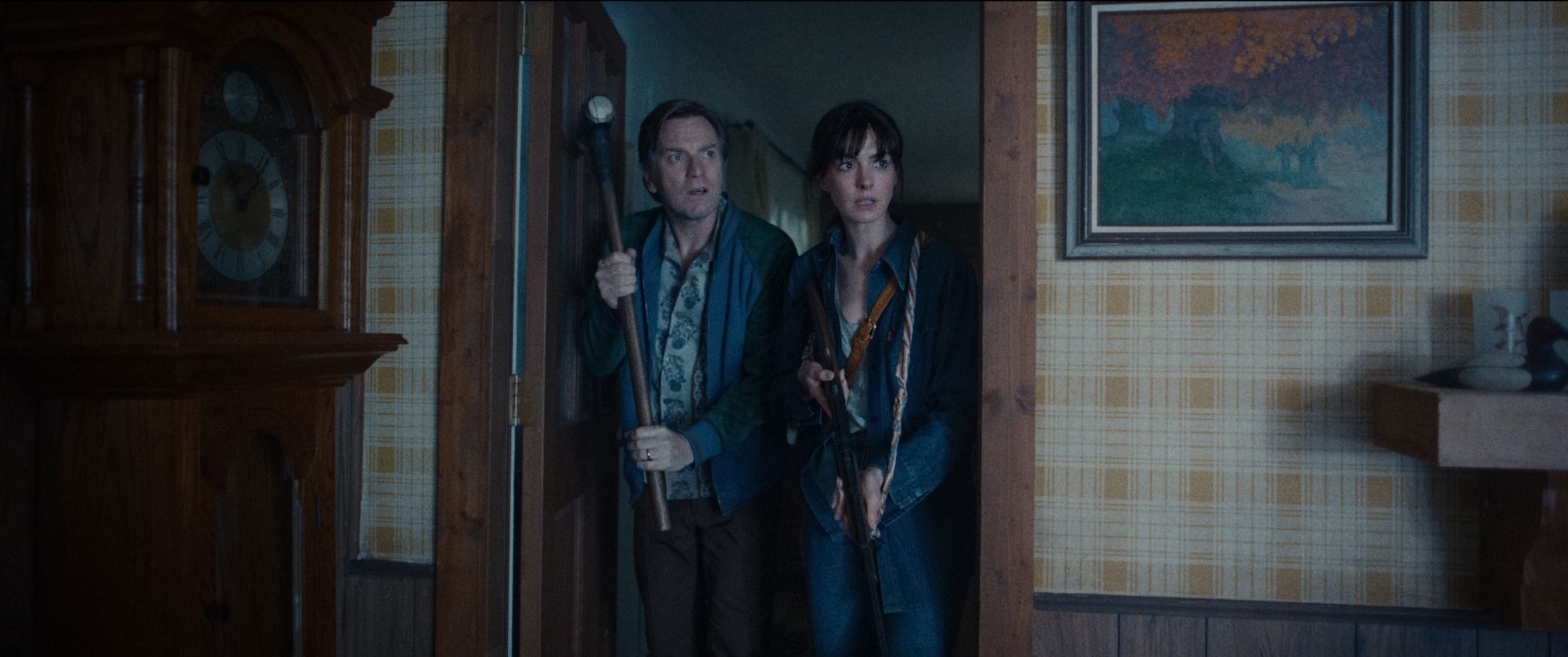
This leaves Hathaway’s Denise to process grief when there is no time to waste, and when the immediate goal is to steer her kids to safety. She somehow finds a way to express these emotions when she repeatedly stabs the prehistoric eel later on.
Convery and Stella also hold their own as the Platt kids with their portrayals of panicked youngsters. There’s bone-headed, irrational decisions and just plain annoyance when their seniors are trying to focus on problem-solving.
Involving Brian’s neighborhood crush, Jeannette, along with his bullies while everything is falling apart feels natural. It’s something kids would definitely do even with Oak Street getting torn apart.

For the most part, it felt like filmmakers timed the sequence of scenes well. They knew when to zig and when to zag, and when to insert particular elements.
But letting Starbuck loose into the jungle felt like a stretch, given how it’s filled with predators, although I get inducing even more anxiety to viewers when there are several question marks yet to be answered.
Endless chase, intriguing finale
At a 99-minute runtime, the final third of the film transitions into a long, heart-pounding chase to sustain the energy high.
Eventually, Denise, the kids, and Jeannette find the wormhole atop local librarian, Mrs. Valcourt’s house.
They fend off giant prehistoric crocodiles and pterosaurs in a gripping final scramble. Starbuck miraculously reappears, and the survivors plunge back into the wormhole and are able to get home safely.
This brings everything to the resolution. Denise lands back in 1982, just a few minutes before the incursion occurs. Knowing what’s about to happen, she calls Greg to deliver pizza so he can avoid the radius of the cosmic event entirely.
As with movies involving time-travel, resetting the timeline is what’s logical and realistic.
However, it does feel a lot anti-climactic, wiping away the entire journey that involved character growth, trauma, and heavy emotional stakes, for a happy ending and the success of Denise’s writing career.
Should you watch it?
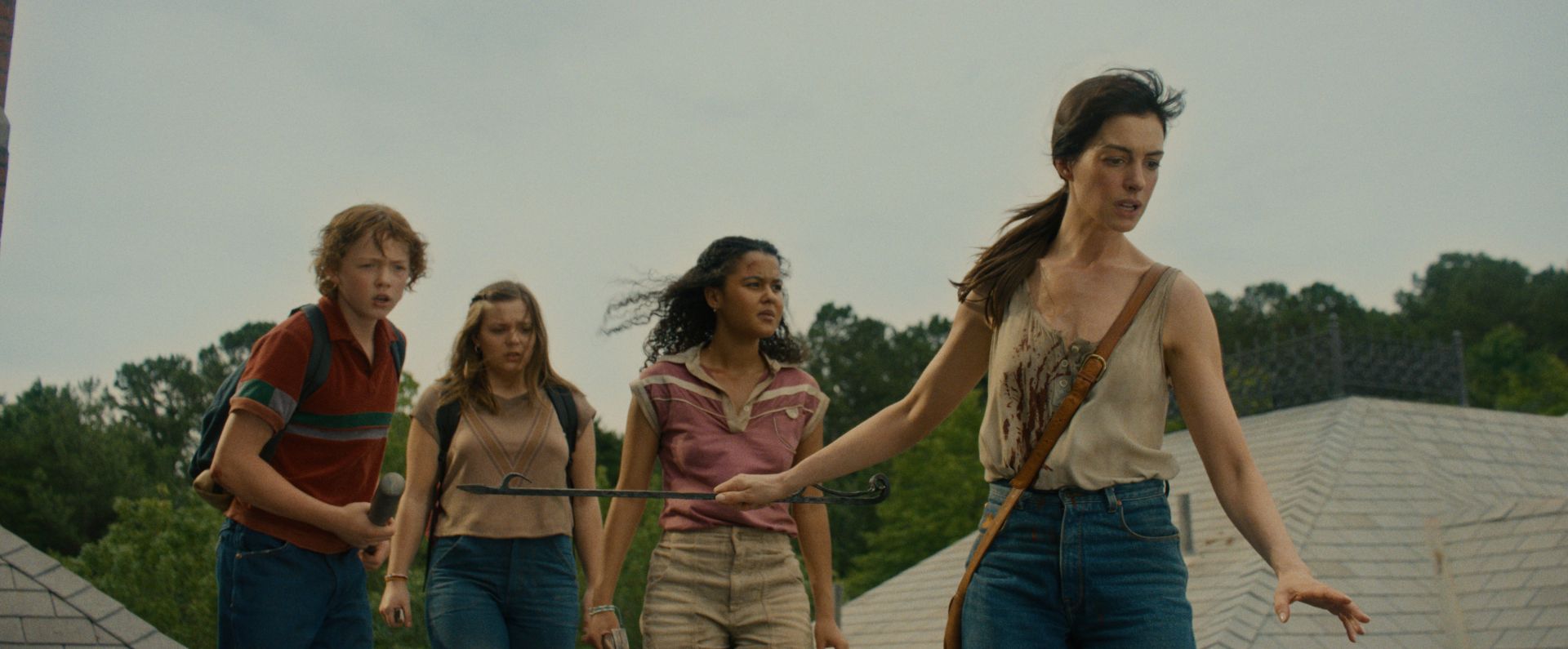
On our Watch Scale, The End of Oak Street sits comfortably under Watch at your convenience.
The creature variety, sustained tension, and shrewd pacing make it a fun, heart-pounding ride.
Its reset-button ending and occasional logical flaws prevent it from being a top-tier dinosaur movie, but it’s one of the better ones we’ve had in a while.





GUNDAM ROGUE ORBIT launches in March 2027

Lenovo Legion teams up with Quiccs

LG’s AI Home vision comes to life at IFA 2026 with innovative showcase

Ford’s new Everest lineup brings V6 engine to the top, tech down the line

Xiaomi makes IFA debut, showcasing ‘Human x Car x Home’ ecosystem

TECNO MEGAPAD 2 review: Eyes on the size

realme 16T 5G with 8000mAh battery, IP69 Pro rating launches in PH

REDMI Note 17 Series focuses on long-term reliability

realme 16T to come with 8,000mAh battery, 7-year battery health guarantee

HUAWEI Pura X View is 2026’s first WIDE slab-type smartphone


-
 News1 week ago
realme 16T 5G with 8000mAh battery, IP69 Pro rating launches in PH
-

 Singapore1 week ago
REDMI Note 17 Series: Price, availability in Singapore
-

 News1 week ago
REDMI reveals the refreshed Note 17 and Note 17 Pro series
-
 Cameras2 weeks ago
Insta360 Luna Ultra review: My new solo coverage camera
-

 Reviews1 week ago
REDMI Note 17 Pro review: What a rollercoaster ride!
-

 News2 weeks ago
HONOR Magic V6: Price, availability in the Philippines
-

 Features1 week ago
The designated photographer’s new favorite phone: OPPO Reno16 Series 5G
-

 Automotive2 weeks ago
Tesla involved in recalling over 4 million electric cars