
Hands-On
OnePlus 5 hands-on and photo comparisons

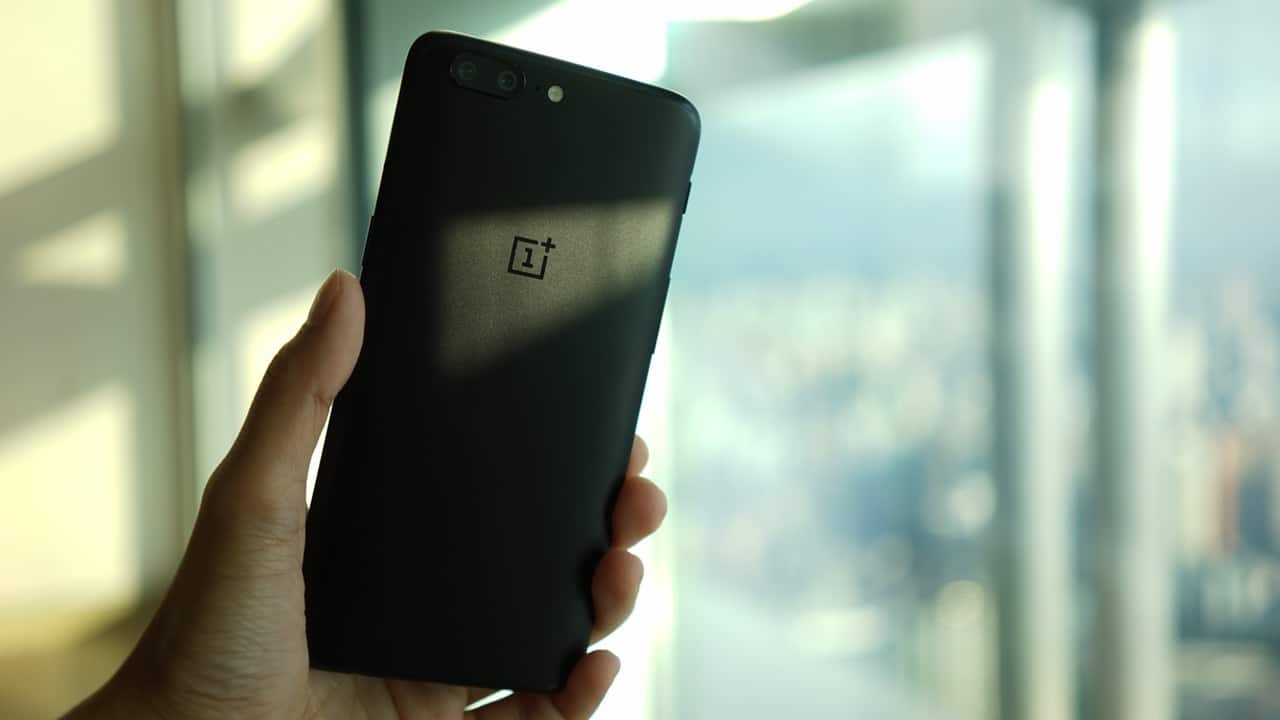
OnePlus has come a long way from the OnePlus One and its invite-only system. Now on its sixth smartphone release (the OnePlus 4 was skipped, but there’s a OnePlus X and 3T in between), expectations are higher than ever for the OnePlus 5. Here are my thoughts on the new flagship phone.
The look and feel
This newest OnePlus release is said to be the thinnest ever from the smartphone series. It’s a serious-looking device with the right weight to it, making it feel premium from every angle.

The OnePlus 5 comes in midnight black and slate gray. No rose gold or silver for this flagship device — in keeping with the phone’s no-nonsense persona and in line with the company’s promise of offering “devices with premium build quality and high-performance hardware.”
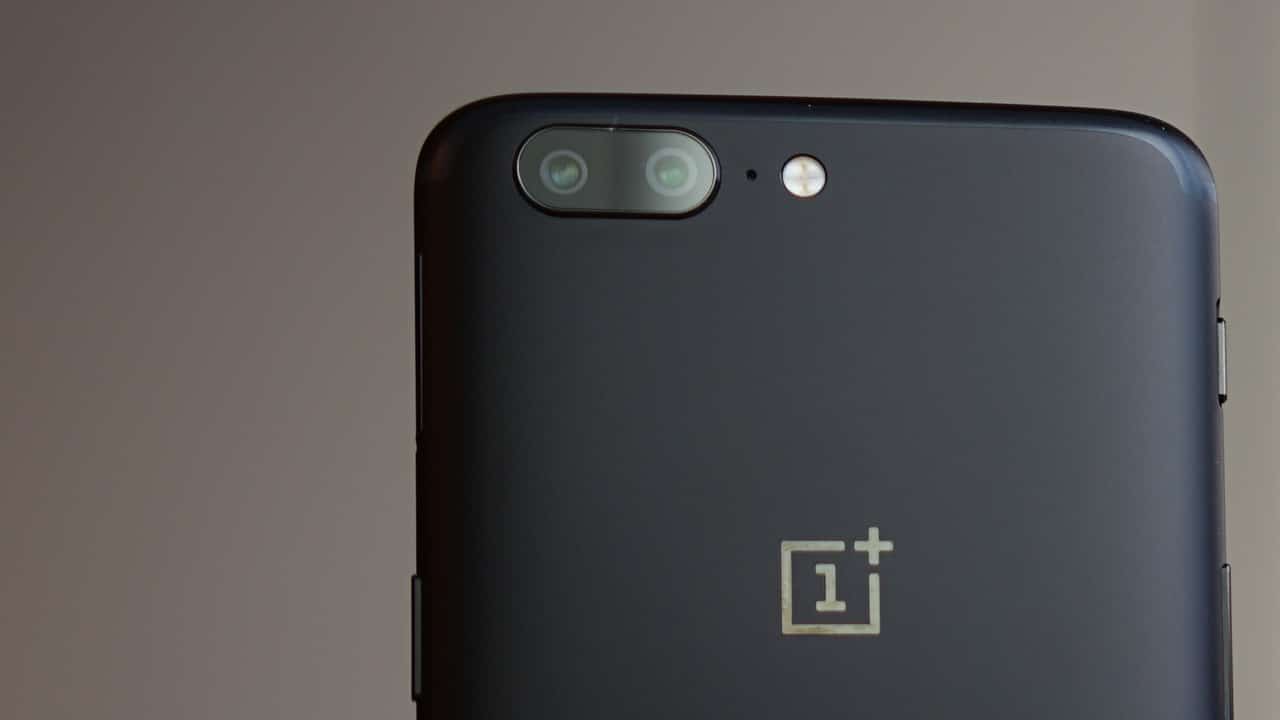
Noticeable is the change in placement of the cameras, which can now be found on the upper-left side of the rear. There is a slight camera bump, but it’s nothing compared to what the OnePlus 3 and 3T had. Personally, I couldn’t care less where the cameras are placed and how they look, so long as they take awesome snaps.
Admittedly, it looks very familiar, but I say you don’t need to deviate from a proven formula. In this case, the design still works as it has with other smartphones. I like how this phone feels in my hands; my tiny, girl hands have become used to holding phones with 5.5-inch Full HD displays — I’ve evolved to technology accordingly.
But seriously, the comfortable grip was made possible by sharpening the edges without overdoing it and hurting my hands in the process. It helps that the matte finish is smooth to the touch without feeling cheap by any measure.
The meat and bones
The OnePlus 5 runs on OxygenOS, which is a lightly skinned take on Android 7.1 Nougat. If you’ve used a OnePlus before — or watched our excellent hands-on video — you already know what you’re getting into. If not, rest assured it has all the basic Android functionality and fluidity, along with a few nifty tricks to lengthen battery life and customize on-screen shortcuts.
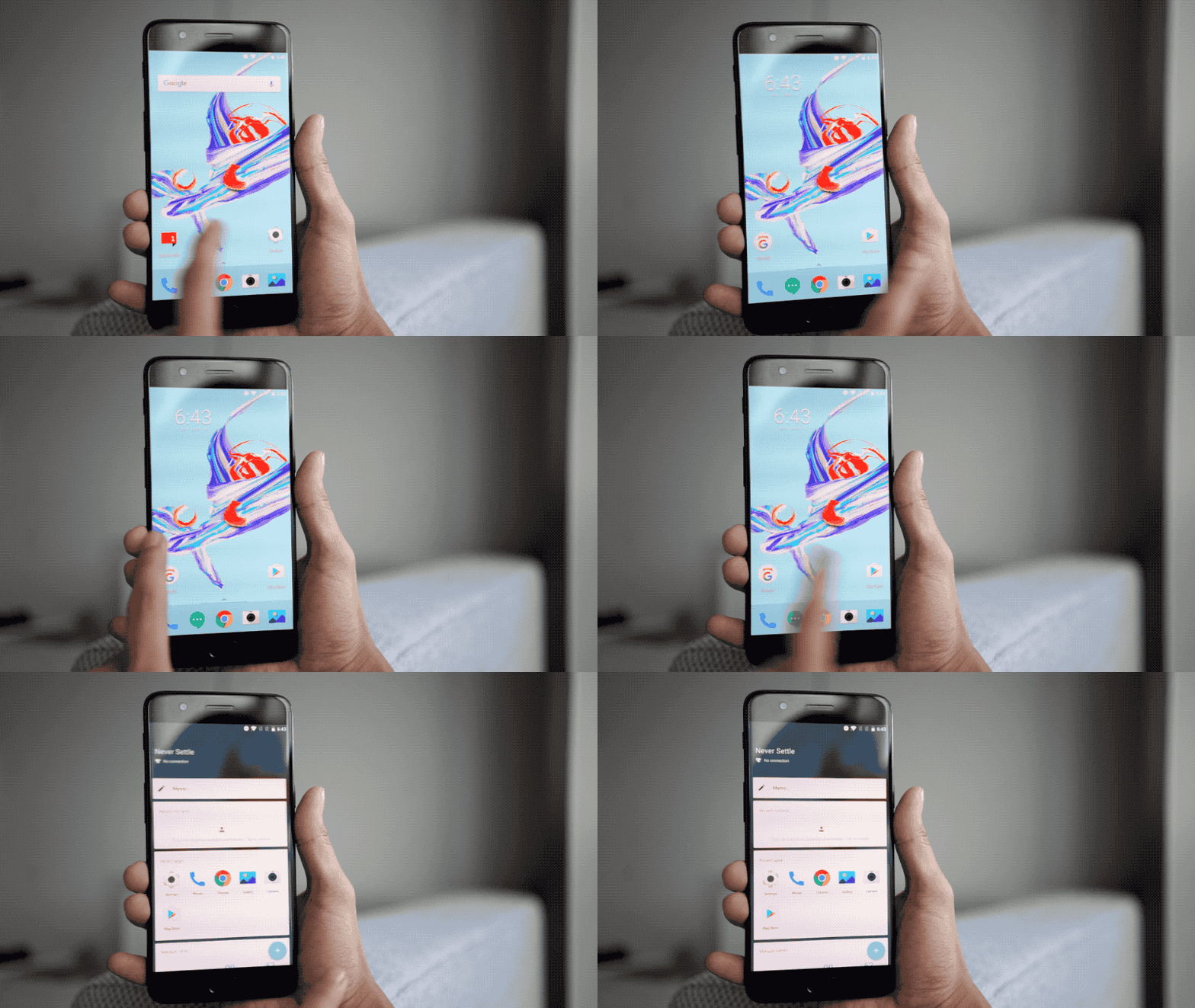
The bigger story, however, is its use of a Snapdragon 835 processor, which is the best possible chip you can find on any phone to date. Coupled with up to 8GB of memory and 128GB of integrated storage, you’re looking at the most well-equipped Android device in the market. This is the phone you want if you want to show off to your friends that you have the absolute best.
Its battery is similar to the OnePlus 3T, though software improvements promise 20 percent more efficiency in the use of that 3300mAh capacity. OnePlus’ version of fast charging, Dash Charge, is also back with an even greater promise: a whole day’s worth of power in just 30 minutes of charging time. I have yet to put that to the test during my short time with the phone, but if it’s any better than the previous generation of Dash Charge, I’m already sold on it.
The rear cameras
The pair of main cameras are the real stars of the OnePlus 5 show. Equipped with a 16- and 20-megapixel camera tandem, OnePlus offers a vastly improved photo-taking experiences over past phones. A great feature, and one we’ve been seeing on other smartphones as well, is the built-in portrait mode which results in great-looking photos like this. Notice the natural-looking bokeh mode.

Say hello to Nicole Scott of Mobile Geeks!
The second lens isn’t just for show; in fact, you get 2X optical zoom and 8X zoom via software for the extra space it consumes.
[sciba leftsrc=”http://www.gadgetmatch.com/wp-content/uploads/2017/06/GadgetMatch-2017-06-19-OnePlus-5-Sample-03.jpg” leftlabel=”Normal” rightsrc=”http://www.gadgetmatch.com/wp-content/uploads/2017/06/GadgetMatch-2017-06-19-OnePlus-5-Sample-02.jpg” rightlabel=”2X optical zoom” mode=”horizontal” width=””]
For more serious shooters, a pro camera mode is available, which allows you to tweak photo settings. Personally, I’m more of a point-and-shoot type of girl, and OnePlus also has something for people in that department; the Smart Capture software supposedly adjusts depending on the scenario. I put that to the test:



The selfie camera
The single 16-megapixel front-facing camera did not disappoint, despite looking inferior to its rear-mounted counterpart at first. Its built-in beauty mode has a simple interface which allows you to toggle the level of beautification you’d want applied to your photo.
[sciba leftsrc=”http://www.gadgetmatch.com/wp-content/uploads/2017/06/GadgetMatch-2017-06-19-OnePlus-5-Sample-05.jpg” leftlabel=”Beauty mode on” rightsrc=”http://www.gadgetmatch.com/wp-content/uploads/2017/06/GadgetMatch-2017-06-19-OnePlus-5-Sample-04.jpg” rightlabel=”Normal ” mode=”horizontal” width=””]
I loved the beauty mode on this selfie camera. Other smartphones tend to overdo the beauty blur, and although you end up with no blemishes, you also wind up with no nose. The OnePlus 5 smoothens out your face to varying degrees, but the effect isn’t so intense to leave you looking alien-like or plastic-y.

Auto HDR mode is also available on the front shooter, in case you simply want a prime selfie no matter what. What it does is improve the highlights and shadows even when there’s backlighting from a window or single light source. (Because we all deserve that brightness in our lives — no matter how dark some parts get!)
Initial impressions
Marketed as practical phones for those who value money and performance, OnePlus has proven that a power-packed smartphone can come with a reasonable price tag. As a self-proclaimed selfie lover, OnePlus phones weren’t really on my top priority, until now.

With its good track record for quality and adding this new focus on cameras, it seems OnePlus’ new equation for a flagship smartphone is something I am totally on board with.
OnePlus’ company motto is “Never Settle,” and it seems they’re making good on that promise with each and every phone they release.
Pricing and availability is a comprehensive list not worth writing twice, so head on over to our launch story to know the when, where, and how much of the OnePlus 5.
SEE ALSO: OnePlus 5 launches in North America, Europe, and Asia
[irp posts=”15283″ name=”OnePlus 5 launches in North America, Europe, and Asia”]







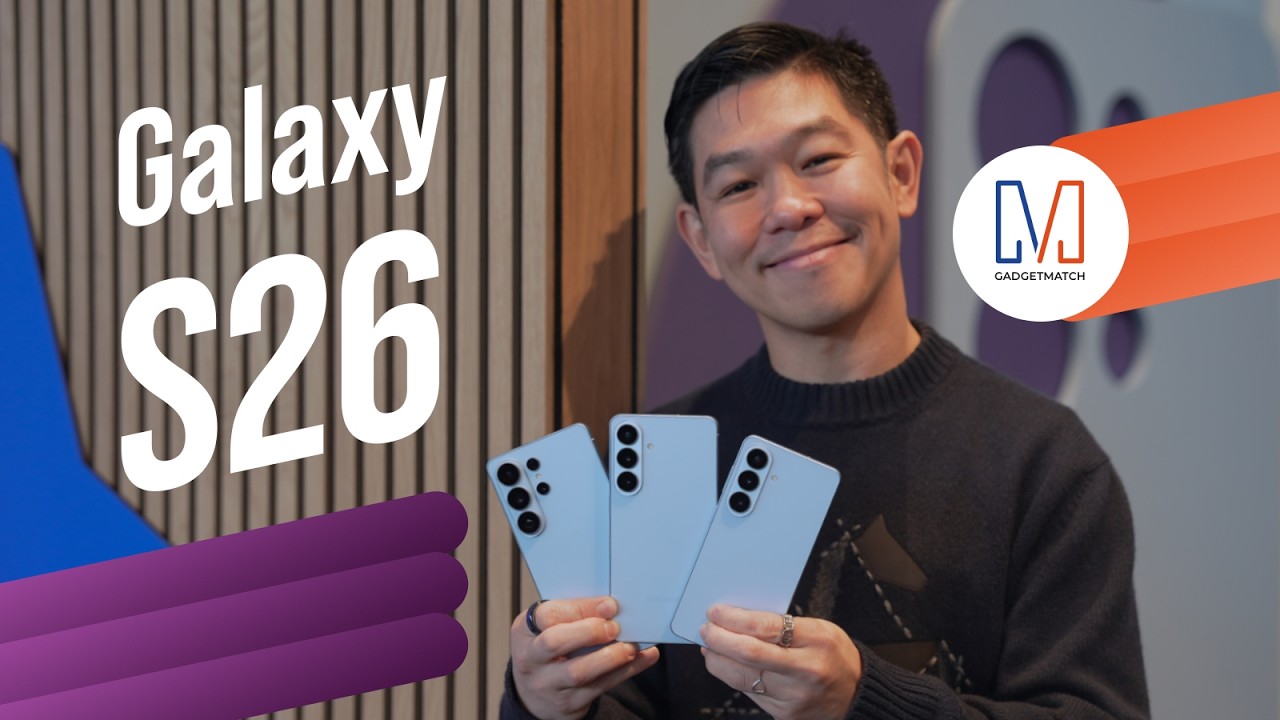
Did Samsung push forward or play it safe with the Samsung Galaxy S26 Series? Well, it’s a little bit of both.
Here’s our Hands-on with the new Samsung Galaxy S26 series to find out.
PRE-ORDER and SAVE up to $900 with enhanced trade-in credit:

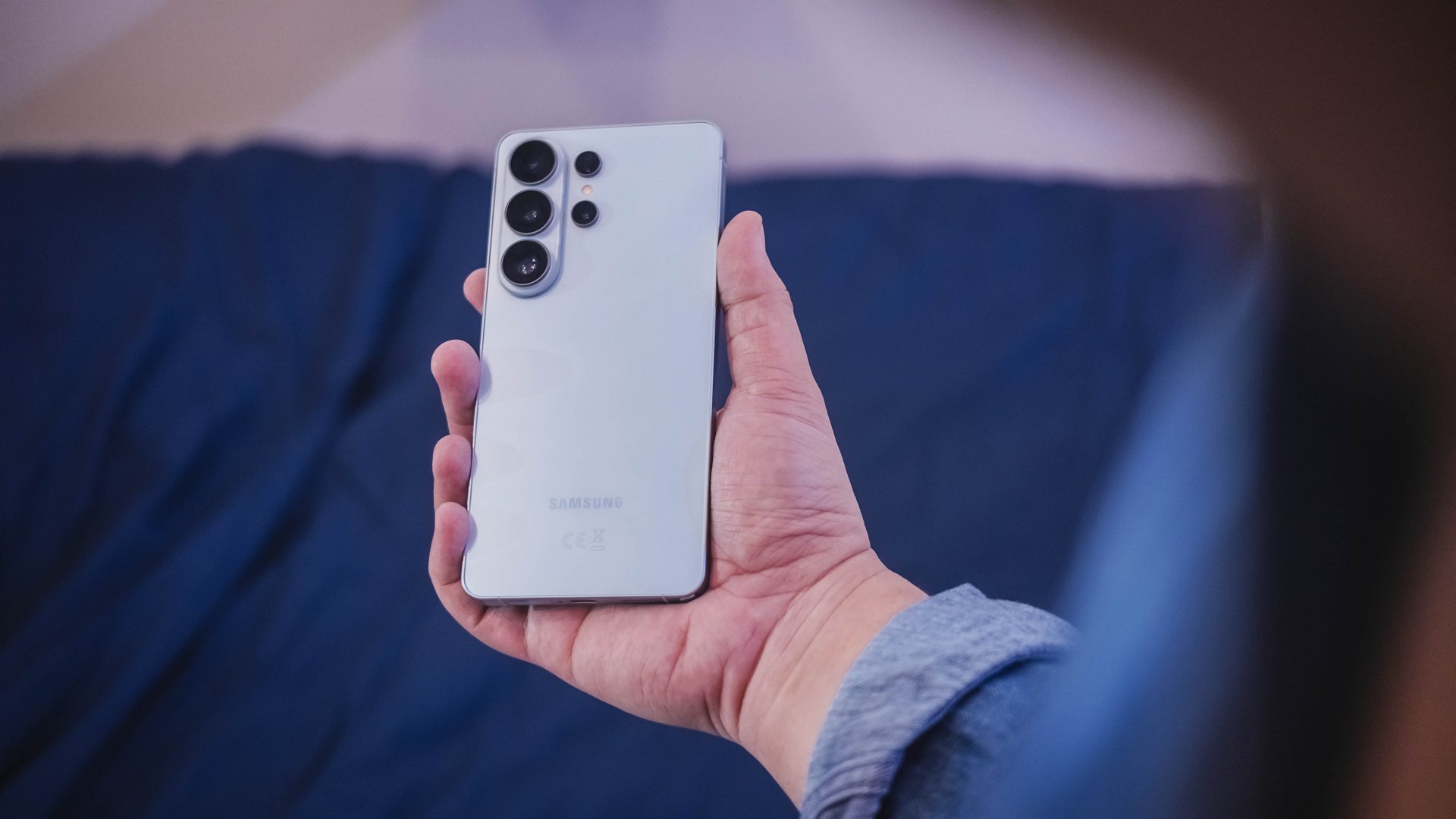
“Our philosophy has never been about chasing specs.”
That line from Samsung’s presentation captures the Galaxy S26 Series better than any spec table.
This isn’t a year of radical hardware shifts. Battery capacities remain unchanged. Megapixel counts are familiar. The design language evolves rather than transforms.
But incremental doesn’t automatically mean irrelevant.
The S26 Ultra feels like Samsung refining its priorities — usability, privacy, and AI integration — instead of pursuing headline-grabbing numbers.
Hardware refinement, not reinvention
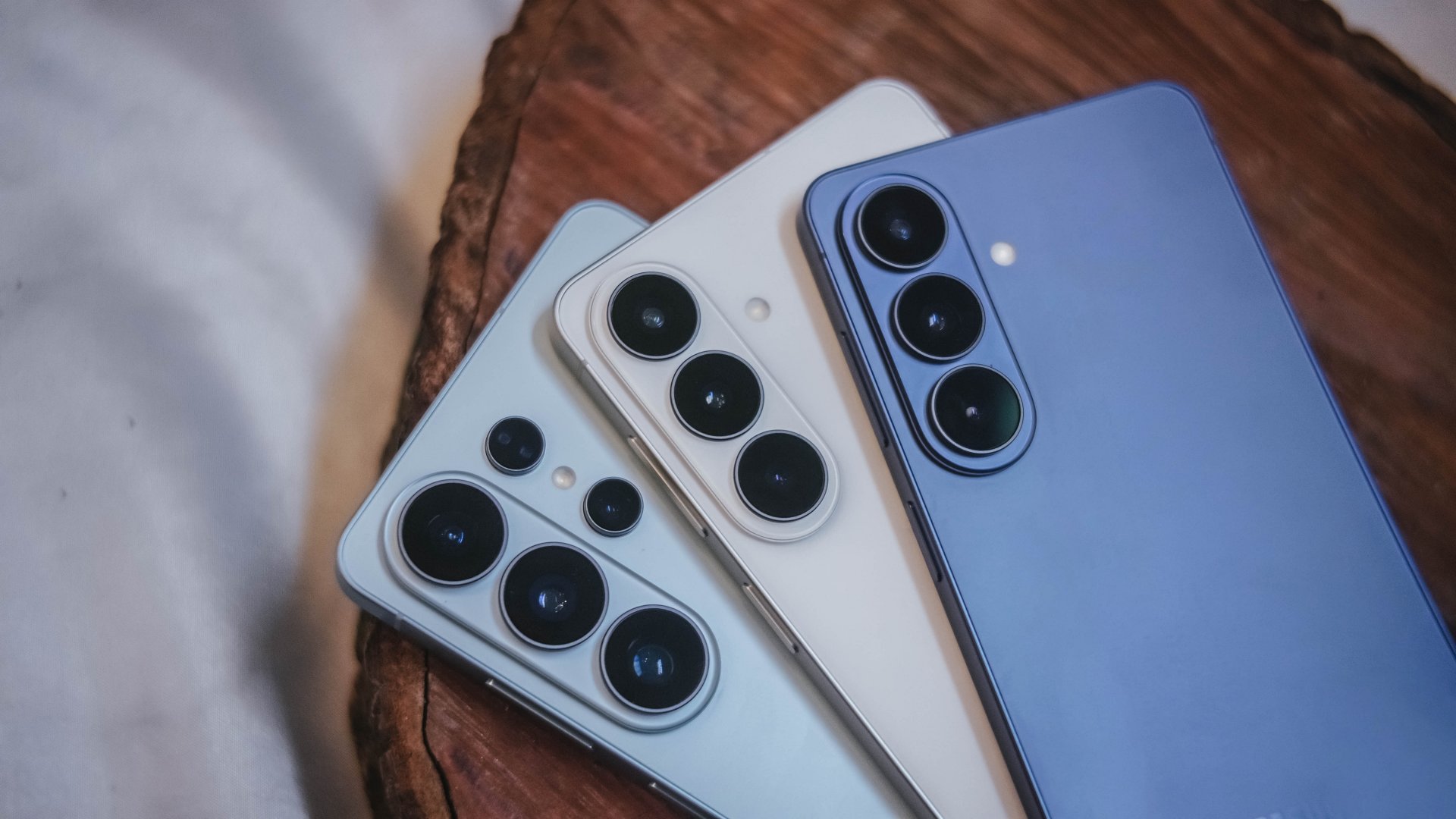
The Galaxy S26 series looks more unified. All three models now share the same corner radius, creating a consistent visual identity. The Ultra no longer stands apart with sharper edges. It’s a small change, but it makes the lineup feel cohesive.
The camera module sits on a more defined island rather than blending into the rear panel. It’s subtle, but noticeable in person.
Samsung also trimmed weight and thickness on the Ultra. At 7.9mm and 214 grams, it handles slightly better than last year’s model. The company switched to Light Armor Aluminum, which it claims improves heat dissipation and weight. The difference in hand isn’t dramatic, but it’s appreciated during extended use.
Charging finally moves forward. The Ultra supports 60W wired charging, up from 45W. Samsung says you can reach 75 percent in around 30 minutes. That’s a meaningful improvement for quick top-ups.
However, 60W isn’t industry-leading in 2026. Competing brands have offered similar or faster speeds for years. This feels less like Samsung setting a new benchmark and more like closing a gap.
Battery capacity remains 5,000mAh. That’s consistent with previous models. While fast charging helps daily convenience, endurance gains will depend on software optimization and real-world usage.
AI and software remain the headline
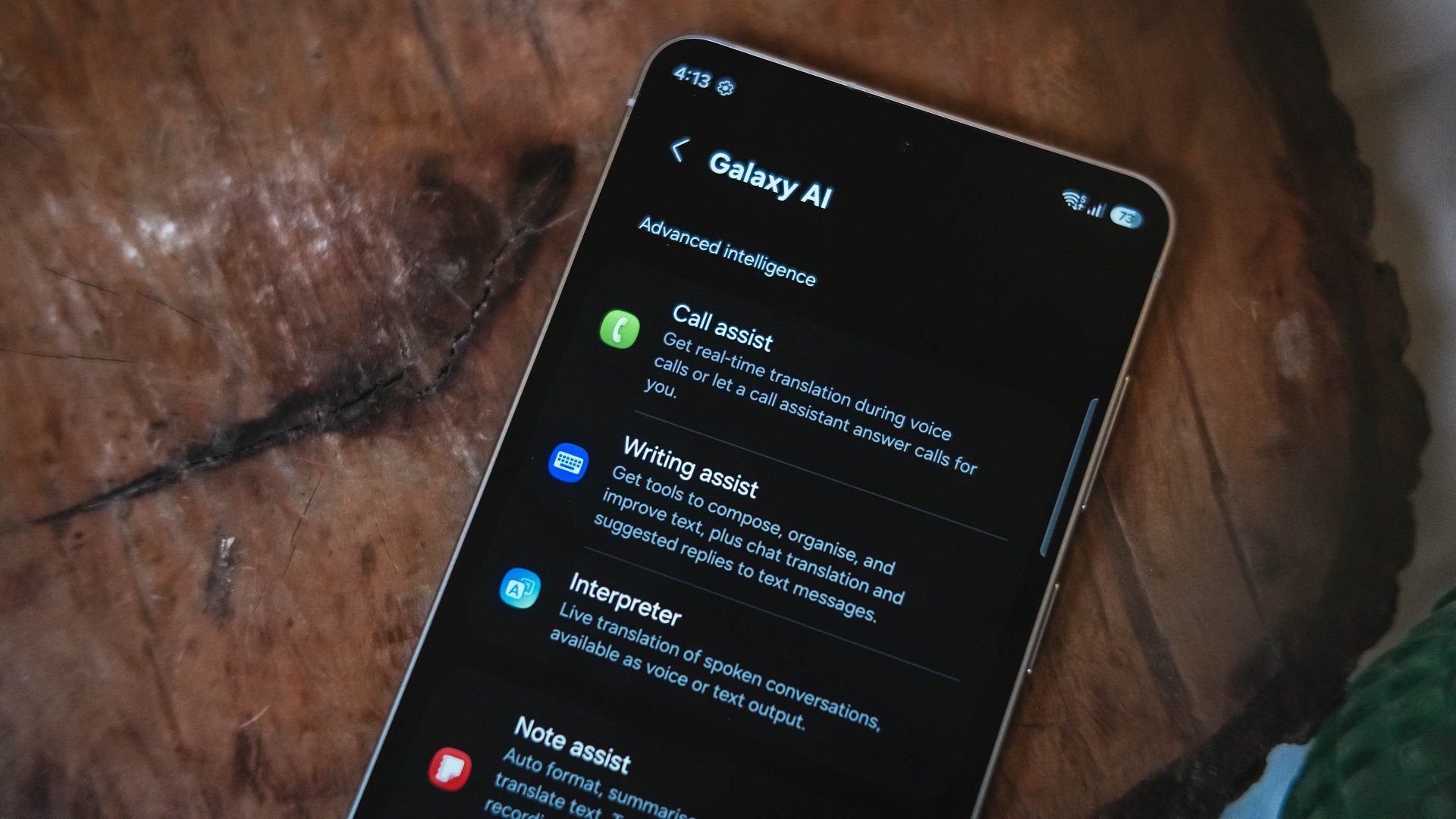
Like recent Galaxy generations, the S26 Series leans heavily on software features.
Privacy Display is one of the more practical additions. It restricts viewing angles at the pixel level, functioning like a built-in privacy filter. If you’re using your phone in public spaces, people nearby will struggle to see what’s on screen.
You can toggle the feature or enable it only for specific apps. That flexibility matters. It allows privacy protection for sensitive apps while keeping general use unaffected.
This addresses a real-world problem. Public screens are inherently visible. Privacy Display doesn’t eliminate that risk, but it reduces casual glances and unwanted observation.
Audio Eraser also gets an upgrade. It now works across third-party apps. We tested it on a noisy K-pop fancam from YouTube, and the background noise reduction was noticeable without destroying audio quality.
It’s not perfect. Overprocessing can occur in extreme cases. But for cleaning up shared videos or reducing ambient noise, it proves useful.
AI Photo Assist introduces text-prompt editing directly inside the Gallery app. Users can describe edits in natural language — remove objects, expand backgrounds, or modify elements — without exporting images to external tools.
This isn’t groundbreaking technology. Similar generative edits exist in other AI platforms. The difference is integration.
By embedding generative tools inside the Gallery, Samsung turns them into part of the default workflow. Photo editing becomes more accessible rather than requiring specialized knowledge or separate apps.
That shift is meaningful. It signals that generative AI editing is becoming a standard smartphone feature rather than an experimental add-on.
Cameras: computational evolution
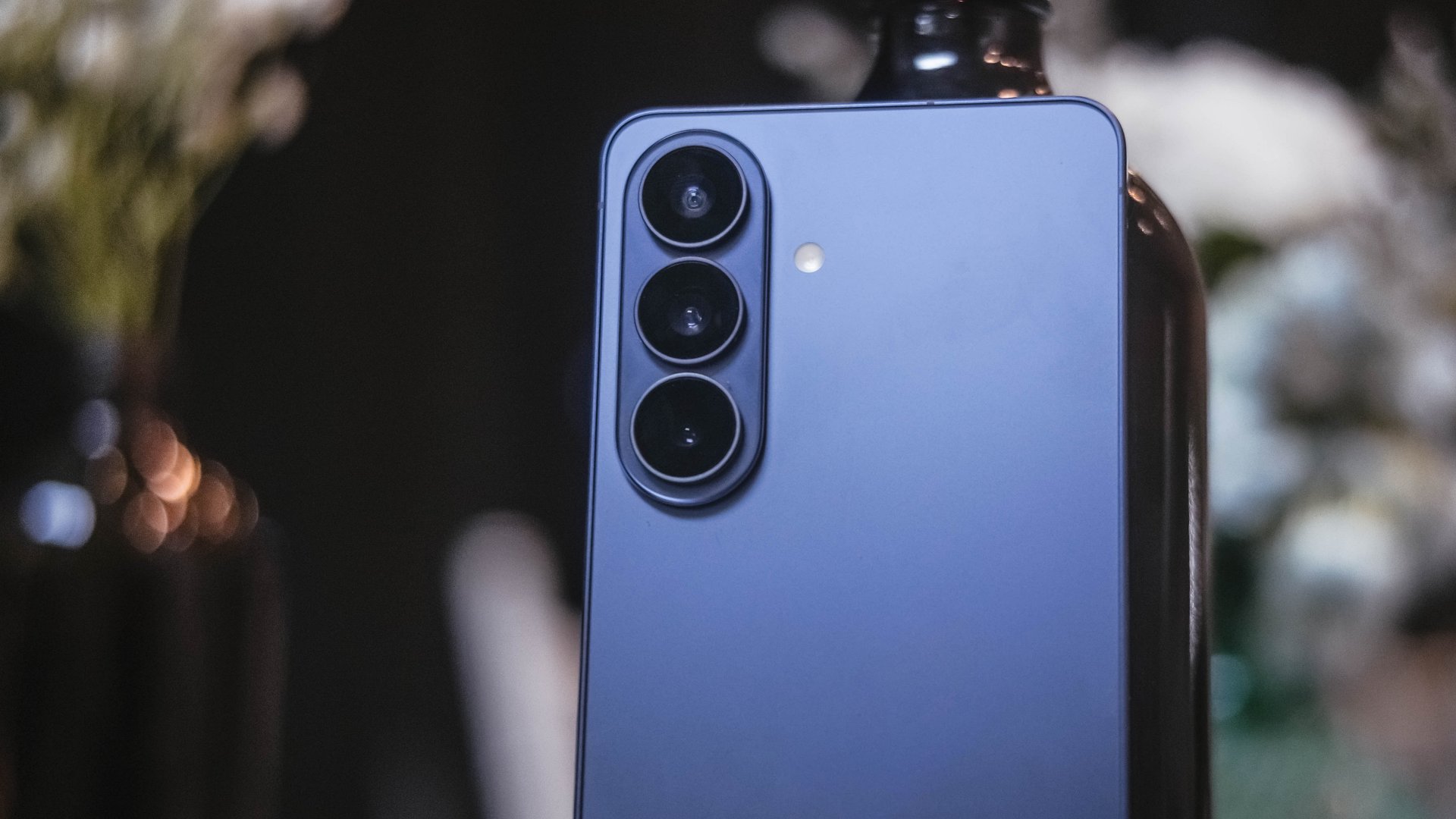
The camera hardware remains familiar. The Ultra continues with a 200MP main sensor and telephoto configurations similar to last year.
Improvements focus on computational photography.
Samsung widened apertures to allow more light. Stabilization has been refined. AI sharpening and Nightography processing aim to produce cleaner images with reduced noise.
From samples shown during the presentation, low-light shots appear brighter and cleaner. However, the processing can feel aggressive. Details sometimes look overly smoothed, and textures can appear artificial.
This reflects Samsung’s long-standing approach — prioritize computational enhancements over megapixel increases. The S26 continues that philosophy.
For video creators, APV (Advanced Professional Video) enables 8K recording with minimal quality degradation during edits. Super Steady Video also improves handheld stabilization.
These features cater to content creation workflows rather than casual snapshots.
Incremental but intentional

The Galaxy S26 Ultra doesn’t try to shock. It doesn’t reinvent Samsung’s design language or introduce dramatic hardware leaps.
Instead, it refines existing ideas.
Privacy Display addresses public visibility concerns. Audio Eraser improves real-world video cleanup. AI Photo Assist integrates generative editing into everyday photo workflows. Charging speeds improve without industry-leading ambitions.
Even the design changes — unified corner radii, a defined camera island, lighter materials — emphasize cohesion.
This strategy resembles the broader shift in the smartphone industry. Hardware innovation has slowed. Software and usability improvements drive differentiation.
Samsung appears comfortable with that reality.
Of course, first impressions only tell part of the story. We still need extended testing for battery life, thermal performance, camera consistency, and AI reliability.
The S26 Ultra may not represent a revolution. But refinement can matter — especially when it targets usability and practical features.
Samsung will have to make significant hardware upgrades eventually. But for now, it feels like the company is doubling down on incremental progress. Not flashy. Not radical. But purposeful.
Whether that strategy resonates will depend on real-world performance.
Samsung Galaxy S26 Series – Specs
| Feature | Galaxy S26 Ultra | Galaxy S26+ | Galaxy S26 |
| Display | 6.9″ Dynamic AMOLED 2X
|
6.7″ Dynamic AMOLED 2X
|
6.3″ Dynamic AMOLED 2X
|
| Rear Camera: Ultra Wide | 50MP, F1.9, 0.7 µm | 12MP, F2.2, 1.4 µm | 12MP, F2.2, 1.4 µm |
| Rear Camera: Wide | 200MP, F1.4, 0.6 µm | 50MP, F1.8, 1.0 µm | 50MP, F1.8, 1.0 µm |
| Optical Quality 2x | |||
| Rear Camera: Telephoto 1 | 10MP, F2.4, 1.12 µm | 10MP, F2.4, 1.0 µm | 10MP, F2.4, 1.0 µm |
| 3x optical zoom | |||
| Rear Camera: Telephoto 2 | 50MP, F2.9, 0.7 µm
|
— | — |
| Front Camera | 12MP, F2.2, 1.12 µm | 12MP, F2.2, 1.12 µm | 12MP, F2.2, 1.12 µm |
| Processor | Snapdragon® 8 Elite Gen 5 for Galaxy (3 nm) | Exynos 2600 (2 nm)* | Exynos 2600 (2 nm)* |
| Memory (RAM) | 12GB / 16GB | 12GB | 12GB |
| Storage | 256GB / 512GB / 1TB | 256GB / 512GB | 128GB / 256GB / 512GB |
| (Micro SD: N/A) | |||
| Battery | 5,000 mAh | 4,900 mAh | 4,300 mAh |
|
|||
| Dimensions | 78.1 x 163.6 x 7.9 mm
214 g (Sub6/mmWave) |
75.8 x 158.4 x 7.3 mm
190 g (Sub6/mmWave) |
71.7 x 149.6 x 7.2 mm
167 g (Sub6) |
| Colors | Standard: Cobalt Violet (Hero), Sky Blue, Black, White
Online: Silver Shadow, Pink Gold |
Standard: Cobalt Violet (Hero), Sky Blue, Black, White
Online: Silver Shadow, Pink Gold |
Standard: Cobalt Violet (Hero), Sky Blue, Black, White
Online: Silver Shadow, Pink Gold |

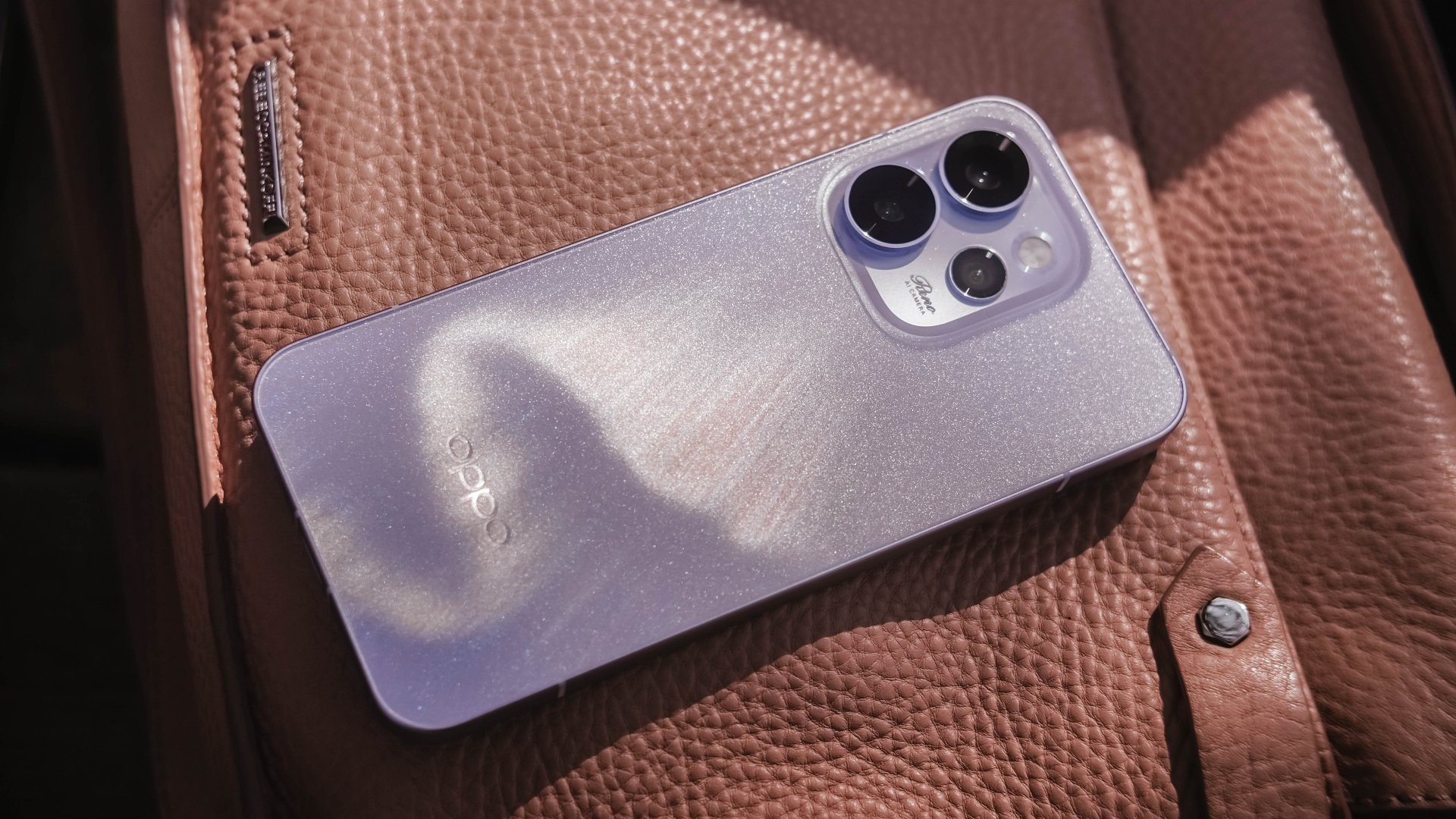
Believe me or not, I only had one encounter with an OPPO Reno phone, and it was the Reno10 Pro from 2021. However, my time with it was very short.
Almost five years in, I was finally given the chance to hold the Chinese brand’s latest and greatest Reno.
Without beating around the bush, here’s my first time with the OPPO Reno15 Pro.
First Look
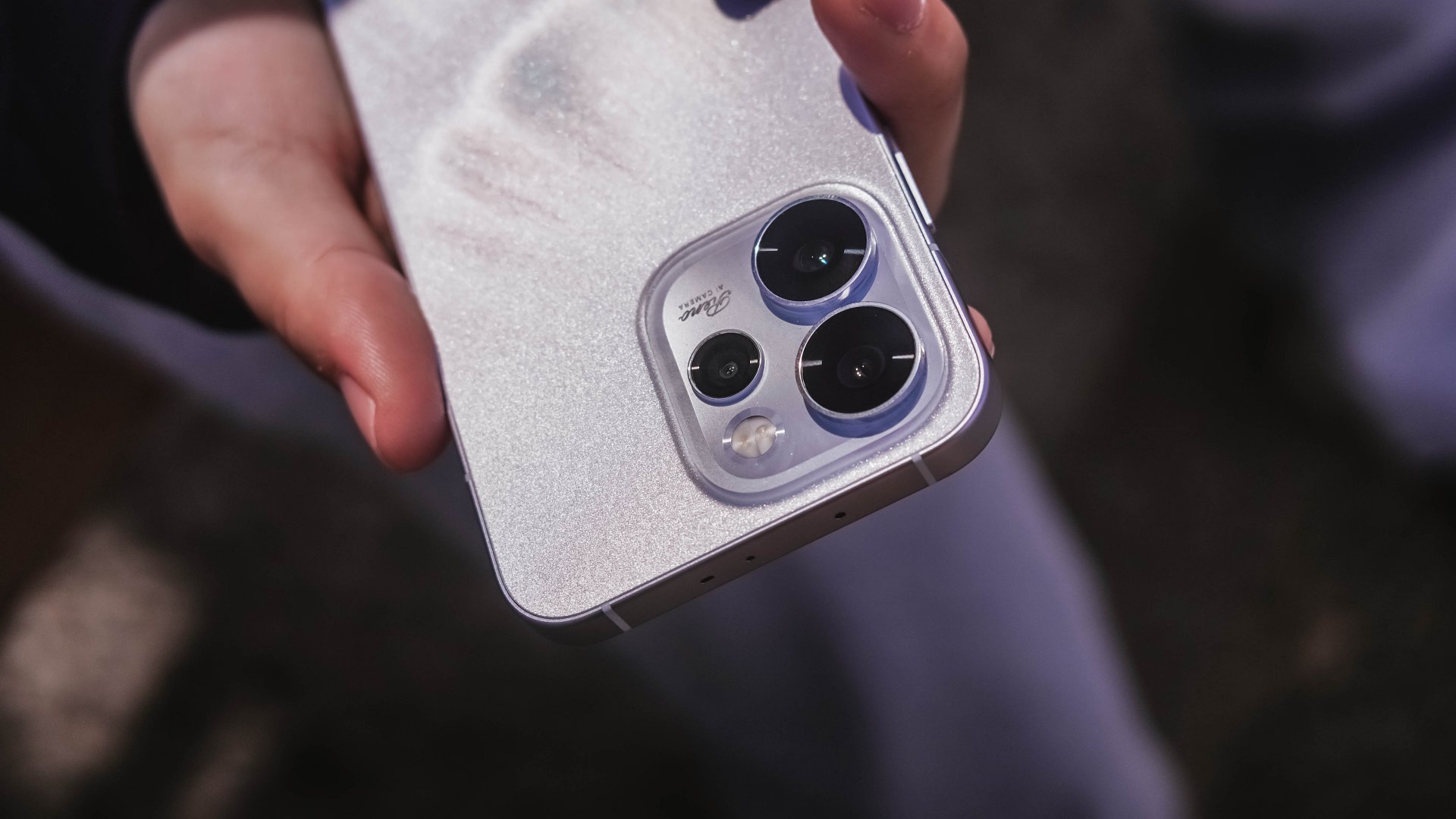
The moment I unsealed its sturdy packaging, the OPPO Reno15 Pro greeted me in this shining, shimmering blue backing.
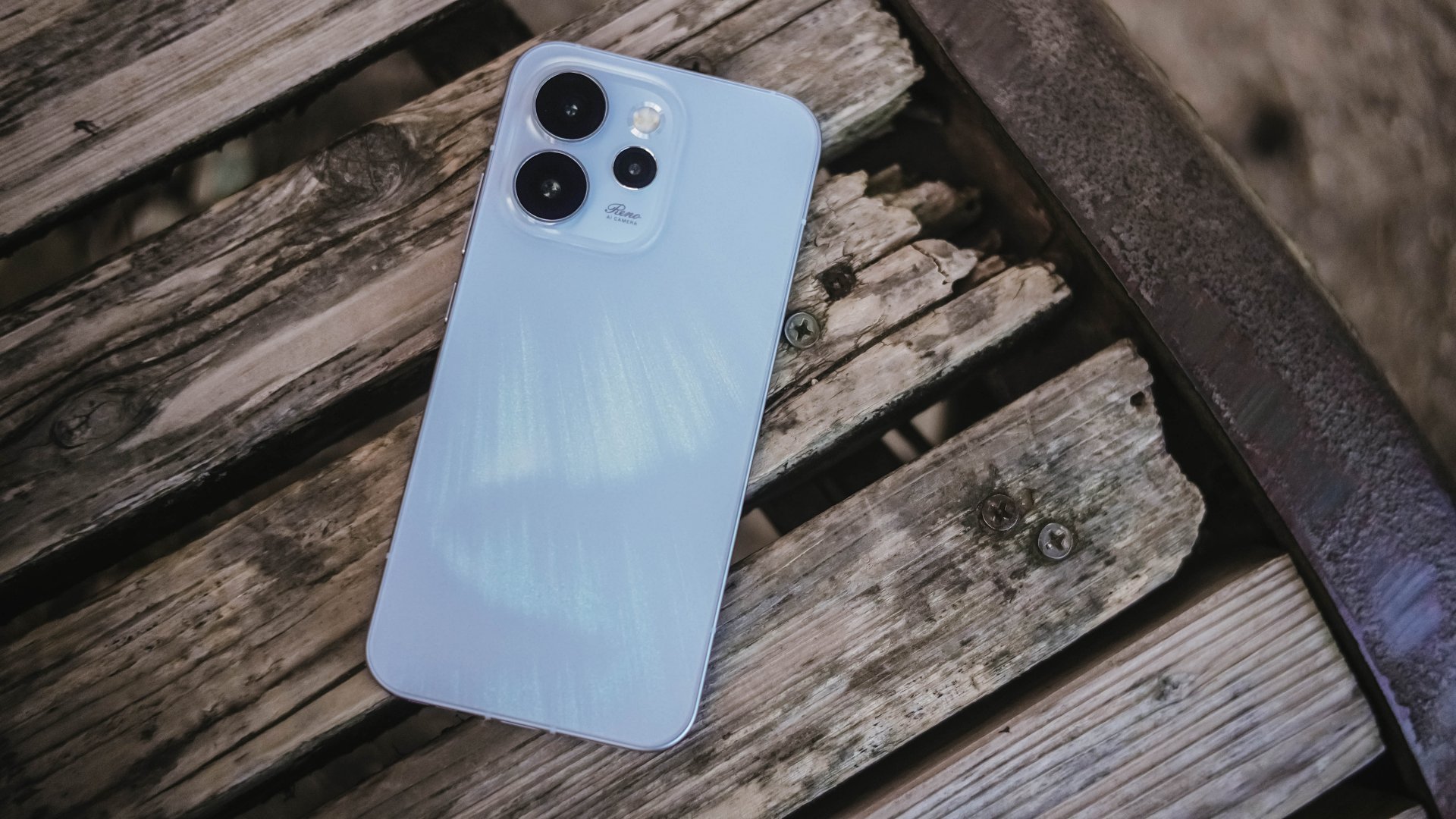
Dubbed as the “Aurora Blue” colorway, it instantly reminded me that I’m still not over that Aurora Borealis scene in the latest hit K-Drama “Can This Love Be Translated?” starred by Kim Seonho and Go Younjung.
I said it before and I’ll say it again, flashy finishes are the least of my options when choosing for a new phone. Still, this finish wins over the less impressive Dusk Brown shade.
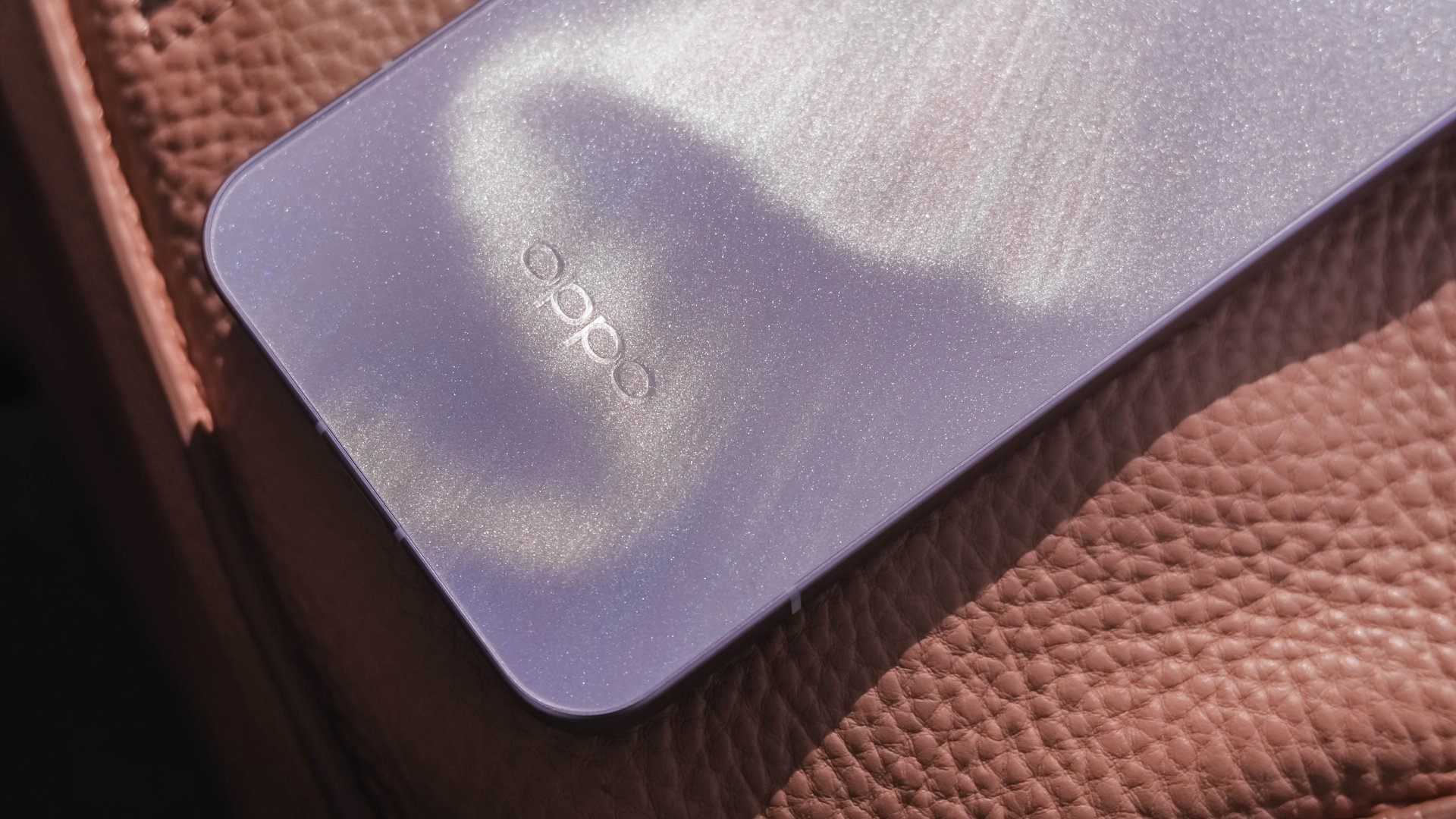
Just like that dazzling northern lights, the Reno15 Pro shows off its aurora accents depending on how the sun hits it.
In the faintest of light, that aurora simply vanishes. Even so, the OPPO Reno15 Pro still shines through with its specks of glitter.
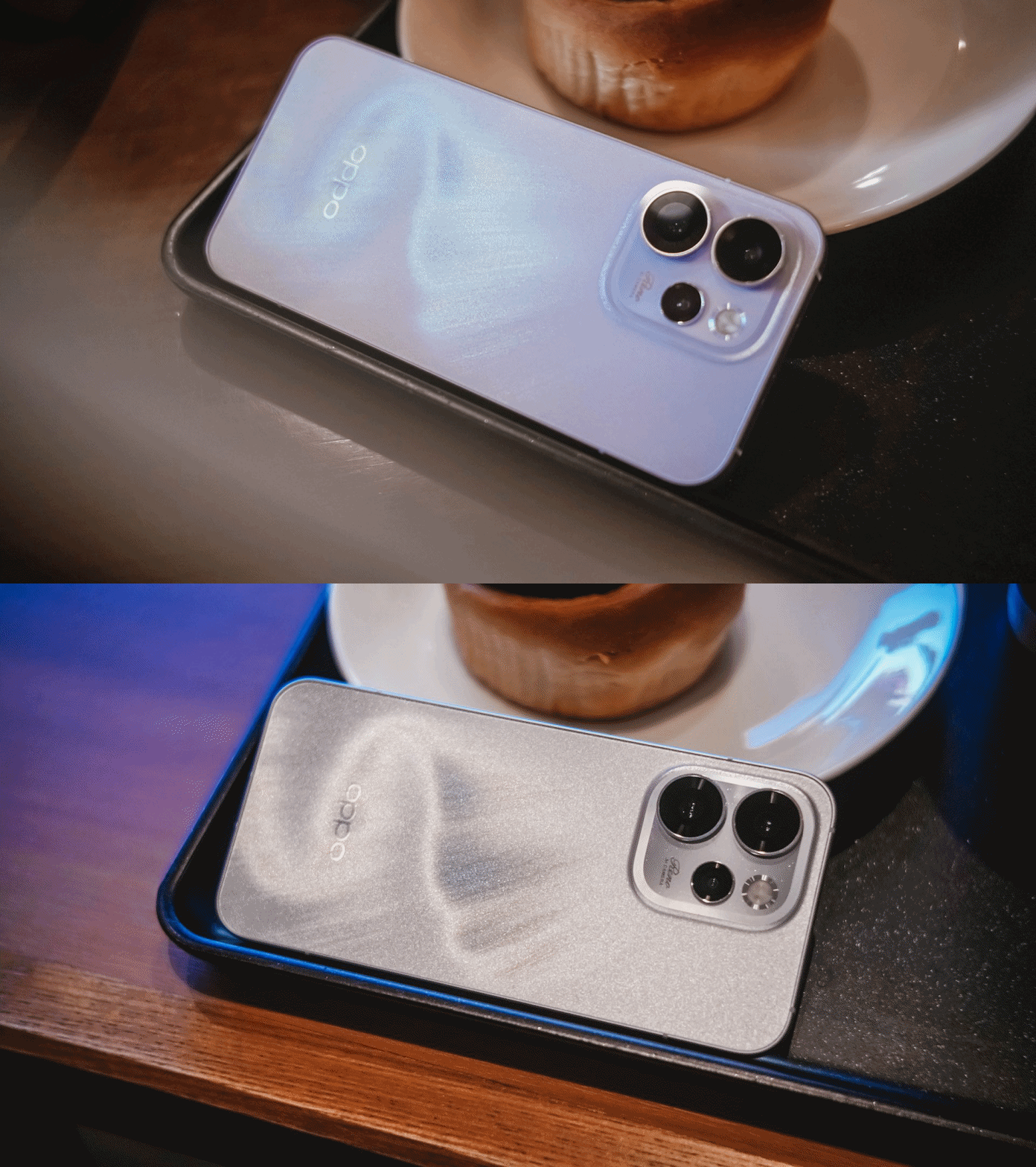
That’s more evident when you bring the OPPO Reno15 Pro indoors — be that your cool room (literally) or a warmly-lit café.
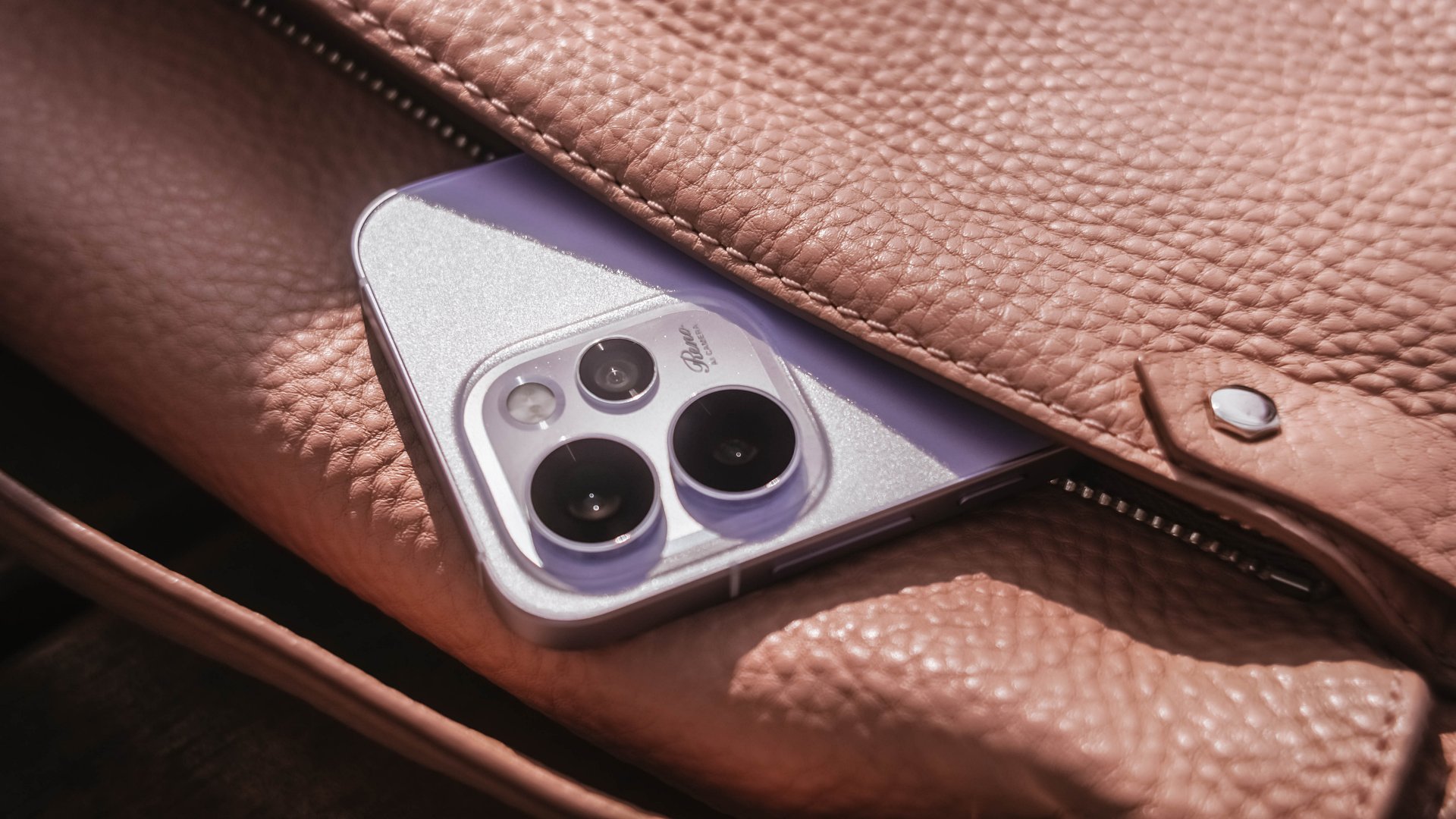
Its camera cutout may not be the most unique out there, but it’s uniformed enough to look clean. After all, a phone’s camera arrangement isn’t what defines the overall performance of its cameras.
First Date
Although 8.13mm isn’t “thin” in today’s standards, holding and keeping the OPPO Reno15 Pro for prolonged periods never felt a sore. Its aerospace-grade aluminum frame may just be one among many factors.

One after another, that 6.32-inch AMOLED 120Hz display is a huge complement to the hands. It fits my huge palms, more so, pockets of all sorts. This sweet screen size is also a breath of fresh air in a vast world of large slabs.
When hit by that harsh sunlight, it’s more than bright– up to 3600 nits of peak HDR brightness if I must insist. And, no matter what kind of content I consume, it’s truly crisp, clear, and even color-accurate.

Being powered by MediaTek’s Dimensity 8450 SoC alongside OPPO’s ColorOS 16 is what made me stuck longer. It honestly felt like I’m in a smooth ride without any road traffic.
The OPPO Reno15 Pro has a great harmony between its software snappiness and fluidity. Animations flow without feeling rushed — much like enjoying date nights without being pressured to catch the last bus trip back home.
Speaking of staying out late for a date, the Reno15 Pro lasted me more than enough. And, despite its petite form, it managed to fit in a 6200mAh battery inside.
The screen size to battery ratio is just a perfect match. Not only it fits in most (if not all) hands and pockets, it also meant being able to squeeze in more battery to make the most out of your day, night, and even midnight.
If juice gets squeezed out, its 80W SuperVOOC charging will truly save the day!

That doesn’t even end there. With triple IP ratings (IP66, IP68, IP69), you’re more than assured that it’s durable enough in occasional (and accidental) phone drops.
First Impressions
The OPPO Reno15 Pro, despite being categorized as a midrange device, already feels like a solid vanilla flagship.
Much like any other first dates, its overall appearance is just on the surface level. What made me invested more to know the Reno15 Pro further are none other than its intrinsic qualities.

That includes that screen size (or form factor) on the sweet spot plus oh-so-fluid ColorOS. Moreover, its powerful core paired with a humongous battery that will truly last you long.
While I may not have included any photo sample in this early look, I can already assure you that it has one of the greatest camera performers for its class. And actually, it is for another story 😉.

My first time with an OPPO Reno smartphone not only made me impressed. This phone also enticed me to consider switching to the OPPO system when another review opportunity arises.




Nothing adds color to its wearables with the Headphone (a)

Nothing launches the Phone (4a) series

HMD is developing an AI assistant for the elderly

OPPO is finally getting AirDrop support

Ubisoft confirms Assassin’s Creed: Black Flag remake

Xiaomi 17 Ultra is now available outside China

TECNO will showcase the CAMON 50 and POVA 8 series at MWC 2026

The art of being in and behind the frame

HUAWEI MatePad 11.5 S 2026: The better-than-ever 4-in-1 productivity tablet

TECNO MEGABOOK K16s 13th review: No-frills beneath those grills


-
 News5 days ago
Xiaomi 17 Ultra is now available outside China
-

 Camera Walkthrough2 weeks ago
OPPO Reno15 Pro: Camera Review
-

 News2 weeks ago
HUAWEI launches Mate X7, MatePad 11.5 S 2026, FreeClip 2
-

 Events2 weeks ago
Capcom to hold Resident Evil Requiem launch event in Jakarta
-

 MWC 20261 week ago
TECNO resurrects modular phones with this new concept
-
 Gaming2 weeks ago
Pokémon FireRed and LeafGreen are coming to the Switch
-

 Reviews5 days ago
Xiaomi Pad 8 review: Slab that slaps!
-
 MWC 20263 days ago
TECNO showcases cool concepts at MWC 2026